

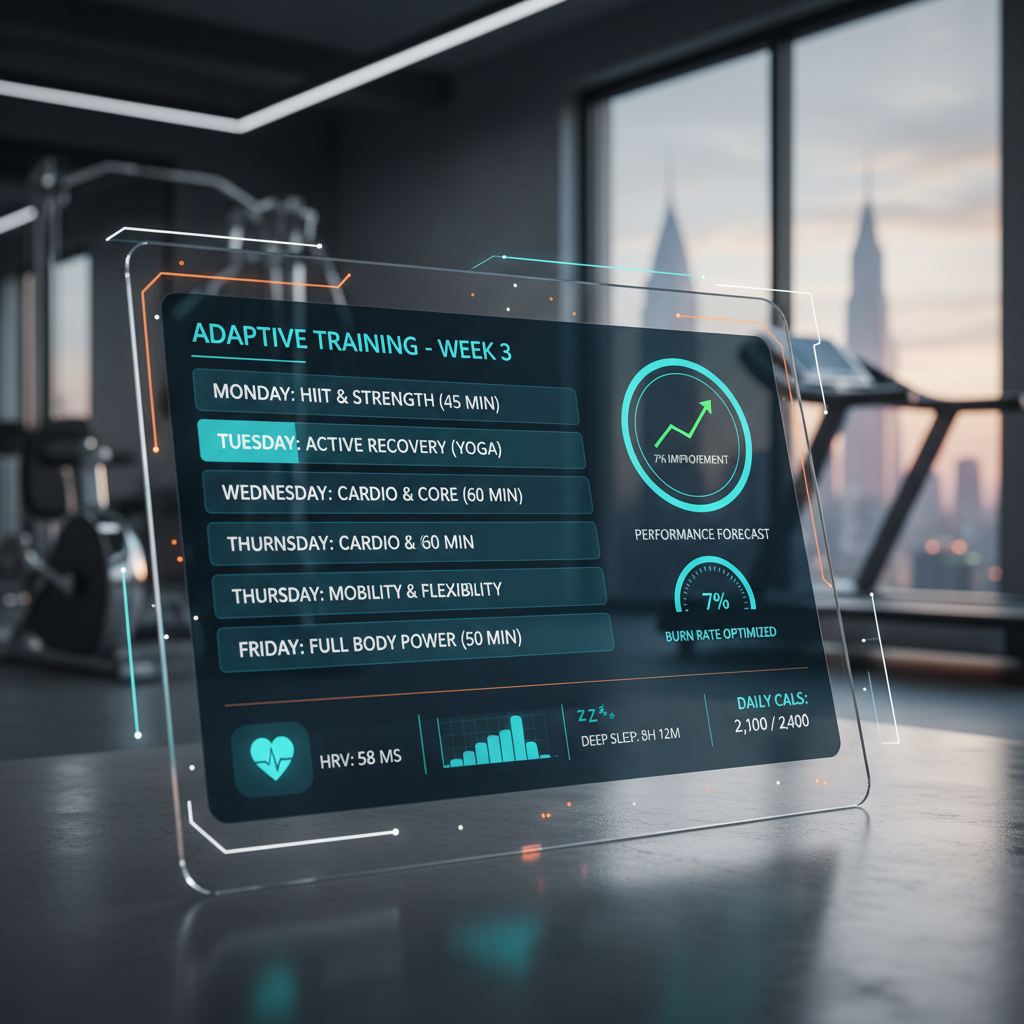
Under the Topic: Personalized Fitness Journeys: AI Coaches for Every Level
Introduction: Unlocking Your Health Potential with Predictive AI
In an increasingly data-driven world, the realm of personal health and fitness is undergoing a profound transformation. Gone are the days of one-size-fits-all workout plans and generic dietary advice. We are now standing at the precipice of a new era, one where technology doesn’t just react to our health issues but proactively guides us towards optimal well-being. This groundbreaking shift is powered by Predictive Artificial Intelligence (AI) Coaching, a sophisticated approach that promises to redefine how we understand, manage, and enhance our physical and mental health. Imagine a coach who knows your body’s subtle cues even before you do, anticipates potential setbacks, and personalizes every aspect of your wellness journey to an unprecedented degree. This is not science fiction; it is the tangible reality emerging from the convergence of advanced AI, wearable technology, and deep learning algorithms.
This comprehensive blog post will delve into the intricate world of predictive AI coaching, exploring its fundamental principles, how it operates, the myriad benefits it offers, and the challenges it seeks to overcome. We will examine practical examples, dissect key data points, and look ahead to a future where your health is not just monitored but intelligently forecasted and nurtured. Whether you are a fitness novice, an elite athlete, or someone navigating specific health concerns, understanding predictive AI coaching is essential for anyone ready to embrace a truly proactive and personalized path to optimal health and fitness.
What is Predictive AI Coaching? Defining a Revolution in Wellness
Predictive AI coaching represents a significant leap forward from traditional digital fitness trackers or even basic AI-powered apps. At its core, it is an intelligent system designed to analyze vast quantities of personal health and fitness data to anticipate future outcomes and recommend preventative or optimizing actions. Unlike reactive systems that merely record past events, predictive AI uses sophisticated algorithms and machine learning models to forecast trends, identify patterns, and offer proactive guidance.
Consider the difference: a reactive fitness tracker might tell you that you burned 500 calories yesterday. A basic AI coach might suggest a similar workout today. A predictive AI coach, however, takes into account your sleep quality last night, your heart rate variability throughout the day, your nutritional intake, stress levels, and even your performance trends over weeks to predict if you are at risk of overtraining, suggest a recovery day before fatigue sets in, or recommend a specific nutrient boost to optimize your next workout. It’s about foresight, not just hindsight.
Key components that define predictive AI coaching include:
- Data Integration: Seamlessly pulling information from various sources such as wearable devices (smartwatches, rings), smart scales, continuous glucose monitors, food tracking apps, sleep monitors, and even environmental sensors.
- Advanced Analytics: Employing machine learning algorithms, deep learning, and statistical modeling to process this complex, multi-modal data. These algorithms can identify correlations and causalities that might be imperceptible to the human eye.
- Personalized Prognosis: Generating individualized predictions about various health metrics, such as fatigue levels, risk of injury, potential for improved performance, likelihood of hitting a weight loss plateau, or even susceptibility to certain stress-related conditions.
- Proactive Recommendations: Translating these predictions into actionable, real-time advice. This could range from adjusting workout intensity, recommending specific recovery protocols, suggesting dietary modifications, to prompting mindfulness exercises.
- Adaptive Learning: Continuously learning and refining its models based on your responses and the outcomes of its recommendations, making the coaching increasingly accurate and tailored over time.
This dynamic and intelligent feedback loop creates a highly personalized and continually evolving wellness program, moving beyond generic advice to offer truly bespoke guidance that adapts with your body’s unique responses and daily life.
The Evolution from Reactive to Proactive Wellness: A Paradigm Shift
Historically, our approach to health and fitness has largely been reactive. We wait until we feel unwell, sustain an injury, or observe a significant health decline before seeking intervention. This reactive model, while sometimes necessary, often leads to longer recovery times, greater discomfort, and missed opportunities for prevention. The advent of predictive AI coaching marks a fundamental shift towards a proactive paradigm, where intervention occurs before problems fully manifest.
Let us trace this evolution:
- Pre-Digital Era (Reactive): Health managed primarily through episodic doctor visits and self-reporting. Fitness involved general advice from trainers or magazines. Data was scarce, subjective, and retrospective.
- Early Digital Era (Monitoring): Introduction of basic fitness trackers and calorie counters. These tools provided objective data but were largely observational, reporting “what happened” rather than “what might happen” or “what to do next.” Users would manually interpret data.
- Basic AI Era (Adaptive): Early AI-powered apps began offering adaptive workout plans or dietary suggestions based on user input and basic progress tracking. These systems could modify plans based on performance but often lacked deep contextual understanding or true foresight. They were still largely reactive to immediate inputs.
- Current Predictive AI Era (Proactive): The integration of sophisticated machine learning with continuous biometric data streams enables AI to anticipate needs and prevent issues. It moves from “you did X, so now do Y” to “based on A, B, and C, you might experience Z, so we recommend W to prevent it.” This is the true essence of proactive wellness.
This paradigm shift empowers individuals with the knowledge and tools to take control of their health trajectory, transforming wellness from a series of responses to a continuous journey of optimization and prevention. It means spending less time recovering from preventable issues and more time thriving at peak performance, both physically and mentally.
How Predictive AI Works: The Symphony of Data, Algorithms, and Insights
The magic behind predictive AI coaching is not just in its ability to collect data, but in how it processes, interprets, and acts upon that data. It is a multi-layered process involving sophisticated technological components working in concert.
Gathering and Processing Data
The foundation of any predictive AI system is robust data collection. This often begins with wearable devices, which have become incredibly sophisticated. These include:
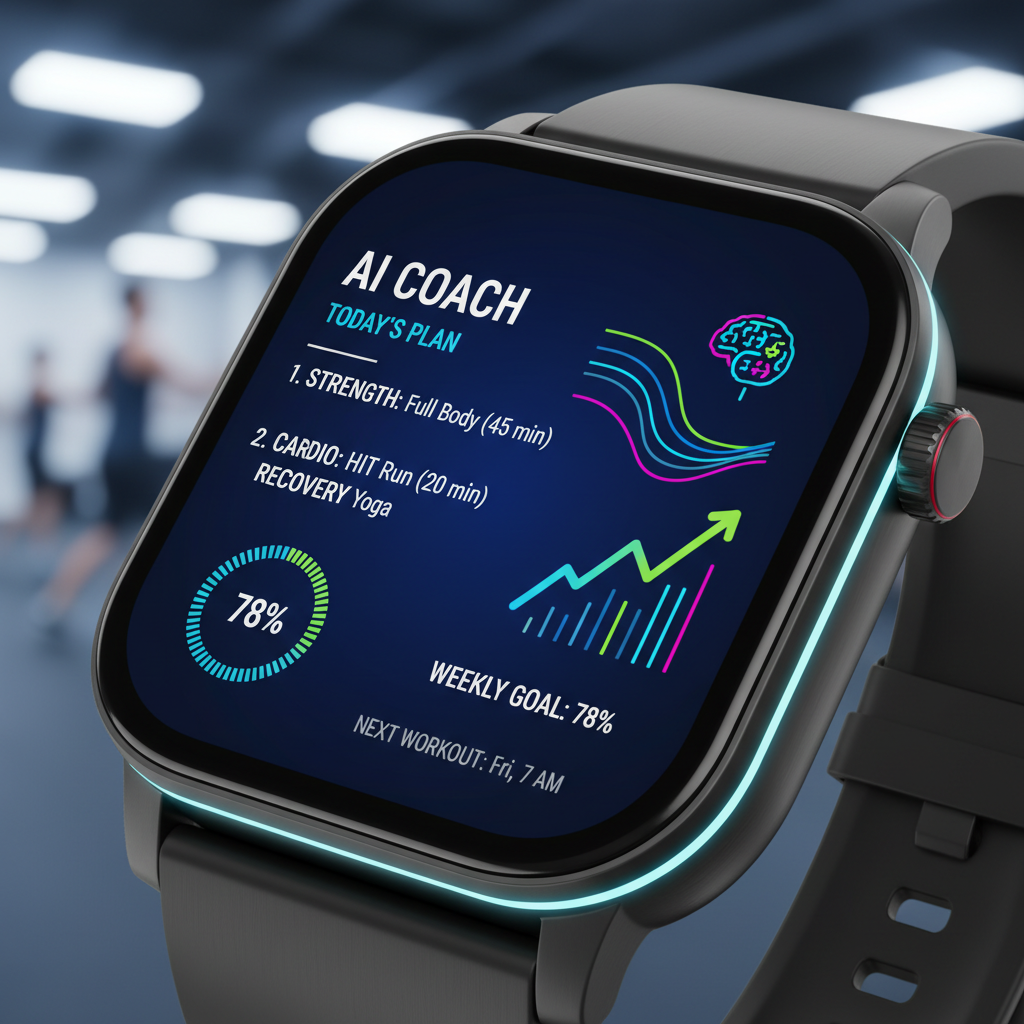
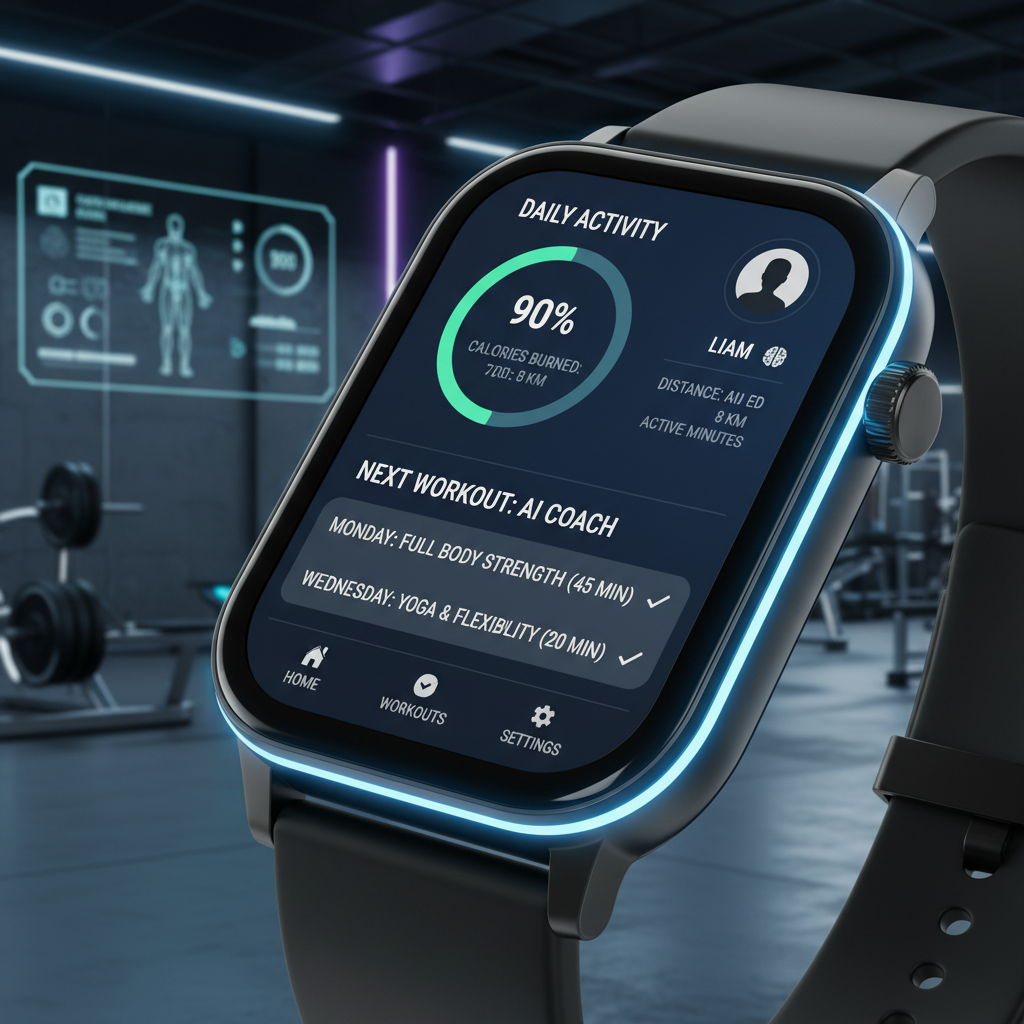
- Smartwatches and Fitness Trackers: Continuously monitor heart rate, heart rate variability (HRV), sleep patterns (duration, stages, disturbances), step count, activity levels, calorie burn, and sometimes even blood oxygen saturation (SpO2).
- Smart Rings: Offer highly accurate measurements of heart rate, HRV, body temperature, and sleep, often with superior comfort and wearability.
- Smart Scales: Track weight, body fat percentage, muscle mass, bone density, and hydration levels, providing a comprehensive view of body composition.
- Continuous Glucose Monitors (CGMs): For individuals managing diabetes or seeking metabolic insights, CGMs provide real-time blood glucose levels, offering critical data on how diet and activity impact blood sugar.
- Nutrition Tracking Apps: Manual or semi-automated logging of food intake provides dietary context, including macronutrient and micronutrient consumption.
- Environmental Sensors: Some advanced systems might integrate data on air quality, temperature, or UV index to tailor outdoor activity recommendations.
- Self-Reported Data: Information on mood, stress levels, perceived exertion, soreness, and pain points provides invaluable subjective context that complements objective biometric data.
This diverse data stream is typically collected in real-time or near real-time, then securely transmitted to a central platform where it is cleaned, aggregated, and prepared for analysis.
Machine Learning Models and Predictive Analytics
Once the data is processed, it feeds into the core of the predictive AI system: machine learning models. These models are trained on massive datasets, learning to identify complex patterns and relationships that human analysis would likely miss. Key types of models include:
- Supervised Learning: Models are trained on labeled data to predict outcomes. For instance, given historical data of training load, sleep, and subsequent injury, the model learns to predict injury risk.
- Unsupervised Learning: Used to find hidden patterns or groupings within data without explicit labels. This can help identify distinct behavioral clusters or physiological responses unique to an individual.
- Reinforcement Learning: The AI learns by trial and error, adjusting its recommendations based on the outcomes it observes. If a certain recommendation leads to positive results (e.g., improved sleep, better performance), the model reinforces that behavior; if not, it learns to avoid it.
- Time Series Analysis: Essential for health data, as many metrics are time-dependent. These models analyze trends and seasonality in data (e.g., daily heart rate fluctuations, weekly sleep cycles) to make accurate future predictions.
These algorithms work by building a personalized digital twin of the user, a constantly updated model of their physiological and behavioral state. By comparing current data against this personal baseline and generalized patterns learned from populations, the AI can make highly nuanced predictions.
Delivering Actionable Insights
The final, and perhaps most crucial, step is translating complex predictions into clear, actionable advice that users can easily understand and implement. This involves:
- Contextualized Recommendations: The advice is not just “train less” but “given your elevated resting heart rate and poor sleep last night, a low-intensity walk or yoga session would be more beneficial today to prevent overtraining and aid recovery.”
- Real-time Alerts and Nudges: Notifications for hydration, movement breaks, stress reduction techniques, or pre-emptive recovery actions.
- Long-term Strategy Adjustments: Modifying workout plans, dietary targets, or sleep schedules based on sustained trends and predicted long-term outcomes.
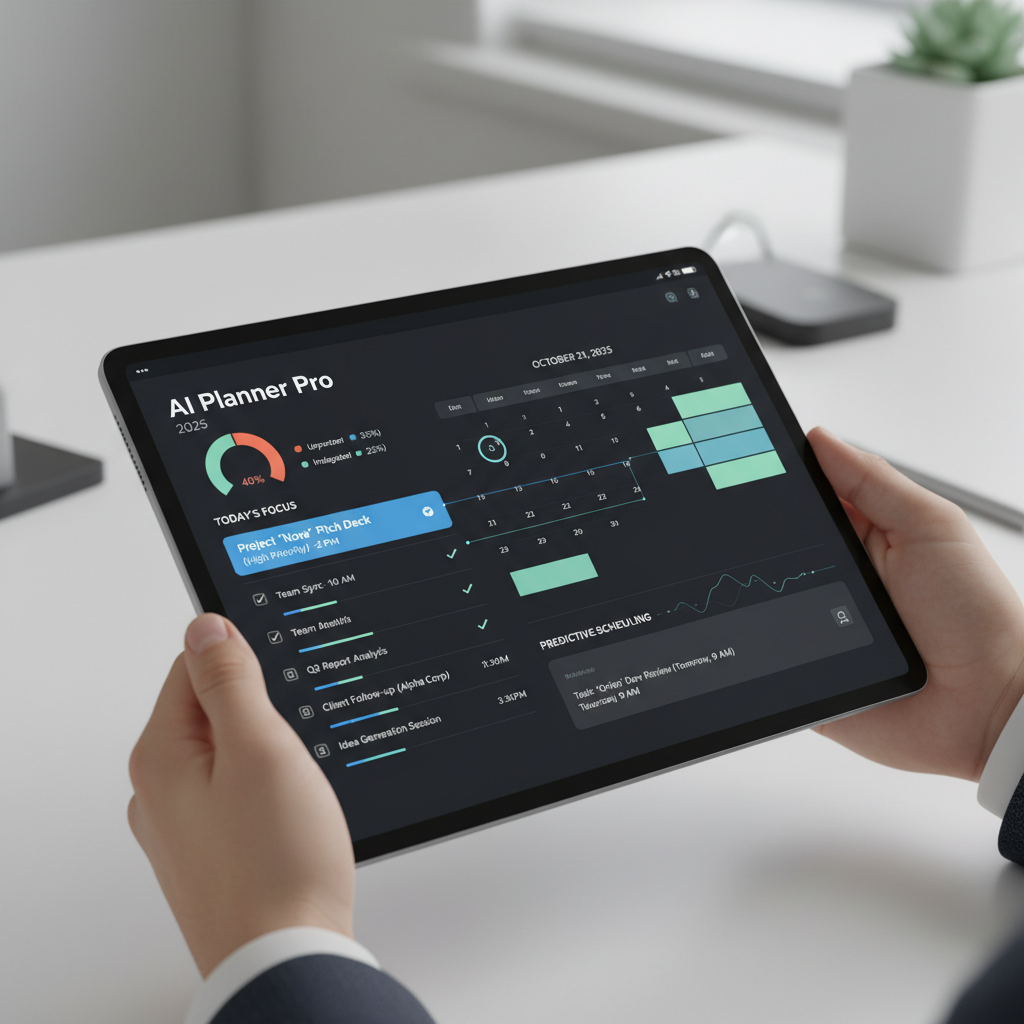
- Visualizations and Dashboards: Presenting complex data in easy-to-understand graphs and summaries, empowering users to see their progress and understand the reasoning behind recommendations.
By constantly learning and adapting, predictive AI coaching creates a personalized health journey that is dynamic, intelligent, and truly proactive, moving beyond simple tracking to genuine foresight.
Key Features and Capabilities of Advanced Predictive AI Coaches
Modern predictive AI coaches offer an impressive array of features designed to cater to every aspect of your well-being. These capabilities extend far beyond basic step counting or calorie tracking:
- Personalized Workout Prescription: Dynamically adjusts workout intensity, volume, and type based on recovery status, performance metrics, and upcoming schedule. It can suggest rest days, active recovery, or push days with specific exercises tailored to your current physiological state and long-term goals.
- Optimized Nutrition Guidance: Provides recommendations for macronutrient ratios, hydration, and specific food choices to support energy levels, recovery, and body composition goals, often adapting in real-time to your activity levels and metabolic responses. For example, suggesting increased carbohydrates on high-intensity training days.
- Advanced Sleep Optimization: Analyzes sleep patterns, identifying disturbances and predicting their impact on daytime performance and recovery. It can suggest pre-sleep routines, optimal bedtime windows, or environmental adjustments for better sleep quality.
- Stress and Recovery Management: Utilizes metrics like heart rate variability (HRV) and sleep quality to gauge stress levels and recovery capacity. It can alert you to potential burnout and recommend mindfulness exercises, meditation, or light activity to manage stress proactively.
- Injury Risk Assessment and Prevention: By analyzing movement patterns, training load, historical injury data, and recovery markers, the AI can identify increased risk of specific injuries and recommend pre-habilitation exercises, load modifications, or rest.
- Behavioral Nudges and Habit Formation: Employs principles of behavioral science to deliver timely nudges for healthier choices, helping users build sustainable habits around exercise, nutrition, and self-care.
- Metabolic Health Monitoring: For those using CGMs, the AI can provide insights into how specific foods, exercises, and stress impact blood sugar levels, offering personalized recommendations to maintain metabolic stability and prevent spikes.
- Performance Prediction and Goal Setting: Based on your training data and physiological responses, the AI can predict future performance milestones, helping you set realistic yet challenging goals and track progress towards them effectively.
- Environmental Adaptation: Some advanced systems can factor in external elements like weather, air quality, or altitude to recommend optimal times and locations for outdoor activities, or suggest indoor alternatives.
These sophisticated features enable a truly holistic approach to wellness, integrating physical activity, nutrition, mental well-being, and recovery into a seamless, intelligent coaching experience.
Benefits of Predictive AI Coaching for Diverse User Levels
One of the most compelling aspects of predictive AI coaching is its scalability and adaptability, making it beneficial for individuals across the entire spectrum of health and fitness journeys.
For Beginners: Building Strong Foundations
Starting a fitness journey can be daunting, often leading to overwhelm or injury. Predictive AI provides a safe and effective entry point:
- Injury Prevention: Identifies improper form or excessive load early on, preventing common beginner injuries.
- Sustainable Habit Formation: Gentle nudges and progressive overload ensure consistency without burnout, building lasting habits.
- Motivation and Confidence: Tracks small victories, provides positive reinforcement, and adjusts goals to keep beginners engaged and confident in their progress.
- Personalized Introduction: Tailors initial workouts and dietary advice to individual fitness levels, preferences, and limitations, making the experience less intimidating.
For Intermediate Enthusiasts: Breaking Plateaus and Optimizing Performance
Intermediate exercisers often face plateaus or struggle with the complexity of advancing their training. Predictive AI helps them push through:
- Advanced Periodization: Creates intelligent training cycles, incorporating strength, endurance, power, and recovery phases seamlessly.
- Optimized Recovery: Detects signs of overtraining or insufficient recovery before they become problematic, suggesting active recovery or rest days to maintain momentum.
- Nutrient Timing: Provides precise recommendations on when and what to eat to fuel workouts, aid recovery, and achieve specific body composition goals.
- Performance Benchmarking: Analyzes performance trends to identify areas for improvement and suggests targeted interventions to break through plateaus.
For Advanced Athletes: Precision Training and Injury Prevention
Elite athletes operate at the edge of human performance, where marginal gains and injury avoidance are paramount. Predictive AI offers unparalleled precision:
- Micro-adjustment of Training Load: Makes minute adjustments to training volume and intensity based on daily physiological markers like HRV, ensuring optimal adaptation without tipping into overtraining.
- Hyper-personalized Recovery Protocols: Recommends specific recovery modalities (e.g., cold therapy, active recovery, specific stretches) based on the demands of recent training sessions and individual physiological responses.
- Early Warning System for Injury: Integrates biomechanical data (if available) with physiological markers to detect subtle signs of impending injury, allowing for immediate corrective action.
- Race Day/Event Optimization: Provides highly specific tapering strategies leading up to an event, ensuring peak performance on the crucial day.
For Individuals with Specific Health Goals: Tailored Support
Beyond general fitness, predictive AI offers specialized support for a range of health objectives:
- Weight Management: Fine-tunes caloric intake and expenditure recommendations based on individual metabolic responses, activity levels, and weight loss/gain trends, helping to overcome plateaus.
- Chronic Disease Management Support: For conditions like Type 2 Diabetes (with CGM integration), the AI can provide personalized dietary and activity recommendations to manage blood glucose levels effectively.
- Stress and Mental Well-being: Offers proactive suggestions for stress reduction techniques, mindfulness exercises, and sleep hygiene based on continuous monitoring of stress markers and sleep quality, improving overall mental resilience.
- Post-Rehabilitation Support: Provides safe, progressive exercise routines to help individuals regain strength and mobility after injury or surgery, preventing re-injury and ensuring a smooth return to activity.
In essence, predictive AI democratizes access to highly personalized, expert-level coaching that was once only available to elite athletes or those with significant resources. It makes sophisticated health management accessible, adaptive, and actionable for everyone.
Challenges and Ethical Considerations in Predictive AI Wellness
While the potential of predictive AI coaching is immense, it also presents a unique set of challenges and ethical considerations that must be carefully addressed to ensure responsible and equitable development and deployment.
Data Privacy and Security Concerns
Predictive AI coaching relies heavily on collecting vast amounts of highly personal and sensitive health data. This raises significant privacy and security concerns:
- Sensitive Information: Biometric data, health conditions, sleep patterns, and location data are extremely private. Breaches could lead to identity theft, discrimination, or misuse of personal information.
- Consent and Transparency: Users must have a clear understanding of what data is being collected, how it is being used, who has access to it, and for how long it will be stored. Informed consent is paramount.
- Anonymization and Aggregation: While individual data is crucial for personalization, aggregating anonymized data can be valuable for research. However, proper anonymization techniques are complex and not always foolproof.
- Third-Party Access: Concerns arise when this data is shared with third parties (e.g., insurance companies, advertisers) without explicit user consent, potentially leading to unfair practices or targeted marketing based on health profiles.
Algorithmic Bias and Fairness
AI models are only as good as the data they are trained on. If the training data is biased or unrepresentative, the AI’s predictions and recommendations can perpetuate and even amplify existing inequalities:
- Demographic Bias: If models are primarily trained on data from a specific demographic (e.g., young, male athletes), their recommendations might be less accurate or even harmful for other groups (e.g., older adults, women, individuals with chronic conditions).
- Socioeconomic Factors: Recommendations might inadvertently favor individuals with access to certain resources (e.g., specific foods, gym memberships, recovery tools) while being impractical for others.
- Health Disparities: AI could potentially exacerbate existing health disparities if its insights are not universally applicable or if access to such technology is unevenly distributed.
The Human Element: Balancing Automation with Empathy
While AI excels at data analysis and pattern recognition, it lacks the human capacity for empathy, intuition, and nuanced communication. Over-reliance on AI could lead to:
- Lack of Emotional Support: AI cannot offer the same level of emotional support, understanding, or psychological motivation that a human coach can provide during difficult times or emotional challenges related to health.
- Misinterpretation of Nuance: Human health is complex and influenced by countless subjective factors. AI might miss subtle cues or personal contexts that a human coach would instantly pick up on.
- Reduced Human Interaction: A complete shift away from human coaches could diminish the social and community aspects often vital for long-term adherence and well-being.
Over-reliance and Digital Dependency
There is a risk that users might become overly dependent on AI coaching, potentially leading to:
- Loss of Self-Awareness: Relying solely on AI to dictate every health decision might reduce an individual’s ability to listen to their own body and develop intuitive self-awareness.
- Anxiety and Obsession: Constant monitoring and prescriptive advice could lead to health anxiety or an unhealthy obsession with data points, detracting from the joy of movement and intuitive eating.
- Technological Malfunction: Dependence on technology means vulnerability to glitches, battery failures, or system errors, which could disrupt health routines.
Addressing these challenges requires a concerted effort from developers, policymakers, and users. Robust regulatory frameworks, transparent design principles, continuous auditing for bias, and a focus on human-AI collaboration rather than replacement are essential for harnessing the full potential of predictive AI coaching responsibly.
Integrating Predictive AI Coaching into Your Daily Life
Embracing predictive AI coaching doesn’t require a complete overhaul of your life but rather a thoughtful integration of these tools. Here’s how you can effectively weave it into your daily routine:
- Choose the Right Platform and Devices: Research different AI coaching apps and wearable devices. Look for platforms that integrate seamlessly with your existing tech, prioritize data privacy, and offer features relevant to your goals. Read reviews and consider trials if available.
- Set Clear Goals: Before you begin, define what you want to achieve. Is it weight loss, muscle gain, improved sleep, stress reduction, or better athletic performance? Clear goals help the AI tailor its recommendations more effectively.
- Consistent Data Input: The accuracy of predictive AI hinges on the quality and consistency of your data. Wear your devices regularly, log your food (if required), and input self-reported data like mood or soreness. The more data the AI has, the better it can understand you.
- Start Slowly and Observe: Don’t expect immediate perfection. Begin by following the AI’s recommendations for a few weeks and observe how your body responds. Pay attention to how you feel, your energy levels, and your overall well-being.
- Provide Feedback: Many advanced AI coaches allow you to provide feedback on recommendations. Did a particular workout feel too easy or too hard? Did a dietary suggestion work well or cause discomfort? Your feedback helps the AI learn and adapt more quickly to your unique physiology.
- Combine with Human Insight (Optional but Recommended): For complex health conditions or advanced athletic goals, consider using predictive AI as a powerful supplement to a human coach, physical therapist, or doctor. The AI provides data-driven insights, while the human expert offers nuanced interpretation, empathy, and hands-on guidance.
- Be Mindful of Your Relationship with Data: While data is crucial, avoid becoming overly obsessive. Use the insights to empower yourself, not to create anxiety. Remember that the AI is a tool to support your well-being, not to replace your intuitive understanding of your body.
- Regularly Review Progress and Adjust Goals: Periodically review the comprehensive reports provided by your AI coach. Celebrate milestones, identify areas for improvement, and adjust your goals as your fitness level and aspirations evolve.
By thoughtfully integrating predictive AI coaching, you can harness its power to gain unparalleled insights into your body, proactively manage your health, and embark on a truly personalized and optimized wellness journey.
The Future Landscape of Wellness: A Synergistic Human-AI Partnership
The trajectory of predictive AI coaching points towards a future where technology and human expertise converge to create an unparalleled wellness ecosystem. This future isn’t about AI replacing humans, but rather enhancing human capabilities and extending access to personalized care.
Envision a scenario where your predictive AI coach seamlessly integrates with your primary care physician’s system, offering a holistic view of your daily health trends that complements annual check-ups. Imagine your physiotherapist receiving AI-driven insights into your movement patterns and recovery progress, allowing for more precise and preventative interventions. This synergistic model offers the best of both worlds: the objective, data-driven precision of AI combined with the empathy, intuition, and nuanced decision-making of human experts.
Future developments will likely include:
- Deeper Genomic Integration: Tailoring nutrition and exercise not just to your current state but also to your genetic predispositions, optimizing health at a molecular level.
- Enhanced Mental Health Support: More sophisticated AI models that analyze speech patterns, facial expressions (via smart devices), and behavioral data to predict mental health challenges and suggest interventions or alert human professionals.
- Ubiquitous and Invisible Sensing: Integration of sensors into everyday environments (smart homes, smart clothing) that passively collect data without requiring conscious effort from the user, making health monitoring truly seamless.
- Personalized Micro-Interventions: AI delivering hyper-specific, context-aware suggestions for immediate well-being, such as recommending a 5-minute breathing exercise during a detected stress spike or adjusting your home lighting to optimize melatonin production.
- Democratization of Health Equity: Efforts to make these advanced AI coaching tools accessible and affordable to diverse populations, bridging existing health equity gaps.
The journey towards truly proactive, personalized wellness is well underway, with predictive AI coaching leading the charge. It promises a future where health is not just about living longer, but about living better, more vibrant lives, empowered by intelligent foresight and tailored support.
Comparison Tables
Table 1: Predictive AI Coaching vs. Traditional Human Coaching
| Feature | Traditional Human Coaching | Predictive AI Coaching |
|---|---|---|
| Data Collection | Primarily self-reported (journals, logs), periodic in-person assessments. Limited real-time biometric data. | Continuous, real-time collection from wearables, smart devices. Integrates various biometric and behavioral data streams automatically. |
| Analysis & Insight | Based on experience, intuition, client interaction, and limited historical data. Prone to human error or bias. | Advanced machine learning algorithms process vast datasets, identify complex patterns, and offer objective, data-driven predictions. |
| Personalization Level | Highly personalized based on client-coach relationship, but limited by coach’s capacity and available data points. | Hyper-personalized, continuously adapting to minute physiological and behavioral changes in real-time. Unprecedented level of tailoring. |
| Proactivity | Can be proactive based on coach’s foresight, but often reactive to client feedback or observed issues. | Designed for proactive intervention, anticipating issues (e.g., overtraining, low energy) before they manifest. |
| Availability & Scalability | Limited by coach’s schedule, geographic location, and cost. One-to-one interaction. | 24/7 availability, accessible anywhere. Highly scalable to millions of users simultaneously at a lower cost. |
| Cost | Generally higher due to personalized human interaction, expertise, and time commitment. | Typically more affordable, often subscription-based, making advanced coaching accessible to a wider audience. |
| Emotional Support | Offers empathy, psychological support, and motivational aspects through human connection. | Lacks human empathy and emotional nuance. Focuses purely on data-driven recommendations. |
| Adaptability | Adapts based on client feedback and observed progress, but modifications can be slower. | Real-time adaptation to internal and external factors (e.g., sleep, stress, weather) for dynamic adjustments. |
Table 2: Key Data Points Leveraged by Predictive AI for Wellness
| Data Category | Specific Examples | Predictive Insight |
|---|---|---|
| Physiological Markers | Resting Heart Rate (RHR), Heart Rate Variability (HRV), Body Temperature, Blood Oxygen Saturation (SpO2), Blood Glucose Levels (BGL) | Predicts recovery status, stress levels, illness onset, metabolic stability, readiness for intense training, risk of overtraining or fatigue. |
| Activity & Training Load | Steps, Active Minutes, Calories Burned, Training Volume (sets, reps, weight), Training Intensity (RPE, pace), Workout Duration, Cumulative Load | Forecasts performance potential, risk of injury due to excessive load, potential for hitting plateaus, optimal next workout intensity. |
| Sleep Patterns | Total Sleep Duration, Sleep Stages (REM, Deep, Light), Sleep Onset Latency, Wake-ups, Sleep Consistency | Predicts cognitive function, energy levels, immune response, impact on mood, and recovery effectiveness for subsequent days. |
| Nutrition & Hydration | Caloric Intake, Macronutrient Ratios, Micronutrient Status (inferred or tracked), Water Intake, Meal Timing | Predicts energy availability, satiety levels, potential nutrient deficiencies, impact on performance and recovery, contribution to metabolic health. |
| Self-Reported Data | Mood, Stress Levels, Perceived Exertion (RPE), Muscle Soreness, Pain Points, Energy Levels | Provides critical subjective context, refining predictions and personalizing recommendations by accounting for individual perception and mental state. |
| Environmental Factors | Ambient Temperature, Humidity, Air Quality Index (AQI), Altitude, UV Index (if integrated) | Suggests optimal times for outdoor activity, modifies exercise recommendations based on safety and comfort, or advises indoor alternatives. |
| Biometric & Anthropometric | Weight, Body Fat Percentage, Muscle Mass, BMI, Historical Injury Data, Genetic Predispositions (future integration) | Informs long-term goal setting, assesses risk for certain conditions, personalizes body composition targets, and tailors injury prevention strategies. |
Practical Examples: Real-World Scenarios with Predictive AI
To truly grasp the power of predictive AI coaching, let’s explore a few real-world scenarios where it makes a tangible difference in proactive health management.
Case Study 1: Preventing Overtraining Syndrome
Scenario: Sarah, an avid runner, is training for her first marathon. She diligently follows a training plan, but after a few weeks of increasing mileage, she starts to feel constantly tired, her pace is dropping, and she notices an elevated resting heart rate. She attributes it to hard training and pushes through.
Predictive AI Intervention: Sarah’s predictive AI coach, integrated with her smartwatch and sleep tracker, has been continuously monitoring her data. It detects a sustained elevation in her RHR, a significant drop in her Heart Rate Variability (HRV), decreased deep sleep duration, and slower recovery times post-runs. The AI analyzes these subtle physiological shifts and predicts a high risk of overtraining syndrome or injury within the next week if her current training load continues. It immediately sends a notification:
“Sarah, your physiological markers indicate accumulated fatigue. Your HRV has decreased by 15% and RHR is 5 beats higher than your baseline. We recommend a full rest day today followed by two days of active recovery (e.g., gentle yoga or a slow walk) instead of your planned high-intensity interval training. This proactive adjustment will allow your body to recover effectively, preventing burnout and improving your long-term performance.”
Outcome: Sarah follows the advice, feels significantly better after the recovery period, and avoids the debilitating effects of overtraining, returning to her marathon training stronger and more resilient.
Case Study 2: Optimizing Nutrition for Marathon Training
Scenario: David is also training for a marathon. He tracks his meals and workouts but often feels sluggish during longer runs, despite eating what he thinks is a healthy diet. He struggles with mid-run energy crashes.
Predictive AI Intervention: David’s AI coach, linked to his food tracking app and workout data, notices a recurring pattern: on days preceding long runs, his carbohydrate intake is consistently lower than ideal for glycogen replenishment, and his hydration levels fluctuate. It also observes that on runs longer than 90 minutes, his performance significantly drops after the 60-minute mark.
“David, your recent long runs show a pattern of decreased energy past the one-hour mark. Reviewing your nutrition, we’ve identified that your carb intake on pre-long run days is 20% below optimal for effective glycogen storage. Additionally, your hydration tracking indicates you’re consistently under-hydrated during your training week. For your next long run, we recommend increasing complex carbohydrates in your dinner the night before and consuming 500ml of water with electrolytes an hour before your run. During the run, aim for 30-60g of carbs per hour from gels or sports drinks, along with regular sips of water.”
Outcome: David adjusts his pre-run nutrition and hydration strategy. During his next long run, he experiences sustained energy, avoids the usual crash, and completes the distance feeling stronger, directly impacting his marathon readiness.
Case Study 3: Managing Chronic Stress and Improving Sleep
Scenario: Emily works a demanding job and constantly feels stressed. She often has trouble falling asleep and staying asleep, leading to daytime fatigue and irritability. She tries various relaxation techniques but lacks consistency.
Predictive AI Intervention: Emily’s predictive AI coach, connected to her sleep tracker, smartwatch (monitoring HRV), and a mood logging feature, detects a consistent pattern of high stress levels (low HRV, elevated RHR during the day) and fragmented sleep at night. It also notes that on evenings when she’s consumed caffeine past 3 PM, her sleep quality is particularly poor. The AI also learns her work schedule.
“Emily, your biometric data indicates persistent elevated stress, significantly impacting your sleep quality. We’ve observed that on days with late caffeine intake, your deep sleep is reduced by an average of 30%. To improve your sleep and manage stress proactively:
- Avoid all caffeine after 2 PM.
- We recommend a 10-minute guided meditation from our library daily at 8 PM, specifically designed for relaxation before bed.
- Your schedule shows an important meeting tomorrow. Consider a 5-minute deep breathing exercise at 10 AM to proactively manage potential stress spikes.”
Outcome: Emily implements the caffeine restriction and the daily meditation. Over a few weeks, her AI coach reports an improvement in her HRV, indicating better stress resilience, and her sleep quality scores improve dramatically. She feels more rested, less irritable, and more capable of managing her demanding work schedule, all thanks to these proactive, data-driven interventions.
These examples illustrate how predictive AI coaching goes beyond mere tracking to provide intelligent, timely, and highly personalized interventions that guide individuals towards better health outcomes before problems even fully emerge.
Frequently Asked Questions
Q: What exactly is predictive AI coaching, and how is it different from a regular fitness app?
A: Predictive AI coaching is an advanced form of digital wellness guidance that goes beyond simply tracking your activities or providing generic workout plans. While a regular fitness app might record your steps or calories, a predictive AI coach analyzes vast amounts of your personal biometric data (from wearables), behavioral data, and self-reported information to anticipate future health and fitness outcomes. It uses machine learning algorithms to forecast things like your risk of injury, fatigue levels, or performance plateaus, and then proactively offers personalized recommendations to prevent issues or optimize your progress, rather than just reacting to past events. It learns and adapts over time, becoming increasingly tailored to your unique physiology.
Q: What kind of data does predictive AI coaching use, and how is it collected?
A: Predictive AI coaching leverages a wide array of data for comprehensive insights. This typically includes physiological markers like resting heart rate, heart rate variability (HRV), sleep duration and stages, body temperature, and blood oxygen saturation, often collected continuously by smartwatches, fitness trackers, or smart rings. It also incorporates activity data (steps, workout intensity, duration), nutrition information (from logging apps), and self-reported data such as mood, stress levels, and perceived exertion. In some advanced systems, it might even integrate data from smart scales, continuous glucose monitors (CGMs), or environmental sensors. The collection is mostly automated via connected devices, with some manual input required for nutrition or mood tracking.
Q: Is predictive AI coaching suitable for everyone, regardless of their fitness level?
A: Yes, one of the significant advantages of predictive AI coaching is its adaptability across all fitness levels. For beginners, it can prevent injuries, build sustainable habits, and provide gentle, progressive guidance. For intermediate enthusiasts, it helps break plateaus, optimize recovery, and fine-tune training. For advanced athletes, it offers micro-adjustments to training load, precise recovery protocols, and early injury risk assessment. It can also be tailored for individuals with specific health goals like weight management or chronic stress reduction. The AI learns your baseline and adapts recommendations accordingly, making it highly inclusive.
Q: How accurate are the predictions made by AI coaches? Can I fully trust their advice?
A: The accuracy of predictive AI coaches has significantly improved with advances in machine learning and better sensor technology. They are designed to identify complex patterns and make data-driven predictions with a high degree of reliability for many common health and fitness scenarios. However, it’s important to remember that AI is a tool. While its insights are powerful, they should complement, not replace, professional medical advice, especially for serious health conditions. Always listen to your body, and if something feels off, consult a human expert. The AI’s accuracy also improves with more consistent and diverse data input from the user.
Q: What are the privacy implications of sharing such personal health data with an AI coach?
A: Data privacy and security are critical concerns. Predictive AI coaches collect highly sensitive information, so it’s essential to choose platforms that prioritize robust encryption, secure data storage, and transparent privacy policies. Reputable services adhere to strict data protection regulations (like GDPR or HIPAA where applicable). Users should understand what data is collected, how it’s used, and whether it’s shared with third parties. Always review the privacy policy carefully before committing. Many platforms anonymize and aggregate data for research purposes, but your individual data should remain private and secure.
Q: Can predictive AI coaches really prevent injuries, or is that an overstatement?
A: Predictive AI coaches can significantly contribute to injury prevention, but it’s not a foolproof guarantee. They achieve this by analyzing various factors like your training load, recovery metrics (HRV, sleep), historical injury data, and even subtle changes in your movement patterns (if supported by advanced sensors). By detecting early signs of fatigue, overtraining, or biomechanical imbalances, the AI can flag increased injury risk and recommend proactive adjustments to your training, recovery, or suggest specific strengthening exercises. This proactive approach helps mitigate risks long before a full-blown injury might occur, making it a powerful preventive tool.
Q: Will predictive AI coaching replace human personal trainers or doctors in the future?
A: It’s highly unlikely that predictive AI coaching will entirely replace human personal trainers or doctors. Instead, it’s more accurate to envision a future of synergistic partnership. AI excels at data analysis, pattern recognition, and providing objective, real-time recommendations, making it an invaluable assistant. Human trainers and doctors, however, provide essential empathy, psychological support, nuanced contextual understanding, hands-on guidance, and the ability to diagnose complex conditions that AI cannot. AI will likely empower human professionals with better data and insights, allowing them to provide even more precise and effective care, while also making basic personalized coaching more accessible to the masses.
Q: What if I don’t have all the latest smart gadgets? Can I still benefit from predictive AI coaching?
A: While having multiple smart gadgets (wearables, smart scales) enhances the depth and accuracy of predictive AI, many platforms can still provide significant value with just one or two core devices, or even through manual input. For example, a good smartwatch can provide core data like heart rate, sleep, and activity. Some AI coaches also rely heavily on self-reported data. The key is consistent data input, regardless of its source. As you become more engaged, you can gradually add more compatible devices to enrich the AI’s understanding and unlock more advanced features.
Q: How does predictive AI adapt its recommendations for different fitness goals, such as weight loss versus muscle gain?
A: Predictive AI adapts its recommendations based on the specific goals you set within the platform, combined with your ongoing data. If your goal is weight loss, the AI will prioritize recommendations that create a healthy caloric deficit through optimized activity and nutrition, while also focusing on maintaining muscle mass. For muscle gain, it will suggest higher intensity strength training, adequate protein intake, and sufficient recovery to promote hypertrophy. The algorithms are designed to understand the distinct physiological requirements for various goals and will continuously tweak exercise types, nutrition targets, and recovery strategies to align with your chosen objective, learning from your body’s responses to those interventions.
Q: What’s the typical cost associated with predictive AI coaching?
A: The cost of predictive AI coaching varies widely depending on the platform, the level of features, and whether it requires specific hardware. Many popular AI coaching apps operate on a subscription model, ranging from a few dollars to 30-50 dollars per month. Some premium services might be bundled with advanced wearable devices. While this represents an ongoing cost, it is generally significantly more affordable than hiring a dedicated human personal trainer, making personalized, high-level coaching accessible to a broader audience. It’s best to research specific platforms to understand their pricing structure and what’s included.
Key Takeaways: Embracing a Proactive Health Paradigm
- Predictive AI Coaching is a Paradigm Shift: It moves wellness from reactive problem-solving to proactive prevention and optimization, anticipating needs before they arise.
- Data is the Core: These coaches leverage continuous, multi-modal data from wearables and other sources to build a detailed, real-time understanding of your unique physiology.
- Hyper-Personalization at Scale: AI provides an unprecedented level of personalized guidance for workouts, nutrition, sleep, and stress management, adapting dynamically to individual responses.
- Benefits for All Levels: From beginners seeking foundational habits to elite athletes aiming for peak performance and individuals managing specific health goals, AI coaching offers tailored support.
- Focus on Prevention: A primary strength is its ability to identify risks like overtraining or potential injuries early, recommending adjustments to mitigate these issues proactively.
- Ethical Considerations are Crucial: Data privacy, algorithmic bias, and the balance between automation and the human element are vital challenges that require careful attention.
- Integration is Key: Effectively incorporating predictive AI involves choosing the right tools, setting clear goals, consistent data input, and being open to feedback and adjustments.
- Future is Synergistic: The long-term vision involves a collaborative partnership between AI and human experts, enhancing healthcare and wellness provision.
- Empowerment Through Insight: Ultimately, predictive AI coaching empowers individuals with actionable insights, enabling them to take greater control over their health trajectory and optimize their well-being.
Conclusion: Your Personalized Path to Optimal Well-being
The journey towards optimal health and fitness is deeply personal, intricate, and constantly evolving. For too long, individuals have navigated this path with limited insights, often reacting to challenges rather than preempting them. Predictive AI coaching stands as a beacon of innovation, offering a powerful, intelligent co-pilot for every step of this journey. It is a testament to how technology, when thoughtfully applied, can profoundly enhance our understanding of ourselves and empower us to live healthier, more fulfilling lives.
By harnessing the immense power of data, advanced algorithms, and continuous learning, these AI coaches provide a level of personalized care and proactive foresight that was once unimaginable. They transform complex biometric signals into clear, actionable advice, helping us to prevent injuries, break through plateaus, optimize recovery, manage stress, and achieve our wellness aspirations with greater efficiency and confidence. While ethical considerations surrounding data privacy and bias must be continually addressed, the trajectory of this technology points towards an exciting future where health is not just monitored, but intelligently nurtured, guided by a system that understands our unique physiological story.
Embracing predictive AI coaching is more than just adopting a new app or wearable; it is embracing a new philosophy of health – one that is proactive, deeply personalized, and endlessly adaptive. It is an invitation to unlock your full potential, to listen to your body with unprecedented clarity, and to embark on a truly bespoke wellness journey that continually evolves with you. The next frontier in wellness is here, and it promises a future where everyone has a personalized path to optimal well-being.






























































Leave a Reply