

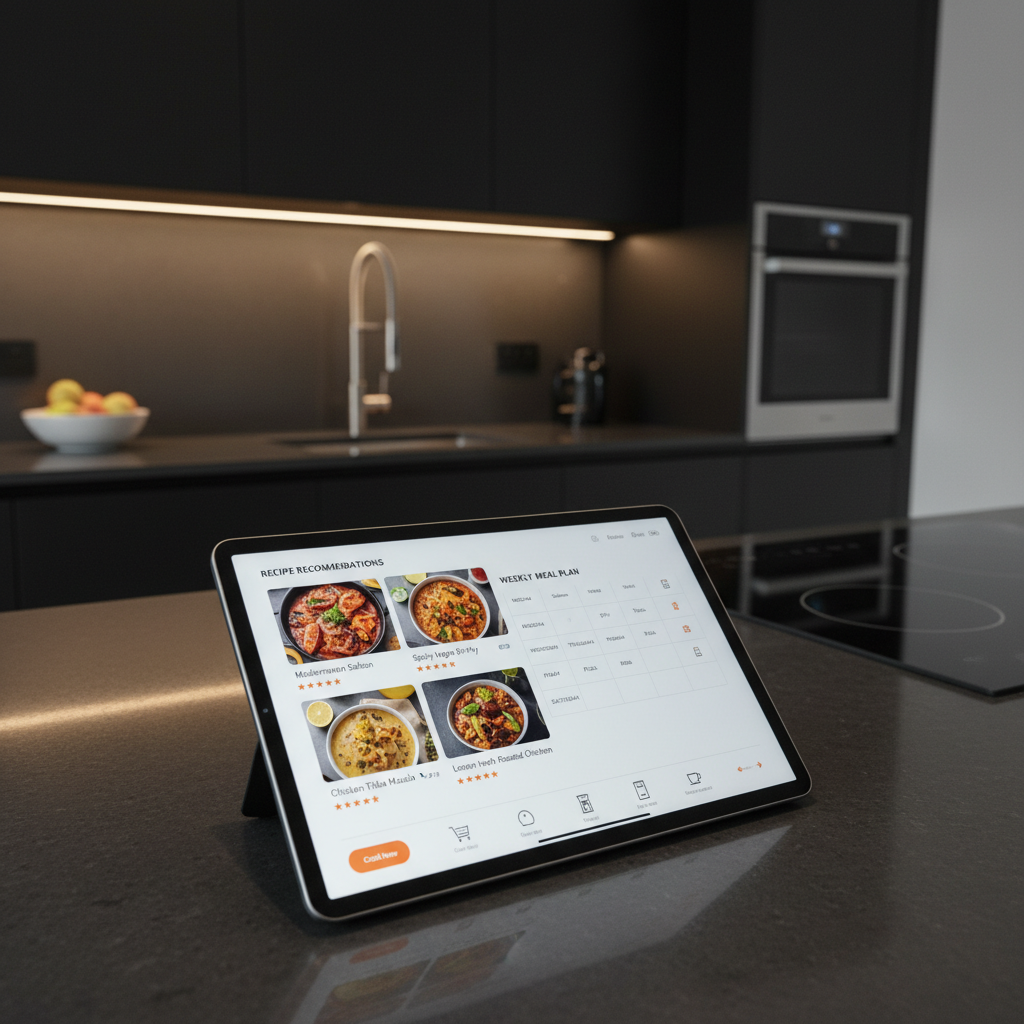
The kitchen, often considered the heart of the home, has traditionally been a place of culinary artistry, manual effort, and sometimes, a considerable amount of stress. From scouring cookbooks for inspiration to meticulously planning meals and executing complex recipes, meal preparation has always demanded time, skill, and patience. However, we are now standing on the precipice of a monumental transformation, a revolution driven by artificial intelligence, that is set to redefine our entire culinary experience. The smart kitchen, powered by AI, is no longer a futuristic fantasy but a rapidly evolving reality, promising unparalleled convenience, efficiency, and personalization in every aspect of food preparation.
Imagine a kitchen that understands your dietary preferences, tracks your pantry inventory, suggests recipes based on what needs to be used soonest, and even guides you step-by-step through the cooking process with voice commands and perfectly timed instructions. This vision, once confined to science fiction, is precisely what AI is bringing to our countertops and appliances. This comprehensive blog post will delve deep into the ‘Smart Kitchen Revolution,’ exploring how the integration of AI is making meal preparation truly seamless, from the initial spark of recipe discovery to the final, delicious plate. We will uncover the innovative tools, practical applications, and profound impact of AI on our daily cooking routines, health, and even global sustainability efforts.
The Dawn of the AI-Powered Kitchen: A Paradigm Shift in Culinary Arts
For centuries, the kitchen has remained fundamentally unchanged in its core functionality. While appliances have evolved from rudimentary stoves to sophisticated induction hobs and convection ovens, the human element of planning, deciding, and executing meals has largely been manual. The advent of the “smart kitchen” marks a significant departure from this tradition. It refers to a culinary space where appliances, devices, and systems are interconnected, communicating with each other and with users to automate, optimize, and personalize various kitchen tasks. At the core of this intelligence is Artificial Intelligence (AI).
AI’s integration into the kitchen is not just about fancy gadgets; it represents a paradigm shift in how we approach food. It leverages advanced algorithms, machine learning, and natural language processing to understand, predict, and assist. This goes beyond simple automation; it’s about creating an intuitive, responsive environment that anticipates needs and proactively offers solutions. Historically, appliances brought power and speed; today, AI brings intelligence and foresight. The current era of abundant data, vastly improved processing capabilities, and sophisticated machine learning models has created the perfect storm for AI to flourish in domestic settings.
The overall vision of an AI-powered kitchen is one of unparalleled convenience, efficiency, and profound personalization. It aims to reduce decision fatigue, minimize human error, and free up valuable time, transforming cooking from a potential chore into an enjoyable, effortless, and creative endeavor. For instance, instead of manually searching for a recipe that fits your low-carb diet and uses the chicken breast nearing its expiration, an AI system can instantly generate multiple options, factoring in your dietary goals, available ingredients, and even your preferred cooking style. This immediate, tailored assistance fundamentally alters the daily routine of millions, democratizing access to healthier eating and more sophisticated culinary techniques.
The impact extends beyond individual convenience. By automating inventory management and optimizing meal plans, AI kitchens inherently tackle the massive global issue of food waste. By providing precise nutritional insights and personalized dietary recommendations, they empower individuals to make healthier choices aligned with their unique physiological needs and health objectives. The AI-powered kitchen, therefore, is not merely a collection of smart devices; it is a holistic ecosystem designed to enhance well-being, promote sustainability, and elevate the art of cooking to new, intelligent heights.
AI for Personalized Recipe Discovery: Beyond the Cookbook
The traditional method of recipe discovery, whether flipping through cookbooks, browsing food blogs, or relying on family recipes, often presents a significant challenge: finding a dish that perfectly aligns with one’s current needs and desires. These needs can be incredibly varied, encompassing available ingredients, specific dietary restrictions (e.g., gluten-free, dairy-free, vegan), cooking skill level, desired cuisine type, preparation time, and even the number of servings. Manually sifting through countless options to find that elusive perfect fit can be time-consuming and frustrating.
This is where AI steps in, fundamentally revolutionizing recipe discovery by moving far beyond static search results. AI algorithms are designed to understand your unique preferences and constraints, acting as a highly intelligent, personal culinary assistant. They leverage various techniques, including collaborative filtering (recommending what similar users enjoyed) and content-based recommendations (suggesting recipes similar to ones you liked). More advanced systems use Natural Language Processing (NLP) to parse and understand not just keywords, but the actual semantics of recipe instructions and ingredient lists. This allows the AI to interpret complex requests, such as “a quick weeknight vegetarian meal using lentils, spinach, and what’s left of the feta cheese,” and return highly relevant, viable options.
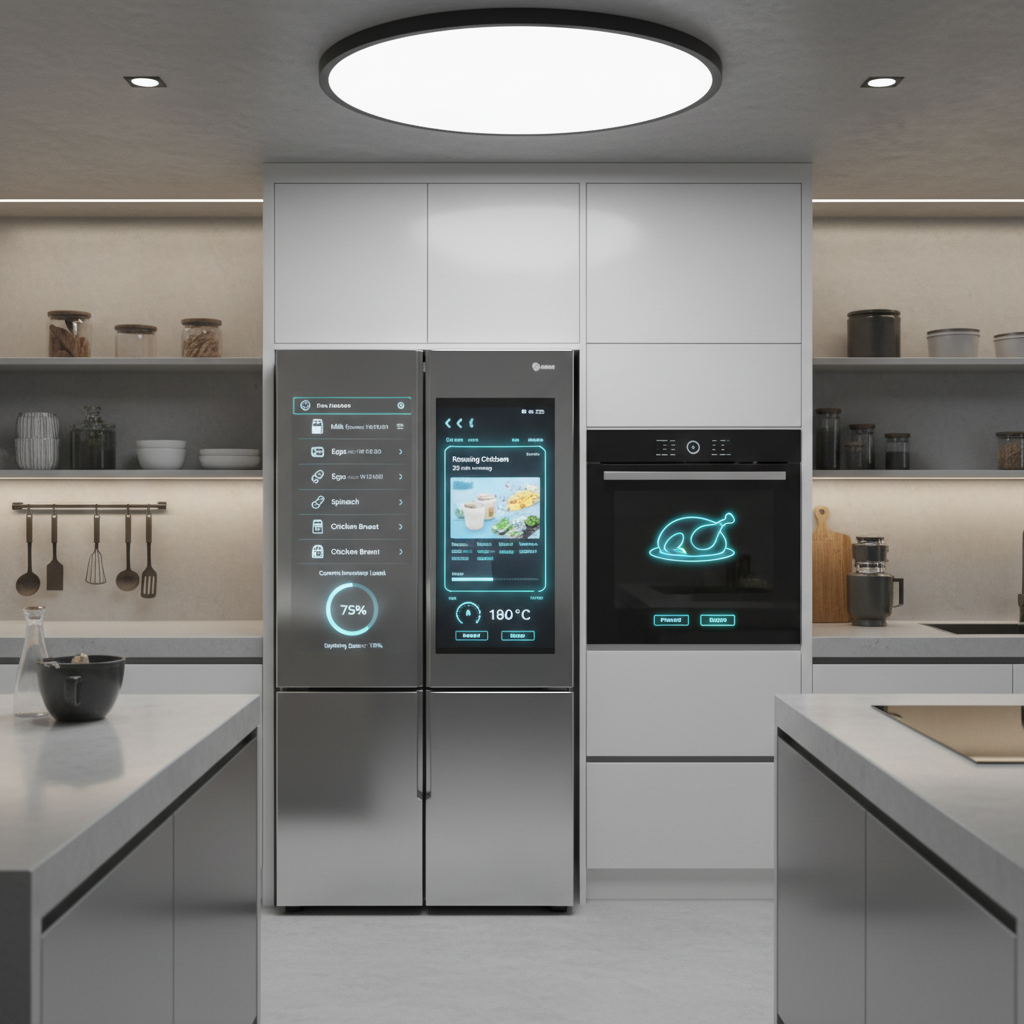
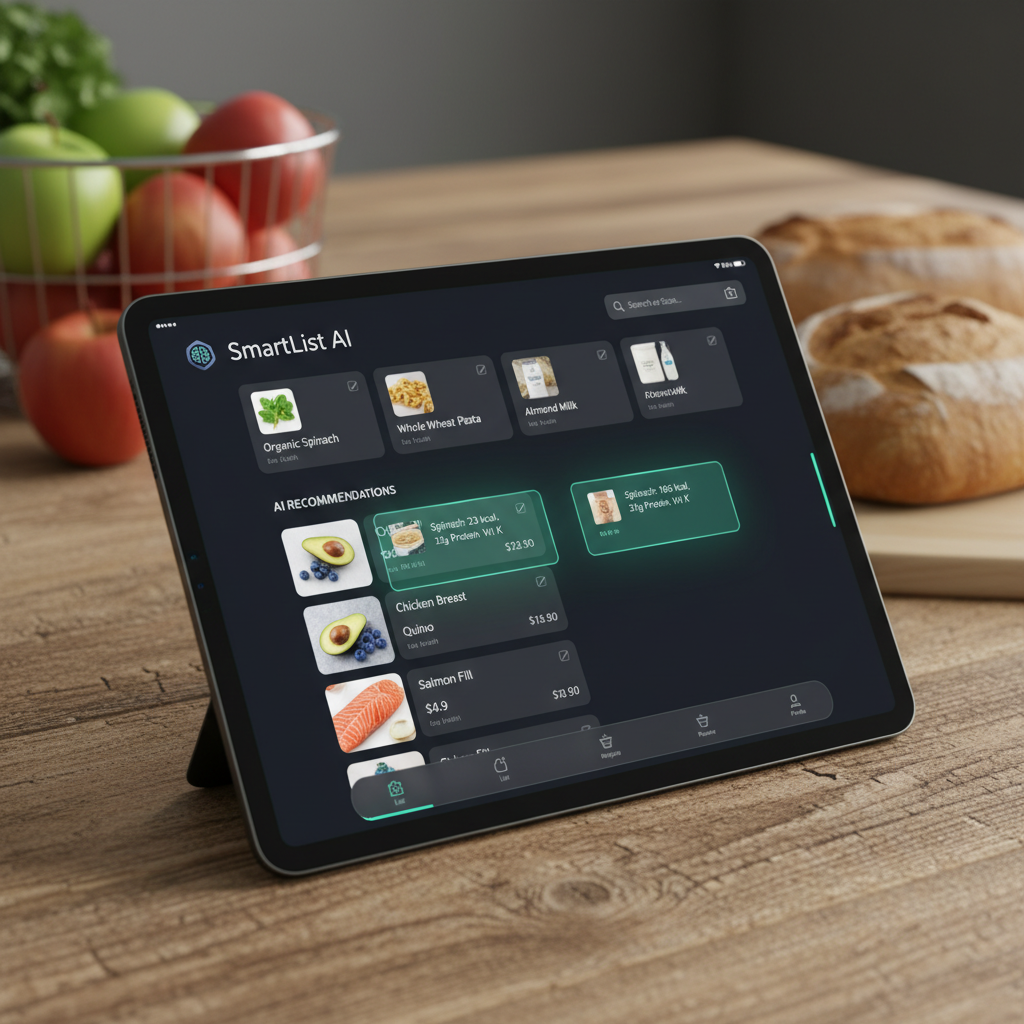
Consider a smart refrigerator equipped with internal cameras and weight sensors. It can scan its contents, identify items nearing their expiration date, and cross-reference this information with your past cooking habits, dietary profile, and even the local weather to suggest a comforting soup for a cold evening or a light salad for a hot day. Apps like Yummly, Paprika, or BigOven increasingly integrate AI to offer more dynamic recommendations, learning from your interactions and explicitly stated preferences. Generative AI models, such as advanced versions of ChatGPT or Gemini, are now capable of creating entirely novel recipes from scratch based on highly complex prompts, producing unique dishes tailored to incredibly specific parameters, opening up new frontiers for culinary creativity.
Early examples, such as IBM’s Chef Watson, demonstrated the foundational capabilities of AI in generating innovative recipes by combining seemingly disparate ingredients. While commercial adoption of such advanced generative systems is still nascent, the underlying principles are being integrated into everyday platforms. For instance, some smart kitchen hubs can connect to your grocery store loyalty program, understand your usual purchases, and then suggest recipes that make optimal use of ingredients you already tend to buy or those currently on sale, further enhancing the personalization and cost-effectiveness of recipe discovery. This intelligent filtering and suggestion system reduces decision fatigue and inspires culinary exploration, making cooking an exciting and less daunting prospect.
Smart Meal Planning and Grocery List Generation: The Ultimate Efficiency Hack
The task of consistent meal planning is often cited as one of the biggest challenges in maintaining a healthy and budget-friendly diet. It involves a mental juggling act of considering nutritional needs, dietary restrictions, family preferences, budget constraints, available time for cooking, and current pantry inventory. This complex decision-making process can be exhausting and is a primary reason many people abandon meal planning altogether, resorting to last-minute, often less healthy, alternatives or expensive takeout.
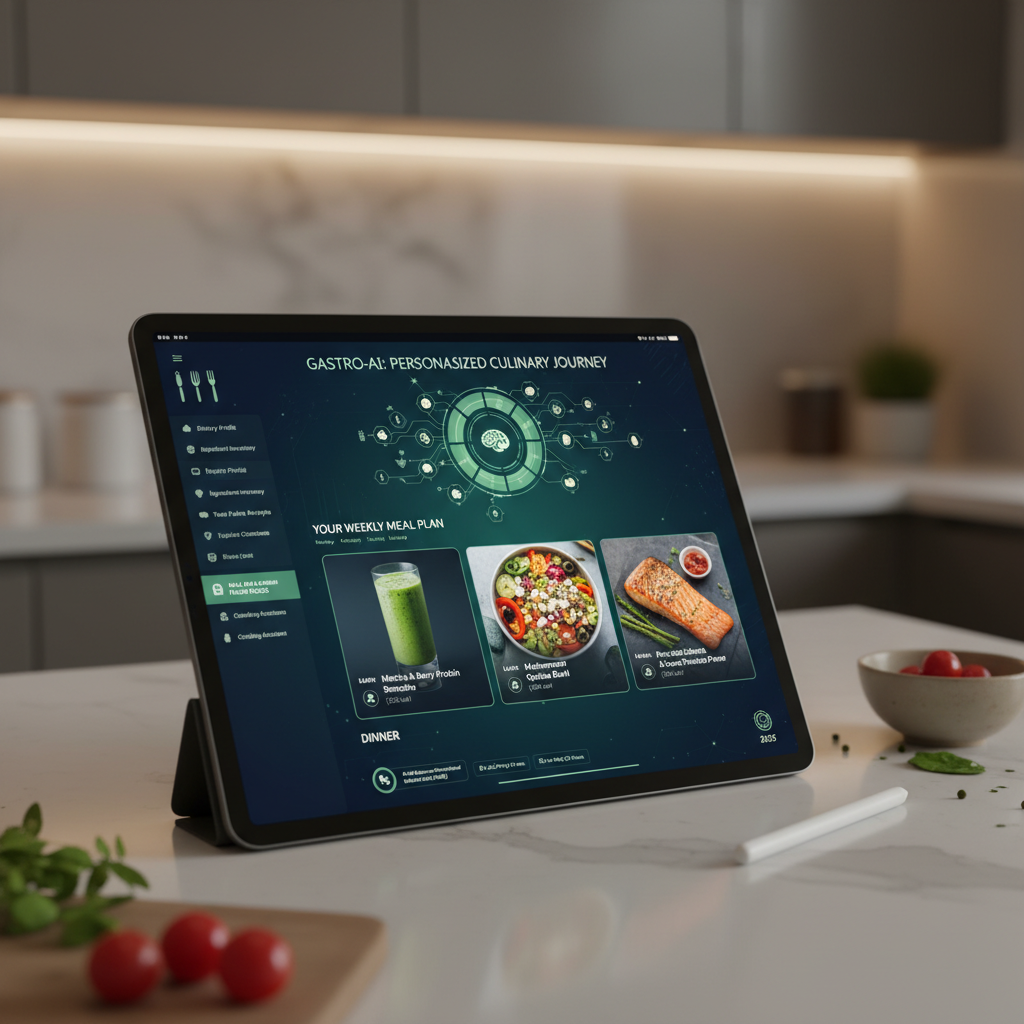
AI offers a powerful, elegant solution by automating and optimizing this entire process. An AI-powered meal planning system goes beyond simply suggesting recipes; it constructs an entire weekly or monthly meal plan tailored precisely to your profile. Key features include: creating plans based on specific dietary goals (e.g., weight loss, muscle gain, diabetic-friendly, allergen-free), adhering to a set budget, factoring in your available cooking time on different days, and intelligently incorporating ingredients you already have on hand. For a family with varied tastes, the AI can even suggest a base recipe with minor adaptable components to suit individual preferences, minimizing the need for multiple distinct meals.
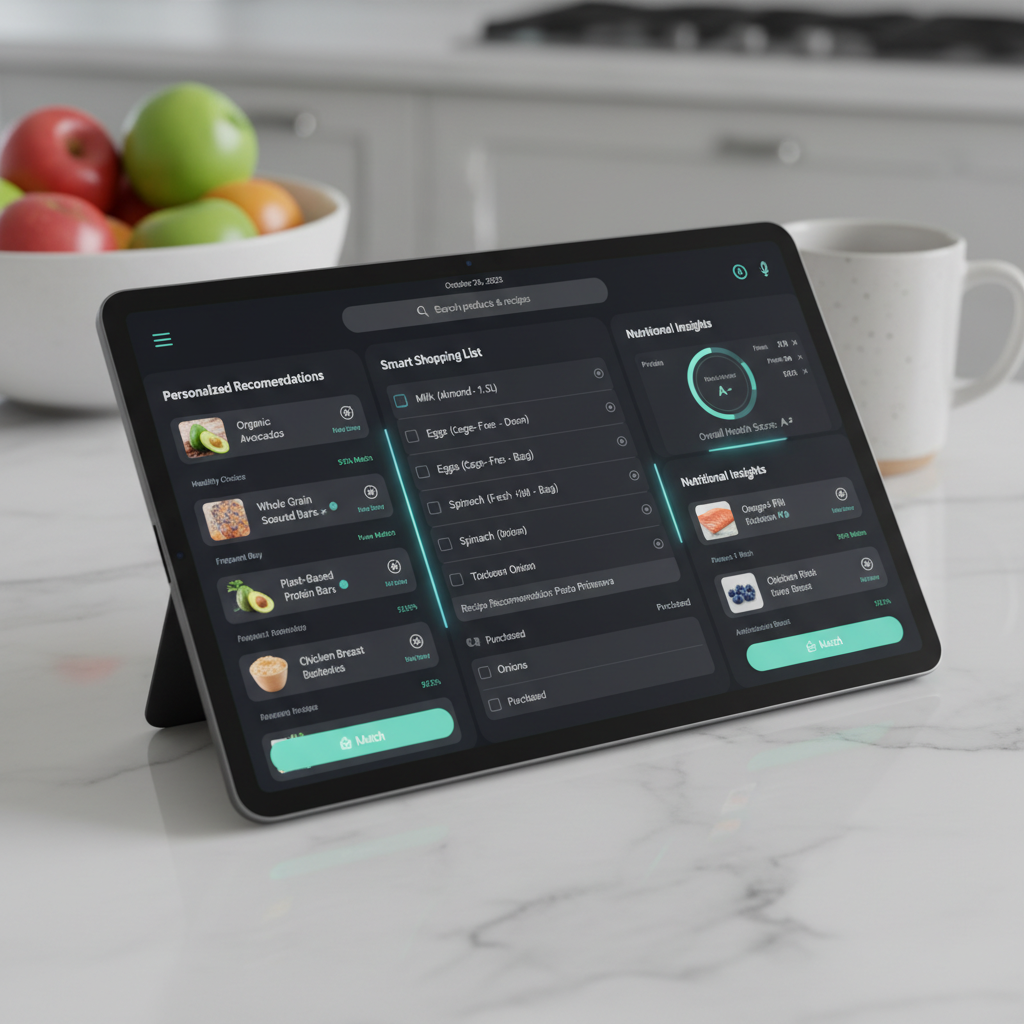
Crucially, these intelligent planners integrate seamlessly with grocery shopping. Once a meal plan is finalized, the AI automatically generates a comprehensive shopping list. This list is dynamic and intelligent: it checks your smart pantry or refrigerator for existing ingredients, removing items you already possess and prioritizing those that are running low or nearing their expiration date. This precision prevents overbuying and significantly reduces food waste. Many of these systems can even connect directly to online grocery delivery services, allowing you to send your optimized shopping list to a retailer with just a few clicks, transforming a tedious chore into an effortless transaction.
The benefits of AI-driven meal planning extend beyond mere convenience. By systematically planning meals, users can ensure a balanced diet, reduce impulse purchases, and adhere to a budget more effectively. It eliminates the daily “what’s for dinner?” dilemma, replacing it with a structured, thoughtful approach to food. Moreover, by intelligently using up existing ingredients and preventing unnecessary purchases, AI contributes significantly to reducing household food waste, aligning personal efficiency with broader sustainability goals. The system learns and adapts over time, becoming even more attuned to your evolving tastes and needs, making the process progressively more intuitive and efficient, truly serving as the ultimate efficiency hack for modern living.
AI-Enhanced Cooking and Appliance Integration: From Prep to Plate
The cooking phase, where ingredients transform into a meal, is perhaps the most captivating area for AI integration. While earlier smart appliances offered remote control or basic programming, today’s AI-enhanced devices bring a new level of intelligence and assistance to the culinary process. This is particularly evident in connected appliances such as smart ovens, pressure cookers, air fryers, and even sophisticated blenders, all designed to work in concert to achieve perfect results.
AI’s role in guiding cooking is multifaceted. For example, a smart oven might automatically preheat to the precise temperature and adjust cooking times based on the weight and type of food inserted, often identified through computer vision. Voice-activated assistants, like Amazon Alexa or Google Assistant integrated into kitchen hubs, can execute complex commands: “Alexa, preheat the oven to 375 degrees Fahrenheit for the lasagna,” or “Hey Google, set a timer for twenty minutes for the rice.” During cooking, these systems can provide step-by-step instructions, prompting you for each ingredient addition, stirring interval, or temperature adjustment, eliminating the need to constantly check a recipe book or screen with messy hands.
Beyond guidance, AI can actively monitor and adapt the cooking process. Sensors in smart cooktops can detect if a pan is overheating and automatically reduce the flame, preventing scorching. Smart meat thermometers communicate with ovens to turn off automatically once the desired internal temperature is reached, ensuring perfectly cooked meat every time. Some advanced concepts even feature robotic arms or mechanisms that can stir ingredients, flip pancakes, or dispense precise measurements, though these are still largely in the realm of high-end commercial or experimental kitchens, like Moley Robotics’ fully automated kitchen concept.
The integration of AI also enhances safety and reduces common cooking frustrations. Imagine an AI system that knows you tend to burn garlic and offers a gentle reminder to remove it earlier. Or a smart stovetop that detects if a pot is boiling over and automatically lowers the heat. This level of predictive assistance minimizes errors, ensures consistent quality, and makes complex recipes more accessible to novice cooks. The synergy between AI-driven recipe instructions, smart appliance automation, and voice interaction creates a truly hands-free and highly optimized cooking experience, transforming the journey from raw ingredients to a perfectly plated meal into an effortless and enjoyable endeavor.
Reducing Food Waste with AI: A Sustainable Culinary Future
Food waste is a monumental global problem with severe environmental and economic implications. A staggering one-third of all food produced for human consumption is lost or wasted globally each year, amounting to approximately 1.3 billion tons. This waste not only represents a loss of valuable resources like water, land, and energy but also contributes significantly to greenhouse gas emissions as food decomposes in landfills. While commercial operations are major contributors, household food waste is also a substantial part of the problem. AI in the smart kitchen offers powerful, practical solutions to tackle this issue head-on.
One of AI’s most impactful contributions is intelligent inventory management. Smart refrigerators and pantry systems, often equipped with internal cameras and barcode scanners, can meticulously track every item purchased, noting its type, quantity, and crucial expiration date. This goes far beyond a simple list; the AI can categorize items, learn your consumption patterns, and proactively alert you when products are nearing their “use-by” date. More impressively, it can then suggest recipes specifically designed to utilize these expiring ingredients, ensuring nothing goes to waste. For example, if your spinach and feta are close to expiring, the system might recommend a quick spanakopita or a feta and spinach omelet, turning potential waste into a delicious meal.
Beyond proactive alerts, AI contributes to waste reduction through optimized meal planning. By generating meal plans that prioritize existing ingredients and create dynamic shopping lists that only include what is truly needed, AI helps prevent over-purchasing – a common cause of household waste. The system can even suggest portion sizes based on the number of diners and their typical consumption, ensuring that precisely the right amount of food is prepared, minimizing leftovers that might otherwise go uneaten and ultimately be discarded.
Furthermore, AI can analyze historical data to identify patterns of food waste within a household. If the system observes that bananas are consistently thrown away due to over-ripening, it might suggest buying fewer, or integrating them into smoothies or banana bread recipes before they spoil. For commercial kitchens, AI-powered forecasting tools are already used to predict demand more accurately, significantly reducing overproduction and subsequent waste. By bringing similar intelligence to the home, AI empowers individuals to make more sustainable choices, transforming the kitchen into a hub of conscious consumption and contributing to a more sustainable culinary future for everyone.
Nutritional Guidance and Dietary Customization: Health at Your Fingertips
In an age where health and wellness are paramount, understanding and managing one’s nutritional intake has become a critical aspect of daily life. However, navigating the complex world of dietary guidelines, allergen information, and personal health goals can be overwhelming. AI in the smart kitchen is revolutionizing this by providing highly personalized nutritional guidance and dietary customization, turning general advice into actionable, tailored meal plans and recipes that put health directly at your fingertips.
The power of AI lies in its ability to synthesize vast amounts of personal data. By integrating with wearables, fitness trackers, and health apps, an AI-powered kitchen system can access information about your activity levels, caloric expenditure, sleep patterns, and even biometric data. When combined with explicitly provided information about allergies, intolerances (e.g., lactose intolerance, celiac disease), dietary preferences (e.g., vegan, ketogenic, Mediterranean), and specific health goals (e.g., weight loss, muscle gain, managing diabetes or high blood pressure), the AI can construct a truly bespoke nutritional profile.
With this comprehensive profile, the AI can then generate meal plans and suggest recipes that are optimized for your unique needs. This goes beyond simple calorie counting; the system can recommend meals balanced in macronutrients (proteins, carbohydrates, fats) and micronutrients (vitamins, minerals). For someone managing diabetes, it might suggest low-glycemic index meals. For an athlete, it could focus on protein-rich, recovery-enhancing dishes. Those with allergies receive automatic alerts if a suggested recipe contains an ingredient they should avoid, or the AI can even offer suitable substitutions.
Moreover, AI can provide real-time nutritional breakdowns of meals as you prepare them, often in conjunction with smart scales and recipe apps. You can track your daily intake of calories, fats, sugars, and other nutrients, allowing for greater awareness and control over your diet. This continuous feedback loop helps individuals make informed choices and stick to their health regimens with greater consistency. The AI learns from your body’s responses and your feedback, adapting its recommendations over time to optimize for your evolving health and wellness journey. This hyper-personalization transforms the kitchen into a powerful tool for achieving and maintaining optimal health, making informed nutritional decisions easier and more accessible than ever before.
Current Innovations and Future Trends: The Road Ahead
The smart kitchen revolution is a dynamic and rapidly evolving space, with new innovations continuously pushing the boundaries of what’s possible. Current developments are building upon the foundational elements of smart appliances and interconnected systems, integrating more sophisticated AI capabilities and exploring entirely new paradigms for culinary interaction. The road ahead promises even greater levels of automation, personalization, and seamless integration into our daily lives.
One of the most exciting current innovations is the rise of generative AI for novel recipe creation. Beyond simply finding existing recipes, large language models (LLMs) like advanced versions of OpenAI’s ChatGPT or Google’s Gemini are now capable of inventing unique dishes based on highly complex, multi-faceted prompts. Users can ask for a “gluten-free, high-protein, low-carb dessert that uses strawberries, basil, and a touch of balsamic vinegar” and receive not just a recipe, but often a detailed explanation of ingredient synergy and cooking techniques. This capability empowers unparalleled culinary experimentation and satisfies even the most niche dietary or flavor profiles, moving from mere recommendation to pure creation.
Hyper-personalized dining experiences are also emerging, extending beyond the home. Restaurants are beginning to experiment with AI to tailor menus to individual customer preferences, dietary needs, and even mood, using data from previous visits or direct input. Imagine a dining experience where an AI suggests a dish based on your past orders, your known allergies, and perhaps even a real-time sentiment analysis from your social media. While still niche, this points towards a future of truly bespoke culinary experiences wherever you choose to eat.
In the domestic sphere, advanced robotics are progressing, albeit slower for mass market adoption. Concepts like robotic arms capable of complex tasks such as chopping, stirring, and plating are being refined. While fully automated cooking stations are still largely in laboratories or high-end commercial settings, the gradual integration of robotic elements (e.g., automated ingredient dispensing, precise stirring mechanisms in smart pots) into consumer appliances is a definite trend. These advancements aim to reduce the most laborious aspects of cooking, freeing up human cooks for more creative or supervisory roles.
The future also holds promise for even more seamless integration across the entire smart home ecosystem. Your kitchen AI might communicate with your smart thermostat to adjust temperatures based on cooking heat, or with your smart lighting to create ambiance for mealtime. Data privacy and security, however, remain critical ethical considerations. As more personal health and consumption data is collected, robust safeguards and transparent data handling policies will be essential to maintain user trust and ensure responsible AI deployment. Furthermore, ensuring accessibility for all, simplifying complex interfaces for various age groups and technological proficiencies, will be key to widespread adoption. The goal is to make sophisticated cooking effortless, enjoyable, and available to everyone, regardless of their culinary skill level or physical limitations, ushering in an era of truly intelligent and inclusive kitchens.
Comparison Tables
Table 1: Traditional Meal Prep vs. AI-Powered Meal Prep
| Feature | Traditional Meal Prep | AI-Powered Meal Prep | Key Advantage of AI |
|---|---|---|---|
| Recipe Discovery | Manual search (cookbooks, websites), limited by knowledge. | Personalized recommendations based on preferences, diet, inventory; generative AI for novel recipes. | Hyper-personalization & innovation. |
| Meal Planning | Manual creation, often time-consuming, prone to oversight. | Automated plans optimized for nutrition, budget, time, and inventory. | Efficiency & holistic optimization. |
| Grocery Shopping | Manual list creation, potential for impulse buys & forgotten items. | Dynamic lists generated from meal plan/inventory, direct order integration. | Accuracy & convenience. |
| Cooking Process | Follow written instructions, manual monitoring. | Step-by-step guidance (voice/screen), automated appliance control, real-time adjustments. | Precision & reduced effort. |
| Waste Reduction | Relies on user vigilance, often reactive. | Proactive alerts for expiring items, optimized usage suggestions, precise portioning. | Sustainability & economic savings. |
| Personalization | Limited to user’s existing knowledge & effort. | Deeply personalized based on health data, preferences, learning over time. | Tailored experience for health & taste. |
| Time Commitment | Significant time for planning, shopping, and cooking. | Significantly reduced time through automation and intelligent assistance. | Substantial time savings. |
| Learning Curve | Steep for complex dishes, requires practice. | Simplified instructions, guided processes make complex cooking accessible. | Enhanced accessibility for all skill levels. |
Table 2: Types of AI in the Smart Kitchen and Their Applications
| AI Type | Core Capability | Smart Kitchen Application | Key Benefits |
|---|---|---|---|
| Natural Language Processing (NLP) | Understanding and generating human language. | Voice-activated commands, interpreting complex recipe requests, generating textual instructions. | Hands-free control, intuitive interaction. |
| Machine Learning (ML) | Learning from data to make predictions or decisions without explicit programming. | Personalized recipe recommendations, adapting meal plans, predicting ingredient consumption. | Continuous personalization, predictive assistance. |
| Computer Vision (CV) | Enabling computers to “see” and interpret visual information. | Identifying pantry contents, scanning barcodes, monitoring food doneness in ovens/cooktops. | Automated inventory tracking, enhanced cooking precision. |
| Robotics | Designing and building machines that can perform tasks autonomously. | Automated stirring, ingredient dispensing, future full-scale robotic cooking arms. | Physical automation, reduced manual labor. |
| Predictive Analytics | Using data, statistical algorithms, and ML techniques to identify the likelihood of future outcomes. | Forecasting food needs, alerting about expiring ingredients, optimizing portion sizes. | Waste reduction, cost savings, efficient resource use. |
| Generative AI | Creating new content (text, images, recipes) from existing data. | Inventing novel recipes based on complex user prompts, creating unique meal ideas. | Unleashed culinary creativity, highly specific recipe generation. |
Practical Examples: AI in Action in Your Everyday Kitchen
To truly appreciate the transformative power of AI in the kitchen, let’s explore a few real-world scenarios demonstrating how these technologies are making a tangible difference in daily meal preparation:
-
Scenario 1: The Busy Professional’s Efficient Weekday
Meet Sarah: A marketing manager with demanding hours who struggles to plan and cook healthy meals during the week. Her AI-powered kitchen setup begins on Sunday evening. Sarah opens her smart kitchen app, which already knows her preference for vegetarian meals, her gym schedule (indicating higher protein needs on certain days), and her desire for meals under 30 minutes active cooking time. The AI generates a weekly meal plan, integrating ingredients she bought during her last grocery trip (scanned by her smart fridge) and highlighting items nearing expiration. It then automatically generates a shopping list for the remaining items, which Sarah approves and sends directly to her preferred grocery delivery service. Each evening, her smart display guides her with voice prompts, showing video instructions on how to perfectly chop vegetables and monitoring her smart oven to ensure her roasted sweet potatoes are done precisely on time. This system saves Sarah hours of planning and stress, ensuring she eats nutritious, home-cooked meals despite her hectic schedule.
-
Scenario 2: A Family Navigating Multiple Dietary Restrictions
Meet the Millers: A family of four where the mother has a gluten allergy, one child is dairy-intolerant, and the father is trying to reduce his sodium intake. Meal planning used to be a minefield of cross-referencing and ingredient checking. Now, their kitchen AI is their dietary guardian angel. Each family member has a profile in the system. When a recipe is suggested or selected, the AI instantly flags any conflicting ingredients for any family member and offers suitable substitutions (e.g., “Use almond milk instead of cow’s milk,” “Opt for gluten-free pasta”). It can even suggest a base meal that can be easily adapted, such as a stir-fry where individual portions can be seasoned differently or have specific allergens omitted. The shopping list is automatically generated to include the appropriate alternative ingredients. This dramatically reduces the stress and risk associated with cooking for diverse dietary needs, ensuring everyone enjoys safe and delicious meals.
-
Scenario 3: The Health-Conscious Individual Achieving Fitness Goals
Meet David: A fitness enthusiast focused on building muscle and meticulously tracking his macronutrients. David’s AI kitchen is seamlessly integrated with his fitness tracker and health app. Based on his daily workout, the AI adjusts his meal plan to ensure optimal protein intake for muscle repair and recovery. It provides real-time nutritional breakdowns as he adds ingredients to his smart scale, allowing him to precisely hit his macro targets for each meal. If he falls short on protein during breakfast, the AI might suggest a protein-rich snack later in the day or recommend a higher-protein dinner recipe. The system also learns his preferred flavors and suggests new healthy recipes that align with his taste buds while keeping his fitness goals in mind. This granular level of tracking and proactive adjustment helps David achieve his physique and performance goals with unprecedented accuracy and ease.
-
Scenario 4: Experimenting with New Cuisines and Ingredients
Meet Elena: A passionate home cook who loves to experiment but often feels limited by her recipe knowledge and ingredient pairing ideas. Elena asks her generative AI kitchen assistant, “Suggest a unique, adventurous recipe for a main course using leftover duck and fresh figs, inspired by Moroccan flavors.” The AI, tapping into vast culinary databases and creative algorithms, instantly generates a recipe for “Moroccan Spiced Duck Tagine with Fig and Honey Glaze,” complete with a list of spices, detailed cooking steps, and wine pairing suggestions. It even offers alternative techniques for crisping the duck skin. Elena then uses her voice to control her smart oven, setting precise temperatures and timers as the AI guides her through preparing this innovative dish. This empowers Elena to explore new culinary territories and unleash her creativity without the constraints of traditional recipe hunting or complex experimentation.
Frequently Asked Questions
Q: What exactly is a smart kitchen?
A: A smart kitchen is a culinary space where appliances, devices, and systems are interconnected and leverage artificial intelligence (AI) to automate, optimize, and personalize various kitchen tasks. This includes smart refrigerators, ovens, scales, and hubs that communicate with each other and with users, often through voice commands or apps, to streamline meal preparation, enhance cooking precision, manage inventory, and provide personalized nutritional guidance. It’s about bringing intelligence and connectivity to every aspect of your cooking experience, making it more efficient, convenient, and enjoyable.
Q: How does AI personalize recipe recommendations?
A: AI personalizes recipe recommendations by learning from your unique profile and data. This includes your dietary restrictions (allergies, intolerances), preferences (favorite cuisines, ingredients to avoid), cooking skill level, available time, health goals, and even what ingredients you currently have in your pantry or fridge (often identified via computer vision or manual input). Advanced AI systems use machine learning algorithms to analyze this information, along with your past recipe choices and feedback, to suggest dishes that perfectly match your immediate needs and evolving tastes. Generative AI can even create brand new recipes tailored to highly specific criteria.
Q: Are AI kitchen appliances safe to use?
A: Yes, AI kitchen appliances are designed with safety as a top priority. Manufacturers adhere to stringent safety standards. Many AI features, such as automated temperature adjustments on smart cooktops to prevent burning or automatic oven shutdowns when internal food temperatures are reached, actually enhance safety by reducing human error. However, as with any electrical appliance, it’s crucial to follow manufacturer guidelines for installation and use, keep software updated, and ensure proper maintenance. Reputable brands prioritize robust security measures to protect user data and ensure device integrity.
Q: Can AI help me save money on groceries?
A: Absolutely. AI significantly contributes to grocery savings in several ways. Firstly, by intelligently planning meals based on your current pantry inventory and generating precise shopping lists, it prevents impulse buys and ensures you only purchase what you truly need. Secondly, it proactively identifies ingredients nearing expiration and suggests recipes to use them up, drastically reducing food waste, which is a major source of financial loss. Some systems can even integrate with store loyalty programs or compare prices to help you find the best deals on your planned purchases.
Q: What about data privacy with smart kitchen devices?
A: Data privacy is a valid concern with any smart device. Reputable manufacturers of AI kitchen appliances are obligated to implement robust security measures and adhere to privacy regulations (like GDPR or CCPA). They typically encrypt your data, provide clear privacy policies outlining how your data is collected and used, and offer controls for managing your personal information. It’s essential to choose products from trusted brands, use strong, unique passwords for your accounts, and regularly review privacy settings to ensure your data is handled responsibly. The benefits of personalization are balanced against the need for secure data management.
Q: Is AI in the kitchen only for advanced cooks?
A: Not at all; in fact, AI makes advanced cooking more accessible to everyone, including beginners. While experienced cooks can leverage AI for complex experimentation, its guided features, step-by-step instructions, automated appliance control, and error prevention capabilities are immensely beneficial for novices. AI can break down complex recipes into simple, manageable steps, provide visual or voice prompts, and even adjust cooking parameters automatically, significantly lowering the barrier to entry for trying new dishes or mastering challenging techniques. It acts as a patient, knowledgeable assistant regardless of your skill level.
Q: How does AI contribute to reducing food waste?
A: AI plays a pivotal role in reducing food waste through several mechanisms. It provides intelligent inventory management by tracking items in your fridge and pantry, noting expiration dates, and suggesting recipes that prioritize ingredients that need to be used soon. It optimizes meal plans to ensure ingredients are fully utilized throughout the week, minimizing leftovers. Furthermore, AI-generated shopping lists are precise, preventing over-purchasing, a common cause of waste. By making meal preparation more efficient and mindful of resources, AI helps households dramatically cut down on discarded food.
Q: Can AI adapt to specific dietary needs like veganism or keto?
A: Absolutely. AI systems are highly adaptable and excel at catering to specific dietary needs. When setting up your profile, you can explicitly state your dietary preferences (e.g., vegan, vegetarian, ketogenic, paleo, Mediterranean) and any allergies or intolerances. The AI will then filter all recipe suggestions and meal plans to strictly adhere to these parameters, ensuring that every recommendation is compliant with your chosen diet. It can also suggest appropriate substitutions for ingredients that don’t fit your dietary profile, making adherence to specialized diets much simpler and more diverse.
Q: What are some common AI-powered kitchen gadgets available today?
A: Today’s market offers a growing array of AI-powered kitchen gadgets. Common examples include smart refrigerators with internal cameras and inventory tracking; smart ovens and air fryers that connect to apps for remote control and recipe guidance; voice-activated kitchen assistants (like Amazon Echo Show or Google Nest Hub) that provide step-by-step cooking instructions; smart scales that integrate with nutritional apps for precise tracking; and recipe apps that use AI for personalized recommendations and meal planning. More advanced innovations include smart induction cooktops that adjust heat automatically and even some robotic cooking aids.
Q: What’s the biggest challenge for AI integration in kitchens?
A: One of the biggest challenges for widespread AI integration in kitchens lies in achieving seamless interoperability between devices from different manufacturers. While individual smart appliances are becoming more common, creating a truly unified and intelligent kitchen ecosystem often requires devices to communicate effortlessly, regardless of brand. Other challenges include user adoption rates (overcoming skepticism and learning curves), ensuring robust cybersecurity and data privacy, and managing the cost of these advanced technologies to make them accessible to a broader consumer base. Continuous innovation in standards and user-friendly interfaces will be key to overcoming these hurdles.
Key Takeaways
- The smart kitchen revolution, driven by AI, is fundamentally transforming meal preparation from a manual chore into a seamless, intelligent, and personalized experience.
- AI excels in personalized recipe discovery, moving beyond traditional search to suggest dishes based on user preferences, dietary needs, and available ingredients, even generating novel recipes.
- Smart meal planning tools leverage AI to create optimized weekly schedules, considering nutrition, budget, time, and inventory, and generating dynamic grocery lists.
- AI-enhanced cooking appliances offer guidance, automation, and real-time adjustments, making complex recipes more accessible and ensuring consistent results.
- AI significantly contributes to reducing household food waste through intelligent inventory management, proactive alerts, and optimized usage of expiring ingredients.
- Personalized nutritional guidance from AI helps individuals achieve health goals by tailoring meal plans to specific dietary restrictions, allergies, and health data.
- Current innovations include generative AI for unique recipe creation and more integrated smart home ecosystems, while future trends point towards increased automation and hyper-personalization.
- While challenges like interoperability and data privacy exist, the benefits of convenience, efficiency, health, and sustainability make AI in the kitchen an undeniable force for positive change.
Conclusion
The journey from traditional cooking methods to the sophisticated, AI-powered smart kitchen is nothing short of revolutionary. We have seen how artificial intelligence is meticulously weaving its way into every fabric of meal preparation, transforming mundane tasks into intelligent, intuitive processes. From the moment you seek inspiration for your next meal, through the meticulous planning and precise execution, to the mindful consumption and waste reduction, AI is redefining what it means to cook and eat in the modern world.
This revolution is not just about convenience; it is about empowerment. It empowers individuals to take greater control over their health through personalized nutrition, to explore new culinary horizons with unprecedented ease, and to contribute to a more sustainable future by drastically reducing food waste. The smart kitchen fosters creativity, enhances efficiency, and provides a level of personalization that was once unimaginable, making healthy, delicious, and home-cooked meals accessible to everyone, regardless of their busy schedules or culinary expertise.
As technology continues to advance, we can anticipate even more integrated, intuitive, and intelligent systems that will further blend the boundaries between our digital lives and our culinary spaces. The smart kitchen is more than a trend; it is the inevitable evolution of our relationship with food. Embracing this AI-driven transformation means stepping into a future where meal preparation is not just seamless, but truly intelligent, enriching, and deeply connected to our overall well-being. The smart kitchen revolution is here, and it promises to nourish us, body and mind, in ways we are only just beginning to fully appreciate.















































































Leave a Reply