


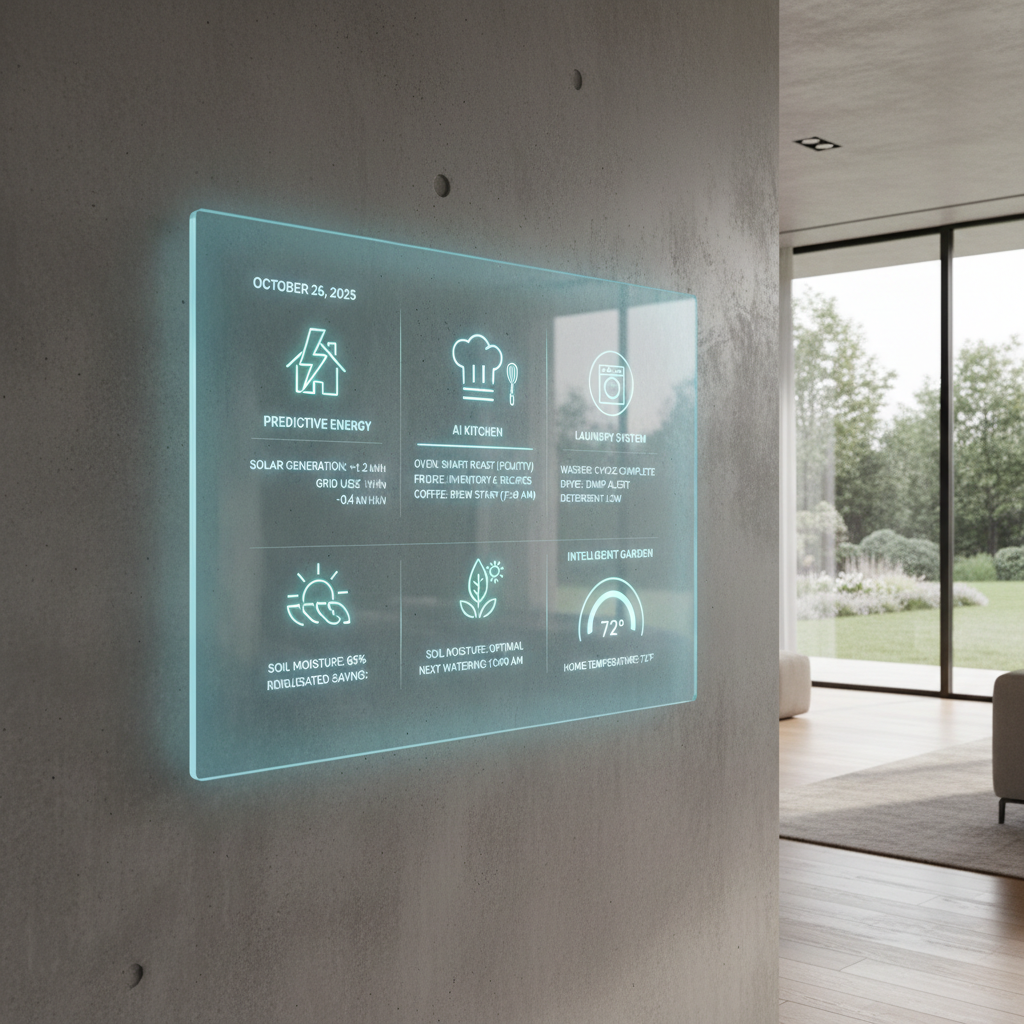
Welcome to the future of home living, where convenience isn’t just a luxury but a standard. In an increasingly connected world, the dream of an automated home, a sanctuary that anticipates your needs and handles mundane tasks, is no longer science fiction. It’s a tangible reality, powered by an astounding array of smart devices and sophisticated AI. This comprehensive guide will take you on a journey through the cutting-edge technologies transforming our living spaces, helping you understand how to harness the power of automation to create a home that truly works for you, making daily life simpler, safer, and infinitely more enjoyable. Prepare to discover how to move beyond basic smart device usage to orchestrate an entire ecosystem where every gadget communicates seamlessly, simplifying chores and ushering in an era of truly effortless living.
The Foundation: Smart Hubs and Ecosystems
At the heart of every truly automated home lies a robust foundation: the smart hub and its overarching ecosystem. These are not merely accessories; they are the central nervous system, the brain that allows disparate devices to communicate, cooperate, and execute complex commands, transforming a collection of gadgets into a cohesive, intelligent household.
Why a Smart Hub is Essential
Imagine trying to conduct an orchestra where every musician plays a different score and speaks a different language. That’s what your smart home would be without a central hub. Smart devices often use various communication protocols, including Wi-Fi, Bluetooth, Zigbee, and Z-Wave. While Wi-Fi and Bluetooth are common, they can drain battery life quickly and aren’t always ideal for low-power sensors or devices that need to form a mesh network. Zigbee and Z-Wave, on the other hand, are low-power mesh networking protocols specifically designed for smart home devices, allowing them to extend the range of your network by relaying signals through one another. A dedicated smart hub acts as a translator, bringing all these different languages together, enabling seamless communication and control from a single interface. Beyond mere translation, hubs often provide local processing capabilities, meaning certain automations can run even if your internet connection goes down, enhancing reliability and responsiveness.
Voice assistants, such as Amazon Alexa, Google Assistant, and Apple HomeKit, have evolved significantly, often serving as de facto hubs for many users. While they excel at voice control and integrating with a wide range of Wi-Fi devices, a dedicated hub might still be beneficial for those looking to integrate a large number of Zigbee or Z-Wave devices, or for users who desire more complex local automations.
Choosing Your Ecosystem: Google, Amazon, Apple, Samsung
The choice of smart home ecosystem is arguably the most crucial decision you’ll make, as it dictates the compatibility, integration potential, and overall user experience of your automated home. Each major player offers a distinct approach:
- Amazon Alexa: With its vast array of Echo devices and a massive skill library, Alexa is incredibly versatile. It’s known for its extensive third-party device compatibility, making it a popular choice for those who want flexibility and a wide selection of gadgets. Alexa excels at voice commands, shopping integration, and media playback. Its open platform encourages innovation and a broad range of connected services.
- Google Home/Assistant: Google’s ecosystem is deeply integrated with its search, calendar, and AI services, offering contextually aware interactions. Devices like the Nest Hub provide excellent visual interfaces for controlling your home and accessing information. Google Assistant often stands out for its natural language processing and ability to understand complex queries, making conversations with your home feel more intuitive.
- Apple HomeKit: For iPhone users, HomeKit offers unparalleled security, privacy, and ease of setup. Devices are “Works with HomeKit” certified, ensuring a high standard of reliability and seamless integration into the Apple ecosystem. While its device compatibility list might be narrower than Alexa or Google, the devices it supports often offer a premium, highly integrated experience, controlled via the Home app and Siri.
- Samsung SmartThings: SmartThings is celebrated for its robust support for Zigbee and Z-Wave devices, making it a powerful choice for users who want deep hardware integration beyond Wi-Fi. It offers extensive customization options for automations and scenes, appealing to tech-savvy users who desire granular control over their smart home environment. SmartThings can also act as a bridge for devices to other ecosystems.
Your choice will largely depend on your existing devices, preferred voice assistant, and desired level of privacy and control. It’s important to consider interoperability between systems as well, as many devices can now be controlled by multiple platforms to some extent, even if they’re not natively part of a single ecosystem.
Ambient Intelligence: Smart Lighting and Climate Control
Transforming the atmosphere of your home is one of the most immediate and gratifying benefits of smart automation. Beyond mere convenience, smart lighting and climate control offer significant energy savings, enhanced comfort, and a touch of personalized luxury.
Intelligent Illumination: Smart Lighting Systems
Gone are the days of simple on/off switches. Smart lighting systems offer an unprecedented level of control over your home’s illumination, influencing mood, enhancing security, and even improving your circadian rhythm. Brands like Philips Hue, Govee, and Nanoleaf lead the charge, providing a spectrum of options from simple smart bulbs to intricate light panels.
- Scheduling and Routines: Set lights to gradually brighten in the morning for a gentle wake-up, or dim slowly in the evening to prepare for sleep. Schedule lights to turn on automatically when you arrive home or turn off when you leave, ensuring no energy is wasted.
- Mood and Ambiance: Instantly change the color and brightness of your lights to match any activity or mood. A movie night might call for soft, warm lighting, while a dinner party could benefit from vibrant, dynamic colors. RGBW bulbs offer millions of color options, creating immersive experiences for entertainment or relaxation.
- Energy Saving: Integration with motion sensors ensures lights only stay on when a room is occupied, preventing unnecessary energy consumption. Automated dimming based on natural light levels further optimizes usage.
- Presence Detection and Security: “Away” modes can simulate occupancy by randomly turning lights on and off, deterring potential intruders. This feature, often combined with geofencing, adds an extra layer of security to your home.
- Smart Switches and Dimmers: For those who prefer to keep their existing light fixtures, smart switches can turn any traditional bulb into a smart one, offering dimming and scheduling capabilities without replacing every bulb.
Recent developments include tunable white lights that can adjust their color temperature throughout the day to mimic natural light patterns, promoting better sleep and focus. Furthermore, advanced systems now integrate with calendars and weather apps, adjusting lighting based on upcoming events or external conditions.
The Perfect Climate: Smart Thermostats and Air Quality Monitors
Maintaining an optimal indoor climate is crucial for comfort, health, and energy efficiency. Smart thermostats and air quality monitors take environmental control to a sophisticated level, learning your preferences and adapting to your lifestyle.
- Learning Algorithms: Devices like the Google Nest Learning Thermostat observe your habits, learning when you prefer certain temperatures and creating an automatic schedule. This proactive approach ensures comfort while optimizing energy usage.
- Geofencing: Many smart thermostats can detect when you’re leaving or approaching home using your smartphone’s location. They can automatically adjust the temperature to an eco-friendly setting when you leave and start warming/cooling before you arrive, ensuring your home is comfortable the moment you walk through the door.
- Zoning and Multi-Room Control: For larger homes or those with multiple occupants, smart thermostats allow for zoning, controlling different areas of the house independently. This means you can keep the living room warm while the bedrooms stay cooler at night, saving energy and customizing comfort.
- Energy Reports and Savings: Most smart thermostats provide detailed energy usage reports, helping you understand where and how you’re consuming energy. They often suggest adjustments to further reduce your carbon footprint and monthly bills.
- Air Quality Monitoring: Beyond temperature, the air we breathe indoors can significantly impact our health. Smart air quality monitors (often integrated into thermostats or standalone devices) track pollutants like VOCs, particulate matter, and CO2, as well as humidity levels. When poor air quality is detected, they can trigger smart air purifiers, humidifiers, or ventilation systems to activate automatically, creating a healthier indoor environment.
The integration of smart climate control with other smart home elements is also growing. Imagine your smart blinds automatically closing when the thermostat detects intense sunlight to prevent heat gain, or your ceiling fan turning on when a smart sensor detects high humidity after a shower. These interconnected automations maximize both comfort and efficiency.
Your Digital Guardian: Smart Security and Surveillance
Peace of mind is priceless, and smart home security systems offer just that, providing advanced monitoring, proactive deterrence, and instant alerts. From intelligent cameras to keyless entry, these devices elevate your home’s protection to new heights.
Comprehensive Home Monitoring: Smart Cameras and Doorbells
Smart cameras and video doorbells are the eyes and ears of your smart home security, offering constant vigilance and instant communication.
- Motion Detection and Alerts: Modern smart cameras (e.g., Ring, Arlo, Eufy, Google Nest) are equipped with sophisticated motion sensors that can distinguish between people, animals, and vehicles, reducing false alarms. When suspicious activity is detected, you receive instant notifications on your smartphone, often with a live video feed.
- Two-Way Talk: Speak to visitors, delivery personnel, or even scare off intruders remotely using the built-in microphone and speaker on your smart doorbell or camera. This feature is invaluable for package deliveries or checking in with family members.
- Cloud Storage and Local Options: Most smart cameras offer cloud storage subscriptions for recorded footage, allowing you to review past events. Some brands also provide local storage options (e.g., microSD cards) for privacy-conscious users or those who prefer to avoid recurring fees.
- Facial Recognition: Advanced cameras can learn to recognize familiar faces, allowing you to receive tailored alerts (e.g., “Friend at the front door”) or even trigger specific automations (e.g., unlocking the door for a family member).
- Night Vision: Essential for 24/7 surveillance, infrared night vision ensures clear footage even in complete darkness. Some high-end cameras also feature color night vision for even greater detail.
Recent innovations include AI-powered analytics that can detect package delivery, identify unusual sounds (like glass breaking or smoke alarms), and even track specific individuals through different camera views, creating a more intelligent and responsive security network.
Beyond the Camera: Smart Locks and Alarm Systems
While cameras monitor, smart locks and integrated alarm systems actively secure your entry points and provide comprehensive protection.
- Keyless Entry and Remote Access: Smart locks (e.g., August, Yale, Schlage) allow you to unlock your door using a smartphone app, keypad code, or even your fingerprint. This eliminates the need for physical keys and provides unparalleled convenience. You can grant temporary or recurring access to guests, dog walkers, or service providers, all managed from your phone.
- Integration with Alarm Systems: Dedicated smart alarm systems (e.g., SimpliSafe, Abode, Ring Alarm) integrate motion sensors, contact sensors for doors/windows, glass break detectors, and sirens into a unified network. These systems can be professionally monitored or self-monitored, sending instant alerts to your phone and even contacting emergency services automatically in some cases.
- Automated Locking: Smart locks can automatically lock themselves after a set period or when your phone leaves the geofenced area, ensuring your home is always secured even if you forget.
- Water Leak Detectors: Small, inexpensive sensors placed near water heaters, washing machines, or under sinks can detect leaks and send immediate alerts, potentially saving you from costly water damage. Some advanced systems can even trigger smart water shut-off valves.
- Smart Smoke and Carbon Monoxide Alarms: Devices like the Nest Protect not only detect smoke and CO but also provide spoken alerts, tell you the location of the danger, and send notifications to your phone. They can even integrate with other smart devices, like turning on all lights during an alarm to aid evacuation.
The synergy between these devices is what makes a smart security system truly powerful. Imagine your smart lock notifying your security camera when someone enters, and the camera then records and sends you a clip. Or, if a motion sensor is triggered, all your smart lights could flash to deter intruders, while your smart speaker announces an alert.
Culinary and Chore Automation: The Smart Kitchen and Laundry
The kitchen, often considered the heart of the home, and the laundry room, a perennial source of chores, are ripe for automation. Smart appliances are revolutionizing these spaces, making meal prep easier and laundry less burdensome.
The Smart Chef: Appliances for Effortless Cooking
The smart kitchen goes far beyond a fancy fridge. It’s about connectivity, convenience, and making cooking a more enjoyable and less time-consuming activity.
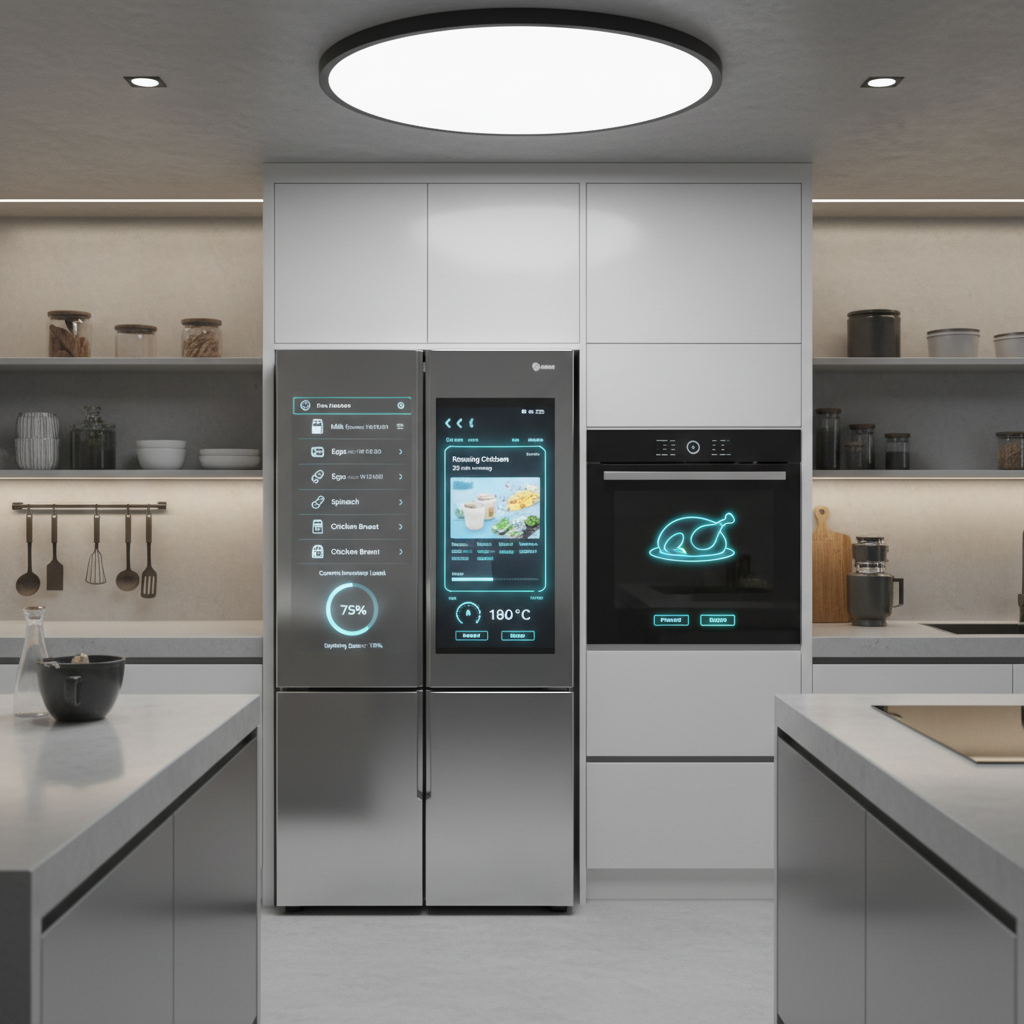
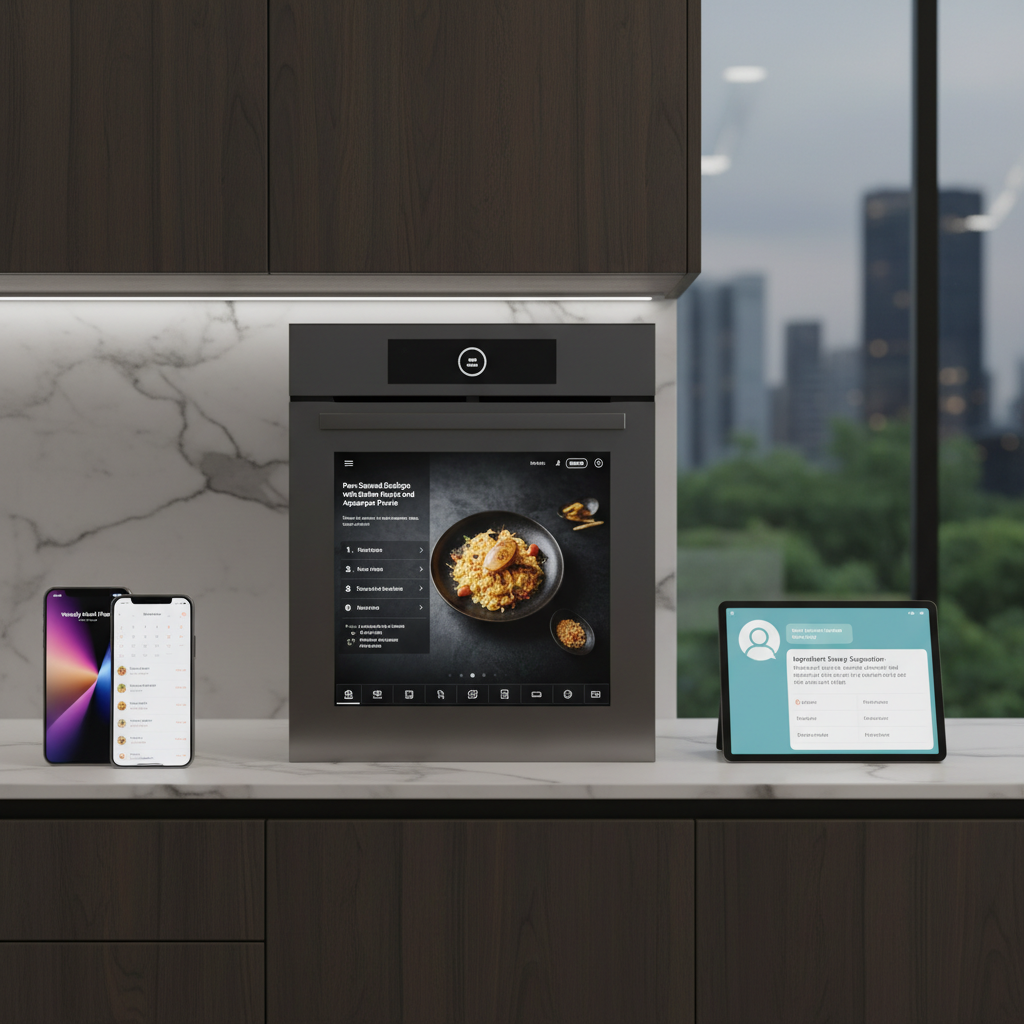
- Smart Ovens: Brands like Whirlpool, LG, and Samsung offer ovens that can be preheated remotely from your smartphone. Some models feature precise temperature control, integrated recipe databases, and even self-cleaning cycles that can be activated from an app. Certain smart ovens include internal cameras to monitor your food’s progress without opening the door, or air frying capabilities.
- Smart Refrigerators: The Samsung Family Hub is a prime example, featuring a large touchscreen that can display calendars, photos, stream music, and even mirror your TV. Internal cameras allow you to check your fridge’s contents from the grocery store. It can also manage food expiration dates and suggest recipes based on available ingredients.
- Smart Coffee Makers: Wake up to a freshly brewed cup of coffee by scheduling your smart coffee maker to start automatically or activating it with a voice command from bed.
- Smart Small Appliances: Smart air fryers, slow cookers, and instant pots can be controlled remotely, allowing you to start or stop cooking, adjust settings, and receive notifications when your meal is ready. This is particularly useful for meal prepping or managing cooking while you’re away from the kitchen.
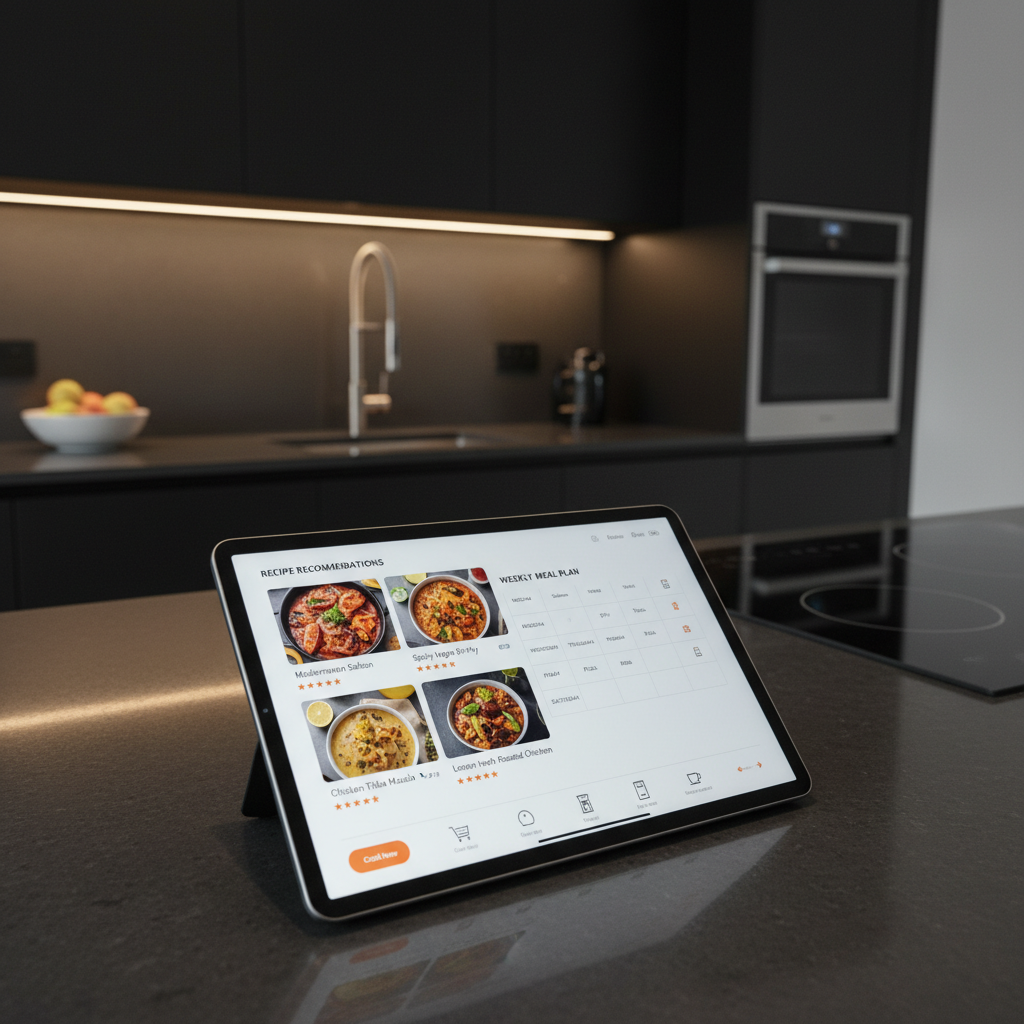
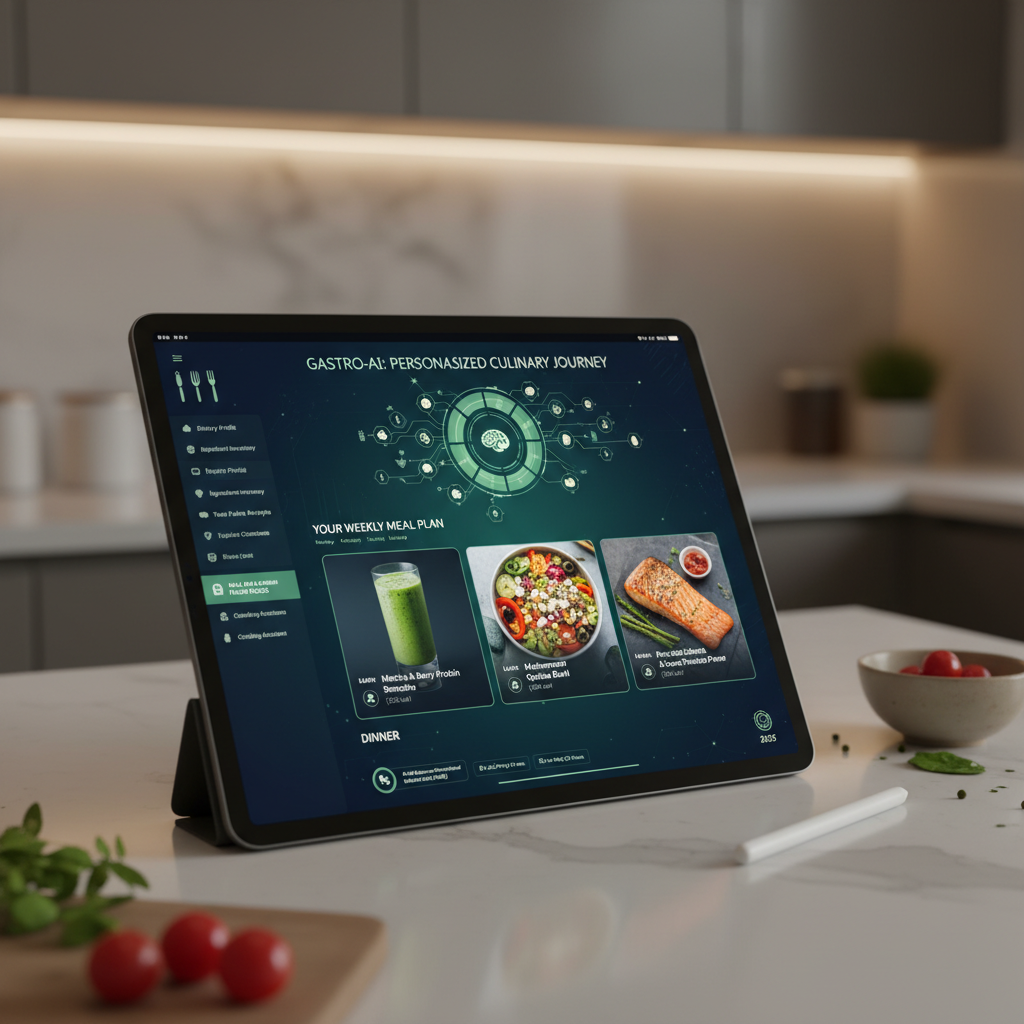
Recent trends include AI-powered recipe suggestions based on dietary preferences and available ingredients, seamless integration with smart grocery lists, and even appliances that can learn your cooking habits to optimize performance over time. Imagine your oven suggesting the perfect cooking time for a chicken based on its weight, which your smart fridge knows.
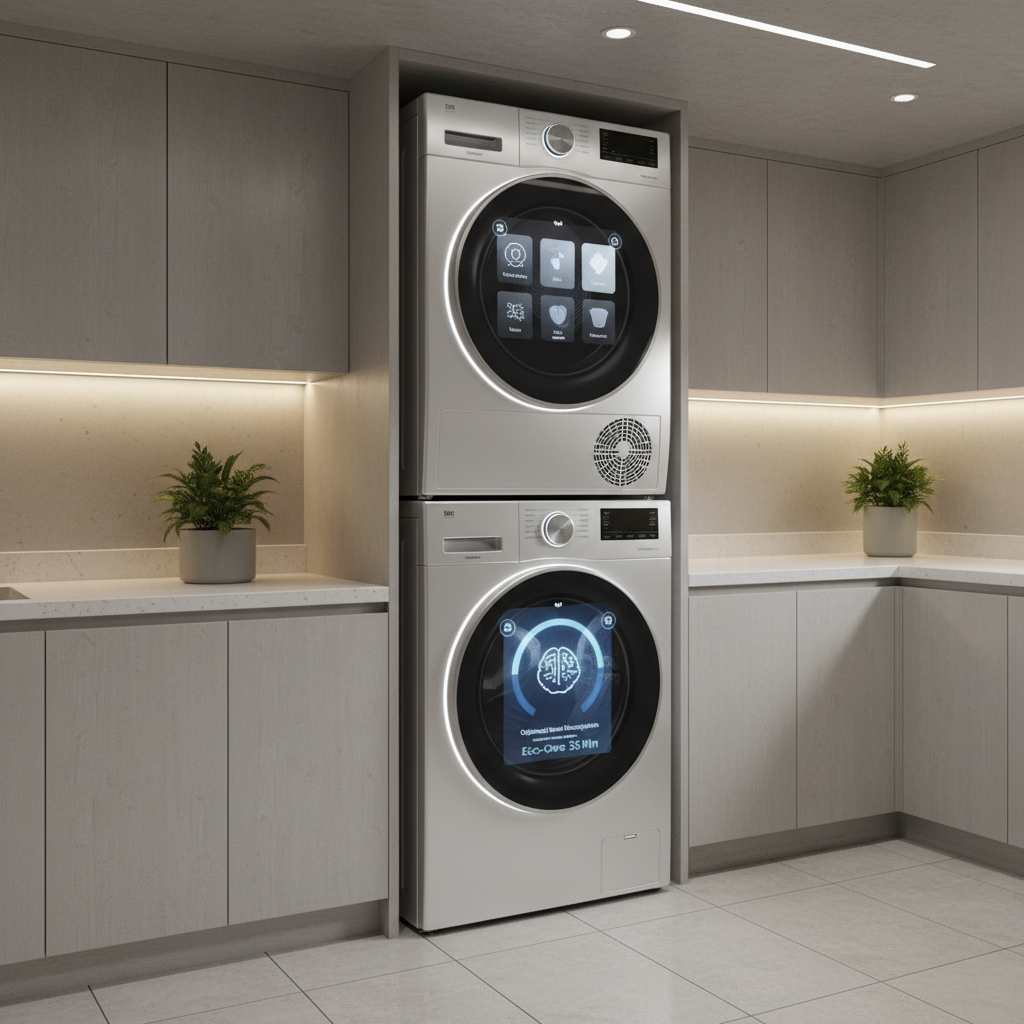
Laundry Made Easy: Smart Washers and Dryers
Laundry day no longer needs to be a dreaded chore. Smart washers and dryers bring efficiency and convenience to your laundry room, freeing up your time for more enjoyable activities.
- Remote Start and Monitoring: Start a wash cycle from your office, or check the remaining time on your dryer from the living room couch, all via a smartphone app. You’ll receive notifications when a cycle is complete, so clothes don’t sit damp in the washer or wrinkle in the dryer.
- Cycle Selection and Customization: Many smart machines offer specialized cycles that can be downloaded or customized from an app, optimizing wash and dry settings for specific fabric types or stains. AI capabilities can even detect fabric types and soil levels, recommending the perfect cycle.
- Smart Dispensing: Some models automatically dispense the correct amount of detergent and fabric softener based on the load size and soil level, preventing waste and ensuring optimal cleaning.
- Troubleshooting and Maintenance Alerts: Receive alerts for potential issues, maintenance reminders, or error codes, often with direct links to troubleshooting guides or customer support.
The connectivity of smart laundry appliances can also integrate with other parts of your home. For example, your smart lights could flash a specific color when the laundry cycle is done, or your smart speaker could announce, “The laundry is ready to be folded.”
Sparkling Clean, Hands-Free: Smart Cleaning Devices
The drudgery of daily cleaning is rapidly becoming a relic of the past, thanks to a new generation of intelligent cleaning devices. These robotic assistants and smart maintenance tools handle the mundane tasks, allowing you to enjoy a consistently tidy home without lifting a finger.
Robotic Assistants: Vacuum and Mop Cleaners
Robot vacuums and mops have evolved significantly, moving beyond simple random bumping to sophisticated navigation and cleaning capabilities.
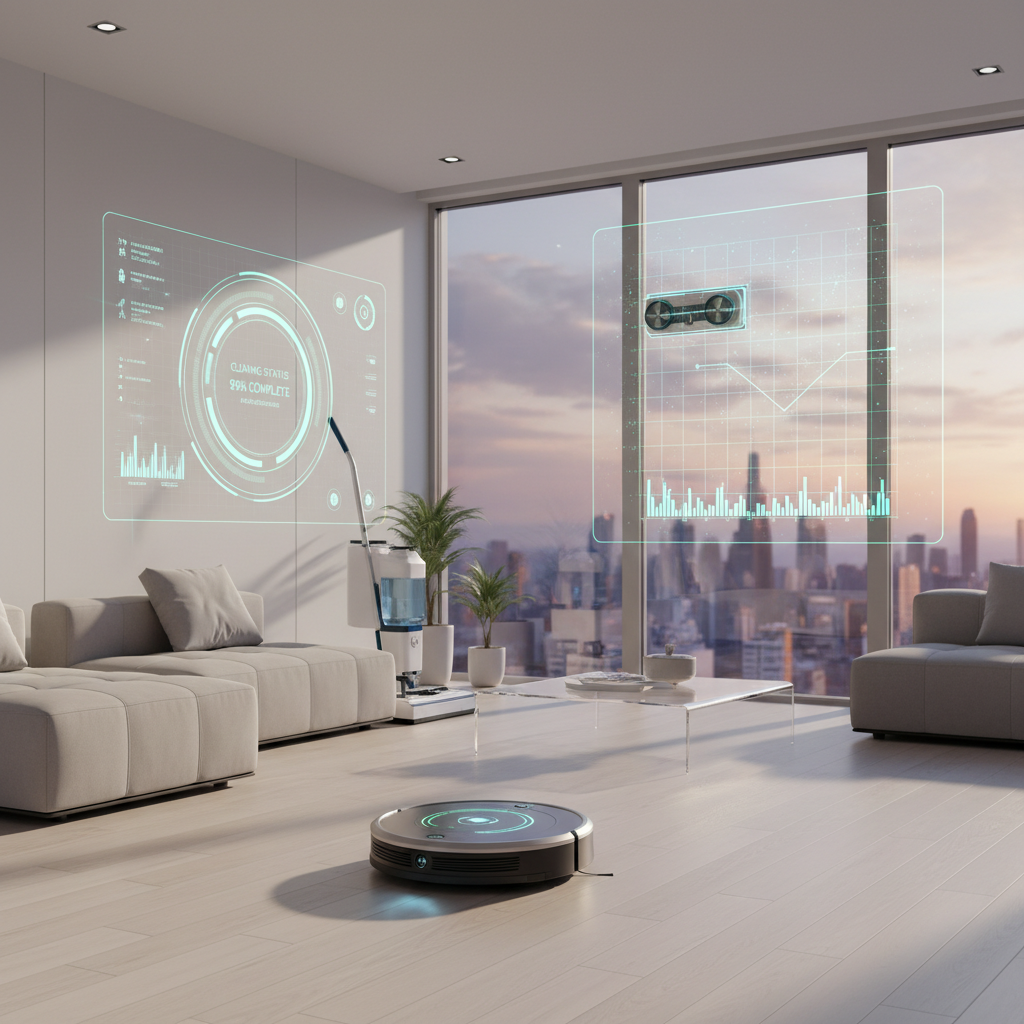
- Advanced Mapping and Navigation: Modern robot vacuums (e.g., Roomba, Roborock, Ecovacs) use LiDAR, vSLAM, or other advanced sensors to create precise maps of your home. This allows them to clean in methodical patterns, avoid obstacles, and efficiently cover entire floor plans. Many can store multiple maps, making them suitable for multi-story homes.
- Scheduled Cleaning and Zone Cleaning: Schedule your robot to clean at specific times (e.g., while you’re at work or sleeping). You can also designate specific areas or “no-go zones” through the app, directing the robot to clean only certain rooms or avoid delicate areas.
- Auto-Emptying Docks: Many high-end robot vacuums now come with auto-emptying docks that can hold weeks or even months of dust and debris, minimizing human intervention. This is a game-changer for those who find emptying the small bin a hassle.
- Integrated Mopping: Hybrid robot vacuums combine vacuuming and mopping capabilities, transitioning from dry cleaning to wet mopping in different areas, or even at the same time. Some models feature advanced mopping systems that lift the mop pad to avoid carpets or use sonic vibration for a deeper clean.
- Object Avoidance: AI-powered object recognition helps robots identify and avoid common household clutter like pet waste, shoes, and cables, preventing frustrating tangles and ensuring a smoother cleaning experience.
The latest developments focus on even smarter AI, allowing robots to identify dirtier areas and spend more time cleaning them, or offering voice command integration for on-demand spot cleaning.
Beyond the Floor: Smart Sprinklers and Pool Cleaners
Automation extends beyond indoor cleaning to your outdoor spaces, ensuring your garden and pool are maintained with minimal effort.
- Smart Irrigation Systems: Devices like Rachio and Orbit B-hyve connect to your home’s sprinkler system and can be controlled via an app. They access local weather forecasts and soil conditions, automatically adjusting watering schedules to provide just the right amount of water, saving significant amounts of water and money. They can pause watering if rain is detected, or increase it during a heatwave.
- Robotic Pool Cleaners: Just like their indoor counterparts, robotic pool cleaners autonomously vacuum and scrub the bottom and sides of your pool. Many models can be scheduled, controlled via an app, and some even map your pool for efficient cleaning, ensuring crystal-clear water with minimal manual effort.
These devices work silently in the background, making your entire property, both indoors and out, effortlessly pristine.
Enhancing Life: Smart Entertainment, Wellness, and Accessibility
The automated home is not just about chores; it’s about enriching your life, creating immersive experiences, promoting well-being, and making your home more inclusive for everyone.
Immersive Experiences: Smart TVs and Sound Systems
Your living room can transform into a personalized entertainment hub, responding to your commands and preferences.
- Smart TVs and Streaming Devices: Most modern TVs come with built-in smart platforms (e.g., Google TV, Roku TV, Samsung Tizen OS) allowing access to streaming services, apps, and even voice assistants. Devices like Apple TV, Google Chromecast, and Amazon Fire TV Stick further integrate your entertainment into your smart home ecosystem, allowing voice control over content playback, volume, and even changing channels.
- Multi-Room Audio Systems: Brands like Sonos and Bose offer wireless speaker systems that can stream music throughout your entire home. Group speakers to play the same audio seamlessly in multiple rooms, or play different music in different zones. Integrate with your smart assistant to control playback with voice commands, making music an ever-present part of your environment.
- Automated Entertainment Scenes: Create “Movie Night” scenes where, with a single command, your smart TV turns on, the sound system activates, lights dim to a cinematic glow, and smart blinds close. This orchestrates multiple devices for a truly immersive experience.
A Healthier Home: Smart Beds, Air Purifiers, and Accessibility Tools
Smart technology can also contribute significantly to your physical and mental well-being, as well as making homes more accessible.
- Smart Beds and Sleep Trackers: Smart beds (e.g., Sleep Number) can adjust firmness, track sleep patterns, and even warm your feet. Standalone sleep trackers (e.g., Withings Sleep Analyzer) can monitor heart rate, breathing, and sleep cycles, providing insights to improve sleep quality. These devices can integrate with your smart home to adjust lighting or temperature for optimal sleep.
- Smart Air Purifiers and Humidifiers: Beyond monitoring, smart air purifiers automatically activate when poor air quality is detected, cleaning the air of allergens, dust, and pollutants. Smart humidifiers can maintain ideal humidity levels, crucial for respiratory health and preventing dry skin, especially in arid climates or during winter.
- Enhanced Accessibility: Smart home technology holds immense potential for individuals with disabilities or mobility challenges. Voice control for lights, thermostats, doors, and entertainment systems can provide independence and ease of living. Motion-activated lighting, smart video doorbells, and automated blinds eliminate the need for physical interaction, making daily tasks effortless. Fall detection sensors and medical alert systems can also integrate into the smart home for enhanced safety.
- Smart Scales and Health Monitoring: Connected scales track weight, BMI, body fat percentage, and more, syncing data to health apps. Smart blood pressure monitors and glucose meters can also integrate, providing a holistic view of your health and making it easier to share data with healthcare providers.
These devices seamlessly integrate into your daily life, offering convenience while actively working to improve your comfort, health, and overall quality of life.
Real-World Scenarios: Living the Automated Dream
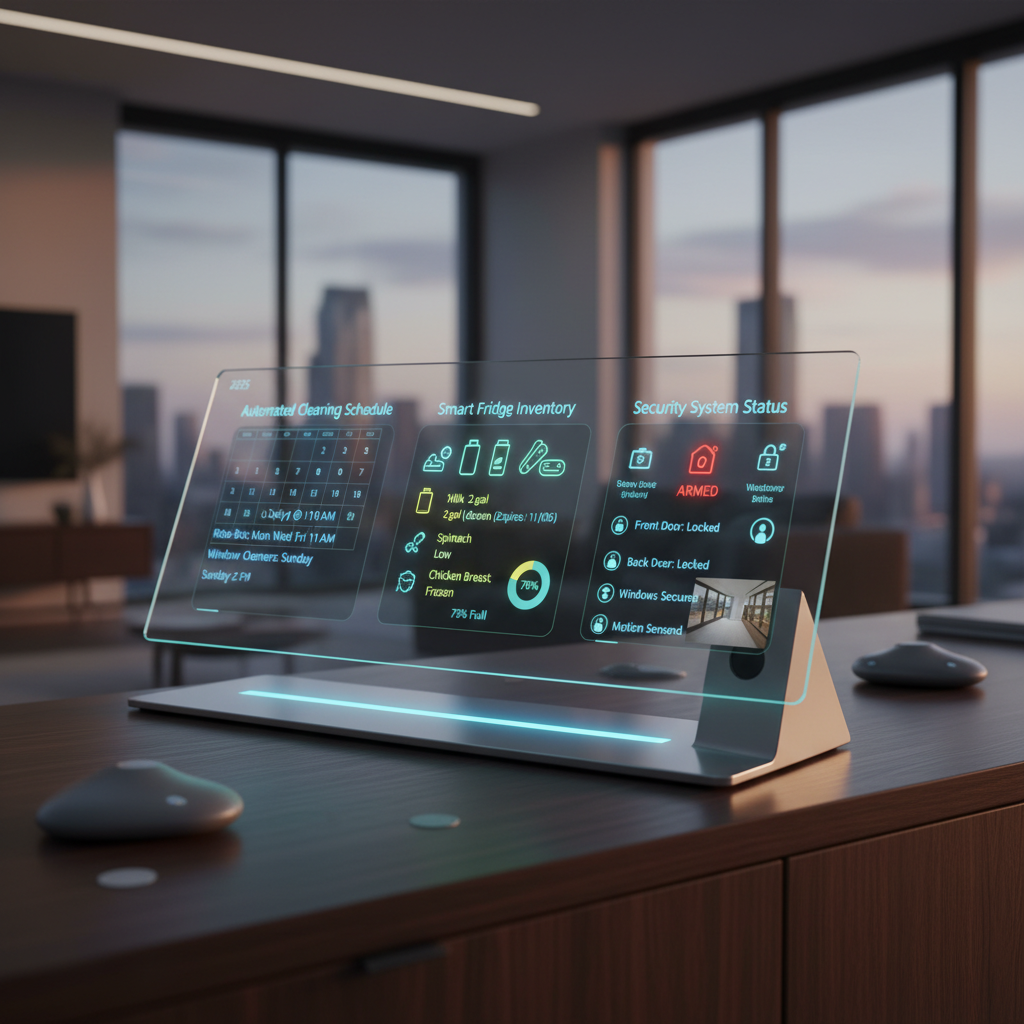
Understanding individual smart devices is one thing; visualizing how they work together in seamless harmony to create an effortlessly automated lifestyle is another. Here are a few real-world examples of how smart home automation can transform your daily routines.
The Perfect Morning Routine
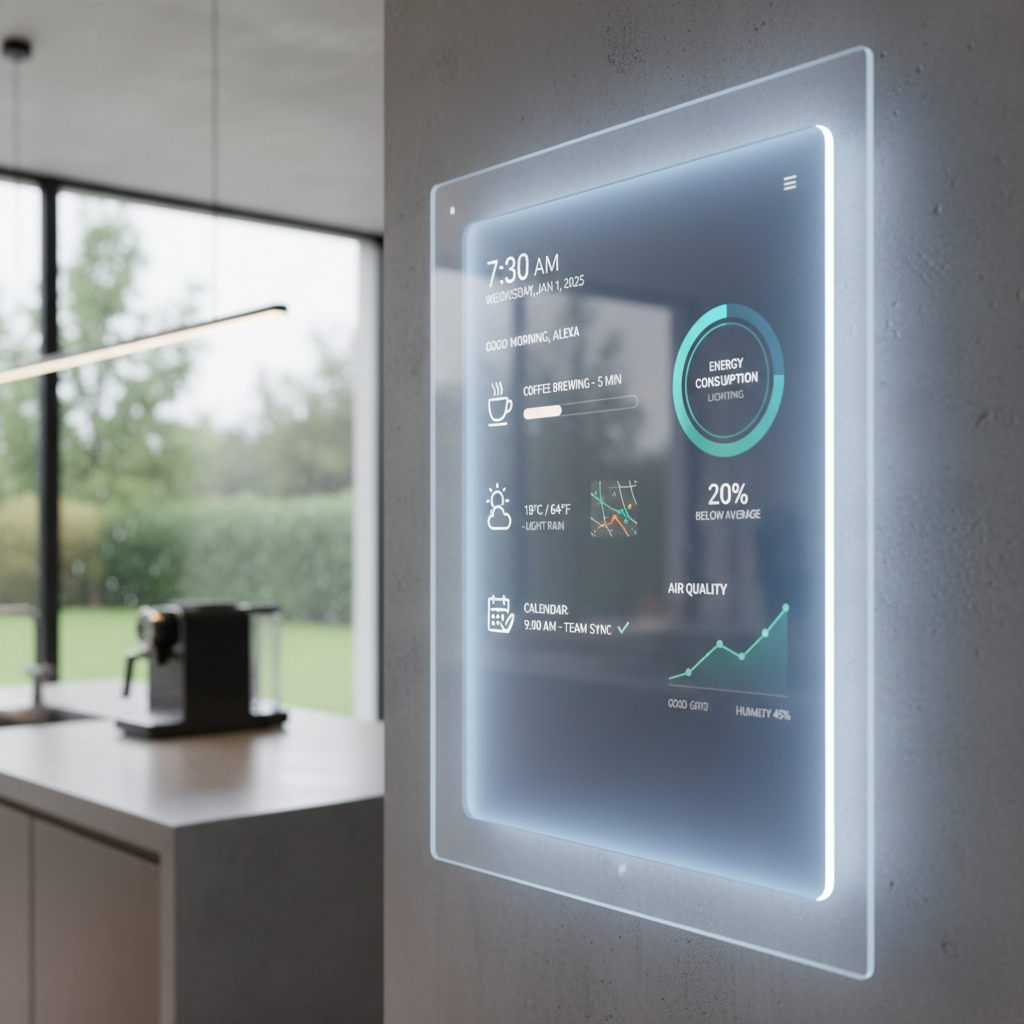
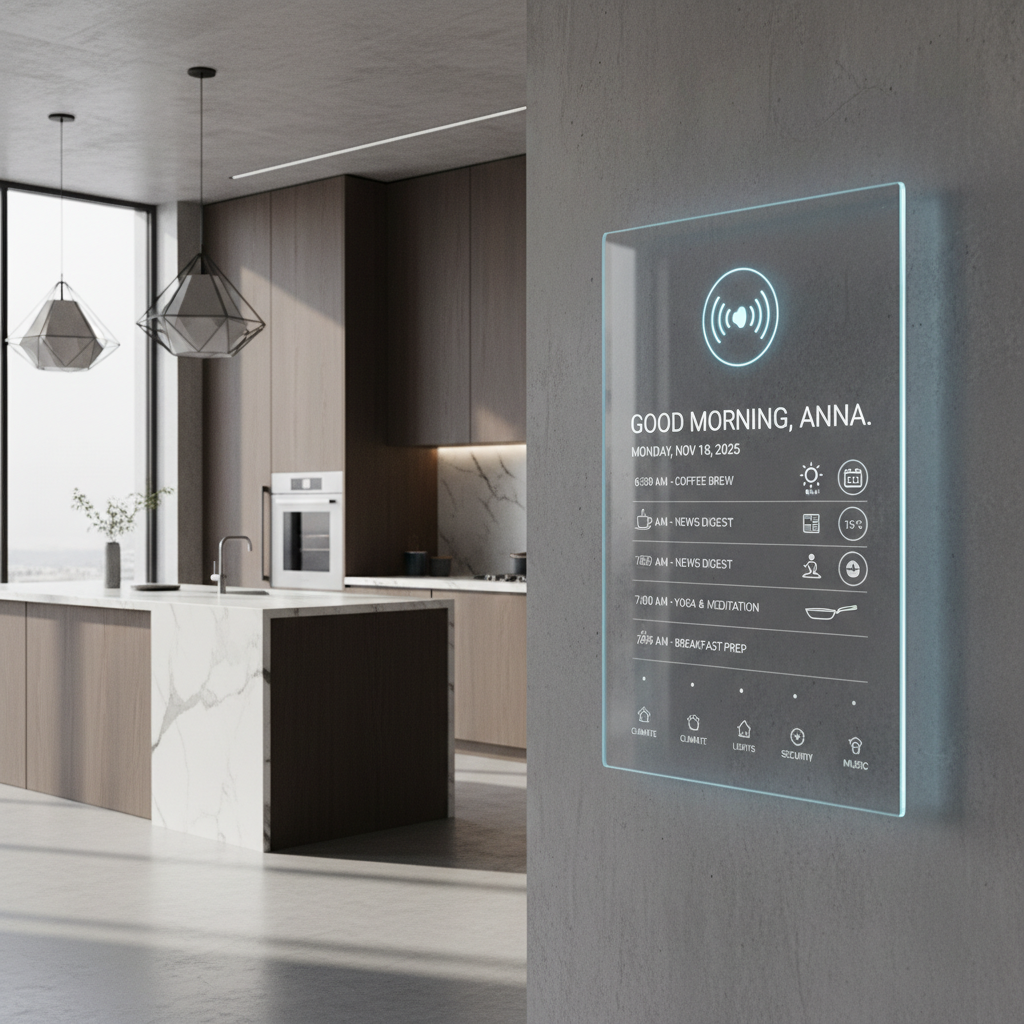
Imagine waking up without a jarring alarm clock. Instead, your smart blinds gradually open at 6:30 AM, allowing natural light to gently rouse you. Five minutes later, your smart light bulbs in the bedroom slowly brighten to a warm, soft glow. As your feet hit the floor, a motion sensor triggers the bathroom lights to turn on at a low setting, sparing your eyes. Downstairs, your smart coffee maker has already brewed a fresh pot, signaled by your alarm. Your smart speaker plays a personalized news briefing and weather forecast as you prepare breakfast. Meanwhile, your smart thermostat has already adjusted the living room temperature to your preferred morning warmth, ensuring comfort as you start your day. This entire sequence is pre-programmed, requiring no input from you, creating a calm and efficient start to your day.
Effortless Departure and Secure Return
As you gather your things to leave for work, a simple voice command like “Hey Google, I’m leaving” or pressing an “Away” button on your smart hub initiates a cascade of actions. Your smart lights throughout the house turn off. The smart thermostat switches to an energy-saving “away” mode. Your smart locks engage, securing all doors. The smart security system arms itself, and any outdoor cameras begin active monitoring. If you forgot to close a window, a smart contact sensor might alert you. Upon your return, as your car approaches your driveway (detected by geofencing), your outdoor lights automatically illuminate, the smart thermostat begins to warm or cool your home to a comfortable level, and your smart lock unlocks as you approach, recognizing your smartphone. Stepping inside, the security system disarms, and ambient indoor lights gently fade on, welcoming you home.
The Ultimate Movie Night Experience
Transforming your living room into a cinematic haven is just a voice command away. Saying “Alexa, turn on movie night” could trigger a meticulously crafted scene. Your smart TV powers on and switches to your preferred streaming service. The smart soundbar and subwoofer activate, enveloping the room in rich audio. Smart lighting in the living room dims to a soft, warm glow, while any accent lighting behind the TV changes to a subtle, atmospheric color. Smart blinds or curtains automatically close, blocking out external light. The thermostat might even subtly adjust to a slightly cooler temperature, perfect for snuggling under a blanket. All of this happens instantly, creating an immersive experience without fumbling for multiple remotes or switches, allowing you to focus on the entertainment.
Enhanced Home Security and Peace of Mind
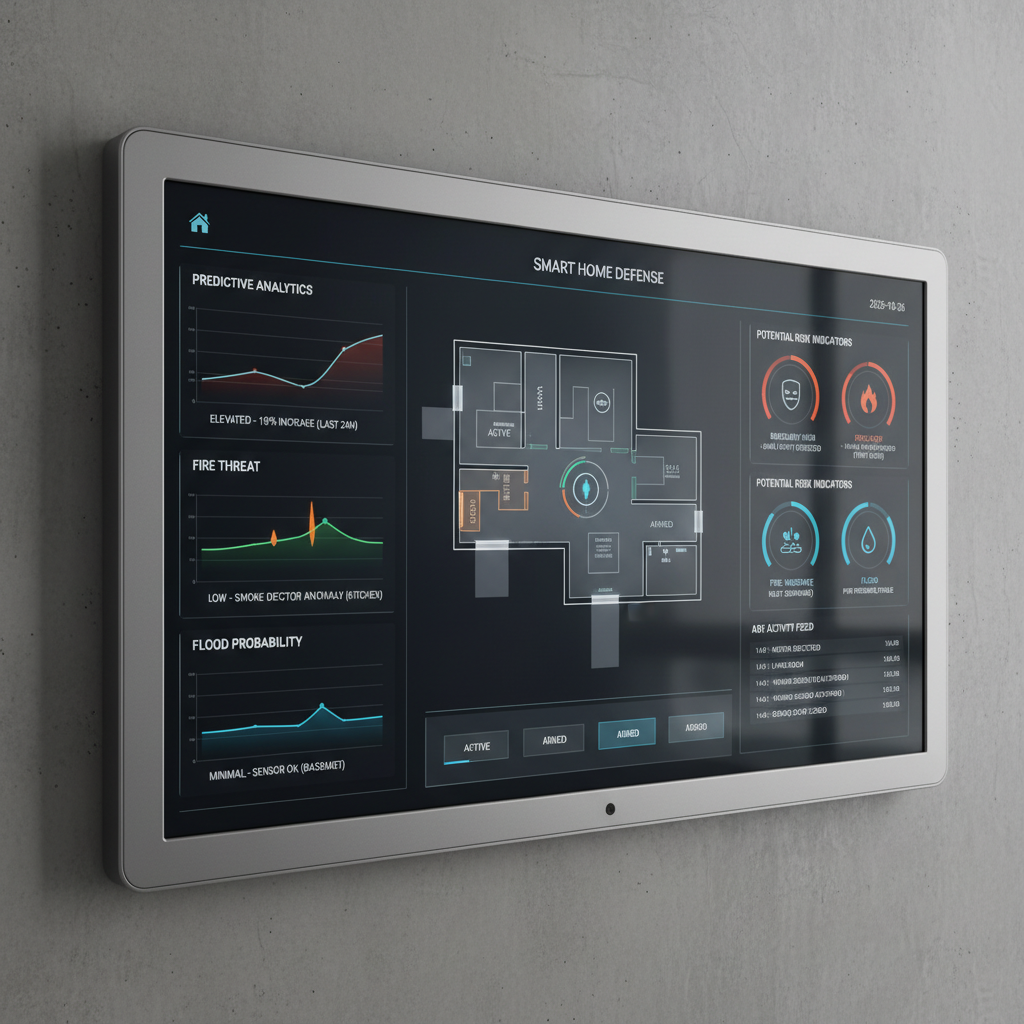
A truly automated security system works proactively. If a smart contact sensor on a window detects unauthorized entry, it won’t just send you an alert. It could trigger the indoor smart lights to flash brightly, attracting attention. Your smart speaker might loudly announce, “Intruder detected in the living room!” Simultaneously, your smart cameras would begin recording in high definition and send a live feed directly to your smartphone, allowing you to see what’s happening and potentially communicate with the intruder through two-way talk. If a smart smoke detector like Nest Protect detects smoke, it would not only sound its alarm but also notify your phone, turn on all your smart lights to aid evacuation, and even signal your smart HVAC system to shut down to prevent the spread of smoke. These integrated responses provide layers of protection and unparalleled peace of mind.
These examples illustrate how individual smart devices, when woven together by a central hub and smart routines, elevate convenience, security, and comfort to an extraordinary degree, making your home truly intelligent and responsive to your life.
Comparison Tables
Table 1: Major Smart Home Ecosystem Comparison
| Ecosystem | Strengths | Weaknesses | Key Devices/Integration | Ideal User |
|---|---|---|---|---|
| Amazon Alexa (Echo) |
|
|
|
Users prioritizing broad device choice, voice control, and budget-friendliness. |
| Google Home / Assistant (Nest) |
|
|
|
Users deeply embedded in Google’s ecosystem, valuing intelligent voice interaction and visual control. |
| Apple HomeKit |
|
|
Apple users prioritizing privacy, security, and seamless integration with their existing Apple ecosystem. | |
| Samsung SmartThings |
|
|
Tech-savvy users with a mix of Zigbee/Z-Wave devices, looking for deep customization and robust automation. |
Table 2: Advanced Robot Vacuum Comparison (High-End Models)
| Model/Brand Example | Key Features | Price Range (Approx.) | Ideal User |
|---|---|---|---|
| iRobot Roomba j9+ Combo |
|
$900 – $1400 | Pet owners, those with mixed flooring (carpets & hard floors), users seeking robust suction and reliable object avoidance. |
| Roborock S8 Pro Ultra |
|
$1200 – $1600 | Users wanting comprehensive cleaning (vacuum & mop), minimal maintenance, high suction power, and advanced dock features. |
| Ecovacs Deebot X2 Omni |
|
$1300 – $1800 | Users seeking cutting-edge design, maximum suction power, advanced AI, and the most hands-off cleaning and dock experience. |
| Dreametech L20 Ultra |
|
$1000 – $1400 | Those prioritizing superior mopping, especially along baseboards, powerful suction, and advanced all-in-one dock functionality. |
Frequently Asked Questions
Q: What exactly is a smart home?
A: A smart home refers to a residence equipped with internet-connected devices that can be controlled remotely or automated to perform specific tasks. These devices communicate with each other and often with a central hub or voice assistant, allowing you to manage various functions like lighting, climate, security, entertainment, and appliances, often using a smartphone app or voice commands. The goal is to enhance convenience, efficiency, comfort, and security for the occupants.
Q: How do smart devices communicate with each other?
A: Smart devices communicate using a variety of wireless protocols. The most common include Wi-Fi (for direct internet connection), Bluetooth (for short-range pairing), Zigbee, and Z-Wave (low-power mesh networks specifically designed for smart homes). A central smart hub often acts as a translator, allowing devices using different protocols to communicate and operate as a unified system, or they might connect directly to your home Wi-Fi network and communicate via cloud services.
Q: Is setting up a smart home difficult or does it require professional installation?
A: For many basic smart devices (like smart bulbs or smart plugs), setup is typically very simple and can be done by anyone in minutes using a smartphone app. More complex systems, especially those involving wired installations (like smart switches or advanced security systems) or extensive multi-device automations, might take more time and effort. However, most modern smart home devices are designed for DIY installation, and a professional is generally only needed for very specialized or large-scale projects, or if you prefer not to do it yourself.
Q: What are the main benefits of automating my home?
A: The benefits are numerous and significant:
- Convenience: Control devices remotely, automate routines, and manage tasks with voice commands.
- Energy Efficiency: Smart thermostats, lighting, and plugs can significantly reduce energy consumption and utility bills.
- Enhanced Security: Smart cameras, locks, and alarm systems provide advanced monitoring and protection.
- Increased Comfort: Maintain optimal temperatures, lighting, and entertainment settings tailored to your preferences.
- Peace of Mind: Monitor your home from anywhere, receive alerts, and ensure safety.
- Accessibility: Provides greater independence for individuals with mobility challenges.
Q: Are smart homes secure from hackers and privacy breaches?
A: Security and privacy are significant concerns in smart homes. While no system is 100% foolproof, reputable manufacturers employ strong encryption, regular security updates, and secure authentication methods. Users can enhance security by using strong, unique passwords, enabling two-factor authentication, keeping device firmware updated, segmenting their network (e.g., using a separate guest Wi-Fi for smart devices), and being mindful of the data they share. Choosing devices from trusted brands and understanding their privacy policies is crucial.
Q: How much does it cost to automate an entire home?
A: The cost can vary dramatically depending on the scale and sophistication of your automation. You can start small with a few smart bulbs and a smart speaker for under $100-$200. A more comprehensive setup covering lighting, climate, and basic security could range from $500 to $2000. Fully automating a large home with high-end appliances, advanced security, and entertainment systems could easily cost several thousands of dollars ($5,000+). It’s a scalable investment that can be built upon over time.
Q: Can I start small and expand my smart home later?
A: Absolutely, and it’s often the recommended approach! Many people begin with a single smart speaker or a few smart lights and gradually add more devices as their needs evolve and their budget allows. Choosing a strong foundational ecosystem (like Amazon Alexa, Google Home, or Apple HomeKit) from the outset will ensure that newly purchased devices are compatible and can integrate seamlessly as you expand your automated home.
Q: What about privacy concerns with smart devices, especially voice assistants?
A: Privacy is a valid concern, particularly with voice-activated devices that are always listening for a wake word. Reputable companies state that these devices only record and send audio to the cloud after the wake word is detected. However, accidental recordings can occur. Users can mitigate risks by reviewing privacy settings, understanding what data is collected, regularly deleting voice recordings, and being selective about which devices they bring into sensitive areas of their home. Opting for brands with strong privacy commitments (like Apple HomeKit) can also be a preference for some users.
Q: What happens if my internet goes down? Will my smart home stop working?
A: This depends on the specific devices and your setup. Many basic smart devices (like Wi-Fi bulbs) rely entirely on an internet connection for remote control and cloud-based automations. However, devices that use protocols like Zigbee or Z-Wave, especially when connected to a local hub (like SmartThings or certain HomeKit setups), can often continue to run local automations even without an internet connection. Voice commands might cease, but scheduled events or direct control via a local app might still function. It’s a good practice to research local control capabilities when choosing devices if internet dependency is a major concern for you.
Q: Are smart devices energy efficient, or do they consume more power?
A: Many smart devices are designed with energy efficiency in mind. Smart lighting, for instance, often uses LED technology, which is highly efficient, and smart controls prevent lights from being left on unnecessarily. Smart thermostats are specifically designed to optimize heating and cooling schedules, leading to significant energy savings. While the devices themselves consume a small amount of power, the potential for overall energy savings through intelligent management of your home’s systems typically far outweighs the power consumed by the devices themselves. However, always check the energy ratings of individual products.
Key Takeaways: Building Your Effortless Smart Home
- Plan Your Ecosystem: Choose a foundational ecosystem (Amazon Alexa, Google Home, Apple HomeKit, Samsung SmartThings) that aligns with your existing devices and preferences for maximum compatibility and ease of use.
- Start Small, Think Big: Begin with a few key devices that solve immediate pain points, then gradually expand your setup, ensuring each new addition integrates seamlessly.
- Prioritize Needs: Focus on areas that offer the most benefit to you personally, whether it’s enhanced security, energy savings, or simplified daily chores.
- Consider Connectivity: Understand the different communication protocols (Wi-Fi, Bluetooth, Zigbee, Z-Wave) and how they impact device performance and hub requirements.
- Security and Privacy are Paramount: Employ strong passwords, enable two-factor authentication, keep firmware updated, and be mindful of data sharing to protect your smart home.
- Automate Routines: Leverage the power of scenes and routines to orchestrate multiple devices for truly effortless, hands-free living, making your home proactive rather than reactive.
- Explore All Categories: Don’t limit yourself to just lighting or security; discover how smart devices in the kitchen, laundry, and for entertainment or wellness can profoundly enhance your lifestyle.
- Stay Updated: The smart home landscape is constantly evolving. Keep an eye on new developments, features, and integrations to continually optimize your automated living space.
Conclusion
The journey to a fully automated home is an exciting and transformative one, moving us closer to an era of truly effortless living. From the subtle nuances of intelligent lighting and climate control that anticipate our comfort, to the robust vigilance of smart security systems that protect our loved ones, and the tireless efficiency of robotic assistants that handle our chores, smart devices are fundamentally reshaping how we interact with our living spaces. They offer not just convenience, but a tangible enhancement to our quality of life, freeing up precious time and mental energy that was once consumed by mundane tasks.
As AI continues to advance and device interoperability improves, the smart home will become even more intuitive, predictive, and personalized. The initial investment, both in terms of cost and learning curve, is far outweighed by the long-term benefits of energy savings, heightened security, unparalleled comfort, and the sheer joy of a home that intelligently responds to your needs. Embrace this technological revolution, start building your connected sanctuary today, and step into a future where your home works tirelessly for you, simplifying chores and creating a truly effortless existence.































































Leave a Reply