


In a world increasingly driven by data and innovation, the landscape of education is undergoing a profound transformation. For centuries, education has largely followed a one-size-fits-all model, where students progress through standardized curricula at a uniform pace. While this approach has its merits, it often overlooks the unique cognitive profiles, learning styles, and individual needs that make each student distinct. The result? Frustration for some, disengagement for others, and ultimately, a failure to unlock the full potential residing within every learner. But what if learning could be as unique as the individual? What if we could move beyond generic instruction to a system that truly understands and adapts to each student’s specific requirements?
Enter AI diagnostics for tailored learning support – a revolutionary approach that promises to redefine personalized education. This article delves deep into how artificial intelligence is being harnessed to diagnose individual learning patterns, strengths, weaknesses, and even emotional states, paving the way for hyper-personalized educational experiences. We will explore the mechanisms behind these cutting-edge tools, their myriad benefits for students, educators, and institutions, the challenges they present, and the exciting future they herald. Get ready to discover a powerful catalyst for a more equitable, engaging, and effective learning journey, truly uncovering hidden gems in educational technology.
The Promise of AI in Personalized Learning
Personalized learning is not a new concept; educators have long strived to meet students where they are. However, the sheer scale and complexity of managing highly individualized learning paths for large groups of students have always been insurmountable for human teachers alone. Traditional methods, often relying on infrequent assessments, anecdotal observations, and limited teacher-student ratios, struggle to provide the granular, real-time insights necessary for genuine personalization. Teachers, despite their dedication and expertise, are often stretched thin, making it challenging to identify and address every subtle learning nuance for each student.
This is where artificial intelligence steps in as a transformative force. AI’s ability to process vast amounts of data, recognize complex patterns, and make predictions at speeds far beyond human capacity makes it an ideal partner in the quest for personalized education. Rather than replacing the invaluable role of the human educator, AI acts as a sophisticated assistant, providing teachers with unprecedented visibility into each student’s learning journey. It helps bridge the gap between the aspiration of personalized learning and the practical realities of its implementation.
The core promise of AI in this context lies in its diagnostic capabilities. Imagine a system that can accurately pinpoint why a student is struggling with a particular concept – is it a foundational knowledge gap, a misunderstanding of instructions, a lack of engagement, or even a preferred learning style that isn’t being accommodated? AI diagnostics aim to answer these questions with precision, offering not just a diagnosis of the problem but also actionable insights for tailored interventions. This shift from generic remediation to targeted support is what makes AI a true game-changer, moving us closer to a future where every learner can thrive.
What are AI Diagnostics for Learning?
At its heart, AI diagnostics for learning refer to sophisticated artificial intelligence systems designed to analyze comprehensive student data to construct highly detailed cognitive and behavioral profiles. These profiles go far beyond simple test scores, delving into the intricacies of how an individual student learns, thinks, and interacts with educational content. The goal is to uncover the underlying mechanisms of understanding and misunderstanding, identifying not just what a student knows or doesn’t know, but why they know or don’t know it, and how they best acquire new information.
The data points utilized by these AI systems are remarkably diverse and extensive. They include traditional academic performance metrics, such as quiz and exam scores, assignment submissions, and progress tracking. However, they also incorporate a wealth of non-traditional data: the duration a student spends on certain topics, their interaction patterns with digital learning platforms (e.g., clicks, pauses, revisits), the types of errors they consistently make, their response times, and even, in more advanced systems, emotional cues derived from facial expressions or voice analysis during online sessions. Furthermore, natural language processing (NLP) can analyze written or spoken responses to gauge comprehension depth and critical thinking skills.
The primary mechanisms powering these diagnostics are rooted in advanced machine learning algorithms. These algorithms are trained on vast datasets of student interactions and outcomes, allowing them to identify correlations and patterns that would be invisible to human observation. For instance, a system might learn that students who consistently pause at a particular point in a video lecture before answering a question incorrectly might be struggling with a specific sub-concept. Or it might detect that a student who frequently rewatches visual explanations but struggles with text-based ones is a visual learner whose needs are not being met by predominantly textual content.
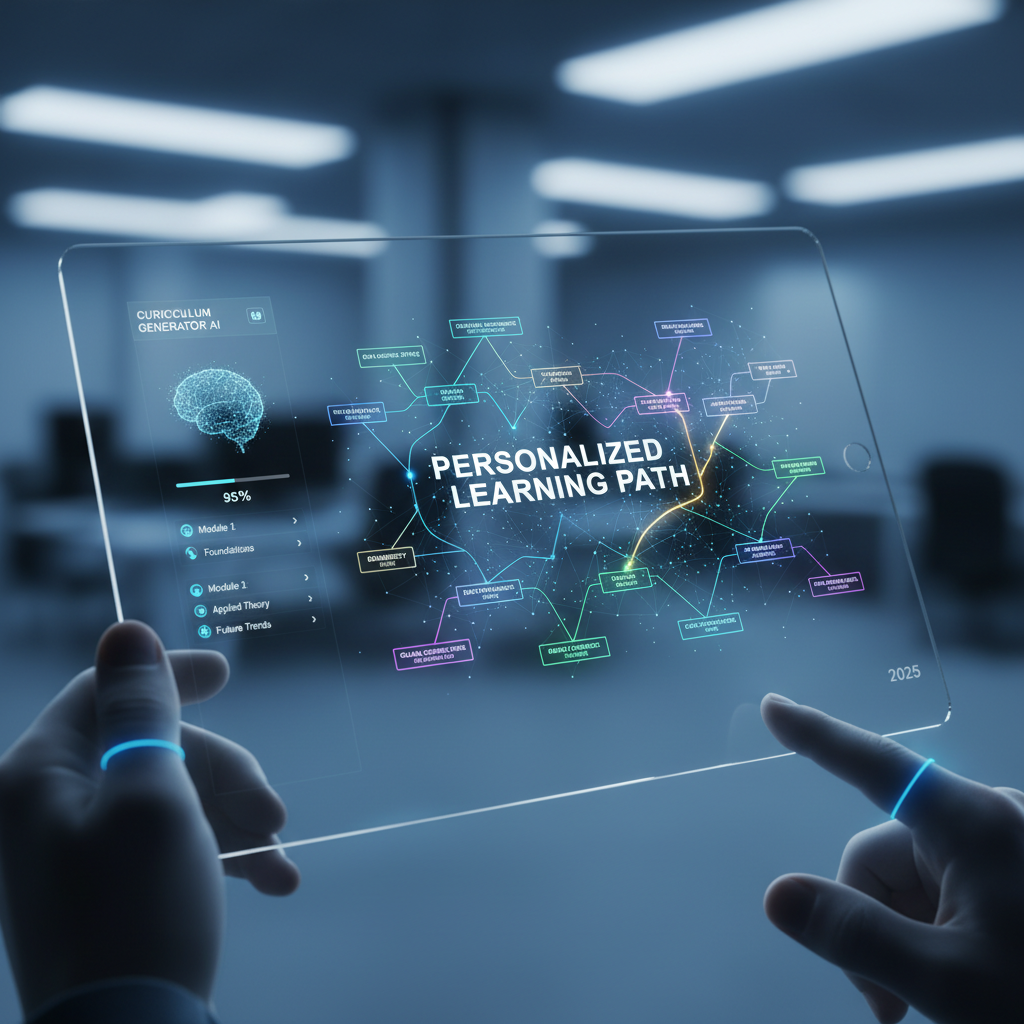
The outcome of these sophisticated analyses is a dynamic, evolving student profile that provides a holistic view of their learning journey. This profile serves as the bedrock for generating tailored learning paths, recommending specific resources, suggesting pedagogical approaches for educators, and even predicting future academic challenges. Instead of a static snapshot, AI diagnostics offer a continuous, adaptive assessment, allowing learning support to evolve in real-time alongside the student’s progress and changing needs.
How AI Diagnostics Uncover Unique Learning Profiles
The real power of AI diagnostics lies in their ability to peel back the layers of a student’s performance to reveal their unique learning profile. This goes far beyond simply categorizing students; it involves creating a nuanced, multi-dimensional understanding of their cognitive strengths, weaknesses, preferences, and even their emotional state during learning. Let’s explore some key areas where AI excels in this diagnostic process:
Cognitive Profiling
AI systems can identify a student’s preferred learning styles (e.g., visual, auditory, kinesthetic, reading/writing) by analyzing their interactions with different types of content. For example, if a student consistently spends more time engaging with interactive simulations and diagrams over reading dense text, the AI might infer a preference for visual or kinesthetic learning. It can also detect memory retention patterns, identifying if a student excels at short-term recall but struggles with long-term retention, or if they benefit from spaced repetition. Furthermore, AI can assess processing speeds for different types of information, revealing if a student needs more time for complex problem-solving or thrives under rapid-fire questioning. This deep cognitive insight allows for the customization of content delivery methods.
Strength and Weakness Mapping
Beyond simply marking answers as correct or incorrect, AI diagnostics can pinpoint the precise nature of errors. For instance, in mathematics, a student might get a problem wrong not because they don’t understand the specific operation, but because they misinterpret the word problem, or make a consistent arithmetic error in a particular type of calculation. AI can differentiate between these underlying issues, mapping out specific conceptual gaps or procedural errors. This granular mapping helps identify true areas of mastery and difficulty, allowing for targeted remediation that addresses the root cause rather than just the symptom. It can also identify nascent strengths in areas that might not be immediately obvious, perhaps a student who struggles with formal grammar but demonstrates exceptional creativity in their writing.
Engagement and Motivation Analysis
One of the most innovative applications of AI diagnostics is its ability to infer a student’s engagement and motivation levels. By analyzing data such as time spent on tasks, click patterns, frequency of breaks, interaction with peer forums, or even webcam-based facial recognition (with appropriate consent and ethical safeguards), AI can detect patterns indicative of high engagement, frustration, boredom, or confusion. For example, a sudden drop in activity coupled with repeated re-reading of instructions might signal confusion. Conversely, sustained focus and efficient progression could indicate high engagement and understanding. These insights allow educators to intervene proactively, perhaps by injecting more interactive elements, changing the pace, or offering motivational encouragement before disengagement becomes a significant issue.
Predictive Analytics
AI models, trained on historical data, can analyze a student’s current profile and predict potential future challenges or successes. This predictive capability is invaluable for early intervention. If an AI system detects patterns similar to those of previous students who later struggled in a particular subject, it can flag the current student for additional support before they fall significantly behind. Conversely, it can identify students who are excelling and might benefit from accelerated content or more challenging assignments. This proactive approach shifts education from reactive problem-solving to preventive support and enrichment, optimizing learning pathways for all.
Adaptive Assessment
Traditional assessments are static. AI diagnostics enable truly adaptive assessments that adjust in real-time based on a student’s responses. If a student answers a question correctly, the system might present a more challenging one. If they struggle, it might offer simpler questions to identify their knowledge boundary. This approach ensures that assessments are always pitched at the student’s optimal challenge level, providing a more accurate measure of their understanding and reducing test anxiety. It also makes the assessment itself a learning opportunity, as students receive immediate feedback and are guided towards concepts they need to master.
The Core Technologies Powering AI Learning Diagnostics
The sophisticated insights provided by AI learning diagnostics are not the result of a single technology but rather a synergistic integration of several advanced artificial intelligence disciplines. Each technology plays a crucial role in gathering, processing, and interpreting the vast amounts of data needed to build comprehensive student profiles.
Machine Learning Algorithms
Machine learning (ML) forms the backbone of AI diagnostics. Algorithms such as supervised learning (for classification and regression tasks like predicting student performance or identifying learning styles based on labeled data), unsupervised learning (for clustering students into groups with similar characteristics without pre-defined labels), and reinforcement learning (for optimizing adaptive learning paths through trial and error) are continuously analyzing student interactions. These algorithms learn from every click, every answer, every pause, identifying intricate patterns that correlate with understanding, struggle, and progress. For instance, a deep neural network might be trained on thousands of student problem-solving attempts to recognize the subtle markers of a specific conceptual misunderstanding in algebra.
Natural Language Processing (NLP)
NLP is vital for understanding and interpreting human language, both written and spoken. In AI diagnostics, NLP algorithms can analyze student essays, short answers, forum posts, and even spoken responses to gauge comprehension, identify logical fallacies, assess critical thinking skills, and detect sentiment. For example, an NLP model can evaluate a student’s explanation of a historical event not just for factual accuracy but also for coherence, the depth of their reasoning, and their ability to connect concepts. It can identify grammatical errors, stylistic issues, and even plagiarism, providing nuanced feedback that goes beyond simple correctness. This allows for qualitative assessment at scale, which was previously impractical.
Computer Vision
With the increasing prevalence of online learning environments, computer vision is emerging as a powerful diagnostic tool. When integrated ethically and with proper consent, computer vision algorithms can analyze webcam feeds during online sessions to interpret facial expressions, gaze tracking, and body language. This can provide real-time indicators of a student’s engagement, confusion, frustration, or focused attention. For instance, a furrowed brow combined with a sustained gaze at a complex diagram might suggest confusion, prompting the system to offer an immediate hint or a simpler explanation. While privacy concerns are paramount and must be addressed with robust safeguards, the potential for real-time emotional and cognitive state assessment offers unprecedented diagnostic capabilities.
Educational Data Mining (EDM)
EDM is a specialized field that applies data mining techniques to educational datasets. It’s about extracting meaningful insights from large volumes of student data generated within learning management systems (LMS), online courses, and educational software. EDM techniques help discover patterns that predict student performance, identify at-risk students, understand effective pedagogical strategies, and group students based on learning behaviors. For example, EDM might uncover that students who complete optional practice modules within the first 24 hours of a lesson consistently outperform those who don’t, leading to recommendations for timely engagement.
Adaptive Learning Platforms
While not a diagnostic technology in itself, adaptive learning platforms are the environments where AI diagnostics are put into practice. These platforms integrate the insights from ML, NLP, and EDM to dynamically adjust the learning content, pace, and sequence based on the individual student’s real-time performance and diagnostic profile. They continuously collect new data, feed it back into the diagnostic models, and update the learning path accordingly. This creates a continuous feedback loop where diagnosis informs instruction, and instruction generates new data for further diagnosis, leading to a truly personalized and evolving educational experience.
Benefits for Students, Educators, and Institutions
The widespread adoption of AI diagnostics for tailored learning support promises a cascade of benefits, transforming the educational experience for all stakeholders involved. From enhancing individual student outcomes to optimizing institutional efficiency, the impact is multifaceted and profound.
For Students: Empowered and Engaged Learners
- Increased Engagement and Motivation: When learning content is precisely matched to a student’s needs, pace, and preferred style, it becomes inherently more engaging. Students are less likely to feel overwhelmed by overly difficult material or bored by content they’ve already mastered. The feeling of being truly understood and supported fosters a deeper sense of motivation and self-efficacy.
- Improved Learning Outcomes: By precisely identifying and addressing learning gaps, AI diagnostics ensure that students receive targeted support exactly when and where they need it. This leads to a more efficient learning process, better retention of material, and ultimately, superior academic performance. Students grasp concepts more deeply and build a stronger foundational understanding.
- Reduced Frustration and Anxiety: The “one-size-fits-all” approach often leads to frustration for students who struggle to keep up or anxiety for those who feel misunderstood. AI diagnostics mitigate this by providing a learning path that feels manageable and relevant, reducing the stress associated with learning and fostering a more positive attitude towards education.
- Self-Paced Learning: Students can progress at their own optimal speed, taking more time on challenging topics and accelerating through familiar ones. This flexibility accommodates diverse learners, including those with learning disabilities, gifted students, or those balancing education with other commitments.
- Boosted Confidence: Consistent success, facilitated by tailored support, builds confidence. Students who once felt inadequate begin to see themselves as capable learners, eager to tackle new challenges and explore new subjects.
For Educators: Enhanced Effectiveness and Efficiency
- Data-Driven Insights: Teachers gain access to unprecedented, granular data about each student’s learning process. This allows them to move beyond intuition and make truly data-informed decisions about lesson planning, interventions, and differentiated instruction. They can see not just who is struggling, but exactly why.
- Efficient Lesson Planning and Differentiation: With detailed student profiles, educators can more effectively plan lessons that cater to diverse needs. They can quickly identify groups of students who might benefit from specific teaching strategies or resources, streamlining the process of differentiation.
- Targeted Interventions: AI flags at-risk students or specific conceptual hurdles in real-time, allowing teachers to provide timely and targeted support. Instead of broad remediation, teachers can focus their efforts on the precise areas where students need help the most, making their interventions far more impactful.
- Time for Human Interaction: By automating many of the diagnostic and content delivery aspects, AI frees up teachers’ valuable time. This allows them to focus on the uniquely human aspects of education: mentorship, emotional support, fostering critical thinking, facilitating collaborative projects, and building meaningful relationships with students.
- Professional Development: Insights from AI diagnostics can also inform professional development for educators, highlighting common student challenges or effective teaching strategies that emerge from the data.
For Institutions: Optimized Operations and Improved Outcomes
- Improved Student Retention and Success Rates: Personalized learning paths lead to greater student satisfaction and academic success, which in turn contributes to higher retention rates. Students are more likely to complete their courses and programs when they feel supported and engaged.
- Better Academic Performance Metrics: Institutions can demonstrate improved student outcomes across various metrics, from standardized test scores to graduation rates, enhancing their reputation and accreditation standing.
- Efficient Resource Allocation: Data-driven insights can help institutions allocate resources more effectively. For example, identifying common areas of struggle might prompt investment in specific tutoring programs or curriculum adjustments.
- Enhanced Reputation and Innovation: Institutions that embrace cutting-edge AI technologies for personalized learning position themselves as innovative leaders in education, attracting both students and top-tier faculty.
- Scalability of Personalized Education: AI makes personalized learning scalable to a degree previously unimaginable. It allows institutions to offer tailored support to thousands, even millions, of students simultaneously, democratizing access to high-quality individualized education.
Challenges and Ethical Considerations
While the promise of AI diagnostics in education is immense, its implementation is not without significant challenges and crucial ethical considerations. Addressing these proactively is vital to ensure that AI serves as a beneficial tool rather than introducing new inequities or risks.
Data Privacy and Security
One of the foremost concerns is the collection, storage, and use of sensitive student data. AI diagnostics rely on gathering a vast array of personal information, from academic performance to behavioral patterns and potentially even biometric data. Ensuring robust data security measures, strict adherence to privacy regulations (like GDPR, FERPA), and transparent policies on how data is used and shared are paramount. Parents, students, and educators must have clear understanding and control over their data, including the right to opt-out or request data deletion. Anonymization and aggregation techniques are crucial to protect individual identities while still deriving valuable insights.
Bias in Algorithms
AI algorithms are only as unbiased as the data they are trained on. If historical educational data reflects existing societal biases (e.g., against certain socioeconomic groups, ethnicities, or genders), the AI diagnostic models can inadvertently perpetuate or even amplify these biases. This could lead to unfair assessments, inaccurate diagnoses, or suboptimal learning recommendations for certain student populations. Developing and deploying AI systems requires rigorous testing for bias, diverse training datasets, and continuous auditing to ensure fairness, equity, and inclusion for all learners.
Over-reliance on AI and the Human Element
There is a risk that educators and institutions might over-rely on AI diagnostics, potentially diminishing the critical role of human intuition, empathy, and personal relationships in education. While AI can provide data-driven insights, it cannot fully replicate a teacher’s ability to understand a student’s emotional context, provide nuanced encouragement, or respond to complex, non-quantifiable needs. The goal should always be to augment human teaching, not replace it, maintaining a healthy balance where AI informs and empowers educators, allowing them to focus on high-touch interactions.
Infrastructure and Accessibility
Implementing sophisticated AI diagnostic systems requires significant technological infrastructure, including high-speed internet, powerful computing resources, and compatible devices. This raises concerns about the digital divide. Schools and students in underserved communities might lack the necessary resources to access and benefit from these technologies, potentially exacerbating existing educational inequalities. Ensuring equitable access to technology and providing necessary infrastructure support is essential to prevent a two-tiered educational system.
Teacher Training and Professional Development
For AI diagnostics to be effective, educators need to be adequately trained to understand how these tools work, interpret the data they provide, and integrate the insights into their teaching practices. Without proper professional development, teachers might feel overwhelmed, distrust the technology, or fail to leverage its full potential. Training should focus not just on technical proficiency but also on pedagogical strategies for using AI insights to foster student growth and well-being.
Transparency and Explainability
AI models, particularly deep learning networks, can sometimes operate as “black boxes,” making it difficult to understand how they arrive at specific conclusions or recommendations. In education, transparency is crucial. Educators and students need to understand the reasoning behind a diagnostic assessment or a personalized learning path to build trust and effectively utilize the system. Efforts in explainable AI (XAI) are crucial to ensure that the logic and rationale behind AI diagnostics are clear and interpretable.
Implementing AI Diagnostics: A Phased Approach
Successfully integrating AI diagnostics into an educational ecosystem requires a thoughtful, phased approach rather than a sudden overhaul. Rushing the implementation can lead to resistance, technical glitches, and a failure to realize the technology’s full potential. A structured deployment strategy ensures smooth adoption and maximum impact.
1. Initial Pilot Programs and Needs Assessment
The journey should begin with small-scale pilot programs. Select a specific subject area, grade level, or a limited group of students and educators to test the AI diagnostic system. Before starting, conduct a thorough needs assessment to identify specific pain points in current learning support and how AI might address them. Define clear objectives and measurable outcomes for the pilot, such as improving student scores in a particular module or reducing the time educators spend on grading.
2. Data Collection, Integration, and Anonymization
AI diagnostics are data-hungry. Establish robust systems for collecting relevant student data ethically and efficiently. This involves integrating with existing Learning Management Systems (LMS) like Canvas or Moodle, educational apps, and assessment platforms. Crucially, implement strong data anonymization and pseudonymization techniques from the outset to protect student privacy. Ensure compliance with all relevant data protection regulations and obtain necessary consents from students and parents. Data quality is paramount, as “garbage in, garbage out” applies emphatically to AI.
3. Teacher Training and Continuous Support
Teachers are the linchpins of successful AI integration. Provide comprehensive training that covers not only the technical aspects of using the AI diagnostic tools but also the pedagogical implications. Educators need to understand how to interpret the AI-generated insights, translate them into actionable teaching strategies, and maintain a balance between AI-driven guidance and their own professional judgment. Offer ongoing professional development, workshops, and a dedicated support system to address questions, troubleshoot issues, and share best practices. Creating a community of practice where teachers can learn from each other’s experiences with AI tools is highly beneficial.
4. Iterative Improvement and Feedback Loops
AI diagnostic systems are not static; they should evolve based on real-world usage. Establish continuous feedback loops where educators and students can provide input on the system’s effectiveness, usability, and accuracy. Regularly review performance data from the AI, analyzing whether its recommendations are leading to improved student outcomes. Use this feedback to refine algorithms, update features, and enhance the user experience. This iterative development ensures the system remains relevant, effective, and tailored to the evolving needs of the learning community. This agile approach allows for course correction and optimization, ensuring that the AI truly serves its intended purpose.
5. Scaling and Expansion
Once pilot programs demonstrate clear success and the system has been refined based on feedback, a strategic plan for scaling up can be implemented. This involves expanding the use of AI diagnostics to more subjects, grade levels, or institutions. Consider the infrastructure requirements for larger deployments and ensure that support systems are in place to manage the increased user base. Communicate successes and lessons learned transparently to foster buy-in and encourage wider adoption, demonstrating the tangible benefits AI brings to the educational process.
The Future Landscape: Beyond Diagnostics
While AI diagnostics currently stand as a powerful tool for understanding and personalizing learning, their evolution is set to push the boundaries of education even further. The future landscape of AI in learning promises to extend beyond mere diagnosis, evolving into more proactive, integrated, and deeply immersive educational experiences. These advancements will continue to unlock individual potential in ways previously unimaginable.
Proactive Intervention Systems
The next generation of AI diagnostics will move beyond identifying existing learning gaps to proactively anticipating potential challenges before they manifest. By analyzing subtle shifts in learning patterns, engagement levels, and even external factors (where ethically permissible and relevant), AI will be able to predict, with increasing accuracy, when a student might begin to struggle. This will enable immediate, targeted interventions – perhaps a timely nudge, a simplified explanation, or a recommendation for a quick review module – effectively preventing academic difficulties before they take root. Imagine an AI tutor that senses a student is about to get frustrated with a problem and offers a strategic hint before they give up.
AI-Powered Learning Companions
Beyond diagnostic tools, we can anticipate the rise of sophisticated AI learning companions. These will be more than just chatbots; they will be intelligent agents capable of dynamic conversations, personalized tutoring, and emotional support. They will understand a student’s tone, context, and learning history, offering empathetic responses and adapting their teaching style in real-time. These companions could act as always-available mentors, guiding students through complex topics, practicing language skills, or even helping them develop critical thinking by engaging in Socratic dialogues. Such companions would foster a sense of personalized guidance that scales infinitely.
Personalized Career Pathing and Skill Development
As AI diagnostics gather more comprehensive data about an individual’s aptitudes, interests, and learning styles throughout their educational journey, they can begin to inform personalized career pathing. By analyzing a student’s strengths in STEM, humanities, creativity, or problem-solving, AI could suggest potential career fields or skill development pathways that align with their unique profile and the demands of the future job market. This proactive guidance would extend beyond academic subjects, encompassing recommendations for extracurricular activities, internships, and skill-building courses, preparing students not just for exams but for life and career success.
Lifelong Learning Ecosystems
The concept of education is shifting from discrete periods of schooling to continuous lifelong learning. AI diagnostics will play a pivotal role in creating seamless, personalized lifelong learning ecosystems. As individuals move through different life stages and career changes, AI will continuously adapt their learning profiles, recommending relevant courses, certifications, and resources for upskilling or reskilling. This will ensure that learning remains relevant, accessible, and tailored to individual growth and professional development needs throughout a person’s entire life, supporting adaptability in an ever-changing world.
Multimodal and Multidimensional Diagnostics
Current AI diagnostics primarily rely on digital interactions. The future will see a greater integration of multimodal data inputs. This could include data from wearable sensors monitoring physiological responses (e.g., heart rate variability indicating stress), advanced biometric analysis (with strict ethical oversight), and even virtual reality (VR) or augmented reality (AR) environments that provide rich contextual data about how students interact with simulated scenarios. This multidimensional data will enable even more precise and holistic diagnostics, capturing a broader spectrum of learning behaviors and cognitive states.
The future of AI in education is bright and dynamic. While challenges remain, the continuous innovation in AI technology, coupled with thoughtful and ethical implementation, promises to transform education into a truly personalized, empowering, and lifelong journey for every individual.
Comparison Tables
Table 1: Traditional vs. AI-Powered Learning Diagnostics
| Feature | Traditional Diagnostics | AI-Powered Diagnostics |
|---|---|---|
| Methodology | Standardized tests, classroom observations, teacher intuition, periodic assessments. | Continuous data analysis, machine learning algorithms, real-time tracking of interactions, adaptive assessments. |
| Scope of Data | Primarily test scores, assignment grades, participation, anecdotal notes. | Test scores, interaction patterns, time spent, error types, engagement levels, learning styles, emotional cues, textual analysis. |
| Personalization Level | Broad differentiation for groups, limited individual tailoring. | Hyper-personalized; unique profiles and learning paths for each student. |
| Feedback Mechanism | Delayed, often summative; generic comments. | Immediate, actionable, highly specific, diagnostic, and prescriptive. |
| Time & Resource Intensity | High teacher time for grading and individual assessment; limited by class size. | Automated data processing, freeing up teacher time for targeted human interaction. |
| Scalability | Difficult to scale comprehensive personalization beyond small groups. | Highly scalable; can personalize learning for thousands or millions simultaneously. |
| Identification of Root Causes | Often superficial; identifies “what” is wrong, less often “why”. | Deep analysis to identify specific conceptual gaps, learning style mismatches, or engagement issues. |
| Proactivity | Reactive; interventions often happen after a student falls behind. | Proactive; predicts potential difficulties and suggests interventions before problems escalate. |
Table 2: Key AI Diagnostic Tools and Their Focus Areas
| AI Tool/System Category | Primary Technology | Diagnostic Focus | Example Benefit |
|---|---|---|---|
| Adaptive Learning Platforms | Machine Learning, Educational Data Mining | Pace adjustment, content sequencing, mastery tracking, conceptual gaps. | Ensures students are always challenged at their optimal level, preventing boredom or overwhelm. |
| Intelligent Tutoring Systems (ITS) | Machine Learning, Natural Language Processing, Rule-based AI | Problem-solving strategies, conceptual understanding, error analysis, real-time guidance. | Provides 1-on-1 tutoring at scale, tailored to individual thinking processes. |
| Writing/Language Feedback Tools | Natural Language Processing, Sentiment Analysis | Grammar, style, coherence, critical thinking, argumentation structure, plagiarism. | Offers detailed, instant feedback on written assignments, improving writing skills without teacher overload. |
| Engagement & Emotion Detection | Computer Vision, Affective Computing, ML Classifiers | Student focus, frustration, confusion, boredom, emotional state during learning. | Alerts educators to disengagement or distress, allowing for timely human intervention or system adjustment. |
| Skill Gap Analysis Platforms | Machine Learning, Knowledge Graph AI | Specific skill proficiencies, prerequisite knowledge gaps, interdisciplinary connections. | Identifies precise skills an individual needs to develop for a job role or complex topic. |
| Career Guidance AI | Machine Learning, Predictive Analytics, NLP | Individual aptitudes, interests, potential career pathways, future skill requirements. | Helps students align their education with future career aspirations and market demands. |
| Learning Analytics Dashboards | Educational Data Mining, Data Visualization | Aggregated student performance, common misconceptions, cohort trends, platform usage. | Provides educators and administrators with actionable insights into overall course effectiveness and student progress. |
Practical Examples: AI Diagnostics in Action
To truly grasp the transformative power of AI diagnostics, let’s look at some real-world scenarios where these tools are making a tangible difference for diverse learners across various educational settings.
Example 1: Enhancing Math Proficiency in K-12
Consider Maya, a 7th-grade student who consistently struggles with algebra. In a traditional classroom, her teacher might notice low scores on quizzes and assign more practice problems, hoping she’ll eventually grasp the concepts. However, an AI-powered math learning platform takes a different approach. As Maya works through problems, the AI meticulously tracks every step, every hesitation, and every error. It observes that Maya understands basic linear equations but consistently falters when problems involve negative numbers or require rearranging terms with fractions.
The AI’s diagnostic insight reveals that Maya’s core issue isn’t a lack of effort or a general misunderstanding of algebra, but rather a specific, foundational gap in her understanding of integer operations and fraction manipulation from earlier grades. Traditional diagnostics might just flag “needs help with algebra.” The AI, however, pinpoints the exact sub-skills she needs to revisit. Based on this diagnosis, the platform immediately adjusts her learning path. Instead of more complex algebra problems, it presents her with interactive modules and gamified exercises specifically designed to reinforce integer arithmetic and fraction concepts. It offers visual aids for negative numbers and step-by-step guidance on fraction manipulation. The teacher receives a dashboard alert indicating Maya’s specific difficulty, allowing them to provide targeted small-group intervention focused precisely on these foundational elements, rather than generic algebra review. Maya’s frustration decreases, her confidence grows, and she quickly builds the necessary bedrock for algebra mastery.
Example 2: Revolutionizing Writing Feedback in Higher Education
John, a freshman university student, is tasked with writing a critical analysis essay. He typically struggles with structuring his arguments logically and integrating sources effectively. Uploading his draft to an AI writing diagnostic tool, John receives instant, comprehensive feedback. Unlike a simple grammar checker, this AI system uses Natural Language Processing (NLP) to analyze the essay’s:
- Argument Structure: It identifies the thesis statement, main arguments, and supporting evidence, highlighting areas where a logical flow is broken or where claims lack sufficient backing. It might suggest, “Your second paragraph introduces a new idea without a clear transition from the first.”
- Source Integration: It checks for proper citation, flags instances where evidence is merely presented without analysis, and suggests prompts like, “How does this quote specifically support your main point here?”
- Clarity and Conciseness: It points out overly complex sentences, redundant phrases, and jargon, suggesting simpler alternatives to enhance readability.
- Critical Thinking Level: More advanced tools can even assess the depth of critical analysis, identifying superficial arguments or lack of nuanced perspective, prompting the student to “Consider counter-arguments” or “Elaborate on the implications of this finding.”
- Grammar and Style: While basic, it also corrects punctuation, spelling, and offers stylistic suggestions for academic tone.
Armed with this detailed, actionable feedback, John can revise his essay before submission. This allows him to focus on improving his core writing skills rather than just fixing surface errors. The professor, when grading, can then focus on higher-level conceptual understanding and the originality of John’s ideas, knowing that many of the structural and technical issues have already been addressed. This dramatically elevates the quality of student writing and allows professors to engage in deeper, more meaningful pedagogical interactions.
Example 3: Tailored Upskilling in Corporate Training
Sarah, an experienced marketing professional, needs to upskill in digital advertising, specifically focusing on advanced analytics and programmatic buying. Her company uses an AI-powered corporate learning platform for continuous professional development. Upon enrolling, Sarah first takes a series of diagnostic assessments that are not just knowledge-based but also simulate real-world scenarios.
The AI diagnoses that while Sarah has a strong grasp of traditional marketing principles and basic digital advertising concepts, she has significant gaps in interpreting complex data models and understanding the nuances of real-time bidding algorithms. It also identifies that she prefers learning through practical application and case studies rather than lengthy theoretical lectures.
Based on this diagnostic profile, the AI curates a personalized learning path for Sarah. Instead of a generic “Digital Advertising 101” course, she is presented with a curriculum heavily focused on interactive simulations where she manages ad campaigns, analyzes performance metrics, and makes bidding decisions in a virtual environment. It also recommends micro-learning modules on specific analytical tools and provides access to case studies from industry leaders. Her progress is continuously monitored, and as she masters one concept, the AI unlocks the next, ensuring she builds skills progressively. If she struggles with a particular analytics report, the system automatically provides short tutorial videos or directs her to a mentor with expertise in that area. This highly tailored approach ensures Sarah acquires the precise skills she needs quickly and efficiently, directly impacting her job performance and career growth.
Frequently Asked Questions
Q: What exactly is AI diagnostics in education?
A: AI diagnostics in education refers to the use of artificial intelligence systems to analyze various forms of student data, such as academic performance, interaction patterns with learning materials, and even emotional cues, to create a detailed and dynamic profile of their learning needs, strengths, and weaknesses. It goes beyond simple assessment to understand the underlying reasons behind a student’s performance, enabling hyper-personalized learning support.
Q: How accurate are AI diagnostics?
A: The accuracy of AI diagnostics depends heavily on the quality and volume of data they are trained on, as well as the sophistication of the algorithms used. With access to large, diverse, and representative datasets, modern AI systems can achieve high levels of accuracy in identifying learning patterns and predicting outcomes. However, continuous monitoring, validation, and human oversight are crucial to refine their accuracy and mitigate potential biases.
Q: Will AI replace human teachers?
A: No, AI is not designed to replace human teachers but rather to augment their capabilities. AI diagnostics act as powerful assistants, providing educators with data-driven insights that would be impossible for a single teacher to gather and process. This frees up teachers’ time from administrative tasks and generalized remediation, allowing them to focus on the uniquely human aspects of education: mentorship, emotional support, fostering critical thinking, and building meaningful relationships with students.
Q: What about student data privacy?
A: Student data privacy is a critical ethical consideration for AI diagnostics. Robust measures must be in place to ensure data is collected, stored, and used securely and transparently, adhering to strict privacy regulations like GDPR and FERPA. Anonymization, strong encryption, clear consent policies, and giving students and parents control over their data are paramount to building trust and protecting sensitive information.
Q: Can AI diagnostics help students with learning disabilities?
A: Absolutely. AI diagnostics hold immense potential for students with learning disabilities. By precisely identifying specific cognitive processing challenges, preferred sensory inputs, or areas where traditional methods fail, AI can tailor content and instructional strategies to meet their unique needs. This personalized approach can help overcome barriers to learning, provide consistent support, and build confidence, often in ways that are difficult to achieve in a conventional classroom setting.
Q: Is AI learning diagnostics accessible to everyone?
A: While the technology itself is powerful, equitable access remains a challenge. Implementing AI diagnostics requires robust technological infrastructure, including reliable internet access and compatible devices. Efforts must be made to bridge the digital divide, ensuring that students in underserved communities are not left behind. Government policies, educational funding, and innovative partnerships are crucial to making these advanced tools universally accessible.
Q: How do educators use the insights from AI diagnostics?
A: Educators use AI insights in multiple ways: to differentiate instruction, create targeted small-group activities, provide individualized feedback, identify students at risk of falling behind, and even inform curriculum adjustments. The data empowers them to make more informed pedagogical decisions, optimize their teaching strategies, and personalize support for each student, moving from a general approach to highly specific interventions.
Q: What are the biggest challenges in implementing AI diagnostics?
A: Key challenges include ensuring data privacy and security, mitigating algorithmic bias, providing adequate teacher training and professional development, ensuring equitable access to technology, and overcoming initial resistance to new pedagogical approaches. Balancing the benefits of AI with maintaining the essential human element in education is also a continuous challenge.
Q: What skills do students need to develop alongside AI learning?
A: As AI takes over some rote tasks and information delivery, students will need to develop higher-order skills such as critical thinking, creativity, problem-solving, collaboration, communication, and digital literacy. They also need to understand how to interact with AI tools effectively, evaluate AI-generated information, and apply their knowledge in complex, real-world contexts, fostering adaptive learning and resilience.
Q: What is the future of AI diagnostics in education?
A: The future involves more proactive systems that predict difficulties, AI-powered learning companions that offer dynamic tutoring and emotional support, personalized career pathing based on individual aptitudes, and lifelong learning ecosystems that adapt to an individual’s evolving needs. We can also expect more multimodal diagnostics, integrating various data sources for even more holistic student profiles.
Key Takeaways
- Transformative Potential: AI diagnostics are fundamentally changing personalized learning by moving beyond one-size-fits-all education to highly tailored support.
- Granular Insights: These systems provide unprecedented detail into individual student learning patterns, cognitive profiles, strengths, weaknesses, and engagement levels.
- Data-Driven Understanding: Utilizing advanced machine learning, NLP, and computer vision, AI processes vast datasets to understand the “why” behind student performance.
- Benefits for All: Students experience increased engagement, better outcomes, and reduced frustration; educators gain powerful data for targeted interventions; institutions see improved retention and academic metrics.
- Ethical Imperatives: Data privacy, algorithmic bias, and equitable access are crucial challenges that require careful consideration and proactive solutions.
- Augmenting Human Teaching: AI serves as a powerful assistant, empowering teachers to focus on mentorship, critical thinking, and emotional support, rather than replacing them.
- Phased Implementation: Successful integration requires pilot programs, robust data management, continuous teacher training, and iterative improvement based on feedback.
- Future Outlook: The evolution promises proactive interventions, AI learning companions, personalized career guidance, and integrated lifelong learning ecosystems.
- Unlocking Potential: Ultimately, AI diagnostics aim to unlock the full, unique potential of every learner, fostering a more engaging, effective, and equitable educational landscape.
Conclusion
The journey towards truly personalized learning has long been a dream for educators, a vision of an educational system that sees, understands, and nurtures the unique potential within every student. With the advent of AI diagnostics, this dream is rapidly becoming a tangible reality. By meticulously analyzing a student’s cognitive profile, identifying specific learning styles, pinpointing strengths and weaknesses, and even detecting emotional states, AI tools are providing educators with an unparalleled depth of insight into the individual learning process.
We’ve explored how these technologies are not merely supplementary but are becoming foundational to a new era of education – one where learning is adaptive, engaging, and deeply responsive to individual needs. The benefits are clear: empowered students who are motivated and achieve more, educators who are equipped with data-driven insights and freed to focus on high-value human interactions, and institutions that can deliver higher quality, more equitable education at scale. While challenges such as data privacy, algorithmic bias, and accessibility must be addressed with diligence and foresight, the trajectory is clear: AI diagnostics are poised to redefine what’s possible in learning support.
As we continue to navigate the complexities of the 21st century, fostering individual potential through tailored learning will not just be an advantage but a necessity. AI diagnostics offer us a powerful compass and map, guiding us toward an educational future where every hidden gem of talent and intellect can be discovered, polished, and allowed to shine brightly. It’s an exciting frontier, promising a revolution in how we learn, teach, and grow, ensuring that education truly serves the unique, dynamic needs of every learner.











































































Leave a Reply