


In an era increasingly shaped by artificial intelligence, the concept of a generic, one-size-fits-all AI experience is rapidly becoming obsolete. As large language models like ChatGPT evolve, so too does our expectation for them to understand and adapt to our individual needs, preferences, and workflows. This is where the notion of “Your AI” truly comes into its own – an AI that doesn’t just respond, but genuinely resonates with how you think, create, and operate.
Imagine an AI that knows your preferred writing style, understands the nuances of your professional jargon, or even anticipates your next creative thought. This isn’t a distant future; it’s a present-day possibility, especially when coupled with intelligent browsing platforms. The Atlas Browser, a rising innovator in the web browsing space, is at the forefront of this revolution, offering deeply integrated tools that allow users to meticulously customize their ChatGPT interactions. This comprehensive guide will delve into the exciting world of personalizing your AI, exploring how Atlas Browser empowers you to transform ChatGPT from a powerful tool into a truly personal assistant, tailored precisely to your unique digital life.
From fine-tuning output formats to creating bespoke AI personas, we will explore the mechanisms, benefits, and practical applications of making AI genuinely yours. We will cover everything from the fundamental principles of AI personalization to advanced strategies, security considerations, and real-world examples that illustrate the profound impact of a customized AI experience. Get ready to unlock the full potential of your AI, making it not just smart, but uniquely yours.
The Irresistible Call for Personalized AI in a Digital Age
The ubiquity of AI, particularly conversational models, has undeniably transformed how we interact with information, create content, and even conduct basic tasks. However, the initial thrill of interacting with a capable AI often gives way to the realization that generic responses, while helpful, can feel impersonal or even misaligned with specific user intentions. This growing awareness fuels the demand for personalization – the ability to mold AI to fit our unique contours, rather than forcing ourselves to adapt to its default settings.
Why is this personalization so crucial? Consider the diverse spectrum of users. A professional content writer might require an AI that consistently adheres to a specific brand voice and SEO best practices. A software developer, on the other hand, needs an AI that understands complex coding languages, debugging methodologies, and can generate accurate, context-aware code snippets. Students require assistance with academic research, summarization, and essay structuring, demanding an AI that can adopt a pedagogical tone. In each scenario, a generic AI, while impressive, falls short of delivering optimal value without specific guidance and pre-configuration.
The challenge lies in moving beyond simple prompting. While a well-crafted prompt can yield better results, true personalization involves integrating AI into one’s workflow in a seamless, intuitive, and predictive manner. It’s about building a consistent AI collaborator that learns from your interactions, remembers your preferences, and proactively offers assistance in a style that is uniquely beneficial to you. This is the vision that platforms like Atlas Browser are striving to achieve, bridging the gap between raw AI power and tailored user experience.
Introducing Atlas Browser: Your Gateway to a Customized AI Ecosystem
In a crowded browser market, Atlas Browser distinguishes itself not merely by speed or aesthetics, but by its deep, thoughtful integration of artificial intelligence, particularly with leading models like ChatGPT. Atlas isn’t just a browser with an AI chatbot; it’s designed from the ground up to be an AI-centric platform, serving as the central hub for your personalized AI interactions. The philosophy behind Atlas is simple: your AI should live where you do your work – directly within your browsing environment.
Seamless AI Integration: A Browser Redefined
Atlas Browser’s approach to AI integration is multi-faceted. It goes beyond a simple sidebar or a separate tab. Instead, ChatGPT functionality is woven into the fabric of the browsing experience. This means:
- Dedicated AI Panel: A persistent, customizable sidebar allows for continuous interaction with ChatGPT without switching tabs or applications. This panel can be configured to display specific AI personas or prompt libraries.
- Contextual AI Commands: Right-click options on selected text or entire web pages offer direct commands to ChatGPT. Imagine highlighting a complex paragraph and instantly asking for a summary, clarification, or even a translation, all within your current browsing context.
- Built-in Prompt Engineering Tools: Atlas provides a robust system for saving, organizing, and quickly deploying your most effective prompts. This reduces repetition and ensures consistent, high-quality AI outputs.
- AI-Powered Search & Discovery: Beyond traditional search, Atlas can leverage ChatGPT to refine search queries, synthesize information from multiple sources, or even answer questions directly by processing content from your open tabs.
This level of integration transforms ChatGPT from a standalone tool into an omnipresent, intelligent layer within your browsing experience. It means less friction, faster workflows, and ultimately, a more productive and personalized engagement with AI.
Core Customization Features in Atlas for ChatGPT
The true power of “Your AI” in Atlas Browser lies in its granular customization options. These features empower users to move beyond generic interactions and sculpt ChatGPT’s behavior, output, and contextual understanding to perfectly match their needs.
1. Intelligent Prompt Management and Libraries
One of the foundational elements of effective AI interaction is the prompt. A well-engineered prompt can drastically improve the quality and relevance of an AI’s response. Atlas Browser elevates prompt engineering with sophisticated management tools:
- Categorized Prompt Libraries: Users can create and organize custom prompt libraries based on different tasks (e.g., “Code Generation,” “Marketing Copy,” “Academic Research,” “Creative Writing”). This ensures that specific prompts are easily accessible when needed.
- Dynamic Prompt Variables: Atlas allows for the creation of prompts with placeholders that can be filled in dynamically. For instance, a “Summarize Article” prompt could have a variable for “Tone” (e.g., professional, casual, academic) or “Length” (e.g., 50 words, 3 bullet points).
- One-Click Prompt Deployment: Instead of typing out lengthy instructions every time, users can select a pre-saved prompt from their library, and Atlas automatically feeds it to ChatGPT, often pre-populating it with contextual data from the current tab.
- Community Prompt Sharing: Atlas facilitates the sharing of effective prompts within user groups or a public repository, fostering a collaborative environment where users can learn from and leverage each other’s prompt engineering expertise.
This robust prompt management system ensures that your AI interactions are not only consistent but also optimized for efficiency and quality, making your accumulated knowledge of good prompts a valuable asset.
2. Advanced Contextual Awareness and Data Feeding
A major limitation of standalone ChatGPT interfaces is their lack of real-time context from your active browsing session. Atlas Browser brilliantly overcomes this, allowing you to feed relevant information directly from your browser to the AI:
- Selected Text Analysis: Highlight any text on a webpage, and with a simple right-click, send it to ChatGPT for analysis, explanation, summarization, or rephrasing, all within the context of your specific query.
- Full Page Content Integration: For deeper analysis, Atlas can send the entire content of an active webpage to ChatGPT. This is invaluable for researching complex topics, analyzing competitor websites, or summarizing lengthy articles without manual copy-pasting.
- Tab Group Context: For multi-tab research, Atlas can bundle the content from a specific group of open tabs and provide it as context to ChatGPT, enabling the AI to synthesize information across various sources for a more comprehensive answer.
- Browser History Integration (Optional): With user permission, Atlas can leverage snippets from your browsing history or recently visited sites to better understand your current information needs, offering more proactive and relevant suggestions.
By providing ChatGPT with this rich, real-time context, Atlas transforms the AI from a general knowledge base into an intelligent research assistant directly integrated into your workflow, making its responses significantly more relevant and actionable.
3. Crafting AI Personas and Tone Adjustments
Perhaps one of the most powerful personalization features in Atlas Browser is the ability to define and switch between different AI “personas” or pre-set tone configurations. This allows ChatGPT to adopt specific characteristics that align with various tasks or brand requirements:
- Persona Profiles: Users can create detailed persona profiles for ChatGPT. For example, a “Professional Marketing Strategist” persona might instruct the AI to use persuasive language, focus on ROI, and avoid jargon where possible. A “Creative Storyteller” persona might encourage imaginative language, character development, and plot twists.
- Custom Tone Sliders: Beyond full personas, Atlas offers more granular tone adjustments. Users can use sliders or dropdowns to specify parameters like:
- Formality: (Very Casual, Informal, Neutral, Formal, Highly Academic)
- Empathy: (Low, Moderate, High)
- Enthusiasm: (Subdued, Balanced, Enthusiastic)
- Complexity: (Simple, Moderate, Technical, Expert)
These settings can be applied to any prompt, ensuring the AI’s output perfectly matches the desired communication style.
- Brand Voice Compliance: For businesses, Atlas allows the upload of brand style guides or tone-of-voice documents, which ChatGPT can reference to ensure all generated content adheres strictly to established brand guidelines. This is invaluable for consistent communication across marketing, customer service, and internal communications.
By allowing users to define these nuanced aspects of AI interaction, Atlas empowers them to command an AI that not only generates information but also communicates it in a manner that is consistently aligned with their specific goals and identity.
Advanced Personalization Strategies in Atlas Browser
Beyond the core customization features, Atlas Browser offers advanced strategies for pushing the boundaries of AI personalization, transforming ChatGPT into an indispensable, deeply integrated tool for specialized workflows.
1. Fine-Tuning Output Formats and Structures
The utility of AI output isn’t just in its content, but also in its presentation. Atlas allows for precise control over how ChatGPT structures its responses:
- Structured Data Output: For developers or data analysts, Atlas can instruct ChatGPT to output responses in specific formats like JSON, XML, or CSV, making it easy to parse and integrate AI-generated data into other applications or scripts.
- Markdown and HTML Generation: Content creators can configure ChatGPT to generate text directly in Markdown or basic HTML, complete with headings, lists, and bolding, streamlining the process of preparing content for web publication or documentation.
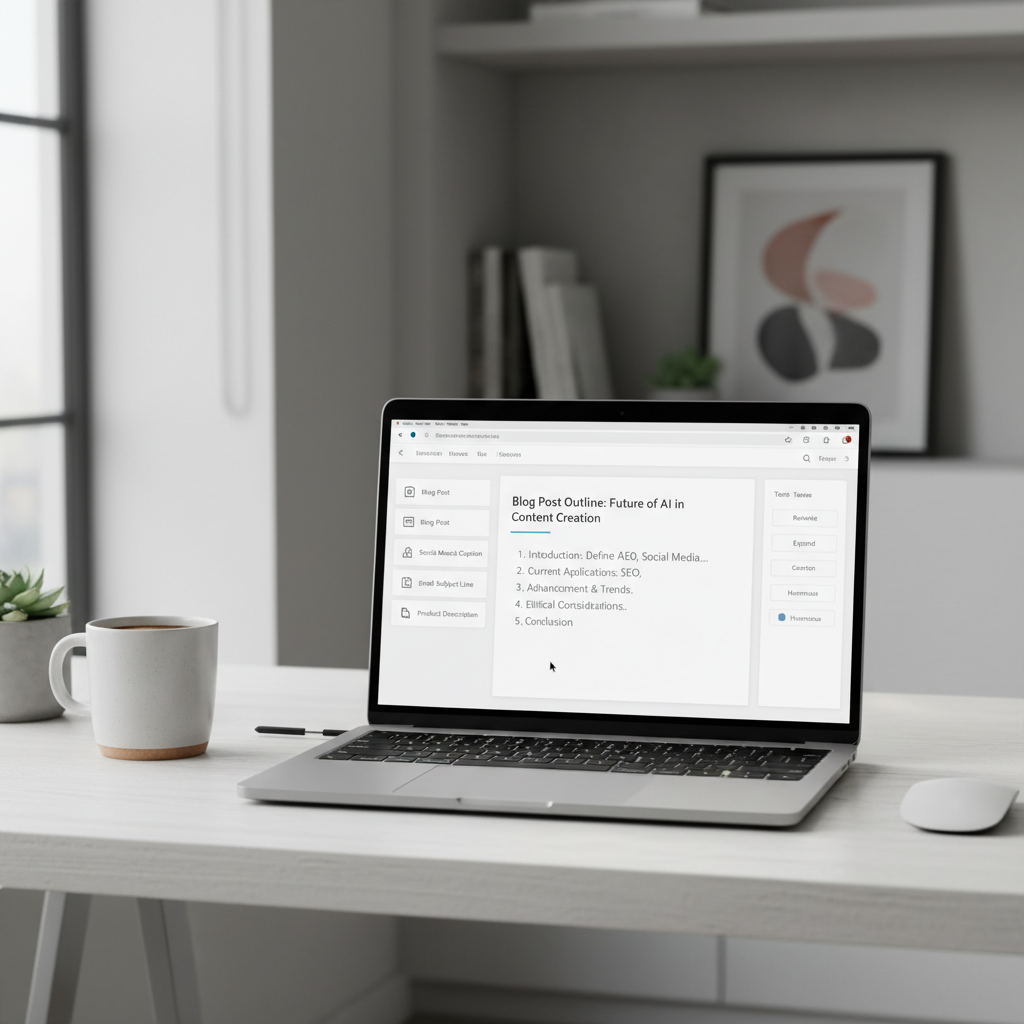
- Custom Templates: Users can create templates for common output types, such as “Blog Post Outline,” “Meeting Minutes Summary,” or “Email Draft.” ChatGPT then populates these templates, ensuring consistent formatting and inclusion of all necessary sections.
- Length and Detail Controls: Beyond simple word counts, Atlas allows for instructions like “Provide a concise summary of 3 bullet points” or “Elaborate on the key arguments with supporting evidence and examples.”
This level of control ensures that AI output is not just accurate but also immediately usable, reducing the need for post-generation editing and formatting.
2. Integrating Personal Knowledge Bases and External Resources
One of the most significant advancements in AI personalization is the ability to connect ChatGPT with your personal corpus of knowledge. Atlas Browser facilitates this integration, allowing the AI to draw upon your unique data:
- Local Document Upload: Users can securely upload personal documents, notes, PDFs, or research papers into a dedicated, encrypted “Personal Knowledge Base” within Atlas. ChatGPT can then reference these documents when answering questions or generating content, ensuring responses are tailored to your specific information.
- Curated Web Source Linking: Atlas allows you to mark specific websites, articles, or online databases as preferred sources. When you ask ChatGPT a question, Atlas can prioritize feeding information from these trusted sources, aligning the AI’s knowledge base with your specific research or industry needs.
- Note-Taking App Integration: Seamless integration with popular note-taking applications (e.g., Notion, Evernote, Obsidian) means ChatGPT can access your personal knowledge graphs or project notes, providing highly relevant and context-specific assistance.
- Vector Database Integration (Advanced): For power users, Atlas might offer integration with local or cloud-based vector databases where users store their own embeddings of documents, allowing for highly precise retrieval-augmented generation (RAG) with ChatGPT.
By effectively extending ChatGPT’s knowledge with your personal data, Atlas transforms the AI into a powerful extension of your own memory and research, providing insights that are deeply relevant to your projects and interests.
3. Automated AI Workflows and Macro Functionality
The ultimate goal of personalization is often automation. Atlas Browser aims to embed ChatGPT into automated workflows, turning complex multi-step tasks into single-click operations:
- Macro Creator for AI Tasks: Users can record sequences of actions involving browsing and ChatGPT interactions. For example, “Read current article -> Summarize in 3 bullet points, formal tone -> Generate 3 social media posts.” This entire sequence can then be triggered by a single custom hotkey or button.
- Scheduled AI Actions: Imagine having ChatGPT automatically summarize your daily news digest from pre-selected sources and email it to you every morning. Atlas can enable scheduled AI tasks, providing proactive information delivery.
- Conditional AI Responses: Atlas can set up conditions: “If a webpage contains certain keywords, then ask ChatGPT to analyze its sentiment and report back.” This allows for intelligent filtering and prioritization of information.
- Integration with Browser Automation Extensions: Leveraging existing browser automation tools, Atlas extends ChatGPT’s capabilities by allowing it to interact with web elements, fill forms, or extract data, making it an active participant in your automated browsing routines.
These advanced automation features transform ChatGPT from a reactive assistant into a proactive partner, capable of performing complex, multi-stage tasks on your behalf, profoundly enhancing productivity and efficiency.
Security and Privacy in Personalized AI Interactions
As we delve deeper into personalizing AI by feeding it our context, preferences, and even personal data, concerns about security and privacy become paramount. Atlas Browser recognizes these concerns and implements robust measures to ensure your data remains protected.
Ethical AI and Data Handling
- Local Processing Preference: Wherever technically feasible, Atlas prioritizes local processing of sensitive data before it interacts with cloud-based AI models. For instance, prompt templates and persona definitions are stored locally on your device.
- Explicit Data Consent: Any feature that involves sending browser context (like entire web pages or browsing history) to ChatGPT requires explicit, opt-in consent from the user. Users have clear controls to enable or disable these features at any time.
- Anonymization and Pseudonymization: For aggregated usage data that helps improve Atlas’s AI features, strict anonymization or pseudonymization techniques are employed to ensure individual users cannot be identified.
- Secure API Endpoints: All communication between Atlas Browser and ChatGPT (or other integrated AI models) occurs over encrypted, secure API connections, protecting your prompts and responses from interception.
- No Personal Data Storage by Atlas: Atlas Browser’s core philosophy is not to store your personal chat history or sensitive data on its own servers. Your interactions with ChatGPT are typically managed by your direct agreement with OpenAI (or other AI providers), and Atlas acts as a secure conduit.
- Built-in Data Control Dashboard: A dedicated section within Atlas settings allows users to review exactly what data (if any) is being shared with AI models, manage permissions, and clear any locally stored AI-related data.
- Transparency Reports: Atlas commits to publishing regular transparency reports detailing its data handling practices and any requests for user data from third parties.
The commitment to user privacy and data security is a cornerstone of Atlas Browser’s personalized AI experience. By providing clear controls and adhering to best practices in data protection, Atlas aims to build trust and empower users to leverage personalized AI without compromising their digital privacy.
Who Benefits from a Personalized AI? Practical Examples and Case Studies
The beauty of personalized AI, especially within a sophisticated browser like Atlas, lies in its versatility. It’s not just a niche tool for tech enthusiasts; it’s a productivity multiplier for a vast array of professions and personal pursuits. Let’s explore some practical examples.
1. The Professional Content Creator and Marketer
- Scenario: A marketing manager needs to generate social media captions, blog post outlines, and email marketing copy for a new product launch, maintaining a consistent brand voice.
- Atlas Solution: The manager sets up an “Acme Corp Brand Voice” persona, complete with tone parameters (enthusiastic, professional, concise) and brand keywords. They also create prompt templates like “Social Media Post (Product X)” with dynamic fields for benefits and call-to-action. As they browse competitor sites or research product features, they can highlight text and instantly generate relevant content in the correct brand voice, all within the Atlas AI panel. Automated workflows could even draft a series of posts for different platforms and save them to a project folder.
- Benefit: Significantly reduced time for content generation, ensured brand consistency, and eliminated manual copy-pasting between browser and AI.
2. The Software Developer and Programmer
- Scenario: A developer is working on a complex web application, needing help with debugging, generating boilerplate code, or understanding new API documentation.
- Atlas Solution: The developer configures a “Python Backend Expert” persona, instructing ChatGPT to prioritize specific libraries and coding best practices. As they review code on GitHub or read API documentation, they can highlight snippets or descriptions. With a right-click, Atlas sends the context to ChatGPT to “Explain this code,” “Suggest a refactor,” or “Generate unit tests for this function.” A pre-saved prompt library for common coding tasks further accelerates their workflow.
- Benefit: Faster debugging, quicker understanding of unfamiliar code, rapid boilerplate generation, and access to an intelligent coding assistant without leaving their development environment.
3. The Academic Researcher and Student
- Scenario: A university student is researching a complex historical topic, needing to synthesize information from various online sources, summarize lengthy academic papers, and structure an essay.
- Atlas Solution: The student creates an “Academic Research Assistant” persona, emphasizing objective analysis, citation suggestions, and a formal tone. They upload their existing notes and key research papers to their Atlas Personal Knowledge Base. While browsing academic journals, they use Atlas to send entire articles to ChatGPT for “Key takeaways in 5 bullet points,” “Identify conflicting viewpoints,” or “Suggest essay topic ideas based on these sources.” Atlas’s contextual awareness helps ChatGPT synthesize information across multiple open tabs.
- Benefit: Efficient information synthesis, accelerated research process, improved understanding of complex topics, and structured support for academic writing.
4. The Customer Support Professional
- Scenario: A customer support agent needs to quickly draft empathetic and accurate responses to customer queries, often pulling information from internal knowledge bases or product pages.
- Atlas Solution: An “Empathetic Support Agent” persona is established, guiding ChatGPT to use compassionate language, clarify technical terms, and offer solutions. The agent’s Atlas Browser is integrated with their internal knowledge base. When a customer email comes in, the agent copies the query, selects a prompt like “Draft a polite resolution for this issue,” and ChatGPT, leveraging the persona and internal knowledge, generates a draft response that can be quickly reviewed and sent.
- Benefit: Consistent, high-quality customer communication, reduced response times, and improved agent efficiency, especially during peak periods.
These examples underscore the transformative potential of personalized AI. By tailoring ChatGPT’s capabilities to specific roles and tasks within a fluid browsing environment, Atlas Browser empowers users to achieve more with greater precision and efficiency.
Comparison Tables
To further illustrate the value proposition, let’s compare a generic ChatGPT experience with one personalized within Atlas Browser, and then examine different levels of AI personalization.
Table 1: Generic ChatGPT vs. Personalized ChatGPT in Atlas Browser
| Feature/Aspect | Generic ChatGPT Experience | Personalized ChatGPT in Atlas Browser | Impact on User |
|---|---|---|---|
| Contextual Awareness | Limited to the current chat thread; no direct access to browser content. | Deeply integrated with browser context (selected text, active tabs, local documents). | More relevant and accurate responses, less manual copy-pasting. |
| Prompt Management | Manual re-typing or external document storage for prompts. | Built-in, categorized prompt libraries with dynamic variables, one-click deployment. | Increased efficiency, consistent output quality, reduced mental load. |
| AI Persona/Tone | Relies on explicit, repetitive instructions within each prompt. | Pre-defined, switchable personas and granular tone controls. | Consistent brand voice, tailored communication style, versatile AI assistant. |
| Output Formatting | Basic text output, often requiring manual reformatting. | Options for structured data (JSON, Markdown), custom templates, length control. | Immediately usable output, less post-processing, integration with other tools. |
| Knowledge Integration | Limited to its training data; no personal document access. | Integration with personal knowledge bases (local files, curated web sources). | Highly specific, proprietary insights, AI learns from your data. |
| Workflow Automation | Manual interaction for each step. | Macro creation, scheduled tasks, conditional AI actions. | Significant productivity gains, proactive AI assistance, multi-step task execution. |
| Learning Curve | Relatively low for basic use, higher for advanced prompting. | Moderate for initial setup, but pays off quickly with consistent use. | Initial investment in setup yields exponential long-term benefits. |
| Privacy & Security | Standard OpenAI policies apply. | Enhanced privacy controls, local processing, explicit consent for data sharing. | Greater control over personal data, increased peace of mind. |
Table 2: Levels of AI Personalization and Their Characteristics
| Personalization Level | Key Characteristics | Typical Tools/Methods | Primary Benefit |
|---|---|---|---|
| Basic Personalization | Simple, explicit instructions within individual prompts. Limited memory beyond current conversation. | Direct interaction with generic ChatGPT web UI. | Gets the job done for simple, isolated queries. |
| Intermediate Personalization | Saving and reusing effective prompts. Some ability to provide external context manually. | Text editors for prompt storage, browser extensions for quick copy-pasting, basic prompt libraries in platforms. | Improved efficiency for repetitive tasks, slightly more consistent output. |
| Advanced Personalization | Pre-defined personas, tone settings, deep contextual awareness, structured output. Integration with local data. | Specialized browsers like Atlas, dedicated AI dashboards, advanced prompt engineering frameworks. | Highly tailored AI behavior, significant workflow acceleration, context-aware assistance. |
| Hyper-Personalization | Autonomous AI agents, proactive task execution, continuous learning from user interactions, predictive assistance, complex workflow automation. | Sophisticated AI orchestration platforms, custom-built AI agents, deep integration with entire digital ecosystem. | AI anticipates needs, acts autonomously within defined parameters, functions as a true digital clone. |
Frequently Asked Questions About Personalizing AI with Atlas Browser
As the concept of personalized AI grows, so do the questions surrounding its implementation and benefits. Here are some frequently asked questions about leveraging Atlas Browser for a customized ChatGPT experience:
Q: What exactly is Atlas Browser and how does it differ from other browsers?
A: Atlas Browser is a modern web browser designed with deep integration of artificial intelligence, particularly large language models like ChatGPT. Unlike conventional browsers that might offer superficial AI plugins, Atlas bakes AI functionality into its core architecture. This means features like contextual AI commands, intelligent prompt management, and persona switching are native to the browser, offering a more seamless, efficient, and personalized AI experience directly within your browsing environment.
Q: How does Atlas Browser enhance my existing ChatGPT experience?
A: Atlas enhances ChatGPT in several key ways: it provides real-time contextual awareness by feeding selected text or entire web pages to ChatGPT, significantly improving relevance. It offers robust prompt management systems (libraries, dynamic variables) to save and deploy your best prompts. You can define custom AI personas and tone settings for consistent output. Furthermore, Atlas can integrate with your personal knowledge base (local documents, curated web sources) and automate complex AI workflows, transforming ChatGPT from a standalone tool into an integrated, personalized assistant for your entire digital life.
Q: Can I use my existing ChatGPT Plus subscription with Atlas Browser?
A: Yes, Atlas Browser is designed to be compatible with your existing ChatGPT accounts, including Plus subscriptions. When you integrate ChatGPT into Atlas, you typically link it via your OpenAI API key or by logging into your OpenAI account directly within Atlas’s secure framework. This allows Atlas to leverage the advanced capabilities and higher rate limits of your Plus subscription while providing its own layer of personalization and integration features.
Q: Is my data private and secure when I use personalized AI features in Atlas?
A: Data privacy and security are paramount in Atlas Browser’s design. Atlas employs strict measures, including prioritizing local processing of sensitive data where possible, using secure, encrypted API connections for all AI interactions, and requiring explicit user consent before sending browser context or personal documents to AI models. Atlas itself does not store your chat history or personal data on its servers, acting primarily as a secure conduit. You retain full control over what data is shared and can manage permissions through a dedicated privacy dashboard.
Q: How do I create custom AI personas or fine-tune the AI’s tone in Atlas?
A: Within Atlas Browser’s AI settings, there’s a dedicated section for “AI Personas” or “Tone Profiles.” Here, you can define new personas by providing detailed instructions on how the AI should behave (e.g., “Act as a professional marketing strategist,” “Be a creative writer focused on fantasy genres”). You can also specify tone parameters like formality, empathy, or enthusiasm using sliders or dropdowns. Once created, these personas can be easily selected before interacting with ChatGPT, ensuring the AI adopts the desired style for your specific task.
Q: Can Atlas Browser help with complex tasks like coding, scientific research, or creative writing?
A: Absolutely. This is where personalized AI truly shines. For coding, you can create a “Python Debugger” persona, feed it code snippets from your open tabs, and ask for optimizations or error explanations. For scientific research, a “Scientific Summarizer” persona can synthesize complex papers, drawing context from your uploaded research documents. For creative writing, a “Storytelling Muse” persona can help brainstorm plot twists, develop characters, or even draft entire scenes, maintaining your specific creative style. The combination of contextual awareness, custom prompts, and persona settings makes Atlas an invaluable tool for complex, domain-specific tasks.
Q: What are the limitations of personalized AI in Atlas Browser?
A: While highly powerful, personalized AI in Atlas still operates within the fundamental limitations of the underlying AI model (e.g., ChatGPT’s knowledge cutoff, potential for hallucinations, biases in training data). Atlas enhances interaction, but it doesn’t fundamentally alter the AI’s core capabilities. Furthermore, the effectiveness of personalization depends on the quality of your prompt engineering, persona definitions, and the relevance of the context you provide. An initial investment of time is required to set up and fine-tune your personalized settings.
Q: How often are new features and AI model integrations added to Atlas Browser?
A: Atlas Browser is committed to continuous innovation. The development team actively monitors advancements in AI technology and user feedback. Updates, including new AI features, improved integrations, and support for additional AI models, are released regularly. Users can typically expect periodic updates that enhance existing functionalities and introduce groundbreaking new ways to interact with AI. Details on upcoming features are often shared through their official blog or community forums.
Q: Is there a cost associated with using Atlas Browser’s AI features?
A: Atlas Browser itself often offers a base level of AI integration as part of its free offering. However, advanced features, deeper integrations, increased usage limits, or access to premium AI models (beyond your standard ChatGPT subscription) may be part of a premium or paid tier within Atlas. Additionally, while Atlas facilitates interaction, you would still be responsible for any costs associated with your underlying ChatGPT Plus subscription or OpenAI API usage, as per your agreement with OpenAI. Atlas aims to provide transparent pricing for its own added-value features.
Q: Can I integrate other AI models or language models besides ChatGPT into Atlas Browser?
A: Atlas Browser is designed with a modular architecture that allows for the integration of various AI models. While ChatGPT is a primary focus due to its popularity and capabilities, Atlas is actively working on or already supports integration with other leading large language models and specialized AI tools. The goal is to provide users with choice and flexibility, allowing them to select the best AI model for specific tasks and seamlessly switch between them within the personalized Atlas environment. Users can typically find information on supported integrations within Atlas’s settings or documentation.
Key Takeaways: Embracing Your Personalized AI Future
- AI is Evolving from Generic to Personal: The demand for AI that understands and adapts to individual needs is rapidly growing, moving beyond one-size-fits-all solutions.
- Atlas Browser Leads AI Integration: Atlas Browser stands out by deeply embedding ChatGPT functionality, making AI an intrinsic part of the browsing experience rather than an add-on.
- Context is King for Relevance: Atlas’s ability to feed real-time browser context (selected text, entire pages) to ChatGPT dramatically improves the relevance and accuracy of AI responses.
- Prompt Management Boosts Efficiency: Robust prompt libraries with dynamic variables and one-click deployment save time and ensure consistent, high-quality AI output.
- Personas and Tone Control are Game-Changers: Defining custom AI personas and fine-tuning tone allows ChatGPT to adopt specific characteristics, aligning perfectly with various tasks and communication styles.
- Advanced Features Unlock New Potential: Structured output formats, integration with personal knowledge bases, and automated AI workflows transform ChatGPT into a highly specialized, proactive assistant.
- Privacy and Security are Non-Negotiable: Atlas prioritizes user data protection with local processing, explicit consent, secure connections, and transparent data handling policies.
- Personalized AI Benefits Everyone: From content creators and developers to students and customer support, tailored AI significantly enhances productivity, accuracy, and efficiency across diverse fields.
- The Future is Hyper-Personalized: Continuous innovation in platforms like Atlas hints at a future where AI not only assists but anticipates and proactively contributes to our daily digital lives.
Conclusion: The Dawn of Truly Your AI
The journey from a rudimentary AI chatbot to a deeply personalized, intelligent assistant is not just a technological leap; it’s a fundamental shift in how we interact with and leverage the immense power of artificial intelligence. Generic AI, while groundbreaking in its inception, is gradually giving way to “Your AI” – a sophisticated, adaptable, and intimately integrated partner that understands your unique digital ecosystem and speaks your language.
Atlas Browser stands at the vanguard of this personalization movement, offering a meticulously crafted environment where ChatGPT transcends its default settings to become an extension of your own intellect and workflow. By seamlessly weaving prompt management, contextual awareness, customizable personas, and advanced automation into the browsing experience, Atlas empowers users to transform a powerful AI into a truly bespoke tool.
This isn’t just about convenience; it’s about unlocking unprecedented levels of productivity, creativity, and efficiency. Whether you’re a professional streamlining complex tasks, a student synthesizing vast amounts of information, or a creative mind seeking inspiration, a personalized AI in Atlas Browser ensures that the assistance you receive is not just smart, but uniquely tailored to your individual needs. As we move forward, the relationship with our digital assistants will only deepen, and platforms that champion personalization, like Atlas, will be instrumental in shaping a future where AI truly works for each one of us, making our digital lives richer, smarter, and profoundly more personal.










































































Leave a Reply