

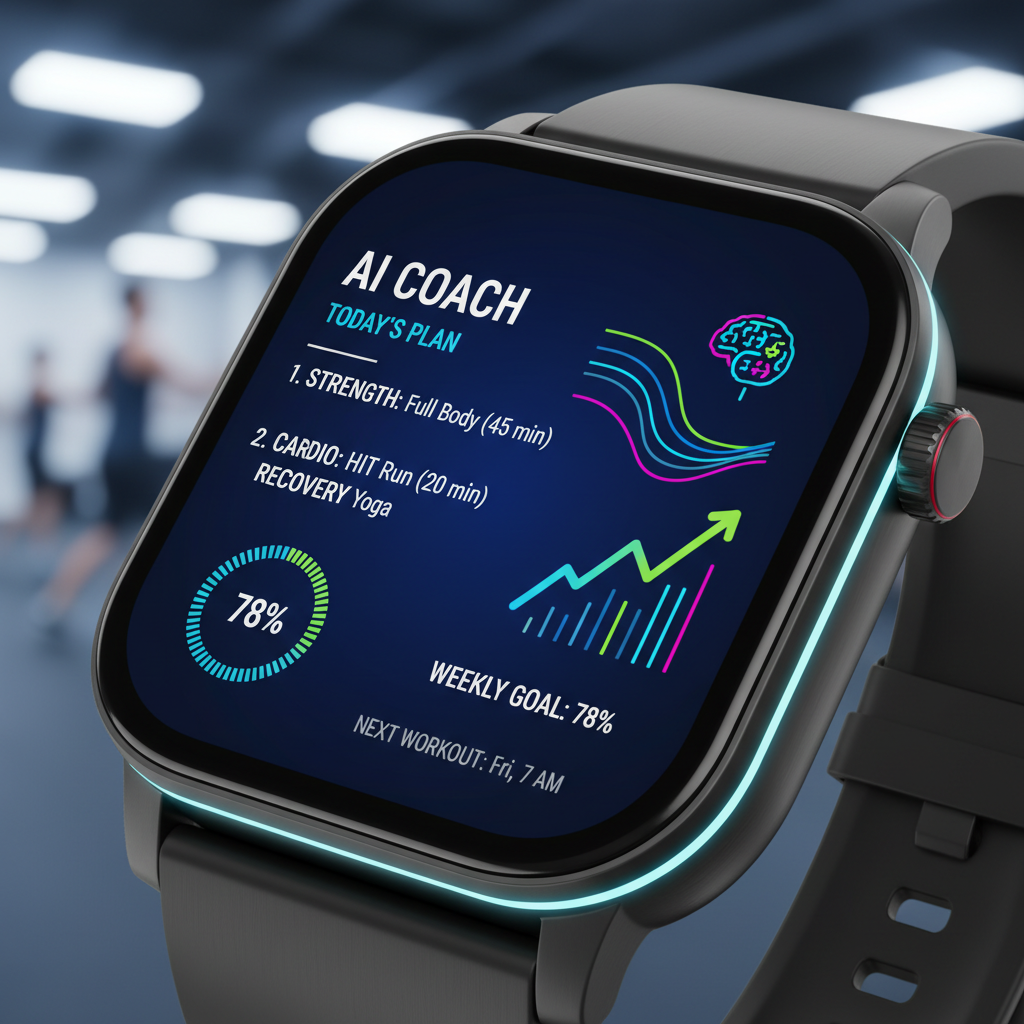
Embarking on a fitness journey can feel like navigating a complex maze, especially for absolute beginners. The sheer volume of information, the intimidation of crowded gyms, the confusion about what exercises to do, and the fear of injury can often be overwhelming, leading many to postpone their health goals indefinitely. We have all been there, standing at the starting line, unsure of the first step. Perhaps you have tried following online videos only to find them too advanced, or maybe you signed up for a gym membership that quickly became an expensive, unused subscription. What if there was a way to receive expert, personalized guidance without the high cost or intimidation associated with traditional personal training?
Enter the world of Artificial Intelligence (AI) fitness coaching. This groundbreaking technology is revolutionizing how we approach health and wellness, making professional-level guidance accessible to everyone, everywhere. For absolute beginners, an AI fitness coach is not just a convenient tool; it can be a transformative partner. Imagine having a personalized workout plan that adapts to your unique body, current fitness level, and even your mood on a given day. Picture receiving real-time feedback on your exercise form to prevent injuries and maximize effectiveness, all from the comfort of your home or a local park. This is no longer a futuristic dream; it is the present reality of AI-powered fitness.
This comprehensive guide is designed to demystify AI fitness coaches for those new to the world of exercise. We will explore what an AI coach is, why it is particularly beneficial for beginners, the incredible features it offers, and how it leverages cutting-edge technology to deliver results. We will delve into practical steps for getting started, compare AI coaching to traditional methods, and look at real-world examples of how individuals are achieving their fitness dreams. By the end of this article, you will have a clear understanding of how your first AI fitness coach can empower you to build smart, sustainable workout habits and confidently embark on your personalized fitness journey.
Embracing the AI Revolution in Fitness
The fitness industry has always evolved, from the dawn of group exercise classes to the rise of personal training and wearable tech. Now, AI is here to usher in the next major transformation. This is not about robots leading your squats, but rather sophisticated software that processes vast amounts of data to provide highly tailored and intelligent fitness solutions. The integration of AI into fitness apps and devices is making personalized health and wellness more attainable than ever before, removing many of the barriers that traditionally prevented people from sticking to their exercise goals.
For decades, personalized fitness was largely a luxury, reserved for those who could afford one-on-one sessions with a human trainer. While invaluable, human trainers come with limitations: scheduling conflicts, geographical restrictions, and significant financial investment. AI fitness coaches democratize this personalization, bringing it to the masses. They operate 24/7, adapt to any environment, and often come at a fraction of the cost, making them an incredibly attractive option for anyone looking to kickstart their fitness journey without breaking the bank or feeling overwhelmed.
The core philosophy behind AI fitness coaching is simple: leverage data to create the most effective and safe workout experience for an individual. This involves understanding your current capabilities, identifying your goals, analyzing your performance, and dynamically adjusting the program to ensure continuous progress without plateaus or excessive strain. It is about working smarter, not just harder, and letting intelligent algorithms guide you every step of the way, making fitness accessible and enjoyable for everyone, especially those who are just beginning their path to a healthier lifestyle.
What Exactly is an AI Fitness Coach?
At its heart, an AI fitness coach is a sophisticated software system that uses artificial intelligence, machine learning, and often computer vision to provide personalized exercise guidance. Unlike generic workout videos or static fitness plans, an AI coach is dynamic and responsive, acting much like a virtual personal trainer. It is designed to understand your unique physiological profile, your fitness aspirations, and your current capabilities, then craft a regimen that is perfectly suited for you.
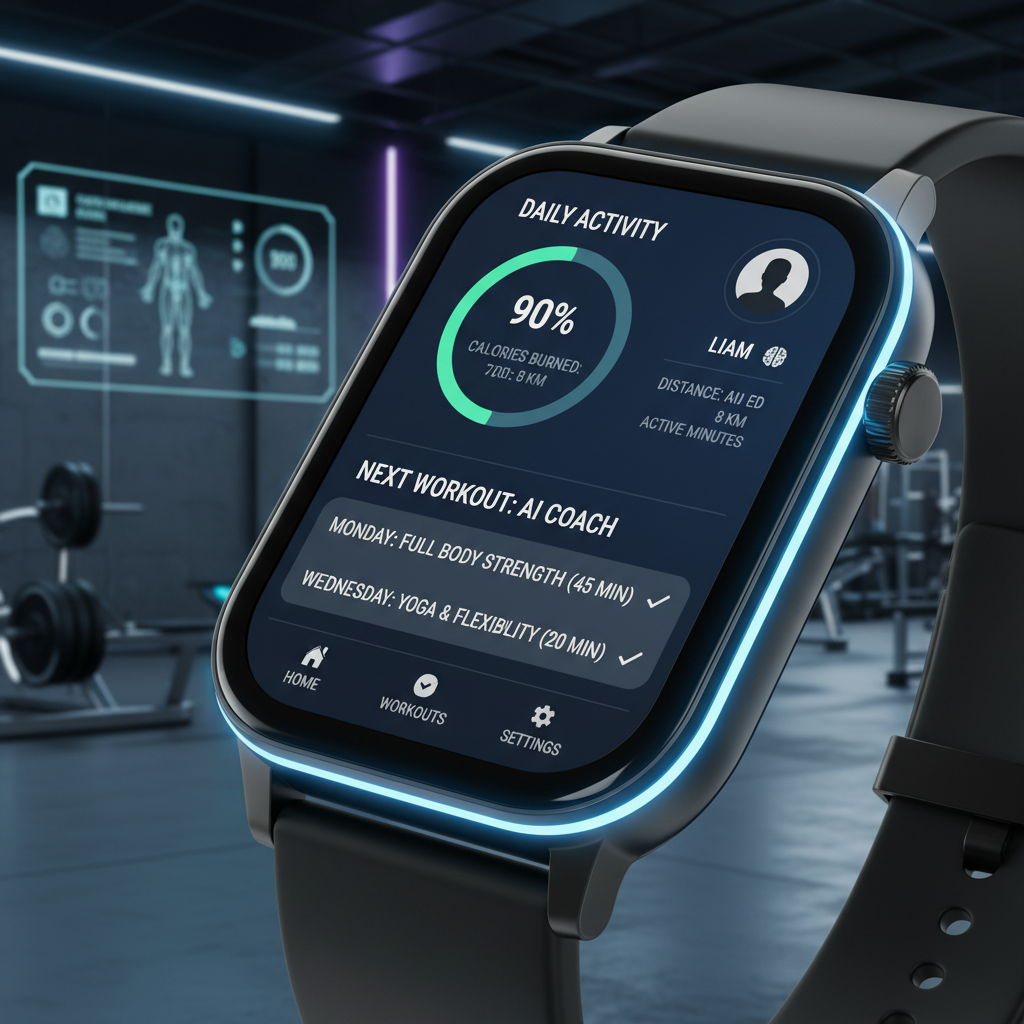
The technology behind these coaches is quite impressive. They typically gather data from various sources: initial questionnaires about your fitness level, health conditions, and goals; data from wearable devices like smartwatches (heart rate, steps, sleep); and even real-time analysis of your movements during exercises via your smartphone or tablet camera. This stream of data feeds into complex algorithms that learn and adapt. For example, if the AI detects you are struggling with a particular exercise, it might suggest a modification or a less intense alternative. Conversely, if you are excelling, it might gently increase the challenge to keep you progressing.
Think of it as having an intelligent assistant that knows your body better than you do, constantly analyzing your performance and making micro-adjustments to your training plan. This continuous feedback loop ensures that your workouts are always optimized for safety, effectiveness, and enjoyment. It moves far beyond simply telling you what to do; it teaches you how to do it correctly, why you are doing it, and how it fits into your broader fitness journey. This proactive and adaptive nature is what truly sets AI fitness coaches apart from any traditional self-guided fitness approach.
- Personalized Algorithms: Uses machine learning to create workout plans unique to you.
- Data Integration: Gathers information from questionnaires, wearables, and camera inputs.
- Real-time Feedback: Offers immediate corrections and modifications during workouts.
- Adaptive Progression: Adjusts difficulty based on your performance and improvement.
- Holistic Approach: Often includes guidance on nutrition, recovery, and hydration.
Why an AI Coach is Perfect for Absolute Beginners
Starting a fitness journey can be daunting, and absolute beginners often face a unique set of challenges that can quickly derail their efforts. An AI fitness coach is uniquely positioned to address these pain points, making the initial steps not only manageable but also enjoyable and sustainable. It removes many of the common barriers that prevent people from engaging with exercise and helps cultivate a positive relationship with physical activity right from the start.
One of the biggest hurdles for beginners is simply knowing where to start. What exercises are appropriate? How many repetitions? What is proper form? Without this foundational knowledge, it is easy to feel lost, leading to frustration, inefficient workouts, or worse, injury. An AI coach acts as a knowledgeable guide, providing clear, step-by-step instructions and demonstrating exercises with precision. It eliminates the guesswork, allowing beginners to focus on moving their bodies safely and effectively.
Moreover, the intimidation factor of traditional gyms can be a significant deterrent. Many beginners feel self-conscious or unsure about using equipment, leading them to avoid the gym altogether. AI coaches often provide effective home-based workouts that require minimal or no equipment, allowing individuals to build confidence in a comfortable, private setting. This flexibility removes the need for gym memberships and travel, fitting seamlessly into busy schedules and making consistency far more achievable.
Finally, consistency is key to seeing results, but maintaining motivation can be tough. AI coaches often incorporate gamification elements, progress tracking, and encouraging messages to keep beginners engaged. They celebrate small victories and provide constant positive reinforcement, transforming the fitness journey from a chore into an empowering experience. For someone just starting out, this consistent encouragement and clear path forward can make all the difference between giving up and sticking with it for the long term.
- Eliminates Overwhelm: Provides a clear, structured path forward, removing the confusion of where to begin.
- Reduces Intimidation: Offers home-based workouts, making exercise accessible without the need for a gym.
- Ensures Safety: Guides proper form, significantly reducing the risk of injury for inexperienced users.
- Builds Confidence: Allows beginners to learn and progress at their own pace in a supportive, non-judgmental environment.
- Promotes Consistency: Integrates easily into daily routines, offering flexibility and personalized motivation.
- Cost-Effective: Delivers high-level training guidance without the hefty price tag of a human personal trainer.
Key Features of a Modern AI Fitness Coach
Modern AI fitness coaches are packed with an impressive array of features designed to cater to every aspect of a beginner’s fitness journey. These are not just glorified workout timers; they are intelligent systems engineered to optimize your health outcomes. Understanding these features helps illustrate the profound impact an AI coach can have on someone just starting out, offering a level of support and personalization previously unimaginable at this price point.
Personalized Workout Plans
This is arguably the cornerstone of any effective AI fitness coach. Upon signing up, you typically complete a detailed questionnaire about your age, weight, height, existing health conditions, previous exercise experience (or lack thereof), available equipment, and specific goals (e.g., weight loss, muscle gain, endurance, general health). The AI then processes this information to create a workout plan that is unique to you. It considers your current fitness level, ensuring that exercises are neither too easy nor too difficult, minimizing the risk of injury while maximizing progress. For a beginner, this means no more guessing games or trying to keep up with routines that are far beyond your capability. The plan evolves with you, becoming progressively more challenging as your fitness improves, preventing plateaus and maintaining engagement. It is a truly dynamic and adaptive system, constantly learning from your performance to refine future sessions.
Real-time Form Correction
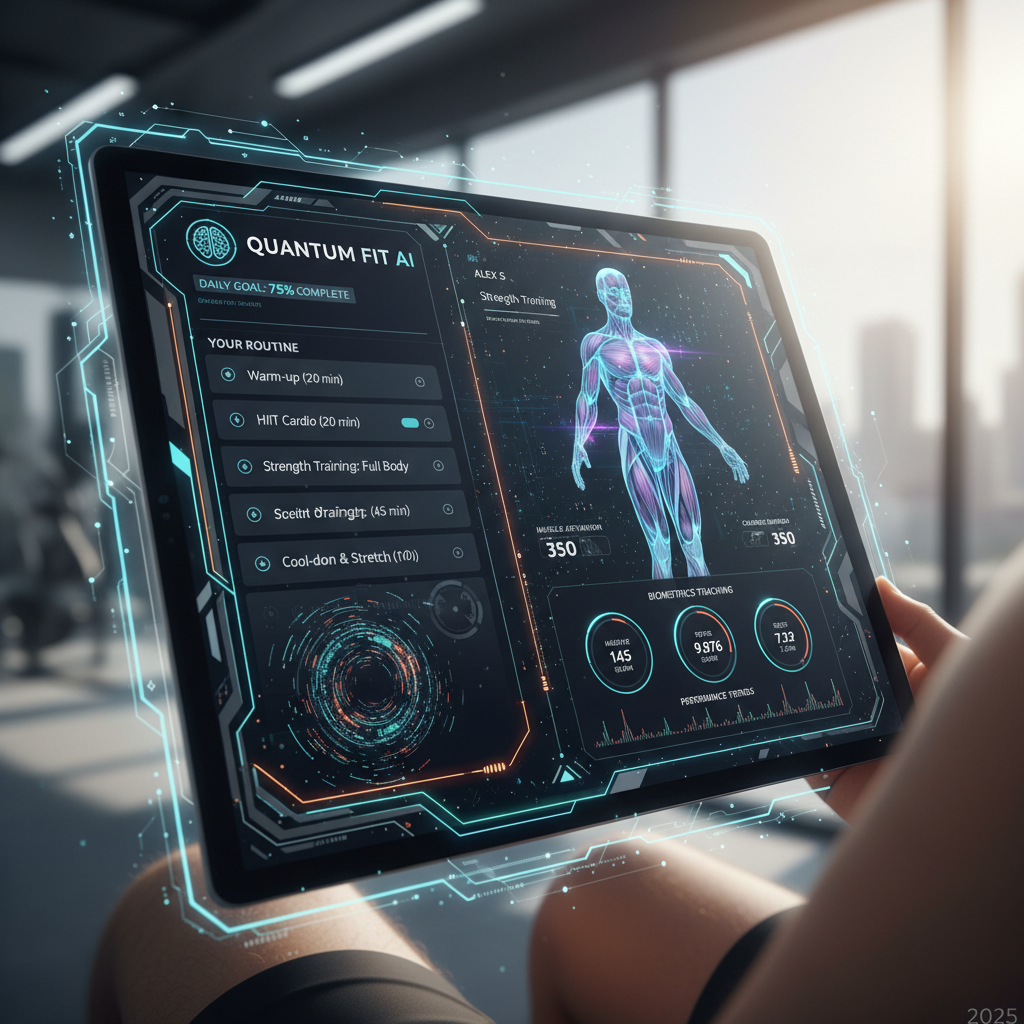
One of the most revolutionary features, especially for beginners, is real-time form correction. Many AI coaches leverage computer vision technology, using your device’s camera to analyze your movements during exercises. As you perform a squat, push-up, or lunge, the AI can detect if your back is rounded, your knees are caving in, or your range of motion is insufficient. It then provides immediate, actionable feedback – often visual cues on the screen, audio instructions, or even vibrations if integrated with certain wearables. This is incredibly valuable for preventing injuries, ensuring that every repetition counts, and helping beginners build a strong foundation of proper movement patterns. It is like having an expert pair of eyes watching over you, correcting mistakes before they become ingrained habits, which is a major advantage over simply following pre-recorded videos.
Progress Tracking and Adaptation
Motivation often wanes when progress isn’t visible. AI coaches excel at comprehensive progress tracking. They record every workout, logging your completed exercises, sets, repetitions, weight used, and even estimated calories burned. Beyond simple logging, the AI analyzes trends over time. Is your heart rate improving? Are you completing more reps or lifting heavier weights? Is your recovery time shortening? Based on this data, the coach intelligently adapts your future workouts. If you are consistently performing well, it might introduce new, more challenging exercises or increase the intensity. If you are struggling, it might offer easier modifications or suggest a rest day. This constant, data-driven adaptation ensures you are always challenged appropriately and moving towards your goals efficiently, keeping you engaged and preventing burnout.
Nutrition and Hydration Guidance
Fitness is not just about what you do in your workout; it is also heavily influenced by what you consume. Many advanced AI fitness coaches extend their services beyond exercise, offering personalized nutrition and hydration guidance. This can include meal suggestions tailored to your dietary preferences, calorie goals, and fitness objectives. They might help you track your food intake, provide macro and micronutrient breakdowns, and remind you to drink water throughout the day. For beginners, understanding the basics of healthy eating can be as confusing as understanding exercise. An AI coach can simplify this complex area, providing clear, actionable advice that complements your physical training and accelerates your results, fostering a holistic approach to wellness.
Motivation and Gamification
Staying motivated is a universal challenge, and AI coaches are designed to keep you engaged. They employ various psychological strategies, including gamification elements, to make fitness more enjoyable. This might involve earning points, badges, or reaching new “levels” as you complete workouts and hit milestones. They often send encouraging messages, celebrate your achievements, and provide gentle nudges if you miss a scheduled session. Some even allow for social features, letting you connect with friends or a community for added accountability and friendly competition. This constant stream of positive reinforcement and the feeling of accomplishment can be incredibly powerful for beginners, transforming the perception of exercise from a chore into a rewarding and fun activity.
How AI Coaches Leverage Data for Optimal Results
The intelligence of an AI fitness coach stems directly from its ability to process and interpret vast amounts of data. This data-centric approach is what allows for the unparalleled personalization and adaptive capabilities that define these platforms. Understanding the underlying technology helps appreciate the sophistication and effectiveness of these digital trainers.
Machine Learning Algorithms
Machine learning (ML) is the backbone of AI fitness coaching. These algorithms are trained on massive datasets of exercise physiology, biomechanics, user performance data, and scientific research. When you input your personal details and start working out, the ML model begins to build a unique profile for you. It learns your strengths, weaknesses, preferences, and how your body responds to different types of exercise. For example, if the algorithm observes that you consistently excel at bodyweight squats but struggle with push-ups, it will adapt your program accordingly, perhaps offering modified push-ups or more frequent squat variations to maintain balanced development.
This learning process is continuous. Every workout you complete, every piece of feedback you provide, and every metric collected from your wearable device further refines the algorithm’s understanding of you. This means your AI coach gets smarter and more accurate over time, providing increasingly precise recommendations and ensuring that your fitness journey is always optimized for maximum progress and safety. For beginners, this continuous refinement means you are never stuck with a static plan; your coach evolves as you do.
Computer Vision for Form Analysis
Computer vision (CV) is perhaps one of the most exciting and impactful applications of AI in fitness, particularly for beginners. This technology allows the AI to “see” and interpret human movement. By simply placing your smartphone or tablet in view during an exercise, the CV system can analyze your body’s posture, joint angles, and range of motion. It compares your movements against a vast database of correct exercise forms. If your form deviates from the ideal, the AI immediately identifies the specific error.
For instance, during a plank, it might detect if your hips are sagging too low or pushing too high. During a lunge, it can identify if your front knee is extending past your toes, a common mistake that can lead to injury. The feedback is then delivered in real-time, often visually with overlays on your screen showing correct vs. incorrect form, or through clear audio cues. This immediate, objective feedback is invaluable for beginners who are learning new movements and want to ensure they are performing them safely and effectively, building good habits from day one.
Wearable Device Integration
Modern AI fitness coaches are designed to integrate seamlessly with a wide range of wearable devices, such as smartwatches, fitness trackers, and heart rate monitors. This integration enriches the data available to the AI, leading to even more precise and holistic guidance. Wearables can provide crucial metrics like heart rate variability, sleep patterns, daily step count, calorie expenditure, and even stress levels.
The AI uses this comprehensive data to make more informed decisions. For example, if your sleep quality has been poor, or your heart rate variability indicates high stress, the AI might suggest a lighter workout, emphasize recovery, or recommend mindfulness exercises instead of pushing you too hard. This holistic understanding of your well-being allows the coach to provide truly adaptive plans that consider not just your physical performance but also your overall recovery and readiness, preventing overtraining and promoting long-term health. For beginners, this ensures that the workout intensity is always appropriate for their body’s current state, minimizing the risk of injury and burnout.
Getting Started: Your First Steps with an AI Coach
The idea of an AI fitness coach might seem complex, but getting started is usually very straightforward. The user experience is typically designed to be intuitive, guiding you through each stage. Here is a practical guide to beginning your fitness journey with an AI coach:
- Choose Your AI Fitness Coach App: Research reputable AI fitness apps available on your smartphone’s app store. Look for apps with good reviews, features that appeal to you (e.g., bodyweight focus, specific equipment integration, nutrition tracking), and a pricing model that fits your budget (many offer free trials). Popular choices include apps that offer personalized strength training, yoga, HIIT, or even running plans. Read descriptions carefully to ensure they cater to absolute beginners.
- Download and Sign Up: Once you have made your choice, download the app and complete the sign-up process. This usually involves creating an account with your email.
- Complete the Initial Assessment: This is a crucial step. The app will ask you a series of questions about your current fitness level, any health conditions or injuries, your fitness goals (e.g., lose weight, gain strength, improve flexibility), the equipment you have available (e.g., dumbbells, resistance bands, none), and how much time you can realistically dedicate to workouts each week. Be honest and thorough; the more accurate your answers, the better the AI can personalize your plan. Some apps might even include a short, simple fitness test to gauge your current capabilities, such as how many push-ups you can do or how long you can hold a plank.
- Set Your Preferences: You might be able to set preferences for workout duration, music choices, trainer voice (if applicable), and notification settings. Tailoring these aspects can make the experience more enjoyable and help with consistency.
- Connect Wearable Devices (Optional but Recommended): If you have a smartwatch or fitness tracker, connect it to the app. This allows the AI to gather additional data like heart rate, sleep patterns, and daily activity levels, which helps in refining your personalized plan and ensuring safe, effective progression.
- Start Your First Workout: The AI will present your initial workout plan. Follow the instructions carefully. Most apps provide clear video demonstrations, audio cues, and often real-time form correction using your device’s camera. Do not worry about perfection; focus on understanding the movements and listening to the AI’s feedback. It is perfectly normal to feel a bit awkward at first.
- Provide Feedback: After each workout, many apps will ask you how you felt – was it too easy, too hard, or just right? This feedback is vital for the AI to learn and adjust your next sessions. Be honest about your effort and discomfort levels.
- Stay Consistent and Engage: The power of an AI coach lies in its ability to adapt over time. The more consistently you use it and provide feedback, the better it becomes at guiding you. Celebrate your small victories, track your progress, and trust the process. Remember, fitness is a journey, not a destination, and your AI coach is there to support you every step of the way.
Addressing Common Concerns: AI vs. Human Coaches
When considering an AI fitness coach, it is natural to compare it to the traditional model of working with a human personal trainer. Both have distinct advantages, and understanding these differences can help you determine which approach is best suited for your needs, especially as an absolute beginner. It is important to acknowledge that AI is not necessarily designed to replace human trainers entirely, but rather to offer an accessible and often complementary alternative.
One primary concern often raised is the lack of human connection and empathy. A human trainer can offer emotional support, understand nuanced psychological barriers, and provide a level of personalized motivation that is difficult for an algorithm to replicate fully. They can read body language beyond just form, offer anecdotal advice, and build a relationship based on trust and rapport. For some beginners, this human touch is invaluable for maintaining commitment and overcoming mental hurdles.
However, AI coaches excel in other areas where human trainers face limitations. They offer unparalleled convenience, available 24/7 without scheduling conflicts. They are generally much more affordable, making professional guidance accessible to a wider demographic. The data processing capabilities of AI far exceed human capacity, allowing for hyper-personalized plans that adapt instantly based on objective metrics. While a human trainer observes, an AI can process thousands of data points simultaneously from various sensors, leading to incredibly precise adjustments. Furthermore, the anonymity of an AI coach can be less intimidating for beginners who might feel self-conscious working out in front of someone.
For absolute beginners, an AI coach often serves as an excellent entry point. It provides a structured, safe, and effective way to learn the fundamentals of exercise, build confidence, and establish consistent habits without the initial investment or pressure of a human trainer. As fitness levels progress, some individuals might then choose to supplement their AI coaching with occasional sessions with a human trainer for specialized techniques, advanced programming, or that unique human motivational boost. The choice ultimately depends on individual preferences, budget, and specific fitness goals, but AI provides a robust and accessible foundation for everyone.
The Future of Fitness: AI and Human Synergy
The rapid advancement of AI in fitness is not about creating a sterile, technology-only future, but rather about fostering a more intelligent, personalized, and accessible approach to well-being. The most exciting developments lie in the potential for AI and human expertise to work hand-in-hand, creating a synergy that offers the best of both worlds. This hybrid model could represent the pinnacle of personalized fitness guidance, making it even more effective for individuals at every stage, including absolute beginners.
Imagine a scenario where an AI coach handles the data-driven aspects of your training: designing your daily workouts, providing real-time form correction through computer vision, tracking your progress, and adapting your plan based on biometric data from wearables. Simultaneously, a human coach or a community moderator could provide the emotional support, motivational encouragement, and nuanced advice that only another human can offer. This could manifest as virtual check-ins with a human expert to discuss mental roadblocks, dietary challenges, or simply to celebrate milestones and refine long-term goals. The human element would focus on coaching the person, while the AI coaches the body.
Furthermore, AI is continually learning and evolving. Future AI coaches might incorporate even more sophisticated features, such as predictive analytics to anticipate potential injuries based on movement patterns, or even integrate augmented reality (AR) to provide immersive workout experiences with virtual trainers appearing in your living room. The ability to simulate different environments or even train alongside virtual versions of your favorite athletes could revolutionize engagement and motivation.
For beginners, this synergy means an even more robust support system. They could start with a purely AI-driven program to build fundamental strength and confidence, and then seamlessly transition to a hybrid model when they feel ready for more advanced or psychologically demanding aspects of fitness. The future of fitness is not about choosing between AI or human; it is about leveraging the unique strengths of both to create a truly comprehensive, adaptable, and deeply personal journey towards optimal health and performance for everyone, making fitness more inclusive and effective than ever before.
Comparing Fitness Coaching Options
To help absolute beginners make an informed decision, let us compare the key aspects of working with an AI fitness coach versus a traditional human personal trainer. Each option presents distinct advantages and considerations:
| Feature | AI Fitness Coach | Traditional Human Personal Trainer | Best For Beginners Who… |
|---|---|---|---|
| Cost (Average) | Low to Moderate (Typically $10-$30/month) | High (Typically $60-$150/hour) | …are budget-conscious or prefer subscription models. |
| Availability & Flexibility | 24/7, on-demand, any location (home, gym, park) | Scheduled appointments, specific locations (gym, studio) | …have unpredictable schedules or prefer home workouts. |
| Personalization | Data-driven, adapts based on algorithms, real-time metrics, progress tracking. | Observational, relationship-based, adapts based on trainer’s expertise and communication. | …value data-backed customization and objective adjustments. |
| Form Correction | Real-time via computer vision (camera), audio/visual cues. | Direct, in-person observation, physical adjustments (spotting). | …are learning basic movements and prefer visual/audio guidance. |
| Motivation & Support | Gamification, progress tracking, encouraging messages, community features. | Personal connection, empathy, direct encouragement, accountability, psychological insights. | …are self-motivated or prefer objective feedback and celebration of milestones. |
| Scope of Advice | Workouts, nutrition, hydration, recovery based on data. | Workouts, nutrition (within scope), lifestyle, mental well-being (more holistic, nuanced). | …need comprehensive, data-driven advice on exercise and basic wellness. |
| Initial Intimidation | Very Low (anonymous, private workouts) | Moderate to High (working out in front of someone, gym environment) | …are nervous about starting exercise and prefer a private learning environment. |
To give a clearer picture of what to expect, here is a comparison of features you might find across different categories of AI fitness apps. Note that specific app names are generalized here to represent types of offerings, as features can vary widely.
| Feature Category | “Foundational Fit” App (Basic/Freemium) | “Progress Pro” App (Mid-Tier Subscription) | “Elite AI Coach” App (Premium Subscription) |
|---|---|---|---|
| Target User | Absolute beginners, casual users, those testing the waters. | Beginners to intermediate, seeking structured progression. | Motivated beginners, advanced users, specific goal-oriented individuals. |
| Workout Personalization | Basic plans based on goals (e.g., “lose weight,” “build strength”). Limited adaptation. | Personalized plans based on questionnaire, adapts weekly/monthly, beginner-friendly. | Hyper-personalized, daily adaptive plans based on real-time performance, recovery, and wearables. |
| Form Correction | Descriptive text, video demonstrations only. | Video demonstrations, basic audio cues for common errors. | Advanced computer vision, real-time visual overlays and detailed audio feedback. |
| Progress Tracking | Manual logging, basic stats (workouts completed, time). | Automated tracking, historical data, basic analytics (volume, reps). | Advanced analytics, performance metrics, biometric integration (HRV, sleep), predictive insights. |
| Nutrition Guidance | General tips, basic calorie calculator. | Meal suggestions, macro tracking, simple dietary preferences. | Personalized meal plans, advanced dietary filters, hydration tracking, integration with food diaries. |
| Motivation & Support | Reminders, basic achievements. | Gamification (badges, levels), motivational messages, streak tracking. | Sophisticated gamification, virtual rewards, community features, optional human check-ins. |
| Equipment Required | Mostly bodyweight, minimal equipment. | Bodyweight, resistance bands, light dumbbells (user specifies). | Full gym equipment, bodyweight, specific training tools (user specifies). |
| Price Model | Free with in-app purchases, or very low monthly fee. | Monthly/annual subscription ($10-$20 USD). | Premium monthly/annual subscription ($25-$50+ USD). |
Real-World Transformations: AI Fitness Coach in Action
To truly understand the impact of an AI fitness coach, it helps to look at how real individuals have used this technology to transform their health and achieve their fitness goals. These case studies highlight the versatility and effectiveness of AI coaching for absolute beginners from various walks of life.
Case Study 1: Sarah’s Journey from Couch to 5K
Sarah, a 32-year-old marketing professional, had always wanted to run a 5K race but considered herself “not a runner.” Her previous attempts to follow generic online training plans led to shin splints and frustration. She felt intimidated by running groups and was unsure how to build endurance safely. Sarah decided to try an AI fitness coach app specifically designed for running and cardio progression.
The app started with a simple fitness assessment, asking about her current activity level, any joint pains, and her 5K goal. It then crafted a personalized running plan, beginning with short walk/run intervals and gradually increasing duration and intensity over 12 weeks. The AI integrated with her smartwatch, constantly monitoring her heart rate and pace. If her heart rate spiked too high, it would suggest slowing down; if she found a session easy, the next might be slightly more challenging.
Crucially, the app provided audio cues throughout her runs, telling her when to walk, when to run, and reminding her about posture. It tracked her mileage and celebrated each milestone with virtual badges. After three months, Sarah not only completed her first 5K without injury but also developed a genuine enjoyment for running, something she never thought possible. The AI coach provided the structure, safety, and progressive overload she needed to transition from a sedentary lifestyle to an active runner, all at her own pace and convenience.
Case Study 2: Mark’s Desk Job Dilemma and Strength Gains
Mark, a 45-year-old software developer, spent most of his days seated, leading to persistent back pain, poor posture, and a general lack of energy. He had never lifted weights before and found the gym environment overwhelming. His goal was to build foundational strength, alleviate back pain, and improve his overall well-being. He opted for an AI fitness coach focused on bodyweight strength training and core stability.
The AI coach asked about his back pain severity and initially recommended very gentle core exercises and stretches, focusing on mobility before strength. Using his phone’s camera, the app provided real-time form correction for exercises like planks, bird-dogs, and glute bridges. Mark appreciated the immediate feedback, which helped him understand how to engage the correct muscles and avoid aggravating his back. The AI would highlight on screen if his hips were sagging during a plank or if he was arching his back too much during a crunch.
Over several months, the AI gradually introduced more complex bodyweight exercises, such as squats, lunges, and modified push-ups. It adapted the sets and reps based on his performance and daily feedback. Mark’s back pain significantly diminished, his posture improved, and he gained noticeable strength and confidence. He found the short, efficient workouts easy to fit into his busy schedule and valued the non-judgmental guidance. The AI coach made strength training accessible and safe for him, transforming his sedentary habits into a consistent, pain-free routine.
Case Study 3: Emily’s Post-Pregnancy Recovery with Gentle Guidance
Emily, a 30-year-old new mother, was looking to regain her strength and fitness after giving birth. She was cautious about her body and needed a very gentle, progressive approach that took into account her recovery and fluctuating energy levels. The idea of an intense group class or a demanding personal trainer felt impossible with a newborn. She turned to an AI fitness coach that specialized in post-natal recovery and adaptable, low-impact workouts.
After an initial consultation focusing on her post-natal recovery status, potential diastasis recti (abdominal separation), and energy levels, the AI curated a program rich in pelvic floor exercises, gentle core work, and restorative movements. The coach would dynamically adjust her daily workout based on her reported sleep quality and fatigue levels. If Emily had a particularly challenging night with the baby, the AI might suggest a short, restorative yoga session instead of a planned strength workout.
The app’s clear instructions, calming voice cues, and focus on proper breathing were invaluable. It also provided subtle reminders for hydration and short walking breaks throughout the day. Over six months, Emily slowly and safely rebuilt her core strength, improved her overall fitness, and felt more energetic to tackle the demands of motherhood. The AI coach offered the flexibility, understanding, and tailored pace she desperately needed, allowing her to prioritize her well-being without adding extra stress or risk.
Frequently Asked Questions
Q: What is an AI fitness coach, and how does it differ from a regular fitness app?
A: An AI fitness coach is a sophisticated application that utilizes artificial intelligence and machine learning to provide highly personalized and adaptive workout plans. Unlike a regular fitness app that might offer generic workout videos or static programs, an AI coach actively learns from your performance, preferences, and biometric data (often from wearables or camera input) to dynamically adjust your training in real-time. It acts like a virtual personal trainer, evolving with you, offering intelligent feedback on form, and guiding your progression based on your unique body and goals. It goes beyond simply showing you exercises; it tells you how to do them correctly and why, adapting as you improve or face challenges.
Q: Is an AI fitness coach safe for absolute beginners with no prior exercise experience?
A: Yes, AI fitness coaches are often ideal for absolute beginners. They are designed to start with foundational movements and gradually increase intensity. Crucially, many advanced AI coaches include real-time form correction using computer vision, which identifies incorrect posture or movement patterns and provides immediate feedback. This significantly reduces the risk of injury, a major concern for beginners. By providing step-by-step guidance, clear demonstrations, and adaptive programming, AI coaches create a safe and structured environment for learning and building confidence in exercise.
Q: Do I need special equipment to use an AI fitness coach?
A: Not necessarily. Many AI fitness coaches offer extensive libraries of bodyweight exercises, making them perfect for home workouts with no equipment required. When you set up your profile, most apps will ask what equipment you have available (e.g., dumbbells, resistance bands, yoga mat), and they will tailor your workouts accordingly. Some advanced programs might recommend specific gym equipment, but there are plenty of effective AI coaches that can guide you to significant progress using just your bodyweight and perhaps a smartphone or tablet.
Q: How does an AI fitness coach know my fitness level and adapt my workouts?
A: An AI fitness coach typically begins with an in-depth initial assessment, asking about your current activity level, any medical conditions, injuries, and specific fitness goals. It might also include a short, simple fitness test. During your workouts, the AI continuously collects data from your performance (e.g., completed reps, perceived exertion, heart rate if connected to a wearable, form analysis via camera). Using machine learning algorithms, it analyzes this data to understand your strengths, weaknesses, and progress. Based on this, it dynamically adjusts the difficulty, volume, and type of exercises for your next sessions, ensuring you are always challenged appropriately and progressing effectively.
Q: Can an AI fitness coach help with nutrition and diet, or is it just for workouts?
A: Many comprehensive AI fitness coaches extend their guidance beyond just workouts to include nutrition and hydration. They can offer personalized meal suggestions based on your dietary preferences, calorie goals, and fitness objectives. Some apps allow you to track your food intake, providing insights into your macro and micronutrient consumption. They might also send reminders to drink water or suggest healthy snack options. This holistic approach ensures that your dietary habits complement your physical training for optimal results, which is incredibly beneficial for beginners who might be unsure about healthy eating.
Q: How accurate is the real-time form correction using computer vision?
A: The accuracy of real-time form correction in AI fitness coaches has improved dramatically with advancements in computer vision technology. Modern apps use sophisticated algorithms to analyze multiple points on your body (joints, limbs, torso) in relation to ideal exercise mechanics. While it may not be as nuanced as a human eye for every single micro-adjustment, it is highly effective at identifying major errors that could lead to injury or reduce exercise effectiveness, such as an arched back during squats, knees caving in during lunges, or insufficient depth in push-ups. For beginners, it provides invaluable, immediate, and objective feedback that significantly enhances learning and safety.
Q: What if I miss a workout or need to take a break? Will the AI coach penalize me?
A: No, an AI fitness coach will not “penalize” you. Its primary function is to support your journey. If you miss a workout, the AI will typically adjust your schedule, perhaps recommending you pick up where you left off, or re-evaluating your readiness for the next session. If you communicate that you need a longer break (e.g., due to illness or travel), the AI can pause your program and restart you at an appropriate level when you return, often suggesting lighter re-entry workouts. Its adaptive nature means it understands that life happens and will adjust to help you get back on track safely and effectively, without judgment.
Q: Can an AI fitness coach replace a human personal trainer?
A: While AI fitness coaches offer incredible personalization, convenience, and data-driven insights, they generally complement rather than completely replace human personal trainers, especially for complex cases or elite athletes. AI excels at objective analysis, program design, and real-time feedback. However, human trainers provide irreplaceable emotional support, nuanced understanding of psychological barriers, in-person spotting for heavy lifts, and the ability to adapt to unique, complex situations that an algorithm might not yet fully grasp. For absolute beginners, an AI coach is an excellent, cost-effective starting point to build foundational fitness and confidence. Many people find a hybrid approach, combining AI for daily workouts and occasional human trainer check-ins, to be the most effective long-term solution.
Q: How much do AI fitness coaches typically cost?
A: The cost of AI fitness coaches varies widely. Many apps offer a free basic version with limited features, which is a great way for beginners to try it out. Full-featured versions typically operate on a subscription model, ranging from approximately $10 to $50 USD per month. Annual subscriptions often come at a discounted rate. This is significantly more affordable than traditional human personal training, which can cost $60 to $150 or more per hour. The investment in an AI coach often provides a high return in terms of personalized guidance, safety, and convenience.
Q: How do I choose the best AI fitness coach for me as a beginner?
A: To choose the best AI fitness coach as a beginner, consider the following:
- Goals: Does the app align with your primary goal (e.g., weight loss, strength, flexibility, running)?
- Equipment: Does it support workouts with the equipment you have (or lack thereof)?
- Features: Look for essential beginner-friendly features like clear video demos, real-time form correction (computer vision), and progressive overload.
- Reviews: Check app store reviews and testimonials for user experiences, especially from other beginners.
- Free Trial: Opt for apps that offer a free trial period to test the user interface, workout style, and overall experience before committing to a subscription.
- User Interface: Ensure the app is easy to navigate and understand, as a confusing interface can hinder consistency.
Key Takeaways for Your Fitness Journey
Embarking on a fitness journey with an AI coach is a modern, intelligent, and highly effective way to achieve your health goals, especially if you are an absolute beginner. Here are the core takeaways to remember:
- Personalization is Paramount: AI coaches offer hyper-personalized workout plans that adapt to your unique body, fitness level, goals, and even daily readiness, removing guesswork and maximizing effectiveness.
- Safety First with Form Correction: Real-time form correction, often powered by computer vision, is a game-changer for beginners, preventing injuries and ensuring you learn proper movement patterns from day one.
- Convenience and Accessibility: AI coaches provide professional guidance 24/7, making fitness flexible and accessible from anywhere, often requiring minimal or no equipment, ideal for busy schedules or home workouts.
- Motivation Through Data: Comprehensive progress tracking, gamification elements, and adaptive challenges keep you engaged, motivated, and celebrating every step of your fitness evolution.
- Holistic Wellness: Many AI coaches go beyond workouts, offering guidance on nutrition, hydration, and recovery, fostering a well-rounded approach to health.
- Cost-Effective Expertise: Access to high-quality, personalized training is significantly more affordable than traditional personal trainers, democratizing expert fitness guidance.
- Empowerment for Beginners: AI coaches reduce the intimidation factor of starting exercise, building confidence and fostering sustainable habits in a supportive, non-judgmental environment.
- The Future is Hybrid: The most advanced and effective future of fitness likely involves a synergy between AI’s data-driven precision and a human’s empathetic, nuanced coaching.
Conclusion
The journey towards a healthier, fitter you can feel overwhelming when you are just starting. The good news is that you do not have to navigate it alone. Your first AI fitness coach stands ready to be your most reliable, adaptive, and intelligent partner in this transformative process. From crafting personalized workout plans tailored to your specific needs and capabilities to providing real-time feedback on your form to prevent injuries, AI coaches are redefining what it means to receive expert guidance.
For absolute beginners, the advantages are particularly profound. The ability to start at your true fitness level, receive immediate corrections, progress at a safe pace, and enjoy the convenience of working out whenever and wherever you choose, all contribute to building sustainable habits and unwavering confidence. No longer is effective, personalized fitness a luxury; it is an accessible reality powered by smart technology.
As we have explored, AI fitness coaches are not just apps; they are dynamic, learning systems that continually evolve with you, making your fitness journey engaging, effective, and truly personal. They leverage cutting-edge machine learning and computer vision to ensure every movement counts and every effort brings you closer to your goals. While they may not replace the human touch entirely, they offer an unparalleled foundation and an incredible complement to any fitness regimen.
So, if you have been waiting for the perfect time or the perfect guide to kickstart your fitness journey, the moment is now. Embrace the intelligence of an AI fitness coach and unlock your full potential. Take that first step, download an app, complete your assessment, and prepare to be amazed at how smart technology can empower you to achieve your health and wellness dreams. Your personalized fitness journey awaits, guided by the innovation of AI.

















































Leave a Reply