

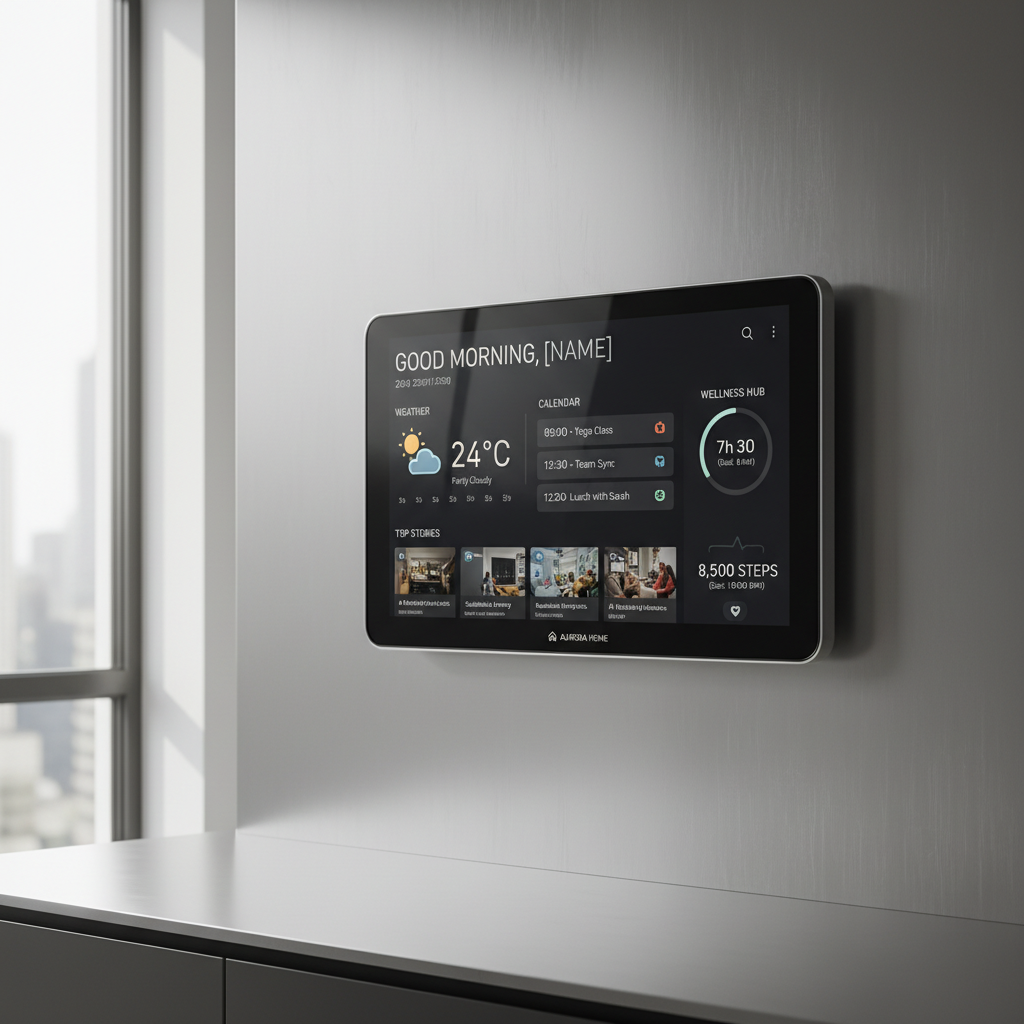
We’ve all been there. The alarm blares, tearing you from the warm embrace of sleep, only to be met with a frustrating battle against the snooze button. The subsequent scramble involves fumbling for lights, remembering appointments, and a desperate search for that elusive coffee. Mornings, for many, are a daily struggle, a relentless pursuit of productivity hindered by grogginess and disorganization. But what if there was a way to reclaim your mornings, to transform them from a chaotic sprint into a serene, productive, and even enjoyable start to your day? Enter the world of Artificial Intelligence assistants, poised to revolutionize how we wake up and embrace the dawn.
In an age where technology seamlessly integrates into nearly every aspect of our lives, it’s only natural that our personal assistants, powered by advanced AI, are stepping up to conquer the morning frontier. These intelligent companions are no longer just answering simple queries or playing music; they are evolving into sophisticated orchestrators of our daily routines, capable of personalization, automation, and predictive assistance that can genuinely shift our morning experience from one of dread to one of delight. This comprehensive guide will delve deep into how AI assistants can be your secret weapon against morning mayhem, helping you cultivate habits that lead to a more energetic, organized, and ultimately, a more successful day. We will explore the myriad ways these smart tools can assist, from personalized wake-up calls and intelligent briefings to wellness integration and smart home synergy, paving the way for your best mornings ever.
The Morning Struggle: Why We Need a Revolution
For countless individuals, the morning hours are synonymous with a unique brand of low-grade stress. It starts subtly, perhaps with the incessant beeping of an alarm clock that feels designed more for irritation than gentle awakening. The subsequent moments often involve a fragmented mental checklist: Did I set my coffee machine? What’s the weather like? Do I have that important meeting today? Where are my keys? This mental load, compounded by sleep inertia, can set a negative tone for the entire day.
Common morning challenges are pervasive and impactful. One of the most significant is the “snooze button syndrome,” a cycle of interrupted sleep that leaves us feeling even more tired rather than refreshed. This habit not only delays our start but also disrupts our natural sleep cycles, contributing to chronic grogginess. Then there’s the issue of forgotten tasks or appointments. In the hurried rush, crucial details can slip through the cracks, leading to missed deadlines or last-minute panics. The lack of a clear, motivating routine can also contribute to a general feeling of lethargy and disinterest in starting the day.
The impact of a poor morning routine extends far beyond just feeling a bit tired. Physically, it can lead to increased stress hormones, poor diet choices due to rushing breakfast, and a lack of physical activity. Mentally, it can manifest as reduced focus, irritability, and a feeling of being constantly behind. Imagine starting your workday already feeling overwhelmed, having already lost several battles against your own inertia. This sets a precedent for the entire day, making it harder to engage with tasks, maintain a positive outlook, and be truly productive.
Traditional morning routines often rely on sheer willpower and a series of disconnected actions. We manually check the weather app, listen to a radio for news, stumble to brew coffee, and try to remember our schedule from memory or a hastily scribbled note. This fragmented approach is inefficient and prone to errors. It places the entire burden of organization and motivation squarely on an individual who is likely still grappling with the transition from sleep to wakefulness. This is precisely where the revolution driven by AI assistants comes into play, offering a cohesive, intelligent, and personalized solution to these age-old morning woes.
What Are AI Assistants and How Do They Fit In?
At their core, AI assistants are software programs designed to help users with a variety of tasks through voice commands, text input, or even gesture recognition. They leverage artificial intelligence, particularly natural language processing (NLP) and machine learning, to understand human requests, process information, and execute actions. Think of them as your digital concierges, always ready to assist. The most prominent examples that come to mind are smart speakers like Amazon Echo (Alexa), Google Home (Google Assistant), Apple HomePod (Siri), and even the assistants integrated into our smartphones.
Their core capabilities are what make them so powerful in the context of morning routines. First, voice recognition allows for hands-free interaction, which is invaluable when you’re still half-asleep or occupied with other morning tasks. You can simply speak your commands or queries, and the assistant will respond. Second, automation is a game-changer. AI assistants can be programmed to perform a series of actions based on a single command or a set schedule. This means your “good morning” command can trigger a cascade of events, from turning on lights to starting your coffee maker. Third, and perhaps most crucially, is personalization. Through machine learning, these assistants learn your preferences, habits, and daily schedules. The more you interact with them, the better they become at anticipating your needs and offering tailored assistance.
The fit for morning routines is almost perfectly symbiotic. Instead of waking up to a jarring alarm, an AI assistant can gently rouse you with gradually increasing light simulation and soothing sounds, tailored to your sleep cycle if integrated with wearable tech. Instead of fumbling with your phone for news and weather, your assistant can deliver a curated morning briefing summarizing the most relevant information for your day, without you having to lift a finger. Forgetting to hydrate after waking? Your AI can remind you. Struggling to find motivation for a morning workout? It can suggest a quick routine or play an energizing playlist.
Beyond these individual tasks, AI assistants excel at creating a cohesive, flowing morning experience. They can link various smart devices in your home – from your thermostat to your smart blinds and even your toaster – to operate in unison. This creates an environment that proactively supports your well-being and productivity, rather than one you have to constantly manage. By offloading routine tasks and providing intelligent information at the right time, AI assistants free up your mental bandwidth, allowing you to focus on truly waking up and preparing for the day ahead with clarity and calm. They are not just tools; they are proactive partners in cultivating a superior morning experience.
Personalized Wake-Up Calls: Beyond the Annoying Alarm
The traditional alarm clock, with its abrupt, often startling ring, is a relic of a less sophisticated era. Its primary function is simply to make noise until you shut it off, doing little to ease you into wakefulness. AI assistants, however, offer a paradigm shift, transforming the wake-up experience into a personalized, gentle, and intelligent transition from sleep to activity. This is achieved through a combination of dynamic alarm settings, smart home integration, and AI’s capacity for learning and adaptation.
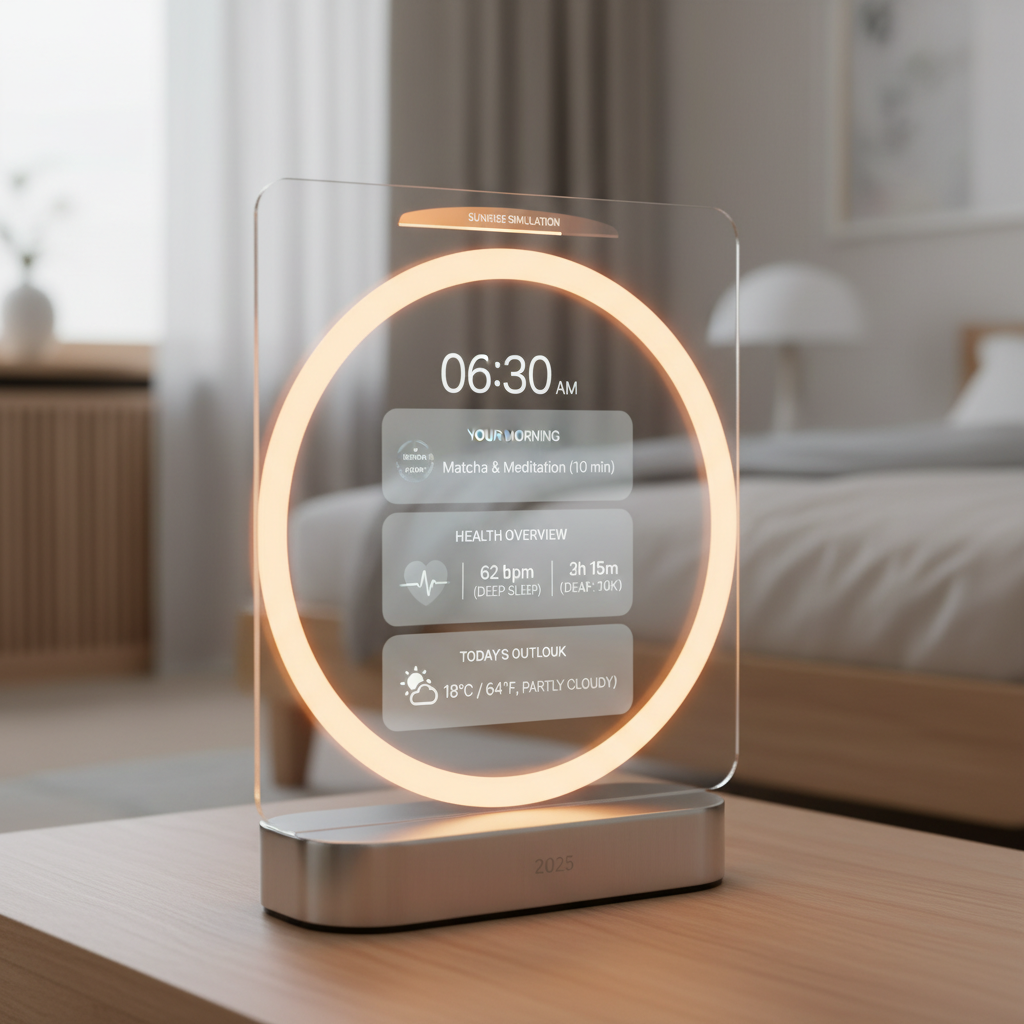
Imagine waking up not to a jarring beep, but to the gentle simulation of a sunrise, followed by the soft chirping of birds or the calm murmur of a flowing stream. Many AI assistants can integrate with smart light bulbs, gradually increasing the light in your bedroom over a set period before your actual wake-up time. This mimics the natural dawn, signaling to your body that it’s time to rise, which can lead to a more natural and less abrupt awakening. Coupled with soothing, personalized soundscapes instead of traditional alarms, the experience becomes genuinely pleasant. The AI can even select different sounds based on your mood or the day of the week, ensuring variety and preventing habituation to a single, repetitive sound.
The true power emerges with contextual awareness and integration. Your AI assistant can be programmed to consider various factors. For instance, if integrated with your calendar, it can adjust your wake-up time automatically on days with early meetings, or allow you to sleep in a little longer on weekends or holidays. Some advanced systems can even connect with wearable sleep trackers, monitoring your sleep cycles and attempting to wake you during a lighter sleep stage, reducing sleep inertia and making you feel more refreshed.
Beyond simply waking you up, these intelligent alarms initiate a cascade of morning preparations. Your AI can be configured to, upon your verbal “good morning,” trigger a series of actions: the smart coffee maker starts brewing your favorite blend, the thermostat adjusts to your preferred morning temperature, and smart blinds gently open to let in natural light. This level of automation means your environment is already working for you before you even step out of bed, eliminating friction and saving precious minutes.
Moreover, the AI assistant learns from your interactions. If you consistently snooze or dismiss your alarm, it might suggest adjusting your sleep schedule or incorporating additional gentle reminders. If you prefer news over music first thing, it adapts. This continuous learning process ensures that your personalized wake-up routine evolves with you, becoming increasingly effective and tailored to your unique needs and preferences over time. It’s about more than just setting an alarm; it’s about orchestrating a seamless, stress-free entry into your day.
Your Intelligent Morning Briefing: Stay Informed, Not Overwhelmed
In our increasingly interconnected world, staying informed is crucial, but the sheer volume of information can be overwhelming, especially first thing in the morning. Sifting through news feeds, weather apps, traffic reports, and calendar notifications can consume valuable time and mental energy before the day has even properly begun. This is where AI assistants truly shine, offering an intelligent morning briefing that is both comprehensive and concise, keeping you informed without inundating you.
An AI-powered morning briefing is far more than just a quick glance at your phone. It’s a curated, personalized summary of everything you need to know for the day ahead, delivered audibly as you get ready, sip your coffee, or prepare breakfast. The core components typically include:
- Curated News Headlines: Instead of general news, your AI assistant can deliver headlines from sources you trust and on topics you care about. You can specify categories like tech, finance, local news, or international affairs. Some advanced assistants can even learn your reading habits and prioritize stories accordingly.
- Weather Forecast: A precise, location-specific weather update, including temperature, precipitation, and even air quality, helps you plan your attire and commute. Many assistants can also provide multi-day forecasts.
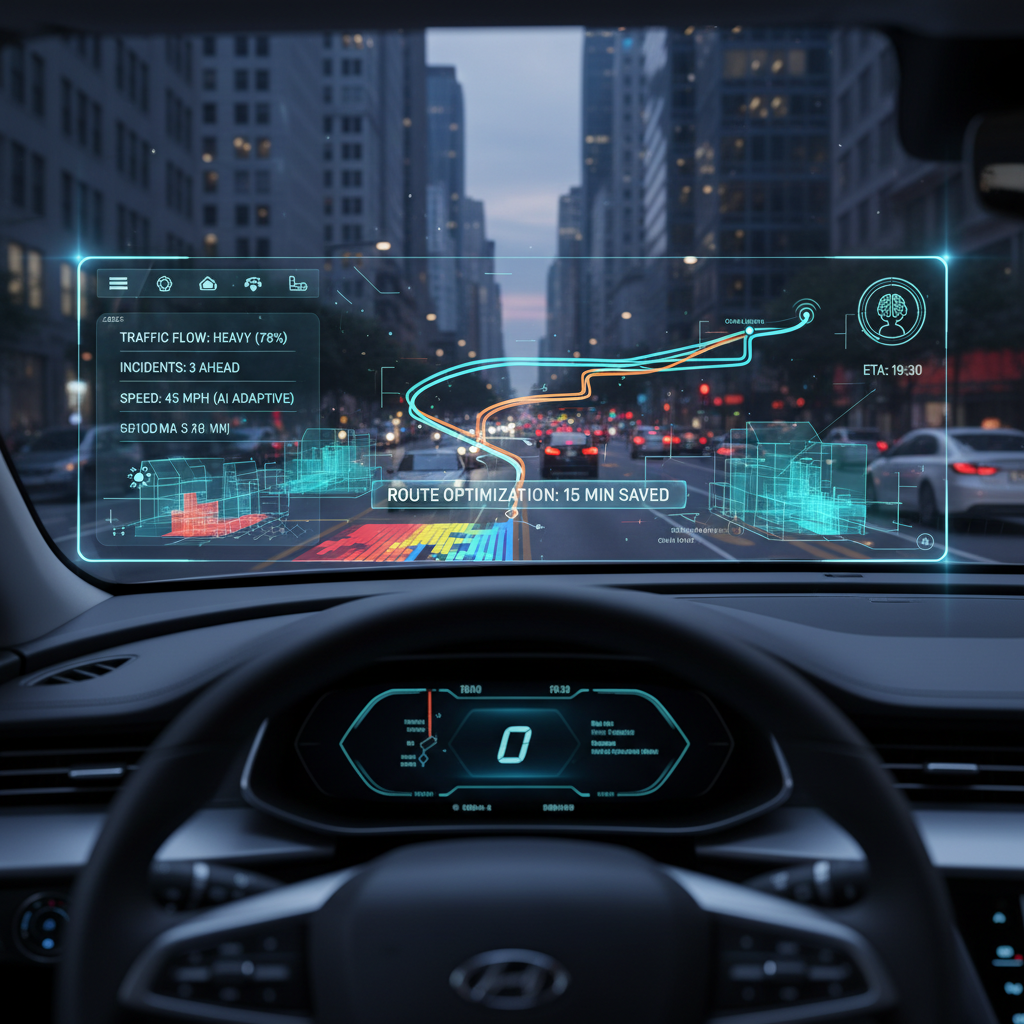
- Traffic and Commute Information: Based on your typical commute route and current road conditions, your AI can estimate travel times, warn you of delays, and suggest alternative routes. This is invaluable for preventing last-minute rushes and stress.
- Calendar Review: Your assistant can seamlessly integrate with your digital calendar, verbally walking you through your appointments, meetings, and important reminders for the day. It can even prompt you about preparation needed for specific events.
- Task Reminders: Any outstanding tasks or urgent to-dos from your preferred task management app can be brought to your attention, ensuring nothing important is overlooked.
What makes this truly “intelligent” is the AI’s ability to learn and prioritize. If you have an early flight, the briefing might prioritize gate information and security wait times. If a major stock market event occurred overnight, and you follow finance, that will be highlighted. The briefing isn’t static; it adapts to current events and your evolving interests. Moreover, you can interact with the briefing, asking for more details on a specific news story or requesting a deep dive into a particular calendar event, all through natural language commands.
Beyond essential information, some AI assistants can offer personalized recommendations. For example, based on the weather and your fashion preferences, it might suggest an outfit. If you have dietary goals, it could offer a quick breakfast recipe. This level of thoughtful assistance minimizes cognitive load, allowing you to focus on creative thinking and complex problem-solving rather than mundane information gathering. By receiving all vital information in an organized, digestible format, you start your day feeling prepared, informed, and in control, rather than overwhelmed by a deluge of digital noise.
Health and Wellness Integration: Nurturing Your Body and Mind
The pursuit of a “great morning” extends far beyond mere efficiency; it encompasses a holistic approach to well-being that nurtures both body and mind. AI assistants are increasingly becoming powerful allies in this domain, seamlessly integrating health and wellness practices into your morning routine, making healthy habits easier to adopt and sustain. They can act as your personal wellness coach, motivator, and tracker, all from the comfort of your home.
One of the most significant contributions of AI assistants to morning wellness is facilitating guided meditation and mindfulness exercises. Many people struggle with the discipline of daily meditation, especially when groggy. Your AI assistant can be programmed to start a 5, 10, or 15-minute guided meditation session right after your alarm, providing calm instructions and soothing background sounds. This allows you to ease into your day with a focused, peaceful mind, reducing stress and enhancing clarity. Apps and services often integrate directly with smart speakers, making access effortless.
Hydration reminders are another simple yet profound benefit. Waking up often means being mildly dehydrated. Your AI assistant can prompt you to drink a glass of water first thing, or remind you at regular intervals throughout the morning. Some even integrate with smart water bottles to track your intake. This basic habit can significantly improve energy levels and cognitive function.
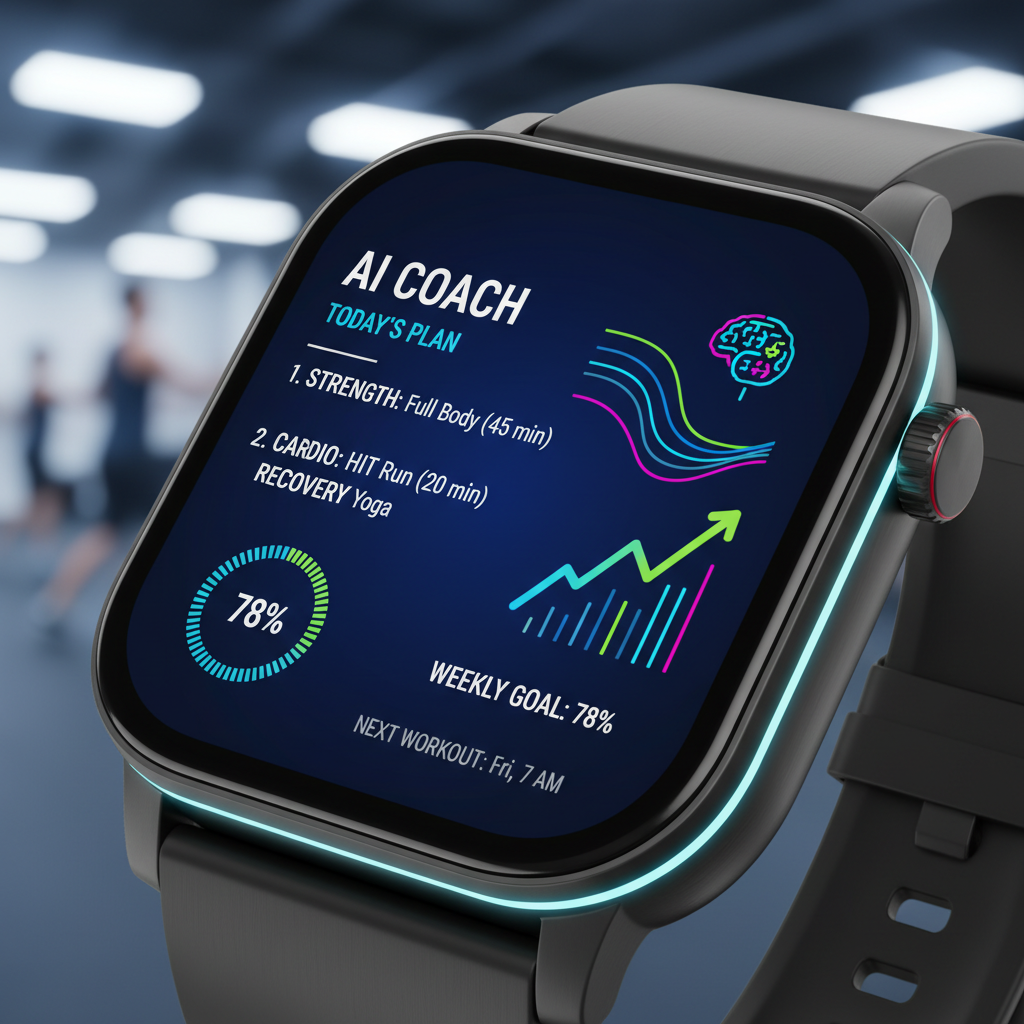
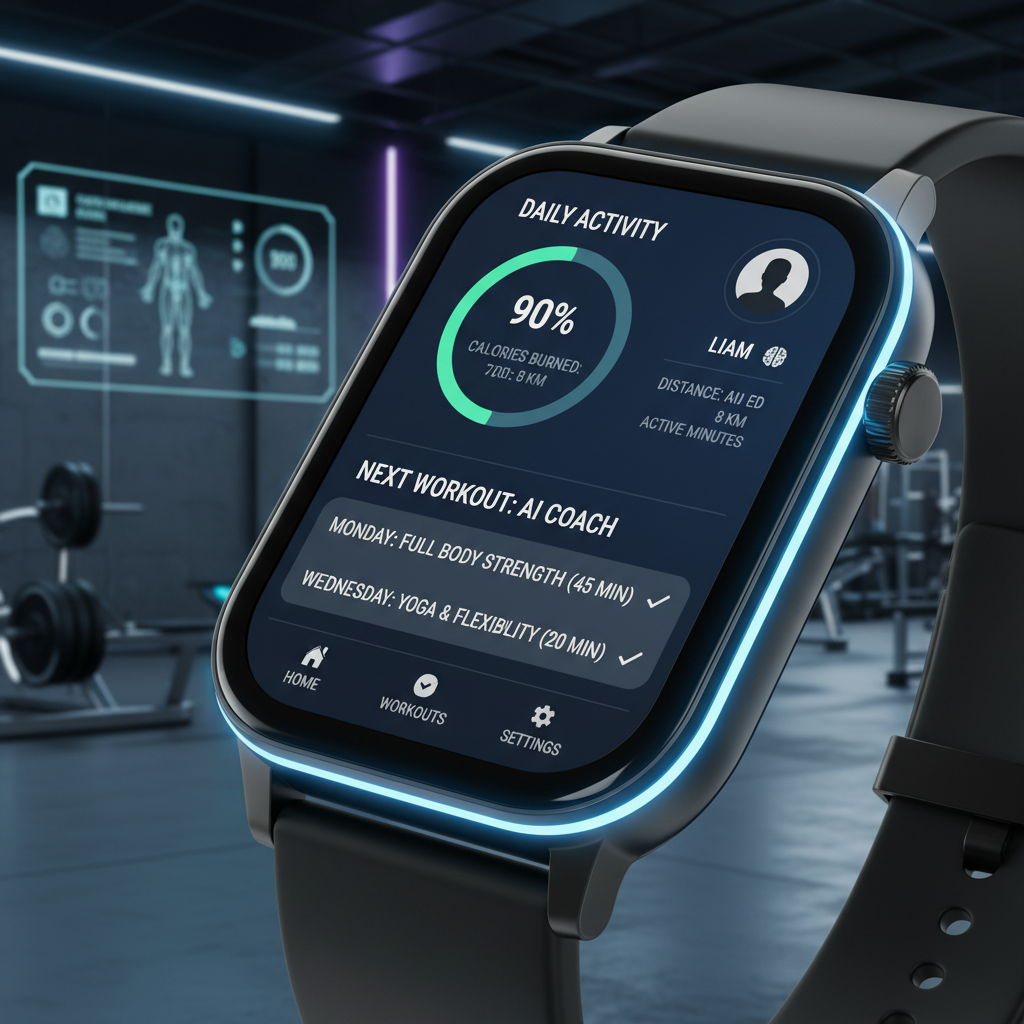
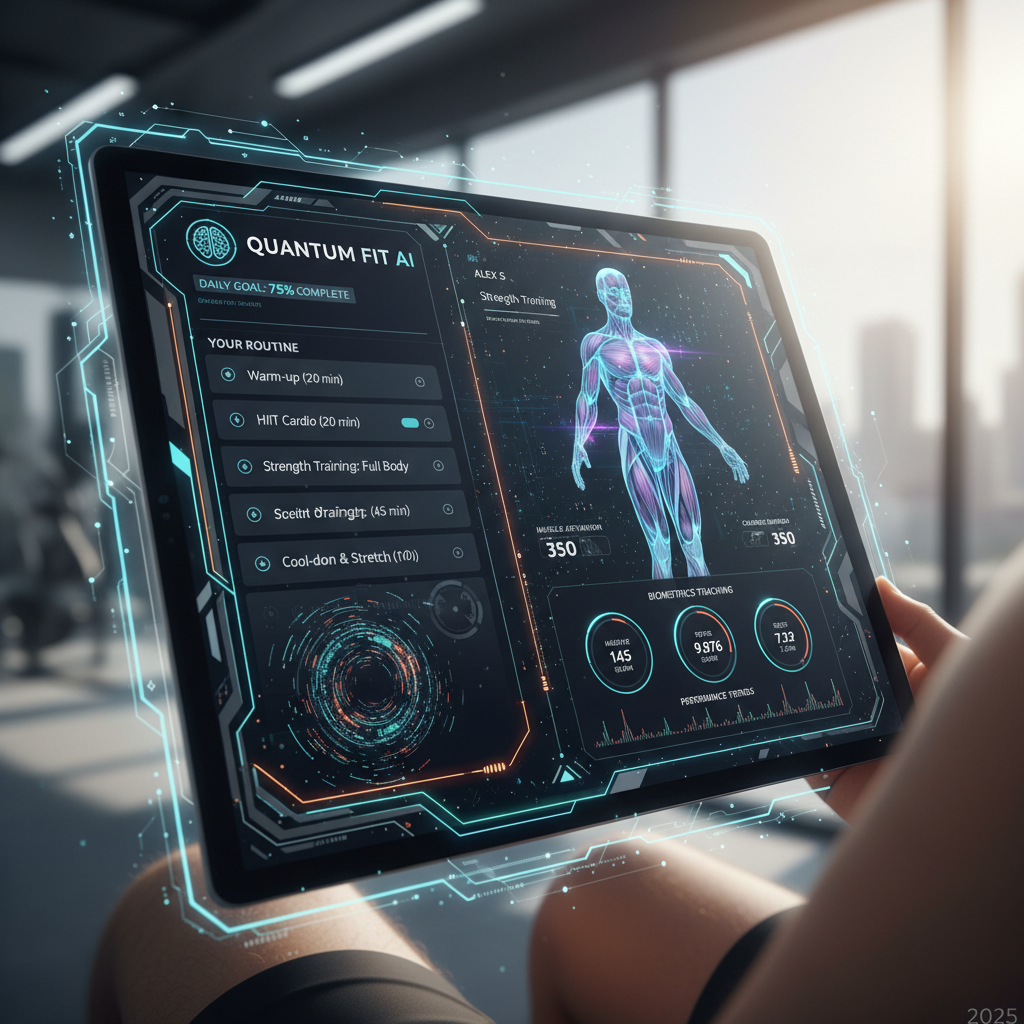
For those looking to incorporate physical activity, AI assistants offer personalized workout suggestions and tracking integration. Based on your fitness goals, available time, and even the equipment you have, your assistant can suggest a quick morning stretching routine, a bodyweight workout, or a yoga session. They can play guided exercise videos, time your intervals, and even integrate with fitness trackers to log your progress, providing encouragement and accountability without the need for a personal trainer.
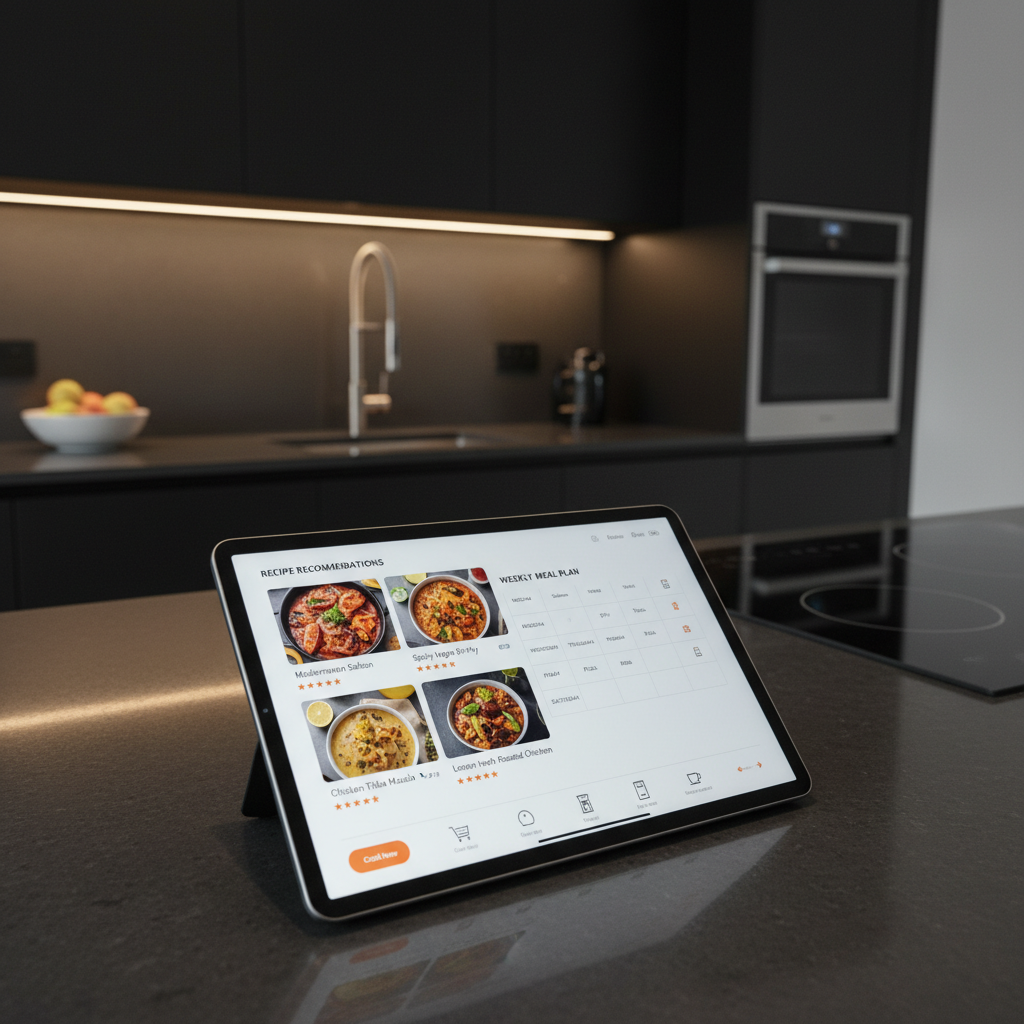
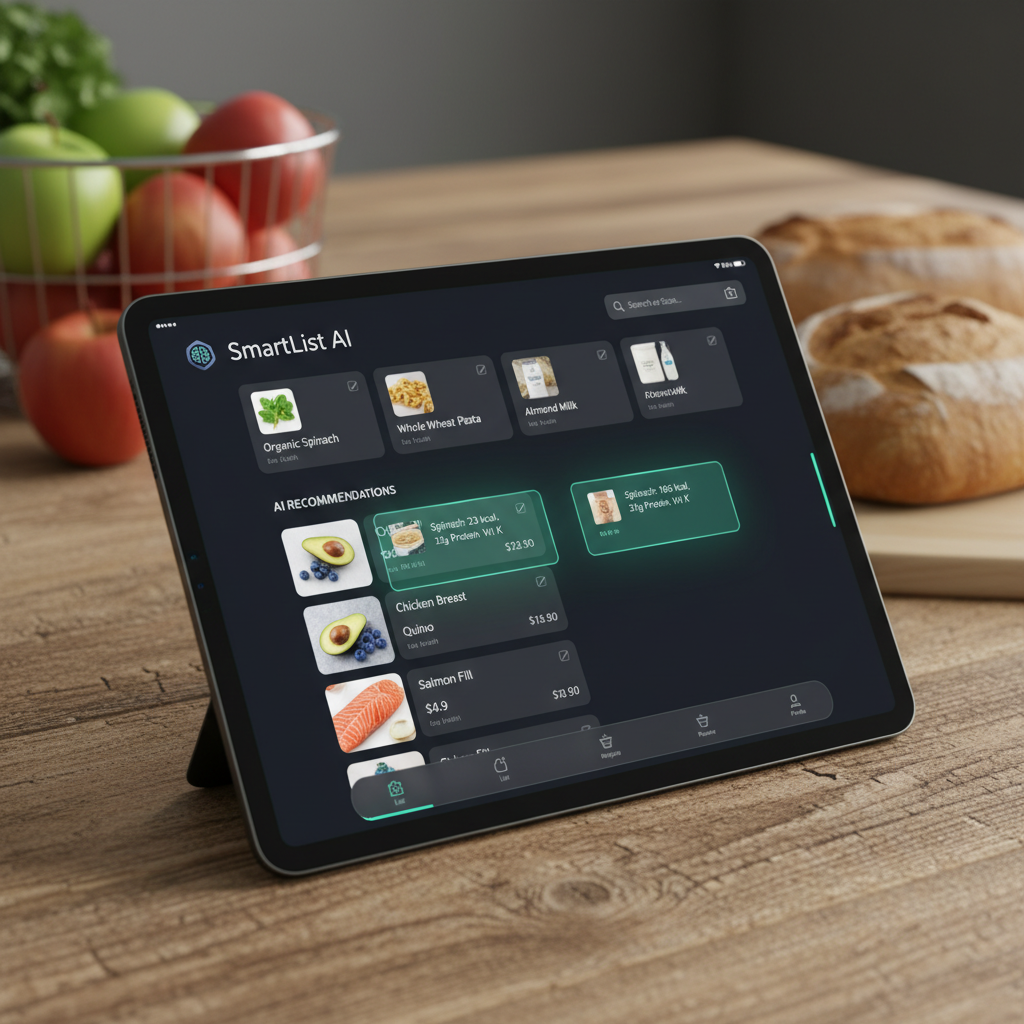
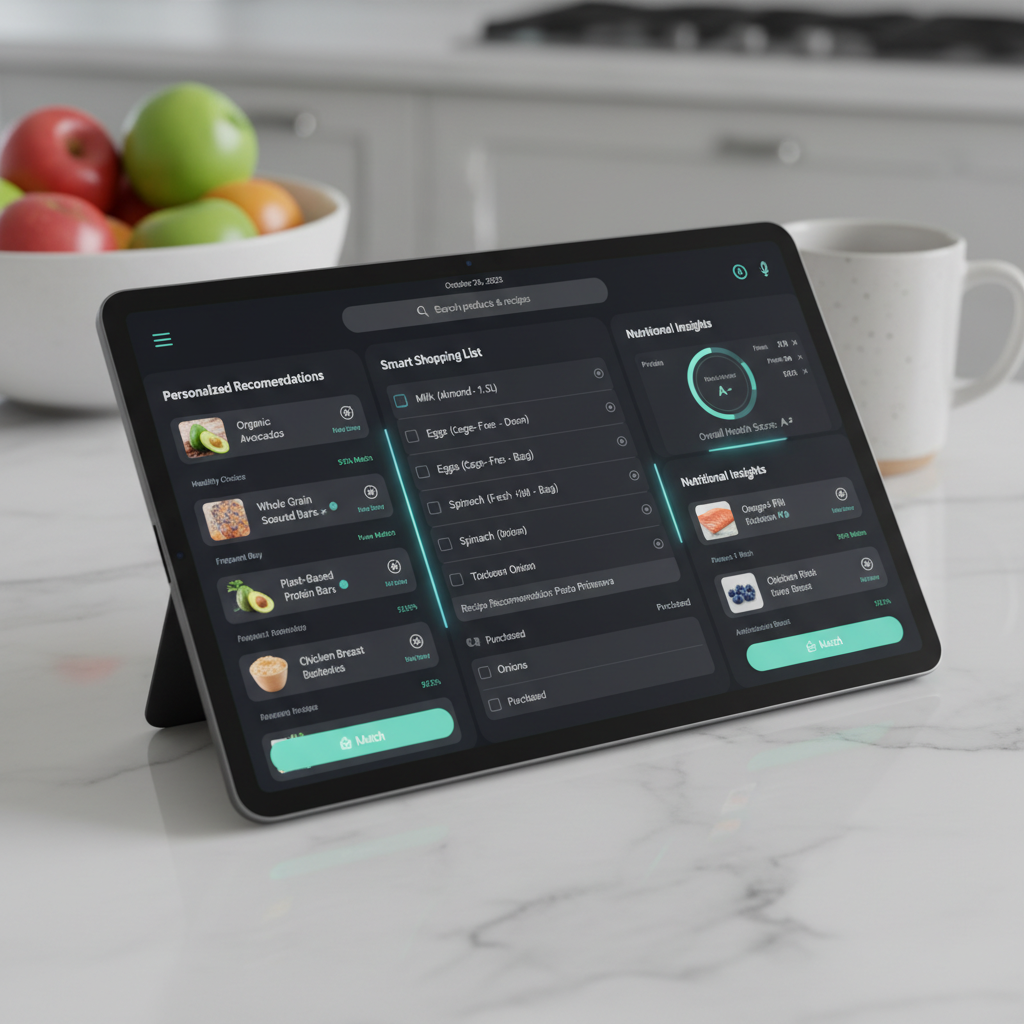
Nutrition tips and healthy breakfast ideas can also be part of your morning wellness brief. If you’ve logged dietary preferences or goals, your AI can suggest balanced breakfast recipes, provide nutritional facts for ingredients you have on hand, or even help you order groceries for a healthy meal plan. This removes the guesswork and decision fatigue often associated with healthy eating, making good choices simpler.
Furthermore, AI assistants can play a role in monitoring and improving sleep hygiene. While they don’t directly track sleep (that’s typically done by wearables), they can remind you of your bedtime, suggest relaxing activities before sleep, or even play white noise or ambient sounds to help you drift off, thereby indirectly impacting the quality of your morning wake-up. By consistently weaving these small, positive habits into your morning through intelligent prompts and seamless integration, AI assistants empower you to nurture your physical and mental well-being, transforming your mornings into a foundation for a healthier, happier life.
Boosting Productivity from the Get-Go: The Ultimate Morning Planner
Beyond waking you gently and informing you comprehensively, AI assistants are exceptionally adept at setting the stage for a highly productive day. The moments after waking can be chaotic and unfocused, but with an AI at your side, this crucial transition period becomes an opportunity for meticulous planning, prioritization, and initial task management, ensuring you hit the ground running with clarity and purpose.
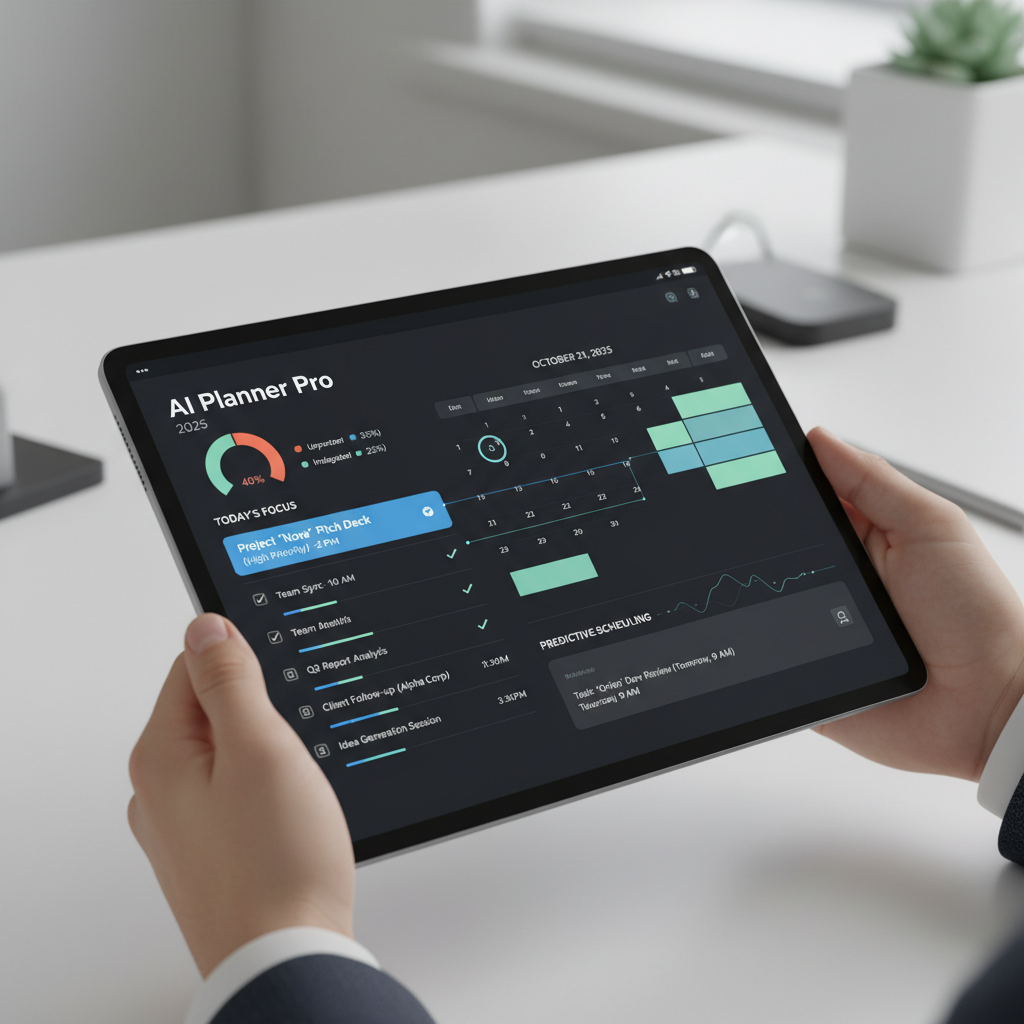
One of the most impactful features is smart scheduling for the day. As part of your morning briefing, your AI can not only review your calendar but also help you allocate time for various tasks. If you have an open block, it might suggest tasks from your to-do list that fit, or prompt you to schedule personal time. Through natural language, you can add new appointments, reschedule existing ones, or check for conflicts, all without needing to open an app or type. This hands-free scheduling is incredibly efficient and allows you to confirm your daily roadmap while multitasking with other morning activities.
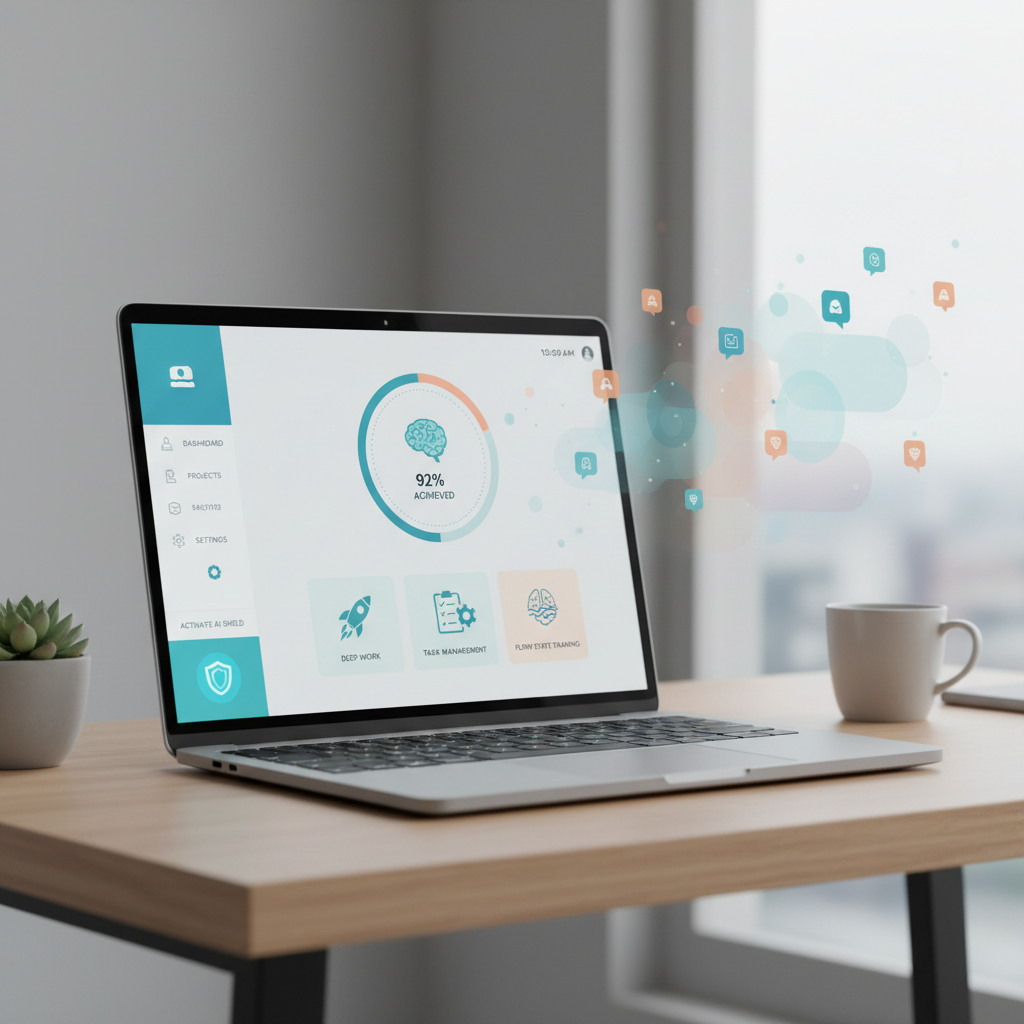
Prioritization of tasks is another area where AI assistants excel. Based on due dates, importance flags, and even learned habits, your AI can present you with your top three most critical tasks for the day. This helps you focus your energy on what truly matters, preventing the common trap of getting bogged down in minor details first thing. You can verbally re-prioritize tasks, ask for updates on ongoing projects, or mark items as complete, updating your digital workspace instantly.
For capturing fleeting thoughts or ideas, voice-activated note-taking is a lifesaver. Often, brilliant ideas strike us in the shower or while making coffee, only to be forgotten moments later. With an AI assistant, you can simply speak your thoughts aloud, and it will transcribe them into your preferred note-taking app or send them as an email to yourself. This instant capture mechanism ensures no valuable idea is lost due to morning brain fog.
Furthermore, AI assistants are increasingly offering advanced project management integration. For professionals, this means being able to check the status of team projects, assign tasks to colleagues (if permissions are set up), or review upcoming deadlines, all through voice commands. Imagine asking your assistant, “Alexa, what’s the status of the marketing campaign for Q3?” and receiving a concise update while you’re getting dressed. This level of integration streamlines your workflow and ensures you’re always connected to your professional responsibilities from the very start of your day.
By automating scheduling, intelligent prioritization, effortless note-taking, and seamless project oversight, AI assistants transform your morning from a reactive scramble into a proactive planning session. You gain precious time, reduce mental clutter, and begin your day with a clear, actionable plan, setting a robust foundation for maximal productivity and accomplishment.
Smart Home Synergy: The Connected Morning Experience
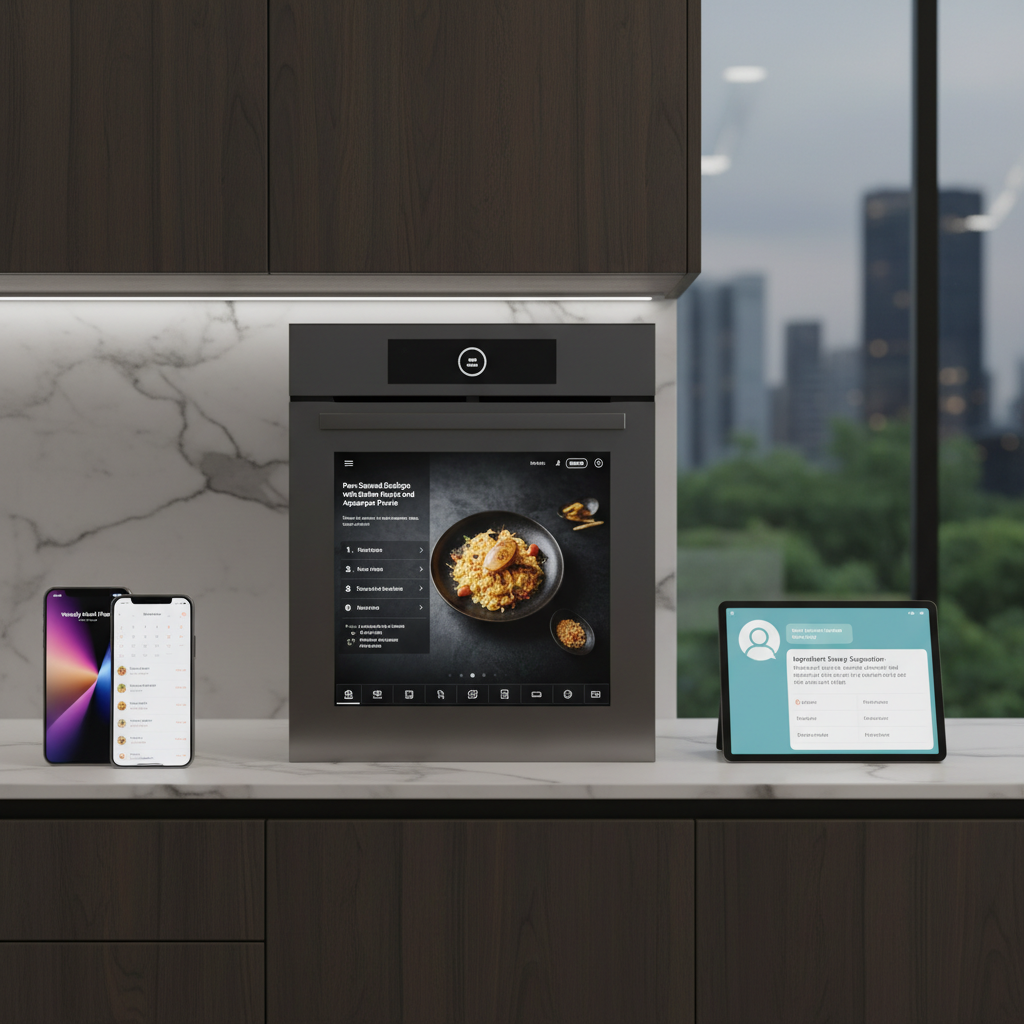
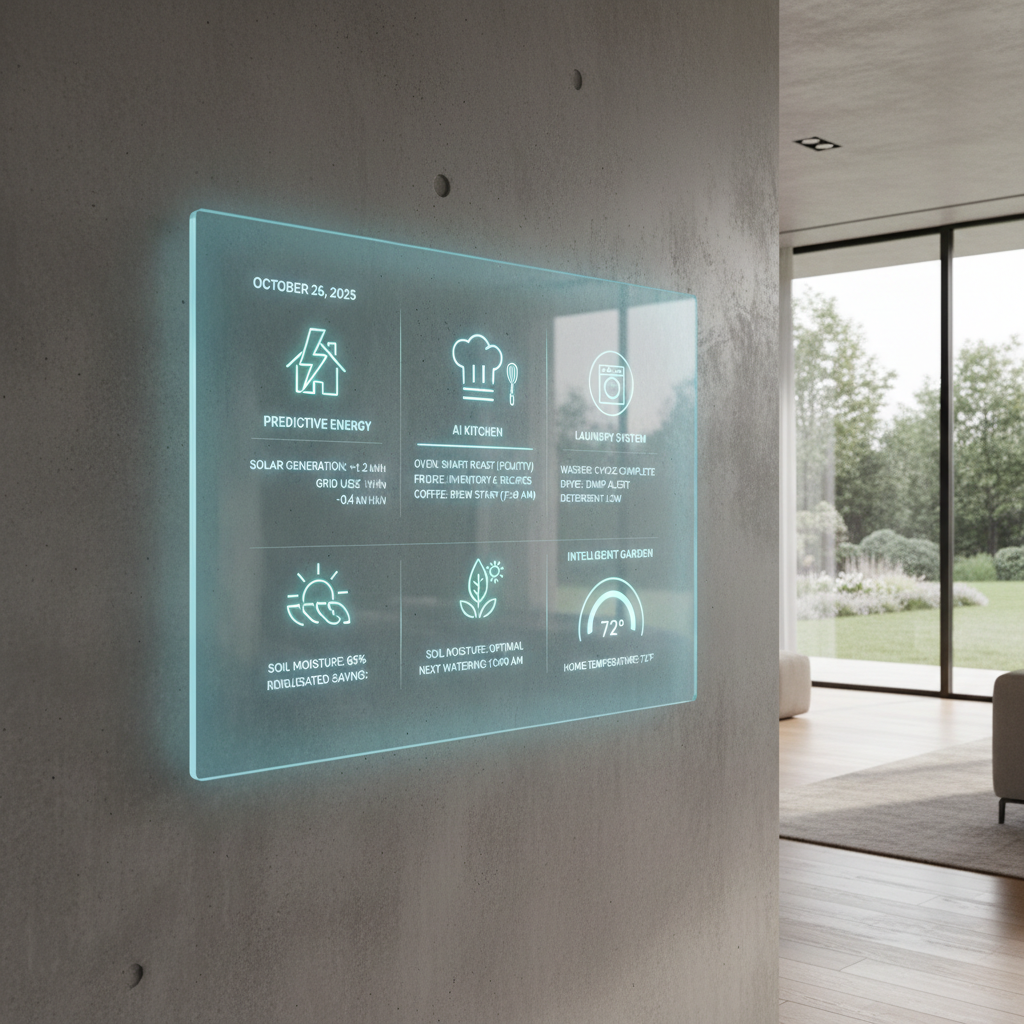
The true magic of AI assistants in transforming mornings is fully realized when they operate within a smart home ecosystem. Beyond individual tasks, these intelligent hubs can orchestrate a symphony of interconnected devices, creating a truly seamless and personalized morning experience. This synergy eliminates friction, automates routines, and transforms your home into an active participant in making your mornings great.
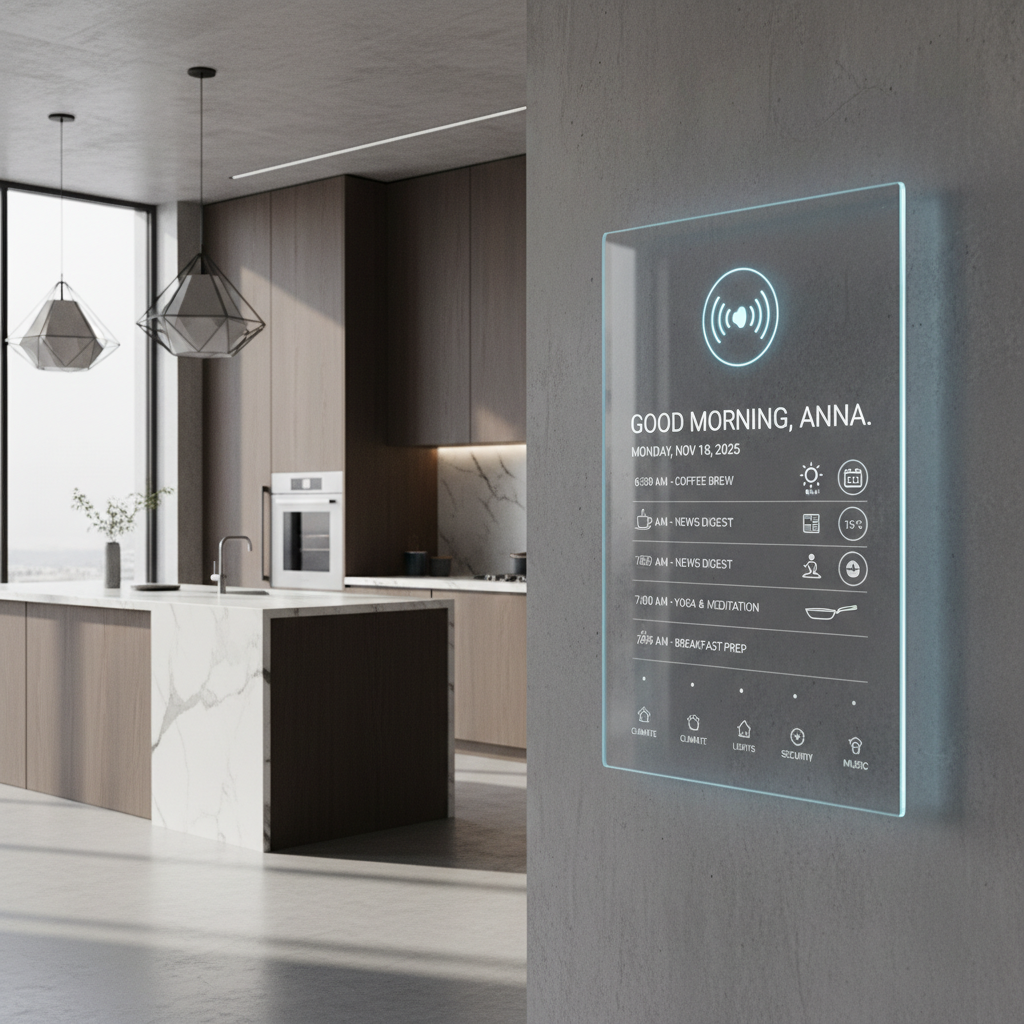
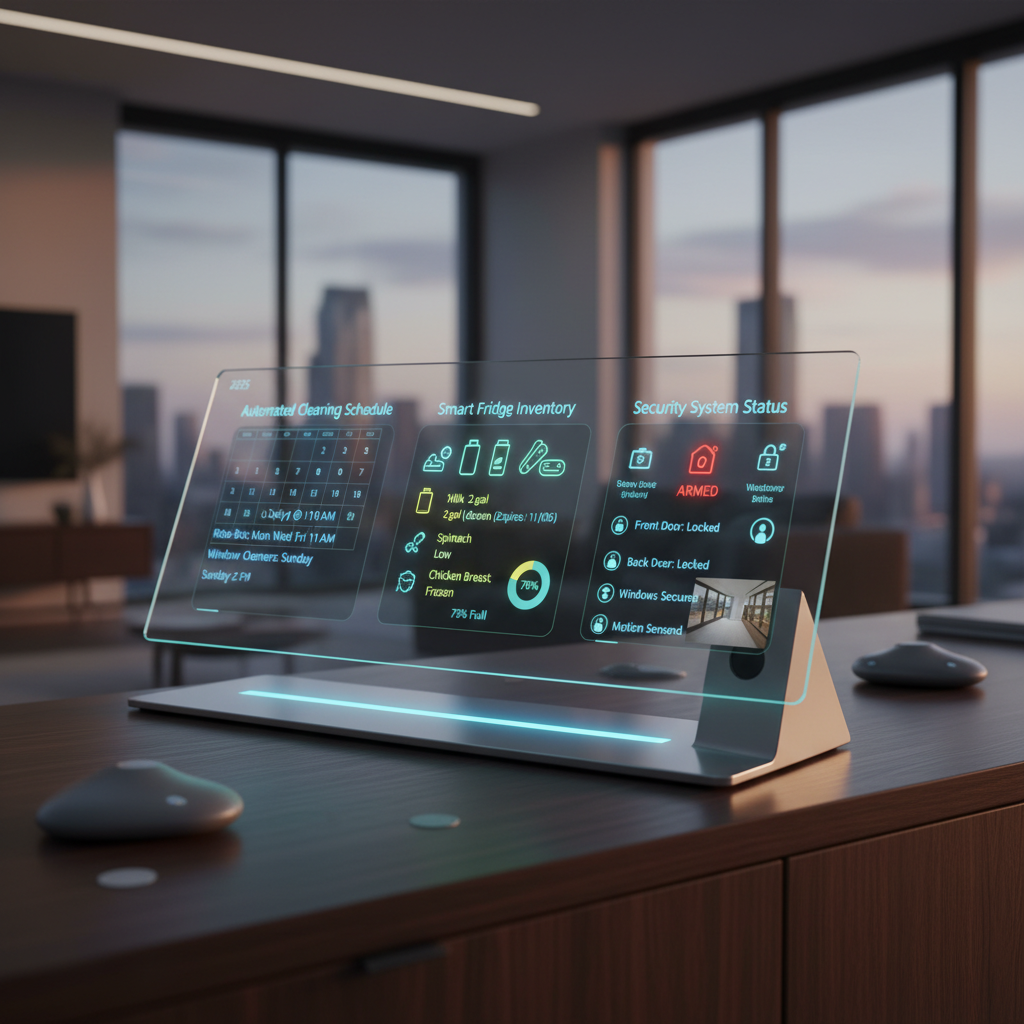
Imagine a morning where your environment anticipates your needs before you even fully articulate them. This is the promise of seamless control of lights, thermostat, and blinds. Your AI assistant can be programmed to trigger a “Good Morning” scene when your alarm goes off. This scene might include gradually brightening your bedroom lights to a warm hue, setting the thermostat to your preferred morning temperature, and automatically raising your smart blinds to let in natural light. As you move into the kitchen, the lights there can automatically turn on, and perhaps your smart speaker starts playing your personalized news briefing or a calming playlist.
The concept of pre-set “morning scenes” is central to this synergy. Instead of individual commands for each device, a single phrase like “Hey Google, good morning” can activate a complex sequence of actions. This could involve:
- Turning on bedroom lights to 50% brightness.
- Increasing the thermostat to 70°F (21°C).
- Opening smart blinds by 75%.
- Starting the smart coffee maker.
- Playing a morning playlist on your living room speaker.
- Announcing your daily schedule and weather forecast.
This level of automation means your home is actively preparing for your day, saving you valuable time and mental energy that would otherwise be spent manually adjusting each setting.
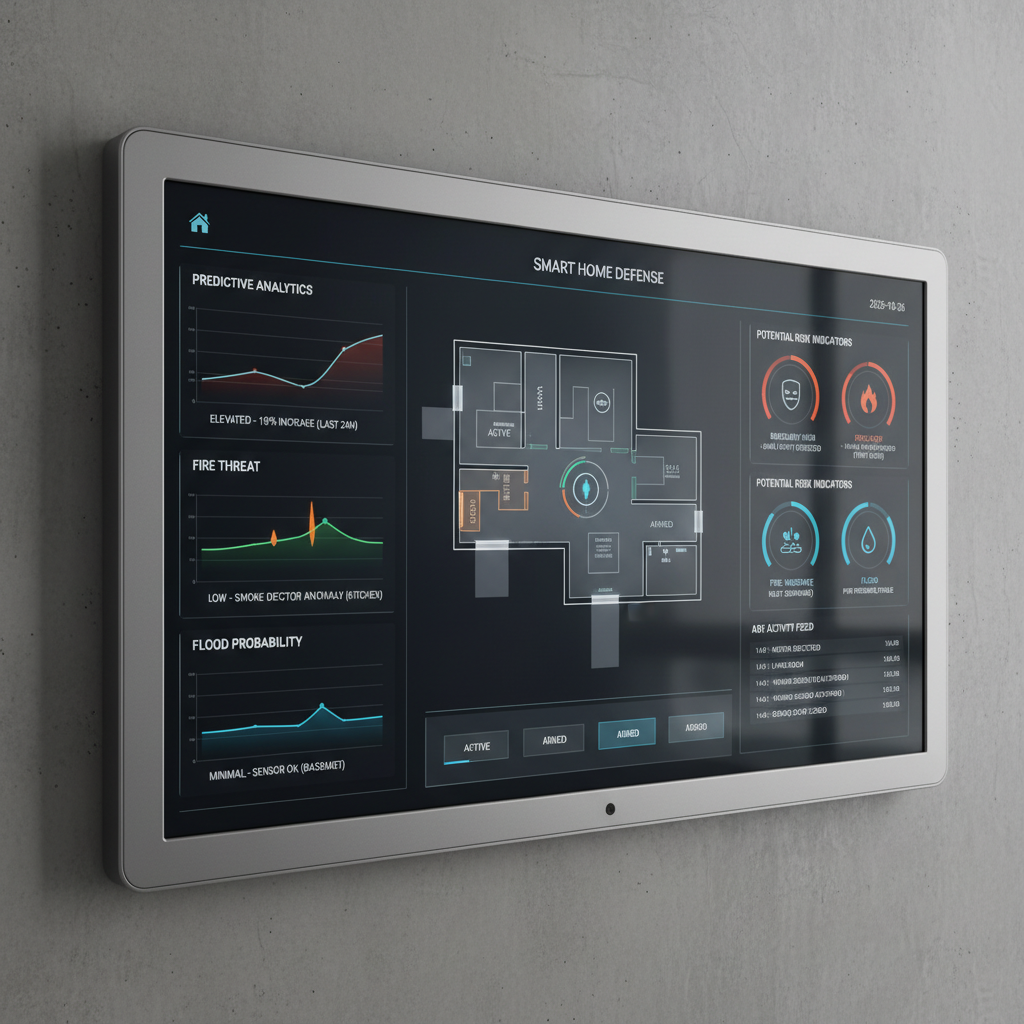
Beyond comfort and convenience, smart home integration also offers practical benefits like security checks. As you head out, your AI assistant can confirm that all smart locks are engaged, garage doors are closed, and security cameras are active, providing peace of mind. Some systems can even detect if windows are left open and remind you to close them before you leave, especially if rain is forecast.
The latest advancements in AI are pushing towards even greater contextual awareness and predictive capabilities. Future smart homes might use sensors to detect when you’re awake and start your morning routine without any verbal command. AI could learn that you prefer brighter lights on cloudy mornings or a warmer room when it’s particularly cold outside. This hyper-personalization transforms a house into an intelligent home that actively caters to your evolving habits and needs, making every morning feel effortlessly supported.
By integrating AI assistants with your smart home devices, you move beyond merely controlling individual gadgets. You create a cohesive, intelligent environment that anticipates and responds to your morning rituals, freeing you to focus on self-care and preparation for the day ahead. This synergy is not just about convenience; it’s about fundamentally enhancing your quality of life by making every morning a smooth, enjoyable, and efficient experience.
The Future is Bright: Emerging Trends in Morning AI
While current AI assistants already offer an impressive array of morning transformations, the trajectory of artificial intelligence promises an even more sophisticated and personalized future. The field is rapidly evolving, with research and development pushing boundaries towards truly proactive, emotionally intelligent, and hyper-personalized morning experiences. The future of morning AI isn’t just about automation; it’s about ambient intelligence that seamlessly integrates with our lives.
One of the most exciting emerging trends is proactive AI and predictive analytics. Instead of waiting for a command, future AI assistants will anticipate your needs based on a vast array of data points. Imagine an AI that notices a pattern in your sleep data (from a smart mattress or wearable) suggesting you’re not getting enough deep sleep. It might proactively suggest adjusting your bedtime, playing calming sounds an hour before bed, or even dimming lights in the evening to encourage melatonin production. If it predicts heavy traffic based on real-time data and your typical route, it might wake you 15 minutes earlier without being asked, sending a polite notification about the adjustment.
Emotion recognition and adaptive responses are also on the horizon. Advanced AI systems could analyze your tone of voice or even facial expressions (via smart mirrors or cameras, with privacy considerations paramount) to gauge your morning mood. If you sound stressed, the AI might automatically dim the lights, play soothing music, or offer a brief mindfulness exercise instead of a news briefing. If you seem particularly energized, it might suggest a more vigorous workout or a challenging mental puzzle to start your day. This adaptive emotional intelligence would allow the AI to tailor its assistance dynamically to your mental state.
Hyper-personalization and digital twin concepts could elevate the morning routine to unprecedented levels. Imagine an AI that has learned your entire physiological and psychological profile – your ideal wake-up light intensity, your perfect coffee strength, your preferred hydration schedule, and even your most productive work times. This “digital twin” of your morning self could perfectly orchestrate every aspect of your wake-up, breakfast, and preparation routine, optimizing it for peak performance and well-being. It could even offer outfit suggestions based on your personal style preferences, calendar events, and weather, going beyond basic utility to truly personalized lifestyle management.
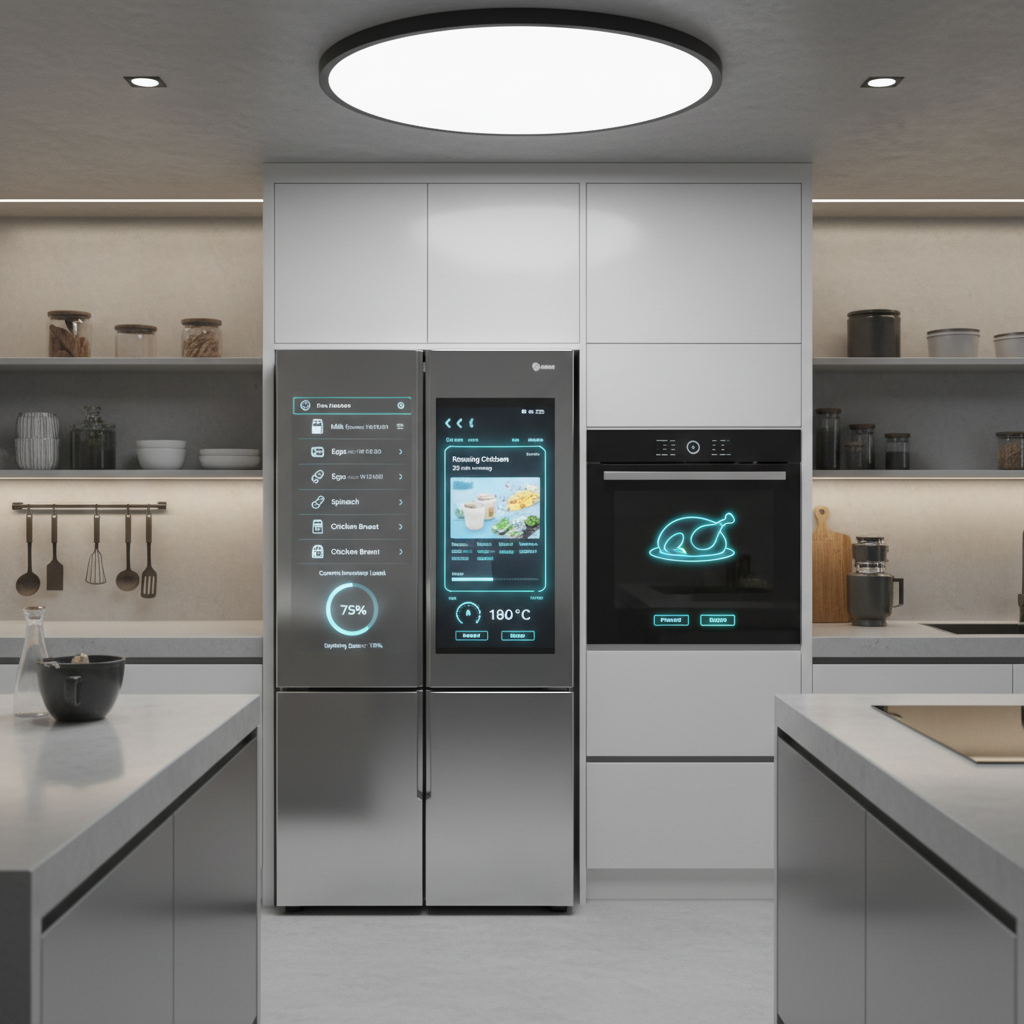
Finally, advanced robotics and ambient intelligence envision a future where AI isn’t confined to a speaker. Robotic assistants might bring you your coffee, lay out your clothes, or prepare a healthy breakfast. Ambient intelligence, embedded throughout your home, could create an environment that constantly adapts to your presence and activities, offering assistance without explicit interaction. Your bathroom mirror could provide health insights, your shower could optimize water temperature based on your body temp, and your kitchen could prepare meals as you enter. The goal is to make AI assistance so seamless and integrated that it fades into the background, operating invisibly to create the most optimal start to your day.
The future of morning AI is not just about making mornings easier; it’s about making them profoundly better, more attuned to our individual needs, and deeply supportive of our overall well-being. As these technologies mature, the transition from grogginess to greatness will become not just possible, but the effortless norm.
Comparison Tables
Table 1: AI Assistant Features Comparison for Morning Routines
| Feature | Amazon Alexa | Google Assistant | Apple Siri | Samsung Bixby |
|---|---|---|---|---|
| Dynamic Alarms/Routines | Customizable routines (e.g., “Good Morning”) with multiple actions, sound/light integration. | Customizable routines (e.g., “Good Morning”) with multiple actions, sound/light integration. | Limited routines via Shortcuts app, basic smart home scene activation. | Bixby Routines for personalized automation based on time/location. |
| Personalized News Briefing | Flash Briefing with customizable news sources, podcasts, weather, traffic. | “My Day” briefing with news, weather, traffic, calendar, reminders. | Basic news headlines, weather, and traffic queries. | Customizable daily brief for news, weather, appointments. |
| Smart Home Integration | Extensive compatibility with thousands of smart home devices, rich ecosystem. | Broad compatibility with smart home devices, strong Google Home ecosystem. | Integrates with HomeKit-enabled devices, growing but smaller ecosystem. | Focus on Samsung SmartThings ecosystem, expanding to others. |
| Wellness Integration | Guided meditations, workout suggestions via third-party skills, hydration reminders. | Guided meditations, workout suggestions, health queries, integration with Google Fit. | Limited direct wellness features, relies on Apple Health and third-party apps via Shortcuts. | Guided meditations, health tracking via Samsung Health. |
| Calendar & Task Management | Integrates with Google Calendar, Outlook Calendar, basic to-do lists. | Strong integration with Google Calendar, Reminders, Tasks, other productivity apps. | Integrates with Apple Calendar, Reminders, other apps via Shortcuts. | Integrates with Samsung Calendar, Reminders, and some third-party apps. |
| Voice-Activated Note Taking | Basic note-taking, can send to email or integrated apps. | Strong integration with Google Keep, can transcribe notes directly. | Basic note-taking in Apple Notes, can be sent to other apps. | Voice memo to Samsung Notes or other integrated note apps. |
Table 2: Traditional Morning vs. AI-Enhanced Morning
| Aspect | Traditional Morning (Manual) | AI-Enhanced Morning (Automated) | Benefit of AI Enhancement |
|---|---|---|---|
| Waking Up | Jarring alarm, sudden start, often leads to snoozing. | Gentle, personalized wake-up with light simulation, soothing sounds; adjusted to sleep cycles. | Reduced sleep inertia, less stress, more natural awakening. |
| Information Gathering | Manually checking multiple apps (weather, news, traffic, calendar) on phone. | Audible, curated morning briefing with personalized news, weather, traffic, and schedule. | Time-saving, reduced cognitive load, hands-free information consumption. |
| Breakfast Preparation | Manually brewing coffee, deciding on food, potentially forgetting supplements. | Smart coffee maker starts automatically, AI suggests healthy recipes, reminds of supplements. | Increased efficiency, healthier choices, reduced decision fatigue. |
| Productivity & Planning | Mental checklist, hasty task prioritization, forgetting small details. | AI reviews schedule, prioritizes tasks, helps capture ideas with voice notes, integrates project management. | Clearer focus, organized plan, less forgotten tasks, immediate idea capture. |
| Wellness Integration | Requires deliberate effort to start meditation, remember hydration, plan workouts. | AI prompts for meditation, hydration reminders, suggests personalized workouts. | Consistent healthy habits, easier mental and physical well-being maintenance. |
| Home Environment | Manually adjusting lights, thermostat, blinds. | Automated “morning scene” adjusts lighting, temperature, blinds simultaneously. | Seamless, comfortable environment; hands-free control, energy efficiency. |
| Overall Mood/Stress | Often rushed, stressed, chaotic, reactive. | Calm, organized, proactive, empowering, delightful. | Improved mental state, higher daily energy, reduced morning anxiety. |
Practical Examples: Real-World AI Morning Scenarios
To truly grasp the transformative power of AI assistants, let’s look at a few real-world scenarios where they make a tangible difference in diverse individuals’ mornings.
Scenario 1: The Busy Parent – Maria’s Morning Mayhem Muted
Maria is a working mother of two young children. Her mornings used to be a frantic race against the clock, juggling breakfast, school preparations, and her own work schedule. She often felt overwhelmed before 8 AM. Now, her AI assistant has become her indispensable co-pilot.
- Automated Wake-Up: Maria’s AI assistant, integrated with her smart bedroom lights, begins a gentle light increase 30 minutes before her kids’ alarm, easing her into wakefulness. A soft instrumental playlist then replaces the harsh alarm.
- Family Briefing: As she enters the kitchen, her smart speaker announces the weather (“Cloudy with a chance of rain, remember umbrellas!”) and the kids’ school lunch menu for the day. It also reminds her about her youngest’s doctor’s appointment later that afternoon.
- Breakfast Coordination: Her smart coffee maker starts brewing as she gets out of bed. While she prepares the kids’ breakfast, she simply asks, “Hey Google, what’s a quick, healthy breakfast I can make with eggs and spinach?” The AI provides a simple scramble recipe.
- Morning Routines: For the kids, Maria has set up a visual timer on a smart display that counts down tasks (“Brush Teeth,” “Get Dressed”). If the kids are dawdling, she can ask the AI to give a gentle verbal reminder.
- Departure Protocol: As they head out, she says, “Alexa, activate ‘Leaving Home’ scene.” This locks the smart doors, turns off all non-essential lights, and sets the thermostat to an energy-saving temperature, giving her peace of mind.
Result: Maria’s mornings are now less rushed, more organized, and significantly less stressful, allowing her to be more present with her children and start her workday with calm instead of chaos.
Scenario 2: The Remote Worker – David’s Productive Kickstart
David works remotely and often struggles with the transition from personal time to professional focus, particularly without a physical commute to delineate the two. His AI assistant helps him create a strong, productive boundary for his workday.
- Energizing Awakening: David’s AI-enabled alarm starts with a simulated sunrise, followed by an upbeat, personalized playlist to get him moving.
- Focused Briefing: While making his morning smoothie, he receives a concise work-focused briefing: “Good morning, David. Today’s weather is sunny. Your first meeting is at 9 AM with the marketing team. Remember to finalize the Q4 report draft by noon. Your latest project management updates show two new tasks assigned to you.”
- Wellness Integration: After his briefing, the AI prompts him, “Would you like a 10-minute guided meditation before you start work?” If he agrees, a session begins. It also reminds him to hydrate throughout the morning.
- Desk Setup: As he sits down, he says, “Hey Google, activate ‘Work Focus’ scene.” This turns on his desk lamp, sets his office thermostat, and turns on his office music (focus-oriented ambient sounds), all while muting non-essential notifications on his connected devices.
- Idea Capture: During his initial review of emails, if an idea for a project amendment comes to mind, he simply says, “Alexa, note to self: investigate incorporating AI features into the new client proposal.” The note is instantly logged in his project management app.
Result: David experiences a clear, structured, and focused transition into his workday, minimizing procrastination and maximizing his initial hours of productivity.
Scenario 3: The Health Enthusiast – Sophia’s Holistic Habits
Sophia is committed to a healthy lifestyle but found it challenging to consistently integrate all her wellness goals into her busy mornings. Her AI assistant is her personal wellness concierge.
- Optimal Wake-Up: Sophia uses a sleep-tracking wearable integrated with her AI. The AI monitors her sleep cycles and wakes her during a light sleep phase with gentle chimes, ensuring she feels naturally refreshed.
- Hydration and Movement: Immediately upon waking, her AI reminds her, “Good morning, Sophia! Please drink a glass of water. Would you like to start your 15-minute morning yoga flow?” When she confirms, the AI plays a guided yoga session.
- Nutrient-Focused Breakfast: While preparing breakfast, Sophia asks, “Siri, what’s the nutritional content of a serving of oats with berries and chia seeds?” She gets an instant, detailed breakdown. Her AI also reminds her, “Remember your vitamin D supplement today.”
- Mindful Moments: Before heading out for her morning run, her AI plays a short, inspiring quote or a brief positive affirmation to set a mindful tone for her exercise.
- Health Tracking: Her AI is linked to her fitness apps. After her run, she simply tells it, “Alexa, I just finished my 5k run.” The run details are logged automatically, and her AI congratulates her on her progress.
Result: Sophia effortlessly integrates her health and wellness habits into her morning, staying consistent with her goals and feeling supported in her journey towards a holistic lifestyle.
Frequently Asked Questions
Q: What exactly is an AI assistant, and how is it different from a regular app?
A: An AI assistant is a software program that uses artificial intelligence, particularly natural language processing and machine learning, to understand and respond to human commands, typically through voice. Unlike a regular app that performs specific, predefined functions (like a calculator or weather app), an AI assistant can understand context, learn from your preferences, and integrate with multiple services and devices to perform a wide array of tasks. It acts as a central hub for information and control, capable of holding more complex conversations and automating multi-step routines, making it far more dynamic and personalized than a standalone app.
Q: Do I need a smart speaker like an Amazon Echo or Google Home to use AI assistants for my morning routine?
A: While smart speakers like Amazon Echo, Google Home, or Apple HomePod are excellent platforms for AI assistants, providing hands-free voice interaction throughout your home, they are not strictly mandatory. Most major AI assistants (Alexa, Google Assistant, Siri, Bixby) are also available on smartphones, smart displays, smart TVs, and even some smartwatches. You can certainly leverage many AI morning features through these devices. However, for a truly seamless, hands-free, and integrated smart home experience, a dedicated smart speaker or smart display often provides the most immersive and convenient experience.
Q: How do AI assistants personalize my morning routine?
A: AI assistants personalize your morning routine primarily through machine learning and user input. When you set up routines, specify news preferences, link your calendar, or connect smart home devices, the AI learns your habits and preferences. Over time, it remembers your favorite music, preferred coffee strength, typical commute times, and even your ideal room temperature. It can also adapt to changing conditions, such as adjusting your wake-up time if traffic is heavier than usual or offering different news briefings based on current events and your expressed interests. The more you interact, the smarter and more tailored your assistant becomes.
Q: What are the privacy implications of using AI assistants, especially with personal morning data?
A: Privacy is a significant concern with AI assistants. Devices continuously listen for wake words, and some data (voice commands, routine settings, connected device information) is sent to cloud servers for processing. Major AI providers have privacy policies outlining how data is collected, stored, and used. Users can usually review and delete their voice history. It’s crucial to be aware of these policies, adjust privacy settings, and choose reputable brands. Many devices also offer physical mute buttons for microphones. While the convenience is immense, it’s a balance with personal data security, and users should always be diligent about understanding their settings and the terms of service.
Q: Can AI assistants help me with mental health and mindfulness in the mornings?
A: Absolutely. Many AI assistants offer features specifically designed to support mental well-being and mindfulness. This includes access to guided meditation sessions, calming soundscapes (like nature sounds or white noise), breathing exercises, and positive affirmations. You can integrate these into your morning routines to start your day with a sense of calm and focus. Additionally, some assistants can provide prompts for gratitude journaling or offer quick mood check-ins, helping you cultivate a more positive mental state before you tackle the day’s challenges.
Q: Is it complicated to set up these morning routines with an AI assistant?
A: No, setting up morning routines is generally straightforward. Most AI assistant apps (like Alexa app or Google Home app) feature intuitive interfaces that guide you through creating custom routines. You typically choose a trigger (e.g., a specific time, a verbal command like “Good morning”), and then select a series of actions (e.g., play music, turn on lights, give a news briefing). While advanced integrations with specific smart home devices might require initial pairing, the routine creation itself is designed for ease of use, often with step-by-step instructions and pre-designed templates.
Q: How much do AI assistants and smart home devices cost? Is it expensive to get started?
A: The cost can vary widely. Basic smart speakers can be relatively inexpensive, starting from around $30-$50 for entry-level models. Smart displays and more advanced speakers can range from $100-$300. Smart home devices like light bulbs, plugs, and thermostats also have a range of prices, from $10 for a smart plug to hundreds for a smart thermostat. You can start small, perhaps with just a smart speaker and a couple of smart bulbs, and expand your ecosystem over time. It doesn’t require a huge upfront investment to begin transforming your mornings.
Q: What if I don’t have a very “smart” home? Can AI assistants still help my mornings?
A: Yes, definitely! Even without a fully integrated smart home, an AI assistant on your smartphone or a basic smart speaker can still significantly enhance your mornings. You can use it for personalized alarms, curated news and weather briefings, calendar reminders, voice-activated note-taking, guided meditations, and even just playing motivating music or podcasts. While smart home integration unlocks additional automation, the core informational and organizational benefits of AI assistants are accessible to everyone.
Q: Can AI assistants wake me up without disturbing my partner?
A: This depends on the specific setup. If you use a smart speaker for an audible alarm, it will likely wake both of you. However, some AI assistants can integrate with smart wearables (like smartwatches) that offer silent, vibrating alarms, waking only the wearer. Additionally, if you use smart lights that gradually brighten, a subtle increase in light may wake you gently without disturbing your partner, especially if your side of the bed receives more direct light from the smart bulb.
Q: Are there any specific AI assistants that are better for morning routines?
A: Amazon Alexa and Google Assistant are generally considered the most robust for comprehensive morning routines due to their extensive smart home device compatibility, rich ecosystem of skills/routines, and deep integration with various services (calendars, news, productivity apps). Apple’s Siri, especially when combined with HomeKit and Shortcuts, is improving, offering strong privacy features. Samsung’s Bixby is powerful within the Samsung ecosystem. The “best” often comes down to which ecosystem you are already invested in (e.g., Android/Google, Apple, Amazon) and your specific priorities for features and device compatibility.
Key Takeaways
- Beyond Basic Alarms: AI assistants replace jarring alarms with personalized, gentle wake-up calls using light, sounds, and smart home triggers.
- Intelligent Information Delivery: They provide curated morning briefings with news, weather, traffic, and calendar updates, preventing information overload.
- Holistic Wellness Support: AI integrates guided meditations, hydration reminders, and personalized workout suggestions to nurture body and mind.
- Enhanced Morning Productivity: Assistants aid in smart scheduling, task prioritization, voice-activated note-taking, and project management from the moment you wake.
- Seamless Smart Home Integration: They orchestrate “morning scenes” across smart lights, thermostats, and blinds, creating an effortlessly comfortable environment.
- Continuous Learning and Personalization: AI learns your habits and preferences over time, continually optimizing your morning experience for maximum benefit.
- Future-Proofing Your Mornings: Emerging AI trends promise proactive, emotionally intelligent, and hyper-personalized assistance, further transforming the start of your day.
- Reduced Stress and Increased Calm: By automating routine tasks and providing timely information, AI assistants free up mental bandwidth, leading to calmer, more organized mornings.
Conclusion
The journey from grogginess to greatness in your morning routine is no longer a distant aspiration; it is a tangible reality made possible by the remarkable advancements in AI assistant technology. We’ve explored how these intelligent companions are redefining the very concept of waking up, transforming a previously fragmented and often stressful experience into one that is seamless, personalized, and profoundly empowering. From the gentle, adaptive wake-up calls that mimic natural dawn to the comprehensive, curated briefings that keep you informed without overwhelming, AI assistants act as your proactive partners in cultivating a superior start to your day.
The integration of wellness practices, the boost in early-morning productivity, and the harmonious synergy with your smart home devices all converge to create an ecosystem of support that allows you to focus on what truly matters: your well-being, your goals, and your peace of mind. As AI continues to evolve, promising even more predictive, emotionally intelligent, and hyper-personalized interactions, the future of our mornings looks incredibly bright. The days of fighting the snooze button, forgetting appointments, or struggling to find motivation can truly become a thing of the past.
Embracing AI assistants for your morning routine isn’t just about adopting new technology; it’s about investing in yourself. It’s about reclaiming precious time, reducing daily stress, and setting a powerful, positive tone for the hours that follow. By allowing these smart tools to manage the mundane and anticipate your needs, you free up your mental energy to be more creative, more present, and ultimately, more successful. So, are you ready to transform your mornings from a chaotic sprint into a serene and productive symphony? The future of your best mornings ever is just a voice command away.























































Leave a Reply