


In a world that constantly demands more from us, the quest for a perfectly productive and peaceful morning has become more critical than ever. The way we begin our day often dictates its trajectory, influencing our mood, productivity, and overall well-being. Yet, for many, mornings remain a chaotic rush, a battle against the alarm clock, and a struggle to find focus amidst the digital din. What if there was a way to transcend this daily struggle, to not just survive your mornings but to truly thrive in them?
Enter the revolutionary world of Artificial Intelligence. Far from being a futuristic concept, AI is now an accessible, powerful tool capable of transforming the most fundamental parts of our lives, starting with our very first waking moments. This comprehensive guide, “Reimagine Your Rise: A Complete AI-Powered Morning Transformation Guide,” is designed to walk you through the practical steps, innovative technologies, and profound benefits of integrating smart AI assistants into your morning routine. We will explore how AI can help you personalize your wake-up, optimize your health, supercharge your productivity, and ultimately, empower you to seize each day with unparalleled clarity and purpose. Prepare to discover a new dawn where chaos is replaced by calm, and potential is unlocked with every sunrise.
The Dawn of AI in Personal Productivity
The concept of a personal assistant isn’t new, but its evolution in the digital age, particularly with the advent of Artificial Intelligence, has been nothing short of transformative. For decades, we dreamed of intelligent machines that could anticipate our needs and streamline our lives. Today, these dreams are a reality, with AI moving beyond simple task execution to becoming truly proactive and personalized partners in our daily routines.
Initially, AI assistants were primarily reactive, responding to direct commands to set alarms, play music, or check the weather. Think of the early iterations of voice assistants on smartphones or smart speakers. While helpful, their intelligence was largely confined to predefined scripts. However, recent advancements in machine learning, natural language processing (NLP), and context awareness have propelled AI into an entirely new era. Modern AI can now learn from your habits, understand nuances in your requests, and even predict your needs before you explicitly state them. This shift is particularly impactful when applied to the morning, a critical window that sets the tone for the entire day.
Why are mornings so critical? Research consistently shows that a well-structured morning routine can significantly reduce stress, improve decision-making, boost creativity, and enhance overall life satisfaction. It’s a time for self-care, planning, and preparing for the challenges ahead. Historically, crafting and maintaining an optimal morning routine required significant discipline and manual effort. Now, AI offers an unprecedented opportunity to automate, optimize, and personalize this vital period, turning it from a potential source of stress into a powerful springboard for success. By leveraging AI, we are not just adding a gadget to our lives; we are fundamentally redefining our relationship with time, productivity, and personal well-being. The promise of an AI-powered morning is not just efficiency, but a holistic enhancement of our daily existence.
Understanding Your AI Morning Assistant
So, what exactly constitutes an “AI-powered morning assistant,” and how does it function as a cohesive system rather than just a collection of smart devices? At its core, an AI morning assistant is an intelligent software or hardware system designed to orchestrate and optimize your entire morning experience. It’s more than just a smart alarm; it’s a personalized conductor of your daily symphony, learning your preferences, adapting to your schedule, and proactively assisting you from the moment you wake up.
How AI Learns, Adapts, and Personalizes
- Machine Learning and Data Analysis: The foundation of any intelligent AI assistant is machine learning. By continuously collecting data from your interactions, schedules, smart home devices, and even biometric sensors (like those in wearables), the AI identifies patterns. It learns when you typically go to bed, your preferred wake-up times, your morning activities (e.g., exercise, meditation, news briefing), and even your energy levels throughout the day. For example, if you consistently skip your morning run on rainy days, the AI might suggest an indoor alternative or adjust your schedule accordingly.
- Natural Language Processing (NLP): This technology allows the AI to understand and respond to human language, both spoken and written. Instead of rigid commands, you can converse naturally with your assistant, expressing your needs and preferences. “Hey AI, I want a more mindful morning today,” might trigger a different sequence of events than, “Hey AI, I need to maximize productivity for a big meeting.”
- Contextual Awareness: Modern AI can integrate information from various sources to understand the current context. This includes your calendar, real-time weather, traffic conditions, news feeds, and even the status of your smart home devices. If there’s an unexpected traffic jam on your commute route, the AI can preemptively wake you up earlier or suggest an alternative. If your smart coffee maker is low on beans, it might prompt you to order more.
- Personalized Algorithms: Based on the data gathered and analyzed, the AI develops personalized algorithms that dictate your morning flow. It understands your preferences for music, news sources, breakfast choices, and even the tone of voice you prefer for interactions. This level of personalization moves beyond generic routines to truly bespoke experiences.
Types of AI for Morning Transformation
While many popular general-purpose AI assistants (like Amazon Alexa, Google Assistant, Apple Siri, and Microsoft Cortana) offer robust capabilities, the landscape is also expanding to include specialized AI solutions and integrated platforms.
- General-Purpose Voice Assistants: These are the most common entry points. Integrated into smart speakers, smartphones, and various smart home devices, they serve as central hubs. They can set complex alarms, read personalized news briefings, control smart lights and thermostats, manage calendars, and initiate routines based on time or voice commands. Their strength lies in their broad ecosystem integration and continuous development of new features.
- Wellness and Productivity Apps with AI: Many dedicated apps, while not always full-fledged voice assistants, utilize AI for specific morning functions. Examples include sleep tracking apps that use AI to wake you during optimal sleep cycles, meditation apps that personalize sessions, or productivity apps that use AI to prioritize your morning tasks based on urgency and your energy predictions.
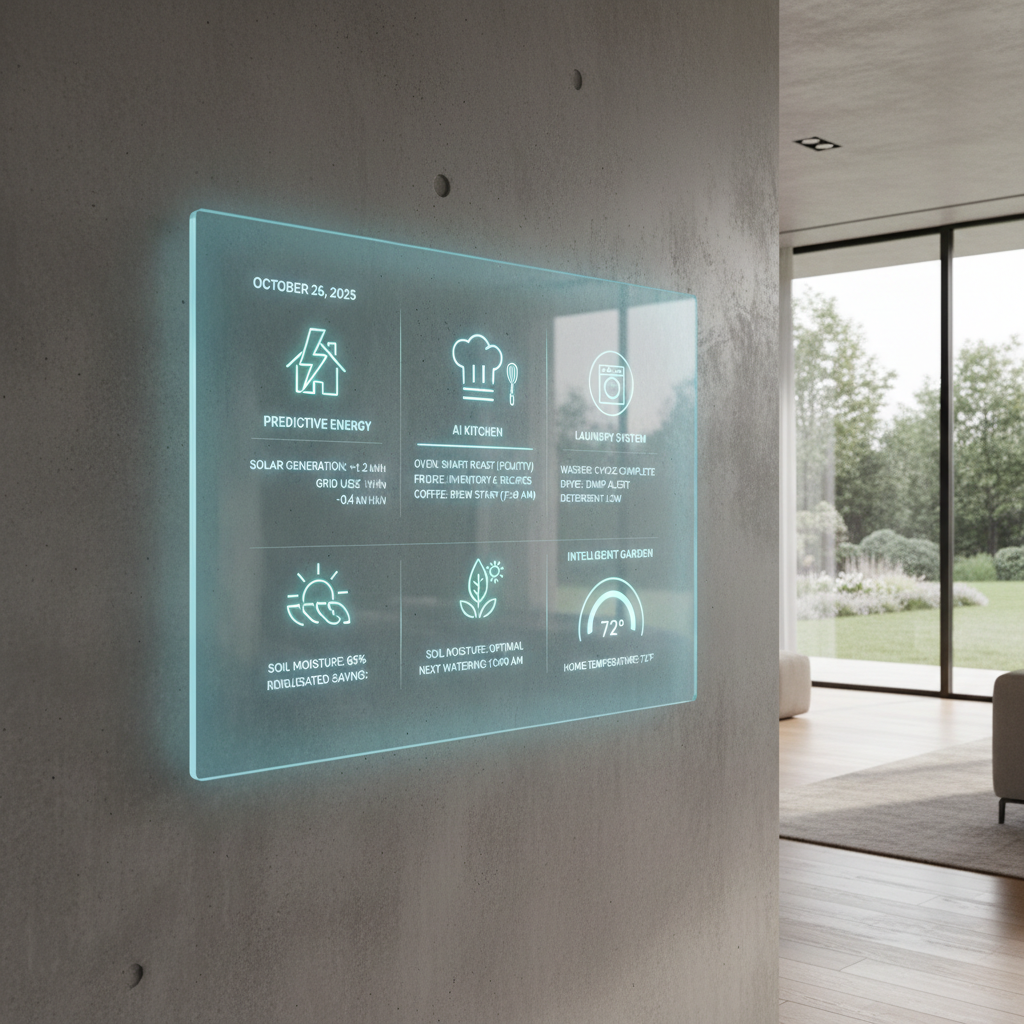
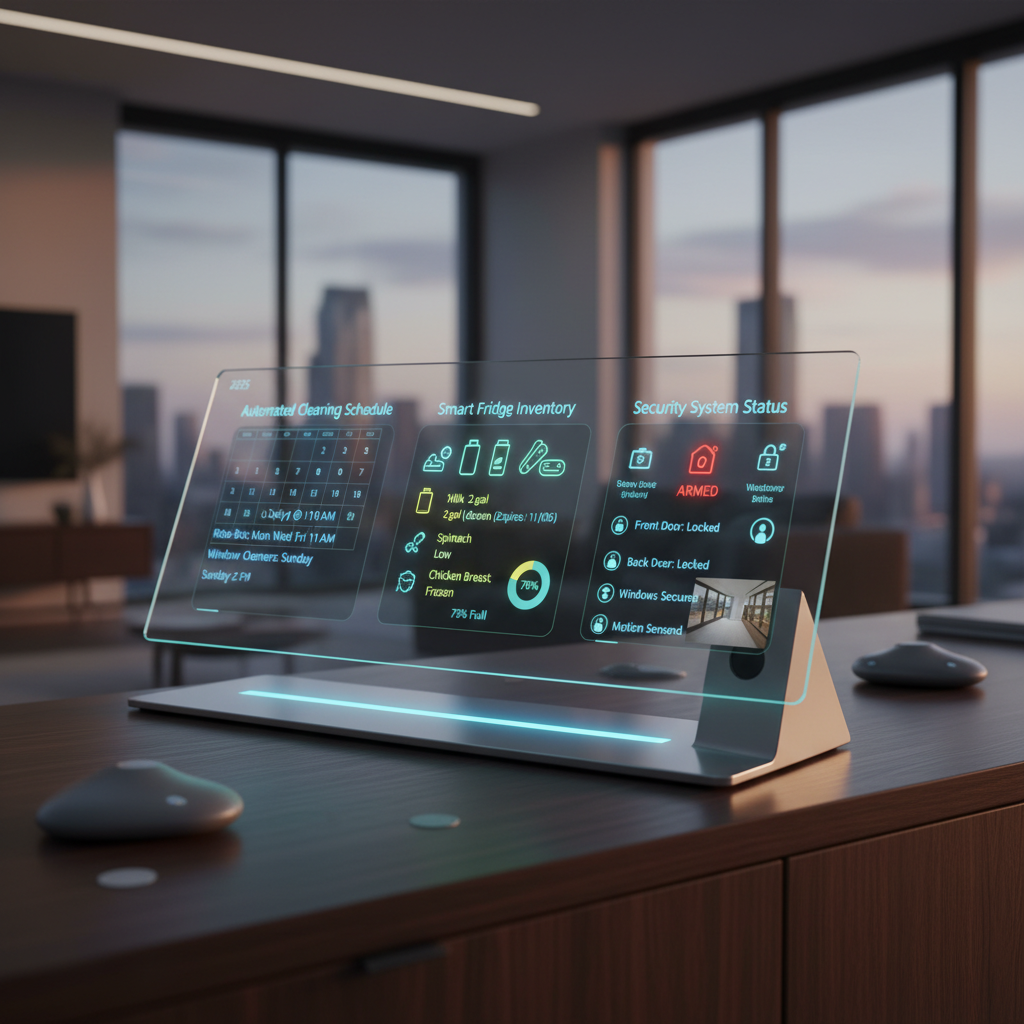
- Integrated Smart Home Systems: Beyond individual devices, comprehensive smart home platforms (often powered by general-purpose AIs) allow for complex, multi-device morning routines. Imagine your AI dimming the lights, adjusting the thermostat, brewing coffee, and playing a gentle wake-up playlist all simultaneously and autonomously, based on your personalized schedule and external conditions.
The beauty of an AI morning assistant lies in its ability to bring all these disparate technologies together into a harmonious, intelligent system that acts as your personal morning concierge. It removes the friction from your routine, freeing up mental space and allowing you to start your day feeling refreshed, prepared, and in control.
Crafting Your Personalized AI-Driven Morning Routine
The true power of AI in morning transformation lies in its ability to personalize. A generic “smart morning” is good, but a routine meticulously crafted to your unique needs, goals, and rhythms is truly transformative. Here’s how to embark on building your bespoke AI-powered morning.
Step-by-Step Guide to Setting Up Your AI Morning
-
Identify Your Morning Goals: Before diving into technology, clarify what you want to achieve. Do you aim for better sleep, more mindful moments, enhanced physical activity, increased productivity, or a combination?
- Health & Wellness: Better sleep, meditation, exercise, healthy breakfast.
- Productivity & Focus: Task prioritization, learning, news consumption, goal setting.
- Mindfulness & Calm: Gentle wake-up, quiet reflection, journaling.
-
Choose Your Core AI Assistant and Smart Devices: Decide which AI ecosystem you’ll build around (e.g., Alexa, Google Assistant). Then, identify compatible smart devices that align with your goals:
- Smart alarm clock (e.g., Philips Hue Wake-up Light, smart speaker with sunrise simulation)
- Smart lights (e.g., Philips Hue, Nanoleaf)
- Smart thermostat (e.g., Nest, Ecobee)
- Smart coffee maker or kettle
- Wearable fitness tracker (e.g., Apple Watch, Fitbit, Garmin)
- Smart plugs for dumb appliances (e.g., a lamp, a fan)
-
Map Out Your Ideal Morning Sequence: Visualize your perfect morning, minute by minute, without AI limitations.
- 6:00 AM: Gentle wake-up with simulated sunrise.
- 6:15 AM: Guided meditation.
- 6:30 AM: Weather and personalized news briefing while making coffee.
- 6:45 AM: Quick workout based on fitness goals.
- 7:30 AM: Review daily schedule and top priorities.
-
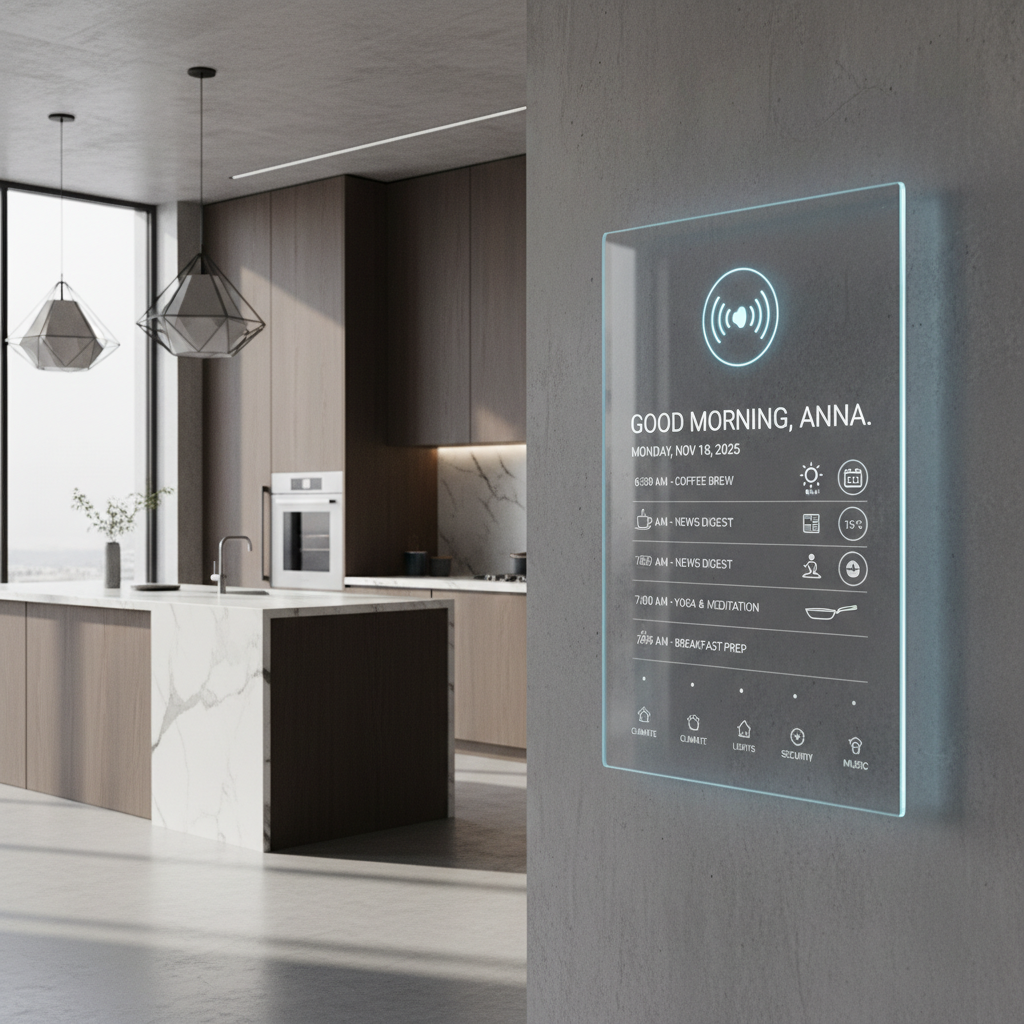
Configure AI Routines/Automations: Most AI platforms offer “routines” or “automations” where you define a trigger (e.g., “Good Morning” command, specific time, or alarm dismissal) and a sequence of actions.
- Trigger: “Alarm Dismissed” at 6:00 AM.
- Action 1: Gradually brighten smart lights from 0% to 80% over 15 minutes.
- Action 2: Play soft ambient music or a personalized meditation track.
- Action 3: Turn on smart coffee maker.
- Action 4: Announce today’s weather and calendar appointments.
- Action 5: Read a personalized news briefing.
- Integrate Existing Tech and Data: Connect your AI assistant to your calendar, email, fitness apps, sleep trackers, and smart home devices. This allows the AI to pull in relevant data (e.g., meeting schedules, sleep quality scores, activity goals) and provide truly informed assistance.
-
Iterate and Refine: Your first AI routine won’t be perfect. Experiment!
- Adjust timings: Does the meditation need more or less time?
- Change content: Do you prefer a different news source or music genre?
- Add or remove steps: Is there a new activity you want to incorporate?
The AI learns from your choices and usage, so the more you interact and adjust, the better it becomes at serving your specific needs.
Remember, the goal is not to create a rigid, unyielding schedule, but a flexible, intelligent system that adapts to you. By taking a thoughtful, iterative approach, you can craft an AI-driven morning routine that genuinely supports your goals and transforms your daily rise.
Beyond the Alarm Clock: AI for Enhanced Wellness
The traditional alarm clock is a jarring interruption; an AI-powered morning assistant, conversely, is a gentle guide towards holistic well-being. Its capabilities extend far beyond simply waking you up, delving deep into personalized health, mindfulness, and physical activity.
Sleep Cycle Tracking and Optimized Wake-Up
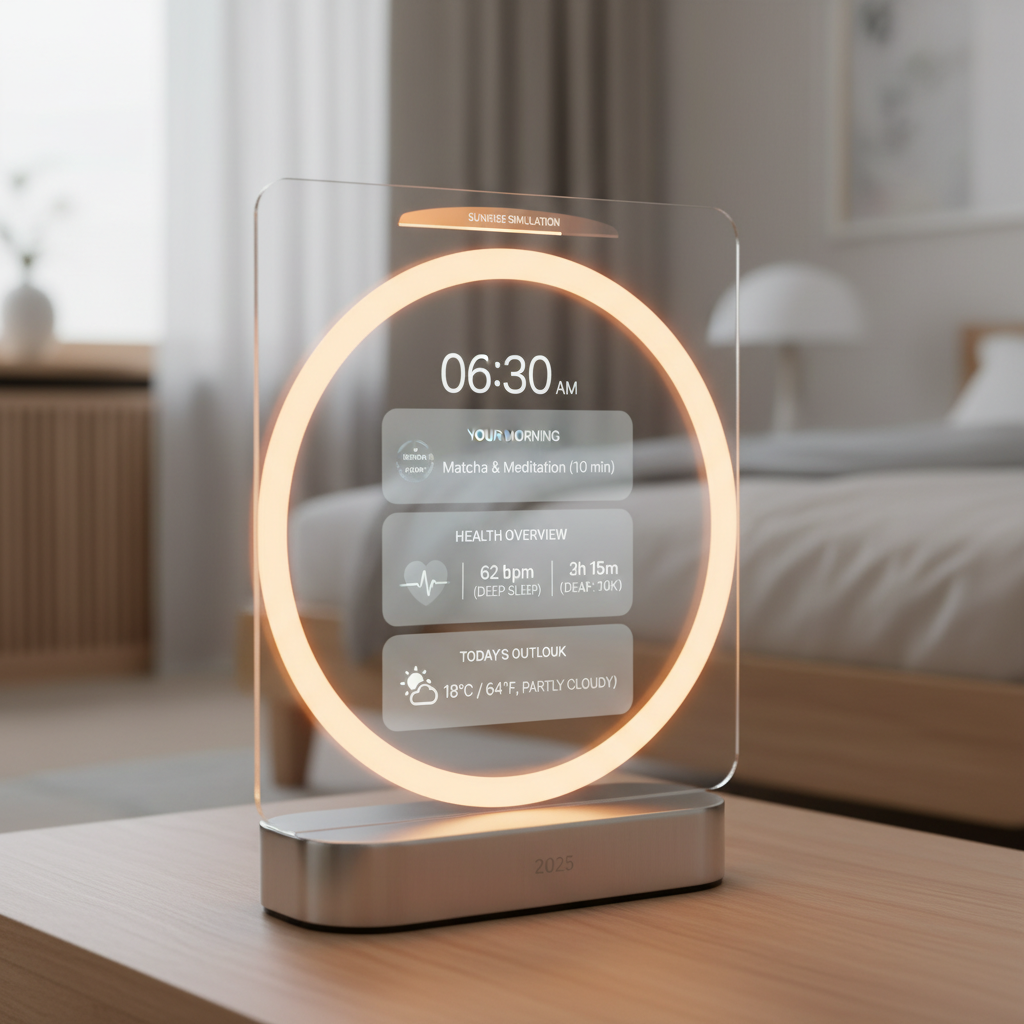
One of the most significant wellness benefits of AI is its ability to understand and optimize your sleep. Many modern wearables and smart sleep trackers utilize AI algorithms to analyze your sleep stages (REM, light, deep sleep) by monitoring heart rate, movement, and even breathing patterns. Instead of waking you at a fixed, potentially disruptive time, these AI systems can identify the optimal moment within a predefined window (e.g., 6:00 AM – 6:30 AM) when you are in your lightest sleep cycle. This results in a much more natural and less groggy awakening, making you feel more refreshed and energized.
- Example: Your AI, integrated with your smart alarm clock and sleep tracker, knows you need to be up by 7:00 AM. It monitors your sleep data and gently starts a simulated sunrise light and soft ambient sounds at 6:40 AM, knowing you’re in a light sleep phase, ensuring you wake up peacefully rather than being jolted awake at 7:00 AM from a deep sleep.
Personalized Meditation and Mindfulness Prompts
Integrating mindfulness into busy mornings can be challenging. AI assistants can personalize and facilitate this crucial practice. Based on your stress levels (potentially inferred from wearable data or calendar density), your AI can suggest specific guided meditations, breathing exercises, or calming soundscapes. It can even prompt you with reflective questions for journaling or gratitude exercises.
- Example: After your gentle wake-up, your AI announces, “Good morning, based on your calendar today, it looks like you have a busy schedule. Would you like a 10-minute guided meditation focused on stress reduction, or a five-minute breathing exercise?” It then launches the chosen session, allowing you to seamlessly transition into a state of calm.
Nutrition Planning and Smart Breakfast Suggestions
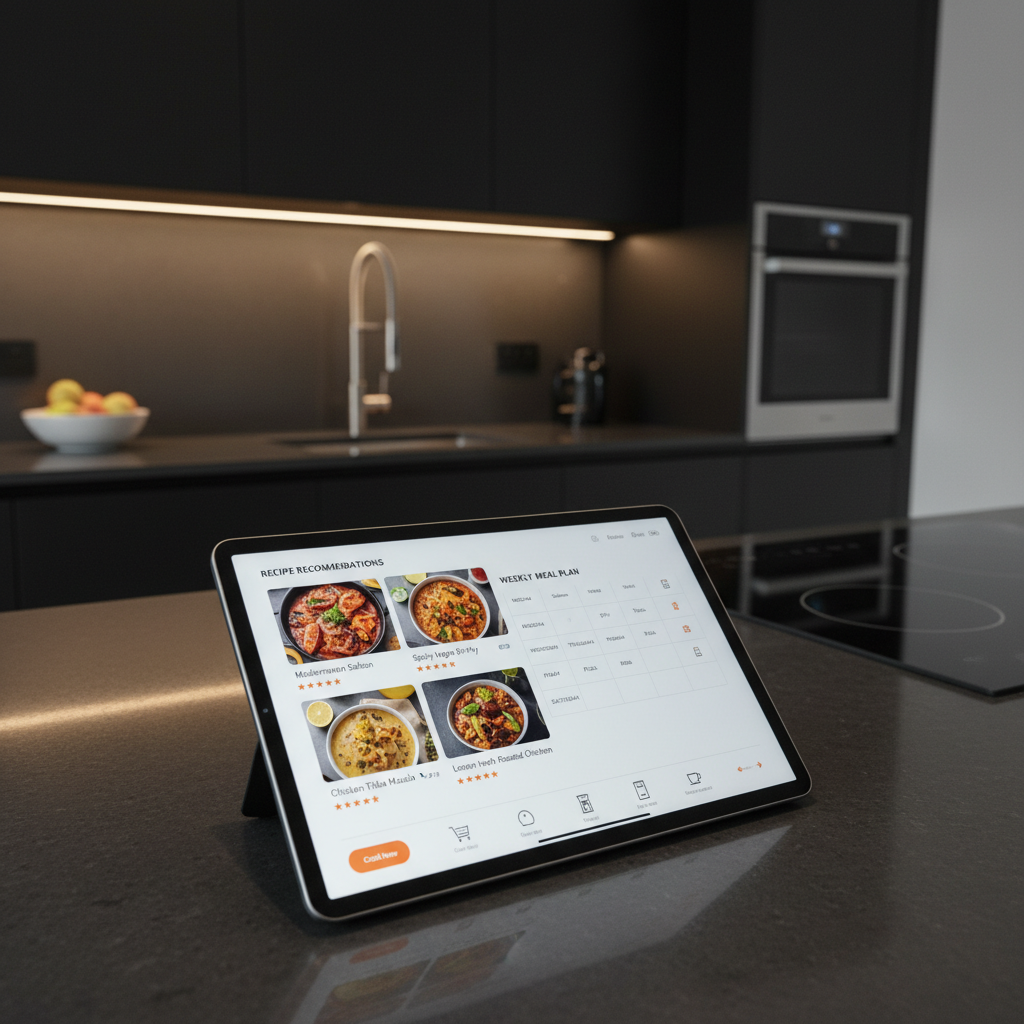
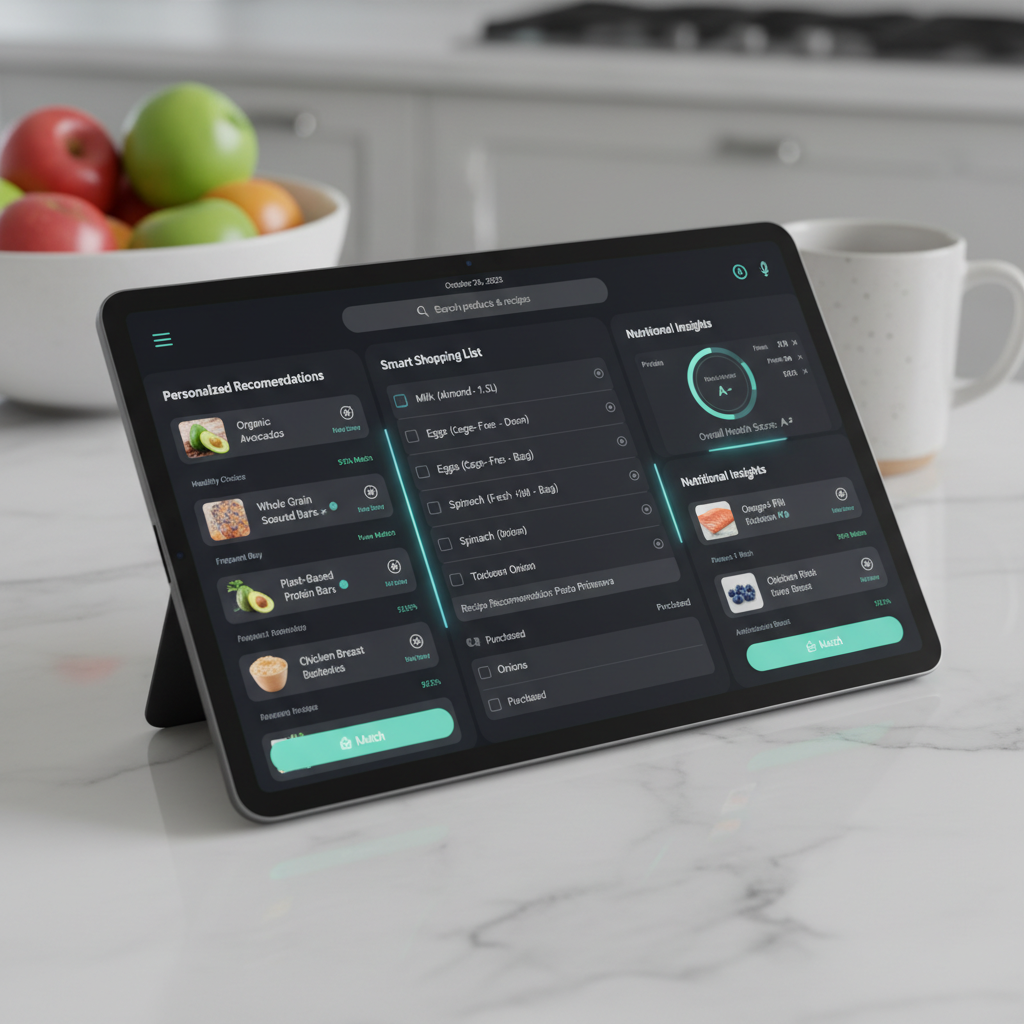
Starting your day with a nutritious meal is vital, but meal planning can be time-consuming. AI can simplify this. By integrating with health apps, dietary preferences, and even smart kitchen appliances, your AI can offer personalized breakfast suggestions, track your nutritional intake, and even order groceries.
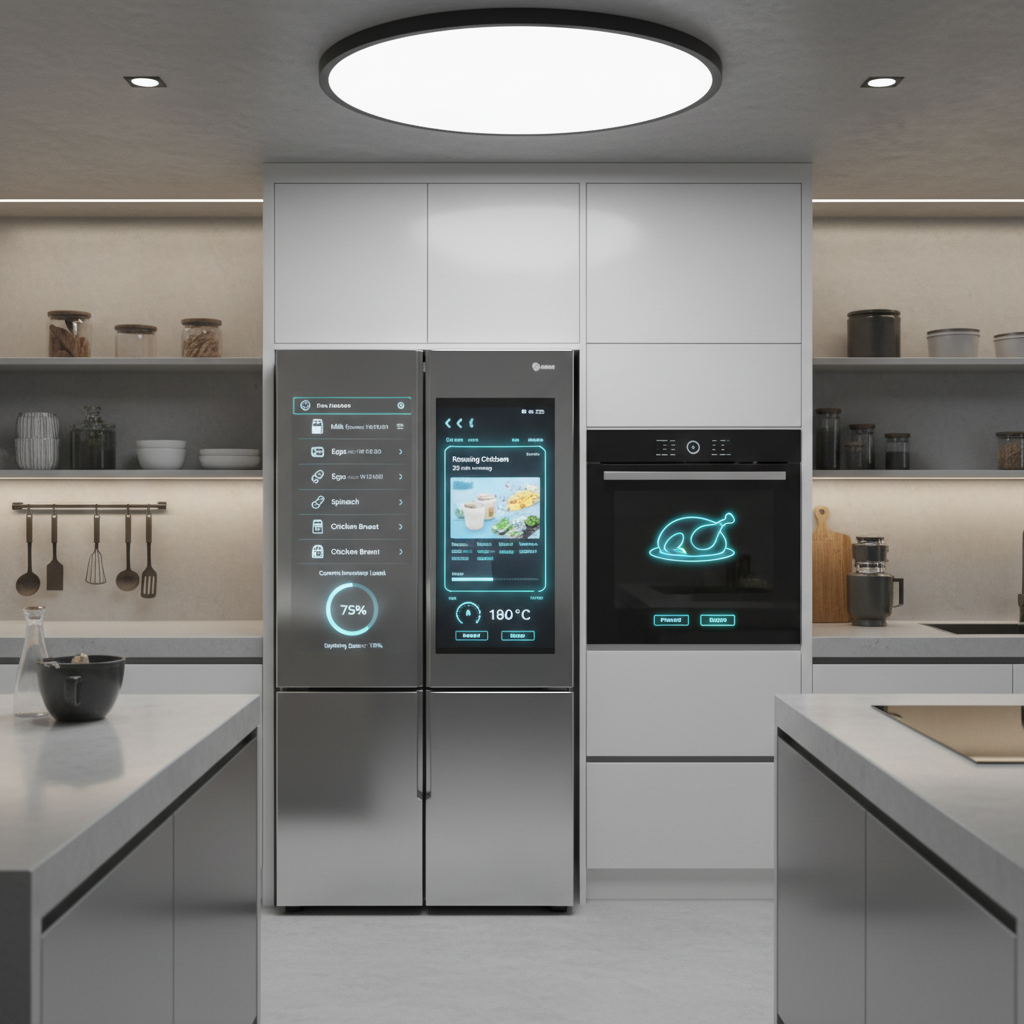
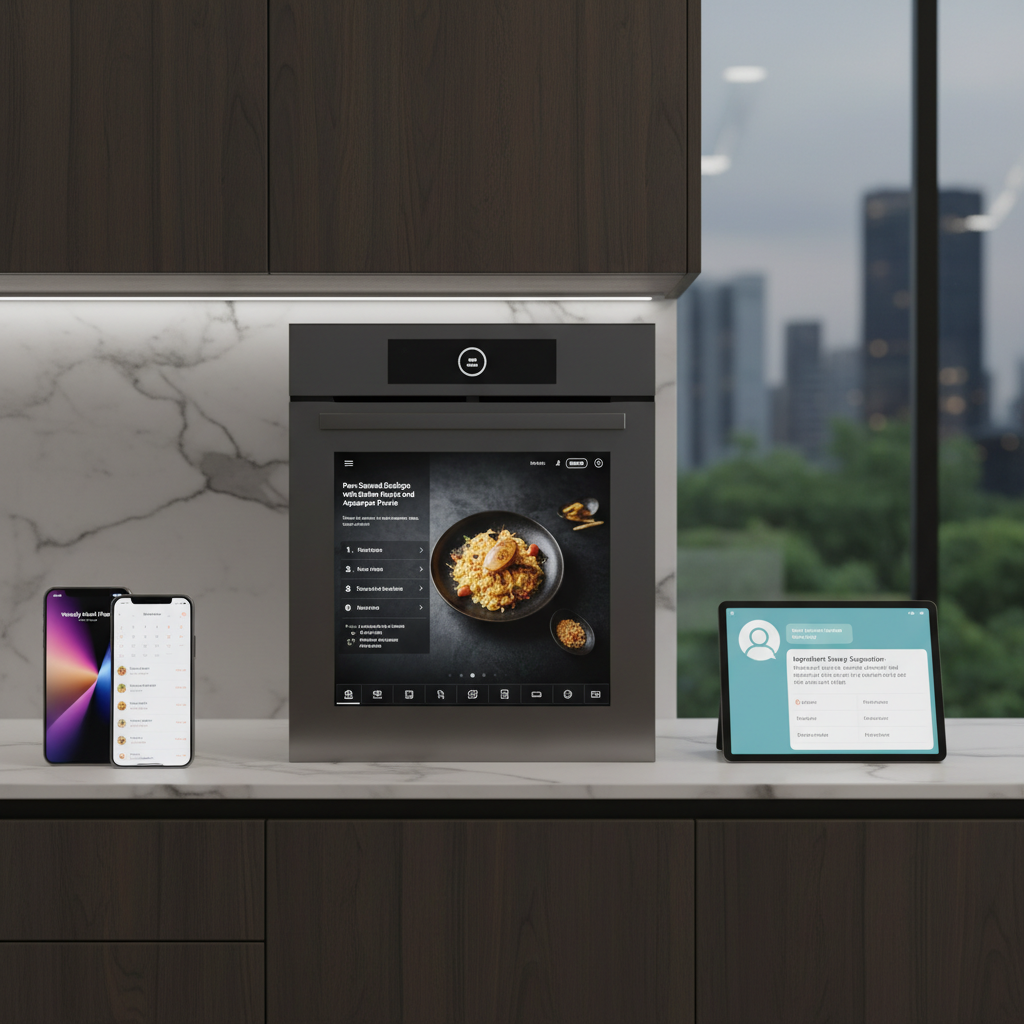
- Example: Your AI knows you’re tracking protein intake and prefer quick meals on weekdays. As you enter the kitchen, it suggests, “How about a spinach and feta omelet this morning? I’ve checked your smart fridge, and you have all the ingredients. I’ve also added a reminder to your shopping list for more eggs.” It could even display the recipe on a smart screen or walk you through the steps.
Fitness Integration: Dynamic Workout Routines
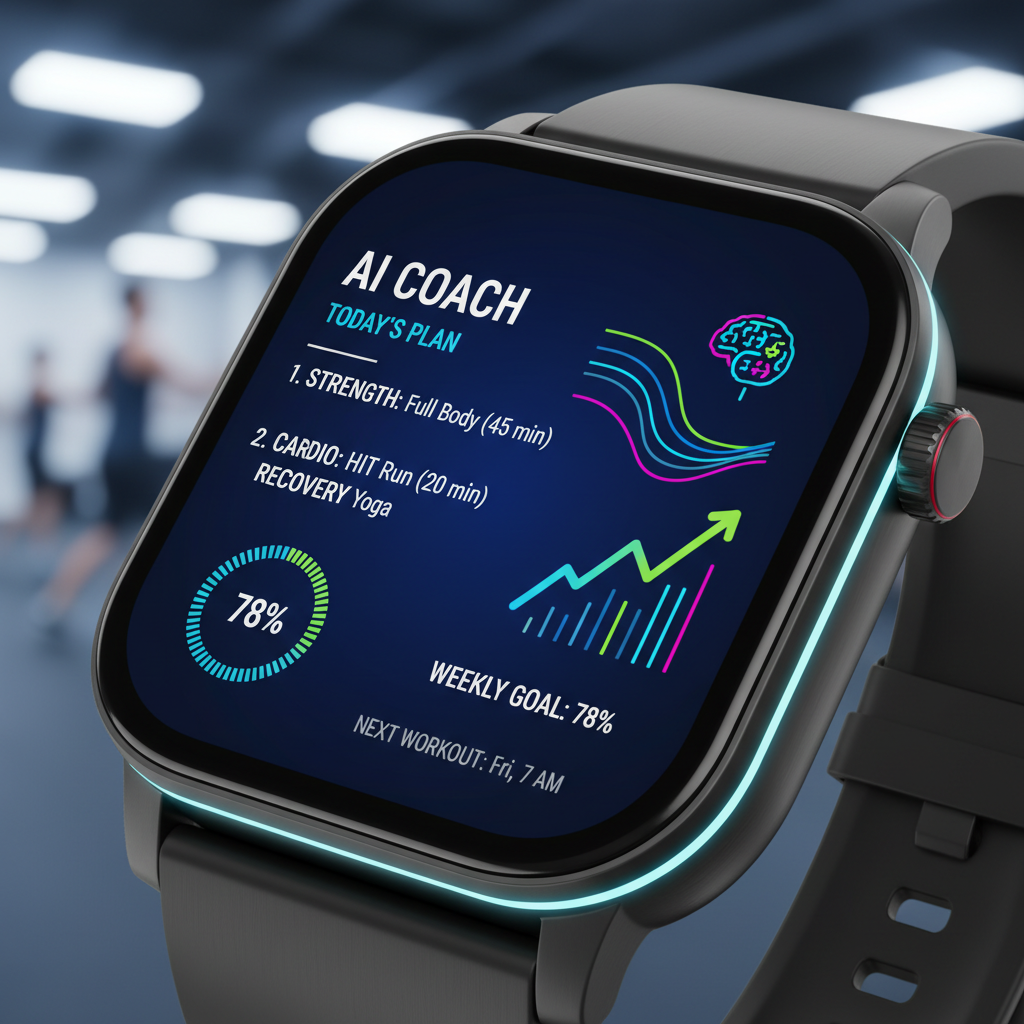
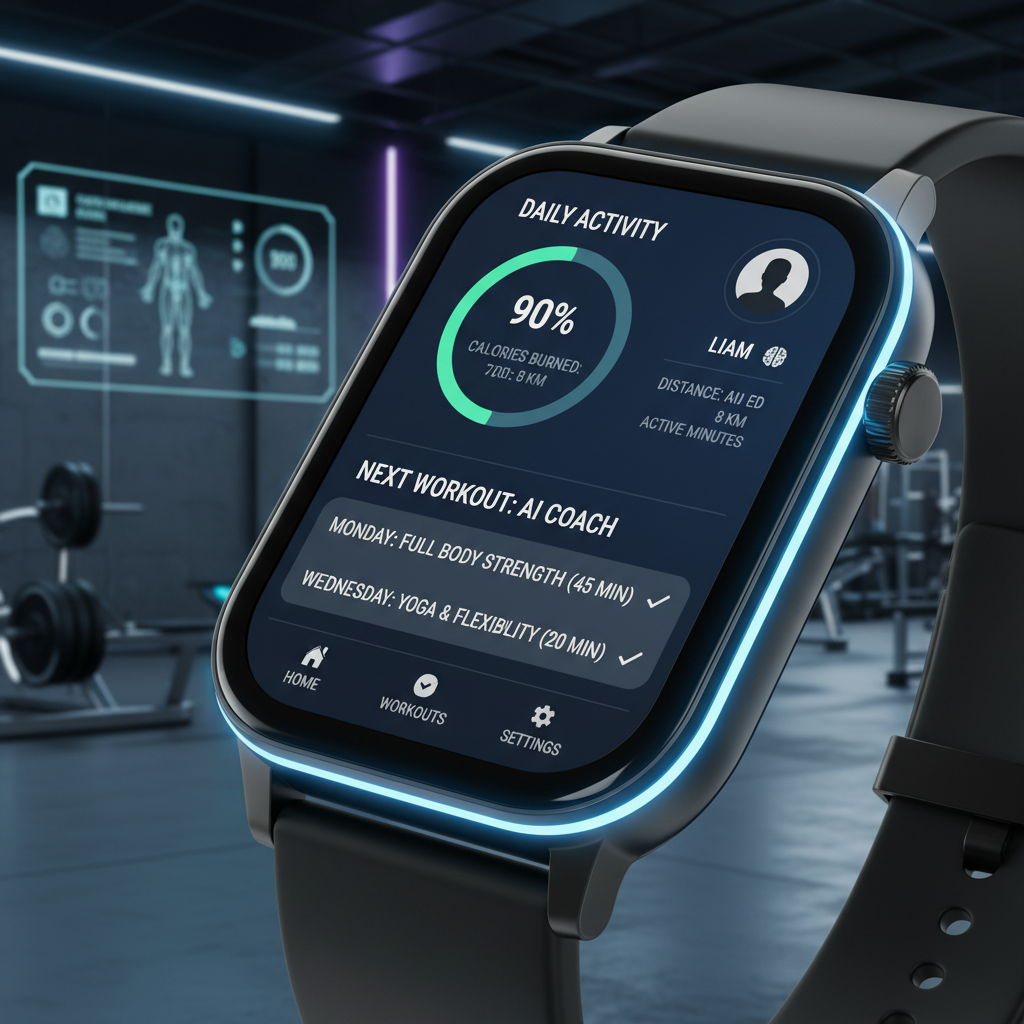
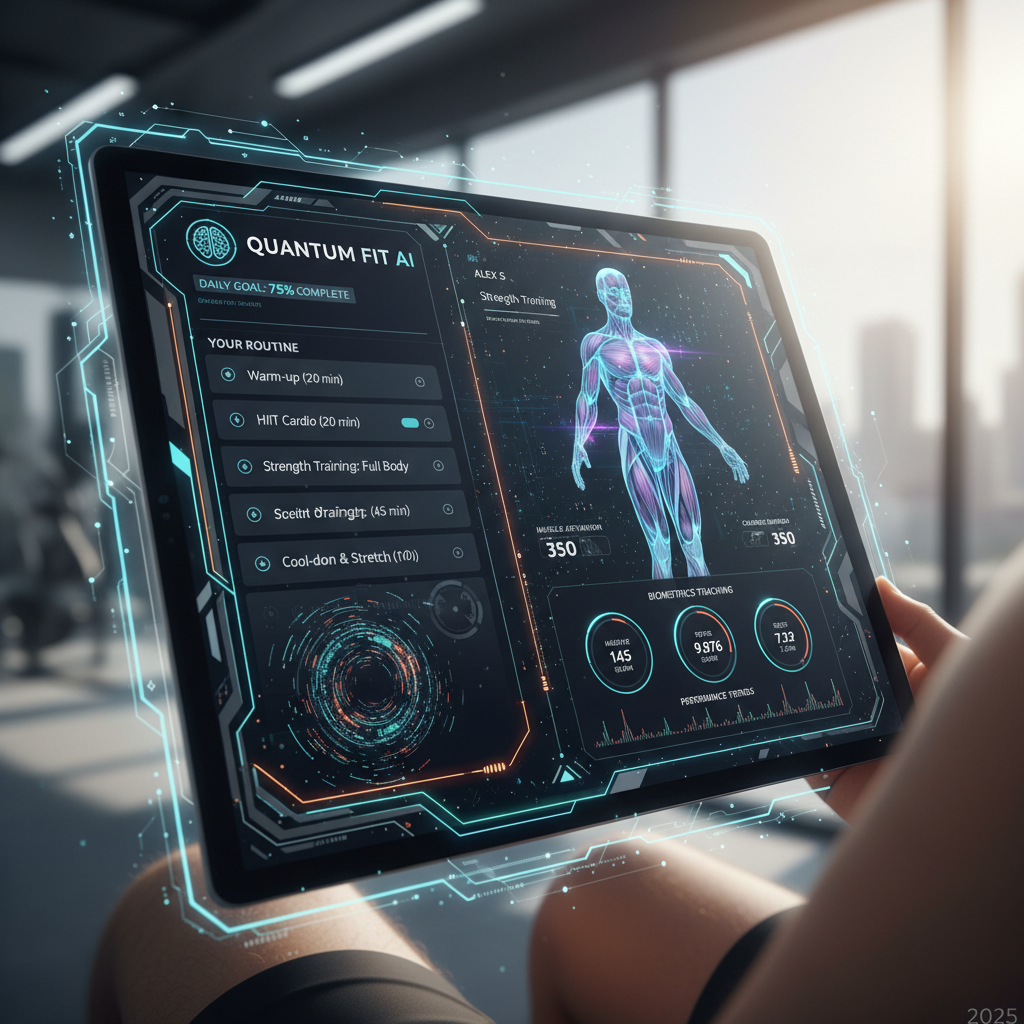
AI can revolutionize your morning fitness routine by making it dynamic and personalized. Instead of a static workout plan, your AI can adjust your exercise recommendations based on your previous day’s activity, sleep quality, current energy levels, and even the weather.
- Example: Your AI, connected to your fitness tracker, knows you had an intense run yesterday and didn’t get optimal sleep. Instead of prompting your usual high-intensity morning workout, it suggests, “Given your recovery data, a 20-minute gentle yoga flow might be more beneficial this morning. Or perhaps a brisk 30-minute walk since the weather is clear?” It then displays or guides you through the chosen activity.
By moving beyond simple commands to intelligent, context-aware suggestions, AI empowers you to make healthier choices effortlessly, ensuring your morning sets a strong foundation for physical and mental well-being throughout the day.
Boosting Productivity and Focus with AI
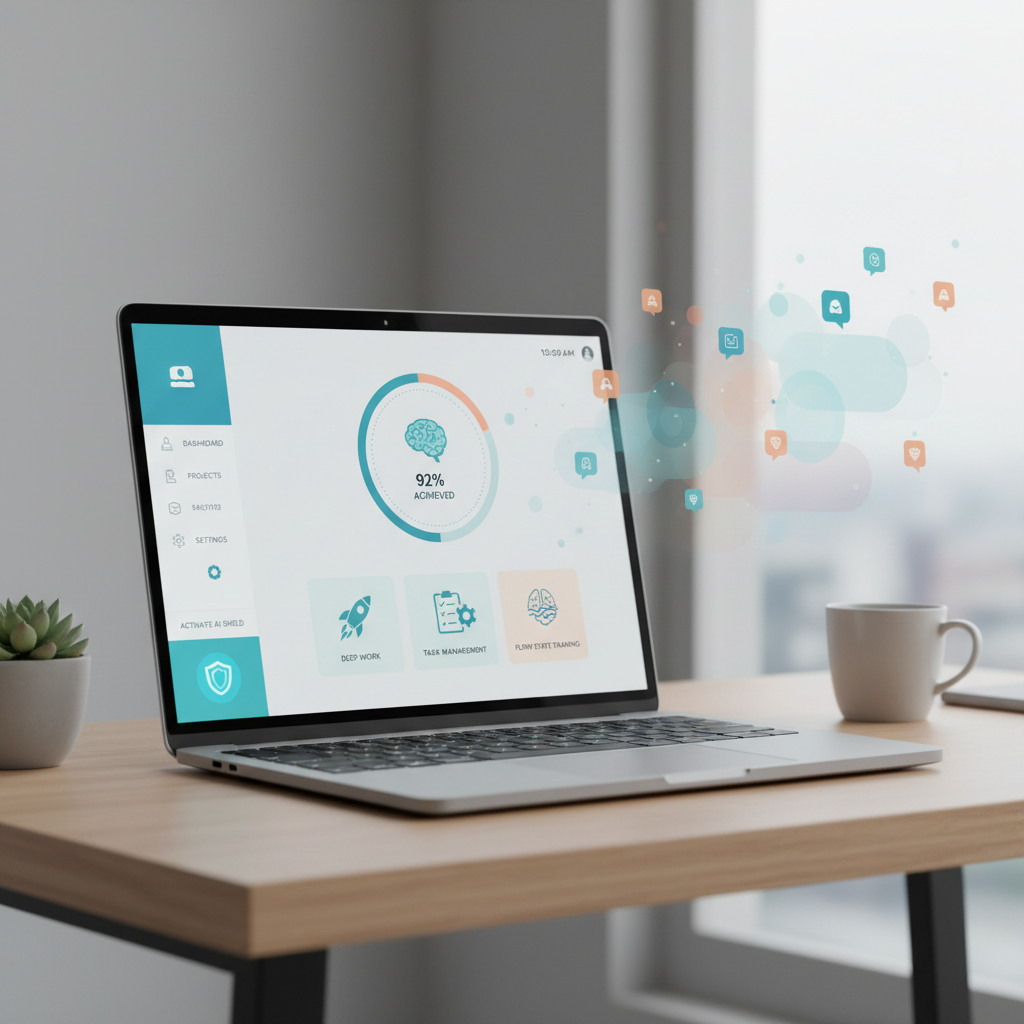
Beyond personal wellness, AI is an indispensable tool for sharpening your focus and maximizing productivity right from the start of your day. By intelligently managing information, tasks, and time, AI transforms a potentially scattered morning into a streamlined launchpad for peak performance.
Prioritized Task Lists Based on Calendar and Energy Levels
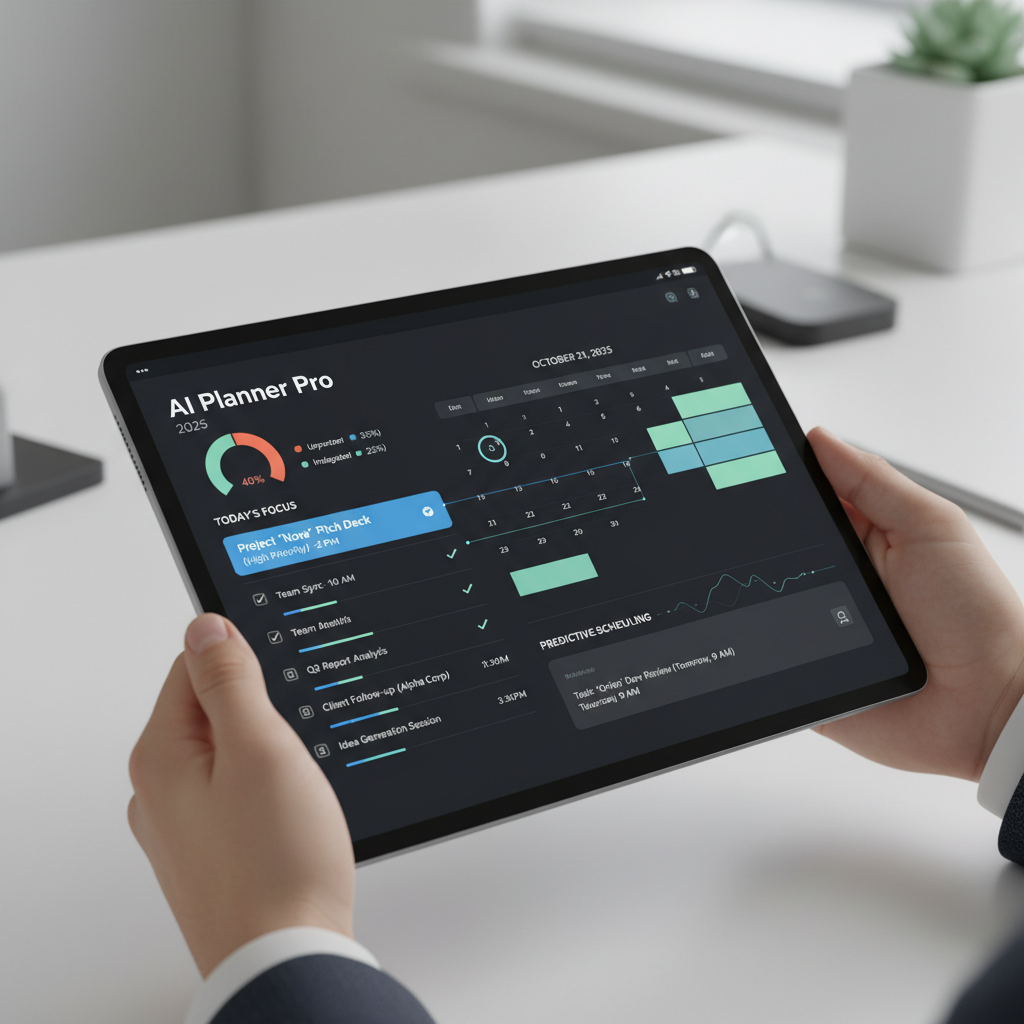
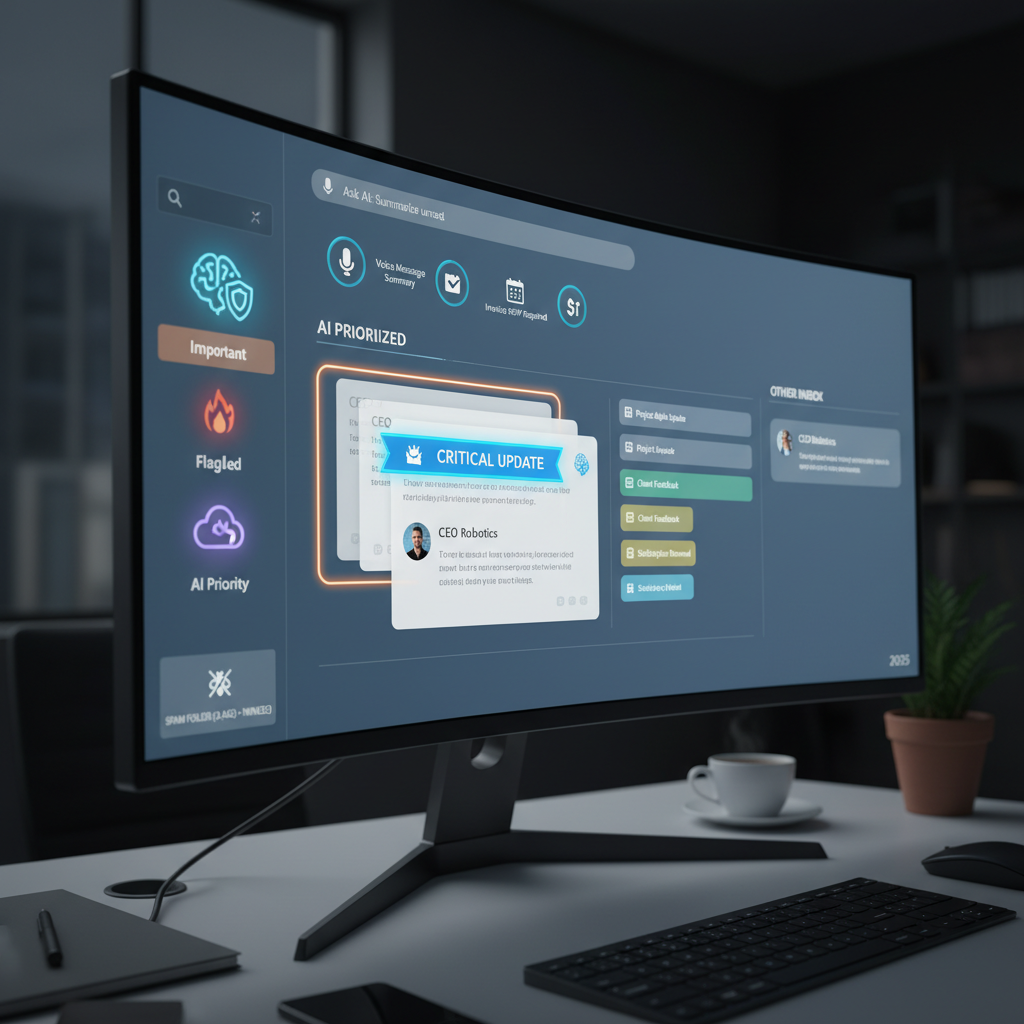
Many individuals start their day by looking at an overwhelming to-do list. AI can cut through this clutter by intelligently prioritizing tasks. By integrating with your calendar, project management tools, and even learning your personal productivity patterns (e.g., when you’re most alert for deep work), AI can suggest your top priorities for the morning.
- Example: Your AI analyzes your calendar for upcoming deadlines and meetings, cross-references it with your project management software, and recalls your historical productivity data. It then suggests: “Good morning! Your top three priorities for focused work before lunch today are to finalize the Q3 report, respond to Sarah’s email about the client proposal, and review the project budget. I’ve blocked out a 90-minute deep work session for the report.”
News Briefings Tailored to Interests and Work
Staying informed is crucial, but sifting through countless news sources can be a time drain. AI can deliver a highly curated news briefing that’s relevant to your professional field, personal interests, and current events without overwhelming you. You can specify preferred sources, topics, and even the depth of information you desire.
- Example: Your AI, understanding your role in tech and your interest in sustainable living, compiles a morning briefing: “Here’s your flash briefing for today: Major developments in AI ethics from the European Commission, a market update on renewable energy stocks, and a quick summary of local community events for the weekend.”
Commute Optimization and Traffic Alerts
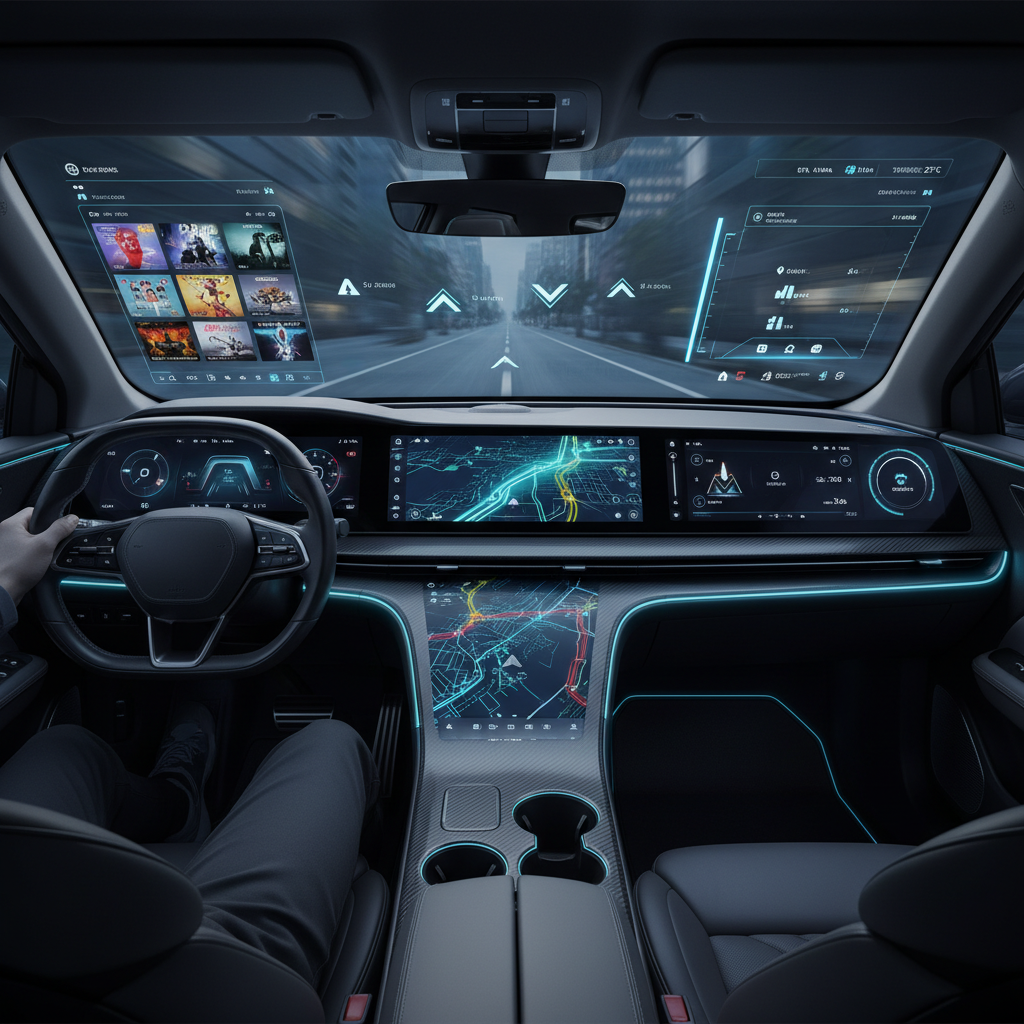
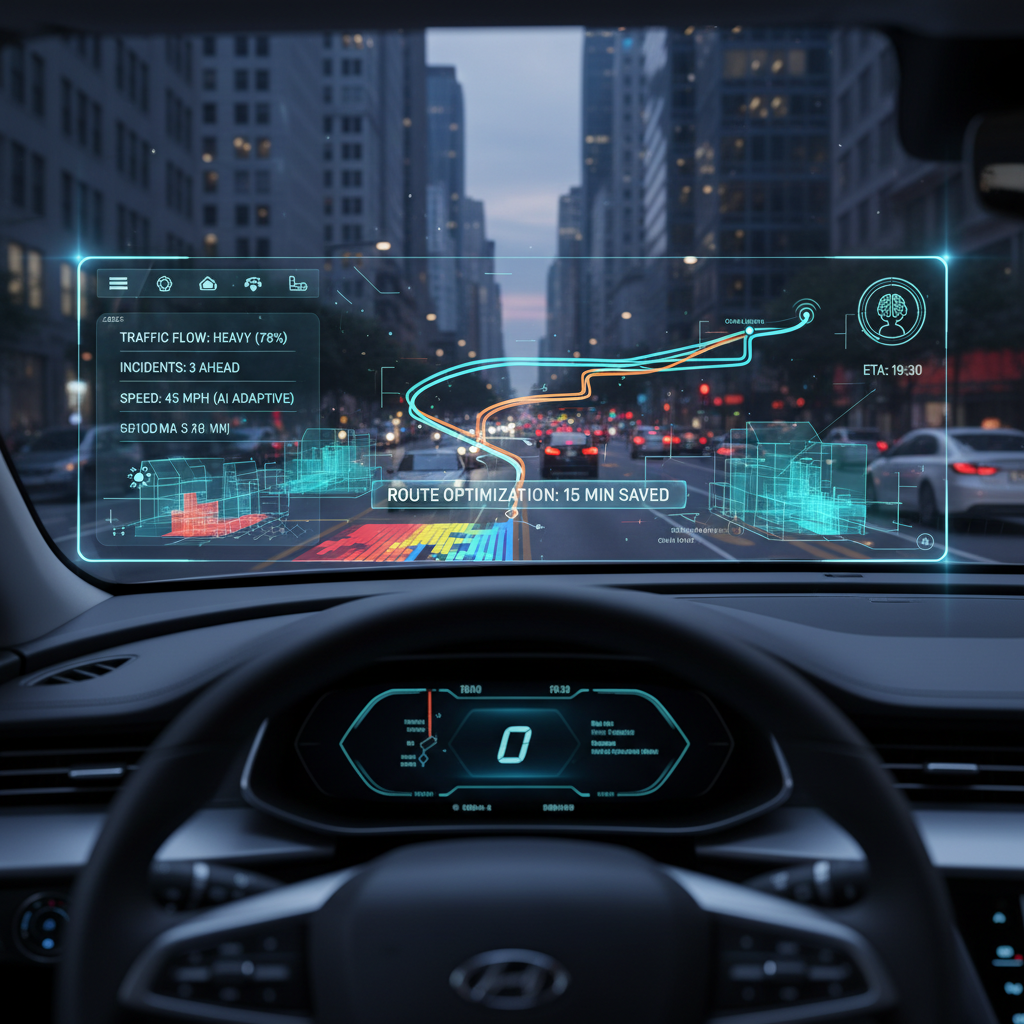
For those who commute, an unpredictable journey can instantly derail a perfectly planned morning. AI-powered navigation and smart assistant integrations can monitor real-time traffic, public transport delays, and even weather conditions to provide proactive alerts and alternative routes.
- Example: As you finish breakfast, your AI proactively states: “Heads up! There’s an unexpected accident on the freeway, adding 20 minutes to your usual commute. I’ve found an alternative route that will only add 5 minutes, or you could leave 15 minutes earlier. I’ve also sent the updated route to your car’s navigation system.”
Learning and Skill Development Prompts
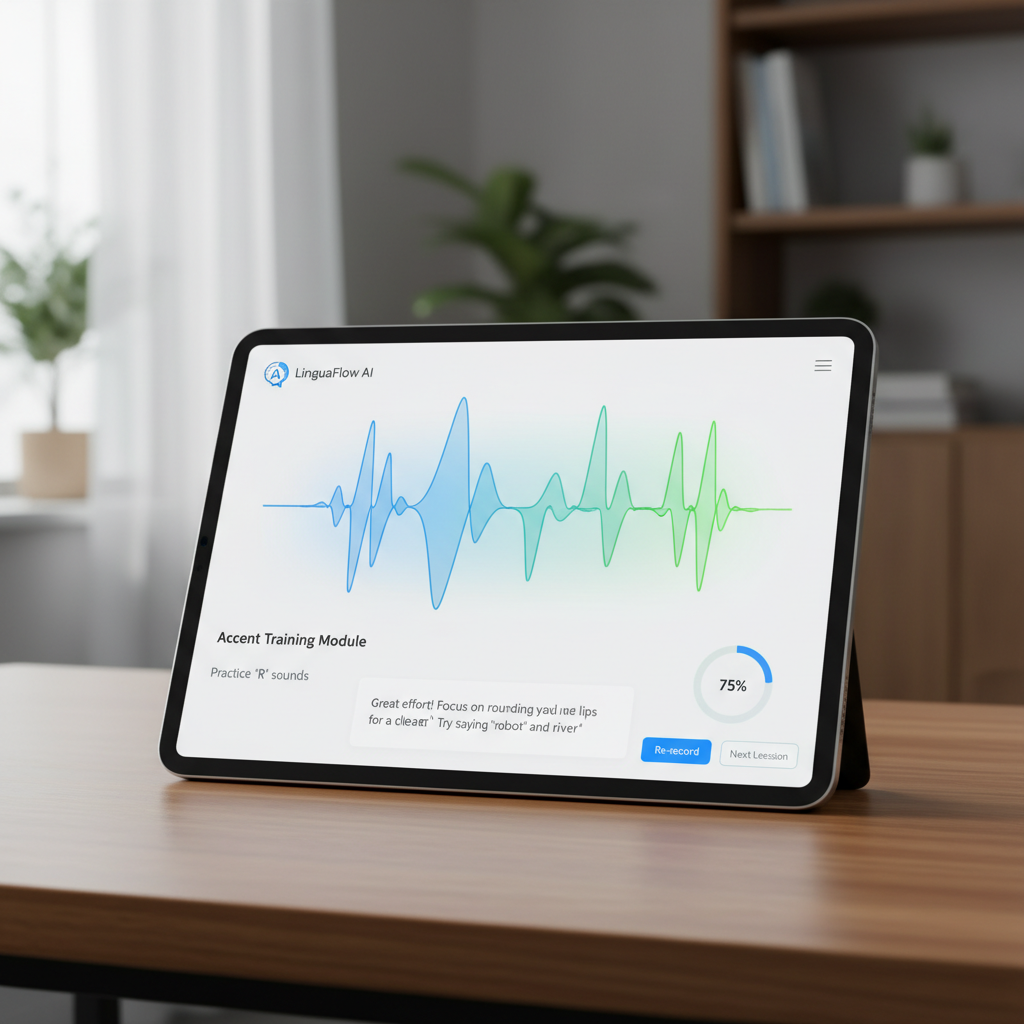
The morning can be an ideal time for continuous learning. AI can integrate micro-learning opportunities into your routine. This could involve language lessons, skill-building exercises, or even just daily facts related to a topic you’re exploring.
- Example: During your commute or while getting ready, your AI prompts: “It’s time for your daily Spanish lesson. Today’s phrase is ‘Buenos días, ¿cómo estás?’ Let’s practice pronunciation.” Or, “Here’s your daily fact about machine learning: The first AI program was written in 1951 by Christopher Strachey to play checkers.”
By intelligently managing your information intake, streamlining your tasks, and optimizing your time, AI transforms your morning into a highly efficient and focused period, preparing you to tackle the day’s challenges with clarity and confidence. It shifts the burden of organization from your shoulders to a smart, invisible assistant, allowing you to dedicate your mental energy where it matters most.
Overcoming Challenges and Maximizing AI Integration
While the promise of an AI-powered morning is exciting, successful integration isn’t without its considerations. Addressing potential challenges head-on ensures a smooth, effective, and secure transformation.
Data Privacy Concerns and Solutions
The extensive personalization offered by AI relies on data – your data. This naturally raises concerns about privacy, security, and how your personal information is collected, stored, and used.
- Concern: AI assistants collect vast amounts of personal data, from voice commands and search queries to calendar entries and health metrics. Who has access to this data, and how is it protected?
- Solution:
- Read Privacy Policies: Understand the privacy policies of your AI assistant and associated smart devices. Look for companies with strong commitments to data protection.
- Manage Data Settings: Most AI platforms offer robust privacy settings. Regularly review and adjust what data is collected, how long it’s stored, and with whom it’s shared. For example, you can often delete voice recordings or opt out of personalized ad targeting.
- Use Strong Security: Secure your home network with strong passwords and two-factor authentication for all accounts linked to your AI.
- Limit Permissions: Grant your AI assistant only the necessary permissions. If an app asks for access to your location but doesn’t need it for its primary function, consider denying it.
- Local Processing: Look for devices that offer more on-device processing for sensitive data, reducing the need to send everything to the cloud.
The Learning Curve for New Users
Adopting new technology always involves a learning curve. AI-powered morning routines, with their interconnected devices and complex routines, can feel overwhelming initially.
- Challenge: Setting up routines, troubleshooting connections between devices, and understanding all the features can be complex for beginners.
- Solution:
- Start Simple: Begin with one or two basic routines (e.g., a simple wake-up sequence with lights and music). Master those before adding more complexity.
- Utilize Tutorials: Most AI platforms and smart device manufacturers offer extensive online tutorials, guides, and community forums.
- Experiment Gradually: Don’t try to automate your entire morning on day one. Add new elements incrementally and observe how they work.
- Be Patient: AI systems learn over time. The more you interact with them and refine your commands/settings, the better they will understand your preferences.
Avoiding Over-Reliance and Maintaining Human Agency
The goal of AI is to assist, not to replace your cognitive functions entirely. There’s a fine line between helpful automation and excessive dependence that can diminish your own ability to think, plan, and decide.
- Challenge: Over-reliance on AI might lead to a passive approach to decision-making, where the AI dictates too much of your routine or thought process.
- Solution:
- Review and Reflect: Periodically review your AI routines. Are they still serving your highest good, or are you blindly following them?
- Maintain Manual Control: Always retain the ability to override or pause AI-driven routines. There will be days when you need flexibility.
- Focus on Augmentation: Use AI to augment your capabilities, not to replace them. For example, let AI summarize news, but still engage in critical thinking about the content.
- Schedule “Offline” Time: Consciously choose moments in your morning (e.g., meditation, journaling) that are entirely screen-free and AI-free to foster self-awareness.
Troubleshooting Common Issues
Like any technology, AI systems can encounter glitches, connectivity issues, or misunderstandings.
- Issue: “My smart lights didn’t come on with my alarm this morning!” or “The AI isn’t understanding my command.”
- Solution:
- Check Connectivity: Ensure all devices are powered on and connected to the same Wi-Fi network.
- Verify Routine Settings: Double-check the routine configuration in your AI app for any typos or incorrect triggers/actions.
- Reboot Devices: A simple reboot of your smart speaker or hub can often resolve minor glitches.
- Update Software: Ensure all smart devices and AI apps are running the latest software versions.
- Retrain Voice Model: If the AI isn’t understanding your voice, try retraining its voice recognition model.
By being mindful of these challenges and actively implementing solutions, you can harness the full potential of AI for a transformed morning routine without sacrificing security, personal growth, or peace of mind.
The Future of Morning Transformations
The journey of AI in enhancing our mornings is only just beginning. What we experience today, while impressive, is merely a precursor to the truly immersive, intuitive, and deeply personalized experiences that lie ahead. The trajectory of AI development points towards an even more seamless, proactive, and emotionally intelligent partnership in our daily lives.
Predictive AI: Anticipating Needs
Current AI is highly responsive and adaptive, but the next frontier is predictive intelligence. Imagine an AI that doesn’t just react to your schedule or habits but anticipates your needs before you even realize them.
- Example: Based on a restless night (detected by a smart bed or wearable), combined with a high-stress meeting on your calendar, your AI proactively suggests a calming herbal tea and an extra 15 minutes of gentle stretching before your usual morning routine even begins. It might even adjust your work schedule slightly, knowing your cognitive load will be higher. Or, if it detects an early rise for a flight and low coffee supplies, it could automatically order your favorite blend to be delivered before you return.
Emotional Intelligence in AI
As AI continues to evolve, the development of emotional intelligence will play a pivotal role. This doesn’t mean AI will “feel” emotions, but rather that it will be able to detect, interpret, and respond appropriately to human emotions.
- Example: Through voice tone analysis or even facial recognition (with consent and strict privacy controls), your AI might detect signs of stress or fatigue. Instead of just delivering the news, it might offer a comforting word, adjust the music to a more soothing genre, or suggest a brief mindfulness exercise, recognizing your emotional state and tailoring its assistance accordingly. It could differentiate between a rushed morning and a relaxed one, adjusting the pace and type of information delivered.
Seamless Integration Across All Life Aspects
Today, we manage various smart devices and apps, often within different ecosystems. The future points towards a truly unified AI brain that seamlessly integrates every aspect of your life – home, work, health, social, and personal development – into one cohesive, intelligent system.
- Example: Your morning routine will be part of a larger, interconnected daily flow. As you leave for work, your AI not only locks the doors and adjusts the thermostat but also checks your calendar for evening plans, orders ingredients for dinner based on your health goals, and pre-heats your oven if you’re cooking upon return. It will be an omnipresent, yet invisible, assistant, anticipating your entire day’s needs.
Ethical Considerations and Human-Centric Design
With these advancements come critical ethical considerations. The future of AI-powered mornings must prioritize user control, transparency, privacy, and fairness. Developers and users alike will need to grapple with questions of data ownership, algorithmic bias, and the balance between automation and human autonomy. The emphasis will increasingly be on human-centric AI design, ensuring that technology serves humanity’s best interests rather than dictating them.
The ultimate vision for AI-powered morning transformations is not just about efficiency, but about fostering a deeper sense of well-being, purpose, and control in an increasingly complex world. It’s about empowering individuals to truly “Reimagine Their Rise” and cultivate a life lived with intentionality, starting with the very first moments of each new day.
AI Assistant Comparison Table for Morning Routines
To help you choose the best AI assistant for your morning transformation, here’s a comparison of some popular options and their core strengths relevant to a smart morning routine. Each platform offers unique features and ecosystem integrations.
| AI Assistant | Primary Strengths for Morning Routines | Ecosystem Integration | Personalization & Learning | Cost (Typical Device) |
|---|---|---|---|---|
| Amazon Alexa | Extensive smart home device support, vast routine customization, diverse skills, robust voice control. | Alexa-compatible devices, Ring, Blink, Philips Hue, ecobee, many others. | Learns voice, preferences, “Hunches” for proactive actions, custom routines. | Free (app), $25-200 (Echo devices) |
| Google Assistant | Deep integration with Google services (Calendar, Maps, Gmail), strong natural language understanding, “Routines” feature. | Google Nest devices, Chromecast, Android phones, vast array of smart home devices (Matter/Thread support). | Learns voice, context, preferences, offers proactive suggestions based on calendar/location. | Free (app), $30-300 (Nest devices) |
| Apple Siri | Seamless integration with Apple ecosystem (iPhone, Apple Watch, HomePod), strong privacy focus, Shortcuts for complex automations. | Apple HomeKit devices, Apple devices, some third-party Matter accessories. | Learns habits from app usage, highly integrated with personal data within Apple ecosystem. | Free (Apple devices), $99-299 (HomePod) |
| Samsung Bixby | Deep integration with Samsung devices (Galaxy phones, SmartThings), “Bixby Routines” for device-specific automation. | Samsung SmartThings hub & devices, Samsung appliances, Galaxy phones/watches. | Device-centric learning, focused on Samsung ecosystem optimization. | Free (Samsung devices) |
| Microsoft Cortana | Integration with Microsoft Office 365, to-do lists, email, but less focus on smart home control compared to others. | Windows devices, Microsoft To Do, Outlook. | Primarily work/productivity focused, learns meeting schedules and tasks. | Free (Windows/Office apps) |
Traditional vs. AI-Powered Morning Routine Benefits
This table highlights the stark differences and clear advantages of an AI-powered morning routine compared to a traditional, manual approach. It underscores how AI transforms mundane and often stressful mornings into efficient, personalized, and genuinely enriching experiences.
| Feature/Aspect | Traditional Morning Routine | AI-Powered Morning Routine |
|---|---|---|
| Wake-up Experience | Jarring alarm, sudden awakening. | Gentle, optimized wake-up based on sleep cycles; simulated sunrise; natural sounds. |
| Personalization | One-size-fits-all, manual adjustments. | Highly personalized based on individual habits, goals, schedule, and real-time data. |
| Automation | All tasks performed manually (e.g., turning on lights, brewing coffee). | Automated sequences: lights, thermostat, coffee, news, music, all triggered by voice or time. |
| Information Delivery | Manual checking of weather, news, calendar. | Proactive, customized briefings for weather, traffic, news, calendar updates. |
| Wellness Support | Relies on personal discipline for meditation, exercise, healthy eating. | Guided meditation, dynamic fitness suggestions, personalized nutrition advice based on health data. |
| Productivity Enhancement | Mental effort to plan tasks, prioritize. | AI-prioritized task lists, intelligent reminders, commute optimization. |
| Adaptability | Rigid, difficult to adjust to changing circumstances (e.g., traffic, sickness). | Dynamic adjustments based on real-time data (e.g., traffic alerts, sleep quality, calendar changes). |
| Stress Levels | Often high due to rush, unexpected issues, decision fatigue. | Significantly reduced due to automation, proactive assistance, and streamlined flow. |
Practical Examples: Real-World AI Morning Scenarios
To truly grasp the transformative power of an AI-powered morning, let’s explore how it plays out in the lives of different individuals, illustrating the versatility and deep personalization it offers.
Scenario 1: The Busy Professional – Sarah, a Marketing Director
Sarah’s mornings used to be a frantic dash. She juggled client calls, team meetings, and strategic planning, often starting her day feeling overwhelmed. Now, her AI assistant, integrated with her smart home and work tools, orchestrates a calm and productive rise.
- 6:30 AM: Gentle Wake-up. Her smart bed detects she’s in a light sleep phase, and her AI gently activates a sunrise simulation on her Philips Hue lights, accompanied by soft instrumental music. Her smart thermostat adjusts to a comfortable 72°F.
- 6:45 AM: Wellness and Information. As she dismisses her alarm, her AI announces, “Good morning, Sarah. Today’s forecast is sunny with a high of 75°F. Your first meeting is at 9:00 AM with the Q4 marketing team.” While she stretches, her AI suggests, “Given your high activity yesterday, a 15-minute guided meditation focused on focus and clarity might be beneficial.” It then plays the session.
- 7:00 AM: Preparation and Productivity. Her smart coffee maker starts brewing. As she enters the kitchen, her smart display shows a personalized news briefing: a summary of industry news, relevant competitor updates, and a quick glance at the stock market. Her AI then lists her top three priorities for the morning, pulling from her Microsoft To Do and Salesforce calendar, advising her to prioritize the client presentation draft. “Traffic to the office looks clear, allowing for your usual 30-minute commute.”
- 7:45 AM: Departure. As she grabs her bag, her AI reminds her, “Don’t forget your gym bag for your evening spin class.” As she leaves, she says, “Hey AI, activate away mode.” The AI then locks the doors, arms the security system, and adjusts the lights and thermostat to energy-saving settings.
Sarah arrives at work feeling centered, informed, and ready to tackle her demanding day, all thanks to her AI acting as her invisible, proactive personal assistant.
Scenario 2: The Health Enthusiast – Mark, a Fitness Coach
Mark is committed to a healthy lifestyle, but even he found it challenging to consistently incorporate all his wellness practices. His AI assistant acts as his personalized health and fitness coach.
- 5:30 AM: Optimized Awakening. His Oura Ring tracks his sleep quality. On a morning where his sleep score is high, his AI gently wakes him during his lightest sleep cycle with natural bird sounds and gradually brightening lights. If his sleep score is low, the AI might suggest an extra 15 minutes of rest or a lighter workout.
- 5:45 AM: Pre-Workout Ritual. His AI, knowing his workout plan, initiates a dynamic warm-up video on his smart TV. It also reminds him, “Remember to hydrate before your run, Mark.” His smart water bottle tracks his intake.
- 6:30 AM: Personalized Workout. Based on his Garmin watch data from yesterday’s intense session and today’s energy levels, his AI might suggest, “Today’s personalized workout is a 45-minute moderate intensity outdoor run, as the air quality is excellent. Alternatively, if you prefer indoors, I have a new HIIT bodyweight routine ready.” It cues up his preferred running playlist and routes his run through his fitness app.
- 7:30 AM: Nutrition and Recovery. After his shower, his AI projects a personalized breakfast recipe onto his smart fridge display, tailored to his macros and current goals. “Today’s high-protein smoothie features spinach, banana, almond milk, and protein powder. You have all ingredients available.” It also prompts him to log his workout in his fitness tracker.
Mark’s AI ensures he stays on track with his health goals, adapting his routine to his body’s needs and external conditions, allowing him to be a living example for his clients.
Scenario 3: The Student – Emily, a University Student
Emily’s mornings can be unpredictable, balancing classes, study sessions, and part-time work. Her AI helps her stay organized and focused.
- 7:00 AM: Smart Wake-up. Her AI ensures she wakes up gently, not missing her crucial morning lectures. It integrates with her university calendar to adjust wake-up times for early classes or exam days.
- 7:15 AM: Academic Briefing. While she gets ready, her AI summarizes her Blackboard notifications, upcoming assignment deadlines, and any campus announcements. “Emily, your philosophy essay is due Friday, and Professor Davies posted new readings for today’s lecture. Also, don’t forget the library study group at 4 PM.”
- 7:30 AM: Learning Enhancement. As she eats breakfast, her AI presents her with flashcards for her Spanish vocabulary, based on her learning app. “Let’s review five new words before you head out.”
- 7:45 AM: Commute Optimization. Her AI provides real-time updates on public transport, advising her which bus to catch to avoid delays to her 8:00 AM class. “The 7:50 AM bus is experiencing a 5-minute delay; I recommend leaving now for the 7:40 AM bus at the next stop to make it on time.”
Emily’s AI ensures she’s always prepared, informed, and on schedule, reducing academic stress and freeing her to focus on learning.
Scenario 4: The Parent – David, a Father of Two Young Children
David’s mornings are typically chaotic, getting two young children ready for school while preparing for his own day. His AI assistant helps manage the household bustle.
- 6:00 AM: Family Wake-up Prep. David’s AI starts brewing coffee in the kitchen and gradually brightens the living room lights. It discreetly checks the kids’ rooms for temperature and subtly adjusts for a comfortable wake-up for them.
- 6:30 AM: Coordinated Morning. When David’s alarm sounds, his AI plays a cheerful family-friendly playlist in the kids’ rooms. “Good morning, everyone! Time to get ready for school. David, the school bus tracker indicates the bus is 15 minutes away from your stop. Remember to pack Maya’s permission slip for the field trip.”
- 6:45 AM: Breakfast & News. As the family gathers for breakfast, the AI reads a child-friendly news summary and a joke of the day for the kids, followed by a quick briefing on David’s own work schedule and important emails. It also displays a visual checklist for the kids’ morning tasks on a smart display.
- 7:30 AM: Departure Assistance. As the family prepares to leave, the AI reminds David, “It looks like rain this afternoon; don’t forget the umbrellas for Maya and Leo. I’ve also locked the back door and turned down the thermostat.”
David’s AI transforms a potential morning battleground into a structured, supportive environment, allowing him to manage family logistics with greater ease and peace of mind.
Frequently Asked Questions
Q: What is an AI-powered morning transformation guide?
A: An AI-powered morning transformation guide is a comprehensive framework and set of instructions that leverage Artificial Intelligence technologies to optimize, personalize, and automate various aspects of your morning routine. It goes beyond simple smart alarms to integrate sleep tracking, personalized wellness activities, productivity tools, and smart home device control, all orchestrated by AI to help you start your day feeling refreshed, focused, and prepared. It’s about creating a harmonious, intelligent flow from the moment you wake up until you’re ready to tackle your day.
Q: Do I need expensive smart home devices to implement an AI morning routine?
A: Not necessarily. While dedicated smart home devices like smart lights, thermostats, and coffee makers can enhance the experience significantly, you can start with just a smartphone and a voice assistant app (like Google Assistant, Alexa, or Siri). Many AI-powered wellness and productivity apps can work independently or with basic wearables. You can gradually build up your smart home ecosystem as you discover what features benefit you most. The key is to leverage the intelligence of AI, which can even work with simple smart plugs to automate regular appliances.
Q: How does AI personalize my morning routine?
A: AI personalizes your morning routine through several mechanisms:
- Learning from Habits: It observes your daily patterns, preferences (e.g., music, news sources), and interactions.
- Data Integration: It pulls data from your calendar, fitness trackers, sleep monitors, and other apps.
- Contextual Awareness: It considers real-time information like weather, traffic, and your location.
- Adaptive Algorithms: Based on this input, AI’s algorithms adjust timings, suggestions (e.g., workout type, meditation length), and information delivery to match your current needs and goals.
This continuous learning and adaptation ensure your routine evolves with you.
Q: What are the main benefits of an AI-powered morning?
A: The main benefits include:
- Reduced Stress: Automation handles mundane tasks, freeing up mental energy.
- Improved Wellness: Optimized sleep wake-up, personalized fitness, and mindfulness guidance.
- Enhanced Productivity: AI-prioritized tasks, tailored information briefings, and commute optimization.
- Increased Focus: A structured and distraction-reduced start to the day.
- Greater Consistency: AI helps maintain positive habits without constant manual effort.
- Better Adaptability: Routines dynamically adjust to real-time changes (e.g., weather, traffic).
Q: What are the biggest privacy concerns with AI assistants, and how can I address them?
A: The biggest privacy concerns revolve around data collection (voice recordings, personal information, biometrics) and how it’s stored and used. To address them:
- Read Privacy Policies: Understand what data is collected and how it’s used by the AI provider.
- Manage Settings: Regularly review and adjust privacy settings in your AI app, including deleting voice history and opting out of data sharing where possible.
- Secure Your Network: Use strong passwords and two-factor authentication for all connected accounts.
- Limit Permissions: Only grant AI assistants access to data and devices absolutely necessary for their function.
- Consider Local Processing: Opt for devices that process more data on-device rather than in the cloud, if available.
Q: Can AI help me stick to new morning habits?
A: Absolutely. AI is excellent for habit formation. By automating consistent triggers (like a gentle wake-up, followed by a meditation prompt) and providing consistent feedback (e.g., tracking your streaks in a fitness app), AI removes much of the willpower needed in the initial stages of habit building. It acts as a consistent, non-judgmental accountability partner, making it easier to ingrain positive routines.
Q: What if I don’t want to talk to my AI assistant every morning?
A: You don’t always have to. Many AI systems allow you to set up “routines” that trigger automatically based on time, alarm dismissal, or even location. For example, your “Good Morning” routine could automatically start at 6:30 AM without a voice command, or begin when you dismiss your alarm. Voice commands are an option for flexibility, but not always a necessity for automation.
Q: How do I get started with building my own AI-powered morning routine?
A: Start with these steps:
- Define Your Goals: What do you want to achieve (e.g., better sleep, more productivity, calmness)?
- Choose Your Core AI: Pick a primary AI assistant (e.g., Alexa, Google Assistant) based on your existing devices.
- Identify Key Devices: Decide which smart devices (even smart plugs for regular appliances) you want to integrate first.
- Map Your Ideal Flow: Visualize your perfect morning, minute by minute.
- Create Simple Routines: Start with one or two basic automations (e.g., wake-up lights and coffee).
- Iterate and Expand: Gradually add more complexity and refine your routines as you learn what works best for you.
Q: Is AI making us too dependent on technology?
A: This is a valid concern. The key is to use AI as an augmentation tool, not a replacement for your own cognitive abilities or decision-making. AI should free up mental space, not diminish your critical thinking. Regularly review your routines, maintain the ability to override AI suggestions, and consciously schedule “offline” moments in your morning to ensure you maintain human agency and avoid over-reliance. The goal is empowerment, not dependence.
Q: Can AI assist with children’s morning routines?
A: Yes, AI can be incredibly helpful for children’s mornings. It can:
- Gentle Wake-ups: Play favorite songs or stories as alarms.
- Task Reminders: Provide verbal reminders for brushing teeth, getting dressed, or packing lunch.
- Educational Briefings: Deliver fun facts, weather reports, or short stories.
- Schedule Management: Integrate with family calendars for school events or extracurriculars.
- Reward Systems: Some platforms can be integrated with reward systems for completed tasks.
It can help create structure and make mornings more enjoyable for the whole family, reducing parental stress.
Key Takeaways: Reimagine Your Rise with AI
- AI is a Morning Game-Changer: Modern AI assistants transcend basic alarms, offering personalized, proactive assistance for your entire morning routine.
- Holistic Wellness: AI optimizes sleep, guides mindfulness, customizes fitness, and plans nutrition for a comprehensive boost to well-being.
- Productivity Powerhouse: From prioritized tasks and curated news to commute optimization and micro-learning, AI sharpens your focus and efficiency.
- Personalization is Key: AI learns your habits, integrates your data, and understands context to craft a unique routine that evolves with your needs.
- Start Simple, Build Smart: You don’t need an entire smart home to begin. Start with basic automations and gradually expand your AI-powered ecosystem.
- Address Challenges Proactively: Be mindful of data privacy, manage the learning curve, and avoid over-reliance to maximize AI’s benefits.
- The Future is Predictive & Emotionally Intelligent: Future AI will anticipate needs, understand emotions, and seamlessly integrate into all aspects of life, making mornings even more intuitive.
- Empowerment, Not Replacement: AI’s role is to augment your capabilities, reduce friction, and free up your mental energy, allowing you to start each day with greater purpose and peace.
Conclusion: Your New Dawn Awaits
The narrative of our mornings is undergoing a profound transformation. What was once a haphazard dash against time and a test of willpower can now be a meticulously choreographed, deeply personalized experience, guided by the unseen hand of Artificial Intelligence. “Reimagine Your Rise” is not just a catchy phrase; it’s an invitation to step into a future where your morning routine is no longer a source of stress but a powerful foundation for your entire day.
From the gentle, sleep-cycle optimized wake-ups to the intelligent prioritization of your tasks, from personalized wellness coaching to a perfectly brewed coffee anticipating your arrival in the kitchen, AI is poised to elevate every moment. It’s about more than just efficiency; it’s about reclaiming your mornings as a sacred space for growth, intention, and well-being. By embracing these smart technologies, you are not surrendering control, but rather enhancing it, leveraging intelligent systems to create the space and clarity needed to thrive in a complex world.
The journey to an AI-powered morning is an iterative one, filled with discovery and refinement. It encourages you to reflect on your goals, experiment with new possibilities, and continually adapt your digital assistant to your evolving self. As AI continues to advance, its capacity to support and enhance our daily lives will only grow, promising a future where every dawn offers an unprecedented opportunity to rise with purpose, peace, and unparalleled potential. Your new dawn awaits; are you ready to reimagine your rise?
























































Leave a Reply