


In an era defined by rapid technological advancement, the education landscape is undergoing a profound transformation. For centuries, traditional learning models have largely adhered to a one-size-fits-all approach, delivering standardized curricula at a uniform pace to diverse groups of learners. While this model has served its purpose, it often overlooks the inherent individuality of each student, their unique learning styles, prior knowledge, and personal aspirations. The result can be disengagement, a lack of mastery, and a widening gap between high-achievers and those who struggle. However, a powerful paradigm shift is now underway, driven by the revolutionary capabilities of Artificial Intelligence: the rise of Adaptive AI Learning Platforms.
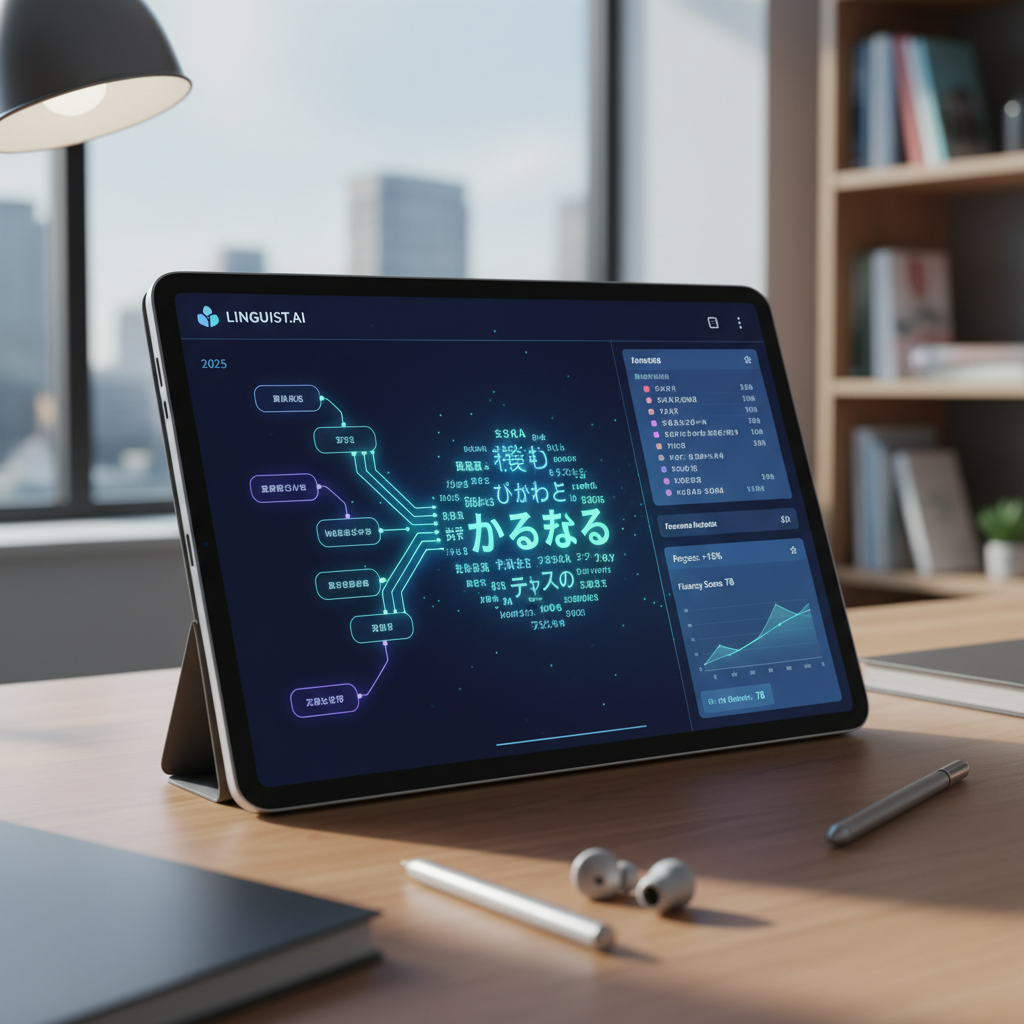
These innovative platforms represent a hidden gem in the vast world of AI tools, promising to unlock truly personalized learning experiences. Far from generic educational software, adaptive AI goes beyond simply digitizing textbooks or quizzes. It leverages sophisticated algorithms, machine learning, and data analytics to continuously monitor a learner’s progress, understand their strengths and weaknesses, and dynamically adjust the content, pace, and instructional strategies in real time. Imagine a digital tutor that knows exactly when you need more challenging problems, when you require remedial review, or when a different explanation style might click for you. This is the promise of adaptive AI learning – a future where education is not just accessible, but deeply resonant and effective for every individual.
This comprehensive blog post will delve deep into the world of adaptive AI learning platforms. We will explore their foundational principles, the cutting-edge technologies that power them, and the myriad benefits they offer to both learners and educators. We will also address the crucial challenges and ethical considerations surrounding their implementation, examine compelling real-world examples, and cast an eye towards the exciting future of personalized education. Join us on this journey to discover how these intelligent platforms are not just improving learning outcomes, but fundamentally redefining what it means to learn and teach in the 21st century.
The Foundational Concept of Adaptive AI Learning
At its core, adaptive AI learning is about creating a dynamic and responsive educational environment that molds itself to the individual needs of the learner. Unlike static textbooks or pre-programmed courses, an adaptive platform is a living system that constantly learns about its user. It observes how a student interacts with content, how they perform on assessments, the types of errors they make, and even how long they spend on particular tasks. This rich stream of data feeds into intelligent algorithms that then make informed decisions about the next best step for that specific student.
The concept isn’t entirely new; educators have always strived for personalized instruction. A dedicated human tutor, for example, naturally adapts their teaching methods based on their understanding of a student. However, scaling this human-level personalization to millions of students simultaneously has always been an insurmountable challenge. This is precisely where AI steps in. By automating and refining the process of assessment, diagnosis, and prescription, adaptive AI platforms can deliver individualized learning pathways on a massive scale, something previously unimaginable.
Key to this adaptability is the platform’s ability to model the learner. This “learner model” is a sophisticated digital profile that includes:
- Knowledge State: What concepts has the learner mastered? What are their gaps?
- Learning Style: Do they prefer visual explanations, hands-on practice, or auditory content?
- Engagement Level: Are they motivated? When do they tend to disengage?
- Pace: How quickly do they absorb new information or complete tasks?
- Prior Performance: A history of their interactions, successes, and struggles.
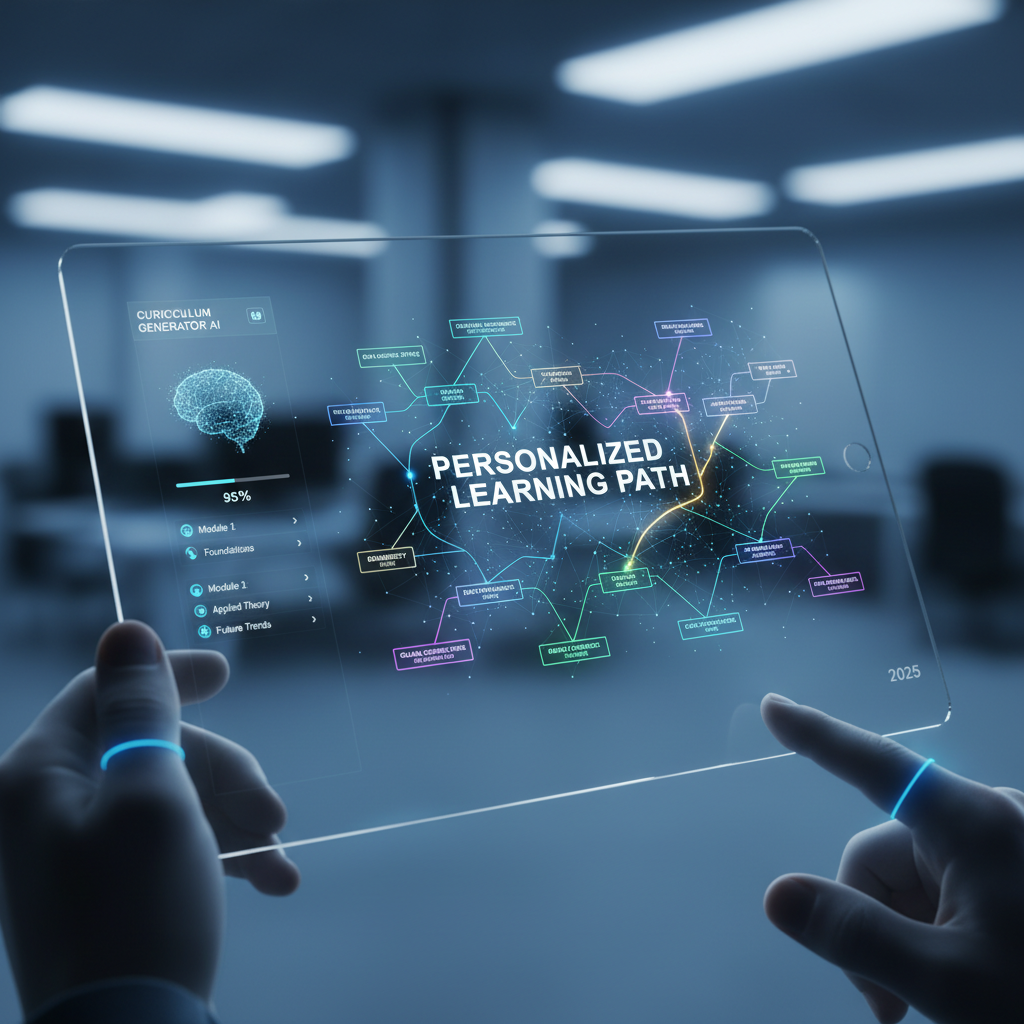
Using this model, the AI can then make highly tailored recommendations. It might suggest a different explanation of a complex topic if a student is struggling, offer additional practice problems if mastery is not yet firm, or even present more challenging material if a concept is quickly grasped. This continuous feedback loop of assessment, adaptation, and delivery ensures that each learner is always presented with content that is optimally challenging, neither too easy nor too difficult, maximizing their potential for growth and preventing boredom or frustration.
The Limitations of Traditional Learning Models and the Need for Adaptation
Before fully appreciating the power of adaptive AI, it’s essential to understand the inherent limitations of the conventional educational models that have dominated for so long. These models, often characterized by large class sizes, fixed curricula, and standardized pacing, operate on several assumptions that frequently fall short in practice.
Uniformity Over Individuality
Traditional classrooms, by necessity, must cater to the “average” student. A teacher with thirty or more students cannot realistically craft a unique lesson plan for each individual every day. Consequently, content delivery, assignments, and assessments are often generalized. This approach inevitably leaves some students behind, as they may require more time or different instructional methods to grasp concepts. Conversely, highly capable students may find the pace too slow, leading to boredom and a lack of motivation, as they are not sufficiently challenged. This “middle-of-the-road” strategy often fails to optimize learning outcomes for anyone at the extremes of the learning spectrum.
Passive Learning and Lack of Immediate Feedback
Many traditional settings still rely heavily on passive learning methodologies, such as lectures or reading textbooks. While these have their place, they often lack the interactive elements critical for deep understanding and retention. Furthermore, feedback on student work is often delayed. By the time a graded assignment or test is returned, days or even weeks may have passed. This delay significantly diminishes the effectiveness of the feedback, as students may no longer be actively engaged with the material or may have forgotten the context of their errors. Without immediate, actionable insights, learners are less likely to correct misconceptions promptly, allowing errors to become ingrained.
Inefficient Resource Allocation
Educators are often stretched thin, spending considerable time on administrative tasks, lesson planning, and grading. This leaves less time for individualized attention, mentoring, and fostering deeper connections with students. Identifying specific learning gaps for each student in a large class is an arduous, often impossible, task. The lack of granular data on individual student performance means teachers often rely on broad assessments, which may not pinpoint the root causes of difficulties. This inefficiency prevents targeted interventions and can lead to a cycle of repeated struggles for some students.
Rigid Pacing and Content Delivery
Curricula in traditional systems are typically structured linearly, with each unit building on the last at a predetermined schedule. If a student misses a key concept early on, they are likely to struggle throughout subsequent units, creating a compounding effect. There is little flexibility for students to spend extra time on challenging topics or to skip ahead when they have already demonstrated mastery. This rigidity can lead to frustration for those who feel rushed and disengagement for those who feel held back. The “move on regardless” mentality of traditional schooling often sacrifices true mastery for the sake of covering content within a fixed timeframe.
Adaptive AI learning platforms emerge as a powerful solution to these long-standing challenges. By offering dynamic, individualized, and feedback-rich learning experiences, they address the limitations of traditional models head-on, creating an educational environment that is truly learner-centric and optimized for effective skill acquisition and knowledge retention. They empower both students to learn more effectively and educators to teach more strategically, fundamentally shifting the paradigm from ‘teaching to the middle’ to ‘teaching to every individual’.
Key Technologies Powering Adaptive AI Learning Platforms
The sophistication of adaptive AI learning platforms is built upon the convergence and integration of several cutting-edge technological advancements. These technologies work in concert to create the intelligent, responsive, and personalized learning environments we are now beginning to see proliferate. Understanding these foundational technologies is crucial to appreciating the capabilities and potential of adaptive AI in education.
Machine Learning (ML)
At the heart of every adaptive platform is Machine Learning. ML algorithms enable systems to “learn” from data without being explicitly programmed. In the context of education, this means:
- Pattern Recognition: ML algorithms analyze vast amounts of student performance data to identify patterns in how students learn, where they struggle, and what interventions are most effective. For instance, an algorithm might detect that students who consistently struggle with algebraic word problems also tend to misunderstand basic arithmetic properties.
- Predictive Analytics: ML can predict future student performance or potential difficulties based on historical data. This allows platforms to proactively offer support or modify pathways before a student fully disengages or falls significantly behind.
- Reinforcement Learning: This type of ML allows the system to learn through trial and error, optimizing its recommendations over time. As it delivers content and observes student responses, it refines its models to make increasingly effective instructional decisions.
Natural Language Processing (NLP)
NLP is the branch of AI that enables computers to understand, interpret, and generate human language. Its role in adaptive learning is multifaceted:
- Content Analysis: NLP can analyze educational content (textbooks, articles, assignments) to extract key concepts, assess difficulty levels, and identify prerequisites. This allows the platform to intelligently map content to learning objectives.
- Automated Assessment: NLP can grade open-ended questions, essays, and summaries, providing immediate feedback on written work, identifying common errors, and even assessing the depth of understanding demonstrated through prose.
- Intelligent Tutoring Systems: Advanced platforms use NLP to power conversational AI agents (chatbots or virtual tutors) that can answer student questions, clarify concepts, and engage in Socratic dialogue, simulating aspects of a human tutor.
Big Data and Data Analytics
Adaptive platforms generate and consume enormous amounts of data. Every click, every answer, every pause, and every interaction contributes to a rich dataset. Big Data technologies are necessary to store, process, and manage this deluge of information. Data analytics then transforms this raw data into actionable insights:
- Learner Profiles: Detailed profiles of individual learners are constructed, tracking their progress, mastery of concepts, preferred learning styles, and common misconceptions.
- Curriculum Optimization: By analyzing aggregated data across many learners, educators and developers can identify areas where the curriculum itself might be unclear, too difficult, or requires additional resources.
- Effectiveness Measurement: Analytics provide clear metrics on the effectiveness of different instructional strategies and content types, allowing for continuous improvement of the platform.
Cognitive Science and Educational Psychology
While not a “technology” in the traditional sense, principles from cognitive science and educational psychology are fundamental to the design and effectiveness of adaptive AI. These fields inform:
- Spaced Repetition: The platform schedules review of previously learned material at optimal intervals to maximize long-term retention.
- Interleaving: Mixing different types of problems or concepts within a study session to improve discrimination and long-term recall.
- Metacognition: Encouraging students to think about their own thinking and learning processes, often through guided prompts and self-assessment tools.
- Growth Mindset: Designing feedback mechanisms that encourage perseverance and view mistakes as learning opportunities.
The seamless integration of these technologies—from the raw processing power of machine learning and big data to the nuanced understanding provided by NLP and the guiding principles of cognitive science—is what empowers adaptive AI learning platforms to deliver truly personalized, effective, and engaging educational experiences. They move beyond simple automation to intelligent, responsive learning companions.
How Adaptive AI Platforms Work: The Mechanics of Personalization
Understanding the underlying technologies is one thing, but grasping the practical mechanics of how an adaptive AI platform delivers personalization is key to appreciating its transformative potential. These platforms operate through a continuous cycle of assessment, analysis, adaptation, and delivery, making learning a truly dynamic experience.
Initial Assessment and Baseline Establishment
The personalization journey typically begins with an initial assessment. This isn’t always a formal test; it can be a series of diagnostic questions, interactive simulations, or even an analysis of a student’s prior academic records. The purpose is to establish a baseline understanding of the learner’s existing knowledge, skills, and any immediate gaps in relevant foundational concepts. This initial data informs the creation of the student’s preliminary “learner model.”
Real-time Data Collection and Learner Modeling
Once the student begins interacting with the platform, the real-time data collection kicks into high gear. Every interaction is a data point:
- Which questions were answered correctly or incorrectly?
- How much time was spent on each question or content piece?
- Were hints requested?
- Which explanations were viewed multiple times?
- What navigation paths did the student take?
- Even biometric data, such as eye-tracking or keyboard strokes (in advanced systems), can be used to infer engagement or frustration.
This continuous stream of data constantly updates and refines the learner model. The AI tracks mastery levels for individual learning objectives, identifies persistent misconceptions, and even begins to infer learning preferences and emotional states. This model becomes the brain of the adaptive system, holding all the dynamic information about the student.
Dynamic Content Adaptation and Path Generation
With an up-to-date learner model, the AI’s core function comes into play: dynamic adaptation. This is where the “personalization” truly manifests. The platform can adapt in several ways:
- Pacing: If a student quickly masters a concept, the platform accelerates, moving them to the next challenge. If they struggle, it slows down, providing additional practice or alternative explanations.
- Content Sequencing: The order of topics is not fixed. The AI might re-sequence modules, introduce prerequisite material, or even skip content that the student has already demonstrated mastery of.
- Instructional Strategies: Depending on the student’s inferred learning style or struggle points, the platform might switch from a text-based explanation to a video, an interactive simulation, or a guided problem-solving exercise.
- Difficulty Level: Questions and problems are tailored to be optimally challenging – not so easy as to be boring, and not so hard as to cause frustration. This “zone of proximal development” approach maximizes learning.
- Feedback Type: Feedback can vary from simple “correct/incorrect” to detailed explanations, step-by-step solutions, links to relevant remedial content, or even encouragement and motivational messages.
This adaptive process is not static; it’s a constant, iterative loop. As the student responds to the adapted content, new data is generated, the learner model is updated, and the adaptation process continues. This ensures that the learning experience remains perfectly aligned with the student’s evolving needs and capabilities.
Real-time Feedback and Targeted Interventions
One of the most immediate and impactful aspects of adaptive AI platforms is their ability to provide instantaneous feedback. Unlike waiting for a teacher to grade an assignment, students receive immediate notification of their correctness, often accompanied by explanations of why an answer was wrong and how to approach it correctly. This immediate feedback loop is critical for correcting misconceptions before they become entrenched.
Beyond simple feedback, the AI can also trigger targeted interventions. If a student consistently struggles with a particular type of problem, the platform might:
- Offer a mini-lesson on the underlying concept.
- Suggest reviewing an earlier, foundational topic.
- Provide different problem types to test understanding from various angles.
- Alert an educator to the student’s persistent difficulty, enabling human intervention where necessary.
In essence, adaptive AI learning platforms function as highly intelligent, infinitely patient, and perfectly informed digital tutors. They continuously observe, learn, and adjust, transforming the generic act of learning into a deeply personal and highly effective journey for every single user.
Benefits for Learners and Educators
The shift towards adaptive AI learning platforms heralds a new era for education, bringing a multitude of benefits that profoundly impact both students and the educators guiding them. These advantages extend far beyond mere convenience, leading to more effective learning outcomes and more efficient teaching practices.
Benefits for Learners: Enhanced Engagement and Mastery
- Personalized Learning Paths: The most significant benefit is the tailoring of content, pace, and approach to each student’s unique needs. This means no more boredom from overly simple material and no more frustration from content that is too complex. Students are always in their optimal learning zone, fostering a sense of accomplishment and continuous progress.
- Increased Engagement and Motivation: When learning is relevant, appropriately challenging, and directly addresses a student’s gaps, engagement naturally increases. Immediate, constructive feedback motivates students to persist and understand their mistakes, transforming errors into valuable learning opportunities rather than deterrents. The gamified elements often incorporated into these platforms further enhance motivation.
- Deeper Understanding and Mastery: Adaptive systems prioritize mastery over mere coverage. They ensure students truly grasp foundational concepts before moving on, reinforcing knowledge through spaced repetition and varied practice. This leads to a more robust and lasting understanding of the subject matter, reducing the need for constant reteaching.
- Flexible and Self-Paced Learning: Students can learn at their own speed, taking extra time on difficult topics or accelerating through familiar ones. This flexibility is particularly beneficial for diverse learners, including those with learning disabilities, gifted students, or individuals balancing learning with other commitments. Learning can happen anytime, anywhere, accommodating modern lifestyles.
- Enhanced Self-Efficacy and Independence: By providing clear pathways, immediate feedback, and opportunities for self-correction, adaptive platforms empower students to take ownership of their learning journey. They develop stronger metacognitive skills, learning how they learn best, and fostering a sense of capability and independence.
Benefits for Educators: Strategic Teaching and Data-Driven Insights
- Actionable Insights and Analytics: Perhaps the most revolutionary benefit for educators is access to granular, real-time data on student performance. Dashboards provide insights into individual student progress, common misconceptions across the class, areas where the curriculum might be weak, and even predictions of future struggles. This data moves beyond simple test scores, showing why students are struggling, not just that they are.
- Targeted Interventions: With detailed insights, educators can move from generalized instruction to highly targeted interventions. Instead of trying to identify struggling students through subjective observation or sporadic assessments, the platform highlights exactly who needs help, what specific concepts they are struggling with, and often suggests resources. This frees up teacher time for meaningful, impactful support.
- Differentiated Instruction at Scale: Adaptive platforms effectively automate much of the differentiation process, allowing teachers to cater to individual needs without the Herculean effort previously required. This enables teachers to focus on higher-order teaching tasks, such as facilitating discussions, fostering critical thinking, project-based learning, and socio-emotional development, rather than constant remedial work.
- Reduced Administrative Burden: Automated grading, progress tracking, and report generation significantly reduce the administrative workload for educators. This reclaimed time can be reinvested into lesson planning, professional development, or direct interaction with students who need it most.
- Professional Development and Curriculum Improvement: The aggregated data from many students can also inform curriculum development and professional development for teachers. By seeing where students consistently falter, educators and curriculum designers can identify areas for improvement in teaching strategies or material design.
In essence, adaptive AI learning platforms transform the roles of both learners and educators. For students, learning becomes a deeply personal, engaging, and highly effective experience. For educators, these platforms serve as powerful assistants, providing the data and tools necessary to move from managing content to truly guiding and inspiring learners, allowing them to teach smarter, not just harder.
Challenges and Ethical Considerations
While the promise of adaptive AI learning platforms is immense, their implementation is not without significant challenges and crucial ethical considerations. Addressing these issues proactively is vital to ensuring these technologies are deployed responsibly and equitably, maximizing their benefits while mitigating potential harms.
Technical and Implementation Challenges
- Data Quality and Quantity: Adaptive AI thrives on data. For platforms to be truly effective, they require vast amounts of high-quality, diverse student data. In smaller deployments or nascent stages, insufficient data can lead to less accurate adaptations. Ensuring data consistency and cleanliness is also a continuous challenge.
- Development Complexity and Cost: Building truly adaptive AI systems is incredibly complex and expensive. It requires expertise in AI, educational psychology, UX design, and robust infrastructure. This can make advanced platforms inaccessible to institutions with limited budgets.
- Integration with Existing Systems: Schools and universities often have legacy Learning Management Systems (LMS), student information systems (SIS), and other digital tools. Seamless integration of adaptive platforms with these existing technologies can be a significant technical and logistical hurdle.
- Algorithmic Transparency and Explainability: Many advanced AI algorithms, particularly deep learning models, operate as “black boxes.” Understanding exactly why an AI made a particular recommendation or adapted a pathway in a certain way can be difficult. This lack of transparency can hinder trust among educators and students.
Ethical Considerations
- Data Privacy and Security: Adaptive platforms collect highly sensitive personal and academic data about students. Protecting this data from breaches, ensuring compliance with regulations like GDPR or FERPA, and clearly communicating data usage policies to students and parents are paramount. The potential for misuse of such intimate data is a serious concern.
- Algorithmic Bias: If the data used to train AI models is biased (e.g., predominantly from a certain demographic, socioeconomic background, or learning context), the adaptive algorithms can inadvertently perpetuate or even amplify existing educational inequalities. This could lead to different learning experiences and outcomes for different groups of students, potentially disadvantaging those from underrepresented backgrounds.
- The “Filter Bubble” Effect and Limiting Exploration: By constantly tailoring content to what the AI believes a student needs, there’s a risk of creating a “filter bubble.” Students might be exposed only to content within their perceived zone of competence, potentially limiting their exposure to diverse ideas, challenging perspectives, or serendipitous discovery. This could stifle curiosity and broader intellectual development.
- Impact on Human Teachers’ Roles: While adaptive AI can augment teaching, there’s a concern about its impact on the role of human educators. Will teachers be de-skilled, reduced to data managers, or feel replaced? It’s crucial that AI is viewed as a tool to empower teachers, not diminish their irreplaceable human connection and pedagogical expertise.
- Digital Divide and Equity: The effectiveness of adaptive platforms relies on access to reliable internet, devices, and digital literacy. If these platforms become central to learning, existing digital divides could exacerbate educational inequalities, leaving students without access further behind.
- Over-Reliance and Critical Thinking: An over-reliance on AI-driven platforms could potentially reduce students’ ability to develop independent problem-solving skills, critical thinking, and the resilience to navigate ambiguity. It’s important to balance AI guidance with opportunities for open-ended exploration and self-directed learning.
Navigating these challenges requires thoughtful design, robust ethical frameworks, ongoing research, and open dialogue among educators, technologists, policymakers, and learners themselves. The goal should be to harness the power of adaptive AI to create a more equitable, effective, and human-centered educational future.
Future Trends in Adaptive AI Learning
The field of adaptive AI learning is still in its relative infancy, yet it is evolving at an exhilarating pace. As AI technologies become more sophisticated and our understanding of human learning deepens, we can anticipate several transformative trends that will further reshape personalized education.
Deeper Integration of Emotional AI and Affective Computing
Current adaptive platforms primarily respond to cognitive performance. The next frontier involves incorporating Emotional AI and affective computing. These technologies aim to detect and respond to a learner’s emotional state, such as frustration, boredom, engagement, or confusion, through analysis of facial expressions (via webcam), voice tone, or even physiological indicators. Imagine a platform that recognizes a student’s rising frustration and automatically shifts to a different type of activity, offers a calming break, or provides empathetic support. This could significantly enhance engagement, prevent disengagement, and create a more supportive learning environment.
Seamless Blending of Virtual Reality (VR) and Augmented Reality (AR)
VR and AR offer immersive and interactive learning experiences, and their integration with adaptive AI will unlock unprecedented possibilities. An adaptive VR chemistry lab could dynamically adjust the difficulty of experiments based on a student’s virtual performance, or an AR overlay could provide real-time, context-sensitive explanations as a student interacts with physical objects. This blending will move learning beyond screens into dynamic, experiential environments that adapt to the learner’s actions and understanding in three dimensions.
AI as a “Super-Coach” for Lifelong Learning and Skills Development
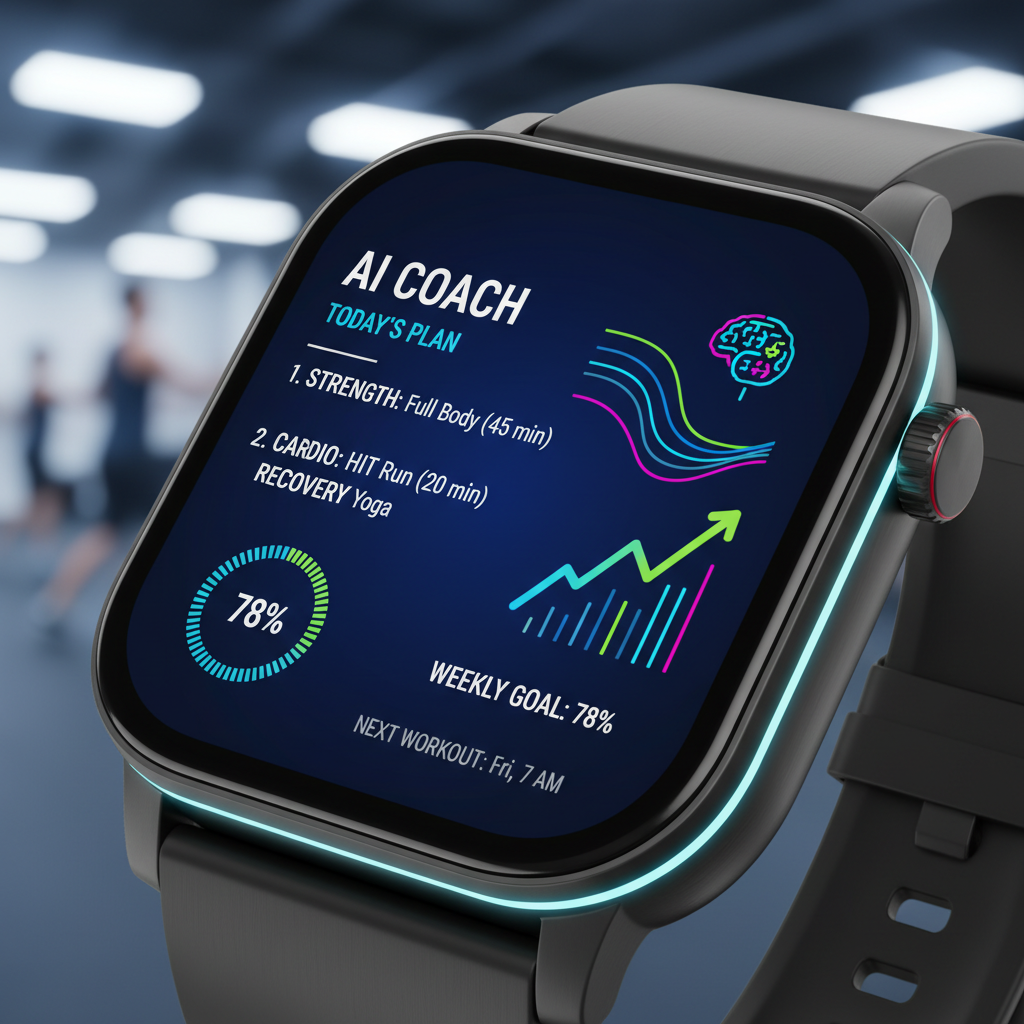
The concept of adaptive learning will extend beyond formal schooling into lifelong learning and professional development. AI platforms will serve as personal “super-coaches,” continuously analyzing an individual’s career goals, current skill set, and industry trends to recommend hyper-personalized learning pathways, micro-credentials, and resources for upskilling or reskilling. These platforms will become indispensable tools for individuals to navigate rapidly changing job markets and remain competitive throughout their careers.
Generative AI for Personalized Content Creation
The advent of powerful generative AI models (like GPT-4 and its successors) is already beginning to revolutionize content creation. In the future, adaptive platforms will leverage these models to dynamically generate highly personalized learning materials on the fly, including:
- Customized explanations tailored to a student’s known analogies or interests.
- Variations of practice problems that target specific error patterns.
- Synthetic tutors capable of explaining complex topics in multiple languages or styles.
- Personalized narratives or scenarios for project-based learning.
This will move beyond selecting from existing content to actively creating new, perfectly aligned learning resources in real time, drastically expanding the scope of personalization.
Greater Emphasis on Metacognition and Self-Regulation
Future adaptive platforms will not just adapt content, but also actively teach students how to learn more effectively. They will integrate tools and prompts that foster metacognitive skills (thinking about one’s own thinking), encourage self-reflection, and help students develop self-regulation strategies. For example, an AI might prompt a student to explain their thought process before solving a problem, or ask them to predict their performance on a future task, guiding them to become more autonomous and effective learners.
Enhanced Collaboration Between Human and AI Intelligence
Rather than replacing teachers, AI will increasingly act as an intelligent co-pilot. Future trends will see more sophisticated interfaces that empower teachers with even richer data, predictive insights, and automated tools, allowing them to focus on the human aspects of teaching – mentorship, emotional support, and facilitating complex collaborative projects. AI will handle the adaptive content delivery, freeing teachers to nurture creativity, critical thinking, and socio-emotional development in ways that AI cannot.
These trends point towards an educational future that is not only more personalized and efficient but also more engaging, empathetic, and deeply integrated into the fabric of continuous human development. Adaptive AI is poised to transform learning into an experience that truly unlocks the full potential of every individual.
Comparison Tables
Table 1: Traditional Learning vs. Adaptive AI Learning Platforms
| Feature/Aspect | Traditional Learning Model | Adaptive AI Learning Platform |
|---|---|---|
| Content Delivery | Standardized curriculum, fixed sequence, one-size-fits-all resources. | Dynamic, personalized content, variable sequence based on learner needs. |
| Pacing | Fixed pace for the entire class, move on when time dictates. | Individualized pace; accelerates or slows down as needed for mastery. |
| Feedback | Delayed, often general, provided after assignments/tests. | Immediate, specific, actionable, often with remedial explanations. |
| Assessment | Summative (end-of-unit tests), infrequent, broad. | Formative (continuous), diagnostic, embedded within learning activities. |
| Learner Role | Passive recipient of information, often rote memorization. | Active participant, self-directed, engaged problem-solver. |
| Educator Role | Content deliverer, lecturer, grader, general classroom manager. | Facilitator, mentor, data analyst, intervener for specific needs. |
| Data & Insights | Limited, primarily test scores, anecdotal observations. | Granular, real-time analytics on individual and group performance. |
| Addressing Gaps | Often difficult to identify and address individual gaps at scale. | Identifies specific skill gaps and provides targeted interventions. |
| Scalability | Limited personalization, difficult to scale individual attention. | Highly scalable personalization, caters to millions of unique learners. |
Table 2: Key AI Techniques in Adaptive Learning Platforms
| AI Technique | Core Function in Adaptive Learning | Impact on Learner Experience | Examples of Application |
|---|---|---|---|
| Machine Learning (ML) | Analyzes student data to recognize patterns, predict performance, and optimize content delivery algorithms. | Ensures content is optimally challenging and relevant; improves over time. | Predicting student failure risk, recommending next best actions, identifying mastery. |
| Natural Language Processing (NLP) | Enables systems to understand, interpret, and generate human language in text or speech. | Facilitates natural interaction, provides rich feedback on written work. | Grading essays, answering open-ended questions, chatbot tutors, summarizing content. |
| Knowledge Representation & Reasoning | Models concepts, relationships, and student understanding within a domain; draws logical inferences. | Ensures logical progression of topics, clarifies misconceptions based on domain expertise. | Building a “knowledge graph” of a subject, identifying prerequisite gaps, explaining reasoning. |
| Cognitive Modeling | Simulates human cognitive processes to understand how learners acquire knowledge and make errors. | Provides insights into underlying thought processes, not just right/wrong answers. | Identifying specific problem-solving strategies, predicting common errors, tailoring hints. |
| Reinforcement Learning | Learns optimal strategies by trial and error, based on rewards (e.g., student success) and penalties. | Continuously refines the adaptive algorithm to maximize learning effectiveness. | Optimizing timing of spaced repetition, selecting the most effective remedial content. |
| Data Analytics & Visualization | Processes and presents large datasets to extract meaningful insights for learners, educators, and developers. | Provides transparent progress tracking, informs educators for targeted interventions. | Student progress dashboards, heatmaps of difficult topics, identifying class-wide trends. |
Practical Examples: Real-World Use Cases and Scenarios
The theoretical benefits of adaptive AI learning platforms come alive when we look at their concrete applications across various educational sectors. From K-12 to corporate training, these platforms are demonstrating their power to transform learning outcomes.
K-12 Education: Individualized Pathways to Foundational Mastery
In primary and secondary education, adaptive platforms are revolutionizing how foundational skills like reading, writing, and mathematics are taught. Consider a typical elementary school classroom using an adaptive math platform. Instead of all students working on the same worksheet, the platform assesses each child’s current math proficiency.
- Scenario: A student, Emily, struggles with fractions but excels at multiplication. The adaptive platform identifies this specific gap. While her peers are reviewing multiplication facts, Emily is guided through interactive lessons on equivalent fractions, visual models, and different types of practice problems, receiving immediate feedback and hints. Once she demonstrates mastery, she’s advanced to more complex fraction operations, potentially even catching up to or surpassing her peers in other areas.
- Impact: Emily doesn’t get left behind or become frustrated. Her learning is targeted, efficient, and builds her confidence. Her teacher receives a dashboard view showing Emily’s progress in fractions and can offer personalized support during small group time, knowing exactly what Emily needs help with. This prevents Emily’s initial struggle with fractions from impacting her understanding of algebra later on.
Higher Education: Bridging Gaps and Enhancing Course Completion
In colleges and universities, adaptive AI is being used to prepare students for rigorous coursework, reduce dropout rates in challenging introductory subjects, and support diverse student populations.
- Scenario: In a large introductory calculus course, many students arrive with varying levels of pre-calculus knowledge. An adaptive AI platform is used as a prerequisite review tool. Before the semester officially begins, students take a diagnostic on the platform. Based on their performance, the AI creates a personalized study plan, focusing only on the specific algebraic or trigonometric concepts they need to brush up on. Some students might complete their review in a few hours, while others might spend several days.
- Impact: All students enter the calculus course with a solid foundation, significantly reducing the likelihood of early failure due to prerequisite gaps. This levels the playing field, allowing instructors to focus on new calculus concepts rather than reviewing prior material. Students feel more prepared and confident, leading to higher retention rates and better overall performance in historically difficult courses.
Corporate Training and Professional Development: Agile Upskilling and Reskilling
In the corporate world, the need for continuous upskilling and reskilling is paramount. Adaptive AI platforms are ideal for delivering efficient, targeted training that addresses evolving job requirements.
- Scenario: A large tech company needs to train its sales team on a new customer relationship management (CRM) software. Instead of a generic, day-long workshop, an adaptive platform is deployed. Each sales representative goes through the training. The AI observes their interactions, knowledge of existing systems, and performance on simulations. A senior rep who quickly grasps new software might be fast-tracked to advanced features, while a junior rep who struggles with specific modules receives more detailed walkthroughs, additional practice scenarios, and mini-quizzes on those exact functions.
- Impact: Training time is significantly reduced for experienced staff, freeing them up for client interactions. Less experienced staff receive the granular support they need to become proficient without feeling overwhelmed. Everyone achieves competence efficiently, directly impacting productivity and customer satisfaction. The company saves resources by not over-training some individuals and ensures all employees gain necessary skills quickly.
Lifelong Learning and Personal Enrichment: Democratizing Expertise
Beyond formal institutions, adaptive AI is making personalized learning accessible to anyone seeking to acquire new skills or deepen their knowledge for personal growth or career advancement.
- Scenario: An adult professional wants to learn data science but has a limited background in statistics. They enroll in an online adaptive data science program. The platform first assesses their current mathematical and programming knowledge. It then customizes their learning path, weaving in foundational statistics modules at the exact points where they are needed for data science concepts. If the learner struggles with a particular programming concept, the AI provides supplementary coding exercises and explanations, moving at their personal pace.
- Impact: The individual can learn a complex new field without getting bogged down by irrelevant content or feeling overwhelmed by prerequisites. They can fit learning around their work schedule and progress efficiently towards their goal of becoming a data scientist, making lifelong learning more attainable and effective for a broader demographic.
These examples illustrate that adaptive AI learning platforms are not just theoretical constructs but powerful, practical tools already making a tangible difference in diverse learning environments, proving their value in creating more effective, engaging, and equitable educational experiences.
Frequently Asked Questions
Q: What exactly is an adaptive AI learning platform?
A: An adaptive AI learning platform is a sophisticated educational technology that uses artificial intelligence, machine learning, and data analytics to personalize the learning experience for each individual student. Unlike traditional static courses, these platforms continuously assess a learner’s progress, strengths, weaknesses, and learning style in real-time. Based on this ongoing assessment, the platform dynamically adjusts the content, pace, sequence of topics, and instructional strategies to optimally support the student’s learning journey. It’s like having a highly intelligent, patient, and infinitely informed digital tutor that knows precisely what you need to learn next and how best to deliver it.
Q: How does AI personalize learning on these platforms?
A: AI personalizes learning by building a detailed “learner model” for each student. This model is continuously updated with data points from every interaction: correct/incorrect answers, time spent on tasks, hints requested, navigation paths, and even inferred engagement levels. Using this data, machine learning algorithms perform several key functions:
- Diagnosis: Identifies specific knowledge gaps and misconceptions.
- Recommendation: Suggests the most relevant content, practice problems, or remedial resources.
- Adaptation: Adjusts the difficulty, pace, and presentation style of content.
- Prediction: Forecasts future performance or potential struggles, allowing for proactive intervention.
This allows the platform to create a unique, dynamic learning path for every user, moving beyond a one-size-fits-all approach.
Q: Is adaptive learning only for struggling students?
A: Absolutely not! While adaptive platforms are incredibly effective at supporting struggling learners by identifying and addressing their specific gaps, they are equally beneficial for high-achieving students. For advanced learners, the platform can accelerate their pace, present more challenging material, offer opportunities for deeper exploration, and even suggest advanced topics or projects, preventing boredom and maximizing their potential. The goal of adaptive learning is to keep every student in their optimal zone of learning, regardless of their starting point or pace.
Q: What are the main benefits for students using these platforms?
A: Students experience numerous benefits, including:
- Increased Engagement: Content is always relevant and appropriately challenging, keeping students motivated.
- Deeper Mastery: Ensures foundational concepts are truly understood before progressing, leading to better long-term retention.
- Personalized Pace: Learners can take more time on difficult topics and accelerate through familiar ones.
- Immediate Feedback: Corrects misconceptions quickly, fostering a growth mindset.
- Enhanced Self-Efficacy: Builds confidence and promotes independent learning skills.
Ultimately, adaptive platforms make learning more efficient, effective, and enjoyable for students.
Q: How do educators benefit from these platforms?
A: Educators gain powerful advantages, including:
- Actionable Data: Real-time dashboards provide granular insights into individual and class-wide performance, highlighting specific learning gaps.
- Targeted Interventions: Teachers can identify precisely which students need help and on what specific concepts, allowing for more effective small-group or individual support.
- Differentiated Instruction at Scale: The AI handles much of the content personalization, freeing teachers to focus on higher-order tasks like fostering critical thinking, project-based learning, and socio-emotional development.
- Reduced Administrative Burden: Automated grading and progress tracking save valuable time.
- Curriculum Improvement: Aggregated data can inform curriculum design and identify areas for pedagogical refinement.
Adaptive AI empowers teachers to teach smarter and provide more meaningful guidance.
Q: Are there any ethical concerns with adaptive AI in education?
A: Yes, several ethical concerns must be addressed:
- Data Privacy and Security: Protecting sensitive student data from breaches and ensuring transparent usage policies is crucial.
- Algorithmic Bias: If training data is biased, the algorithms can perpetuate or exacerbate existing inequalities.
- “Filter Bubble” Effect: Over-personalization might limit exposure to diverse ideas or challenging content, potentially stifling broader intellectual exploration.
- Teacher Autonomy and Role: Concerns about de-skilling teachers or reducing their role to mere data managers.
- Digital Divide: Unequal access to technology can widen educational disparities if these platforms become central.
Responsible development and deployment require continuous ethical reflection and regulation.
Q: How is data privacy handled on adaptive AI platforms?
A: Reputable adaptive AI platforms prioritize data privacy and security. They typically adhere to strict data protection regulations such as GDPR (General Data Protection Regulation) in Europe and FERPA (Family Educational Rights and Privacy Act) in the United States. Key measures usually include:
- Anonymization and Pseudonymization: Student data is often stripped of direct identifiers or replaced with pseudonyms.
- Encryption: Data is encrypted both in transit and at rest to prevent unauthorized access.
- Strict Access Controls: Only authorized personnel have access to sensitive data, and for specific purposes.
- Transparent Policies: Clear privacy policies explain what data is collected, why, and how it is used, often requiring parental/student consent.
- Data Minimization: Only necessary data is collected to achieve the platform’s adaptive learning goals.
It’s essential for institutions and users to thoroughly vet a platform’s privacy practices.
Q: What are some examples of these platforms in use today?
A: Many platforms incorporate adaptive AI elements, though the level of adaptivity varies. Some prominent examples include:
- Knewton Alta: Provides adaptive learning courseware for higher education, focusing on mastery-based learning.
- ALEKS (Assessment and Learning in Knowledge Spaces): Uses AI to assess math and chemistry knowledge and deliver personalized learning paths.
- DreamBox Learning: An adaptive math program for K-8 students that dynamically adjusts to individual learners.
- Smart Sparrow (now Pearson AI Studio): A platform for creating adaptive courseware across various subjects.
- Duolingo: While primarily a language learning app, it uses AI to adapt lessons, practice exercises, and review schedules based on user performance.
- Khan Academy (with some adaptive elements): Offers personalized practice and progress tracking.
Many other learning management systems and educational tools are increasingly integrating adaptive features.
Q: Will AI replace human teachers in the future?
A: Highly unlikely. The consensus among educators and technologists is that AI will augment, not replace, human teachers. AI excels at data processing, personalization of content, and providing immediate, repetitive feedback—tasks that can be tedious and time-consuming for humans. However, human teachers bring irreplaceable qualities to the classroom: emotional intelligence, empathy, the ability to inspire and motivate, foster creativity, facilitate complex discussions, manage classroom dynamics, and address the nuanced socio-emotional needs of students. AI will likely free up teachers from administrative burdens and content delivery, allowing them to focus on mentoring, coaching, and nurturing the uniquely human aspects of learning and development. The future points towards a powerful collaboration between AI and human intelligence.
Q: What should I look for when choosing an adaptive platform?
A: When evaluating an adaptive AI learning platform, consider the following:
- Pedagogical Efficacy: Is it backed by educational research? Does it align with proven learning theories?
- Adaptivity Level: How truly adaptive is it? Does it personalize pace, content, and strategy, or just offer different pathways?
- User Experience: Is it intuitive, engaging, and easy to navigate for both students and educators?
- Reporting & Analytics: Does it provide actionable, clear data for educators?
- Integration: Can it integrate with existing school/corporate systems (LMS, SIS)?
- Content Quality: Is the instructional content accurate, up-to-date, and comprehensive?
- Data Privacy & Security: Does it comply with relevant regulations and have strong data protection measures?
- Support & Training: Does the vendor offer adequate support and professional development for educators?
- Cost-Effectiveness: Does the price point align with the value and features offered?
- Scalability: Can it grow with your needs, from a small pilot to widespread adoption?
A thorough evaluation ensures the platform meets specific educational goals and integrates smoothly into your environment.
Key Takeaways
- Personalization is Key: Adaptive AI learning platforms move beyond the one-size-fits-all model, tailoring content, pace, and instructional strategies to individual learner needs.
- Driven by Data: These platforms rely on Machine Learning, NLP, Big Data, and cognitive science to continuously assess, model, and adapt to each student’s learning journey.
- Enhanced Learner Outcomes: Students benefit from increased engagement, deeper mastery, flexible pacing, immediate feedback, and greater self-efficacy.
- Empowered Educators: Teachers gain actionable insights, enable targeted interventions, scale differentiated instruction, and reduce administrative burdens, shifting focus to higher-value teaching.
- Challenges Require Attention: Issues like data privacy, algorithmic bias, the digital divide, and the “filter bubble” effect must be carefully managed for equitable and ethical implementation.
- Exciting Future: Trends include integration of emotional AI, VR/AR, generative AI for content, and a focus on lifelong learning and metacognition.
- Human-AI Collaboration: The future of education likely involves a powerful synergy where AI handles content adaptation, freeing human teachers to focus on mentorship, emotional support, and complex critical thinking skills.
Conclusion
The journey from a uniform, standardized approach to a truly personalized educational experience is one of the most exciting and profound transformations underway in our society. Adaptive AI learning platforms stand at the vanguard of this revolution, offering a compelling vision for a future where every learner can unlock their full potential. By leveraging the power of artificial intelligence to understand, respond, and adapt to individual needs, these platforms are not merely tools; they are architects of a more equitable, efficient, and engaging learning landscape.
We have explored how these platforms move beyond simple digitization, delving into the intricate mechanics of learner modeling, dynamic content adaptation, and real-time feedback. We have seen their tangible benefits for both students, who experience heightened engagement and deeper mastery, and educators, who gain unprecedented insights and the ability to provide truly targeted support. While significant challenges and ethical considerations, particularly around data privacy and algorithmic bias, demand careful attention and ongoing dialogue, the momentum towards personalized learning is undeniable.
As AI continues its rapid evolution, the capabilities of adaptive learning platforms will only expand, integrating with emerging technologies like emotional AI, virtual reality, and advanced generative models. The ultimate goal is not to replace the invaluable human element of teaching but to augment it, creating a powerful synergy between intelligent technology and empathetic instruction.
Beyond one-size-fits-all, adaptive AI learning platforms are discovering hidden gems within each learner – their unique strengths, their preferred pathways, and their untapped potential. By embracing these intelligent tools responsibly and thoughtfully, we can forge an educational future that is truly personalized, endlessly adaptive, and profoundly impactful for generations to come. The era of personalized learning is not just on the horizon; it is here, and it promises to redefine what it means to learn and grow in the modern world.

































































Leave a Reply