


In an era defined by rapid technological advancement, the landscape of education is undergoing a profound transformation. Traditional one-size-fits-all approaches are increasingly proving inadequate in addressing the diverse needs and learning styles of modern students. The challenge for educators is no longer just about delivering content, but about fostering deep understanding, critical thinking, and, crucially, sustained engagement. This is where Artificial Intelligence (AI) emerges not just as a tool, but as a transformative force, revolutionizing how we approach personalized learning.
Under the broader topic of ‘Discovering Hidden Gems: AI Tools for Personalized Learning’, this comprehensive article delves into the intricate ways AI is customizing interactive learning experiences. We will explore how AI algorithms analyze individual learning patterns, preferences, and progress to deliver tailored content, adaptive assessments, and dynamic feedback. Beyond mere automation, AI is creating environments where learning is no longer a passive reception of information, but an active, engaging, and deeply personal journey. Join us as we uncover the innovative applications, practical examples, and future potential of AI in sparking unparalleled student engagement.
Understanding the Engagement Gap in Education
Student engagement is the bedrock of effective learning. When students are engaged, they are more motivated, resilient, and ultimately, more successful. However, educators worldwide grapple with a persistent engagement gap, often stemming from the inherent limitations of conventional teaching methods. A classroom with 30 students often represents 30 different learning paces, prior knowledge levels, interests, and emotional states. Teaching to the middle inevitably leaves some students bored and unchallenged, while others feel overwhelmed and left behind.
Consider a typical lecture setting. The teacher delivers content at a fixed pace, expecting all students to absorb information uniformly. This model struggles to accommodate students who thrive on visual aids versus those who prefer auditory explanations, or those who need more time to process complex ideas versus quick learners eager for advanced challenges. The lack of immediate, personalized feedback also contributes to disengagement. Students often receive feedback days or weeks after an assignment, by which time the opportunity for immediate correction and understanding reinforcement has passed. This delay can lead to frustration, a feeling of being misunderstood, and a gradual detachment from the learning process.
Furthermore, modern students, growing up in a highly interactive digital world, expect dynamic and personalized experiences. Static textbooks and rote memorization can feel antiquated and irrelevant compared to the engaging, adaptive content they encounter elsewhere online. The absence of interactive elements, real-time applicability, and opportunities for self-directed exploration further widens this engagement gap, turning learning into a chore rather than an exciting discovery. Bridging this gap is not just about adopting new technology, but fundamentally rethinking how learning is delivered and experienced.
The Promise of AI in Personalizing Learning
Artificial intelligence offers a powerful antidote to the engagement crisis by ushering in an era of truly personalized learning. At its core, AI’s strength lies in its ability to process vast amounts of data, identify patterns, and make predictions or recommendations based on those insights. In education, this translates into an unprecedented capacity to understand each student as an individual learner.
Imagine an AI tutor that knows precisely which concepts a student struggles with, which learning modalities they respond to best, and even their current emotional state regarding a subject. This isn’t science fiction; it’s the emerging reality of AI-driven education. AI algorithms can analyze a student’s performance on assignments, their interaction with learning materials, the speed at which they complete tasks, and even their responses to prompts to build a detailed profile. This profile then informs the delivery of highly customized learning pathways.
For instance, if a student consistently performs well on visual quizzes but struggles with text-heavy explanations, the AI system can prioritize video lessons or interactive diagrams for that student. If another student masters a topic quickly, the AI can immediately present advanced material or challenge questions, preventing boredom. Conversely, for a student falling behind, the AI can offer remedial exercises, provide alternative explanations, or break down complex topics into smaller, more manageable chunks, ensuring they don’t get lost. This adaptive nature ensures that every student is challenged at their optimal level, fostering a sense of achievement and sustained interest.
The promise extends beyond just content delivery. AI can also personalize feedback, offering specific insights into common errors and suggesting targeted resources for improvement. It can identify patterns in student thinking that might indicate a fundamental misunderstanding, allowing educators to intervene proactively. By making learning more relevant, challenging yet achievable, and intrinsically rewarding, AI empowers students to take ownership of their educational journey, transforming passive recipients into active participants.
Key AI Technologies Driving Customization
The personalization capabilities of AI in education are powered by a suite of sophisticated technologies working in concert. Understanding these underlying mechanisms helps us appreciate the depth of customization possible.
Machine Learning (ML) and Deep Learning (DL)
These are the foundational technologies. ML algorithms are trained on vast datasets of student interactions, performance data, and learning content. They learn to identify correlations and patterns that humans might miss. For example, an ML model can detect that students who spend less than 5 minutes on a particular concept typically score poorly on subsequent assessments, prompting the system to flag that student for additional support or a different explanation. Deep Learning, a subset of ML, uses neural networks to analyze more complex, unstructured data, such as natural language text or even emotional cues from facial expressions (though this raises ethical considerations and is less common in mainstream educational AI yet). These technologies allow AI systems to constantly improve their recommendations and predictions as they gather more data.
Natural Language Processing (NLP)
NLP enables AI systems to understand, interpret, and generate human language. This is crucial for interactive learning experiences. NLP powers AI tutors that can answer student questions, provide explanations in various linguistic styles, and analyze open-ended student responses for comprehension. For example, an NLP-powered essay grading tool can not only check for grammar and spelling but also analyze the coherence, argument structure, and originality of a student’s writing, offering detailed feedback that goes far beyond a simple score. It also facilitates chatbots and virtual assistants that can guide students through complex topics or administrative tasks, making learning support more accessible.
Computer Vision
While perhaps less obvious in direct learning content, computer vision has applications in monitoring engagement and facilitating access. For instance, eye-tracking technology could potentially gauge a student’s focus or confusion (though again, with privacy considerations). More practically, it can be used in remote proctoring for online exams or in creating accessible learning materials for students with visual impairments, converting images to descriptive text or interactive elements. In some advanced settings, computer vision might analyze gestures or whiteboard interactions to provide feedback in hands-on learning environments.
Recommendation Engines
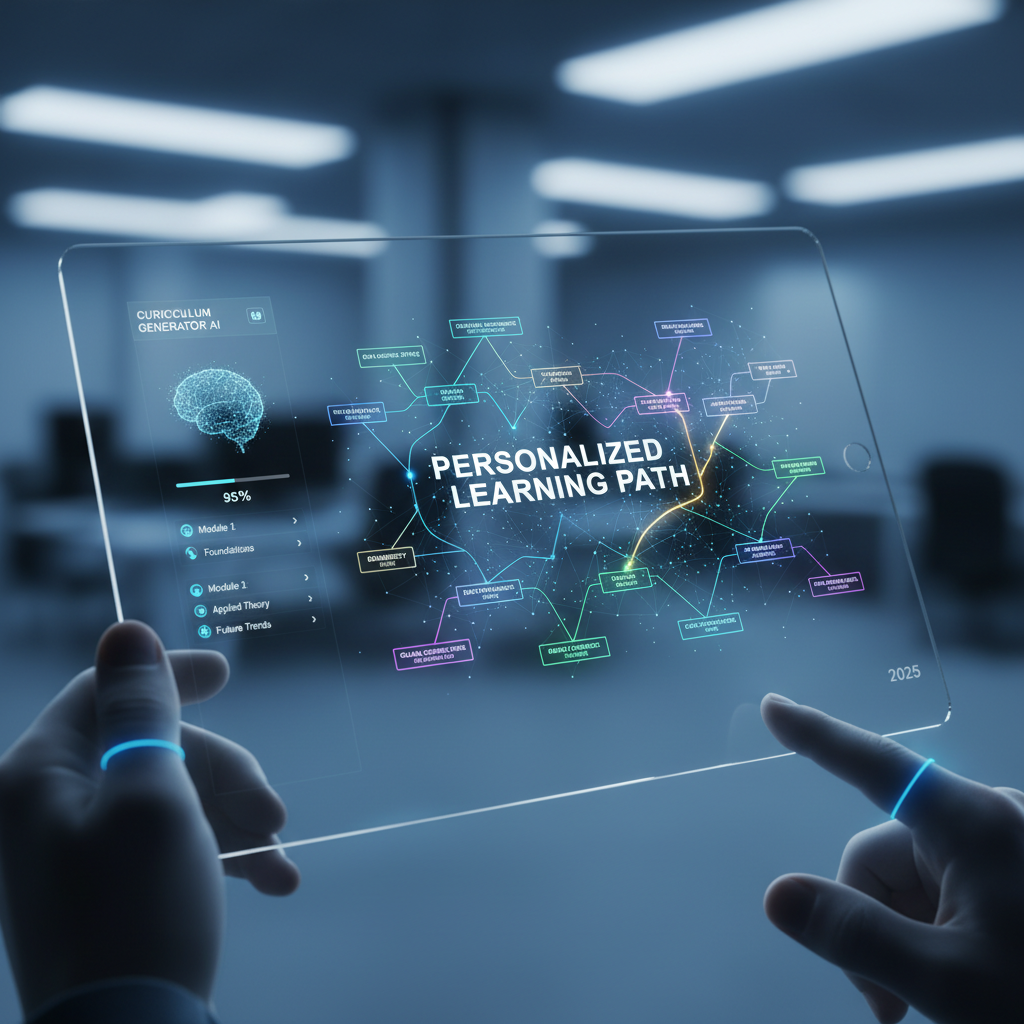
Similar to how streaming services suggest movies or shopping sites recommend products, AI-powered recommendation engines in education suggest personalized learning paths, resources, or activities. Based on a student’s past performance, preferences, and explicit goals, these engines can recommend articles, videos, practice problems, or even collaborative projects that are most likely to optimize their learning journey. This ensures that students are always presented with relevant and engaging material, reducing cognitive load and maximizing learning efficiency.
Interactive Learning Experiences: Beyond the Textbook
AI is transforming passive consumption of information into dynamic, interactive learning experiences that foster deeper engagement and understanding. It moves education beyond the limitations of static textbooks and lectures, creating environments where students are active participants in their learning journey.
Adaptive Quizzes and Assessments
Unlike traditional quizzes that offer a fixed set of questions, AI-powered adaptive assessments adjust in real-time based on a student’s responses. If a student answers correctly, the system might present a more challenging question or move to a new topic. If they struggle, it can offer simpler questions, provide hints, or direct them to remedial materials. This ensures that assessments are not just about grading, but are integral parts of the learning process, identifying knowledge gaps precisely and offering immediate corrective feedback. Platforms like Khan Academy and McGraw Hill’s Connect utilize adaptive quizzing to great effect, allowing students to practice at their own pace and level.
Intelligent Tutoring Systems (ITS)
ITS are perhaps the most sophisticated application of AI in interactive learning. These systems function as personalized, virtual tutors, providing one-on-one instruction and feedback. They can detect misconceptions, guide students through problem-solving steps, and explain complex concepts in multiple ways. Examples include Carnegie Learning’s MATHia, which uses AI to coach students through math problems, adapting the curriculum to their individual needs, and providing targeted support. These systems can engage students in dialogue, answer questions, and even stimulate critical thinking through Socratic questioning, making learning feel like a conversation rather than a monologue.
Gamification and Virtual/Augmented Reality (VR/AR)
AI enhances gamified learning experiences by adapting game difficulty, rewards, and narratives to individual student performance and preferences. This makes learning feel more like play, increasing motivation and persistence. Furthermore, when combined with VR and AR, AI can create incredibly immersive and interactive learning environments. Imagine medical students practicing complex surgeries in a VR environment where AI tracks their movements and provides real-time feedback, or history students exploring ancient Rome through an AR app that dynamically adapts content based on their observed interest in specific landmarks. These technologies turn abstract concepts into tangible, explorable worlds.
Personalized Content Curation and Generation
AI can curate relevant articles, videos, and simulations from vast online repositories based on a student’s learning profile and current topic. Going a step further, generative AI models can even create new, personalized learning content on the fly. This could include generating unique practice problems, crafting alternative explanations for a difficult concept, or summarizing lengthy texts into digestible formats tailored to a student’s reading level. This ensures that students always have access to fresh, relevant, and optimally formatted learning materials.
Measuring Impact: How AI Tracks Progress and Adapts
One of AI’s most powerful contributions to education is its unparalleled ability to meticulously track student progress and dynamically adapt learning experiences. This goes far beyond simple test scores, delving into the nuances of a student’s interaction with content, their problem-solving strategies, and even their metacognitive skills.
Granular Performance Analytics
AI systems collect vast amounts of granular data: how long a student spends on a question, which distractors they choose in multiple-choice questions, the path they take to solve a math problem, or the type of errors they consistently make. This data allows for a much richer understanding of a student’s learning process than traditional methods. Instead of just knowing a student got a question wrong, AI can identify why they got it wrong – perhaps a fundamental misconception, a careless error, or a lack of specific prerequisite knowledge. This diagnostic precision is invaluable for targeted intervention.
Real-time Feedback and Intervention
Crucially, AI can provide this feedback in real-time. As a student works through a problem, the AI can immediately highlight an error, suggest a different approach, or provide a hint. This instant feedback loop is incredibly powerful for learning, allowing students to correct misconceptions before they become entrenched. For educators, AI can flag students who are consistently struggling, allowing them to intervene proactively before a student falls significantly behind. This shift from reactive grading to proactive, formative assessment is a game-changer.
Adaptive Learning Paths and Difficulty Adjustment
Based on the continuous monitoring of performance, AI dynamically adjusts the learning path and difficulty level. If a student demonstrates mastery of a concept, the system might present more advanced material or skip redundant exercises. Conversely, if a student is struggling, the AI can offer additional practice, re-explain concepts using different modalities, or break down complex tasks into simpler steps. This ensures that each student is consistently challenged at their optimal learning zone, preventing both boredom and frustration. This adaptive sequencing is a core tenet of effective personalized learning.
Identifying Learning Styles and Preferences
Over time, AI can infer a student’s preferred learning styles (e.g., visual, auditory, kinesthetic) and content preferences (e.g., videos, interactive simulations, text). By analyzing patterns in how students engage with different types of materials and their subsequent performance, the AI can tailor future content delivery to match these preferences. This increases comfort and engagement, making the learning process more enjoyable and effective for the individual.
Predictive Analytics for At-Risk Students
Beyond current performance, AI can leverage predictive analytics to identify students who are at risk of disengaging, failing, or dropping out, often before human educators might notice. By analyzing a combination of historical data, engagement metrics, and academic performance trends, AI can forecast potential issues. This early warning system allows institutions to deploy support resources – such as counseling, tutoring, or academic advising – to students who need it most, dramatically improving retention and success rates.
Addressing Challenges and Ethical Considerations
While the promise of AI in education is immense, its implementation is not without challenges and significant ethical considerations. A mindful and responsible approach is crucial for harnessing its full potential while mitigating potential risks.
Data Privacy and Security
AI-driven personalized learning relies heavily on collecting vast amounts of student data – performance metrics, interaction patterns, demographic information, and potentially even behavioral data. Protecting this sensitive information from breaches, misuse, or unauthorized access is paramount. Strong data encryption, anonymization techniques, and adherence to strict regulatory frameworks like GDPR or FERPA are essential. Educators and parents need clear policies and transparency regarding what data is collected, how it’s used, and who has access to it.
Algorithmic Bias
AI algorithms are only as unbiased as the data they are trained on. If training data reflects existing societal biases (e.g., favoring certain demographics or socio-economic backgrounds), the AI system can perpetuate or even amplify these biases. This could lead to unfair personalized recommendations, unequal access to opportunities, or skewed assessments for certain student groups. Continuous auditing of algorithms, diverse training datasets, and human oversight are necessary to identify and mitigate bias.
Over-reliance and Deskilling
There’s a risk that both students and educators might become overly reliant on AI. Students might lose critical thinking skills if AI always provides the “right” answer or solves problems for them. Educators might become deskilled if they delegate too much of their pedagogical role to AI, losing touch with the human elements of teaching and mentorship. AI should augment human intelligence, not replace it, serving as a powerful assistant rather than a sole decision-maker.
Equity and Access
The benefits of AI in education might disproportionately favor students in well-resourced schools or those with reliable internet access and devices. This could exacerbate existing educational inequalities if access to advanced AI tools is not universal. Bridging the digital divide and ensuring equitable distribution of AI educational technologies is a critical challenge. Moreover, systems must be designed to be accessible to students with disabilities, ensuring inclusivity.
Lack of Human Connection
Education is fundamentally a human endeavor built on relationships between teachers and students. While AI can provide personalized feedback and support, it cannot replicate the empathy, emotional intelligence, and holistic mentorship that a human educator offers. The challenge is to integrate AI in a way that enhances human connection, freeing teachers from administrative tasks to focus more on individual student relationships, rather than diminishing it.
Cost and Implementation Complexity
Developing, implementing, and maintaining sophisticated AI educational systems can be expensive and complex. This includes infrastructure costs, training for educators, and ongoing technical support. For many institutions, particularly those with limited budgets, the barrier to entry can be significant. Scalability and ease of integration with existing learning management systems are also practical considerations.
Future Trends: The Evolution of AI in Education
The integration of AI in education is still in its nascent stages, but the trajectory suggests a future where learning environments are far more dynamic, responsive, and deeply personalized. Several key trends are shaping this evolution.
Hyper-Personalization and Micro-Learning
Future AI systems will offer even more granular personalization, tailoring content down to individual sentences or specific interaction types. This will be coupled with the rise of micro-learning, where AI delivers bite-sized learning modules perfectly matched to a student’s immediate needs and available time, making learning seamlessly integrated into daily life. Imagine an AI detecting a student struggling with a specific verb conjugation and instantly delivering a 2-minute interactive exercise before they even realize they need it.
Emotion-Aware AI and Affective Computing
While ethically sensitive, advancements in affective computing will allow AI to better recognize and respond to students’ emotional states. If an AI can detect frustration, boredom, or confusion through voice, facial expressions, or even keystroke patterns, it can adapt its pedagogical approach accordingly – perhaps offering encouragement, changing the pace, or suggesting a break. This could create a more empathetic and supportive learning environment, though it necessitates careful ethical frameworks and transparency.
AI-Powered Generative Content and Curriculum Design
The capabilities of generative AI (like GPT models) are rapidly expanding. In the future, AI will not just curate content but actively generate custom lesson plans, interactive simulations, and even entire courses tailored to specific learning objectives, student cohorts, or individual needs. This could dramatically reduce teacher workload in content creation and allow for truly dynamic curricula that evolve in real-time. Teachers will become curators and mentors, rather than primary content creators.
Lifelong Learning Companions
AI will transition from being just a classroom tool to a lifelong learning companion. Imagine an AI that tracks an individual’s skills, interests, and career goals from school through their professional life, continuously recommending relevant courses, certifications, and development opportunities. This AI could adapt to changing job markets and personal aspirations, ensuring individuals remain relevant and continuously upskill throughout their careers.
Enhanced Collaboration and Peer Learning
AI won’t just personalize individual learning but also facilitate better collaborative experiences. It could intelligently group students for projects based on complementary skills, identify students who can peer-tutor each other effectively, or provide AI-mediated feedback on group discussions. This would blend personalized learning with the critical social and collaborative aspects of education.
Integration with Wearable Technology and Smart Environments
As wearable technology and smart environments become more pervasive, AI in education could integrate with these tools to create highly contextual and immersive learning experiences. Field trips could be enhanced with AR overlays providing real-time information, or smart classrooms could adapt lighting, sound, and display content based on student engagement detected by sensors, all orchestrated by AI.
Comparison Tables
Table 1: Traditional Learning vs. AI-Powered Personalized Learning
| Feature | Traditional Learning Experience | AI-Powered Personalized Learning |
|---|---|---|
| Content Delivery | One-size-fits-all lectures, fixed textbooks, static materials. | Adaptive content delivery, multimedia resources, dynamic difficulty adjustment based on individual student needs. |
| Pace | Fixed pace dictated by curriculum or instructor, often too fast for some, too slow for others. | Self-paced learning, allowing students to accelerate or review as needed, optimized for individual learning speed. |
| Feedback | Delayed, generalized feedback on assignments and tests, often after significant learning opportunities have passed. | Instant, specific, and actionable feedback provided in real-time, enabling immediate correction of misconceptions. |
| Engagement | Can be passive, leading to disinterest, especially for students whose needs aren’t met. | Highly interactive, gamified, and relevant experiences, fostering intrinsic motivation and sustained interest. |
| Assessment | Summative assessments (tests, exams) measuring recall, often at fixed intervals. | Formative and adaptive assessments continuously identifying knowledge gaps, integrated seamlessly into the learning process. |
| Role of Educator | Primarily content deliverer, grader, and classroom manager. | Facilitator, mentor, diagnostician, focusing on deeper discussions and individual student support, guided by AI insights. |
| Accessibility | May have limited accommodation for diverse learning needs or disabilities without specific manual intervention. | Can automatically adapt presentation formats, provide alternative explanations, and offer multi-modal access for diverse learners. |
Table 2: Types of AI Personalization Techniques and Their Benefits
| AI Technique | How it Personalizes Learning | Key Benefits for Students | Example Application |
|---|---|---|---|
| Adaptive Learning Paths | Adjusts the sequence and difficulty of content/exercises based on real-time performance and mastery. | Optimizes challenge level, prevents boredom or overwhelm, ensures foundational knowledge. | Intelligent Tutoring Systems (e.g., MATHia), adaptive online course platforms. |
| Content Recommendation Engines | Suggests relevant articles, videos, practice problems, or learning activities based on interests and performance. | Provides highly relevant and engaging resources, broadens learning, supports self-directed exploration. | Learning management systems suggesting supplementary materials, MOOC platforms recommending courses. |
| Natural Language Processing (NLP) Tutors | Interprets student questions, provides conversational explanations, and offers feedback on written responses. | Offers 24/7 personalized help, clarifies concepts, improves writing and communication skills. | AI chatbots for Q&A, automated essay grading tools, language learning apps with conversational AI. |
| Predictive Analytics | Identifies students at risk of struggling or dropping out based on historical data and current engagement. | Enables early intervention, targeted support, improves retention and success rates. | University student success platforms, early warning systems in K-12. |
| Gamification Personalization | Adapts game challenges, rewards, and narrative elements to match a student’s progress and preferences. | Boosts motivation and engagement, makes learning fun, encourages persistence. | Educational games with adaptive difficulty, points/badges/leaderboards adjusted per user. |
| Affective Computing (Emerging) | Detects and responds to student emotions (e.g., frustration, boredom, engagement) to adjust learning delivery. | Creates a more empathetic and supportive learning environment, reduces stress, optimizes focus. | AI that adjusts pace or offers encouragement based on detected emotional state (currently more research-focused). |
Practical Examples: Real-World Use Cases and Scenarios
To truly grasp the impact of AI in personalizing learning, it’s helpful to look at concrete examples across various educational contexts. These scenarios illustrate how AI moves from theoretical potential to practical application.
K-12 Education: Mastering Core Subjects
- Adaptive Math Platforms: Imagine a 5th-grade student named Alex who struggles with fractions. An AI-powered math platform like ST Math or DreamBox Learning identifies this specific gap. Instead of moving on with the class, Alex receives a personalized series of interactive visual puzzles and games focused solely on fractions, presented at a slower pace. The AI continuously assesses his understanding, provides immediate feedback, and only progresses him to decimals once he demonstrates mastery. Meanwhile, another student, Maya, who has already mastered fractions, is presented with more advanced algebraic thinking challenges, keeping her engaged and preventing boredom.
- Reading Comprehension Tutors: For a middle school student like Chloe, who has difficulty with reading comprehension, an AI tutor can be invaluable. Systems like Newsela (using AI to adapt news articles to different reading levels) or AI-powered literacy apps can present texts at her specific reading proficiency. The AI can highlight complex vocabulary, provide contextual definitions, offer comprehension questions that adapt based on her answers, and even generate personalized summaries or rephrasing of difficult passages, helping her build confidence and skills at her own pace.
Higher Education: Specialized Learning and Skill Development
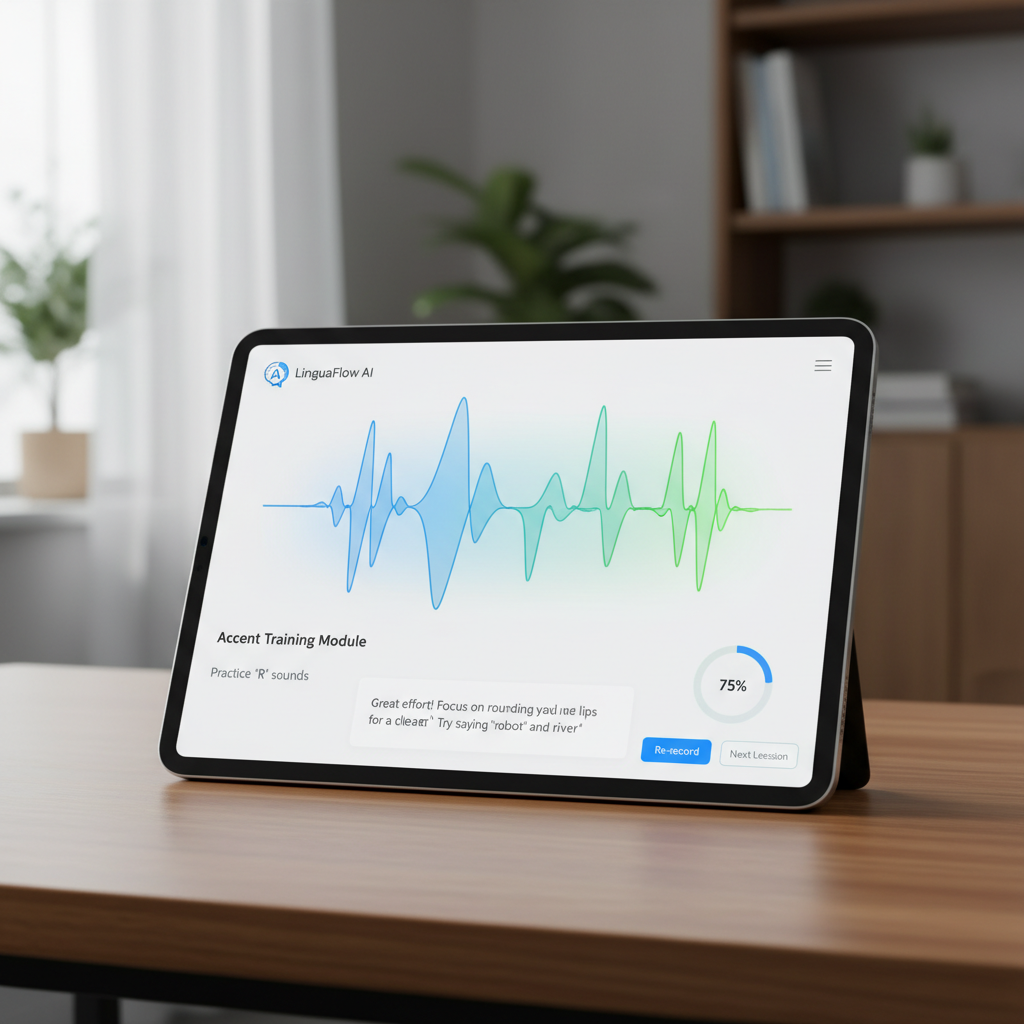
- Personalized Language Learning: University students learning a new language, say Spanish, can benefit immensely. AI-driven apps like Duolingo or Babbel use AI to adapt lessons, vocabulary, and grammar exercises based on a student’s progress, common errors, and even their accent. Beyond basic apps, more advanced AI platforms can simulate conversational practice with virtual AI tutors, providing immediate phonetic and grammatical correction, making language acquisition more interactive and less intimidating than traditional classroom settings.
- Coding and STEM Skill Development: In computer science, AI can personalize coding challenges and provide intelligent debugging assistance. Platforms like Codecademy or DataCamp leverage AI to offer adaptive coding exercises. If a student like David gets stuck on a Python problem, the AI doesn’t just give the answer; it offers incremental hints, points to relevant documentation, or suggests alternative approaches, guiding him to discover the solution himself. For complex STEM subjects, AI-powered simulations can allow students to experiment with variables and observe outcomes in a risk-free, personalized environment, tailoring the complexity and scenario parameters to their learning level.
Corporate Training and Lifelong Learning: Upskilling and Reskilling
- Onboarding and Compliance Training: New employees, say at a large financial institution, need to complete extensive onboarding and compliance training. AI can customize this experience by assessing their prior knowledge and role, then delivering only the most relevant modules. For example, an AI might skip basic ethics training for an experienced hire but delve deep into specific regulatory requirements for a new analyst, adapting quizzes and scenarios to ensure understanding without wasting time on redundant information.
- Continuous Professional Development (CPD): Professionals needing to upskill or reskill, such as a marketing manager learning new digital advertising techniques, can use AI-powered platforms to create tailored learning paths. An AI can analyze their current skill set, career goals, and industry trends to recommend specific courses, certifications, and projects. It can adapt the learning content based on their progress, ensuring they acquire the most relevant and in-demand skills efficiently. Companies like Coursera for Business and Degreed utilize AI to provide personalized learning recommendations and skill development pathways for their corporate clients.
These examples highlight AI’s versatility in creating highly effective, engaging, and personalized learning experiences across different age groups and professional needs, showcasing its potential to truly transform how individuals learn and grow.
Frequently Asked Questions
Q: What exactly is personalized learning with AI?
A: Personalized learning with AI refers to an educational approach where AI technologies are used to tailor the learning experience to each individual student’s unique needs, preferences, pace, and goals. This goes beyond simply providing choices; AI actively analyzes student data (performance, engagement, learning styles) to dynamically adapt content, assessments, feedback, and learning pathways in real-time. The goal is to create a highly individualized and engaging educational journey that maximizes learning effectiveness for every student.
Q: How does AI actually “know” what a student needs?
A: AI systems “know” what a student needs by leveraging various machine learning techniques. They collect and analyze vast amounts of data, including a student’s past performance on quizzes and assignments, how long they spend on specific topics, the types of errors they frequently make, their interaction patterns with learning materials (e.g., clicks, views, skips), and even their self-reported preferences. By identifying patterns and correlations in this data, the AI can infer a student’s strengths, weaknesses, preferred learning modalities, and optimal challenge level, then make data-driven recommendations and adjustments to their learning path.
Q: Is AI replacing teachers in the classroom?
A: No, AI is not replacing teachers. Instead, it is designed to be a powerful tool that augments and enhances the teacher’s role. AI can automate many of the repetitive and data-intensive tasks, such as grading routine assignments, providing instant feedback, and identifying struggling students. This frees up teachers to focus on higher-level activities that AI cannot replicate: providing emotional support, fostering critical thinking through complex discussions, developing socio-emotional skills, mentoring, and building meaningful relationships with students. AI transforms the teacher from a primary content deliverer into a facilitator, mentor, and guide.
Q: What are the main benefits of AI for student engagement?
A: The main benefits for student engagement include:
- Relevance: Content is tailored to individual interests and needs, making learning feel more purposeful.
- Optimal Challenge: AI keeps students in their “zone of proximal development,” providing challenges that are neither too easy (leading to boredom) nor too hard (leading to frustration).
- Immediate Feedback: Instant feedback helps students understand and correct mistakes immediately, fostering a sense of progress.
- Interactive Experiences: AI powers gamified learning, intelligent tutors, and immersive VR/AR experiences that are inherently more engaging than passive learning.
- Autonomy: Students gain more control over their learning path and pace, increasing their sense of ownership.
These factors combine to make learning more motivating, enjoyable, and effective.
Q: Are there any ethical concerns with using AI in education?
A: Yes, there are several significant ethical concerns. These include:
- Data Privacy and Security: Protecting sensitive student data from breaches or misuse.
- Algorithmic Bias: Ensuring that AI algorithms do not perpetuate or amplify existing societal biases, leading to unfair outcomes for certain student groups.
- Equity and Access: Preventing a widening of the digital divide if AI tools are not equally accessible to all students.
- Lack of Human Connection: The risk of reducing human interaction and the development of essential social-emotional skills.
- Transparency: Understanding how AI makes decisions and recommendations can be a “black box” challenge.
- Over-reliance: Potential for students or educators to become overly dependent on AI, potentially deskilling human capabilities.
Addressing these concerns requires careful design, robust regulation, and ongoing ethical review.
Q: What kind of AI tools are commonly used for personalized learning today?
A: Today, a variety of AI tools are employed:
- Adaptive Learning Platforms: Such as Khan Academy, DreamBox Learning, McGraw Hill’s Connect, which adjust content and difficulty.
- Intelligent Tutoring Systems (ITS): Like Carnegie Learning’s MATHia, offering one-on-one, AI-driven instruction.
- AI-Powered Language Learning Apps: Duolingo, Babbel, which personalize vocabulary and grammar lessons.
- Automated Grading and Feedback Systems: Tools that assess essays or code and provide detailed feedback.
- Content Recommendation Engines: Integrated into LMS (Learning Management Systems) or MOOCs to suggest relevant resources.
- Educational Chatbots: Providing quick answers to student queries and guiding them through topics.
Many established educational technology companies are integrating AI features into their existing products.
Q: How can educators prepare for a future with more AI in education?
A: Educators can prepare by:
- Embracing Lifelong Learning: Staying informed about AI developments and best practices.
- Developing Digital Fluency: Becoming proficient in using AI tools and understanding their capabilities and limitations.
- Focusing on Higher-Order Skills: Emphasizing critical thinking, creativity, problem-solving, and emotional intelligence, which are complementary to AI.
- Becoming AI Literate: Understanding the ethical implications, data privacy concerns, and potential biases of AI.
- Shifting Role to Facilitator: Moving from a content deliverer to a guide, mentor, and orchestrator of learning experiences.
- Experimenting with AI Tools: Piloting AI tools in their classrooms to understand their practical applications and challenges.
- Advocating for Responsible AI: Participating in discussions about policies and ethical guidelines for AI in education.
Q: Can AI help students with learning disabilities?
A: Absolutely. AI holds immense potential to support students with learning disabilities by providing highly individualized accommodations and interventions. For example, AI can:
- Offer content in multiple formats (visual, auditory, textual) to suit different needs.
- Break down complex tasks into smaller, more manageable steps.
- Provide immediate, non-judgmental feedback.
- Adjust pacing and repetition based on a student’s specific challenges.
- Utilize speech-to-text or text-to-speech functionalities for reading and writing support.
- Filter out distractions and provide focused learning environments.
- Personalize therapeutic exercises for conditions like dyslexia or ADHD.
This tailored approach can significantly improve accessibility and learning outcomes for these students.
Q: What is the main difference between adaptive learning and personalized learning?
A: While often used interchangeably, there’s a subtle distinction. Adaptive learning typically refers to systems that adjust the learning path, content, or difficulty based on a student’s performance and interactions within a specific course or module. It’s about responding to how a student is performing right now. Personalized learning is a broader concept that encompasses adaptive learning but also includes tailoring based on a wider range of factors like student interests, goals, learning styles, and prior knowledge across an entire educational journey, often even allowing students more agency in choosing their learning path. AI is a key enabler for both, but personalized learning generally aims for a more holistic and student-centric approach.
Q: How can a school or institution start implementing AI for personalized learning?
A: Implementing AI for personalized learning typically involves several steps:
- Define Clear Goals: Identify specific educational challenges AI is meant to address (e.g., improving math scores, increasing student retention).
- Research and Pilot Programs: Explore existing AI-powered educational tools and conduct small-scale pilot programs with specific classrooms or subjects.
- Invest in Infrastructure: Ensure adequate internet connectivity, devices, and technical support.
- Educator Training: Provide comprehensive training for teachers on how to use AI tools effectively and integrate them into their pedagogy.
- Data Privacy and Ethics Framework: Establish clear policies and procedures for data collection, usage, and protection, adhering to relevant regulations.
- Start Small and Scale Up: Begin with manageable implementations and gradually expand as successes are observed and lessons are learned.
- Foster a Culture of Innovation: Encourage experimentation and open dialogue among educators about the benefits and challenges of AI.
Collaboration with EdTech providers and gradual integration are key for successful adoption.
Key Takeaways
- AI Revolutionizes Engagement: AI addresses the traditional engagement gap by moving beyond one-size-fits-all education to highly interactive and relevant experiences.
- Personalization is Key: AI’s ability to analyze data and adapt content, pace, and feedback to individual student needs is its core strength.
- Diverse Technologies at Play: Machine Learning, NLP, Computer Vision, and Recommendation Engines are the foundational AI technologies driving customization.
- Beyond Textbooks: AI enables adaptive quizzes, intelligent tutoring systems, gamification, and generative content, transforming passive learning into active engagement.
- Granular Progress Tracking: AI provides real-time, diagnostic insights into student performance, allowing for immediate interventions and adaptive adjustments.
- Challenges Require Mindful Approach: Data privacy, algorithmic bias, equity, and the preservation of human connection are critical ethical considerations that must be proactively addressed.
- Future is Hyper-Personalized: Expect more emotion-aware AI, generative curriculum design, and AI as lifelong learning companions.
- Teachers’ Role Evolves: AI empowers teachers to become more effective facilitators and mentors, focusing on deeper student relationships and higher-order skills.
- Practical Applications are Widespread: From K-12 math mastery to corporate upskilling, AI is already transforming learning across various sectors.
Conclusion
The journey towards truly personalized education has long been a dream for educators and learners alike. With the advent and rapid evolution of Artificial Intelligence, this dream is now becoming a tangible reality. By meticulously analyzing individual learning patterns, providing adaptive content and assessments, and offering instantaneous, targeted feedback, AI is fundamentally reshaping how students interact with knowledge. It is transforming learning from a static, often disengaging process into a dynamic, personalized adventure that caters to every student’s unique intellectual curiosity and pace.
While the integration of AI into education presents complex ethical considerations, including data privacy and algorithmic bias, these challenges are surmountable with thoughtful design, robust policy, and continuous oversight. The benefits of AI in fostering unparalleled student engagement, improving learning outcomes, and empowering educators far outweigh the risks when implemented responsibly. As we look to the future, AI promises not just to make learning more efficient, but to make it more equitable, more accessible, and profoundly more human by allowing educators to focus on the unique mentorship and relational aspects that truly inspire young minds. Embracing AI is not merely adopting a new technology; it is stepping into a new paradigm of learning where every student has the opportunity to thrive and reach their full potential, sparking engagement one personalized experience at a time.










































































Leave a Reply