


Streamlining Email Management: Top AI Tools for Your Inbox
In today’s fast-paced digital world, email remains an indispensable communication channel, yet it has evolved into a persistent source of stress and overwhelm for many. From an incessant deluge of newsletters and promotional offers to critical client communications and internal team updates, our inboxes often resemble a chaotic digital battlefield. The sheer volume of incoming messages can make it feel like an uphill battle just to keep up, let alone achieve true inbox zero. Traditional email management methods, reliant on manual sorting, folder creation, and rule-based filters, are increasingly proving inadequate to handle the complexity and scale of modern email traffic.
This is where Artificial Intelligence (AI) steps in, offering a revolutionary approach to taming the email beast. AI-powered tools are moving us far beyond the basic functionalities of traditional email clients, introducing sophisticated capabilities that promise not just organization, but true mastery over our digital communications. Imagine an inbox that intelligently understands the context of your emails, prioritizes urgent messages, drafts polite responses, schedules meetings, and filters out noise before it even reaches your primary view. This isn’t a futuristic fantasy; it’s the present reality with the latest generation of AI email management solutions.
This comprehensive guide will delve deep into the transformative power of AI in email management. We will explore the various ways AI tools enhance productivity, reduce cognitive load, and improve the overall quality of your communication. From smart prioritization and automated categorization to intelligent search and drafting assistance, we will unpack the core features that define this new era of inbox organization. Whether you’re a busy professional, a small business owner, or simply someone struggling to keep their inbox under control, understanding and leveraging these AI advancements is no longer a luxury but a necessity for superior digital productivity and peace of mind.
The Persistent Challenge of Email Overload in the Digital Age
Email, while a foundational tool for modern communication, has become a double-edged sword. Its ubiquity and ease of use have inadvertently led to a state of perpetual email overload for individuals and organizations alike. The average office worker receives and sends over 120 emails per day, a number that continues to climb. This constant influx doesn’t just consume time; it exacts a significant cognitive toll, contributing to stress, decreased focus, and reduced overall productivity.
Let’s consider the multifaceted nature of this challenge. Firstly, there’s the sheer volume. An inbox filled with hundreds, or even thousands, of unread messages can feel like an insurmountable mountain. Each new notification pulls our attention, interrupting workflows and breaking concentration, leading to fragmented work sessions and a constant state of distraction. This ‘always-on’ culture cultivated by email means that the line between work and personal life often blurs, extending the mental burden beyond working hours.
Secondly, information filtering and prioritization are severely hampered by traditional methods. Most email clients offer basic filters and rules, but these are often rigid, requiring manual setup and constant adjustment. They struggle to discern nuances – for instance, differentiating between a critical update from a specific sender and a routine notification from the same source. Consequently, important messages can easily get buried under a pile of less urgent, or even irrelevant, communications like marketing emails, social media notifications, and spam, leading to missed deadlines, overlooked opportunities, and strained relationships.
Thirdly, the time spent on email management itself is staggering. Studies indicate that professionals spend an average of 2.5 hours per day on email-related activities. This includes not just reading and responding, but also sorting, searching for old information, deleting unwanted messages, and struggling to decide which emails require immediate attention. This time could be far better utilized on core tasks that contribute directly to business objectives or personal growth. The mental energy expended on simply keeping the inbox organized often leaves little left for the actual content of the messages or for strategic thinking.
Finally, the challenge extends to response fatigue and quality. Faced with a daunting queue of emails, crafting thoughtful, well-articulated responses becomes increasingly difficult. The temptation to send quick, often less-than-optimal replies or to defer responses indefinitely grows, impacting communication quality and potentially damaging professional relationships. Furthermore, searching for specific information within past conversations can be a laborious and time-consuming process, hindering efficient decision-making and project continuity. These pervasive issues highlight the urgent need for a more intelligent, proactive, and less burdensome approach to email management.
Understanding AI-Powered Email Management: A Paradigm Shift
AI-powered email management represents a fundamental shift from reactive, rule-based filtering to proactive, intelligent assistance. At its core, it leverages advanced machine learning algorithms to analyze, understand, and interact with your email content and habits in ways that traditional methods simply cannot. Instead of merely following predefined instructions, AI learns from your behavior, adapts to your preferences, and makes increasingly accurate decisions about how to best organize and prioritize your communications.
The magic begins with data analysis. AI models are trained on vast datasets of email interactions, allowing them to recognize patterns, identify common themes, and understand the nuances of language. When applied to your inbox, these tools analyze various attributes of each incoming email: the sender, recipient, subject line, content body, attachments, time sent, and even your past interactions with similar emails or senders. They don’t just look for keywords; they interpret context and intent.
For instance, while a traditional filter might shunt all emails from a specific domain into a “Promotions” folder, an AI tool could differentiate between a genuine support email from that domain and a marketing newsletter, even if both originate from the same source. This is achieved through techniques like Natural Language Processing (NLP), which enables computers to understand, interpret, and generate human language. NLP allows AI to grasp the sentiment of an email, extract key entities (like dates, names, or tasks), and summarize complex discussions.
Another crucial aspect is personalization through learning. AI email tools don’t come pre-programmed with a rigid set of rules for everyone. Instead, they observe how you interact with your emails. Do you consistently open emails from a particular colleague immediately? Do you archive newsletters without reading them? Do you mark certain types of emails as important? Over time, the AI learns these preferences and begins to automate tasks accordingly, constantly refining its algorithms to better serve your unique workflow. This continuous learning cycle ensures that the system becomes more effective and tailored to your needs the more you use it.
The result is an email experience that is far more intuitive and less demanding. Instead of spending valuable time manually triaging your inbox, AI handles the heavy lifting, presenting you with a streamlined view that emphasizes what truly matters. It’s about augmenting human intelligence with computational power, transforming email from a burden into a highly efficient communication hub that works for you, not against you. This paradigm shift empowers users to regain control over their inboxes, reclaim lost time, and focus on more impactful work.
Key Features of AI-Powered Email Tools: Enhancing Your Workflow
AI-powered email tools are not just about smarter filters; they encompass a wide array of sophisticated functionalities designed to fundamentally transform how we interact with our inboxes. These features work in concert to create a more organized, efficient, and less stressful email environment.
Smart Prioritization and Inbox Triage
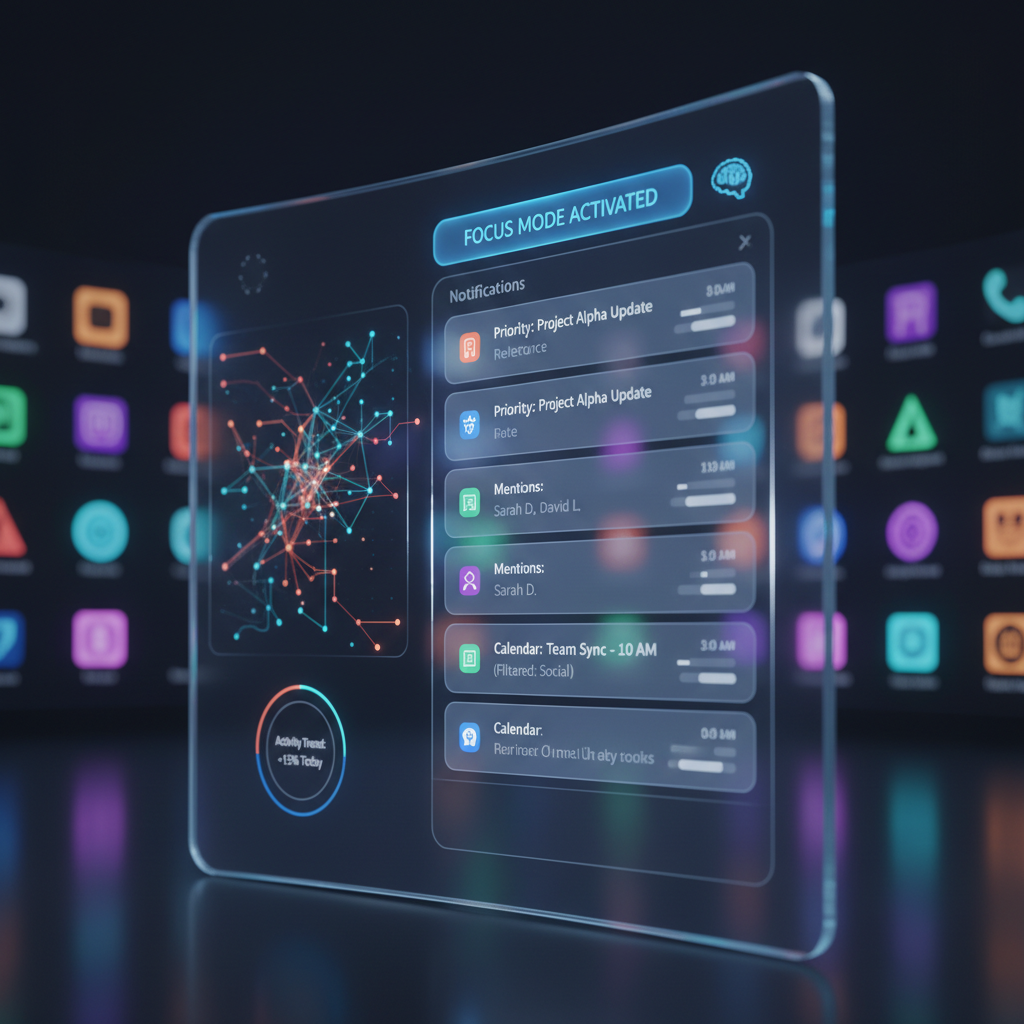
One of the most immediate and impactful benefits of AI in email is its ability to intelligently prioritize messages. Unlike basic filters that rely on keywords or sender addresses, AI analyzes content, sender history, urgency indicators, and your past interactions to determine the true importance of an email. It can identify emails requiring immediate attention (e.g., from your boss, a key client, or containing urgent deadlines) and separate them from less critical items (e.g., newsletters, internal announcements, or social media notifications). This often results in a ‘focused inbox’ or ‘priority inbox’ view, ensuring you see what matters most first.
Automated Categorization and Tagging
AI goes beyond simple folder rules by automatically categorizing emails based on their content and context. It can accurately identify if an email is a project update, a meeting invitation, a personal note, a bill, a subscription, or a marketing pitch. These emails are then automatically tagged, moved to specific folders, or archived, keeping your primary inbox clean. This reduces the manual effort of dragging and dropping emails and ensures that related communications are grouped together for easy retrieval, often learning from your corrections to improve future categorizations.
Intelligent Search and Information Retrieval
Gone are the days of struggling with keyword-based searches that yield hundreds of irrelevant results. AI-powered search understands natural language queries, allowing you to find emails using descriptive phrases like “emails about the Q3 report from John last month” or “attachments related to the marketing campaign budget.” It can even retrieve specific pieces of information from within emails, such as dates, names, or task items, making information retrieval significantly faster and more accurate.
Drafting and Response Assistance (AI Writers)
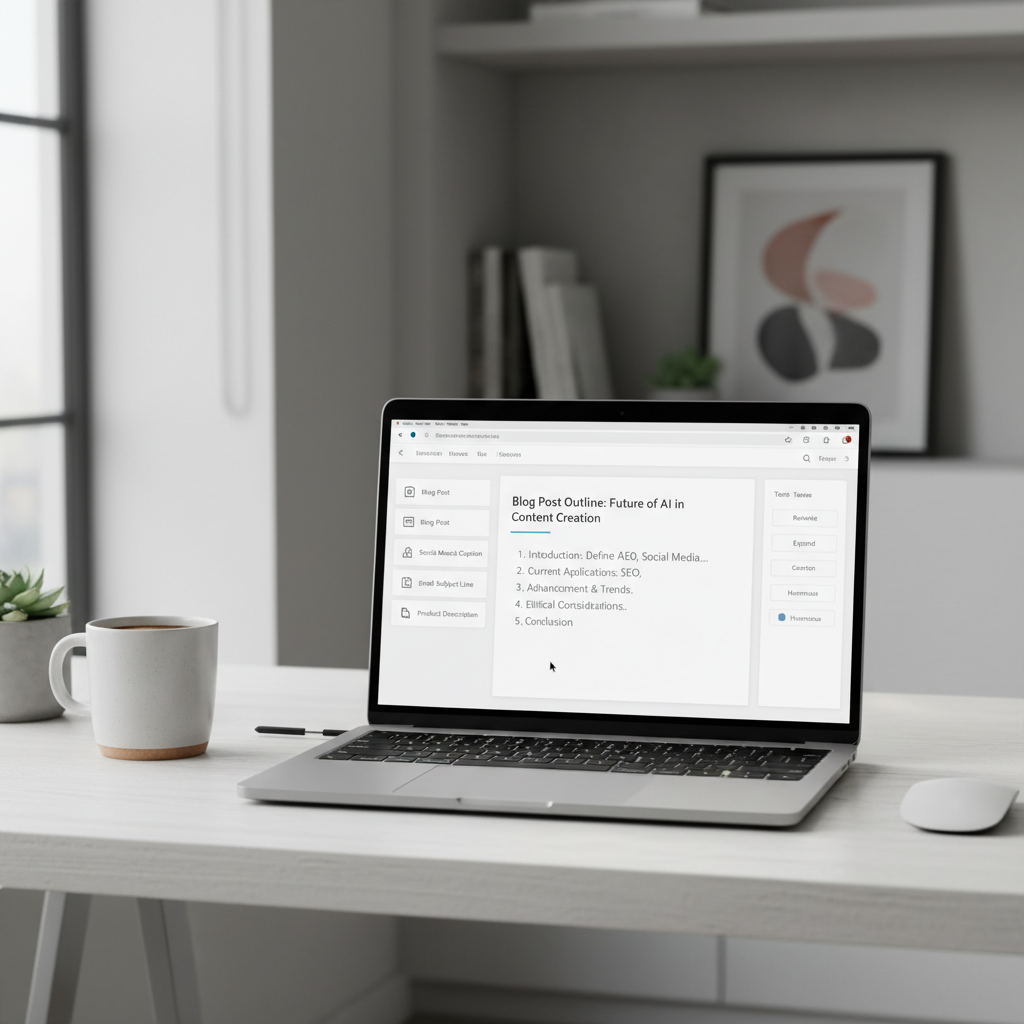
Perhaps one of the most exciting recent developments is the integration of AI writing assistants. These tools can suggest entire email responses based on the context of the incoming message, helping you craft professional and concise replies in seconds. They can also offer suggestions for improving tone, grammar, and clarity, or even generate initial drafts for common scenarios like scheduling, acknowledgements, or follow-ups. This feature drastically reduces the time spent on composing emails and ensures consistent communication quality.
Spam Filtering and Security Enhancements
While basic spam filters exist, AI takes this to the next level by employing sophisticated pattern recognition to detect evolving spam techniques, phishing attempts, and malicious links with greater accuracy. It analyzes suspicious URLs, sender reputation, and linguistic anomalies to quarantine dangerous emails before they can pose a threat. This proactive security layer protects users from scams and malware, adding a crucial layer of defense to personal and professional communications.
Meeting Scheduling and Calendar Integration
Many AI email tools seamlessly integrate with your calendar to simplify meeting scheduling. They can analyze email conversations to identify meeting requests, propose available time slots based on your calendar and the recipient’s, and even send out invitations automatically. This eliminates the back-and-forth often associated with finding a mutually agreeable time, saving significant administrative effort.
Sentiment Analysis and Tone Detection
Some advanced AI tools can analyze the sentiment of an incoming email, identifying whether it’s positive, negative, or neutral. This can be incredibly useful for customer service teams or for understanding the emotional tone of critical communications. Furthermore, when drafting responses, AI can offer feedback on the tone of your message, suggesting adjustments to ensure your communication is perceived as intended – whether it’s diplomatic, firm, or encouraging.
Summarization of Long Threads
For lengthy email threads or discussions with multiple participants, AI can provide concise summaries of the key points, decisions made, and action items. This feature is invaluable for quickly catching up on past conversations without having to read through every single message, ensuring you’re always up-to-date and saving considerable time, especially in project management or large team communications.
These powerful features collectively transform the inbox from a source of anxiety into a well-managed hub of productivity and communication. By offloading routine and complex tasks to AI, users can reclaim their focus and dedicate their mental energy to tasks that genuinely require human creativity and strategic thinking.
The Undeniable Benefits of Integrating AI into Your Email Workflow
The adoption of AI-powered email management tools brings a multitude of benefits that extend far beyond a simply cleaner inbox. These advantages impact individual productivity, team efficiency, and even organizational security and decision-making processes.
Increased Productivity and Significant Time Savings
This is arguably the most tangible benefit. By automating routine tasks such as sorting, categorizing, and prioritizing, AI tools drastically reduce the amount of time users spend on email management. Imagine reclaiming hours each week that were previously lost to manual triage. This newfound time can be redirected towards high-value activities, strategic planning, creative problem-solving, or client engagement. For professionals who are constantly battling an overflowing inbox, AI offers a genuine pathway to increased output and greater focus on their core responsibilities.
Reduced Stress and Cognitive Load
The constant pressure of an overflowing inbox, the fear of missing an important message, and the mental effort required to sort through digital clutter contribute significantly to workplace stress and cognitive fatigue. AI alleviates this burden by providing a curated, prioritized view of your communications. Knowing that critical emails will be highlighted and less important ones will be intelligently filed away fosters a sense of calm and control. This reduction in cognitive load frees up mental bandwidth, allowing for better concentration, improved decision-making, and a healthier work-life balance.
Improved Communication Quality and Timeliness
With AI assisting in drafting responses, suggesting tone adjustments, and even summarizing lengthy threads, the quality of your outbound and inbound communication can see a substantial boost. AI-generated suggestions ensure clarity, conciseness, and professionalism, especially under pressure. Furthermore, by making it easier to identify and respond to urgent messages, AI helps ensure timely replies, which can be crucial for customer satisfaction, client relationships, and project momentum. No more accidentally overlooking an important query because it was buried deep in your inbox.
Enhanced Security and Reduced Risk
AI’s advanced capabilities in threat detection go beyond traditional spam filters. By analyzing complex patterns, identifying sophisticated phishing attempts, and scrutinizing suspicious links or attachments, AI tools provide a more robust defense against cyber threats. They can detect anomalies that human eyes might miss, significantly reducing the risk of data breaches, malware infections, and other security incidents stemming from malicious emails. This proactive security posture is invaluable in protecting sensitive information and maintaining data integrity for individuals and organizations.
Better Information Retrieval and Decision Making
The intelligent search features powered by AI transform your email archive into a highly accessible knowledge base. Instead of sifting through countless emails, users can quickly retrieve specific information, documents, or conversation threads using natural language queries. This instant access to relevant data streamlines research, supports evidence-based decision-making, and ensures that vital information is never truly lost within the vast expanse of your inbox. Project continuity is also enhanced, as new team members can quickly get up to speed by reviewing AI-summarized threads.
Scalability and Consistency Across Teams
For organizations, AI email tools can enforce a level of consistency in email management across different teams and departments. By providing standardized categorization, prioritization, and even response templates, businesses can ensure that everyone is working with a more organized and efficient inbox. This leads to better internal communication, smoother workflows, and a more uniform external facing communication strategy. The scalability of these tools means they can adapt to growing email volumes without a proportional increase in manual overhead.
In essence, integrating AI into your email workflow is not just about making email ‘easier’; it’s about fundamentally transforming it into a powerful, intelligent assistant that empowers you to be more productive, less stressed, and more secure in your digital interactions. It’s an investment in efficiency that yields significant returns across various facets of your professional and personal life.
Choosing the Right AI Email Tool: Key Considerations
With a growing number of AI email tools entering the market, selecting the right one can feel daunting. The “best” tool isn’t universal; it depends heavily on your specific needs, existing workflow, privacy concerns, and budget. Here are the key factors to consider when making your choice:
1. Core Features and Functionality
First and foremost, evaluate which AI features are most critical to you. Do you primarily need smart prioritization and categorization to tame a chaotic inbox? Are you looking for robust AI drafting assistance to speed up responses? Or is advanced spam filtering and security your top priority? Some tools excel in specific areas, while others offer a broader suite of features. Make a list of your non-negotiable functionalities and look for tools that strongly support them.
- Inbox Triage: How well does it prioritize important emails and move less important ones?
- Automation: What can it automate beyond basic filtering (e.g., meeting scheduling, task creation)?
- AI Writing: Does it offer drafting assistance, summarization, or tone analysis?
- Search Capability: Is the intelligent search powerful enough for your needs?
- Security: How robust are its spam, phishing, and malware detection capabilities?
2. Integration with Your Existing Email Client and Workflow
A crucial factor is how seamlessly the AI tool integrates with your current email provider (e.g., Gmail, Outlook, Apple Mail) and other productivity applications (e.g., calendars, CRM systems, project management tools). Some AI tools are standalone clients, others are plugins or extensions. A tight integration minimizes friction and ensures a smooth workflow. Consider if it requires you to switch email clients or if it works transparently in the background with what you already use.
3. Data Privacy and Security Policies
Entrusting an AI tool with your email means granting it access to sensitive information. Thoroughly review the provider’s data privacy policy, understanding how your data is processed, stored, and protected. Look for transparency regarding data anonymization, encryption standards, and whether your data is used for training public models. Prioritize tools that adhere to strict privacy regulations (like GDPR, CCPA) and have a strong track record of security.
4. User Interface and Ease of Use
An AI tool, no matter how powerful, will be ineffective if it’s difficult to use or understand. Look for an intuitive user interface that is clean, uncluttered, and easy to navigate. The learning curve should be manageable, and the AI’s suggestions and automations should feel helpful rather than intrusive. Many tools offer free trials; take advantage of these to test the user experience firsthand.
5. Customization and Learning Capabilities
A truly effective AI tool learns from your behavior and allows for customization. Does it adapt to your unique preferences over time? Can you easily train it to prioritize certain senders or types of emails? The ability to fine-tune its settings and correct its mistakes is vital for long-term satisfaction and effectiveness. Generic AI might be a good start, but personalized AI is where the real value lies.
6. Pricing Model and Scalability
AI email tools come with various pricing structures – free tiers with limited features, monthly subscriptions, or even enterprise-level plans. Evaluate if the cost aligns with the value you receive and your budget. If you’re part of a team or expect your needs to grow, consider the scalability of the tool and whether it offers team-based features and pricing.
7. Customer Support and Community
Good customer support can be invaluable, especially when you’re adopting new technology. Check for responsive support channels, comprehensive documentation, and an active user community. This can be crucial for troubleshooting issues, getting the most out of advanced features, and providing feedback for future improvements.
By carefully evaluating these factors, you can select an AI email tool that not only addresses your current email management challenges but also integrates smoothly into your daily workflow, providing sustained benefits and truly superior inbox organization.
Overcoming Challenges and Best Practices for AI Email Management
While AI email tools offer immense potential, their effective integration requires awareness of potential challenges and adherence to best practices. Maximizing their benefits means understanding their limitations and using them intelligently.
Addressing Potential Challenges
- Data Privacy Concerns: This is paramount. Granting an AI tool access to your email data inherently raises privacy questions. Ensure you understand the tool’s data handling policies, encryption methods, and how your information is used (e.g., for training models, third-party sharing). Opt for providers with strong privacy commitments and transparent practices.
- False Positives/Negatives: No AI is perfect. Occasionally, an important email might be miscategorized as spam, or a promotional email might slip into your priority inbox. AI models are constantly improving, but human oversight is still necessary to correct these errors and help the AI learn.
- Over-Reliance and Loss of Human Touch: While AI can draft responses, relying on it for every communication might lead to a loss of your unique voice or critical nuance. AI-generated responses should always be reviewed and edited to ensure they accurately reflect your intent and maintain personal connections.
- Integration Issues: Some tools might not seamlessly integrate with all email clients or other productivity software, leading to a fragmented experience. Research compatibility thoroughly before committing.
- Subscription Costs: Premium AI features often come with a recurring cost, which might be a barrier for some users or small businesses. Evaluate the ROI against the subscription fees.
Best Practices for Effective AI Email Management
- Start Small and Experiment: Don’t try to automate everything at once. Begin by enabling a few key features, like smart prioritization or automated categorization, and observe their impact. Gradually introduce more advanced functionalities as you become comfortable.
- Actively Train the AI: Most AI tools learn from your interactions. If an email is miscategorized, correct it. If a suggested response isn’t quite right, edit it. These small actions provide valuable feedback to the AI, improving its accuracy over time and tailoring it to your specific preferences.
- Regularly Review and Refine Settings: Periodically check the AI’s settings and rules. As your email habits or priorities change, you may need to adjust the tool’s configurations to ensure it continues to serve you effectively.
- Maintain Human Oversight: Always review important AI-generated content, especially email drafts, before sending. Use AI as an assistant, not a replacement for your judgment. Critical decisions, sensitive communications, and relationship-building still require a human touch.
- Combine with Traditional Productivity Habits: AI is a powerful enhancer, not a magic bullet. Continue to practice good email hygiene, such as unsubscribing from unnecessary newsletters, setting aside specific times for email processing, and using clear subject lines. AI works best when combined with these established habits.
- Understand Your Tool’s Capabilities and Limitations: Read the documentation and tutorials for your chosen AI tool. Knowing what it can and cannot do will help you leverage its strengths and avoid frustration when it doesn’t perform tasks outside its scope.
- Protect Your Credentials: Ensure you are using strong, unique passwords and two-factor authentication for your email accounts and any connected AI tools. Your email is a gateway to much of your digital life, and its security is paramount.
By thoughtfully navigating these challenges and adopting these best practices, you can successfully integrate AI into your email workflow, transforming your inbox into a powerful, organized, and efficient communication hub.
The Future Landscape of Email with Artificial Intelligence
The journey of AI in email management is far from over; it’s an evolving landscape with continuous innovation promising even more sophisticated and seamless experiences. As AI technologies like machine learning, natural language processing, and deep learning advance, their integration into our daily email routines will become even more profound and invisible.
One significant direction is toward hyper-personalization and proactive assistance. Future AI email tools will likely develop an even deeper understanding of individual user preferences, work patterns, and external contexts. Imagine an AI that not only prioritizes emails but also understands your current project workload, your meeting schedule, and even your mood, then intelligently suggests when to tackle certain emails or even defers less urgent notifications during your focused work blocks. It could proactively fetch information from other integrated apps (like your CRM or project management software) to enrich the context of an email, allowing you to respond with fully informed decisions without ever leaving your inbox.
Voice integration and conversational AI will also play a larger role. We might see email clients that allow for voice commands to sort, search, or even dictate entire responses. Conversational AI could enable a natural dialogue with your email assistant to retrieve information or manage tasks. “Hey AI, summarize emails from Sarah about the budget for this week,” or “Draft a polite follow-up to client X regarding the proposal from last Monday,” could become common interactions.
Furthermore, enhanced predictive capabilities will move beyond just spam detection. AI could predict the likely outcome of an email conversation, suggest optimal times to send emails for maximum impact, or even flag potential communication breakdowns before they occur. For example, it might alert you if an email you are about to send has a tone that could be misinterpreted or if a response is long overdue from a critical contact.
The notion of a ‘self-organizing’ or ‘autonomous’ inbox is also within reach. While human oversight will always be crucial, AI could manage an increasing number of routine tasks with minimal intervention. This might include automatically creating draft tasks in your project management tool based on email content, scheduling follow-ups, or even managing subscription preferences without you lifting a finger. The goal is to move towards an inbox that intelligently anticipates your needs and manages itself, leaving you to focus solely on the strategic and interpersonal aspects of communication.
Finally, security and privacy features will continue to evolve, becoming even more robust and transparent. As AI gets better at identifying complex threats, it will also need to address the ethical implications of data usage, with clear, user-centric controls becoming a standard expectation. The future of email with AI is one where the technology acts as an intelligent, invisible layer, empowering users to communicate more effectively, efficiently, and securely than ever before, truly transforming the email experience from a chore into a seamless extension of our productivity.
Comparison Tables: AI Email Tools and Features
To provide a clearer picture of how AI is integrated into popular email solutions, and to highlight the differences between AI-powered and traditional approaches, here are two comparison tables. These tables offer insights into key features and functionalities, helping you understand the landscape of AI email management.
Table 1: Popular AI Email Tools – Feature Overview
| Tool Name | Primary Focus | Key AI Features | Integration | Target User | Pricing Model |
|---|---|---|---|---|---|
| Superhuman | Speed, efficiency, keyboard-driven workflow | AI writing assistant, smart triage, read status, undo send | Gmail, Outlook (web-based) | Busy professionals, executives, sales teams | Subscription |
| SaneBox | Inbox filtering, prioritization, decluttering | Smart folders (e.g., SaneLater, SaneNews), AI-driven “Do Not Disturb,” automatic attachments sorting, blackhole sender | Any IMAP/POP3 email (Gmail, Outlook, Apple Mail, etc.) | Anyone overwhelmed by email volume, seeking intelligent filtering | Subscription |
| Clean Email | Inbox clean-up, bulk management, privacy | Smart Views (groups emails by sender, age, etc.), Unsubscriber, Auto Clean rules, duplicate detection | Gmail, Outlook, Yahoo Mail, iCloud, IMAP | Users seeking to declutter and organize old and new emails | Subscription (some free features) |
| Mailman | Batch email delivery, focus mode | Email blocking during focus times, “VIP list” for urgent emails, hourly/daily delivery summaries | Gmail, Outlook | Professionals seeking deep work periods, reduced interruptions | Subscription |
| Newton Mail | Productivity, cross-platform experience | Read Receipts, Send Later, Snooze, Tidy Inbox (AI-powered decluttering), Sender Profile | Gmail, Outlook, Yahoo Mail, Exchange, IMAP (app-based) | Users valuing a clean, feature-rich cross-platform experience | Subscription |
| Gmail (Built-in AI) | Native integration, smart features for existing users | Smart Reply, Smart Compose, Nudging, Categories (Primary, Social, Promotions), Spam Filter | Gmail (native) | All Gmail users | Free (with Google account) |
Table 2: AI-Powered Email Features vs. Traditional Email Management
This table illustrates the fundamental differences in approach and capability between modern AI-driven email management and the more rudimentary methods of traditional email clients.
| Feature/Capability | Traditional Email Management | AI-Powered Email Management | Impact on User |
|---|---|---|---|
| Prioritization | Manual assessment, sender-based rules, starred messages | Contextual understanding, learning user habits, focused inbox views, urgency detection | Significantly reduces time spent triaging, ensures critical emails are seen first |
| Categorization | Folder creation, manual dragging, rigid keyword filters | Semantic understanding, auto-tagging, learning from corrections, dynamic grouping | Automates organization, reduces manual effort, improves searchability |
| Search | Keyword matching, sender/date filters, often requires precise input | Natural language queries, semantic search, information extraction from content | Faster, more accurate information retrieval, less frustration |
| Response Generation | Manual typing, canned responses (copy-paste) | Smart Reply suggestions, full draft generation, tone analysis, summarization | Speeds up response time, improves quality and consistency of communication |
| Spam/Security | Basic keyword filters, block sender lists, known threat databases | Advanced pattern recognition, anomaly detection, phishing/malware behavioral analysis | More robust protection against evolving threats, fewer malicious emails in inbox |
| Scheduling Meetings | Manual calendar checks, back-and-forth email exchanges | Automated time slot suggestions, direct calendar booking from email context | Eliminates administrative burden, faster meeting arrangements |
| Learning & Adaptation | Static rules, requires manual updates | Continuously learns from user interactions, improves accuracy over time, adapts to changing habits | Personalized experience, system becomes more efficient and tailored over time |
Practical Examples: Real-World Use Cases and Scenarios
Understanding the theoretical benefits of AI email tools is one thing; seeing them in action with real-world examples truly highlights their transformative power. Here are a few scenarios illustrating how different professionals can leverage AI for superior inbox organization.
Scenario 1: The Overwhelmed Small Business Owner
Meet Sarah: Sarah runs a burgeoning online artisanal bakery. Her inbox is a constant flood of customer inquiries, order confirmations, supplier communications, marketing emails, and payment notifications. She spends an average of 3 hours a day just trying to keep up, often missing important supplier messages or delaying customer service responses.
AI Solution: Sarah integrates an AI email tool like SaneBox or Clean Email. The AI immediately starts categorizing her emails:
- Customer Inquiries: Go directly to a ‘Priority Customers’ folder, often with a sentiment analysis flag if a customer expresses frustration.
- Order Confirmations & Shipping Updates: Directed to an ‘Orders’ folder.
- Supplier Communications: Prioritized and placed in a ‘Suppliers & Logistics’ folder.
- Newsletters and Promotions: Sent to a ‘SaneLater’ folder, to be reviewed once a day.
- Payment Notifications: Highlighted for immediate attention.
Outcome: Sarah’s primary inbox is now drastically cleaner, showing only critical items. She quickly identifies urgent customer issues and supplier requests, responding promptly and improving customer satisfaction. She dedicates a specific, shorter block of time each day to review the ‘SaneLater’ folder, reclaiming at least an hour and a half of her day to focus on baking and business strategy. The AI also flags potential spam related to her website, enhancing security.
Scenario 2: The Project Manager Juggling Multiple Teams
Meet David: David manages three concurrent software development projects, coordinating between internal teams, external contractors, and client stakeholders. His inbox is a labyrinth of project updates, meeting requests, code review feedback, bug reports, and budget discussions. Keeping track of action items and ensuring timely follow-ups is a constant struggle.
AI Solution: David uses an AI-enhanced email client with strong integration capabilities (like some versions of Outlook with Copilot features or Superhuman). Key AI features he utilizes:
- Smart Triage: Emails from project leads, clients, or containing keywords like “urgent,” “blocker,” or “deadline” are automatically flagged as high priority.
- Automated Summarization: For long email threads about specific bugs or feature discussions, the AI provides a concise summary, highlighting decisions and assigned tasks.
- AI Drafting: When responding to client queries or team updates, the AI suggests initial drafts or points, ensuring consistency and speed. It helps him quickly acknowledge receipt and promise a full update, buying him time.
- Meeting Scheduling: The AI tool integrates with his calendar, suggesting optimal times for team syncs or client calls directly from email requests, eliminating negotiation emails.
Outcome: David gains clarity on project status, no longer misses critical updates, and can respond to urgent issues much faster. The summarization feature saves him hours reading through lengthy threads, allowing him to jump straight to action points. His communication with both internal and external stakeholders becomes more proactive and efficient, reducing project delays and improving team morale.
Scenario 3: The Sales Professional Nurturing Leads
Meet Emily: Emily is a sales professional responsible for generating and nurturing leads. Her inbox is filled with prospect inquiries, follow-up reminders, internal sales reports, marketing collateral, and competitor analyses. Her challenge is consistently following up with prospects at the right time and personalizing her communications at scale.
AI Solution: Emily employs an AI tool that integrates with her CRM and offers advanced drafting capabilities, alongside smart reminders.
- Lead Prioritization: The AI identifies and prioritizes emails from hot leads based on their interactions (e.g., website visits tracked via CRM, email opens).
- AI-Powered Follow-ups: Based on the conversation history and CRM data, the AI drafts personalized follow-up emails for prospects who haven’t responded, suggesting relevant content or next steps.
- Sentiment Analysis: The AI flags emails from prospects showing high interest or potential objections, allowing Emily to tailor her approach.
- Automated Task Creation: Based on email content, the AI automatically creates tasks in her CRM, reminding her to call a prospect or prepare a custom proposal.
Outcome: Emily’s lead conversion rates improve significantly because she’s able to prioritize her outreach effectively and respond to prospects with highly relevant and timely information. The AI drafting saves her immense time, enabling her to send more personalized emails without manual effort, thus scaling her outreach without sacrificing quality. She never misses a follow-up, ensuring no lead slips through the cracks.
These examples demonstrate that AI email tools are not just for basic organization; they are strategic assets that can dramatically improve efficiency, decision-making, and communication outcomes across various professional roles. By leveraging AI, individuals and businesses can move beyond simply managing their email to truly mastering it.
Frequently Asked Questions About AI Email Tools
Q: How do AI email tools actually work to organize my inbox?
A: AI email tools work by leveraging advanced machine learning and natural language processing (NLP) algorithms. When an email arrives, the AI analyzes various data points such as the sender, subject line, content, attachments, and even your past interactions with similar emails. It learns your preferences over time – what you open, what you prioritize, what you delete. Based on this learning, it can automatically categorize emails (e.g., into “work,” “personal,” “newsletters,” “promotions”), prioritize urgent messages, suggest responses, and filter out spam, all with increasing accuracy as it gathers more data specific to your usage patterns.
Q: Are AI email tools secure, and do they read my emails?
A: The security of AI email tools is a critical concern. Reputable AI tools employ strong encryption (both in transit and at rest) and adhere to strict data privacy regulations like GDPR and CCPA. While AI systems do “read” your emails in the sense that they process the text and metadata to understand context and perform actions, they do so algorithmically, not with human eyes. Many tools anonymize and aggregate data for model training to protect individual privacy. It is crucial to choose tools from trusted providers and carefully review their privacy policies to understand how your data is handled and protected.
Q: Can AI tools replace human judgment entirely in email communication?
A: No, AI tools are designed to augment, not replace, human judgment. They excel at automating routine tasks, filtering noise, and providing intelligent assistance for drafting or summarizing. However, nuanced communication, complex decision-making, building personal relationships, and understanding subtle emotional cues still require human intelligence and empathy. AI should be viewed as a powerful assistant that frees you up to focus on the truly human aspects of communication, enhancing efficiency without sacrificing the personal touch.
Q: What is the main difference between basic email filters and AI categorization?
A: Basic email filters rely on rigid, rule-based logic that you manually set up (e.g., “if sender is X, move to folder Y”). They are static and don’t adapt. AI categorization, on the other hand, uses machine learning to understand the context and meaning of an email. It can recognize patterns, identify intent, and continuously learn from your interactions. For example, a basic filter might miss a critical email from a sender if it doesn’t match a specific keyword, while AI can infer its importance based on various contextual clues, even if the keywords are slightly different.
Q: How much do AI email tools typically cost?
A: The cost of AI email tools varies widely. Many popular email clients (like Gmail or Outlook) offer basic AI features built-in for free. Dedicated third-party AI email management tools typically operate on a subscription model, ranging from $5 to $30+ per month, depending on the features offered, the number of email accounts supported, and whether it’s for individual or team use. Some tools offer free trials or limited free tiers, allowing you to test their capabilities before committing to a subscription.
Q: Do I need to switch my email provider to use AI email tools?
A: Not necessarily. Many AI email tools are designed as add-ons, plugins, or third-party services that integrate with your existing email provider (e.g., Gmail, Outlook, Apple Mail, Yahoo Mail, etc.). They connect via secure APIs, allowing them to work with your current inbox without requiring you to migrate your email account. However, some AI tools are standalone email clients themselves, in which case you would use their interface instead of your original one, though your email account remains with your provider.
Q: How do I choose the best AI email tool for my specific needs?
A: To choose the best tool, first identify your primary pain points and desired features (e.g., prioritization, drafting, cleaning, security). Consider your existing email client and workflow for seamless integration. Research the tool’s data privacy policies and security measures. Look for intuitive user interfaces and a good balance between automation and customization. Finally, take advantage of free trials to test different options before making a long-term commitment. Your “best” tool will be the one that most effectively solves your unique email challenges and fits comfortably into your routine.
Q: What are the potential drawbacks or downsides of using AI for email?
A: Potential drawbacks include privacy concerns (ensure transparent data policies), occasional false positives or negatives (requiring human correction), the risk of over-reliance leading to a loss of personal touch, and the potential for increased subscription costs for advanced features. There’s also a learning curve involved in training the AI to suit your specific preferences and understanding its limitations. However, by choosing reputable tools and applying best practices, most of these downsides can be mitigated.
Q: Can AI help me manage emails in multiple languages?
A: Yes, many advanced AI email tools, especially those leveraging sophisticated Natural Language Processing (NLP) models, are capable of understanding, summarizing, and even drafting emails in multiple languages. The accuracy may vary depending on the language and the tool’s specific training data, but it’s a rapidly developing area. If multi-language support is crucial for your workflow, check the tool’s specifications and user reviews for its performance in the languages you need.
Q: Will using AI email tools make me lazier or less skilled at managing my inbox manually?
A: Not necessarily. While AI automates many routine tasks, its primary goal is to free up your mental energy for more critical activities. It can actually make you more effective by ensuring you respond to what matters, improve the quality of your communication, and reduce stress. Think of it as a personal assistant for your inbox; it handles the grunt work so you can focus on higher-level thinking and interaction, thereby enhancing your overall productivity and strategic skills rather than diminishing them.
Key Takeaways: Mastering Your Inbox with AI
- Email Overload is a Pervasive Problem: Traditional manual methods are no longer sufficient to manage the sheer volume and complexity of modern email.
- AI Offers a Paradigm Shift: It moves beyond rigid rules to intelligent, adaptive, and personalized email management through machine learning and NLP.
- Core AI Features are Transformative: Smart prioritization, automated categorization, intelligent search, AI drafting, enhanced security, and summarization are revolutionizing inbox organization.
- Benefits are Multifold: AI integration leads to increased productivity, significant time savings, reduced stress, improved communication quality, enhanced security, and better decision-making.
- Careful Selection is Crucial: When choosing an AI tool, consider features, integration, data privacy, ease of use, customization, pricing, and support.
- Best Practices Ensure Success: Start small, actively train the AI, maintain human oversight, and combine AI with good traditional email habits for optimal results.
- The Future is Hyper-Personalized and Proactive: Expect even more sophisticated AI capabilities like voice integration, predictive assistance, and autonomous inbox management in the coming years.
- AI Augments, Not Replaces: AI tools are powerful assistants that enhance human capability, allowing you to focus on strategic communication and critical thinking.
Conclusion: Reclaiming Your Time and Focus with Intelligent Email Management
The journey through the world of AI-powered email management reveals a clear and compelling vision for the future of digital communication. We’ve moved beyond the era of simply sending and receiving messages; we are now firmly in an age where our inboxes can become intelligent, adaptive, and highly efficient partners in our daily workflows. The persistent challenge of email overload, once a seemingly insurmountable foe, is now being effectively tackled by sophisticated artificial intelligence tools that learn, prioritize, and automate tasks with unprecedented accuracy and personalization.
From the smart algorithms that discern the true urgency of an email to the natural language processing that helps draft professional responses, AI is fundamentally changing our relationship with email. It’s no longer just about preventing spam; it’s about curating your digital communication experience, ensuring that your attention is directed where it matters most, and that your responses are timely, thoughtful, and effective. The benefits are undeniable: reclaiming precious hours, reducing cognitive fatigue, improving communication quality, and bolstering digital security are just a few of the profound impacts these tools can have.
Adopting AI for your email management is not merely an upgrade; it’s a strategic investment in your productivity, well-being, and professional effectiveness. While it requires thoughtful consideration of privacy, a commitment to training the AI, and maintaining human oversight, the rewards far outweigh the effort. As AI continues to evolve, promising even more intuitive and proactive assistance, the vision of a truly self-organizing inbox, one that anticipates our needs and empowers us to focus on our most important work, is well within reach.
Embrace the intelligence that AI brings to your inbox. Take the step beyond basic email, explore the powerful tools available today, and transform your email experience from a source of stress into a streamlined, highly organized, and surprisingly enjoyable aspect of your daily life. The future of superior inbox organization is here, and it’s powered by AI.

















































































Leave a Reply