

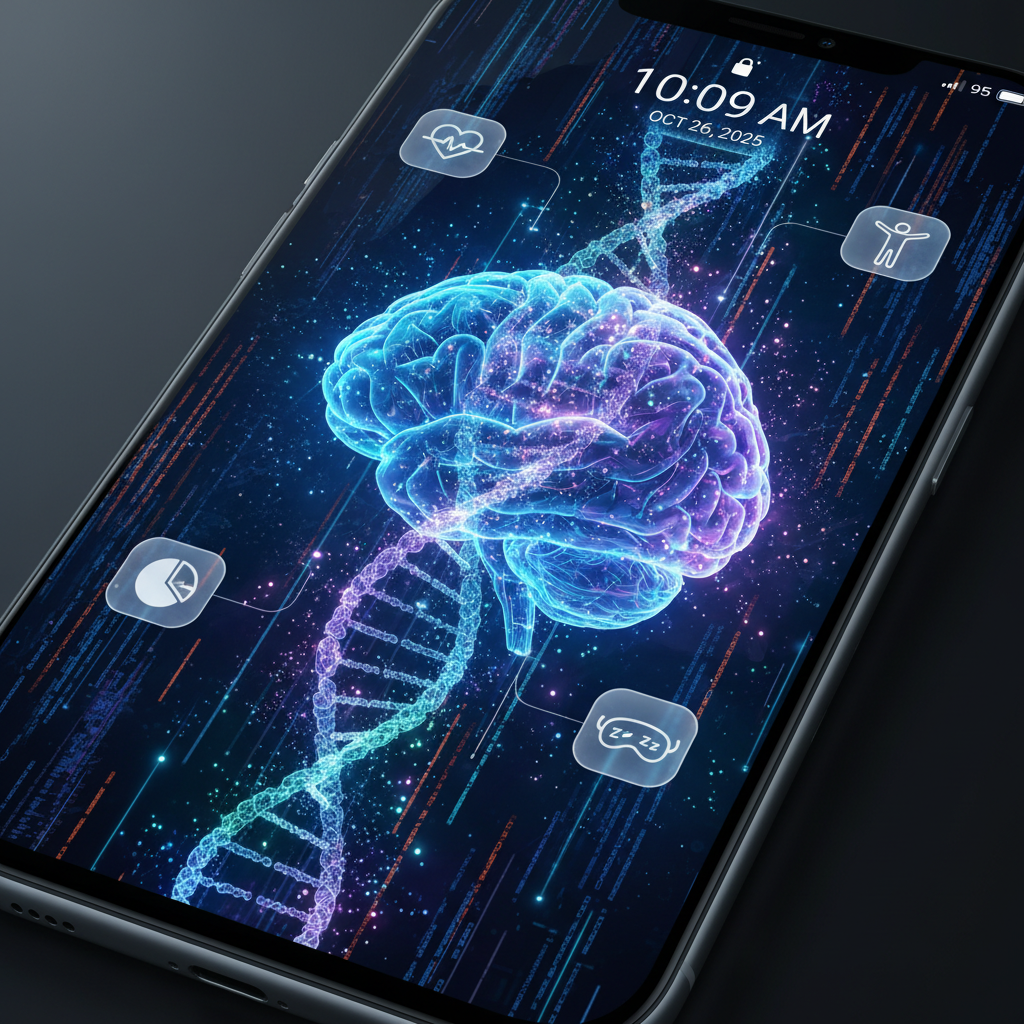
In an increasingly fast-paced world, maintaining optimal health and wellness can feel like a complex puzzle. Generic health advice often falls short because, let’s face it, every individual is unique. What works for one person may not work for another. This fundamental truth has long been a barrier to truly effective health management. However, a revolutionary wave is sweeping through the healthcare landscape, promising to dismantle these barriers: Artificial Intelligence (AI) powered health apps. These innovative applications are not just about tracking steps or calories; they are sophisticated digital companions designed to understand your unique physiological profile, lifestyle, and preferences, delivering hyper-personalized insights and recommendations. They represent a paradigm shift from a one-size-fits-all approach to a deeply personal and adaptive wellness journey.
The promise of AI in healthcare is vast, extending from advanced diagnostics to drug discovery. Yet, it’s in the realm of personalized health and wellness where AI truly shines for the everyday individual. Imagine an app that learns your sleep patterns over months, correlates them with your daily energy levels and stress markers, and then suggests specific evening routines or dietary adjustments to improve sleep quality. Picture a digital coach that adapts your workout plan based on your recovery rates, muscle soreness, and even your mood. Envision an intelligent system that predicts your risk for certain conditions based on your genetic data, lifestyle choices, and environmental factors, empowering you to take proactive preventive measures. This is no longer science fiction; it is the tangible reality offered by today’s cutting-edge AI health apps.
This comprehensive guide delves deep into the world of AI health apps, exploring how they are fundamentally transforming the way we approach personal health. We will uncover their core mechanisms, highlight their myriad benefits, discuss the challenges and ethical considerations they present, and provide practical advice on how to choose and leverage these tools for your optimal well-being. By the end of this article, you will have a clear understanding of how AI can empower you to take control of your health like never before, moving beyond generic advice to a truly tailored and effective wellness journey.
Understanding AI Health Apps: More Than Just Trackers
To truly appreciate the power of AI health apps, it’s crucial to understand what distinguishes them from conventional health and fitness trackers. While traditional apps might log data – steps, heart rate, calories – AI-powered applications go several steps further. They don’t just collect data; they analyze it, interpret it, and then use complex algorithms to generate actionable, personalized insights and recommendations. This analytical depth is what makes them revolutionary.
What Exactly is an AI Health App?
An AI health app is a mobile or web-based application that utilizes artificial intelligence and machine learning (ML) algorithms to process vast amounts of health-related data. This data can come from various sources:
- User Input: Manually entered information like diet logs, mood journals, symptom trackers, or medication adherence.
- Wearable Devices: Data streamed from smartwatches, fitness bands, smart rings, and other biometric sensors (e.g., heart rate, sleep stages, activity levels, SpO2, HRV).
- Connected Medical Devices: Readings from smart blood pressure monitors, glucose meters, continuous glucose monitors (CGMs), or smart scales.
- Environmental Data: Location, weather, air quality, or pollen counts that might influence health.
- Aggregated Data: Anonymized data from large populations used to identify patterns and refine algorithms.
The AI then processes this multi-faceted data to identify patterns, predict future health trends, offer personalized advice, and even adapt its recommendations over time as it learns more about the individual user. This iterative learning process is a hallmark of true AI integration.
The Evolution from Basic Trackers to Intelligent Coaches
The journey from rudimentary step counters to sophisticated AI health coaches has been rapid and transformative. Early fitness trackers emerged in the 2000s, primarily focusing on quantitative metrics. They told you what you did (e.g., “you walked 10,000 steps”). The next generation introduced more sensors and basic analytics, perhaps showing you how your steps compared to a daily goal. Today’s AI apps, however, focus on the why and the how to improve.
For instance, a basic sleep tracker might tell you you slept 6 hours. An AI-powered sleep app will analyze your heart rate variability (HRV) during sleep, detect sleep stages, correlate them with your daytime caffeine intake (which you logged), and then suggest, “Reducing caffeine intake after 2 PM might improve your deep sleep duration, which currently averages only 15% of your total sleep.” This shift from data presentation to intelligent guidance is the core differentiator.
Furthermore, AI health apps can incorporate advanced features like natural language processing (NLP) for conversational interfaces, computer vision for analyzing food photos, and predictive analytics to forecast health risks. They are designed to be dynamic, evolving with the user’s health journey, rather than static tools that offer generic, unchanging advice.
How AI Powers Personalized Wellness: The Mechanics Behind the Magic
The magic of personalized wellness delivered by AI health apps isn’t really magic at all; it’s the result of sophisticated algorithms and cutting-edge computational power. Understanding the underlying mechanisms helps demystify how these apps can provide such tailored and effective guidance.
Machine Learning Algorithms at the Core
At the heart of every AI health app are machine learning (ML) algorithms. These algorithms are trained on vast datasets, allowing them to identify complex patterns and relationships that would be impossible for humans to discern manually. There are several types of ML commonly employed:
- Supervised Learning: This involves training algorithms on labeled data – for example, historical health records paired with diagnoses. The app learns to predict outcomes (e.g., risk of a certain condition) based on new input data. For instance, an app might learn to identify patterns in blood sugar readings that lead to hypoglycemic events based on a dataset of thousands of patients, then apply this knowledge to your real-time data to warn you in advance.
- Unsupervised Learning: This type of ML finds hidden patterns or structures in unlabeled data. It can be used to segment users into different health profiles based on their behaviors and biometrics without explicit prior definitions. For example, it might identify a cluster of users who consistently have poor sleep quality despite regular exercise, prompting the app to investigate other factors.
- Reinforcement Learning: This involves an AI agent learning through trial and error, optimizing its actions to achieve a specific goal. In health apps, this could mean an algorithm learning to fine-tune activity recommendations by observing how different types and intensities of workouts affect a user’s energy levels and recovery, progressively adapting to maximize positive outcomes.
These algorithms continuously learn and improve. As you use the app, provide more data, and give feedback, the AI refines its understanding of your unique physiology and lifestyle, leading to increasingly accurate and relevant recommendations.
Data Integration and Analysis: The Holistic View
One of the key strengths of AI health apps is their ability to integrate and synthesize data from multiple sources, creating a holistic view of your health. Traditional health management often involves siloed data points – a doctor’s visit here, a fitness log there. AI apps connect these dots.
- Biometric Data: Heart rate variability (HRV), sleep cycles, blood glucose, blood pressure, oxygen saturation.
- Activity Data: Steps, distance, calories burned, specific workout types, intensity.
- Nutritional Data: Calorie intake, macronutrient distribution, hydration, food preferences, dietary restrictions.
- Mental Well-being Data: Mood tracking, stress levels, mindfulness practice duration.
- Environmental Factors: Local air quality index, weather, time of day.
By combining these diverse data streams, AI can uncover subtle correlations and causal relationships that would otherwise go unnoticed. For example, an app might notice that your HRV drops significantly on days you skip your morning meditation, even if your activity levels remain high. This insight allows the app to suggest a personalized intervention, linking mindfulness directly to physiological well-being.
Predictive Analytics and Proactive Recommendations
Beyond simply analyzing current data, AI health apps leverage predictive analytics. This means they can forecast potential health issues or anticipate your needs before they become critical. Based on your historical data and known patterns, the AI can:
- Predict Fatigue: Foresee days when you might experience lower energy based on previous night’s sleep quality and upcoming calendar events.
- Identify Risk Factors: Flag potential risks for developing conditions like Type 2 diabetes based on blood glucose trends, activity levels, and dietary habits.
- Suggest Proactive Interventions: Recommend hydration reminders if weather forecasts show rising temperatures and your activity levels are projected to be high.
- Optimize Performance: Advise on rest days or suggest specific types of recovery based on your workout intensity and physiological markers, aiming to prevent overtraining or injury.
This proactive approach moves us away from reactive healthcare – treating symptoms after they appear – towards preventive wellness, where potential issues are addressed before they manifest, leading to better long-term health outcomes.
Key Features and Capabilities of Modern AI Health Apps
Modern AI health apps are packed with an array of features designed to cater to diverse health and wellness needs. These capabilities extend far beyond simple tracking, offering deeply personalized and actionable insights.
Personalized Fitness and Workout Plans
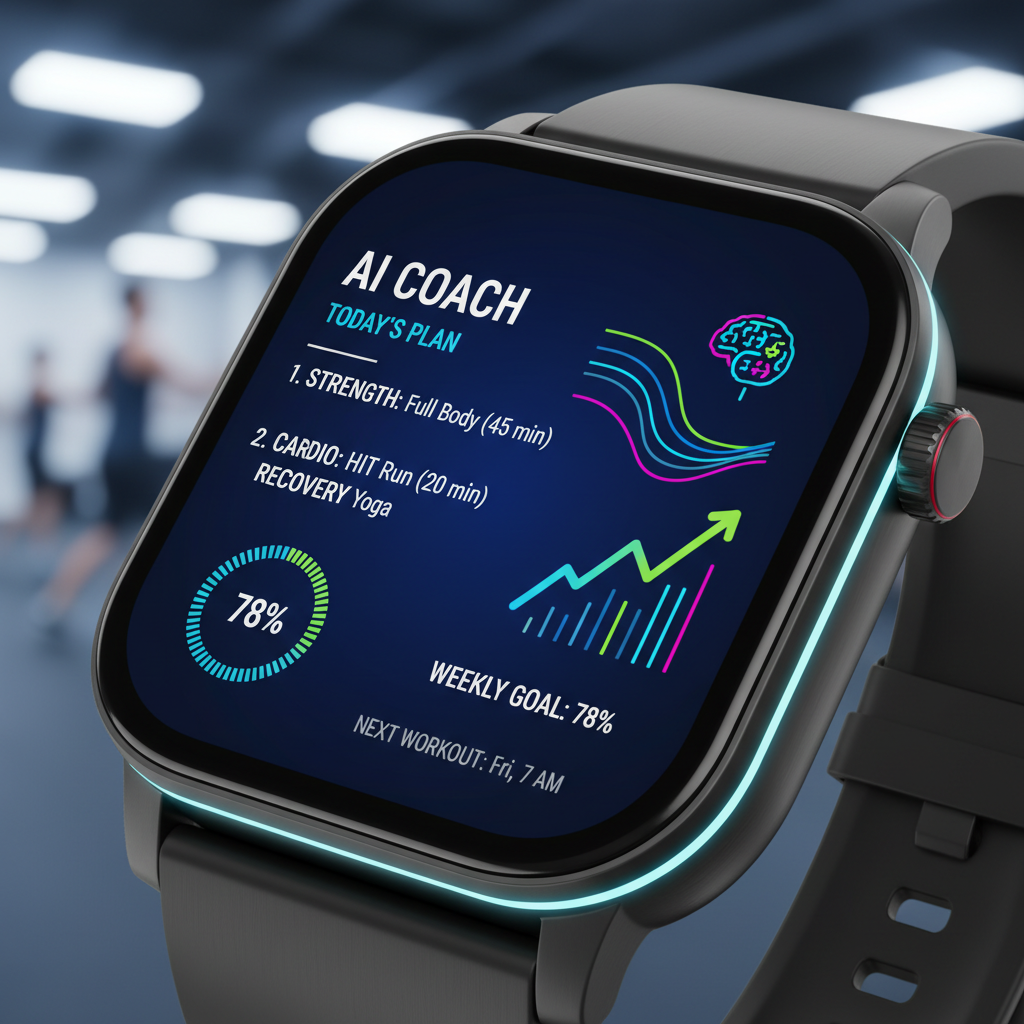
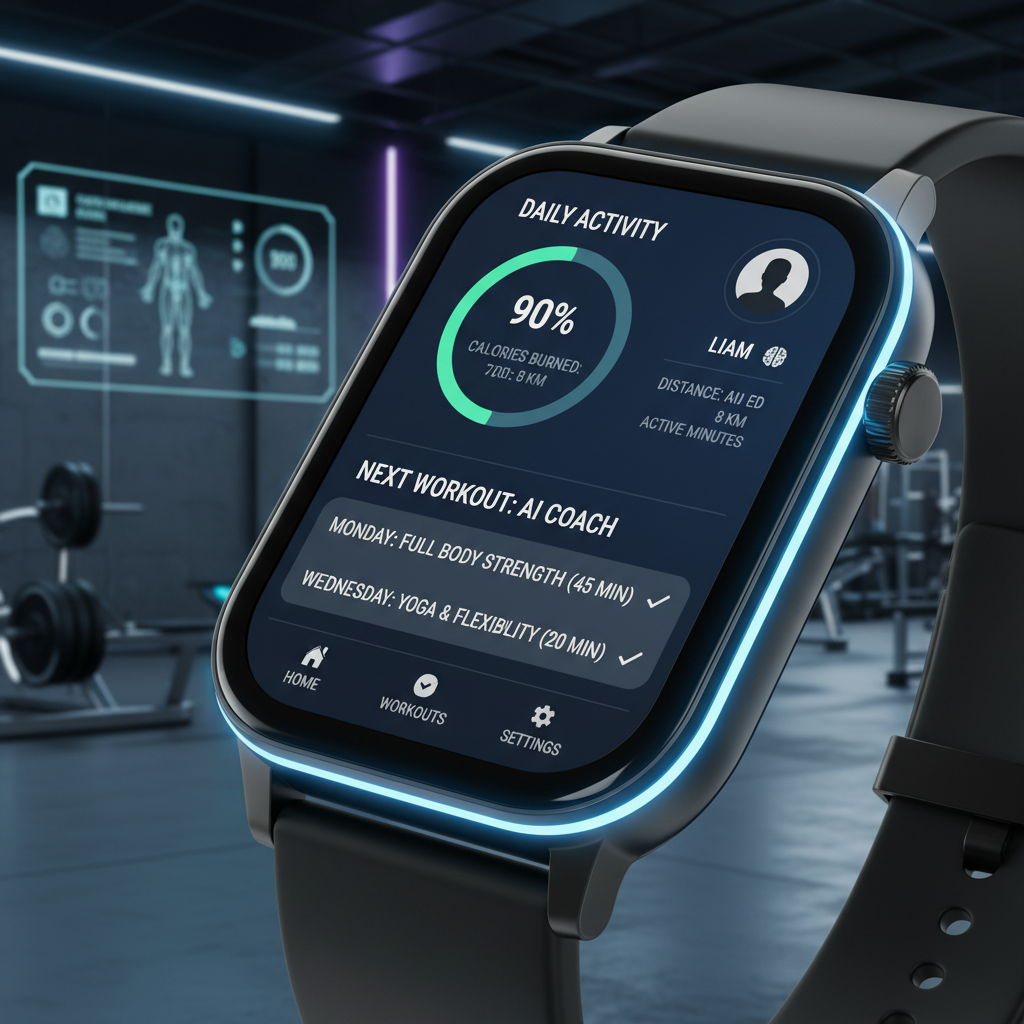
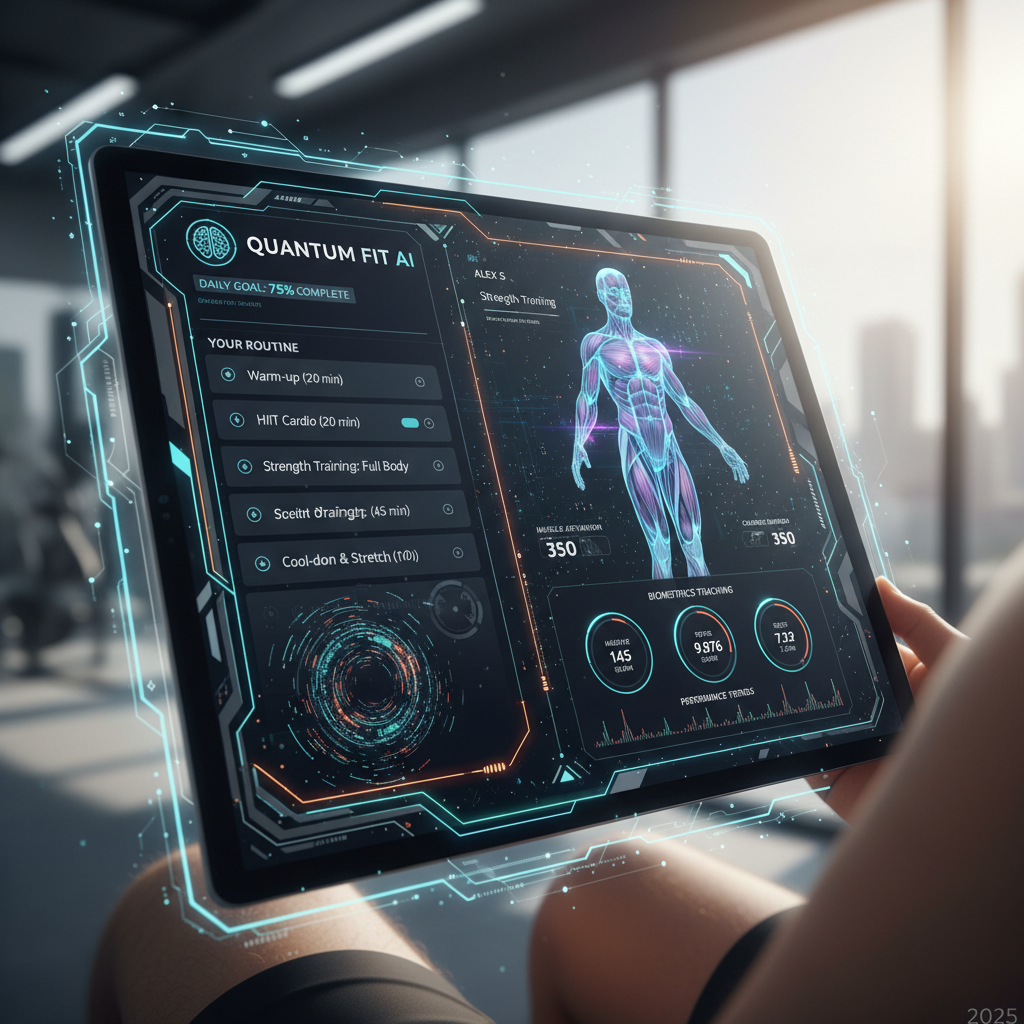
Gone are the days of generic 30-day challenges. AI fitness apps create dynamic workout plans that adapt to your progress, recovery, and even your mood. They consider:
- Fitness Level: Beginner, intermediate, advanced.
- Goals: Weight loss, muscle gain, endurance, flexibility.
- Availability: How many days a week, how long per session.
- Equipment Access: Home workouts, gym access, specific machines.
- Physiological Responses: Heart rate during exercise, recovery time, muscle soreness (logged by user).
An AI might suggest a lower intensity workout if your HRV is low, indicating stress or inadequate recovery, or scale up your reps if you’re consistently exceeding performance targets. Some apps even integrate with smart gym equipment to track form and provide real-time coaching corrections.
Intelligent Nutrition and Dietary Guidance
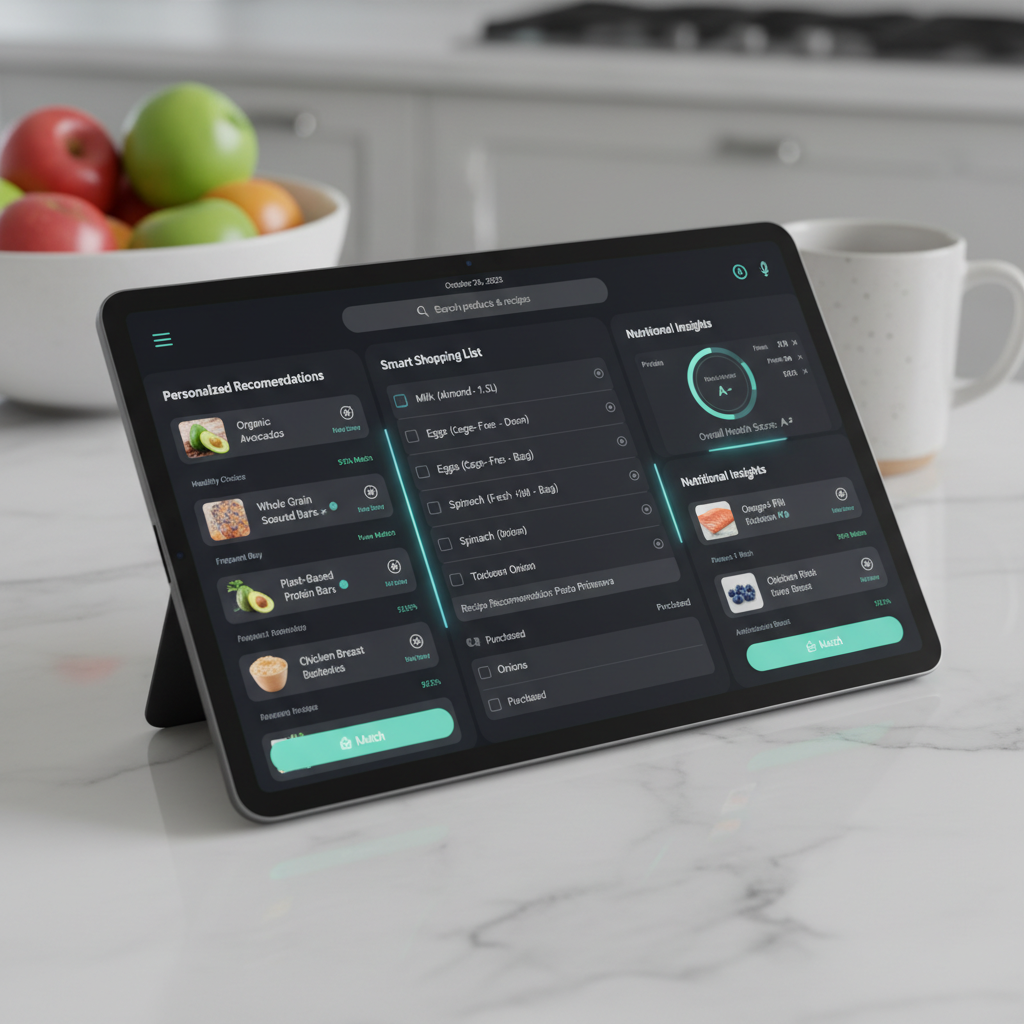
Nutrition is notoriously personal. AI nutrition apps take into account not just calorie counts but also your dietary preferences, restrictions (e.g., vegan, gluten-free), allergies, cultural background, and specific health goals. They can:
- Analyze Food Photos: Using computer vision, identify foods and estimate nutritional content.
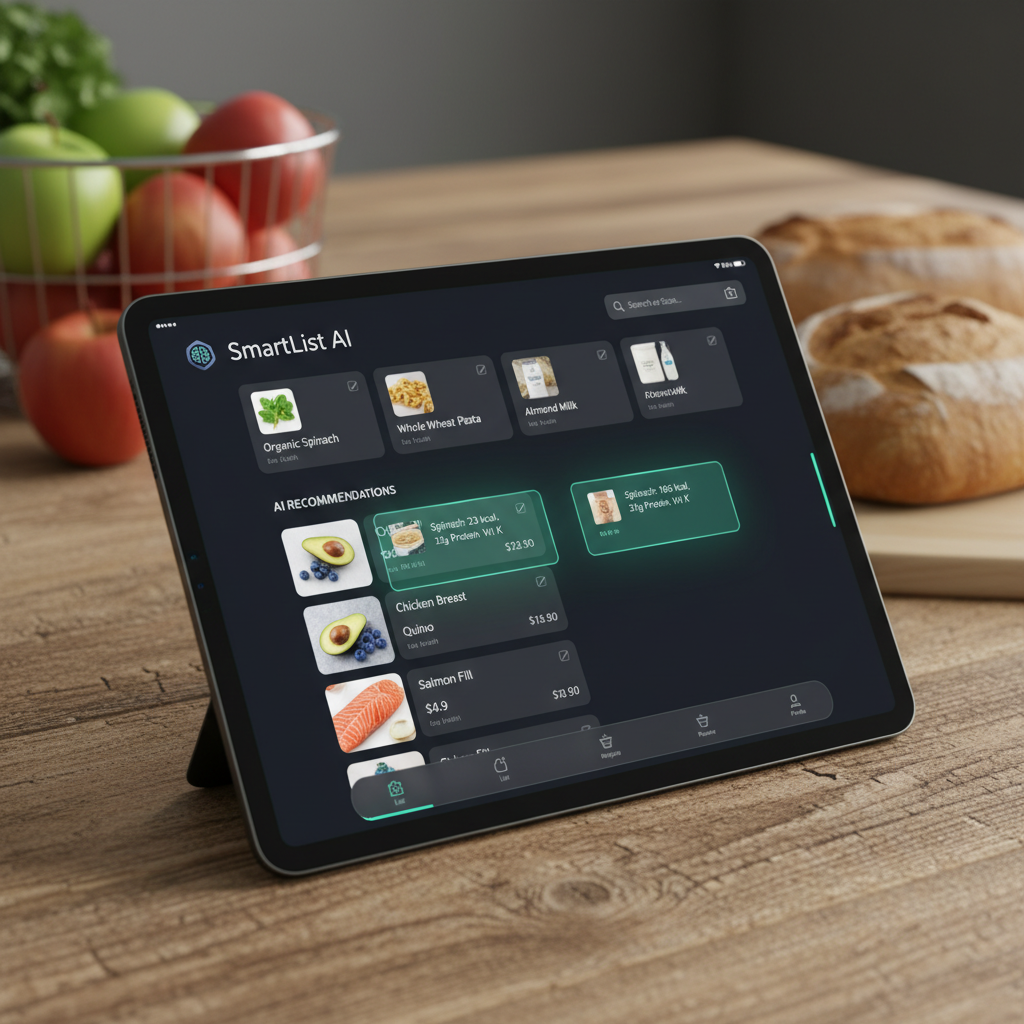
- Create Meal Plans: Generate personalized meal plans that meet your macro and micronutrient targets.
- Offer Recipe Suggestions: Recommend recipes based on your pantry inventory and dietary profile.
- Track Hydration: Remind you to drink water based on your activity levels, local weather, and body metrics.
- Identify Nutritional Gaps: Point out areas where your diet might be lacking specific vitamins or minerals.
For someone managing diabetes, an AI app can monitor glucose readings against food intake, providing real-time feedback on how specific meals impact blood sugar and offering healthier alternatives or portion adjustments.
Advanced Sleep Tracking and Optimization
Sleep is a cornerstone of health. AI sleep apps leverage data from wearables (HRV, movement, body temperature) to provide a detailed breakdown of sleep stages (light, deep, REM), identify disturbances, and offer tailored interventions:
- Smart Alarms: Wake you during a light sleep stage for a less jarring awakening.
- Personalized Bedtime Routines: Suggest winding down activities based on your chronotype and previous night’s sleep quality.
- Environmental Recommendations: Advise on optimal bedroom temperature, light exposure, or sound conditions.
- Correlation Analysis: Link poor sleep to daytime fatigue, stress, or even dietary choices, helping you identify root causes.
An app might detect a consistent drop in deep sleep after late-night screen time and recommend a digital detox an hour before bed, explaining the physiological impact.
Mental Health and Stress Management Tools
The role of AI in mental wellness is rapidly expanding, offering accessible and stigma-free support:
- Mood Tracking and Analysis: Identify patterns and triggers for mood fluctuations.
- Personalized Mindfulness and Meditation: Recommend specific guided meditations or breathing exercises based on your current stress levels or anxiety patterns.
- Cognitive Behavioral Therapy (CBT) Exercises: Deliver tailored exercises to challenge negative thought patterns.
- Emotional Support Bots: Conversational AI (chatbots) providing a safe space for users to express themselves and receive empathetic responses or coping strategies.
- Stress Biomarker Tracking: Some advanced apps use HRV as a proxy for stress and suggest timely interventions.
For example, an app could learn that Tuesdays are particularly stressful for you based on mood logs and calendar entries, and proactively suggest a 5-minute mindfulness session before your first meeting.
Chronic Disease Management and Prevention
Perhaps one of the most impactful applications of AI is in managing chronic conditions and preventing their onset. These apps:
- Monitor Vitals: Track blood pressure, blood glucose, weight, and other crucial markers over time.
- Medication Reminders: Intelligent reminders that adapt to your schedule and suggest ideal times.
- Symptom Tracking: Help users log symptoms and provide insights into potential triggers or progression.
- Alert Systems: Notify users or even caregivers/doctors of concerning trends or critical thresholds.
- Personalized Educational Content: Deliver relevant articles, videos, and tips specifically for managing conditions like diabetes, hypertension, or asthma.
An app managing hypertension might notice a consistent increase in blood pressure readings during periods of high sodium intake, prompting a review of dietary habits and suggesting low-sodium alternatives.
Benefits of AI-Driven Personalized Health
The integration of AI into health apps brings forth a multitude of benefits, transforming individual wellness from a reactive pursuit into a proactive, optimized journey. These advantages span across accessibility, effectiveness, and long-term sustainability of health goals.
Hyper-Personalization and Tailored Recommendations
This is arguably the most significant benefit. Unlike generic health advice, AI apps offer recommendations that are precisely tuned to your unique body, lifestyle, and goals. They understand your physiological responses, your dietary preferences, your schedule constraints, and even your emotional state. This level of individualization means:
- Increased Relevance: Advice is always pertinent to your current situation, making it more likely to be adopted.
- Optimized Outcomes: Strategies are fine-tuned for your body’s specific reactions, leading to more effective results in fitness, nutrition, and overall health.
- Adaptive Guidance: Recommendations evolve as your health status, goals, or even environmental factors change, ensuring continuous relevance.
For example, a traditional app might suggest ‘eat less sugar’. An AI app might say, “Based on your recent glucose readings after breakfast, try swapping your usual sweetened yogurt for plain Greek yogurt with berries to stabilize your blood sugar and maintain energy levels through the morning.”
Proactive Health Management and Disease Prevention
AI’s predictive capabilities enable a shift from treating illness to preventing it. By analyzing subtle patterns and trends in your data, apps can identify potential risks before they escalate. This means:
- Early Warning Systems: Alerting you to concerning trends in vital signs, sleep patterns, or mood that could indicate an impending issue.
- Risk Factor Mitigation: Identifying lifestyle factors that contribute to chronic diseases and suggesting targeted interventions.
- Empowered Decision-Making: Providing you with the data and insights needed to make informed choices about your health proactively.
Imagine an AI app detecting early signs of burnout from your sleep data, work calendar integration, and mood logs, then suggesting a mandatory ‘digital detox’ weekend before you reach a critical stress point.
Enhanced Engagement and Motivation
Maintaining motivation is often the biggest hurdle in any wellness journey. AI apps tackle this by offering engaging and adaptive experiences:
- Gamification: Incorporating elements like streaks, badges, and challenges to make health goals fun.
- Personalized Feedback: Offering constructive criticism and praise tailored to your efforts and progress, rather than generic messages.
- Behavioral Nudges: Gentle reminders and prompts delivered at optimal times to encourage healthy habits without feeling intrusive.
- Progress Visualization: Clear, intuitive dashboards that show your progress over time, highlighting achievements and areas for improvement.
When an AI app recognizes you’ve consistently hit your hydration goals for a week, it might send a congratulatory message and offer a “hydration hero” badge, boosting morale and reinforcing the positive behavior.
Accessibility and Convenience
AI health apps democratize access to personalized health guidance, making it available to a broader audience, often at a lower cost than traditional services. They offer:
- 24/7 Availability: Your digital health coach is always there, providing support and insights whenever you need them.
- Reduced Barriers: Overcoming geographical, financial, or time constraints that might limit access to professional health services.
- Discreet Support: Providing mental health support or chronic disease management tools in a private, non-judgmental environment.
This is particularly beneficial for individuals in remote areas, those with limited mobility, or people who may feel uncomfortable discussing certain health issues in person. An AI chatbot offers immediate, judgment-free support for mental health concerns, for example.
Improved Clinical Outcomes (Potential)
While often designed for wellness, the insights gained from AI health apps can also contribute to improved clinical outcomes, especially when integrated with professional medical care. By providing doctors with detailed, long-term data on patient habits and physiological responses, AI apps can:
- Inform Treatment Plans: Give physicians a more complete picture of a patient’s daily life, leading to more effective and personalized treatment strategies.
- Monitor Adherence: Track medication adherence and lifestyle modifications, allowing doctors to intervene if needed.
- Early Detection: Provide data points that might alert a healthcare provider to subtle changes indicative of a worsening condition.
For a patient managing hypertension, an app’s continuous blood pressure logging, combined with activity and diet data, can help their doctor adjust medication dosages more accurately and advise on specific lifestyle changes with greater precision than episodic clinic visits alone.
Challenges and Ethical Considerations of AI Health Apps
While the benefits of AI health apps are undeniable, their widespread adoption also brings forth significant challenges and ethical considerations that must be addressed to ensure their responsible and effective use.
Data Privacy and Security
The very strength of AI health apps – their ability to collect and analyze vast amounts of personal health data – also presents their greatest vulnerability. Personal health information is among the most sensitive data an individual possesses. Concerns include:
- Breaches and Hacking: The risk of personal health data falling into the wrong hands, leading to identity theft, discrimination, or exploitation.
- Data Sharing: Ambiguity around how data is shared with third parties (advertisers, insurance companies, researchers), potentially without explicit user consent.
- Anonymization Limitations: Even “anonymized” data can sometimes be re-identified, especially when combined with other public datasets.
Users must be confident that their deeply personal health insights are protected with the highest level of security and that they retain control over who accesses and uses their data. Robust encryption, clear privacy policies, and adherence to regulations like HIPAA (in the US) and GDPR (in Europe) are paramount.
Accuracy and Reliability of Information
AI is only as good as the data it’s trained on and the algorithms it employs. In the health domain, inaccurate advice can have serious consequences. Issues include:
- Garbage In, Garbage Out: If a user inputs incorrect data (e.g., mislogging food, faulty wearable sensor readings), the AI’s recommendations will be flawed.
- Algorithmic Bias: If training data is not diverse enough, algorithms can perpetuate or even amplify existing health disparities, providing less effective or even harmful advice to underrepresented groups.
- Lack of Medical Oversight: Many wellness apps are not regulated as medical devices, meaning their claims and accuracy may not undergo rigorous testing. Users might mistake app advice for professional medical diagnosis or treatment.
It’s crucial for apps to clearly state their limitations, encourage users to consult healthcare professionals, and continuously audit their algorithms for fairness and accuracy. The case of pulse oximeters being less accurate on darker skin tones, for example, highlights how biases can inadvertently creep into medical tech.
Ethical Use and Manipulation
The power of AI to understand and influence human behavior raises ethical questions about potential manipulation or over-reliance:
- Nudging vs. Manipulation: Where is the line between helpful nudges for healthier behaviors and subtle manipulation for commercial gain or to promote unhealthy obsessions (e.g., extreme weight loss)?
- Over-Reliance: Users might become overly dependent on apps for every health decision, potentially ignoring their own bodily signals or delaying seeking professional medical help.
- Addiction to Tracking: The constant need to log, track, and optimize can lead to anxiety, orthorexia (unhealthy obsession with healthy eating), or other compulsive behaviors.
Developers have a responsibility to design apps that empower users, not control them, fostering a healthy relationship with technology and their own bodies. Transparency in algorithms and motivations is key.
Interoperability and Integration with Healthcare Systems
For AI health apps to truly revolutionize health, they need to seamlessly integrate with existing healthcare ecosystems. Currently, this is often a significant hurdle:
- Fragmented Data: Data from different apps and wearables often resides in proprietary silos, making it difficult to share with doctors or other healthcare providers.
- Lack of Standards: A lack of universal data standards hinders the smooth exchange of information between personal wellness apps and electronic health records (EHRs).
Without better interoperability, the valuable insights generated by AI apps remain largely disconnected from formal medical care, limiting their potential to improve clinical outcomes comprehensively. Efforts are underway to establish open APIs and standardized data formats, but widespread adoption is still a journey.
Addressing these challenges requires a concerted effort from developers, regulators, healthcare professionals, and users to build trust, ensure safety, and maximize the beneficial potential of AI health apps.
Choosing the Right AI Health App for You
With a burgeoning market of AI health apps, selecting the one that best suits your needs can be overwhelming. A thoughtful approach is essential to find a tool that genuinely enhances your wellness journey rather than becoming another unused download.
Identify Your Specific Health and Wellness Goals
Before even looking at apps, define what you want to achieve. Are you aiming for:
- Weight loss or muscle gain?
- Improved sleep quality?
- Stress reduction and mental well-being?
- Better management of a chronic condition (e.g., diabetes, hypertension)?
- General fitness and activity tracking?
- Nutritional optimization?
An app specialized in mental health will have different features and a different AI engine than one focused on athletic performance. Being clear about your primary objective will narrow down your choices significantly.
Assess Key Features and AI Capabilities
Once you have your goals, evaluate apps based on how well their features align with them and the sophistication of their AI:
- Data Input Sources: Does it integrate with your existing wearables (e.g., Apple Watch, Fitbit, Garmin)? Can it manually log data easily?
- Personalization Depth: How granular are the personalized recommendations? Does it adapt over time? Does it explain why it suggests certain things?
- Type of AI: Does it use predictive analytics, natural language processing (for chatbots), or computer vision (for food scanning)?
- Feedback Mechanisms: Does it provide actionable insights rather than just raw data? Can you provide feedback to the AI to refine its understanding of you?
- User Interface and Experience: Is it intuitive, easy to navigate, and visually appealing? A clunky interface can deter regular use.
- Community Features: If motivation through social interaction is important to you, check for community forums or challenges.
Scrutinize Data Privacy and Security Policies
This cannot be overstated. Before committing to an app, especially one that handles sensitive health data:
- Read the Privacy Policy: Understand exactly what data is collected, how it’s stored, who it’s shared with (and why), and for how long. Look for clear, unambiguous language.
- Data Encryption: Does the app mention strong encryption protocols for data in transit and at rest?
- Compliance: For medical-grade apps, check for regulatory compliance (e.g., FDA clearance, CE mark, HIPAA compliance).
- Data Anonymization/Aggregation: Understand how your data contributes to broader research or service improvement and ensure it’s truly anonymized.
- User Controls: Can you easily access, download, or delete your data?
Consider Cost, Reviews, and Support
- Pricing Model: Is it free (with ads or limited features), subscription-based, or a one-time purchase? Often, the best AI features come with a subscription. Assess if the value justifies the cost.
- User Reviews and Ratings: Check app store reviews and independent tech health publications for insights into real-world user experiences, reliability, and customer service.
- Customer Support: Is there a responsive support team available if you encounter issues or have questions?
- Trial Periods: Many apps offer free trials. Take advantage of these to test the app’s functionality and see if it fits your workflow before committing.
Ultimately, the best AI health app is one you will consistently use, that provides valuable, accurate insights, and that you trust with your personal data. Take your time, do your research, and don’t be afraid to try a few options before settling on your digital wellness companion.
The Future of AI in Personalized Health
The current state of AI health apps is impressive, but it’s merely a glimpse into a future where AI will play an even more integral, sophisticated, and seamless role in our personal health journeys. The pace of innovation in AI, coupled with advancements in sensor technology and data science, promises a truly transformative landscape.
Deeper Integration with Genomic and Proteomic Data
Currently, most AI health apps rely on behavioral and biometric data. The next frontier involves integrating an individual’s unique genetic (genomic) and protein (proteomic) profiles. Imagine an AI app that:
- Optimizes Medication: Suggests the most effective medication and dosage based on your genetic predisposition to metabolize certain drugs.
- Predicts Disease Risk with Higher Accuracy: Combines your family history, lifestyle, and genetic markers to provide a more precise risk assessment for specific diseases.
- Tailors Diet for Genetic Needs: Recommends specific nutrients or dietary patterns that are optimal for your unique genetic makeup, potentially preventing nutrient deficiencies or optimizing metabolic pathways.
- Personalized Cancer Prevention: For individuals with specific genetic markers, recommends highly targeted screening schedules and lifestyle interventions.
This level of precision medicine, powered by AI, could unlock unprecedented levels of personalized prevention and treatment strategies.
Ambient AI and Invisible Health Monitoring
Future AI health solutions will move beyond explicit app interaction or wearable devices. We will see the rise of “ambient AI” – intelligent systems that monitor our health unobtrusively within our living environments.
- Smart Homes: Sensors embedded in furniture, flooring, or even paint could monitor vital signs, gait, sleep quality, and falls without requiring any physical contact.
- AI-Powered Mirrors: These mirrors could analyze subtle changes in facial complexion, eye color, or speech patterns to detect early signs of stress or illness.
- Smart Toilets: Analyzing waste for biomarkers indicative of digestive health, infection, or chronic disease.
- Voice Analysis: AI could detect changes in voice pitch, cadence, or vocabulary that correlate with mood shifts, cognitive decline, or early signs of respiratory issues.
This “invisible” monitoring will provide continuous, passive data, allowing AI to detect deviations from a user’s baseline almost instantaneously, leading to earlier intervention and less effort from the user.
Enhanced Human-AI Collaboration and AI Coaches
The future will likely see AI health apps evolve into sophisticated, empathetic AI coaches that work in tandem with human healthcare providers. These AI companions will:
- Provide Advanced Behavioral Coaching: Moving beyond simple reminders to truly understanding motivational triggers and providing psychologically informed support.
- Facilitate Doctor-Patient Communication: Summarizing user data trends for doctors, preparing patients for appointments, and clarifying medical instructions.
- Offer Virtual Reality (VR) and Augmented Reality (AR) Experiences: Immersive environments for physical therapy, mindfulness exercises, or even surgical preparation.
- Develop Emotional Intelligence: More sophisticated AI could detect nuances in user input (text, voice) to respond with greater empathy and understanding, offering more holistic mental health support.
Rather than replacing human interaction, AI will augment it, allowing healthcare professionals to focus on complex cases and personal connections, while AI handles routine monitoring, personalized education, and behavioral nudges.
Robust Regulatory Frameworks and Ethical AI
As AI health apps become more pervasive and powerful, so too will the need for robust regulatory frameworks and a strong emphasis on ethical AI development. This will include:
- Clearer Certification for Medical AI: Distinguishing wellness apps from medical devices with rigorous testing and approval processes.
- Standardized Data Interoperability: Ensuring seamless and secure data exchange between personal health apps, EHRs, and other healthcare platforms.
- Algorithmic Transparency and Explainability: Requiring developers to clearly articulate how their AI models arrive at recommendations, fostering trust and accountability.
- Bias Mitigation Strategies: Proactive measures to identify and eliminate biases in AI training data and algorithms, ensuring equitable health outcomes for all populations.
The future of AI in personalized health is not just about technological advancement; it’s about building a trusted, equitable, and effective ecosystem that empowers every individual to live their healthiest life.
Comparison Tables: AI-Powered Wellness at a Glance
To further illustrate the distinct advantages and capabilities of AI health apps, let’s look at some comparative data.
Table 1: AI-Powered Health Apps vs. Traditional Health Trackers
| Feature Category | Traditional Health Tracker/App | AI-Powered Health App |
|---|---|---|
| Data Collection | Basic metrics (steps, heart rate, calories) from limited sources (e.g., phone sensor, simple wearable). | Comprehensive metrics (HRV, sleep stages, glucose, BP, mood) from multiple integrated sources (advanced wearables, smart devices, user input, environmental data). |
| Data Analysis & Insights | Descriptive: Shows raw data, basic graphs, and summaries. “You walked 8,000 steps.” | Predictive & Prescriptive: Analyzes patterns, identifies correlations, forecasts trends, and provides actionable recommendations. “Your HRV suggests you’re under stress; try this 10-min meditation to improve tomorrow’s sleep quality.” |
| Personalization Level | Generic goals and advice; static plans. “Workout Plan A for weight loss.” | Hyper-personalized, dynamic, adaptive plans that evolve with user progress, physiology, and preferences. “Your recovery is low today; swap your heavy lift for active recovery.” |
| Engagement & Motivation | Manual logging often required; basic reminders; relies on user self-discipline. | Intelligent nudges, gamification, personalized feedback, conversational interfaces (chatbots), tailored goal adjustments. |
| Proactive Health Management | Limited; primarily reactive to recorded data. | Proactive risk identification, early warnings for potential issues (e.g., blood sugar spikes, fatigue), preventative recommendations. |
| Examples | Basic pedometer apps, simple calorie counters (e.g., early MyFitnessPal versions). | Lumen, Oura, Calm (premium), Headspace (premium), Levels, specific chronic disease management apps. |
Table 2: Focus Areas and Sample Impact of AI Health Apps
| Focus Area | Typical AI Features | Sample Optimal Result / Impact |
|---|---|---|
| Fitness & Performance | Adaptive workout plans, form correction (computer vision), recovery recommendations (HRV analysis), energy level predictions. | Reduced injury risk, optimized training intensity for faster progress, improved athletic performance, efficient recovery. |
| Nutrition & Diet | AI-powered food logging (photo recognition), personalized meal planning, nutrient gap analysis, blood glucose impact prediction. | Sustainable weight management, improved gut health, stable energy levels, better management of dietary restrictions, prevention of nutritional deficiencies. |
| Sleep Optimization | Advanced sleep stage tracking, chronotype analysis, smart alarms, personalized bedtime routines, environmental recommendations. | Increased deep sleep duration, reduced daytime fatigue, improved cognitive function, better mood regulation, prevention of sleep disorders. |
| Mental Wellness & Stress | Mood pattern analysis, personalized mindfulness exercises, CBT tools, emotional support chatbots, stress biomarker tracking (e.g., HRV). | Reduced anxiety and stress, improved emotional resilience, development of coping strategies, enhanced overall mental clarity and well-being. |
| Chronic Disease Management | Continuous vital sign monitoring, medication adherence tracking, predictive alerts for adverse events, personalized education, symptom correlation. | Better disease control (e.g., stabilized blood sugar for diabetes, regulated blood pressure for hypertension), fewer complications, improved patient self-management, reduced hospitalizations. |
Practical Examples: Real-World Use Cases and Scenarios
To truly grasp the transformative potential of AI health apps, let’s explore some real-world scenarios where these tools make a tangible difference in people’s lives.
Scenario 1: The Busy Professional Optimizing Sleep and Stress
Meet Sarah: A 35-year-old marketing manager who often works late, travels frequently, and struggles with inconsistent sleep and high stress levels. She knows sleep is important but finds it hard to maintain a routine.
AI App Intervention: Sarah starts using an AI-powered sleep and wellness app that integrates with her smart ring and calendar. The app tracks her sleep stages, HRV, and body temperature. Over time, the AI observes a pattern: her deep sleep is significantly reduced on nights following high-stress work meetings, and her HRV consistently dips after late-night emails.
- Personalized Insight: The app notifies Sarah, “Your HRV has been consistently lower than your baseline on days with significant afternoon meetings, correlating with reduced deep sleep. Consider blocking off 30 minutes after these meetings for a quick walk or meditation.”
- Proactive Recommendation: It then suggests, “On your upcoming travel days, your chronotype suggests you benefit from extra morning light. Try a sunrise alarm and an earlier bedtime for the first two nights to minimize jet lag impact, based on your previous travel data.”
- Stress Management: When her stress levels are high (indicated by HRV and mood logs), the app proactively pushes a 5-minute guided meditation session, or suggests a calming herbal tea based on her logged preferences.
Result: Sarah begins implementing these small, data-driven changes. She schedules short breaks after intense meetings, experiences less severe jet lag, and finds her overall sleep quality and ability to manage stress improve significantly. She feels more rested, focused, and less prone to burnout.
Scenario 2: Managing Type 2 Diabetes with AI-Driven Nutrition
Meet David: A 50-year-old recently diagnosed with Type 2 Diabetes. He’s overwhelmed by dietary restrictions and struggles to understand how different foods impact his blood sugar levels. He fears complications and wants to manage his condition effectively.
AI App Intervention: David downloads an AI-driven nutrition and diabetes management app, which pairs with his continuous glucose monitor (CGM) and allows him to log his meals, activities, and medication. The app uses computer vision to help him log meals by simply taking a photo.
- Real-time Feedback: After a meal, the app immediately correlates his food intake with his glucose readings. David observes that his blood sugar spikes significantly after a particular pasta dish, even with medication. The AI provides an immediate alert, “High glucose spike detected. Your meal contained 80g of refined carbohydrates. Consider trying whole-wheat pasta next time or reducing portion size by 30%.”
- Personalized Meal Plans: The app learns David’s food preferences and dietary restrictions. It then generates weekly meal plans with specific recipes designed to keep his blood sugar stable, incorporating foods he enjoys while adhering to his health goals.
- Predictive Alerts: Based on his historical data, if David plans an active day, the app might subtly warn him to monitor his glucose closely and have a small, slow-release snack ready, predicting a potential dip due to increased activity.
Result: David gains confidence in managing his diet. He learns which foods to moderate and which to embrace. His HbA1c levels improve, and he feels more in control of his diabetes, reducing his anxiety about future complications. His doctor appreciates the detailed, consistent data the app provides during his check-ups.
Scenario 3: An Athlete Optimizing Performance and Preventing Overtraining
Meet Alex: A 28-year-old amateur marathon runner aiming to shave minutes off his personal best. He’s prone to overtraining injuries and often feels fatigued despite rigorous training.
AI App Intervention: Alex uses an advanced AI fitness app that integrates with his GPS running watch and smart scale. The app tracks his run metrics, heart rate zones, cadence, sleep, weight, and even asks about muscle soreness and mood daily.
- Adaptive Training Load: The AI analyzes his recovery metrics (HRV from sleep, perceived exertion, muscle soreness). If his HRV is consistently low and he reports high fatigue, the app will automatically suggest a lighter training load for the next day, or a full rest day, even if his plan called for a hard session.
- Injury Prevention: The app monitors his running form (some apps use phone cameras or external sensors for this) and gait symmetry. If it detects a subtle change in his stride that might indicate impending injury (e.g., favoring one leg due to fatigue), it alerts him and suggests specific pre-hab exercises or stretches.
- Nutrient Timing: Based on his training intensity and projected energy expenditure, the app suggests optimal times for protein and carbohydrate intake to maximize recovery and performance, aligning with his daily schedule.
Result: Alex experiences fewer injuries, his fatigue levels drop, and he notices improvements in his running economy. He hits a new personal best in his next marathon, attributing much of his success to the AI’s intelligent, adaptive coaching that helped him train smarter, not just harder.
These examples illustrate how AI health apps move beyond simple tracking to become true partners in health, offering personalized, proactive, and actionable guidance that makes a real difference in achieving wellness goals.
Frequently Asked Questions About AI Health Apps
Q: What is the primary difference between a traditional health app and an AI health app?
A: The primary difference lies in their intelligence and adaptive capabilities. Traditional health apps typically track and display data (e.g., steps, calories burned) and offer static, generic advice. AI health apps, on the other hand, use machine learning algorithms to analyze complex patterns in your data from various sources, interpret those patterns, predict future trends, and then provide highly personalized, dynamic, and actionable recommendations that evolve as they learn more about you. They move from merely showing you what you did to telling you why it happened and what you should do next for optimal results.
Q: How do AI health apps ensure my data privacy and security?
A: Reputable AI health apps employ robust security measures to protect your data. This typically includes end-to-end encryption for data both in transit (when sent to servers) and at rest (when stored), secure server infrastructure, and strict access controls. They also adhere to data protection regulations like GDPR (Europe) and HIPAA (US) where applicable, which mandate how personal health information is handled. Always review an app’s privacy policy to understand what data is collected, how it’s used, and whether it’s shared with third parties. Look for apps with clear, transparent policies and options for you to manage or delete your data.
Q: Can AI health apps replace my doctor or other healthcare professionals?
A: No, AI health apps are designed to be a supplemental tool for wellness management and can complement professional medical care, but they are not a substitute for a qualified healthcare professional. While they can offer personalized insights, track symptoms, and provide general health advice, they cannot diagnose medical conditions, prescribe treatments, or offer the nuanced, empathetic care that a human doctor provides. Always consult with your doctor for any health concerns, diagnoses, or treatment plans. AI apps are best used for proactive wellness, lifestyle optimization, and data collection that you can share with your doctor.
Q: Are AI health apps always accurate in their recommendations?
A: The accuracy of AI health apps depends on several factors: the quality and quantity of data they’re trained on, the sophistication of their algorithms, and the accuracy of the data you provide. While many apps are highly accurate for general wellness purposes, they can sometimes make errors or provide suboptimal recommendations if the input data is flawed (“garbage in, garbage out”), if there are inherent biases in their training data, or if your individual case presents unique complexities not accounted for by the algorithm. It’s important to use them as guidance and to cross-reference with common sense or professional advice, especially for critical health decisions. Always be mindful that wellness apps are generally not regulated as rigorously as medical devices.
Q: What kind of data do these apps collect?
A: AI health apps can collect a wide array of data, often from multiple sources. This includes manually entered data like food logs, mood journals, and symptom reports; biometric data from wearables such as heart rate, heart rate variability (HRV), sleep stages, activity levels, blood oxygen (SpO2), and skin temperature; data from connected medical devices like smart scales, blood pressure monitors, and continuous glucose monitors (CGMs); and sometimes even environmental data like location and weather. The more data they collect, the more personalized their insights can become.
Q: How do AI health apps help with chronic disease management?
A: For chronic disease management, AI health apps can be incredibly beneficial. They can continuously monitor vital signs (e.g., blood glucose for diabetes, blood pressure for hypertension), track medication adherence, allow for detailed symptom logging, and provide personalized educational content. The AI can analyze these trends to identify patterns that might indicate a worsening condition or highlight triggers for symptoms. They can send timely alerts to the user (and sometimes to caregivers or doctors) for concerning readings and offer tailored lifestyle recommendations to help manage the condition more effectively. This empowers patients with proactive self-management tools.
Q: Can AI health apps help me lose weight?
A: Yes, many AI health apps are highly effective for weight management. They can create personalized calorie and macronutrient targets based on your unique metabolism, activity levels, and weight loss goals. Features often include AI-powered food logging (e.g., photo recognition), intelligent meal planning, recipe suggestions, and tracking of exercise and hydration. The AI learns how your body responds to different dietary and exercise interventions, adapting its recommendations over time to optimize for sustainable weight loss and healthy habits, moving beyond generic diet plans to a truly individualized approach.
Q: What are the potential downsides or risks of using AI health apps?
A: Beyond privacy concerns, potential downsides include algorithmic bias (where recommendations might not be suitable for certain demographics if the training data was unrepresentative), over-reliance on technology leading to a disconnect from one’s own bodily signals, potential for obsessive tracking behaviors (orthorexia, body dysmorphia), and the risk of misinterpreting generic wellness advice as medical diagnosis. There’s also the challenge of interoperability, where data from different apps might not easily integrate with healthcare providers’ systems, limiting its clinical utility. Users should be aware of these limitations and use apps judiciously.
Q: How do I choose the best AI health app for my needs?
A: To choose the best app, first clearly define your main health goals (e.g., fitness, sleep, mental health, chronic disease management). Then, research apps that specialize in those areas. Look for features like strong personalization, integration with your existing wearables, an intuitive user interface, and clear, transparent privacy policies. Read user reviews, check for certifications or medical backing if relevant, and consider whether a subscription fee is justified by the features offered. Many apps offer free trials, which are excellent opportunities to test their functionality and usability before committing.
Q: Will AI health apps become more integrated into traditional healthcare?
A: Absolutely. The trend is clearly moving towards greater integration. As AI health apps become more sophisticated and validated, and as interoperability standards improve, they are increasingly seen as valuable tools for remote patient monitoring, chronic disease management, and preventive care within formal healthcare settings. Data from these apps can provide doctors with unprecedented long-term insights into a patient’s daily life, informing better diagnoses and treatment plans. We can expect to see more partnerships between app developers and healthcare providers, as well as AI-powered tools directly embedded into electronic health records and telehealth platforms.
Key Takeaways: Empowering Your Personalized Wellness Journey
The rise of AI health apps marks a transformative era in personal wellness, offering unprecedented opportunities to tailor your health journey for optimal results. Here are the core insights to remember:
- Beyond Tracking to True Intelligence: AI health apps go far beyond basic data logging. They analyze, interpret, predict, and prescribe, offering dynamic and actionable insights derived from complex machine learning algorithms.
- Hyper-Personalization is Key: These apps leverage your unique data (biometric, behavioral, environmental) to provide recommendations that are precisely tailored to your body, goals, and lifestyle, moving away from generic advice.
- Proactive and Preventive Approach: By identifying subtle patterns and predicting potential risks, AI apps empower you to take proactive steps for disease prevention and early intervention, shifting from reactive care to preventive wellness.
- Diverse Capabilities: From adaptive fitness plans and intelligent nutrition guidance to advanced sleep optimization and mental health support, AI apps cater to a wide spectrum of wellness needs.
- Enhanced Engagement and Accessibility: Gamification, personalized feedback, and 24/7 availability boost motivation and make high-quality health guidance more accessible and convenient for everyone.
- Challenges Require Vigilance: Data privacy, accuracy, potential for bias, and ethical use are critical concerns that demand careful consideration from both developers and users.
- Strategic Selection is Crucial: Choose an app that aligns with your specific goals, offers robust AI features, has transparent privacy policies, and comes from a reputable developer.
- The Future is Integrated and Ambient: Expect deeper integration with genomic data, invisible health monitoring within smart environments, and sophisticated AI coaches collaborating seamlessly with human healthcare.
- A Complement, Not a Replacement: AI health apps are powerful tools to augment your wellness journey and support professional medical care, but they do not replace the expertise of doctors.
Embracing AI health apps means taking a proactive, informed, and highly personalized approach to your well-being. They are not just gadgets; they are intelligent companions designed to help you unlock your fullest health potential.
Conclusion: Your Personalized Path to Optimal Health
We stand at the precipice of a new era in personal health and wellness, an era where the generic, one-size-fits-all approach is rapidly giving way to deeply personalized, intelligent, and proactive strategies. AI health apps are at the forefront of this revolution, transforming the way we understand, manage, and optimize our well-being. They represent a powerful convergence of advanced technology, data science, and a profound understanding of individual human physiology and behavior.
From fine-tuning your workout intensity based on your actual recovery, to guiding your dietary choices with unprecedented precision, to fostering better sleep and nurturing your mental resilience, AI-powered applications are proving to be indispensable partners on the journey to optimal health. They empower us with insights previously available only through extensive medical testing or dedicated personal coaching, making sophisticated health management accessible, affordable, and actionable for millions. The real-world examples showcased illustrate that these are not mere theoretical benefits, but tangible improvements to daily life, leading to healthier, more fulfilling existences.
While the path ahead involves navigating critical challenges such as data privacy, algorithmic bias, and ethical usage, the trajectory towards a more integrated and intelligent health ecosystem is undeniable. As technology continues to advance, we can anticipate AI health apps becoming even more intuitive, proactive, and seamlessly woven into the fabric of our lives, eventually moving into ambient, invisible forms of monitoring and support. The collaboration between human ingenuity and artificial intelligence promises a future where personalized preventive care becomes the norm, not the exception.
Ultimately, embracing AI health apps means taking an active, informed, and empowered role in your own health. It means moving beyond guesswork and generic advice to a data-driven, tailored approach that respects your individuality. By carefully selecting and thoughtfully utilizing these innovative tools, you are not just adopting a new technology; you are investing in a healthier, more vibrant future, crafting a wellness journey that is truly your own and optimized for your unique path to optimal results.






































































Leave a Reply