

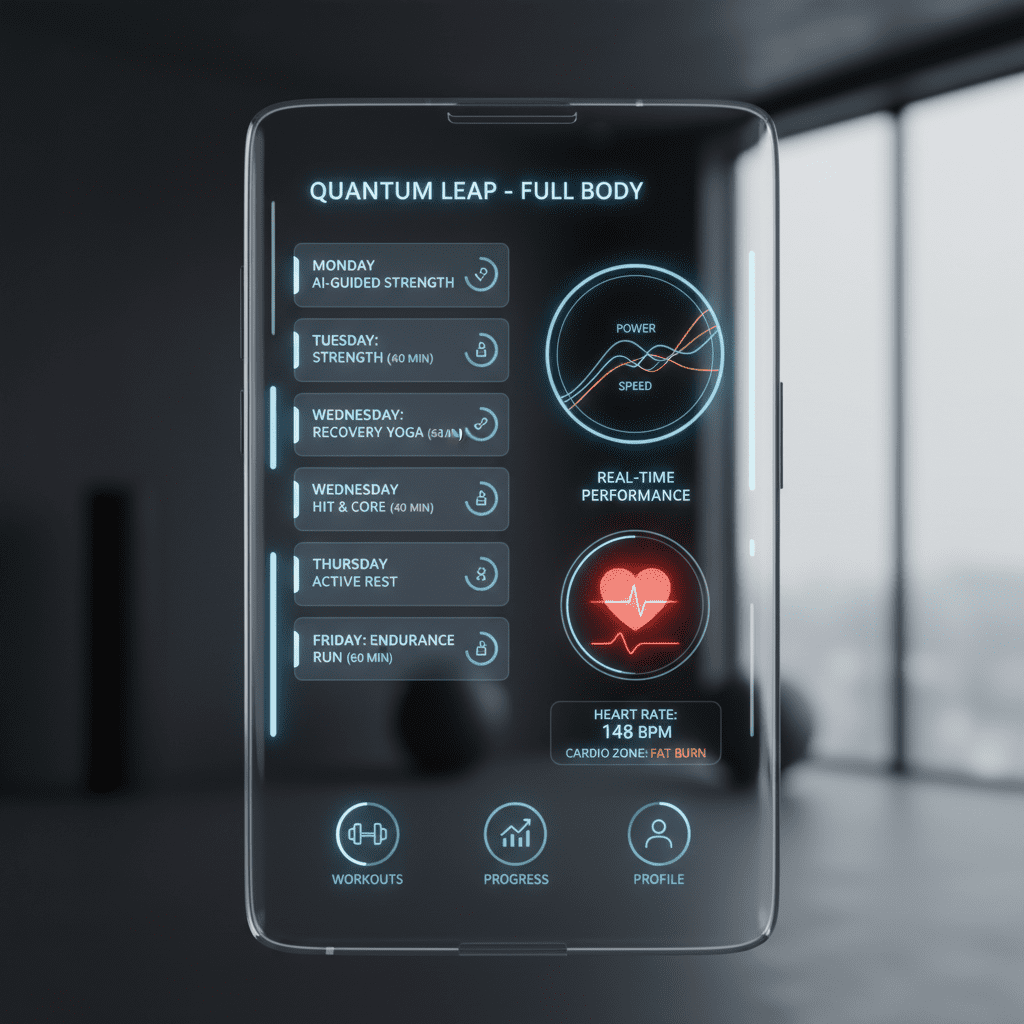
In an era where technology seamlessly integrates into nearly every aspect of our lives, it’s hardly surprising that the realm of health and wellness is experiencing its own digital revolution. Gone are the days of generic workout routines and one-size-fits-all diet plans. We are now witnessing the dawn of a hyper-personalized fitness experience, driven by the remarkable capabilities of Artificial Intelligence (AI). This paradigm shift, from mass-produced fitness solutions to individually tailored strategies, promises not just better results, but a fundamentally more engaging, sustainable, and enjoyable journey towards peak performance and holistic well-being.
The human body is an intricate system, unique in its responses to exercise, nutrition, and recovery. What works wonders for one person might be ineffective or even harmful for another. Recognizing this fundamental truth, Personalized Fitness AI emerges as a groundbreaking solution, leveraging vast amounts of data, sophisticated algorithms, and real-time feedback to construct bespoke workout plans that evolve with you. It’s like having a dedicated personal trainer, nutritionist, and wellness coach rolled into one intelligent, always-on digital entity, constantly learning and adapting to your specific needs, goals, and even your mood on any given day.
This blog post will delve deep into the fascinating world of Personalized Fitness AI. We will explore how these intelligent systems gather and analyze your unique data, the cutting-edge technologies that power their recommendations, the myriad benefits they offer beyond just physical exercise, and the practical applications that are already transforming lives. We will also address important considerations, such as data privacy and the ethical implications of relying on AI for such personal aspects of health. Ultimately, our journey will unveil how AI is not just a tool but a transformative partner in crafting a custom roadmap to your ultimate peak performance, ensuring a healthier, more vibrant, and more aware you.
Understanding Personalized Fitness AI: A New Era of Bespoke Wellness
At its core, Personalized Fitness AI represents the application of artificial intelligence and machine learning principles to create highly individualized fitness and wellness programs. Unlike traditional fitness apps that offer a library of exercises or pre-set plans, AI-driven platforms are designed to understand you as an individual. They move beyond simple tracking to deep analysis and predictive recommendations, making them far more dynamic and responsive to your unique physiological and psychological state.
What Differentiates AI-Powered Personalization?
- Dynamic Adaptation: Traditional plans are static. AI plans are fluid. If you have a poor night’s sleep, experience unexpected stress, or show signs of overtraining, an AI system can adjust your next workout, perhaps recommending active recovery instead of a high-intensity session. This real-time responsiveness is a game-changer for injury prevention and consistent progress.
- Holistic Data Integration: Modern AI fitness platforms go beyond just tracking steps or calories. They integrate data from various sources: wearable devices (heart rate, HRV, sleep patterns, blood oxygen, skin temperature), manual inputs (mood, energy levels, diet), historical performance data, and even external factors like weather conditions. This comprehensive data set paints a complete picture of your health.
- Predictive Analytics: Leveraging machine learning, these systems can predict how your body might respond to certain types of training, identify potential plateaus before they happen, and even forecast your readiness for peak performance events. This foresight allows for proactive adjustments to your training regimen.
- Behavioral Coaching: Beyond just exercise, many AI fitness apps incorporate elements of behavioral science to foster better habits. They provide nudges, motivational messages, progress tracking, and educational content tailored to your learning style and specific challenges.
Imagine a scenario where your fitness app doesn’t just tell you to run three miles, but suggests a specific pace, recommends a different route based on air quality, and reminds you to hydrate, all while factoring in yesterday’s intense leg day and your slightly elevated stress levels. This is the promise of Personalized Fitness AI.
The Evolution of Fitness Tracking to AI Personalization
The journey from rudimentary fitness tracking to sophisticated AI personalization has been a rapid and exciting one. It began with simple tools and has matured into complex ecosystems capable of profound insights.
From Pedometer to Smartwatch: The Data Revolution
Initially, fitness technology was quite basic. Pedometers counted steps, heart rate monitors provided simple pulse readings, and early fitness apps were essentially digital logs. These tools, while useful, offered limited insight. The real turning point came with the advent of advanced wearable technology – smartwatches, fitness trackers, and smart rings – which transformed data collection. These devices are equipped with a suite of sensors:
- Accelerometers and Gyroscopes: For tracking movement, steps, speed, and even detecting specific exercise types.
- Optical Heart Rate Sensors: Measuring heart rate, heart rate variability (HRV), and even blood oxygen saturation (SpO2). HRV, in particular, has become a key metric for assessing recovery and readiness.
- GPS: For mapping outdoor activities, tracking distance, and pace.
- Barometric Altimeters: For measuring elevation changes, crucial for activities like hiking or stair climbing.
- Electrodermal Activity (EDA) Sensors: Found in some advanced trackers, these can measure stress levels by detecting changes in sweat gland activity.
- Skin Temperature Sensors: Providing insights into overall body temperature trends, which can indicate illness, stress, or menstrual cycle phases.
This explosion of readily available biometric data laid the groundwork for AI. Raw data alone is just numbers; it requires intelligent processing to become actionable insights. This is where AI stepped in, transforming passive tracking into active, personalized guidance.
The Leap to AI: Pattern Recognition and Predictive Power
The transition to AI-driven personalization involved several key developments:
- Machine Learning Algorithms: Instead of simply displaying data, AI algorithms began to analyze patterns within an individual’s data over time. For example, consistently low HRV combined with poor sleep and high training intensity might indicate overtraining risk.
- Contextual Understanding: AI doesn’t just look at isolated data points. It understands context. A high heart rate during an intense workout is expected, but a high resting heart rate during sleep could be a red flag.
- Feedback Loops: Modern AI systems are designed with sophisticated feedback loops. They learn from your responses to their recommendations. If a particular workout intensity proves too challenging or too easy, the AI adjusts future recommendations accordingly. This continuous learning process refines the personalization over time.
- Integration of External Data: Beyond personal biometrics, AI can integrate data about environmental factors (e.g., weather, air quality indexes) or even social data (e.g., group workout schedules) to offer more nuanced recommendations.
This evolution has moved us beyond simply knowing “how much” we exercised to understanding “how effectively” we exercised, “how well” we recovered, and “what’s the optimal next step” for our specific body and goals.
How AI Crafts Your Custom Workout Plan: The Intelligent Engine
The magic of Personalized Fitness AI lies in its sophisticated process of transforming raw data into actionable, dynamic workout plans. It’s a multi-stage process that continuously adapts and refuses its recommendations.
1. Comprehensive Data Collection
The foundation of any AI fitness plan is data. This isn’t just about what you do, but who you are. The data collection phase is incredibly thorough:
- Initial User Profile: This includes basic information like age, gender, height, weight, current fitness level, fitness goals (e.g., weight loss, muscle gain, marathon training, general wellness), medical history, injury history, dietary preferences, and available equipment.
- Wearable Sensor Data: Continuous streams of data from smartwatches, rings, and other trackers, including heart rate, HRV, sleep stages, steps, calories burned, distance, pace, blood oxygen, and activity intensity.
- Manual Inputs: Users often provide qualitative data such as daily energy levels, mood, perceived exertion during workouts, sleep quality, stress levels, and food intake. Some apps even allow for input of pain points or discomfort.
- Performance Metrics: Tracking progress over time, such as weight lifted, reps completed, running times, and personal bests.
- Environmental and Contextual Data: Some advanced systems might even pull in local weather data, air quality index, or pollen counts to inform outdoor activity recommendations.
2. Advanced Data Analysis and Machine Learning
Once data is collected, AI algorithms get to work. This is where the true “intelligence” comes into play:
- Pattern Recognition: Machine learning models identify correlations and patterns that humans might miss. For instance, they might observe that on days you get less than 7 hours of sleep, your performance in strength training sessions decreases by 15%, or that increased stress levels consistently lead to higher resting heart rates.
- Personalized Baselines: Instead of comparing you to generic population averages, the AI establishes your personal baselines for metrics like resting heart rate, HRV, and sleep patterns. Deviations from these baselines become indicators for adjustment.
- Goal-Oriented Optimization: Algorithms are designed to optimize your training path towards your stated goals. If your goal is muscle hypertrophy, the AI will prioritize specific rep ranges, progressive overload, and adequate protein intake. If it’s endurance, it will focus on volume, varied paces, and cardiovascular adaptations.
- Risk Assessment: By analyzing past injury history, current biomechanics (if using computer vision), and signs of fatigue or overtraining (e.g., sustained low HRV, poor sleep quality despite rest), the AI can identify and mitigate injury risks, recommending deload weeks or alternative exercises.
3. Dynamic Plan Generation and Adjustment
The final stage is the creation and continuous refinement of your workout plan. This isn’t a static document, but a living, evolving strategy:
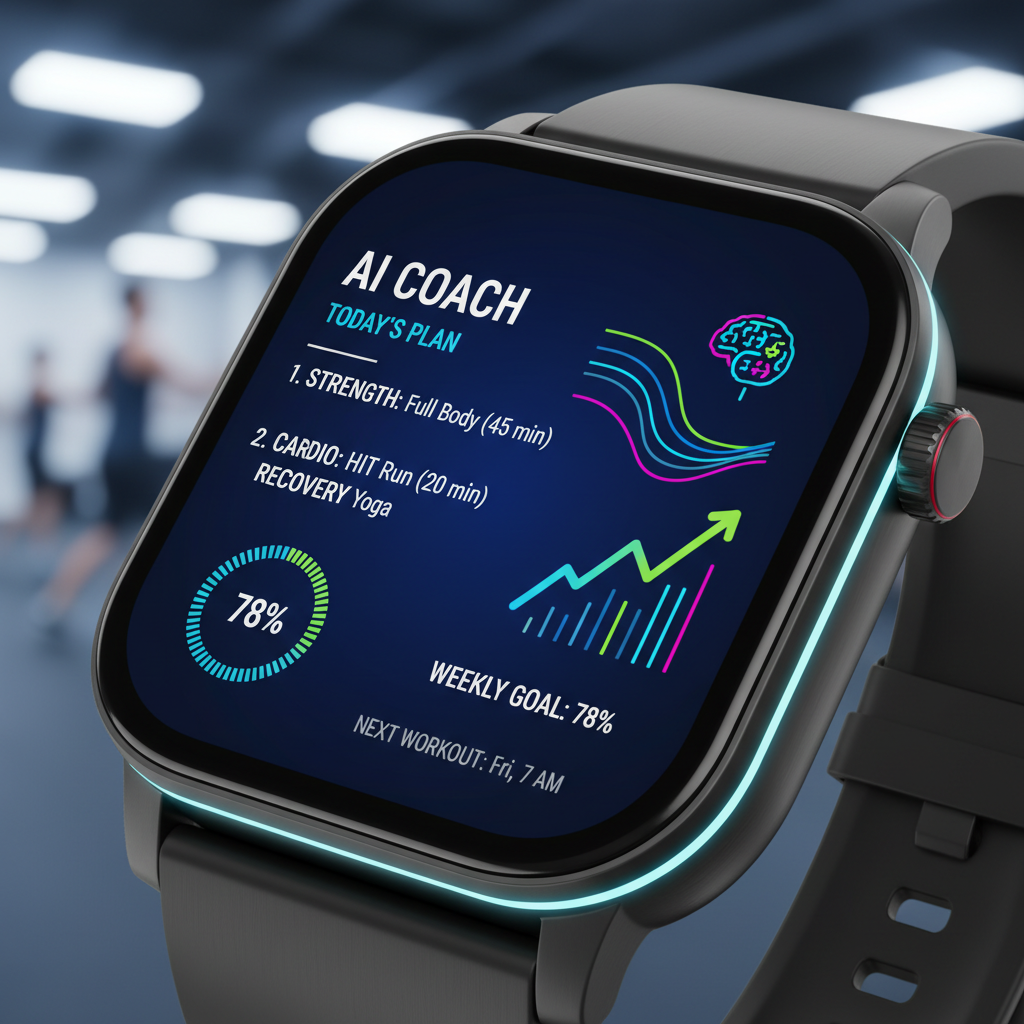
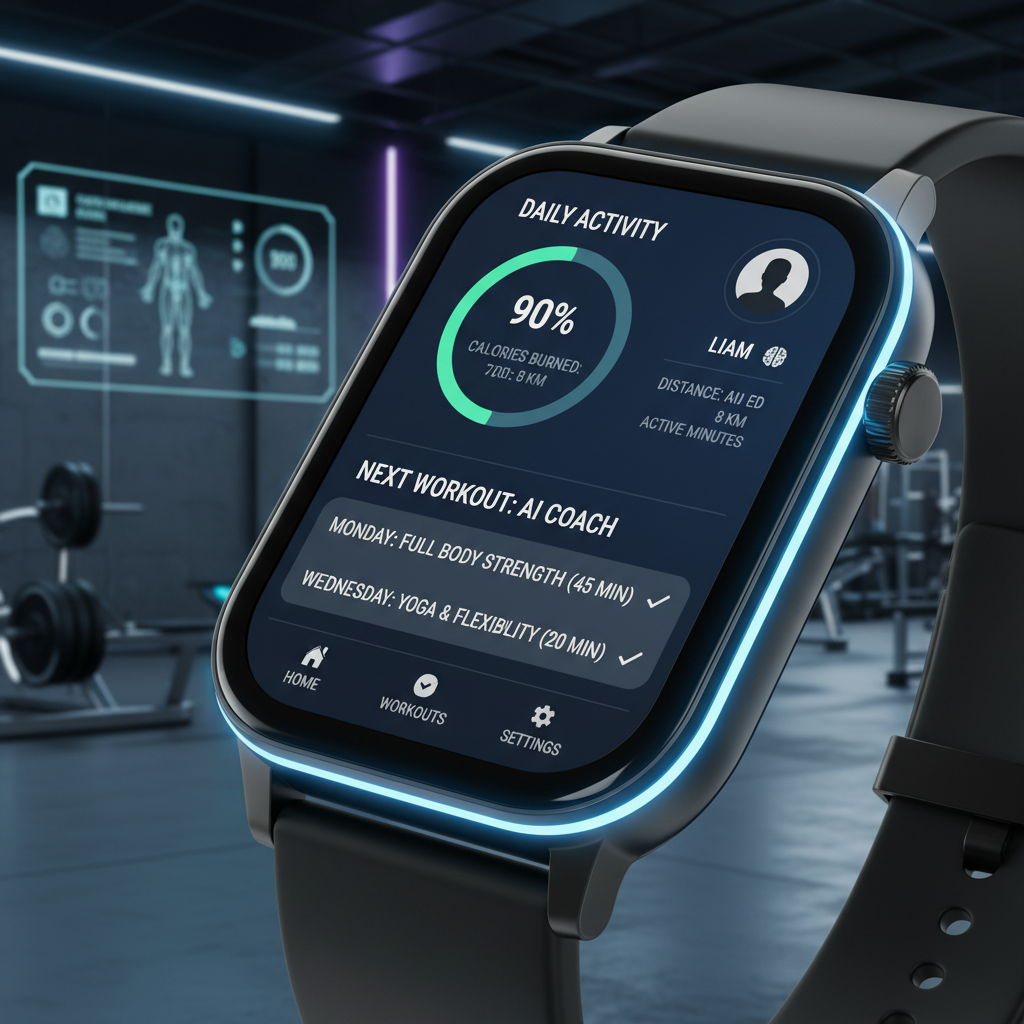
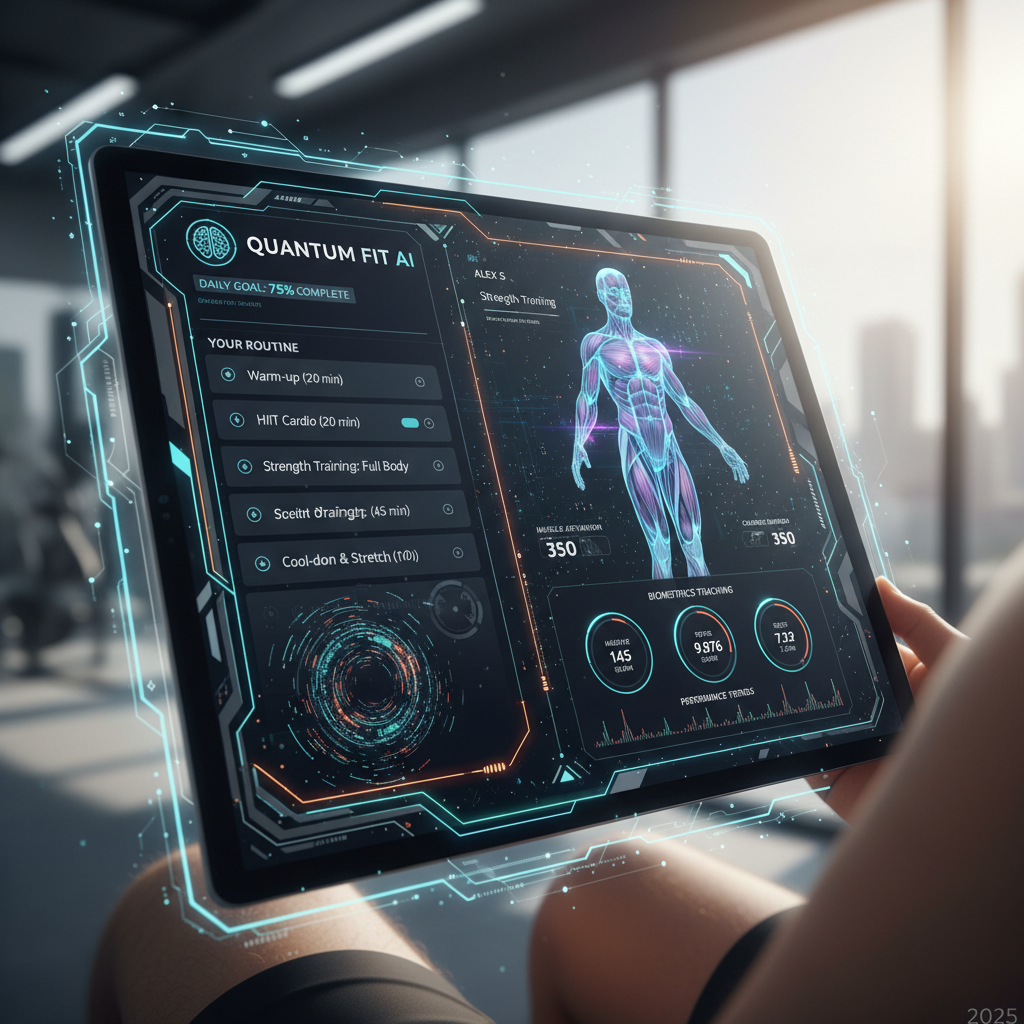
- Workout Prescription: The AI generates daily or weekly workout plans, specifying exercises, sets, reps, duration, intensity (e.g., target heart rate zones), rest periods, and even form cues.
- Recovery Recommendations: Beyond just workouts, the AI integrates recovery protocols, including recommendations for active recovery, stretching, foam rolling, sleep optimization strategies, and even stress management techniques.
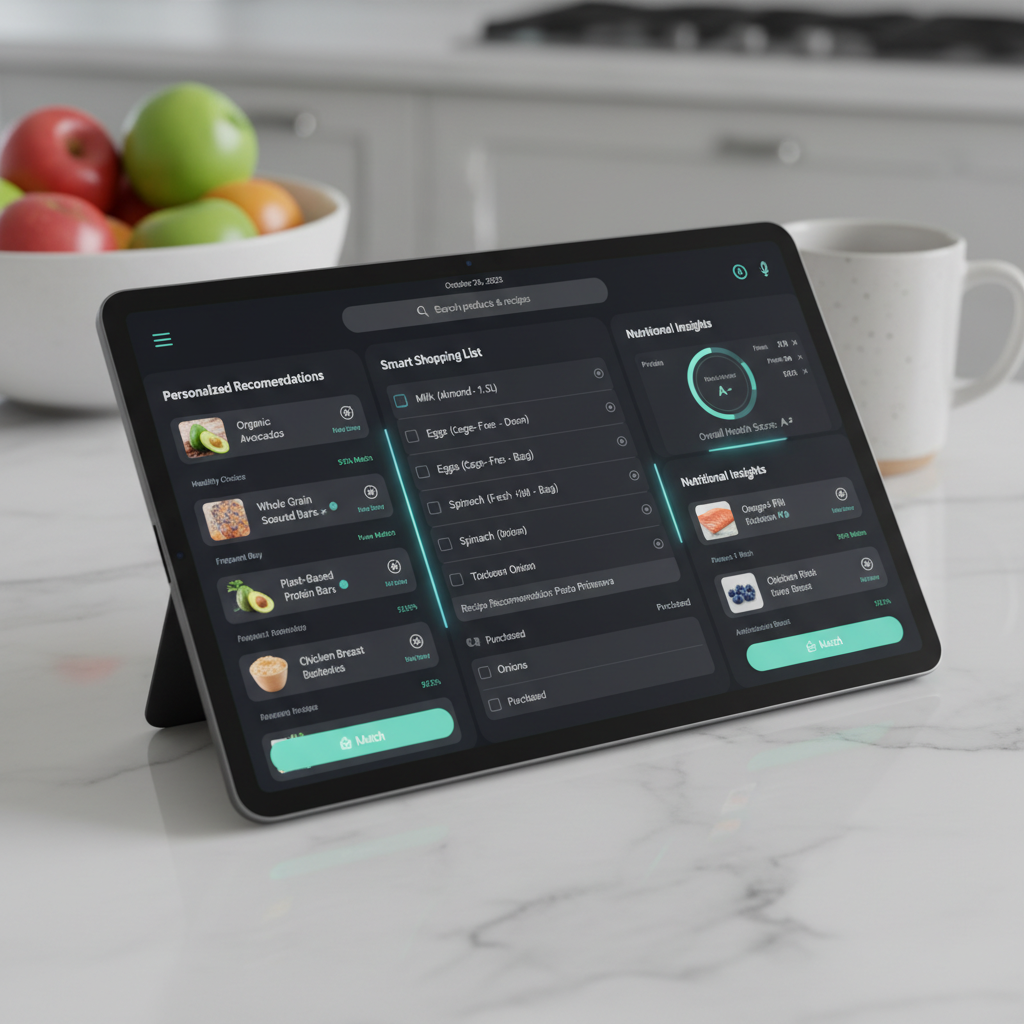
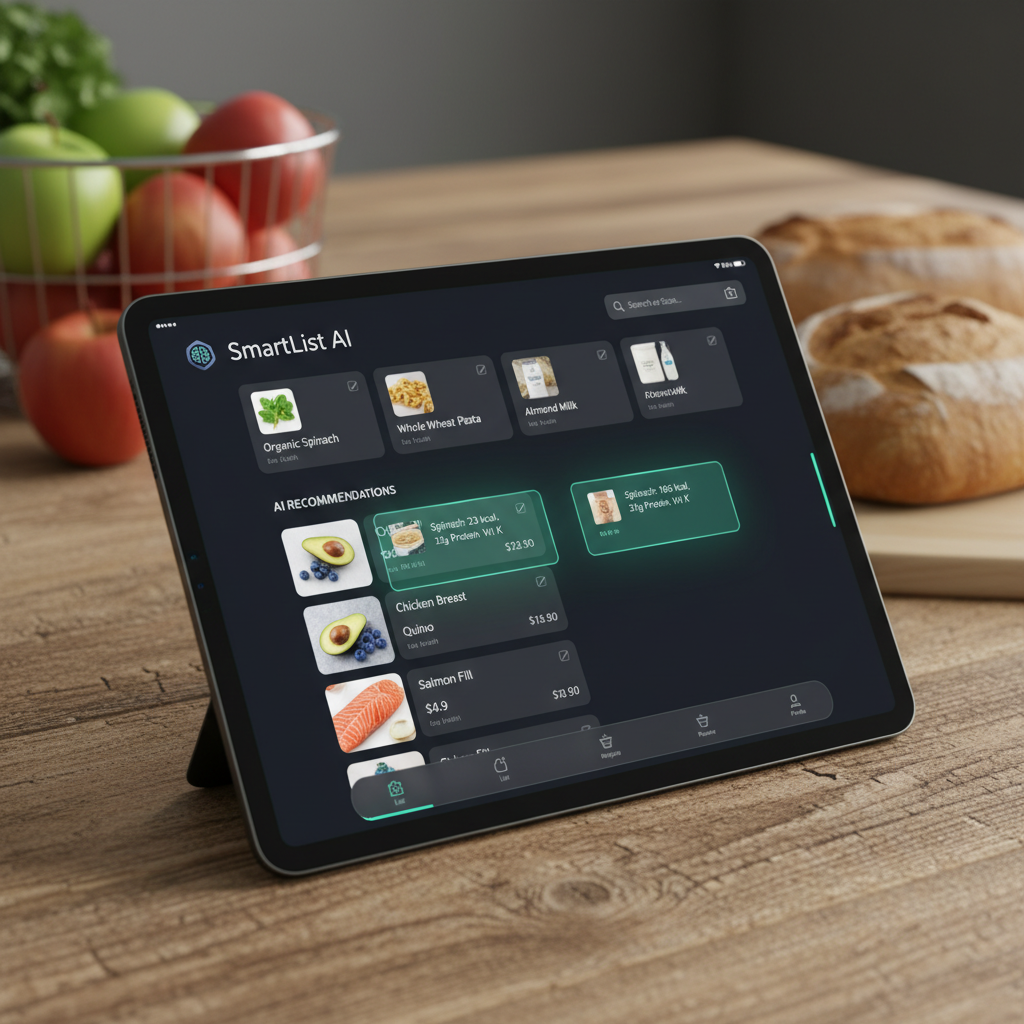
- Nutritional Guidance: Many platforms offer personalized dietary advice, meal suggestions, and macronutrient targets that align with your fitness goals and workout intensity.
- Real-Time Adjustments: This is arguably the most powerful feature. If you report feeling low energy, or your wearable indicates high stress, the AI can immediately modify your scheduled workout – perhaps reducing intensity, swapping a run for a walk, or postponing a heavy lift. If you perform exceptionally well, it might suggest a slight increase in load or volume for the next session, adhering to the principle of progressive overload.
- Motivational Feedback: AI provides timely encouragement, progress reports, and insights into how your current efforts contribute to your long-term goals, helping to maintain adherence and motivation.
This intelligent feedback loop ensures that your plan is always optimized for your current state, maximizing effectiveness while minimizing the risk of burnout or injury. It transforms fitness from a rigid routine into an adaptive, supportive partnership.
Key Technologies Powering AI Fitness: The Underpinnings of Innovation
The sophisticated personalization offered by AI fitness apps is built upon a bedrock of advanced technological innovations. Understanding these core technologies helps us appreciate the depth and complexity of modern AI-driven wellness solutions.
1. Machine Learning (ML)
ML is the brain of AI fitness. It enables systems to learn from data without being explicitly programmed. Several ML paradigms are at play:
- Supervised Learning: Used for tasks like predicting workout outcomes or classifying fitness levels based on labeled data (e.g., “this type of workout, with these parameters, led to this strength gain”).
- Unsupervised Learning: Helps in identifying hidden patterns and clusters within vast amounts of user data, such as identifying distinct training responses among different user groups or uncovering novel correlations between sleep metrics and performance.
- Reinforcement Learning: This is crucial for dynamic adaptation. The AI learns through trial and error, receiving “rewards” for successful recommendations (e.g., improved performance, sustained adherence) and “penalties” for suboptimal ones (e.g., injury, burnout). This allows the AI to continually refine its recommendation engine.
- Deep Learning: A subset of ML, deep learning (especially neural networks) excels at processing complex, high-dimensional data like raw sensor data or video feeds (for form analysis).
2. Computer Vision (CV)
Computer Vision brings visual intelligence to fitness. By analyzing video input from your smartphone or webcam, CV algorithms can:
- Form Correction: Provide real-time feedback on your exercise form, identifying incorrect posture or movement patterns to prevent injuries and maximize effectiveness. For example, it can detect if your squats are deep enough, if your back is straight during deadlifts, or if your push-ups have proper arm angle.
- Repetition Counting: Automatically count repetitions during bodyweight exercises, freeing you from manual tracking.
- Range of Motion Analysis: Measure the extent of your movements, ensuring you’re working through a full range for optimal muscle engagement.
- Progress Tracking: Some advanced systems might even track subtle changes in body composition or muscle development over time through image analysis.
3. Natural Language Processing (NLP)
NLP allows AI fitness platforms to understand and interact with users through natural human language, enhancing the user experience:
- Chatbots and Virtual Coaches: NLP powers conversational interfaces where users can ask questions about their workouts, nutrition, or general wellness, receiving intelligent and context-aware responses.
- Voice Commands: Users can control their fitness app, adjust settings, or log activities using voice commands, making hands-free interaction possible during workouts.
- Sentiment Analysis: Some systems might use NLP to analyze textual input from users (e.g., mood journals, feedback) to gauge their emotional state and adjust recommendations accordingly.
4. Wearable Sensors and IoT (Internet of Things)
As mentioned earlier, wearable devices are the primary data collectors. The integration of these devices into the broader IoT ecosystem means they can communicate seamlessly with fitness apps and other smart devices (e.g., smart scales, smart gym equipment, smart home devices), creating a holistic data environment.
5. Big Data Analytics
AI fitness systems deal with enormous volumes of data – from individual users’ biometric streams to aggregated population data. Big Data analytics tools are essential for:
- Processing and Storing Data: Efficiently handling the constant influx of real-time data.
- Identifying Trends: Uncovering broader population trends that can inform generalized recommendations or identify potential areas for new app features.
- Personalized Benchmarking: While the goal is individual personalization, understanding how an individual compares to similar demographic groups can offer additional insights.
These technologies, working in concert, create an intelligent, responsive, and deeply personal fitness experience that was unimaginable just a decade ago. They transform raw physiological data into a dynamic roadmap for health and performance.
Benefits Beyond the Gym: Holistic Wellness with AI
While the primary association with fitness AI might be sculpted muscles or faster run times, its true power lies in its ability to foster holistic wellness. Personalized AI extends its reach far beyond the confines of a gym, impacting various facets of your health and daily life.
1. Optimized Recovery and Injury Prevention
One of the most significant advantages of AI fitness is its proactive approach to recovery and injury prevention. By continuously monitoring metrics like HRV, sleep quality, and cumulative training load, AI can detect early signs of overtraining, fatigue, or potential strain. It can then recommend:
- Dynamic Rest Days: Suggesting an extra rest day or an active recovery session (like light yoga or walking) when your body shows signs of needing it, rather than sticking to a rigid schedule.
- Modified Workouts: Reducing intensity, swapping high-impact exercises for low-impact alternatives, or focusing on mobility work when certain muscle groups are fatigued or stressed.
- Targeted Stretches and Mobility Drills: Recommending specific stretches or foam rolling routines based on your workout and identified areas of tightness or imbalance.
- Sleep Optimization Strategies: Providing personalized tips to improve sleep hygiene, recognizing sleep as a cornerstone of recovery.
2. Personalized Nutrition and Hydration Guidance
Exercise is only one piece of the wellness puzzle; nutrition is equally vital. AI fitness apps often integrate with nutrition tracking features to provide highly personalized dietary advice:
- Macronutrient Targeting: Calculating and adjusting your ideal protein, carbohydrate, and fat intake based on your activity levels, fitness goals, and body composition.
- Meal Suggestions: Recommending specific meals or recipes that fit your dietary preferences, calorie targets, and align with your workout schedule (e.g., pre-workout fuel, post-workout recovery meals).
- Hydration Reminders: Leveraging activity data and even environmental factors to provide intelligent hydration recommendations and reminders throughout the day.
- Supplement Insights: Some advanced platforms might offer insights into supplements that could support your specific goals, always with a caveat to consult a professional.
3. Enhanced Mental Well-being and Stress Management
The connection between physical activity and mental health is undeniable. AI can contribute to mental well-being in several ways:
- Stress Detection and Management: By monitoring HRV and sleep patterns, AI can often detect elevated stress levels. It might then suggest mindfulness exercises, guided meditation, breathing techniques, or light physical activity to help manage stress.
- Mood Tracking and Correlation: Users can log their mood, allowing the AI to identify correlations between activity, sleep, and emotional states, providing insights into personal well-being triggers.
- Motivation and Adherence: Consistent progress tracking, positive feedback loops, and achieving personal milestones through AI guidance can significantly boost confidence and motivation, contributing positively to mental health.
4. Sustainable Habit Formation
Ultimately, the goal is not just a temporary fitness boost but sustainable lifestyle changes. AI employs principles of behavioral science to encourage long-term adherence:
- Gamification: Incorporating elements like streaks, badges, and challenges to make fitness more engaging and fun.
- Intelligent Reminders: Delivering timely nudges and reminders for workouts, meals, or hydration at optimal times, based on your learned habits and schedule.
- Progress Visualization: Clearly illustrating progress through graphs and metrics, providing tangible evidence of improvement, which is a powerful motivator for consistency.
- Adaptive Coaching: Learning your preferences and adjusting its coaching style, whether you respond better to gentle encouragement or a more direct approach.
By integrating these various components, Personalized Fitness AI transforms from a mere workout planner into a comprehensive wellness partner, guiding you not just to physical prowess, but to a more balanced, resilient, and holistically healthy life.
Addressing Concerns: Privacy, Over-reliance, and Accessibility
While the benefits of Personalized Fitness AI are immense, it’s crucial to address some legitimate concerns regarding its widespread adoption. Like any powerful technology, AI in fitness comes with its own set of challenges that need careful consideration.
1. Data Privacy and Security
The effectiveness of Personalized Fitness AI hinges on its access to highly sensitive personal data: biometric measurements, health history, sleep patterns, dietary habits, and even location data. This raises significant privacy concerns.
- Data Breaches: The risk of personal data being compromised in a cyberattack is ever-present. A breach could expose intimate details about an individual’s health to malicious actors.
- Data Misuse: There are concerns about how companies might use or share aggregated, anonymized, or even identifiable user data with third parties (e.g., insurance companies, advertisers) without explicit user consent.
- Transparency: Users often lack complete transparency regarding how their data is collected, stored, processed, and utilized by AI fitness platforms. Clearer policies and user controls are essential.
It is paramount for AI fitness providers to implement robust encryption, adhere to stringent data protection regulations (like GDPR and HIPAA where applicable), and maintain clear, transparent privacy policies that empower users to control their data.
2. Over-reliance and Loss of Intuition
As AI becomes more sophisticated, there’s a risk that users might become overly reliant on its recommendations, potentially losing touch with their own body’s signals and intuition.
- Diminished Body Awareness: Constantly deferring to an AI for workout adjustments or recovery advice might prevent individuals from learning to interpret their own body’s cues for fatigue, readiness, or discomfort.
- Reduced Critical Thinking: If the AI is always “telling” you what to do, users might stop questioning or critically evaluating their fitness approach, even when intuition suggests otherwise.
- Human Connection: While AI offers incredible personalization, it cannot fully replicate the nuanced motivational aspect, emotional support, or immediate expert intervention that a human personal trainer provides, especially in complex scenarios or during injury rehabilitation.
The ideal scenario is a synergistic relationship where AI augments human intuition and expertise, rather than replacing it entirely.
3. Accuracy, Bias, and Generalization
AI models are only as good as the data they are trained on. This can lead to issues with accuracy and potential biases.
- Data Bias: If training data predominantly comes from a specific demographic (e.g., young, healthy males), the AI’s recommendations might not be as accurate or effective for other groups (e.g., older adults, individuals with chronic conditions, pregnant women, different ethnicities or body types). This can lead to less effective or even harmful advice.
- Limitations of Sensors: While advanced, wearable sensors can still have limitations or inaccuracies, especially in certain conditions or for specific skin tones. This can feed flawed data into the AI.
- Contextual Nuances: AI may struggle with highly specific or unusual personal circumstances that fall outside its training data, requiring human oversight or specialized input.
Developers must prioritize diverse and representative training data, continuously validate their models, and clearly communicate the limitations of their AI systems.
4. Accessibility and Cost
Cutting-edge AI fitness solutions often rely on expensive wearable devices and premium subscription models, creating a potential barrier to access.
- Financial Barrier: High-end smartwatches or rings, combined with monthly subscription fees, can make these advanced tools inaccessible to individuals with lower incomes, exacerbating health disparities.
- Digital Literacy: Operating complex AI apps and understanding biometric data requires a certain level of digital literacy, which might be a barrier for some demographics.
- Infrastructure Requirements: Consistent internet access and compatible devices are necessary, which might not be universally available.
Efforts are needed to develop more affordable and user-friendly AI fitness solutions and to bridge the digital divide to ensure these benefits are accessible to a broader population.
Acknowledging and actively working to mitigate these concerns is vital for the responsible and equitable development of Personalized Fitness AI. By prioritizing privacy, fostering balanced reliance, ensuring accuracy, and improving accessibility, AI can truly fulfill its promise as a universally beneficial tool for health and wellness.
The Future of Personalized Fitness with AI
The current state of Personalized Fitness AI is already impressive, but it represents just the beginning. The trajectory of technological advancement suggests an even more integrated, intuitive, and impactful future for AI in health and wellness.
1. Hyper-Personalization: The Rise of Digital Twins and Predictive Health
Imagine having a “digital twin” – a virtual replica of your physiological self – that constantly learns from your real-world data. This digital twin could simulate the effects of different training programs, dietary changes, or recovery strategies, predicting outcomes before you even implement them. This level of hyper-personalization would enable truly optimal, individualized health planning. Predictive health analytics would move beyond injury prevention to forecasting long-term health risks and recommending interventions far in advance, based on subtle biometric shifts over years.
2. Seamless Integration with Healthcare and Medical Professionals
The gap between consumer fitness tech and clinical healthcare is set to narrow significantly. AI fitness data, anonymized and aggregated, could provide invaluable insights for population health studies. For individuals, AI platforms could seamlessly share relevant, permission-based data with doctors or physical therapists, allowing for more informed medical decisions, post-rehab monitoring, and chronic disease management. This integration could transform preventative care and personalized medicine.
3. Advanced Sensor Technology and Non-Invasive Diagnostics
Future wearables will go far beyond current capabilities. We can anticipate non-invasive sensors capable of continuous glucose monitoring for non-diabetics, lactate threshold monitoring, advanced hydration status assessment, and even early detection of viral infections through subtle biometric changes. Smart clothing woven with sensors, smart mirrors offering detailed biomechanical analysis, and even ingestible or implantable micro-sensors could provide an unprecedented depth of physiological data, fueling even more precise AI recommendations.
4. Augmented Reality (AR) and Virtual Reality (VR) Workouts
AR and VR are poised to revolutionize the workout experience. Imagine a virtual personal trainer appearing in your living room via AR glasses, guiding you through exercises, correcting your form in real-time, and projecting motivational visuals. VR could transport you to exotic locations for runs, connect you with virtual workout partners globally, or provide immersive environments for mental wellness practices. AI will personalize these virtual experiences, adapting environments and challenges to your current fitness level and preferences, making workouts more engaging and accessible.
5. Ethical AI Development and Regulatory Frameworks
As AI becomes more integral to personal health, the importance of ethical development will escalate. This includes:
- Fairness and Equity: Ensuring AI models are trained on diverse datasets to avoid biases and provide equitable recommendations across all demographics.
- Transparency and Explainability (XAI): Developing AI that can explain its recommendations in understandable terms, fostering trust and allowing users to learn from the AI’s logic.
- Robust Data Governance: Establishing clear global standards for data privacy, security, and usage in health AI, giving individuals full control over their most sensitive information.
- Interoperability: Creating standards that allow different AI fitness platforms and healthcare systems to communicate and share data securely and effectively, benefiting the user without locking them into proprietary ecosystems.
The future of Personalized Fitness AI is one where technology acts not just as a tool, but as a deeply integrated, intelligent, and ethical partner in every individual’s lifelong pursuit of health and peak performance. It promises a world where personalized wellness is not a luxury, but an accessible reality for everyone.
Comparison Tables: AI vs. Traditional and App Features
To further illustrate the unique advantages of Personalized Fitness AI, let’s compare it with traditional personal training and then examine how different AI fitness apps might focus their features.
Table 1: Personalized Fitness AI vs. Traditional Personal Training
| Feature/Aspect | Personalized Fitness AI | Traditional Human Personal Training |
|---|---|---|
| Cost (Average) | Low to moderate (subscription model, often $10-$50/month) | High (hourly rates, often $50-$200/hour) |
| Availability/Accessibility | 24/7, global access via smartphone; always “on-call” | Limited to trainer’s schedule and location; fixed appointments |
| Data Collection & Analysis | Continuous, objective biometric data (HRV, sleep, SpO2, activity) from wearables; ML-driven predictive analytics; comprehensive data integration. | Subjective observation, client self-reporting, occasional manual measurements; often limited to workout sessions. |
| Real-time Adaptation | Dynamic, instant adjustments based on biometric data, mood, energy levels, and performance; learns over time. | Relies on client communication and trainer’s observation during sessions; adjustments might not be immediate or data-driven between sessions. |
| Scope of Guidance | Holistic (workouts, recovery, sleep, nutrition, stress management) based on integrated data. | Primarily focused on exercise; nutritional guidance often secondary or requires separate expert; recovery advice may be less data-driven. |
| Human Connection/Motivation | Algorithmic nudges, progress reports; can feel less personal. | Direct interpersonal connection, emotional support, accountability, nuanced verbal/non-verbal cues. |
| Form Correction | Often via computer vision (video analysis) or textual/visual cues. | Direct, hands-on, immediate verbal and physical cues from an expert. |
| Scalability | Highly scalable; can serve millions of users simultaneously. | Limited by trainer’s individual capacity. |
| Potential for Bias | Can be biased if training data is not diverse; limited understanding of rare conditions. | Trainer’s personal biases or limited knowledge may affect guidance. |
Table 2: AI Fitness App Focus and Features
Different AI fitness applications prioritize various aspects of wellness. This table highlights common categories and their distinctive features.
| App Category/Focus | Primary Features | Ideal User Profile | Key AI Application |
|---|---|---|---|
| Holistic Wellness AI | Integrates workouts, sleep, nutrition, stress, mindfulness. Adaptive scheduling based on all inputs. | Individuals seeking comprehensive lifestyle change, stress reduction, and overall health optimization. | Correlation analysis across diverse data streams; predictive modeling for burnout/recovery. |
| Performance-Optimized AI | Focus on specific athletic goals (e.g., marathon training, powerlifting). Advanced metrics like V̇O2 max estimation, lactate threshold tracking. | Athletes, serious hobbyists, anyone training for a specific event or peak physical achievement. | Progressive overload algorithms, periodization planning, race-day readiness prediction. |
| Bodyweight & Home Fitness AI | Workout plans requiring minimal to no equipment. Computer vision for form correction and rep counting. | Beginners, individuals who prefer home workouts, travelers, those on a budget. | Computer vision for biomechanics, dynamic scaling of exercises based on perceived exertion and ability. |
| AI for Chronic Condition Management | Tailored exercise for specific conditions (e.g., diabetes, heart conditions, post-rehab). Integration with medical data (with consent). | Individuals managing long-term health issues, under medical supervision. | Rule-based systems for safety, personalized risk assessment, collaboration with healthcare providers. |
| Nutrition-Centric AI | Detailed meal planning, macro tracking, dietary recommendations based on workouts and goals. AI-driven recipe generation. | Users focused on weight management, specific dietary needs (e.g., vegan, keto), or sports nutrition. | Personalized dietary pattern recognition, caloric expenditure correlation with food intake. |
Practical Examples: Real-World Use Cases and Scenarios
To truly grasp the power of Personalized Fitness AI, let’s explore some real-life scenarios where it makes a tangible difference in people’s fitness journeys.
Scenario 1: The Busy Professional Aiming for General Fitness and Stress Reduction
User: Sarah, a 35-year-old marketing manager, works long hours, travels frequently, and experiences high stress levels. Her goal is to improve general fitness, manage stress, and ensure she has enough energy to keep up with her demanding job and family life. She owns a smartwatch and is new to structured fitness.
AI Solution:
- Initial Assessment: Sarah inputs her work schedule, travel plans, fitness preferences (loves outdoor walks, open to short HIIT sessions), and current stress levels. The AI integrates her smartwatch data (sleep, HRV, activity).
- Dynamic Scheduling: The AI observes Sarah’s sleep quality is often poor after late work nights. On those days, instead of a scheduled HIIT, it suggests a 30-minute restorative yoga session or a brisk walk in the park, syncing with weather data. On days she travels, it recommends bodyweight exercises that can be done in a hotel room, providing video guidance.
- Stress Management: The AI detects elevated HRV readings coupled with self-reported high stress. It prompts Sarah with short guided meditation sessions, breathing exercises, and reminds her to take short movement breaks during her workday.
- Nutrition Nudges: Based on her activity and reported energy dips, the AI suggests balanced snack ideas and reminds her to hydrate consistently, especially during flights.
- Long-term Progress: Over several months, Sarah sees improvements in her cardiovascular fitness (longer, faster walks), reduced stress-related symptoms, and more consistent sleep patterns, all thanks to the AI’s adaptive guidance, which prioritized recovery and realistic, achievable workouts given her lifestyle.
Scenario 2: The Aspiring Marathon Runner Avoiding Overtraining
User: David, a 42-year-old avid runner, is training for his first marathon. He’s passionate but prone to pushing too hard and has experienced minor injuries in the past due to overtraining. He uses a high-end GPS running watch that tracks numerous metrics.
AI Solution:
- Goal-Specific Training: The AI generates a personalized marathon training plan, breaking down long runs, tempo runs, and interval sessions, incorporating strength training for runners.
- Fatigue Monitoring: Crucially, the AI continuously monitors David’s HRV, resting heart rate, and sleep quality from his watch. After a particularly grueling long run, if his HRV drops significantly and sleep quality is poor, the AI adjusts his next day’s planned interval session to an easy recovery run or a complete rest day.
- Injury Risk Management: If David reports a niggle in his knee, the AI suggests specific stretches, foam rolling techniques, and temporarily modifies his running plan to cross-training (e.g., swimming, cycling) until the issue subsides, preventing a minor issue from becoming a major injury.
- Performance Optimization: As David progresses, the AI analyzes his pace zones and suggests slight increases in speed or duration for specific workouts, ensuring progressive overload without pushing him into an injury zone. It also forecasts his race-day readiness based on his cumulative training load and recovery status.
- Nutrition for Performance: It provides dynamic carbohydrate loading recommendations leading up to race day, and post-run protein intake advice to aid muscle repair.
Scenario 3: The Individual Focused on Strength Training and Form Improvement at Home
User: Maria, a 28-year-old, wants to build strength and confidence by working out at home. She struggles with proper form for exercises like squats and push-ups and wants a structured plan without needing a gym membership.
AI Solution:
- Equipment-Free Plan: Maria specifies she has no equipment. The AI curates a bodyweight-only strength program, starting with foundational movements.
- Computer Vision for Form: During her workouts, Maria uses her smartphone camera. The AI, powered by computer vision, analyzes her movements in real-time. For a squat, it might display visual cues: “Lower deeper,” “Keep your chest up,” or “Knees are caving in,” providing immediate, actionable feedback.
- Progressive Overload with Bodyweight: As Maria gains strength, the AI suggests more challenging variations of exercises (e.g., from knee push-ups to full push-ups, or from basic squats to pistol squat progressions), ensuring she continues to be challenged. It might also recommend increasing reps or sets based on her performance.
- Motivation and Tracking: The AI automatically tracks her reps and sets, celebrates milestones, and provides visual progress reports, keeping Maria motivated and accountable for her home workouts.
These examples illustrate how Personalized Fitness AI transcends generic programs, offering bespoke, adaptive, and intelligent guidance that addresses individual needs, prevents pitfalls, and accelerates progress towards diverse fitness goals.
Frequently Asked Questions
Q: What exactly is Personalized Fitness AI and how is it different from a regular fitness app?
A: Personalized Fitness AI is an advanced application that uses artificial intelligence and machine learning to create highly individualized fitness and wellness programs. Unlike regular fitness apps, which often provide static, pre-set workout routines or simply track basic metrics like steps or calories, AI fitness platforms dynamically adapt to your unique physiological responses, goals, and real-time data. They analyze complex information from wearables, manual inputs, and historical performance to offer tailored recommendations for workouts, recovery, nutrition, and stress management, constantly learning and adjusting to optimize your progress and prevent issues like overtraining or injury. It’s akin to having a personal trainer, nutritionist, and wellness coach rolled into one intelligent, adaptive system.
Q: How does AI gather my personal data for personalization?
A: AI fitness apps collect data through various channels. Primarily, they integrate with wearable devices like smartwatches, fitness trackers, and smart rings, which continuously monitor biometric data such as heart rate, heart rate variability (HRV), sleep patterns, blood oxygen levels, and activity levels (steps, distance, intensity). Users also provide critical manual inputs like age, gender, height, weight, fitness goals, medical history, dietary preferences, current energy levels, and mood. Some apps may also utilize your smartphone’s camera for computer vision-based form analysis during exercises. This comprehensive data set allows the AI to build a detailed profile of your health and fitness.
Q: Is my data safe and private with AI fitness apps?
A: Data privacy and security are paramount concerns for AI fitness apps, given the sensitive nature of the information collected. Reputable AI fitness platforms employ robust encryption methods to protect your data both in transit and at rest. They should adhere to strict data protection regulations (like GDPR in Europe or HIPAA in the US, where applicable). Always review the app’s privacy policy to understand how your data is collected, stored, processed, and if it’s shared with third parties. Good practices include anonymizing data for research or aggregated insights and giving users clear control over their data sharing preferences. It’s crucial to choose apps from trusted developers with transparent privacy practices.
Q: Can AI really provide accurate form correction during exercises?
A: Yes, many advanced AI fitness apps now incorporate computer vision technology to offer real-time form correction. By analyzing video input from your smartphone or webcam, these AI models can detect key joint angles, posture, and movement patterns. They can then provide immediate visual or audio feedback, highlighting areas for improvement, such as “lower deeper into your squat,” “keep your back straight during deadlifts,” or “engage your core.” While not a substitute for hands-on human coaching for complex or severe biomechanical issues, it’s incredibly effective for common exercises and helps prevent injuries and optimize muscle engagement, especially for home workouts.
Q: How does AI help prevent injuries during training?
A: AI plays a critical role in injury prevention through continuous monitoring and predictive analysis. By tracking metrics like heart rate variability (HRV), sleep quality, recovery status, and cumulative training load, the AI can identify early signs of overtraining or excessive fatigue before they lead to injury. If it detects these signs, it can dynamically adjust your upcoming workouts, suggesting lower intensity, active recovery, or complete rest. It can also recommend specific mobility exercises or stretches based on your training load and identified areas of tightness. For users with a history of injuries, the AI can tailor exercises to avoid aggravating sensitive areas.
Q: Can AI assist with nutrition and dietary planning?
A: Absolutely. Many AI fitness platforms offer sophisticated nutritional guidance. They can calculate your ideal macronutrient (protein, carbs, fats) and caloric intake based on your fitness goals, activity levels, body composition, and dietary preferences. They often provide personalized meal suggestions, recipes, and even grocery lists. As your workouts intensify or your goals shift, the AI dynamically adjusts these nutritional recommendations to ensure you’re adequately fueled for performance and recovery. Some systems also offer hydration reminders and can even integrate with food logging apps for more comprehensive tracking and analysis.
Q: Is AI fitness only for elite athletes, or can beginners benefit too?
A: Personalized Fitness AI is beneficial for everyone, from absolute beginners to elite athletes. For beginners, AI provides a structured, safe, and motivating entry point into fitness, helping them establish good habits, learn proper form, and gradually build strength and endurance without feeling overwhelmed. For elite athletes, AI offers hyper-personalization, optimizing peak performance, fine-tuning recovery strategies, and providing data-driven insights that can make the difference in competitive scenarios. Its adaptability ensures it can cater to any fitness level and goal.
Q: What are the main limitations or drawbacks of relying on AI for fitness?
A: While powerful, AI fitness has limitations. One major concern is data privacy and security, as sensitive personal health data is collected. There’s also a risk of over-reliance, where users might lose connection with their own body’s intuition. AI models can exhibit biases if their training data isn’t diverse, potentially leading to less effective recommendations for certain demographics or unique health conditions. Lastly, AI cannot fully replicate the nuanced emotional support, hands-on correction, or complex problem-solving abilities of a human personal trainer, especially in intricate injury rehabilitation or mental health support scenarios. It’s best viewed as a powerful tool that complements human guidance.
Q: How does AI keep me motivated and ensure I stick to my plan?
A: AI fitness apps employ several strategies to boost motivation and adherence. They provide consistent progress tracking and clear visualizations of your achievements, showing how your efforts contribute to long-term goals. Many integrate gamification elements like streaks, badges, and challenges to make fitness more engaging. The AI also offers intelligent reminders for workouts, hydration, and recovery, delivered at optimal times. Furthermore, by making workouts challenging but achievable and adjusting to your readiness, AI helps prevent burnout and frustration, making the fitness journey more sustainable and rewarding.
Q: What new developments can we expect in Personalized Fitness AI in the near future?
A: The future of Personalized Fitness AI is incredibly exciting. We can anticipate even greater hyper-personalization, potentially through “digital twins” that simulate your body’s responses to different interventions. Seamless integration with clinical healthcare systems for better preventative care and chronic disease management is on the horizon. Advanced non-invasive sensors will monitor a wider array of biomarkers, providing unprecedented physiological insights. Augmented and virtual reality will create immersive and adaptive workout experiences. Crucially, there will be an increasing focus on ethical AI development, ensuring fairness, transparency, and robust data governance to build trust and expand accessibility.
Key Takeaways
- Hyper-Personalization is Key: Personalized Fitness AI moves beyond generic plans, offering dynamic, adaptive workout, recovery, and nutrition strategies tailored to your unique physiology and goals.
- Data-Driven Decisions: AI leverages extensive data from wearables (HRV, sleep, activity), user inputs (mood, goals), and performance metrics to make intelligent, predictive recommendations.
- Holistic Wellness Focus: Benefits extend beyond physical fitness to include optimized recovery, injury prevention, personalized nutrition, enhanced mental well-being, and sustainable habit formation.
- Advanced Technologies Underpin AI: Machine learning (supervised, unsupervised, reinforcement, deep learning), computer vision (form correction), natural language processing (chatbots), and advanced sensors are core components.
- Addressing Challenges is Crucial: Data privacy, potential over-reliance on AI, accuracy issues due to data bias, and accessibility costs are important considerations for responsible development and adoption.
- The Future is Integrated and Immersive: Future AI fitness will feature digital twins, deeper integration with healthcare, advanced non-invasive sensors, AR/VR workouts, and strong ethical frameworks.
- A Powerful Partner: AI acts as an intelligent, always-on partner, optimizing your fitness journey for peak performance, better health outcomes, and a more engaged relationship with your well-being.
Conclusion
The journey into Personalized Fitness AI reveals a landscape brimming with potential, offering a truly transformative approach to health and wellness. We’ve moved beyond the rudimentary tracking of steps and calories to an era where intelligent algorithms understand our bodies, our lives, and our aspirations on an unprecedented level. From crafting bespoke workout plans that adapt to our daily readiness, to guiding our recovery, optimizing our nutrition, and even bolstering our mental well-being, AI is proving to be far more than just a digital tool – it is a profound partner in our quest for peak performance and holistic health.
The real-world examples illustrate the tangible impact this technology is having: empowering busy professionals to manage stress, enabling aspiring athletes to train smarter and prevent injury, and helping individuals achieve their strength goals safely from the comfort of their homes. These intelligent systems leverage the power of machine learning, computer vision, and advanced biometrics to provide a level of personalization and dynamic adaptation that was previously unimaginable or prohibitively expensive.
However, as with any powerful innovation, the path forward requires careful consideration of crucial aspects like data privacy, ethical development, and ensuring accessibility for all. By addressing these challenges head-on, and by fostering a balanced relationship where AI augments human intuition rather than replaces it, we can unlock the full, equitable potential of this technology.
The future promises an even more integrated and intuitive experience, with digital twins, seamless healthcare integration, and immersive AR/VR workouts on the horizon. Personalized Fitness AI is not merely a trend; it’s a fundamental shift in how we approach our health. It empowers us to understand our bodies better, make smarter choices, and embark on a fitness journey that is not just effective, but truly sustainable, enjoyable, and deeply personal. Embrace this intelligent revolution, and unlock a healthier, more vibrant, and higher-performing you.
































































Leave a Reply