

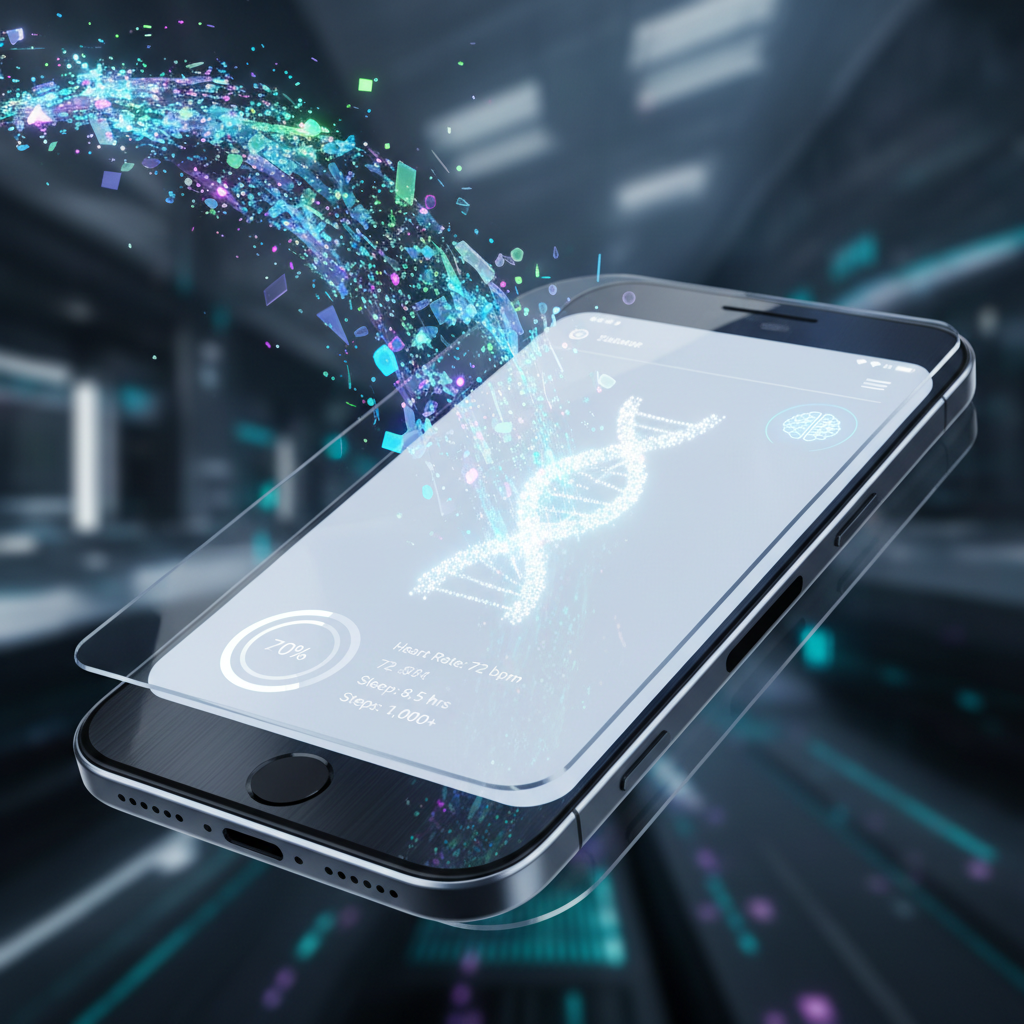
In an era defined by rapid technological advancement, the concept of healthcare is undergoing a profound transformation. We are moving beyond a reactive model, where medical intervention primarily occurs after symptoms manifest, towards a proactive paradigm. At the forefront of this revolution is Proactive Health AI, a sophisticated application of artificial intelligence that empowers individuals to take charge of their well-being by managing chronic conditions more effectively and, crucially, preventing illnesses before they take hold. This shift is powered by intelligent smart apps that learn from our data, provide personalized insights, and guide us towards healthier lives.
Under the broader umbrella of ‘Personalized Health and Wellness: AI Apps for a Better You,’ Proactive Health AI represents a significant leap forward. It promises a future where health is not just the absence of disease, but a continuous journey of optimization, supported by intelligent digital companions. From monitoring vital signs with uncanny precision to predicting health risks years in advance, these smart apps are fundamentally changing our relationship with our own health. They offer a unique blend of scientific rigor and personalized attention, making comprehensive health management more accessible and intuitive than ever before. Let us delve deeper into how this exciting field is reshaping the landscape of personal health.
Understanding Proactive Health AI
At its core, Proactive Health AI refers to the application of artificial intelligence technologies to anticipate, prevent, and manage health issues before they escalate. Unlike traditional reactive healthcare, which focuses on treating illness after it occurs, proactive health aims to keep individuals healthy by identifying risks early, monitoring well-being continuously, and offering timely, personalized interventions. This groundbreaking approach leverages vast amounts of data and sophisticated algorithms to create a personalized health ecosystem for each user.
The transition from reactive to proactive health is one of the most significant shifts in modern medicine. Historically, a doctor’s visit was often prompted by discomfort or illness. Now, with AI, the focus moves to continuous engagement, subtle pattern detection, and personalized guidance that supports wellness on an ongoing basis. This continuous feedback loop allows for dynamic adjustments to lifestyle, medication, and behavioral choices, fostering a truly personalized health journey.
Key components of Proactive Health AI include:
- Data Collection: Gathering health-related information from a myriad of sources, including wearables (smartwatches, fitness trackers), IoT medical devices (smart scales, continuous glucose monitors), electronic health records (EHRs, with patient consent), environmental sensors, and direct user input.
- AI Algorithms: Employing advanced machine learning (ML) and deep learning (DL) models to process, analyze, and interpret this complex data. These algorithms identify patterns, predict future health trends, and make informed recommendations.
- User Interface (Smart Apps): Delivering actionable insights and personalized guidance through intuitive mobile or web applications. These apps serve as the primary point of interaction, making sophisticated AI accessible to everyday users.
The benefits of this proactive approach are multifaceted. For individuals, it means earlier detection of potential health problems, personalized insights tailored to their unique physiology and lifestyle, improved adherence to treatment plans, and a greater sense of control over their health. For the broader healthcare system, it promises reduced emergency room visits, fewer hospitalizations, and overall lower healthcare costs by preventing conditions from reaching critical stages. Recent developments in predictive analytics, natural language processing (NLP) for symptom analysis, and computer vision for early diagnostic support are continuously enhancing the capabilities and accuracy of Proactive Health AI, making it an indispensable tool for future health management.
AI’s Transformative Role in Chronic Disease Management
Chronic conditions, such as diabetes, hypertension, heart disease, and asthma, pose immense challenges for patients and healthcare systems alike. They require continuous monitoring, consistent adherence to treatment plans, and significant lifestyle adjustments. This is where AI-powered smart apps step in, transforming the landscape of chronic disease management from a burden into a more manageable and empowering experience.
AI’s capability to process and interpret vast datasets in real-time makes it an invaluable asset for individuals living with long-term conditions. It provides a level of continuous, personalized care that traditional healthcare models struggle to deliver. Here is how AI significantly contributes to managing chronic diseases:
- Continuous Monitoring and Trend Analysis: AI apps can connect with various IoT medical devices, such as continuous glucose monitors (CGMs) for diabetes, smart blood pressure cuffs for hypertension, and wearable ECG monitors for heart conditions. These apps collect data 24/7, analyze trends over time, and identify deviations from personalized baselines that might indicate worsening control or an impending crisis. For instance, an AI app can detect subtle, gradual increases in blood pressure that a quarterly doctor’s visit might miss.
- Personalized Insights and Recommendations: General health advice often falls short for chronic conditions. AI can tailor recommendations based on an individual’s unique data – their specific glucose responses to certain foods, their sleep patterns’ impact on blood pressure, or their activity levels’ effect on asthma symptoms. This leads to highly personalized diet plans, exercise routines, and stress management techniques that are far more effective than one-size-fits-all guidance.
- Medication Adherence and Reminders: For many chronic conditions, consistent medication intake is crucial. AI apps can provide intelligent reminders, track medication adherence, and even correlate missed doses with physiological changes, prompting users to stay on track. Some advanced systems can even suggest medication adjustments based on real-time data and physician-approved protocols.
- Early Warning Systems: One of the most critical functions of AI in chronic care is its ability to act as an early warning system. By analyzing continuous data streams, AI can predict the likelihood of adverse events – such as a hypoglycemic episode in a diabetic patient, a hypertensive crisis, or an asthma attack – hours or even days in advance. This allows for timely intervention, whether it’s a prompt for the user to take action, or an alert sent to a caregiver or healthcare provider.
- Patient Engagement and Empowerment: AI apps empower patients by giving them real-time visibility into their health data and progress. Seeing the direct impact of lifestyle choices on their condition can be incredibly motivating. Gamification elements, virtual coaches, and progress reports within apps further foster engagement, helping patients feel more in control and less overwhelmed by their condition.
Consider a case study: a patient with Type 2 diabetes struggling with glycemic control. An AI app connected to their CGM learns their daily routine, dietary habits, and exercise patterns. It identifies that their blood sugar spikes significantly after a particular evening meal. The app then suggests alternative recipes or portion adjustments for that meal and reminds them to take a short walk afterward. Over weeks, the app refines its recommendations based on the patient’s actual responses, leading to better HbA1c levels and a reduced risk of complications. This proactive, data-driven approach marks a significant departure from traditional episodic care, offering a more continuous, supportive, and effective path to managing chronic conditions.
Preventative Health through AI Prediction
Beyond managing existing conditions, one of the most exciting and impactful applications of Proactive Health AI lies in its ability to predict future illnesses. This allows for targeted interventions and lifestyle modifications *before* a disease manifests, essentially shifting healthcare from a repair model to a prevention model. This capability is powered by sophisticated predictive analytics that analyze a vast array of data points to identify individual risk profiles.
The concept of preventative health through AI prediction revolves around identifying individuals who are at a higher risk of developing specific diseases in the future. This is a monumental task because the human body is a complex system influenced by countless factors. AI, however, excels at uncovering subtle correlations and patterns within massive datasets that would be impossible for humans to discern. Here’s how it works:
- Comprehensive Data Aggregation: AI systems ingest a wide spectrum of data relevant to an individual’s health. This includes:
- Genetic Information: Analyzing predispositions to certain conditions based on DNA.
- Lifestyle Data: Activity levels, sleep patterns, dietary habits, stress levels, and alcohol/tobacco consumption, often collected via wearables and self-reported inputs.
- Environmental Factors: Local air quality, pollen counts, weather patterns, and even socio-economic factors.
- Routine Health Screenings: Cholesterol levels, blood sugar, blood pressure, BMI, and other lab results from regular check-ups.
- Demographic Data: Age, gender, family medical history.
- Advanced Predictive Models: Machine learning algorithms, including classification models, regression analysis, and deep neural networks, are trained on anonymized, large-scale health datasets. These models learn to identify intricate patterns and correlations between various data points and the subsequent development of diseases. For example, a model might identify a particular combination of genetic markers, diet, and activity patterns that strongly correlates with an increased risk of Type 2 diabetes or certain cardiovascular diseases.
- Personalized Risk Scores: Based on the analysis, AI generates a personalized risk score for various conditions. This score isn’t a definitive diagnosis but rather an indication of the individual’s likelihood of developing a condition within a specific timeframe (e.g., “15% higher risk of developing cardiovascular disease in the next 10 years compared to the general population”). These scores are often presented in an understandable format within the smart app.
- Targeted Interventions and Recommendations: The real power of predictive AI lies in its ability to translate risk scores into actionable insights. If an individual is flagged as having an elevated risk for osteoporosis, the AI app might recommend:
- Increased intake of calcium and Vitamin D through diet or supplements.
- Specific weight-bearing exercises.
- A reminder to discuss bone density screenings with their doctor.
Similarly, for someone at high risk of burnout due to demanding work schedules and poor sleep, the AI might suggest stress management techniques, guided meditation, or flexible work strategies.
- Early Screening Recommendations: For certain conditions, early detection is key to successful treatment. Predictive AI can recommend earlier or more frequent screenings than standard guidelines might suggest, based on an individual’s heightened risk profile. This could include more frequent mammograms for those with a strong genetic predisposition to breast cancer, or earlier colonoscopies for individuals with specific risk factors for colorectal cancer.
By leveraging AI for prediction, individuals move from passively waiting for illness to actively engaging in their own preventative care. It allows for a highly personalized and proactive approach to health, potentially averting countless cases of chronic disease and improving overall population health outcomes.
Personalized Wellness Journeys with AI
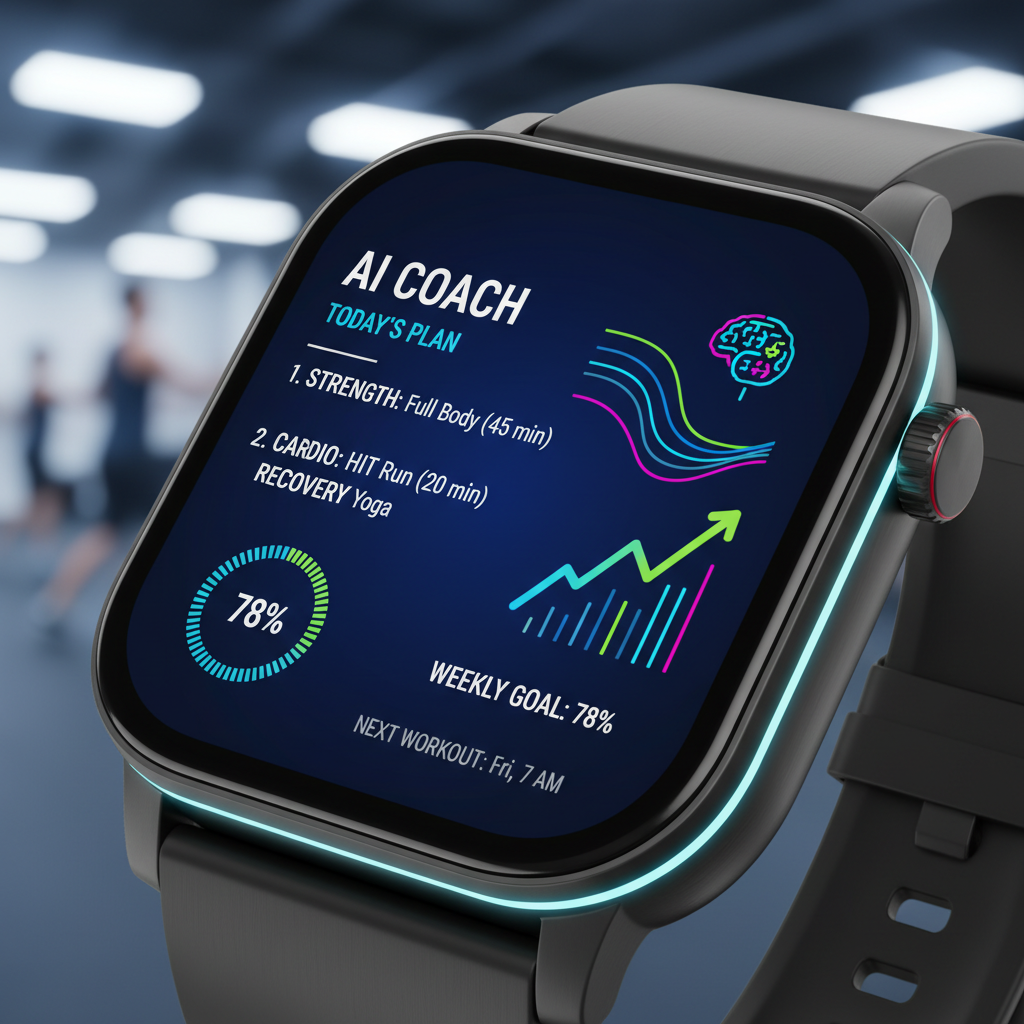
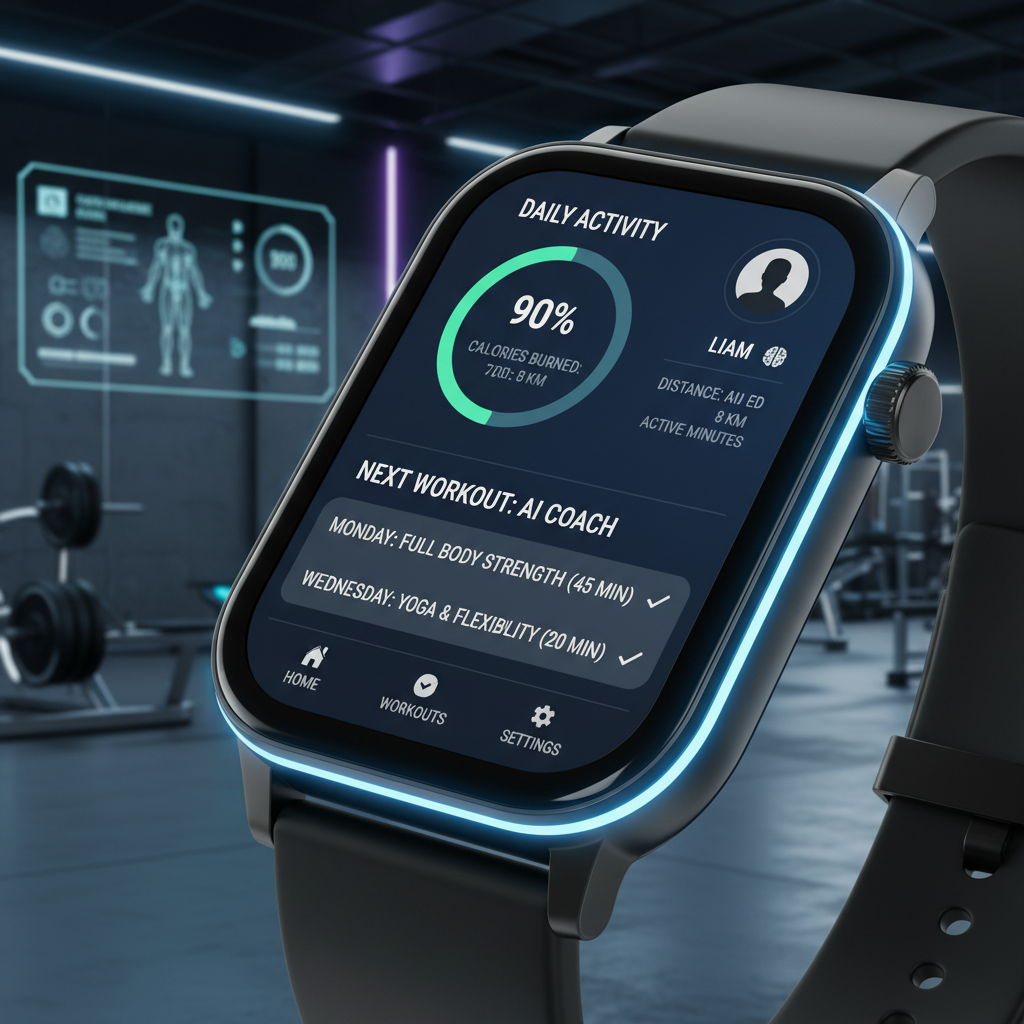
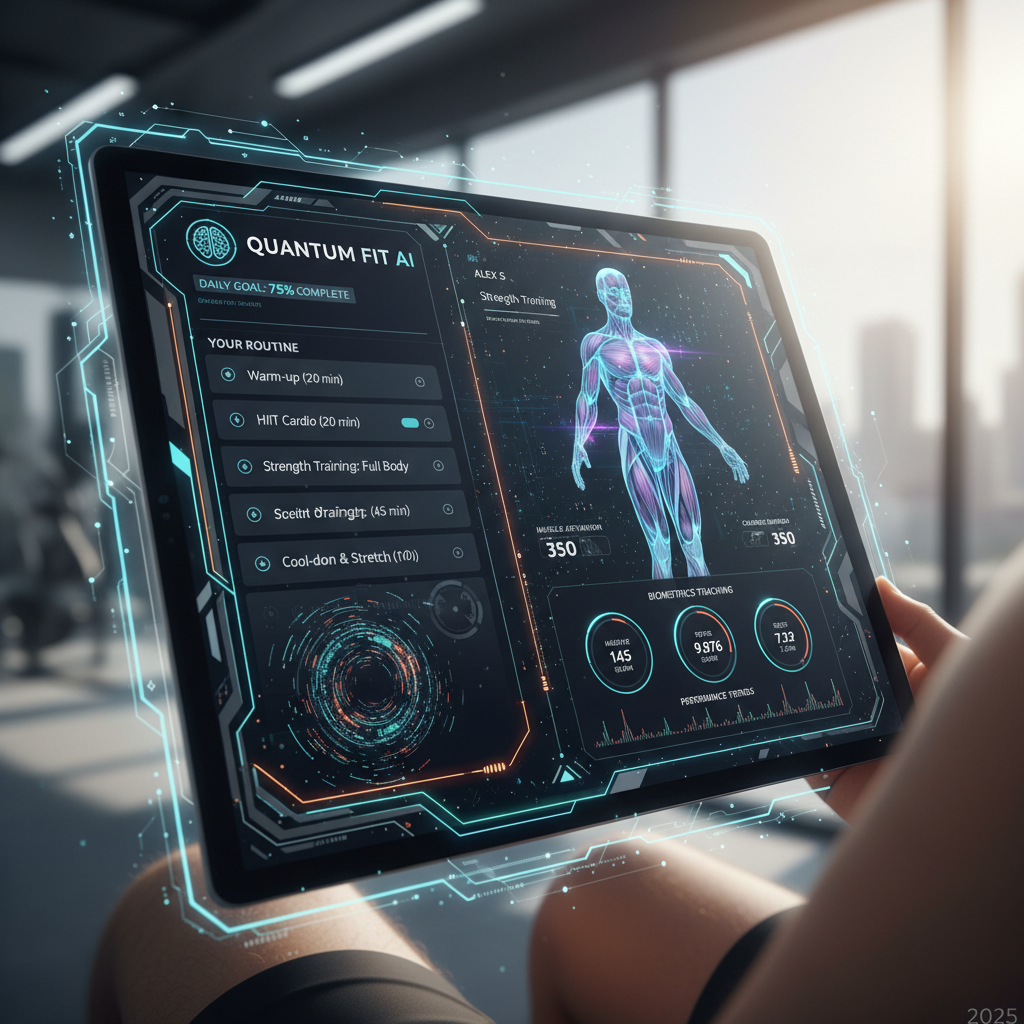
While managing chronic conditions and preventing illness are critical, Proactive Health AI also extends its influence into the realm of general wellness, helping individuals optimize their overall health and vitality. This involves creating deeply personalized wellness journeys that go beyond generic advice, adapting to an individual’s unique lifestyle, preferences, and progress. AI apps serve as intelligent coaches, guiding users towards their fitness, nutrition, mental well-being, and sleep goals.
The beauty of AI in personalized wellness is its ability to understand and respond to individual nuances. Unlike a static diet plan or exercise regimen, an AI-powered wellness journey is dynamic and responsive. Here’s how AI fosters personalized wellness:
- Customized Fitness Routines: Generic workout plans often lead to stagnation or injury. AI apps can create and adapt fitness routines based on a user’s current fitness level, goals (e.g., strength, endurance, weight loss), available equipment, time constraints, and even recovery data (e.g., sleep quality, heart rate variability). If a user consistently struggles with a particular exercise, the AI can suggest modifications or alternatives. Conversely, if they excel, it can intelligently increase the challenge.
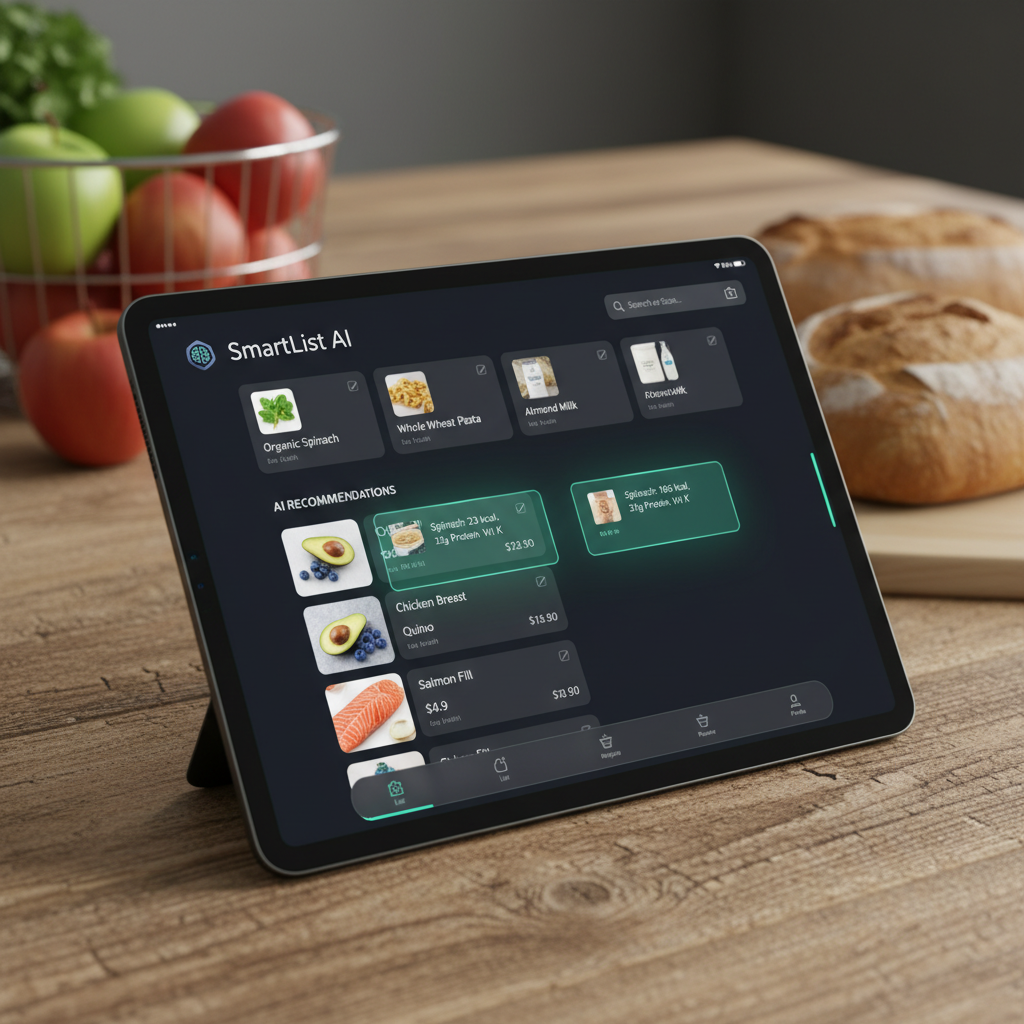
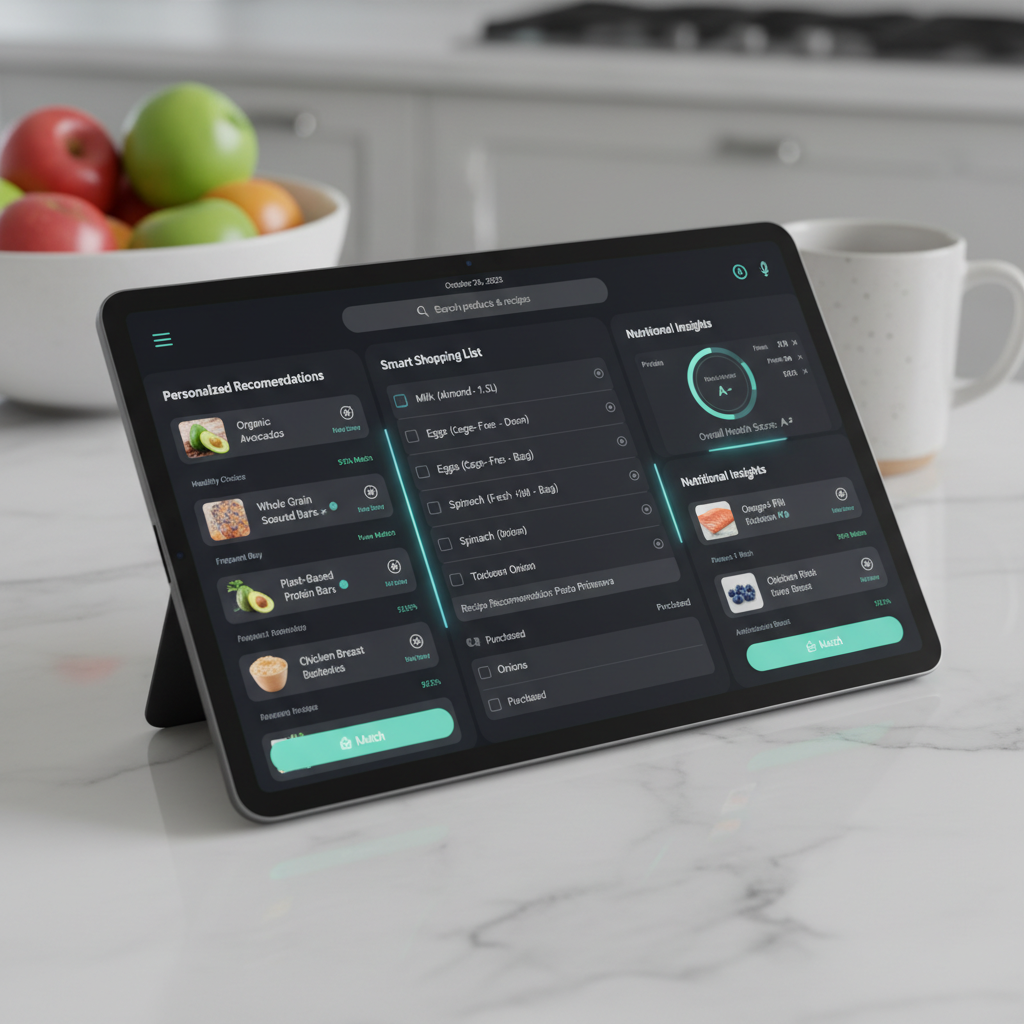
- Tailored Nutrition Plans: Diet is highly personal, influenced by allergies, preferences, cultural background, and metabolic responses. AI can generate customized meal plans and recipes that align with specific dietary goals (e.g., vegan, keto, low-carb), caloric needs, and nutrient requirements. By integrating with food tracking and wearable data, AI can learn which foods impact energy levels or sleep quality and adjust recommendations accordingly.
- Mindfulness and Mental Health Support: Mental well-being is an integral part of holistic health. AI apps offer personalized programs for stress reduction, mindfulness, and mood improvement. They can monitor indicators of stress (e.g., elevated resting heart rate, poor sleep) and proactively suggest guided meditations, breathing exercises, or journaling prompts. Some AI chatbots offer initial mental health screening and can suggest when professional human intervention might be beneficial, providing a safe, accessible first step for many.
- Sleep Optimization Strategies: Quality sleep is foundational to health. AI apps connected to sleep trackers analyze sleep cycles, duration, disturbances, and correlation with daily activity and diet. Based on this data, the AI can suggest personalized strategies to improve sleep hygiene, such as optimal bedtime routines, environmental adjustments (temperature, light), or specific relaxation techniques before bed. It might even identify patterns where certain evening activities negatively impact sleep.
- Dynamic Adaptation and Progress Tracking: The AI learns and adapts over time. If a user consistently meets their goals, the AI can progressively increase the challenge. If they face setbacks, it can offer supportive feedback and adjust plans to be more achievable. Detailed progress tracking, presented through engaging visualizations, keeps users motivated by showing how far they’ve come and providing insights into areas for improvement.
- Motivation and Virtual Coaching: Many AI wellness apps incorporate gamification, rewards, and virtual coaching to keep users engaged. AI-driven nudges and encouraging messages appear at opportune times, providing the right kind of motivation when it’s needed most. This personalized, empathetic interaction helps users maintain consistency and overcome obstacles.
The essence of an AI-powered wellness journey is its ability to transform raw data into a narrative of progress and an actionable path forward. It empowers individuals to understand their bodies and minds better, make informed choices, and cultivate sustainable habits that lead to a truly optimized and healthy life, moving beyond the mere absence of illness to a state of thriving.
The Technology Behind Smart Health Apps
The intelligence and efficacy of proactive health AI apps are underpinned by a sophisticated stack of technologies. These apps are not merely digital diaries but complex systems that integrate data, apply advanced algorithms, and ensure secure and meaningful interactions. Understanding the technological backbone reveals the immense potential and intricate challenges involved.
The primary technological components include:
- Data Acquisition: This is the first critical step, as AI is only as good as the data it’s fed. Smart health apps gather data from a diverse array of sources:
- Wearable Sensors: Smartwatches and fitness trackers measure heart rate, step count, sleep patterns, skin temperature, blood oxygen levels (SpO2), and even rudimentary ECGs.
- IoT Medical Devices: Specialized devices like smart scales (weight, body composition), continuous glucose monitors (blood sugar), smart blood pressure cuffs, and connected spirometers (lung function) provide precise, condition-specific data.
- User Input: Manual logging of diet, mood, symptoms, medication adherence, and subjective well-being. This qualitative data is crucial for context.
- Electronic Health Records (EHRs): With explicit user consent, apps can securely access relevant portions of EHRs, including diagnoses, lab results, medication history, and doctor’s notes, providing a comprehensive medical context.
- Environmental Sensors: Data on air quality, pollen counts, and weather can be integrated to understand external health influences.
- AI Algorithms and Models: This is where the raw data is transformed into actionable intelligence. Various types of AI are employed:
- Machine Learning (ML): The workhorse of AI health.
- Supervised Learning: Used for classification (e.g., identifying disease states from symptoms, predicting risk categories) and regression (e.g., predicting blood sugar levels, forecasting blood pressure trends).
- Unsupervised Learning: Employed for clustering (e.g., identifying distinct patient groups based on health profiles), anomaly detection (e.g., flagging unusual heart rate patterns), and dimensionality reduction.
- Deep Learning (DL): A subset of ML, deep neural networks excel at processing complex, unstructured data.
- Computer Vision: Analyzing medical images (e.g., X-rays for pneumonia, MRIs for tumors, dermatological images for skin conditions) with high accuracy.
- Natural Language Processing (NLP): Understanding and generating human language. This is vital for analyzing symptom descriptions, doctor’s notes, patient feedback, and powering conversational AI interfaces (chatbots).
- Reinforcement Learning (RL): Less common but emerging, RL can be used to optimize personalized intervention strategies by learning from user interactions and outcomes over time.
- Machine Learning (ML): The workhorse of AI health.
- Cloud Computing Infrastructure: Processing and storing the immense volume of health data securely requires robust cloud infrastructure (e.g., AWS, Azure, Google Cloud). Cloud platforms provide the scalable computational power for AI model training and inference, as well as secure data storage compliant with health regulations.
- Cybersecurity and Data Privacy: Given the highly sensitive nature of health data, robust cybersecurity measures are paramount. This includes:
- Encryption: Data is encrypted both in transit and at rest.
- Access Controls: Strict protocols ensure only authorized personnel and systems can access data.
- Regulatory Compliance: Adherence to stringent privacy regulations like HIPAA (Health Insurance Portability and Accountability Act) in the US and GDPR (General Data Protection Regulation) in Europe, which dictate how health data must be handled.
- Anonymization/Pseudonymization: Techniques used to remove or mask personally identifiable information from datasets used for research and model training.
- User Interface (UI) / User Experience (UX) Design: Even the most advanced AI is useless if users cannot interact with it effectively. Smart health apps prioritize intuitive design, clear data visualization, and actionable insights. The UX must be engaging, motivating, and easy to navigate for diverse user groups, from tech-savvy individuals to seniors.
The synergistic combination of these technologies enables smart health apps to collect data, derive meaningful insights, and deliver personalized, proactive health management strategies directly to the user’s fingertips. The continuous evolution of these technical components promises even more sophisticated and integrated health solutions in the years to come.
Challenges and Ethical Considerations in Proactive Health AI
While the promise of Proactive Health AI is immense, its implementation is not without significant challenges and complex ethical considerations. Addressing these issues responsibly is crucial for building trust, ensuring equity, and realizing the full potential of this transformative technology.
- Data Privacy and Security: Health data is arguably the most sensitive personal information. The collection, storage, and processing of such vast quantities of data by AI apps raise serious concerns about privacy breaches and misuse. Protecting this information from cyberattacks, unauthorized access, and secondary use (e.g., by insurance companies or employers) is a paramount challenge. Robust encryption, stringent access controls, and adherence to global privacy regulations (like HIPAA and GDPR) are essential, but the risk can never be entirely eliminated.
- Bias in Algorithms: AI models are trained on historical data, and if this data is biased or unrepresentative of the entire population, the AI’s predictions and recommendations can perpetuate or even amplify existing health disparities. For example, if an AI model for dermatological conditions is primarily trained on images of fair skin, it may perform poorly or misdiagnose conditions in individuals with darker skin tones. Similarly, if data primarily comes from affluent populations, the AI might not accurately assess risks or recommend appropriate interventions for underserved communities. Ensuring diverse and representative training datasets is a significant ongoing challenge.
- Regulatory Frameworks and Oversight: The rapid pace of AI development often outstrips the ability of regulatory bodies to create comprehensive guidelines. Questions arise regarding who is accountable if an AI app makes an incorrect recommendation that leads to harm. Is it the developer, the physician who endorsed its use, or the AI itself? Clear regulatory pathways, akin to those for medical devices and pharmaceuticals (e.g., FDA approval in the US, EMA in Europe), are needed to ensure the safety, efficacy, and reliability of AI health apps.
- Interpretability and Transparency: Many advanced AI models, particularly deep learning networks, operate as “black boxes.” It can be difficult to understand *how* they arrive at a particular prediction or recommendation. For healthcare professionals and patients, this lack of transparency can hinder trust and adoption. Understanding the rationale behind an AI’s advice is crucial, especially in critical health decisions. Developing explainable AI (XAI) is an active area of research to address this.
- Over-reliance and Human Oversight: AI is a powerful tool, but it is not a replacement for human medical expertise. There’s a risk of over-reliance on AI recommendations, potentially leading to “alarm fatigue” (ignoring frequent alerts) or, conversely, a reduction in critical thinking by healthcare professionals. Maintaining appropriate human oversight – where AI provides insights but human clinicians make final decisions – is vital. AI should augment, not replace, the human touch in healthcare.
- The Digital Divide and Equitable Access: The benefits of proactive health AI are primarily accessible to those with smartphones, internet access, and the digital literacy to use these apps. This creates a potential “digital divide,” where underserved populations, elderly individuals, or those in remote areas might be left behind, exacerbating existing health inequities. Efforts to ensure equitable access and digital inclusion are necessary.
- Data Quality and Integrity: The effectiveness of AI hinges on the quality of the data it processes. Inaccurate user input, faulty sensor readings, or incomplete EHRs can lead to erroneous predictions and recommendations. Ensuring data integrity, validating data sources, and having mechanisms for error correction are continuous operational challenges.
Navigating these complex ethical and practical challenges requires a multi-stakeholder approach involving technologists, healthcare professionals, ethicists, policymakers, and patients. Only through careful consideration and collaborative effort can Proactive Health AI realize its full, benevolent potential without inadvertently creating new problems.
The Future of Proactive Health AI
The journey of Proactive Health AI has only just begun, and its future trajectory promises even more revolutionary advancements. As technology continues to evolve and integrate more deeply into our daily lives, we can anticipate a future where AI-powered health apps are not just helpful tools, but seamless, integral components of a personalized and perpetually optimizing health ecosystem.
Here are some key trends and predictions for the future of Proactive Health AI:
- Hyper-Personalization and Digital Twins: The concept of personalized health will evolve into hyper-personalization. We may see the development of “digital twins” – virtual representations of an individual’s physiology, genetics, lifestyle, and medical history. These digital twins, continuously updated with real-time data, could simulate the impact of various interventions (e.g., a new medication, a specific diet, a surgical procedure) before they are applied in the real world, allowing for truly optimized and predictive care tailored to an unprecedented degree.
- Seamless Integration with Mainstream Healthcare: Currently, AI health apps often operate somewhat independently from traditional healthcare systems. The future will bring far greater integration. Data from smart apps will flow seamlessly and securely into electronic health records (EHRs), allowing physicians to have a more comprehensive, real-time view of their patients’ health. AI will assist clinicians in diagnosis, treatment planning, and monitoring, creating a truly collaborative human-AI healthcare model.
- Advanced Predictive Capabilities: AI models will become even more sophisticated, capable of identifying disease risks earlier and with greater precision. This includes predicting the onset of complex conditions like neurodegenerative diseases (e.g., Alzheimer’s, Parkinson’s) or certain autoimmune disorders years before symptoms become apparent, based on subtle biomarkers and behavioral changes. Early detection will enable pre-emptive interventions that could significantly alter disease progression.
- Increased Focus on Mental Health: While current AI apps offer some mental wellness support, the future will see more advanced AI tools for early detection, monitoring, and support of mental health conditions. This could include AI analyzing vocal patterns, facial expressions (via consented video input), or communication styles for early signs of depression, anxiety, or even psychotic episodes, providing personalized therapeutic recommendations or flagging the need for professional help.
- Robotics and AI in Remote Care: The convergence of AI with robotics will enhance remote patient monitoring and care delivery. Robotic companions could assist elderly patients with medication reminders, mobility support, and social interaction, all guided by AI that adapts to their needs and reports crucial health metrics to caregivers and medical teams.
- Precision Medicine and Genomics: AI will unlock the full potential of precision medicine. By integrating an individual’s genomic data with their lifestyle, environmental, and clinical data, AI will be able to recommend highly individualized treatments and prevention strategies that are optimized for their unique biological makeup, leading to more effective therapies with fewer side effects.
- Ubiquitous and Invisible Health Monitoring: Wearable technology will become even more discrete and integrated, perhaps woven into clothing or embedded in everyday objects, making health monitoring virtually invisible. AI will then continuously analyze this background data, offering insights without requiring explicit user interaction, making proactive health management an effortless part of daily life.
The future of Proactive Health AI is one where health is truly personalized, predictive, preventive, and participatory. It holds the promise of not just extending lifespans, but enhancing health spans – allowing individuals to live longer, healthier, and more fulfilling lives with the continuous, intelligent support of smart technology.
Comparison Tables
Table 1: Comparison of AI App Features: Chronic Condition Management vs. Illness Prevention
| Feature Category | Chronic Condition Management Apps | Illness Prevention Apps |
|---|---|---|
| Primary Goal | Stabilize existing condition, prevent complications, improve quality of life | Identify risk, recommend lifestyle changes to avert disease onset, promote wellness |
| Data Focus | Disease-specific metrics (e.g., blood glucose, BP, ECG), medication adherence, symptom tracking, lab results, specialist notes | Lifestyle data (activity, sleep, diet), genetic predisposition, environmental factors, routine lab results, family history |
| AI Output/Insights | Dosage adjustments, crisis prediction, personalized treatment reminders, diet modifications for condition, alert escalation to caregivers | Personalized risk scores (e.g., for CVD, diabetes), preventive action plans, wellness coaching, early screening recommendations, habit formation strategies |
| Key AI Algorithms | Regression models, time-series analysis, anomaly detection, Natural Language Processing (NLP) for symptom interpretation, predictive modeling | Classification, risk stratification models, clustering, correlation analysis, pattern recognition, predictive epidemiology |
| User Interaction | Detailed logging (e.g., food intake, blood sugar), alerts for critical values, communication tools with caregivers/doctors, educational content about condition | Goal setting, motivational nudges, habit building challenges, educational content on healthy living, progress tracking towards wellness goals |
| Example Use Case | An app predicting hypoglycemic episodes for a diabetic user based on CGM data, activity, and meal logs, suggesting a specific snack to avert it. | An app suggesting specific exercises and dietary changes for someone at high risk of heart disease due to genetics and current lifestyle, aimed at reducing that risk. |
Table 2: Key Data Sources and AI Algorithms in Smart Health Apps
| Data Source Category | Specific Data Examples | Primary AI Algorithms Used | Application in Health Apps |
|---|---|---|---|
| Wearable Sensors | Heart rate, step count, sleep patterns (stages, duration), skin temperature, ECG, blood oxygen (SpO2), heart rate variability (HRV) | Time-series analysis, Anomaly detection, Regression, Clustering, Pattern recognition | Activity tracking, sleep quality assessment, stress detection, early cardiac event warning, recovery status monitoring |
| User Input | Diet logs, mood entries, symptom descriptions, medication adherence, pain levels, subjective well-being ratings | Natural Language Processing (NLP), Sentiment analysis, Classification, Regression | Personalized nutrition plans, mental wellness tracking, symptom correlation with lifestyle, medication compliance tracking |
| Electronic Health Records (EHRs) | Diagnosis codes, lab results, medication history, doctor’s notes, medical imaging reports, past treatments | Classification, Predictive analytics, NLP (for unstructured text), Clustering | Risk assessment for chronic diseases, treatment personalization, medication interaction checks, identifying cohorts for clinical trials |
| Genomic Data | DNA sequencing data, genetic markers for predispositions, pharmacogenomic variants | Machine Learning, Pattern recognition, Association rule mining | Pharmacogenomics (predicting drug response), personalized disease risk profiles, tailored dietary and lifestyle advice based on genetics |
| Environmental Data | Air quality indices, pollen counts, weather patterns (temperature, humidity), local disease outbreaks | Geographic Information Systems (GIS), Regression, Classification, Time-series analysis | Asthma trigger alerts, allergy forecasts, outdoor activity recommendations, early warning for infectious disease spread |
| IoT Medical Devices | Blood pressure readings, glucose meter readings, smart scale measurements (weight, body fat), pulse oximetry | Time-series analysis, Anomaly detection, Regression, Predictive modeling | Continuous monitoring of vital signs, early detection of deviations from baseline, personalized dosage recommendations for insulin/medication |
| Medical Imaging | X-rays, MRIs, CT scans, ultrasound images, dermatological photos, retinal scans | Computer Vision, Deep Learning (Convolutional Neural Networks – CNNs) | Automated detection of abnormalities (e.g., tumor detection, fracture identification, diabetic retinopathy screening, skin lesion analysis) |
Practical Examples of Proactive Health AI in Action
To truly grasp the power of Proactive Health AI, it’s helpful to explore real-world scenarios and practical applications. These examples demonstrate how smart apps leverage AI to make tangible differences in managing chronic conditions and preventing illness.
Example 1: Advanced Diabetes Management
Scenario: Sarah, a 45-year-old with Type 1 diabetes, struggles with unpredictable blood sugar fluctuations despite careful monitoring. She uses an AI-powered app connected to her continuous glucose monitor (CGM) and an insulin pump.
AI in Action: The app collects Sarah’s real-time glucose data, insulin delivery, food intake (logged by Sarah), and activity levels from her smartwatch. Over time, the AI learns her unique physiological responses to different foods, exercise types, and insulin dosages. Instead of just reacting to high or low readings, the AI proactively predicts potential hypoglycemic (low blood sugar) or hyperglycemic (high blood sugar) events up to 4 hours in advance. If it predicts a low, it sends an alert to Sarah’s phone suggesting she consume a specific carbohydrate snack and provides the exact amount needed. If a high is predicted, it might suggest a bolus adjustment through her pump (within safe, physician-set parameters) or advise a short walk. This predictive capability significantly reduces the incidence of dangerous blood sugar swings, improves her HbA1c, and enhances her quality of life by minimizing the constant anxiety associated with diabetes management.
Example 2: Cardiovascular Disease Prevention
Scenario: Mark, a 55-year-old with a family history of heart disease and slightly elevated cholesterol, wants to proactively reduce his risk. He uses an AI health app that integrates data from his smart blood pressure cuff, a fitness tracker, and periodic lab results (entered manually or via EHR integration).
AI in Action: The AI analyzes Mark’s blood pressure trends, activity levels, sleep patterns, dietary inputs, and genetic predispositions. It identifies that his weekly intake of saturated fats is higher than recommended and his daily step count often falls below target on weekdays. The app calculates his personalized cardiovascular risk score and provides a tailored prevention plan. This includes heart-healthy recipes (with grocery lists), specific cardio workout suggestions (e.g., 30 minutes of brisk walking 5 times a week), and prompts for regular cholesterol checks. Crucially, if the AI detects a persistent rise in blood pressure despite his efforts, it flags this for Mark and suggests he schedule a review with his doctor, providing a summary of the concerning trends to share during the appointment.
Example 3: Proactive Mental Wellness and Stress Management
Scenario: Emily, a 30-year-old working in a high-stress environment, often feels overwhelmed and struggles with sleep. She downloads an AI-powered mental wellness app that integrates with her sleep tracker and calendar.
AI in Action: The app monitors Emily’s sleep quality (duration, interruptions, deep sleep percentage), heart rate variability (HRV), and even analyzes her journaling entries (with consent, using NLP for sentiment analysis). It learns that prolonged periods of poor sleep correlated with increased work deadlines often lead to higher stress levels and reduced HRV. When it detects these patterns, the AI proactively sends personalized nudges: “Emily, your sleep quality has been low for three nights, and you have a big project due. Perhaps take a 10-minute guided meditation break now?” or “Consider scheduling a 30-minute stress-reduction walk this evening.” If stress indicators persist for an extended period, the app might gently suggest a virtual session with a mental health professional, providing a discreet and accessible pathway to support.
Example 4: Early Detection of Respiratory Issues
Scenario: Daniel, a 7-year-old with seasonal asthma, has a parent who uses an AI-powered smart spirometer connected to an app. The app also uses location data for local air quality and pollen forecasts.
AI in Action: Daniel’s parent regularly monitors his lung function with the smart spirometer. The AI app tracks his peak flow rates and FEV1 (Forced Expiratory Volume in 1 second) over time, establishing his personal baseline. It integrates this with local air quality data (e.g., high particulate matter) and pollen counts. The AI identifies subtle declines in lung function even before Daniel reports symptoms, especially correlating with specific environmental triggers. It sends an alert to Daniel’s parent: “Daniel’s lung function is slightly below his baseline, and the pollen count is very high today. Consider administering his preventative inhaler dose and limiting outdoor play.” This proactive alert helps prevent full-blown asthma attacks and reduces the severity of flare-ups, allowing for earlier and more precise management.
Example 5: Post-Surgery Rehabilitation Monitoring
Scenario: Robert, a 70-year-old, is recovering from knee replacement surgery. His physical therapist recommends an AI-driven rehabilitation app to ensure proper exercise adherence and monitor progress from home.
AI in Action: The app guides Robert through his prescribed exercises using visual instructions and sometimes even uses the smartphone’s camera for motion tracking to provide real-time feedback on form. Robert logs his pain levels and perceived exertion after each session. The AI analyzes his exercise completion rate, pain reports, and range of motion improvements. If Robert consistently reports high pain with a specific exercise, the AI might suggest modifications or a temporary reduction in intensity. If it detects a stagnation in his range of motion, or an unusual spike in pain, it automatically alerts his physical therapist, allowing for timely adjustments to his recovery plan or an earlier follow-up appointment, preventing potential complications and optimizing his rehabilitation journey.
These practical examples highlight how Proactive Health AI is moving beyond abstract concepts to deliver tangible, life-enhancing benefits, making healthcare more intelligent, accessible, and personalized for everyone.
Frequently Asked Questions
Q: What exactly is “Proactive Health AI”?
A: Proactive Health AI refers to the use of artificial intelligence technologies to anticipate, prevent, and manage health conditions before they become critical or severe. Instead of reacting to symptoms, this approach focuses on continuous monitoring, personalized risk assessment, and early interventions based on data gathered from wearables, smart devices, and user input. It aims to empower individuals to maintain optimal health and wellness by providing actionable, timely insights and guidance, thereby shifting the paradigm from reactive illness treatment to sustained health prevention and management.
Q: How does AI help manage chronic conditions?
A: AI significantly enhances chronic condition management by providing continuous, personalized support. It monitors vital signs and health metrics (e.g., blood glucose, blood pressure) in real-time, identifies dangerous trends or deviations, and can predict potential crises (e.g., hypoglycemic events). AI apps offer personalized recommendations for diet, exercise, and medication adherence, tailoring advice to an individual’s unique data rather than general guidelines. They empower patients with actionable insights, intelligent reminders, and tools for better communication with their healthcare providers, leading to improved outcomes and a better quality of life.
Q: Can AI really prevent illnesses? How?
A: Yes, AI has a remarkable capacity to contribute to illness prevention. It does this primarily through predictive analytics. By analyzing vast amounts of data – including genetic information, lifestyle choices, environmental factors, and routine lab results – AI algorithms can identify individuals at an elevated risk of developing specific diseases (e.g., cardiovascular disease, Type 2 diabetes) years before symptoms appear. Based on these personalized risk assessments, AI apps can recommend targeted lifestyle modifications, early screening tests, or preventative strategies, thereby intervening proactively to reduce or even avert the onset of illness.
Q: Is my health data safe with these AI apps?
A: Data privacy and security are paramount concerns for AI health apps. Reputable apps employ robust cybersecurity measures, including strong encryption for data in transit and at rest, strict access controls, and anonymization techniques. They are also typically designed to comply with stringent health data privacy regulations such as HIPAA in the United States and GDPR in Europe, which legally mandate how personal health information must be handled. However, no system is entirely immune to risk, so users should always research an app’s privacy policy and choose trusted providers.
Q: Are AI health apps a replacement for doctors?
A: Absolutely not. AI health apps are powerful tools designed to augment and support human healthcare professionals, not replace them. They excel at data analysis, pattern recognition, continuous monitoring, and providing personalized insights, but they lack the empathy, clinical judgment, and holistic understanding that a human doctor brings to patient care. AI can assist in diagnosis, risk assessment, and treatment adherence, but final medical decisions, complex interpretations, and the human connection remain firmly within the domain of qualified medical practitioners. AI acts as an intelligent assistant, empowering both patients and clinicians.
Q: How accurate are AI predictions in health apps?
A: The accuracy of AI predictions in health apps varies widely depending on the quality and quantity of the training data, the sophistication of the algorithms, and the specific health condition being addressed. While AI can achieve impressive accuracy rates in specific tasks (e.g., detecting certain anomalies in medical images, predicting glucose trends), its predictions are probabilistic and should not be treated as definitive diagnoses. Reputable apps often undergo rigorous testing and sometimes even regulatory approval processes. It’s crucial for users to understand that AI provides *insights and risk assessments*, which should always be discussed with a healthcare professional.
Q: What kind of data do these smart apps collect?
A: Smart health apps collect a diverse range of data, often with user consent. This can include:
- Physiological data: From wearables (heart rate, steps, sleep, activity) and IoT medical devices (blood pressure, glucose levels, weight).
- User-input data: Diet logs, mood entries, symptom descriptions, medication adherence, pain levels.
- Medical history: With user consent, data from Electronic Health Records (EHRs) such as diagnoses, lab results, and medication lists.
- Environmental data: Location-based information like air quality, pollen counts, or weather.
- Behavioral data: App usage patterns and interactions.
The specific data collected depends on the app’s function and features.
Q: Are there any ethical concerns regarding Proactive Health AI?
A: Yes, several ethical concerns accompany Proactive Health AI. These include:
- Algorithmic Bias: AI models trained on unrepresentative data can lead to biased predictions or recommendations, potentially exacerbating health disparities.
- Privacy and Consent: Ensuring transparent data collection, robust security, and informed consent for data usage.
- Interpretability: The “black box” nature of some AI models can make it difficult to understand *how* a recommendation was derived, hindering trust.
- Over-reliance: The risk of users or even clinicians over-relying on AI, potentially reducing critical thinking.
- Digital Divide: Ensuring equitable access to these technologies for all socio-economic groups.
- Accountability: Determining responsibility if an AI recommendation leads to adverse outcomes.
Addressing these concerns through careful design, regulation, and ethical guidelines is critical.
Q: How can I choose a reliable AI health app?
A: When choosing an AI health app, consider the following:
- Source Credibility: Is it developed by a reputable organization, medical institution, or a company known for health tech?
- Privacy Policy: Read and understand how your data will be collected, stored, used, and shared. Look for GDPR/HIPAA compliance.
- Clinical Validation: Does the app have scientific evidence or clinical studies supporting its claims of efficacy or accuracy?
- User Reviews: Check app store reviews for user experiences and potential issues.
- Professional Oversight: Does the app recommend consulting with a doctor for critical decisions, rather than replacing professional advice?
- Transparency: Is it clear how the AI works and what data it uses?
- Permissions: Be mindful of the permissions the app requests on your device.
Always prioritize apps that emphasize privacy, medical collaboration, and evidence-based claims.
Q: What does the future hold for Proactive Health AI?
A: The future of Proactive Health AI is incredibly promising. We can expect hyper-personalized health insights, potentially involving “digital twins” that simulate individual physiology. There will be deeper integration with mainstream healthcare systems, allowing seamless data flow between apps and medical records. Advanced AI will offer even earlier and more precise disease prediction, extending to complex conditions. Furthermore, AI will play an increasingly vital role in mental health support and will likely integrate with robotics for comprehensive remote care, making health management more seamless, precise, and preventive for everyone.
Key Takeaways
- Paradigm Shift: Proactive Health AI is fundamentally shifting healthcare from a reactive, symptom-driven model to a preventive, wellness-focused approach.
- Empowered Management: AI-powered smart apps provide continuous monitoring, personalized insights, and intelligent reminders, significantly empowering individuals in managing chronic conditions like diabetes and hypertension.
- Early Prevention: Predictive AI analyzes a vast array of data (genetics, lifestyle, environment) to identify individual disease risks early, enabling targeted interventions and lifestyle modifications to prevent illness before onset.
- Holistic Wellness: Beyond illness, AI curates dynamic, personalized wellness journeys, optimizing fitness, nutrition, mental well-being, and sleep based on individual data and goals.
- Technological Foundation: Advanced AI algorithms (Machine Learning, Deep Learning, NLP), robust cloud infrastructure, and stringent cybersecurity measures are the bedrock of these intelligent health systems.
- Critical Considerations: Addressing challenges like data privacy, algorithmic bias, regulatory oversight, and ensuring equitable access is crucial for the responsible and ethical development of Proactive Health AI.
- Future Outlook: The future promises hyper-personalization, deeper integration with traditional healthcare, more sophisticated predictive capabilities, and a broader application of AI in mental health and robotic care, paving the way for a healthier global population.
Conclusion
The advent of Proactive Health AI, manifested through intelligent smart apps, marks a pivotal moment in human health and wellness. It represents a profound shift from a healthcare system that primarily reacts to illness to one that actively anticipates, prevents, and manages conditions with unprecedented precision and personalization. This technology is not merely an incremental improvement; it is a transformative force, empowering individuals with the knowledge and tools to become active participants in their own health journeys.
From the nuanced management of chronic conditions, where AI acts as a tireless, personalized assistant, to the revolutionary ability to predict and prevent illnesses years in advance, the benefits are clear and far-reaching. The promise of personalized wellness journeys, tailored to every unique facet of an individual’s life, holds the potential to unlock new levels of vitality and longevity for millions. While we must navigate the complex ethical landscape of data privacy, algorithmic bias, and equitable access with utmost care and vigilance, the inherent value of Proactive Health AI in fostering a healthier, more informed, and empowered global community is undeniable.
As we look to the future, the continuous evolution of AI, coupled with a growing understanding of human biology and behavior, will undoubtedly lead to even more sophisticated and integrated health solutions. Embracing these smart apps responsibly, with a clear understanding of their capabilities and limitations, will not only revolutionize personal health management but also redefine our collective approach to well-being, paving the way for a future where a proactive, personalized, and preventive approach to health becomes the global standard.









































































Leave a Reply