


In an era brimming with information and technological marvels, the pursuit of health and wellness has transcended generic advice to embrace a deeply personalized, data-driven approach. Gone are the days of one-size-fits-all recommendations; today, artificial intelligence (AI) is at the forefront, transforming how we understand our bodies and cultivate healthy habits. This profound shift, often dubbed Data-Driven Wellness, leverages sophisticated algorithms and vast datasets to offer unprecedented insights, making personalized health not just a dream, but a tangible reality for millions.
From smartwatches that monitor your heart rate to apps that analyze your sleep patterns and provide tailored dietary advice, AI is becoming an indispensable partner in our journey towards optimal well-being. It is no longer about simply tracking data, but about interpreting that data contextually, identifying patterns that escape the human eye, and offering actionable guidance designed specifically for you. This article delves into the exciting world of AI-powered wellness, exploring how these intelligent tools are helping us unlock a deeper understanding of our physiological and psychological states, thereby empowering us to form lasting, healthy habits.
The Dawn of Data-Driven Wellness
For centuries, understanding the human body and maintaining health relied on observational wisdom, general medical knowledge, and often, trial and error. While traditional medicine has made incredible strides, the ability to personalize health advice to an individual’s unique biological makeup, lifestyle, and goals has always been a significant challenge. This is precisely where AI steps in, offering a paradigm shift.
From Guesswork to Precision: The AI Revolution
The core promise of AI in wellness lies in its capacity for precision. Instead of relying on averages, AI systems can process an enormous volume of personal data – from genetic predispositions and medical history to real-time biometric readings and behavioral patterns. This allows for a level of customization previously unimaginable. Imagine an exercise plan that adapts not just to your fitness level, but also to your sleep quality from the previous night, your stress levels, and even upcoming weather conditions. Or a dietary recommendation that considers your microbiome profile, potential food sensitivities, and energy expenditure throughout the day.
This revolution is fueled by advancements in several key areas:
- Big Data Analytics: The sheer volume of data generated by wearables, smart devices, and health apps provides fertile ground for AI algorithms to identify intricate correlations and predictive patterns.
- Machine Learning (ML): At the heart of most AI wellness tools, ML algorithms learn from data over time, continuously refining their understanding of your body and behaviors, making their recommendations more accurate and effective with each interaction.
- Sensor Technology: Miniaturized, accurate sensors in smartwatches, rings, and patches can non-invasively collect a wealth of physiological data, feeding the AI systems with critical inputs.
This convergence of data, algorithms, and sensing capabilities is paving the way for a future where personal wellness is truly bespoke, moving us from reactive health management to proactive, preventative care.
How AI Interprets Complex Health Data
The real magic of AI in wellness isn’t just in collecting data, but in making sense of it. Our bodies produce a bewildering array of signals, from heart rate variability (HRV) and blood glucose levels to sleep cycles and activity patterns. Individually, these data points offer limited insight. However, when aggregated and analyzed by AI, they reveal a holistic picture of our health.
- Pattern Recognition: AI algorithms excel at identifying subtle patterns and anomalies in vast datasets that might indicate stress, impending illness, or a decline in performance. For example, a consistent dip in HRV combined with restless sleep might trigger an AI to suggest stress reduction techniques.
- Contextual Understanding: Unlike a simple data logger, AI can interpret data within its proper context. A higher heart rate during a workout is normal, but a similar spike during rest might warrant a warning. AI considers your daily activities, diet, and even environmental factors to provide relevant insights.
- Predictive Modeling: By analyzing historical data and current trends, AI can predict potential health issues or optimal periods for certain activities. This might involve forecasting your energy levels for the day or identifying a risk factor for a chronic condition based on long-term trends.
- Feedback Loops: AI systems constantly learn from the outcomes of their recommendations. If a particular dietary plan improves your energy levels, the AI notes this success and incorporates it into future advice. This adaptive learning is crucial for personalization.
By transforming raw numbers into meaningful, actionable insights, AI empowers individuals to understand the intricate workings of their bodies like never before, laying the groundwork for more informed health decisions.
AI-Powered Tools for Understanding Your Body
The market for AI-powered wellness tools is rapidly expanding, offering a diverse array of solutions designed to address various aspects of health. These tools leverage AI to analyze data from wearables, user input, and other sources to provide highly personalized recommendations.
Wearable Integration and Biometric Tracking
Wearable devices such as smartwatches, fitness trackers, and smart rings are the primary data collection points for many AI wellness applications. These devices continuously monitor a wide range of biometrics:
- Heart Rate and Heart Rate Variability (HRV): Crucial indicators of cardiovascular health, stress levels, and recovery status. AI analyzes trends in HRV to assess your body’s readiness for stress or exercise.
- Activity Levels: Steps taken, calories burned, active minutes. AI uses this data to recommend activity goals and track progress against them.
- Skin Temperature: Can provide insights into illness, menstrual cycles, and sleep quality. AI can detect subtle shifts that might indicate a developing fever or predict ovulation.
- Blood Oxygen Saturation (SpO2): Important for respiratory health and identifying sleep disturbances like sleep apnea. AI monitors for significant drops.
- ECG Readings: Some advanced wearables can perform on-demand electrocardiograms, with AI helping to identify potential arrhythmias.
AI aggregates and interprets this continuous stream of data, providing a holistic view of your physiological state. For example, an AI might observe a pattern of low HRV on days following intense workouts coupled with poor sleep, suggesting that you need more recovery time.
Sleep Analysis and Optimization
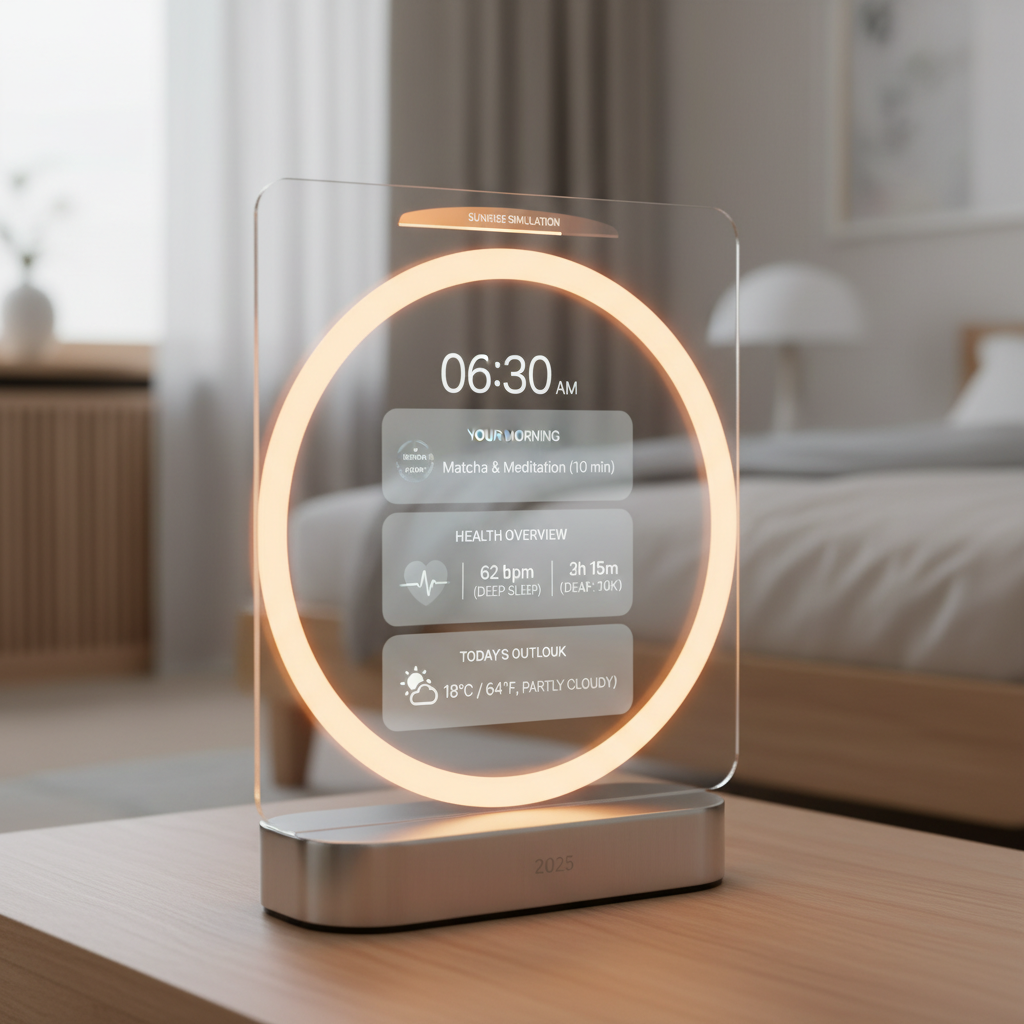
Sleep is a cornerstone of good health, yet many struggle with achieving adequate, restorative rest. AI-powered sleep trackers, found in wearables, smart mattresses, and dedicated apps, offer detailed insights:
- Sleep Stage Tracking: AI algorithms differentiate between light, deep, and REM sleep based on movement, heart rate, and sometimes even breathing patterns.
- Sleep Disturbance Detection: Snoring, tossing and turning, and even brief awakenings are recorded and analyzed. AI can identify patterns suggestive of conditions like sleep apnea or restless leg syndrome.
- Environmental Factors: Some smart home integrations allow AI to correlate sleep quality with room temperature, light exposure, or noise levels.
- Personalized Recommendations: Based on your unique sleep profile, AI can suggest changes to your bedtime routine, optimal sleep times, or environmental adjustments to improve sleep quality. Applications like Sleep Cycle or features in Oura Ring exemplify this.
Understanding not just how much but how well you sleep is vital, and AI provides the tools to gain this clarity.
Nutrition Coaching and Dietary Recommendations
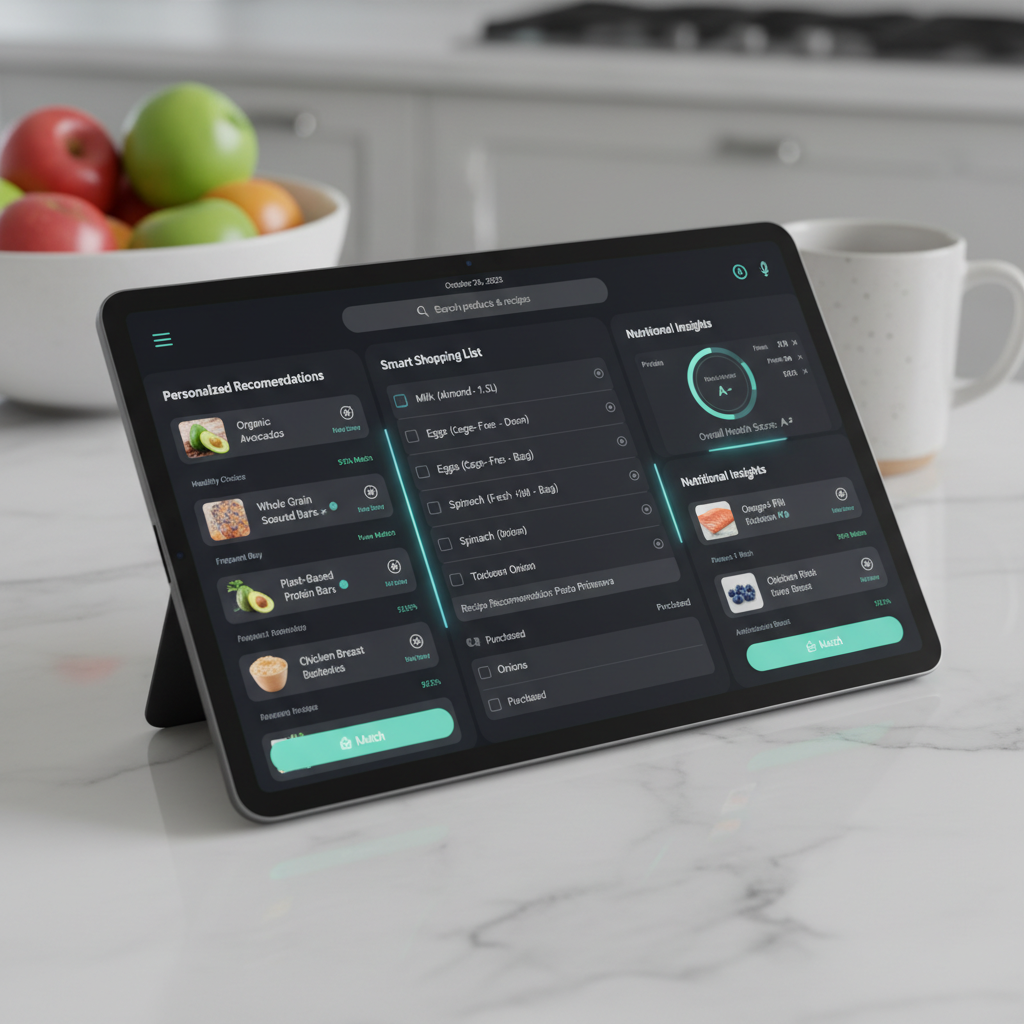
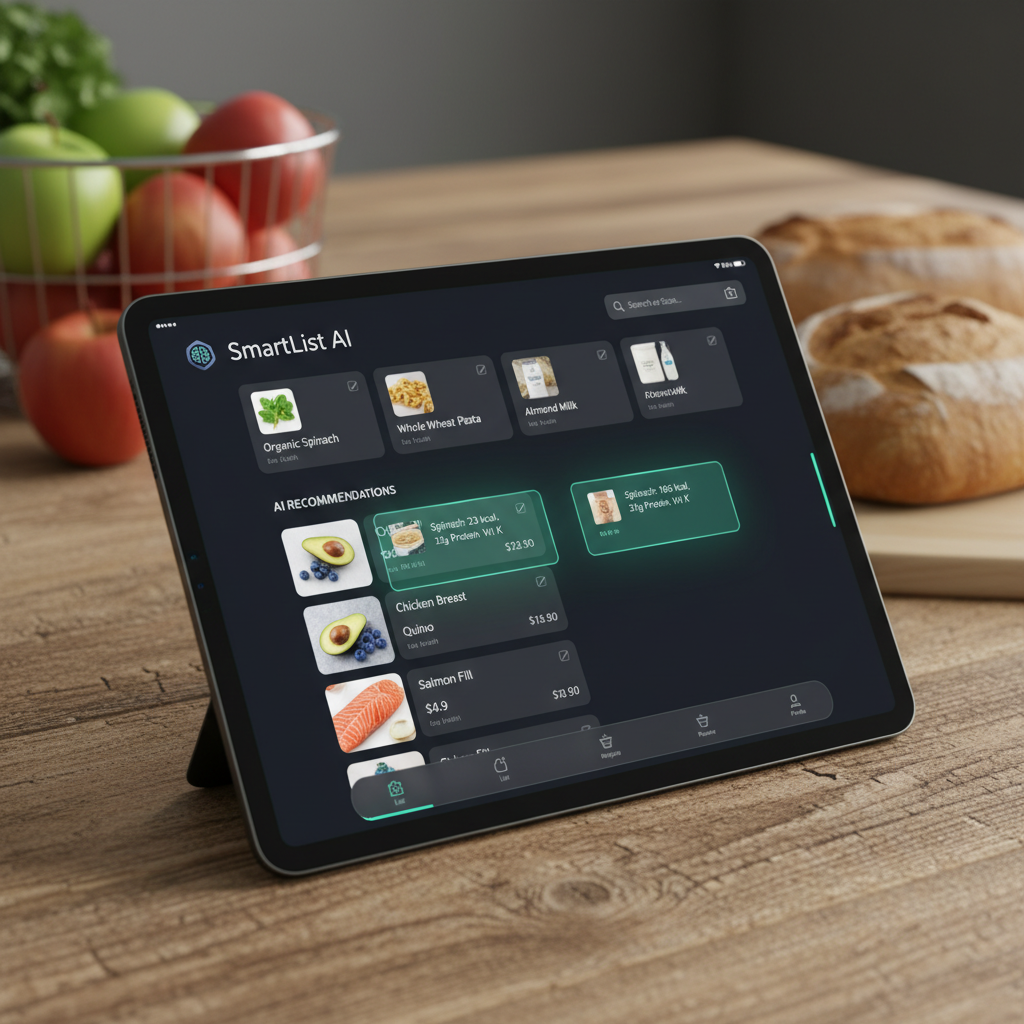
Navigating the complex world of nutrition can be overwhelming. AI tools simplify this by offering personalized dietary guidance:
- Food Logging and Analysis: Apps use AI-driven image recognition or natural language processing to quickly log meals. They then analyze nutritional content, macronutrient ratios, and micronutrient intake.
- Personalized Meal Plans: Based on your health goals (weight loss, muscle gain, energy enhancement), dietary preferences (vegan, keto, gluten-free), activity levels, and even genetic predispositions, AI can generate custom meal plans.
- Behavioral Nudging: AI can send reminders to drink water, track meals, or suggest healthier alternatives when you’re about to make a less optimal choice.
- Microbiome Insights: Emerging AI applications are starting to integrate data from gut microbiome tests to provide even more precise dietary recommendations, tailoring food choices to optimize gut health.
Apps like MyFitnessPal (with its vast food database and tracking capabilities), Noom (which incorporates behavioral psychology), and newer, more specialized platforms like Nutrigenomix offer varying degrees of AI-driven nutritional support.
Exercise Planning and Performance Enhancement
For fitness enthusiasts and casual exercisers alike, AI is transforming how we plan, execute, and recover from physical activity:
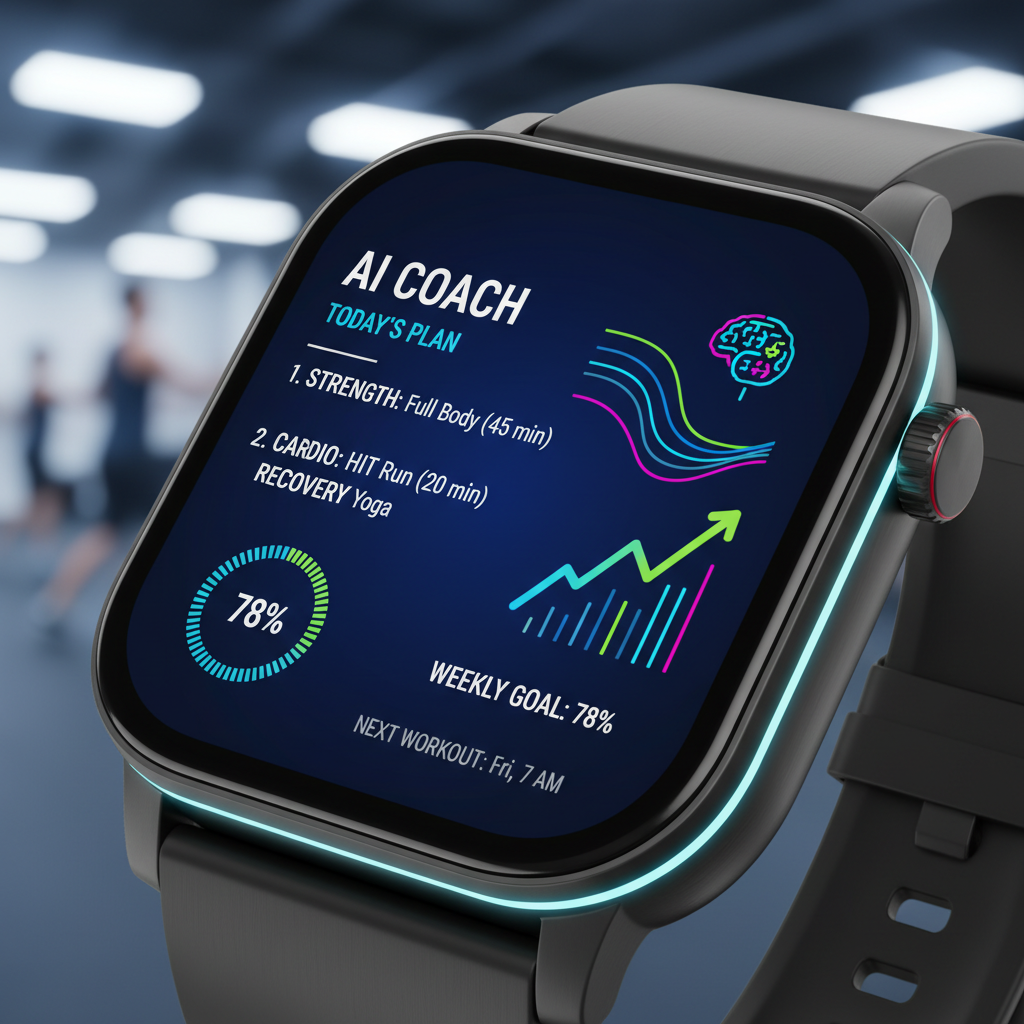
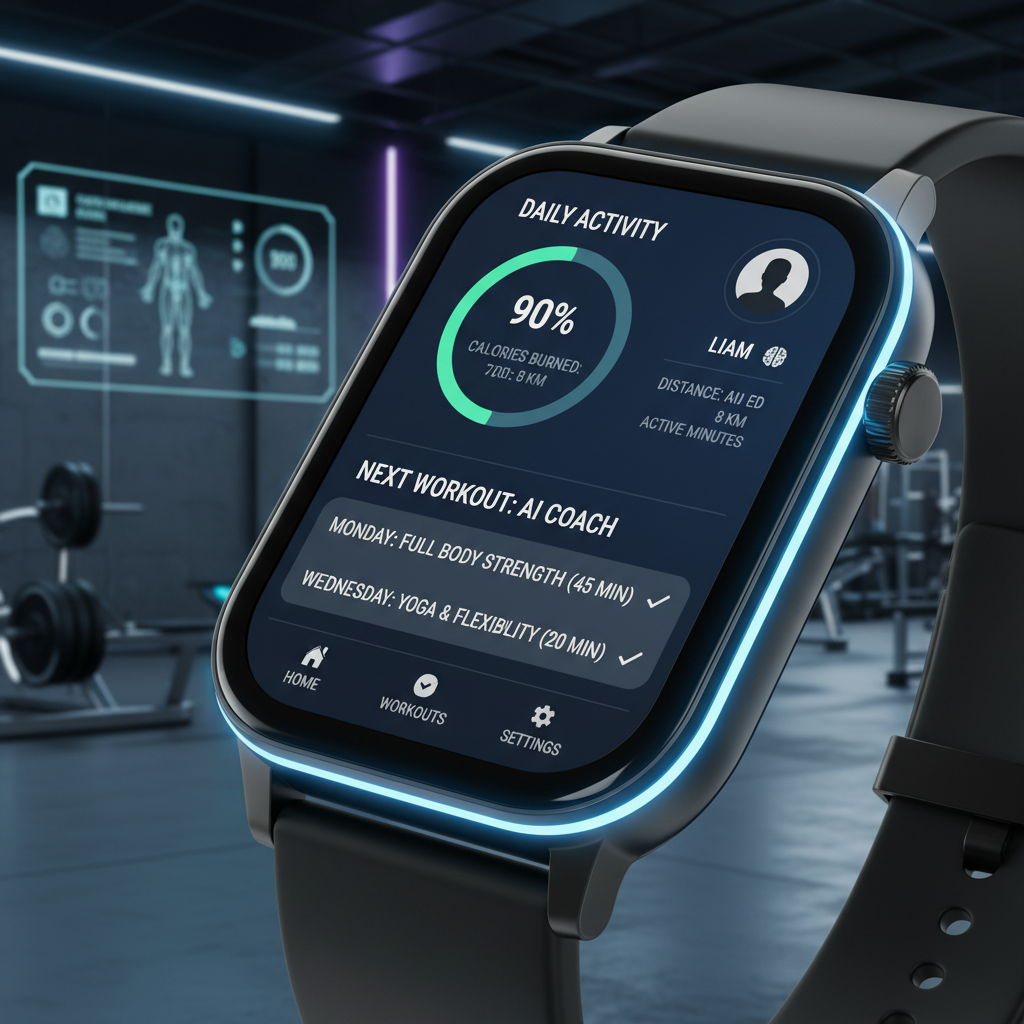
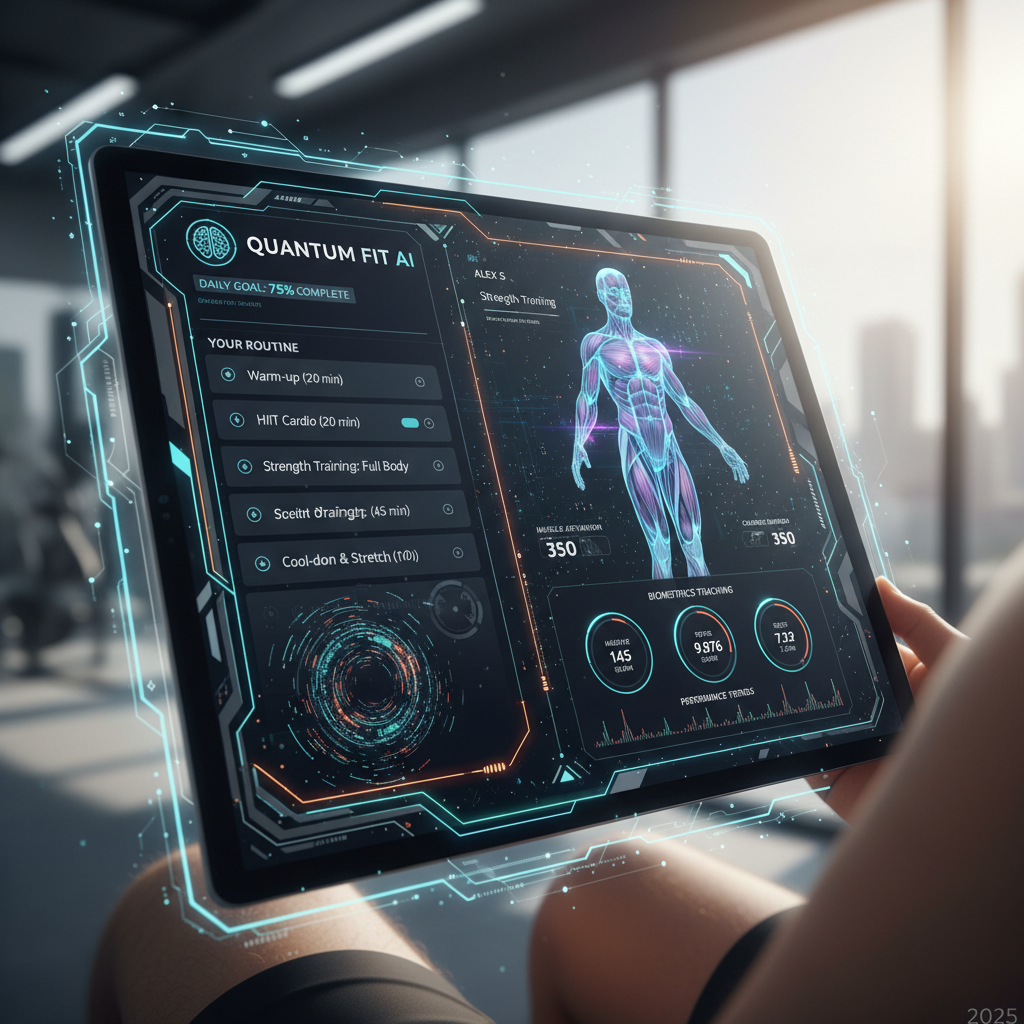
- Adaptive Workout Plans: AI personal trainers assess your current fitness level, goals, available equipment, and even daily energy levels (derived from sleep and recovery data) to create dynamic workout routines. These plans adjust in real-time based on your performance and feedback.
- Form Analysis: Using computer vision technology via smartphone cameras, some AI apps can analyze your exercise form, providing instant feedback to prevent injuries and optimize effectiveness.
- Recovery Optimization: Based on your workout intensity, sleep quality, and physiological metrics, AI can recommend active recovery strategies, rest days, or adjustments to upcoming training sessions.
- Performance Prediction: For athletes, AI can analyze training data to predict peak performance windows or identify signs of overtraining.
Platforms such as Future, Peloton (with its vast data and personalization features), and apps integrated with smart home gym equipment are pioneering this space, making elite coaching accessible to all.
Mental Well-being and Stress Management
The mind-body connection is undeniable, and AI is increasingly being used to support mental health and stress reduction:
- Mood Tracking and Pattern Identification: AI-powered journaling apps or mood trackers can identify patterns in your emotional state, linking them to specific activities, sleep patterns, or environmental factors.
- Personalized Meditation and Mindfulness: Based on your stated mood or stress levels, AI can recommend specific meditation exercises, breathing techniques, or mindfulness practices from a vast library. Apps like Calm and Headspace are starting to incorporate more personalized pathways.
- Cognitive Behavioral Therapy (CBT) Support: Some AI chatbots or apps provide guided CBT exercises, helping users challenge negative thought patterns and develop coping mechanisms. Examples include Woebot.
- Stress Detection: By analyzing biometric data like heart rate variability, skin conductance, and sleep disturbances, AI can detect elevated stress levels and prompt users to engage in relaxation techniques.
These tools offer accessible, private, and stigma-free support for managing daily stressors and promoting mental resilience.
Predictive Health Analytics
Perhaps one of the most exciting frontiers of AI in wellness is its potential for predictive analytics. By analyzing long-term trends and correlations in your data, AI can:
- Identify Risk Factors: Detect early warning signs for chronic diseases like type 2 diabetes, cardiovascular issues, or even certain cancers, based on changes in biometrics, lifestyle, and genetic predispositions.
- Preventative Recommendations: Offer tailored advice to mitigate identified risks, such as dietary changes to lower cholesterol or increased activity to improve blood sugar regulation.
- Disease Management Support: For individuals with existing conditions, AI can help manage symptoms, predict flare-ups, and optimize medication adherence. Continuous glucose monitors (CGMs) paired with AI, for instance, are revolutionizing diabetes management.
This proactive approach empowers individuals to take corrective action before health problems escalate, moving healthcare towards a truly preventative model.
Forming Healthy Habits with AI’s Guidance
Understanding your body is the first step; the true challenge lies in translating that knowledge into sustainable healthy habits. This is where AI excels as a behavioral change agent, offering motivation, accountability, and personalized strategies.
Personalized Goal Setting and Progress Tracking
Traditional goal setting often fails because it’s either too ambitious or too generic. AI helps by:
- Realistic Goal Formulation: Based on your current data (fitness level, dietary habits, sleep patterns), AI can help you set achievable, incremental goals that are tailored to your starting point and desired pace.
- Micro-Habit Suggestions: Instead of advocating for radical overhauls, AI can suggest small, manageable changes that build up over time, increasing the likelihood of success.
- Granular Progress Tracking: AI tracks not just your big achievements but also your daily adherence, providing detailed insights into your consistency and effort. This allows for immediate course correction if you start to stray.
This adaptive approach ensures that goals remain challenging yet attainable, fostering a sense of accomplishment rather than frustration.
Adaptive Feedback and Behavioral Nudging
AI acts as an intelligent coach, providing timely and relevant feedback:
- Real-time Insights: An AI wearable might vibrate to remind you to stand up and move after prolonged inactivity or suggest a breathing exercise when it detects elevated stress.
- Personalized Nudges: Instead of generic notifications, AI can tailor messages to your preferences and past behaviors. If you respond well to positive reinforcement, it will offer encouragement; if you need a firm reminder, it can adapt its tone.
- Consequence-Based Feedback: AI can clearly illustrate the impact of your choices. For example, showing how poor sleep directly correlates with reduced energy the next day, or how consistent exercise improves your HRV.
This continuous, intelligent feedback loop helps reinforce positive behaviors and gently corrects less desirable ones, building self-awareness and accountability.
Community Support and Gamification
Many AI wellness platforms integrate elements of social psychology to boost motivation:
- Virtual Communities: Connect with others pursuing similar goals, share experiences, and offer mutual support. AI can help curate these communities based on shared interests or challenges.
- Gamification: Earning badges, competing on leaderboards, or unlocking new features based on progress can turn the wellness journey into an engaging game. AI dynamically adjusts challenges to keep them motivating.
- Social Accountability: Sharing progress with friends or a coach through the app can increase commitment and adherence.
By making wellness a more interactive and enjoyable experience, AI helps individuals stay engaged and committed to their habits.
Overcoming Challenges: Adherence and Motivation
The biggest hurdle in habit formation is often adherence. AI addresses this through:
- Identifying Sticking Points: By analyzing your data, AI can pinpoint specific times, activities, or emotional states where you are most likely to deviate from your goals. For instance, if you consistently miss your morning workout after a late night, the AI might suggest adjusting your evening routine.
- Proactive Solutions: Once sticking points are identified, AI can suggest personalized strategies to overcome them, whether it’s setting earlier reminders, suggesting alternative activities, or recommending stress-reduction techniques.
- Celebrating Small Wins: AI platforms are designed to acknowledge and celebrate small, consistent efforts, which are crucial for long-term motivation. This positive reinforcement encourages continued engagement.
- Adaptive Difficulty: If you’re consistently exceeding your goals, the AI can gently increase the challenge; if you’re struggling, it can scale back, preventing burnout and maintaining engagement.
By understanding individual tendencies and adapting its approach, AI becomes a powerful ally in sustaining healthy behaviors over the long haul.
The Science Behind AI in Wellness
To truly appreciate the capabilities of AI in wellness, it helps to understand the underlying scientific principles and technologies that power these intelligent systems.
Machine Learning Algorithms for Pattern Recognition
At the core of AI wellness tools are machine learning (ML) algorithms, a subset of AI that enables systems to learn from data without explicit programming. Key ML techniques include:
- Supervised Learning: Algorithms are trained on labeled datasets (e.g., historical sleep data labeled with “good” or “poor” quality) to make predictions or classifications. This is used for tasks like predicting disease risk or identifying sleep stages.
- Unsupervised Learning: Algorithms identify hidden patterns or structures in unlabeled data. This can be used to cluster users with similar health profiles or detect novel anomalies in biometric readings that might indicate an emerging health issue.
- Reinforcement Learning: Algorithms learn by trial and error, receiving “rewards” for desired actions and “penalties” for undesirable ones. This is particularly useful for adaptive coaching, where the AI adjusts its recommendations based on user responses and outcomes to optimize for a specific goal (e.g., weight loss, improved sleep).
These algorithms are constantly refined as more data becomes available, making AI wellness solutions increasingly accurate and effective over time. For instance, predicting a user’s optimal calorie intake requires analyzing past food intake, activity levels, weight changes, and then learning from the outcomes to adjust future recommendations.
Natural Language Processing for User Interaction
Natural Language Processing (NLP) allows AI systems to understand, interpret, and generate human language. In wellness, NLP is crucial for:
- Conversational Interfaces: AI chatbots or virtual assistants can interact with users, answer health-related questions, guide them through exercises, or help them log food intake simply by conversing naturally.
- Sentiment Analysis: NLP can analyze text input from journals or mood logs to gauge a user’s emotional state, helping to identify patterns related to stress, anxiety, or depression.
- Summarization and Report Generation: AI can synthesize vast amounts of health data and present it to users in an easy-to-understand summary or generate reports for sharing with healthcare providers.
NLP makes AI wellness tools more intuitive and accessible, fostering a more natural and engaging user experience, much like talking to a real human coach or therapist.
Computer Vision in Fitness and Posture Analysis
Computer Vision (CV) enables AI systems to “see” and interpret images and videos. Its applications in wellness are rapidly expanding:
- Exercise Form Correction: By analyzing video footage from a smartphone camera, AI can detect incorrect posture or movement patterns during exercises like squats or yoga poses, providing real-time feedback to prevent injury and maximize effectiveness.
- Food Recognition: AI can identify food items from photos, automatically logging calories and macronutrients, streamlining the tedious process of manual food logging.
- Posture Monitoring: Apps using CV can analyze your posture while sitting or standing, prompting corrections to alleviate back pain and improve ergonomics.
- Gait Analysis: For runners and athletes, CV can analyze running form, identifying inefficiencies or potential injury risks based on stride, foot strike, and body alignment.
CV transforms passive data into active, visual feedback, making it easier for users to understand and correct their physical habits.
Ethical Considerations and Data Privacy
While the benefits of AI in wellness are immense, it’s crucial to address the ethical implications and ensure robust data privacy safeguards are in place. Personal health data is among the most sensitive information an individual possesses.
Protecting Your Health Data
The vast amounts of personal health data collected by AI wellness tools raise significant privacy concerns. Users need assurances that their data is:
- Securely Stored: Encrypted databases and secure servers are paramount to prevent unauthorized access.
- Anonymized and Aggregated: For research or product improvement, data should ideally be anonymized and aggregated, stripping identifying information.
- Used Transparently: Users should have a clear understanding of how their data is collected, used, and with whom it is shared. Opt-in consent models are essential.
- Owned by the User: Individuals should retain control over their health data, with the ability to access, correct, and delete it.
Companies developing AI wellness solutions have a profound responsibility to implement industry-leading security protocols and adhere to privacy regulations like GDPR and HIPAA to build and maintain user trust.
Algorithmic Bias and Fairness
AI algorithms are only as unbiased as the data they are trained on. If training data disproportionately represents certain demographics, the AI might perform less accurately or even issue biased recommendations for underrepresented groups. This can lead to:
- Inaccurate Health Assessments: An AI trained primarily on data from a specific ethnic group might misinterpret symptoms or biometric readings for individuals from other ethnic backgrounds.
- Inequitable Recommendations: Dietary or exercise advice might not be culturally appropriate or practically feasible for all users if the training data was too narrow.
- Reinforcement of Health Disparities: If biases are baked into the algorithms, AI tools could inadvertently widen existing health inequalities.
Developers must actively work to ensure diversity in their training datasets and rigorously test algorithms for fairness across different populations to mitigate these biases.
The Role of Human Oversight
Despite the sophistication of AI, human oversight remains critical. AI tools are powerful aids, but they should not entirely replace human medical professionals for diagnosis and treatment. The role of AI is to:
- Augment Human Expertise: Provide doctors with more data and insights to make informed decisions.
- Empower Individuals: Offer tools for self-management and preventative care.
- Provide Context: While AI can detect patterns, a human can provide the empathy, nuanced understanding of a patient’s life circumstances, and ethical judgment that AI currently lacks.
A synergistic approach, where AI and humans collaborate, is the most responsible and effective path forward for data-driven wellness.
Future Trends in AI-Driven Wellness
The field of AI in wellness is dynamic and constantly evolving. Several exciting trends promise to further revolutionize our understanding of health and habit formation.
Hyper-Personalization and Digital Twins
The next frontier is hyper-personalization, driven by the concept of a “digital twin.” A digital twin is a virtual replica of an individual, continuously updated with real-time biometric, genetic, lifestyle, and environmental data. This comprehensive model would allow AI to:
- Simulate Health Outcomes: Predict the long-term effects of different lifestyle choices, dietary changes, or medical interventions on your unique body.
- Proactive Micro-Interventions: Offer incredibly precise, personalized guidance moment-by-moment, predicting your energy dips before they occur or suggesting a specific nutrient based on your real-time metabolic needs.
- Precision Medicine: Guide highly individualized treatment plans for complex conditions, taking into account every unique aspect of your physiology.
While still in early stages, digital twins hold the promise of unparalleled personalized health management.
Integration with Clinical Care
Currently, many AI wellness tools operate somewhat independently of the traditional healthcare system. Future trends point towards deeper integration:
- Seamless Data Sharing: Secure, permission-based sharing of wellness data with healthcare providers, enriching patient records and enabling more informed clinical decisions.
- Remote Patient Monitoring (RPM): AI analyzing continuous data from wearables for patients with chronic conditions, alerting clinicians to concerning trends or emergencies.
- Preventative Pathways: AI-identified risk factors from wellness apps being flagged for physician review, initiating preventative interventions before conditions become severe.
- Telemedicine Enhancement: AI providing pre-consultation insights to doctors, streamlining virtual appointments and improving diagnostic accuracy.
This convergence would create a more holistic and proactive healthcare ecosystem, bridging the gap between daily wellness and medical treatment.
Emotion AI and Contextual Awareness
Advancements in Emotion AI (or Affective Computing) and contextual awareness will allow AI wellness tools to understand not just what you do, but how you feel and why:
- Understanding Emotional States: AI analyzing voice patterns, facial expressions (via camera input with consent), or even writing style to infer emotional states and offer contextually appropriate support (e.g., a calming meditation when detecting stress).
- Environmental Context: Integrating data from smart homes, weather apps, and calendar entries to understand the broader context of your daily life and tailor recommendations accordingly (e.g., suggesting an indoor workout on a rainy day).
- Anticipatory Support: AI predicting your emotional or physical needs based on recurring patterns and offering support before you even explicitly recognize the need yourself.
This level of empathy and foresight will make AI wellness companions even more intuitive and effective in supporting our overall well-being.
Comparison Tables
To further illustrate the impact and diversity of AI in wellness, let’s look at some comparisons.
| Focus Area | Examples of AI Tools / Features | Primary Data Input | Key AI Functionality | Main Benefit to User |
|---|---|---|---|---|
| Sleep Optimization | Oura Ring, Sleep Cycle, Whoop Band | Heart Rate, HRV, Movement, Skin Temp, Breathing Rate | Pattern Recognition, Sleep Stage Classification, Disturbance Detection | Deeper understanding of sleep quality, personalized recommendations for better rest, improved recovery. |
| Nutrition & Diet | Noom, MyFitnessPal (advanced features), Lumen, Persona Nutrition | Food Logs (text/photo), Activity Data, Glucose Readings, Goals, Preferences | Image Recognition, NLP, Metabolic Analysis, Personalized Meal Planning, Behavioral Nudging | Tailored meal plans, effortless nutrient tracking, sustainable eating habits, weight management. |
| Fitness & Exercise | Future, Peloton AI Coach, Tempo, Smart Gym Apps | Workout Data, Biometrics, Performance Metrics, Goals, Form Video | Adaptive Program Generation, Computer Vision (form analysis), Recovery Optimization, Performance Prediction | Personalized workout routines, injury prevention, optimized training, enhanced athletic performance. |
| Mental Well-being | Calm, Headspace (personalized paths), Woebot, Mood Tracking Apps | Mood Logs, Journal Entries, Biometrics (HRV, Sleep), User Interactions | Sentiment Analysis, Personalized Content Curation, CBT-based Chatbots, Stress Detection | Accessible mental health support, stress reduction, improved mood regulation, coping strategies. |
| Predictive & Holistic Health | Continuous Glucose Monitors (CGM) with AI, K Health, Medical AI platforms | Long-term Biometrics, Genetic Data, Lifestyle Factors, Medical History | Risk Assessment, Anomaly Detection, Disease Prediction, Personalized Preventative Care | Early detection of health risks, proactive preventative measures, better management of chronic conditions. |
| Aspect | Traditional Wellness Approach | AI-Driven Wellness Approach | Key Differentiator |
|---|---|---|---|
| Data Collection | Manual logging, periodic doctor visits, subjective observation. | Continuous, automatic biometric tracking via wearables, smart devices; passive data collection. | Continuity & Objectivity: Real-time, unbiased, and always-on data streams. |
| Personalization | General advice, ‘one-size-fits-all’ recommendations, limited to what a human expert can manually synthesize. | Hyper-personalized insights based on individual biometrics, lifestyle, goals, genetics; adaptive algorithms. | Granularity & Adaptability: Tailored to a unique individual, dynamically adjusting over time. |
| Feedback & Guidance | Infrequent check-ins with experts, delayed feedback, often reactive. | Real-time, contextual feedback, proactive nudges, immediate insights and actionable recommendations. | Immediacy & Actionability: Instant, relevant guidance precisely when it’s needed. |
| Habit Formation | Reliance on willpower, external motivation, often a struggle for adherence. | Gamification, social support, intelligent nudges, identification of sticking points, adaptive goal setting. | Engagement & Sustainability: Designed to make habit formation easier and more enjoyable. |
| Predictive Capability | Largely reactive, based on symptom presentation or population-level risk factors. | Proactive risk assessment, early warning signs, predictive modeling for potential health issues. | Proactivity & Prevention: Identifying risks before they manifest into serious problems. |
| Accessibility | Can be limited by cost, geography, or availability of human experts. | Wider accessibility through apps and affordable devices, democratizing personalized health. | Democratization: Making expert-level insights and coaching available to a broader audience. |
Practical Examples: Real-World Use Cases and Scenarios
To truly grasp the transformative power of AI in wellness, let’s explore a few real-life scenarios.
Case Study 1: Optimizing Sleep and Energy with AI
Meet Sarah, a 34-year-old marketing professional who constantly felt tired despite getting “enough” sleep. Sarah decided to invest in a smart ring with advanced sleep tracking capabilities, integrated with an AI-powered wellness app. For the first few weeks, the AI passively collected data: her sleep duration, sleep stages (REM, deep, light), heart rate variability (HRV), skin temperature, and restlessness.
- Initial Insight: The AI quickly identified a pattern: Sarah was spending insufficient time in deep sleep, especially on weeknights, and her HRV was consistently low, indicating her body wasn’t fully recovering. It also noticed a consistent dip in sleep quality on nights she consumed alcohol or ate heavy meals close to bedtime.
- Personalized Recommendation: The app suggested a phased approach. First, it advised limiting screen time an hour before bed and creating a consistent “wind-down” routine involving light reading and meditation. Second, it recommended shifting her dinner time earlier and reducing alcohol intake by half, particularly mid-week.
- Adaptive Guidance: Over several months, as Sarah implemented these changes, the AI tracked her progress. When her deep sleep improved, the AI introduced new challenges, such as optimizing her bedroom environment (suggesting a cooler room temperature) and recommending specific guided meditations from the app to further enhance relaxation. On days when her HRV was still low despite good sleep, it would suggest a lighter workout or an extra recovery day.
Outcome: Within six months, Sarah reported significantly higher energy levels, improved mood, and better focus at work. She no longer felt perpetually tired, all thanks to AI providing the specific, actionable insights she needed to truly optimize her sleep, rather than just guessing.
Case Study 2: Managing Prediabetes Through AI-Driven Nutrition and Activity
John, a 52-year-old accountant, was recently diagnosed with prediabetes. Overwhelmed by dietary advice, he sought an AI-driven solution. He started using an app that integrated with a continuous glucose monitor (CGM) and an activity tracker.
- Real-time Impact: The AI connected to his CGM showed John how different foods affected his blood sugar levels in real-time. He learned that while oatmeal was often recommended, his body reacted better to a breakfast with higher protein and healthy fats. It also showed him that a 15-minute walk after meals significantly blunted glucose spikes.
- Tailored Meal Planning: Based on his glucose responses, activity levels, and dietary preferences (which he input into the app), the AI generated personalized meal suggestions. It suggested swaps for high-glycemic foods and introduced him to new recipes that kept his blood sugar stable.
- Behavioral Support: The app sent subtle nudges, reminding him to take a walk after lunch or suggesting a healthy snack when it detected a long gap between meals. It also connected him to a virtual community of others managing prediabetes, providing a sense of support and shared experience.
Outcome: John successfully brought his blood sugar levels back into the healthy range within a year. The AI demystified diet, empowered him with immediate feedback, and helped him form sustainable habits that prevented the progression to full-blown type 2 diabetes. He understood his body’s unique response to food and exercise in a way no general advice ever could.
Case Study 3: A Marathon Runner Optimizing Training and Preventing Overtraining
Maria, an experienced marathon runner, was constantly battling injuries and burnout while trying to improve her race times. She adopted an AI-powered coaching app that integrated data from her GPS running watch, smart scale, and an HRV monitoring strap.
- Adaptive Training Load: The AI analyzed her daily HRV, sleep quality, and previous training loads. On days when her recovery metrics were low, it would automatically suggest a lighter run or a rest day, instead of adhering strictly to a rigid training schedule. This prevented her from pushing herself into overtraining.
- Performance Prediction & Pacing: During her runs, the app used AI to analyze her pace, cadence, and heart rate zones, providing real-time audio cues to help her maintain optimal effort. For long runs, it would predict her fatigue levels and adjust pacing recommendations accordingly.
- Injury Risk Assessment: Over time, the AI started to detect subtle changes in her running form (via wearable sensor data) or consistent soreness reported in specific areas, flagging potential injury risks and recommending specific prehab exercises or adjustments to her running shoes.
Outcome: Maria completed her next marathon with a personal best, felt stronger, and, critically, remained injury-free throughout her training cycle. The AI became her intelligent coach, not only pushing her when she could perform but also holding her back when her body needed rest, leading to more consistent and effective training.
Frequently Asked Questions
Q: What exactly is Data-Driven Wellness?
A: Data-Driven Wellness is an approach to health and well-being that leverages personal data (like biometrics, activity levels, sleep patterns, dietary intake) and artificial intelligence (AI) to provide highly personalized insights and recommendations. Instead of generic advice, it uses your unique data to understand your body, identify patterns, predict needs, and help you form healthy habits tailored specifically for you.
Q: How accurate are AI wellness tools compared to professional advice?
A: AI wellness tools are designed to augment, not replace, professional medical advice. While their accuracy in data collection and pattern recognition is often very high (e.g., heart rate tracking, sleep stage detection), they are not diagnostic tools. They excel at providing personalized insights and motivation for lifestyle changes. For medical diagnosis, treatment, or specific health concerns, always consult with a qualified healthcare professional. The best approach often involves using AI tools to gather data and insights, which you can then discuss with your doctor.
Q: Is my personal health data safe with these AI wellness apps?
A: Data privacy and security are paramount concerns for reputable AI wellness app developers. They typically employ strong encryption, secure servers, and adhere to strict privacy regulations (like GDPR in Europe or HIPAA in the US). However, it’s crucial to always read the privacy policy of any app you use to understand how your data is collected, stored, used, and shared. Choose apps from trusted developers with transparent data practices.
Q: Can AI help with weight loss?
A: Yes, AI can be a powerful tool for weight loss. It can help by accurately tracking calorie intake and expenditure, analyzing dietary patterns, identifying foods that trigger cravings or poor responses, and creating personalized meal plans. AI also provides adaptive exercise routines, behavioral nudges for consistency, and motivational support, all tailored to your unique metabolism and lifestyle. Tools like Noom and MyFitnessPal use AI extensively for this purpose.
Q: What kind of AI tools are available for mental health?
A: For mental well-being, AI tools include mood tracking apps that identify emotional patterns, chatbots (like Woebot) that offer cognitive behavioral therapy (CBT) exercises, and personalized meditation apps (like Calm or Headspace) that suggest specific guided sessions based on your mood or stress levels. Some wearables also use AI to detect stress levels through biometric data (like HRV) and prompt relaxation techniques. These tools provide accessible, private support for managing stress, anxiety, and improving overall mental resilience.
Q: Are AI wellness tools expensive?
A: The cost varies widely. Many basic AI wellness apps offer free versions with premium features available through subscription (e.g., $5-$20/month). Advanced wearables (smartwatches, rings) can range from $100 to $500+, sometimes with optional monthly subscriptions for full AI-powered insights. There are also high-end, personalized coaching platforms that can cost more. However, there are many affordable or free options that provide significant value, making data-driven wellness accessible at various price points.
Q: How do AI fitness coaches differ from human personal trainers?
A: AI fitness coaches offer continuous, data-driven personalization and adaptation based on real-time biometrics, sleep, and recovery, which a human trainer might not monitor 24/7. They are also generally more affordable and accessible. However, human trainers provide intangible benefits like emotional connection, nuanced motivational understanding, hands-on form correction, and the ability to adapt to complex, unforeseen circumstances that AI might miss. Many people find a hybrid approach, using AI for daily tracking and insights while consulting a human trainer periodically, to be most effective.
Q: What are the limitations of AI in wellness?
A: Current limitations include: 1) Data dependency: AI relies heavily on the quality and quantity of data, and can be limited by incomplete or biased datasets. 2) Lack of empathy: AI cannot replicate human empathy, intuition, or contextual understanding of complex life situations. 3) Diagnostic limitations: AI is not a substitute for medical diagnosis or treatment. 4) Ethical concerns: Potential for algorithmic bias, data privacy breaches, and over-reliance on technology. 5) Requires user adherence: The tools only work if you consistently use them and follow recommendations. 6) Still evolving: While powerful, the technology is constantly improving and not yet perfect.
Q: How can I start using AI for my wellness journey?
A: Begin by identifying your primary wellness goals (e.g., better sleep, weight loss, stress reduction). Then, research apps or wearables that specifically address those goals and have good reviews regarding their AI capabilities and privacy policies. Start with a free trial or a basic version to see if the tool resonates with you. Be consistent in providing data (if required) and following recommendations. Remember to consult your doctor for any significant health concerns or before making major lifestyle changes.
Q: What’s next for AI in wellness?
A: The future holds exciting possibilities, including hyper-personalized “digital twins” that simulate your body’s responses to different interventions, even deeper integration with traditional clinical care for preventative medicine and remote patient monitoring, and advancements in Emotion AI that will allow tools to better understand and respond to your emotional states and contextual needs. The trend is towards more seamless, predictive, and truly personalized health management.
Key Takeaways
The landscape of personal wellness is being profoundly reshaped by artificial intelligence. Here are the core takeaways from our exploration of data-driven wellness:
- Personalization is Key: AI moves beyond generic advice, offering highly individualized insights and recommendations based on your unique biometric, lifestyle, and genetic data.
- Comprehensive Body Understanding: AI tools provide unprecedented insights into various aspects of your health, from sleep patterns and nutritional responses to exercise performance and mental well-being.
- Powered by Advanced Technologies: Machine learning algorithms, natural language processing, and computer vision are the foundational technologies enabling these smart wellness solutions.
- Effective Habit Formation: AI acts as an intelligent coach, assisting with personalized goal setting, adaptive feedback, behavioral nudging, and motivational strategies to foster sustainable healthy habits.
- Real-World Impact: Case studies demonstrate how AI helps individuals achieve specific wellness goals, from optimizing sleep and managing chronic conditions to enhancing athletic performance.
- Ethical Considerations are Crucial: Data privacy, algorithmic bias, and the necessity of human oversight are vital aspects that must be addressed responsibly as AI wellness evolves.
- Future is Hyper-Personalized: Emerging trends like digital twins, deeper integration with clinical care, and advanced emotional and contextual AI promise an even more sophisticated and seamless wellness experience.
- Empowerment Through Data: Ultimately, AI empowers individuals with the knowledge and tools to take proactive control of their health, fostering a journey towards lasting well-being.
Conclusion
The integration of artificial intelligence into our personal wellness routines marks a monumental leap forward. No longer are we left to navigate the complexities of our health with guesswork or generalized advice. Instead, AI offers a sophisticated, ever-learning partner that provides a deeply personal understanding of our bodies and minds.
From the subtle rhythms of our sleep to the intricate responses of our metabolism to the nuances of our emotional states, AI tools collect, analyze, and interpret data in ways that were once confined to the realm of science fiction. They translate raw numbers into actionable insights, helping us to not only identify areas for improvement but also to implement and sustain the healthy habits necessary for a vibrant life.
As we continue on this path, it is imperative that we embrace these technologies with awareness and responsibility, ensuring that data privacy and ethical considerations remain at the forefront. The future of wellness is undeniably data-driven, intelligent, and above all, intensely personal. By leveraging the power of AI, we are stepping into an era where optimal health is not just an aspiration, but an achievable reality for everyone, creating a future where understanding your body and forming healthy habits is more intuitive, effective, and empowering than ever before.





































































Leave a Reply