

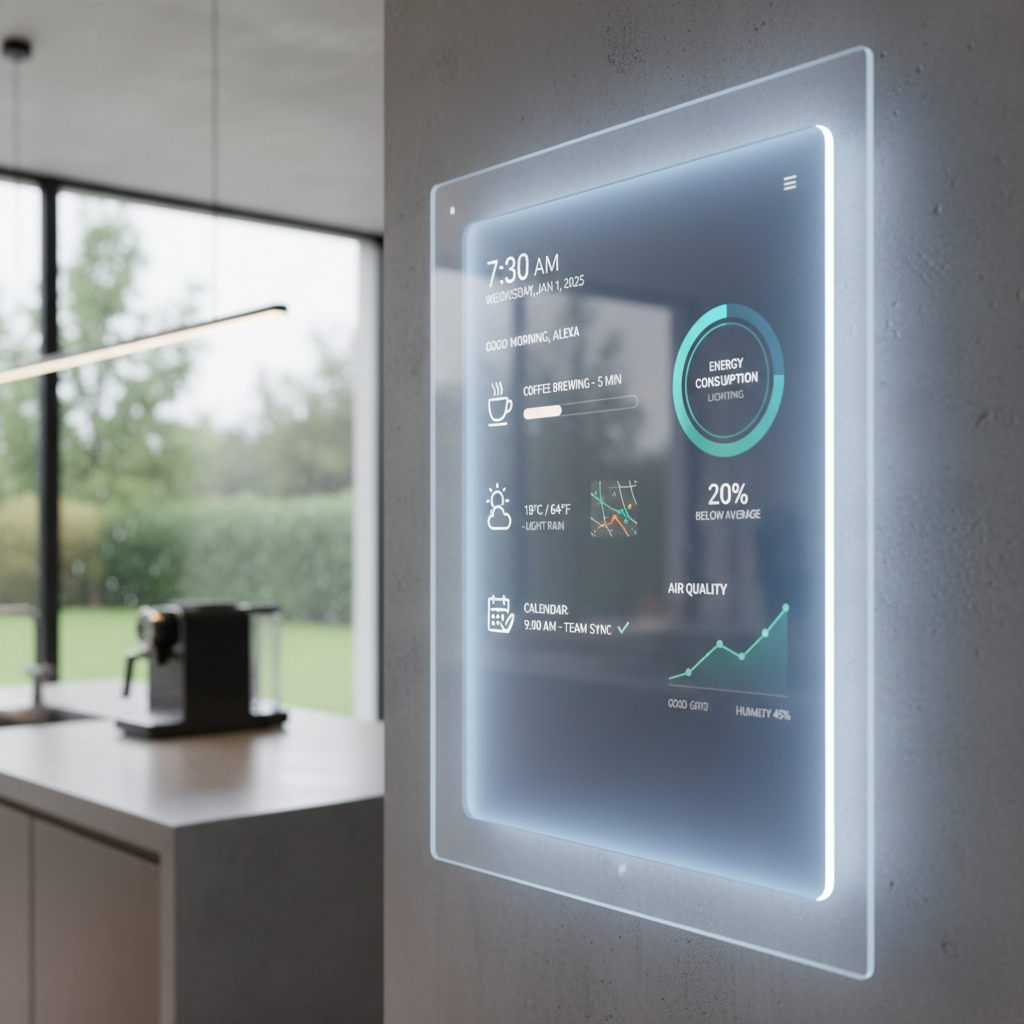
In our increasingly fast-paced world, the quest for a productive and fulfilling day often begins long before we even step out the door. The morning routine, that sacred window of time between waking and engaging with the day’s demands, holds immense power. It sets the tone, dictates our energy levels, and profoundly impacts our overall well-being. For decades, we have experimented with various routines, from the early bird’s pre-dawn workouts to the contemplative’s mindful meditation. Yet, a one-size-fits-all approach rarely resonates with everyone. This is where the transformative potential of Artificial Intelligence (AI) steps in, offering an unprecedented level of personalization and adaptability to help you truly craft your perfect morning.
Imagine a morning routine that intuitively understands your unique biorhythms, your ever-changing schedule, your specific health goals, and even your mood. Picture an intelligent assistant that doesn’t just remind you of tasks but actively optimizes the sequence and timing of activities, integrating seamlessly with your smart home devices, health trackers, and digital calendars. This is not a futuristic fantasy; it is the present reality emerging through advanced AI. This comprehensive guide will delve deep into how AI is revolutionizing our morning rituals, moving beyond simple automation to create truly personalized experiences that foster productivity, well-being, and a profound sense of control over your day. We will explore the mechanisms behind AI’s personalization capabilities, examine current features, address important considerations like privacy, and gaze into the exciting future of intelligent assistance in our daily lives.
The Evolution of Morning Routines: From Tradition to Tech Integration
For centuries, morning routines were largely dictated by societal norms, professional demands, and rudimentary daily needs. Farmers rose with the sun, factory workers adhered to strict shifts, and domestic life followed a predictable rhythm. The concept of a “productive” morning routine, consciously designed for personal benefit, gained significant traction in the 20th century, particularly as societies moved from agrarian to industrial and then to information-based economies where individual output became paramount.
The Rise of Structured Mornings and Self-Help
In the self-help movement of the late 20th and early 21st centuries, common advice for morning routines often coalesced around a combination of physical activity, mindfulness or meditation, journaling, planning, and healthy eating. Influential figures and best-selling books, such as Stephen Covey’s The 7 Habits of Highly Effective People which popularized concepts like “beginning with the end in mind” and prioritizing tasks, paved the way for a generation focused on intentional mornings. Similarly, movements like “The Miracle Morning” championed specific activities performed within an hour to kickstart the day, promising enhanced productivity and personal growth. While these structured approaches offered valuable frameworks and undeniable benefits for many, they often struggled with a fundamental flaw: rigidity. Life is inherently unpredictable; schedules change, energy levels fluctuate due to poor sleep or stress, and unexpected events occur. Adhering strictly to a pre-set, inflexible routine could sometimes lead to frustration, guilt when the routine was missed, and eventually, abandonment, leaving individuals feeling defeated rather than empowered.
Early Technological Aids and Their Limitations
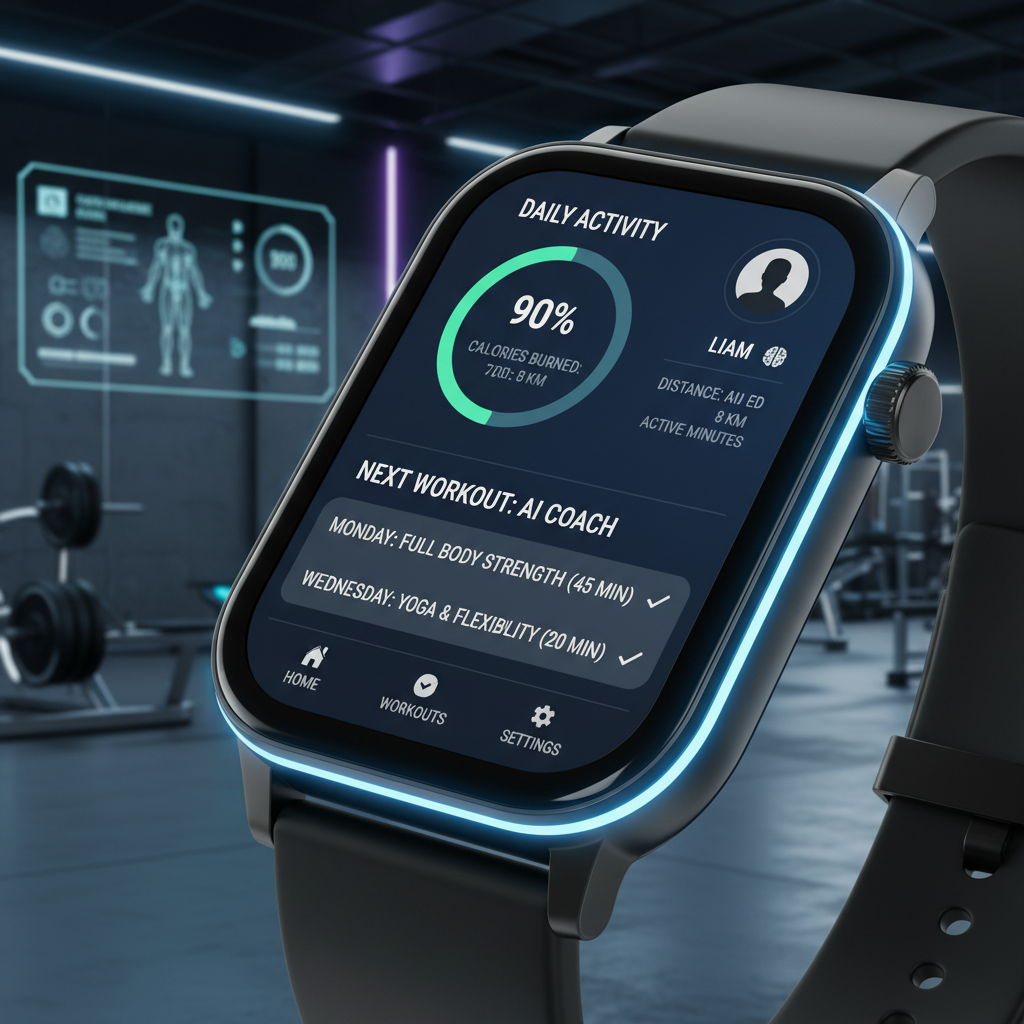
The first wave of technology integrated into morning routines primarily consisted of digital alarm clocks, calendar applications, and basic reminder systems on our nascent personal devices. These tools certainly helped with scheduling and timeliness, ensuring we woke up and remembered appointments. However, they lacked true intelligence or contextual awareness. They would remind you to wake up at 6 AM, but they couldn’t account for a particularly poor night’s sleep that left you feeling groggy, an upcoming high-stress meeting requiring extra mental preparation, or even the subtle nuances of the weather forecast influencing your commute or workout plans. Smartwatches and fitness trackers introduced a significant step forward by offering data collection, providing insights into sleep patterns, heart rate, and activity levels. This data was invaluable, but the user was still largely responsible for interpreting it and manually adjusting their routine accordingly. The critical gap remained: a lack of proactive, adaptive intelligence that could not only collect data but also interpret it and make dynamic, personalized adjustments to the routine itself.
The AI Revolution in Personal Productivity: A Paradigm Shift
Artificial Intelligence, particularly advancements in machine learning, natural language processing (NLP), and predictive analytics, has ushered in a new era for personal productivity. No longer confined to the realm of science fiction or niche research labs, AI is now deeply embedded in our daily lives, influencing everything from personalized recommendations on streaming services and e-commerce platforms to sophisticated navigation systems that dynamically reroute us around traffic. Its application in crafting morning routines represents a logical and profoundly powerful extension of this trend, moving us beyond mere automation to genuine intelligent assistance that truly understands and adapts to our individual needs.
Understanding AI’s Core Capabilities for Routines
At its heart, AI’s transformative power lies in its ability to process vast amounts of disparate data, identify complex patterns and correlations within that data, learn continuously from new inputs and interactions, and then make highly informed predictions or recommendations. For the specific domain of morning routines, this translates into several critical and interconnected capabilities:
- Comprehensive Data Synthesis: AI systems can intelligently pull and integrate information from an incredibly diverse range of sources. This includes personal biometric data from your sleep tracker, fitness wearables, and even smart scales; scheduling information from your digital calendar and work platforms; real-time environmental data from weather applications and smart home sensors; news feeds, email digests, and even aggregated public data regarding traffic conditions or local events.
- Advanced Pattern Recognition: By continuously analyzing this historical and real-time data, AI can go far beyond simple averages. It can identify intricate patterns unique to you: your optimal wake-up times based on sleep cycles, consistent energy fluctuations throughout your morning hours, preferred sequences of activities that lead to optimal focus, and even the subtle impact of certain morning activities on your mood, stress levels, or productivity later in the day. It might, for instance, notice that on days you incorporate a 15-minute walk, your afternoon focus scores are consistently higher.
- Deep Personalization: This is the cornerstone of AI-powered routines. Based on the identified patterns, real-time inputs, and your explicit feedback, AI can tailor recommendations and routine structures specifically and uniquely for you. This is a profound departure from generic advice, offering suggestions that resonate with your specific physiology, psychology, and lifestyle.
- Dynamic Adaptability: This is arguably the most crucial differentiator separating AI routines from older, static systems. AI-powered routines are inherently non-static. They possess the intelligence to dynamically adjust themselves based on immediate, unforeseen changes. This could be anything from a last-minute cancellation of a meeting, an unexpected flight delay impacting travel, a sudden onset of illness, or even a beautiful, unforecasted sunny day that might inspire an outdoor activity instead of an indoor one. The routine fluidly shifts to remain relevant and beneficial.
- Proactive Predictive Analytics: Leveraging its pattern recognition and real-time data, AI can foresee potential challenges before they even arise. For example, by monitoring your calendar and local news, it could predict heavier-than-usual traffic due to a public event, or an impending weather front impacting your commute. It can then proactively suggest adjustments to your wake-up time or activity sequence to mitigate stress and ensure you remain on schedule.
This paradigm shift means we are no longer just automating a list of tasks; we are actively optimizing our personal well-being, mental state, and productivity with the aid of a highly sophisticated, continuously learning digital assistant. The overarching goal is not merely to get things done, but to do them in a way that maximizes personal benefit, minimizes friction and stress, and fosters a truly intentional start to every single day.
How AI Personalizes Your Morning Routine: A Deep Dive
The true magic and transformative power of AI in morning routines lies in its ability to move far beyond basic scheduling and dive into truly personalized, adaptive experiences. This involves several interconnected and intelligent mechanisms that work in harmony to create an optimized and responsive start to your day.
1. Dynamic Wake-Up Optimization
Gone are the days of jarring, fixed-time alarm clocks that often pull you abruptly out of deep sleep, leaving you feeling groggy and disoriented. AI-powered routines often integrate deeply with sleep trackers, which can be found in wearables like smartwatches, smart rings, or dedicated bedside sleep sensors. These devices monitor your sleep stages (light, deep, REM) throughout the night. Instead of waking you at a rigid, fixed time, the AI can gently rouse you during a light sleep phase within a specified “wake-up window” (e.g., 30 minutes before your target alarm time). For example, if you set an alarm for 7:00 AM, the AI might detect a naturally occurring light sleep phase at 6:45 AM and begin a gradual wake-up process then, preventing you from being pulled out of a deep sleep cycle right at 7:00 AM. This results in a more natural, less abrupt awakening, often leading to increased morning alertness and reduced sleep inertia.
Furthermore, AI can consider a multitude of external and internal factors to fine-tune your wake-up time. If your integrated calendar shows an early, critical meeting requiring extra preparation, or if real-time traffic reports predict significant delays on your commute route, the AI might proactively suggest an earlier wake-up or adjust the entire routine’s flow to accommodate the change, ensuring you arrive punctually and prepared. It learns your typical preparation times and adjusts accordingly.
2. Context-Aware Activity Suggestions
This is where the intelligence of AI truly shines, transforming a static checklist into a dynamic, responsive sequence of recommendations. Instead of a fixed list of activities you always attempt, your morning routine becomes a set of intelligent suggestions based on a wealth of real-time and historical data:
- Holistic Health Data Integration: Your fitness tracker or health app might report low energy levels due to insufficient deep sleep, or perhaps an elevated resting heart rate suggesting a higher-than-usual stress load. In response, the AI could intelligently suggest a lighter, restorative exercise routine like gentle stretching or a guided meditation, rather than your usual intense cardio workout. If your heart rate variability (HRV), a key indicator of autonomic nervous system balance and stress, is low, the AI might recommend an extended mindfulness session or deep breathing exercises, prioritizing mental recovery over physical exertion.
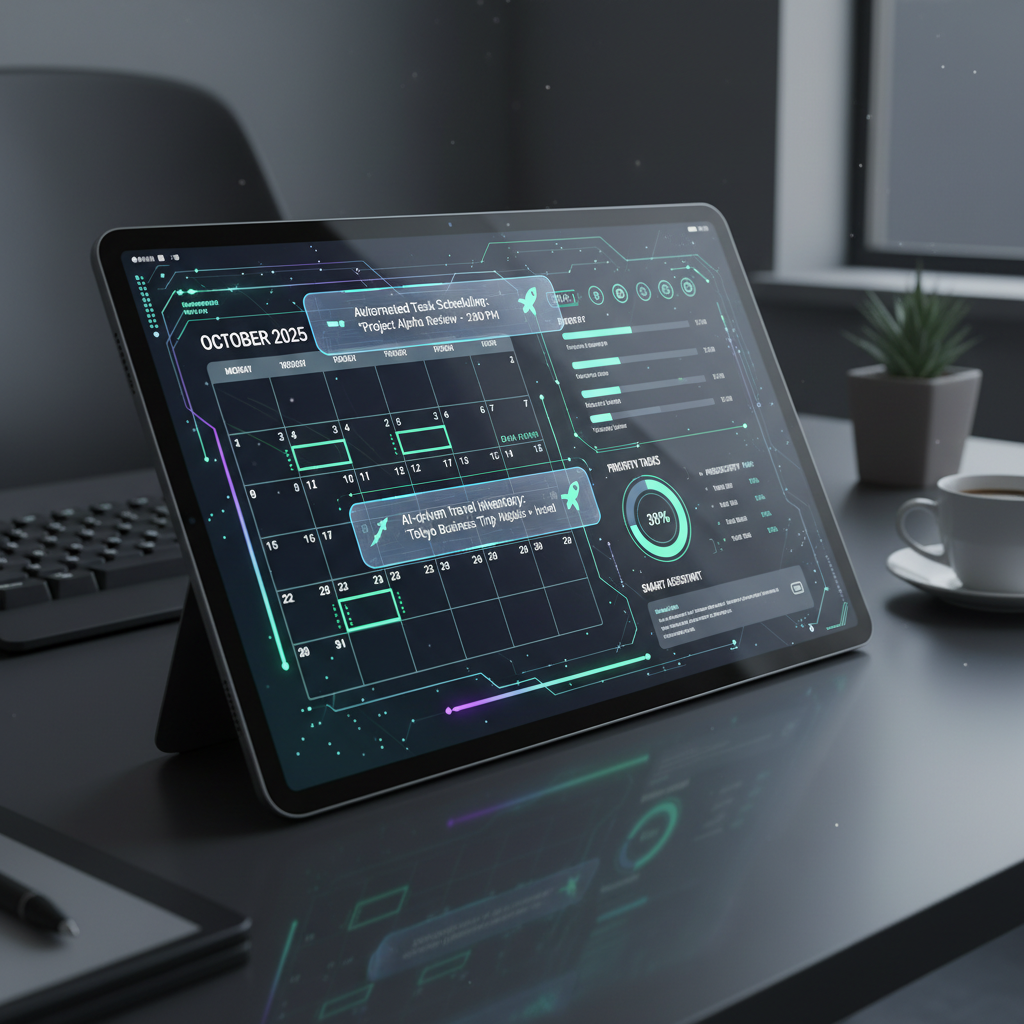
- Intelligent Calendar and Schedule Analysis: AI can intricately analyze your upcoming day’s schedule. A packed day filled with back-to-back meetings and critical deadlines might trigger recommendations for quick, energizing activities designed to boost focus, such as a short burst of high-intensity exercise or a focused work block, while simultaneously streamlining other routine elements. Conversely, a more relaxed day with fewer commitments could prompt suggestions for longer, more immersive self-care practices like an extended journaling session, reading a chapter of a book, or a leisurely outdoor walk.
- Dynamic Environmental Factors: Real-time weather forecasts can significantly influence activity suggestions. A sunny, mild day might lead to a recommendation for an invigorating outdoor walk, a run, or even enjoying your morning coffee on a patio. In contrast, a rainy or cold day could pivot the routine towards indoor activities like a yoga session, a bodyweight workout, or extended reading by a window. Smart home sensors could even detect unusual indoor air quality levels (e.g., high CO2, low humidity) and proactively suggest opening windows or activating an air purifier.
- Continuous Mood and Preference Learning: Over time, through your explicit feedback and implicit choices, AI learns your unique preferences and even subtle mood shifts. Do you typically prefer a vigorous workout to kickstart your day, or do you find gentle stretching more beneficial? Do you enjoy listening to curated news podcasts or calming instrumental music during breakfast? Through continuous interaction and feedback mechanisms, the AI refines its suggestions to align perfectly with your evolving tastes, energy levels, and needs. Some advanced systems are even incorporating sentiment analysis from your verbal or textual input (e.g., “I feel overwhelmed today”) to gauge your current emotional state and adapt the routine accordingly, perhaps suggesting a gratitude practice or a moment of quiet reflection.
3. Seamless Smart Home Integration
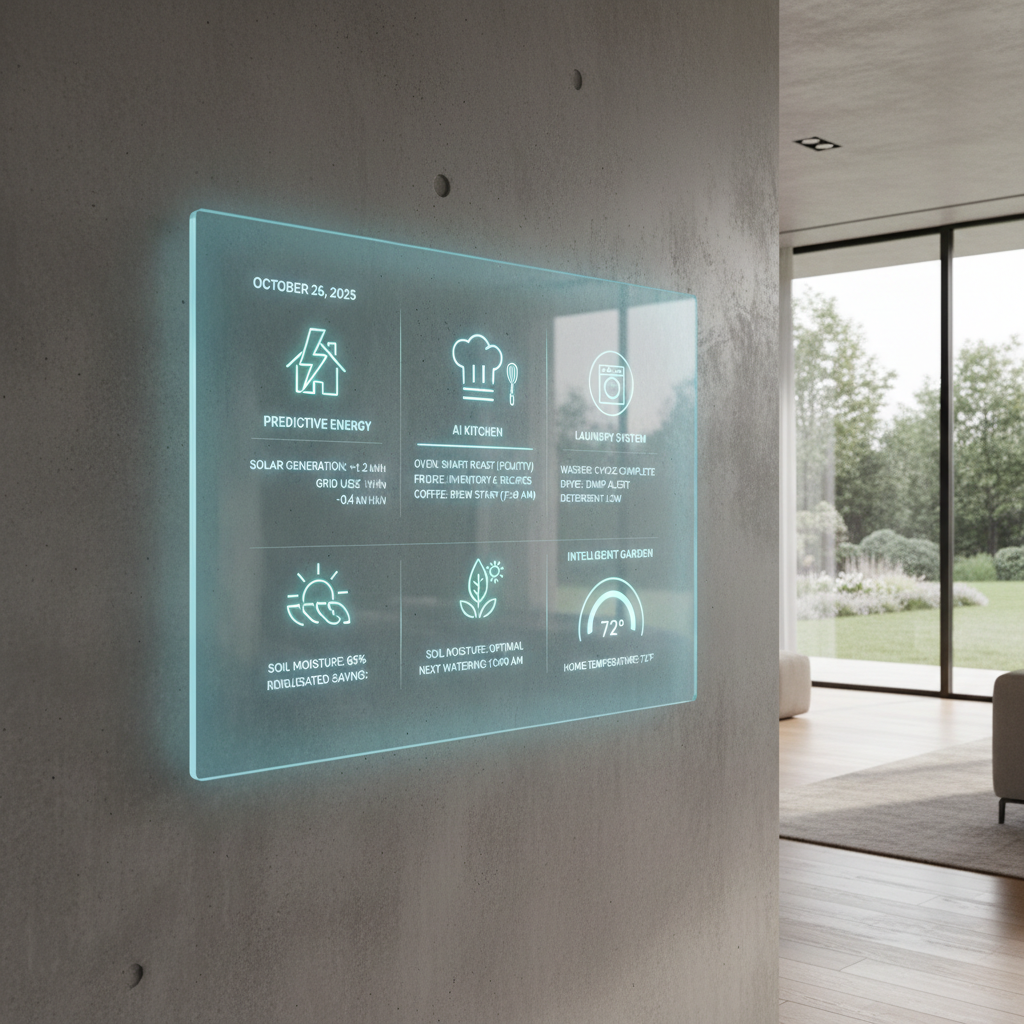
A truly personalized and frictionless morning routine extends beyond an app on your phone; it orchestrates your entire physical environment to support your well-being. AI can seamlessly link with your smart home devices to create an immersive, intuitive, and effortless experience, eliminating manual steps and reducing decision fatigue:
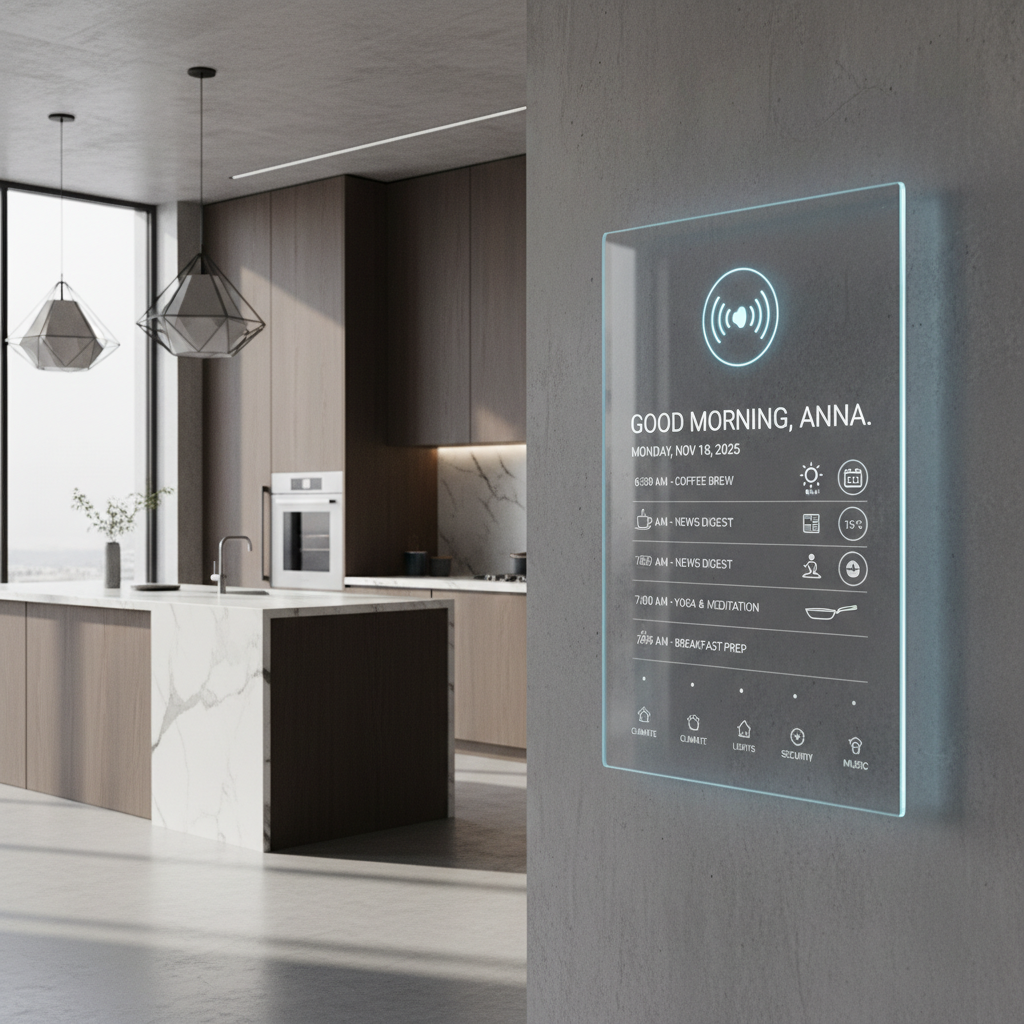
- Ambient Awakening: As your sleep tracker detects you entering a light sleep phase, your smart lights might gradually brighten over several minutes, simulating a natural sunrise, making the transition from sleep more gentle and natural.
- Automated Comfort: Upon successful awakening, your smart coffee maker could automatically begin brewing your favorite coffee blend, filling your home with an inviting aroma. Simultaneously, your smart thermostat could adjust the room temperature to your preferred morning setting, creating an immediate sense of comfort.
- Curated Information and Entertainment: News briefings tailored to your interests or a curated playlist of motivating or calming music could automatically begin playing through your smart speakers, providing relevant information or setting the desired mood without any manual input.
- Natural Light Exposure: Smart blinds or curtains could automatically open to let in natural light, further enhancing alertness and regulating your circadian rhythm, contributing to a more energetic start.
This deep environmental integration eliminates numerous manual steps, significantly reduces cognitive load and decision fatigue, and creates a smooth, flowing, and delightful transition from sleep to full wakefulness and productivity. Your environment becomes an active participant in your personalized routine.
4. Adaptive Time Management and Workflow Optimization
AI doesn’t just suggest activities; it intelligently optimizes their timing, duration, and sequence within your available morning window. This adaptive scheduling ensures that your morning routine remains highly effective and relevant, even as your daily priorities and constraints dynamically shift:
- Priority-Driven Adjustments: If your work calendar indicates a critical project deadline looming, the AI might intelligently shorten a non-essential activity (e.g., a longer workout) and suggest immediately diving into a focused work block or prioritizing a quick review of key project documents.
- Event-Specific Preparation: If you have an important presentation scheduled, the AI might allocate specific time within your morning to review your notes, practice your delivery, or engage in a stress-reduction exercise to prepare mentally.
- Personalized Pacing: The AI learns how long each activity typically takes you, factoring in transition times between them. If you tend to spend a bit longer on breakfast, it might slightly adjust the start time of the next activity to keep you on schedule without making you feel rushed. Conversely, if you complete an activity quickly, it can proactively suggest moving to the next item or offering a short break.
- Traffic and Commute Optimization: Integrating with real-time traffic data, the AI can calculate your optimal departure time. It might gently nudge you, “Traffic is building up on your route to the office. You might want to consider leaving in 10 minutes to avoid delays.” This proactive approach eliminates morning commute stress.
This adaptive scheduling ensures that your morning routine is not merely a fixed plan, but a living, breathing, and responsive blueprint that continuously works to support your dynamic daily priorities, maximizing both your productivity and your personal well-being.
Key Features of AI-Powered Morning Assistants
Modern AI-powered morning assistants are far more sophisticated than simple alarm clocks or basic to-do list apps. They offer a rich suite of features specifically designed to cater to individual needs and optimize the morning experience comprehensively. These features synergize to provide a truly intelligent and personalized start to the day.
Personalized Schedule Generation
This is the foundational offering. Instead of a static, one-size-fits-all schedule, the AI dynamically generates a personalized routine based on your unique inputs, explicit preferences, implicit habits, and a wealth of real-time data. This includes intelligently suggested start and end times for each activity, meticulously accounting for realistic transition times between different elements of your routine. This dynamic generation means your routine is always optimally tailored to your current context.
Biometric and Health Data Integration
Seamless connectivity with a wide array of wearables, such as smartwatches, fitness trackers, and dedicated sleep monitors, allows the AI to access crucial health metrics. This includes detailed sleep stages (light, deep, REM), total sleep duration and quality, resting heart rate, activity levels, and increasingly, stress indicators like heart rate variability (HRV). This invaluable biometric data critically informs activity suggestions and helps the AI make intelligent adjustments to your routine based on your physiological state.
Smart Home Device Connectivity
Deep integration with leading smart home platforms such as Apple HomeKit, Google Home, and Amazon Alexa, as well as specific smart device ecosystems (e.g., Philips Hue for lighting, Nest for climate control), allows for automated environmental control. This enables the AI to orchestrate your physical surroundings – adjusting lighting, temperature, playing ambient audio, and operating smart appliances – to create a perfectly synchronized and effortless morning environment.
Natural Language Processing (NLP) for Interaction
Many advanced AI assistants leverage sophisticated Natural Language Processing capabilities, enabling intuitive voice commands and natural language responses. This means you can simply tell your assistant, “I feel particularly tired today, could you suggest a more gentle morning routine?” or “I have a big meeting, help me focus,” and it will adapt accordingly. This hands-free, conversational interface makes interaction intuitive, efficient, and highly accessible.
Contextual Reminders and Intelligent Nudges
Moving beyond basic, generic alarms, AI provides intelligent, context-aware nudges and reminders. For instance, instead of just a chime, you might hear, “It’s 7:15 AM, your meditation is scheduled next. Remember to focus on your breath today, particularly on the exhale.” Or, based on real-time traffic data, “Traffic is starting to build up on your usual route. You might want to consider starting your commute in the next 15 minutes to avoid significant delays.” These proactive prompts enhance adherence and reduce stress.
Feedback Loop and Continuous Learning
The AI is designed to learn continuously from your interactions and feedback. If you consistently skip a suggested activity, it might proactively ask for your reasoning (“I noticed you skipped your morning run today. Would you like me to offer alternative exercises or adjust your fitness goals?”). If you explicitly rate a particular routine segment as highly beneficial or enjoyable, the AI will prioritize similar suggestions in the future. This iterative, self-improving learning process ensures the routine becomes increasingly tailored, effective, and perfectly aligned with your evolving needs over time.
Goal Tracking and Progress Reporting
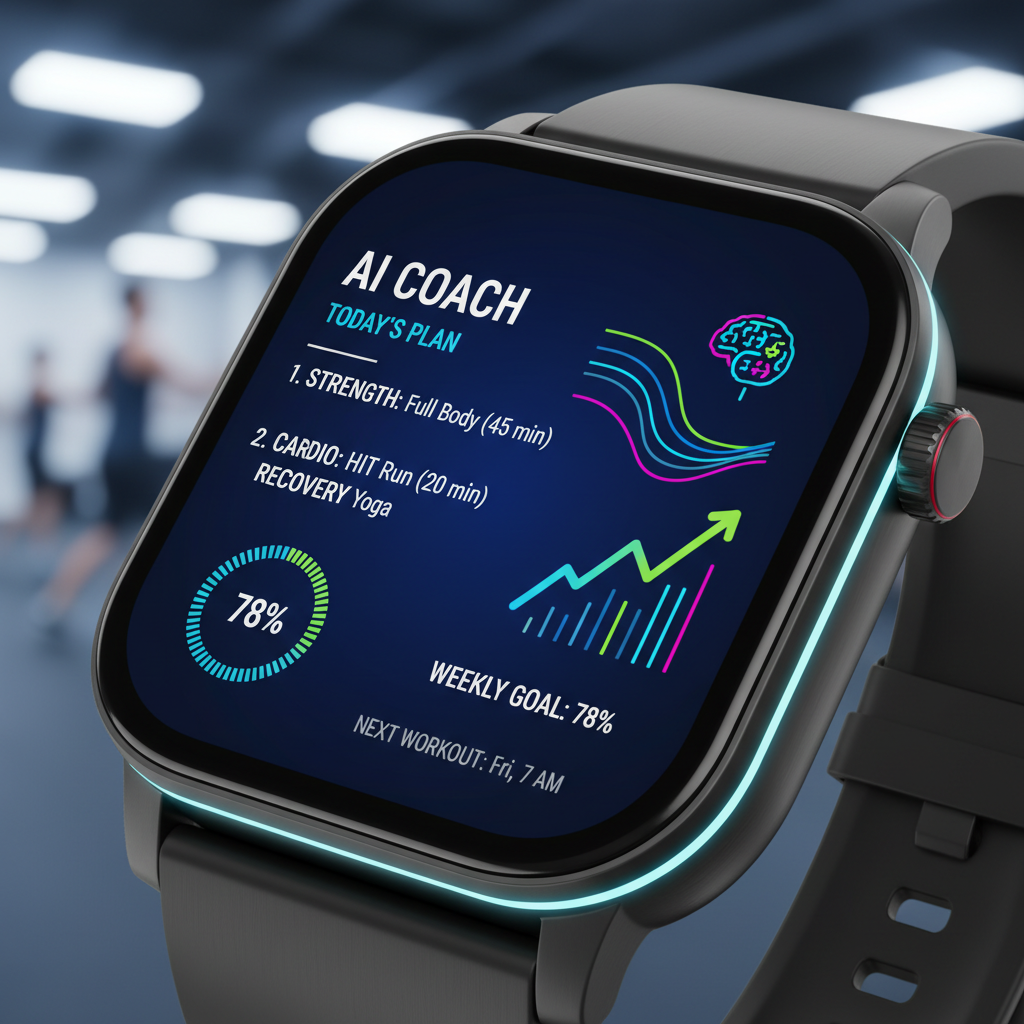
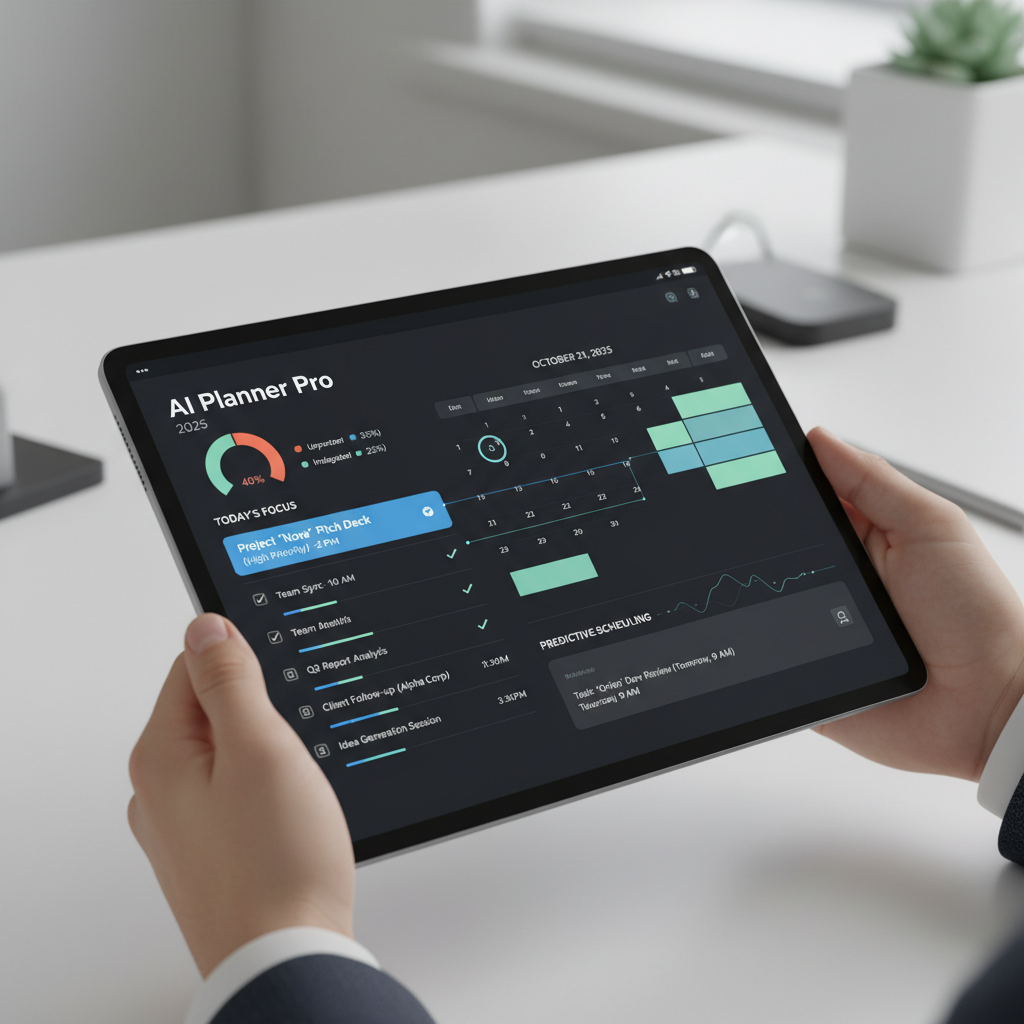
Many advanced AI assistants offer intuitive dashboards and reporting features that allow you to track your adherence to routines, monitor progress towards specific health and wellness goals (e.g., consistent sleep patterns, daily step counts, mindfulness minutes), and visualize overall well-being improvements. This gamification and data visualization can be highly motivating, providing tangible evidence of your progress and reinforcing positive habits.
Integration with Productivity Tools
For a truly holistic approach, AI assistants seamlessly connect with a wide array of popular productivity tools. This includes integration with digital calendars (like Google Calendar, Outlook Calendar, Apple Calendar), popular to-do list applications (e.g., Todoist, Notion, Trello), and communication platforms (Slack, Teams). This ensures that your personalized morning routine is not isolated but fully integrated and aligned with your broader professional and personal commitments, preventing conflicts and enhancing overall workflow efficiency.
Overcoming Challenges and Ensuring Privacy in AI-Powered Routines
While the benefits of AI-powered morning routines are undeniably compelling, it’s crucial to approach their adoption with a clear understanding of potential challenges. These primarily concern data privacy, the risk of over-reliance, and the imperative to address algorithmic bias. Thoughtful and informed adoption is key to harnessing their full potential without compromising personal values, digital well-being, or data security.
Data Privacy and Security
The extensive and often intimate data collection required for truly personalized AI routines – including sleep patterns, sensitive health metrics, location data, granular calendar entries, and potentially even inferred mood indicators – raises significant privacy concerns. Users must be diligent and proactive in understanding precisely how their data is handled:
- Transparent Data Collection Policies: What specific types of data are being collected, and for what explicit purpose? Is this clearly communicated and easily accessible?
- Robust Data Storage and Encryption: How is your highly personal data stored, processed, and protected? Is it encrypted both while it is transmitted between devices and servers (in transit) and when it is stored on servers (at rest)?
- Controlled Third-Party Sharing: Is your data shared with any third parties? If so, under what specific circumstances, for what purpose (e.g., aggregated anonymized research, targeted advertising), and can you opt out?
- Empowering User Controls: Do you, as the user, have granular control over what specific data is shared, with whom it is shared, and for what duration? Can you easily access, review, modify, or permanently delete your data at any time?
Choosing reputable AI assistant providers with demonstrably transparent privacy policies, a strong track record of data security, and a clear commitment to user rights is paramount. These companies should ideally adhere to stringent global privacy regulations such as GDPR (General Data Protection Regulation) in Europe and CCPA (California Consumer Privacy Act) in the US, giving users confidence in how their sensitive personal information is managed and safeguarded.
Avoiding Over-Reliance and Maintaining Agency
The undeniable convenience and efficiency offered by AI can, paradoxically, lead to a subtle erosion of personal agency and a tendency towards over-reliance. If an AI system dictates every minute aspect of your morning, there’s a risk of losing the ability to make intuitive decisions, adapt spontaneously based on internal cues, or even simply experience serendipitous moments. It is vitally important to conceptualize and use AI as an intelligent assistant and a powerful tool, not as an infallible master or a substitute for personal intuition. Users should actively cultivate a balanced relationship with the technology:
- Cultivate Critical Thinking: Always maintain your critical faculties. Question AI suggestions, especially if they feel “off,” do not align with your current internal state, or conflict with a gut feeling.
- Prioritize Flexibility and Overrides: Ensure that the AI system you choose allows for easy manual overrides, spontaneous deviations from the routine, and immediate changes without penalizing you or disrupting its learning process. The system should adapt to you, not vice versa.
- Nurture Self-Awareness: Continuously develop and refine your own understanding of your body’s signals, your emotional states, and your personal preferences. Do not solely outsource this crucial self-knowledge to an algorithm. Use AI insights to enhance your self-awareness, not replace it.
Addressing Algorithmic Bias and Fairness
It is a fundamental principle of AI that systems are only as unbiased and fair as the data they are trained on. If the underlying training data is skewed, unrepresentative, or reflects societal prejudices, the AI might inadvertently perpetuate or even amplify existing biases. In the context of morning routines, this could manifest in subtle but impactful ways, such as recommending routines that are less effective for certain demographics, individuals with specific health conditions (e.g., chronic fatigue), or those with diverse cultural practices. Developers and deployers of AI systems must prioritize several ethical considerations:
- Diverse and Representative Data Sets: Ensuring that AI models are trained on broad, inclusive, and diverse data sets is crucial to minimize the perpetuation of bias and ensure equitable performance across all user groups.
- Transparency in Algorithms: While the full intricacies of deep learning models can be opaque, providing users with insights into how recommendations are generated, the factors considered, and the rationale behind suggestions can build trust and allow for informed user discernment.
- Regular Auditing and Evaluation: Continuously evaluating AI performance for fairness, accuracy, and unintended consequences is essential. This involves systematic testing across different user groups and proactive measures to identify and correct biases as they emerge.
The Learning Curve and Initial Setup
Setting up a truly personalized AI-powered morning routine can require an initial investment of time and effort. Users need to thoughtfully provide their initial preferences, connect multiple disparate devices and applications (sleep trackers, calendars, smart home hubs), and commit to providing regular feedback to the AI for it to learn effectively. This initial learning curve might deter some users who expect immediate, perfect personalization. Simplifying the onboarding processes, providing clear, step-by-step guidance, and offering intuitive interfaces are critical factors for wider adoption and user satisfaction.
By proactively acknowledging and addressing these multifaceted challenges, individuals can leverage the immense power of AI to significantly enhance their mornings and overall well-being, all while maintaining personal control, safeguarding privacy, and fostering a healthy balance between cutting-edge technological assistance and essential human autonomy.
Future Trends: The Next Wave of AI in Daily Life
The current state of AI-powered morning routines, while impressive, is merely the opening chapter. The field of Artificial Intelligence is evolving at an exhilarating pace, promising even more sophisticated, deeply integrated, and potentially transformative experiences in the very near future. These impending trends will further blur the lines between technology and our daily lives, making personalization even more seamless, proactive, and pervasive, ultimately aiming to optimize every facet of our existence.
Hyper-Personalization with Advanced Biometrics and Biomarkers
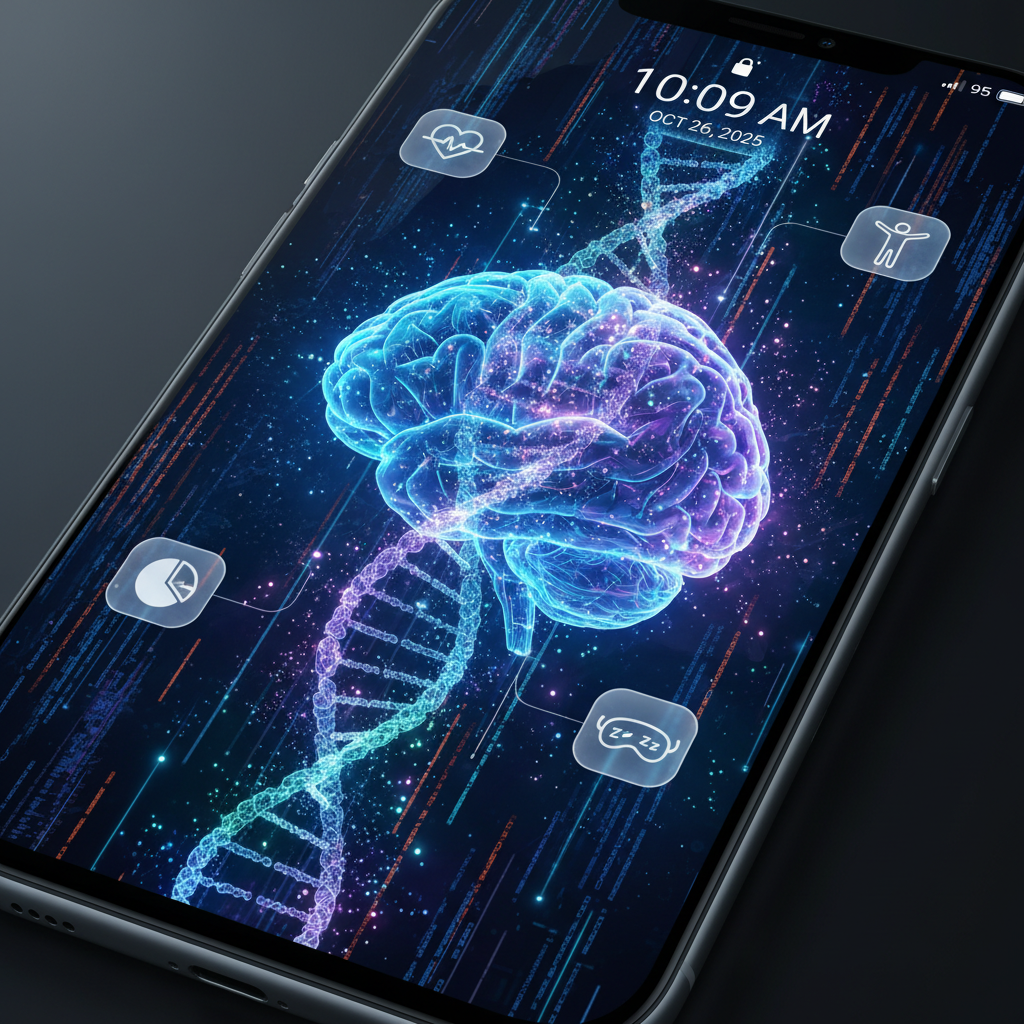
Future AI systems will undoubtedly integrate with an even wider and more granular array of biometric data and biomarkers. Imagine real-time, non-invasive stress markers (e.g., continuous galvanic skin response, subtle voice tone analysis), continuous glucose monitoring (offering precise predictions of energy slumps or optimal nutrient timing), and sophisticated brainwave analysis (from unobtrusive headbands or even smart sleep masks for deeper cognitive state assessment). This level of data input will allow for truly hyper-personalized routines that respond to minute physiological and psychological shifts, offering predictive and preventative guidance that anticipates needs before they are consciously felt. For example, if your glucose levels are trending downward, the AI might proactively suggest a nutrient-dense snack instead of waiting for hunger pangs.
Proactive Mental Wellness Integration and Emotional AI
Beyond optimizing physical health, AI is poised to play an increasingly significant and proactive role in mental wellness. By analyzing subtle indicators such as speech patterns and tone (through voice assistants), communication habits (e.g., frequency and content of messages), and even micro-changes in digital behavior (e.g., prolonged inactivity or unusual browsing patterns), AI could potentially detect early, subtle signs of stress, anxiety, burnout, or even depressive tendencies. It could then proactively and gently suggest tailored mindfulness exercises, recommend scheduled digital detox breaks, offer access to curated relaxation content, or even, with appropriate consent, connect users with professional mental health support or relevant self-help resources, all seamlessly integrated within the context of their morning and daily routine.
Ambient AI and Invisible Computing: The Intelligent Environment
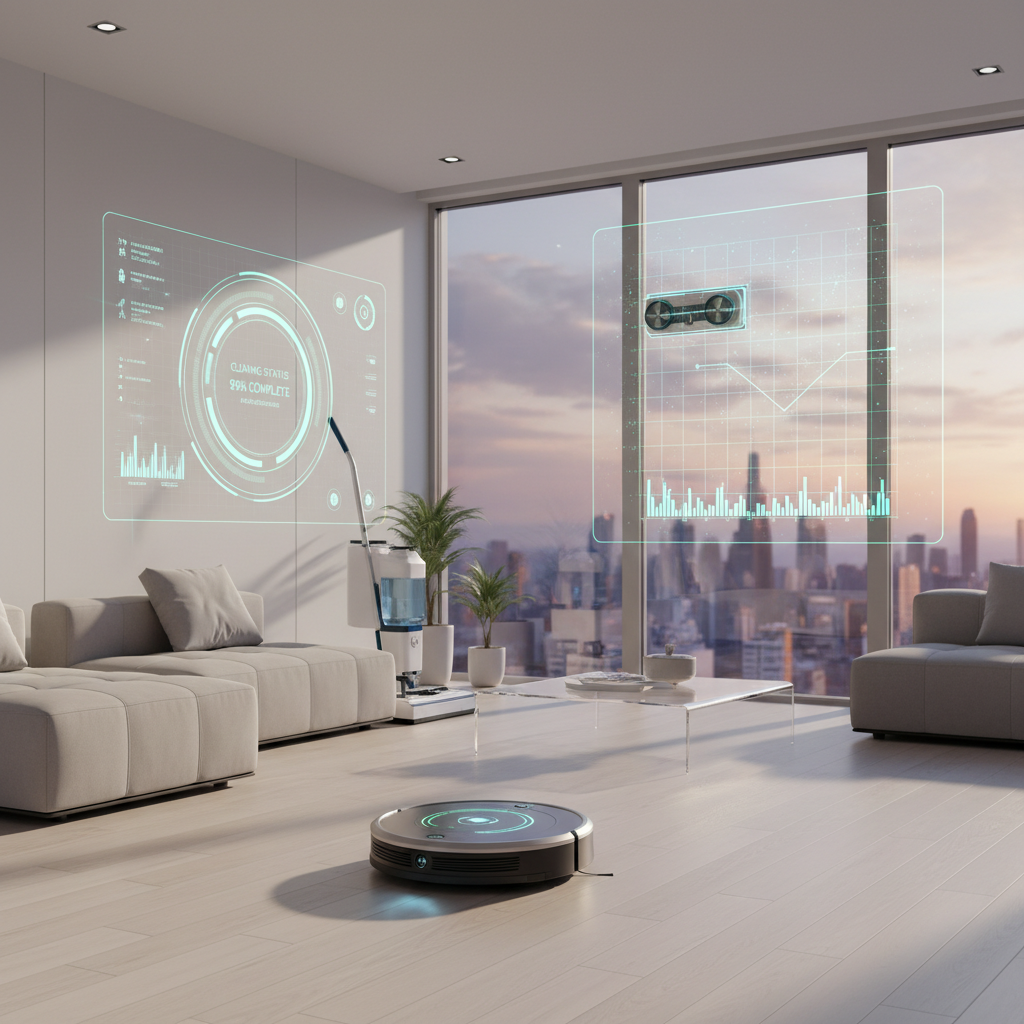
The overarching trend towards ambient AI signifies a future where technology becomes increasingly integrated and seamlessly embedded into our environment, often operating intelligently without the need for explicit commands or direct interaction. Imagine waking up in a room that instinctively knows and adjusts to your optimal preferences for light intensity, soundscapes, and temperature, not based on a pre-set schedule, but dynamically informed by your sleep quality from the previous night, your real-time physiological state, and your upcoming schedule. Devices will communicate autonomously and intelligently, forming a cohesive, sentient ecosystem that anticipates your needs before you even consciously realize them.
Key characteristics of this ambient AI paradigm include:
- Contextual Awareness: The environment intelligently responds to your presence and activity without requiring verbal commands or touch interactions.
- Proactive Adjustments: Environmental controls (lighting, climate, audio) are automatically optimized based on continuously learned preferences and real-time data inputs.
- Reduced Screen Interaction: A diminished reliance on screens as the environment itself becomes the interface, fostering a more natural and less device-dependent existence.
Neurofeedback and Brain-Computer Interfaces (BCI) for Cognitive Optimization
While still in relatively early stages for broad consumer applications, advancements in neurofeedback technology and even rudimentary Brain-Computer Interfaces (BCI) hold the potential to revolutionize how we interact with and benefit from our morning routines. Imagine a system that can detect your precise cognitive state – whether you’re groggy, highly focused, or experiencing mental fatigue – directly from your brain signals, perhaps via a non-invasive wearable. The AI could then dynamically adjust your routine: perhaps intensifying the room lighting, playing stimulating binaural beats, or suggesting a quick, targeted cognitive exercise to optimize your brain for the specific demands of the day ahead. This moves beyond passive monitoring to active, real-time brain optimization, tailoring your morning not just to your body, but to your mind’s unique readiness.
Ethical AI and Prioritizing Digital Well-being
As AI becomes ever more deeply embedded and influential in our daily lives, the focus on ethical AI development and governance will intensify. Future systems will likely incorporate more explicit and robust features specifically designed to promote digital well-being. This includes actively preventing addiction to devices and platforms, encouraging regular screen-free time, and ensuring that technology genuinely serves human flourishing rather than merely optimizing tasks or maximizing engagement at all costs. This will necessitate greater transparency in algorithms, empowering users with even more comprehensive control over their data, and a steadfast commitment to human-centric design principles, ensuring AI remains a benevolent partner in our pursuit of a balanced and fulfilling life.
The future of AI in daily life promises a world where technology acts as an intelligent, empathetic, and often invisible partner, silently orchestrating our environments and personal schedules to foster optimal productivity, robust health, and profound happiness. The morning routine, as the foundational ritual of our day, will undoubtedly remain at the forefront of this exciting, human-centered technological transformation.
Comparison Tables
Table 1: Traditional vs. AI-Powered Morning Routines
| Feature | Traditional Morning Routine | AI-Powered Morning Routine |
|---|---|---|
| Wake-Up Method | Fixed alarm clock (jarring or gentle, but static, often disruptive to sleep cycles) | Dynamic, sleep-cycle optimized wake-up; integrates with smart lighting and sound for gradual awakening during light sleep phase. |
| Routine Customization | Manual planning; often a rigid, one-size-fits-all approach copied from books or friends. Limited personal adaptability. | Deeply personalized based on individual health data, biometric feedback, calendar commitments, personal preferences, current mood, and real-time environmental factors (e.g., weather, traffic). |
| Adaptability to Changes | Rigid and inflexible; requires significant manual adjustment by the user when schedules, energy levels, or external events shift. | Dynamic and fluid; automatically adjusts for last-minute schedule changes, fluctuating energy levels, unexpected traffic, or changes in weather without user intervention. |
| Information Gathering | Manual check of multiple sources: weather app, news feeds, email, personal calendar, traffic reports. Time-consuming. | Automated aggregation and synthesis of information from multiple connected sources (weather, curated news, email summaries, health trackers, traffic, smart home sensors). |
| Environmental Control | Manual operation of lights, thermostat, coffee maker, blinds, music system. Disconnected steps. | Seamless smart home integration for automated, synchronized environmental control (lights brighten, thermostat adjusts, coffee brews, music plays, blinds open) based on routine stage. |
| Feedback & Learning | Primarily relies on self-reflection, trial and error over extended periods, and manual adjustments to habits. | Continuous, active learning from user interactions, explicit feedback, biometric data, and behavioral patterns, leading to increasing accuracy and personalization over time. |
| Goal Tracking | Manual journaling, separate fitness apps, or mental tracking. Disjointed and often inconsistent. | Integrated tracking and intuitive reporting on progress towards specific health, wellness, and productivity goals, often with visual dashboards and insights. |
| Proactive Assistance | None; user is solely responsible for anticipating needs and making decisions. | Intelligent nudges, context-aware reminders, and proactive suggestions (e.g., “start commute now due to impending traffic,” “consider a lighter workout given your sleep quality”). |
Table 2: Key Personalization Features of Different AI Assistant Levels
| Personalization Level | Description of AI Capabilities | Example Features & Integration | Typical User Profile & Benefit |
|---|---|---|---|
| Basic (Rule-Based) | Follows pre-set rules and user-defined schedules. Limited to no real-time adaptation or learning. Essentially a smart scheduler. | Programmable alarms, basic calendar syncing for event reminders, pre-set ‘scenes’ for smart home devices (e.g., “Morning Light”). | Users seeking digital reminders and basic automation without complex intelligence. Benefits from simple structure. |
| Intermediate (Data-Driven) | Analyzes specific user data streams (e.g., sleep, calendar) to offer improved suggestions and minor adaptations. Learns some preferences over time. | Sleep-cycle optimized wake-up, basic weather-based activity suggestions, task prioritization based on calendar density, learning preferred music/news. | Users seeking smarter automation and some personalized adjustments that adapt to immediate changes. Benefits from efficiency. |
| Advanced (Machine Learning) | Employs machine learning algorithms to learn from user behavior, continuous feedback, and integrates multiple data streams for dynamic routine adaptation. Predictive. | Mood-adaptive activity suggestions, predictive scheduling (e.g., traffic avoidance), comprehensive multi-device smart home orchestration, continuous self-improvement of routine flow. | Users desiring a truly intelligent, evolving, and highly integrated personal assistant that optimizes for overall well-being. Benefits from deep personalization. |
| Hyper-Personalized (Future/Cutting-Edge) | Integrates deep physiological, psychological, and environmental biomarkers for ultra-responsive, predictive, and preventative care. Anticipatory. | Real-time stress level detection (e.g., HRV, GSR), cognitive state optimization (neurofeedback), proactive mental wellness interventions, nutrient timing suggestions based on real-time glucose. | Individuals seeking ultimate optimization, preventative health, and a seamless, almost invisible intelligent life orchestration. Benefits from holistic well-being optimization. |
Practical Examples: AI in Your Morning Routine
To truly grasp the transformative power of AI in morning routines, let’s move beyond theoretical concepts and explore some real-world scenarios and compelling use cases that illustrate its practical benefits.
Case Study 1: The Busy Professional’s Optimized and Stress-Free Start
Meet Sarah, a project manager navigating the demanding landscape of a tech startup. Her job requires intense focus, frequent travel, and an inherently unpredictable schedule. Traditionally, her mornings were a chaotic rush: a jarring alarm, a frantic manual check of her overflowing calendar and email, and a constant feeling of being unprepared or behind, even before leaving the house. She frequently skipped breakfast or important mindfulness practices due to time constraints. With the implementation of an advanced AI-powered morning assistant (seamlessly integrated with her smartwatch, smart home ecosystem, and professional work calendar), Sarah’s mornings have undergone a profound transformation:
- Dynamic and Gentle Wake-Up: Her smartwatch detects she’s in a light sleep phase at 6:30 AM, slightly earlier than her target wake-up of 6:45 AM. Capitalizing on this optimal window, her bedroom smart lights slowly brighten over several minutes, simulating a natural sunrise, while soft, calming ambient music begins to play through her smart speaker, gently coaxing her awake rather than shocking her system.
- Intelligent and Proactive Briefing: As she naturally awakens, her AI assistant verbally briefs her on the day ahead, pulling data from multiple sources: “Good morning, Sarah. Today is Tuesday, November 14th. The weather in your area is partly cloudy with a comfortable high of 60 degrees Fahrenheit. Your first virtual meeting is at 9:00 AM with the client, and traffic to the office looks clear for your later commute. Based on your schedule, remember to review the Q3 financial report before your 11:00 AM team synchronization meeting.” This comprehensive overview eliminates the need for manual checks.
- Personalized Wellness Prescription: The AI, having analyzed her biometric data from her smartwatch, notes that her heart rate variability (a key indicator of stress and recovery) suggests a slight stress spike from yesterday’s intense work. Instead of her usual vigorous gym session, it intelligently recommends a 15-minute guided meditation followed by a quick, restorative yoga flow. Her smart mat automatically displays the yoga routine, and her smart speaker plays the guided meditation.
- Effortless Transition and Environmental Orchestration: While Sarah engages in her meditation, her smart coffee machine automatically starts brewing her favorite blend, filling the kitchen with its aroma. The smart thermostat subtly adjusts the living room temperature to her preferred morning setting. After her yoga, she receives a gentle, timely nudge, “Your coffee is ready on the counter. You have approximately 30 minutes before you need to leave for the office to ensure a relaxed commute.”
Sarah now reports feeling significantly more in control, less stressed, and consistently prepared for her demanding day. The seamless orchestration of her AI assistant has allowed her to reclaim her mornings, integrating essential wellness practices and eliminating decision fatigue, which in turn enhances her overall productivity and mental clarity.
Case Study 2: The Health-Conscious Individual’s Adaptive Fitness and Nutrition
David is a dedicated individual passionate about fitness and healthy eating, always striving for optimal physical condition. However, maintaining consistency is a persistent challenge due to varying energy levels, the need to adapt workouts, and complex dietary tracking. His AI-powered morning routine has become his indispensable partner in staying on track and optimizing his health goals:
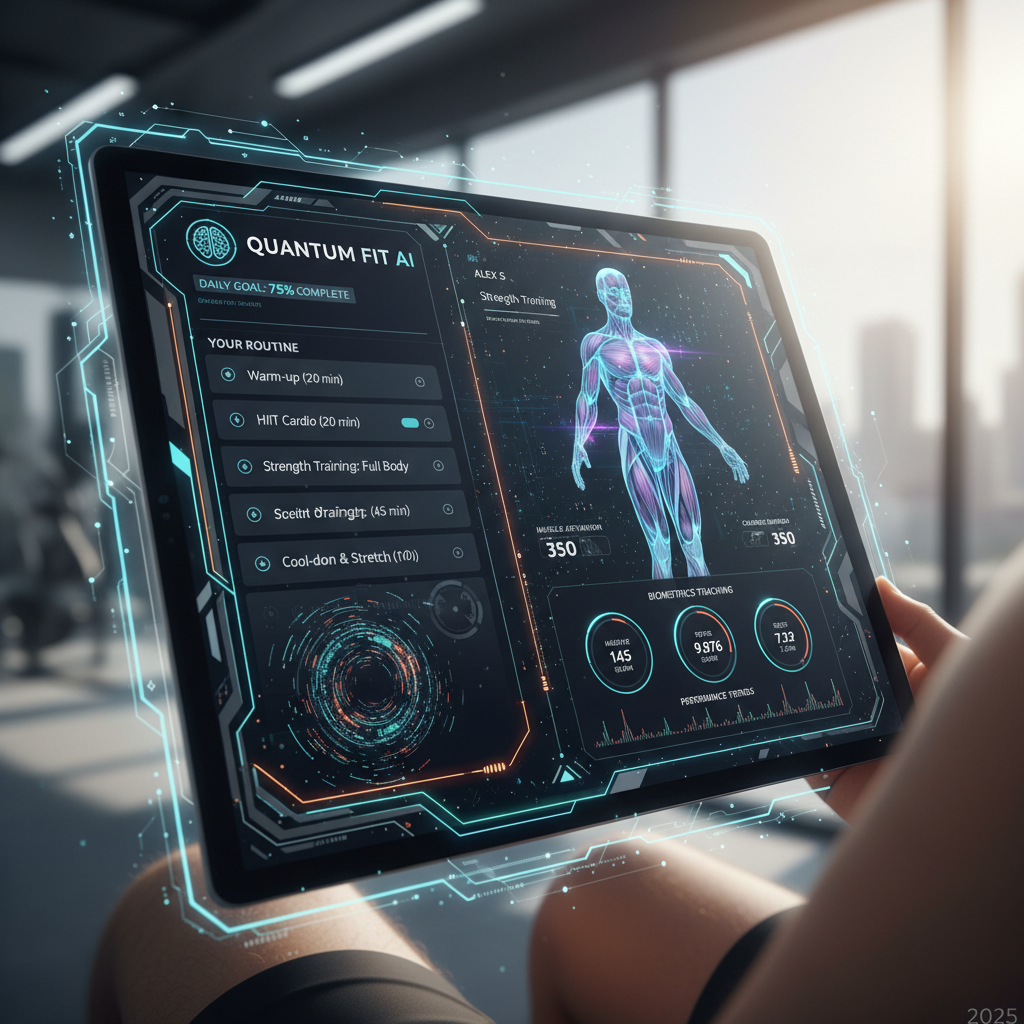
- Intelligent Sleep Recovery Assessment: His advanced sleep tracker detects a night of restless, fragmented sleep with insufficient deep sleep. Instead of his usual high-intensity interval training (HIIT) session, which would likely lead to overtraining given his fatigue, his AI assistant intelligently suggests a restorative Pilates session. It automatically pulls up a pre-selected video on his smart TV and subtly dims the lights to create a calming, focused atmosphere suitable for recovery.
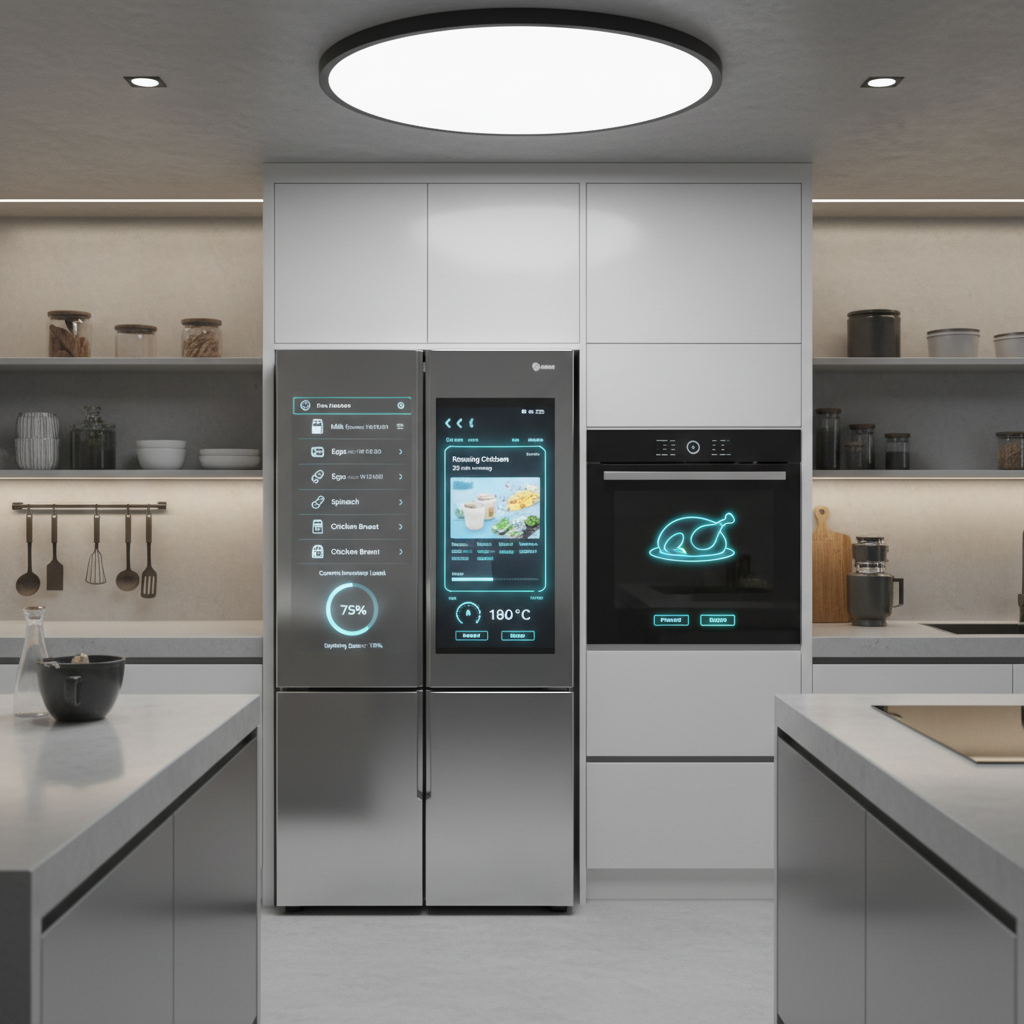
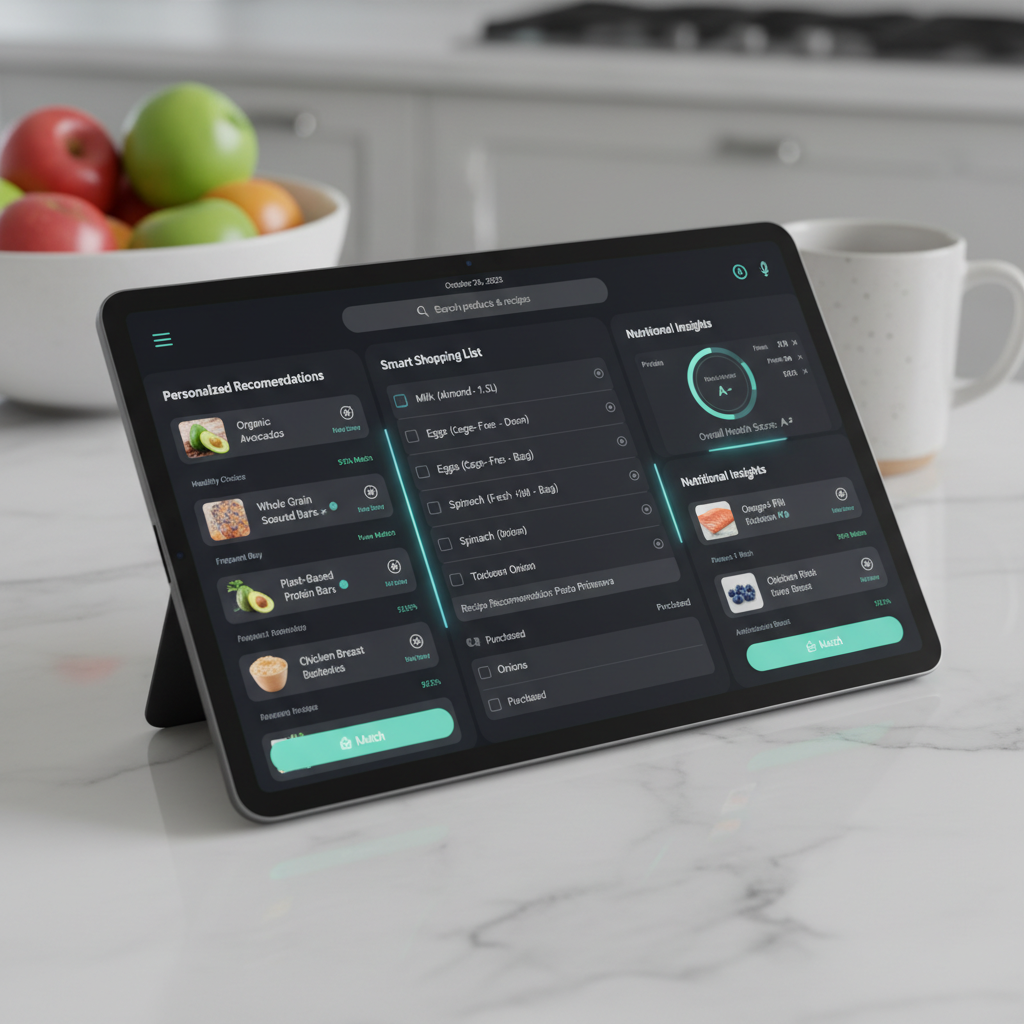
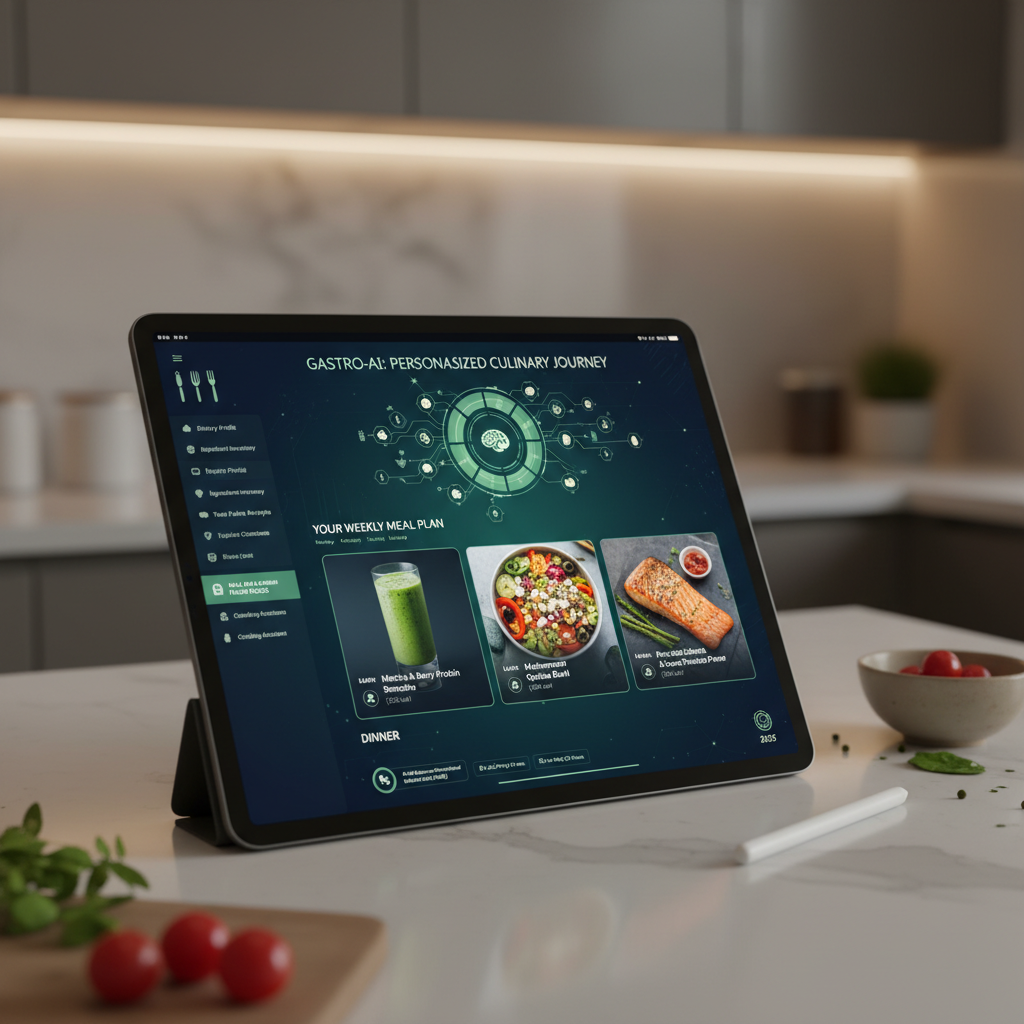
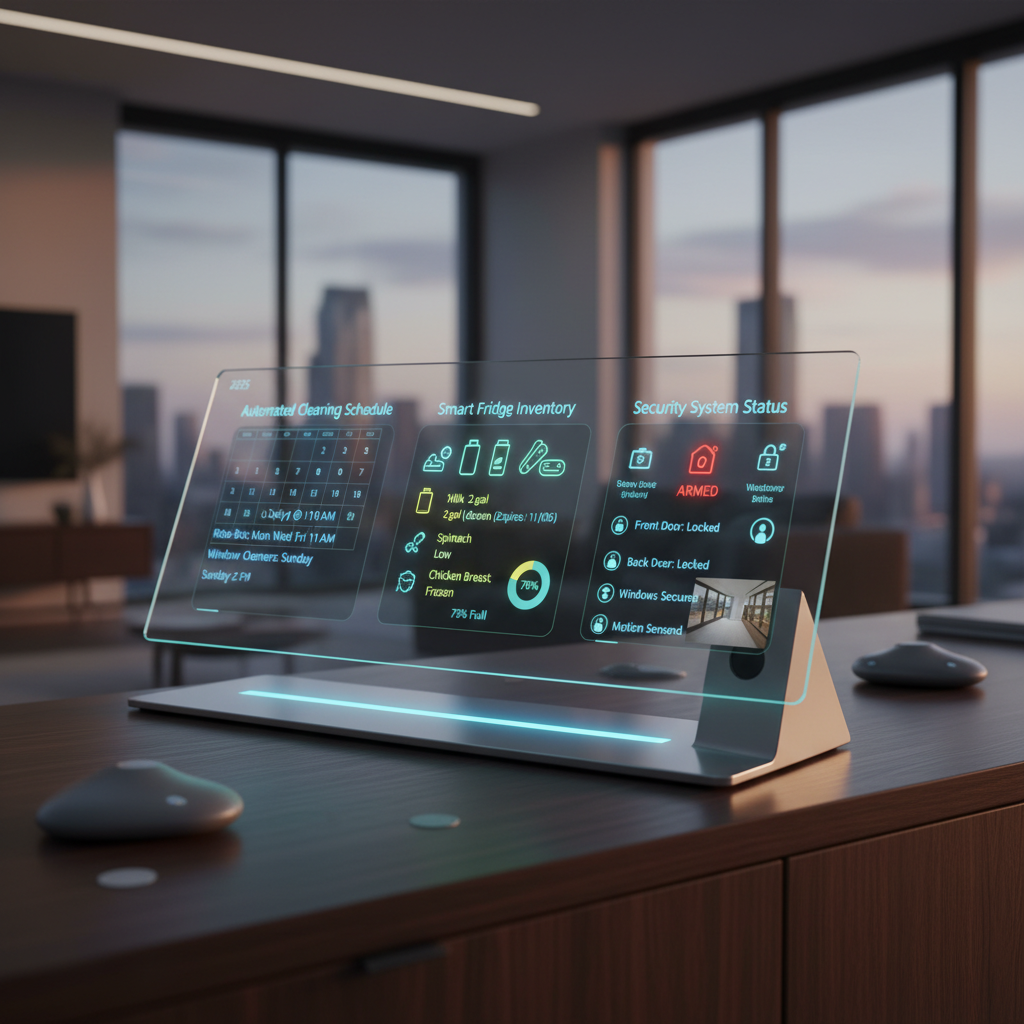
- Personalized Nutrition Guidance: Based on his planned restorative workout, his current health goals (which the AI tracks, in this case, a balanced macro intake for muscle recovery), and his dietary preferences, the AI offers breakfast recommendations: “Considering your Pilates session and your goal of balanced macros, I suggest an avocado and egg toast with a side of spinach. I’ve cross-referenced this with your smart fridge inventory, and I’ve added any missing ingredients to your grocery list if anything is running low.”
- Mindful Check-in and Learning Loop: Before David leaves for work, the AI assistant proactively asks, “How are you feeling this morning, David, post-Pilates?” He responds verbally, “A bit sluggish initially, but the Pilates really helped me feel more centered.” The AI logs this crucial feedback, continuously learning his responses and preferences to refine future recommendations, ensuring that the routine truly adapts to his internal state.
David’s routine no longer rigidly dictates his actions; instead, it adaptively responds to his body’s actual needs, preventing overtraining on tired days and ensuring his nutrition aligns perfectly with his activities. This fosters sustainable health habits, reducing the mental burden of constant planning and adjustment.
Case Study 3: The Student’s Focused Learning Environment and Productivity
Emily, a diligent university student, frequently struggles with procrastination, digital distractions, and maintaining deep focus during her crucial morning study sessions. Her AI assistant has become instrumental in creating an optimal learning environment and structure to tackle her academic demands with greater efficiency:
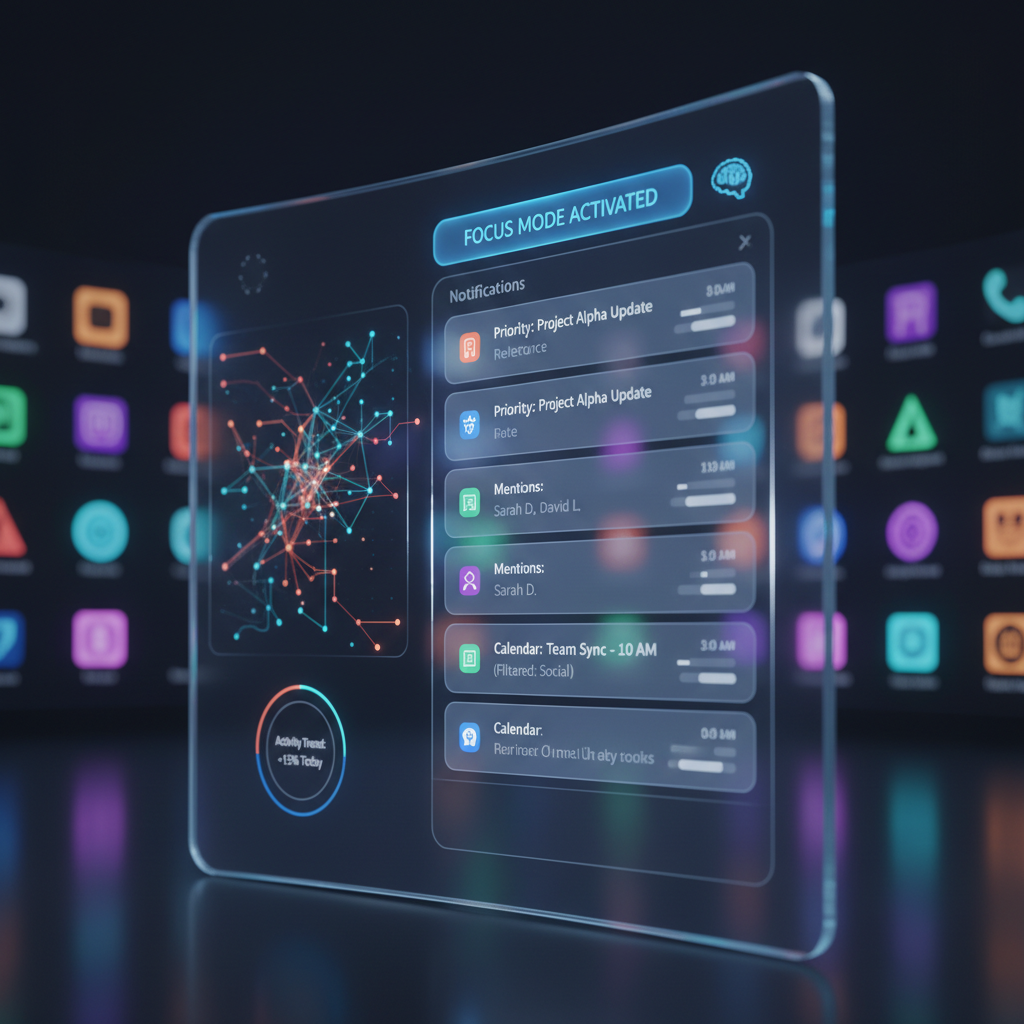
- Proactive Distraction Management: When her alarm sounds (optimized for her study schedule and sleep cycle), her AI automatically activates “Do Not Disturb” mode on her smartphone, closes all non-essential tabs and applications on her computer, and begins playing scientifically curated white noise or focus music through her noise-canceling headphones. This immediately creates a barrier against digital interruptions.
- Contextual and Goal-Oriented Prompts: After her quick, nutritious breakfast, the AI provides a timely and relevant reminder: “Emily, your biology essay is due tomorrow morning. I’ve allocated the next two hours specifically for focused work on this. Would you like me to automatically open your research papers and the document for your essay now?” This eliminates decision fatigue and guides her directly to her most important task.
- Intelligent Micro-Breaks: After a predetermined or AI-detected period of focused study (based on her screen activity patterns, or even micro-pauses in typing), the AI detects a potential drop in her productivity. It then intelligently suggests, “Time for a 10-minute cognitive break. Would you prefer to do some quick stretches to improve circulation, or listen to a short, engaging podcast related to your interests to refresh your mind?” These intelligent breaks prevent burnout and enhance sustained concentration.
Emily now finds her mornings significantly more productive, less overwhelming, and less prone to procrastination. The AI assistant helps her manage distractions, prioritize tasks, and structure her study periods effectively, allowing her to tackle academic demands with greater focus, reduced stress, and ultimately, improved academic performance.
Frequently Asked Questions
Q: What is an AI-powered morning routine?
A: An AI-powered morning routine is a highly personalized and dynamic schedule of activities that is intelligently orchestrated by an Artificial Intelligence assistant. Unlike traditional routines, which typically follow a fixed, rigid plan, an AI-powered routine leverages vast amounts of data from your wearables (like smartwatches), smart home devices, digital calendar, and even real-time environmental factors (such as weather or traffic conditions) to continuously adapt and optimize your morning activities. The AI learns your unique preferences, energy levels, health goals, and daily commitments over time, making intelligent, context-aware recommendations for everything from when to gently wake up, what exercises would be most beneficial, what nutritional choices to make, and how to best prepare for your day. The ultimate goal is to maximize your productivity, enhance your well-being, and reduce morning stress.
Q: How does AI specifically personalize my morning routine?
A: AI personalizes your morning routine through a sophisticated, multi-faceted approach. Firstly, it integrates with your sleep tracker to identify optimal wake-up times within your sleep cycle, ensuring you wake during a light sleep phase to minimize grogginess. Secondly, it analyzes your digital calendar and work schedule for upcoming meetings, deadlines, or travel, adjusting your routine’s flow and timing accordingly. Thirdly, it incorporates your health data (e.g., heart rate variability for stress, activity levels, sleep quality) from wearables to suggest activities that align with your physiological state and recovery needs. Fourthly, it considers external information like weather forecasts, traffic reports, and even news headlines. Finally, through continuous interaction and explicit/implicit feedback, the AI learns your evolving preferences, habits, and mood. Based on this rich, dynamic dataset, it makes context-aware suggestions, adjusts timings dynamically, and can even control your smart home environment (like lighting, thermostat, and audio) to create a seamless, customized, and optimized experience tailored precisely to your needs on any given morning.
Q: What kind of personal data does an AI assistant typically collect for my routine?
A: An AI assistant typically collects a diverse range of personal data to enable its personalization capabilities. This can include highly sensitive biometric data such as sleep patterns (duration, stages, disturbances) obtained from smartwatches or dedicated sleep monitors, resting and active heart rate, overall activity levels, and increasingly, heart rate variability (HRV) for stress assessment. Beyond biometrics, it integrates data from your digital calendar (events, meetings, tasks), weather applications, curated news feeds, and connects with smart home devices for environmental control (e.g., temperature settings, lighting preferences). Some more advanced systems might also infer your mood or energy levels from your verbal interactions, textual inputs, or integrate with specific journaling or mood-tracking apps. Furthermore, any explicit feedback you provide on the routine’s effectiveness or your satisfaction with suggestions is continuously collected to refine its understanding of your preferences and habits.
Q: Are AI-powered morning routines secure and private given the sensitive data they collect?
A: Data security and privacy are absolutely paramount concerns when dealing with AI-powered routines due to the sensitive and personal nature of the information collected. Reputable AI assistant providers understand this critically and implement robust measures. This typically includes employing strong encryption protocols for data both in transit (when it’s being sent between your devices and their servers) and at rest (when it’s stored on their servers). They also strive to adhere to stringent global privacy regulations such as GDPR in Europe and CCPA in the United States, which mandate strict data protection and user rights. Many providers also offer granular user controls, allowing you to manage what specific data is shared, with whom, and for what purpose. However, it remains a shared responsibility; it is crucial for users to diligently choose trusted services, carefully review their privacy policies, and actively understand exactly what data is being collected, how it’s used, and whether it’s shared with any third parties. Being informed and proactive about your digital data is the strongest defense for ensuring security and privacy.
Q: Can I override AI suggestions in my morning routine, or am I locked into its plan?
A: Absolutely, you are not locked into any AI-generated plan. AI-powered morning assistants are designed fundamentally to be helpful tools and intelligent guides, not dictatorial masters. The vast majority of reputable systems provide clear and easy options for users to override, modify, skip, or completely remove suggested activities at any point. More importantly, the AI should be designed to learn from these manual adjustments; your choices and deviations serve as valuable feedback, allowing the system to refine and improve its future recommendations to better align with your actual needs and preferences. It is vital for users to maintain their personal agency and view the AI as a sophisticated assistant that empowers them, rather than a system to be blindly followed. Your ability to provide feedback and make autonomous choices is a cornerstone for the AI to truly understand and evolve to serve your unique, dynamic needs effectively.
Q: Do I need a fully integrated smart home to benefit from an AI-powered morning routine?
A: No, you do not necessarily need a fully integrated, comprehensive smart home setup to benefit significantly from an AI-powered morning routine. Many of the core and most impactful features, such as dynamic wake-up optimization based on sleep cycles, highly personalized activity suggestions, and intelligent, adaptive scheduling, can function effectively with just a smartphone, a wearable device (like a smartwatch or fitness tracker), and access to your digital calendar. These components alone provide enough data for powerful personalization. However, it is true that integrating your AI assistant with smart home devices (such as smart lights, thermostats, coffee makers, and speakers) significantly enhances the overall experience. This integration allows for seamless environmental orchestration and a more immersive, hands-free, and delightful morning flow, reducing friction and automating more aspects of your physical environment.
Q: What is the typical learning curve for setting up an AI morning routine?
A: The initial learning curve for setting up an AI-powered morning routine can vary, primarily depending on the sophistication of the AI assistant chosen and the number of smart devices and applications you wish to integrate. Generally, you can expect to invest some initial time and effort during the onboarding process. This typically involves providing your explicit preferences (e.g., preferred exercise types, ideal breakfast options), connecting various smart devices (like your sleep tracker, smart lights, smart speaker, and calendar apps), and inputting your general health and productivity goals. After this initial setup, the AI enters a crucial learning phase where it observes your habits, analyzes your data, and continuously requests feedback on its suggestions. The more data and feedback you consistently provide, the faster and more accurately the AI will be able to truly personalize and optimize your routine. Most reputable platforms are designed with intuitive onboarding processes and guided setup flows to minimize complexity and make this initial phase as smooth as possible.
Q: How can AI specifically help with mental wellness in the morning?
A: AI can make significant contributions to enhancing mental wellness during your morning by proactively promoting mindfulness, effectively reducing stress, and fostering a profound sense of control and preparedness. For instance, based on detected stress levels from your biometrics or observed sleep quality, the AI can intelligently suggest tailored meditation or breathing exercises, or recommend engaging in calming gratitude journaling. By dynamically optimizing your schedule and streamlining tasks, it helps prevent the common morning rush and decision fatigue, which are significant sources of anxiety. Furthermore, it can seamlessly integrate positive affirmations, play mood-boosting or calming music, or even provide gentle nudges for reflective journaling. Future advancements are expected to include even more proactive detection of early stress or anxiety indicators and suggesting appropriate, personalized interventions or connecting users to relevant mental health resources, thereby making mental well-being a deeply embedded and prioritized component of your daily routine.
Q: What are the primary benefits of an AI-powered morning routine compared to a traditional, manually planned one?
A: The primary benefits of an AI-powered morning routine over a traditional, manually planned one are unparalleled personalization, dynamic adaptability, and significantly enhanced efficiency. Unlike traditional routines, which can be rigid and often struggle to account for daily variations, AI routines continuously adjust to your real-time needs, fluctuating mood, evolving schedule changes, and even dynamic environmental factors. This leads to more consistent adherence, reduces the stress associated with unexpected disruptions, and fosters a truly optimized start to your day. AI can proactively suggest activities that genuinely benefit your physical and mental health based on objective data, automate numerous tedious tasks through smart home integration, and ultimately help you achieve your wellness and productivity goals more effectively and sustainably than any static routine ever could.
Q: What is the future outlook for AI in personal routines beyond the morning?
A: The future outlook for AI in personal routines, extending far beyond just the morning, is incredibly promising and transformative. We can anticipate an era of hyper-personalization driven by even more advanced biometric integration (e.g., continuous glucose monitoring, real-time physiological stress markers), deeper and more proactive integration with mental wellness tools, and the widespread emergence of “ambient AI.” This ambient intelligence will operate almost invisibly within our environments, anticipating needs without explicit commands. Neurofeedback and more sophisticated brain-computer interfaces could offer even more direct and personalized ways to optimize our cognitive states and mental performance throughout the day. Crucially, ethical AI development will become paramount, ensuring these powerful technologies prioritize human well-being, encourage digital detox, safeguard user privacy, and ultimately act as an intelligent, empathetic partner in crafting truly fulfilling and optimized daily lives across all hours.
Key Takeaways
- AI-powered morning routines represent a significant evolution from traditional, static schedules, offering an unprecedented level of real-time personalization and dynamic adaptability.
- These advanced routines leverage cutting-edge machine learning, natural language processing, and predictive analytics to continuously adapt to individual needs, preferences, and physiological states.
- Key features of modern AI-powered morning assistants include dynamic wake-up optimization, context-aware activity suggestions, seamless smart home integration, and continuous learning from user feedback.
- AI personalizes by intelligently integrating diverse data sources such as biometrics from wearables, calendar commitments, real-time environmental factors (weather, traffic), and explicit user feedback to create adaptive and relevant daily schedules.
- Successfully adopting AI in personal routines requires proactive attention to crucial challenges such as safeguarding data privacy and security, avoiding over-reliance on technology, and actively mitigating algorithmic bias to ensure fairness.
- Future trends in this domain point towards hyper-personalization with increasingly advanced biometric and biomarker integration, proactive mental wellness support, the development of ambient AI, and potential applications of neurofeedback and brain-computer interfaces.
- Practical, real-world examples clearly demonstrate how AI can profoundly optimize and transform mornings for a diverse range of individuals, including busy professionals, health-conscious enthusiasts, and focused students.
- Ultimately, AI-powered routines aim to significantly enhance personal productivity, effectively reduce daily stress, consistently improve overall physical and mental well-being, and provide a truly optimized, intentional, and empowering start to every single day.
Conclusion
The dawn of Artificial Intelligence in our daily lives marks a pivotal and exciting moment, particularly in how we approach our most fundamental and impactful rituals: our morning routines. What once was often a static, rigid sequence of tasks, frequently a source of stress or missed opportunities, is now rapidly transforming into a dynamic, intelligent, and deeply personal experience. By harnessing the unparalleled power of machine learning, sophisticated data synthesis, and predictive analytics, AI is enabling us to move far beyond mere automation to a state of true, holistic optimization, where our mornings are not just productive, but genuinely aligned with our intrinsic values and overall well-being.
Imagine a world where your morning routine is no longer a source of chaotic stress, but rather a robust foundation of peace, invigorating energy, and focused intent. This is the tangible promise and immediate reality of personalized morning routines powered by AI. From the gentle, sleep-cycle optimized awakenings that ease you into the day, to context-aware activity suggestions that perfectly match your physiological state and schedule, and the seamless environmental orchestration that prepares your physical space, AI stands ready to be your most diligent, empathetic, and understanding assistant. While it is imperative to navigate the essential considerations of data privacy, responsible adoption, and the maintenance of personal agency, the path forward is unmistakably clear: thoughtfully embracing AI can unlock an entirely new level of self-mastery and profoundly empower you to craft not just a perfect morning, but a perfectly aligned and fulfilling day, every single day. The future of starting your day, truly, is intelligent, adaptive, inherently personalized, and uniquely yours to shape.








































Leave a Reply