


In our increasingly fast-paced world, the morning often sets the tone for the entire day. A chaotic, rushed, or unorganized start can ripple through hours, impacting productivity, mood, and overall well-being. Imagine, however, a morning that unfolds effortlessly, where tasks are automated, information is at your fingertips, and you can focus on what truly matters. This isn’t a futuristic fantasy; it’s a present-day reality made possible by the intelligent integration of AI assistants into your daily rhythm.
Under the broader topic of Transforming Your Morning Routine with Smart AI Assistants, this comprehensive guide delves deep into how artificial intelligence, embodied in devices like smart speakers and voice assistants, can revolutionize your mornings. We will explore the challenges of modern morning routines, the immense power AI brings to the table, and provide a practical, step-by-step roadmap for building your own seamless smart start. From choosing the right AI companion to advanced customization and overcoming common hurdles, prepare to unlock a new era of morning efficiency and tranquility.
Understanding the Modern Morning Challenge
Before we can appreciate the solutions AI offers, it’s crucial to acknowledge the pervasive challenges that many individuals face each morning. The typical modern morning is often a frantic race against the clock, characterized by a complex interplay of demands that can quickly lead to stress and mental fatigue before the day even truly begins.
The Information Overload Dilemma
Upon waking, many of us immediately reach for our phones, bombarded by notifications, emails, and news headlines. This instant influx of information, while seemingly innocuous, can be incredibly draining. Deciding what to focus on, filtering out irrelevant noise, and processing urgent matters can consume valuable mental energy. Instead of a gradual awakening, our brains are thrust into overdrive, processing data points ranging from global events to social media updates, all before we’ve even had our first cup of coffee. This cognitive load can impair decision-making and make it harder to prioritize effectively.
The Tyranny of the To-Do List
Beyond digital distractions, there’s the ever-present internal monologue of tasks to be completed: “Did I set the coffee?”, “What’s the traffic like?”, “Do I need an umbrella?”, “What’s on my calendar today?”, “Have I packed the kids’ lunches?”. Each of these questions requires a mental check, a physical action, or a quick search, piecing together a mosaic of micro-tasks that, individually, seem small, but collectively form a formidable gauntlet. This constant toggling between tasks and the mental effort of remembering them contributes significantly to morning stress.
Decision Fatigue and Mental Clutter
From choosing an outfit to deciding what to eat for breakfast, our mornings are riddled with small decisions. While these might seem trivial, research indicates that decision-making consumes mental energy, and a prolonged period of making choices can lead to “decision fatigue.” This fatigue makes it harder to make good choices later in the day and can even impact self-control. Starting the day already depleted from countless small decisions leaves less cognitive fuel for important work or personal challenges later on.
External Distractions and Interruptions
For individuals with families, children, or even pets, mornings are often a whirlwind of competing priorities. Demands for attention, requests, and unexpected events can derail even the most carefully planned routine. These external interruptions, while a natural part of life, add another layer of complexity and unpredictability to an already demanding time, making it difficult to maintain focus or find moments of calm.
In essence, the modern morning is a battleground against time, information overload, and a ceaseless stream of micro-tasks. Traditional methods of organization, such as written to-do lists or manual checks, often fall short because they require active human intervention for every single step. This is precisely where AI assistants emerge not merely as convenient gadgets, but as transformative agents capable of orchestrating a symphony of efficiency, bringing order and serenity back to the start of our days.
The Power of AI in Morning Routines
Artificial Intelligence assistants, such as Amazon Alexa, Google Assistant, and Apple Siri, are no longer just novelties; they are sophisticated tools capable of profound integration into our daily lives. When strategically deployed in your morning routine, they move beyond simple commands to become proactive, personalized orchestrators of your day, fundamentally altering the fabric of how you start.
Automation of Repetitive Tasks
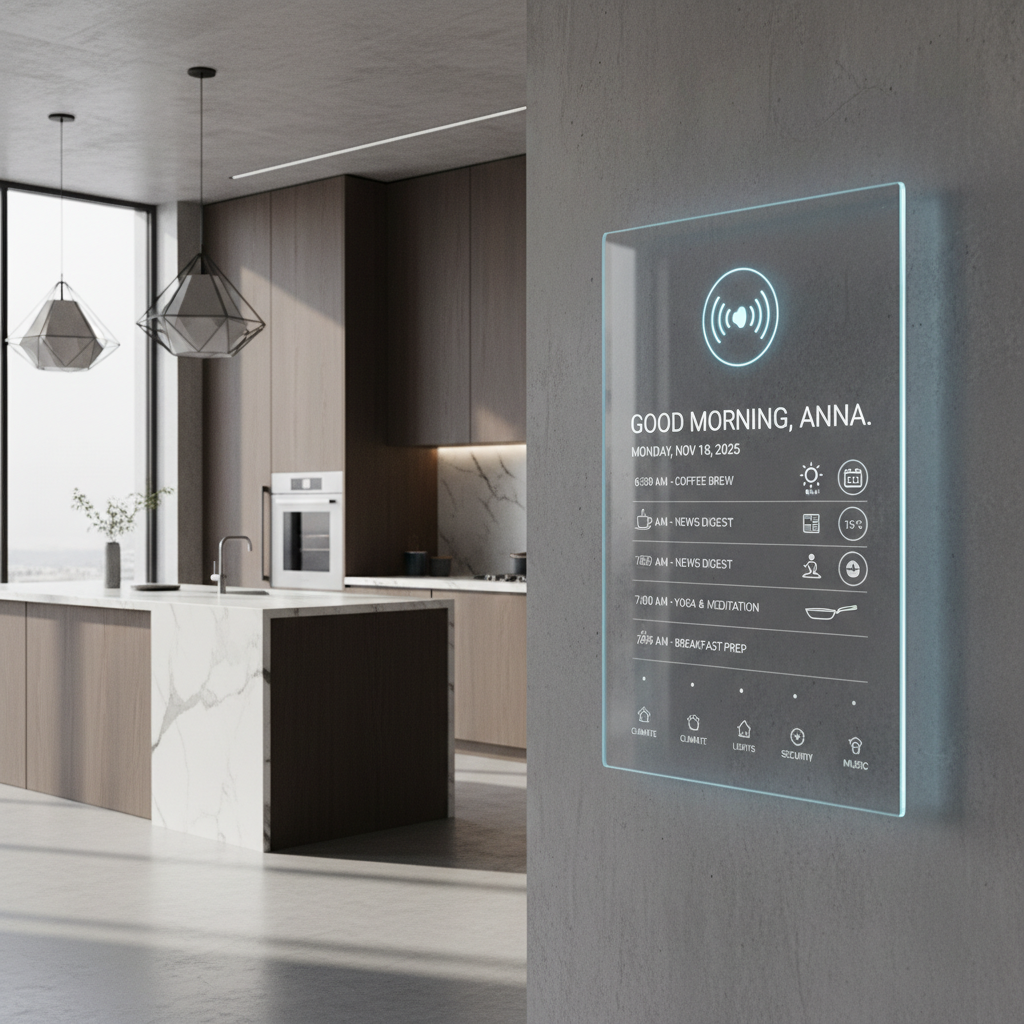
At the core of AI’s power is its ability to automate. Many morning tasks are repetitive and predictable. Instead of manually checking the weather, tuning into a news channel, or adjusting your smart thermostat, an AI assistant can execute these actions with a single voice command or even on a schedule. This eliminates the manual effort and mental bandwidth required for these routine chores, freeing you to focus on more complex or enjoyable activities. For example, a simple “Good morning” command can trigger a cascade of actions: turning on lights, brewing coffee, and playing your personalized news briefing.
Personalized Information Delivery
Unlike a generic radio broadcast or a scattered glance at social media, AI assistants can deliver highly personalized and curated information. They learn your preferences: your preferred news sources, the topics you care about, your commute route, and even your favorite genre of morning music. This means you receive information that is directly relevant and valuable to you, presented in a concise and digestible format, saving you from sifting through irrelevant data. Imagine getting a summary of your team’s overnight project updates alongside your local traffic report, all tailored to your needs.
Seamless Smart Home Integration
Modern homes are increasingly interconnected, and AI assistants serve as the central hub for managing this ecosystem. From smart lights that gently brighten to mimic a sunrise, to thermostats that pre-warm or cool your space to your ideal temperature, or even smart plugs that can power on your coffee maker at a set time, AI makes controlling your environment effortless. This level of integration transforms your home into a responsive partner in your morning routine, anticipating your needs and adjusting accordingly without you lifting a finger.
Proactive Reminders and Schedule Management
AI assistants excel at memory and organization. They can vocalize your calendar appointments for the day, remind you of important tasks (like taking medication or sending a crucial email), and even give you a heads-up about travel times based on real-time traffic conditions. This proactive assistance reduces the mental burden of remembering everything, ensuring you’re prepared for what’s ahead and minimizing the chances of missing critical deadlines or appointments.
Reducing Decision Fatigue
By automating tasks and providing structured information, AI assistants significantly reduce the number of micro-decisions you need to make each morning. You no longer have to decide which news channel to watch, what music to play, or even manually adjust multiple smart home devices. The AI handles these choices based on your pre-set preferences, allowing you to conserve your mental energy for more important decisions later in the day, leading to a less stressful and more focused start.
Enhanced Accessibility and Inclusivity
For individuals with mobility challenges, visual impairments, or other physical limitations, AI assistants offer an invaluable tool for independence. Voice control allows them to manage their environment, access information, and perform tasks that might otherwise be difficult or impossible, ensuring that a seamless morning is accessible to everyone.
In essence, AI assistants transform your morning from a reactive struggle against a series of demands into a proactive, intelligently orchestrated experience. They become your personal, always-on concierge, ensuring efficiency, reducing stress, and granting you the precious gift of time and mental clarity.
Choosing Your AI Companion: Key Considerations
The market for AI assistants is robust, dominated by a few major players, each with its unique ecosystem and strengths. Selecting the right AI companion is a crucial step in building your seamless smart morning, and it largely depends on your existing technology, privacy preferences, and desired functionalities. Here’s a breakdown of key considerations to guide your choice.
1. Ecosystem Compatibility
This is arguably the most significant factor. Which digital ecosystem are you already heavily invested in?
- Google Assistant: If you use Android phones, Google Calendar, Gmail, Google Photos, and Chromecast, Google Assistant will integrate seamlessly. Its strength lies in its deep integration with Google’s vast array of services and its superior contextual understanding due to Google’s search prowess.
- Amazon Alexa: Alexa shines in smart home device compatibility, boasting the widest range of third-party integrations. If you frequently shop on Amazon, use Amazon Music, or have a house full of smart gadgets from various brands, Alexa might be your best bet.
- Apple Siri: For those firmly entrenched in the Apple ecosystem (iPhone, iPad, Mac, Apple Watch, HomePod), Siri offers the tightest integration. It excels at controlling Apple devices, accessing Apple services like Apple Music and Apple Reminders, and maintaining a high standard of privacy within its walled garden.
- Microsoft Cortana: While less of a direct competitor in the smart speaker space for home automation, Cortana is primarily integrated with Windows PCs and Microsoft services. It might be relevant if your morning routine heavily involves desktop-based productivity.
Choosing an assistant that complements your existing devices and services will ensure a smoother setup and a more cohesive experience.
2. Privacy Policies and Data Handling
The degree to which you trust a company with your voice data and personal information is a critical consideration. Each major player has different approaches to data collection, storage, and anonymization.
- Transparency: Investigate how transparent each company is about its data practices. Do they clearly explain what data is collected and how it’s used?
- Opt-Out Options: Can you easily review and delete your voice recordings? Are there options to opt out of certain data collection or sharing?
- Reputation: Consider the company’s historical reputation regarding user privacy. Apple, for instance, often emphasizes privacy as a core differentiator.
Read the privacy policies carefully and choose an assistant whose practices align with your comfort level.
3. Voice Recognition Accuracy and Natural Language Understanding
A truly seamless experience relies on the assistant understanding your commands accurately, even with varying accents, background noise, or complex phrasing.
- Accuracy: While all major assistants have improved significantly, some might perform better with specific accents or speech patterns.
- Contextual Understanding: How well does the AI remember previous parts of a conversation or understand follow-up questions without needing explicit rephrasing? Google Assistant often leads in this area due to its search engine heritage.
If possible, try out different assistants to see which one “gets” you best.
4. Feature Set and Capabilities
While core functionalities like setting alarms, providing weather, and playing music are universal, the breadth and depth of features vary.
- Smart Home Compatibility: Which assistant supports the specific smart home devices you own or plan to purchase? Alexa typically has the broadest support.
- Third-Party Integrations (Skills/Actions): Explore the ecosystem’s “skills” (Alexa) or “actions” (Google Assistant) store. Do they offer integrations with your favorite productivity apps, news sources, or unique services?
- Routine Customization: How flexible and powerful are the custom routine builders? Can you create complex, multi-step actions triggered by a single phrase or time?
- Multi-User Support: If multiple people will be using the assistant, how well does it support individual voice profiles and personalized responses?
Identify your primary use cases for the morning and ensure your chosen assistant excels in those areas.
5. Device Availability and Form Factors
AI assistants aren’t just limited to smart speakers. They’re embedded in phones, smart displays, headphones, and even cars.
- Smart Speakers: Offer hands-free control and excellent audio quality for music/news.
- Smart Displays: Provide visual feedback (weather maps, calendar, video news) in addition to audio.
- Mobile Devices: Allow you to take your assistant on the go.
Consider where you want to interact with your AI assistant most during your morning. A smart display in the kitchen might be ideal for cooking instructions and calendar glances, while a smart speaker in the bedroom might be perfect for waking up and news briefings.
By carefully evaluating these factors, you can make an informed decision and select an AI companion that truly enhances your morning flow, rather than adding another layer of complexity.
Step-by-Step Integration: A Guided Path
Integrating an AI assistant into your morning routine doesn’t have to be overwhelming. By following a structured, phase-by-phase approach, you can gradually build a sophisticated system that feels natural and intuitive. This guided path will help you move from basic setup to advanced automation, ensuring a seamless transition.
Phase 1: Initial Setup and Basic Familiarization
This is where you lay the groundwork. Don’t rush this phase; understanding the basics is key.
- Unbox and Connect: Plug in your smart speaker or display. Download the corresponding app (Alexa, Google Home, Apple Home) to your smartphone. Follow the on-screen instructions to connect your device to your home Wi-Fi network and link it to your account.
- Basic Commands: Start with the fundamentals. Ask for the time, weather, or to play some music. This helps you get accustomed to the wake word and the assistant’s voice and response patterns. Experiment with different ways of phrasing commands.
- Personal Voice Setup (If Applicable): If your assistant supports multiple voice profiles, set up yours and encourage other household members to do the same. This allows the AI to personalize responses, calendars, and music choices.
- Explore Settings: Spend some time in the assistant’s companion app. Familiarize yourself with settings for privacy, sound, language, and connected accounts.
Phase 2: Core Morning Routine Automation
Now, let’s tackle the foundational elements of your morning.
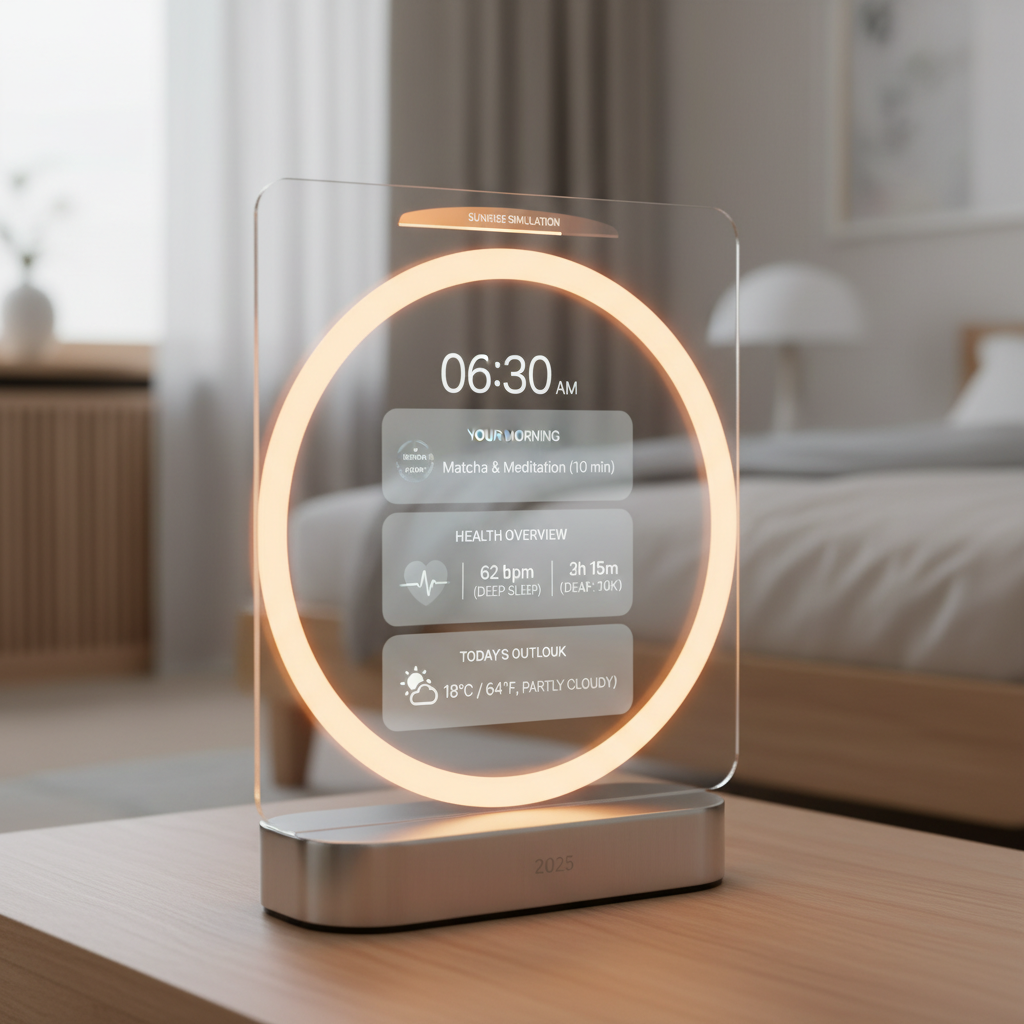
- Set Smart Alarms: Ditch your old alarm clock. Use your AI assistant to set alarms. Explore features like gradually increasing volume, playing specific music or radio stations, or even linking to smart lights that simulate a sunrise. For example, “Alexa, set an alarm for 6:30 AM to play morning jazz.”
- Personalized Morning Briefing: Configure a daily briefing. In the app, select your preferred news sources (NPR, BBC, Wall Street Journal), weather updates, traffic reports (by inputting your commute address), and calendar events. Then, create a routine that triggers this briefing. For example, “Hey Google, good morning” could initiate your briefing.
- Calendar and Reminders Sync: Link your primary calendar (Google Calendar, Outlook, Apple Calendar) to your AI assistant. Ask it, “What’s on my calendar today?” or “Remind me to call Sarah at 9 AM.” This ensures you’re always aware of your schedule.
- Music/Podcast Integration: Link your favorite music streaming service (Spotify, Apple Music, Amazon Music). Create a routine that plays your preferred morning playlist or podcast. “Siri, play my morning commute playlist.”
Phase 3: Smart Home Integration for Comfort and Efficiency
Elevate your experience by connecting your smart home devices.
- Lighting Control: Connect your smart bulbs or switches. Create a routine that turns on specific lights at a certain brightness when your alarm goes off, or with your “Good Morning” command. For example, “Turn on kitchen lights to 50%.”
- Thermostat Management: Link your smart thermostat. Set a schedule or include a command in your morning routine to adjust the temperature to your ideal comfort level before you even get out of bed. “Set bedroom temperature to 70 degrees.”
- Coffee Maker Automation: If you have a smart coffee maker or a regular one plugged into a smart plug, incorporate this into your routine. “Alexa, start the coffee.” Imagine waking up to the aroma of freshly brewed coffee, ready for you.
- Appliance Control: Extend this to other smart appliances if you have them, like smart blinds that open automatically or a smart shower that pre-heats.
Phase 4: Advanced Customization and Personalization
This is where your AI truly becomes *your* assistant, tailored to your unique habits and preferences.
- Build Custom Routines/Shortcuts: Dive into the routine builder in your assistant’s app. Create complex sequences triggered by a single phrase, time, or event. A single “I’m leaving” command could turn off all lights, lock smart doors, and set the thermostat to an away temperature.
- Conditional Automation: Explore advanced routine options where actions are triggered based on conditions. For example, “If the traffic to work is more than 30 minutes, tell me to leave 15 minutes earlier.”
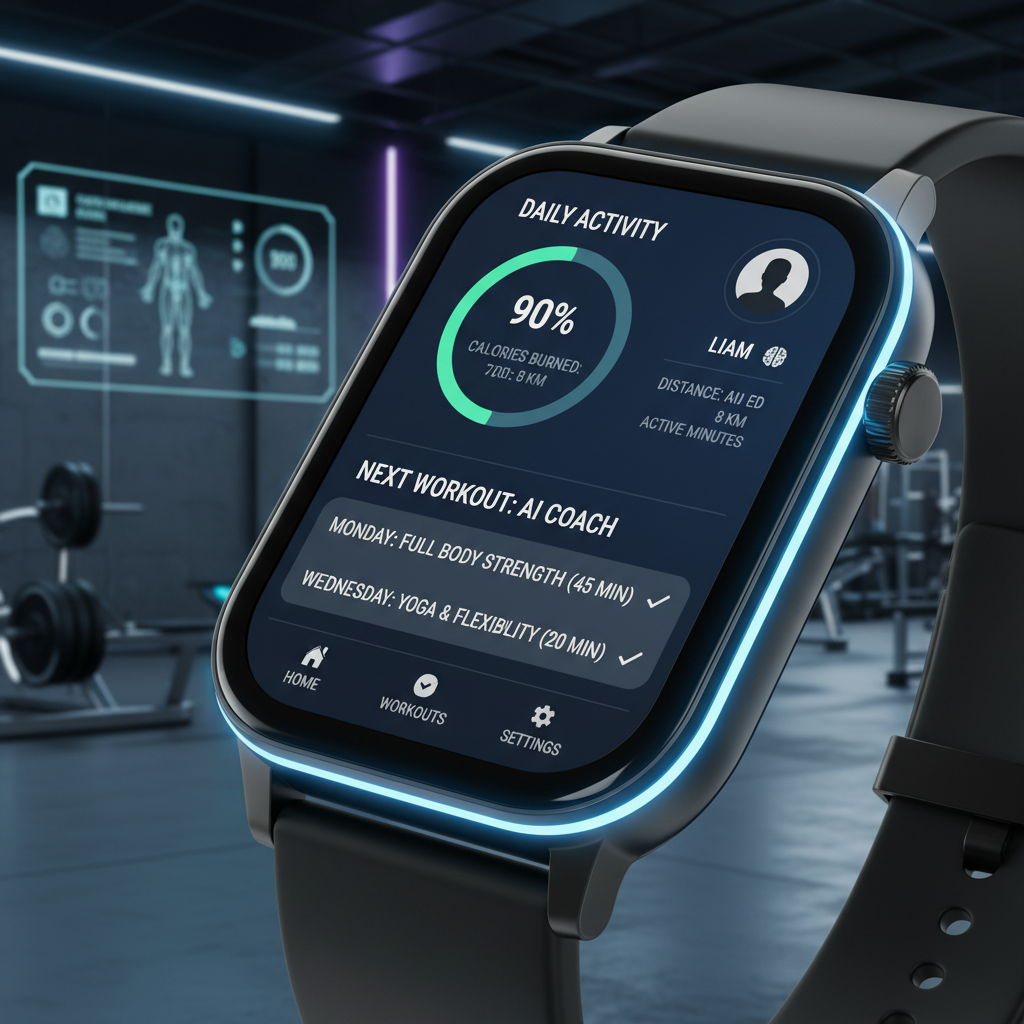
- Integrate Wellness and Productivity Apps: Link your fitness trackers, meditation apps, or productivity tools. Your AI can then give you a summary of your sleep quality, remind you to do a quick meditation, or read out your top three tasks for the day from your to-do list app.
- Experiment with Voice Skills/Actions: Discover third-party skills or actions that add unique functionalities, such as quick news summaries from specific publishers, guided morning stretches, or language lessons.
Phase 5: Iteration and Optimization
Your perfect morning routine is not a one-time setup; it’s an evolving system.
- Review and Refine: After a week or two, assess what’s working and what isn’t. Are there commands the AI consistently misunderstands? Are some routines too long or too short? Adjust timings, phrasing, and included actions.
- Troubleshoot: If devices aren’t responding, check app permissions, network connectivity, and device pairings. Often, a simple unlink and relink resolves issues.
- Stay Updated: AI assistants are constantly evolving. Keep your apps and devices updated to access new features and improvements. Follow tech blogs or your assistant’s official news to discover new capabilities.
By following these steps, you’ll gradually transform your mornings from a source of stress into a streamlined, enjoyable, and productive start to your day.
Advanced Customization and Personalization
Once you’ve mastered the basics and integrated your AI assistant into your core morning routine, the real magic of personalization begins. This is where you move beyond simple commands and pre-built features to create a truly bespoke morning experience that anticipates your needs, reflects your personality, and evolves with your lifestyle. Advanced customization transforms your AI from a helpful tool into an indispensable personal concierge.
Contextual Awareness and Conditional Routines
Modern AI assistants are becoming increasingly sophisticated in their ability to understand context. This allows for conditional routines that adapt to real-time information.
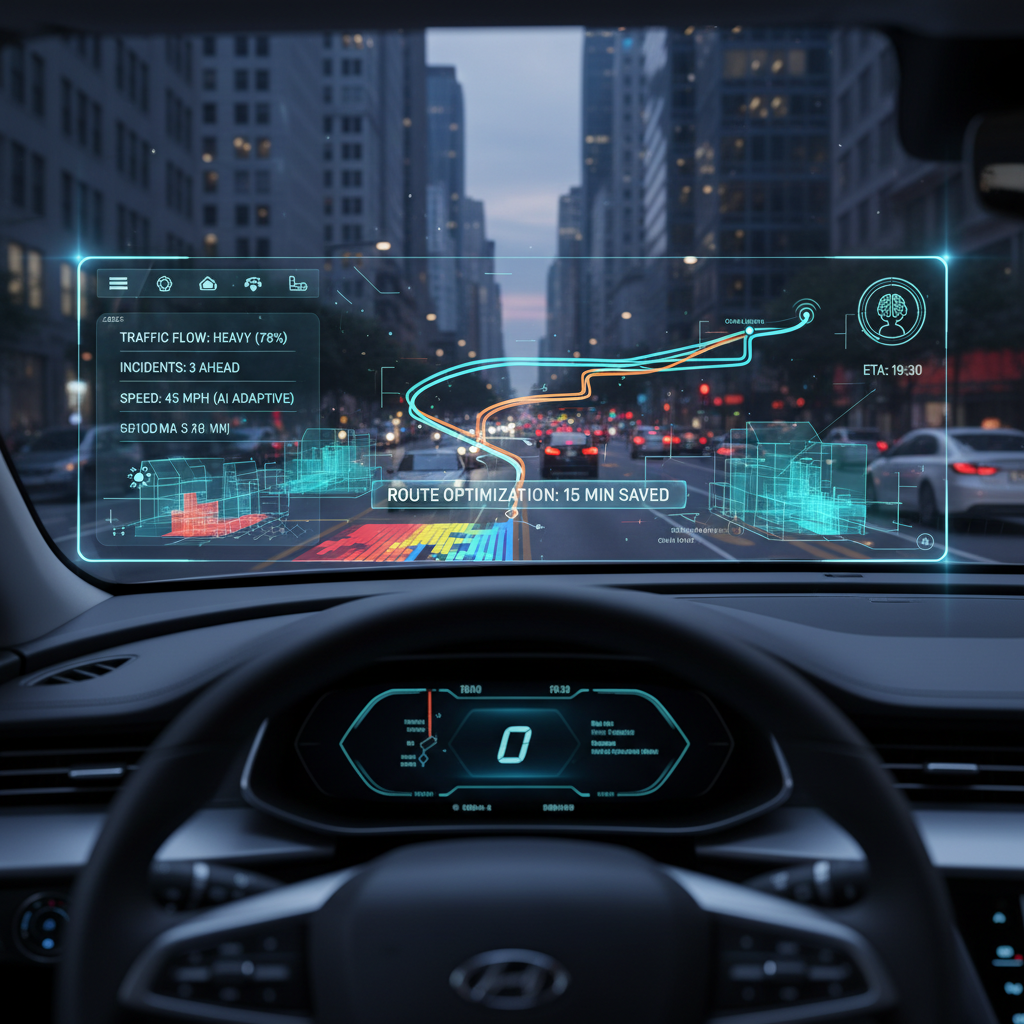
- Traffic-Dependent Departures: Imagine your “Good Morning” routine checking live traffic to your office. If heavy traffic is detected, your AI could proactively suggest, “Traffic to the office is heavier than usual today. You might want to leave 15 minutes earlier.” It could then automatically adjust your smart lights to a brighter setting to encourage faster preparation.
- Weather-Based Suggestions: If rain is forecasted, your routine could remind you to grab an umbrella or suggest an alternative indoor workout if your usual morning run is outdoors. “Don’t forget your rain jacket, it’s pouring out there!”
- Calendar-Driven Adjustments: If your first meeting is unusually early, your AI could subtly nudge your wake-up time forward, ensuring you have enough buffer.
These conditional automations mean your routine is not static but dynamically responsive to the world around you, offering true proactive assistance.
Layering Routines and Smart Home Scenes
Instead of just linear commands, you can create layered routines or “scenes” that orchestrate multiple smart home devices simultaneously to set a specific ambiance or prepare for an activity.
- “Morning Zen” Scene: A command like “Morning Zen” could dim the bedroom lights to a warm glow, play soft meditation music, activate an essential oil diffuser, and display a calming visual on a smart display, all while subtly lowering the thermostat.
- “Breakfast Prep” Scene: Saying “Breakfast time” could turn on the kitchen lights, brew coffee, and even start your favorite morning news podcast, creating a comfortable and efficient environment for cooking and eating.
These scenes are about crafting an atmosphere and streamlining complex multi-device actions into a single, intuitive voice command.
Integration with Wellness, Productivity, and Learning Tools
The utility of AI extends beyond smart home control. Many assistants offer integrations with third-party applications that can enrich your morning experience.
- Mindfulness Integration: Link with apps like Calm or Headspace. Your AI can initiate a guided meditation session as part of your wake-up routine, helping you start the day grounded.
- Fitness Tracking: Integrate with your health app or wearable. Your AI can summarize your sleep quality from the night before or remind you of your daily step goal. “You slept for 7 hours and 15 minutes. Ready for your morning run?”
- Language Learning: Incorporate short language lessons or vocabulary reviews into your morning briefing, transforming passive listening into active learning.
- Personalized Learning and News Feeds: Beyond general news, integrate with specific industry newsletters, academic digests, or personalized RSS feeds relevant to your professional interests, delivered audibly while you get ready.
These integrations turn your AI into a holistic wellness and development partner.
Voice Profiles and Multi-User Personalization
For multi-person households, the ability for an AI assistant to recognize different voices and provide personalized responses is invaluable.
- Individual Briefings: Each family member can receive their unique news, calendar, and traffic updates simply by asking “Good morning” in their own voice.
- Personal Music Preferences: The AI can play music from each user’s preferred streaming account or playlist, respecting individual tastes.
- Family-Wide Announcements: Use the intercom or broadcast feature to make announcements to everyone in the house, “Time for breakfast!” without needing to yell.
This creates a harmonious smart home where the AI caters to individual needs while also facilitating family communication.
Creative Use of Text-to-Speech and Soundscapes
Don’t just rely on default responses. Many assistants allow you to customize what they say or even play specific sound effects.
- Custom Affirmations: Program your AI to say a motivational quote or a personal affirmation each morning. “You are strong, capable, and ready to conquer the day!”
- Environmental Soundscapes: Instead of just music, integrate ambient soundscapes – rainforest sounds, ocean waves, or gentle rain – to create a calming or invigorating atmosphere for specific parts of your routine.
These small touches can significantly enhance the emotional tone of your morning.
By leveraging these advanced customization options, you can sculpt an AI-powered morning that is not just efficient, but deeply personal, enjoyable, and perfectly aligned with your aspirations for the day ahead. The key is to experiment, iterate, and continuously refine your routines as your needs and technology evolve.
Overcoming Challenges and Common Pitfalls
While the promise of a seamless, AI-powered morning is enticing, the path to achieving it isn’t always without its bumps. Users often encounter various challenges, from technical glitches to privacy concerns and even the psychological impact of relying on AI. Understanding these common pitfalls and knowing how to navigate them is crucial for a truly successful integration.
1. Privacy Concerns and Data Security
One of the most significant hesitations people have about AI assistants is privacy. These devices are always listening for a wake word, and concerns about recordings, data sharing, and potential breaches are valid.
- Mitigation:
- Understand Policies: Thoroughly read the privacy policies of your chosen AI assistant provider. Know what data is collected, how it’s used, and for how long it’s stored.
- Review & Delete Data: Regularly check your assistant’s activity logs in its companion app. Most platforms allow you to review and delete specific voice recordings or even all historical data.
- Mute Microphones: When you need absolute privacy, physically mute the microphone on your smart speaker. This provides a clear visual indicator that the device is not listening.
- Two-Factor Authentication: Ensure your accounts are secured with strong, unique passwords and two-factor authentication to prevent unauthorized access.
- Guest Mode: Utilize guest modes or temporary access settings for visitors, preventing their interactions from being logged to your personal profile.
2. Over-Reliance and Loss of Human Agency
There’s a subtle danger in letting AI automate too much: the potential for over-reliance. If every decision and task is delegated, it might diminish your own cognitive functions or lead to helplessness if the AI system fails.
- Mitigation:
- Maintain Core Skills: Don’t completely abandon basic habits like glancing at a physical calendar or making a mental note of important tasks. Use AI as an enhancer, not a replacement for your own faculties.
- Selective Automation: Choose which tasks to automate. Some tasks, like a short morning walk for personal reflection, might be better left un-automated to preserve human connection and mindfulness.
- Conscious Engagement: Actively engage with your AI. Don’t just passively receive information. Ask clarifying questions, explore new commands, and continuously refine your routines.
- Backup Plans: Always have a mental (or even physical) backup plan for critical tasks. What if your internet goes out? Can you still brew coffee or check your schedule manually?
3. Technical Glitches and Misinterpretations
AI assistants, while advanced, are not infallible. They can misinterpret commands, suffer from connectivity issues, or have software bugs.
- Mitigation:
- Clear Commands: Use precise and natural language. Avoid jargon or overly complex sentences. The more direct your command, the better the AI will understand.
- Troubleshooting 101: If a device isn’t responding, try these steps: check Wi-Fi connection, restart the device, check for app updates, or unlink and relink the smart device in the assistant’s app.
- Phrase Alternatives: If your assistant consistently misunderstands a phrase, try rephrasing it or creating a custom routine with a more unique trigger phrase.
- Good Connectivity: Ensure your home Wi-Fi network is robust and reliable, especially for smart home devices. Consider a mesh Wi-Fi system if you have a large home.
4. Integration Complexities and Compatibility Issues
Integrating various smart home devices from different manufacturers with your chosen AI assistant can sometimes be a puzzle.
- Mitigation:
- Research Compatibility: Before purchasing new smart devices, always check their compatibility with your existing AI ecosystem. Look for “Works with Alexa,” “Works with Google Home,” or “HomeKit compatible” badges.
- Hubs vs. Direct Connect: Some devices connect directly to your Wi-Fi, while others require a smart home hub (like a Zigbee or Z-Wave hub). Understand these requirements during setup.
- Start Small: Don’t try to automate your entire home at once. Start with one or two key devices, get them working reliably, and then gradually expand.
- Consult Support: If you’re stuck, refer to the manufacturer’s support pages or user forums. Often, someone else has faced and solved the same integration challenge.
5. The Learning Curve and Initial Frustration
Adopting any new technology comes with a learning curve. Initial frustration when things don’t work as expected can be a deterrent.
- Mitigation:
- Patience and Incremental Adoption: Understand that perfection takes time. Start with simple routines and gradually add complexity. Don’t expect everything to work flawlessly on day one.
- Experimentation: Treat it like a game. Experiment with different commands, routine setups, and integrations. The more you play, the faster you’ll learn its capabilities and limitations.
- Utilize Tutorials: Take advantage of official tutorials, YouTube guides, and community forums. There’s a wealth of information available to help you master your assistant.
- Celebrate Small Wins: Each successful automation, no matter how small, is a step towards a more seamless morning. Acknowledge these successes to stay motivated.
By being aware of these common challenges and proactively implementing these mitigation strategies, you can ensure a smoother, more secure, and ultimately more rewarding experience as you integrate AI assistants into your morning flow.
The Future of AI-Powered Mornings
The current capabilities of AI assistants are impressive, but they are merely a glimpse into a future where artificial intelligence will play an even more profound, proactive, and seamlessly integrated role in our morning routines. The evolution of AI is rapid, and we can anticipate advancements that move beyond simple command-response to truly intelligent, empathetic, and anticipatory assistance.
1. Predictive and Proactive Intelligence
Current AI is largely reactive; it responds to your commands or pre-set routines. The future will see AI become deeply predictive.
- Anticipatory Needs: Your AI will learn your physiological patterns (through wearables or smart beds), your typical mood, and external factors to anticipate your needs. For instance, if your sleep quality was poor, it might proactively suggest a gentle wake-up, a longer meditation, or a special blend of ambient music to improve your mood, rather than just playing the usual upbeat morning playlist.
- Contextual Adaptability: Beyond traffic, AI will integrate with a wider array of real-time data – local event schedules, school alerts, even your current energy levels – to adapt your routine instantly. If an important work event is suddenly rescheduled for early morning, your AI might nudge your alarm earlier, prepare a protein-rich breakfast suggestion, and queue up relevant news articles for your commute, all without you having to issue a single command.
2. Enhanced Emotional Intelligence and Empathy
Today’s AI understands commands; tomorrow’s AI will begin to understand subtle emotional cues from your voice, phrasing, and even biometric data.
- Adaptive Tone: If your AI detects stress or fatigue in your voice, it might respond with a calmer tone, offer encouraging words, or suggest a moment of mindfulness.
- Personalized Wellness: Beyond just playing meditation tracks, it could guide you through personalized breathing exercises based on real-time stress indicators, or suggest a specific type of herbal tea based on detected sleep patterns and energy levels.
- Companionship: For individuals living alone, future AI might offer a degree of companionship, understanding conversational nuances and providing more meaningful interactions that go beyond transactional exchanges.
3. Hyper-Personalization and Digital Twin Integration
As AI learns more about your unique preferences, habits, and even quirks, it will move towards hyper-personalization.
- Digital Twin: The concept of a “digital twin” of yourself could emerge – an AI representation that understands your complete daily rhythm, health data, professional commitments, and personal aspirations. This twin would curate an absolutely perfect morning flow, unique to you.
- Adaptive Learning: The AI won’t just follow rules; it will actively learn and evolve its approach based on your unspoken satisfaction or frustration. If you consistently skip a suggested task, it will learn to stop suggesting it or offer alternatives.
- Beyond Voice: Interactions might extend beyond voice to gestures, eye tracking, or even subtle brain-computer interface technologies, allowing for a truly ambient and intuitive experience.
4. Seamless Background Operation and Invisible AI
The ideal future AI assistant will operate so smoothly and intuitively that it becomes almost invisible – a seamless extension of your environment.
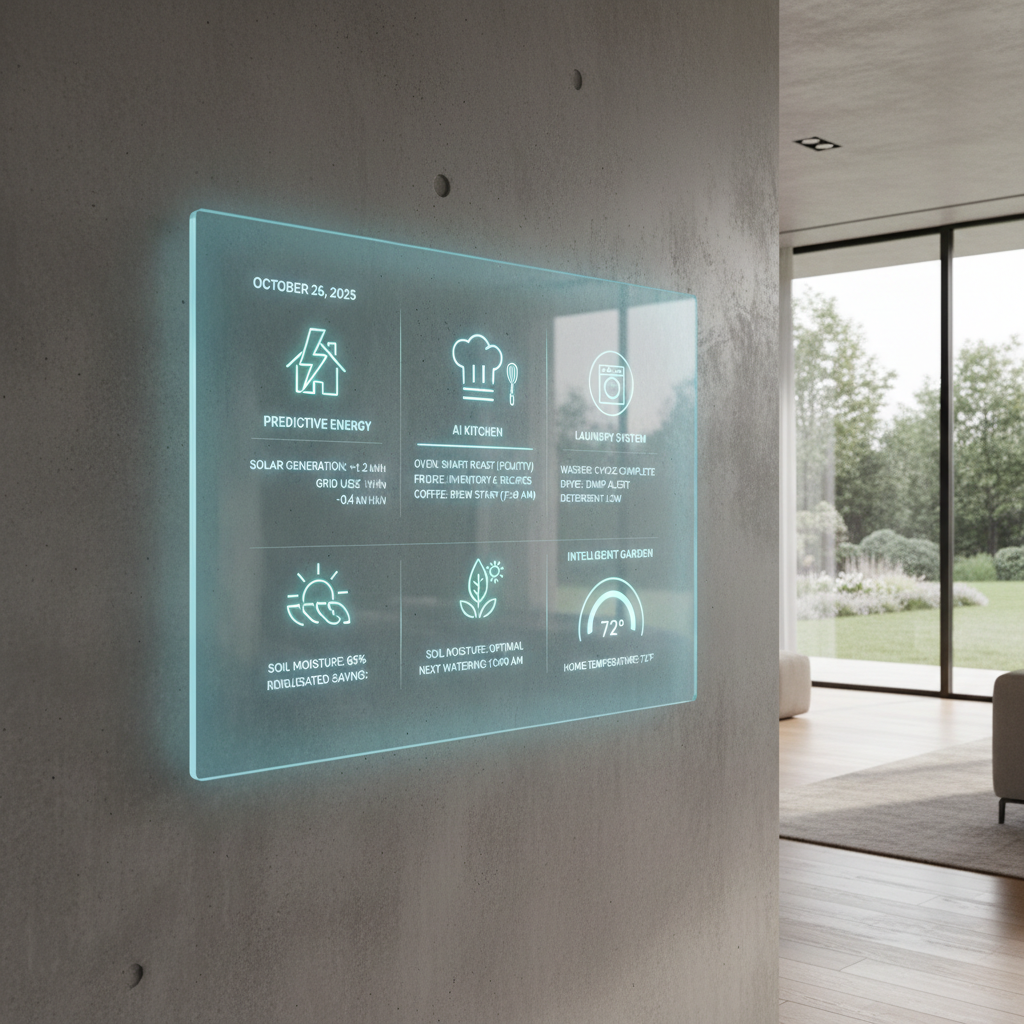
- Ambient Computing: Instead of explicit commands, AI will anticipate and act. Lights will adjust as you enter a room, coffee will brew when it detects you’re awake, and your favorite news will play softly as you brush your teeth, all without a single voice prompt.
- Interconnected Ecosystems: All your smart devices, from your car to your office equipment, will communicate seamlessly through AI, creating a unified flow that extends beyond your home. Your car could receive your morning briefing summary from your home AI, picking up exactly where you left off.
5. Ethical AI and Enhanced Privacy Controls
Alongside these advancements, there will be a growing emphasis on ethical AI development and robust privacy.
- Explainable AI: Future AI will be able to explain *why* it made a certain suggestion or took a particular action, increasing user trust and understanding.
- Granular Privacy Controls: Users will have even finer control over their data, deciding precisely what information is collected, how it’s used, and for how long.
- Security by Design: AI systems will be built with security as a foundational principle, protecting against sophisticated cyber threats.
The future of AI-powered mornings is one where technology serves not just to automate, but to truly understand, predict, and enhance the human experience, making every start to the day more purposeful, peaceful, and perfectly tailored.
Ethical Considerations and Data Privacy
As AI assistants become more deeply embedded into our most intimate spaces and routines, the discussion around ethical considerations and data privacy intensifies. While the convenience is undeniable, it’s crucial for users to be aware of the implications of inviting these listening, learning devices into their homes. A truly seamless smart start must also be a secure and ethically sound one.
1. The Always-Listening Dilemma
AI assistants are designed to listen for a “wake word” (e.g., “Alexa,” “Hey Google”). This means their microphones are constantly active, processing audio to detect these triggers.
- The Concern: The primary fear is that these devices are recording conversations without explicit consent, or that these recordings could be accessed by unauthorized parties or used for purposes beyond improving the service.
- User Empowerment: Users should be aware that they typically have options to review and delete voice recordings. They can also often adjust settings to minimize the amount of data collected or choose to opt out of certain data analysis programs.
2. Data Collection and Usage Transparency
Every interaction with an AI assistant generates data. This includes voice commands, responses, smart home device usage, and information retrieved from linked accounts (calendar, music, shopping).
- The Concern: How is this vast amount of personal data being used? Is it primarily for service improvement, or is it leveraged for targeted advertising, sold to third parties, or shared without full disclosure?
- Company Responsibility: Tech companies have an ethical obligation to be transparent about their data collection practices. Their privacy policies should be clear, concise, and easily accessible, avoiding legal jargon that obfuscates understanding.
- Informed Consent: Users should be given clear choices about how their data is used, with easy opt-in and opt-out mechanisms for different types of data processing.
3. Security Vulnerabilities and Breaches
Like any internet-connected device, AI assistants and their underlying cloud infrastructure are susceptible to cybersecurity threats.
- The Concern: A breach could expose sensitive personal data, voice recordings, or even grant unauthorized individuals control over smart home devices, creating safety risks.
- Proactive Measures: Users should secure their Wi-Fi networks with strong passwords, enable two-factor authentication on their AI assistant accounts, and keep device firmware and apps updated. Manufacturers must prioritize robust encryption, regular security audits, and quick patching of vulnerabilities.
4. Bias in AI Algorithms
AI systems are trained on vast datasets. If these datasets reflect societal biases, the AI can inadvertently perpetuate or even amplify them.
- The Concern: Bias could manifest in voice recognition accuracy (performing worse for certain accents or demographics), content recommendations (limiting exposure to diverse viewpoints), or even in the emotional responses or suggestions the AI provides.
- Ethical Development: Developers have a moral imperative to use diverse, representative datasets, actively identify and mitigate biases, and conduct regular ethical reviews of their AI models.
5. The Balance Between Convenience and Privacy
There is an inherent tension between the desire for ultimate convenience and the need for stringent privacy.
- The User’s Role: Each individual must weigh this balance for themselves. Are the benefits of an automated morning worth the privacy trade-offs? This requires personal reflection and informed decision-making.
- Granular Control: The ideal scenario is that AI platforms provide granular controls, allowing users to fine-tune privacy settings to match their comfort level, rather than a one-size-fits-all approach.
6. Long-Term Societal Impact
The widespread adoption of AI in intimate spaces could have broader societal implications.
- Data Aggregation: What happens when data from millions of homes is aggregated? Could it be used for unprecedented surveillance or behavior manipulation?
- Digital Divide: Will the benefits of AI-powered efficiency exacerbate the digital divide, creating advantages for those who can afford and access these technologies?
As we embrace the transformative power of AI assistants, a conscious and critical approach to these ethical and privacy considerations is not just recommended, but essential. Users must be empowered with knowledge and control, and developers must commit to responsible, transparent, and secure AI practices to ensure that a “seamless smart start” genuinely contributes to well-being and not unforeseen risks.
Comparison Tables
Table 1: Popular AI Assistants Comparison for Morning Routines
| Assistant | Primary Ecosystem | Key Features for Morning | Privacy Stance (General) | Strengths | Weaknesses |
|---|---|---|---|---|---|
| Amazon Alexa | Amazon, Wide Smart Home | Custom Routines, News Flash Briefings, Smart Home Control (lights, coffee), Weather, Calendar, Music. Extensive 3rd-party skills. | Generally collects voice data for service improvement, allows user review/deletion. | Broadest smart home device compatibility, vast library of “Skills” (3rd-party apps), excellent for shopping integration. | Contextual understanding can be less robust than Google, tighter integration with Amazon services. |
| Google Assistant | Google, Android | Custom Routines, “Good Morning” briefings (weather, traffic, news, calendar), Deep search integration, Smart Home Control, Music. | Collects voice and usage data for personalization, strong emphasis on user data control via Google Account. | Superior natural language understanding, best contextual awareness, deep integration with Google services (Calendar, Maps, Gmail). | Smart home compatibility slightly less ubiquitous than Alexa, requires Google account for full functionality. |
| Apple Siri | Apple, iOS, macOS | “Hey Siri” commands, Shortcuts (custom routines), HomeKit smart home control, Weather, Reminders, Apple Music, Apple News. | Strong emphasis on privacy, data processed on device where possible, less data stored on servers. | Seamless integration with Apple ecosystem (iPhone, HomePod, Apple Watch), robust HomeKit security, strong privacy reputation. | Limited 3rd-party smart home device support outside HomeKit, less contextual understanding than Google, fewer “skills” than Alexa. |
Table 2: Typical Morning Tasks: Before vs. After AI Integration
| Morning Task | Time/Effort Before AI | Time/Effort After AI | Benefit |
|---|---|---|---|
| Waking Up (Alarm) | Jarring phone alarm, manual snooze/off. | Gentle, gradual light/sound alarm, voice command to dismiss. | Less abrupt awakening, more pleasant transition. |
| Checking News/Weather/Traffic | Manually opening apps, browsing news sites, checking weather app, map app. ~8-15 min. | Personalized audio briefing with relevant updates. ~3-5 min. | Significant time saving, targeted information delivery, hands-free. |
| Brewing Coffee | Getting up, going to kitchen, starting machine. ~2-5 min setup. | Automated start via routine or voice command from bed. ~0-1 min (voice). | Coffee ready upon entry to kitchen, convenience, warmth. |
| Adjusting Smart Home (Lights, Thermostat) | Manually adjusting switches/apps for each device. ~3-7 min. | Single voice command or automated routine sets ideal environment. ~0-1 min (voice). | Instant comfort, energy efficiency, hands-free control. |
| Reviewing Calendar/To-Dos | Opening calendar app, scrolling through day, remembering tasks. ~5-10 min. | Audio summary of day’s events, key reminders spoken aloud. ~2-4 min. | Hands-free overview, reduces mental load, better preparedness. |
| Finding Morning Motivation/Music | Browsing playlists, selecting songs, dealing with ads. ~3-7 min. | Pre-selected motivational playlist or podcast starts automatically. ~0-1 min. | Instant mood setting, reduced decision fatigue, seamless transition. |
| Overall Decision Making | Numerous small decisions (what to wear, what to eat, what to check). High mental load. | Many decisions automated by preferences/routines. Low mental load. | Reduced decision fatigue, more mental clarity for important tasks. |
Practical Examples: Real-World Use Cases and Scenarios
Understanding the theoretical benefits of AI is one thing; seeing them in action brings the concept to life. Here are a few real-world scenarios illustrating how different individuals can leverage AI assistants to create their ideal morning flow.
1. The Early Bird’s Advantage: Sarah, the Marketing Manager
Sarah needs to be at her desk by 8 AM for a fast-paced marketing environment. Her mornings used to involve frantic rushes, forgotten items, and checking multiple apps.
- Sarah’s AI Assistant: Google Assistant on a Nest Hub in her bedroom and kitchen.
- Routine Setup:
- 6:00 AM: Gradual Wake-Up: Her Nest Hub’s display slowly brightens with a sunrise simulation, and soft, instrumental music begins to play, gradually increasing in volume.
- 6:15 AM: “Good Morning, Google”: Sarah utters her command. Her Nest Hub displays the day’s weather forecast and her personalized news briefing from her preferred marketing blogs and NPR. Simultaneously, her smart coffee maker (connected via a smart plug) starts brewing in the kitchen, and the smart thermostat adjusts to her preferred morning temperature.
- 6:30 AM: Kitchen Briefing: As she enters the kitchen for coffee, the Nest Hub there picks up the audio briefing. It then transitions to her calendar, displaying her first meeting time and a reminder about a crucial client email she needs to send before 9 AM. “Traffic to the office is clear today, Sarah,” Google advises.
- 6:45 AM: Shower Music: As she gets ready, she simply says, “Hey Google, play my ‘Energize’ playlist,” filling her bathroom with upbeat tunes.
- 7:30 AM: “Time to Go!”: A pre-set reminder from Google Assistant chimes, “It’s 7:30, time to gather your things for work!”
- 7:40 AM: “I’m Leaving”: As she walks out, Sarah commands, “Hey Google, I’m leaving.” This triggers a routine that locks her smart door, turns off all smart lights, and sets the thermostat to an energy-saving “away” mode.
- Outcome: Sarah’s mornings are now streamlined, less stressful, and she arrives at work feeling prepared and calm, with her mental energy preserved for strategic tasks.
2. The Family Coordinator: David and Maria, Parents of Two
David and Maria have two young children and their mornings were a constant juggle of school schedules, breakfast prep, and getting everyone out the door on time.
- Their AI Assistant: Amazon Alexa devices in the kitchen, living room, and kids’ rooms, connected to smart lights and a smart display (Echo Show).
- Routine Setup:
- 6:45 AM: Parents’ Wake-Up: Their bedroom Alexa gently wakes them with a nature soundscape. Maria asks, “Alexa, what’s our family brief?” Alexa then provides a summary of each child’s school schedule, any sports practice reminders, and the grocery list items they added the night before.
- 7:00 AM: Kids’ Wake-Up: Alexa in the kids’ rooms plays their favorite gentle wake-up music, and their smart lights slowly brighten.
- 7:15 AM: Breakfast Hub: In the kitchen, the Echo Show displays a visual timer for breakfast prep and plays a family-friendly news podcast. David can ask, “Alexa, remind me at 7:45 AM to pack lunches” without interrupting his cooking.
- 7:40 AM: “It’s time for shoes!”: Alexa’s broadcast feature announces throughout the house, “Kids, it’s almost time to leave! Please put on your shoes.” This avoids yelling and ensures everyone hears.
- 8:00 AM: School Bus Update: As they prepare to leave, Maria asks, “Alexa, is the school bus on time?” receiving a real-time update from a skill she enabled.
- 8:10 AM: “Goodbye Home”: David says, “Alexa, goodbye home.” This routine turns off all interior lights, ensures the smart lock is engaged, and sets the home alarm.
- Outcome: Their mornings are significantly less chaotic. Communication is clearer, tasks are coordinated, and the children are more engaged with the routine.
3. The Wellness Enthusiast: Emily, the Yoga Instructor
Emily values a mindful, healthy start to her day, but found herself distracted by digital noise and manual setup for her wellness routine.
- Emily’s AI Assistant: Apple HomePod Mini in her bedroom, integrated with Apple Health and various HomeKit devices.
- Routine Setup:
- 5:30 AM: Mindful Awakening: Her HomePod Mini plays a “soft chimes” alarm. Simultaneously, her HomeKit-enabled smart blinds gently open, letting in natural light, and her smart diffuser starts releasing a calming lavender essential oil.
- 5:45 AM: “Siri, start my morning flow”: This Apple Shortcut triggers several actions:
- Siri reads a brief summary of Emily’s sleep data from her Apple Watch.
- Siri initiates a 15-minute guided meditation session from her preferred app.
- Her HomePod Mini adjusts its volume to a perfect level for meditation.
- 6:15 AM: Yoga Space Prep: After meditation, Emily says, “Hey Siri, prepare for yoga.” The lights in her living room (her yoga space) dim to a soft, warm glow, and a calming ambient soundscape of forest rain begins to play. Her smart thermostat adjusts to a comfortable temperature for her practice.
- 7:00 AM: Post-Yoga Refresh: After her session, “Hey Siri, good morning” prompts Siri to read her a short, curated news brief focused on health and wellness, along with the outdoor temperature and air quality index for her morning walk.
- 7:30 AM: Hydration Reminder: Siri sends a notification to her iPhone: “Remember your morning glass of lemon water!”
- Outcome: Emily’s mornings are a sanctuary of peace and intentional well-being. The AI handles the logistics, allowing her to fully immerse herself in her mindful practices without distraction.
These examples demonstrate the versatility and adaptability of AI assistants. By tailoring the technology to individual needs and lifestyles, anyone can create a morning routine that is not just efficient, but also deeply personal and enriching.
Frequently Asked Questions
Q: What exactly is an AI assistant for morning routines?
A: An AI assistant for morning routines is a virtual helper, often embodied in smart speakers or smart displays (like Amazon Alexa, Google Assistant, or Apple Siri), that uses artificial intelligence to automate, personalize, and streamline your morning tasks. Instead of manually checking weather, turning on lights, or getting news, you can use voice commands or pre-set routines to have the AI perform multiple actions simultaneously. It acts as your personal concierge, orchestrating various smart devices and information streams to create a more efficient and pleasant start to your day.
Q: Are AI assistants secure and private?
A: The security and privacy of AI assistants are critical concerns. Reputable manufacturers implement various security measures, including encryption and secure servers, to protect your data. However, no system is entirely invulnerable. Regarding privacy, these devices are designed to “listen” for a wake word, but typically only record and process audio *after* the wake word is detected. Users usually have options to review and delete their voice recordings, opt out of certain data collection, and even physically mute the microphone for complete privacy. It is essential to read the privacy policies of your chosen assistant and manage your settings actively to align with your comfort level.
Q: Which AI assistant is best for me?
A: The “best” AI assistant depends heavily on your existing ecosystem, smart home devices, and personal preferences.
- Amazon Alexa is often favored for its broad smart home compatibility and extensive third-party “Skills.”
- Google Assistant excels in natural language understanding and deep integration with Google services like Calendar and Gmail.
- Apple Siri is the best choice for users deeply integrated into the Apple ecosystem (iPhone, HomeKit) who prioritize Apple’s privacy stance.
Consider which brand of smartphone you use, what smart home devices you own (or plan to buy), and which services you frequently use to make the most informed decision.
Q: Can AI assistants control all my smart home devices?
A: Most major AI assistants can control a wide range of smart home devices, but compatibility is key. Devices must be designed to “Work with Alexa,” “Work with Google Home,” or be “HomeKit compatible.” While Amazon Alexa generally has the broadest support across different brands, it’s always wise to check the compatibility of specific devices you own or intend to purchase before committing to an AI ecosystem. Some devices may also require a separate smart home hub (like Zigbee or Z-Wave) to connect.
Q: How do I get started with setting up morning routines?
A: Start small and build incrementally.
- Initial Setup: Connect your AI assistant device to your Wi-Fi via its companion app.
- Basic Commands: Practice simple commands like asking for the time, weather, or to play music.
- Core Routine: In the app, create your first “routine” (e.g., “Good Morning”). Link your alarm, weather forecast, and news briefing.
- Add Smart Devices: Gradually add smart lights, thermostats, or smart plugs to your routine.
- Customize: Experiment with different actions, timings, and trigger phrases. The key is to iterate and refine as you go, finding what works best for your specific morning flow.
Q: What if my AI assistant misunderstands me?
A: Misunderstandings can happen due to accents, background noise, or complex phrasing.
- Speak Clearly: Try to speak clearly and at a moderate pace.
- Simplify Commands: Use straightforward language for your commands.
- Rephrase: If the assistant doesn’t understand, try rephrasing your command in a different way.
- Check Activity Logs: In the companion app, you can often review what the assistant thought you said. This helps you learn how to phrase commands better.
- Create Custom Routines: For specific tasks, create custom routines with a unique and easily recognizable trigger phrase that is less likely to be misinterpreted.
- Ensure Good Acoustics: Place your smart speaker in an area with minimal background noise for optimal listening.
Q: Can I customize the voice or personality of my AI?
A: Customization options vary by assistant.
- Voice Options: Most assistants offer a selection of different voices (male/female, different accents) you can choose from in their settings.
- Wake Words: Some assistants allow you to choose from a few different wake words (e.g., “Alexa,” “Echo,” “Computer” for Amazon; “Hey Google,” “OK Google” for Google).
- Personality: While you can’t drastically alter their “personality,” you can influence how they interact through custom routines where you dictate what they say, and by selecting specific voice options. AI personality is mostly built into the core design by the company.
Q: Is it possible to become too reliant on an AI assistant?
A: Yes, over-reliance is a potential pitfall. While AI assistants offer great convenience, allowing them to automate *every* single task might diminish your own cognitive engagement or lead to helplessness if the system fails. It’s advisable to maintain a balance: use AI for repetitive, time-consuming tasks but continue to engage your own mind for decision-making, planning, and basic awareness. Always have a mental backup plan for critical morning activities in case of internet outages or technical glitches.
Q: What are some advanced tips for power users?
A: For power users looking to get more out of their AI assistant:
- Conditional Routines: Explore routines that trigger actions based on conditions like traffic, weather, or calendar events.
- Layered Routines/Scenes: Create complex routines that trigger multiple actions across various smart devices simultaneously to set specific ambiances.
- Integrate with IFTTT: Use “If This Then That” (IFTTT) for more advanced cross-platform automations not natively supported by your AI assistant.
- Voice Profiles: Ensure every household member has a voice profile for personalized responses and routines.
- Experiment with Skills/Actions: Continuously explore new third-party skills or actions that integrate with your favorite apps or services.
- Custom Announcements: Use your assistant to make household announcements or play specific audio clips at certain times.
Q: How do AI assistants handle multiple users in one household?
A: Most modern AI assistants support multiple users through “Voice Profiles” or “Voice Match.” Each household member can train the AI to recognize their voice. Once recognized, the assistant can then:
- Provide personalized responses (e.g., reading out individual calendar events or personalized news briefings).
- Access individual music streaming accounts.
- Differentiate between users for reminders or shopping lists.
This ensures that each person’s morning routine can be uniquely tailored, even within a shared smart home environment.
Key Takeaways
Integrating AI assistants into your morning flow is a powerful step towards a more organized, efficient, and peaceful start to your day. Here are the main points to remember:
- Morning Transformation: AI assistants can alleviate common morning stressors like information overload, decision fatigue, and task management by automating routine activities.
- Core Benefits: They offer automation, personalized information delivery, seamless smart home integration, proactive reminders, and significant reduction in decision fatigue.
- Strategic Choice: Select your AI companion based on your existing digital ecosystem, smart home device compatibility, privacy preferences, and desired features.
- Phased Approach: Begin with basic setup, gradually automate core routines, integrate smart home devices, and then explore advanced customization for optimal results.
- Personalization is Key: Leverage conditional routines, layered scenes, and integrations with wellness/productivity apps to create a truly bespoke morning experience.
- Overcome Challenges: Be aware of potential pitfalls like privacy concerns, over-reliance, technical glitches, and integration complexities, and apply mitigation strategies.
- Future Potential: Anticipate a future with more predictive, emotionally intelligent, and hyper-personalized AI assistance that operates seamlessly in the background.
- Ethical Awareness: Maintain a critical perspective on data privacy and ethical considerations, ensuring you’re comfortable with how your data is collected and used.
- Iterate and Adapt: Your ideal AI-powered morning is an evolving system. Continuously review, refine, and update your routines as your needs and technology advance.
- Start Small, Think Big: Don’t try to automate everything at once. Start with one or two simple routines, gain confidence, and then gradually expand your AI’s role.
Conclusion
The dawn of a new day no longer has to be a race against time or a battle against disorganization. With the intelligent integration of AI assistants, your morning can transform into a meticulously choreographed symphony of efficiency and tranquility. From the gentle wake-up call and personalized news brief to the perfectly brewed coffee and the automated environmental controls, AI offers a pathway to reclaim precious minutes and mental clarity, setting a positive and productive tone for the hours that follow.
This comprehensive guide has illuminated the power, practicalities, and future potential of a seamless smart start. It has provided you with the knowledge to choose your AI companion wisely, a step-by-step roadmap for integration, insights into advanced personalization, and strategies to navigate the challenges that may arise. Remember that the journey to a perfectly orchestrated morning is incremental and personal. It’s about empowering yourself with technology that understands and anticipates your needs, allowing you to focus on what truly matters – whether it’s an extra moment of mindfulness, quality time with family, or simply savoring your first cup of tea.
Embrace the possibilities that AI assistants offer. Start by automating one small task, then another, and watch as your mornings evolve from chaotic to calm, from reactive to proactive. The future of a stress-free, intelligently guided start to your day is not just knocking at your door; it’s waiting for your voice command. Take the first step today and discover the profound impact a seamless smart start can have on your life.



































































Leave a Reply