


In a world that increasingly values individuality and tailored experiences, the traditional “one-size-fits-all” model of education often falls short. Every student is unique, possessing distinct learning styles, paces, strengths, and areas requiring more attention. Yet, for centuries, our educational systems have struggled to cater to this inherent diversity effectively. The sheer volume of students and the complexity of individual needs have made true personalization an aspirational, yet often elusive, goal. Educators, with the best intentions, often find themselves juggling the demands of a diverse classroom, trying to meet the varied requirements of each learner without the necessary tools or time.
Enter Artificial Intelligence (AI) – a transformative force that is rapidly reshaping industries worldwide, and now, significantly impacting the realm of education. AI offers an unprecedented opportunity to move beyond generic curricula and unlock the potential of genuinely personalized learning. By leveraging sophisticated algorithms, vast datasets, and intelligent systems, AI can analyze individual student performance, preferences, and progress to construct dynamic, custom learning paths tailored precisely to their needs. This isn’t merely about digitalizing textbooks; it is about creating an adaptive, responsive learning environment that evolves with the student, providing exactly what they need, when they need it.
Under the broader topic of “Discovering Hidden Gems: AI Tools for Personalized Learning,” this comprehensive blog post will delve deep into how AI is empowering educators and learners to craft these custom learning paths. We will explore the core technologies, the immense benefits for both students and teachers, real-world applications, and address the critical challenges and ethical considerations that accompany this technological leap. Join us as we uncover how AI is becoming the indispensable architect of a future where every student’s learning journey is as unique and effective as they are.
Understanding Personalized Learning in the AI Era
Personalized learning is not a new concept. Educators have always strived to understand and address individual student needs. However, the scale and depth of personalization achievable with AI far exceed traditional methods. At its core, personalized learning aims to customize the learning experience for each student based on their specific requirements, interests, and how they learn best. This stands in stark contrast to the conventional classroom setting where a single lesson plan is often delivered to an entire group, irrespective of their varied comprehension levels or prior knowledge.
Traditionally, personalization might involve a teacher spending extra time with a struggling student, providing alternative assignments for advanced learners, or offering different types of resources. While invaluable, these efforts are often limited by time, resources, and the teacher’s capacity. The advent of AI fundamentally changes this equation. AI-powered personalized learning systems can gather and process vast amounts of data about a student’s interactions, performance, and even emotional responses to learning materials. This data then informs the system’s decisions, allowing it to adapt content, pace, and instructional strategies in real time.
The benefits of true personalization are profound. For students, it means a more engaging and effective learning experience. When material is presented at the right level of challenge – not too easy, not too difficult – and in a format that resonates with their learning style, motivation increases, and learning outcomes improve significantly. It fosters a sense of agency and ownership over their education, transforming them from passive recipients of information into active participants in their learning journey. For educators, AI tools can act as intelligent assistants, providing granular insights into student progress, identifying common misconceptions, and freeing up valuable time that can then be dedicated to more complex tasks like one-on-one mentoring, social-emotional development, or designing innovative projects.
Ultimately, personalized learning, augmented by AI, moves beyond simple differentiation to truly adaptive and responsive educational environments. It promises to unlock individual potential, reduce learning gaps, and prepare students more effectively for a rapidly evolving world.
The AI Revolution in Education: Transforming Learning Landscapes
The integration of Artificial Intelligence into education marks a pivotal moment, ushering in an era where learning is more dynamic, responsive, and student-centric than ever before. This revolution isn’t just about automating tasks; it’s about fundamentally rethinking how knowledge is acquired, skills are developed, and educational support is provided. AI is not merely a tool; it is becoming an intelligent partner in the learning process, capable of delivering insights and interventions that were previously impossible.
From Static Content to Dynamic Interactions
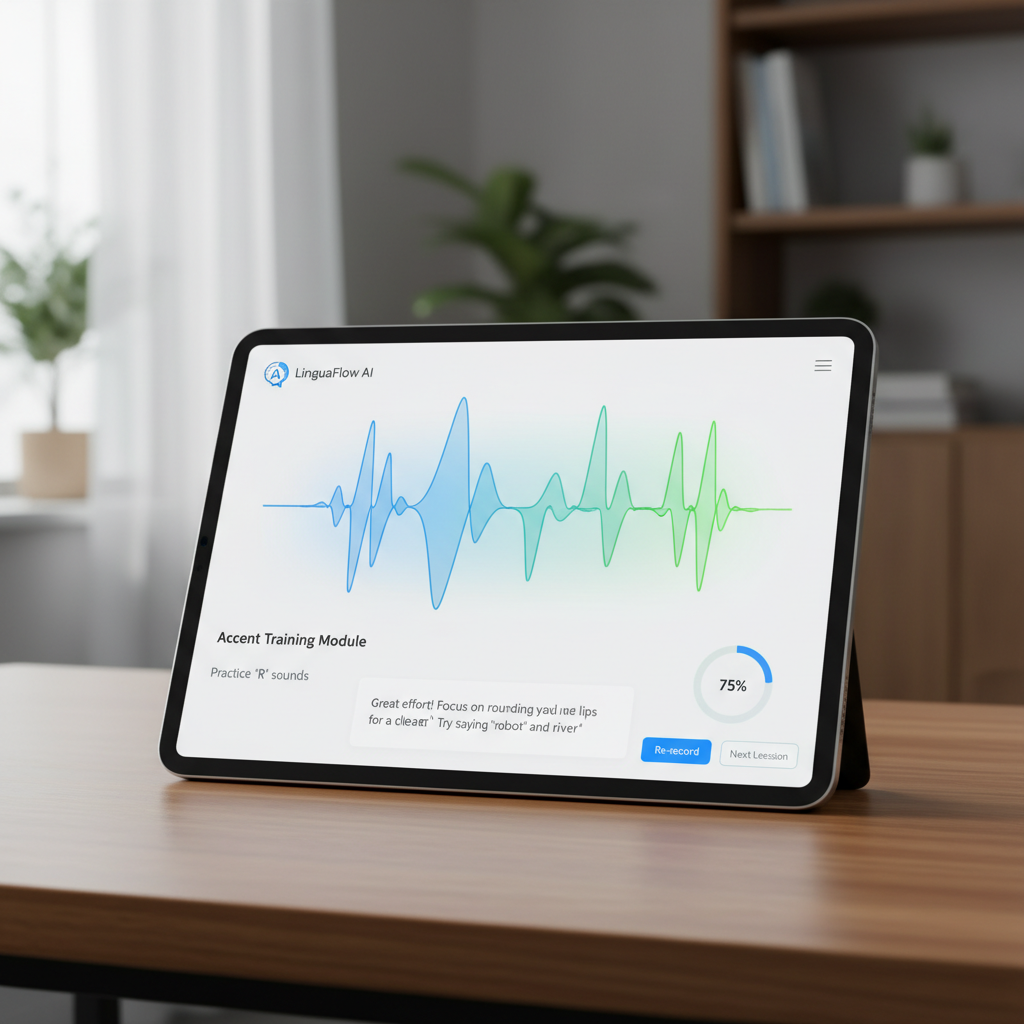
Traditional learning often relies on static content – textbooks, lectures, and pre-recorded videos. While these resources are valuable, they lack the ability to interact with the learner in a meaningful way. AI transforms this by enabling dynamic interactions. Imagine a textbook that recognizes when a student is struggling with a concept and automatically provides supplementary explanations, interactive simulations, or links to relevant videos. Or a language learning app that adapts its difficulty based on a user’s pronunciation accuracy and vocabulary retention, providing targeted practice exactly where it is needed.
This dynamic interaction extends to assessment as well. Instead of periodic, high-stakes tests, AI can facilitate continuous, low-stakes assessments embedded within the learning content itself. These assessments are not just about grading; they are diagnostic, providing immediate feedback and guiding the student towards mastery, rather than simply identifying what they got wrong.
Empowering Educators with Actionable Insights
One of the most significant impacts of AI in education is its ability to provide educators with unprecedented data and insights. In a traditional classroom, a teacher might have a general sense of which students are struggling, but pinpointing the exact reasons or patterns of difficulty across an entire class can be challenging. AI-powered learning platforms collect vast amounts of data on student interactions, including response times, types of errors, areas of confusion, and even engagement levels.
This data is then analyzed by AI algorithms to generate actionable insights. Teachers can receive dashboards showing class-wide trends, identify students who are at risk of falling behind, or pinpoint specific concepts that many students are struggling with. This allows educators to intervene proactively, tailor their classroom instruction, and provide targeted support to individuals or small groups. Instead of spending hours grading or manually tracking progress, teachers can leverage AI to automate these administrative tasks, freeing them to focus on higher-level pedagogical strategies and direct student engagement.
Facilitating Anytime, Anywhere Learning
The flexibility offered by AI-powered learning tools is transforming access to education. Students are no longer confined to specific classroom hours or physical locations. AI tutors, intelligent chatbots, and adaptive learning platforms are available 24/7, providing support and instruction whenever and wherever a student needs it. This is particularly beneficial for students in remote areas, those with irregular schedules, or individuals seeking to upskill or reskill at their own pace.
The AI revolution in education is not about replacing human teachers; rather, it is about augmenting their capabilities and providing students with a richer, more effective, and profoundly personalized learning experience. It is about leveraging technology to democratize access to high-quality education and empower every learner to reach their full potential.
Core AI Technologies Driving Personalization
The magic behind AI-powered personalized learning paths isn’t a single technology but a sophisticated interplay of various artificial intelligence disciplines. Understanding these core technologies helps us appreciate the depth and potential of what AI brings to education.
1. Machine Learning (ML)
Machine Learning is arguably the most critical component. It is the engine that allows systems to learn from data without being explicitly programmed. In personalized learning, ML algorithms analyze vast datasets comprising student performance, engagement, historical learning patterns, and even biometric data (like eye-tracking or facial expressions in advanced systems) to identify trends and make predictions.
- Adaptive Learning Algorithms: These ML models continuously assess a student’s proficiency level in real-time. If a student answers questions correctly, the system might present more challenging material or move to the next topic. If they struggle, it can revert to foundational concepts, offer remedial exercises, or present the information in a different format. This dynamic adjustment is the cornerstone of a custom learning path.
- Predictive Analytics: ML can predict which students are at risk of falling behind, dropping out, or struggling with particular concepts before these issues become critical. By analyzing historical data and current performance, the system can flag students for early intervention by educators or automatically provide extra support resources.
- Content Recommendation Engines: Similar to how streaming services suggest movies, ML can recommend relevant learning content, exercises, or even alternative explanations based on a student’s progress, interests, and past interactions. This ensures the student always has access to the most pertinent resources.
2. Natural Language Processing (NLP)
NLP enables computers to understand, interpret, and generate human language. Its applications in personalized learning are diverse and powerful.
- Intelligent Tutoring Systems (ITS): Many ITS leverage NLP to interact with students in a conversational manner. Students can ask questions in natural language, and the system can provide relevant answers, clarify misconceptions, or guide them through problem-solving processes.
- Automated Grading and Feedback: NLP can analyze open-ended text responses, essays, and even coding assignments to provide immediate, constructive feedback. This is particularly valuable in subjects like writing, where timely and specific feedback is crucial for improvement.
- Content Summarization and Generation: NLP can help summarize complex texts, making them more digestible for students, or even generate new practice questions or explanations tailored to a student’s specific knowledge gaps.
3. Computer Vision
While perhaps less central than ML and NLP, Computer Vision is finding its niche in advanced personalized learning systems.
- Engagement Monitoring: Using webcams, computer vision can potentially analyze a student’s facial expressions or eye movements to gauge their engagement, frustration, or confusion. This real-time feedback can prompt the system to adjust the content or pace, or alert an educator.
- Gesture Recognition: In virtual reality (VR) or augmented reality (AR) learning environments, computer vision can interpret student gestures, allowing for more natural and intuitive interaction with digital content, which can then be used to personalize the experience further.
4. Reinforcement Learning (RL)
A subset of machine learning, Reinforcement Learning involves agents learning to make decisions by performing actions in an environment and receiving rewards or penalties. In an educational context, this means the AI system learns the optimal sequence of instructional decisions (e.g., which content to present next, when to offer a hint) by observing how student engagement and performance respond to different interventions over time. This trial-and-error approach allows the system to continuously refine its pedagogical strategies to maximize learning outcomes.
These technologies, when combined, create a powerful ecosystem that can perceive, reason, learn, and adapt, making truly individualized and effective learning paths a reality for every student.
Components of an AI-Powered Learning Path
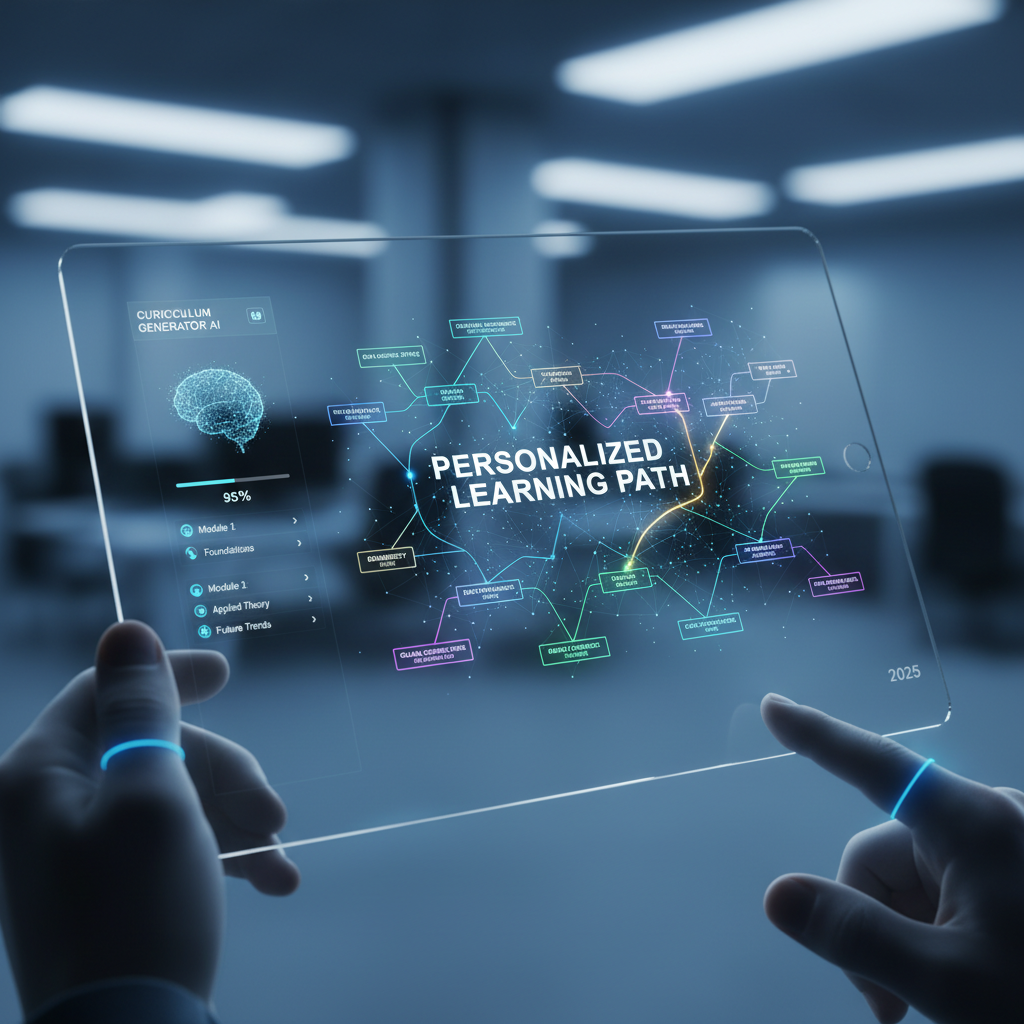
An AI-powered learning path is far more than just a digital curriculum; it is a dynamic, multi-faceted system designed to continuously adapt to the learner. Building such a path involves several key components that work in concert to create a truly personalized experience.
1. Initial Assessment and Diagnostic Profiling
The journey begins with a thorough understanding of the student’s current knowledge, skills, and even their preferred learning style. AI systems use various methods for this initial profiling:
- Pre-assessments: These are not just quizzes but diagnostic tools designed to pinpoint specific strengths and weaknesses across a subject domain. AI analyzes these results to identify granular knowledge gaps.
- Learning Style Inventories: Some systems incorporate questionnaires to understand if a student learns best visually, audibly, kinesthetically, or through reading/writing. While often debated, this can inform initial content presentation.
- Prior Data Integration: If available, data from previous learning experiences, standardized test scores, or academic records can be fed into the AI to build a richer initial profile.
This comprehensive profiling creates a baseline, allowing the AI to know where to start the student’s personalized journey.
2. Dynamic Content Curation and Delivery
Once the student’s profile is established, the AI system curates and delivers learning content that is highly relevant and appropriately challenging. This is a continuous process:
- Content Selection: Based on the student’s profile and current progress, the AI selects from a vast library of digital resources – videos, articles, interactive simulations, practice problems, case studies – ensuring the material aligns with their learning objectives and pace.
- Format Adaptation: If the student learns best visually, the system might prioritize video lectures or infographics. If they prefer hands-on, interactive simulations might be favored. The AI can also suggest different explanations of the same concept to ensure comprehension.
- Scaffolding and Remediation: When a student encounters difficulty, the AI can automatically provide scaffolding by breaking down complex problems into smaller steps or offering hints. Conversely, if a student demonstrates mastery, the system might offer advanced content or enrichment activities.
3. Adaptive Progression and Pacing
Perhaps the most distinctive feature of AI-powered learning paths is their ability to adapt the learning pace and sequence in real-time. Unlike a fixed curriculum, the AI path is fluid:
- Mastery-Based Learning: Students only move on to the next topic or skill once they have demonstrated mastery of the current one. The AI monitors progress continuously, ensuring foundational knowledge is solid before advancing.
- Flexible Pacing: Some students might grasp concepts quickly, while others need more time and repetition. The AI allows each student to progress at their optimal pace, preventing boredom for fast learners and frustration for those who need more time.
- Branching Paths: Based on performance, the AI can create different branches in the learning path. For example, a student struggling with algebra might be directed to a remedial module on pre-algebra concepts, while another might be directed to advanced problem-solving techniques.
4. Continuous Assessment and Feedback Loops
AI systems are constantly assessing student understanding and providing immediate, constructive feedback:
- Formative Assessments: Embedded within the learning experience, these assessments are not just for grading but for informing the AI’s adaptation process. They can take various forms, from multiple-choice questions to interactive simulations.
- Instant Feedback: Students receive immediate feedback on their answers, explaining why an answer was correct or incorrect, and guiding them towards the right solution. This reduces the learning gap that often occurs with delayed feedback.
- Performance Analytics: The AI constantly collects data on student performance – time spent on tasks, number of attempts, types of errors, mastery of concepts. This data is then used to refine the student’s learning path further and provide valuable insights to educators.
5. Motivation and Engagement Strategies
Keeping students engaged and motivated is crucial. AI systems often incorporate elements to achieve this:
- Gamification: Incorporating game-like elements such as points, badges, leaderboards, and progress tracking to make learning more enjoyable and foster healthy competition.
- Personalized Goal Setting: Helping students set realistic and achievable learning goals, and tracking their progress towards these goals.
- Positive Reinforcement: Providing encouraging messages and celebrating milestones to maintain student confidence and motivation.
By combining these powerful components, AI-powered learning paths offer a truly individualized and highly effective educational experience, moving beyond the limitations of traditional instruction.
Benefits for Students: A Tailored Journey to Success
The implementation of AI-powered custom learning paths heralds a new era of educational advantages for students. These benefits extend beyond mere academic performance, touching upon engagement, confidence, and the development of crucial twenty-first-century skills.
1. Enhanced Engagement and Motivation
One of the biggest challenges in education is maintaining student engagement, especially when faced with topics that might not immediately capture their interest. AI-powered paths address this directly by:
- Relevance: By adapting content to a student’s existing knowledge and interests, AI makes learning feel more relevant and less like a chore. When students see how new information connects to what they already know or are curious about, their motivation naturally increases.
- Optimal Challenge: The AI ensures the material is neither too easy (leading to boredom) nor too difficult (leading to frustration). This “just right” level of challenge keeps students in their zone of proximal development, fostering a sense of accomplishment and encouraging continuous effort.
- Interactive Experiences: AI platforms often integrate gamified elements, interactive simulations, and personalized challenges that make learning feel more like an exploration and less like rote memorization.
2. Improved Learning Efficacy and Retention
When learning is personalized, it becomes significantly more effective. AI systems contribute to this by:
- Targeted Instruction: AI identifies specific knowledge gaps and delivers precise interventions. Instead of reviewing an entire chapter, students focus only on the concepts they haven’t mastered, making learning more efficient.
- Mastery-Based Progression: Students move forward only when they have demonstrated a solid understanding of a concept. This ensures a strong foundation, preventing later difficulties that arise from incomplete comprehension of prerequisites.
- Spaced Repetition: AI can intelligently schedule review sessions for previously learned material at optimal intervals, leveraging cognitive science principles to enhance long-term memory retention.
- Multiple Explanations: If one explanation doesn’t resonate, the AI can present the same concept using different analogies, examples, or media types until understanding is achieved.
3. Boosted Confidence and Reduced Anxiety
The traditional classroom can be a source of anxiety for many students, especially those who struggle or feel left behind. AI-powered personalization offers a more supportive environment:
- Safe Learning Space: Students can make mistakes and learn from them in a private, non-judgmental environment. This reduces the fear of failure often associated with public classroom settings.
- Achievable Successes: By tailoring the difficulty, AI ensures students experience regular successes, building their confidence incrementally. Each mastered concept reinforces their belief in their own capabilities.
- Reduced Pressure: The individualized pacing removes the pressure of keeping up with peers or feeling embarrassed about needing more time on a topic. Students can learn at their own speed, leading to a more positive learning experience.
4. Enhanced Accessibility and Inclusivity
AI has the potential to make quality education more accessible to a broader range of learners:
- Support for Diverse Needs: AI can assist students with learning disabilities by offering alternative formats (e.g., text-to-speech, larger fonts), simplified language, or modified assignments. It can also provide enrichment for gifted students, preventing boredom and fostering advanced skill development.
- Breaking Down Geographical Barriers: Online AI tutors and learning platforms bring high-quality, personalized instruction to students in remote areas or those without access to traditional schooling options.
- Language Support: AI can provide real-time translation or language simplification, aiding non-native speakers in understanding complex subjects.
5. Development of Self-Regulation and Metacognitive Skills
By giving students more control over their learning journey, AI encourages the development of crucial self-directed learning skills:
- Goal Setting: Many AI platforms help students set and track their own learning goals.
- Monitoring Progress: Students can visualize their progress, understand their strengths, and identify areas needing improvement.
- Reflection: The process of adapting to a personalized path encourages students to reflect on how they learn best and what strategies are most effective for them.
In essence, AI-powered custom learning paths transform education from a passive consumption model into an active, empowering, and highly effective journey for every student, preparing them not just for tests, but for lifelong learning.
Benefits for Educators: Empowering the Classroom Architect
While the benefits for students are profound, it is equally important to highlight how AI empowers educators, transforming their roles from primary knowledge disseminators to sophisticated learning architects, mentors, and facilitators. AI is not designed to replace teachers, but rather to augment their capabilities, enabling them to be more effective, strategic, and student-focused.
1. Granular Insights and Data-Driven Decision Making
One of the most immediate and significant advantages for educators is the wealth of data and insights AI platforms provide. In a traditional classroom, understanding each student’s precise learning state can be challenging. AI changes this dramatically:
- Real-time Performance Tracking: Educators gain access to dashboards that show individual student progress, mastery of specific concepts, time spent on tasks, and patterns of common errors. This goes far beyond traditional grade books.
- Identification of Learning Gaps: AI can pinpoint exactly which foundational skills or concepts a student is struggling with, rather than just indicating a low overall score. This allows for highly targeted remediation.
- Class-wide Trends: Teachers can see which topics the entire class finds challenging, informing their large-group instruction and allowing them to address common misconceptions proactively.
- Predictive Analytics for Early Intervention: AI can flag students who are at risk of falling behind, exhibiting declining engagement, or showing early signs of difficulty, enabling educators to intervene before problems escalate.
These insights allow teachers to make truly data-driven decisions about their lesson plans, interventions, and student support strategies, moving from guesswork to informed action.
2. Reduced Administrative Burden and Increased Efficiency
Educators often spend a significant portion of their time on administrative tasks, which detracts from direct instruction and student interaction. AI can substantially alleviate this burden:
- Automated Grading: For many types of assignments (multiple-choice, short answer, coding problems, even essays via NLP), AI can grade instantaneously and accurately, providing immediate feedback to students and freeing up teacher time.
- Content Curation and Assignment: AI can automatically suggest or assign relevant practice problems, readings, or videos to individual students based on their needs, rather than the teacher having to manually select and distribute differentiated materials.
- Progress Reporting: Generating progress reports for parents or administrators can be largely automated, with AI compiling relevant data points and insights.
By automating these routine tasks, AI allows educators to reclaim valuable time, which can then be reinvested in higher-value activities like lesson planning, creative teaching, or one-on-one student mentoring.
3. Enhanced Capacity for Differentiation and Small-Group Instruction
Differentiation is a cornerstone of effective teaching, but it is incredibly difficult to execute perfectly in a diverse classroom. AI acts as a powerful enabler:
- Personalized Practice: While the AI system guides individual students through their personalized content, the teacher is freed to work with small groups requiring extra support, or to challenge advanced learners with enrichment activities.
- Targeted Interventions: With AI identifying specific student needs, teachers can form highly targeted small groups focused on particular skills or concepts, making their interventions far more effective.
- Facilitating Project-Based Learning: By managing the foundational skill acquisition, AI allows teachers to dedicate more classroom time to collaborative projects, critical thinking exercises, and creative endeavors that require human facilitation.
4. Professional Development and Pedagogical Growth
AI can also support educators’ own professional development:
- Identifying Teaching Effectiveness: By analyzing aggregated student performance data across different instructional approaches, AI might indirectly provide insights into which teaching strategies are most effective for certain topics or student populations.
- Access to Best Practices: AI platforms can sometimes recommend pedagogical resources or strategies to teachers based on observed student needs or common learning difficulties.
- Focus on Higher-Order Skills: With AI handling much of the direct content delivery and basic skill reinforcement, teachers can focus on developing students’ critical thinking, problem-solving, creativity, and communication skills – areas where human interaction and guidance are irreplaceable.
In conclusion, AI doesn’t diminish the role of the educator; it elevates it. It transforms teachers into strategic leaders in the learning process, equipped with unparalleled insights and freed from mundane tasks, allowing them to focus on the truly human and impactful aspects of teaching.
Challenges and Ethical Considerations
While the promise of AI in crafting personalized learning paths is immense, it’s crucial to approach its implementation with a clear understanding of the challenges and ethical considerations involved. Addressing these issues proactively is essential for ensuring that AI serves to enhance, rather than hinder, equitable and effective education.
1. Data Privacy and Security
AI-powered personalized learning relies heavily on collecting vast amounts of student data – performance metrics, engagement patterns, learning styles, and sometimes even biometric data. This raises significant concerns:
- Sensitive Information: Student data is highly sensitive. Breaches could lead to identity theft, discrimination, or exploitation. Robust encryption, secure storage, and strict access controls are paramount.
- Data Ownership and Usage: Who owns the student data? How long is it stored? Can it be used for purposes other than education, such as targeted advertising or research without explicit, informed consent? Clear policies and legal frameworks are needed.
- Consent: Obtaining informed consent from students (or their guardians) regarding data collection and usage is critical. This consent must be transparent, understandable, and easily withdrawable.
2. Algorithmic Bias and Equity
AI algorithms are only as unbiased as the data they are trained on. If the training data reflects existing societal biases, the AI system can perpetuate or even amplify them:
- Underrepresentation: If the training data lacks representation from certain demographic groups (e.g., specific ethnicities, socio-economic backgrounds, or learning disabilities), the AI might perform poorly for those groups, leading to less effective personalization.
- Reinforcing Stereotypes: Biased algorithms could inadvertently channel students into predetermined paths based on factors like gender or race, rather than genuine aptitude or interest, thus reinforcing stereotypes.
- Digital Divide: Unequal access to technology and reliable internet connectivity can exacerbate existing educational inequalities. Students from lower socio-economic backgrounds might be excluded from the benefits of AI-powered learning.
Developers and educators must actively work to identify and mitigate biases in algorithms and data sets to ensure equitable outcomes for all students.
3. Over-Reliance on Technology and Loss of Human Connection
There is a risk that an over-emphasis on AI could diminish the invaluable role of human teachers and peer interaction:
- Reduced Teacher Interaction: If AI handles too much of the direct instruction, students might miss out on the nuanced guidance, emotional support, and inspirational qualities that only a human educator can provide.
- Social-Emotional Development: Collaborative learning, peer feedback, and group discussions are crucial for developing social-emotional skills. Exclusive reliance on individualized AI paths might inadvertently reduce these opportunities.
- “Black Box” Problem: If educators don’t understand how AI systems make their recommendations, they might become disempowered, blindly following algorithmic suggestions without critical pedagogical consideration.
AI should be viewed as a tool to enhance, not replace, human connection and pedagogical expertise.
4. Infrastructure and Cost Barriers
Implementing sophisticated AI personalized learning systems requires significant investment in technology infrastructure, software licenses, and ongoing maintenance:
- Hardware and Connectivity: Schools need reliable internet, sufficient devices (laptops, tablets), and robust network infrastructure to support AI platforms.
- Software Costs: High-quality AI educational tools can be expensive, posing a significant barrier for underfunded schools or districts.
- Training and Support: Educators need comprehensive training to effectively integrate and utilize AI tools in their teaching practices. Technical support is also crucial for smooth operation.
5. Ethical Use and Responsible Design
Beyond privacy and bias, broader ethical questions arise:
- Autonomy: To what extent should AI direct a student’s learning path, and when should the student have the autonomy to deviate or explore?
- Critical Thinking: Does a highly curated learning path risk limiting a student’s exposure to diverse ideas or the development of independent critical inquiry if the AI solely focuses on “efficiency”?
- Accountability: Who is accountable when an AI system fails or makes an incorrect pedagogical decision that negatively impacts a student’s learning?
Addressing these challenges requires a collaborative effort involving policymakers, educators, AI developers, and ethicists to ensure that AI is developed and deployed responsibly, equitably, and with the primary goal of truly empowering every student.
Future Trends and Innovations in AI Personalized Learning
The field of AI in education is rapidly evolving, with new research and technological advancements continually pushing the boundaries of what’s possible. Looking ahead, several exciting trends and innovations are poised to further refine and revolutionize personalized learning experiences.
1. Deeper Integration of Affective Computing
Current AI systems primarily focus on cognitive aspects of learning (what a student knows or doesn’t know). Future systems will increasingly incorporate affective computing – the ability to recognize, interpret, process, and simulate human affects (emotions). This means AI could:
- Gauge Emotional State: Detect if a student is frustrated, bored, engaged, or confused through facial expressions, voice tone, or even physiological sensors (e.g., heart rate monitors).
- Respond Empathetically: Adjust content and interaction style based on the detected emotion. For example, offering a calming exercise if frustration is high, or injecting a motivational message if engagement wanes.
- Personalized Wellbeing Support: Beyond academic content, AI could offer personalized suggestions for stress management or mindfulness techniques, contributing to holistic student development.
2. Advanced Adaptive Content Generation
Currently, AI often curates from existing content libraries. The next frontier involves AI dynamically generating new learning materials in real-time:
- Personalized Explanations: Generating explanations of concepts using analogies or examples that resonate specifically with a student’s cultural background, interests, or prior knowledge.
- Dynamic Problem Creation: Creating unique practice problems or case studies on the fly, tailored to a student’s exact knowledge gaps and desired level of difficulty.
- Multimodal Content Synthesis: Generating custom videos, interactive simulations, or audio explanations based on a student’s preferred learning modality.
3. Virtual Reality (VR) and Augmented Reality (AR) Integration
Immersive technologies combined with AI offer unparalleled opportunities for experiential and personalized learning:
- AI-Powered Immersive Simulations: Imagine a student learning biology by performing a virtual dissection, where an AI tutor guides them, provides instant feedback on their technique, and adapts the complexity of the procedure based on their real-time performance.
- Personalized Field Trips: Students could explore ancient Rome or the human circulatory system in VR, with an AI guide tailoring the narrative and points of interest based on the student’s learning goals and questions.
- AR-Enhanced Classrooms: AI-powered AR overlays could project interactive 3D models onto physical textbooks, or provide real-time information about objects in the physical world, personalized to each student’s inquiry.
4. Blockchain for Secure Credentials and Learning Records
Blockchain technology could play a crucial role in securing student data and credentials:
- Immutable Learning Records: A decentralized, tamper-proof record of a student’s achievements, skills, and learning pathways across different institutions and platforms.
- Secure Data Sharing: Students could have more control over who accesses their learning data, with cryptographic security ensuring privacy and integrity.
- Portable Credentials: Skills acquired through various AI-powered platforms could be verified and transferred easily, facilitating lifelong learning and workforce development.
5. Lifelong Learning Platforms and Skill Graph Development
AI will increasingly support learning beyond traditional schooling, facilitating continuous upskilling and reskilling:
- Dynamic Skill Mapping: AI can analyze an individual’s existing skills, career goals, and job market trends to recommend personalized learning pathways for professional development.
- Micro-Credentialing: AI can help assess and validate granular skills acquired through various informal and formal learning experiences, leading to verifiable micro-credentials.
- Personalized Learning Concierges: Imagine an AI assistant that continuously monitors your professional development needs, curates relevant learning resources, and connects you with mentors or opportunities.
These innovations suggest a future where AI does not just personalize education within defined courses but empowers individuals to navigate complex learning landscapes throughout their entire lives, making learning truly ubiquitous, adaptive, and deeply personal.
Comparison Tables
Table 1: Traditional vs. AI-Powered Learning Paths
| Feature | Traditional Learning Path | AI-Powered Learning Path |
|---|---|---|
| Pace of Learning | Fixed, group-based pace; progresses based on curriculum schedule. | Adaptive, individual-paced; progresses based on mastery and student readiness. |
| Content Delivery | Standardized curriculum; identical textbooks, lectures, and assignments for all. | Dynamic, personalized resources; varied formats (video, text, interactive) chosen based on individual needs. |
| Assessment Method | Summative, periodic exams (midterms, finals); often focuses on recall. | Formative, continuous, diagnostic assessments embedded throughout learning; focuses on understanding and skill application. |
| Feedback Mechanism | General, often delayed feedback (e.g., graded papers returned days later). | Instant, specific, actionable feedback; explains ‘why’ and guides to correction. |
| Engagement & Motivation | Varies widely; can be low for students finding pace too fast/slow or content irrelevant. | High and sustained; content is optimally challenging and relevant, fostering intrinsic motivation. |
| Role of Educator | Primary knowledge dispenser, lecturer, grader; often struggles with individual differentiation. | Facilitator, mentor, diagnostician; uses AI insights for targeted intervention and higher-level engagement. |
| Accessibility & Inclusivity | Can be limited for diverse learning needs or physical disabilities without specialized support. | Enhanced; caters to varied learning styles, paces, and offers adaptive support for disabilities. |
| Data & Insights | Minimal data collected (grades, attendance); anecdotal understanding of student struggles. | Rich, actionable, diagnostic data on every interaction; informs real-time path adjustments and educator strategy. |
| Skill Development Focus | Often broad coverage; less emphasis on ensuring individual mastery before advancing. | Mastery-based; ensures deep understanding of foundational skills before moving to complex topics. |
Table 2: Leading AI Tools for Personalized Learning (Examples)
| Tool/Platform | Primary Function | Key AI Feature(s) | Target Audience | Example Benefit to Learner |
|---|---|---|---|---|
| Khan Academy | Online courses and practice exercises across various subjects. | Adaptive practice, skill mastery paths, personalized recommendations. | K-12, Higher Education, Lifelong Learners | Provides step-by-step guidance and practice until mastery in subjects like Math or Science. |
| Duolingo | Language learning platform. | Spaced repetition system, adaptive exercises, real-time feedback on pronunciation. | All ages | Efficiently builds vocabulary and grammar skills through personalized lesson plans. |
| Carnegie Learning’s MATHia | Math curriculum and intelligent tutoring system. | Cognitive tutor, adaptive assessments, deep learning for conceptual understanding. | Middle School, High School | Tailored instruction based on student’s misconceptions, providing precise feedback and pathways. |
| Knewton Alta | Adaptive courseware for higher education textbooks. | Real-time adaptation, predictive analytics, knowledge graph mapping. | Higher Education | Identifies knowledge gaps and delivers precise interventions to help students master college-level topics. |
| Quizlet | Study tool for flashcards, quizzes, and games. | AI-powered study sets, personalized learning modes (e.g., Learn, Test), progress tracking. | All ages, K-12, Higher Ed | Optimizes study plans and concept retention for diverse subjects, adapting to student recall. |
| Century Tech | AI-powered teaching and learning platform. | Diagnostic assessment, personalized learning pathways, cognitive neuroscience integration. | K-12, Further Education | Reduces teacher workload by identifying intervention needs and providing tailored content for students. |
| ALEKS (McGraw Hill) | Adaptive learning and assessment system for Math, Chemistry, Statistics. | Knowledge space theory, individualized assessment, mastery-based learning. | Higher Education, K-12 | Pinpoints exactly what a student knows and doesn’t know, then customizes learning modules. |
Practical Examples: AI in Action
To truly grasp the transformative power of AI in creating custom learning paths, let’s look at some real-world use cases and scenarios that illustrate its impact on diverse learners and educational settings.
1. The Struggling Math Student
Consider Liam, a middle school student who consistently struggles with algebra. In a traditional classroom, he might fall behind, lose confidence, and eventually disengage. With an AI-powered learning path, Liam’s experience changes dramatically:
- Diagnostic Assessment: An AI system (like Carnegie Learning’s MATHia or ALEKS) first assesses Liam’s foundational math skills. It quickly identifies that his difficulties aren’t with algebra itself, but with specific pre-algebraic concepts and fractions.
- Personalized Remediation: Instead of being forced through new algebra topics he’s not ready for, Liam’s path branches to focus intensely on those identified gaps. The AI provides engaging interactive lessons, different types of practice problems, and step-by-step visual explanations for fractions and basic equations.
- Adaptive Pacing & Feedback: Liam can take as much time as he needs on each concept, receiving instant feedback on every step. If he gets stuck, the AI offers hints, points him to relevant video tutorials, or provides alternative explanations. He builds mastery gradually, without the pressure of keeping up with his peers.
- Teacher Insights: Liam’s teacher receives alerts indicating his struggles in specific areas, but also his consistent effort and gradual progress. This allows the teacher to provide targeted one-on-one support during class, knowing precisely which concepts to review.
Outcome: Liam regains confidence, overcomes his foundational gaps, and eventually approaches algebra with a solid understanding, rather than continued frustration.
2. The Gifted Learner Needing Enrichment
Now, let’s look at Maya, a high school student who quickly grasps concepts in her science class and often finishes assignments early, sometimes becoming disengaged due to boredom. An AI learning path offers her immediate enrichment:
- Accelerated Progression: As Maya demonstrates mastery of core concepts in physics through AI-driven quizzes and assignments, the system automatically advances her to more challenging material.
- Personalized Projects & Research: Instead of simply moving to the next textbook chapter, the AI might recommend advanced topics, suggest complex problem-solving scenarios, or even connect her with curated external resources (e.g., university lectures, research papers) related to her specific interests within physics (e.g., quantum mechanics, astrophysics).
- Self-Directed Exploration: Maya gains access to a broader range of content, allowing her to explore advanced topics at her own pace. The AI acts as a smart librarian and mentor, guiding her deep dives without needing constant teacher oversight.
- Teacher as Facilitator: Her teacher can leverage AI insights to understand Maya’s accelerated learning and discuss her progress, guiding her towards independent research projects or even connecting her with external competitions or mentorships.
Outcome: Maya remains highly engaged, continues to be challenged, and develops a deeper understanding and passion for science beyond the standard curriculum.
3. Professional Upskilling and Lifelong Learning
Consider David, a marketing professional in his 40s who needs to acquire new data analytics skills to stay competitive in his field. Traditional courses might be too rigid or time-consuming. An AI-powered learning platform (like Coursera or edX with AI features, or specialized corporate learning platforms) offers a tailored solution:
- Skill Gap Analysis: David inputs his current skills and desired job roles. The AI analyzes industry standards and job descriptions to identify precise skill gaps in data analytics (e.g., specific Python libraries, SQL queries, machine learning fundamentals).
- Custom Learning Modules: The AI curates a personalized curriculum composed of short, focused modules from various courses and resources. It bypasses content he already knows and targets only the skills he needs to acquire.
- Flexible & Adaptive: David can learn at his own pace, fitting modules around his work schedule. The AI tracks his progress, adapting the difficulty of practice problems and recommending real-world projects based on his performance.
- Real-time Feedback & Portfolio Building: He receives instant feedback on coding exercises. The platform also suggests projects relevant to his industry, allowing him to build a portfolio demonstrating his new skills.
Outcome: David efficiently acquires critical new skills, demonstrating tangible results, and enhances his career prospects without the constraints of traditional education.
These examples illustrate how AI is not just a theoretical concept but a practical, impactful force creating genuinely custom and effective learning paths for every type of student, across different age groups and educational goals.
Frequently Asked Questions
Q: What exactly is a custom learning path, and how is it different from traditional education?
A: A custom learning path is an individualized educational journey designed specifically for a single student, taking into account their unique strengths, weaknesses, learning style, pace, and interests. It’s different from traditional education, which typically follows a standardized curriculum delivered to a group of students at a fixed pace. In traditional settings, everyone learns the same content in the same way, often leading to some students falling behind or becoming bored. A custom path, especially one powered by AI, dynamically adapts to the learner in real-time, providing personalized content, challenges, and support, ensuring the material is always at the optimal level of difficulty and relevance for that individual student.
Q: How does AI specifically create and manage personalized learning paths?
A: AI creates and manages personalized learning paths through a sophisticated combination of technologies. Firstly, it uses Machine Learning (ML) algorithms to analyze vast amounts of data about a student’s performance, interactions, and preferences. This data can come from initial diagnostic tests, quizzes, time spent on topics, types of errors, and even engagement levels. Based on this analysis, the AI system then applies adaptive learning algorithms to select and deliver specific content (videos, articles, exercises) from a vast library, adjust the pace of instruction, and provide remedial or advanced materials as needed. Natural Language Processing (NLP) allows for intelligent tutoring interactions and automated feedback on open-ended responses. Essentially, the AI acts as an intelligent, real-time tutor and curriculum designer, constantly optimizing the learning journey for maximum effectiveness and engagement.
Q: Is AI replacing teachers in this personalized learning model?
A: No, AI is not replacing teachers; it is augmenting and empowering them. In an AI-powered personalized learning model, the role of the teacher evolves. Instead of being the primary source of information and graders of every assignment, teachers become facilitators, mentors, and strategists. AI handles many of the routine tasks like content delivery, basic skill reinforcement, and initial feedback, freeing up teachers to focus on higher-level pedagogical activities. This includes providing social-emotional support, fostering critical thinking, guiding complex projects, identifying nuanced learning challenges that AI might miss, and building crucial human connections with students. Teachers leverage AI insights to make more informed decisions, offering targeted interventions and enriching experiences that only human interaction can provide.
Q: What are the main benefits for students using AI-driven learning paths?
A: For students, the benefits of AI-driven learning paths are numerous and significant. Key advantages include: enhanced engagement and motivation because content is always relevant and optimally challenging; improved learning efficacy and retention through targeted instruction, mastery-based progression, and spaced repetition; boosted confidence and reduced anxiety as students learn at their own pace in a supportive, non-judgmental environment; and greater accessibility for students with diverse learning needs or those in remote locations. Ultimately, it allows students to take ownership of their learning, developing crucial self-regulation and metacognitive skills.
Q: What about data privacy and security with AI in education?
A: Data privacy and security are critical concerns when implementing AI in education. AI systems collect extensive data on students, including performance metrics, interaction patterns, and sometimes even biometric data. Ensuring this sensitive information is protected is paramount. This requires robust encryption, secure storage, strict access controls, and transparent policies regarding data ownership, usage, and retention. Schools and AI providers must adhere to privacy regulations like GDPR or FERPA and obtain clear, informed consent from students or guardians. The goal is to leverage data for personalized learning while safeguarding individual privacy and preventing misuse.
Q: Can AI really cater to different learning styles (e.g., visual, auditory, kinesthetic)?
A: Yes, AI can increasingly cater to different learning styles, though the effectiveness can vary by platform. Advanced AI systems can attempt to infer a student’s preferred learning style through their interactions with various media types (e.g., if they consistently spend more time on videos than text). Based on this, the AI can prioritize content delivery in the student’s preferred modality. For a visual learner, it might offer more infographics and videos; for an auditory learner, podcasts or audio lectures; and for a kinesthetic learner, interactive simulations or hands-on virtual labs. While the science of learning styles is complex, AI’s ability to offer diverse content formats undoubtedly enhances the learning experience for a wider range of students.
Q: Are these AI tools accessible to everyone, or do they worsen the digital divide?
A: The potential for AI tools to exacerbate the digital divide is a significant concern. While AI promises to democratize access to high-quality education, its benefits are primarily available to those with reliable internet access, appropriate devices (computers, tablets), and the digital literacy to use them. Students from lower socio-economic backgrounds or those in remote areas often lack these prerequisites, risking being left further behind. To counteract this, efforts are needed from governments, educational institutions, and technology providers to ensure equitable access to technology infrastructure, devices, and digital skills training for all students, making AI a tool for inclusion rather than exclusion.
Q: What are some of the challenges in implementing AI personalized learning in schools?
A: Implementing AI personalized learning in schools comes with several challenges. These include the significant cost of acquiring and maintaining AI platforms and necessary hardware; ensuring adequate technical infrastructure (reliable internet, devices) is in place; providing comprehensive training and ongoing support for educators to effectively use these tools; addressing the ethical concerns around data privacy, algorithmic bias, and equitable access; and managing the cultural shift required for teachers and students to adapt to new learning paradigms. There’s also the challenge of integrating various AI tools seamlessly into existing curricula and assessment frameworks.
Q: How can educators effectively integrate AI into their teaching practices?
A: Educators can effectively integrate AI into their teaching practices by viewing it as a supportive tool rather than a replacement. Key strategies include: 1. Leveraging AI for Differentiation: Using AI to provide personalized practice and remediation, freeing up teacher time for small-group instruction. 2. Data-Driven Instruction: Utilizing AI-generated insights to understand student needs, identify learning gaps, and inform lesson planning. 3. Fostering Higher-Order Skills: With AI handling foundational content, teachers can focus on critical thinking, problem-solving, collaboration, and creativity. 4. Professional Development: Actively participating in training to understand AI tools and best practices. 5. Maintaining Human Connection: Ensuring AI complements, rather than replaces, direct student interaction, mentorship, and social-emotional learning.
Q: What does the future hold for AI in personalized education?
A: The future of AI in personalized education is poised for remarkable advancements. We can anticipate deeper integration of affective computing, allowing AI to detect and respond to student emotions like frustration or engagement. AI will increasingly be able to dynamically generate new, personalized learning content and explanations in real-time. The combination of AI with immersive technologies like Virtual Reality (VR) and Augmented Reality (AR) will create highly engaging, experiential learning environments. Furthermore, AI will play a pivotal role in lifelong learning, helping individuals continuously adapt and acquire new skills throughout their careers, moving towards a truly ubiquitous and deeply personal learning ecosystem from childhood through professional development.
Key Takeaways
- AI Revolutionizes Personalization: AI moves education beyond “one-size-fits-all” to truly individualized learning paths tailored to each student’s needs, pace, and style.
- Core AI Technologies: Machine Learning, Natural Language Processing, and Reinforcement Learning are the primary engines behind adaptive content, predictive analytics, and intelligent tutoring.
- Dynamic Learning Paths: AI systems provide continuous assessment, dynamic content curation, adaptive pacing, and instant feedback, ensuring students are always optimally challenged.
- Profound Student Benefits: Students experience enhanced engagement, improved learning efficacy, increased confidence, greater accessibility, and development of self-regulation skills.
- Empowered Educators: Teachers gain granular insights into student progress, reduce administrative burdens, and can focus more on mentorship, critical thinking development, and targeted interventions.
- Critical Challenges Exist: Addressing data privacy, algorithmic bias, the digital divide, infrastructure costs, and maintaining human connection are crucial for ethical and equitable implementation.
- Exciting Future Innovations: Future trends include affective computing, AI-generated content, integration with VR/AR, blockchain for credentials, and AI-driven lifelong learning platforms.
- AI as an Enabler: AI acts as a powerful enabler, augmenting human capabilities and making high-quality, personalized education accessible and effective for every learner.
Conclusion
The journey towards truly personalized learning has long been an ambitious goal in education, often constrained by the sheer complexity of individual needs and the limitations of human capacity. However, the advent of Artificial Intelligence has dramatically shifted this paradigm, transforming what was once an aspiration into an increasingly tangible reality. As we have explored throughout this post, AI is not merely automating tasks; it is fundamentally reshaping the learning landscape by crafting bespoke educational pathways for every student.
From intelligently diagnosing learning gaps and dynamically curating content to adapting pace in real-time and providing instant, actionable feedback, AI empowers students to engage deeply with material, build mastery at their optimal speed, and foster a robust sense of confidence. Simultaneously, it liberates educators from the administrative burden, offering unprecedented insights into student progress and allowing them to dedicate their invaluable expertise to mentorship, complex problem-solving, and the rich human interactions that define truly impactful teaching.
While the path forward is not without its challenges—demanding careful consideration of data privacy, algorithmic bias, and the crucial balance between technology and human connection—the trajectory is clear. AI is poised to democratize access to high-quality education, making it more equitable, effective, and deeply personal than ever before. It promises a future where learning is not a one-size-fits-all journey but a uniquely tailored adventure, designed to unlock the full potential within each and every student.
As we continue to discover the hidden gems within AI tools for personalized learning, it becomes evident that this technology is not just a passing trend but a foundational shift. By embracing AI thoughtfully and strategically, we can build an educational ecosystem that truly serves every learner, preparing them not just for examinations, but for a lifetime of curiosity, growth, and success in an ever-changing world. The power of AI for every student is immense, and its intelligent application will undoubtedly define the next chapter of human learning.








































































Leave a Reply