


Are you tired of hitting the snooze button repeatedly, only to drag yourself out of bed feeling groggy and uninspired? The morning slump is a universal struggle, often dictating the tone for the entire day. But what if there was a way to consistently wake up feeling refreshed, energized, and ready to tackle whatever comes your way? Welcome to the future of mornings, powered by Artificial Intelligence.
In an era where technology seamlessly integrates into every facet of our lives, it’s only natural that AI would revolutionize our most sacred daily ritual: waking up. This comprehensive guide will explore cutting-edge AI strategies designed to transform your morning routine from a battle against the alarm into a harmonious, personalized launchpad for a productive and fulfilling day. We’ll delve into everything from optimizing your sleep cycles to automating your environment, all orchestrated by intelligent assistants working silently in the background.
Understanding the Morning Slump: Why We Struggle to Wake Up
Before we can appreciate the solutions AI offers, it’s crucial to understand the root causes of our morning misery. The desire to hit the snooze button isn’t merely a sign of laziness; it’s often a complex interplay of physiological and psychological factors.
The Science Behind Sleep Inertia
Sleep inertia, that lingering feeling of grogginess, disorientation, and impaired cognitive performance immediately after waking, is a primary culprit. It’s most pronounced when we’re abruptly awoken from deep sleep (slow-wave sleep). Our bodies are designed for gradual transitions, and a sudden, jarring alarm clock disrupts this natural process, leaving us feeling far from our best.
- Circadian Rhythm Misalignment: Our internal body clock, or circadian rhythm, regulates our sleep-wake cycle. If our sleep schedule is inconsistent, or if we’re constantly waking up against our natural rhythm, sleep inertia can be more severe.
- Insufficient Sleep: Simply put, if you’re not getting enough quality sleep, your body and mind will naturally resist waking up. Chronic sleep deprivation exacerbates morning grogginess.
- Environmental Factors: A dark, cold, or noisy bedroom can make it harder to wake up naturally and comfortably.
Psychological Barriers to an Energetic Morning
Beyond the biological, psychological factors also play a significant role in our morning struggles.
- Morning Dread: Anticipation of a stressful day, an overwhelming to-do list, or simply a lack of motivation can make staying in bed seem like a more appealing option.
- Routine Fatigue: Repetitive, uninspiring morning routines can become tedious, leading to a lack of enthusiasm for starting the day.
- Lack of Purpose: Without a compelling reason or an exciting plan for the day, the motivation to jump out of bed diminishes.
Recognizing these challenges is the first step. The next is to see how AI, with its capacity for personalization, optimization, and automation, offers a compelling solution to each of these common morning pitfalls.
The Dawn of Smart Mornings: How AI Steps In
Artificial Intelligence is no longer confined to sci-fi movies or complex industrial applications. It’s now woven into the fabric of our personal lives, and its ability to learn, adapt, and personalize makes it an invaluable ally in transforming our mornings. AI assistants can analyze vast amounts of personal data – from sleep patterns and heart rate variability to calendar appointments and even weather forecasts – to create a bespoke morning experience designed to maximize your energy and productivity.
Beyond the Basic Alarm Clock
Traditional alarm clocks are blunt instruments. They simply make noise at a pre-set time. AI, however, introduces a nuanced, intelligent approach:
- Predictive Waking: AI can analyze your sleep cycles (via wearables or contact-free sensors) and gently wake you during your lightest sleep phase, ensuring you avoid the jarring deep-sleep awakening.
- Personalized Stimuli: Instead of a harsh buzzer, AI can trigger gradual light exposure, soothing natural sounds, or even specific music tracks tailored to your preferences and mood.
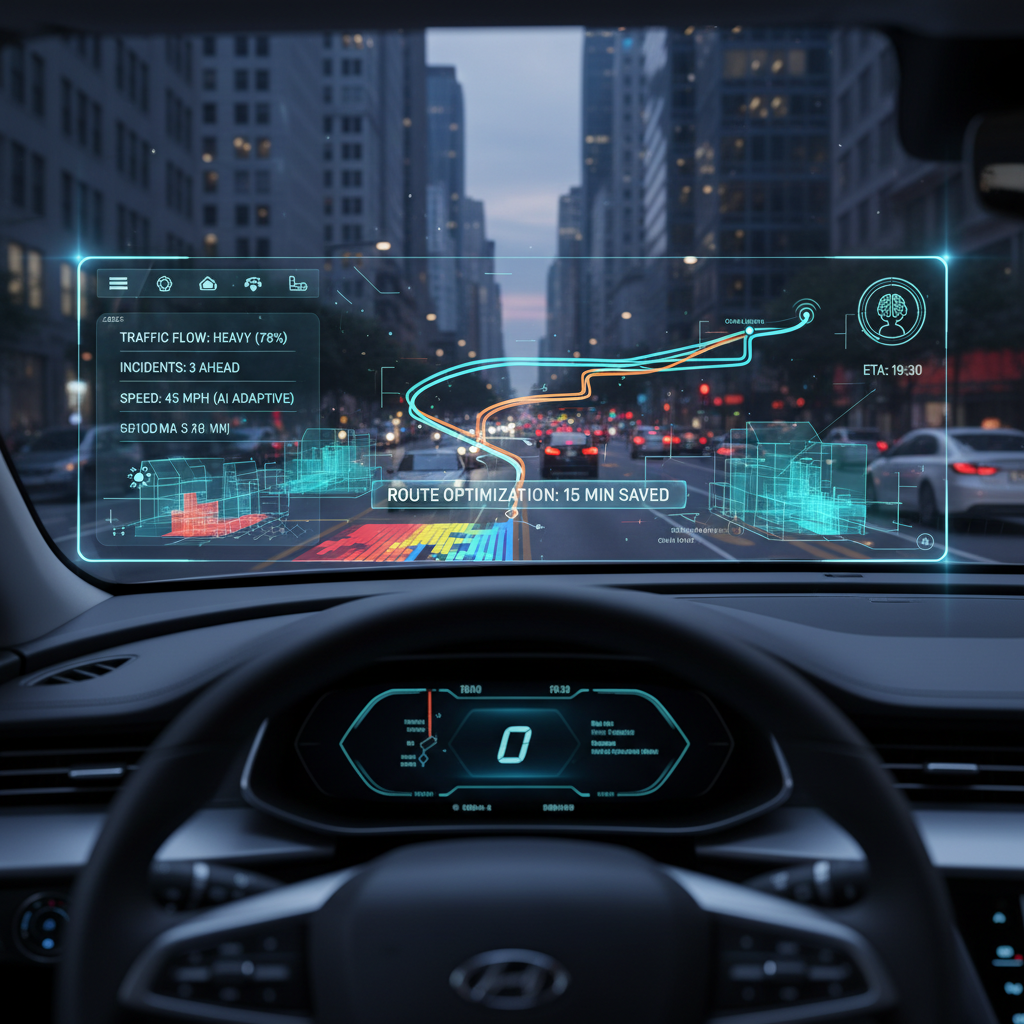
- Contextual Awareness: An AI assistant can factor in your morning commute traffic, your first meeting time, or even the day’s weather to adjust your wake-up time slightly, ensuring you’re not rushed.
The core principle here is moving from a one-size-fits-all approach to a dynamic, responsive system that understands and anticipates your needs, making your morning transition as smooth and invigorating as possible.
Personalized Wake-Up Calls: Beyond the Alarm
The days of a single, jarring alarm tone are quickly fading. AI-powered wake-up solutions offer a symphony of personalized stimuli designed to gently coax you into wakefulness, aligning with your body’s natural rhythms rather than fighting against them.
Smart Alarms and Sleep Cycle Tracking
This is arguably the most significant immediate impact of AI on mornings. Devices like smartwatches, fitness trackers (e.g., Oura Ring, Whoop, Apple Watch), and even dedicated sleep mats or bedside sensors collect a wealth of biometric data, including heart rate, heart rate variability (HRV), skin temperature, movement, and breathing patterns. AI algorithms then process this data to identify your sleep stages – awake, REM, light sleep, and deep sleep.
The magic happens when the AI uses this information to trigger an alarm within a pre-set “wake-up window” (e.g., 30 minutes before your desired time) during a period of light sleep. Waking up during light sleep dramatically reduces sleep inertia, leading to a feeling of being more refreshed and less groggy. Apps like Sleep Cycle have pioneered this technology for years, continually refining their algorithms with more data and advanced AI.
The Power of Light: Circadian Rhythm Syncing
Our circadian rhythm is heavily influenced by light. Exposure to bright light in the morning signals to our brains to stop producing melatonin (the sleep hormone) and to start producing cortisol (a wakefulness hormone). AI-integrated smart lighting systems, such as Philips Hue or LIFX, can be programmed to simulate a sunrise in your bedroom.
These systems can gradually increase in brightness and shift in color temperature, from warm reds to bright whites, mimicking the natural dawn over a 30-60 minute period before your actual wake-up time. This gentle light exposure helps naturally reset your internal clock, preparing your body to wake up before any sound even begins, making the transition much smoother.
Aural Awakening: Personalized Soundscapes and Music
Instead of an annoying buzzer, imagine waking up to the gentle sounds of a rainforest, a bubbling brook, or your favorite calming melody. AI assistants can learn your preferences and even adapt soundscapes based on your sleep quality from the previous night or your scheduled activities for the day. For example, if your AI detects you had a restless night, it might opt for more soothing, ambient sounds. If it knows you have an intense workout planned, it might gradually introduce more energizing tracks.
Personalized playlists from streaming services can be integrated, allowing AI to curate a morning soundtrack that evolves with your mood and needs. Some advanced systems can even use generative AI to create unique, ever-changing soundscapes to prevent auditory habituation.
Haptic Feedback: The Gentle Nudge
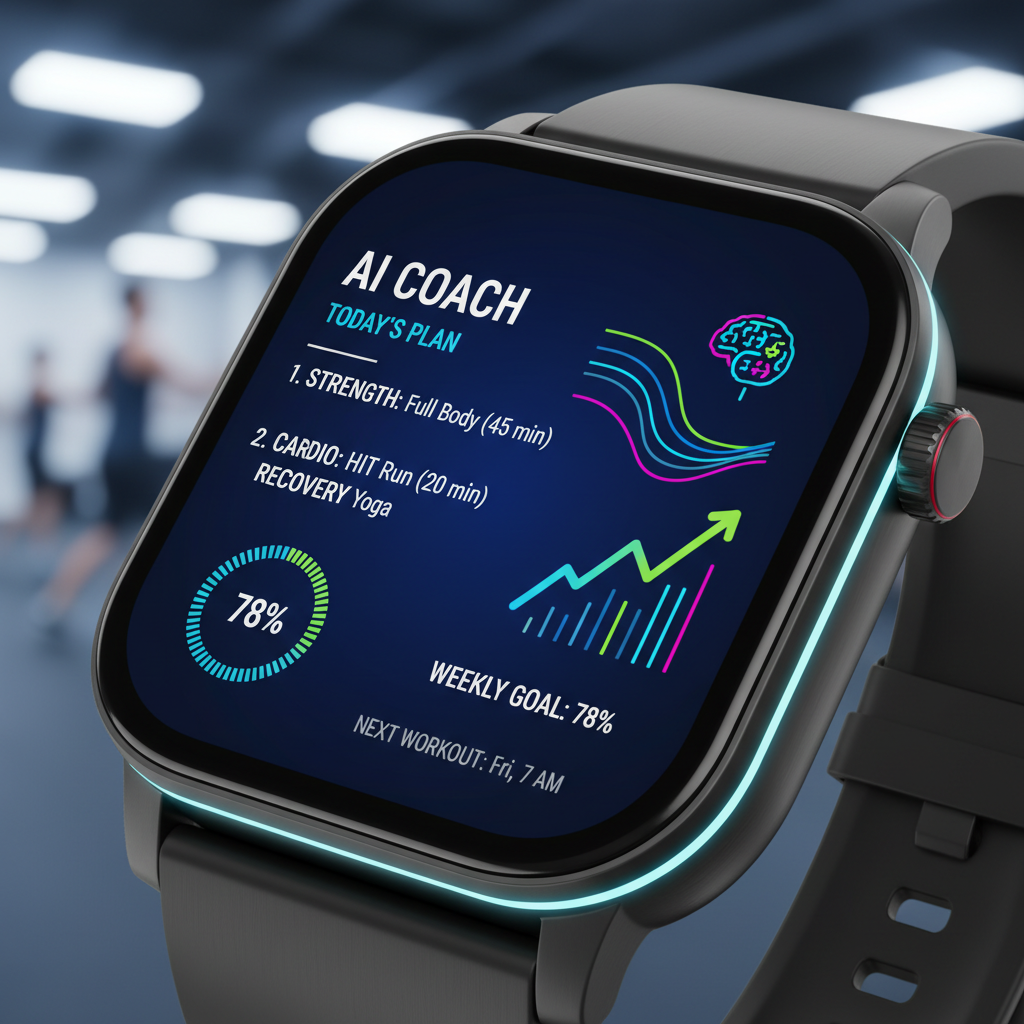
For those who prefer a silent, non-disruptive wake-up or for partners with different wake times, haptic feedback from wearables (like smartwatches or wristbands) provides an elegant solution. A gentle vibration on your wrist can effectively rouse you from light sleep without disturbing anyone else in the room. AI can control the intensity and pattern of these vibrations, ensuring they are effective yet non-jarring.
The combination of these intelligent wake-up stimuli – precisely timed alarms, gradual light exposure, personalized soundscapes, and gentle haptic feedback – creates a multi-sensory experience that respects your body’s natural processes, making the act of waking up a pleasure rather than a pain.
Optimizing Sleep Cycles with AI: Wearables and Sleep Trackers
An energetic morning starts the night before. AI’s most profound impact on our mornings isn’t just about how we wake up, but how well we sleep. Modern wearables and sleep tracking devices, powered by sophisticated AI algorithms, have transformed our understanding and optimization of sleep.
Data Collection and Analysis
Devices like the Oura Ring, Whoop, Fitbit, Apple Watch, and various sleep monitors collect a continuous stream of biometric data throughout the night:
- Heart Rate and Heart Rate Variability (HRV): Indicators of stress, recovery, and autonomic nervous system activity.
- Movement and Respiration: Detecting restlessness, tossing and turning, and breathing patterns.
- Skin Temperature: Useful for tracking illness, menstrual cycles, and circadian rhythm fluctuations.
- Oxygen Saturation: Identifying potential sleep apnea or other breathing issues.
AI models then analyze this complex dataset to accurately identify sleep stages (REM, deep, light, awake), calculate sleep duration, latency (time to fall asleep), efficiency, and quantify sleep disturbances. They can even detect micro-awakenings that you might not remember.
Personalized Insights and Recommendations
Beyond raw data, AI excels at providing actionable insights. Instead of just telling you how long you slept, your AI assistant can:
- Score Your Sleep: Provide a daily “sleep score” or “readiness score” that encapsulates your sleep quality and overall recovery.
- Identify Trends: Pinpoint patterns in your sleep, like consistent wake-up times, or specific nights where sleep quality dips due to certain activities (e.g., late-night meals, alcohol consumption, exercise).
- Recommend Optimal Bedtimes: Based on your typical wake-up time and desired sleep duration, AI can suggest a precise bedtime window for optimal recovery.
- Suggest Environmental Adjustments: If your room temperature consistently rises during the night, AI might suggest adjusting your smart thermostat. If light leaks are detected, it might recommend blackout curtains.
- Offer Lifestyle Nudges: Reminders to wind down, avoid blue light, or engage in relaxation techniques if your stress levels (detected via HRV) are high.
Case Study: Emily’s Sleep Transformation
Emily, a project manager, often felt tired despite getting 8 hours of sleep. Her AI-powered sleep tracker revealed she had very low deep sleep percentage and high heart rate variability in the early morning. The AI suggested:
- Moving her evening workout from 8 PM to 6 PM.
- Implementing a 30-minute meditation session before bed.
- Lowering her bedroom thermostat by 2 degrees Celsius.
Within two weeks, Emily’s deep sleep improved by 25%, her morning HRV normalized, and she reported feeling significantly more refreshed and energized each morning, thanks to AI’s data-driven, personalized recommendations.
AI-Powered Nutritional Guidance and Hydration Reminders
What you consume in the morning, and throughout the day, profoundly impacts your energy levels. AI can act as your personal nutritionist and hydration coach, ensuring your body gets the fuel and fluids it needs to thrive.
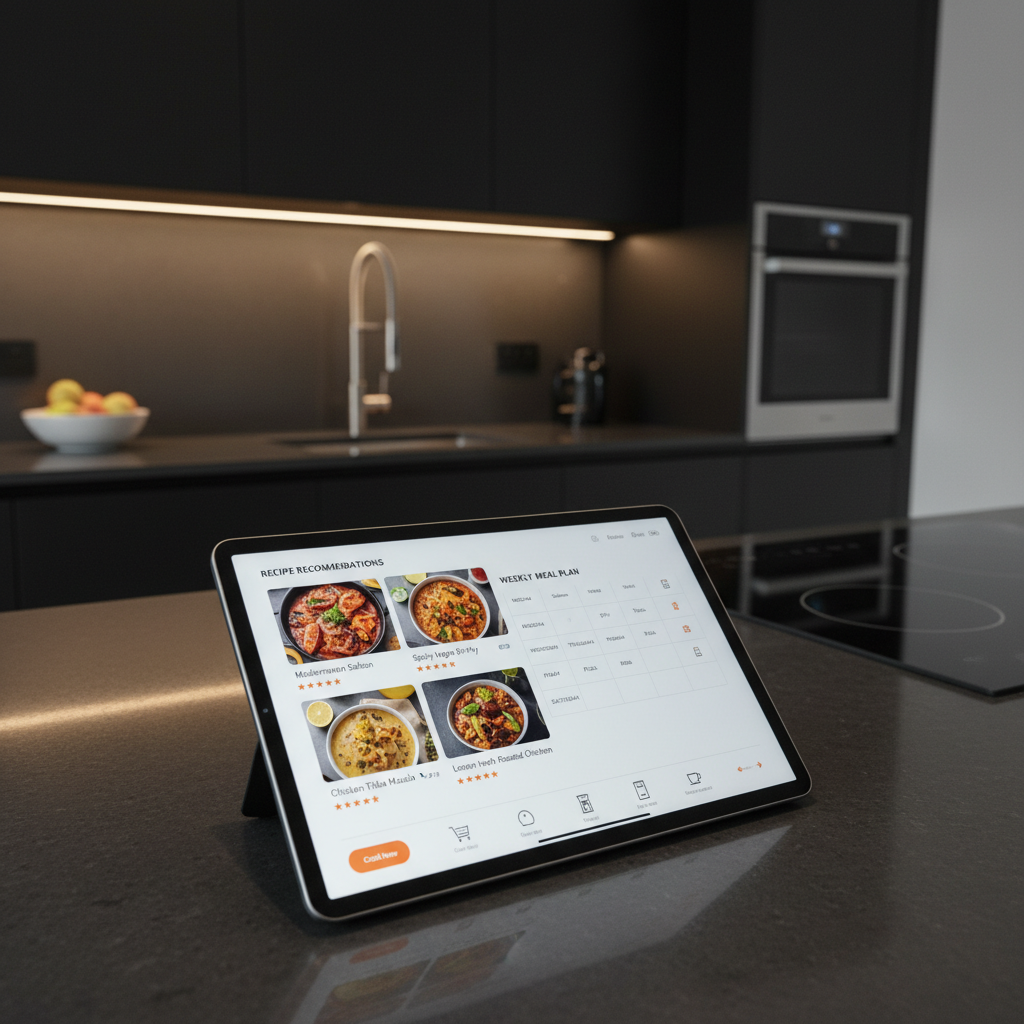
Personalized Breakfast Suggestions
Forget generic breakfast ideas. AI can tailor meal recommendations based on:
- Dietary Preferences and Restrictions: Vegan, gluten-free, keto, allergies, etc.
- Health Goals: Weight loss, muscle gain, energy boost, blood sugar management.
- Activity Levels: More intense workout planned? AI suggests a protein-rich breakfast. Lighter day? A balanced, slower-release carb option.
- Biometric Data: Some advanced systems can even integrate with continuous glucose monitors or activity trackers to suggest foods that maintain stable energy levels.
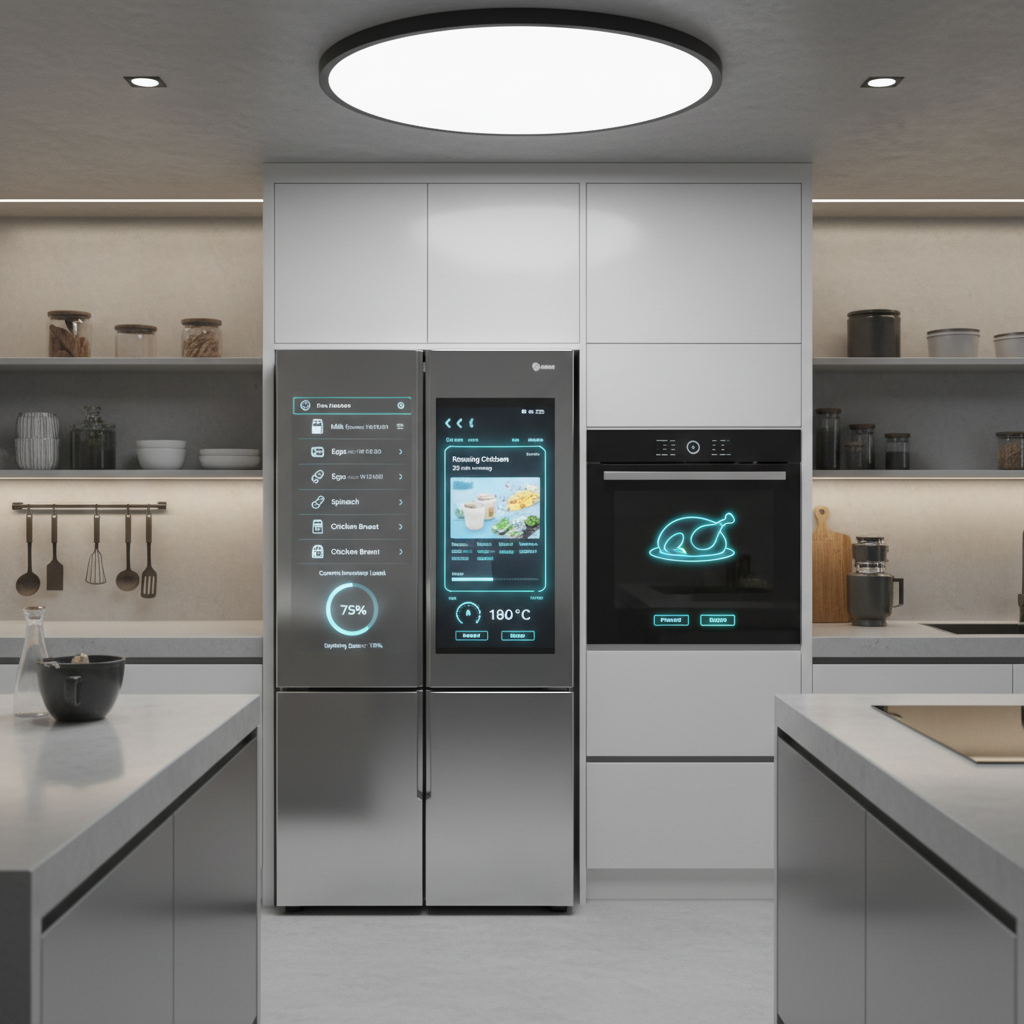
- Pantry Inventory: Apps like SuperCook or BigOven can suggest recipes based on what ingredients you already have, minimizing food waste and morning decision fatigue.
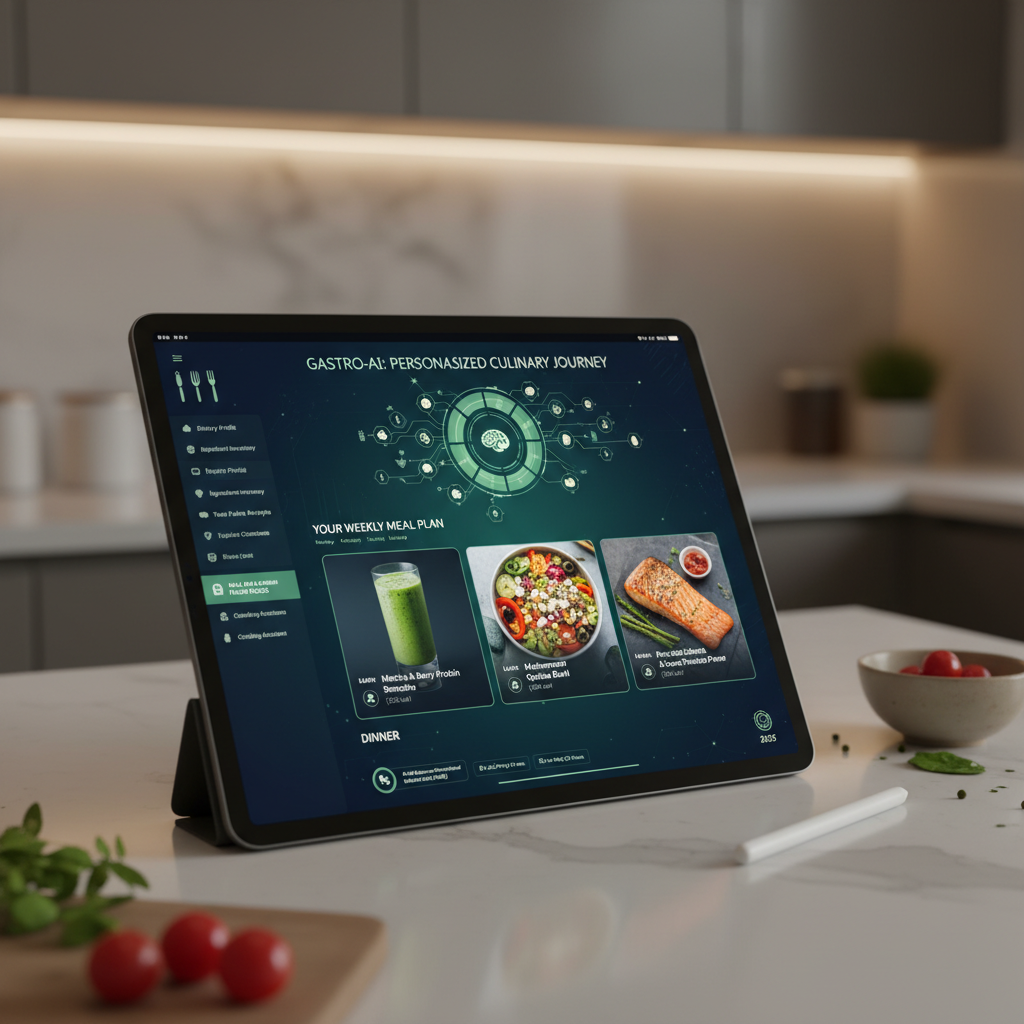
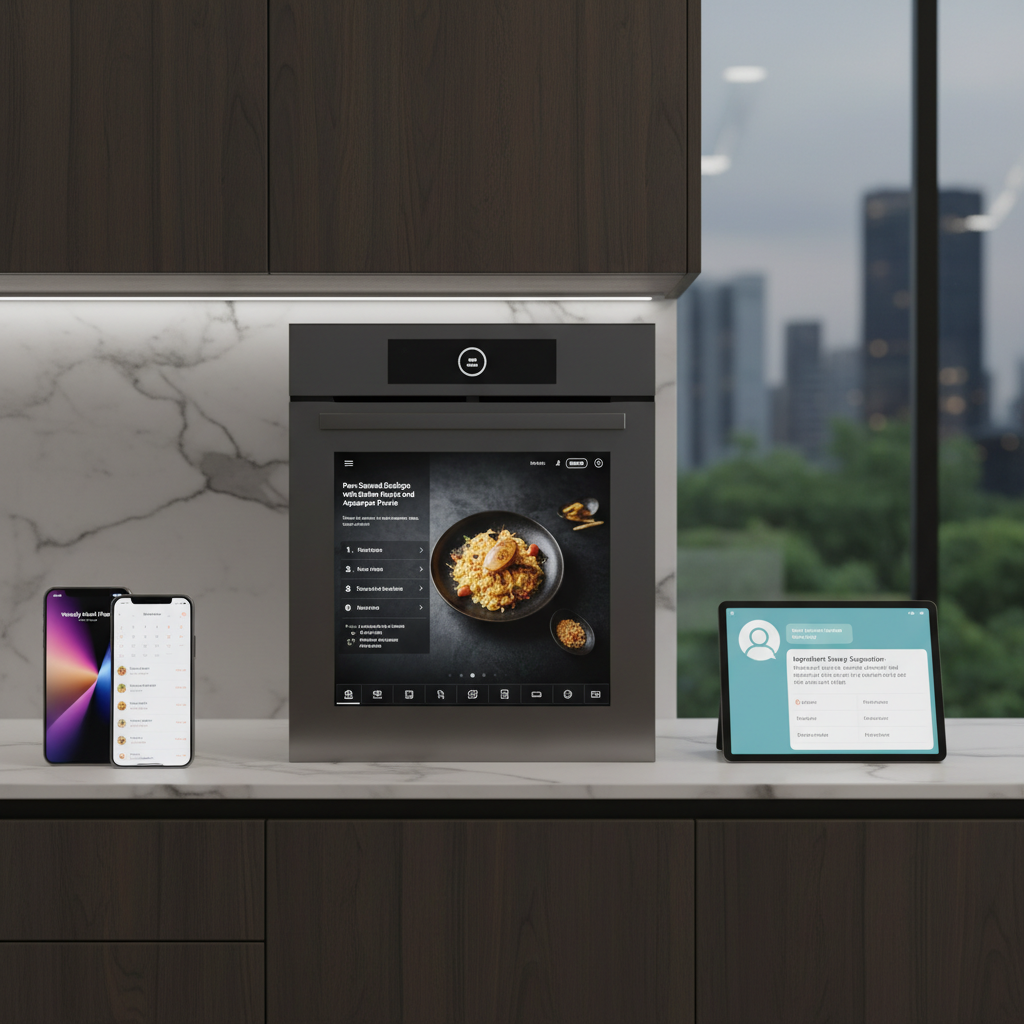
Imagine waking up, and your smart assistant proactively suggests a “High-Protein Berry Smoothie” recipe, knowing you had a tough gym session yesterday and have berries, yogurt, and protein powder in the fridge. This level of personalized guidance saves time, reduces mental load, and ensures optimal nutrition.
Smart Hydration Management
Dehydration, even mild, can lead to fatigue, reduced cognitive function, and headaches. AI-enabled hydration solutions ensure you start your day, and continue it, properly hydrated.
- Smart Water Bottles: Brands like HidrateSpark connect to an app and track your water intake, glowing to remind you to drink. AI algorithms in the app learn your habits, activity levels, local weather, and even integrate with your calendar to adjust your daily hydration goals.
- Voice Assistant Reminders: Your smart speaker can be programmed to remind you to drink a glass of water first thing in the morning, or at regular intervals throughout the day.
- Contextual Nudges: If your AI assistant detects (via weather data) that it’s an unusually hot and humid day, or if your wearable indicates a high level of activity, it can proactively increase your hydration reminders.
By taking the guesswork and effort out of managing your diet and hydration, AI ensures your body is always primed for peak energy and performance from the moment you wake up.
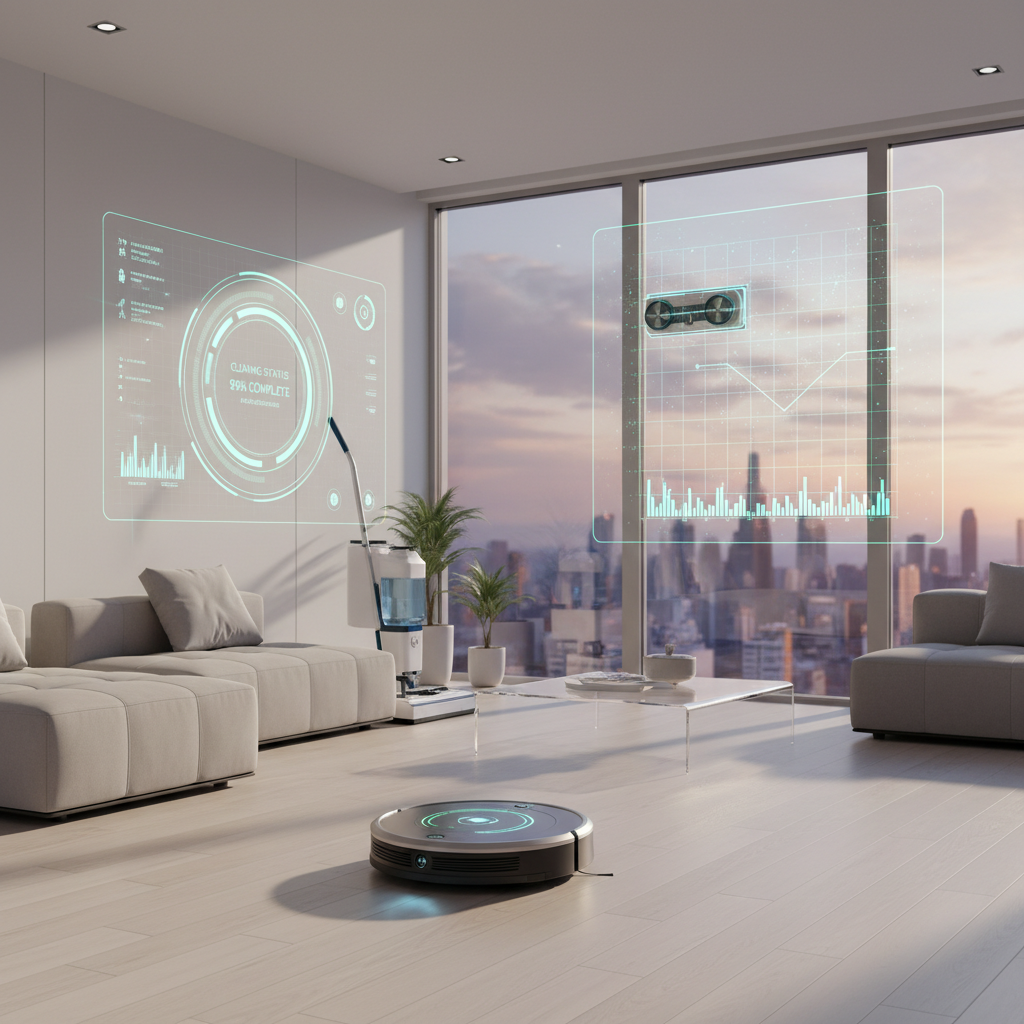
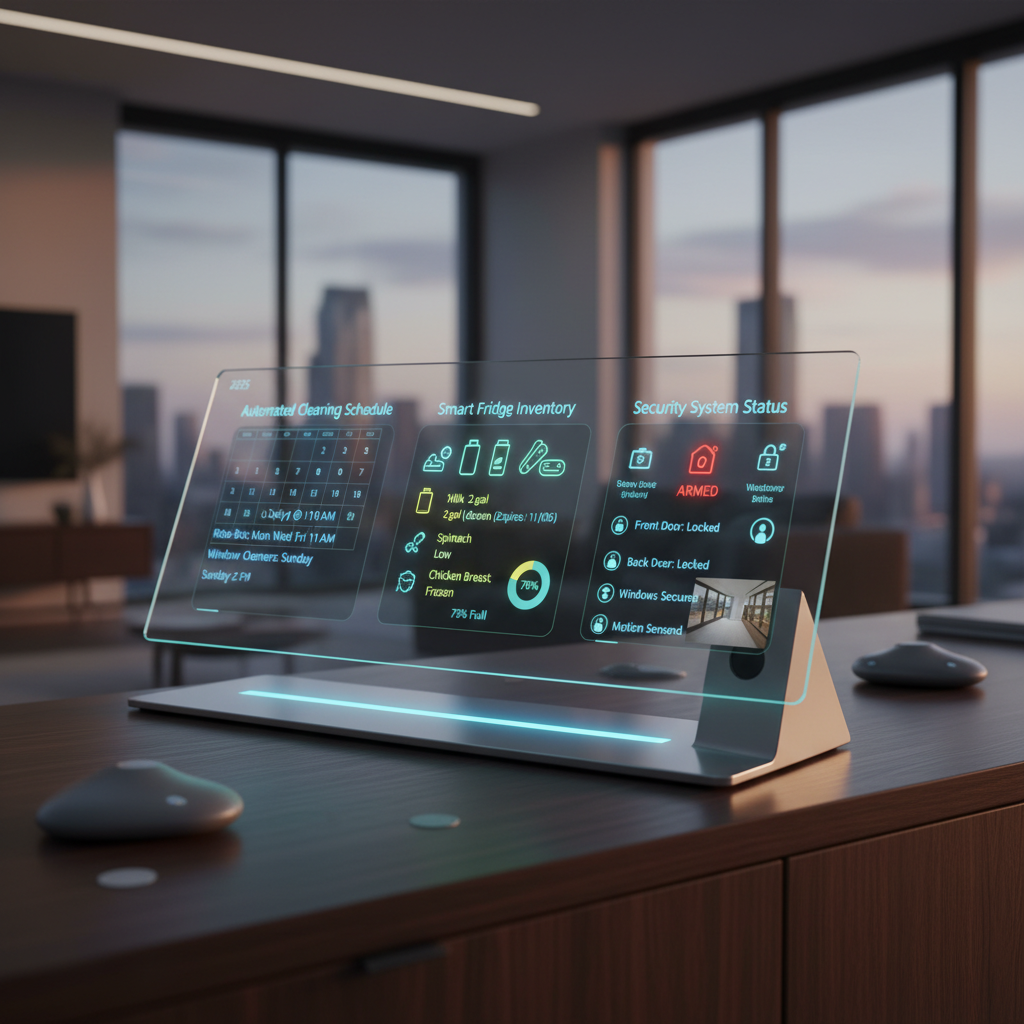
Automating Your Environment: Smart Home Integration
An energetic morning is also about seamless transitions and a comfortable, inspiring environment. AI, particularly through smart home integration, can orchestrate your physical space to perfectly align with your wake-up routine, minimizing friction and maximizing comfort.
The Morning Scene: A Symphony of Automation
Imagine a “Good Morning” routine triggered by your AI assistant:
- Smart Lighting: As mentioned, smart bulbs and light strips (Philips Hue, LIFX, Nanoleaf) gradually brighten your bedroom, mimicking sunrise. Upon full wake-up, they can shift to a brighter, invigorating white light in your bathroom and kitchen.
- Smart Blinds/Curtains: Integrated smart blinds (e.g., Somfy, IKEA Fyrtur) automatically open at a pre-set time or in sync with your wake-up light, letting natural light flood in, further reinforcing your circadian rhythm.
- Smart Thermostat: Your AI-powered thermostat (Nest, Ecobee) learns your preferences. It can be programmed to gradually raise or lower the temperature in your bedroom 30 minutes before your wake-up, ensuring your room is at your ideal comfortable temperature when you exit your bed, avoiding the shock of a cold room.
- Coffee/Tea Maker Integration: Smart plugs or integrated coffee machines (e.g., Smarter Coffee, select Keurig models) can be set to brew your morning coffee or boil water for tea precisely when you wake up, filling your home with inviting aromas.
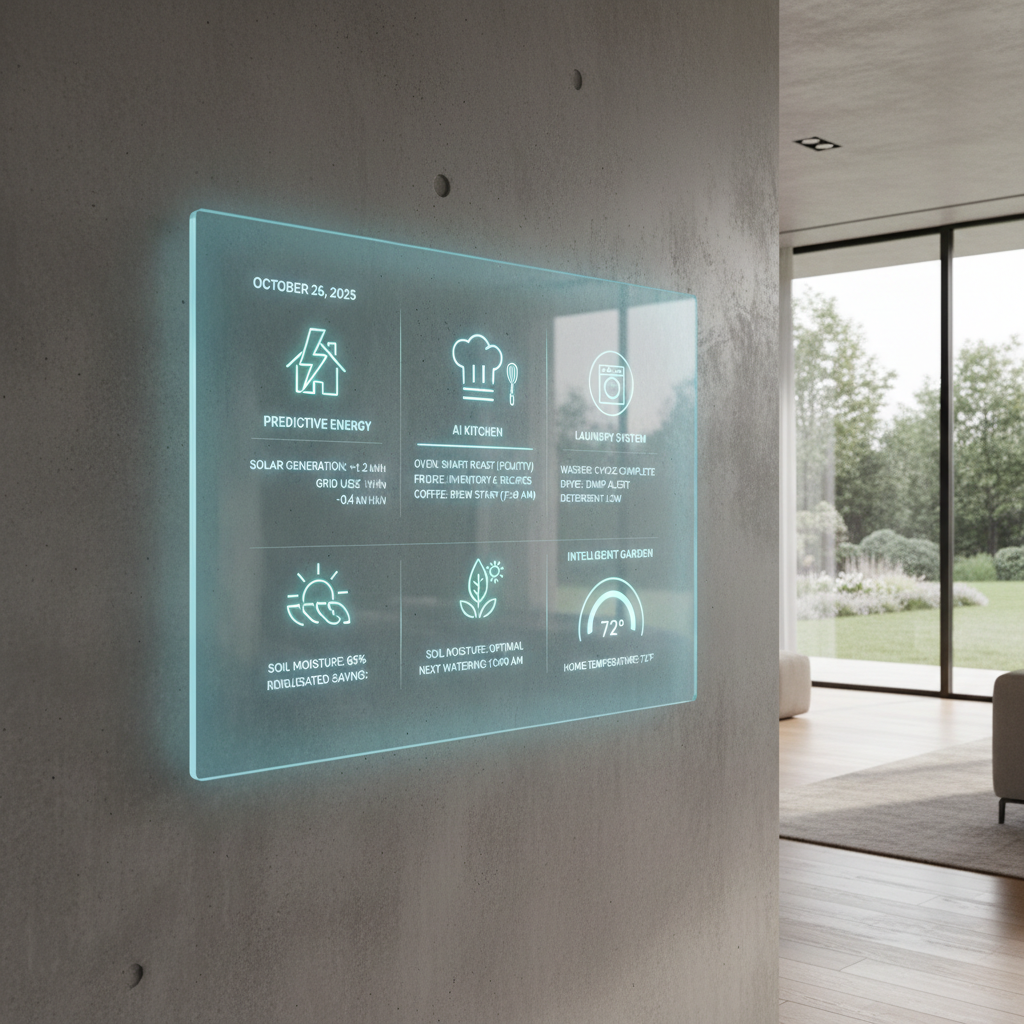
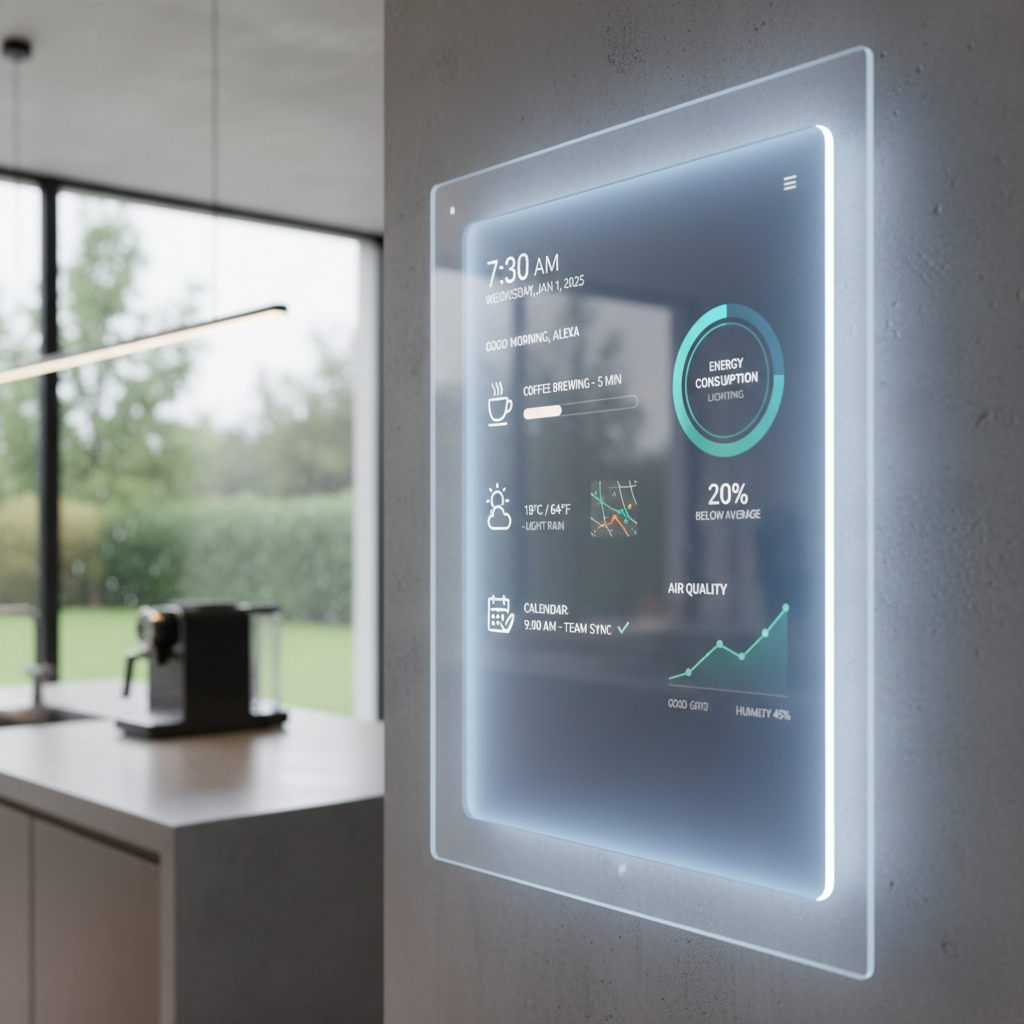
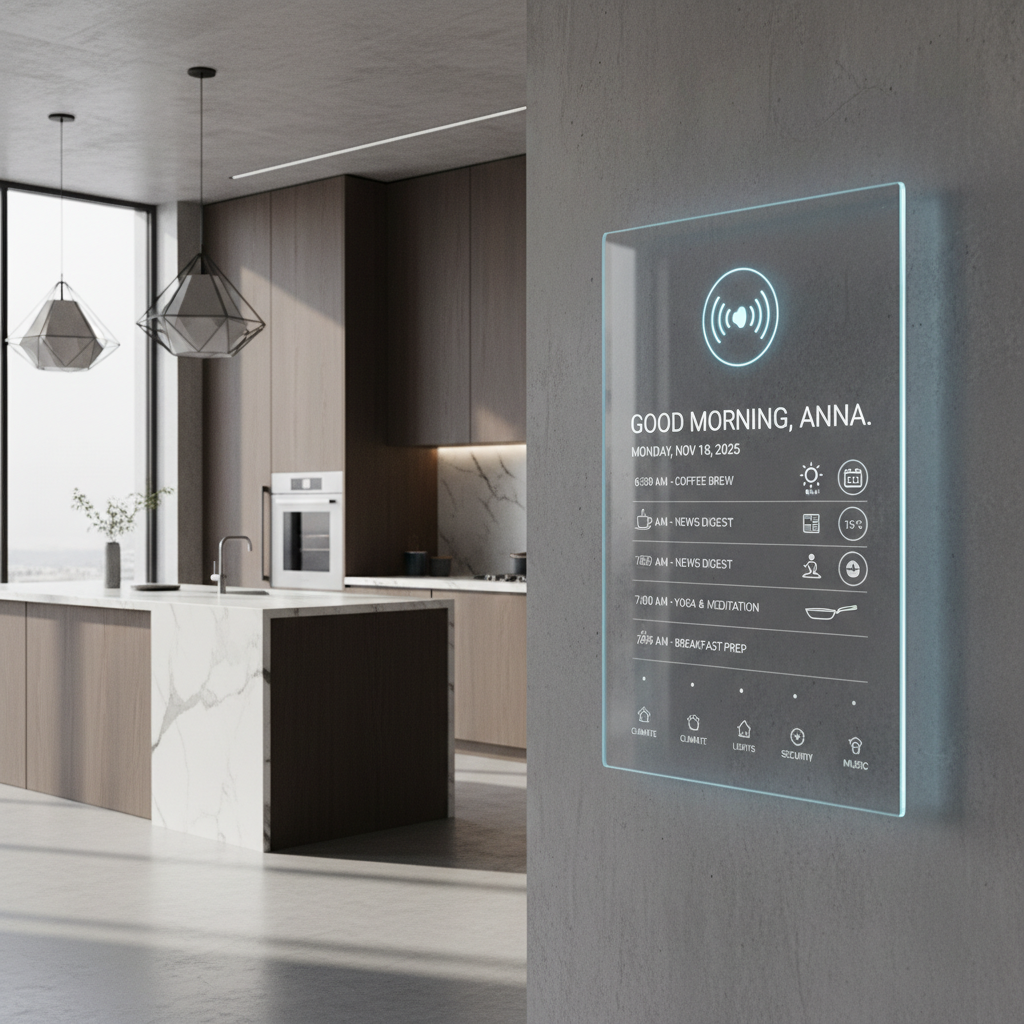
- Smart Speakers and Displays: Your Google Home or Amazon Echo device can play your personalized morning news brief, weather forecast, calendar schedule, or a curated energizing playlist, all without you lifting a finger. Smart displays can even show your morning schedule and provide visual information.
Creating Morning Zones and Routines
AI hubs like Amazon Alexa, Google Assistant, and Apple HomeKit allow you to create complex “routines” or “scenes” that trigger multiple actions with a single command or based on a schedule. A “Morning Routine” could be set to:
- Start your smart sunrise lights.
- Open your blinds.
- Adjust the thermostat.
- Play a positive affirmation or a morning podcast on your smart speaker.
- Queue up your news brief.
Advanced AI can even make these routines adaptive. For instance, if your AI detects heavier than usual traffic on your commute, it might subtly nudge your routine to start five minutes earlier, adjusting the light and music accordingly, giving you those precious extra moments without feeling rushed. This seamless integration transforms your home into an active participant in fostering an energetic and stress-free morning.
Mindfulness and Movement: AI for Mental and Physical Readiness
Energetic mornings aren’t just about physical wakefulness; they’re also about mental clarity and readiness. AI can be a powerful tool for integrating mindfulness and movement into your routine, setting a positive tone for your mind and body.
AI-Guided Meditation and Mindfulness
The first moments of your day can significantly impact your mental state. AI-powered meditation apps like Calm, Headspace, or even dedicated AI wellness platforms can personalize your morning mindfulness practice.
- Contextual Recommendations: Based on your sleep quality (from your tracker), stress levels (from HRV data), or even your calendar appointments (e.g., a high-stress meeting), AI can recommend a specific meditation session – perhaps a “stress reduction” meditation, a “focus” meditation, or a “gratitude” practice.
- Adaptive Sessions: Some advanced AI systems can even subtly adjust the pacing or duration of a guided meditation based on your real-time biometric feedback, ensuring you get the most out of each session.
- Positive Affirmations: Your smart speaker can be programmed to deliver personalized positive affirmations as part of your wake-up routine, helping to cultivate a positive mindset from the outset.
A short, AI-guided meditation can help clear morning brain fog, reduce anxiety, and set an intention for a productive day.
AI-Powered Morning Movement and Stretching
Moving your body first thing in the morning boosts circulation, releases endorphins, and improves flexibility. AI can make this accessible and personalized:
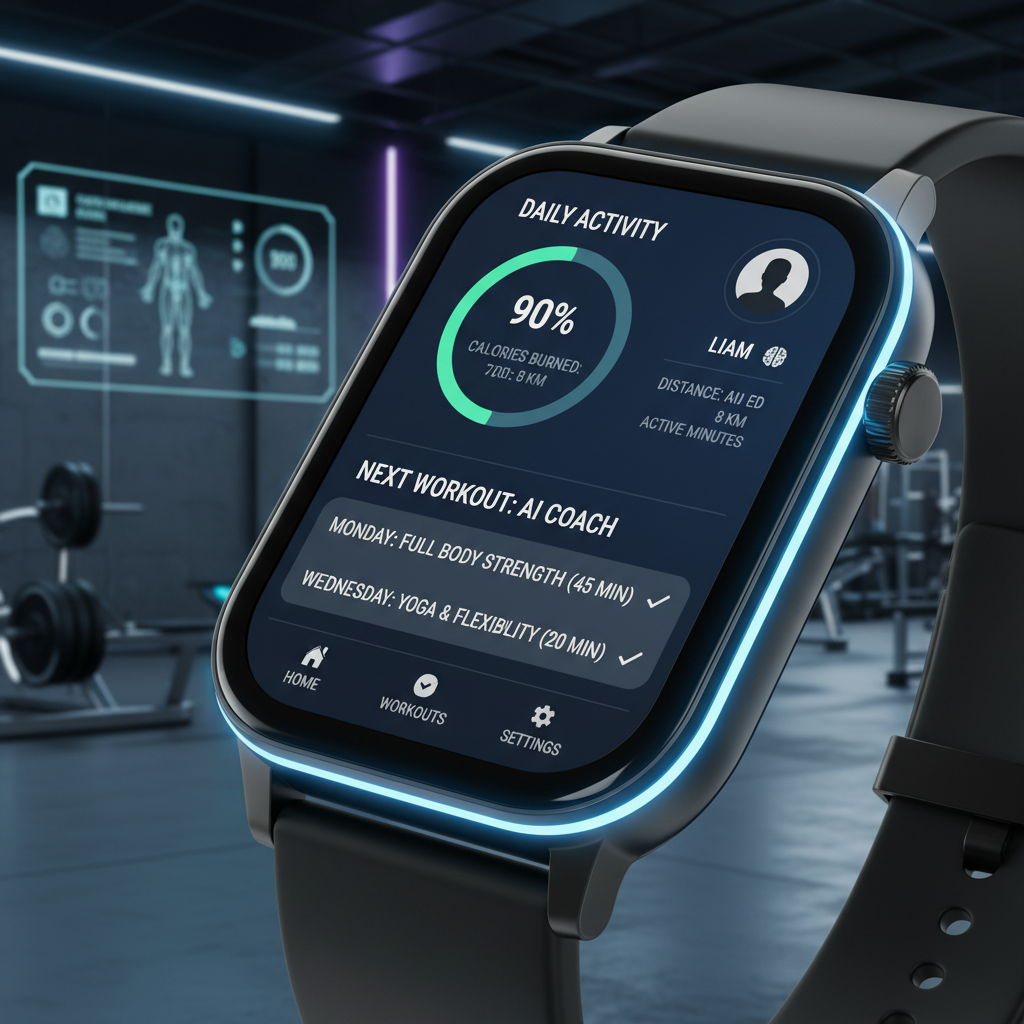
- Personalized Workout Recommendations: AI fitness apps (e.g., Peloton, Nike Training Club, Apple Fitness+) can suggest quick morning stretching routines, yoga flows, or short bodyweight workouts based on your previous day’s activity, fitness goals, and available time. If your wearable detects muscle soreness, the AI might recommend a gentle recovery stretch.
- Form Correction: Some advanced AI systems, leveraging computer vision through your smartphone or smart display camera, can even provide real-time feedback on your exercise form, ensuring you perform movements safely and effectively, even in a quick morning session.
- Adaptive Warm-ups: Before a planned morning run, your AI assistant could guide you through a dynamic warm-up tailored to the type of run and your readiness score.
By removing the decision-making and providing immediate, tailored guidance, AI makes it easier to integrate beneficial mindfulness and movement practices into even the busiest morning schedules, ensuring your mental and physical state are primed for an energetic day.
The Future of Energetic Mornings: Predictive AI and Holistics
The AI strategies discussed so far are already transforming mornings. But the future holds even more sophisticated and integrated possibilities, moving towards a truly holistic and predictive AI assistant that anticipates your every need.
Hyper-Personalization and Emotional Intelligence
Future AI will likely move beyond just biometric data. It will incorporate emotional and cognitive states, perhaps through advanced sentiment analysis from verbal cues, eye-tracking, or even micro-expressions (though this raises significant privacy concerns). Imagine an AI that not only knows you slept poorly but also infers you’re feeling a bit down and proactively adjusts your morning routine to include uplifting music, a cheerful news digest, and a soothing meditation.
Predictive AI will be able to learn your responses to different stimuli and situations with incredible accuracy, understanding not just what you need, but what you prefer in any given state.
Seamless Integration and Anticipatory Routines
The current smart home fragmented ecosystem will evolve into a truly seamless, interconnected network. Your car’s navigation system could communicate with your home AI, informing it of unexpected traffic and prompting your home to start your coffee earlier. Your work calendar could trigger pre-emptive adjustments to your sleep schedule for an early flight or an important presentation.
AI will become truly anticipatory. Instead of reacting to your input, it will predict your needs based on a vast array of contextual data – weather, traffic, personal schedule, past behaviors, current biometrics, and even global events – and subtly orchestrate your morning environment and guidance without explicit commands.
Ethical Considerations and Data Privacy
As AI becomes more deeply integrated and predictive, the ethical implications, particularly regarding data privacy and algorithmic bias, become paramount. Users will need assurances about how their highly personal biometric and behavioral data is collected, stored, and used. Transparency in AI algorithms and robust security measures will be crucial for widespread adoption and trust.
The goal is an AI assistant that serves your well-being, providing an effortlessly energetic morning experience, while always respecting your autonomy and privacy.
Comparison Tables
Table 1: Traditional Alarm vs. AI Smart Morning System
| Feature/Aspect | Traditional Alarm Clock | AI Smart Morning System |
|---|---|---|
| Wake-up Trigger | Fixed time, jarring sound. | Optimized sleep cycle, gentle light, soundscapes, haptic feedback. |
| Sleep Analysis | None. | Continuous biometric data (HRV, sleep stages, temp, movement), personalized insights. |
| Environment Control | Manual. | Automated lighting, temperature, blinds, coffee, news briefing. |
| Personalization | Minimal (volume, tone). | Deeply personalized based on biometrics, preferences, schedule, goals. |
| Nutritional Guidance | None. | Personalized breakfast suggestions, hydration reminders. |
| Wellness Integration | None. | AI-guided meditation, personalized workout/stretching routines. |
| Adaptability | Rigid. | Dynamic, adapts to sleep quality, schedule changes, weather, traffic. |
| Output/Benefit | Abrupt awakening, potential grogginess. | Gentle, natural awakening, reduced sleep inertia, increased energy and focus. |
Table 2: Popular AI Assistant Integrations for Morning Routines
| AI Assistant/Platform | Key Morning Features | Example Devices/Integrations | Primary Benefit for Mornings |
|---|---|---|---|
| Amazon Alexa | Custom Routines (e.g., “Good Morning” triggers lights, weather, news), smart alarm integration, music playback. | Echo Dot, Echo Show, Philips Hue, Nest Thermostat, Smart Plugs. | Voice-controlled automation and information delivery. |
| Google Assistant | “Good Morning” routines, personalized daily briefings, smart home control, calendar integration, personalized music. | Google Nest Hub, Google Home speakers, LIFX, Ecobee, Google Calendar. | Contextual intelligence and seamless integration with Google services. |
| Apple HomeKit/Siri | Home Scenes & Automations, secure device control, sleep tracking integration (via Health app), personalized Shortcuts. | HomePod, Apple TV, Apple Watch, HomeKit-enabled smart devices, iOS devices. | Privacy-focused, intuitive integration within Apple ecosystem. |
| Dedicated Sleep Trackers (AI) | Smart alarms (wake during light sleep), sleep stage analysis, readiness scores, recovery insights, personalized recommendations. | Oura Ring, Whoop Strap, Fitbit Sense, Sleep Cycle app, Eight Sleep Pod. | Deep physiological insights and sleep optimization. |
| AI Fitness/Wellness Apps | Personalized workout/stretch recommendations, guided meditations, progress tracking, nutritional advice. | Calm, Headspace, Peloton App, Nike Training Club, MyFitnessPal. | Tailored mental and physical preparation. |
Practical Examples: AI in Action for Your Morning
Let’s look at a few real-world scenarios to illustrate how AI strategies can dramatically improve different people’s mornings.
Case Study 1: The Busy Professional – Sarah
Sarah is a marketing manager with an unpredictable schedule and often travels. She struggles with jet lag and inconsistent sleep.
- AI Solution: Sarah uses an Oura Ring and integrates it with her Google Assistant.
- Morning Workflow:
- The Oura Ring’s AI detects Sarah is in a light sleep phase within her 6:30-7:00 AM wake-up window and triggers a gentle vibration alarm.
- Simultaneously, her Philips Hue lights gradually brighten, mimicking sunrise.
- Her Google Nest Hub automatically plays a calming instrumental playlist and then delivers her personalized morning briefing: “Good morning, Sarah. Your readiness score is 82 today – excellent. You have a 9 AM video conference. Traffic to the office is light, but there’s a slight chance of rain. Your AI suggests a quick 10-minute energizing yoga flow today.”
- Her smart coffee maker starts brewing her favorite blend.
- The Nest thermostat adjusts her living room to a comfortable 22 degrees Celsius.
- Outcome: Sarah wakes up feeling refreshed, informed, and has a clear plan for her morning, even when her schedule varies. The AI adapts to her travel-induced sleep patterns, ensuring she gets optimal rest.
Case Study 2: The Student Athlete – Ben
Ben is a college student juggling classes, a part-time job, and intense track practice. He needs consistent energy and focus.
- AI Solution: Ben uses a Whoop Strap, a smart water bottle (HidrateSpark), and the Peloton App.
- Morning Workflow:
- Based on his workout schedule for the day and his recovery score from Whoop, the AI gently wakes Ben up at 5:30 AM, ensuring he’s out of deep sleep.
- His HidrateSpark bottle glows, reminding him to drink 500ml of water immediately.
- The Peloton App’s AI recommends a dynamic 15-minute warm-up routine for his leg day, tailored to his current fatigue levels.
- His smart speaker, integrated with his university’s platform, reminds him of an upcoming assignment deadline and his first class at 9 AM, factoring in walking time.
- MyFitnessPal, also integrated with Whoop, suggests a high-protein breakfast to fuel his intense training.
- Outcome: Ben starts his day fully hydrated, properly warmed up for training, nutritionally prepared, and mentally organized for his academic commitments. The AI prevents burnout by optimizing his sleep and recovery.
Case Study 3: The Young Family – The Lees
The Lees have two young children and often struggle with chaotic mornings and inconsistent sleep due to parenting demands.
- AI Solution: They use an Apple Watch (for parental sleep tracking), a smart thermostat (Ecobee), and an Apple HomePod.
- Morning Workflow:
- The Apple Watch AI wakes Mrs. Lee during a light sleep phase, slightly before her children’s usual wake-up time, giving her a few moments of peace.
- Her HomePod quietly plays a “Morning Affirmations” playlist while she gets ready.
- The Ecobee thermostat gradually warms the children’s rooms to a comfortable temperature, reducing the likelihood of them waking up cold and fussy.
- A HomeKit automation opens the kitchen blinds and plays a cheerful “Kids Morning” playlist on the HomePod when the first child wakes up.
- Siri reminds them of the school bus schedule and prompts them to check the kids’ lunchboxes.
- Outcome: The Lees experience a calmer, more organized morning. The AI takes over many routine tasks, allowing them to focus on their children and their own well-being, even when sleep is less than ideal.
These examples illustrate the versatility and power of AI in creating personalized, efficient, and energetic mornings for diverse needs and lifestyles.
Frequently Asked Questions
Q: What is the primary benefit of using AI for my morning routine?
A: The primary benefit is personalization and optimization. AI analyzes your unique biometric data, preferences, and schedule to create a morning routine that perfectly aligns with your body’s natural rhythms, ensuring you wake up gently, feel energized, and are mentally prepared for the day, rather than feeling groggy and rushed.
Q: Do I need a lot of expensive smart home devices to get started?
A: Not necessarily. You can start small. A single smart alarm app (like Sleep Cycle) or a basic fitness tracker can already provide significant AI-driven sleep insights. You can gradually add smart lights, smart plugs for appliances, or a smart speaker as you become more comfortable and see the benefits. Many benefits can be achieved with just a smartphone and a few key apps.
Q: How does AI know when is the best time to wake me up?
A: AI uses data from sleep tracking devices (wearables or contact-free sensors) to monitor your sleep stages (deep, light, REM). It then identifies periods of light sleep within a pre-set wake-up window (e.g., 30 minutes before your desired time). Waking during light sleep minimizes sleep inertia, making you feel more refreshed.
Q: What kind of data does AI collect about me for my morning routine, and is it private?
A: AI can collect various data points, including sleep duration, sleep stages, heart rate, heart rate variability (HRV), skin temperature, activity levels, calendar schedule, and environmental factors (like room temperature). Data privacy is a significant concern, and reputable companies adhere to strict privacy policies, often encrypting data and allowing users control over their information. Always review the privacy policies of the apps and devices you use.
Q: Can AI help me with my morning workout or meditation?
A: Yes! AI fitness apps can recommend personalized warm-ups, stretches, or short workouts based on your previous activity, recovery scores, and fitness goals. AI-guided meditation apps can suggest specific sessions (e.g., for stress, focus, or gratitude) tailored to your mental state or schedule, often integrating with your sleep data for optimal timing.
Q: Is AI only for waking up, or can it help throughout the morning?
A: AI’s capabilities extend beyond just waking you up. It can automate your home environment (lights, thermostat, coffee), provide personalized nutritional suggestions for breakfast, offer hydration reminders, deliver contextual news and weather briefings, and even manage your schedule, ensuring a smooth and energetic transition through your entire morning routine.
Q: What if I have an inconsistent sleep schedule due to shift work or travel? Can AI still help?
A: Absolutely. AI is particularly beneficial for inconsistent schedules. By continuously analyzing your biometrics, it can adapt to your changing sleep patterns, recommend optimal rest times, and adjust wake-up stimuli to help you mitigate the effects of sleep disruption, such as jet lag or rotating shifts, more effectively than a fixed routine.
Q: Are there any downsides or potential risks to relying on AI for my mornings?
A: Potential downsides include over-reliance on technology, privacy concerns regarding personal data, and the initial investment cost for smart devices. There’s also a risk of “algorithmic bias” if the AI isn’t well-trained or if you exclusively follow its advice without personal judgment. It’s best to use AI as a tool to augment, not replace, your awareness of your body’s needs.
Q: How do I get started with implementing AI into my morning routine?
A: Start with what you have. If you have a smartphone, download a smart alarm app like Sleep Cycle or utilize its built-in health tracking. If you have a smartwatch or fitness tracker, explore its sleep tracking features. Consider adding a smart speaker (Google Nest, Amazon Echo) for basic automation and news. From there, you can gradually expand to smart lights, plugs, and more sophisticated devices as your needs evolve.
Q: Can AI help reduce morning stress?
A: Definitely. By automating repetitive tasks, providing gentle transitions, and offering personalized wellness guidance (like meditation), AI reduces the mental load and friction often associated with mornings. Knowing that your environment is optimized and your routine is managed by an intelligent assistant can significantly lower morning stress and anxiety, fostering a sense of calm and control.
Key Takeaways
- Personalization is Power: AI transforms generic mornings into highly personalized experiences, adapting to your unique physiology and preferences.
- Optimized Waking: Smart alarms leveraging sleep cycle tracking ensure you wake gently during light sleep, reducing grogginess.
- Holistic Sleep Improvement: AI-powered wearables provide deep insights into your sleep quality and offer actionable recommendations for better rest.
- Automated Environment: Smart home integration orchestrates lights, temperature, blinds, and even your coffee maker for a seamless, stress-free start.
- Wellness Integration: AI guides personalized nutrition, hydration, mindfulness, and movement, priming both mind and body.
- Anticipatory Assistance: The future promises predictive AI that anticipates your needs based on a vast array of contextual data.
- Start Small, Grow Smart: You don’t need a full smart home setup to begin; a single app or device can initiate the transformation.
- Embrace Efficiency: AI minimizes decision fatigue and optimizes time, allowing you to reclaim your mornings and maximize productivity.
Conclusion
The snooze button has long been a symbol of our collective struggle with mornings, a desperate attempt to cling to the last vestiges of sleep. But with the advent of sophisticated AI strategies, that struggle can become a relic of the past. Imagine a morning where you don’t just wake up, but you ascend into wakefulness – gently, naturally, and precisely when your body is most ready. A morning where your environment anticipates your needs, your body is nourished, and your mind is clear and focused.
AI is not just about convenience; it’s about empowerment. It provides the tools and intelligence to understand your body better, optimize your routines, and cultivate consistent, energetic mornings that set a positive and productive tone for your entire day. By embracing these smart technologies, you’re not just ditching the snooze button; you’re investing in a more vibrant, more engaged, and ultimately, a more fulfilling life.
It’s time to stop battling the dawn and start orchestrating a symphony of well-being with your intelligent AI assistant. Your most energetic mornings are just a smart strategy away.







































Leave a Reply