

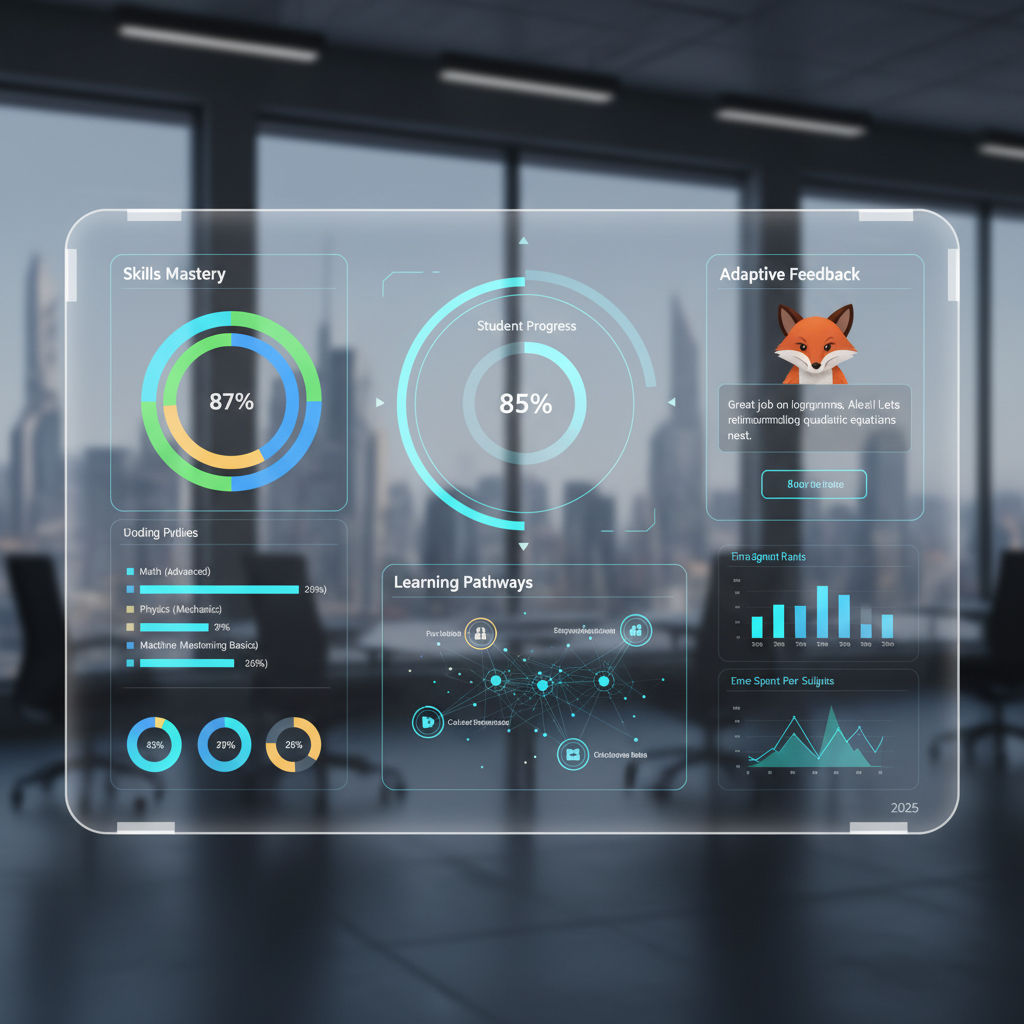
Discovering Hidden Gems: AI Tools for Personalized Learning
Introduction: The Dawn of Hyper-Personalized Learning
In the vast and ever-evolving landscape of education, the quest for effective learning strategies has always been paramount. For centuries, the cornerstone of academic improvement has been feedback. Whether it comes from a diligent teacher, a peer, or self-reflection, feedback is the compass that guides learners toward mastery. However, traditional feedback mechanisms, while invaluable, often struggle with the sheer scale and diversity of modern classrooms. Teachers are often stretched thin, unable to provide the deep, individualized attention every student truly needs. This is where Artificial Intelligence (AI) steps in, not as a replacement for human educators, but as a powerful augmentative force, ushering in an era of hyper-personalized feedback.
Imagine a learning environment where every student receives immediate, specific, and actionable feedback tailored precisely to their unique learning style, strengths, and weaknesses. Picture a system that doesn’t just grade an essay but explains why a particular sentence is unclear, suggests better vocabulary, or highlights logical inconsistencies, all in real-time. This isn’t science fiction; it’s the promise of AI-driven personalized feedback systems. These revolutionary tools are rapidly transforming how students learn, how teachers teach, and how academic performance is elevated across all levels of education, from K-12 to higher education and professional development. They are the hidden gems unlocking unprecedented potential in personalized learning, ensuring that no student is left behind due to a lack of timely or relevant guidance.
This comprehensive blog post will delve deep into the mechanics, benefits, challenges, and future of AI-driven personalized feedback systems. We will explore how these intelligent tools analyze student work, identify patterns, and deliver targeted interventions that foster deeper understanding and sustained academic growth. We will also examine real-world examples, address common concerns, and provide practical insights for educators, students, and institutions looking to harness the power of AI to truly elevate academic performance.
What are AI-Driven Personalized Feedback Systems?
At its core, an AI-driven personalized feedback system is an intelligent software application designed to analyze student performance data and provide tailored, actionable insights to facilitate learning and improvement. Unlike generic automated feedback, which might simply flag incorrect answers, AI systems leverage sophisticated algorithms, machine learning models, and natural language processing (NLP) to understand the nuances of student input and deliver feedback that is genuinely personalized. These systems are built upon vast datasets of educational content, student interactions, and successful learning pathways, allowing them to detect subtle patterns and predict areas where a student might struggle or excel.
The personalization aspect is crucial. Traditional feedback often treats all students similarly, offering general advice that may or may not be relevant to an individual’s specific needs. AI systems, however, create a dynamic profile for each learner. They track progress over time, identify common misconceptions, pinpoint specific skill gaps, and even adapt to a student’s emotional state or cognitive load by analyzing response times and interaction patterns. For instance, if a student consistently struggles with a particular type of mathematical problem, the AI system won’t just mark it wrong; it might provide step-by-step explanations, link to supplementary resources, or even generate new practice problems focused on that specific concept until mastery is achieved. This level of granular analysis and responsive intervention is what sets AI feedback apart and makes it so incredibly effective in fostering genuine understanding rather than rote memorization.
These systems can operate across various modalities, from analyzing written essays for grammar, style, and logical coherence, to evaluating code submissions for efficiency and correctness, or even providing real-time hints during interactive problem-solving exercises. The feedback can manifest in many forms: direct corrections, hints, explanations, scores, confidence metrics, comparative analyses with anonymous peers, or even suggestions for alternative learning strategies. The ultimate goal is to empower students with the precise information they need, at the exact moment they need it, to overcome obstacles and accelerate their learning journey, thereby significantly elevating their academic performance.
The Limitations of Traditional Feedback Mechanisms
While human teachers remain indispensable, the limitations of traditional, human-centric feedback mechanisms become increasingly apparent in today’s large and diverse educational settings. Understanding these limitations helps underscore the critical need for AI-driven solutions.
Time Constraints and Scalability Issues
Educators often face immense pressure to manage large class sizes, diverse curricula, and administrative tasks. Providing detailed, individualized feedback for every assignment, for every student, becomes a monumental, if not impossible, task. Marking hundreds of essays, reviewing countless problem sets, or listening to numerous presentations demands an extraordinary amount of time. This scarcity of time often leads to delayed feedback, which can significantly diminish its effectiveness. Learning is most robust when feedback is immediate, allowing students to correct misconceptions while the material is still fresh in their minds. Delayed feedback, often weeks after an assignment is submitted, loses much of its impact.
Inconsistency and Subjectivity
Human grading and feedback, by nature, can be subjective and inconsistent. Different teachers might have varying standards or interpretations, leading to discrepancies in how work is assessed. Even the same teacher might grade differently depending on their energy levels or the cumulative effect of reviewing many similar assignments. This subjectivity can lead to student frustration and a perception of unfairness. Furthermore, implicit biases, whether conscious or unconscious, can inadvertently influence feedback, affecting certain groups of students disproportionately. While educators strive for objectivity, human limitations make absolute consistency a challenging goal.
Lack of Personalization at Scale
Even the most dedicated teachers struggle to provide truly personalized feedback for every student in a large class. While they might identify general class-wide issues, pinpointing each student’s specific cognitive hurdle or preferred learning style for every topic is often beyond their capacity. Traditional feedback tends to be one-to-many, offering general advice that may not resonate with or address the root cause of an individual student’s difficulties. This lack of deep personalization means that some students may not receive the specific guidance they need to overcome persistent challenges, leading to repeated errors and stagnation in their learning progression.
Limited Scope and Depth
Traditional feedback often focuses on identifying errors rather than providing actionable strategies for improvement. A teacher might mark an answer as “incorrect” or “unclear” but might not have the time to explain the underlying conceptual misunderstanding or provide scaffolded steps for correction. The depth of feedback can also be limited by the medium; written comments might not fully convey the nuances of a complex concept, and one-on-one sessions are simply not scalable for every piece of work. This can leave students knowing they made a mistake but not understanding how to fix it or why their approach was flawed, thereby hindering genuine learning and skill development.
These limitations highlight a significant gap in our current educational practices—a gap that AI-driven personalized feedback systems are uniquely positioned to fill, enabling educators to focus on higher-order teaching and student mentorship while AI handles the heavy lifting of granular, continuous feedback.
How AI Transforms Feedback: Core Mechanisms
The transformative power of AI in feedback systems stems from its ability to process, analyze, and interpret vast amounts of data in ways that surpass human capabilities. Several core AI mechanisms underpin these sophisticated systems, working in concert to deliver intelligent, personalized insights.
Natural Language Processing (NLP)
NLP is the backbone for feedback on text-based assignments like essays, reports, and short-answer questions. It allows AI systems to understand, interpret, and generate human language. Advanced NLP models can go beyond simple grammar and spell checks (though they do that exceptionally well). They can analyze:
- Grammar and Syntax: Identifying complex grammatical errors, sentence structure issues, and stylistic problems.
- Semantics and Coherence: Understanding the meaning of words and sentences, assessing the logical flow of arguments, identifying contradictions, and evaluating the overall coherence of an essay.
- Sentiment Analysis: In some applications, NLP can gauge the tone or sentiment of a student’s writing, which can be particularly useful in creative writing or reflective assignments.
- Content Similarity: Detecting plagiarism or identifying areas where a student’s answer significantly deviates from expected content.
Modern NLP, often powered by deep learning models like transformers (e.g., BERT, GPT-3/4), can now generate human-like text, enabling them to not just identify errors but also suggest alternative phrasing, rephrase complex sentences for clarity, or even provide examples of well-written sections based on the student’s own context.
Machine Learning (ML) and Deep Learning (DL)
ML and DL algorithms are at the heart of how AI systems learn and adapt. These techniques allow the systems to:
- Pattern Recognition: Identify recurring errors, common misconceptions, or specific strengths across a student’s work or a cohort of students. For example, an ML model can learn to recognize patterns in mathematical problem-solving steps that consistently lead to errors.
- Predictive Analytics: Based on a student’s past performance and current interactions, ML models can predict future performance, identify students at risk of falling behind, or suggest personalized learning paths.
- Adaptive Learning: ML algorithms power adaptive learning systems that dynamically adjust the difficulty, type, and sequence of learning materials and practice problems based on a student’s real-time performance. If a student masters a concept quickly, the system moves on; if they struggle, it provides more targeted practice and varied explanations.
- Automated Scoring and Grading: Beyond simple correct/incorrect, ML models can learn from human-graded examples to assign holistic scores to complex assignments like essays or coding projects, often with remarkable accuracy and consistency.
Deep learning, a subset of ML utilizing neural networks with multiple layers, is particularly effective for processing complex, unstructured data like images, audio, and large volumes of text, making it ideal for the nuanced analysis required in educational feedback.
Data Analytics and Educational Data Mining (EDM)
While not strictly an AI mechanism, robust data analytics capabilities are essential for feeding AI models and providing meta-feedback. EDM involves applying data mining techniques to educational data to discover patterns and insights. This includes:
- Tracking Student Progress: Monitoring performance metrics, time spent on tasks, number of attempts, and resource utilization over time.
- Identifying Learning Gaps: Aggregating data to pinpoint specific skills or concepts that a student or an entire class struggles with.
- Personalized Recommendations: Using analytical insights to recommend relevant learning resources, exercises, or even study groups to students.
- Teacher Dashboards: Providing educators with comprehensive views of student and class performance, highlighting areas requiring human intervention or curriculum adjustments.
By combining these powerful AI mechanisms, personalized feedback systems move beyond rudimentary checks to offer intelligent, empathetic, and highly effective guidance, transforming passive learning into an active, iterative process of growth and mastery.
Benefits of AI-Powered Feedback for Students and Educators
The integration of AI into feedback processes offers a myriad of transformative benefits for all stakeholders in the educational ecosystem, significantly enhancing the learning experience and streamlining teaching methodologies.
For Students: Enhanced Learning Outcomes and Engagement
- Immediate and Actionable Feedback: One of the most significant advantages is the speed of feedback. Students no longer have to wait days or weeks for their work to be returned. AI systems can provide instant evaluations, allowing students to correct misconceptions while the material is still fresh in their minds. This immediacy reinforces learning and prevents the entrenchment of errors.
- Hyper-Personalization: AI systems tailor feedback to each student’s unique learning profile. They adapt to individual pace, identify specific weak points, and recommend resources or exercises that precisely address those areas. This bespoke guidance makes learning far more efficient and effective, as students receive exactly what they need, when they need it, fostering a deeper understanding of the subject matter.
- Reduced Anxiety and Increased Practice: Knowing that feedback is non-judgmental and always available can reduce student anxiety associated with making mistakes. This encourages more experimentation and iterative learning. Students can practice as much as they need, receiving continuous guidance without fear of judgment, leading to increased confidence and mastery.
- Self-Paced Learning and Autonomy: AI feedback systems empower students to take control of their learning journey. They can work at their own pace, revisit challenging topics, and explore advanced concepts independently, all while receiving expert guidance. This fosters greater autonomy and builds essential self-regulation skills.
- Deeper Conceptual Understanding: Beyond just marking right or wrong, AI can explain why an answer is incorrect, illustrate the underlying principles, and suggest alternative approaches. This moves students beyond superficial error correction towards a profound conceptual understanding, which is crucial for long-term retention and application.
For Educators: Improved Efficiency and Strategic Focus
- Time Savings: AI automates the repetitive and time-consuming tasks of grading and providing basic feedback, such as checking grammar, spelling, or simple calculations. This frees up invaluable time for educators, allowing them to focus on higher-order teaching activities like curriculum development, personalized mentoring, and addressing complex student needs.
- Objective and Consistent Assessment: AI systems apply predefined criteria consistently across all submissions, eliminating human subjectivity and potential biases in grading. This ensures fairness and provides a reliable baseline for evaluating student performance.
- Data-Driven Insights: Educators gain access to powerful analytics dashboards that provide a holistic view of individual and class performance. They can quickly identify common misconceptions, struggling students, or areas where the curriculum might need adjustment. This data empowers teachers to make informed instructional decisions and intervene strategically.
- Enhanced Pedagogical Strategies: By offloading routine feedback, teachers can dedicate more time to designing engaging lessons, fostering critical thinking, and developing social-emotional skills. They can use AI-generated insights to differentiate instruction more effectively and provide targeted support to students who need it most.
- Scalability: AI-driven systems can handle large numbers of students and assignments simultaneously without diminishing the quality or timeliness of feedback. This makes personalized learning scalable even in large institutions or MOOCs (Massive Open Online Courses), extending access to quality education.
In essence, AI-powered feedback creates a symbiotic relationship: students learn more effectively and independently, while educators are empowered to teach more strategically and impactfully, leading to an overall elevation of academic standards and student success.
Key Features and Components of Modern AI Feedback Systems
Modern AI-driven personalized feedback systems are sophisticated ecosystems built from several interconnected features and components designed to provide comprehensive, intelligent, and adaptable learning support. Understanding these elements helps to appreciate the depth of their capabilities.
Adaptive Learning Pathways
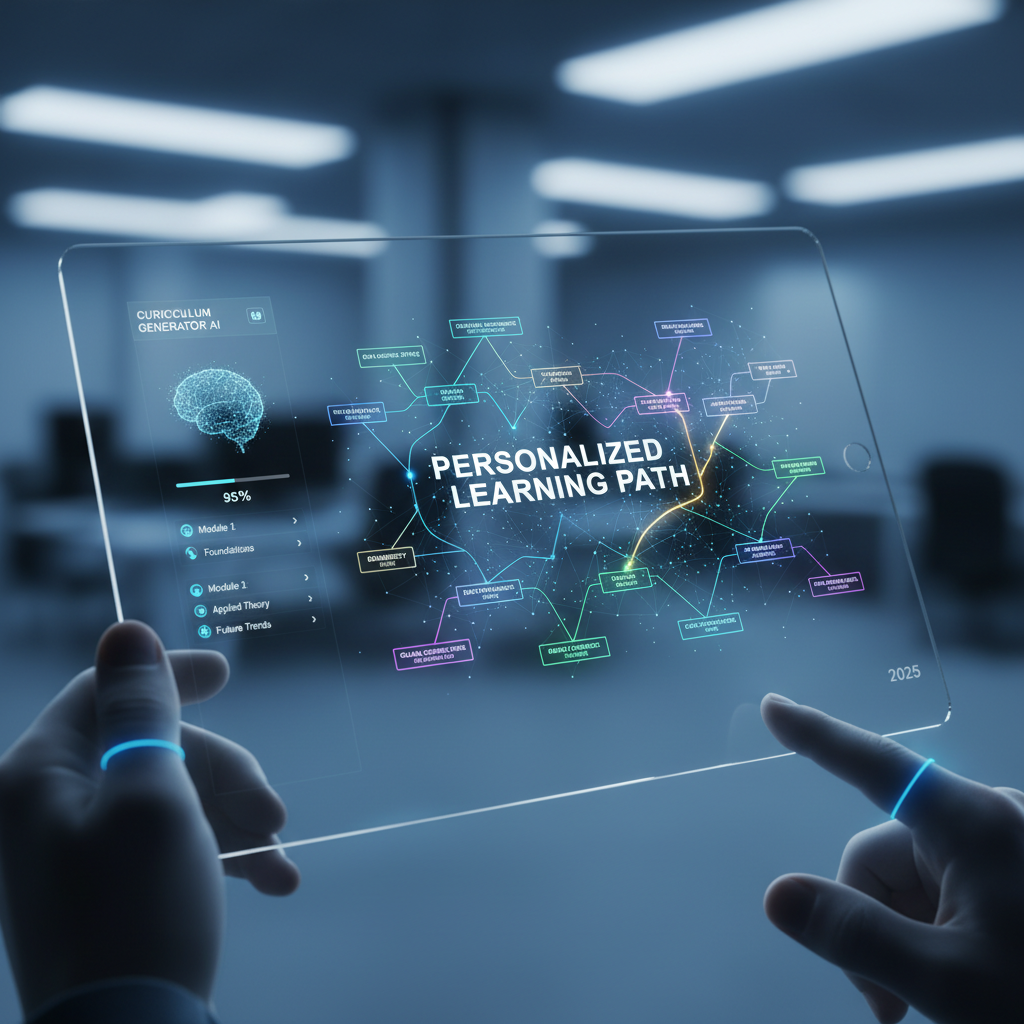
This is perhaps one of the most dynamic features. Instead of a linear curriculum, adaptive learning pathways leverage AI to dynamically adjust the content, sequence, and difficulty of learning materials based on a student’s real-time performance and understanding. If a student demonstrates mastery of a concept, the system can quickly advance them to more challenging topics. Conversely, if they struggle, the system might present remedial content, different explanations, or more practice problems, ensuring that the student receives the right level of challenge to avoid boredom or frustration. This creates a truly individualized learning journey that optimizes engagement and effectiveness.
Advanced Error Analysis and Explanations
Beyond simply marking an answer as wrong, AI systems excel at diagnosing the underlying cause of an error. For instance, in mathematics, an AI might identify if a student has a conceptual misunderstanding, made a calculation error, or applied the wrong formula. For written work, it can pinpoint not just grammatical errors but also logical fallacies, weak arguments, or lack of supporting evidence. Crucially, it then provides clear, step-by-step explanations, hints, or references to relevant learning resources to help the student understand why the error occurred and how to correct it. This goes far beyond traditional feedback’s capability.
Sentiment Analysis and Engagement Monitoring
Some advanced systems incorporate sentiment analysis, particularly in written or verbal interactions, to gauge a student’s emotional state or level of frustration. While still an emerging area, recognizing signs of struggle or disengagement can trigger the system to offer encouragement, simplify tasks, or suggest taking a break. Similarly, engagement monitoring tracks metrics like time spent on tasks, number of attempts, and interaction patterns to understand how actively a student is participating. This data can inform the AI’s adaptive strategies or alert educators to students who might be disengaging.
Personalized Resource Recommendations
Based on a student’s performance, learning style, and identified gaps, AI systems can recommend a curated list of supplementary learning resources. This could include articles, videos, interactive simulations, different textbooks, or even connections to peer tutors. These recommendations are highly targeted, ensuring that students are not overwhelmed by generic content but instead directed to materials most likely to aid their specific learning needs.
Progress Tracking and Performance Dashboards
Both students and educators benefit from intuitive dashboards that visualize progress over time. Students can see their growth, identify areas of improvement, and understand their strengths. Educators, on the other hand, gain a macroscopic view of individual and class performance, highlighting trends, common difficulties, and students who require immediate attention. These dashboards often include metrics on mastery levels, time-on-task, accuracy rates, and even predictions of future performance, enabling proactive interventions.
Automated Essay Scoring and Writing Feedback
This is a particularly impactful component. AI-powered essay scoring goes beyond grammar and spell checks. Using NLP and machine learning, these systems can evaluate essays for:
- Cohesion and Coherence: How well ideas flow and connect.
- Argument Strength: The effectiveness of claims and evidence.
- Vocabulary and Style: Richness of language and appropriateness of tone.
- Organization: Structure, paragraphing, and introduction/conclusion effectiveness.
The feedback is often granular, highlighting specific sentences or paragraphs for revision and suggesting improvements, making it an invaluable tool for developing writing skills.
By integrating these advanced features, modern AI feedback systems provide a holistic and continually optimizing learning environment, pushing the boundaries of what personalized education can achieve.
Addressing Concerns: Ethics, Bias, and Data Privacy in AI Feedback
While the potential benefits of AI-driven personalized feedback systems are immense, it is crucial to address the ethical considerations, potential biases, and data privacy concerns that accompany their deployment. Thoughtful implementation and continuous oversight are necessary to ensure these systems are fair, equitable, and trustworthy.
Ethical Considerations
- Over-reliance and Deskilling: There’s a risk that students might become overly reliant on AI feedback, potentially reducing their capacity for critical self-assessment or independent problem-solving. Similarly, educators might become deskilled in providing nuanced feedback if they rely too heavily on automated systems.
- Human Connection: Education is fundamentally a human endeavor involving empathy, mentorship, and social interaction. AI, no matter how advanced, cannot fully replicate the human connection and emotional support that a teacher provides. The concern is that an overemphasis on AI might dilute this vital aspect of learning.
- Transparency and Explainability: Students and educators need to understand how AI systems arrive at their feedback. If the AI acts as a “black box” where decisions are opaque, trust can erode. Ensuring explainable AI (XAI) is critical so users can comprehend the reasoning behind the feedback and recommendations.
Bias in AI Algorithms
AI systems learn from the data they are trained on. If this data reflects existing societal biases, the AI will perpetuate and even amplify those biases. In education, this could manifest as:
- Algorithmic Bias in Assessment: If training data for essay grading predominantly features writing styles or linguistic patterns common to certain demographic groups, the AI might unfairly penalize or misunderstand submissions from other groups. For example, non-native English speakers or those with different cultural communication styles might receive lower scores not due to lack of understanding but due to algorithmic bias.
- Inequitable Resource Allocation: Predictive models identifying “at-risk” students could inadvertently reinforce existing disparities if the training data contains historical biases related to socioeconomic status, race, or gender. This could lead to an unequal distribution of support or, conversely, a lack of challenge for certain groups.
- Stereotyping: If an AI system is trained on data where certain demographics are historically underrepresented in specific academic fields (e.g., women in STEM), it might inadvertently provide less encouraging feedback or fewer opportunities to those groups, reinforcing stereotypes.
Mitigating bias requires careful curation of training data, diverse development teams, continuous auditing of AI outputs, and incorporating fairness metrics into algorithm design. It is an ongoing challenge that demands vigilance.
Data Privacy and Security
AI feedback systems collect vast amounts of sensitive student data, including academic performance, learning styles, emotional responses, and personal identifiers. This raises significant privacy and security concerns:
- Data Breaches: Educational institutions and AI vendors must implement robust cybersecurity measures to protect this data from unauthorized access, hacking, or misuse. A breach could have severe consequences for student privacy and trust.
- Consent and Control: Clear policies must be in place regarding what data is collected, how it is used, and who has access to it. Students and parents must provide informed consent, and there should be mechanisms for individuals to understand and potentially control their data.
- Commercialization of Data: Concerns exist that student data collected by AI platforms could be monetized or shared with third parties for commercial purposes, which directly conflicts with the primary goal of improving education. Strict regulations and ethical guidelines are essential to prevent this.
- Regulatory Compliance: Adherence to data protection regulations like GDPR, FERPA, and others is paramount. Institutions must ensure that AI systems comply with all relevant legal frameworks governing student data.
Addressing these concerns is not just a technical challenge but a societal one. It requires ongoing dialogue among educators, technologists, policymakers, and the community to establish ethical guidelines, implement robust safeguards, and ensure that AI serves as a beneficial and equitable tool for all learners.
Integrating AI Feedback into Existing Educational Frameworks
The successful adoption of AI-driven personalized feedback systems isn’t about simply deploying technology; it requires thoughtful integration into existing educational frameworks, policies, and pedagogical practices. This transition involves strategic planning, teacher training, and a clear vision for how AI can augment, rather than replace, human instruction.
Phased Implementation and Pilot Programs
Rather than a wholesale overhaul, a phased approach is often most effective. Educational institutions can begin with pilot programs in specific subjects or grade levels to test the efficacy of AI feedback tools. This allows for gathering valuable feedback from both students and educators, identifying pain points, and making necessary adjustments before scaling up. Pilot programs can focus on areas where traditional feedback is most challenging, such as large introductory courses or subjects requiring extensive written work.
Teacher Training and Professional Development
Teachers are central to the success of AI integration. They need comprehensive training not only on how to operate the AI tools but also on how to interpret the data and insights provided by the systems. Professional development should focus on:
- Understanding AI Capabilities: What AI can and cannot do.
- Leveraging AI Insights: How to use AI-generated feedback and data analytics to inform their teaching, differentiate instruction, and provide more targeted human intervention.
- Reframing Their Role: Helping teachers transition from being primary feedback providers to facilitators, mentors, and designers of learning experiences who use AI as a powerful assistant.
- Ethical Use: Discussions around data privacy, bias, and responsible AI implementation.
Empowering teachers with these skills is crucial for them to feel confident and competent in a hybrid learning environment.
Curriculum Alignment and Redesign
AI feedback systems work best when they are aligned with the curriculum’s learning objectives and assessment strategies. This might involve minor adjustments to assignment types, rubrics, or learning sequences to maximize the benefits of AI. For example, if an AI system excels at providing detailed grammar feedback, educators might restructure a writing assignment to allow for more iterative drafts, with AI providing initial feedback and teachers focusing on higher-order thinking skills.
Establishing Clear Guidelines and Policies
Institutions need to develop clear guidelines for the use of AI feedback systems. This includes:
- Data Privacy Policies: Explicit statements on what data is collected, how it’s stored, and who has access, in compliance with regulations like FERPA or GDPR.
- Acceptable Use Policies: For both students and teachers, defining the boundaries and expectations for interaction with AI tools.
- Academic Integrity: How AI feedback tools integrate with existing academic integrity policies, especially concerning AI’s ability to generate content.
- Feedback Hierarchy: Clarifying when AI feedback is primary and when human feedback takes precedence, particularly for complex or subjective tasks.
Fostering a Culture of Continuous Improvement
Integration should be viewed as an ongoing process of learning and adaptation. Regular feedback loops from students, teachers, and administrators are vital for iterating on the implementation strategy. This includes regularly evaluating the effectiveness of the AI tools, addressing user concerns, and adapting to new technological advancements. A growth mindset, both for learners and the institution, is key to successful long-term integration.
By approaching AI integration strategically, with a focus on support, training, and clear guidelines, educational institutions can effectively harness these powerful tools to create more dynamic, personalized, and effective learning environments for all.
The Future of Personalized Learning with AI
The journey of AI in personalized learning is just beginning, and the future holds even more exciting and profound transformations. As AI technologies continue to advance, we can anticipate a learning landscape that is hyper-adaptive, deeply empathetic, and seamlessly integrated into every facet of the educational experience.
More Sophisticated Generative AI for Feedback and Content Creation
Current generative AI models (like GPT-4) are already demonstrating incredible capabilities in generating human-like text and even entire lessons. In the future, these models will become even more adept at:
- Dynamic Curriculum Generation: AI could generate bespoke learning modules, quizzes, and projects on the fly, tailored precisely to a student’s learning gaps and interests, ensuring that content is always relevant and engaging.
- Personalized Explanations: Instead of generic explanations, AI could generate explanations that directly reference a student’s previous work, analogies they understand, or even relate to their personal interests, making complex concepts more accessible.
- Interactive Tutoring Agents: Future AI tutors will engage in much more sophisticated, natural language dialogues, mimicking human tutoring sessions more closely, asking probing questions, and adapting their teaching style in real-time.
Multi-Modal Feedback and Analysis
Beyond text, AI will increasingly process and provide feedback across multiple modalities:
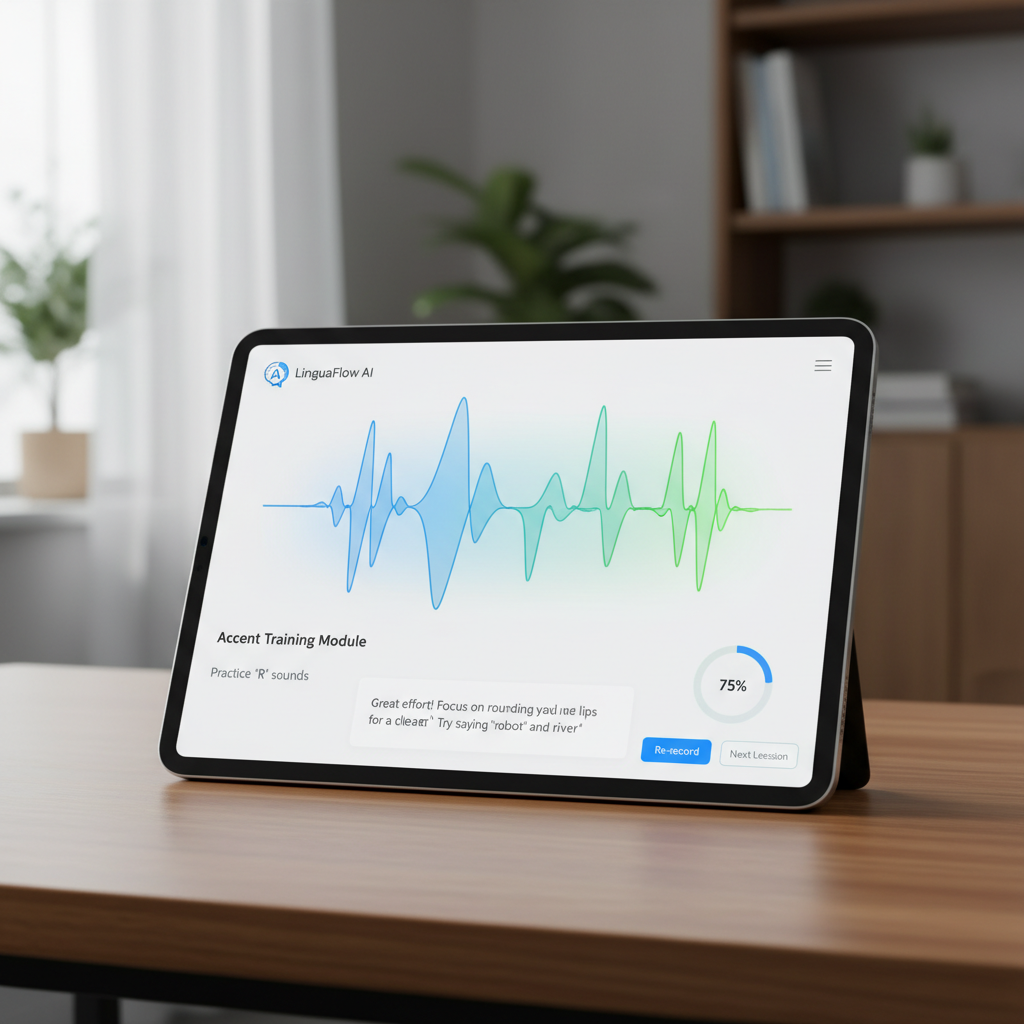
- Voice and Speech Analysis: AI could provide feedback on presentation skills, pronunciation for language learners, or even detect frustration in a student’s voice to offer timely support.
- Image and Video Analysis: For subjects like art, design, or practical sciences, AI could analyze visual submissions, providing feedback on composition, technique, or experimental procedures. In sports or physical education, AI could analyze movement patterns to suggest improvements.
- Virtual and Augmented Reality Integration: AI-powered VR/AR environments could offer immersive learning experiences where feedback is contextual, real-time, and integrated directly into the simulated environment, providing guidance during virtual experiments or complex skill training.
Predictive Analytics for Proactive Intervention and Holistic Development
Future AI systems will leverage even more comprehensive data to offer highly accurate predictive analytics. This won’t just be about predicting academic performance but also identifying potential socio-emotional challenges, signs of disengagement, or even early indicators of learning disabilities. This allows for truly proactive interventions, connecting students with human support services (counselors, special education specialists) before issues escalate. The focus will shift towards holistic student development, recognizing that academic success is intertwined with well-being.
Ethical AI and Trust Frameworks
As AI becomes more pervasive, there will be a stronger emphasis on developing ethical AI frameworks. This includes:
- Bias Detection and Mitigation: Advanced techniques to continuously monitor and correct for algorithmic biases.
- Enhanced Transparency and Explainability: AI systems that can clearly articulate their reasoning and decision-making processes to users.
- Robust Data Governance: Even stricter protocols for data privacy, security, and user consent, potentially involving blockchain technology for immutable data trails.
- Human-in-the-Loop AI: Systems designed to always have human oversight and intervention points, ensuring that AI remains a tool to empower humans, not replace critical human judgment.
Seamless Integration into Daily Learning Ecosystems
The future will see AI feedback systems seamlessly integrated into existing Learning Management Systems (LMS), digital textbooks, and educational apps, becoming an invisible yet indispensable layer of support. Students and educators might interact with AI tools without even consciously realizing it, as the feedback becomes an organic part of the learning process, available anytime, anywhere.
Ultimately, the future of personalized learning with AI promises an educational experience that is more equitable, engaging, efficient, and tailored to unlock the full potential of every learner, fostering not just academic excellence but also lifelong curiosity and adaptability in a rapidly changing world.
Comparison Tables
Table 1: Traditional vs. AI-Driven Personalized Feedback Systems
| Feature | Traditional Feedback System | AI-Driven Personalized Feedback System |
|---|---|---|
| Source | Human teacher, peer, self-reflection | Algorithms, machine learning models, NLP |
| Speed | Delayed (days to weeks) | Immediate (real-time to minutes) |
| Scalability | Limited (challenging with large class sizes) | High (can serve thousands of students simultaneously) |
| Personalization Level | General, often one-to-many, limited individual adaptation | Hyper-personalized, adapts to individual learning styles, pace, and needs |
| Consistency | Variable, prone to subjectivity and human factors | High, objective application of predefined criteria |
| Scope of Analysis | Limited by human capacity (e.g., specific errors) | Comprehensive (grammar, semantics, logic, style, conceptual understanding) |
| Intervention Type | Corrections, general advice, direct instruction | Step-by-step explanations, specific hints, recommended resources, adaptive pathways |
| Learning Style Accommodation | Limited, relies on teacher’s awareness | Dynamic adaptation, offers varied explanations/formats |
| Data Insights for Educators | Anecdotal, informal observations | Detailed analytics dashboards, identification of trends and individual struggles |
| Cost-Effectiveness (at scale) | High labor cost per student for quality feedback | High initial setup, lower marginal cost per student for quality feedback |
Table 2: Types of AI Feedback Systems and Their Applications
| System Type | Core AI Technologies | Primary Application Areas | Example Feedback/Features |
|---|---|---|---|
| Intelligent Tutoring Systems (ITS) | ML, NLP, knowledge representation, cognitive modeling | Mathematics, coding, physics, language learning, complex problem-solving | Real-time hints, step-by-step guidance, adaptive problem sets, diagnostic feedback on misconceptions, personalized learning paths. |
| Automated Essay Scoring (AES) & Writing Assistants | NLP, ML (deep learning for text analysis) | Essay writing, report generation, creative writing, argumentation skills | Grammar, spelling, punctuation, style, coherence, organization, argument strength, vocabulary suggestions, plagiarism detection. |
| Adaptive Learning Platforms | ML (reinforcement learning), EDM, predictive analytics | All subjects, especially foundational skills, test preparation, professional development | Dynamic adjustment of content difficulty, personalized quizzes, recommended resources, mastery tracking, progress reports. |
| Automated Coding/Programming Assessors | Code analysis algorithms, ML, static and dynamic analysis | Computer science, programming languages (Python, Java, C++, etc.) | Correctness checks, efficiency analysis, code style recommendations, identifying bugs, providing test cases, complexity analysis. |
| Spaced Repetition Systems (SRS) | Algorithms based on cognitive science (e.g., Leitner system, SM-2) | Vocabulary acquisition, fact memorization, language learning, medical terminology | Optimal timing for review sessions, flashcard management, confidence-based self-assessment. |
| Language Learning Tutors (Chatbots) | NLP, speech recognition, speech synthesis, ML | Second language acquisition, conversation practice, pronunciation training | Grammar corrections, vocabulary usage, pronunciation feedback, conversational practice, cultural notes. |
| Predictive Analytics for Student Support | ML, EDM, statistical modeling | Early warning systems, student retention, course recommendation, intervention planning | Identification of at-risk students, prediction of dropout rates, personalized course recommendations, alerts for counselors/teachers. |
Practical Examples: AI Feedback in Action
To truly grasp the impact of AI-driven personalized feedback, it helps to look at real-world applications and scenarios where these systems are making a tangible difference.
Scenario 1: Mastering Mathematics with an Intelligent Tutoring System
Consider Sarah, a high school student struggling with calculus. In a traditional classroom, her teacher might review homework once a week, providing general comments. With an AI-driven Intelligent Tutoring System (ITS) like Carnegie Learning’s MATHia, Sarah’s experience is transformed. As she works through problems:
- Real-time Assistance: MATHia detects when Sarah makes a mistake in her algebraic manipulation. Instead of just marking it wrong, it provides an immediate hint, asking her to reconsider her approach or reminding her of a specific rule.
- Step-by-Step Guidance: If Sarah continues to struggle, the system might offer a step-by-step breakdown of the solution, explaining the reasoning behind each step, and then present a similar problem to ensure she applies the learned concept.
- Conceptual Diagnostics: MATHia’s AI identifies if Sarah’s errors stem from a specific conceptual misunderstanding (e.g., difficulty with derivatives of trigonometric functions). It then serves up micro-lessons or interactive exercises focused solely on that concept until she demonstrates mastery.
- Teacher Insights: Sarah’s teacher receives a dashboard view of her progress, highlighting the specific calculus concepts she’s excelling at and those where she consistently struggles, allowing the teacher to provide targeted human intervention during class or one-on-one sessions.
This allows Sarah to learn at her own pace, receive immediate and precise feedback, and build confidence in a challenging subject.
Scenario 2: Refining Writing Skills with AI Writing Assistants
John, a college student, needs to write several research papers, but he struggles with clear articulation and proper citation. Tools like Grammarly or similar AI-powered writing assistants offer invaluable support:
- Comprehensive Grammar and Style Checks: As John types, Grammarly instantly highlights grammatical errors, punctuation mistakes, and stylistic issues. It doesn’t just correct; it explains the rule behind the correction.
- Clarity and Conciseness: The AI suggests rephrasing verbose sentences, eliminating jargon, or restructuring paragraphs to improve readability and flow. For example, it might identify passive voice and suggest an active alternative.
- Vocabulary Enhancement: It proposes stronger synonyms for overused words, helping John enrich his academic vocabulary.
- Tone Detection: Some advanced tools can analyze the tone of John’s writing, indicating if it sounds confident, informal, or aggressive, helping him adjust for the appropriate academic context.
- Plagiarism Detection: Before submission, John can use the plagiarism checker to ensure all his sources are properly cited, reducing the risk of accidental academic misconduct.
With this continuous feedback, John’s writing improves dramatically over the semester, becoming clearer, more concise, and academically sound.
Scenario 3: Personalized Learning Paths in Large Online Courses
Dr. Lee teaches a massive online introductory biology course with thousands of students. Managing individual learning needs is impossible. An adaptive learning platform, such as those used by Coursera’s Specializations or edX’s MicroMasters programs, integrated with AI feedback, makes personalization possible:
- Pre-assessment and Placement: Students take an initial diagnostic test. The AI analyzes their prior knowledge and places them on a personalized learning path, skipping content they already know and providing foundational modules for areas where they are weak.
- Adaptive Quizzing: Throughout the course, quizzes are dynamically generated based on a student’s performance. If a student consistently answers questions about cellular respiration incorrectly, the AI provides more practice questions, different explanations (e.g., video, text, interactive diagram), or directs them to specific sections of the e-textbook.
- Risk Prediction: The AI constantly monitors student engagement and performance. If a student falls behind or struggles with multiple topics, the system flags them as “at risk” and might prompt Dr. Lee to send a personalized encouraging message or offer additional support resources.
- Automated Feedback on Assignments: For short answer questions or lab report sections, the AI provides immediate feedback on correctness and completeness, allowing students to revise before final submission.
This allows Dr. Lee to manage a vast number of students while ensuring each receives a tailored learning experience, significantly improving retention and learning outcomes in a scalable manner.
These examples illustrate how AI is moving beyond simple automation to become an intelligent, responsive, and truly personalized learning companion, enabling students to achieve academic success previously unattainable at scale.
Frequently Asked Questions
Q: What exactly is personalized feedback in the context of AI?
A: Personalized feedback, when delivered by AI, refers to guidance and insights specifically tailored to an individual student’s unique needs, learning style, and performance patterns. Unlike generic feedback, AI systems analyze a student’s particular strengths, weaknesses, common misconceptions, and even their emotional responses to learning tasks. Based on this deep understanding, the AI provides targeted suggestions, explanations, and resources designed to address that student’s precise learning gaps or help them leverage their strengths. This can include adapting the difficulty of tasks, offering varied explanations, recommending specific supplementary materials, or guiding them along an individualized learning path. The goal is to maximize learning efficiency and effectiveness by making the feedback highly relevant and actionable for each learner.
Q: How does AI provide personalized feedback without a human teacher’s direct input?
A: AI systems leverage sophisticated algorithms, machine learning (ML), and natural language processing (NLP) to mimic and even surpass aspects of human feedback. They are trained on vast datasets of educational content, student interactions, and successful learning pathways. When a student interacts with the system, the AI continuously collects data on their responses, errors, time taken, and progress. ML algorithms identify patterns in this data, comparing it against the stored knowledge and previous student performances. NLP allows the AI to understand and generate human language, interpreting written responses for meaning, grammar, and coherence. Based on these analyses, the AI can diagnose specific issues, provide relevant explanations, suggest corrective actions, and adapt the learning environment, all without direct real-time human input for every interaction. Human teachers design the initial framework and monitor overall progress, but the AI handles the granular, immediate feedback.
Q: Is AI feedback reliable and accurate?
A: The reliability and accuracy of AI feedback systems have improved dramatically, especially with advancements in deep learning. For structured tasks like grammar checking, mathematical problem-solving, or coding assessments, AI can be highly accurate and consistent, often exceeding human consistency. For more subjective tasks like essay grading, AI can provide remarkably accurate evaluations of certain aspects (e.g., coherence, vocabulary, argument structure) when trained on large, diverse, and well-graded datasets. However, AI is not infallible. Its accuracy depends heavily on the quality and representativeness of its training data. Biases in training data can lead to biased or inaccurate feedback for certain student demographics or writing styles. While AI provides excellent foundational feedback, complex or highly nuanced assessments often still benefit from human review and interpretation. Reputable AI education tools prioritize continuous improvement and validation of their algorithms.
Q: Can AI replace human teachers in providing feedback?
A: No, AI cannot and should not replace human teachers in providing feedback. Instead, AI serves as a powerful tool to augment and enhance a teacher’s capabilities. AI excels at providing immediate, consistent, and data-driven feedback on routine, repetitive, or objective tasks, freeing up teachers’ time. It can handle the “heavy lifting” of granular error correction and basic explanations. However, human teachers bring invaluable qualities that AI cannot replicate: empathy, understanding of complex social-emotional factors, the ability to inspire and motivate, critical thinking about highly subjective issues, and the capacity for nuanced mentorship and creative problem-solving. The ideal scenario is a hybrid model where AI handles the quantitative and iterative feedback, allowing teachers to focus on qualitative feedback, higher-order thinking, fostering critical discourse, and building meaningful relationships with students.
Q: What are the primary privacy concerns associated with AI feedback systems?
A: The primary privacy concerns revolve around the vast amount of sensitive student data collected by AI systems. This includes academic performance, learning behaviors, personal identifying information, and sometimes even emotional responses. The concerns are: 1) Data Security: The risk of data breaches, hacking, or unauthorized access to sensitive student information. 2) Data Usage: How collected data is used—whether it’s solely for educational improvement or potentially for commercial purposes, profiling, or sharing with third parties without consent. 3) Consent: Ensuring students and parents provide informed consent about data collection and usage, and understanding their rights to control their data. 4) Anonymization: Whether data is sufficiently anonymized to prevent re-identification, especially in research or system improvement. Robust data governance, strict adherence to privacy regulations (like FERPA, GDPR), transparent policies, and strong encryption are essential to mitigate these concerns.
Q: How do these systems handle bias in feedback?
A: Addressing bias in AI feedback systems is an ongoing and critical challenge. AI learns from data, and if the training data reflects existing societal biases (e.g., favoring certain linguistic styles, cultural norms, or demographic groups), the AI can perpetuate or even amplify those biases. Developers mitigate bias through several strategies: 1) Diverse Training Data: Curating training datasets that are representative of a wide range of demographics, writing styles, and learning behaviors. 2) Bias Detection Algorithms: Developing algorithms that can identify and flag potential biases in the AI’s output. 3) Fairness Metrics: Incorporating statistical fairness metrics into the AI’s design to ensure equitable outcomes across different groups. 4) Human Oversight: Continuous human review and auditing of AI feedback to identify and correct emergent biases. 5) Explainable AI: Making the AI’s decision-making process transparent to allow for easier identification of bias. Despite these efforts, vigilance and continuous improvement are necessary to minimize bias.
Q: Are AI feedback systems expensive to implement for schools?
A: The cost of implementing AI feedback systems can vary widely depending on the type of system, its scope, and the size of the institution. Initial implementation can indeed be a significant investment, involving software licenses, integration with existing Learning Management Systems (LMS), and potentially hardware upgrades or teacher training. However, it’s essential to consider the long-term cost-effectiveness. AI systems can lead to substantial savings by automating grading, reducing the need for extensive human intervention in routine tasks, and improving student retention and success rates. For smaller institutions or those with limited budgets, there are often open-source AI tools or scaled-down versions of commercial products, as well as freemium models, that can be a starting point. The return on investment often comes from improved student outcomes, increased efficiency, and the ability to scale personalized learning effectively.
Q: What subjects can benefit most from AI-driven personalized feedback?
A: While virtually all subjects can benefit, those with a high volume of structured data or clear objective criteria tend to see the most immediate and significant impact. These include: 1) Mathematics and Sciences: For problem-solving, step-by-step solutions, and conceptual understanding. 2) Writing and Language Arts: For grammar, syntax, style, coherence, argument structure, and vocabulary. 3) Computer Science/Programming: For code correctness, efficiency, and bug detection. 4) Foreign Languages: For grammar, vocabulary, pronunciation (with speech recognition AI), and conversational practice. Subjects that are more open-ended, highly creative, or deeply dependent on subjective interpretation (like advanced philosophy or art criticism) might still benefit from AI for foundational elements, but will always require significant human input for higher-level analysis and nuanced feedback.
Q: How can students best utilize AI feedback to maximize their academic performance?
A: To maximize benefits, students should: 1) Engage Actively: Don’t just passively accept feedback; actively try to understand the “why” behind corrections and suggestions. 2) Iterate and Revise: Use AI feedback to make immediate revisions and practice concepts repeatedly until mastery. AI thrives on iteration. 3) Supplement with Human Interaction: Bring specific, complex questions arising from AI feedback to their teachers for deeper discussion. 4) Be Reflective: Periodically review their progress dashboards to identify recurring error patterns or areas of strength and adjust their study strategies accordingly. 5) Understand Limitations: Recognize that while AI is powerful, it may not grasp all nuances, especially in subjective areas. Develop critical thinking skills alongside AI assistance. By combining AI’s efficiency with thoughtful engagement and human mentorship, students can significantly enhance their learning and performance.
Q: What are some of the latest developments in AI-driven personalized feedback systems?
A: Recent advancements are pushing the boundaries significantly. 1) Generative AI Integration: Large Language Models (LLMs) like GPT-4 are now being integrated to provide more conversational, context-aware, and nuanced feedback, even generating alternative explanations or personalized examples on the fly. Some systems can even act as personalized writing coaches, helping students brainstorm or structure arguments. 2) Multi-modal Feedback: Systems are increasingly moving beyond text to analyze and provide feedback on voice, video (e.g., presentation skills, physical movements), and even emotional cues. 3) Predictive and Proactive Intervention: Enhanced AI models are getting better at predicting not just academic failure but also signs of disengagement or mental health struggles, allowing for earlier and more targeted human support. 4) Explainable AI (XAI): There’s a growing focus on making AI feedback more transparent, so students and teachers can understand the reasoning behind the AI’s suggestions, building greater trust and enabling deeper learning. These developments promise an even more intelligent and empathetic learning future.
Key Takeaways
- AI-driven personalized feedback systems are transforming education by providing immediate, tailored, and actionable insights to students.
- These systems overcome the limitations of traditional feedback, such as time constraints, inconsistency, and lack of scalability.
- Core AI mechanisms like Natural Language Processing (NLP), Machine Learning (ML), and data analytics power the intelligent analysis and delivery of feedback.
- Benefits for students include enhanced learning outcomes, increased engagement, self-paced learning, and deeper conceptual understanding.
- Educators benefit from significant time savings, objective assessment, data-driven insights, and the ability to focus on strategic teaching and mentorship.
- Key features include adaptive learning pathways, advanced error analysis, personalized resource recommendations, and comprehensive progress tracking.
- Addressing ethical concerns, algorithmic bias, and data privacy is crucial for responsible and equitable AI implementation in education.
- Successful integration requires phased implementation, extensive teacher training, curriculum alignment, and clear policy guidelines.
- The future of AI in personalized learning points towards more sophisticated generative AI, multi-modal feedback, advanced predictive analytics, and robust ethical frameworks.
- AI is not meant to replace human teachers but to empower them and provide students with unprecedented levels of personalized support, thereby elevating academic performance across the board.
Conclusion: The Future is Personalized, Intelligent, and Collaborative
The landscape of education is undergoing a profound transformation, and at the forefront of this revolution are AI-driven personalized feedback systems. We’ve journeyed through their intricate mechanisms, marveled at their multifaceted benefits for both students and educators, and explored their practical applications in real-world scenarios. It’s clear that these intelligent tools are far more than mere technological novelties; they are fundamental shifts in how we approach learning and teaching, offering a powerful antidote to the one-size-fits-all approach that has long characterized traditional education.
By providing immediate, highly specific, and contextually relevant guidance, AI empowers every student to navigate their unique learning journey with greater confidence and efficiency. It demystifies complex concepts, pinpoints hidden struggles, and offers tailored pathways to mastery, ensuring that academic growth is not just an aspiration but a consistent reality. For educators, AI acts as an invaluable assistant, offloading the burden of repetitive tasks and liberating their time and energy to focus on the truly human aspects of teaching: inspiration, mentorship, and fostering critical thinking skills.
However, the successful integration of AI is not without its challenges. Ethical considerations surrounding bias, data privacy, and the delicate balance between human and artificial intelligence demand our continuous vigilance and thoughtful stewardship. The future of education lies not in a competition between human and machine, but in a collaborative synergy where AI amplifies human potential, creating an environment that is more equitable, engaging, and effective for every learner. As we look ahead, the evolution of personalized learning with AI promises an era where education is truly tailored to unlock the full, diverse genius within each individual, paving the way for unprecedented academic achievement and lifelong success. The hidden gems of AI are being discovered, and they are illuminating a brighter path for personalized learning for all.
















































































Leave a Reply