


Personalized Health and Wellness: AI Apps for a Better You
Introduction: The Dawn of Personalized Wellness through Artificial Intelligence
In an increasingly interconnected world, the quest for optimal health and well-being has taken center stage for many individuals. Gone are the days of one-size-fits-all health advice or generic wellness programs. Today, we stand at the precipice of a profound transformation, ushered in by the remarkable advancements in Artificial Intelligence (AI). AI is rapidly revolutionizing how we approach personal health, moving beyond traditional methods to offer hyper-personalized, data-driven insights and support.
Imagine having a dedicated health companion that understands your unique physiology, lifestyle, genetic predispositions, and even your emotional state. An assistant that can analyze vast amounts of personal health data, from sleep patterns and heart rate variability to dietary intake and activity levels, all to provide tailored recommendations that evolve with you. This is no longer the stuff of science fiction; it is the reality made possible by AI-powered wellness applications.
However, the sheer volume of AI health apps available today can be overwhelming. From fitness trackers that adapt to your performance to mental wellness platforms offering cognitive behavioral therapy (CBT) techniques, and nutrition planners that consider your specific metabolic needs, the choices are boundless. The critical question then becomes: how do you navigate this dynamic landscape to select the best AI apps that genuinely empower your health journey?
This comprehensive guide aims to demystify the process. We will explore the various facets of AI in personalized wellness, delve into the types of apps available, highlight essential features to look for, discuss the myriad benefits, address potential challenges, and provide practical advice for making informed choices. By the end of this article, you will be equipped with the knowledge and tools to confidently select AI applications that align with your personal health goals and lead you towards a better, more vibrant you.
The AI Revolution in Personalized Health: A Paradigm Shift
The integration of Artificial Intelligence into health and wellness marks a significant paradigm shift, moving us away from reactive sickness care towards proactive, preventive, and highly individualized well-being management. This revolution is powered by AI’s unparalleled ability to process, analyze, and interpret vast datasets at speeds and scales impossible for humans.
From Generic to Genomic: The Power of Personalization
Traditionally, healthcare and wellness advice have often operated on averages. Dietary guidelines, exercise recommendations, and even medication dosages were frequently based on general population studies. While effective for many, this approach overlooked the profound individual differences in genetics, lifestyle, environment, and even microbiome composition that dictate how each person responds to various interventions.
AI changes this fundamental premise. Machine learning algorithms can ingest data from an incredible array of sources: wearable devices tracking heart rate, sleep, and activity; smart scales measuring body composition; food logging apps detailing macronutrient intake; genomic sequencing results; electronic health records; and even environmental data like air quality. By correlating these diverse data points, AI can construct a holistic, dynamic profile of an individual’s health.
For example, an AI nutrition app might not just suggest a meal plan based on your caloric goals, but also consider your gut microbiome data to recommend specific probiotics, cross-reference your genetic markers for caffeine sensitivity, and adjust meal timings based on your typical sleep-wake cycle derived from your wearable tracker. This level of granular personalization ensures that recommendations are not just relevant but optimally effective for you.
Predictive Analytics and Proactive Intervention
One of AI’s most powerful capabilities in health is predictive analytics. By identifying subtle patterns and anomalies in continuous data streams, AI can often predict potential health issues before they manifest as symptoms. For instance, a sudden, sustained change in heart rate variability, coupled with reduced sleep quality and activity levels, might prompt an AI app to suggest stress reduction techniques or recommend a medical consultation, potentially averting a more serious health problem.
This proactive approach shifts the focus from treating illness to maintaining wellness and preventing disease. It empowers individuals with timely insights, allowing them to make informed decisions about their lifestyle and seek professional help when subtle indicators suggest a need. This capability is particularly transformative for managing chronic conditions, where early intervention and continuous monitoring can significantly improve outcomes and quality of life.
Accessibility and Democratization of Expertise
AI also democratizes access to expert-level health guidance. High-quality health coaching, personalized dietetics, and specialized mental health support have historically been expensive and often inaccessible to many. AI-powered apps, however, can provide scalable, affordable, and on-demand access to scientifically backed programs and virtual guidance.
Whether it is a chatbot delivering cognitive behavioral therapy exercises, a virtual personal trainer adapting workouts based on real-time performance, or a nutrition assistant providing meal prep ideas tailored to specific allergies, AI brings sophisticated health expertise directly to your smartphone. This accessibility breaks down geographical and socio-economic barriers, allowing a broader population to benefit from personalized wellness support.
In essence, the AI revolution is not just about technology; it’s about empowering individuals to take greater control over their health destiny, armed with intelligent insights and personalized strategies that were once unimaginable.
Understanding Different Types of AI Health Apps for Holistic Wellness
The landscape of AI health apps is diverse, catering to a wide array of wellness needs. To make an informed choice, it is crucial to understand the different categories and what they offer. Here’s a breakdown of common types:
- Fitness and Activity Trackers with AI Insights: These apps go beyond merely counting steps. They often integrate with wearables to monitor heart rate, calories burned, distance, and diverse activity types. AI algorithms analyze this data to provide personalized workout recommendations, adjust intensity based on recovery, predict performance plateaus, and even suggest form corrections. Some can create adaptive training plans that evolve with your progress and goals, whether you are training for a marathon or simply aiming for daily activity targets.
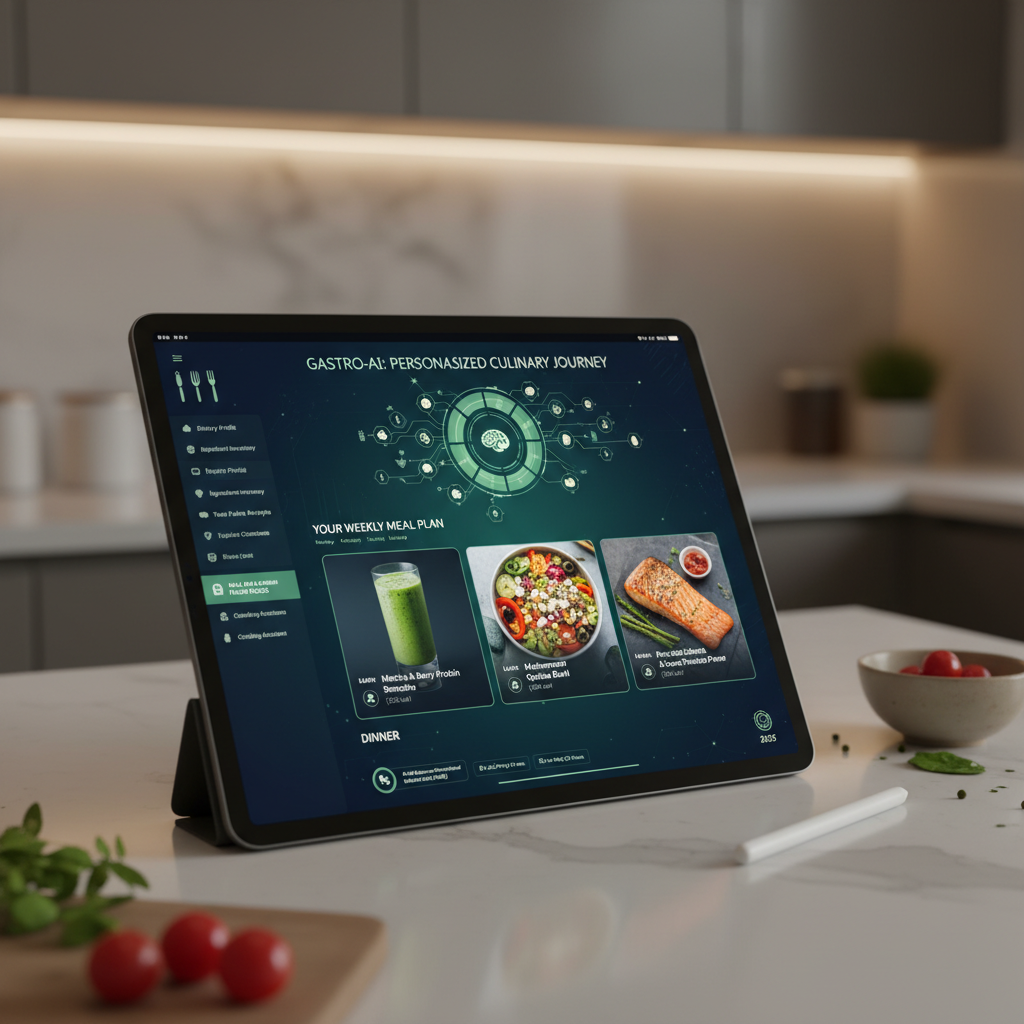
- Nutrition and Diet Planners: These apps leverage AI to create highly personalized meal plans. They consider dietary restrictions (vegan, keto, gluten-free), allergies, personal preferences, activity levels, weight goals, and even genomic data in some advanced versions. AI can analyze food logs to identify nutritional deficiencies, suggest healthier alternatives, optimize macronutrient ratios, and provide insights into eating patterns. They often include extensive food databases and barcode scanners for easy logging.
- Mental Wellness and Mindfulness Apps: Addressing the growing need for mental health support, these AI apps offer various tools. They can include AI chatbots that use techniques from Cognitive Behavioral Therapy (CBT) or Dialectical Behavior Therapy (DBT) to help users manage stress, anxiety, or depression. Other features often involve personalized meditation guides, mood tracking with predictive insights into triggers, breathwork exercises, and journaling prompts designed to promote self-awareness and emotional regulation.
- Sleep Tracking and Improvement Apps: Good sleep is fundamental to overall health. AI sleep apps, often paired with smart mattresses or wearables, monitor sleep cycles (REM, light, deep sleep), interruptions, heart rate variability during sleep, and even snoring. AI then analyzes this data to provide personalized recommendations for improving sleep hygiene, such as optimal bedtime routines, sleep environment adjustments, and insights into how daily activities impact sleep quality. Some apps offer smart alarms that wake you during your lightest sleep phase.
- Chronic Disease Management Apps: For individuals living with chronic conditions like diabetes, hypertension, or asthma, AI apps can be life-changing. They can monitor key health metrics (blood glucose levels, blood pressure, lung function), remind users to take medication, track symptoms, and provide personalized insights into disease progression. Some apps can even detect early warning signs of complications or allow for remote monitoring by healthcare providers, facilitating timely interventions.
- AI-Powered Virtual Coaching: These apps provide a digital approximation of a human coach across various domains like fitness, nutrition, or life coaching. AI algorithms learn your behaviors, motivations, and challenges to offer dynamic, empathetic, and personalized guidance. They can provide motivational messages, gentle nudges, set accountability milestones, and even simulate conversations to help users articulate goals and overcome obstacles, making expert coaching more accessible.
- Holistic Health & Longevity Platforms: Emerging platforms aim to integrate various aspects of wellness, often leveraging AI to connect the dots between diet, exercise, sleep, stress, and even environmental factors. These apps might offer comprehensive health assessments, personalized longevity plans, and integrate data from multiple sources to provide a unified view of your well-being, focusing on preventive health and maximizing lifespan and health span.
Each type serves distinct purposes, but many modern AI wellness apps are increasingly combining features from multiple categories to offer a more integrated and holistic user experience. Understanding these categories helps you pinpoint which apps best address your specific health priorities.
Key Features to Look For in an AI Wellness App
Choosing an AI wellness app requires careful consideration of its features beyond just its core function. Here are the crucial elements that distinguish a truly effective and trustworthy application:
- Robust Data Privacy and Security: This is paramount. Since these apps handle highly sensitive personal health information, ensure they employ strong encryption (both in transit and at rest), comply with relevant data protection regulations (like GDPR in Europe or HIPAA in the US), and have transparent data sharing policies. Always read the privacy policy carefully to understand how your data is collected, stored, used, and who it might be shared with. Prioritize apps that minimize data collection and offer clear controls over your personal information.
- Advanced Personalization Algorithms: The core value of an AI app lies in its ability to adapt to you. Look for apps that demonstrably use machine learning to analyze your unique data (activity, diet, sleep, mood, goals) and provide dynamically adjusting recommendations. Static programs are not personalized. True personalization means the app learns from your inputs and responses over time, refining its guidance constantly.
- Seamless Integration with Other Devices and Platforms: Modern wellness is an ecosystem. An excellent AI app should easily integrate with your existing wearables (smartwatches, fitness bands), smart scales, continuous glucose monitors (CGMs), and even other health apps (like Apple Health or Google Fit). This prevents data silos and provides the AI with a richer, more comprehensive dataset for analysis.
- Intuitive User Interface and User Experience (UI/UX): Even the most sophisticated AI is useless if the app is difficult to navigate or unpleasant to use. A good app should have a clean, intuitive interface, easy-to-understand dashboards, clear visualizations of your progress, and a smooth, responsive user experience that encourages consistent engagement.
- Evidence-Based Approaches and Scientific Backing: For health-related recommendations, it is critical that the app’s methodologies are rooted in scientific research. Look for apps that cite studies, are developed in collaboration with medical professionals, or have undergone clinical validation. Avoid apps making unsubstantiated claims or promising quick fixes without scientific evidence.
- Expert-Backed Content and Coaching: While AI provides the analytical power, human expertise often informs the content and algorithms. Check if the app’s educational materials, workout plans, or dietary advice are developed or reviewed by certified professionals like doctors, registered dietitians, certified personal trainers, or licensed therapists.
- Motivational Features and Community Support: Staying motivated is key to long-term wellness. Effective AI apps often incorporate gamification, progress tracking, streaks, reminders, and positive reinforcement. Some also offer community features, allowing users to connect, share experiences, and engage in challenges, fostering a sense of accountability and shared journey.
- Flexibility and Customization: While AI provides personalized guidance, you should still have some degree of control. The app should allow you to adjust goals, mark preferences, skip activities, or input specific dietary needs that the AI might not have initially considered. It should be a partnership between you and the AI, not a rigid dictatorship.
- Cost and Subscription Models: Evaluate whether the app offers a free trial, a freemium model (basic features free, advanced paid), or a subscription. Understand what features are included in different tiers and if the cost aligns with the value it provides for your specific needs. Be wary of apps that hide essential features behind excessively high paywalls.
- Customer Support and Regular Updates: A responsive customer support team is invaluable if you encounter technical issues or have questions. Regular app updates indicate that the developers are committed to improving functionality, fixing bugs, and incorporating new features or scientific insights.
By scrutinizing these features, you can identify AI wellness apps that are not only technologically advanced but also secure, reliable, user-friendly, and genuinely supportive of your health journey.
The Benefits of AI-Powered Personalized Wellness: A New Era of Health Empowerment
Embracing AI-powered applications for personalized wellness offers a multitude of benefits that extend far beyond simple convenience. These tools are fundamentally reshaping our relationship with health, making it more engaging, effective, and empowering.
Enhanced Motivation and Adherence to Goals
One of the biggest challenges in any wellness journey is maintaining motivation and consistency. AI apps excel here by providing dynamic feedback, celebrating milestones, and offering personalized nudges. Unlike static plans, AI coaches can detect when your motivation might be waning, perhaps through decreased activity or skipped log entries, and respond with encouraging messages, easier modifications, or fresh challenges. Gamification elements, progress visualizations, and virtual rewards keep you engaged, making the process less of a chore and more of an interactive experience. This leads to significantly better adherence rates over the long term.
Proactive Health Management and Early Detection
AI’s ability to continuously monitor and analyze health metrics transforms health management from reactive to proactive. By identifying subtle deviations from your baseline data – changes in sleep patterns, heart rate variability, activity levels, or even mood – AI can flag potential issues before they become serious. For instance, an AI fitness app might detect signs of overtraining, suggesting a rest day to prevent injury. A mental wellness app might identify patterns associated with rising stress levels, prompting you to engage in mindfulness exercises. This predictive capability is invaluable for preventing burnout, averting illnesses, and optimizing recovery, allowing you to address concerns before they escalate.
Greater Accessibility to Expert Advice and Coaching
High-quality, personalized health coaching, nutrition guidance, and mental health support have historically been expensive and often geographically limited. AI apps democratize access to this expertise. They can deliver evidence-based protocols, personalized workout plans developed by virtual trainers, dietary advice from AI dietitians, and therapeutic exercises derived from clinical psychology, all at a fraction of the cost of in-person services. This means individuals in remote areas or those with budget constraints can still benefit from sophisticated, personalized health strategies, significantly lowering barriers to optimal wellness.
Data-Driven Decision Making and Optimized Outcomes
AI transforms your personal health journey into a data-rich, evidence-based endeavor. Instead of guessing what works best, you receive insights derived from your own physiological and behavioral data. This allows for truly optimized outcomes. For example, an AI might determine that your specific body responds best to higher protein intake for muscle growth, or that a particular meditation technique significantly reduces your stress markers. By continuously learning from your inputs and outcomes, the AI refines its recommendations, ensuring you are always on the most effective path towards your health goals. This objective feedback eliminates guesswork and empowers you with actionable intelligence.
Promoting Holistic Well-being and Preventing Burnout
Many AI wellness apps are designed to consider the interconnectedness of various health domains. They understand that sleep affects mood, nutrition impacts energy, and stress can derail fitness goals. By integrating data from multiple aspects of your life, AI can provide a holistic view of your well-being. It can prevent burnout by suggesting rest when activity levels are too high, or recommend stress-reducing activities when mood trackers indicate distress. This comprehensive approach helps users maintain balance, prevent overtraining or overexertion in any single area, and fosters a sustainable path to overall health and vitality.
In essence, AI-powered personalized wellness apps are not just tools; they are intelligent companions that learn from you, adapt to you, and empower you to live a healthier, more fulfilling life with unprecedented precision and support.
Potential Challenges and Considerations in Adopting AI Wellness Apps
While AI wellness apps offer transformative benefits, it is crucial to approach their adoption with a clear understanding of the potential challenges and ethical considerations. A balanced perspective ensures responsible and effective use of these powerful tools.
Data Accuracy and Algorithmic Bias
AI is only as good as the data it’s trained on and the data it receives. If input data from wearables or manual logs is inaccurate, incomplete, or inconsistent (“garbage in, garbage out”), the AI’s recommendations will be flawed. Furthermore, algorithmic bias is a significant concern. If the AI models are predominantly trained on data from a specific demographic (e.g., young, healthy males), their recommendations might not be accurate or appropriate for other groups (e.g., older adults, pregnant individuals, people with certain medical conditions, or different ethnicities). This can lead to ineffective advice or, in some cases, even harm. Users must be aware of these limitations and seek diverse, well-tested apps.
Over-reliance on Technology and Loss of Intuition
There’s a risk of becoming overly dependent on AI apps to guide every health decision, potentially eroding our natural intuition about our bodies. For example, constantly relying on an app to tell you when to eat or how to feel can diminish your body’s innate hunger cues or your ability to self-regulate emotions. While data is valuable, it should augment, not replace, self-awareness and mindful living. It is important to remember that AI is a tool to support, not dictate, your health journey, and periodic “digital detoxes” might be beneficial to reconnect with internal signals.
Ethical Implications and Data Misuse
The collection of vast amounts of personal health data raises profound ethical questions. Who owns this data? How is it protected from breaches? Could it be used for purposes beyond wellness, such as by insurance companies for risk assessment or employers for discrimination? The potential for data misuse, surveillance, and breaches of privacy is significant. Users must exercise extreme caution, prioritize apps with transparent and robust privacy policies, and be mindful of the information they choose to share, even if it promises greater personalization.
The “Human Touch” Aspect and Complex Diagnoses
While AI can provide impressive analytical insights and personalized guidance, it lacks human empathy, intuition, and the nuanced understanding that comes from a doctor-patient relationship. AI apps are not a substitute for professional medical diagnosis or treatment, especially for complex or undiagnosed conditions. They cannot replicate the comfort of a compassionate therapist, the holistic view of a seasoned physician, or the hands-on expertise of a physical trainer. For serious health concerns, AI should be seen as a complementary tool that supports discussions with human healthcare providers, rather than a standalone solution.
Regulatory Landscape and Lack of Standardization
The field of AI in health and wellness is rapidly evolving, and regulatory frameworks are struggling to keep pace. There is a lack of universal standards for app validation, effectiveness, and data security. Unlike medical devices, many wellness apps are not subject to stringent regulatory approval processes like those from the FDA (Food and Drug Administration) in the US, unless they make explicit medical claims. This means consumers often have to rely on their own due diligence to verify the credibility and safety of an app, making the selection process more challenging and potentially risky.
Financial Barriers and Subscription Fatigue
While many apps offer free basic versions, the most advanced AI-powered features often come with a subscription fee. Accumulating multiple subscriptions for various aspects of wellness (fitness, nutrition, mental health, sleep) can become expensive, leading to “subscription fatigue.” This can inadvertently create a divide where the most sophisticated personalized wellness tools are only accessible to those who can afford them, potentially exacerbating health inequalities.
Navigating these challenges requires informed decision-making, critical evaluation, and a commitment to balancing technological support with personal responsibility and professional medical advice. Understanding these limitations is as important as recognizing the benefits.
How to Evaluate an AI Wellness App for Your Specific Needs
With a plethora of AI wellness apps flooding the market, choosing the right one can feel like finding a needle in a haystack. A systematic approach will help you cut through the noise and select an app that truly aligns with your personal health journey.
- Define Your Primary Health and Wellness Goals:
Before you even begin browsing, clearly articulate what you want to achieve. Are you looking to:
- Lose weight and improve body composition?
- Increase fitness levels (strength, endurance, flexibility)?
- Manage a chronic condition (diabetes, hypertension)?
- Improve sleep quality and reduce insomnia?
- Reduce stress, anxiety, or enhance mental resilience?
- Develop healthier eating habits or address dietary restrictions?
- Improve overall longevity and preventative health?
Having clear, specific, measurable, achievable, relevant, and time-bound (SMART) goals will narrow down your search considerably. An app designed for mental wellness won’t be suitable if your primary goal is marathon training.
- Research and Read Comprehensive Reviews:
Once you have your goals, start your research. Look beyond just the app store ratings. Seek out detailed reviews from reputable tech blogs, health and wellness publications, and medical websites. Pay attention to feedback regarding:
- The accuracy and effectiveness of its AI algorithms.
- The quality of personalization.
- User-friendliness and interface design.
- Reliability of data tracking and integrations.
- Customer support responsiveness.
- Any reported issues with data privacy or bugs.
User testimonials can provide valuable real-world insights into the app’s strengths and weaknesses.
- Verify Developer Credibility and Scientific Basis:
Investigate who is behind the app. Does the company have a reputable track record in health tech? Do they have medical advisors, scientists, or certified experts on their team? Is their methodology based on established scientific principles or clinical research? Be wary of apps that lack transparency about their team or make grandiose claims without any scientific backing. Look for certifications or partnerships with academic institutions where applicable.
- Prioritize Data Privacy and Security Policies:
This cannot be overstated. Carefully read the app’s privacy policy and terms of service. Understand exactly what data is collected, how it is stored and protected, and whether it is shared with third parties. Look for clear statements about encryption, compliance with health data regulations (like HIPAA or GDPR), and options for data deletion or anonymization. If a policy is vague or raises red flags, it is best to err on the side of caution and choose another app.
- Take Advantage of Free Trials and Freemium Models:
Many high-quality AI apps offer a free trial period or a freemium version (basic features free, advanced paid). This is an invaluable opportunity to test the app’s UI/UX, evaluate its core functionalities, and see if it genuinely resonates with your preferences and workflow before committing to a subscription. Use the trial to check for bugs, assess the quality of the AI’s recommendations, and ensure seamless integration with your other devices.
- Consider Your Existing Health Ecosystem:
Think about the devices and platforms you already use. Do you have a specific brand of smartwatch (e.g., Apple Watch, Fitbit, Garmin)? Does the app seamlessly integrate with your preferred health tracking platforms (e.g., Apple Health, Google Fit)? Compatibility and easy data transfer are essential for a cohesive and frustration-free experience, allowing the AI to access a broader range of your health data.
- Evaluate Long-Term Commitment and Scalability:
Consider whether the app offers features that will support your evolving goals. Will it continue to be useful as your fitness level improves or your health needs change? Does it provide advanced features for continued growth? Also, assess the sustainability of the subscription model in the long run. An app that can scale with your progress and offer enduring value will be a better investment.
By diligently following these evaluation steps, you can confidently select an AI wellness app that is not only powerful and effective but also safe, reliable, and truly beneficial for your personalized health journey.
Future Trends in AI and Personalized Health: Glimpses into Tomorrow
The evolution of AI in personalized health is far from complete; in fact, we are only just beginning to tap into its immense potential. The next decade promises even more sophisticated and integrated AI solutions that will profoundly reshape how we perceive and manage our well-being.
Hyper-personalization Through Multi-Omics Integration
Current AI apps primarily rely on behavioral and physiological data. The future will see widespread integration of “multi-omics” data – genomics (DNA), proteomics (proteins), metabolomics (metabolites), and especially microbiomics (gut bacteria analysis). AI will synthesize these incredibly complex biological datasets with lifestyle information to create an unprecedentedly detailed and dynamic profile of individual health. This hyper-personalization will allow for truly bespoke recommendations, such as dietary advice tailored to your specific genetic predispositions for nutrient absorption, or exercise routines optimized for your unique mitochondrial function, moving far beyond current capabilities.
Predictive Diagnostics and Early Disease Intervention
Advanced AI models will become even more adept at predictive analytics, moving beyond general wellness suggestions to precise, personalized health forecasting. By continuously monitoring vast streams of biomarker data (from smart toilets, contact lenses, or smart fabrics) and correlating it with environmental factors and genomic information, AI will be able to detect the earliest cellular or molecular signs of disease – years before symptoms appear. This will enable ultra-early, precision interventions, potentially preventing the onset of chronic diseases like diabetes, cardiovascular disease, or even certain cancers, transforming healthcare into true pre-emptive medicine.
Digital Therapeutics (DTx) and AI-Powered Treatments
Digital Therapeutics (DTx) are clinically validated software programs designed to prevent, manage, or treat a medical disorder or disease. The future will see more AI-powered DTx apps gaining regulatory approval (e.g., FDA clearance) to deliver therapeutic interventions. Imagine an AI app prescribing specific cognitive training exercises for ADHD, or an AI-driven chatbot delivering a structured psychotherapy program for depression, all tailored to the individual’s real-time progress and responses. These apps will function as standalone medical treatments, often alongside traditional medicine, expanding access to evidence-based care.
Ambient AI and Seamless Integration into Daily Life
AI will become increasingly ambient, meaning it will seamlessly integrate into our daily environments without requiring active interaction. Smart homes will monitor health passively through sensors in floors, mirrors, and appliances, collecting data on gait, posture, sleep, and even subtle changes in mood or cognition. AI will then process this information to provide proactive wellness support, perhaps adjusting lighting to optimize circadian rhythms, suggesting gentle exercises based on sedentary periods, or alerting caregivers to potential issues for elderly individuals, making health management almost invisible yet always present.
Emotion AI and Enhanced Mental Wellness Support
Emotion AI, or affective computing, will become more sophisticated in recognizing and interpreting human emotions through facial expressions, voice tone, and physiological signals. Integrated into mental wellness apps, this could allow AI to offer more empathetic and context-aware support. Imagine an AI therapist that not only understands your words but also detects subtle shifts in your emotional state to tailor its conversational approach, meditation recommendations, or coping strategies in real-time, providing truly personalized emotional support.
Ethical AI and Transparent Personalization
As AI becomes more pervasive in health, there will be a growing emphasis on ethical AI development. This includes ensuring algorithmic fairness, mitigating bias, and developing transparent AI systems where users can understand *why* a particular recommendation was made. Regulatory bodies will likely establish clearer guidelines for data privacy, security, and algorithmic accountability, building greater trust between users and AI health technologies. The focus will be on AI as a trustworthy partner in health, with robust ethical safeguards.
These trends paint a future where AI is not just a tool but an intelligent, integrated partner in optimizing every aspect of our health and longevity, making personalized wellness more precise, pervasive, and preventative than ever before.
Comparison Tables: Navigating the AI Wellness Landscape
Table 1: Comparison of Popular AI Wellness App Categories
| Focus Area | Key AI Feature | Example App Type | Best For |
|---|---|---|---|
| Fitness & Activity | Adaptive workout planning, real-time form correction, recovery optimization. | AI Personal Trainer, Smart Workout Planner | Individuals seeking dynamic exercise routines, performance enhancement, injury prevention. |
| Nutrition & Diet | Personalized meal plans based on dietary needs, genomics, and activity; nutritional deficiency detection. | AI Diet Coach, Smart Food Logger | Those with specific dietary goals (weight loss, muscle gain), allergies, or chronic conditions (diabetes). |
| Mental Wellness | CBT/DBT chatbots, mood pattern analysis, personalized mindfulness exercises, stress prediction. | AI Therapist Assistant, Mood Tracker & Guide | Individuals managing stress, anxiety, seeking emotional regulation, or enhancing mindfulness. |
| Sleep Improvement | Sleep cycle analysis, personalized sleep hygiene recommendations, smart alarms, disturbance detection. | AI Sleep Coach, Smart Alarm & Tracker | Anyone struggling with sleep quality, insomnia, or aiming to optimize rest and recovery. |
| Chronic Disease Management | Predictive monitoring of biomarkers, medication reminders, personalized insights into disease progression. | AI Diabetes Manager, Blood Pressure Tracker | Patients with conditions like diabetes, hypertension, asthma, needing continuous monitoring and support. |
This table illustrates how different AI capabilities are tailored to specific health domains, helping users identify the category that best matches their primary wellness objectives. Modern apps often blend features from multiple categories to offer a more integrated solution.
Table 2: Data Privacy and Security Features Comparison (Illustrative Examples)
| Feature/App | HealthMind Pro | WellSync AI | LifePulse 360 |
|---|---|---|---|
| End-to-End Encryption | Yes (AES-256 for data in transit and at rest) | Yes (TLS for data in transit; encrypted databases) | Yes (Industry-standard encryption) |
| GDPR/HIPAA Compliance | Fully GDPR and HIPAA compliant | GDPR compliant; working towards HIPAA | Claims compliance, but details less transparent |
| Data Sharing Policy | No user data shared with third parties without explicit, granular consent. | Anonymized, aggregated data may be used for research and product improvement. | Data may be shared with “partners” as per terms of service. |
| User Data Control | Full control: download, delete, anonymize data anytime via app settings. | Option to delete account, but specific data deletion requests may require customer support. | Limited control; data retention policy is long-term with less user manageability. |
| Security Audits | Annual third-party security audits; publicly available reports. | Internal security team; periodic external reviews. | No public information on security audits. |
This comparative table highlights the critical importance of data privacy and security features when selecting an AI wellness app. While the app names are illustrative, the categories represent real differentiators users should investigate. Transparent policies, robust encryption, and user control over data are non-negotiable for sensitive health information.
Practical Examples: AI in Action for Real-World Wellness
To truly appreciate the transformative power of AI in personalized wellness, let’s look at a few hypothetical, yet highly representative, real-world scenarios.
Case Study 1: John’s Weight Loss and Fitness Journey
John, a 45-year-old marketing executive, had been struggling with his weight for years and felt perpetually low on energy. He decided to try an AI-powered fitness and nutrition app, “FitMind AI.” After inputting his current weight, height, activity levels, dietary preferences (he was pescatarian), and his goal to lose 20 pounds and improve stamina, FitMind AI went to work. It analyzed his past week’s activity data from his smartwatch, cross-referenced it with his sleep patterns, and proposed a personalized plan. The plan included:
- Adaptive Workouts: Three strength training sessions per week, with AI adjusting weights and reps based on his reported effort and progress. Two cardio sessions, with suggested routes and intensity levels varying based on his recovery metrics.
- Personalized Meal Plans: Daily pescatarian meal plans that considered his caloric needs, macronutrient distribution for weight loss and muscle preservation, and even suggested recipes based on ingredients he frequently logged. It alerted him when he was under-consuming protein and offered high-protein snack ideas.
- Motivation & Feedback: When John’s sleep quality dipped or his activity levels dropped, the app sent gentle reminders to prioritize rest or offered simpler workout alternatives to prevent burnout. After a week of consistent effort, the AI highlighted his improved heart rate variability and reduced resting heart rate, providing tangible proof of progress that kept him motivated.
Six months later, John had not only reached his weight loss goal but felt more energetic and confident than ever, all guided by FitMind AI’s dynamic support.
Case Study 2: Sarah Managing Stress and Enhancing Mental Resilience
Sarah, a 30-year-old graphic designer, found herself increasingly overwhelmed by work-related stress and anxiety. She turned to “CalmBot AI,” a mental wellness app. Upon onboarding, CalmBot AI asked about her stress triggers, mood fluctuations, and preferred coping mechanisms.
- Mood Tracking & Predictive Insights: Sarah logged her mood daily. Over time, CalmBot AI identified that her stress levels peaked on Tuesday mornings after client meetings. It also noticed a correlation between her late-night screen time and increased anxiety the next day.
- Personalized Mindfulness: Based on these patterns, the AI suggested specific short meditation exercises before her Tuesday meetings and recommended a “digital sunset” routine, gently reminding her to put away screens an hour before bed.
- CBT Chatbot: When Sarah felt particularly anxious, the app’s chatbot engaged her in CBT-inspired conversations, helping her identify negative thought patterns, challenge them, and reframe her perspectives. It taught her grounding techniques and breathing exercises she could use in real-time.
Sarah found that with CalmBot AI’s consistent, tailored support, she was better equipped to manage her stress, her anxiety attacks became less frequent, and she developed healthier emotional regulation skills.
Case Study 3: Mark Optimizing His Sleep for Peak Performance
Mark, a 50-year-old athlete, was looking to optimize his recovery and overall performance. He used “SleepSense AI” in conjunction with his smart mattress and wearable device.
- Detailed Sleep Analysis: SleepSense AI tracked his sleep stages, heart rate, breathing, and even restless movements throughout the night. It identified that while he was getting enough hours, his deep sleep was often fragmented, and he was frequently waking up during REM cycles.
- Environmental Optimization: The app correlated his sleep data with ambient room temperature from a smart thermostat and noticed that his deep sleep was better on cooler nights. It suggested an optimal sleeping temperature range for him.
- Personalized Routines: Based on his fragmented deep sleep, the AI recommended avoiding heavy meals close to bedtime, incorporating evening stretching, and suggested a specific soundscape (e.g., brown noise) known to promote deeper sleep phases for individuals with similar patterns. It also implemented a “smart alarm” to wake him during his lightest sleep cycle.
Within weeks, Mark reported feeling significantly more rested, his athletic performance improved, and he had a newfound understanding of how small adjustments could profoundly impact his sleep quality.
These examples illustrate how AI apps move beyond generic advice, offering truly personalized, dynamic, and effective support that empowers individuals to achieve specific health and wellness outcomes in their everyday lives.
Frequently Asked Questions About AI Wellness Apps
Q: What exactly is an AI wellness app, and how is it different from a regular health app?
A: An AI wellness app leverages Artificial Intelligence, particularly machine learning algorithms, to analyze your personal health data (e.g., from wearables, manual inputs, genetics) and provide personalized, dynamic, and adaptive insights, recommendations, and support. Unlike regular health apps that might offer static programs or simple tracking, AI apps learn from your behavior and physiological responses, continuously refining their guidance to suit your evolving needs, making the experience truly tailored and proactive.
Q: Is my personal health data safe with these AI apps?
A: Data privacy and security are critical concerns. Reputable AI wellness apps employ robust encryption for data in transit and at rest, adhere to strict data protection regulations like GDPR and HIPAA, and have transparent privacy policies. However, the level of security can vary widely. It is essential to carefully read the app’s privacy policy, understand how your data is collected, stored, and shared, and choose apps from trusted developers with strong track records in data protection. Always prioritize apps that give you full control over your data.
Q: Can AI wellness apps replace my doctor or therapist?
A: Absolutely not. AI wellness apps are powerful tools for managing and improving your health and well-being, but they are designed to complement, not replace, professional medical advice, diagnosis, or treatment. They can provide personalized insights, motivational support, and help with self-management, but they lack the human empathy, diagnostic capabilities, and clinical judgment of a qualified healthcare professional. For any serious health concerns, always consult with your doctor or therapist.
Q: How accurate are the recommendations provided by AI health apps?
A: The accuracy of AI recommendations depends on several factors: the quality and quantity of the data inputted (both by the user and from integrated devices), the sophistication of the AI algorithms, and the scientific basis behind the app’s design. While many apps are built on evidence-based principles, inaccuracies can arise from incorrect user inputs or algorithmic biases. Always approach recommendations with a critical mind and cross-reference with professional advice if you have concerns, especially for significant health decisions.
Q: Are AI wellness apps expensive?
A: The cost of AI wellness apps varies significantly. Many apps offer a freemium model, providing basic features for free while charging a subscription fee for advanced AI-powered personalization, premium content, or additional features. Some apps are purely subscription-based. Evaluate the cost against the value and features offered, and always take advantage of free trials to ensure the app meets your needs before committing financially. Consider if the investment supports your long-term health goals.
Q: How do AI apps personalize their recommendations for me?
A: AI apps personalize recommendations by analyzing a rich stream of your personal data. This includes historical and real-time data from wearables (heart rate, sleep, activity), manual inputs (food logs, mood entries, symptoms), demographic information, and sometimes even genomic data. Machine learning algorithms identify patterns, correlations, and deviations unique to you, then generate tailored workout plans, meal suggestions, mindfulness exercises, or health insights that dynamically adapt as your data changes and as the AI learns more about your responses.
Q: What if an AI app gives me advice that doesn’t feel right or is contradictory to other information?
A: If you receive advice from an AI app that feels incorrect, unsafe, or conflicts with information from your healthcare provider or other trusted sources, it is crucial to exercise caution. Do not follow advice that you are uncomfortable with or that seems questionable. Always prioritize the guidance of a medical professional. You should also provide feedback to the app developers if possible, as this can help improve the AI’s future recommendations. Remember, AI is a tool, and human judgment remains paramount.
Q: How do I choose the best AI wellness app for my specific needs?
A: Choosing the best app involves a systematic approach:
- Define your clear health goals (e.g., weight loss, stress reduction, better sleep).
- Research apps that specialize in those areas, reading reviews from trusted sources.
- Prioritize data privacy and security.
- Look for evidence-based approaches and expert-backed content.
- Test apps using free trials to assess user experience and effectiveness.
- Ensure compatibility with your existing devices and health ecosystem.
Consider all factors before committing to ensure the app truly empowers your wellness journey.
Q: Can AI wellness apps really help with chronic conditions?
A: Yes, AI wellness apps can be incredibly beneficial for managing chronic conditions like diabetes, hypertension, or asthma. They can provide continuous monitoring of key biomarkers, offer personalized insights into disease progression, remind users about medication, and track symptoms. Some advanced apps can even detect early warning signs of complications or facilitate remote monitoring by healthcare providers, leading to more proactive and personalized management. However, they should always be used under the guidance and supervision of your medical doctor.
Q: What are the future trends for AI in personalized health?
A: The future of AI in personalized health is exciting. Key trends include hyper-personalization through multi-omics integration (genomics, microbiomics), advanced predictive diagnostics for ultra-early disease intervention, the widespread adoption of AI-powered digital therapeutics (DTx) as prescribed treatments, ambient AI seamlessly integrated into daily life, sophisticated emotion AI for enhanced mental wellness support, and a strong emphasis on ethical AI development with transparent and accountable systems. These advancements promise even more precise and preventative health management.
Key Takeaways: Navigating Your Personalized Wellness Journey with AI
The journey towards personalized health and wellness is undergoing a significant transformation, with Artificial Intelligence serving as a powerful catalyst. As you consider integrating AI apps into your well-being strategy, remember these crucial points:
- AI is a Game-Changer: AI moves health from generic to hyper-personalized, offering data-driven insights and adaptive support tailored to your unique physiology and lifestyle.
- Understand the Landscape: A diverse range of AI apps exists, from fitness and nutrition to mental wellness and chronic disease management. Identify which type aligns best with your specific health goals.
- Prioritize Key Features: When selecting an app, always look for robust data privacy and security, advanced personalization algorithms, seamless device integration, intuitive UI/UX, and evidence-based content.
- Harness the Benefits: AI apps boost motivation, enable proactive health management, democratize access to expert advice, facilitate data-driven decisions, and promote holistic well-being.
- Be Aware of Challenges: While powerful, AI apps come with considerations like data accuracy, algorithmic bias, the risk of over-reliance, ethical implications, and the irreplaceable need for human medical expertise.
- Evaluate Systematically: Define your goals, research thoroughly, verify credibility, scrutinize privacy policies, utilize free trials, and consider long-term compatibility before committing to an app.
- AI Complements, Not Replaces: AI tools are valuable supplements to your health journey but are not substitutes for professional medical diagnosis, treatment, or the nuanced guidance of human healthcare providers.
- Stay Informed on Future Trends: The field is rapidly evolving, with future advancements promising multi-omics integration, predictive diagnostics, digital therapeutics, ambient AI, and ethically transparent systems.
- Empowerment Through Information: By understanding both the potential and limitations of AI, you can make informed choices that genuinely empower you to achieve a healthier, more vibrant life.
Conclusion: Embracing an AI-Powered Future for Your Health
The age of personalized health and wellness is unequivocally here, and Artificial Intelligence stands as its most potent enabler. No longer are we constrained by generalized advice or limited access to expert guidance. Through the analytical prowess of AI, we now have the capacity to understand our bodies, minds, and behaviors with unprecedented precision, paving the way for truly individualized pathways to optimal health.
From custom-tailored fitness routines that adapt to your every performance nuance, to nutritional plans informed by your unique metabolic profile, and mental wellness tools that learn to soothe your specific stressors, AI apps are transforming passive health tracking into proactive, intelligent support. They are empowering millions to take charge of their well-being, fostering greater motivation, earlier detection of potential issues, and a holistic approach to living a healthier, more fulfilling life.
However, with great power comes great responsibility. The landscape of AI wellness apps, while brimming with innovation, also demands discernment. It is imperative that we, as users, approach these technologies with a critical eye, prioritizing apps that demonstrate unwavering commitment to data privacy, scientific rigor, and ethical transparency. We must remember that while AI is an extraordinary tool, it remains just that – a tool designed to augment and enhance human capabilities, not to replace the invaluable wisdom of our own bodies or the compassionate expertise of healthcare professionals.
By thoughtfully defining our health goals, meticulously evaluating app features, understanding both the profound benefits and the inherent challenges, and remaining informed about the exciting future of AI in health, we can confidently navigate this evolving landscape. Embrace this AI-powered future not just as a technological advancement, but as a personal revolution. Select wisely, engage actively, and allow these intelligent companions to empower your journey towards a better, healthier, and more vibrant you.

























































































Leave a Reply