


Discovering Hidden Gems: AI Tools for Personalized Learning
The landscape of education is undergoing a profound transformation, driven by an accelerating wave of technological innovation. At the forefront of this revolution is Artificial Intelligence (AI), a powerful ally poised to redefine how educators teach and how students learn. For years, the ideal of truly personalized education, where instruction is meticulously tailored to each student’s unique needs, pace, and learning style, has remained an elusive goal. Faced with large class sizes, diverse student populations, and limited resources, educators often struggle to provide the individualized attention every learner deserves.
However, the advent of sophisticated AI tools is rapidly turning this aspiration into a tangible reality. AI is no longer a futuristic concept confined to science fiction; it is here, actively working alongside educators to address long-standing challenges. From automating tedious administrative tasks to generating adaptive learning content and providing real-time feedback, AI is empowering teachers to reclaim valuable time, enhance instructional effectiveness, and ultimately, foster unprecedented levels of student success.
This comprehensive blog post delves into the transformative potential of AI in education. We will explore how these intelligent tools serve as more than just technological novelties; they are essential partners in creating dynamic, engaging, and deeply personalized learning environments. We will uncover practical applications, discuss recent developments, and provide a roadmap for educators looking to harness the power of AI to elevate their teaching practices and unlock the full potential of every student.
The Paradigm Shift: Why AI in Education Now?
For generations, the educational model has largely followed a “one-to-many” approach, where a single educator delivers instruction to a diverse group of students. While dedicated teachers have always strived for differentiation, the sheer logistical demands often make truly tailored instruction difficult to sustain. This challenge is further compounded by the ever-increasing volume of knowledge, the rapid evolution of skill requirements in the modern workforce, and the growing diversity of learning needs within classrooms.
Enter Artificial Intelligence. Recent breakthroughs in machine learning, natural language processing (NLP), and data analytics have propelled AI from a nascent technology to a mature, highly capable assistant. These advancements have made AI tools more accessible, intuitive, and powerful than ever before. The “why now” is rooted in several converging factors:
- Data Deluge: Modern education generates vast amounts of data – from assessment scores and assignment submissions to interaction logs with digital learning platforms. AI excels at processing and deriving insights from this data, identifying patterns and trends that human educators might miss.
- Computational Power: The exponential growth in computing power allows AI algorithms to perform complex analyses and generate sophisticated outputs in real-time, making adaptive systems viable.
- Algorithm Refinement: AI algorithms have become increasingly sophisticated, capable of understanding context, generating human-like text, and even creating multimedia content.
- Demand for Personalization: Students and parents increasingly expect education that caters to individual needs, a demand that traditional methods struggle to meet on a large scale.
- Teacher Burnout: Educators face immense pressure and workload. AI offers a pathway to offload repetitive tasks, allowing teachers to focus on higher-value activities like mentorship and complex problem-solving.
This confluence of technological capability and pressing educational need has created a fertile ground for AI to flourish, promising a future where personalized learning is not an exception, but the norm.
AI for Differentiated Instruction: Catering to Every Learner
Differentiated instruction is the cornerstone of effective teaching, yet its implementation is often resource-intensive. AI acts as a powerful enabler, providing educators with tools to genuinely meet students where they are. By analyzing individual student data – including prior knowledge, learning pace, engagement levels, and preferred modalities – AI can dynamically adjust the learning experience.
Adaptive Learning Platforms
These platforms are perhaps the most direct application of AI in personalization. They work by continuously assessing a student’s understanding and then modifying the content, difficulty, and instructional approach in real-time. If a student grasps a concept quickly, the platform might offer more challenging material or move to the next topic. If they struggle, it might provide additional explanations, different examples, or recommend prerequisite materials. Examples include:
- Knewton Alta: An adaptive learning platform that uses AI to personalize the learning path for college students, offering instruction and practice at a granular level based on individual needs.
- DreamBox Learning: Focuses on K-8 math education, using adaptive technology to create personalized learning paths that cater to each child’s unique pace and style.
- Khanmigo (Khan Academy’s AI): An AI-powered tutor and teaching assistant that provides personalized help to students and tools for teachers to create lessons and analyze student progress. It allows students to engage in Socratic dialogue, receive hints without direct answers, and learn problem-solving techniques.
The beauty of these platforms lies in their ability to provide immediate, targeted intervention, ensuring that no student is left behind, and no student is held back. This allows educators to spend less time on broad instruction and more time on high-level guidance, small group work, or addressing specific student challenges.
AI-Powered Content Generation and Curation
Creating varied instructional materials to suit diverse needs is incredibly time-consuming. AI significantly reduces this burden:
- Varying Explanations: An AI tool can rephrase complex concepts in simpler terms, provide analogies, or offer more detailed elaborations instantly. For example, a teacher could ask an AI to “explain photosynthesis to a 5th grader” and then “explain photosynthesis to a high school biology student” to get two distinct, appropriate explanations.
- Customized Examples and Practice Problems: AI can generate an endless array of practice problems tailored to specific learning objectives and difficulty levels, complete with step-by-step solutions. This means students can get more practice exactly where they need it.
- Diverse Modalities: AI can transform text into audio summaries, create visual aids from textual descriptions, or even suggest interactive simulations, catering to auditory, visual, and kinesthetic learners.
This capability frees educators from the rote task of content creation, allowing them to focus on the pedagogical design of the learning experience.
Streamlining Assessment and Feedback with AI
Assessment and feedback are critical components of the learning process, yet they are often the most demanding for educators. Grading papers, providing constructive comments, and tracking progress can consume an enormous amount of time. AI offers revolutionary solutions to automate and enhance these processes, making them more efficient, equitable, and timely.
Automated Grading and Rubric-Based Scoring
While AI has been effective in grading objective tests for decades, recent advancements allow it to assist with more complex assessments:
- Essay Scoring: AI tools can analyze essays for grammar, syntax, coherence, argument strength, and adherence to specific rubrics. While human oversight remains crucial for nuanced literary analysis or highly subjective interpretations, AI can handle the initial pass, identify common errors, and even provide a preliminary score based on established criteria. Tools like Turnitin’s “Draft Coach” provide students with real-time feedback on grammar, spelling, and citation errors as they write.
- Coding and Math Problems: AI can swiftly check the correctness and efficiency of code submissions or step-by-step math solutions, providing immediate feedback to students and flagging areas where they might have misunderstood concepts. Platforms like Gradescope allow instructors to efficiently grade handwritten assignments and automatically grade code.
- Speech-to-Text for Presentations: AI can transcribe student presentations, allowing for easier analysis of content, clarity, and delivery.
The key benefit here is speed and consistency. Students receive feedback much faster, allowing them to apply corrections while the material is still fresh in their minds. Educators can ensure more consistent application of grading standards across a large class.
Personalized Feedback Generation
Beyond just assigning grades, AI can generate highly personalized and actionable feedback. Instead of generic comments, AI can:
- Identify Common Error Patterns: By analyzing submissions from an entire class, AI can highlight prevalent misconceptions or recurring errors, allowing the teacher to address these in a future lesson.
- Suggest Targeted Resources: If a student struggles with a particular concept in an assignment, AI can recommend specific readings, videos, or practice modules to reinforce their understanding.
- Provide Growth-Oriented Comments: AI can be trained to generate feedback aligned with growth mindset principles, focusing on areas for improvement rather than just identifying mistakes.
This kind of tailored feedback significantly enhances the learning loop, making it more effective and empowering for students.
Formative Assessment Tools for Real-time Insights
AI-powered formative assessment tools provide educators with immediate insights into student understanding during a lesson. These tools can:
- Analyze Classroom Responses: When students answer questions or participate in online discussions, AI can quickly synthesize responses, identify areas of confusion, or highlight consensus points.
- Predict Learning Gaps: Based on ongoing performance, AI can alert teachers to students who are at risk of falling behind before a major assessment, allowing for timely intervention.
- Adjust Instruction On-the-Fly: With real-time data, teachers can adapt their teaching strategies, re-explain concepts, or shift to different activities based on the collective understanding of the class.
Tools like those integrated into learning management systems (LMS) or interactive quizzing platforms can provide these granular insights, turning passive learning into an active, responsive process.
Enhancing Content Creation and Curriculum Development
Curriculum development and lesson planning are central to teaching, requiring significant time, creativity, and access to resources. AI is emerging as an invaluable assistant, transforming how educators design, develop, and deliver instructional content.
AI-Powered Lesson Plan Generators
Crafting engaging and effective lesson plans from scratch can be arduous. AI tools can:
- Outline Structures: Generate comprehensive lesson plan outlines based on specified topics, grade levels, learning objectives, and timeframes.
- Suggest Activities: Propose diverse instructional activities, group work ideas, and assessment strategies aligned with learning goals. For example, an educator could input “High school biology lesson on genetics, 45 minutes, focus on Punnett squares” and receive a structured plan with suggested intro, activity, and closure.
- Integrate Standards: Many AI tools can reference and integrate national or local educational standards into lesson plans, ensuring alignment and compliance.
Tools like ChatGPT, Google Gemini (formerly Bard), and specialized education AI platforms can serve as excellent brainstorming partners, providing a strong starting point that teachers can then refine with their pedagogical expertise.
Resource Curation and Accessibility Enhancements
Finding high-quality, relevant resources is a never-ending task. AI simplifies this process:
- Intelligent Search and Curation: AI can scour the internet for articles, videos, simulations, and interactive exercises on a specific topic, filtering for relevance, credibility, and educational appropriateness. Instead of hours of searching, teachers get a curated list in minutes.
- Summarization: AI can generate concise summaries of long articles or research papers, helping educators quickly grasp key information or create study guides for students.
- Multilingual Support: AI translation tools can instantly convert teaching materials into multiple languages, making content accessible to English Language Learners (ELLs) and promoting inclusivity.
- Accessibility Features: AI can automatically generate descriptive alt-text for images, create captions for videos, or even convert text to speech for students with visual impairments or reading difficulties, greatly expanding the reach of educational materials.
This not only saves time but also ensures that educators can provide a richer and more inclusive learning experience for all students.
AI as a Personal Teaching Assistant: Beyond the Classroom
The role of an educator extends far beyond delivering lessons. It involves a myriad of administrative, organizational, and analytical tasks that often divert attention from direct instruction. AI is emerging as an invaluable personal teaching assistant, handling many of these operational burdens and providing critical insights.
Administrative Task Automation
Teachers spend a significant portion of their time on non-teaching duties. AI can automate many of these tasks:
- Communication Drafts: Generating drafts of emails to parents (e.g., progress reports, absence notifications, upcoming event reminders), colleagues, or administrators, saving time on repetitive correspondence.
- Scheduling and Calendar Management: AI can help organize complex schedules, set reminders for meetings, deadlines, and parent-teacher conferences.
- Resource Organization: Categorizing and tagging digital files, documents, and lesson plans for easy retrieval and sharing.
- Report Generation: Compiling data for administrative reports, such as attendance trends, grade distributions, or participation rates.
By delegating these routine tasks to AI, educators can significantly reduce their administrative workload and dedicate more energy to their core mission of teaching and student interaction.
Data Analysis for Identifying At-Risk Students and Tracking Progress
One of AI’s most powerful applications is its ability to analyze vast datasets and identify subtle patterns that are difficult for humans to discern. In education, this translates to proactive support for students:
- Predictive Analytics: AI can analyze student performance data, attendance records, engagement levels, and even behavioral patterns to identify students who are at risk of falling behind or disengaging, often before these issues become critical.
- Progress Tracking: Visualizing individual and class-wide progress over time, highlighting areas of consistent struggle or exceptional improvement. This allows for targeted interventions and celebrations of success.
- Identifying Learning Plateaus: AI can detect when a student has reached a plateau in their learning, prompting the educator to consider alternative teaching strategies or additional support.
This proactive identification allows educators to intervene with personalized support, connect students with resources, or adjust instructional methods before academic challenges escalate. It moves education from a reactive to a highly predictive and preventative model.
Professional Development and Skill Enhancement for Educators
AI tools are not just for students; they can also be powerful resources for educators’ ongoing professional growth:
- Personalized PD Recommendations: AI can suggest relevant professional development courses, workshops, or articles based on an educator’s teaching style, student performance data, or areas they wish to improve.
- Skill-Building Platforms: Educators can use AI to learn new skills, such as coding for educational apps, developing interactive online content, or mastering new pedagogical approaches.
- Feedback on Teaching Strategies: While nascent, some AI tools are being developed to analyze teaching observations or lesson recordings (with proper consent and privacy protocols) to offer constructive feedback on classroom management, questioning techniques, or engagement strategies.
AI can thus become a lifelong learning companion for educators, helping them to continuously refine their craft and stay abreast of best practices and new technologies.
Fostering Engagement and Motivation with AI
Keeping students engaged and motivated is a perennial challenge. AI tools, by virtue of their adaptability and interactive capabilities, offer novel ways to captivate learners and foster a genuine love for learning.
Gamification and Adaptive Challenge Levels
AI can inject elements of play and challenge into educational content, making learning more enjoyable:
- Dynamic Difficulty Adjustment: In educational games or simulations, AI can dynamically adjust the difficulty level of tasks based on a student’s performance. If a student is finding a game too easy, the AI can introduce more complex challenges; if it’s too hard, it can simplify tasks or provide more hints, keeping the student in the optimal zone of proximal development.
- Personalized Rewards and Feedback: AI can personalize rewards or positive reinforcement based on a student’s preferences or progress, making the gamified experience more meaningful.
- Interactive Learning Paths: AI can guide students through interactive narratives or quests where their choices influence the learning path, making the process feel more like an adventure.
Examples like Duolingo for language learning or various math games effectively use AI to maintain engagement through adaptive challenges and immediate feedback, demonstrating the power of gamification.
Virtual Tutors and Chatbots for 24/7 Support
Imagine having a tutor available anytime a student has a question. AI chatbots and virtual tutors are making this a reality:
- Instant Clarification: Students can ask questions about concepts, assignments, or vocabulary at any time of day, receiving immediate, accurate explanations. This is particularly beneficial for students who might be shy about asking questions in class or who are studying outside of school hours.
- Socratic Dialogue: Advanced AI tutors like Khanmigo can engage students in Socratic-style dialogue, guiding them to discover answers independently rather than simply providing them. This encourages deeper critical thinking and problem-solving skills.
- Practice and Review: Chatbots can provide personalized quizzes, flashcards, or practice scenarios, reinforcing learning and preparing students for assessments.
These AI companions provide an additional layer of support, extending the learning environment beyond the classroom walls and catering to individual learning schedules.
Personalized Recommendations for Extracurricular Learning
Learning isn’t confined to the curriculum. AI can inspire students to explore interests beyond the required coursework:
- Interest-Based Content: Based on a student’s performance, engagement patterns, or expressed interests, AI can recommend relevant books, documentaries, online courses, podcasts, or even local workshops and events.
- Career Exploration: AI can help students explore potential career paths by linking their academic strengths and interests to various professions, providing information on required skills and educational pathways.
- Skill Development: Recommending platforms or resources for developing soft skills (e.g., critical thinking, collaboration) or hard skills (e.g., coding, instrument playing) based on observed aptitudes.
By acting as a personalized guide to the vast world of knowledge, AI can foster intrinsic motivation and a lifelong passion for learning.
Ethical Considerations and Best Practices for AI Integration
While the benefits of AI in education are compelling, its responsible integration demands careful consideration of ethical implications and adherence to best practices. Ignoring these aspects could undermine trust, perpetuate inequalities, or compromise student well-being.
Data Privacy and Security
The use of AI in education often involves collecting and analyzing sensitive student data. Protecting this information is paramount:
- Compliance with Regulations: Schools and educators must ensure that all AI tools and practices comply with relevant data privacy laws (e.g., FERPA in the US, GDPR in Europe) regarding student information.
- Transparent Data Use Policies: Clearly communicate to students, parents, and guardians what data is collected, how it is used, who has access to it, and for how long it is stored.
- Anonymization and Aggregation: Where possible, use anonymized or aggregated data to train AI models or generate reports, especially when individual student identification is not necessary.
- Secure Platforms: Only use AI tools and platforms that have robust security measures in place to prevent data breaches and unauthorized access.
Prioritizing data privacy builds trust and ensures that AI serves as a beneficial tool without compromising student rights.
Bias in Algorithms: Ensuring Fairness and Equity
AI models are only as unbiased as the data they are trained on. If training data reflects existing societal biases, the AI can perpetuate or even amplify those biases:
- Auditing for Bias: Regularly audit AI algorithms and their outputs for potential biases related to race, gender, socioeconomic status, or disability. This is crucial in areas like automated grading or predictive analytics for at-risk students.
- Diverse Training Data: Advocate for and utilize AI tools developed with diverse and representative training datasets to minimize inherent biases.
- Human Oversight: Always maintain human oversight, especially in critical decision-making processes (e.g., determining interventions for struggling students, making admissions recommendations). AI should inform, not dictate, these decisions.
- Equity of Access: Ensure that access to AI tools does not exacerbate the digital divide. Provide equitable access and training for all students and educators.
Addressing algorithmic bias is essential to ensure that AI fosters equity and provides fair opportunities for all learners.
Maintaining Human Connection: AI Augments, Not Replaces, the Educator
Perhaps the most critical ethical consideration is the role of the human educator. AI should be viewed as an augmentative technology, enhancing human capabilities, not replacing them:
- Focus on High-Value Interaction: By automating mundane tasks, AI allows educators to focus more on mentorship, emotional support, complex problem-solving, and fostering critical thinking – areas where human empathy and intuition are indispensable.
- Building Relationships: The unique connection between a teacher and a student, built on trust, understanding, and personal interaction, cannot be replicated by AI. Educators must continue to prioritize building these relationships.
- Critical Thinking About AI Outputs: Teach students and educators to critically evaluate AI-generated content and insights, understanding its limitations and potential inaccuracies.
AI’s true power lies in its ability to free educators to be more human, more empathetic, and more effective in their unique role as mentors and guides.
Teacher Training and Professional Development
Effective AI integration requires that educators are well-prepared to use these tools responsibly and strategically:
- Skill Development: Provide comprehensive training for teachers on how to effectively use various AI tools, understand their functionalities, and integrate them into their pedagogical practices.
- Ethical Frameworks: Educate teachers on the ethical considerations of AI, including data privacy, bias, and the importance of human oversight.
- Ongoing Support: Offer continuous professional development and support systems as AI technologies evolve, ensuring educators remain confident and competent users.
Investing in teacher training is an investment in the successful and ethical future of AI in education.
The Future Landscape: What’s Next for AI in Education?
The current state of AI in education, while impressive, is merely the beginning. The pace of technological advancement suggests an even more integrated, sophisticated, and transformative future. What can we expect to see on the horizon?
- Hyper-Personalized Learning Paths: Beyond adapting content, future AI will likely create truly unique learning trajectories for each student, dynamically adjusting goals, timelines, and even pedagogical approaches based on comprehensive psychometric and cognitive data. This could include personalized “just-in-time” learning resources delivered the moment a student expresses curiosity or hits a learning block.
- AI-Powered Virtual Reality (VR) and Augmented Reality (AR): Imagine students exploring historical events through immersive AR experiences guided by AI, or conducting complex science experiments in AI-generated VR labs that adapt to their hypotheses. This would make learning incredibly experiential and engaging.
- Focus on Soft Skills Development: While current AI excels at cognitive tasks, future iterations will likely play a larger role in developing critical soft skills such as creativity, collaboration, communication, and emotional intelligence through interactive simulations and personalized feedback.
- Intelligent Tutoring Systems (ITS) with Emotional Intelligence: AI tutors may evolve to not only understand academic needs but also recognize and respond to a student’s emotional state, offering encouragement, detecting frustration, and adjusting their interaction style accordingly.
- AI for Teacher Well-being: Beyond administrative tasks, AI could assist teachers with workload management, stress detection, and personalized recommendations for professional growth and mental health support, addressing the pervasive issue of teacher burnout.
- Decentralized AI and Blockchain for Credentials: AI could facilitate secure, verifiable digital credentials and portfolios stored on blockchain, allowing students to own and manage their learning records and achievements throughout their lives.
- Global Educational Equity: As AI tools become more sophisticated and accessible, they hold the potential to democratize high-quality education, providing personalized learning opportunities to students in remote areas or under-resourced communities worldwide.
The future of AI in education is one of profound potential, promising a learning environment that is more adaptive, engaging, and equitable than ever before. It will require ongoing collaboration between educators, technologists, policymakers, and communities to navigate this exciting, complex, and rapidly evolving landscape responsibly.
Comparison of AI Tools for Educators
To illustrate the diversity and utility of AI tools, let’s compare different categories that empower educators in distinct ways. This table highlights their primary function, key benefits, and typical applications.
| AI Tool Category | Primary Function | Key Benefits for Educators | Typical Use Cases |
|---|---|---|---|
| Adaptive Learning Platforms | Personalizes content delivery and pace based on individual student performance. | Ensures tailored instruction, identifies learning gaps, provides individualized support, frees teacher for targeted intervention. | Math and ELA curricula, science simulations, test preparation, skill remediation. |
| AI Content Generators | Creates new educational materials (text, questions, outlines) or modifies existing ones. | Saves time on lesson planning, diversifies instructional materials, caters to various learning styles, enhances accessibility. | Generating lesson plans, creating differentiated assignments, summarizing texts, rephrasing complex concepts, writing quiz questions. |
| Automated Assessment & Feedback Tools | Grades assignments, provides structured feedback, detects plagiarism, analyzes performance data. | Reduces grading workload, offers consistent and timely feedback, identifies common errors, tracks student progress efficiently. | Grading essays (grammar, structure), coding assignments, multiple-choice tests, providing formative feedback on drafts, plagiarism checks. |
| AI Virtual Tutors & Chatbots | Offers 24/7 personalized assistance, answers questions, provides hints, engages in Socratic dialogue. | Extends learning support beyond classroom hours, encourages independent problem-solving, reduces student frustration, caters to diverse learning paces. | Homework help, concept clarification, language practice, exam review, Socratic tutoring sessions. |
| AI for Administrative Support | Automates routine tasks like scheduling, communication drafting, and data organization. | Reduces administrative burden, saves time, improves efficiency in non-instructional duties, allows teachers to focus on teaching. | Drafting parent emails, organizing digital resources, scheduling appointments, generating basic performance reports. |
This second table focuses on popular AI writing assistants, which, while general-purpose, offer significant utility for educators in content creation and communication.
| AI Tool Name (Examples) | Key Features for Educators | Primary Educator Benefit | Considerations / Best Practices |
|---|---|---|---|
| ChatGPT (OpenAI) | Generates text (lesson plans, rubrics, questions), summarizes articles, brainstorms ideas, explains complex concepts, writes email drafts. | Rapid content generation, idea generation, quick concept clarification. | Verify accuracy, check for bias, refine prompts for specific educational context, understand ethical use. |
| Google Gemini (formerly Bard) | Similar to ChatGPT, integrates with Google Workspace, can pull real-time information, generate various text formats. | Seamless integration with existing Google tools, access to up-to-date information, versatile content creation. | Ensure data privacy settings are appropriate, teach students critical evaluation of AI outputs. |
| Microsoft Copilot (in MS Office) | Assists in Word (drafting, summarizing), PowerPoint (creating slides), Excel (data analysis), Outlook (email drafts). | Boosts productivity across common office applications, streamlines administrative and content creation tasks. | Requires Microsoft 365 subscription, ensure school-wide implementation and training. |
| Turnitin (AI Writing Detection, Draft Coach) | Detects AI-generated text, provides real-time feedback on grammar, style, and citations to students. | Maintains academic integrity, supports student writing development, reduces time spent on basic error correction. | Use AI detection as a guide, not definitive proof; focus on process and learning, not just detection; integrate into writing instruction. |
Practical Examples: AI in Action in Real-World Classrooms
To truly grasp the impact of AI, let’s consider a few real-world scenarios where educators are leveraging these tools to transform their teaching and student outcomes.
Scenario 1: High School History Teacher – Differentiated Essay Feedback
Ms. Chen teaches AP U.S. History, a demanding course with a significant writing component. Each essay submission used to take her 20-30 minutes to grade, providing detailed feedback on historical accuracy, analytical depth, evidence use, and argumentative structure. With a class of 150 students across five sections, this was an overwhelming task, often leading to delayed feedback for students.
AI Solution: Ms. Chen now uses an AI-powered writing assistant (e.g., integrated into her LMS or a specialized writing tool). Students submit their essays, and the AI immediately provides initial feedback focusing on:
- Grammar and Syntax: Basic corrections and suggestions.
- Citation Accuracy: Checks for common errors in formatting.
- Structural Coherence: Identifies if paragraphs flow logically and if topic sentences are clear.
- Prompt Adherence: Gives a preliminary assessment of whether the essay addresses all parts of the prompt.
Students can then revise their essays based on this AI feedback before Ms. Chen even sees them. When she receives the revised essays, the AI has already highlighted potential areas of concern, allowing her to focus her valuable time on providing nuanced, higher-level feedback on historical interpretation, argumentative strength, and conceptual understanding. This approach has drastically reduced her grading time, increased the quality of student writing, and provided students with much faster, actionable feedback, improving their learning cycle.
Scenario 2: Elementary School Teacher – Customized Reading Comprehension
Mr. Davies teaches a diverse 3rd-grade class where reading levels vary significantly. Some students are reading above grade level, while others are still mastering foundational skills. Finding a single text or set of questions that challenges everyone appropriately is nearly impossible.
AI Solution: Mr. Davies uses an AI content generation tool. He inputs a core story or topic (e.g., “the life cycle of a butterfly”) and specifies three different reading levels (e.g., “beginner,” “intermediate,” “advanced”). The AI then generates:
- Three Versions of the Text: Each version is adapted to the specified reading level, using simpler vocabulary and sentence structures for beginners, and more complex language and detail for advanced readers.
- Differentiated Comprehension Questions: For each text version, the AI creates a set of questions tailored to the cognitive demands of that level – basic recall for beginners, inferential questions for intermediate, and analytical/synthesis questions for advanced.
- Vocabulary Support: For the beginner text, the AI also generates a list of key vocabulary words with simple definitions and example sentences.
This allows Mr. Davies to provide every student with an engaging and appropriately challenging reading experience, maximizing their opportunity for success and growth. He can then dedicate his time to small group instruction, targeting specific reading strategies for each group.
Scenario 3: University Professor – Efficient Course Management and Data Insights
Dr. Lee, a professor teaching a large introductory psychology course, faced challenges managing student communications, tracking engagement, and identifying struggling students early enough to intervene effectively.
AI Solution: Dr. Lee integrates AI features within her university’s Learning Management System (LMS) and uses external AI tools for administrative support:
- Automated Communication: An AI tool helps draft personalized announcements for common questions (e.g., “What’s on the midterm?”). It also assists in generating weekly summary emails to students, highlighting key deadlines and upcoming topics.
- Engagement Analytics: The LMS’s AI capabilities analyze student interaction with online course materials – how often they log in, which readings they access, participation in discussion forums. This data helps Dr. Lee identify students who might be disengaging.
- Predictive Intervention: The AI flags students whose grades are trending downwards, or who have missed several assignments, suggesting they might be at risk. This allows Dr. Lee to reach out proactively, offering support or directing them to university resources (e.g., tutoring, counseling) before it’s too late.
- Research Assistance: Dr. Lee uses AI to quickly summarize recent research papers for her lectures and to brainstorm new research questions.
These AI-powered insights and automations free Dr. Lee from routine administrative tasks, allowing her to focus on deeper student engagement, providing mentorship, and enriching her course content based on real-time data about student needs.
Scenario 4: Language Teacher – AI Chatbots for Conversational Practice
Ms. Garcia teaches Spanish to middle schoolers. Her biggest challenge is providing enough conversational practice for each student, especially given varying comfort levels and speaking speeds in a classroom setting.
AI Solution: Ms. Garcia integrates an AI-powered language chatbot into her curriculum. Students can access the chatbot on their devices:
- Personalized Conversations: Students engage in one-on-one conversations with the AI in Spanish. The AI adapts its responses to the student’s proficiency level, offers corrections, and suggests vocabulary.
- Role-Playing Scenarios: The chatbot can simulate real-life scenarios, like ordering food at a restaurant, asking for directions, or making travel plans, allowing students to practice practical language use in a low-stakes environment.
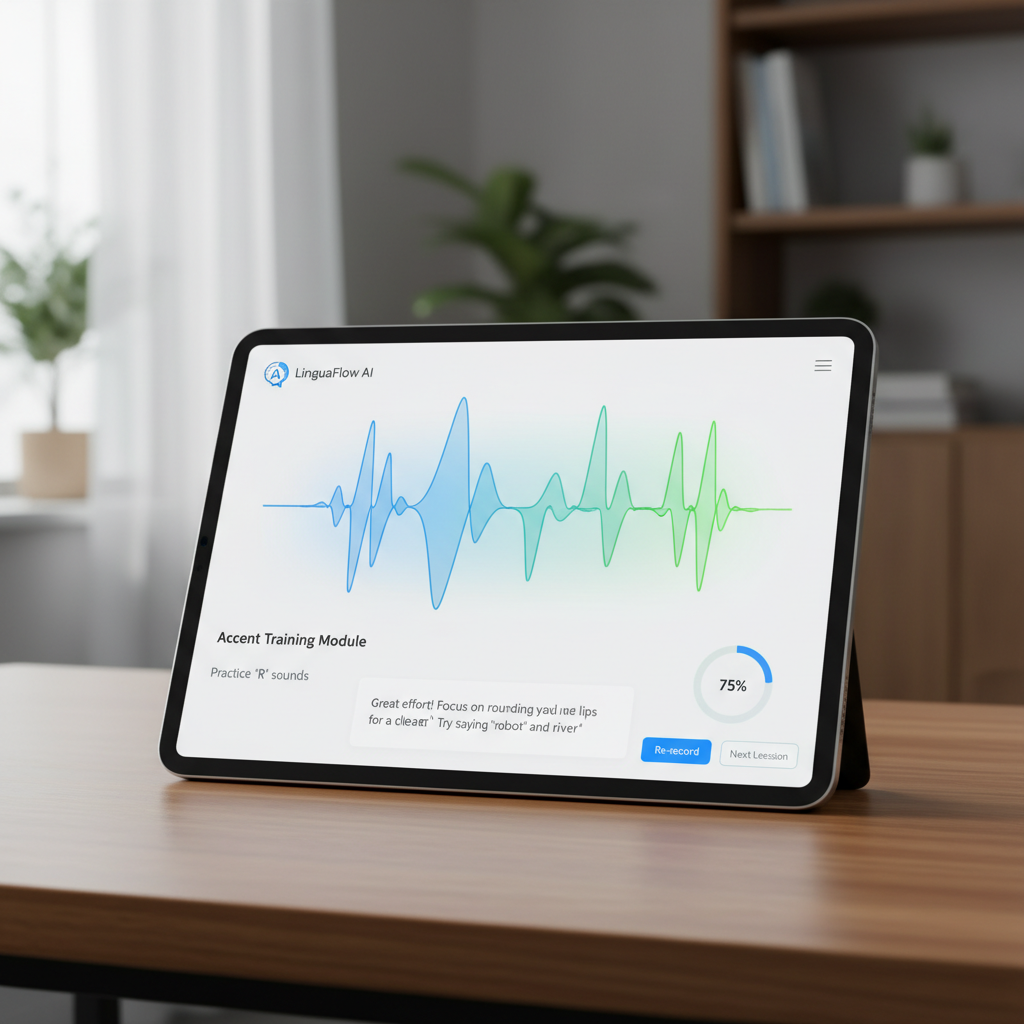
- Pronunciation Feedback: Some advanced chatbots can even provide basic feedback on pronunciation using speech recognition technology.
This provides every student with unlimited, non-judgmental practice opportunities, building their confidence and fluency outside of structured classroom time. Ms. Garcia can then use class time for more complex discussions, cultural immersion, and targeted communicative activities based on insights gathered from student interactions with the AI.
Frequently Asked Questions
Q: What exactly is AI in the context of education?
A: In education, AI refers to computer systems designed to perform tasks that typically require human intelligence. This includes learning from data, recognizing patterns, understanding natural language, making predictions, and generating content. For educators, AI tools manifest as adaptive learning platforms, automated grading systems, intelligent tutoring systems, content creators, and administrative assistants. The goal is not to replace human educators, but to augment their capabilities, personalize learning for students, and streamline educational processes.
Q: Is AI going to replace teachers in the future?
A: The overwhelming consensus among educators and technologists is no, AI will not replace teachers. Instead, AI is a powerful tool designed to augment and empower educators. Teachers bring empathy, critical thinking, nuanced understanding of student well-being, social-emotional development, and classroom management that AI cannot replicate. AI can handle repetitive tasks, provide data insights, and personalize content, freeing teachers to focus on mentorship, complex problem-solving, building relationships, and fostering critical human skills that are invaluable in a learning environment.
Q: How can AI specifically help with differentiated instruction?
A: AI significantly enhances differentiated instruction by providing personalized learning paths. Adaptive learning platforms use AI to assess a student’s current knowledge and pace, then dynamically adjust the curriculum, content, and difficulty level to match their individual needs. AI can also generate multiple versions of texts, questions, and examples at varying difficulty levels, or convert content into different modalities (e.g., text to audio) to cater to diverse learning styles. This ensures every student receives instruction that is appropriately challenging and supportive.
Q: What are the primary privacy concerns when using AI tools in schools?
A: The main privacy concerns involve the collection, storage, and use of sensitive student data. Key issues include:
- Data Security: Ensuring student data is protected from breaches and unauthorized access.
- Consent: Obtaining informed consent from parents/guardians and students regarding data collection.
- Transparency: Clearly communicating what data is collected, how it’s used, and for what purpose.
- Compliance: Adhering to relevant data privacy laws like FERPA (US) or GDPR (Europe).
- Vendor Policies: Understanding the privacy policies of AI tool providers and ensuring they align with school values and legal requirements.
It is crucial for schools to implement robust data governance policies and choose reputable AI partners.
Q: How much does AI education software cost, and are there free options?
A: The cost of AI education software varies widely. Enterprise-level adaptive learning platforms for entire school districts can be quite expensive, involving per-student licenses or subscription fees. However, many individual AI tools offer free tiers or trial periods. General-purpose AI models like OpenAI’s ChatGPT (basic version) or Google Gemini are often free to use. There are also open-source educational AI projects and free integrations with existing LMS platforms. Educators can start by exploring free tools and then consider paid options as their needs and budget allow.
Q: Do I need to be a tech expert to effectively use AI tools in my classroom?
A: No, you do not need to be a tech expert. Many AI tools are designed with user-friendly interfaces, making them accessible to educators with varying levels of technological proficiency. The key is a willingness to explore, experiment, and learn. Most tools come with tutorials, and professional development resources are increasingly available. While a basic understanding of how AI works can be beneficial, the focus should be on how to leverage the tool effectively to meet pedagogical goals, not on programming or complex technical knowledge.
Q: How can AI help prevent academic dishonesty, like cheating or plagiarism?
A: AI tools can assist in preventing academic dishonesty in several ways:
- Plagiarism Detection: AI-powered tools (like Turnitin) can detect textual similarities and identify instances of plagiarism, including sophisticated attempts at paraphrasing.
- AI Content Detection: New AI models can analyze writing styles and patterns to identify text generated by other AI tools, helping educators differentiate between human and machine-generated submissions.
- Adaptive Assessments: By creating unique versions of tests and quizzes for each student, AI makes it harder to share answers.
- Formative Feedback: Providing timely and personalized feedback throughout the writing process encourages students to learn and revise, reducing the incentive to cheat.
It’s important to view AI detection as a tool to guide conversations about academic integrity, rather than a sole definitive judgment.
Q: How can AI support students with special educational needs or disabilities?
A: AI offers significant support for students with special needs:
- Accessibility Features: AI can convert text to speech, generate alt-text for images, provide captions for videos, and translate content into various languages, making materials accessible for students with visual, auditory, or language-based disabilities.
- Personalized Support: Adaptive learning platforms can adjust content difficulty, pace, and presentation style to suit specific learning differences, providing targeted interventions.
- Assistive Technology: AI-powered assistive technologies can help with communication (e.g., text-to-speech, predictive text for writing), motor skills (e.g., voice-activated controls), and cognitive support (e.g., reminders, organization tools).
- Virtual Tutors: AI chatbots provide patient, non-judgmental, and repetitive practice, which can be highly beneficial for students who need more time and different approaches to grasp concepts.
These tools help create a more inclusive and equitable learning environment.
Q: What ethical considerations should educators keep in mind when using AI?
A: Educators should be mindful of several ethical considerations:
- Bias: AI algorithms can reflect and amplify biases present in their training data. Educators must critically evaluate AI outputs for fairness and ensure equitable outcomes for all students.
- Transparency: Be transparent with students and parents about how AI tools are used and what data is collected.
- Human Oversight: AI should always be a tool to inform human judgment, not replace it, especially in critical decisions about student progress or well-being.
- Maintaining Human Connection: Ensure AI enhances, rather than diminishes, the vital human connection between teachers and students.
- Digital Divide: Ensure that the introduction of AI tools does not exacerbate existing inequalities in access to technology or digital literacy.
- Student Agency: Promote critical thinking and digital citizenship, empowering students to understand and critically evaluate AI and its outputs.
Responsible AI integration requires ongoing reflection and adaptation.
Q: How can educators stay updated on the latest AI tools and best practices?
A: Staying updated in the rapidly evolving AI landscape requires continuous effort:
- Professional Learning Communities: Join online forums, social media groups, or local professional development workshops focused on EdTech and AI.
- Educational Technology Conferences: Attend conferences that showcase the latest AI tools and research in education.
- Follow Experts: Subscribe to newsletters, blogs, or podcasts from leading EdTech researchers, practitioners, and organizations.
- Experiment Safely: Dedicate time to explore new AI tools in a safe, low-stakes environment, starting with free versions or pilot programs.
- School/District Initiatives: Participate in school or district-level training and pilot programs for new technologies.
- University Research: Keep an eye on publications from university research centers focusing on AI in education.
Continuous learning and collaboration are key to effectively integrating AI into teaching practices.
Key Takeaways
- AI is transforming education by enabling unprecedented levels of personalized learning and instruction.
- Educators can leverage AI to streamline administrative tasks, saving valuable time and reducing workload.
- Adaptive learning platforms, powered by AI, dynamically adjust content and pace to meet individual student needs.
- AI tools enhance assessment by automating grading, providing timely feedback, and identifying learning gaps.
- Content creation and curriculum development are significantly aided by AI, generating diverse materials and supporting accessibility.
- AI acts as a personal teaching assistant, offering data-driven insights to identify at-risk students and track progress.
- Engagement and motivation are boosted through AI’s ability to gamify learning, provide virtual tutoring, and offer personalized recommendations.
- Ethical considerations like data privacy, algorithmic bias, and maintaining human connection are paramount for responsible AI integration.
- AI augments the role of the educator, empowering them to focus on higher-value interactions and mentorship.
- The future promises even more sophisticated AI applications, including hyper-personalization, immersive learning, and support for teacher well-being.
Conclusion
The journey into the world of Artificial Intelligence in education is not just about adopting new technologies; it’s about embracing a paradigm shift that redefines the art and science of teaching and learning. AI tools are no longer niche innovations; they are becoming essential components of the modern educational toolkit, empowering educators to move beyond the limitations of traditional models and create truly dynamic, responsive, and personalized learning experiences for every student.
From the efficiency gained in administrative tasks to the profound impact of adaptive learning and personalized feedback, AI is freeing educators to focus on what they do best: connecting with students, inspiring critical thinking, and nurturing the holistic development of future generations. It allows for a level of individualized attention that was once only dreamed of, ensuring that each learner receives the tailored support and challenge they need to thrive.
As we navigate this exciting new frontier, it is crucial to approach AI integration with a balanced perspective, prioritizing ethical considerations such as data privacy, algorithmic fairness, and the irreplaceable value of human connection. The future of education is not one where machines replace mentors, but one where intelligent machines amplify human ingenuity, empathy, and pedagogical expertise. By thoughtfully integrating AI, educators are not just preparing students for the future; they are actively shaping a future where learning is more equitable, engaging, and effective for all.
Embrace these hidden gems of AI; they are the keys to unlocking a new era of tailored instruction and unparalleled student success.














































































Leave a Reply