


In the dynamic world of health and fitness, the quest for the most effective, personalized, and sustainable approach to achieving our goals is constant. For decades, the gold standard has been the one-on-one personal trainer – a human expert offering tailored guidance, motivation, and accountability. However, with the exponential advancement of artificial intelligence (AI) and machine learning, a new paradigm is emerging: the AI fitness coach. This raises a crucial question for fitness enthusiasts and professionals alike: should we opt for the empathetic understanding of a human touch or the data-driven precision of AI? Or, is there a superior path that harnesses the strengths of both?
Welcome to the ultimate guide to hybrid fitness coaching, where we delve deep into the intersection of human expertise and artificial intelligence. This exploration isn’t about choosing one over the other, but rather understanding how these powerful forces can coalesce to create a truly transformative fitness journey. We’ll examine the unique advantages each brings to the table, address their inherent limitations, and ultimately unveil how a thoughtfully designed hybrid model can unlock unparalleled levels of personalization, efficiency, and long-term success for individuals at every fitness level. Prepare to redefine your understanding of personalized fitness and discover how the synergy of human compassion and AI intelligence can propel you towards your health and wellness aspirations like never before.
The Evolution of Fitness Coaching: From Personal Trainers to Digital Guides
The journey of fitness coaching has been one of continuous innovation, adapting to societal changes, technological advancements, and evolving understandings of human physiology and psychology. Traditionally, fitness guidance was predominantly a hands-on, human-centric endeavor, deeply rooted in personal interaction.
The Era of the Human Personal Trainer
For a significant period, the personal trainer was the quintessential figure in personalized fitness. These dedicated professionals brought a wealth of knowledge in exercise science, nutrition, and motivational techniques directly to their clients. Their value proposition was clear:
- Personalized Program Design: Crafting workouts and nutritional advice based on individual needs, goals, and limitations, considering past injuries and preferences.
- Motivational Support: Providing encouragement, accountability, and psychological backing to push clients beyond perceived limits, understanding when to challenge and when to nurture.
- Corrective Feedback: Offering real-time adjustments to form through observation, demonstration, and tactile cues, preventing injuries, and maximizing exercise effectiveness.
- Emotional Intelligence: Understanding client moods, energy levels, and personal challenges, adapting sessions and communication style accordingly, fostering trust and rapport.
- Building Rapport: Forming a trusting relationship that often extends beyond just fitness, discussing life stressors, celebrating milestones, and fostering long-term adherence.
While invaluable, human coaching often came with constraints: geographical limitations, high costs, and scheduling complexities. A trainer could only physically be in one place at a time, limiting their reach and the number of clients they could serve, and their expertise might not always be accessible or affordable for everyone.
The Digital Revolution and Early Online Coaching
The advent of the internet and mobile technology began to democratize fitness coaching. Online personal trainers emerged, leveraging video calls, email, and custom apps to deliver programs remotely. This expanded accessibility and often reduced costs, but it still relied heavily on the human trainer’s ability to communicate effectively without physical presence and the client’s self-discipline.
- Wider Accessibility: Clients could access trainers from anywhere in the world, breaking down geographical barriers.
- Increased Flexibility: Scheduling became less rigid, accommodating diverse lifestyles and time zones.
- Cost-Effectiveness: Often more affordable than in-person sessions due to reduced overhead for trainers, making personalized guidance more attainable.
- Resource Sharing: Easy distribution of workout videos, nutrition guides, and educational materials.
However, the lack of immediate, in-person feedback and the potential for misinterpretation of instructions remained challenges. Monitoring precise form and real-time biometric data was largely absent, leading to a degree of guesswork or reliance on client self-reporting.
The Rise of AI and Machine Learning in Fitness
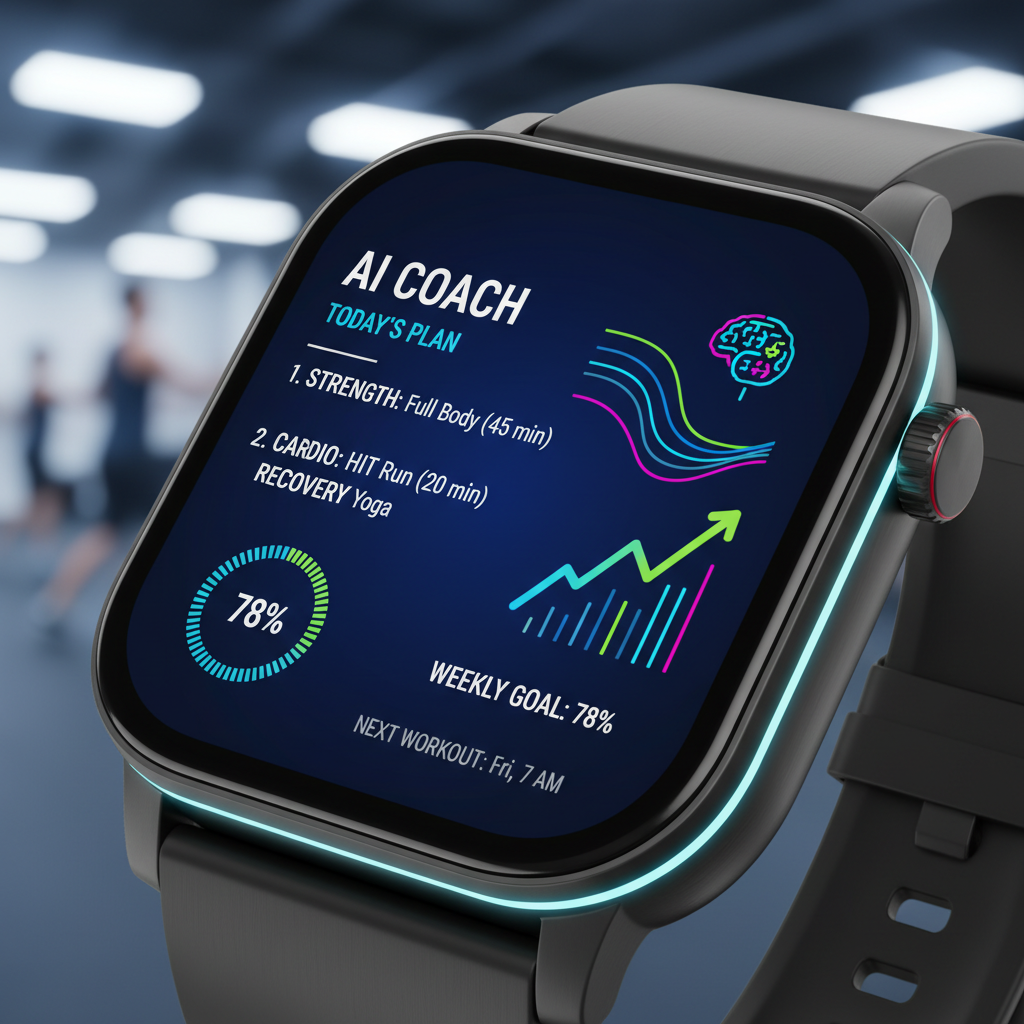
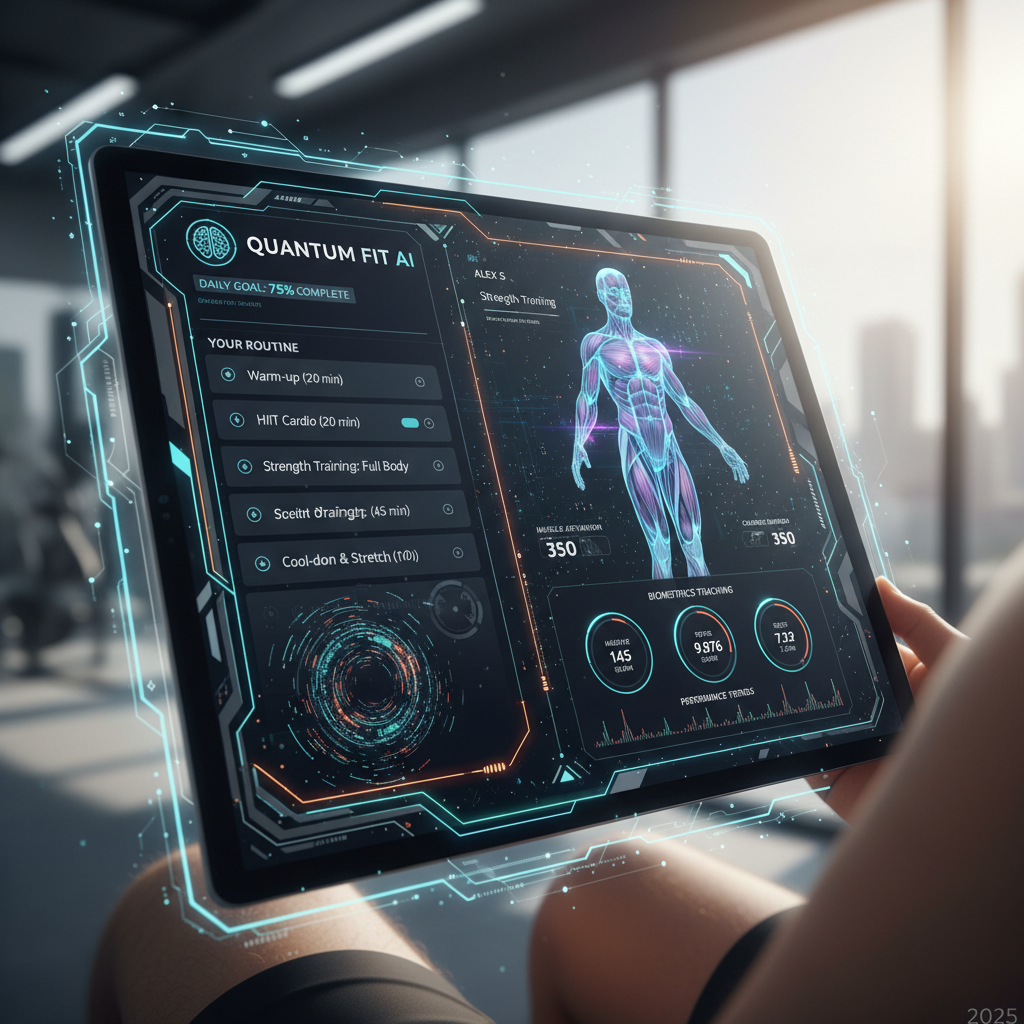
The most recent and perhaps most transformative shift has been the integration of artificial intelligence and machine learning into fitness coaching. AI coaches, powered by sophisticated algorithms, big data, and computational strength, are rapidly redefining what’s possible in personalized fitness. These digital entities can process vast amounts of data – from wearable devices, health records, exercise history, and user input – to generate highly customized recommendations. They offer:
- Hyper-Personalization at Scale: AI can analyze millions of data points, including real-time biometric feedback from wearables like heart rate, HRV, sleep quality, and activity levels. This allows for dynamic workout and nutrition adjustments that adapt hourly or daily based on the user’s current physiological state, far beyond human capacity.
- Uninterrupted Availability: An AI coach is always “on,” providing guidance 24/7. Users can log workouts, ask questions, and receive feedback at any time, from anywhere, making fitness truly on-demand.
- Cost Efficiency: Significantly lower costs compared to human trainers, making highly personalized fitness advice accessible to a broader demographic who might otherwise be priced out of professional coaching.
- Objectivity and Consistency: AI algorithms operate without human bias, delivering consistent, data-driven advice based purely on established scientific principles and user metrics. It eliminates the variability that can occur with human coaches’ personal preferences or moods.
- Advanced Performance Tracking: Through computer vision and sensor integration, AI can meticulously track every rep, set, weight, speed, and even analyze subtle aspects of exercise form, providing objective feedback that enhances safety and effectiveness.
This evolution highlights a clear trajectory towards increasingly personalized, accessible, and data-driven fitness solutions. While each stage brought unique benefits, none has been without its drawbacks. This sets the stage for exploring how a hybrid model might synthesize the best of these worlds, creating a future where personalized fitness is both scientifically optimized and deeply human-centered.
The Power of the Human Touch: Empathy, Motivation, and Adaptability
Despite the undeniable advancements in AI, there remains a profound and irreplaceable value in the human element of fitness coaching. The human touch extends beyond mere instruction; it encapsulates a spectrum of qualities that are inherently difficult, if not impossible, for algorithms to fully replicate.
Empathy and Emotional Intelligence
A human trainer possesses the innate ability to read subtle cues – body language, tone of voice, facial expressions – that indicate a client’s emotional state, fatigue levels, or underlying stress. They can empathize with personal struggles, celebrate small victories, and offer a shoulder to lean on during setbacks. This emotional intelligence allows them to adapt not just the workout, but the entire coaching approach to the individual’s psychological needs, fostering a deeper connection and trust. This emotional connection is often the bedrock of long-term adherence, as clients feel truly seen and understood.
- Understanding Non-Verbal Cues: Recognizing when a client is genuinely tired versus merely lacking motivation, or when they are feeling overwhelmed by external pressures.
- Compassionate Support: Providing encouragement and understanding during personal life challenges (e.g., job loss, relationship issues, illness) that inevitably impact fitness journeys.
- Celebrating Milestones: Sharing in the joy of achievement, reinforcing positive behavior not just with a statistic, but with genuine human recognition and praise.
- Building Trust: Creating a safe space where clients feel comfortable discussing vulnerabilities and fears related to their health and body.
Dynamic Motivation and Accountability
Motivation isn’t a static concept; it fluctuates daily. A skilled human coach can identify waning motivation and deploy a range of strategies – a tailored pep talk, a slight adjustment to the workout to make it more appealing, or even a simple reminder of the client’s “why.” This dynamic, responsive motivational support is critical for long-term adherence. The human element of accountability, knowing someone is personally invested in your progress and will check in, often creates a stronger drive than an app notification.
Consider Sarah, who consistently struggles with her morning workouts after a stressful week at work. An AI might simply remind her of her scheduled session or adjust the workout based on low HRV. Her human coach, however, might notice her subdued demeanor during a check-in, offer to start with a less intense warm-up, and engage her in a conversation about her stress, subtly guiding her back to focus. This personal connection significantly impacts adherence, as clients feel a sense of obligation and camaraderie.
Complex Problem-Solving and Adaptability
Life is unpredictable, and fitness journeys are rarely linear. Injuries, sudden illness, significant life changes (like a new job, pregnancy, relocation, or a family crisis), or even just fluctuating energy levels require nuanced adaptations that go beyond data-driven adjustments. A human trainer can:
- Interpret Ambiguity: Understand vague symptoms, emotional states, or complex interdependencies that don’t translate into clean data points or pre-programmed scenarios. For instance, a client might report “feeling off,” which a human can delve into, understanding it might be related to stress, diet, or mental fatigue, not just physical readiness.
- Creative Problem Solving: Devise entirely new exercise alternatives on the fly, considering specific physical limitations, equipment availability, or unique environmental factors (e.g., training while on vacation with limited gym access).
- Holistic Perspective: Integrate fitness advice with broader lifestyle considerations, such as family commitments, cultural preferences, ethical concerns regarding diet, sleep hygiene, or stress management techniques, offering a truly well-rounded approach.
- Situational Judgment: Make informed decisions based on years of experience, intuition, and understanding of human psychology, especially when faced with novel or complex situations not covered by predefined algorithms. They can prioritize recovery over intensity when health is compromised, even if the data suggests pushing harder.
For example, if a client develops an unexpected knee pain that doesn’t show up as an obvious “injury” in sensor data, a human coach can immediately assess the situation through a conversation, suggest specific modifications, recommend seeing a specialist, all while keeping their long-term fitness goals in mind. An AI might struggle to interpret the nuances of such a sudden, undefined issue without explicit data inputs and human interpretation.
Skill Refinement and Form Correction
While AI can analyze video and provide feedback, the subtle adjustments in form, the feeling of a movement, and the ability to demonstrate and physically guide a client through a complex exercise remain the forte of a human trainer. They can identify microscopic flaws in technique that could lead to injury or inefficiency, offering immediate, precise, and often tactile correction. This is particularly crucial for complex compound movements like deadlifts, squats, or Olympic lifts, where subtle shifts in posture or muscle engagement can make a huge difference in safety and effectiveness.
The human touch provides a depth of understanding, an emotional connection, and a level of dynamic, intuitive adaptability that is fundamental to comprehensive and sustainable fitness success. It builds resilience, fosters intrinsic motivation, and navigates the unpredictable human experience with compassion and wisdom.
The Rise of AI Precision: Data-Driven Personalization and Scalability
In stark contrast to the human touch, AI brings an unparalleled level of precision, analytical capability, and scalability to the fitness landscape. Its strength lies in its ability to process, interpret, and act upon vast quantities of data, delivering insights and customizations that were previously unimaginable.
Hyper-Personalization Through Data Analysis
AI’s core advantage is its capacity for sophisticated, real-time data analysis. Modern AI fitness platforms leverage data from numerous sources to create truly dynamic and adaptive plans:
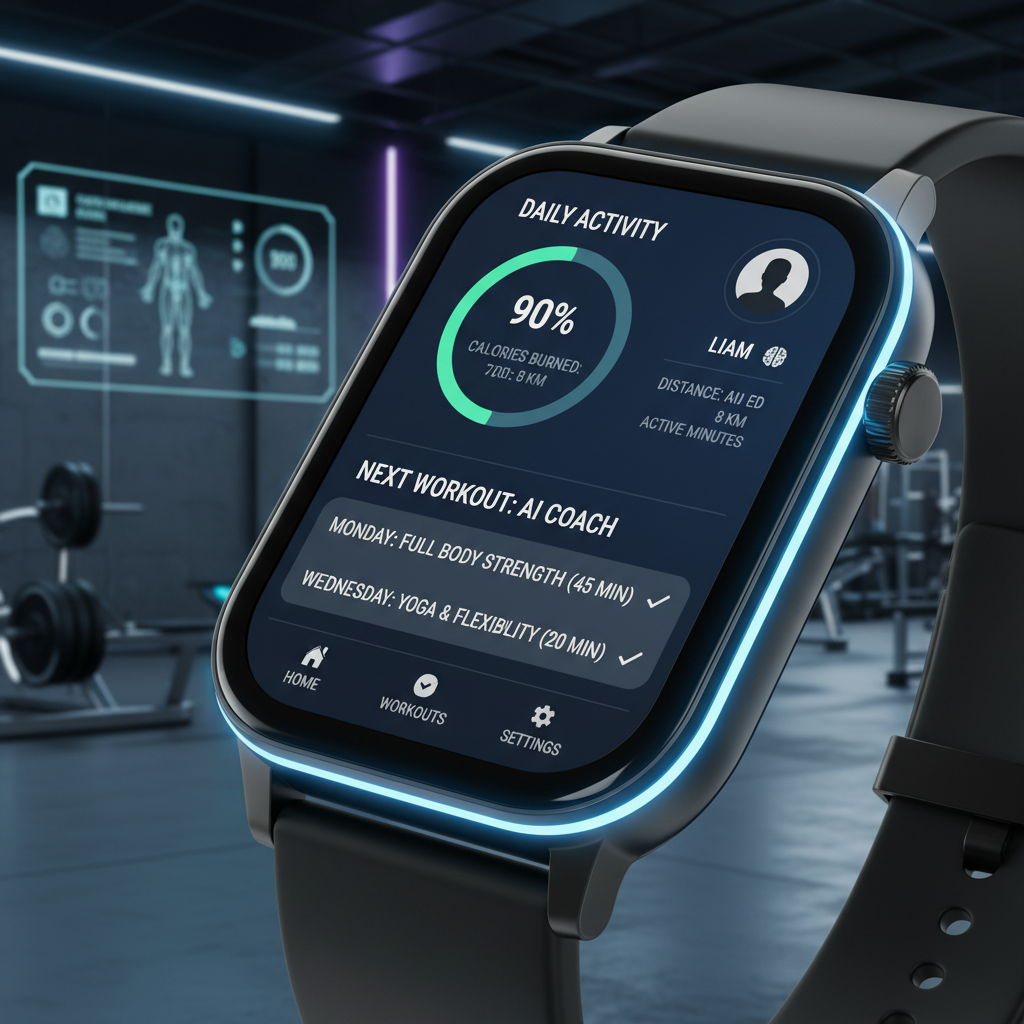
- Wearable Devices: Heart rate, sleep patterns, step count, calorie expenditure, stress levels (Heart Rate Variability – HRV), body temperature, blood oxygen, and activity types from smartwatches, rings (e.g., Oura Ring), and other trackers. This provides a continuous stream of physiological data.
- Performance Metrics: Reps, sets, weight lifted, speed of movement, power output, range of motion, and technique analysis from smart gym equipment, computer vision (e.g., via phone camera), and dedicated sensors (e.g., Gymshark Training app, Tonal).
- User Input: Self-reported mood, energy levels, perceived exertion (RPE), dietary intake (via logging or image recognition), hydration status, and specific short-term goals.
- Physiological Data: Some advanced systems integrate blood pressure, glucose levels (via Continuous Glucose Monitors – CGM), and even genetic predispositions or microbiome data (with proper privacy and ethical considerations) to tailor recommendations at an even deeper level.
By constantly processing this inflow of information, AI can:
- Adjust Workloads in Real-Time: If your sleep quality was poor, or your HRV indicates high stress, AI can automatically reduce the intensity or volume of your next workout to prevent overtraining and promote recovery. Conversely, if your performance spikes, it can incrementally increase the challenge.
- Optimize Recovery: Suggest specific rest days, active recovery exercises, targeted stretches, or even nutritional adjustments (e.g., more protein post-heavy lift) based on a holistic assessment of your recovery metrics.
- Identify Hidden Patterns: Detect subtle correlations between diet, sleep, stress, and specific performance outcomes that might be missed by human observation alone. For example, consistently low energy on days following late-night sugary snacks.
- Predict Outcomes: Based on historical data and current trends, AI can project timelines for achieving goals or identify potential plateaus before they occur, allowing for proactive adjustments to the training strategy.
Imagine an AI coach that learns you consistently perform better in the evening, or that a specific food causes digestive issues impacting your workouts. It then customizes your schedule and diet accordingly, far beyond what a human could manually track for every client.
Uninterrupted Availability and Consistency
AI coaches operate 24/7, without vacation, illness, or fatigue. This constant availability means users can access guidance, log workouts, ask questions, and receive feedback at any time, from anywhere. This “always on” nature is particularly valuable for individuals with unpredictable schedules, those who travel frequently, or those who need support outside of typical coaching hours.
Furthermore, AI provides consistent, unbiased advice. It doesn’t have personal preferences, bad days, or varying energy levels. Every recommendation is generated algorithmically based on the same set of rules and data, ensuring a uniform, objective, and scientifically grounded coaching experience for every user, free from human error or emotional influence.
Scalability and Cost-Effectiveness
One of AI’s most revolutionary aspects is its scalability. A single AI system can serve millions of users simultaneously, each receiving a uniquely personalized experience. This eliminates the bottleneck of human capacity, making high-quality, personalized fitness coaching accessible to a far broader global audience at a fraction of the cost of traditional personal training.
This cost-effectiveness democratizes access to sophisticated fitness planning, empowering individuals who previously couldn’t afford a personal trainer to receive highly customized guidance. It opens doors for underserved populations, promotes wider public health initiatives, and allows fitness professionals to scale their impact by leveraging AI as an assistant.
Objective Feedback and Progress Tracking
AI excels at dispassionate, objective analysis. It can track every rep, set, weight, and heart rate zone with precision. Through advanced computer vision and integrated sensors, it can even analyze exercise form and provide immediate, data-driven feedback, identifying deviations from optimal movement patterns without emotional filter. This objective feedback removes guesswork, quantifies progress, and allows for precise adjustments to training protocols, accelerating progress and minimizing injury risk.
For example, AI-powered apps like
In essence, AI brings a scientific, data-centric approach to fitness that emphasizes efficiency, measurable progress, and widespread accessibility, transforming how we understand and engage with our physical potential by turning abstract goals into concrete, trackable metrics.
Understanding the Limitations: Where Human and AI Fall Short Individually
While both human and AI fitness coaching offer compelling advantages, it’s crucial to acknowledge their respective limitations when viewed in isolation. Understanding these shortcomings is the first step towards appreciating the true potential of a hybrid model.
Limitations of Pure Human Coaching
Despite the invaluable benefits of human connection, a solely human-centric coaching model faces several hurdles:
- Cost: High-quality personal training is expensive, often ranging from $50-$150+ per hour, making it inaccessible for a significant portion of the population. This financial barrier limits who can benefit from expert, personalized guidance.
- Scalability and Availability: A human trainer has a finite amount of time and energy. They can only serve a limited number of clients, and their availability is restricted by their schedule, geographical location, and personal commitments. This can lead to long waitlists or inconvenient timing for clients, especially those with unpredictable schedules.
- Data Processing Limitations: Humans, even the most diligent trainers, cannot process and synthesize the sheer volume of physiological, performance, and lifestyle data that AI can. Tracking every rep, heart rate zone, sleep cycle, recovery metric, and dietary intake for multiple clients simultaneously is practically impossible, leading to less granular and less real-time personalization.
- Subjectivity and Bias: While empathy is a strength, human judgment can also introduce subjectivity and unconscious bias. A trainer might unintentionally favor certain exercises, training philosophies, or even personality types, which might not always align perfectly with a client’s optimal path or personal preferences. Their advice might be influenced by personal experiences rather than purely objective data.
- Geographical Constraints: In-person coaching requires both the trainer and client to be in the same physical location, limiting options for clients in remote areas or those seeking highly specialized expertise not available locally. Even online human coaching relies on synchronous communication, which can be challenging across time zones.
Consider the professional athlete who needs constant physiological monitoring, immediate data analysis for peak performance, and recovery optimization. A human coach might struggle to provide real-time adjustments based on subtle biometric shifts that an AI system could instantly detect and recommend changes for, potentially leading to suboptimal training or increased injury risk.
Limitations of Pure AI Coaching
Conversely, relying solely on AI, while offering precision and scale, presents its own set of significant drawbacks:
- Lack of Empathy and Emotional Intelligence: AI cannot genuinely understand or respond to complex human emotions like frustration, joy, self-doubt, or existential fatigue. It can process data indicating low mood, but it cannot offer the comforting words, the personalized motivational pep talk, or the compassionate listening that a human can. This emotional void can lead to disengagement, especially when motivation wanes during challenging times.
- Inability to Interpret Nuance and Ambiguity: AI operates on predefined algorithms and data inputs. It struggles with ambiguity, subtle physical discomforts that aren’t quantifiable, or complex personal situations that impact fitness but are hard to input as data points (e.g., a breakup, family illness, chronic stress without clear biometric markers). It lacks the capacity for intuitive understanding of “why” a client is struggling.
- Absence of Tactile Feedback and Real-Time Form Correction (without advanced sensors): While computer vision is improving, it often cannot replace the physical spotting, manual adjustments, or hands-on guidance a human trainer provides to correct form, especially for beginners learning complex movements or when performing heavy lifts. The “feel” of a movement and proprioceptive feedback are hard for AI to replicate.
- Ethical Concerns and Data Privacy: The collection of vast amounts of personal health and performance data by AI raises significant privacy and security concerns. Users must trust that their sensitive information is protected, used ethically, and not exploited. There’s also the risk of algorithmic bias if the training data isn’t diverse.
- Limited Scope for Life Coaching: Fitness often intertwines with broader lifestyle, nutrition, mental well-being, and personal development. A human coach can act as a sounding board or even refer clients to other specialists (e.g., therapists, dietitians), offering a holistic support system that AI currently cannot, as AI’s scope is typically limited to its programmed domain.
- Motivation Fatigue from Digital Interactions: Relying solely on app notifications, digital prompts, and automated messages can lead to “motivation fatigue.” The lack of genuine human interaction can make it easier to ignore digital nudges compared to disappointing a human being who is personally invested in your success.
Imagine a client struggling with disordered eating patterns. An AI might effectively optimize their macronutrients for muscle gain, but it cannot address the underlying psychological issues, body image concerns, or emotional relationship with food. A human coach, attuned to such signs, would prioritize mental health and seek professional help for the client, recognizing the limits of a purely algorithmic approach.
Both models, in their pure forms, possess inherent gaps. The strength of the hybrid approach lies precisely in its capacity to fill these gaps, leveraging the best features of each while mitigating their individual weaknesses, creating a more robust and human-centric solution.
Embracing the Best of Both Worlds: The Hybrid Fitness Coaching Model
The concept of hybrid fitness coaching is not merely a compromise; it is a strategic synergy, a thoughtful integration designed to maximize the strengths of both human empathy and AI precision while effectively mitigating their individual limitations. This model represents the cutting edge of personalized fitness, offering a truly comprehensive, adaptive, and human-centric approach to health and wellness.
Defining Hybrid Fitness Coaching
Hybrid fitness coaching combines two powerful elements:
- Human Expertise: A certified personal trainer or coach who provides emotional support, complex problem-solving, nuanced feedback, motivational guidance, and a holistic understanding of the client’s life.
- AI Technology: Advanced software and algorithms that offer data-driven insights, hyper-personalized program adjustments, efficient tracking, objective performance analysis, and administrative support.
The precise balance between the human and AI components can vary significantly, tailored to the individual’s needs, budget, and goals. It’s not a one-size-fits-all solution but a spectrum of integration, from AI-first with occasional human check-ins to human-led coaching augmented by powerful AI tools.
How the Hybrid Model Works in Practice
In a typical hybrid setup, the AI system acts as a powerful analytical engine and administrative assistant, freeing up the human coach to focus on their unique, irreplaceable strengths. Here’s a breakdown of the workflow:
- Initial Assessment (Human-Led): The human coach conducts a thorough initial consultation, often via video call. This goes beyond mere data points, understanding the client’s long-term goals, medical history, lifestyle, psychological relationship with fitness, personal preferences, past experiences, and potential emotional barriers. This qualitative data is crucial for establishing rapport and context.
- Data Collection (AI-Powered): The client actively uses wearable devices (smartwatches, rings), smart gym equipment, and a dedicated coaching app to track performance metrics (reps, sets, weight), physiological data (heart rate, sleep, recovery via HRV), and nutrition (food logging). The AI continuously collects, processes, and analyzes this vast stream of data in the background.
- Program Design and Adjustment (AI with Human Oversight): The AI, utilizing the initial parameters set by the human coach and the ongoing data, generates initial workout plans and dietary suggestions. Crucially, the human coach reviews, refines, and approves these AI-generated plans, adding their intuitive understanding, experience, and creative flair. The AI then makes micro-adjustments daily or weekly based on performance and recovery metrics, while the human coach monitors overall progress and intervenes for larger strategic adjustments or when life events occur.
- Real-Time Feedback and Form Analysis (Hybrid): AI can offer immediate visual feedback on form through computer vision, flagging obvious deviations. However, for complex movements or persistent issues, the human coach provides direct video analysis during check-ins, offering specific drills, verbal cues, and explaining the “why” behind the adjustments, which is key for deep learning.
- Motivational Support and Accountability (Human-Led, AI-Augmented): The human coach remains the primary source of empathy, deep motivation, and personalized accountability. AI can send nudges and reminders, but the coach delivers personalized messages, celebrates achievements with genuine excitement, and offers tailored encouragement when the client faces hurdles, tapping into the emotional connection. Scheduled check-ins (e.g., weekly video calls) maintain this vital human connection.
- Problem-Solving and Adaptability (Human-Led): When unexpected events occur (injury, significant stress, travel, illness), the human coach uses their judgment, experience, and understanding of the individual to adapt the plan comprehensively. They leverage AI’s data for informed decisions but ultimately make the qualitative call, prioritizing safety, well-being, and long-term sustainability.
- Education and Skill Development (Human-Led): The human coach educates the client on exercise science, nutrition principles, sustainable lifestyle habits, and mental fortitude. This empowers the client with knowledge that goes beyond simply following instructions, fostering autonomy and intrinsic motivation for lasting change.
Key Benefits of the Hybrid Model
The integration of human and AI components creates a powerful ecosystem of support, offering numerous advantages:
- Unparalleled Personalization: Combines AI’s data-driven specificity and real-time adaptability with the human coach’s qualitative understanding of individual context, emotion, and life circumstances.
- Enhanced Adherence and Motivation: The accountability, empathy, and psychological support of a human coach, combined with the consistent, objective tracking and timely nudges from AI, significantly improve long-term commitment and reduce dropout rates.
- Optimized Performance and Safety: AI’s precision ensures optimal progressive overload, recovery, and injury mitigation through data analysis, while the human coach’s expert oversight refines technique and provides critical safety checks.
- Cost-Effectiveness and Accessibility: While often more expensive than pure AI apps, hybrid models can be significantly more affordable than traditional 1:1 in-person coaching, as the AI handles many time-consuming tasks, allowing trainers to serve more clients efficiently.
- Holistic Support: Addresses both the physical and psychological aspects of fitness, providing a well-rounded approach to health and wellness that considers the entire individual, not just their physical output.
- Continuous Learning and Adaptation: The system constantly learns from the client’s data, and the human coach learns about the client’s evolving needs, leading to truly dynamic, responsive, and ever-improving coaching.
The hybrid model is about smart collaboration, where technology amplifies human expertise, allowing coaches to be more effective, scale their impact, and enabling clients to be more successful, engaged, and empowered on their fitness journey. It’s the intelligent path forward for truly personalized fitness.
Designing Your Optimal Hybrid Fitness Journey: Key Considerations
Embarking on a hybrid fitness journey requires thoughtful consideration to ensure the model aligns perfectly with your unique needs, goals, and preferences. It’s not just about finding a coach or an app; it’s about crafting a personalized ecosystem of support that leverages technology and human connection effectively to create a truly bespoke experience.
1. Define Your Needs and Goals
Before seeking out a hybrid solution, a clear and honest understanding of your personal objectives is paramount. This introspection will guide your choice of coach and platform. Ask yourself:
- What are my primary fitness goals? (e.g., specific weight loss target, muscle gain, marathon training, improving overall health, post-rehabilitation, mental well-being, stress reduction). Specificity is key.
- What is my current fitness level and experience? (beginner, intermediate, advanced). Beginners might need more hands-on human guidance initially for foundational movements and motivation, while advanced users might benefit more from AI’s granular data optimization for performance gains.
- What are my biggest challenges or pain points? (e.g., lack of motivation, consistency issues, difficulty with proper form, nutritional guidance, injury prevention, managing stress, time constraints).
- What is my realistic budget? Hybrid models vary significantly in cost depending on the level and frequency of human interaction, as well as the sophistication of the AI platform.
- How much human interaction do I truly need or want? Some individuals thrive with weekly video calls, others prefer monthly check-ins with more frequent messaging, and some might only need occasional consultations for specific issues, relying heavily on the AI for daily guidance.
For someone recovering from an injury, the human coach’s empathetic understanding and precise, adaptable program design (backed by AI tracking) will be crucial for safe progression and confidence building. For an experienced bodybuilder aiming to break a plateau, AI’s data analysis for progressive overload and recovery might be the primary driver, with human input for advanced technique review or strategic periodization.
2. Evaluate Potential Hybrid Coaching Platforms and Coaches
The market for hybrid solutions is growing rapidly. Look for platforms and coaches that demonstrate a strong track record and clear methodology:
- Seamless Integration: The AI tools (apps, trackers) should work smoothly with the human coach’s oversight and communication methods. A clunky interface or disjointed system will hinder progress.
- Customization Capabilities: Ensure the platform allows for a high degree of personalization based on your unique data and the coach’s input, not just generic templates or one-size-fits-all algorithms.
- Data Privacy and Security: Your health and performance data are sensitive. Verify the platform’s commitment to protecting your information with robust security measures and clear privacy policies.
- Qualified Human Coaches: Even with advanced AI, the human element is vital. Look for certified coaches with relevant experience, specific specializations (e.g., strength, endurance, nutrition), and a coaching philosophy that resonates with you. Check credentials and testimonials.
- Communication Style and Availability: Does the platform support your preferred communication style (e.g., video calls, text messages, in-app messaging, email check-ins)? What are the expected response times from your coach?
- Transparency: Understand how decisions are made – when does the AI take the lead, and when does the human coach intervene? How is feedback from both integrated?
Case Study: Anna, a busy professional and new mother, needed immense flexibility but also consistent support. She found a hybrid coach who used an AI app for daily workout delivery and tracking, dynamically adjusting her plan based on her sleep and energy levels. This was supplemented by a 30-minute video call every two weeks where her human coach listened to her struggles with balancing work and family, addressed emotional hurdles, and fine-tuned her plan based on these qualitative insights. This blend gave her the structured efficiency of AI with the empathetic, adaptable support she desperately needed to stay consistent.
3. Understand and Embrace the Role of Technology
To fully benefit from a hybrid model, you must be willing to engage with and embrace its technological components. This often involves:
- Wearable Devices: Utilizing smartwatches, fitness trackers, or smart rings that monitor heart rate, sleep patterns, activity levels, stress (HRV), and recovery. These devices feed critical, continuous data to the AI.
- Fitness Apps: Actively using dedicated coaching apps to receive and log workouts, track progress, record nutrition, and facilitate communication with your human coach.
- Smart Equipment: While not mandatory, incorporating smart scales, smart gym equipment (like Tonal or Peloton), or even smart mirrors can significantly enhance data collection, provide real-time feedback, and make workouts more engaging.
Familiarize yourself with how these tools collect and present data, as this information will be shared with your human coach to make more informed and precise decisions, elevating the quality of your coaching.
4. Establish Clear Communication Channels with Your Coach
The human-AI interface within your coaching relationship needs clear communication protocols to function effectively. Discuss with your coach during the onboarding phase:
- Check-in Frequency and Format: How often will you have live, synchronous interactions (e.g., scheduled video calls, phone calls)? What is the purpose of these calls?
- Asynchronous Communication: How will you communicate between scheduled check-ins (e.g., in-app messaging, email)? What are the expected response times for questions or updates?
- Data Interpretation and Discussion: How will the data collected by AI be discussed and interpreted by your coach during your interactions? Will they highlight key trends or anomalies for discussion?
- Feedback Loop: How do you provide feedback to your coach about the AI-generated plans, your experience with the technology, or any physical sensations (e.g., discomfort, fatigue) that the AI might not fully capture?
Effective and open communication ensures that the human and AI components work in harmony, with you at the center of the process, and prevents misunderstandings or unmet expectations.
5. Be Open to Iteration and Adjustment
A fitness journey is rarely static. Your needs, goals, and even your relationship with technology will evolve, and your hybrid coaching model should too. Be prepared to:
- Provide Honest and Detailed Feedback: Regularly tell your coach what’s working well, what’s not, how you feel about the AI’s suggestions, and any changes in your life. This feedback is invaluable for refining the model.
- Adapt to Changes: Your coach might suggest different tech tools, a shift in the balance of human vs. AI interaction, or entirely new strategies based on your progress, changing circumstances, or new insights from the data.
- Educate Yourself: Take an active interest in learning about the principles behind your workouts, nutrition, and recovery. The more informed you are, the better you can collaborate with both your human and AI coaches, becoming an empowered participant in your own journey.
The beauty of hybrid coaching lies in its dynamic adaptability. By actively participating in its design and ongoing refinement, you ensure it remains the most effective, personalized, and engaging tool for your unique fitness journey, fostering not just physical change but also greater self-awareness and empowerment.
Future Trends: The Road Ahead for Personalized Fitness
The convergence of human expertise and AI precision is not just a current trend; it’s the foundational pillar for the future of personalized fitness. As technology continues its relentless march forward, driven by advancements in machine learning, sensor technology, and generative AI, we can anticipate even more sophisticated and integrated hybrid models that will redefine our relationship with health and wellness.
1. Advanced Biometric Integration and Predictive Analytics
Expect a future where AI coaches seamlessly integrate an even wider array of biometric data, moving beyond just heart rate and sleep. This could include:
- Continuous Glucose Monitoring (CGM): Real-time blood sugar feedback to optimize nutrition, energy levels, and weight management, allowing for immediate dietary adjustments to prevent energy crashes or spikes.
- Advanced Genomic and Microbiome Data: Tailoring diet and exercise based on individual genetic predispositions (e.g., predisposition to certain nutrient deficiencies, muscle fiber type dominance) and gut health, pushing personalization to an unprecedented, biological level.
- Stress Biomarkers: More accurate, non-invasive ways to measure physiological stress, such as advanced HRV analysis, cortisol levels (via smart patches), or even voice analysis, allowing AI to precisely adapt training intensity and recovery protocols before burnout occurs.
- Neuromuscular Readiness: Devices that assess muscle fatigue and central nervous system readiness, providing precise guidance on when to push hard and when to rest.
With this wealth of data, AI will move from reactive adjustments to highly sophisticated predictive analytics, anticipating potential plateaus, overtraining risks, or optimal performance windows weeks in advance. A human coach could then use these AI-generated predictions to engage clients proactively, focusing on strategic adjustments, mental preparation, and long-term planning rather than reactive problem-solving, making coaching more efficient and impactful.
2. Hyper-Realistic Virtual Coaching and Augmented Reality (AR)
The boundary between virtual and real-world coaching will blur significantly, making personalized guidance more immersive and accessible:
- Generative AI for Virtual Coaching: AI models capable of generating highly realistic and interactive virtual coaches that can mimic human conversation, empathy, and even visual demonstrations. While not replacing human trainers, these AI avatars could offer entry-level, highly accessible, and always-on guidance for basic questions, motivation, or technique checks, acting as a “first line of defense.”
- Augmented Reality (AR) Overlays: Imagine wearing AR glasses (e.g., smart glasses) during a workout, with an AI overlay providing real-time form correction directly onto your visual field. A virtual human coach could appear as a hologram in your living room, demonstrating exercises with perfect form, mirroring your movements, and offering instant verbal cues. This would bridge the gap between digital instruction and real-world execution, providing immersive, immediate feedback.
- Haptic Feedback: Integration with haptic technology in wearables or smart clothing could provide physical cues for form correction, simulating a trainer’s touch without actual physical contact, guiding users through optimal movement patterns.
- Virtual Reality (VR) Immersive Training: Combining AI with VR to create personalized, interactive workout environments where users can train alongside virtual coaches or other avatars, receiving real-time data and guidance in a gamified setting.
3. AI-Powered Mental and Emotional Wellness Integration
Fitness is increasingly recognized as intertwined with mental health and overall well-being. Future hybrid models will see AI taking a more proactive and sophisticated role in supporting emotional and cognitive health:
- Sentiment Analysis: AI analyzing user journal entries, voice tones during check-ins, or even patterns in biometric data (e.g., sustained high HRV, disturbed sleep) to detect subtle signs of stress, anxiety, low mood, or potential burnout.
- Personalized Mindfulness and Stress Reduction Protocols: Based on detected stress patterns, AI could recommend specific meditations, breathing exercises, nature sounds, or even suggest a mindful break from screens. The human coach would then provide deeper therapeutic guidance when needed, addressing underlying causes of stress or anxiety.
- AI-Driven Behavioral Science: Utilizing AI to understand individual behavioral patterns and “nudge” users towards healthier habits more effectively than generic reminders. This could involve personalized communication strategies based on a user’s known responses to different types of motivation.
- Cognitive Training Integration: AI-powered brain training exercises integrated into fitness routines to improve focus, reaction time, and decision-making, especially relevant for athletes.
The human coach will remain essential for deep psychological support, addressing complex mental health issues, and fostering resilience, but AI will become a powerful first-line tool for monitoring, identifying early warning signs, and promoting overall well-being by providing timely, personalized interventions.
4. Gamification and Social Integration Amplified by AI
AI will enhance gamified fitness experiences and social connections, making fitness more engaging and collaborative:
- Adaptive Challenges: AI will create personalized, dynamic fitness challenges tailored not just to individual fitness levels but also to motivational triggers and progress, preventing boredom and encouraging continuous engagement through intelligent progression.
- Smart Group Coaching: AI could analyze individual performance within virtual or physical group classes, providing individual feedback and tailored modifications to each participant while fostering a sense of community. This allows human coaches to manage larger groups more effectively while still delivering personalized insights.
- AI-Powered Matchmaking: Connecting users with compatible workout buddies, support groups, or even competitive opponents based on AI analysis of their fitness levels, goals, personality traits, and scheduling preferences, enhancing the social aspect of fitness.
- Personalized Leaderboards and Rewards: AI can create customized leaderboards and reward systems that keep users motivated by competing against themselves or others at similar levels, making progress feel more tangible and rewarding.
The future of fitness coaching is undeniably hybrid. It’s a future where AI handles the intricate data analysis, the personalized micro-adjustments, and the ubiquitous accessibility, while human coaches provide the invaluable empathy, the wisdom for complex situations, and the profound motivational connection. This synergy promises a more effective, accessible, and deeply human-centered path to well-being for everyone, truly democratizing personalized health.
Comparison Tables
Table 1: Human vs. AI Coaching: A Feature Comparison
| Feature/Aspect | Human Personal Coach | AI Fitness Coach | Hybrid Fitness Coach (Best of Both) |
|---|---|---|---|
| Emotional Support & Empathy | High; understands and responds to complex emotions, provides deep human connection. | Low; operates on data, lacks genuine empathy and emotional understanding. | High; provided by human coach for deep connection, augmented by AI’s data-driven insights for contextual understanding. |
| Data Analysis & Personalization | Moderate; limited by human capacity, relies on observation and self-report. | Very High; processes vast, real-time datasets for hyper-personalized, dynamic adjustments. | Very High; AI provides precision and scale, human coach provides qualitative context, overrides when necessary, and interprets complex trends. |
| Form Correction & Technique | High; direct, tactile feedback, demonstrations, and nuanced verbal cues. | Moderate to High; computer vision improving rapidly, but lacks tactile guidance and intuitive understanding of movement ‘feel’. | Very High; AI for consistent tracking and immediate visual cues, human for nuanced, hands-on, complex, or persistent correction and ‘feel’ instruction. |
| Motivation & Accountability | High; builds personal rapport, provides dynamic, tailored encouragement and strong social accountability. | Moderate; relies on notifications, gamification; can lead to “notification fatigue” over time. | Very High; human connection for deep motivation and psychological accountability, AI for consistent nudges, progress tracking, and timely reminders. |
| Availability & Flexibility | Limited; subject to schedule, geographical constraints, personal commitments. | 24/7; always available, highly flexible, on-demand. | High; AI offers 24/7 support and flexibility, human coach for scheduled, focused interactions that provide deeper value. |
| Cost-Effectiveness | High cost per hour/session, limits accessibility. | Low cost, scalable subscription models, highly accessible. | Moderate; more affordable than 1:1 human, offers significantly greater value and support than pure AI. |
| Adaptability to Unforeseen Circumstances | High; excellent for complex life events, injuries, or ambiguous issues requiring intuition and judgment. | Low; struggles with nuanced, non-quantifiable problems, emotional crises, or novel situations without explicit programming. | High; human coach leverages AI data for informed decisions, brings intuition and creative problem-solving for comprehensive adaptation. |
| Holistic Lifestyle Integration | High; can discuss broader life factors (stress, relationships), refer to specialists, offers integrated well-being advice. | Low; primarily fitness-focused, limited ability for broader life coaching or psychological support. | High; human coach provides holistic view and deeper support, AI supports with data on related metrics (sleep, stress, nutrition patterns). |
Table 2: Benefits of Hybrid Coaching Across Different Fitness Goals
| Fitness Goal | How Hybrid Coaching Delivers Unique Value | Specific Hybrid Advantages |
|---|---|---|
| Weight Loss / Body Recomposition | AI tracks calorie intake, expenditure, and progress with precision, adjusting macros/micros dynamically based on activity and recovery. Human coach addresses emotional eating, provides psychological support for adherence, and teaches sustainable long-term habits. | Precise caloric and macronutrient management, emotional support for consistent adherence, behavioral change coaching, and overcoming plateaus through data-informed adjustments. |
| Strength & Muscle Gain | AI optimizes progressive overload based on performance data (sets, reps, weight, RPE, velocity), ensuring constant challenge and adequate recovery. Human coach refines complex lifting techniques, provides spotter support during heavy lifts (if in-person), offers advanced programming insights, and addresses mental blocks. | Data-driven progressive overload, injury prevention through form correction (AI + human eye), advanced technique refinement, and strategic periodization for peak performance. |
| Endurance Training (Running, Cycling, Swimming) | AI analyzes pace, heart rate zones, power output, recovery metrics (HRV), and adapts training plans (intervals, long runs, tempo work) in real-time. Human coach provides race strategy, mental toughness coaching, injury management advice, and external motivation for long training sessions. | Optimal pacing and intensity zones based on real-time physiology, personalized recovery schedules, mental fortitude training, race-day strategy, and preventing overtraining. |
| Injury Rehabilitation & Prevention | AI tracks movement patterns, range of motion, and recovery data, ensuring safe and gradual progression. Human coach works with medical professionals, provides empathetic guidance through discomfort and fear, and carefully modifies exercises to protect the injured area, ensuring proper form throughout. | Controlled, data-informed progression, expert modification for safety, psychological support during recovery, and intelligent prevention of re-injury. |
| General Health & Wellness | AI monitors daily activity, sleep, stress (HRV), and suggests balanced routines. Human coach helps integrate fitness into a busy lifestyle, addresses holistic well-being (nutrition, mindfulness), provides long-term motivation for healthy living, and helps manage chronic conditions. | Holistic lifestyle integration, consistent healthy habit formation, balanced routines adaptable to life, stress management support, and sustained motivation for long-term health. |
| Athletic Performance (Advanced & Elite) | AI provides micro-level analysis of performance, fatigue, and readiness for peak optimization, identifying marginal gains. Human coach provides high-level strategic planning, mental coaching for competition, integrates all data into a cohesive peak performance strategy, and offers crisis management during events. | Micro-optimization of training/recovery cycles, advanced strategic planning, psychological preparation for competition, real-time data integration, and expert decision-making under pressure. |
Practical Examples: Real-World Use Cases and Scenarios
To truly understand the power of hybrid fitness coaching, let’s explore several practical scenarios where this integrated approach delivers superior outcomes compared to relying solely on human or AI coaching.
Scenario 1: The Busy Executive Aiming for Consistent Weight Loss
Client: Mark, a 45-year-old executive with a demanding travel schedule and a high-stress job, struggles with consistent weight loss. He often resorts to unhealthy eating due to stress, lack of time, and unpredictable meal schedules.
- Pure Human Coach Limitations: Expensive due to frequent, often disrupted sessions; difficult to maintain consistent communication across time zones; limited ability for a single coach to meticulously track every meal and activity, especially when Mark is on the go.
- Pure AI Coach Limitations: Mark might ignore app notifications during stressful periods, leading to non-adherence. While AI can track food, it cannot address the deep-seated emotional triggers behind stress eating or provide the empathetic voice needed during setbacks and travel fatigue.
- Hybrid Solution:
- AI Component: Mark uses an AI-powered app that seamlessly integrates with his smartwatch. It tracks his daily steps, heart rate variability (HRV) for stress detection, sleep quality, and calorie intake (via quick food logging or even photo recognition). The AI dynamically adjusts his daily workout intensity and duration based on his recovery metrics, sleep quality, and travel schedule, and suggests healthier meal options available at common hotel chains or airport lounges.
- Human Coach Component: Mark has a 30-minute video call with his coach every two weeks, and regular asynchronous check-ins via text. The coach reviews the AI-generated reports, identifies patterns (e.g., higher stress eating correlating with low HRV and poor sleep during travel weeks), and helps Mark develop sustainable coping strategies beyond food. The coach provides empathetic support during his challenging travel weeks, helps him prioritize recovery, celebrates his small victories (like choosing a healthy airport meal), and offers personalized advice on navigating social events and business dinners with mindful eating.
Outcome: Mark achieves sustainable weight loss and improved energy levels because the AI handles the granular tracking, data analysis, and daily workout adjustments efficiently. Simultaneously, the human coach addresses the deeper behavioral and emotional challenges, fostering long-term adherence and helping Mark build a healthier relationship with food and fitness despite his demanding lifestyle.
Scenario 2: The Aspiring Powerlifter Seeking Optimal Strength Gains and Injury Prevention
Client: Emily, a 28-year-old intermediate powerlifter, wants to significantly increase her squat, bench, and deadlift numbers while ensuring perfect form to prevent injury and break through plateaus.
- Pure Human Coach Limitations: Hard to afford a coach for every single session; even the best human eye can’t track every single rep’s velocity, bar path, or subtle biomechanical shifts with objective precision across an entire training cycle.
- Pure AI Coach Limitations: While computer vision can detect major form errors, it struggles with nuanced cues (e.g., slight hip shift on a heavy deadlift that could indicate muscle imbalance). AI can’t physically spot Emily during heavy lifts or provide immediate, tactile adjustments for complex movements that require proprioceptive feedback.
- Hybrid Solution:
- AI Component: Emily uses an AI-driven strength training app that integrates with smart gym sensors (e.g., a bar speed tracker) and uses computer vision via her phone camera. The AI meticulously tracks her bar speed, calculates estimated 1-rep max (e1RM) for each set, monitors rep quality, and flags any significant deviation in form. It also suggests progressive overload based on her performance, readiness (from wearables), and previous workouts, automatically adjusting volume and intensity.
- Human Coach Component: Emily has a weekly online check-in with her powerlifting coach. The coach reviews the AI’s detailed data reports, particularly focusing on flagged form issues or dips in performance. They then conduct dedicated “form review” sessions via video call, where Emily performs her lifts, and the coach provides expert analysis, specific accessory drills to fix weaknesses, and verbal cues that AI might miss. For particularly heavy or complex lifts approaching competition, they might schedule occasional in-person sessions for direct spotting, tactile correction, and peak performance strategy. The coach also provides mental preparation for competition.
Outcome: Emily consistently makes strength gains, pushing her limits safely because the AI ensures optimal loading and tracks performance meticulously, providing objective data. Simultaneously, the human coach ensures her technique is flawless, preventing plateaus and injuries, providing the invaluable expert guidance for advanced programming, and offering the psychological support needed for competitive lifting.
Scenario 3: The Post-Rehabilitation Client Returning to Activity
Client: David, 55, is recovering from shoulder surgery and has completed physical therapy. He wants to safely rebuild strength and mobility without re-injury, but feels anxious about pushing too hard and lacks confidence in his movements.
- Pure Human Coach Limitations: Even a highly skilled coach might accidentally push too hard, and their observations alone might miss subtle signs of overexertion or fatigue from underlying tissue healing. Cost can be prohibitive for the extended, very gradual period often needed post-rehab.
- Pure AI Coach Limitations: AI might not grasp the profound psychological aspect of injury fear, the emotional impact of setbacks, or the subjective “ache” that isn’t a sharp pain but indicates caution. Its algorithms might be too aggressive without careful, human-led programming for delicate recovery.
- Hybrid Solution:
- AI Component: David uses an AI-powered rehabilitation tracking app that monitors his range of motion (via smartphone camera or simple sensors), tracks his perceived pain levels (self-reported consistently), and measures workout compliance. The AI is programmed with conservative progression models tailored for shoulder recovery and adjusts resistance/reps incrementally, ensuring he doesn’t exceed safe thresholds based on his input and physiological data. It provides objective data for his range of motion improvements.
- Human Coach Component: David has weekly video calls with a coach specialized in post-rehab and corrective exercise. The coach reviews the AI’s progress reports, listens intently to David’s anxieties and concerns about his shoulder, and provides reassuring feedback. They discuss any discomfort David experiences, making real-time qualitative judgments about whether to slow down, introduce a new exercise, or consult with his physical therapist. The coach focuses heavily on rebuilding David’s confidence, providing encouragement through small plateaus, and celebrates each small milestone in his recovery. The coach also educates David on pain signals versus discomfort, empowering him to listen to his body.
Outcome: David regains full shoulder strength and mobility safely and confidently. The AI ensures objective, gradual progression, preventing re-injury by never exceeding pre-defined limits. Simultaneously, the human coach provides the crucial psychological support, empathy, and expert judgment needed to navigate the delicate post-rehab phase, fostering trust, reducing anxiety, and ensuring long-term adherence to his recovery and strengthening plan.
These examples illustrate how hybrid coaching transcends the limitations of standalone models, creating a more robust, responsive, and ultimately more effective pathway for diverse fitness goals and individual needs, leading to deeper engagement and more sustainable results.
Frequently Asked Questions
Q: What exactly is hybrid fitness coaching?
A: Hybrid fitness coaching is an integrated approach that combines the strengths of a human personal trainer with the capabilities of artificial intelligence (AI) technology. The human coach provides empathy, motivational support, nuanced feedback, and complex problem-solving, while the AI handles data analysis, hyper-personalization, efficient tracking, and real-time program adjustments. It’s designed to give you the best of both worlds for a truly comprehensive, adaptive, and human-centered fitness journey.
Q: Is hybrid coaching suitable for beginners, or is it just for advanced athletes?
A: Hybrid coaching is incredibly versatile and suitable for individuals at all fitness levels, from absolute beginners to elite athletes. Beginners often benefit immensely from the human coach’s guidance on fundamental movements, building confidence, and understanding their body, all supported by AI’s consistent tracking and safe progression. Advanced athletes can leverage AI’s granular data analysis for peak performance optimization and micro-adjustments, with the human coach providing high-level strategy, mental preparation, and advanced technique refinement.
Q: How does the AI component specifically personalize my workouts?
A: The AI component personalizes your workouts by continuously analyzing vast amounts of data from sources like your wearable devices (heart rate, sleep quality, recovery metrics like HRV, activity levels), performance metrics (reps, sets, weight lifted, speed), and your self-reported feedback (mood, energy levels, perceived exertion). Based on this data, the AI can dynamically adjust your workout intensity, volume, exercise selection, rest periods, and even suggest different exercises in real-time to optimize progress, prevent overtraining, and adapt to your body’s daily readiness.
Q: What kind of human interaction can I expect in a hybrid model?
A: The level of human interaction can vary depending on the specific hybrid model and your budget. It typically includes regular check-ins (e.g., weekly or bi-weekly video calls or frequent messaging) with your human coach. These interactions focus on discussing your progress, addressing challenges, providing emotional support, refining techniques, and adapting your overall strategy based on both your data and your personal circumstances. Some models might offer occasional in-person sessions for detailed form correction or specific skills training.
Q: Is hybrid fitness coaching more expensive than traditional personal training?
A: Hybrid fitness coaching is generally more cost-effective than traditional, exclusively in-person 1:1 personal training. Because the AI handles many of the time-consuming tracking, data analysis, and basic programming tasks, the human coach can manage more clients efficiently and focus on high-value interactions, thereby reducing the per-client cost. While it’s typically more expensive than a pure AI app, it offers a significantly higher level of personalized support, accountability, and value for your investment.
Q: How does a hybrid coach address injuries or unexpected setbacks?
A: This is where the human touch truly shines within a hybrid model. If you experience an injury, illness, or a significant life event (e.g., stress, family emergency), your human coach will use their expertise, intuition, and empathy to adapt your plan. They’ll review the AI’s data for context and objective metrics, but ultimately make qualitative decisions, offering emotional support, safely modifying exercises, or recommending professional medical consultation. The AI might provide data on recovery metrics, but the human makes the informed, compassionate judgment call based on your unique situation.
Q: What are the privacy concerns with sharing my data with an AI coach?
A: Data privacy is a valid and important concern. Reputable hybrid coaching platforms and AI fitness apps should adhere to strict data protection regulations (like GDPR in Europe or HIPAA for health information in the US, where applicable). It’s crucial to choose providers that clearly outline their data handling policies, how your data is used, what security measures are in place, and whether your data is anonymized or aggregated. Always read the privacy policy and terms of service before committing. Your human coach will also have access to this data to better guide you, subject to ethical guidelines.
Q: Can a hybrid coach help me with nutrition and diet planning?
A: Yes, absolutely. In a hybrid model, the AI can track your dietary intake (e.g., via food logging, photo recognition), suggest macronutrient breakdowns based on your goals and activity, and identify patterns or potential deficiencies. Your human coach then provides personalized nutritional guidance, addresses behavioral aspects of eating (e.g., emotional eating), helps you build sustainable habits, educates you on healthy food choices, and can adapt plans for specific dietary preferences, restrictions, or medical conditions that AI might struggle with initially or require expert human interpretation.
Q: What if I don’t feel a connection with my human coach in a hybrid setup?
A: Just like with traditional personal training, the relationship with your human coach is crucial for long-term success. If you don’t feel a strong connection, or that your coach truly understands your needs and communication style, it’s important to communicate this openly. Many reputable hybrid platforms offer options to switch coaches, or you can discuss your concerns with the platform’s support team. Finding the right human connection is key to the success of the hybrid model, as it underpins the emotional and motivational aspects of your journey.
Q: How can I find a reputable hybrid fitness coaching program?
A: To find a reputable hybrid fitness coaching program, start by doing thorough online research. Look for programs that: employ certified and experienced human coaches with relevant specializations; use established, secure, and user-friendly AI technology; offer clear communication channels and transparent pricing; and have positive client testimonials or case studies. Consider asking for a free consultation or trial period if available, and don’t hesitate to ask detailed questions about the balance between the human and AI components to ensure it aligns with your personal preferences and needs.
Key Takeaways
- Hybrid Coaching is the Future: It represents the most comprehensive, adaptive, and effective approach to personalized fitness by intelligently integrating human empathy and AI precision.
- Human Touch is Irreplaceable: Emotional support, complex problem-solving, intuitive adaptability to life’s unpredictability, and nuanced form correction remain the unique and vital strengths of a human coach.
- AI Provides Unparalleled Precision: Data analysis at scale, real-time program adjustments, objective progress tracking, and cost-effectiveness are the core contributions of AI technology.
- Both Pure Models Have Limitations: Pure human coaching is expensive and limited in data processing, while pure AI lacks empathy, struggles with ambiguity, and cannot provide true psychological support.
- Synergy for Superior Outcomes: The hybrid model mitigates the individual weaknesses of standalone human or AI coaching, leading to enhanced adherence, optimized performance, greater safety, and holistic support.
- Personalization is Key: The optimal hybrid approach is highly individualized, meticulously tailored to your specific goals, budget, current fitness level, and preference for human interaction.
- Embrace Technology: Successful hybrid coaching requires engaging actively with wearable devices and fitness apps that feed critical data into the system, empowering both you and your coach.
- Communication is Crucial: Clear, open, and consistent communication with your human coach ensures the seamless integration of human and AI components, addressing both the physical and emotional aspects of your fitness journey.
Conclusion
The journey through personalized fitness is continually evolving, driven by innovation and a deeper understanding of human potential. As we’ve explored, the debate between the indispensable human touch and the revolutionary precision of artificial intelligence isn’t about choosing a winner, but rather recognizing the profound synergy that emerges when these two powerful forces collaborate. Hybrid fitness coaching is not just a trend; it’s a paradigm shift, offering a truly holistic, adaptive, and effective pathway to achieving and sustaining your health and wellness goals, making personalized fitness accessible and impactful for everyone.
Imagine a fitness regimen that understands your body’s subtle physiological cues with scientific accuracy, processing vast datasets to adapt your training and nutrition in real-time, optimizing every workout and recovery period. Now, overlay that with the empathetic, motivational guidance of a human expert who understands your emotional landscape, celebrates your triumphs, listens to your concerns, and steadfastly supports you through every challenge and unexpected life event. This is the compelling promise of hybrid coaching: a dynamic system where AI empowers the coach to be more precise and efficient, and the coach inspires the individual to be more resilient, engaged, and successful.
For anyone seeking to unlock their full potential, overcome long-standing barriers, or simply navigate the complexities of modern fitness with greater confidence and success, the hybrid model offers a superior, compelling solution. It democratizes access to elite-level guidance, makes fitness more responsive to individual needs than ever before, and ultimately fosters a deeper, more sustainable connection to a healthy and fulfilling lifestyle. By embracing this powerful combination, you’re not just getting a workout plan; you’re gaining a personalized, intelligent, and compassionate partner for your entire fitness journey. The future of fitness is here, and it’s beautifully hybrid, blending the best of humanity and technology to empower you.






























































Leave a Reply