


Introduction: The Dawn of a New Fitness Era
For decades, the pursuit of optimal physical fitness has been a journey fraught with trial, error, and often, frustration. From generic workout plans found in magazines to expensive personal trainers whose availability might be limited, achieving sustainable weight loss and muscle growth has felt like an exclusive club for the highly disciplined or the wealthy. The truth is, every body is unique, responding differently to diet, exercise, and recovery. What works wonders for one person might lead to stagnation or even injury for another. This fundamental challenge—the lack of truly personalized guidance—has been the biggest barrier to widespread, long-term success in fitness.
However, we stand at the precipice of a revolutionary transformation in the fitness world, powered by artificial intelligence. AI is no longer a futuristic concept confined to sci-fi movies; it is here, actively reshaping how we approach our health and fitness goals. Imagine a coach who knows your body better than you do, understands your preferences, adapts to your progress (or lack thereof) in real-time, and is available 24/7. This is the promise of AI-powered strategies for sustainable weight loss and muscle growth. These intelligent systems analyze vast amounts of data—from your sleep patterns and daily activity to your dietary intake and workout performance—to craft a fitness journey that is not just personalized, but hyper-personalized, dynamic, and incredibly effective.
This comprehensive blog post will delve deep into how AI is making sustainable body transformation accessible to everyone, regardless of their fitness level or previous experience. We will explore the intricate ways AI personalizes diet and exercise, its role in optimizing muscle gain, how it integrates holistic wellness, the underlying technologies, and what the future holds for this exciting field. Prepare to discover how AI is not just changing the game, but creating an entirely new one, guiding you towards a healthier, stronger, and more resilient self.
The Evolution of Fitness Coaching: From Generic to Hyper-Personalized
The history of fitness coaching is a fascinating progression, mirroring societal advancements and scientific understanding. In its earliest forms, fitness advice was often anecdotal, passed down through generations or observed in elite athletes. As sports science emerged, more structured approaches began to take hold, leading to generalized training principles applied across broad populations.
Traditional personal training, while a significant step forward, still faces inherent limitations. A human coach, no matter how experienced, can only process a finite amount of information and has limited hours in a day. They often rely on periodic check-ins, subjective observations, and their general knowledge base. While invaluable for motivation and form correction, their ability to meticulously tailor every single aspect of a client’s diet and exercise plan, accounting for daily fluctuations in energy, stress, or recovery, is inherently constrained.
Enter AI-powered coaching. This new paradigm leverages the immense computational power of artificial intelligence to analyze an unprecedented volume of individual data points. Imagine an AI coach that synthesizes information from your wearable fitness tracker (heart rate, steps, sleep quality), your food logging app (macronutrient intake, calorie density), your workout performance (reps, sets, weight lifted, speed, power output), and even your self-reported mood or energy levels. It then uses advanced algorithms to identify patterns, predict responses, and generate dynamic, evidence-based recommendations that evolve with you.
This level of data integration and real-time adaptation moves us beyond mere personalization to hyper-personalization. It means your workout plan isn’t just tailored to your goal; it’s tailored to how well you slept last night, how much stress you’re under today, and how your body responded to yesterday’s training session. This capability ensures that every recommendation is not only relevant but optimally timed and adjusted for maximum effectiveness, significantly increasing the likelihood of sustainable progress and long-term success.
How AI Personalizes Your Sustainable Weight Loss Journey
Sustainable weight loss is a complex equation, far more intricate than simply “calories in, calories out.” It involves metabolism, hormonal balance, dietary preferences, activity levels, stress management, and even gut health. AI-powered strategies excel precisely because they can process this multivariate complexity and distill it into actionable, personalized insights.
-
Comprehensive Data Collection and Analysis
The foundation of AI-driven weight loss begins with data. AI coaches integrate information from various sources:
- Wearable Devices: Smartwatches and fitness trackers provide continuous data on heart rate, steps, calories burned, sleep quality, and even stress levels.
- User Input: Direct input on current weight, height, age, activity level, dietary preferences (vegetarian, vegan, allergies), health conditions, and specific weight loss goals.
- Food Logging Apps: Integration with apps where users log their meals allows AI to analyze macronutrient breakdowns, calorie intake, and micronutrient deficiencies. Some advanced AI can even suggest healthier swaps or portion sizes in real-time.
- Workout Performance: Data on exercises performed, weights lifted, reps, sets, and perceived exertion helps AI understand your physical capabilities and progress.
Using machine learning algorithms, the AI analyzes this vast dataset to create a comprehensive digital profile of the user. It identifies unique metabolic rates, understands how different foods impact energy levels, and recognizes patterns in activity that contribute to or hinder progress.
-
Dynamic Meal Planning and Nutritional Guidance
One of the most powerful applications of AI in weight loss is in nutrition. Traditional diet plans are often rigid and difficult to adhere to. AI, however, generates dynamic meal plans that are:
- Customized to Your Metabolism: Based on estimated basal metabolic rate (BMR) and total daily energy expenditure (TDEE), adjusted for your activity levels and specific goals.
- Tailored to Preferences and Restrictions: If you are vegan, dislike certain vegetables, or have allergies, the AI will generate meal options that respect these constraints.
- Adaptive: If you burn more calories one day, the AI might suggest slightly more food or adjust your macronutrient ratios for the next day. If you struggle with cravings at certain times, it can suggest strategic snacks.
- Focus on Nutrient Density: Beyond just calories, AI emphasizes consuming nutrient-dense foods to ensure satiety and overall health, which is crucial for sustainable habits.
- Recipe Generation: Some platforms can generate new recipes based on available ingredients, reducing food waste and making meal prep exciting.
The goal is to create a dietary framework that feels enjoyable and sustainable, rather than restrictive and punishing. This helps prevent burnout and yo-yo dieting.
-
Intelligent Workout Routine Generation and Adaptation
AI doesn’t just tell you what to eat; it also tells you how to move. For weight loss, this often involves a combination of strength training and cardiovascular exercise. AI coaches:
- Design Progressive Workouts: Starting from your current fitness level, AI gradually increases intensity, volume, or complexity to ensure continuous challenge without overtraining.
- Optimize Exercise Selection: Based on equipment availability, time constraints, and specific muscle groups you want to target, AI can recommend the most effective exercises.
- Real-time Adjustments: If you consistently lift more weight than predicted, the AI will suggest heavier loads for subsequent sessions. If you report fatigue, it might recommend a lighter session or an active recovery day.
- Form Correction (via Computer Vision): Advanced AI applications use your smartphone or webcam to analyze your exercise form, providing instant feedback to prevent injury and maximize effectiveness.
By constantly adapting your training, AI ensures that your body is always challenged in the right way, preventing plateaus and accelerating fat loss while preserving muscle mass.
-
Behavioral Nudging and Motivation
Weight loss is as much about psychology as it is about physiology. AI systems employ behavioral science principles to keep users engaged and motivated:
- Reminders and Notifications: Gentle nudges to drink water, take a walk, or prepare healthy meals.
- Progress Tracking: Visualizing progress through graphs and statistics can be a powerful motivator.
- Positive Reinforcement: Celebrating milestones and achievements helps reinforce positive behaviors.
- Personalized Feedback: Explaining the “why” behind recommendations fosters understanding and adherence.
By providing constant, supportive feedback and making the journey less daunting, AI makes sustainable weight loss not just a possibility, but an achievable reality for many.
AI for Optimal Muscle Growth and Strength Training
Building muscle and increasing strength requires a meticulous approach to progressive overload, proper form, adequate recovery, and precise nutrition. AI’s capacity for detailed analysis and dynamic adaptation makes it an invaluable tool for anyone looking to optimize their muscle growth journey.
-
Precision in Progressive Overload
The fundamental principle of muscle growth is progressive overload – consistently challenging your muscles to do more than they are accustomed to. This could mean lifting heavier weights, doing more repetitions, increasing sets, reducing rest times, or improving technique.
- Smart Weight and Rep Schemes: AI analyzes your past performance (e.g., how many reps you completed at a certain weight, your perceived exertion) and recommends specific weight, rep, and set ranges for each exercise to ensure optimal stimulus for muscle hypertrophy. It can dynamically increase the load or volume as you get stronger, preventing plateaus.
- Periodization Strategies: Advanced AI coaches can implement complex periodization models (e.g., linear, undulating) automatically, varying training intensity and volume over weeks or months to optimize strength gains, prevent overtraining, and ensure sustained progress.
- Identifying Weak Links: By tracking performance across various exercises, AI can identify muscle groups that are lagging or movements where you might be disproportionately weak, and then recommend targeted accessory exercises to address these imbalances.
-
Real-time Form Correction with Computer Vision
Poor form is a common culprit for injuries and ineffective workouts. This is where computer vision, a branch of AI, shines.
- Virtual Spotter and Coach: Using your smartphone’s camera or a dedicated sensor, AI can analyze your body’s movements during exercises like squats, deadlifts, or push-ups.
- Instant Feedback: It provides immediate, verbal or visual cues if your back is rounding, your knees are caving in, or your range of motion is insufficient. This real-time feedback is akin to having an expert personal trainer constantly watching and guiding you.
- Preventing Injury: By correcting form proactively, AI significantly reduces the risk of strains, sprains, and more serious injuries, allowing for safer and more consistent training.
- Optimizing Muscle Activation: Correct form ensures that the intended muscles are being worked effectively, maximizing hypertrophy and strength gains.
-
Holistic Recovery Management
Muscle growth doesn’t happen in the gym; it happens during recovery. AI plays a crucial role in optimizing this often-overlooked aspect.
- Sleep Tracking and Recommendations: Integrating with sleep trackers, AI analyzes sleep duration, quality (deep, REM cycles), and consistency. It can then offer personalized advice on improving sleep hygiene, such as optimal bedtime, avoiding late-night screens, or creating a conducive sleep environment.
- Active Recovery Suggestions: Based on training intensity and perceived soreness, AI can recommend appropriate active recovery strategies like light cardio, stretching, yoga, or foam rolling.
- Stress Monitoring: Wearables can track heart rate variability (HRV), a key indicator of recovery and stress levels. AI can interpret HRV data to suggest deload weeks, rest days, or stress-reduction techniques when needed, preventing burnout and overtraining syndrome.
- Hydration Reminders: Consistent hydration is vital for cellular function and recovery. AI can prompt users to drink water throughout the day, adjusting recommendations based on activity level and environmental factors.
-
Advanced Nutritional Support for Anabolism
For muscle growth, nutrition needs to be precise, ensuring sufficient protein intake for muscle repair and synthesis, adequate carbohydrates for energy and glycogen replenishment, and healthy fats for hormonal balance.
- Macronutrient Optimization: AI calculates optimal protein, carbohydrate, and fat ratios based on your body weight, activity level, and training intensity, ensuring you are in an anabolic state without excessive fat gain.
- Timing of Nutrients: It can suggest optimal timings for protein intake (e.g., post-workout), carbohydrate consumption (e.g., pre- and post-workout), and meal frequency to maximize muscle protein synthesis.
- Supplement Recommendations: Based on dietary gaps and training intensity, AI might suggest specific supplements like creatine, whey protein, or BCAAs, providing evidence-based rationales for their use.
By integrating these sophisticated analyses and recommendations, AI empowers individuals to build muscle more efficiently, safely, and sustainably than ever before, turning complex physiological principles into simple, actionable steps.
Beyond Diet and Exercise: AI’s Role in Holistic Wellness
True body transformation goes beyond just physical changes; it encompasses mental and emotional well-being. AI-powered strategies are increasingly integrating these holistic aspects, recognizing that stress, poor sleep, and mental fatigue can significantly hinder fitness progress.
-
Stress Management and Mental Health Integration
Chronic stress elevates cortisol levels, which can impede fat loss, promote muscle breakdown, and negatively impact sleep. AI helps manage stress in several ways:
- Stress Monitoring: Many wearables track physiological indicators of stress, such as heart rate variability (HRV). AI algorithms can interpret these patterns to identify when a user is under significant stress.
- Mindfulness and Meditation: When stress is detected, AI coaches can prompt users to engage in short guided meditation exercises, deep breathing techniques, or suggest breaks from work.
- Personalized Coping Strategies: Over time, AI can learn which stress-reduction techniques are most effective for an individual and suggest them proactively.
- Mood Tracking and Analysis: Some platforms allow users to log their mood, enabling AI to identify correlations between mood, activity, and dietary choices, and offer relevant advice.
-
Sleep Tracking and Optimization
Sleep is critical for muscle repair, hormonal regulation, cognitive function, and overall energy. Poor sleep can derail even the most diligent fitness efforts.
- Detailed Sleep Analysis: AI systems integrated with sleep trackers provide detailed insights into sleep stages (REM, deep, light), interruptions, and overall duration.
- Sleep Hygiene Recommendations: Based on analysis, AI can offer personalized advice to improve sleep quality, such as optimizing bedroom temperature, establishing consistent sleep schedules, avoiding caffeine late in the day, or creating a calming pre-sleep routine.
- Circadian Rhythm Alignment: Some AI can even help align your sleep schedule with your natural circadian rhythm, suggesting optimal times for waking and sleeping based on your chronotype and daily activities.
-
Hydration Reminders and Monitoring
Often overlooked, adequate hydration is fundamental for metabolic processes, nutrient transport, joint lubrication, and cognitive performance. Dehydration can impair workout performance and recovery.
- Personalized Water Intake Goals: AI calculates appropriate daily water intake based on individual factors like body weight, activity level, climate, and sweat rate.
- Smart Reminders: Through push notifications, AI gently reminds users to drink water throughout the day, preventing dehydration before it becomes problematic.
- Contextual Adjustments: If a user has an intense workout or spends time in a hot environment, the AI can increase the hydration target and frequency of reminders for that day.
-
Preventative Health Insights
Beyond immediate fitness goals, AI can contribute to long-term preventative health by identifying potential risks and encouraging healthy habits.
- Early Warning Signals: By monitoring trends in heart rate, HRV, and activity levels, AI can sometimes flag unusual patterns that might warrant a check-up with a doctor, though it must never replace professional medical advice.
- Consistency and Habit Formation: The consistent, data-driven feedback and personalized nudges from AI foster the development of healthy habits that extend far beyond the duration of a specific fitness program.
- Educating Users: Many AI platforms include educational content explaining the “why” behind their recommendations, empowering users with knowledge about their own bodies and health.
By weaving together physical activity, nutrition, recovery, stress management, and mental well-being, AI coaches offer a truly holistic pathway to body transformation and sustained health, addressing the individual as a whole rather than just a collection of muscles and calories.
The Technology Behind AI Fitness Coaches
The magic of AI-powered fitness isn’t magic at all; it’s a sophisticated interplay of cutting-edge technologies working in concert to provide intelligent, adaptive guidance. Understanding these underlying components helps appreciate the power and potential of AI coaches.
-
Machine Learning (ML)
At the core of almost every AI fitness coach is Machine Learning. ML algorithms enable systems to learn from data without being explicitly programmed. There are several types relevant to fitness:
- Supervised Learning: This is used when the system learns from labeled data. For example, feeding an ML model thousands of workout logs with corresponding outcomes (e.g., muscle gain, weight loss) allows it to learn the relationship between specific training parameters and results. It can then predict optimal parameters for new users.
- Unsupervised Learning: This involves finding patterns in unlabeled data. In fitness, this might be used to segment users into different “fitness archetypes” based on their activity patterns, sleep data, or dietary habits, even if those archetypes weren’t predefined.
- Reinforcement Learning: This involves an agent learning to make decisions by performing actions in an environment and receiving rewards or penalties. In an AI fitness context, the “agent” (the AI coach) might recommend a workout. If the user performs well and reports positive feelings, it receives a “reward.” If the user struggles or reports fatigue, it receives a “penalty.” Over time, the AI learns to make optimal recommendations that maximize positive outcomes.
- Deep Learning: A subset of ML that uses neural networks with many layers (deep neural networks). Deep learning is particularly effective for complex tasks like image and speech recognition, which are crucial for computer vision and natural language processing in fitness apps.
-
Computer Vision (CV)
Computer Vision enables computers to “see” and interpret visual information from the world. In fitness, CV is a game-changer for form analysis:
- Pose Estimation: CV algorithms can identify key anatomical landmarks on a person’s body (e.g., joints like elbows, knees, hips) from a video stream.
- Real-time Feedback: By comparing the user’s pose to an ideal exercise form stored in its database, the AI can provide immediate feedback on angles, depth, and movement speed, ensuring proper technique and preventing injury.
- Rep Counting: CV can accurately count repetitions by detecting full ranges of motion, eliminating the need for manual tracking.
- Movement Analysis: Beyond form, CV can analyze subtle movement patterns to detect fatigue, muscle imbalances, or even signs of potential injury, allowing for proactive adjustments to training.
-
Natural Language Processing (NLP)
NLP allows computers to understand, interpret, and generate human language. This is vital for creating conversational AI coaches:
- Chatbots and Virtual Assistants: NLP enables users to interact with the AI coach through text or voice, asking questions about their plan, reporting symptoms, or expressing preferences naturally.
- Personalized Communication: The AI can generate personalized feedback, motivational messages, and explanations in a human-like, empathetic tone.
- Sentiment Analysis: NLP can even analyze the sentiment of user input to understand their emotional state, allowing the AI to adjust its tone or recommendations accordingly.
-
Data Integration and API Economy
The power of AI fitness coaches lies in their ability to draw data from disparate sources:
- Wearable APIs: Application Programming Interfaces (APIs) allow AI platforms to seamlessly connect with and pull data from popular fitness trackers (e.g., Apple Watch, Garmin, Fitbit, Oura Ring).
- Food Databases: Integration with vast food databases enables accurate logging and nutritional analysis of meals.
- Health Records: In the future, with appropriate consent and privacy safeguards, AI could integrate with electronic health records for a truly holistic view of an individual’s health.
-
Cloud Computing
The immense computational power required for processing vast datasets, running complex ML algorithms, and providing real-time feedback is enabled by cloud computing infrastructure. This allows AI fitness platforms to scale, store data securely, and deliver high-performance services to millions of users globally.
Together, these technologies create an intelligent, responsive, and constantly learning system that acts as a hyper-personalized fitness and wellness companion, constantly striving to optimize an individual’s journey towards their goals.
Overcoming Challenges and Ensuring Ethical AI Use in Fitness
While the promise of AI in fitness is immense, its implementation is not without challenges. Addressing these concerns is crucial for building trust, ensuring effectiveness, and promoting ethical use.
-
Data Privacy and Security
AI fitness coaches collect highly personal and sensitive data, including health metrics, biometrics, location, and dietary habits. This raises significant privacy concerns.
- Challenge: Ensuring robust data encryption, secure storage, and clear policies on how data is used, shared, and anonymized. The risk of data breaches or misuse is a constant threat.
- Solution: Adherence to strict data protection regulations (like GDPR and HIPAA where applicable), transparent privacy policies, user consent mechanisms, and robust cybersecurity measures. Users must have full control over their data.
-
Algorithm Bias and Inclusivity
AI models are only as good as the data they are trained on. If the training data lacks diversity, the algorithms can perpetuate or even amplify existing biases.
- Challenge: If an AI fitness model is primarily trained on data from a specific demographic (e.g., young, male athletes), its recommendations might be suboptimal or even harmful for other groups (e.g., older adults, women, individuals with disabilities, diverse body types).
- Solution: Developers must prioritize diverse and representative datasets. Regular auditing of algorithms for bias, rigorous testing across various user groups, and continuous refinement are essential to ensure equitable and effective recommendations for everyone.
-
The Human Element: When to Consult a Professional
AI is a powerful tool, but it is not a substitute for human medical or clinical judgment, especially in complex health scenarios.
- Challenge: Users might over-rely on AI advice, potentially overlooking serious health issues that require a doctor’s diagnosis or a physiotherapist’s hands-on treatment. AI lacks empathy and the nuanced understanding of individual psychological states that a human coach provides.
- Solution: AI fitness platforms should clearly state their limitations and emphasize that they are not medical devices. They should encourage users with pre-existing conditions or symptoms to consult healthcare professionals. The ideal scenario often involves a hybrid approach, where AI provides data-driven insights and a human coach offers personalized motivation, empathy, and expert intervention when needed.
-
Accuracy and Reliability of Data Input
The quality of AI’s output is directly dependent on the quality of its input data.
- Challenge: Inaccurate food logging, inconsistent wearable data (due to sensor issues or poor placement), or subjective self-reporting can lead to flawed AI recommendations.
- Solution: Encouraging meticulous data entry, integrating with highly accurate sensors, providing clear instructions for data collection, and developing algorithms that can identify and account for potential data inconsistencies or anomalies.
-
Cost and Accessibility
Advanced AI fitness solutions often come with subscription fees or require expensive wearable devices, potentially creating a barrier for some.
- Challenge: Limiting access to those who can afford it, thereby widening the fitness gap.
- Solution: Developing tiered pricing models, offering free basic versions, and exploring partnerships that can subsidize costs for underserved communities. The goal should be to make AI-powered fitness as universally accessible as possible.
By proactively addressing these challenges, the fitness industry can harness the transformative power of AI responsibly, ensuring it serves as a force for good, democratizing personalized fitness, and improving the health outcomes for a wider global population.
Future Trends: What’s Next for AI in Fitness?
The current state of AI in fitness is already impressive, but it’s just the beginning. The pace of technological innovation suggests an even more integrated, intuitive, and impactful future. Here are some key trends to anticipate:
-
Hyper-Personalized Supplementation and Nutrigenomics
Imagine your AI coach not just telling you what to eat, but what supplements to take, tailored specifically to your genetic profile and current physiological needs.
- Genetic Integration: AI will combine data from your DNA (nutrigenomics) with your activity, diet, and health markers to recommend specific vitamins, minerals, or other supplements that your body might uniquely need or respond best to.
- Custom Nutrient Blends: We could see AI-driven services that create custom protein powders or nutrient blends delivered to your door, precisely formulated for your daily requirements and goals.
-
Augmented Reality (AR) and Virtual Reality (VR) Training Environments
AR and VR will make workouts more immersive, engaging, and provide advanced real-time feedback.
- Holographic Trainers: AR could project a holographic trainer into your living room, demonstrating exercises with perfect form and correcting yours in real-time, making personalized coaching truly ubiquitous.
- Immersive Workouts: VR will transport you to virtual environments, from running through ancient ruins to climbing Everest, making cardio less monotonous and more engaging. AI will dynamically adjust the difficulty and scenery based on your performance.
-
Advanced Predictive Analytics for Injury Prevention and Performance
AI’s ability to analyze patterns will evolve to predict outcomes with even greater accuracy.
- Pre-emptive Injury Warnings: By continuously analyzing biomechanical data, historical injury patterns, and physiological markers, AI could predict the likelihood of an injury before it happens, suggesting proactive adjustments to training or recovery.
- Peak Performance Scheduling: For athletes, AI could optimize training, nutrition, and recovery schedules to ensure peak performance on specific competition days, minimizing overtraining and maximizing readiness.
-
Integration with Smart Homes and Biometric Implants
Fitness and wellness will seamlessly blend into our daily environments.
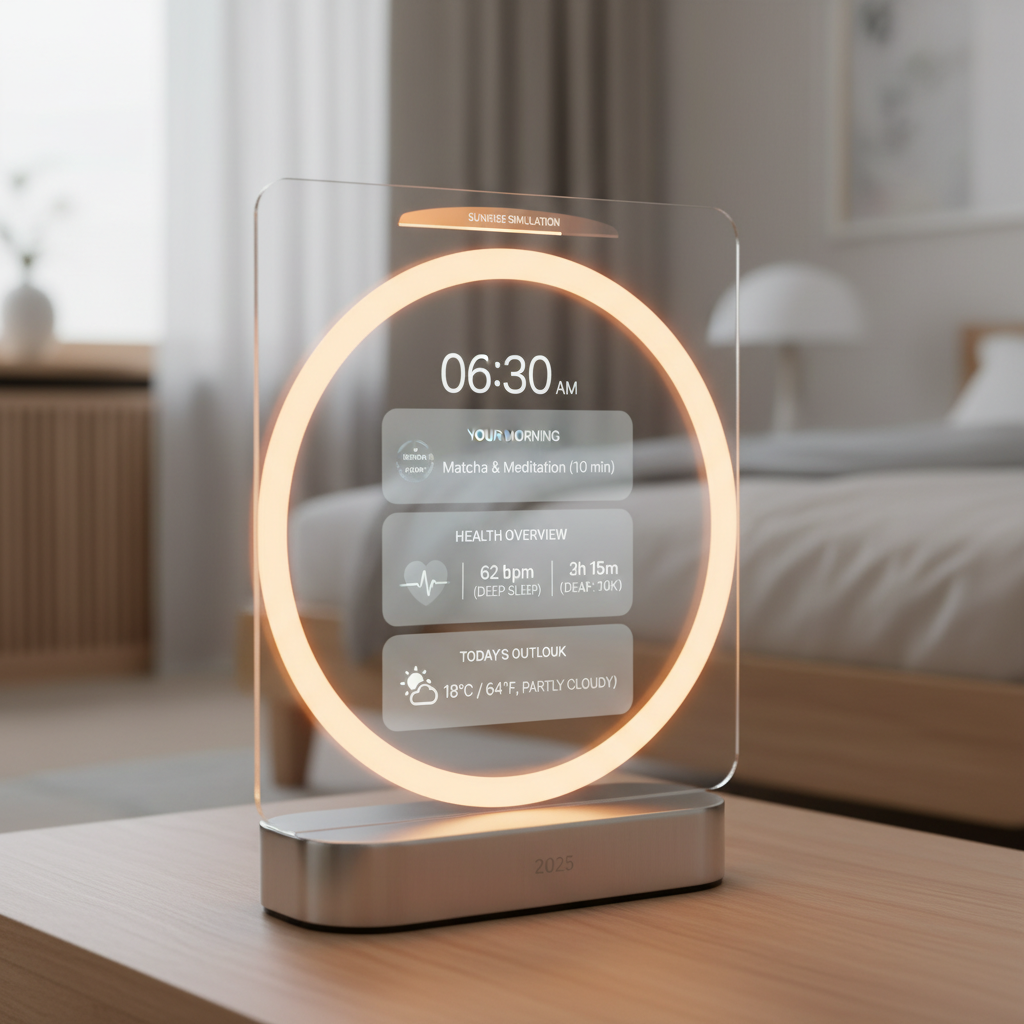
- Smart Home Integration: Your smart home could adjust lighting for optimal sleep, regulate air quality for better recovery, or even suggest recipes based on ingredients in your smart fridge, all guided by your AI fitness coach.
- Non-Invasive Biometric Sensors/Implants: While still speculative, future non-invasive sensors or even micro-implants could provide continuous, highly accurate physiological data directly to your AI coach, enabling even finer-grained personalization without manual input.
-
Emotion and Motivation-Adaptive Coaching
Beyond current NLP capabilities, AI will develop a deeper understanding of human emotions to provide more empathetic and effective motivation.
- Contextual Empathy: AI could analyze voice tone, facial expressions (via camera), or even written communication to discern user frustration, joy, or apathy, and adapt its motivational strategies accordingly.
- Personalized Behavioral Interventions: Learning from psychological profiles, AI might suggest specific types of challenges, rewards, or community interactions that resonate most with an individual’s personality to sustain long-term adherence.
The future of AI in fitness promises a hyper-personalized, integrated, and truly intelligent companion that not only guides us towards our physical goals but also fosters holistic well-being, making sustainable body transformation an accessible and deeply enriching journey for everyone.
Comparison Tables
Table 1: AI Fitness Coach vs. Human Personal Trainer
| Feature/Aspect | AI Fitness Coach | Human Personal Trainer |
|---|---|---|
| Personalization Level | Hyper-personalized; continuously adapts based on real-time data (wearables, input, performance, sleep, stress, mood, etc.). | Personalized based on initial assessment, periodic check-ins, and trainer’s observations; limited real-time adaptation. |
| Availability | 24/7 access; instant feedback and program adjustments anytime, anywhere. | Limited to scheduled sessions; communication often asynchronous between sessions. |
| Cost Efficiency | Generally lower monthly subscription fees, making expert guidance more accessible. | Higher hourly/session rates, can be a significant financial investment. |
| Data Analysis Capability | Processes vast amounts of complex data from multiple sources simultaneously, identifying subtle patterns. | Relies on trainer’s memory, notes, and subjective interpretation; limited capacity for large-scale data synthesis. |
| Form Correction | Real-time visual/audio feedback via computer vision; objective, consistent. | Direct in-person observation and verbal/physical cues; subjective and dependent on trainer’s presence. |
| Motivation & Empathy | Data-driven nudges, progress tracking, celebratory messages; lacks true human empathy and social connection. | Personal rapport, psychological insight, direct encouragement, shared experience; strong motivational factor. |
| Scope of Expertise | Excellent for data-driven program design, nutrition, and recovery. Limited for complex medical conditions or specific rehabilitative needs without human oversight. | Comprehensive understanding of individual needs, can offer hands-on adjustments, deep empathy, and holistic life coaching. Can provide direct medical referral if necessary. |
| Objectivity | Purely data-driven; no emotional biases or subjective opinions. | Can be influenced by personal experience, bias, or subjective observations. |
Table 2: AI Approaches to Different Fitness Goals
| Fitness Goal | AI Focus Areas & Strategies | Key AI Technologies Utilized |
|---|---|---|
| Sustainable Weight Loss |
|
|
| Muscle Growth & Strength |
|
|
| Endurance & Cardiovascular Fitness |
|
|
| General Health & Wellness |
|
|
Practical Examples: Real-World Use Cases and Scenarios
To truly understand the impact of AI-powered fitness, let’s look at a few hypothetical, yet highly plausible, real-world scenarios that demonstrate its transformative power.
Case Study 1: Sarah’s Journey to Sustainable Weight Loss
Sarah, a 35-year-old marketing professional, had always struggled with her weight. She tried various fad diets and gym memberships, but nothing stuck. Her busy schedule, coupled with a love for comfort food, made consistency a significant challenge. She felt overwhelmed by conflicting advice and found generic meal plans impractical.
- AI Intervention: Sarah decided to try an AI fitness coach app. She inputted her current weight, height, activity level, dietary preferences (she was a pescatarian who disliked broccoli), and her goal: to lose 20 pounds sustainably over six months. She also connected her smartwatch, which tracked her steps, heart rate, and sleep.
- Personalized Plan: The AI analyzed her data and immediately noticed that while she was active on weekends, her weekdays involved long hours at a desk with minimal movement. It also identified her preference for quick, easy-to-prepare meals.
- Dynamic Adjustments:
- Nutrition: The AI generated a daily meal plan with pescatarian-friendly, low-prep recipes that excluded broccoli. It suggested specific portion sizes for her caloric needs and adjusted these slightly on days she had higher activity. When Sarah occasionally logged a high-calorie meal out with friends, the AI gently suggested lighter options for the next day, not as punishment, but as a proactive adjustment to keep her on track.
- Exercise: For weekdays, it recommended short, high-intensity bodyweight workouts she could do at home in 20 minutes, along with reminders to take a 10-minute walk every two hours during work. On weekends, it suggested longer hikes, aligning with her preference for outdoor activities.
- Recovery: Her smartwatch data showed inconsistent sleep. The AI provided tips for improving sleep hygiene and suggested a calming stretching routine before bed on nights it detected high stress levels via her HRV.
- Outcome: Over six months, Sarah consistently lost weight, averaging 1-2 pounds per week. She never felt overly deprived because the food was tailored to her taste, and the workouts fit seamlessly into her life. The consistent, non-judgmental feedback from the AI kept her motivated, and she developed healthy habits that she knew she could maintain long-term. She not only lost 22 pounds but also gained significant strength and vastly improved her energy levels and sleep quality.
Case Study 2: Mark’s Journey to Optimized Muscle Growth
Mark, a 28-year-old who had been lifting weights for five years, found himself in a plateau. He was strong but struggled to add significant muscle mass despite training hard. He suspected his programming wasn’t optimal and that he might be overlooking recovery.
- AI Intervention: Mark subscribed to an advanced AI strength training app. He entered his current lifts (bench press, squat, deadlift PBs), gym equipment availability, and his goal: to break through his plateau and add 10 pounds of lean muscle in a year. He used his phone’s camera for form analysis and linked his Oura Ring for sleep and recovery data.
- Personalized Plan: The AI immediately identified that Mark was consistently overtraining certain muscle groups while neglecting others, leading to imbalances. It also noted his sleep quality was often suboptimal on heavy training days.
- Dynamic Adjustments:
- Workout Programming: The AI designed a sophisticated undulating periodization program, varying intensity and volume throughout the week. For example, on a heavy squat day, it recommended a specific weight and rep scheme. If Mark lifted more than predicted, it instantly adjusted his next session’s recommendation upwards. If his form faltered (detected by computer vision), it paused the workout, provided visual cues, and suggested reducing the weight until form was perfect.
- Nutrition: The AI recommended a precise caloric surplus with specific macronutrient ratios, emphasizing protein timing around his workouts. It even suggested specific post-workout shakes to maximize muscle protein synthesis.
- Recovery: Based on his Oura Ring data, if Mark’s HRV was low or his deep sleep was insufficient, the AI would recommend a lighter session or an active recovery day instead of a planned heavy lift, preventing overtraining and ensuring optimal recovery. It also advised on specific stretches and foam rolling routines.
- Outcome: Within months, Mark started breaking through his plateaus. The precise programming, real-time form correction, and intelligent recovery management allowed him to consistently progress without injury or burnout. Over the year, he not only added 11 pounds of lean muscle but also significantly increased his strength across all major lifts, feeling stronger and more resilient than ever before.
General Integration into Daily Life
These examples illustrate how AI fitness coaches are not just for elite athletes but for anyone seeking a more efficient, sustainable, and personalized path to their health and fitness goals. They act as an omnipresent, objective, and constantly learning companion, removing the guesswork and emotional barriers that often hinder progress, making consistent body transformation a tangible reality for a wider audience.
Frequently Asked Questions
Q: Is AI fitness safe? Can it replace a doctor or physical therapist?
A: AI fitness is generally safe, as it provides data-driven recommendations based on exercise science and nutrition principles. However, it is absolutely crucial to understand that AI fitness coaches are NOT medical professionals. They cannot diagnose conditions, treat injuries, or provide medical advice. If you have existing health conditions, injuries, or any concerns, you should always consult with a doctor or a qualified physical therapist before starting any new fitness program. AI coaches should be seen as a powerful tool to augment your fitness journey, not a replacement for professional medical guidance.
Q: How accurate are AI fitness recommendations?
A: The accuracy of AI fitness recommendations depends heavily on the quality and quantity of data it receives. The more accurate and consistent your input (e.g., food logging, workout details) and the more comprehensive the data from connected wearables (e.g., heart rate, sleep, activity), the more precise and effective the AI’s recommendations will be. Reputable AI platforms use scientifically validated algorithms and are continuously refined with new data, striving for high accuracy in their personalized guidance.
Q: What kind of data does an AI fitness coach collect? Is my data private?
A: AI fitness coaches typically collect a wide range of data, including personal information (age, gender, height, weight), activity levels, dietary intake, workout performance (reps, sets, weights, speed), sleep patterns, heart rate, heart rate variability (HRV), and sometimes even mood or stress levels. Advanced systems might use your device’s camera for form analysis. Reputable platforms prioritize data privacy and security, adhering to strict regulations like GDPR. They should have clear privacy policies outlining what data is collected, how it’s used, and whether it’s shared (often in anonymized, aggregated forms for research). Always review the privacy policy of any app or service you use.
Q: Can AI help with specific health conditions like diabetes or heart disease?
A: While AI can provide general fitness and nutrition guidance that might be beneficial for overall health, it is not designed to manage specific medical conditions like diabetes or heart disease. Individuals with such conditions require personalized medical supervision from a doctor or a registered dietitian. AI can potentially complement their prescribed treatment plan by offering structured exercise and diet routines, but it must always be used under the explicit guidance and approval of healthcare professionals.
Q: Is AI fitness expensive? What are the typical costs?
A: The cost of AI fitness solutions varies widely. Many apps offer a basic free tier with limited features, while premium subscriptions (often monthly or annual) can range from $10 to $50 per month, depending on the sophistication of the AI, the depth of personalization, and included features like human coach support. Some solutions might also require the purchase of compatible wearable devices. Compared to the cost of a human personal trainer (which can be $50-150 per session), AI fitness is generally a much more affordable option for personalized guidance.
Q: Can an AI coach truly understand my emotional state and motivate me like a human?
A: AI coaches can analyze patterns in your self-reported mood, activity levels, and physiological data (like HRV) to infer your emotional state and adapt its communication. It can provide timely nudges, encouragement, and celebrate milestones. However, it currently lacks the capacity for true human empathy, intuition, and the nuanced understanding of complex psychological factors that a human coach or therapist possesses. While highly effective for data-driven motivation, it’s not a replacement for the deep personal connection and emotional support a human can offer.
Q: What if I don’t have fancy wearable devices? Can I still use an AI fitness coach?
A: Yes, many AI fitness coaches can still provide significant value even without extensive wearable integration. You can manually input data like your weight, height, activity level, and dietary choices. Some apps use smartphone sensors for basic step tracking or can utilize your phone’s camera for computer vision-based form analysis during workouts. While wearables enhance the AI’s ability to provide hyper-personalized and real-time adjustments, they are often not a strict requirement to get started and see results.
Q: How quickly can I expect to see results with an AI fitness coach?
A: The timeline for seeing results with an AI fitness coach is highly individual, depending on your starting point, consistency, adherence to the plan, and the realism of your goals. However, because AI provides hyper-personalized and optimally adaptive plans, many users report seeing noticeable improvements in energy, strength, and body composition within 4-8 weeks, with significant transformations occurring over 3-6 months. The key, as with any fitness journey, is consistent effort and trust in the process.
Q: Are AI-generated workout plans generic or truly personalized?
A: Reputable AI fitness platforms generate truly personalized workout plans. They go far beyond generic templates by considering your current fitness level, goals, available equipment, time constraints, exercise preferences, injury history, and even your daily recovery status (based on sleep and heart rate variability). The plans are dynamic, meaning they adapt in real-time based on your performance in previous sessions, ensuring optimal progressive overload and preventing plateaus.
Q: What are the biggest advantages of using AI for fitness over traditional methods?
A: The biggest advantages include unparalleled personalization and real-time adaptation, making your fitness journey significantly more efficient and effective. AI offers 24/7 availability and immediate feedback, removing guesswork and promoting consistency. It’s often more cost-effective than a human coach for similar levels of guidance, and its ability to process vast amounts of data provides insights that a human simply cannot. This leads to more sustainable habits and better long-term results by optimizing every aspect of your training, nutrition, and recovery.
Key Takeaways: Embracing the AI Fitness Revolution
- Hyper-Personalization is Key: AI moves beyond generic advice to create dynamic, individualized fitness plans that adapt to your unique physiology, preferences, and daily performance.
- Sustainable Weight Loss: AI optimizes diet and exercise by integrating data from wearables, food logs, and user input, ensuring calorie goals and macronutrient ratios are perfectly tailored for fat loss without deprivation.
- Optimized Muscle Growth: For strength training, AI excels in progressive overload, recommending precise weights and reps. Advanced computer vision offers real-time form correction, preventing injury and maximizing effectiveness.
- Holistic Wellness Integration: AI coaches consider more than just workouts and diet; they integrate sleep tracking, stress management, and hydration reminders to foster overall well-being, crucial for long-term success.
- Technology Underpins Transformation: Machine Learning, Computer Vision, and Natural Language Processing are the core technologies enabling AI to analyze data, interpret movements, and communicate effectively.
- Ethical Considerations Matter: Addressing data privacy, algorithmic bias, and clearly defining the limits of AI (i.e., not replacing medical professionals) are vital for responsible development and user trust.
- The Future is Integrated: Expect AI fitness to become even more sophisticated, with nutrigenomics, AR/VR training, predictive injury prevention, and seamless smart home integration on the horizon.
- Accessibility and Efficiency: AI democratizes access to expert-level fitness guidance, making it more affordable and available 24/7, ultimately leading to more consistent and sustainable results for a broader audience.
Conclusion: Your Personalized Path to a Transformed Self
The journey towards transforming your body—whether for sustainable weight loss, significant muscle growth, or holistic well-being—has historically been paved with uncertainty, inconsistency, and often, frustration. The sheer complexity of individual physiology, coupled with the ever-present challenges of motivation, adherence, and adapting to life’s unpredictable twists, made achieving lasting results feel like an uphill battle.
However, the advent of artificial intelligence in fitness marks a pivotal turning point. We are no longer limited to one-size-fits-all solutions or the finite capacity of human observation. AI-powered strategies offer a paradigm shift, providing a level of personalization, adaptability, and continuous support that was once unimaginable. Imagine a fitness companion who understands your body on a molecular level, adapts your workout when you’re fatigued, recalibrates your diet after a celebratory meal, and even gently nudges you towards better sleep and stress management—all in real-time, 24/7.
From the intelligent design of progressive overload for maximal strength gains to the dynamic crafting of meal plans that respect your deepest preferences and nutritional needs, AI is streamlining the path to your fitness goals. It empowers you with actionable insights, automates complex decision-making, and provides the consistent, unbiased feedback necessary to build sustainable habits. While the human element of empathy and professional medical advice remains irreplaceable, AI serves as an extraordinarily powerful co-pilot, enhancing your journey with unparalleled data-driven precision.
As we look to the future, the integration of AI into our fitness routines will only deepen, offering even more immersive, predictive, and personalized experiences. The promise of AI is not merely to help you reach a temporary goal, but to equip you with the knowledge, tools, and habits for a lifetime of health and vitality. Embrace this revolution. Explore the potential of an AI coach. Your personalized path to a stronger, healthier, and more resilient self is not just a dream; it is now an accessible reality.

















































































Leave a Reply