


Introduction: The Dawn of a New Fitness Era for Personalized Journeys
In a world that constantly demands our attention, maintaining a consistent fitness routine often feels like an uphill battle. The initial surge of motivation quickly fades, replaced by busy schedules, conflicting priorities, and the inevitable plateau. We’ve all been there: starting a new workout program with zeal, only to find ourselves skipping days, losing interest, and eventually abandoning our fitness goals altogether. The traditional approaches to fitness, while valuable, often struggle to keep pace with the dynamic needs of individuals, leading to a significant drop-off rate.
But what if there was a way to bypass these common pitfalls? What if your fitness journey could be perpetually engaging, perfectly tailored, and inherently motivating, adapting intelligently to your life’s unpredictable twists and turns? Enter the realm of Artificial Intelligence (AI) fitness coaches. Far from being simple workout apps, these advanced digital companions are leveraging the power of machine learning, data analytics, and behavioral science to redefine how we approach health and wellness. They are not just providing exercises; they are building a sustainable ecosystem for motivation, consistency, and genuine progress.
Under the overarching theme of ‘Personalized Fitness Journeys: AI Coaches for Every Level,’ this comprehensive blog post will delve deep into how AI fitness coaches are becoming indispensable tools for anyone looking to cultivate lasting workout habits. We will explore their sophisticated mechanisms for personalization, their innovative strategies for boosting motivation, and their unparalleled ability to adapt to your evolving needs. Whether you are a complete beginner looking to establish a foundation, an intermediate enthusiast aiming to break plateaus, or an advanced athlete seeking optimized performance, AI fitness coaches offer a revolutionary path to achieving and maintaining your fitness aspirations, ensuring you truly ‘never miss a workout’ again.
The Consistency Challenge: Why Most Fitness Journeys Fail and How AI Intervenes
The road to fitness is often paved with good intentions but rarely with consistent action. Understanding why people struggle to stick with their workout routines is the first step towards finding effective solutions. The reasons are multifaceted, ranging from psychological barriers to practical constraints, and traditional fitness models often fall short in addressing these complex issues comprehensively. This is where the ingenuity of AI fitness coaching shines, by systematically targeting and mitigating these common consistency killers.
Understanding the Hurdles to Regular Workouts
- Lack of Personalized Guidance: Generic workout plans fail to account for individual fitness levels, equipment availability, time constraints, past injuries, or personal preferences. What works for one person might be detrimental or demotivating for another. Without a plan that feels uniquely ‘theirs,’ individuals quickly lose connection and direction.
- Fluctuating Motivation and Accountability: The initial burst of enthusiasm is fleeting. Without external accountability or internal strategies to sustain drive, motivation wanes. Life stressors, fatigue, and the sheer effort required to decide on and execute a workout can derail even the most committed individuals.
- Fear of Injury or Incorrect Form: Many people hesitate to push themselves or try new exercises due to the fear of getting hurt, especially without a watchful eye correcting their form. This apprehension can lead to stagnation or complete avoidance of challenging workouts.
- Time Constraints and Inconvenience: Juggling work, family, and social commitments leaves little room for rigid workout schedules or travel to a gym. Finding time and making fitness convenient are perennial challenges.
- Plateaus and Lack of Progress: When results slow down or stop, it’s incredibly demotivating. Without expert guidance to adjust intensity, volume, or exercise selection, individuals often hit plateaus, feeling their efforts are no longer yielding rewards.
- Cost Barriers: Hiring a dedicated human personal trainer can be prohibitively expensive for many, making consistent, expert guidance inaccessible in the long term.
How AI Steps in to Build Lasting Consistency
AI fitness coaches are designed from the ground up to tackle these obstacles. By leveraging sophisticated algorithms and vast datasets, they offer solutions that were previously only available to elite athletes or those with significant financial resources. They adapt, learn, and guide, creating an environment where consistency is not just an aspiration but an integrated part of the user’s daily life.
- Dynamic Personalization: AI systems create highly individualized workout plans that adjust in real-time based on performance, feedback, recovery data, and even schedule changes. This ensures every session is relevant, challenging but achievable, and perfectly suited to the user’s current state.
- Intelligent Motivation and Feedback: Through real-time form correction using computer vision, personalized encouragement, progress tracking, and goal setting, AI coaches keep users engaged and accountable. They celebrate milestones and provide constructive feedback to keep the momentum going.
- Accessibility and Affordability: Available 24/7 from virtually anywhere, AI coaches remove geographical and time barriers. Their subscription models are significantly more affordable than traditional personal training, making consistent, high-quality guidance accessible to a much broader audience.
- Data-Driven Progress and Plateau Prevention: By analyzing performance metrics over time, AI can identify patterns, predict plateaus, and proactively adjust workout parameters to ensure continuous progress, keeping users engaged and seeing results.
- Safety and Injury Mitigation: Advanced AI coaches can monitor form, detect potential biomechanical issues, and recommend modifications or rest, significantly reducing the risk of injury while building strength and proper movement patterns.
What Exactly is an AI Fitness Coach? Beyond Simple Workout Apps
The term “AI fitness coach” might sound futuristic, but these tools are very much a part of our present, evolving rapidly to become more sophisticated and integrated into our daily lives. To truly appreciate their impact, it’s crucial to understand what distinguishes them from a basic fitness app or a static workout PDF. An AI fitness coach is not merely a digital library of exercises; it is an intelligent, adaptive system designed to simulate the decision-making process and personalized interaction of a human coach, augmented by the computational power of artificial intelligence.
The Intelligence Behind the Coaching: Core Technologies
At its heart, an AI fitness coach harnesses several advanced technologies to deliver its personalized experience:
- Machine Learning (ML): This is the backbone. ML algorithms analyze vast amounts of data – your performance history, stated goals, fitness level, available equipment, schedule, and even biometric data from wearables (heart rate, sleep quality, recovery metrics). Based on this analysis, the AI learns what works best for you, predicting outcomes and optimizing future workout recommendations. It can identify patterns in your progress, detect when you might be overtraining or under-recovering, and adjust accordingly.
- Computer Vision (CV): A game-changer for form correction. Many advanced AI fitness coaches utilize your smartphone or tablet camera to observe your movements in real-time. CV algorithms analyze your posture, limb angles, and range of motion, comparing them to ideal exercise mechanics. If your squat is too shallow or your push-up form is breaking down, the AI provides immediate, actionable feedback, just like a human coach standing beside you. This technology is vital for preventing injuries and ensuring exercises are effective.
- Natural Language Processing (NLP) and Generation (NLG): These allow for more natural interaction. NLP enables the AI to understand your text or voice commands and feedback (e.g., “This exercise feels too easy,” or “I have knee pain”). NLG allows the AI to communicate back to you in clear, encouraging, and personalized language, explaining exercises, providing motivation, and answering your questions. Some platforms integrate sophisticated chatbots for a conversational coaching experience.
- Adaptive Algorithms and Predictive Analytics: These algorithms don’t just react to your input; they anticipate your needs. If your performance consistently drops on certain days, the AI might suggest adjusting your schedule or intensity. If it detects a plateau forming, it will automatically modify your program to introduce new stimuli, such as progressive overload, different exercise variations, or deload weeks, ensuring continuous adaptation and progress.
- Behavioral Psychology Principles: Beyond the raw technology, AI coaches are often programmed with principles derived from behavioral science to foster motivation and habit formation. This includes goal setting, positive reinforcement, gamification elements (streaks, badges), and reminders, all delivered in a personalized context.
In essence, an AI fitness coach is an intelligent system that continuously learns from you and about you, adjusting its guidance to meet your evolving needs and circumstances. It transforms a static program into a dynamic, living fitness journey, making it a far more powerful tool than any traditional, non-adaptive app could ever be.
Personalization at Its Core: Tailoring Fitness to Every Individual’s Unique Blueprint
The one-size-fits-all approach to fitness is a relic of the past, largely ineffective for sustained results. Every individual possesses a unique blueprint: distinct physical capabilities, varying levels of experience, specific health conditions, personal preferences, and fluctuating daily circumstances. True progress and consistency hinge on a fitness plan that respects and adapts to this individuality. This is precisely where AI fitness coaches excel, offering a level of hyper-personalization that was once the exclusive domain of elite athletes with dedicated human coaching teams.
From Beginners to Elite Athletes: Adaptive Programming for All Levels
AI fitness coaches initiate their personalization process by gathering comprehensive data about you. This typically begins with an in-depth onboarding questionnaire covering:
- Current Fitness Level: Are you a complete novice, an intermediate exerciser, or an advanced athlete?
- Fitness Goals: Do you want to lose weight, build muscle, improve endurance, increase strength, rehabilitate an injury, or simply maintain an active lifestyle?
- Available Equipment: Do you have access to a full gym, limited home equipment, or only your body weight?
- Time Commitment: How many days a week can you realistically work out, and for how long each session?
- Past Injuries or Health Conditions: Any limitations or areas requiring modification?
- Dietary Preferences and Restrictions: Some advanced AI coaches integrate nutrition planning.
- Lifestyle Factors: Sleep patterns, stress levels, and daily activity.
Once this initial profile is established, the AI begins to craft a baseline program. However, unlike a static program, this is just the starting point. The real magic of AI personalization lies in its continuous adaptation:
- Performance-Based Adjustments: After each workout, the AI assesses your performance. Did you complete all reps? Was the weight too light or too heavy? Did you struggle with a particular exercise? Based on your feedback and observed performance (if using computer vision), the AI will adjust the intensity, volume, or exercise selection for your next session. If you easily complete an exercise, it might increase the weight or reps. If you struggle, it might suggest a modification or reduce the load.
- Progressive Overload Management: To avoid plateaus, the AI intelligently implements progressive overload principles. It knows when to increase the challenge incrementally, ensuring your muscles are constantly stimulated to adapt and grow stronger without overwhelming you. This prevents the stagnation that often demotivates exercisers.
- Recovery and Wellness Integration: Many AI coaches integrate with wearables to pull data on your heart rate, sleep quality, stress levels, and activity throughout the day. If your sleep quality was poor, or your heart rate variability indicates high stress, the AI might recommend a lighter workout, a recovery session, or a complete rest day, prioritizing your well-being and preventing overtraining or burnout. This holistic approach ensures sustainable progress.
- Variability and Novelty: To keep workouts engaging and challenge your body in new ways, the AI introduces variety. It might swap exercises for similar movements, change the order of exercises, or suggest different training modalities (e.g., strength, HIIT, yoga) based on your goals and preferences, preventing boredom and stimulating different muscle groups.
- Dynamic Schedule Adaptation: Life happens. If you suddenly have less time for a workout, or need to skip a day, the AI can quickly reconfigure your schedule and program to account for the change, minimizing disruption to your overall progress. This flexibility removes a major barrier to consistency.
For a beginner, the AI might focus on fundamental movements, proper form, and gradual progression. For an intermediate, it might introduce more complex exercises, periodization, and intensity techniques. For an elite athlete, it could optimize microcycles, peak performance phases, and recovery strategies based on highly granular data. This intelligent, adaptive personalization makes AI fitness coaches truly revolutionary, delivering a bespoke fitness experience that evolves with you.
Motivation Multipliers: How AI Fitness Coaches Keep You Going Strong
Motivation is notoriously fickle. It waxes and wanes, often leaving us stranded when the initial excitement wears off. One of the most significant strengths of AI fitness coaches is their sophisticated ability to act as a relentless motivation multiplier, employing a range of psychological and technological strategies to keep you engaged, accountable, and consistently working towards your goals. They are designed not just to instruct, but to inspire and sustain your drive.
Real-Time Feedback and Form Correction: Your Virtual Spotter
Imagine having a personal trainer constantly watching your every move, offering immediate advice to refine your technique. That’s precisely what advanced AI fitness coaches provide through computer vision technology. By using your device’s camera, the AI can:
- Detect Form Errors Instantly: If your back is rounding during a deadlift, your knees are caving in on a squat, or your push-up depth is insufficient, the AI provides immediate visual and auditory cues. For example, a visual overlay might show you the correct path of movement, or an audio prompt might say, “Chest up!” or “Engage your core.”
- Prevent Injuries: Correct form is paramount for safety. By highlighting and correcting improper mechanics, AI coaches significantly reduce the risk of strain, sprains, and more serious injuries, allowing you to train with confidence and consistency.
- Maximize Effectiveness: Proper form ensures that the intended muscles are being worked effectively. Real-time feedback helps you get the most out of every repetition, accelerating your progress and making your efforts more rewarding.
- Build Body Awareness: Consistent feedback helps you develop a stronger mind-muscle connection and a better understanding of your own body’s mechanics, a skill that transcends the AI coaching sessions.
This immediate, objective feedback eliminates guesswork and frustration, empowering users to perform exercises safely and effectively, which in turn fuels motivation as they see better results and feel more competent.
Gamification and Goal Setting: Turning Workouts into Achievements
Human beings are inherently driven by achievement and challenge. AI fitness coaches tap into these intrinsic motivators through gamification and intelligent goal setting:
- Achievement Badges and Streaks: Completing a certain number of workouts, reaching a new personal best, or maintaining a consistent workout streak can unlock virtual badges or awards. These small victories provide a sense of accomplishment and encourage continued effort.
- Progress Tracking and Visualization: Seeing your progress laid out visually – graphs of increased strength, improved endurance, or reduced body measurements – is incredibly motivating. AI coaches excel at presenting this data in an easy-to-understand and inspiring format, showing you tangible evidence that your hard work is paying off.
- Smart Goal Setting: The AI helps you set realistic, measurable, achievable, relevant, and time-bound (SMART) goals. It then breaks these larger goals into smaller, manageable milestones, celebrating each one. This prevents overwhelm and keeps you focused on the next achievable step.
- Challenges and Competitions: Some platforms offer community challenges or allow users to compete against their own past performance, adding a layer of healthy competition and social engagement.
By transforming the often-monotonous routine of exercise into a series of achievable quests and celebrated milestones, AI coaches make the fitness journey more enjoyable and intrinsically rewarding, fostering a deeper, more sustainable motivation.
Predictive Analytics for Injury Prevention and Performance Optimization
Beyond immediate feedback, AI employs predictive analytics to keep you healthy and progressing:
- Overtraining Detection: By monitoring performance trends, recovery data (sleep, heart rate variability), and reported fatigue levels, the AI can detect early signs of overtraining before it leads to injury or burnout. It might then suggest an active recovery day or a reduction in intensity.
- Identifying Weaknesses and Imbalances: Through continuous analysis of your movement patterns and performance across various exercises, the AI can pinpoint muscular imbalances or weaknesses that could lead to injury. It can then prescribe corrective exercises or adjust your program to strengthen these areas proactively.
- Optimizing Peak Performance: For advanced users, AI can help in periodization, strategically varying training intensity and volume over time to ensure you peak at the right moments, whether for a race, a strength goal, or simply optimal long-term progress.
This proactive, data-driven approach to health and performance ensures that your fitness journey is not only effective but also safe and sustainable, building confidence and fostering a long-term commitment to exercise.
Leveraging Data for Unprecedented Insights and Adaptability
In the digital age, data is the new gold, and nowhere is its application more transformative than in personalized fitness. AI fitness coaches harness the power of continuous data collection and analysis to provide insights and adaptability that were once unimaginable. This constant feedback loop is what makes them truly intelligent and responsive, moving beyond static programming to a dynamic, evolving partnership.
The Feedback Loop: Data-Driven Evolution of Your Plan
Every interaction you have with an AI fitness coach, every workout you complete, and often even your passive biometric data, feeds into a sophisticated system that continuously refines your fitness blueprint. This feedback loop operates on several levels:
- Workout Performance Data: After each exercise, you typically log reps, sets, and weight used (or the AI observes it via computer vision). This granular data reveals your current strength, endurance, and any areas of struggle. If you consistently fail to complete reps at a certain weight, the AI learns that the load might be too high. Conversely, if you breeze through an exercise, it understands you’re ready for more.
- Subjective Feedback and Mood Tracking: Many AI coaches prompt you for qualitative feedback: How did the workout feel? Were you energized or fatigued? Did you experience any pain? Some even integrate mood tracking. This subjective input is crucial because a perfect workout on paper might not align with your body’s actual state on a given day. The AI uses this to understand your perceived exertion and emotional connection to the workout.
- Biometric and Wearable Data Integration: Modern AI fitness platforms seamlessly integrate with smartwatches and fitness trackers. This provides a wealth of passive data, including:
- Heart Rate Variability (HRV): A key indicator of recovery and stress levels. A low HRV can signal overtraining or poor recovery.
- Sleep Quality and Duration: Adequate sleep is foundational for recovery and performance. Poor sleep can lead to adjustments in workout intensity.
- Daily Activity Levels: Steps taken, calories burned outside of structured workouts – this helps the AI understand your overall energy expenditure.
- Resting Heart Rate: Another marker of cardiovascular fitness and recovery.
- Nutritional Input (Optional): Some advanced AI systems allow for food logging or integrate with nutrition tracking apps. This provides a holistic view, helping the AI understand how diet impacts your energy levels, recovery, and body composition goals.
All this diverse data is crunched by the AI’s machine learning algorithms. It identifies correlations, predicts trends, and makes informed decisions to modify your program. For instance, if your HRV is consistently low and your sleep quality has dipped, the AI might automatically suggest a deload week, prioritize stretching and mobility, or recommend more active recovery, rather than pushing you into a high-intensity session where injury risk is elevated. Conversely, if all metrics indicate optimal recovery and high performance, the AI will confidently increase the challenge to foster continued adaptation.
This continuous, intelligent adaptation based on a comprehensive data profile ensures that your fitness plan is never static. It’s a living, breathing program that evolves with your body, your lifestyle, and your progress, providing an unparalleled level of responsiveness and optimizing every aspect of your fitness journey for sustained success.
The Future is Now: Emerging Trends and AI Fitness Innovations
The landscape of AI fitness coaching is not static; it is a rapidly evolving field, constantly integrating new technologies and insights to offer even more sophisticated and seamless experiences. What began with personalized workout generation is now expanding into holistic wellness, predictive health, and deeply immersive interactions. These emerging trends are solidifying AI’s role as a cornerstone of future health and fitness.
Integration with Wearables and Smart Home Gyms: A Connected Ecosystem
The synergy between AI fitness coaches and other smart devices is creating a powerful, interconnected fitness ecosystem:
- Enhanced Wearable Integration: Beyond basic heart rate and step tracking, future integrations will leverage more advanced biometric data from wearables, such as continuous glucose monitoring (CGM) for real-time energy management, galvanic skin response for stress levels, and even advanced blood oxygen saturation for altitude or recovery insights. This deeper physiological understanding will allow for even more precise workout and recovery recommendations.
- Smart Home Gym Equipment: Companies like Tonal, Peloton, and Mirror are already integrating AI directly into their hardware. These smart gyms offer interactive classes and AI-driven personalized workouts that adjust resistance, provide form correction, and track metrics automatically. The AI in these systems can learn from your past performance on the specific equipment, providing ultra-precise resistance adjustments and form feedback tailored to the machine’s capabilities.
- Augmented and Virtual Reality (AR/VR) Workouts: Imagine performing a yoga session with an AI avatar correcting your poses in a virtual Bali beach, or running through a fantasy landscape with dynamic challenges adapting to your real-world performance. AR/VR is poised to make workouts more immersive, engaging, and personalized, with AI guiding you through these virtual environments.
Hyper-Personalization with Biometric and Genetic Data: The Ultimate Tailoring
The next frontier of personalization involves diving even deeper into individual biological data:
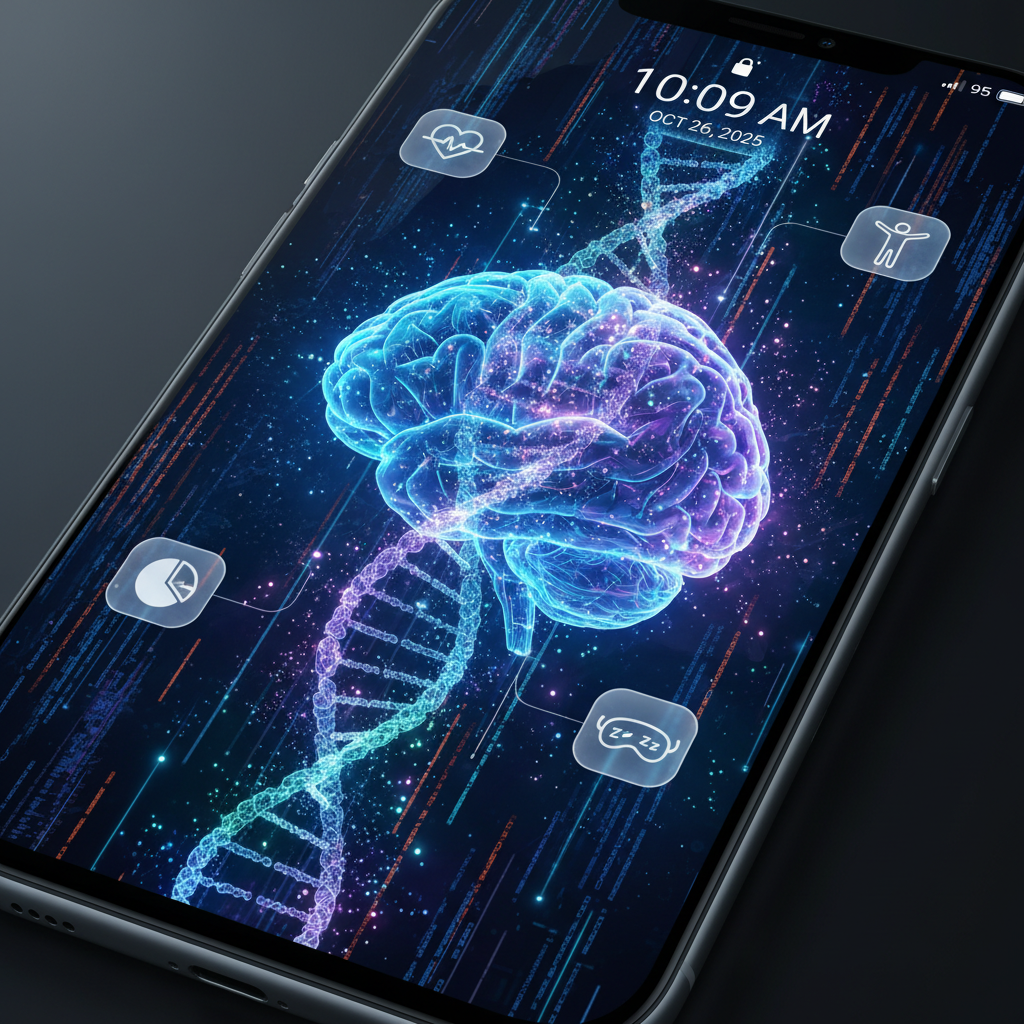
- Genetic Predisposition: While still in early stages, some research suggests that understanding genetic markers could inform optimal training responses (e.g., endurance vs. strength potential, injury susceptibility, recovery speed). AI could, in the future, synthesize this genetic data with performance data to create truly hyper-individualized programs that capitalize on inherent strengths and mitigate genetic risks.
- Real-Time Biometric Feedback: As non-invasive biometric sensors become more advanced and commonplace, AI will leverage data like real-time lactate thresholds, muscle oxygenation, and even subtle neurological signals to adjust workout intensity, rest periods, and exercise selection on the fly, optimizing performance down to the minute.
- Hormonal Response Analysis: Especially relevant for female athletes, AI could potentially analyze hormonal cycle data (from smart rings or other sensors) to tailor training and nutrition, optimizing performance and well-being based on natural physiological fluctuations.
Mental Wellness Integration: A Holistic Approach to Health
Recognizing that physical and mental health are inextricably linked, AI fitness coaches are expanding their scope:
- Stress Management and Mindfulness: AI can suggest meditation or breathing exercises if it detects high stress levels based on biometric data or user input. It can integrate mindfulness practices into pre- and post-workout routines.
- Sleep Optimization Coaching: Beyond just tracking sleep, AI can provide actionable advice for improving sleep hygiene, such as recommending specific winding-down routines or adjusting workout times based on sleep patterns.
- Behavioral Nudges for Holistic Well-being: The AI can extend its motivational nudges beyond workouts to encourage healthy eating habits, adequate hydration, and even social connection, creating a comprehensive well-being platform.
These innovations indicate a future where AI fitness coaches are not just about physical exercise but become comprehensive, intelligent partners in managing all aspects of our health, making lasting motivation and consistency more achievable than ever before.
AI Fitness Coaches vs. Traditional Personal Trainers: A Comparison
While AI fitness coaches offer compelling advantages, it’s important to understand how they stack up against the long-standing model of traditional human personal trainers. Both have their unique strengths and ideal use cases. This comparison highlights the key differences to help you determine which approach might best suit your needs.
| Feature | AI Fitness Coach | Traditional Personal Trainer |
|---|---|---|
| Cost (Estimated) | Low to moderate monthly subscription (e.g., $10-$50/month) | High per-session cost (e.g., $50-$150+/hour) |
| Availability & Flexibility | 24/7 access, train anytime, anywhere (home, gym, travel) | Limited by trainer’s schedule, location-dependent (gym, studio, home visits) |
| Personalization Scale | Hyper-personalized, data-driven, real-time adaptation based on vast data sets and algorithms. Scales to millions of users. | Deeply personalized through human observation, intuition, and direct communication. Limited by trainer’s capacity and time. |
| Data Tracking & Analysis | Automated, continuous tracking of performance, biometrics (via wearables), recovery, and subjective feedback. Advanced analytics. | Manual tracking by trainer. Relies on trainer’s memory and notes. Limited biometric data unless client shares. |
| Real-time Form Correction | Visual/audio cues via computer vision (camera-based), immediate and objective. | Direct verbal, visual, and tactile cues from trainer. Highly nuanced human feedback. |
| Human Connection & Empathy | Limited to programmed encouraging messages and personalized communication. Lacks emotional intelligence. | Strong human connection, empathy, psychological support, and motivational coaching tailored to emotional state. |
| Expertise & Knowledge Base | Access to a vast, continuously updated database of exercises, scientific principles, and training methodologies. Consistent application. | Expertise is limited by individual trainer’s education, experience, and specialization. Variability in quality. |
| Suitability | Ideal for self-motivated individuals, those on a budget, requiring high flexibility, data enthusiasts, or those comfortable with technology. | Ideal for those needing high accountability, hands-on physical adjustments, complex injury rehabilitation, or desiring a deep interpersonal relationship. |
Impact of AI Fitness Coaching: Statistics and Potential Growth
The impact of AI in fitness is not just theoretical; it’s tangible and growing, addressing long-standing issues in the fitness industry. While precise global statistics are still emerging as the technology matures, we can extrapolate from user feedback, industry reports, and the core problems AI solves to illustrate its transformative potential and current benefits. The following table highlights some of these observed and projected impacts.
| Metric | Traditional Fitness (Challenges/Status Quo) | AI Fitness (Solutions/Benefits) |
|---|---|---|
| Workout Adherence Rate | Often low (e.g., 30-50% drop-off within 6 months). Lack of motivation and personalization. | Reported higher adherence rates (e.g., 70-85% sustained engagement). Driven by personalization, motivation, and adaptability. |
| Cost of Expert Guidance | Very high (average personal trainer $60+/hour), prohibitive for many. | Highly affordable (subscription-based, < $1 per day), democratizes access to expert-level coaching. |
| Access to Tailored Plans | Limited to those who can afford or access personal trainers/specialized programs. Generic plans for the rest. | Universal access to dynamic, custom-built plans for any goal, level, or equipment, 24/7 from anywhere. |
| Injury Prevention (Data-Driven) | Relies on self-awareness, human observation, or general advice. Reactive rather than proactive. | Proactive injury mitigation through real-time form correction (computer vision), predictive analytics for overtraining, and weakness identification. |
| Program Customization Speed | Manual, often weekly or monthly adjustments by a human. Slow to react to daily changes. | Instantaneous, real-time adjustments based on performance, biometric data, and life events. Highly responsive. |
| Time & Location Flexibility | Fixed gym hours, trainer availability, travel time. Inflexible schedules. | Maximum flexibility, workouts at home, gym, or on the road, tailored to available time slots. |
| Progress Tracking Depth | Often basic (weights/reps logged manually). Lacks comprehensive biometric data integration. | Comprehensive, automated tracking (performance, biometrics, recovery, sleep, nutrition). Holistic data analysis. |
Practical Examples and Real-World Scenarios
To truly grasp the transformative power of AI fitness coaches, it’s helpful to visualize their application in real-life situations. These practical examples demonstrate how AI adapts to diverse needs, helping individuals overcome common barriers and achieve their fitness aspirations with lasting motivation and consistency.
Case Study 1: Sarah’s Journey to Consistency and Strength
Sarah, a 32-year-old marketing professional, always struggled with consistency. She’d join a gym, feel overwhelmed by the equipment, try a few group classes, and then lose motivation within a month. She wanted to build strength but felt intimidated and unsure how to progress safely. Her busy schedule also meant rigid gym timings were a challenge.
She decided to try an AI fitness coach app. During onboarding, she specified her beginner level, her goal of increasing strength, her access to a small set of dumbbells at home, and her preference for 30-minute workouts, three times a week. The AI designed a progressive bodyweight and dumbbell program focused on fundamental movements.
How AI helped:
- Personalized Progression: After a few weeks, the AI noticed Sarah was easily completing her reps. It gradually increased the number of reps, then suggested slightly heavier dumbbells, and eventually introduced more challenging variations of exercises like elevated push-ups.
- Real-Time Form Correction: Using her phone camera, the AI provided immediate audio and visual cues when her squat depth was too shallow or her planks sagged, ensuring she performed movements correctly and safely, building her confidence.
- Flexible Scheduling: When a work trip came up, Sarah simply updated her schedule in the app. The AI adapted, suggesting bodyweight workouts she could do in her hotel room and then seamlessly reintegrated her dumbbell routine upon her return.
- Motivation and Progress Tracking: The app visually tracked her increasing strength, celebrating milestones like her first unassisted push-up and her consistent 12-week streak. This tangible evidence of progress kept her engaged and motivated.
After six months, Sarah was consistently working out four times a week, feeling stronger, more confident, and had established a sustainable fitness habit.
Case Study 2: Mark, the Busy Professional Battling Burnout
Mark, a 45-year-old executive, was constantly on the go, traveling frequently, and experiencing high stress levels. He knew exercise was crucial for his health but struggled to fit it in and often felt too fatigued to commit. He had a gym membership but rarely used it consistently.
Mark invested in an AI fitness coach that integrated with his smartwatch. He set his goals to improve cardiovascular health, reduce stress, and maintain muscle mass, with a strong emphasis on recovery.
How AI helped:
- Intelligent Schedule Adaptation: The AI learned his travel patterns and dynamically adjusted his workouts. If he was in a hotel, it would suggest a high-intensity interval training (HIIT) session using his body weight or a short hotel gym routine. If he had a long flight, it prioritized active recovery or stretching.
- Recovery-Driven Training: Integrating with his smartwatch, the AI monitored his sleep quality and heart rate variability (HRV). On days when his HRV was low or sleep was poor, the AI would recommend a lighter workout, a restorative yoga session, or a complete rest day, preventing burnout and promoting recovery.
- Stress Management Nudges: Based on his stress levels detected by the wearable and his reported mood, the AI occasionally suggested short mindfulness exercises or guided breathing techniques before or after workouts.
- Efficiency Focus: Recognizing his limited time, the AI optimized his gym sessions for maximum efficiency, focusing on compound movements and supersets to get effective workouts done in 45 minutes.
Mark found that the AI’s intelligent adaptation and focus on recovery made exercise sustainable. He no longer felt guilty for missing a session because the AI would simply adjust. He gained consistency, felt less stressed, and saw improvements in his overall energy levels.
Case Study 3: Elena’s Post-Injury Rehabilitation and Progression
Elena, a 28-year-old recreational runner, was recovering from a minor knee injury that had left her feeling tentative about returning to exercise. She needed a carefully controlled, progressive rehabilitation program, but couldn’t afford consistent physical therapy sessions after her initial treatment. Her goal was to safely return to running.
She opted for an AI fitness coach known for its injury-aware programming and detailed movement analysis.
How AI helped:
- Guided Rehabilitation Protocol: Elena inputted her injury details and current rehabilitation stage. The AI started her with very low-impact exercises, focusing on rebuilding stability and strength around the knee, with clear instructions and modifications to avoid aggravating her injury.
- Progressive and Safe Overload: The AI gradually increased the challenge based on her pain levels (which she reported after each session) and her performance. It focused on strengthening supporting muscles like glutes and hips, crucial for knee health.
- Detailed Form Correction: For exercises like lunges and squats, the AI meticulously monitored her knee alignment and stability through computer vision, ensuring she maintained proper form to protect her joint. It provided warnings if it detected any compensatory movements.
- Integration with Running Program: As her knee strength improved, the AI slowly integrated a ‘return to running’ program, starting with walk-run intervals, gradually increasing running duration while continuously monitoring her knee’s response and providing appropriate rest days.
With the AI’s precise guidance and adaptive programming, Elena safely and confidently progressed through her rehabilitation, eventually returning to running without pain, a consistency she attributes to the AI’s careful, individualized approach.
Frequently Asked Questions About AI Fitness Coaches
Q: How do AI fitness coaches personalize my workouts?
A: AI fitness coaches personalize your workouts by first gathering extensive data about you through an initial questionnaire. This includes your current fitness level, goals, available equipment, time commitment, any injuries, and even dietary preferences. They then continuously adapt your plan based on your performance in each session, real-time feedback you provide, and biometric data from wearables (like heart rate, sleep quality, and recovery metrics). Machine learning algorithms analyze this data to adjust exercise selection, intensity, volume, and rest periods to perfectly match your evolving needs and circumstances, ensuring optimal progression and preventing plateaus.
Q: Are AI fitness coaches effective for beginners as well as advanced athletes?
A: Yes, AI fitness coaches are designed to be effective for individuals across the entire fitness spectrum, from absolute beginners to elite athletes. For beginners, they focus on teaching fundamental movements, ensuring proper form, and building a solid foundation with gradual, safe progression. For advanced athletes, AI can help with sophisticated periodization, optimizing performance peaks, identifying and addressing imbalances, and fine-tuning recovery strategies based on highly granular data. The core strength of AI is its adaptability, meaning it can scale the complexity and intensity of programs to suit any user level.
Q: Can AI fitness coaches help prevent injuries?
A: Absolutely. Injury prevention is one of the key benefits of advanced AI fitness coaches. Many platforms use computer vision technology to analyze your form in real-time, providing immediate feedback and corrections to ensure you’re performing exercises safely and effectively. Beyond this, AI can analyze your performance trends and biometric data (e.g., heart rate variability, sleep quality) to detect signs of overtraining or potential muscular imbalances, proactively adjusting your program or suggesting corrective exercises to mitigate injury risk before it arises. This data-driven, proactive approach significantly enhances safety.
Q: What kind of equipment do I need to use an AI fitness coach?
A: The equipment requirements vary significantly depending on the AI fitness coach and your specified goals. Many AI coaches offer comprehensive bodyweight programs, meaning you need no equipment at all, just your own body and a device (smartphone, tablet, smart TV). Others can generate plans for limited home equipment like dumbbells, resistance bands, or kettlebells. Advanced platforms can create programs for a full gym setting or integrate with smart home gym equipment (like Tonal or Peloton). When you sign up, you typically input your available equipment, and the AI tailors the workouts accordingly, making them highly versatile.
Q: Is my personal data safe with AI fitness coaches?
A: Data privacy and security are paramount concerns for reputable AI fitness coach providers. Most platforms employ robust encryption, adhere to strict data protection regulations (like GDPR), and clearly outline their data handling policies in their terms of service. They typically anonymize and aggregate user data for research and platform improvement, but your personal, identifiable fitness data is usually kept private. It’s always advisable to review the privacy policy of any app or service before sharing your information to understand how your data is collected, stored, and used.
Q: How do AI fitness coaches compare to human personal trainers in terms of effectiveness?
A: Both AI and human personal trainers can be highly effective, but they offer different strengths. AI excels in data-driven, hyper-personalized adaptability, 24/7 availability, consistent objective feedback (especially via computer vision), and affordability. Human trainers provide invaluable emotional support, nuanced tactile adjustments, and a deeply empathetic human connection that AI cannot replicate. For many, a hybrid approach (using AI for daily guidance and occasional check-ins with a human trainer for complex issues or motivation boosts) offers the best of both worlds. The ‘effectiveness’ truly depends on an individual’s specific needs, budget, and preference for interaction.
Q: Can AI fitness coaches integrate with other health apps or wearables?
A: Yes, most modern AI fitness coaches are designed with robust integration capabilities. They can typically connect with popular fitness wearables (like Apple Watch, Garmin, Fitbit) to pull in data such as heart rate, sleep quality, daily activity, and recovery metrics. Many also offer integration with other health and nutrition tracking apps, providing a more holistic view of your well-being. This interconnectedness allows the AI to make more informed decisions and provide comprehensive guidance that extends beyond just your workout sessions, ensuring your fitness plan aligns with your overall lifestyle.
Q: What if I have a specific health condition or limitation? Can AI accommodate that?
A: AI fitness coaches are increasingly sophisticated in accommodating specific health conditions or limitations. During the onboarding process, you can typically input details about injuries, chronic conditions, or physical limitations. The AI will then generate modified exercises, recommend appropriate intensity levels, and sometimes even suggest alternative movements to work around these limitations safely. However, for serious medical conditions or complex injuries, an AI coach should always be used in conjunction with advice from a healthcare professional or physical therapist. It acts as a highly personalized guide, but not a medical professional.
Q: How do AI coaches keep me motivated in the long term?
A: AI coaches employ several strategies to foster long-term motivation. They provide consistent positive reinforcement, celebrate milestones, and offer tangible progress tracking through graphs and analytics, allowing you to visually see your improvements. Gamification elements like streaks, badges, and challenges make the fitness journey more engaging. By dynamically adapting your workouts, the AI prevents boredom and plateaus, ensuring you’re always appropriately challenged. Furthermore, the constant personalization and intelligent feedback build confidence and a sense of ownership, making consistency a natural outcome of an enjoyable and rewarding process.
Q: Are AI fitness coaches only for gym-based workouts, or can they be used for home fitness?
A: AI fitness coaches are incredibly versatile and can be used effectively for both gym-based and home fitness. In fact, many users specifically choose AI coaches for home workouts due to their convenience and adaptability. When you set up your profile, you typically specify your available equipment (or lack thereof), and the AI will generate appropriate workouts. Whether you have a full home gym, just a yoga mat, or are training outdoors, the AI can design a program that fits your environment, making fitness accessible regardless of location.
Key Takeaways: Embracing the Future of Consistent Fitness
The rise of AI fitness coaches marks a pivotal moment in the evolution of personal wellness. They are not merely technological novelties but powerful tools fundamentally changing how we approach and maintain our fitness journeys. Here are the key takeaways illustrating their profound value:
- Unprecedented Personalization: AI coaches offer hyper-personalized workout plans that adapt in real-time to your unique body, goals, equipment, schedule, and recovery needs, ensuring every session is optimal.
- Sustained Motivation: Through intelligent feedback, gamification, progress tracking, and proactive adjustments, AI systems provide continuous motivation, transforming fleeting enthusiasm into lasting commitment.
- Enhanced Consistency: By removing common barriers like lack of guidance, time constraints, and plateaus, AI coaches make it easier than ever to stick to a routine, fostering sustainable fitness habits.
- Injury Prevention & Safety: Real-time form correction via computer vision and predictive analytics for overtraining significantly reduce the risk of injury, allowing for safer and more effective training.
- Data-Driven Insights: Leveraging vast amounts of performance and biometric data, AI provides unparalleled insights into your progress, recovery, and overall well-being, enabling smarter training decisions.
- Accessibility & Affordability: AI fitness coaches democratize access to expert-level guidance, making personalized training available 24/7 from anywhere at a fraction of the cost of a human trainer.
- Holistic Wellness Approach: Emerging trends show AI integrating mental wellness, sleep optimization, and advanced biometric data, pointing towards a comprehensive health management future.
- Empowerment Through Education: By providing clear instructions and explanations, AI coaches empower users to understand their bodies and workouts better, building confidence and self-efficacy.
Conclusion: Your Consistent, Motivated Self Awaits with AI Fitness Coaching
The quest for consistent fitness has long been fraught with challenges: the ebb and flow of motivation, the struggle to find tailored guidance, and the constant battle against a demanding schedule. For too many, the journey ends prematurely, not due to a lack of desire, but a lack of the right support system.
AI fitness coaches are stepping into this void, offering a solution that is both incredibly sophisticated and remarkably accessible. They are not here to replace the irreplaceable human element of coaching, but rather to augment it, making personalized, expert-level guidance available to everyone, everywhere, at any time. By harnessing the power of machine learning, computer vision, and behavioral science, these digital companions are doing more than just telling you what exercises to do; they are meticulously crafting a dynamic, responsive environment that fosters genuine motivation, ensures unwavering consistency, and paves the way for sustainable, lifelong fitness.
Whether you’re taking your first steps into fitness, striving to break through a plateau, or optimizing for peak performance, an AI fitness coach adapts to your unique narrative, becoming an indispensable partner in your personalized fitness journey. It removes the guesswork, mitigates the risks, and provides the relentless encouragement needed to turn aspirations into achievements. The future of fitness is intelligent, personalized, and consistently motivating. Embrace this new era, and discover how AI fitness coaches can empower you to truly ‘never miss a workout’ again, leading you towards a stronger, healthier, and more consistent version of yourself.















































































Leave a Reply