


The modern home is constantly evolving, with technology playing an increasingly pivotal role in simplifying our daily routines. Among the most exciting frontiers in home automation is the kitchen, a space traditionally defined by manual effort and meticulous planning. Today, thanks to the rapid advancements in Artificial Intelligence (AI), our kitchens are undergoing a profound transformation. The Smart Kitchen Revolution is not just about connectivity; it is about intelligence. It is about appliances that do more than just follow instructions; they learn, predict, and adapt, fundamentally changing how we approach meal preparation, food storage, and overall kitchen management.
Imagine a kitchen where your refrigerator knows what groceries you need before you even realize you are running low, where your oven cooks dishes to perfection without constant supervision, and where meal planning is effortlessly tailored to your dietary preferences and available ingredients. This is the promise of AI-powered smart kitchens, a promise that is rapidly becoming a reality. These intelligent gadgets are designed to reduce the mental load associated with cooking, minimize food waste, and elevate the joy of culinary creation by handling the mundane, repetitive, and often error-prone aspects of kitchen work. From intuitive recipe guidance to automated grocery ordering, the integration of AI into our kitchen appliances is set to make our lives significantly easier, healthier, and more efficient.
This comprehensive blog post delves deep into the world of AI-driven smart kitchens, exploring the cutting-edge appliances that are redefining meal prep and organization. We will uncover how these technologies work, examine their practical benefits, discuss real-world applications, and address common questions and concerns. Prepare to discover how the smart kitchen is not just a futuristic concept but a tangible solution for simplifying home chores and embracing a smarter household.
Understanding the Smart Kitchen Revolution: The Dawn of Intelligent Culinary Spaces
The concept of a “smart kitchen” has evolved significantly over the past decade. Initially, it referred to appliances with basic connectivity, allowing users to control them remotely via a smartphone app. While convenient, these early iterations often lacked true intelligence. The real revolution began with the integration of Artificial Intelligence. AI imbues appliances with the ability to perceive, reason, learn, and act, transforming them from mere tools into proactive assistants.
At its core, the AI-powered smart kitchen leverages a network of interconnected devices that communicate with each other and with the user. This ecosystem is powered by algorithms that analyze data from various sources: user preferences, food inventory, cooking temperatures, environmental factors, and even external information like weather or dietary trends. This data-driven approach allows smart kitchen appliances to perform tasks with a level of autonomy and personalization previously unimaginable.
Consider the fundamental shift. A traditional oven simply heats food based on a timer and temperature setting. An AI-powered smart oven, however, can identify the food item placed inside, suggest optimal cooking settings, monitor the internal temperature and doneness in real-time using embedded sensors, and even adjust cooking parameters dynamically to achieve perfect results. Similarly, a conventional refrigerator merely cools food. An AI-enabled smart refrigerator goes far beyond this, tracking inventory, suggesting recipes based on available ingredients, monitoring expiration dates, and even creating grocery lists for items running low. These capabilities are not just about convenience; they are about precision, efficiency, and a significant reduction in cognitive load for the home cook.
The technological backbone of this revolution includes several key components. Advanced sensors are crucial for collecting real-time data about food, temperatures, and appliance status. Machine learning algorithms process this data, identifying patterns and making predictions. Natural Language Processing (NLP) enables voice control, allowing users to interact with their kitchen appliances using spoken commands. Cloud connectivity facilitates seamless integration between devices and provides access to vast databases of recipes, nutritional information, and user preferences. Furthermore, predictive analytics allow these systems to anticipate needs, such as recommending a meal plan for the week based on past consumption and scheduled events. This intricate web of technologies works in harmony to create a truly intelligent and responsive culinary environment, moving beyond simple automation to genuine augmentation of human capabilities in the kitchen.
AI-Powered Meal Planning and Recipe Management: Your Personal Culinary Concierge
One of the most daunting aspects of home cooking is often the initial planning phase. Deciding what to cook, ensuring you have the necessary ingredients, and catering to diverse dietary needs can be a time-consuming and stressful endeavor. AI is fundamentally transforming this process, acting as a personal culinary concierge that simplifies meal planning and recipe management.
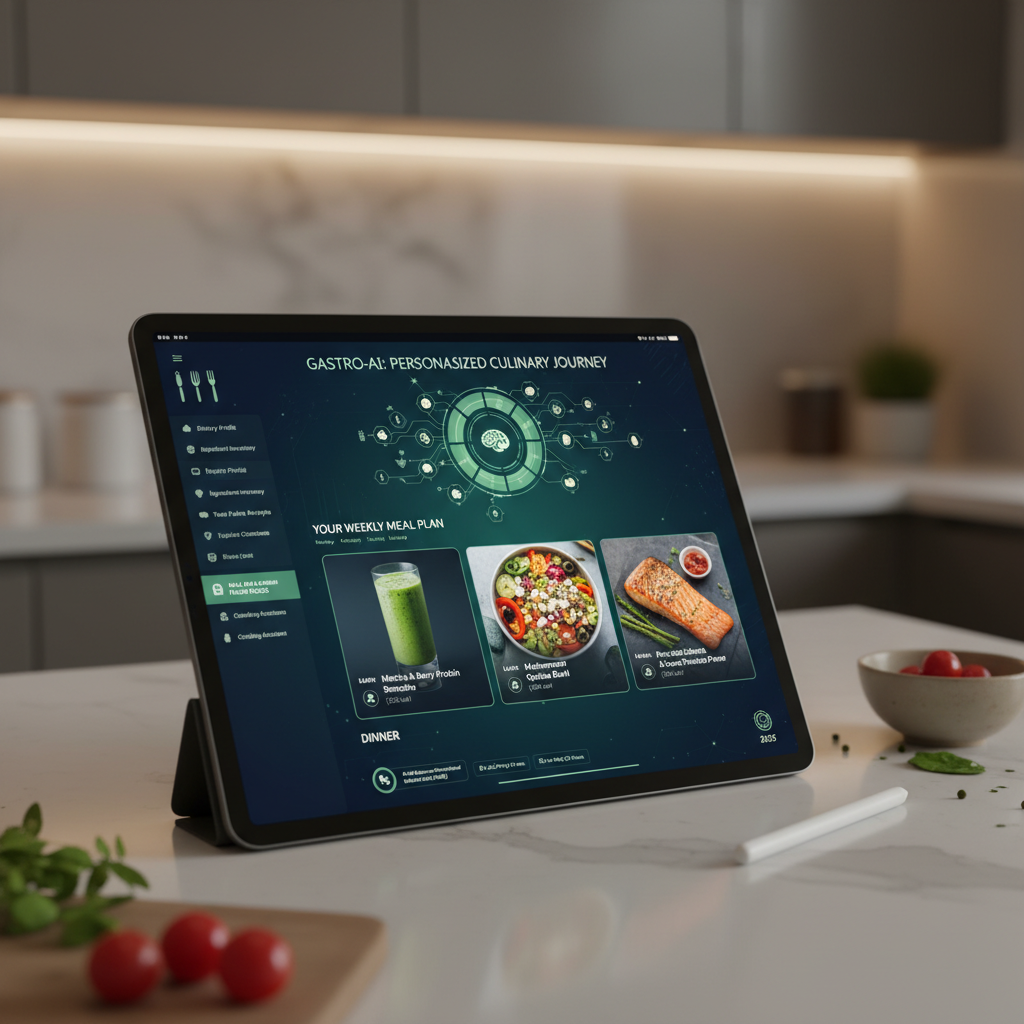
Smart Refrigerators and Pantries: At the heart of this innovation are smart refrigerators and pantry systems equipped with internal cameras, barcode scanners, and weight sensors. These appliances actively monitor your food inventory, creating a real-time digital list of everything you have on hand. Beyond mere listing, AI algorithms process this data to understand what ingredients are nearing their expiration date, suggesting recipes that utilize those items first to minimize waste. Some advanced systems can even detect specific produce types and estimate their freshness levels.
Personalized Recipe Recommendations: Once the inventory is established, AI swings into action to suggest recipes. Unlike traditional recipe apps, these systems leverage machine learning to learn your dietary preferences, allergies, past cooking habits, and even your family’s likes and dislikes. If you frequently cook vegetarian meals, the system will prioritize plant-based options. If you are trying to reduce sodium intake, it will suggest low-sodium recipes. This personalized approach ensures that the recommended meals are not just feasible with your current ingredients but also align with your lifestyle and health goals. Imagine your smart fridge suggesting a delightful salmon dish because it knows you have salmon expiring soon, and then seamlessly sending the recipe instructions to your smart oven.
Automated Grocery Lists and Ordering: As ingredients are used or run low, the AI system automatically updates your digital grocery list. This list can then be synchronized with your smartphone or smart display. Even more impressively, some platforms integrate directly with online grocery delivery services. With your permission, the system can automatically place orders for staple items like milk, eggs, or produce when they drop below a certain threshold. This proactive approach saves countless trips to the grocery store and ensures you always have what you need, when you need it. The AI can also consider sales and promotions from various stores, optimizing your shopping for both convenience and cost efficiency.
Dietary Tracking and Nutritional Insights: For those focused on health and nutrition, AI-powered meal planning offers significant advantages. By tracking the ingredients you consume and the recipes you follow, these systems can provide detailed nutritional breakdowns, helping you monitor calorie intake, macronutrient ratios, and micronutrient consumption. They can even suggest adjustments to your meal plan to help you meet specific health targets, such as increasing protein intake or reducing sugar. This holistic approach turns your kitchen into a powerful tool for achieving and maintaining a healthy lifestyle, providing actionable insights derived from the food you prepare and consume daily.
Automated Cooking and Precision Appliances: The Chef’s AI Assistant
The act of cooking itself, traditionally a hands-on endeavor, is being revolutionized by AI-powered appliances designed for precision, automation, and effortless perfection. These devices take the guesswork out of complex recipes and ensure consistent, high-quality results every time.
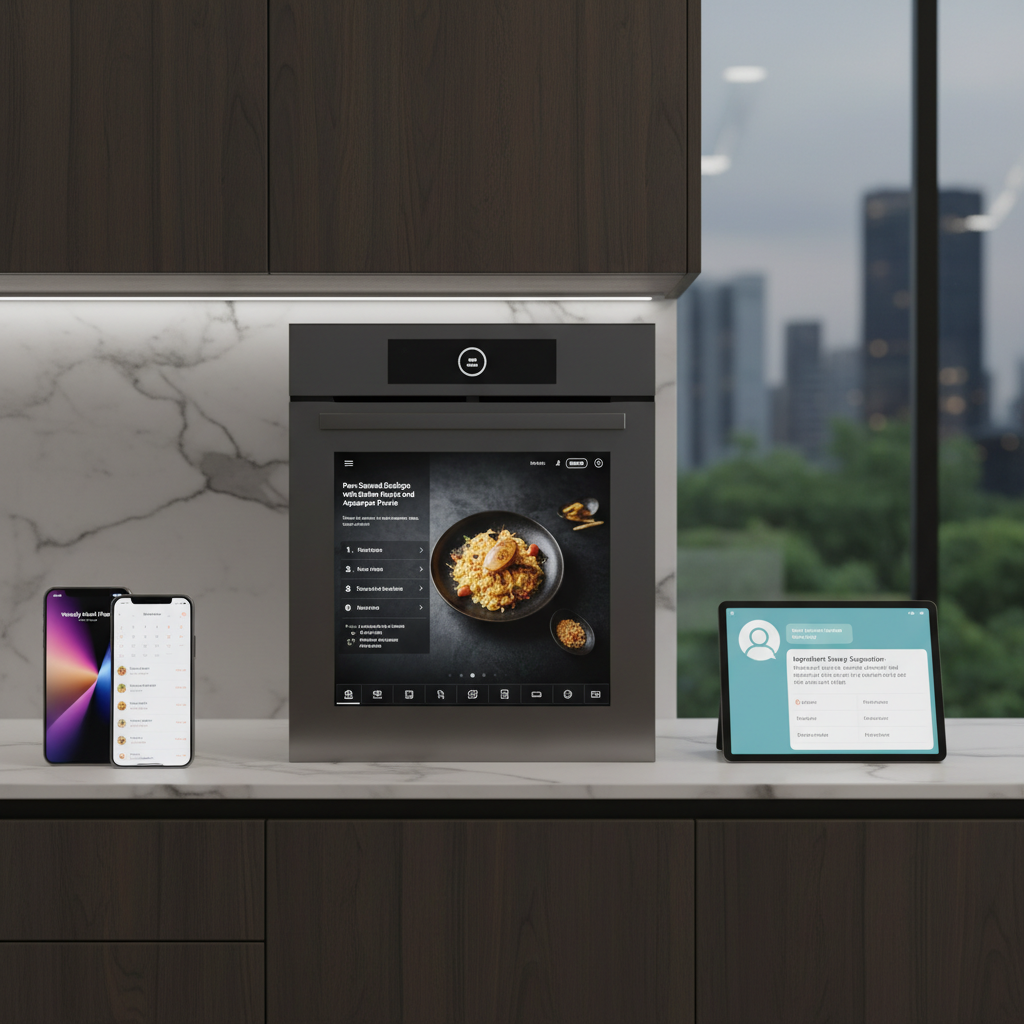
Smart Ovens and Ranges: Modern smart ovens are far more than just connected heating chambers. They incorporate AI to recognize food items, suggest optimal cooking modes (e.g., roast, bake, convection), and even preheat to the exact temperature at the perfect time. Built-in cameras and temperature probes allow the AI to monitor the cooking progress in real-time, detecting when a steak reaches medium-rare or when bread has achieved golden-brown perfection. If a recipe calls for specific internal temperatures or browning levels, the oven can automatically adjust cooking times and temperatures, eliminating the need for constant vigilance and preventing over or undercooking. Some models even feature integrated air fryers or steam cooking functions, with AI ensuring the correct settings for each.
Induction Cooktops with Integrated Sensors: AI is also enhancing stovetop cooking. Smart induction cooktops are now available with integrated sensors that monitor the temperature of pots and pans directly. This allows the AI to maintain precise temperatures for tasks like simmering, frying, or boiling, preventing scorching or boil-overs. For example, if you are making delicate sauces or tempering chocolate, the cooktop can hold the exact temperature required, ensuring consistency and reducing the risk of culinary mishaps. Some even offer guided cooking experiences, displaying step-by-step instructions on an integrated screen and adjusting heat levels automatically as you progress through a recipe.
Multifunction Cookers and Robotic Stirrers: The popularity of multifunction appliances like smart pressure cookers and slow cookers has paved the way for even more advanced automation. These devices often come pre-programmed with AI-optimized settings for hundreds of dishes, automatically adjusting pressure, temperature, and cooking time based on the ingredients and desired outcome. Beyond this, emerging robotic stirrers can attach to various pots and pans, stirring ingredients continuously to prevent burning or sticking, a godsend for dishes like risotto or custards. These innovations free up valuable time and attention, allowing cooks to focus on other tasks or simply relax.
Coffee Makers and Toasters with Personalized Settings: Even simpler appliances are getting an AI upgrade. Smart coffee makers learn your preferred brewing times, strength, and even pre-heat water for your morning coffee before you even wake up. Smart toasters can memorize your ideal toast shade and consistency, delivering perfectly browned slices every time. While seemingly minor, these small conveniences collectively contribute to a significantly smoother and more enjoyable morning routine, showcasing how AI integration is pervasive across the entire spectrum of kitchen gadgets, elevating everyday experiences from mundane to delightful.
Smart Inventory and Food Waste Reduction: The Sustainable Kitchen
Food waste is a significant global problem, both environmentally and economically. In the average household, a substantial amount of food is thrown away annually due to spoilage, forgetting about items, or simply buying too much. AI-powered smart kitchens offer powerful solutions to tackle this issue head-on, promoting a more sustainable approach to food management.
Real-time Inventory Tracking: The foundation of waste reduction in a smart kitchen is precise, real-time inventory tracking. Smart refrigerators, as mentioned, utilize internal cameras, often paired with object recognition AI, to identify items stored within. When a new item is placed in the fridge, the system can often detect it. When an item is removed, the inventory updates. Some systems even incorporate small smart sensors that can be attached to pantry shelves, further extending the reach of inventory tracking beyond the refrigerator. This comprehensive overview gives you an accurate picture of what you have at any given moment, accessible via an app on your phone or a display on the appliance itself.
Expiration Date Management and Alerts: A common cause of food waste is simply forgetting about items before they expire. AI-enabled systems address this by allowing you to input expiration dates, either manually or by scanning barcodes upon grocery arrival. The AI then proactively monitors these dates, sending timely alerts as items approach their expiration. More advanced systems can even estimate spoilage rates based on the type of food and how long it has been stored, offering predictive alerts rather than just relying on printed dates. Imagine receiving a notification that your yogurt is expiring in two days, prompting you to use it in a smoothie or a quick meal.
Recipe Suggestions to Utilize Expiring Goods: Beyond just alerting you, the intelligent kitchen takes the next logical step: it suggests solutions. When an item is nearing its expiration, the AI will prioritize recipes that specifically use that ingredient. This is a game-changer for reducing waste. Instead of discovering a forgotten, expired container of spinach, your smart kitchen might suggest a spinach and feta frittata for breakfast, ensuring that fresh produce is consumed while still at its peak. This proactive recipe generation transforms potential waste into delicious meals, adding tangible economic benefits to environmental ones.
Optimized Grocery Shopping Lists: By continuously monitoring consumption patterns and expiring items, AI helps generate smarter grocery lists. It learns what you typically buy, how quickly you consume certain staples, and factors in upcoming meal plans. This leads to more precise shopping, reducing impulse buys and ensuring you only purchase what you genuinely need. Some systems even integrate with smart scales in your pantry, accurately tracking remaining quantities of bulk items like rice or flour, further refining your shopping list accuracy and preventing unnecessary purchases. The net effect is less food ending up in the bin and more efficient use of your grocery budget, turning your kitchen into a hub of sustainable living.
Voice Control and Seamless Integration: The Hands-Free Kitchen Experience
In the bustling environment of a kitchen, having your hands free is often a luxury. This is where voice control and seamless integration across devices truly shine, offering a natural and intuitive way to interact with your smart kitchen ecosystem.
Integration with Virtual Assistants: The backbone of voice control in smart kitchens is the integration with popular virtual assistants like Amazon Alexa, Google Assistant, and Apple Siri. Many smart appliances are designed to be compatible with these platforms, allowing you to use voice commands to control various functions. Imagine saying, “Hey Google, preheat the oven to 400 degrees Fahrenheit,” while you are chopping vegetables, or “Alexa, set a timer for 15 minutes for the pasta.” This hands-free operation is not just convenient; it is also hygienic, as it minimizes the need to touch screens or buttons with food-laden hands.
Recipe Guidance and Step-by-Step Instructions: Voice control becomes particularly invaluable when following complex recipes. Instead of constantly glancing at a cookbook or screen, you can ask your smart display or virtual assistant to read out the next step. “Alexa, what’s the next step in the lasagna recipe?” or “Hey Google, how much garlic do I need?” This allows you to keep your focus on the cooking task at hand, ensuring precision and reducing interruptions. Some smart kitchen hubs even offer visual step-by-step instructions on a screen, which you can navigate using voice commands, further enhancing the interactive cooking experience.
Dynamic Adjustments and Status Updates: Beyond basic commands, AI-powered voice control allows for dynamic adjustments and real-time status updates. You can ask your oven, “How much time is left on the roast?” or instruct your smart coffee maker, “Make me a strong latte.” The AI processes these natural language queries and executes the corresponding actions or retrieves the requested information. This level of responsiveness makes kitchen management feel effortless and empowers users to multitask more effectively, optimizing their time and reducing stress during meal preparation.
Interconnected Kitchen Ecosystem: The true power of seamless integration lies in the ability of different smart appliances to communicate and collaborate. Your smart refrigerator might detect that you are low on milk, and an AI-powered hub could then suggest a recipe that uses minimal milk or adds it to your grocery list. If you are following a recipe on your smart display, it might automatically send the cooking instructions (temperature, time, mode) to your smart oven, eliminating manual input errors. This interconnected ecosystem creates a harmonious flow of information and actions, transforming your kitchen into a truly intelligent and responsive helper. The goal is to move beyond individual smart devices to a cohesive, intelligent kitchen environment where appliances work together to achieve your culinary goals with minimal intervention, offering a truly intuitive and integrated user experience.
Beyond Cooking: Cleaning and Maintenance with AI
The smart kitchen revolution extends far beyond just meal preparation and organization. AI is also making significant inroads into simplifying the often-dreaded tasks of kitchen cleaning and maintenance, contributing to a truly hands-free and hassle-free household.
Smart Dishwashers with Load Sensing and Optimized Cycles: Modern smart dishwashers utilize AI to detect the soil level and quantity of dishes within a load. Instead of blindly running a pre-set cycle, the AI automatically adjusts water usage, temperature, and wash time for optimal cleaning and energy efficiency. Some models even communicate with your smart sink or smart refrigerator, identifying residual food particles or anticipating a large load after a dinner party, and suggesting appropriate cycles. They can also alert you when detergent is running low or when maintenance, such as filter cleaning, is required, often with predictive maintenance reminders based on usage patterns. This proactive approach ensures your dishwasher operates at peak performance, extends its lifespan, and minimizes utility consumption.
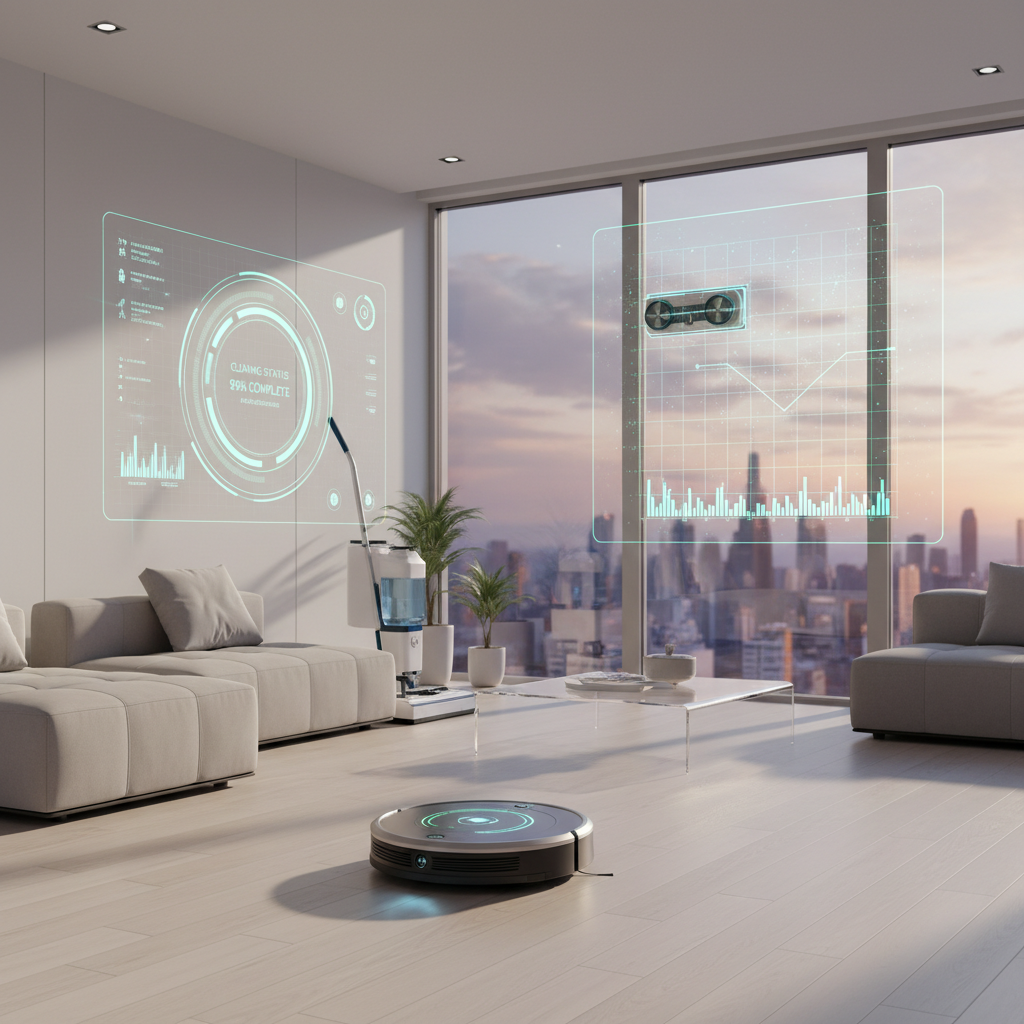
Automated Countertop Cleaners and Robotic Sweepers: The concept of robotic vacuum cleaners has successfully transitioned to the kitchen, with smaller, specialized robots designed to clean countertops and floors. These AI-powered devices can navigate around obstacles, detect spills, and apply appropriate cleaning agents. While not yet widespread, prototypes and early models are emerging that can autonomously wipe down surfaces after cooking, or sweep crumbs from under the dining table. Imagine finishing a meal and having a discreet robot efficiently clean up the immediate aftermath, maintaining a pristine kitchen environment with minimal effort on your part.
Smart Waste Management Systems: Even waste bins are getting smarter. AI-powered smart waste compactors can automatically sense when they are full and compress waste, reducing the frequency of emptying. Some advanced concepts include bins that can sort recyclables from general waste using object recognition, or even communicate with your local waste management services to schedule pickups when full. While these are still largely in their infancy, the potential for AI to streamline waste management and promote better recycling habits is immense, contributing to a cleaner and more organized kitchen space.
Predictive Maintenance and Troubleshooting: AI can monitor the operational health of all your smart kitchen appliances. By analyzing performance data, it can detect subtle anomalies that might indicate an impending fault. For example, a smart refrigerator might detect a slight increase in energy consumption or unusual compressor noise before a major breakdown occurs. The system can then alert you, suggest troubleshooting steps, or even automatically schedule a service appointment with a technician. This proactive maintenance significantly reduces downtime, extends the lifespan of expensive appliances, and prevents costly repairs by addressing issues before they escalate, providing peace of mind and ensuring the long-term functionality of your intelligent kitchen. The overall effect is a kitchen that not only helps you cook but also largely takes care of itself and its components.
The Future of Smart Kitchens: Hyper-Personalization and Predictive Wellness
While current AI-powered kitchens are already impressive, the trajectory of innovation points towards an even more integrated, personalized, and predictive future. The next wave of smart kitchen technology promises to elevate convenience, health, and sustainability to unprecedented levels.
Hyper-Personalized Nutrition and Health Integration: Future smart kitchens will delve deeper into individual health profiles. Imagine a kitchen that integrates with your wearable fitness trackers, blood glucose monitors, or even genetic data. AI would then not just suggest recipes based on preferences but create meal plans optimized for your real-time physiological needs, activity levels, and long-term health goals. If you have had a particularly strenuous workout, your kitchen might suggest a protein-rich recovery meal. If your blood sugar is elevated, it could recommend low-glycemic options. This level of hyper-personalization transforms the kitchen into a proactive wellness partner, promoting preventative health through tailored nutrition.
Advanced Sensory AI and Food Quality Analysis: Expect to see appliances with even more sophisticated sensors capable of analyzing food quality at a deeper level. Beyond just detecting expiration dates, AI might be able to assess the ripeness of fruit, the freshness of meat, or even the presence of contaminants. This could involve optical sensors that analyze color and texture, or even chemical sensors that detect volatile organic compounds indicating spoilage. Such capabilities would ensure that only the freshest, safest ingredients make it to your plate, further reducing waste and enhancing food safety.
Robotics and Automated Food Preparation: While robotic stirrers are a start, the future may see more advanced robotic arms capable of performing delicate food preparation tasks. Imagine a robotic assistant that can peel vegetables, chop ingredients with surgical precision, or even assemble complex dishes. These robots, guided by AI, could work in conjunction with smart appliances to execute entire meal sequences from scratch, offering a truly hands-off cooking experience for busy individuals or those with limited mobility. This goes beyond simple automation to genuine robotic chef assistance.
Adaptive Kitchen Layouts and Dynamic Spaces: Future kitchens might feature modular, adaptive designs where appliances reconfigure themselves based on the task at hand. Countertops could transform into induction cooking surfaces, sinks could become smart prep stations with integrated scales and cutting boards, and storage units could autonomously present the ingredients needed for a specific recipe. AI would manage these dynamic changes, optimizing the kitchen layout for efficiency and ergonomics depending on whether you are baking, stir-frying, or simply preparing a snack.
Closed-Loop Ecosystems and Energy Optimization: The ultimate smart kitchen will be a self-sustaining ecosystem. AI will manage not just food but also water and energy. Smart dishwashers and sinks might recycle greywater for non-potable uses. Appliances will communicate with the home’s energy management system, automatically running high-energy tasks during off-peak hours or when renewable energy sources are abundant. This integrated approach not only simplifies chores but also significantly reduces the environmental footprint of our culinary activities, making the smart kitchen a cornerstone of sustainable living and a truly intelligent heart of the home.
Addressing Challenges and Ensuring Security in the Smart Kitchen
While the benefits of AI-powered smart kitchens are undeniable, it is equally important to acknowledge and address the challenges associated with this evolving technology. Like all interconnected systems, smart kitchens present concerns related to data privacy, cybersecurity, cost, and accessibility.
Data Privacy Concerns: Smart appliances collect a vast amount of data about our habits, preferences, and even what we eat. This data is invaluable for personalization but raises legitimate questions about who owns it, how it is stored, and with whom it is shared. Companies must adopt transparent data policies, giving users clear control over their information. Strong encryption and anonymization techniques are crucial to protect sensitive culinary and health-related data from unauthorized access. Users should be educated on privacy settings and encouraged to customize them to their comfort level, ensuring their eating habits remain their private affair.
Cybersecurity Risks: Any internet-connected device is a potential target for cyber threats. A hacked smart refrigerator or oven could pose a nuisance or, in extreme scenarios, even a safety risk. Manufacturers bear the responsibility of implementing robust security protocols, including regular software updates, secure boot processes, and encrypted communication channels. Users, in turn, must practice good cybersecurity hygiene: using strong, unique passwords for their smart kitchen accounts, enabling multi-factor authentication, and ensuring their home Wi-Fi networks are secure. The industry needs to work collectively to establish common security standards that protect consumers from vulnerabilities.
Interoperability and Ecosystem Fragmentation: Currently, the smart kitchen landscape is somewhat fragmented, with various brands offering their own ecosystems and proprietary technologies. This can lead to compatibility issues, where appliances from different manufacturers do not seamlessly communicate with each other. For consumers, this means potentially being locked into a single brand or struggling with a disjointed experience. The industry needs to move towards open standards and greater interoperability, allowing devices from different manufacturers to work together harmoniously. Initiatives like Matter are promising steps in this direction, aiming to create a more unified smart home experience, extending to the kitchen.
Cost and Accessibility: AI-powered smart kitchen appliances often come with a higher price tag than their traditional counterparts. This can make them inaccessible to a significant portion of the population, creating a digital divide in terms of household efficiency and convenience. As the technology matures and economies of scale are achieved, prices are expected to drop. However, manufacturers also need to develop tiered product offerings that make essential smart features more affordable. Furthermore, the complexity of some smart systems can be daunting for non-tech-savvy users. User interfaces need to be intuitive, and setup processes straightforward, ensuring that everyone can benefit from these innovations, regardless of their technological proficiency.
Reliability and Longevity: The reliance on complex electronics and software in smart appliances raises questions about their long-term reliability and repairability. Software bugs, system crashes, or the obsolescence of supporting apps can render an expensive appliance less functional over time. Manufacturers must commit to long-term software support, provide modular designs that facilitate repairs, and ensure robust hardware engineering. Consumers also need clear information about warranties, repair services, and the expected lifespan of these advanced devices, fostering trust and encouraging investment in the smart kitchen revolution. Addressing these challenges transparently and proactively will be crucial for the widespread adoption and sustained success of intelligent kitchen technologies.
Comparison Tables
Table 1: Key AI-Powered Smart Kitchen Appliances
| Appliance Type | Primary AI Function | Key Benefits | Example Use Case |
|---|---|---|---|
| Smart Refrigerator | Inventory tracking, expiration alerts, recipe suggestions, automated grocery lists. | Reduces food waste, simplifies meal planning, ensures fresh ingredients, saves shopping time. | Notifies you when milk is low and suggests a smoothie recipe using expiring berries. |
| Smart Oven/Range | Food recognition, adaptive cooking modes, internal temperature monitoring, automatic adjustments. | Perfectly cooked meals, reduced human error, hands-free cooking, energy efficiency. | Detects a chicken roast, suggests optimal settings, and alerts you when it’s perfectly done. |
| Smart Induction Cooktop | Precision temperature control, boil-over detection, guided cooking, pan recognition. | Prevents burning/scorch, ensures consistent results for delicate dishes, energy-efficient heating. | Maintains exact simmer temperature for a delicate hollandaise sauce without constant supervision. |
| Smart Coffee Maker | Personalized brew settings, schedule automation, remote start, water level monitoring. | Consistent taste, convenient morning routine, energy saving, always ready coffee. | Automatically brews your favorite coffee strength 5 minutes before your alarm goes off. |
| Smart Dishwasher | Load sensing, optimized wash cycles, detergent level monitoring, predictive maintenance. | Efficient cleaning, reduced water/energy use, timely maintenance alerts, spotless dishes. | Detects a lightly soiled load and adjusts to a shorter, lower-temperature wash cycle. |
| Smart Scale/Pantry | Ingredient weighing, nutritional tracking, real-time inventory updates for bulk items. | Accurate recipe following, precise portion control, integrated inventory management. | Measures flour for a recipe and updates your digital pantry inventory automatically. |
Table 2: Comparison of Smart Kitchen AI Features Across Ecosystems
| Feature Category | Basic Smart Kitchen (Connectivity Only) | Advanced AI Smart Kitchen (Early Stage) | Integrated AI Smart Kitchen (Current/Near Future) |
|---|---|---|---|
| Meal Planning | Manual recipe lookup, basic timers. | Recipe suggestions based on ingredients entered manually, simple grocery lists. | Automated inventory scan, personalized recipe recommendations (diet/preference), predictive grocery ordering, expiry alerts. |
| Cooking Assistance | Remote start/stop, basic temperature control via app. | Pre-set cooking programs, limited food recognition, manual temperature adjustments. | Food recognition (type/doneness), adaptive cooking cycles, real-time internal monitoring, voice-guided cooking. |
| Food Waste Reduction | No specific features. | Basic digital inventory list, manual input of expiry dates. | AI-driven expiry tracking, recipe suggestions for expiring items, consumption pattern analysis, optimized grocery lists. |
| Voice Control & Integration | Limited voice commands (e.g., “turn on oven”), basic app control. | Integration with main virtual assistants for simple commands (e.g., “set timer”). | Natural language processing, complex multi-device commands, hands-free recipe navigation, seamless cross-appliance communication. |
| Maintenance & Energy | Error codes, manual troubleshooting. | Basic alerts (e.g., “filter needs cleaning”). | Predictive maintenance, self-diagnosis, energy usage optimization, automated service scheduling. |
| User Experience | App-centric, often clunky. | Improved app features, some on-device displays. | Intuitive touchscreens, rich visual feedback, learning user habits, proactive suggestions. |
Practical Examples: Real-World Scenarios of an AI-Powered Kitchen
To truly understand the impact of the Smart Kitchen Revolution, it helps to visualize how these technologies play out in everyday life. Here are a few practical examples showcasing how AI appliances streamline meal prep and organization:
Scenario 1: The Busy Professional’s Effortless Weeknight Dinner
- Monday Morning Meal Planning: Sarah, a busy marketing manager, opens her smart kitchen app. Her AI-powered refrigerator has already scanned its contents and detected she has chicken breasts, bell peppers, and some quinoa nearing expiration. Based on her dietary preferences (pescatarian on Mondays, lean protein other days) and past cooking history (she loves stir-fries), the AI suggests a “Sheet Pan Chicken and Veggie Dinner” recipe, complete with a video tutorial.
- Automated Grocery Ordering: The recipe requires specific spices and a lemon that Sarah does not have. The AI automatically adds these items to her smart grocery list. A quick glance at her grocery app shows the order is pre-filled, ready for her to approve for delivery later that day from her preferred online grocer.
- Hands-Free Preparation: After work, Sarah arrives home. Her smart oven, pre-heated to the perfect temperature based on the recipe sent from her app, is ready. As she preps the chicken and vegetables, she asks her smart display, “Hey Google, read the next step for the sheet pan dinner.” The display narrates the instructions, allowing her to keep her hands clean and focused on chopping.
- Precision Cooking and Perfection: Once the ingredients are on the sheet pan, she places it in the smart oven. The oven’s AI detects the dish and uses its internal sensors to monitor cooking progress. It automatically adjusts the temperature and time to ensure the chicken is cooked through and the vegetables are perfectly roasted, notifying her when dinner is ready, exactly to her liking.
Scenario 2: The Health-Conscious Family’s Wellness Journey
- Nutritional Goal Setting: The Miller family wants to reduce their sugar intake and increase fiber. They input these goals into their smart kitchen hub. Their smart fridge begins tracking all incoming groceries, including nutritional labels, and cross-references them with the family’s consumption patterns.
- Personalized Meal Plans: When it is time for weekly meal planning, the AI generates a customized menu. It suggests high-fiber, low-sugar breakfast smoothies using the spinach and berries in the fridge, and whole-grain dinners incorporating the lean protein they prefer, all while ensuring variety. It even accounts for the kids’ preferences, suggesting healthier versions of their favorite meals.
- Automated Portion Control: During meal prep, their smart scale, integrated with the recipe, guides them to measure ingredients precisely, helping them stick to recommended portion sizes for better nutritional management. The AI logs this consumption, providing weekly reports on their progress towards their dietary goals.
- Reduced Food Waste: If the AI detects a fruit nearing over-ripeness, it suggests a healthy dessert recipe that uses it, preventing it from going to waste. The smart pantry system keeps track of staples like oats and nuts, automatically adding them to the grocery list when quantities are low, ensuring they always have healthy options on hand.
Scenario 3: The Entertainer’s Seamless Dinner Party
- Pre-Party Planning: David is hosting a dinner party. His smart kitchen assistant helps him plan a sophisticated menu, ensuring all components can be prepped in advance or cooked with minimal intervention during the party. He inputs his guest list and any known allergies, and the AI tailors the menu suggestions accordingly.
- Optimized Cooking Schedule: On the day of the party, the AI creates a precise cooking schedule, factoring in different cooking times for various dishes. It automatically preheats the smart oven for the main course, then signals the smart induction cooktop to begin simmering the sauce at the perfect moment.
- Multitasking with Voice Control: While mingling with guests, David can monitor the progress of his dishes. “Alexa, how much longer on the roast?” he asks. His smart display provides a visual update and timer. If a guest asks for a specific drink, he can command his smart refrigerator to dispense filtered water or ice without needing to touch anything.
- Effortless Clean-up: After the guests leave, David loads the dishwasher. The smart dishwasher senses the heavily soiled plates and adjusts its cycle accordingly, using optimal water and energy. The next morning, he receives a notification that the dishwasher cycle is complete and the filter might need a quick rinse in the coming weeks, ensuring his kitchen is always ready for the next culinary adventure.
Frequently Asked Questions
Q: What exactly is an AI-powered smart kitchen, and how is it different from a regular smart kitchen?
A: A regular smart kitchen typically refers to appliances with basic internet connectivity, allowing remote control via an app (e.g., turning on your oven from your phone). An AI-powered smart kitchen goes much further. It integrates Artificial Intelligence (AI) and machine learning algorithms into these appliances, enabling them to learn from your habits, predict your needs, analyze data (like food inventory or cooking progress), and make intelligent decisions or suggestions autonomously. For example, an AI fridge doesn’t just show you what’s inside; it knows what’s expiring, suggests recipes based on those items, and can even automatically add them to a grocery list. It is about intelligence and proactive assistance, not just remote control.
Q: What are the primary benefits of investing in AI kitchen appliances?
A: The benefits are numerous and significant. Key advantages include:
- Reduced Food Waste: AI tracks inventory and expiry dates, suggesting recipes for items nearing spoilage.
- Streamlined Meal Prep: Automated recipe suggestions, personalized meal planning, and hands-free cooking guidance save time and effort.
- Improved Cooking Precision: Smart ovens and cooktops use AI to ensure dishes are cooked to perfection, reducing human error.
- Enhanced Organization: Automated grocery lists, pantry management, and maintenance alerts keep your kitchen running smoothly.
- Healthier Lifestyles: AI can suggest meals tailored to dietary goals, track nutrition, and help with portion control.
- Increased Convenience: Voice control, remote management, and integrated systems create a seamless and effortless cooking experience.
- Energy Efficiency: AI can optimize appliance usage for lower energy consumption, like smart dishwashers adjusting cycles.
Q: How do AI refrigerators track food inventory?
A: AI refrigerators use a combination of technologies to track food inventory. These typically include:
- Internal Cameras: Multiple cameras take snapshots of the fridge’s contents, often with object recognition AI to identify items.
- Barcode Scanners: Some models allow you to scan barcodes of groceries as you put them in.
- Weight Sensors: Advanced models might use weight sensors on shelves to detect when an item has been added or removed, or to estimate remaining quantities of common items.
- User Input: Users can manually add items, expiration dates, and quantities via the fridge’s touchscreen or a companion app, which the AI then manages.
The AI processes this data to maintain a real-time digital inventory, which it then uses for recipe suggestions and grocery list generation.
Q: Is it difficult to set up and use AI kitchen appliances?
A: Generally, setting up modern AI kitchen appliances has become much simpler. Most require connection to your home Wi-Fi network and a companion smartphone app. The apps usually guide you through the setup process step-by-step. While there might be a learning curve to fully utilize all AI features (like customizing preferences or understanding advanced settings), the core functions are often intuitive. Manufacturers are increasingly focusing on user-friendly interfaces and voice command capabilities to make interaction as easy as possible, even for those not highly tech-savvy.
Q: What about data privacy and security with smart kitchen devices?
A: Data privacy and security are critical concerns. Smart kitchen devices collect data on your habits, preferences, and even what you eat. Reputable manufacturers implement strong encryption, secure cloud storage, and regular software updates to protect your data. They should also offer clear privacy policies and allow users control over data sharing. As a user, it is essential to:
- Use strong, unique passwords for your smart kitchen accounts.
- Enable multi-factor authentication if available.
- Keep appliance software and apps updated.
- Secure your home Wi-Fi network.
- Be mindful of the permissions you grant to apps.
Understanding and managing your privacy settings is key to a secure smart kitchen experience.
Q: Are AI kitchen appliances expensive?
A: Currently, AI-powered smart kitchen appliances often come with a premium price tag compared to their traditional counterparts. The advanced technology, sensors, and computing power contribute to higher manufacturing costs. However, as the technology becomes more widespread and production scales up, prices are gradually becoming more competitive. Entry-level smart appliances are increasingly affordable, while high-end models with comprehensive AI features still represent a significant investment. Consider the long-term savings from reduced food waste, energy efficiency, and time saved when evaluating the cost.
Q: Can AI kitchen appliances integrate with my existing smart home system?
A: Yes, many AI kitchen appliances are designed for integration with popular smart home ecosystems like Amazon Alexa, Google Assistant, and Apple HomeKit. This allows you to control them using voice commands through your smart speakers or displays, and often to create automation routines involving other smart devices in your home (e.g., your kitchen lights turning on when your smart oven finishes preheating). However, the level of integration can vary between brands and ecosystems, so it is always wise to check compatibility before purchasing.
Q: How do AI kitchens help with reducing food waste?
A: AI kitchens significantly reduce food waste through several mechanisms:
- Real-time Inventory: They keep a precise digital tally of all your groceries.
- Expiration Date Tracking: They monitor expiration dates and alert you when items are nearing spoilage.
- Smart Recipe Suggestions: They suggest recipes specifically using ingredients that need to be consumed soon.
- Optimized Grocery Lists: By learning your consumption patterns, they help generate more accurate shopping lists, preventing over-purchasing.
- Portion Control: Integrated scales and recipe guidance help measure ingredients precisely, reducing excess food preparation.
These features work together to ensure you consume food while it is fresh, rather than letting it go to waste.
Q: What are some limitations or challenges of current AI smart kitchens?
A: While advanced, current AI smart kitchens still face some limitations:
- Cost: High initial investment can be a barrier for some households.
- Interoperability: Different brands may not always communicate seamlessly, leading to fragmented experiences.
- Reliability: Like all complex electronics, they can be susceptible to software glitches or require updates.
- Data Privacy: Concerns about how personal consumption data is collected, stored, and used.
- Learning Curve: Fully utilizing all advanced AI features might require some initial effort and adaptation.
- Over-reliance: Potential to become too dependent on automation, reducing basic cooking skills.
Despite these, the technology is rapidly evolving to address these challenges.
Q: How will AI kitchens evolve in the next 5-10 years?
A: The future of AI kitchens is expected to bring even greater sophistication and integration. We anticipate:
- Hyper-Personalization: Deeper integration with individual health data (wearables, genetics) for truly personalized nutritional planning.
- Advanced Sensory Analysis: Appliances detecting food freshness, ripeness, and even potential contaminants more accurately.
- Robotics: More advanced robotic assistants for complex prep tasks like chopping, peeling, and assembling dishes.
- Predictive Wellness: Proactive health recommendations based on real-time physiological data and long-term health goals.
- Adaptive Kitchen Layouts: Modular kitchens where components reconfigure based on cooking needs.
- Greater Sustainability: Enhanced systems for water recycling, optimized energy use, and even more precise waste sorting.
- Unified Ecosystems: Seamless communication across all devices regardless of brand, fostering truly integrated home automation.
The goal is a kitchen that is not just smart but truly intuitive, predictive, and a central hub for family wellness.
Key Takeaways: Embracing the Intelligent Culinary Future
The Smart Kitchen Revolution, driven by Artificial Intelligence, is fundamentally reshaping our approach to meal preparation and home organization. Here are the core benefits and transformations this technology brings:
- Unprecedented Convenience: AI appliances simplify complex tasks, from meal planning to cooking and even cleaning, freeing up valuable time and mental energy.
- Reduced Food Waste: Intelligent inventory management, expiration alerts, and dynamic recipe suggestions are powerful tools in combating household food waste.
- Enhanced Culinary Precision: AI-powered ovens and cooktops ensure consistent, perfectly cooked results, elevating the home cooking experience.
- Personalized Health and Nutrition: These systems can tailor meal plans and offer nutritional insights based on individual dietary needs and health goals.
- Seamless Integration: Voice control and interconnected devices create a harmonious and intuitive kitchen ecosystem, making interaction effortless.
- Proactive Maintenance and Efficiency: AI helps appliances run optimally, extends their lifespan through predictive maintenance, and contributes to energy savings.
- A Glimpse into the Future: The ongoing evolution promises even greater hyper-personalization, advanced robotics, and deeper integration with overall home wellness.
Conclusion: The Heart of the Home, Reimagined by AI
The kitchen has always been regarded as the heart of the home, a place for nourishment, gathering, and creativity. With the advent of AI-powered smart appliances, this vital space is not just becoming more efficient; it is becoming more intuitive, more personalized, and profoundly more intelligent. The Smart Kitchen Revolution is more than a fleeting trend; it represents a paradigm shift in how we interact with our homes and manage our daily lives.
From refrigerators that anticipate your grocery needs to ovens that perfect your culinary creations, and systems that meticulously manage your food inventory, AI is systematically addressing the pain points of meal preparation and kitchen organization. It empowers us to eat healthier, reduce our environmental footprint by minimizing food waste, and reclaim precious time from tedious chores. While challenges related to cost, privacy, and interoperability still exist, the rapid pace of innovation suggests that these hurdles will be overcome, making intelligent kitchens more accessible and integrated into every household.
Embracing the AI-powered smart kitchen is an investment in a simpler, smarter, and more sustainable lifestyle. It is about transforming the chore of cooking into an enjoyable, stress-free experience, and ensuring that the heart of your home beats with efficiency, intelligence, and delicious possibilities. As technology continues to evolve, our kitchens will only become more intuitive, predictive, and integral to our overall well-being, truly ushering in an era where our homes work smarter for us, not the other way around. The future of cooking is here, and it is remarkably intelligent.























































































Leave a Reply