

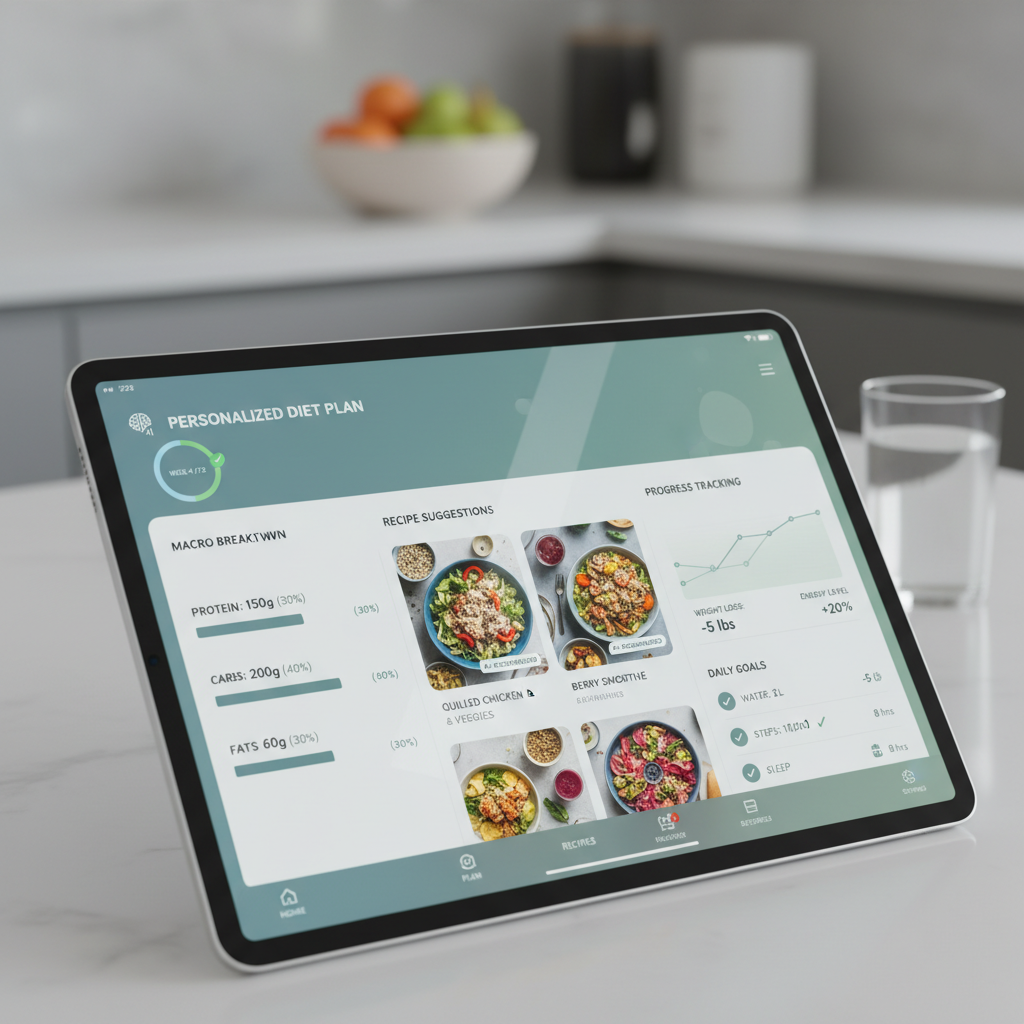
Introduction: The Dawn of Hyper-Personalized Nutrition
In an era defined by rapid technological advancement, the pursuit of optimal health and wellness has undergone a profound transformation. Gone are the days of one-size-fits-all diet plans and generic nutritional advice. We are now witnessing the dawn of a new paradigm: hyper-personalized nutrition, powered by the incredible capabilities of Artificial Intelligence (AI). This revolutionary shift is making customized diet plans and healthy eating habits more accessible, effective, and sustainable than ever before.
For decades, individuals seeking to improve their diet and health often found themselves navigating a complex labyrinth of conflicting information, fad diets, and expensive, time-consuming consultations with nutritionists. While traditional nutrition coaching certainly has its merits, it often struggles to provide the continuous, real-time, and deeply personalized support that many people require to make lasting changes. This is where AI steps in, offering a dynamic, data-driven solution that learns, adapts, and evolves with each individual user.
AI-powered nutrition apps are not merely sophisticated calorie counters; they are intelligent coaches, dietitians, and behavior change specialists rolled into one accessible digital package. By leveraging advanced algorithms, machine learning, and vast datasets of nutritional science, these applications can analyze an individual’s unique biological makeup, lifestyle, preferences, health goals, and even genetic predispositions to craft diet plans that are truly bespoke. They aim to solve the persistent challenges of adherence, motivation, and the sheer complexity of maintaining a healthy diet in today’s fast-paced world. This comprehensive guide will delve into the intricacies of smart nutrition coaching, exploring its underlying technology, myriad benefits, practical applications, and the exciting future it holds for personalized health and wellness.
Understanding the Core: How AI Powers Personalized Nutrition
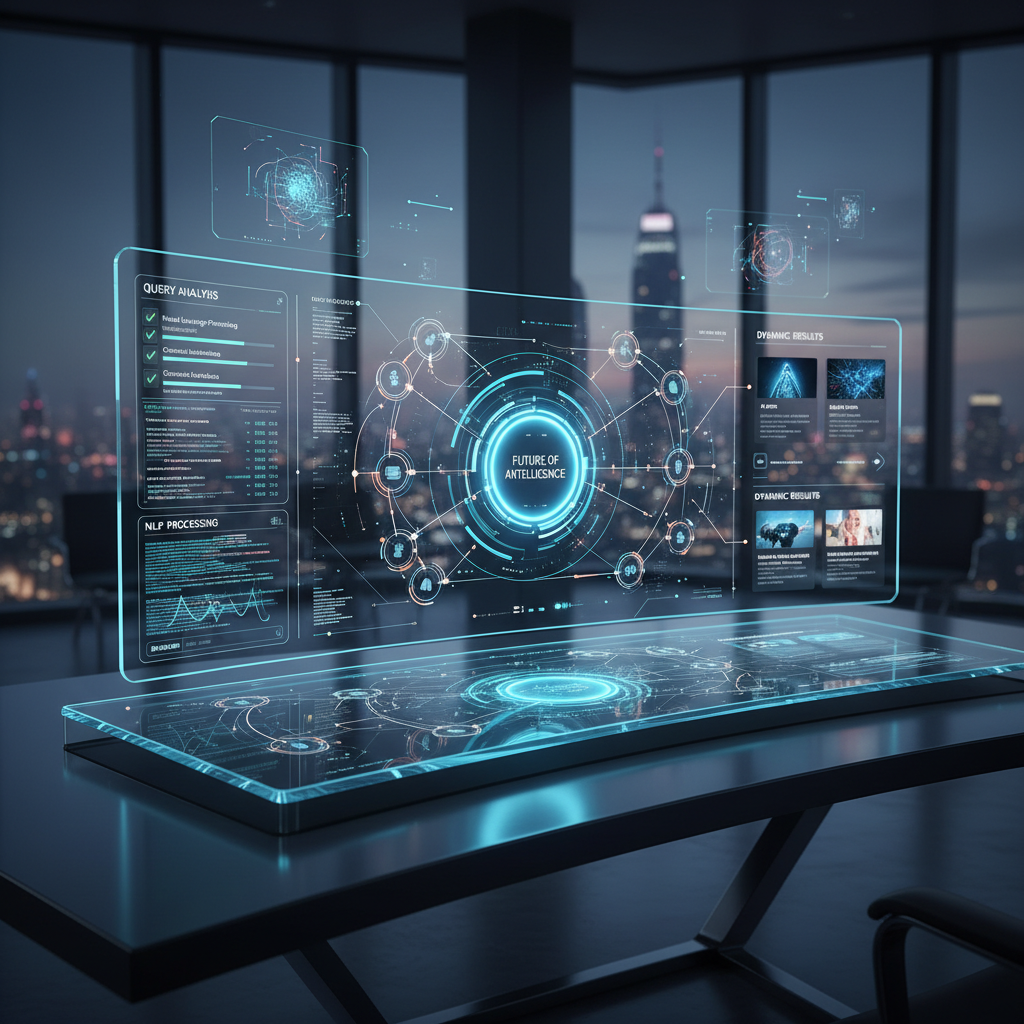
At the heart of smart nutrition coaching lies sophisticated AI technology, primarily machine learning (ML) and natural language processing (NLP). These technologies enable apps to process, interpret, and learn from vast amounts of data, converting raw information into actionable nutritional insights. The process typically begins with an extensive data collection phase and then moves into intelligent analysis and recommendation.
1. Data Collection and Analysis
AI nutrition apps gather data from a multitude of sources, creating a comprehensive profile of the user. This data can include:
- User Input: Detailed questionnaires about dietary preferences (vegetarian, vegan, keto, gluten-free), allergies, existing health conditions (diabetes, hypertension), lifestyle (sedentary, active), sleep patterns, stress levels, and specific health goals (weight loss, muscle gain, energy boost).
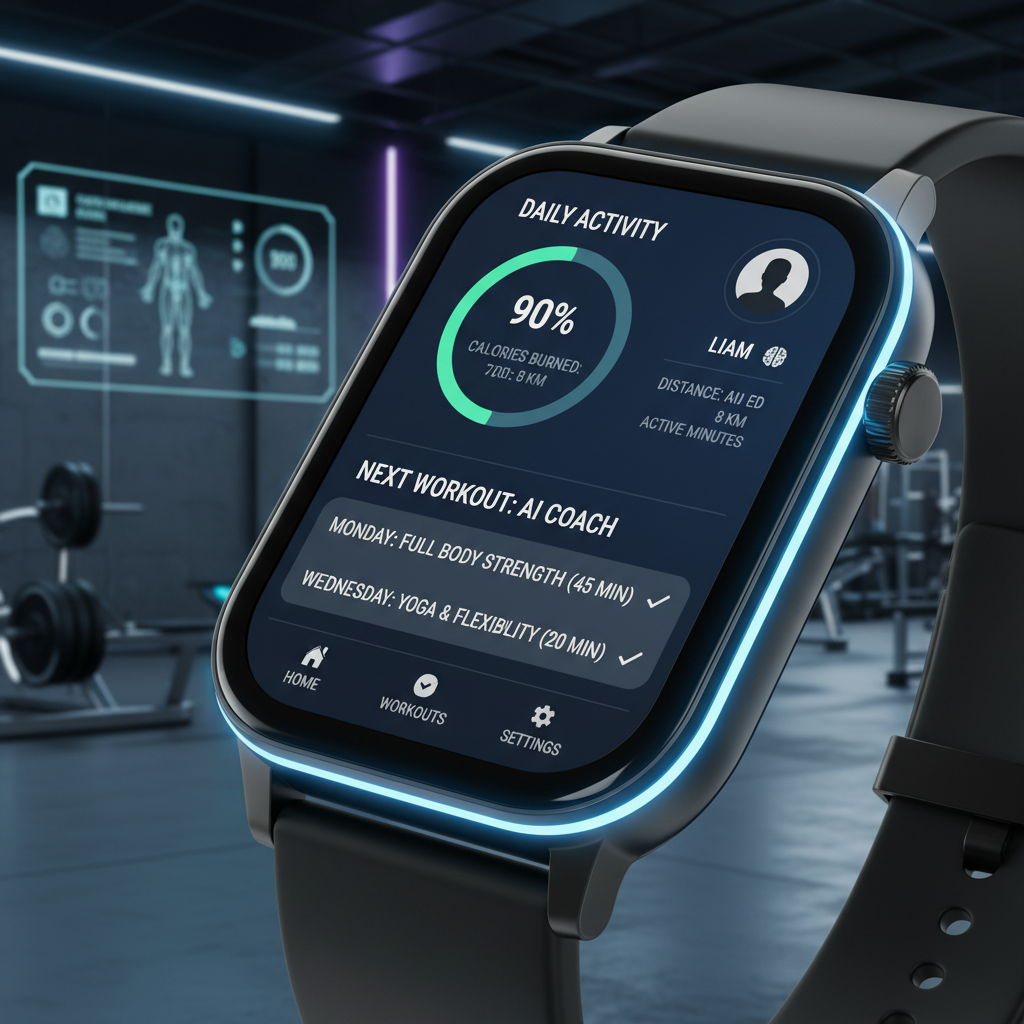
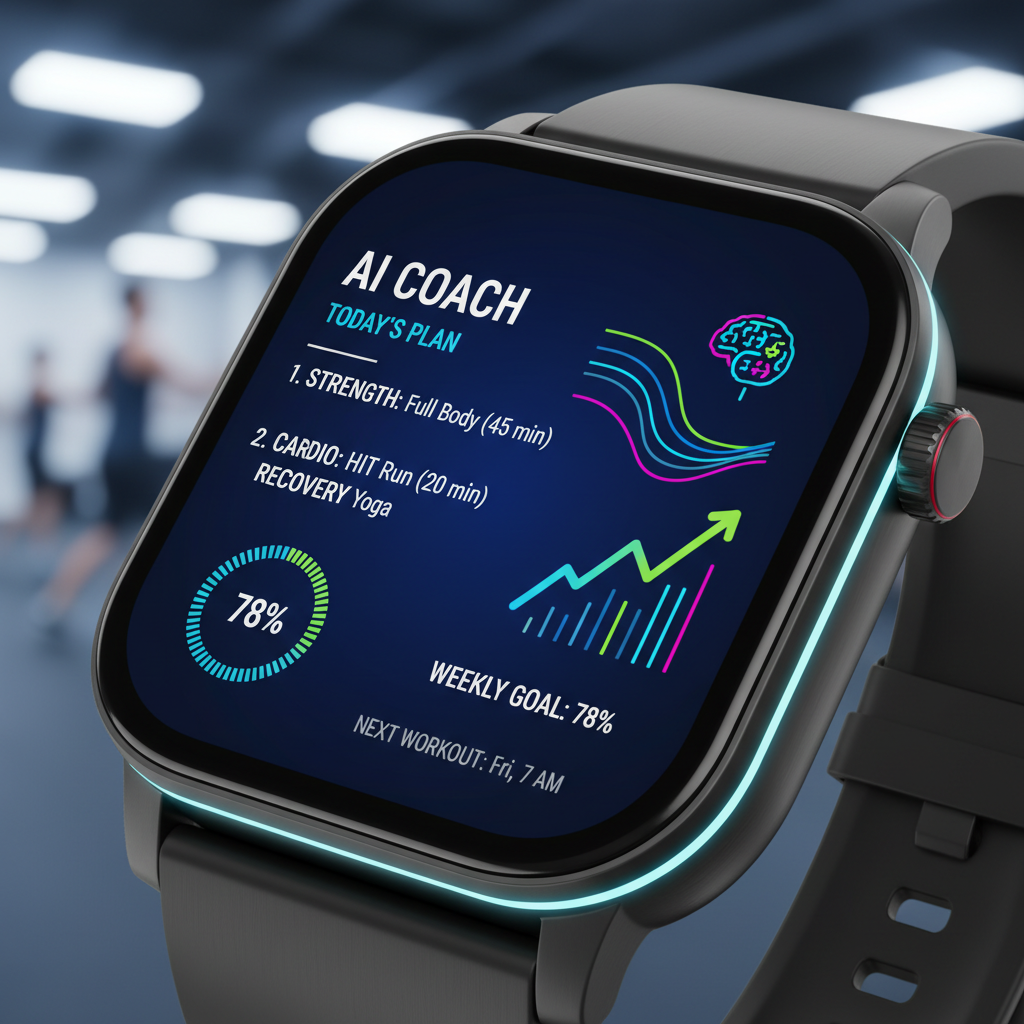
- Wearable Devices: Integration with smartwatches, fitness trackers, and other wearables provides real-time data on activity levels, heart rate, sleep quality, and even stress indicators. This helps the AI understand energy expenditure and recovery needs.
- Food Logging: Users log their meals and snacks, either manually, through barcode scanning, or increasingly, via photo recognition technology. This data helps the AI understand current eating habits, caloric intake, macronutrient ratios, and micronutrient deficiencies.
- Biometric Data: Some advanced apps integrate with smart scales, smart blood pressure monitors, or even laboratory test results to track changes in weight, body fat percentage, blood sugar, cholesterol, and other vital health markers.
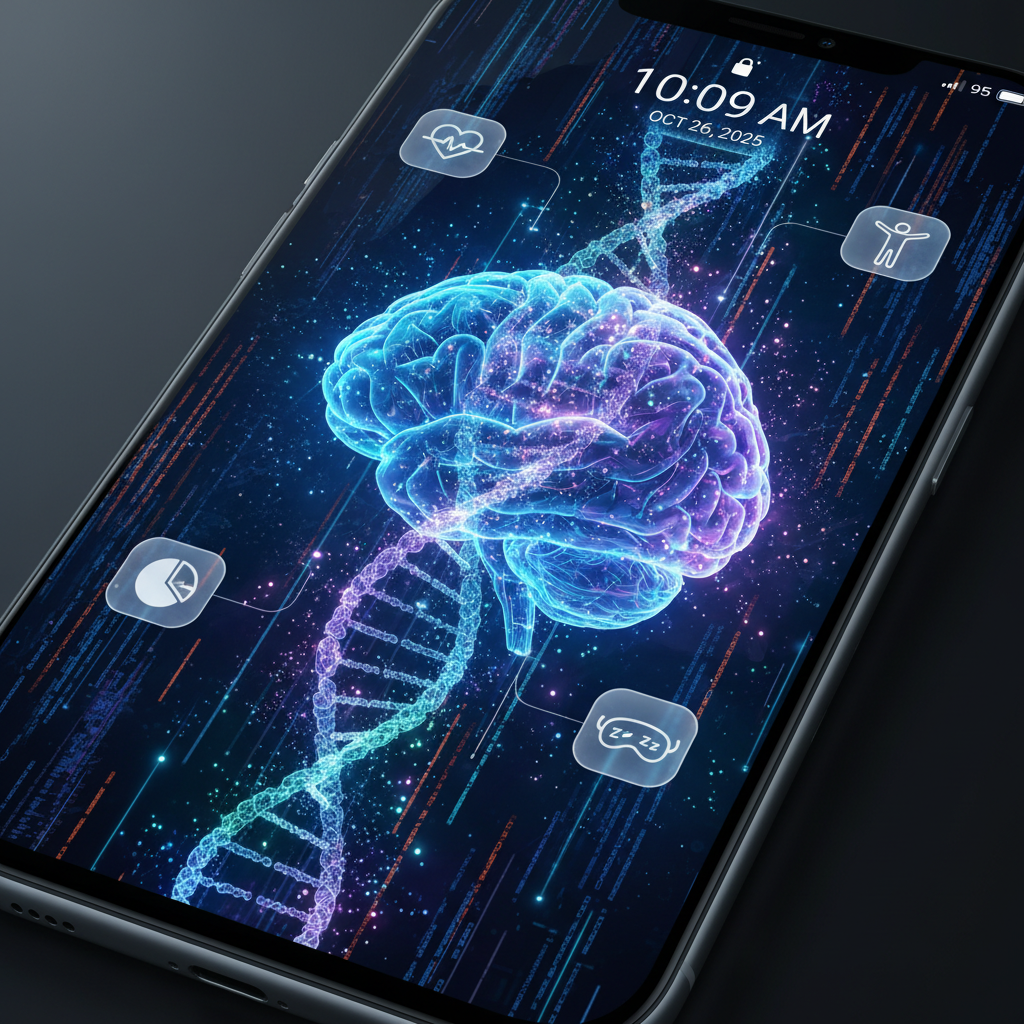
- Genetic and Microbiome Data (Emerging): The most cutting-edge platforms are beginning to incorporate genetic testing results (e.g., how an individual metabolizes certain nutrients) and microbiome analysis (the composition of gut bacteria) to provide an even deeper level of personalization. This allows for recommendations tailored to an individual’s unique biological blueprint.
2. Machine Learning Algorithms and Pattern Recognition
Once the data is collected, machine learning algorithms get to work. These algorithms are trained on massive datasets of nutritional science, food composition, metabolic pathways, and population health studies. They identify patterns, correlations, and predictive insights that would be impossible for a human to process manually.
- Predictive Modeling: AI can predict how certain dietary changes might impact a user’s health goals based on their unique profile and historical data. For instance, it can project weight loss timelines or predict energy levels based on meal composition.
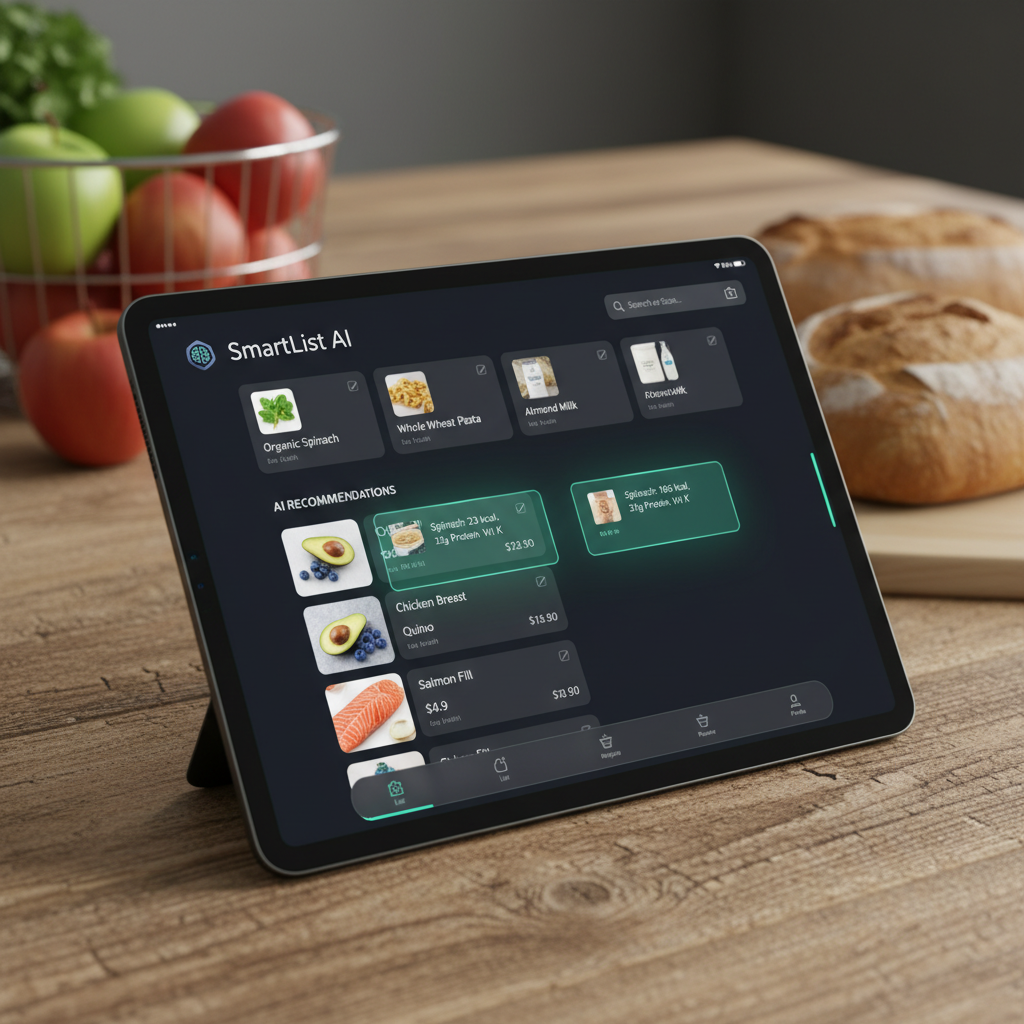
- Recommendation Engines: Similar to how streaming services recommend movies, AI nutrition apps use recommendation engines to suggest meals, recipes, and food items that align with the user’s preferences, nutritional needs, and goals, while also considering ingredient availability and cooking time.
- Dynamic Adaptation: One of the most powerful aspects of AI is its ability to learn and adapt. If a user consistently struggles with a particular type of food or finds a certain meal plan unsustainable, the AI can detect these patterns and adjust its recommendations accordingly, learning from user feedback and behavior. This iterative process ensures the plan remains relevant and achievable.
- Natural Language Processing (NLP): Many apps now incorporate NLP to allow users to interact with them naturally, asking questions about nutrition, logging food through voice commands, or receiving conversational coaching tips. This makes the experience feel more intuitive and less like interacting with a rigid piece of software.
By combining these sophisticated AI capabilities, smart nutrition apps move beyond simple tracking to provide truly intelligent guidance that evolves with the user, fostering sustainable healthy eating habits.
Key Features and Capabilities of AI Nutrition Apps
Modern AI nutrition coaching apps are packed with features designed to make personalized nutrition accessible and effective. These capabilities extend far beyond basic calorie counting, offering a holistic approach to dietary management and habit formation.
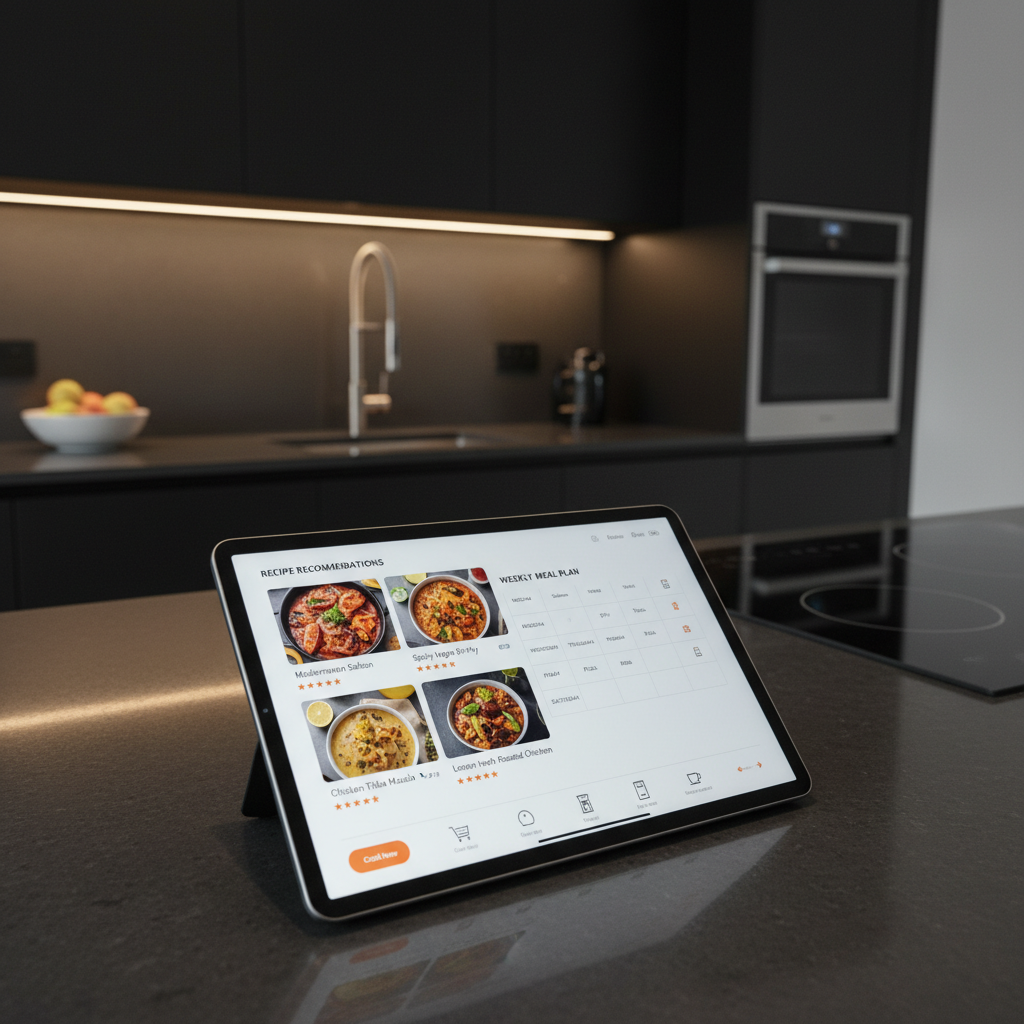
1. Hyper-Personalized Meal Planning and Recipe Suggestions
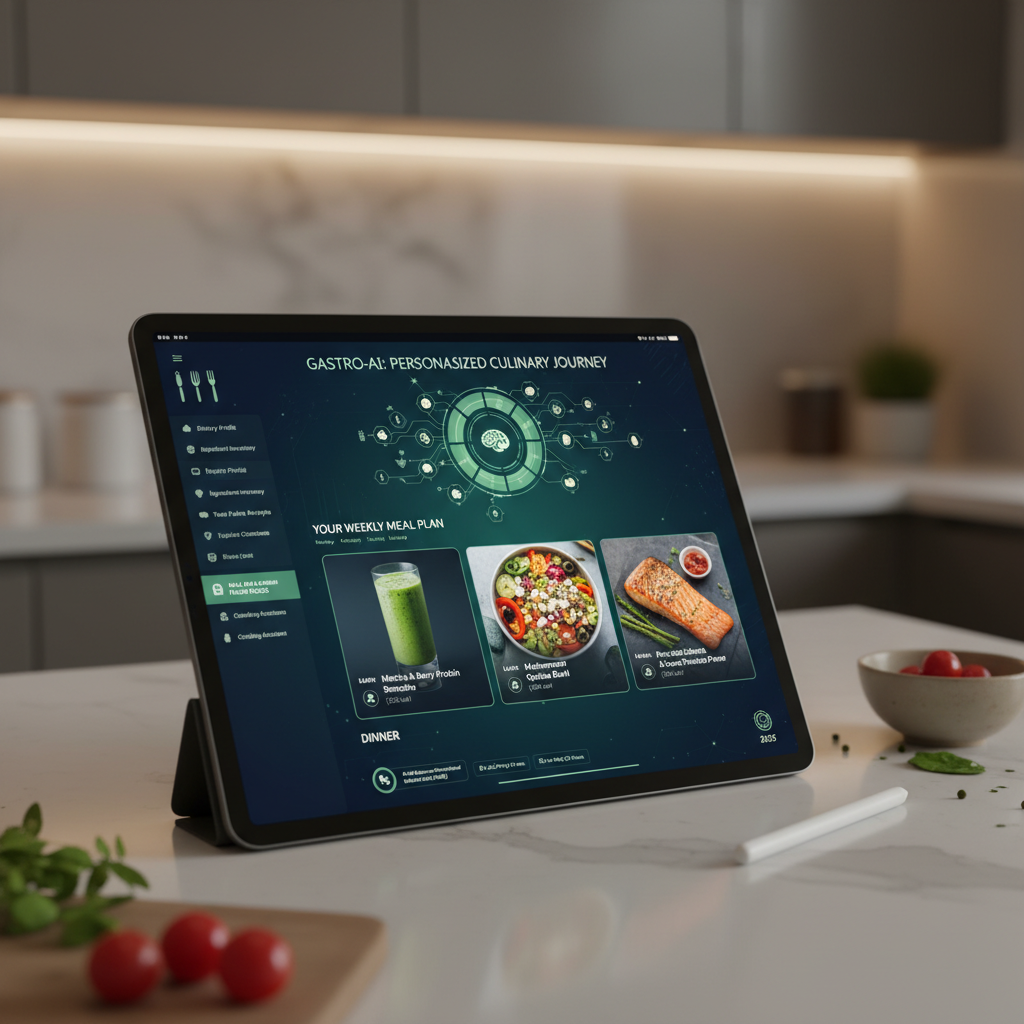
- Tailored to Individual Needs: Apps generate daily or weekly meal plans that are customized based on a user’s calorie requirements, macronutrient breakdown (protein, carbs, fats), micronutrient needs, dietary restrictions (e.g., allergies to nuts, dairy, gluten), ethical choices (vegetarian, vegan), and taste preferences.
- Dynamic Adjustments: If a user skips a meal, logs an indulgent snack, or has an unexpectedly active day, the AI can dynamically adjust subsequent meal recommendations to help them stay on track with their overall daily or weekly goals.
- Recipe Database & Cooking Instructions: Access to a vast database of recipes, often with detailed cooking instructions, ingredient lists, and nutritional information, makes it easy for users to prepare healthy meals. Many apps can also adjust serving sizes and scale ingredients.
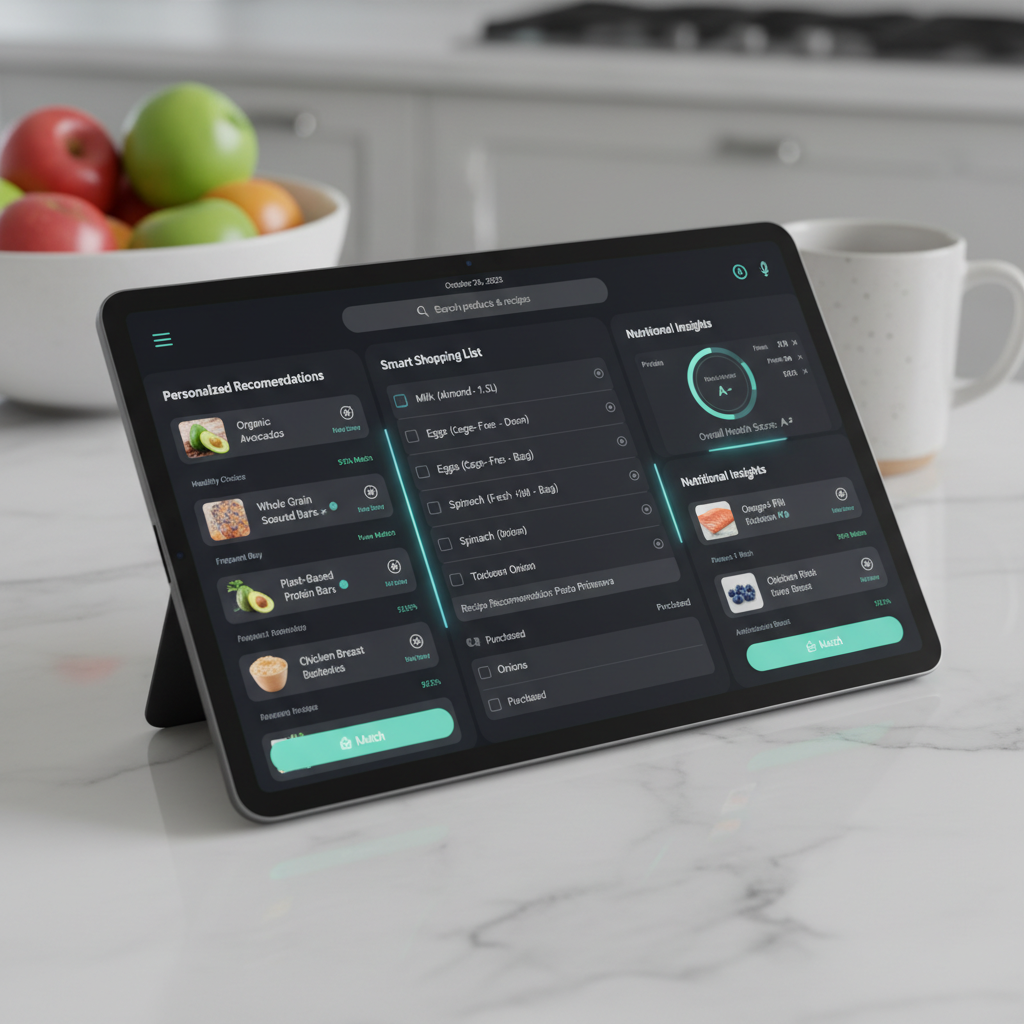
- Grocery List Generation: Based on the personalized meal plan, the app can automatically generate a shopping list, organized by grocery store aisle, streamlining the shopping process and reducing food waste.
2. Advanced Food Tracking and Analysis
- Barcode Scanning & Photo Recognition: Users can quickly log food by scanning barcodes or, in more advanced apps, by taking a picture of their meal. AI image recognition technology identifies the food and estimates portion sizes, significantly reducing the effort involved in tracking.
- Comprehensive Nutritional Breakdown: Beyond calories, apps provide detailed insights into macronutrients, fiber, sugar, sodium, vitamins, and minerals consumed. This allows users to identify nutritional gaps or excesses.
- Pattern Identification: The AI can identify eating patterns over time, such as consistent late-night snacking, skipping breakfast, or relying heavily on processed foods, and then provide targeted advice to address these habits.
3. Habit Formation and Behavioral Coaching
- Goal Setting & Progress Tracking: Users can set specific, measurable, achievable, relevant, and time-bound (SMART) goals, and the app provides visual dashboards and progress reports to keep them motivated.
- Personalized Feedback & Tips: The AI acts as a virtual coach, offering encouraging messages, reminding users to log meals, suggesting healthier alternatives, and providing educational insights into nutrition science based on their activities.
- Mindful Eating Prompts: Some apps include features to encourage mindful eating, prompting users to slow down, pay attention to hunger and fullness cues, and understand the emotional drivers behind their eating habits.
- Gamification: Incorporating elements like streaks, badges, and challenges can make the process of adopting healthy habits more engaging and fun, fostering consistency and long-term adherence.
4. Integration with Wearables and Other Health Devices
- Activity Level Synchronization: Seamless integration with fitness trackers (e.g., Apple Watch, Fitbit, Garmin) allows the app to automatically adjust calorie recommendations based on actual energy expenditure from workouts and daily activity.
- Biometric Data Tracking: Connecting with smart scales and other health devices enables the app to track changes in weight, body composition, and other health markers, providing a more holistic view of progress.
5. Educational Resources and Community Support
- Knowledge Base: Access to articles, videos, and guides on various nutritional topics, healthy cooking techniques, and scientific explanations behind dietary recommendations empowers users to make informed choices.
- Community Forums: Many apps foster a sense of community, allowing users to share experiences, recipes, and support each other, which can be a powerful motivator for long-term engagement.
Benefits of AI-Driven Nutrition Coaching
The integration of AI into nutrition coaching brings forth a plethora of benefits that address many of the traditional challenges associated with dietary changes. These advantages contribute to greater effectiveness, sustainability, and user satisfaction.
1. Unprecedented Personalization and Accuracy
Unlike generic diet plans, AI apps create profiles so detailed they can account for everything from an individual’s metabolic rate and activity level to their specific food sensitivities and ethical dietary choices. This ensures that the advice and meal plans are not just suitable but optimally tailored, significantly increasing the likelihood of success. The accuracy stems from processing vast amounts of scientific data and continuously refining recommendations based on individual responses. For example, a person with a slow metabolism and a sedentary job will receive vastly different recommendations than an athlete training for a marathon, even if their weight loss goals are similar.
2. Enhanced Accessibility and Affordability
Traditional nutritionists or dietitians can be expensive and their services may not be readily available in all geographical locations. AI nutrition apps break down these barriers by offering professional-grade guidance at a fraction of the cost, often through subscription models that are significantly more affordable than repeated in-person consultations. This democratization of personalized nutrition means that effective dietary support is now within reach for a much broader demographic, empowering more individuals to take control of their health regardless of their income or location.
3. Continuous Support and Real-time Adaptation
Life is dynamic, and so are our nutritional needs. An AI coach offers 24/7 support, unlike a human coach who is limited by appointment schedules. If you have an unexpected busy day, a sudden craving, or need a quick healthy recipe idea, the app is there. Moreover, AI’s ability to adapt in real-time is invaluable. If you log a high-calorie meal, the app can immediately suggest adjustments for your next meal or activity to help balance your daily intake, preventing minor deviations from derailing your entire plan. This constant feedback loop is crucial for maintaining motivation and adherence.
4. Data-Driven Insights and Progress Tracking
AI apps excel at collecting and analyzing data, providing users with deep insights into their eating habits, nutrient intake, and progress towards goals. Visual dashboards, detailed reports, and trend analysis help users understand what’s working and what isn’t. Seeing tangible progress – whether it’s weight loss, improved energy, or consistent nutrient intake – can be a powerful motivator. The ability to identify patterns, such as nutrient deficiencies or consistent overeating at certain times, allows for targeted interventions that are based on evidence rather than guesswork.
5. Education and Empowerment
Beyond just telling users what to eat, many AI nutrition apps educate them on why certain recommendations are made. They provide context on macronutrients, micronutrients, portion control, and the impact of different foods on the body. This educational component empowers users to make more informed choices independently, fostering a deeper understanding of nutrition science. Over time, this shifts the user from passively following instructions to actively making smart decisions, creating sustainable healthy eating habits for life.
6. Reduced Decision Fatigue and Stress
Planning meals, counting calories, and ensuring nutritional balance can be mentally exhausting. AI apps significantly reduce this decision fatigue by generating meal plans, suggesting recipes, and handling the complex calculations. This frees up mental bandwidth, allowing users to focus on enjoying their food and other aspects of their lives, rather than constantly worrying about their diet. For many, this reduction in stress around food choices is a massive relief and a key factor in long-term adherence.
Addressing Common Challenges and Misconceptions
While AI nutrition coaching offers immense potential, it’s not without its challenges and common misconceptions. Addressing these is crucial for a balanced understanding and for maximizing the benefits of these technologies.
1. Accuracy of Food Logging and Data Input
Challenge: The “garbage in, garbage out” principle applies strongly here. The accuracy of AI recommendations is heavily reliant on the accuracy of the data input by the user. Manual food logging can be prone to errors in portion size estimation or incorrect food selection. While photo recognition is improving, it’s not always perfect and can misidentify foods or misjudge quantities.
Mitigation: Apps are continuously improving their UI/UX to make logging easier and more intuitive. Enhanced databases with verified nutritional information, AI-assisted portion estimation, and regular prompts for user confirmation help improve accuracy. Users are also educated on how to log more precisely.
2. The Nuance of Human Psychology and Emotional Eating
Challenge: Nutrition is not just about macronutrients and calories; it’s deeply intertwined with psychology, emotions, social contexts, and cultural factors. AI, despite its sophistication, can struggle to fully grasp the complex emotional triggers behind comfort eating, stress eating, or cultural significance of food that a human coach might identify through empathetic interaction.
Mitigation: Advanced AI apps are incorporating more behavioral psychology principles, using NLP to detect emotional cues in user input, and offering guided mindfulness exercises. Some platforms are also integrating human coaches for periodic check-ins or for users who require more intensive psychological support, creating a hybrid model.
3. Lack of Human Empathy and Accountability
Challenge: For some, the human element of accountability, empathy, and personalized encouragement from a real person is a critical factor in their success. An AI, no matter how advanced, cannot fully replicate the depth of human connection or the nuanced understanding of individual struggles that a compassionate human coach provides.
Mitigation: Apps try to mimic human interaction through supportive messaging, positive reinforcement, and interactive goal setting. Community features within apps also provide a sense of peer support and shared journey. As mentioned, hybrid models combining AI efficiency with human coaching touchpoints are emerging as a powerful solution.
4. Data Privacy and Security Concerns
Challenge: Users share highly personal and sensitive health data with these apps, including dietary habits, biometric information, and potentially even genetic data. Concerns about how this data is stored, protected, used, and shared are legitimate and paramount.
Mitigation: Reputable AI nutrition apps adhere to strict data protection regulations (like GDPR, HIPAA where applicable), employ robust encryption technologies, and have transparent privacy policies. Users should always review these policies carefully and choose apps from trusted developers with strong security track records.
5. Over-reliance and Loss of Intuitive Eating
Challenge: There’s a concern that constantly relying on an app for every food decision might diminish an individual’s ability to listen to their own body’s hunger and fullness cues, or to develop an intuitive understanding of nutrition.
Mitigation: Many apps are designed not just to prescribe, but to educate. They aim to empower users with knowledge so they can eventually make independent, informed choices. Features that encourage mindful eating and self-reflection are being integrated to prevent over-reliance and foster a healthier relationship with food. The goal is often to teach, not just to dictate.
By acknowledging and proactively addressing these challenges, AI nutrition coaching can continue to evolve, becoming an even more robust and trustworthy tool in the personalized health and wellness landscape.
The Role of Data Privacy and Ethical Considerations
As AI nutrition apps become more sophisticated and collect increasingly intimate personal health data, the discussions around data privacy and ethical considerations move to the forefront. These are not mere technical footnotes but fundamental aspects that dictate trust, user adoption, and the responsible evolution of the technology.
1. Data Collection and Consent
The Principle: Users must be fully informed about what data is being collected (e.g., food logs, activity levels, biometric data, potentially genetic information), how it will be used, and with whom it might be shared. Explicit, informed consent should be obtained for each type of data collection, particularly for sensitive health information.
Ethical Challenge: The sheer volume and granularity of data that can be collected make it difficult for an average user to fully grasp the implications. There’s a fine line between providing comprehensive service and being overly intrusive.
2. Data Security and Anonymization
The Principle: Robust security measures, including end-to-end encryption, secure servers, and regular security audits, are paramount to protect user data from breaches, unauthorized access, or misuse. Data should be anonymized or pseudonymized wherever possible, especially when used for research or aggregated trend analysis.
Ethical Challenge: While anonymization aims to protect identity, advanced AI techniques can sometimes re-identify individuals from supposedly anonymized datasets, posing a continuous challenge for developers to stay ahead of privacy risks.
3. Transparency in Algorithm Design and Bias
The Principle: There should be transparency regarding how AI algorithms make recommendations. Users should understand the basis for dietary advice, even if the underlying code is proprietary. Developers must also actively work to identify and mitigate biases in their algorithms.
Ethical Challenge: AI algorithms are trained on existing data, which can reflect societal biases (e.g., Western-centric dietary patterns, gender biases in metabolic rates from historical studies). If unchecked, these biases can lead to inappropriate or ineffective recommendations for diverse user groups, potentially exacerbating health inequalities. For instance, an algorithm trained predominantly on data from one ethnic group might not provide optimal advice for another.
4. Commercialization and Data Sharing
The Principle: Users need clear information about whether their data will be used for commercial purposes, such as targeted advertising, or shared with third parties (e.g., insurance companies, pharmaceutical companies, food manufacturers). Opt-in mechanisms, rather than opt-out, should be the standard for any data sharing beyond the core service.
Ethical Challenge: The value of health data is immense. Companies face pressure to monetize this data, which can create conflicts of interest between user privacy and business objectives. Clear ethical guidelines and regulatory frameworks are essential to prevent exploitation.
5. Accountability and Misinformation
The Principle: Who is accountable if an AI app provides incorrect or harmful dietary advice? While disclaimers are standard, the ethical responsibility of developers to ensure the scientific validity of their recommendations and to prevent the spread of misinformation is significant.
Ethical Challenge: The rapid evolution of nutritional science means that what is considered “best practice” can change. AI systems must be continuously updated and validated by human experts to ensure the advice remains current, evidence-based, and safe, avoiding the perpetuation of outdated or pseudo-scientific claims.
Addressing these privacy and ethical concerns requires a multi-faceted approach involving robust regulatory frameworks, transparent corporate practices, continuous technological advancements in privacy-preserving AI, and vigilant user education. Only then can AI nutrition coaching truly fulfill its promise as a trustworthy and beneficial tool for personalized health.
Integrating AI Nutrition with a Holistic Wellness Approach
Optimal health extends far beyond diet alone. A truly effective wellness journey embraces a holistic approach, considering physical activity, mental well-being, sleep, stress management, and social connections. AI nutrition apps are increasingly evolving to become integral components of this broader wellness ecosystem.
1. Synergistic Integration with Fitness and Activity Trackers
Many AI nutrition apps seamlessly integrate with popular fitness trackers and smartwatches. This allows the nutrition platform to receive real-time data on a user’s physical activity levels, estimated calorie expenditure, and even workout intensity.
- Dynamic Calorie Adjustment: If a user has an unexpectedly intense workout, the nutrition app can automatically increase their recommended calorie intake for the day or suggest additional protein to aid muscle recovery. Conversely, on a less active day, it might recommend slightly lower intake.
- Performance Nutrition: For athletes or highly active individuals, AI can tailor meal plans to optimize performance and recovery, recommending specific macronutrient timing (e.g., pre-workout carbs, post-workout protein) and nutrient-dense foods to support energy levels and reduce inflammation.
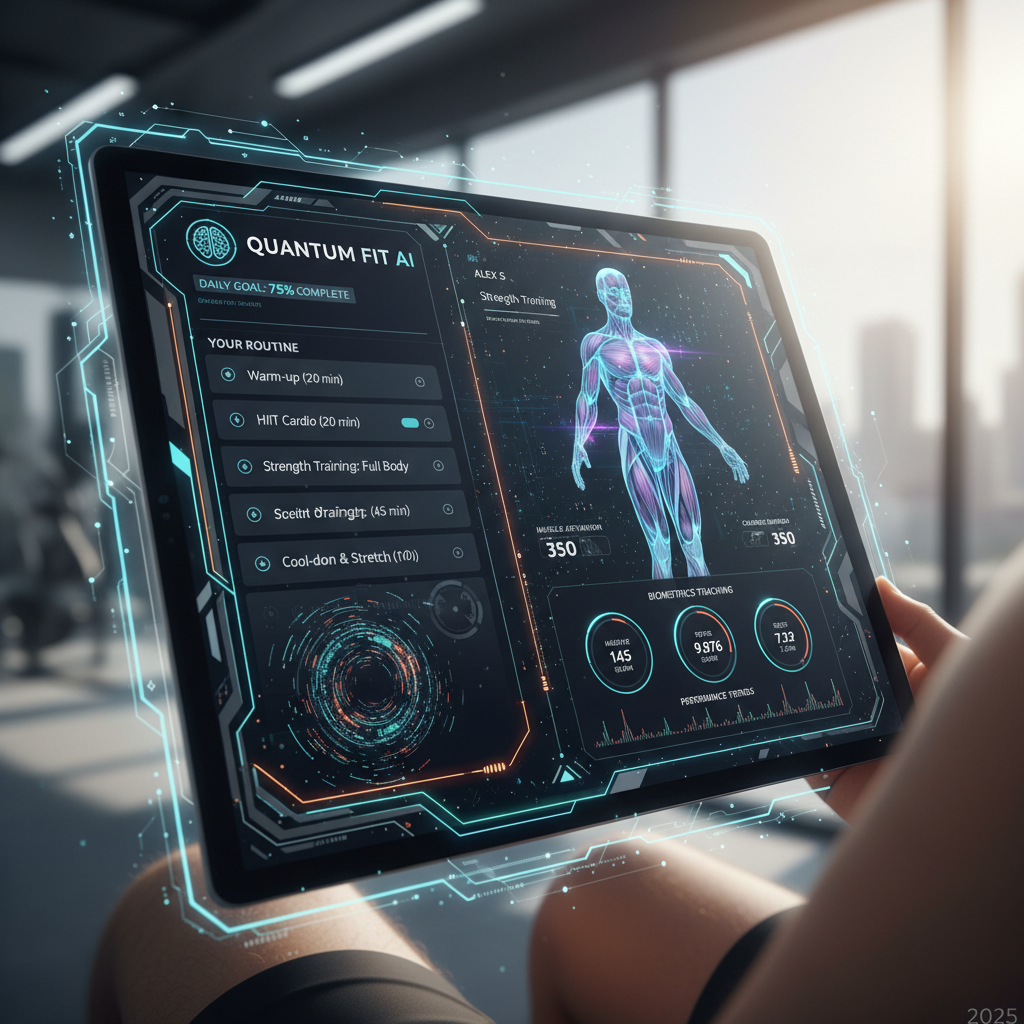
- Motivation and Coherence: Seeing the direct link between effort expended in exercise and the nutritional support needed creates a more coherent and motivating wellness journey, reinforcing the idea that diet and exercise are two sides of the same coin.
2. Enhancing Mental Well-being and Stress Management
The connection between gut health and mental health is increasingly recognized. AI nutrition apps can play a role in promoting mental wellness:
- Mood and Food Tracking: Some advanced apps allow users to log their mood alongside their food intake, helping identify potential links between certain foods and emotional states or stress levels. AI can then suggest dietary modifications (e.g., increasing omega-3s, limiting processed foods) known to support brain health.
- Mindful Eating Practices: Many apps incorporate guided meditations or prompts for mindful eating, encouraging users to slow down, savor their food, and pay attention to hunger/satiety cues. This reduces stress around eating and fosters a healthier relationship with food.
- Stress-Reducing Dietary Advice: AI can recommend foods rich in certain vitamins and minerals (like magnesium, B vitamins) known to help with stress regulation, or suggest meal patterns that prevent blood sugar spikes and crashes which can impact mood.
3. Optimizing Sleep and Recovery
Sleep is a cornerstone of health, and diet significantly impacts sleep quality.
- Dietary Adjustments for Sleep: Based on sleep data from wearables, AI can recommend dietary changes to improve sleep. For instance, suggesting lighter dinners earlier in the evening, avoiding caffeine close to bedtime, or recommending foods rich in tryptophan or magnesium known to promote relaxation.
- Recovery Nutrition: Beyond just activity, AI considers sleep and recovery. If a user has poor sleep, the app might adjust nutritional advice to support better recovery and reduce inflammation, complementing their fitness goals.
4. Integration with Health Professionals for Complex Needs
While AI provides excellent personalized guidance for general wellness, it is not intended to replace medical advice for individuals with complex health conditions.
- Data Sharing with Consent: Some platforms are developing features that allow users to securely share their aggregated nutrition and activity data with their doctors or registered dietitians. This provides healthcare professionals with a richer, more accurate picture of a patient’s daily habits, facilitating more informed clinical decisions.
- Complementary Tool: For individuals managing chronic diseases like diabetes or heart disease, AI apps can serve as a powerful complementary tool, helping them adhere to medically prescribed diets and track their progress, while human professionals provide oversight and adjust complex treatment plans.
By integrating with various facets of wellness, AI nutrition apps are transforming from standalone dietary tools into comprehensive health partners, guiding individuals towards a truly holistic and balanced lifestyle. This interconnected approach ensures that all pillars of health are supported, leading to more sustainable and profound improvements in overall well-being.
Future Trends: The Evolution of Smart Nutrition Coaching
The field of AI nutrition coaching is rapidly evolving, with several exciting trends poised to redefine personalized health in the coming years. These innovations promise even deeper personalization, greater convenience, and more profound impacts on public health.
1. Deeper Integration of Genetic and Microbiome Data
The ability to analyze an individual’s unique genetic code (nutrigenomics) and the composition of their gut microbiome is set to revolutionize personalized nutrition.
- Nutrigenomics: AI will leverage genetic data to understand how individuals metabolize fats, carbohydrates, and proteins; their predisposition to certain nutrient deficiencies; and their risk for diet-related conditions. This will enable hyper-specific recommendations, such as advising against certain food sensitivities or recommending higher intake of specific vitamins based on genetic markers.
- Microbiome Analysis: Understanding the gut microbiome’s diversity and composition will allow AI to suggest personalized prebiotics, probiotics, and fermented foods to optimize gut health, which has profound implications for digestion, immunity, and mental well-being.
- Predictive Health: By combining genetic and microbiome data with lifestyle factors, AI could predict an individual’s long-term health risks and provide preventative dietary strategies years in advance.
2. Advanced Wearable Sensors and Non-Invasive Biometric Monitoring
The next generation of wearables will provide an even richer stream of real-time biometric data.
- Continuous Glucose Monitoring (CGM): While currently used for diabetes management, CGMs could become mainstream, allowing AI to provide immediate feedback on how different foods impact an individual’s blood sugar levels, leading to highly dynamic and responsive dietary advice.
- Sweat Sensors and Biosensors: Emerging technologies like sweat sensors could monitor electrolyte levels, hydration status, and even stress hormones, enabling AI to provide real-time recommendations for hydration, nutrient timing, and stress-reducing foods.
- Advanced Sleep and Stress Tracking: More sophisticated sensors will provide deeper insights into sleep stages, recovery, and stress markers, allowing AI to fine-tune nutritional recommendations for optimal recovery and mental resilience.
3. AI-Powered Smart Kitchens and Personalized Food Delivery
The concept of smart nutrition will extend beyond apps into the physical environment.
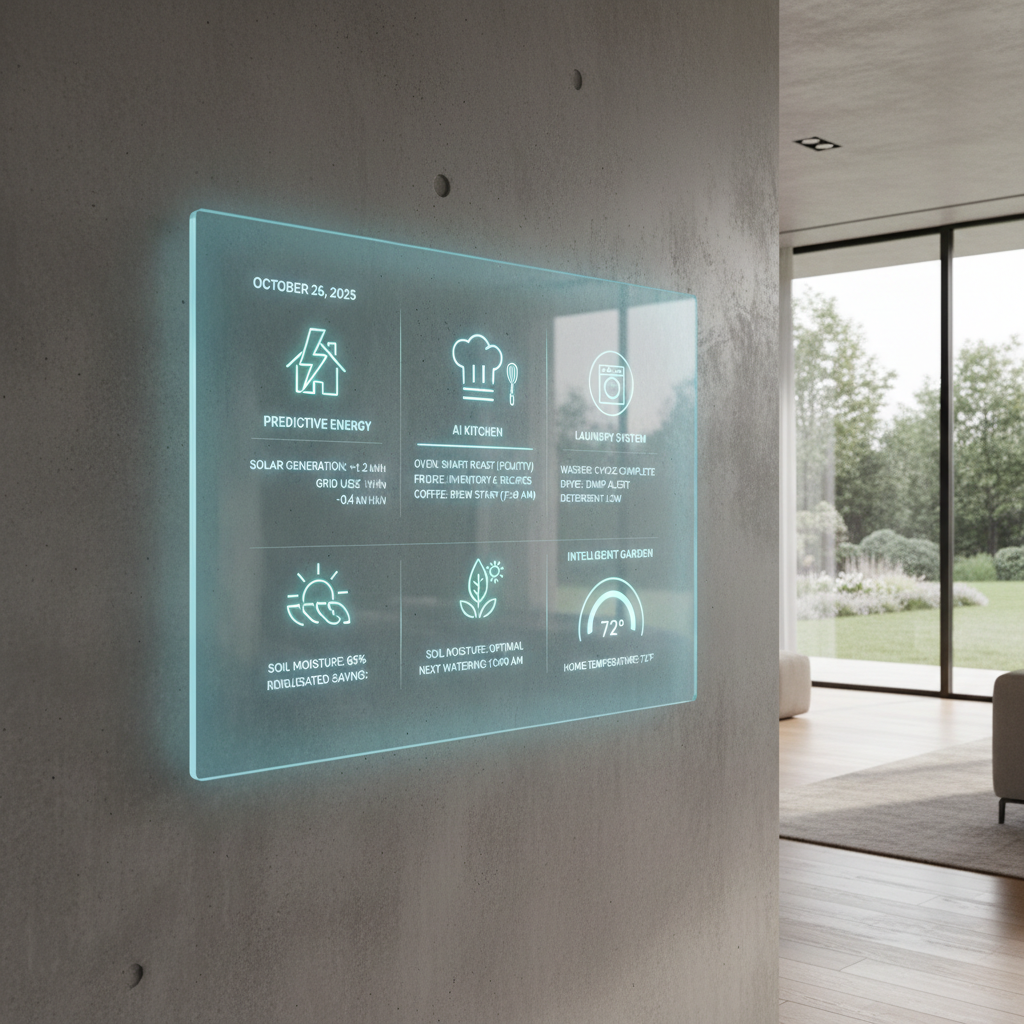
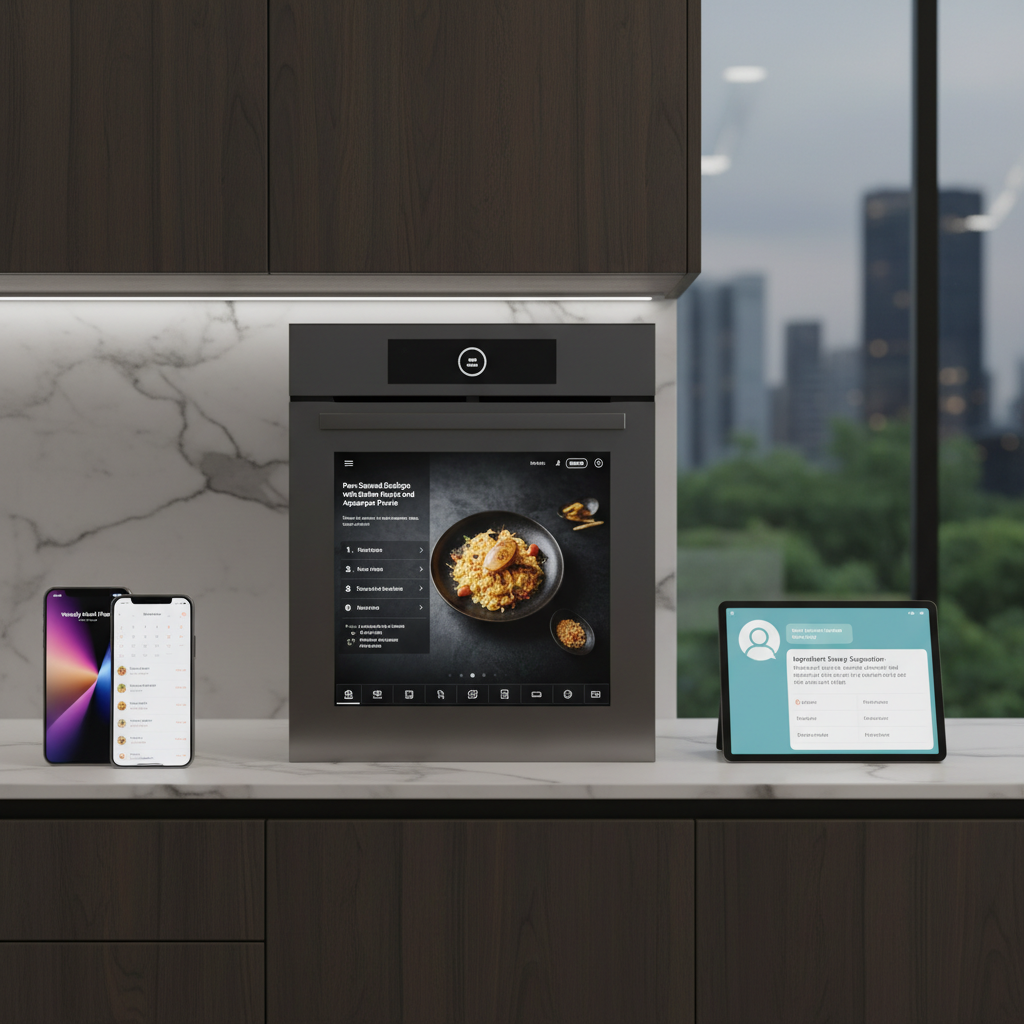
- Smart Appliances: Fridges that track inventory and suggest recipes based on AI-generated meal plans, ovens that perfectly cook personalized meals, and smart scales that seamlessly log food consumption will create an integrated kitchen ecosystem.
- Personalized Food Delivery Services: AI will connect directly with meal kit services or food delivery platforms to provide perfectly portioned, nutritionally balanced meals tailored to individual AI-generated diet plans, delivered directly to the user’s door.
- 3D Food Printing: In the longer term, 3D food printers could create customized meals with precise nutrient profiles, textures, and flavors, catering to highly specific dietary needs and preferences.
4. Conversational AI and Virtual Nutrition Assistants
Natural Language Processing (NLP) will make interactions with AI nutrition coaches even more seamless and human-like.
- Advanced Chatbots: Users will be able to have natural, open-ended conversations with virtual nutrition assistants, asking complex questions, discussing challenges, and receiving empathetic and context-aware advice.
- Voice Interface: Voice-activated assistants will allow users to log food, ask for nutritional information, and receive coaching tips hands-free, making the interaction faster and more convenient.
- Emotional Intelligence: Future AI might be able to detect subtle emotional cues in a user’s voice or text, allowing it to provide more empathetic and psychologically informed support, similar to a human coach.
5. Gamification, Social Integration, and Public Health Applications
AI will enhance motivation and community aspects, and expand its reach to public health.
- Advanced Gamification: Personalized challenges, competitive elements with friends, and virtual rewards will make healthy eating more engaging and foster long-term adherence.
- Social Network Integration: Users will be able to share their progress, recipes, and challenges with communities of like-minded individuals, fostering mutual support and motivation.
- Population Health Management: Aggregated, anonymized data from AI nutrition apps could provide invaluable insights for public health initiatives, identifying prevalent nutritional deficiencies or unhealthy eating patterns within communities, and informing large-scale intervention strategies.
These trends illustrate a future where AI-driven nutrition coaching is not just a tool but an omnipresent, intelligent companion seamlessly integrated into daily life, continuously guiding individuals towards optimal health and well-being.
Comparison Tables
AI Nutrition Coaching vs. Traditional Human Nutritionist
| Feature/Aspect | AI Nutrition Coaching App | Traditional Human Nutritionist |
|---|---|---|
| Personalization Level | Hyper-personalized, data-driven by complex algorithms (genetics, wearables, food logs). Adapts in real-time. | Personalized based on consultations, assessments, and experience. Adapts with follow-up appointments. |
| Accessibility & Availability | 24/7 access, global reach, digital platform. | Limited by appointment schedules, geographic location, and clinic hours. |
| Cost Efficiency | Generally more affordable (subscription-based, one-time purchase). | Can be significantly more expensive (hourly rates, package deals). |
| Real-time Feedback & Adaptation | Instant feedback, dynamic meal adjustments based on logged data, activity, and goals. | Feedback typically delayed until next appointment; adjustments made periodically. |
| Data Analysis Capability | Processes vast datasets rapidly, identifies complex patterns, trends, and nutrient breakdowns. | Analyzes data manually, often relying on user recall or limited tracking methods. |
| Emotional & Psychological Support | Limited, primarily through automated prompts, behavioral nudges, and mindfulness exercises. | Offers empathy, deep psychological understanding, and tailored emotional support. |
| Accountability | Automated reminders, goal tracking, gamification; relies on self-motivation. | Personalized encouragement, direct human connection, and strong external accountability. |
| Scope of Expertise | Highly specialized in nutrition science, data interpretation, and pattern recognition. | Broader understanding of human behavior, medical history, and social context. |
| Required User Input | Requires consistent and accurate data logging (food, activity, biometrics) for optimal function. | Relies on honest and accurate self-reporting during consultations. |
Key AI Technologies in Nutrition Apps and Their Applications
| AI Technology | Description | Application in Nutrition Coaching |
|---|---|---|
| Machine Learning (ML) | Algorithms that learn from data to identify patterns, make predictions, and adapt performance without explicit programming. | Personalized meal plan generation, predicting nutrient deficiencies, optimizing caloric intake based on activity, identifying eating patterns, recommending new recipes. |
| Natural Language Processing (NLP) | Enables computers to understand, interpret, and generate human language. | Voice-activated food logging, conversational coaching (chatbots), answering nutritional questions, understanding user feedback for customization. |
| Computer Vision (CV) | Enables computers to “see” and interpret visual information from images or videos. | Photo-based food logging (identifying foods and estimating portion sizes from images), barcode scanning for quick food entry. |
| Recommendation Engines | Algorithms that predict user preferences and suggest relevant items based on past behavior and similar users. | Suggesting personalized recipes, recommending specific food brands, offering alternative ingredients, tailoring grocery lists based on preferences. |
| Predictive Analytics | Uses historical data to forecast future events or trends. | Predicting weight loss timelines, forecasting potential nutrient deficiencies, identifying risk of developing diet-related conditions, anticipating cravings. |
| Deep Learning (a subset of ML) | Uses neural networks with many layers to model complex patterns, particularly effective with large datasets like images or text. | Enhancing accuracy of photo recognition for food logging, improving sentiment analysis in user feedback, refining complex metabolic models. |
| Reinforcement Learning (a subset of ML) | Algorithms learn to make decisions by performing actions in an environment and receiving rewards or penalties. | Optimizing long-term dietary strategies through trial and error, adapting coaching strategies based on user adherence and outcomes, making micro-adjustments to plans. |
Practical Examples and Real-World Scenarios
To truly appreciate the power of AI nutrition coaching, let’s explore a few real-world scenarios demonstrating how these apps can cater to diverse needs and help individuals achieve their health goals.
Scenario 1: The Busy Professional Aiming for Sustainable Weight Loss
User: Sarah, a 35-year-old marketing manager, works long hours, often dines out for client meetings, and finds meal prepping challenging. She wants to lose 20 pounds sustainably and improve her energy levels.
How AI Helps:
- Initial Setup: Sarah inputs her age, height, current weight, activity level (moderate), dietary preferences (enjoys diverse cuisine but wants to reduce red meat), and goal (weight loss). She also links her smartwatch.
- Personalized Plan: The AI generates a calorie-appropriate, balanced meal plan, including suggestions for healthy restaurant options she can choose from during client lunches. It also includes quick-prep dinner recipes for her busy evenings.
- Dynamic Adaptation: One day, Sarah has an impromptu intense workout. Her smartwatch syncs with the app, which then suggests a slightly larger, protein-rich snack to support muscle recovery and prevent excessive hunger later. The next day, she attends a social event and logs a higher-calorie meal. The AI recognizes this and subtly adjusts her next day’s meal plan to compensate, without making her feel deprived, perhaps by suggesting a lighter breakfast or a smaller portion at dinner.
- Habit Formation: The app sends gentle reminders to log her meals, drink water, and take short breaks during work. Over time, it identifies her tendency to snack late at night and suggests healthier alternatives or prompts her to reflect on her emotional state before snacking.
- Progress Tracking: Sarah sees her weight gradually decreasing on the app’s dashboard, along with improved sleep scores from her wearable, providing positive reinforcement and motivation to stick with her plan.
Scenario 2: The Aspiring Vegan Athlete Optimizing Performance
User: David, a 28-year-old aspiring marathon runner, recently switched to a vegan diet. He needs to ensure adequate protein and nutrient intake to fuel his training and optimize recovery without relying on animal products.
How AI Helps:
- Detailed Profile: David specifies his vegan diet, intense training schedule (running 50+ miles a week), and performance goals (improved race times, faster recovery). He also provides genetic data (if available) that might indicate specific micronutrient needs.
- Nutrient Gap Analysis: The AI analyzes his typical food logs and identifies potential deficiencies common in vegan diets for athletes, such as Vitamin B12, Iron, Zinc, Calcium, and Omega-3s.
- Performance-Oriented Meal Plans: The app creates high-calorie, nutrient-dense vegan meal plans, focusing on plant-based protein sources (lentils, tofu, tempeh), complex carbohydrates for sustained energy, and healthy fats. It also schedules specific pre- and post-workout meals to optimize fuel and recovery. For example, a pre-run meal might include oatmeal with berries and nuts, while a post-run meal could be a protein smoothie with fortified plant milk and spinach.
- Supplement Recommendations: Based on its analysis, the AI might suggest specific vegan-friendly supplements, like B12 or an algae-based Omega-3, if dietary intake isn’t sufficient.
- Real-time Adjustments: If David logs an exceptionally long training run, the AI automatically adjusts his next meal to provide additional carbohydrates and protein for faster glycogen replenishment and muscle repair, without him needing to calculate anything.
Scenario 3: An Individual Managing a Chronic Condition (e.g., Type 2 Diabetes)
User: Maria, a 50-year-old woman, has been diagnosed with pre-diabetes and needs to manage her blood sugar levels through diet. She finds it difficult to track carbohydrate intake and choose suitable meals.
How AI Helps:
- Health Condition Input: Maria inputs her pre-diabetes diagnosis, and her doctor’s general dietary recommendations (e.g., low glycemic index, controlled carb portions). She also links her continuous glucose monitor (CGM) if she has one.
- Glycemic-Friendly Meal Plans: The AI generates meal plans focusing on complex carbohydrates, high fiber, lean proteins, and healthy fats, explicitly avoiding high-sugar and refined carbohydrate options. Each meal suggestion comes with detailed carbohydrate counts.
- Blood Sugar Monitoring and Feedback: If linked to a CGM, the app provides real-time feedback on how specific meals impact Maria’s blood sugar. If a meal causes a spike, the AI offers alternative food choices or portion adjustments for future meals, helping her learn through direct experience.
- Recipe Alternatives: If Maria logs a meal that is higher in carbs than recommended, the app might immediately suggest a lower-carb alternative for her next snack or meal, helping her maintain balance.
- Educational Support: The app provides articles and tips on managing blood sugar through diet, understanding glycemic load, and making healthier choices at restaurants, empowering Maria with knowledge to proactively manage her condition.
These examples illustrate how AI nutrition apps provide tailored, dynamic, and continuous support, making personalized healthy eating habits a tangible reality for a wide range of individuals.
Frequently Asked Questions
Q: How accurate are AI nutrition apps in their recommendations?
A: The accuracy of AI nutrition apps is continually improving, driven by advancements in machine learning and access to vast datasets of nutritional science. They are generally highly accurate in calculating calories, macronutrients, and providing personalized meal plans based on the data you provide. However, their accuracy is heavily dependent on the quality and completeness of the user’s input. If you consistently log inaccurate portion sizes or omit meals, the recommendations will be less precise. More advanced apps that integrate with wearables, biometric sensors, and even genetic data can achieve a significantly higher degree of personalization and accuracy, moving beyond generic advice to truly tailored guidance. It’s important to remember that while highly sophisticated, AI currently cannot fully replicate the nuanced, empathetic understanding of a human dietitian in complex cases, but for most general wellness and fitness goals, they offer excellent data-driven insights.
Q: Can AI nutrition apps replace human dietitians or nutritionists?
A: For general health, wellness, weight management, and fitness goals, AI nutrition apps can be an incredibly effective and often more accessible alternative to a human dietitian. They excel at data analysis, real-time adjustments, and consistent personalized guidance. However, for individuals with complex medical conditions (e.g., severe allergies, eating disorders, specific metabolic diseases, or advanced chronic illnesses), or those who require deep psychological support related to food, the expertise and empathy of a human dietitian or physician remain irreplaceable. Many experts advocate for a hybrid model, where AI apps serve as a powerful daily tool, while human professionals provide oversight, critical advice for complex situations, and emotional support.
Q: What kind of data do these apps collect, and how is my privacy protected?
A: AI nutrition apps typically collect a wide range of data, including personal demographics (age, gender, height, weight), health goals, dietary preferences and restrictions, food logs (what you eat, when, and how much), activity levels (often synced from wearables), biometric data (e.g., weight, body fat from smart scales), and sometimes even genetic or microbiome data (in advanced platforms, with explicit consent). Reputable apps prioritize user privacy through strict adherence to data protection regulations (like GDPR, HIPAA), robust encryption for data storage and transmission, and transparent privacy policies that outline how your data is used and shared. It’s crucial for users to read these privacy policies carefully and choose apps from trusted developers with a strong track record of security. Many apps also offer options to control data sharing and anonymize data for research purposes.
Q: Are AI nutrition apps suitable for people with specific dietary restrictions or allergies?
A: Yes, absolutely. One of the core strengths of AI nutrition apps is their ability to cater to highly specific dietary restrictions and allergies. During the initial setup, users can typically input detailed information about allergies (e.g., peanuts, gluten, dairy), intolerances (e.g., lactose), and ethical dietary choices (e.g., vegan, vegetarian, halal, kosher). The AI then filters all recipe and meal suggestions to exclude those ingredients, ensuring all recommendations are safe and appropriate for your individual needs. This level of customization makes healthy eating accessible even for those with complex dietary requirements.
Q: How do AI apps help with long-term habit formation, not just short-term diets?
A: AI apps go beyond short-term dieting by focusing on behavioral science and continuous learning. They utilize features like:
- Personalized Feedback: Offering actionable insights based on your real-time eating and activity patterns.
- Goal Setting & Tracking: Helping you set realistic goals and visualizing your progress to maintain motivation.
- Mindful Eating Prompts: Encouraging awareness of hunger and fullness cues, and emotional eating triggers.
- Gamification: Using streaks, badges, and challenges to make consistency engaging.
- Education: Providing context and knowledge about nutrition, empowering you to make informed, independent choices.
- Adaptability: Continuously learning from your preferences and struggles, and adjusting plans to be sustainable.
By fostering these elements, AI apps aim to build lasting healthy habits rather than just enforcing temporary dietary restrictions.
Q: What if I have a cheat meal or go off track? How do AI apps handle that?
A: AI nutrition apps are designed to be forgiving and adaptive, rather than punitive. If you have a “cheat meal” or a day where you go off track, you simply log it as accurately as possible. The AI will recognize this deviation from your plan. Instead of scolding you, it will typically offer suggestions to help you get back on track for your next meal or the following day. For example, it might recommend a slightly lighter dinner, an extra glass of water, or suggest incorporating more activity. The goal is to provide supportive adjustments that prevent a single indulgence from derailing your entire progress, promoting a flexible and sustainable approach to eating.
Q: How do these apps integrate with other health and fitness devices?
A: Most modern AI nutrition apps offer seamless integration with a wide array of popular health and fitness devices. This typically includes:
- Smartwatches and Fitness Trackers: (e.g., Apple Watch, Fitbit, Garmin) to sync activity levels, calorie expenditure, heart rate, and sleep data.
- Smart Scales: To track weight, body fat percentage, and other body composition metrics.
- Continuous Glucose Monitors (CGM): For real-time blood sugar tracking for specific users.
This integration allows the AI to get a holistic view of your health and adjust nutritional recommendations dynamically based on your actual physical activity, recovery needs, and biometric changes. This interconnected ecosystem provides a more precise and responsive personalized health experience.
Q: Are there ethical concerns about AI influencing our food choices?
A: Yes, ethical concerns are valid and actively discussed in the development of AI nutrition. Key concerns include:
- Bias in Algorithms: If AI is trained on biased data, it might not provide optimal or culturally sensitive advice for diverse populations.
- Over-reliance: The potential for users to lose their intuitive eating abilities if constantly guided by an app.
- Data Monetization: How companies use or share sensitive health data for commercial purposes.
- Accountability: Who is responsible if an AI provides incorrect or harmful advice.
- Misinformation: The risk of AI systems perpetuating outdated or non-evidence-based nutritional claims if not properly updated and validated.
Developers are working on transparent AI, robust data protection, and continuous expert validation to address these concerns and ensure responsible innovation.
Q: How can I choose the best AI nutrition app for my needs?
A: Choosing the best app involves considering several factors:
- Your Goals: (e.g., weight loss, muscle gain, managing a condition) – ensure the app specializes in your specific goals.
- Features: Look for features important to you (e.g., barcode scanning, photo logging, meal planning, wearable integration, community support).
- Dietary Needs: Verify it can accommodate your restrictions (vegan, allergies, etc.).
- User Interface: An intuitive and easy-to-use interface is crucial for long-term adherence.
- Privacy Policy: Read it carefully to understand data collection, usage, and security.
- Reviews and Reputation: Check app store reviews and independent analyses.
- Cost: Compare free vs. paid versions and subscription models.
- Integration: Ensure it connects with your existing health and fitness devices.
Many apps offer free trials, allowing you to test them before committing to a subscription.
Q: What are the emerging trends in AI nutrition coaching?
A: The future of AI nutrition coaching is incredibly dynamic, with key trends including:
- Deeper Integration of Genetic and Microbiome Data: Tailoring diet plans based on your unique biological makeup.
- Advanced Wearable Sensors: Real-time biometric monitoring (e.g., continuous glucose, sweat analysis) for even more dynamic recommendations.
- AI-Powered Smart Kitchens: Integration with smart appliances and personalized food delivery services.
- Conversational AI and Virtual Assistants: More natural, empathetic, and intuitive interaction with AI coaches.
- Proactive Health Management: AI predicting health risks and suggesting preventative dietary strategies.
- Enhanced Gamification and Social Integration: Making healthy eating more engaging and collaborative.
These trends promise an even more personalized, convenient, and effective approach to health and wellness.
Key Takeaways
- Hyper-Personalization is Key: AI nutrition apps leverage diverse data points (user input, wearables, biometrics, genetics) to create highly customized diet plans that adapt in real-time.
- Beyond Calorie Counting: Modern apps offer advanced features like personalized meal planning, recipe suggestions, advanced food tracking with photo recognition, behavioral coaching for habit formation, and seamless integration with other health devices.
- Significant Benefits: AI coaching provides unprecedented personalization, enhanced accessibility and affordability, continuous real-time support, data-driven insights, and empowers users through education, ultimately reducing decision fatigue.
- Addressing Challenges is Crucial: While powerful, AI apps face challenges related to data input accuracy, grasping human psychology, the lack of human empathy, data privacy, and the risk of over-reliance. Reputable developers continuously work to mitigate these.
- Privacy and Ethics are Paramount: Responsible data collection, robust security, transparency in algorithms, and ethical use of personal health data are essential for building trust and ensuring user well-being.
- Holistic Wellness Integration: AI nutrition is becoming an integral part of a broader wellness ecosystem, synergistically integrating with fitness, mental well-being, and sleep tracking to provide comprehensive health guidance.
- Exciting Future Trends: The field is evolving rapidly, with deeper integration of genetic/microbiome data, advanced non-invasive biometric monitoring, AI-powered smart kitchens, sophisticated conversational AI, and broader public health applications on the horizon.
- Not a Replacement for Medical Advice: While highly effective for general wellness, AI apps complement, rather than replace, human medical professionals for individuals with complex health conditions or specific therapeutic needs.
Conclusion: The Future is Personalized, Intelligent, and Empowering
The journey towards optimal health and well-being has always been deeply personal, yet often, the tools and guidance available have been anything but. With the advent of smart nutrition coaching, powered by sophisticated AI, we are entering an exciting new era where personalized diet plans and healthy eating habits are no longer a luxury but an accessible reality for millions. These intelligent applications transcend the limitations of traditional approaches by offering dynamic, data-driven, and continuously adapting guidance that truly understands and responds to the unique intricacies of each individual’s body and lifestyle.
From crafting bespoke meal plans that account for every dietary nuance and integrating seamlessly with our daily activity to providing real-time feedback and fostering sustainable habit formation, AI nutrition apps are redefining what it means to be supported on a wellness journey. They empower users with knowledge, reduce decision fatigue, and offer a level of continuous engagement that was previously unimaginable. While challenges regarding data privacy, ethical considerations, and the irreplaceable human touch remain important areas of focus, the rapid advancements in AI technology are continuously addressing these concerns, making the platforms more robust, trustworthy, and user-centric.
Looking ahead, the future of smart nutrition coaching is brimming with even more revolutionary possibilities. The integration of genetic and microbiome data, advanced non-invasive biometric sensors, AI-powered smart kitchens, and increasingly empathetic conversational AI promise an even deeper level of personalization and convenience. This evolution signifies a fundamental shift in how we approach our health – moving from reactive treatments to proactive, preventative, and precisely tailored wellness strategies.
Ultimately, AI nutrition apps are not just technological marvels; they are powerful tools for empowerment. They put the science of nutrition and the wisdom of healthy living directly into the hands of individuals, enabling them to make informed choices, understand their bodies better, and cultivate eating habits that lead to a more vibrant, energetic, and fulfilling life. As we continue to navigate the complexities of modern living, smart nutrition coaching stands out as a beacon of innovation, guiding us towards a future where personalized health and wellness are truly for everyone.






























































Leave a Reply