


In the rapidly evolving landscape of digital marketing, social media stands as a cornerstone for brand visibility, audience engagement, and business growth. However, managing multiple platforms, consistently creating high-quality content, and staying ahead of trends can be an incredibly time-consuming and resource-intensive endeavor. Marketers, content creators, and business owners often find themselves grappling with content calendars, brainstorming fatigue, and the relentless demand for fresh, engaging posts. This is where Artificial Intelligence (AI) emerges not just as a futuristic concept, but as a practical, indispensable ally capable of revolutionizing your social media workflow.
Imagine a world where your content ideas flow effortlessly, your posts are optimized for maximum reach and engagement, and your analytical insights are delivered with pinpoint accuracy, all while freeing up countless hours previously spent on manual tasks. This isn’t a distant dream; it’s the reality that AI-powered tools are bringing to the forefront of social media management today. From generating compelling captions and striking visuals to identifying the best times to post and personalizing audience interactions, AI is transforming every facet of the content creation and distribution process.
This comprehensive guide will delve deep into how AI tools can empower you to achieve maximum content efficiency, elevate your social media strategy, and ultimately, drive better results with less effort. We will explore the diverse applications of AI in social media, examine leading tools in the market, provide practical examples of their implementation, and address the common questions and considerations that arise with this powerful technology. Prepare to unlock a new era of productivity and creativity in your social media endeavors, ensuring your brand stands out in the crowded digital space.
The Evolution of Social Media Management and the AI Imperative
For over a decade, social media has transitioned from a fringe marketing channel to an absolute necessity for businesses of all sizes. Early social media management involved manual posting, basic scheduling, and rudimentary analytics. Brands would typically post a few times a week, relying on a small team to handle everything from content creation to community engagement. The tools available were primarily focused on scheduling and basic reporting, and the competition for audience attention was significantly lower.
As platforms proliferated and algorithms grew more complex, the demands on marketers intensified exponentially. The rise of visual content, short-form video, live streaming, and personalized feeds meant that a “one-size-fits-all” approach was no longer effective. Brands had to adapt to unique platform nuances, cater to fragmented audiences, and produce a staggering volume of diverse content to maintain relevance. The sheer volume of content required to maintain a consistent, engaging presence, coupled with the need for personalized engagement and real-time responsiveness, pushed human capabilities to their limits. Marketers found themselves working longer hours, battling burnout, and struggling to keep pace with the ever-changing digital landscape while simultaneously demonstrating a measurable return on investment.
The challenges became undeniable and pervasive across industries:
- Content Overload: The constant, insatiable need for fresh ideas, diverse formats (text, image, video, stories, reels), and platform-specific content often led to creative burnout and a struggle to keep content calendars full.
- Time Constraints: Manual scheduling, extensive research for trending topics, drafting compelling copy, sourcing or creating visuals, and optimizing for various platforms consumed significant hours, often at the expense of strategic thinking.
- Audience Fragmentation: Managing unique audience demographics, preferences, and engagement strategies across five, ten, or even more distinct social media platforms became a complex, almost impossible task for small teams.
- Data Overload: Sifting through vast amounts of performance data from multiple analytics dashboards to extract actionable insights and identify meaningful trends required specialist skills and considerable time.
- Staying Relevant: Keeping up with rapidly changing platform algorithms, emerging trends, trending topics, and competitor activities demanded constant monitoring and agile adaptation, often requiring marketers to be “always on.”
- Scalability Issues: Expanding social media efforts for growing businesses or agencies meant either dramatically increasing headcount or sacrificing quality and consistency, neither of which were sustainable long-term solutions.
These persistent pain points created a fertile ground for technological innovation. Enter Artificial Intelligence. AI isn’t merely an automation tool; it represents a paradigm shift in how social media can be managed. It offers the ability to process vast, intricate datasets, identify subtle patterns, generate creative and contextually relevant content, and even predict future trends—tasks that are either impossible or incredibly inefficient for humans alone. The strategic integration of AI into social media management is no longer a luxury for pioneering brands but an imperative for any organization seeking to remain competitive, optimize their finite resources, and genuinely connect with their diverse audiences in a meaningful, scalable, and data-driven way.
Understanding AI in Social Media: A Powerful Partnership
Artificial Intelligence, in its essence, refers to the simulation of human intelligence processes by machines, especially computer systems. These processes include learning (the acquisition of information and rules for using the information), reasoning (using rules to reach approximate or definite conclusions), and self-correction. When applied to the dynamic and data-rich environment of social media, AI leverages several core technologies to deliver its transformative capabilities, creating a powerful partnership between human ingenuity and machine processing power.
Natural Language Processing (NLP)
NLP is arguably the most recognizable and widely applied facet of AI in social media content creation and analysis. It is the branch of AI that enables computers to understand, interpret, and generate human language in a valuable and contextually appropriate manner. For social media marketers, NLP powers a range of critical functions:
- Content Generation: This is perhaps the most impressive application. NLP models can be prompted to write compelling captions, catchy headlines, engaging blog post introductions, detailed articles, and even video scripts. Tools powered by NLP, such as Jasper.ai, Copy.ai, and Writesonic, are adept at understanding desired tones (e.g., formal, witty, empathetic), specific styles, and crucial keywords to produce relevant, grammatically correct, and highly engaging text quickly. This capability dramatically reduces the burden of starting from a blank page.
- Sentiment Analysis: NLP algorithms can analyze vast volumes of unstructured text data, such as comments, reviews, direct messages, and brand mentions across various platforms. By identifying the emotional tone and context within these interactions, sentiment analysis helps brands gauge public opinion about their products, services, or campaigns, categorize customer feedback, and respond appropriately to both praise and criticism, ensuring effective reputation management.
- Keyword and Hashtag Research: NLP tools can efficiently scan massive datasets of social media posts and trends to identify high-performing keywords and trending hashtags relevant to a specific industry or topic. This capability is vital for increasing content visibility, discoverability, and reach on platforms where hashtags are primary navigation tools.
- Content Summarization and Repurposing: NLP can distill lengthy articles or video transcripts into concise summaries or extract key takeaways, making it incredibly efficient for repurposing long-form content into bite-sized social media posts tailored for different platforms.
Machine Learning (ML)
Machine Learning is a crucial subset of AI that allows systems to learn from data without being explicitly programmed for every scenario. Instead, ML algorithms identify patterns and make predictions based on the data they are fed, constantly improving their performance over time. This adaptive learning is the engine behind many predictive and adaptive features in social media AI:
- Predictive Analytics: ML models analyze historical performance data (e.g., past post engagement, audience activity patterns, demographic information) to forecast optimal posting times for specific platforms and audience segments. They can also predict the potential reach, engagement, or even virality of a piece of content before it is published, allowing for pre-publication optimization.
- Content Curation and Recommendation: Based on historical content performance, brand guidelines, audience interests, and current trends, ML algorithms can recommend relevant articles, images, or videos from internal libraries or external sources that are likely to resonate with a particular audience, enhancing content discovery and relevance.
- Audience Segmentation: ML algorithms excel at identifying distinct audience groups based on complex patterns of demographics, psychographics, interests, and online behaviors. This granular segmentation allows marketers to create highly targeted content and advertising campaigns, ensuring messages reach the most receptive individuals.
- A/B Testing Optimization: ML can automate and optimize A/B testing of headlines, visuals, or calls to action by quickly identifying winning variations and applying those learnings to future content, accelerating the optimization process.
Computer Vision
Computer vision is an AI field that enables computers to “see,” interpret, and understand visual information from the real world, such as images and videos. While less directly associated with text-based content creation, it is increasingly vital for visually dominant social platforms like Instagram, TikTok, and Pinterest:
- Image and Video Analysis: Computer vision can automatically analyze the content of images and videos, identifying objects, faces, scenes, activities, and even emotions within visual media. This is crucial for automated tagging (e.g., tagging products in an e-commerce post), content moderation (identifying inappropriate content), visual search capabilities, and even generating descriptive alt text for improved accessibility and SEO.
- Visual Content Generation: Revolutionary AI-powered tools like Midjourney, DALL-E, and Stable Diffusion are leveraging computer vision and generative AI to create unique, high-quality images and illustrations from simple text prompts. This empowers marketers to produce custom visuals without relying heavily on stock photos or manual graphic design, drastically reducing time and cost in visual content production.
- Brand Logo Detection: Computer vision can scan vast numbers of images and videos across social media to detect instances of a brand’s logo, providing valuable insights into brand mentions and user-generated content, even when the brand isn’t explicitly tagged.
By intelligently combining these powerful technologies, AI tools can effectively automate repetitive tasks, significantly augment human creativity and strategic thinking, provide unparalleled data-driven insights, and personalize interactions at scale. This sophisticated partnership allows social media managers to transcend the tactical execution of daily tasks and focus more profoundly on high-level strategic planning, creative direction, authentic community building, and ultimately, achieving measurable business objectives.
Key Areas Where AI Transforms Your Social Media Workflow
The integration of AI into social media management isn’t about replacing human marketers; it’s about empowering them to operate at an unprecedented level of efficiency, precision, and effectiveness. AI serves as an indispensable co-pilot, augmenting human capabilities across the entire social media content lifecycle. Here are the critical areas where AI is making the most significant and transformative impact:
1. AI-Powered Content Generation and Curation
One of the most persistent and time-consuming challenges for social media managers is the continuous demand for fresh, engaging, and diverse content across multiple platforms. AI tools are nothing short of game-changers in this regard, dramatically accelerating the content pipeline:
- Text Generation on Demand: AI writing assistants can draft compelling social media captions, tweet ideas, LinkedIn post bodies, blog outlines, engaging ad copy, and even full articles in mere seconds. Users simply provide a few keywords, a desired tone, a specific topic, or an existing piece of content, and the AI generates multiple variations. This capability drastically reduces instances of writer’s block, speeds up the initial drafting process, and provides a wealth of creative starting points. For example, a travel agency can input “tropical beach vacation, family-friendly, relaxation” and receive 10 unique caption options for their latest package.
- Image and Video Script Creation: Beyond text, advanced AI can suggest visual concepts for posts, generate entirely unique images from descriptive text prompts (e.g., “a majestic lion wearing sunglasses sitting on a beach, cinematic style”), or even draft detailed video scripts and storyboards for short-form content like TikToks or Instagram Reels, complete with suggested shot transitions and emotional beats. This minimizes the need for extensive graphic design resources for routine visuals.
- Intelligent Content Repurposing: AI excels at maximizing the lifespan and reach of your existing content. It can take a long-form blog post, a podcast transcript, or a webinar video and automatically extract key points, create multiple short social media snippets, or rephrase content for distinct platforms (e.g., a professional tone for LinkedIn, a playful tone for TikTok), ensuring maximum mileage from every asset. This significantly boosts content efficiency and consistency.
- Proactive Content Curation and Inspiration: AI tools can continuously monitor industry news, trending topics on social media, competitor content strategies, and even academic research to suggest highly relevant articles, data points, or ideas for your own content calendar. This ensures your brand remains topical, informative, and always has a pipeline of fresh content inspiration, staying ahead of the curve.
Real-life impact: A small business owner struggling to write daily Instagram captions for their artisanal product line can use an AI tool to generate 10 unique captions with relevant emojis and hashtags in minutes, saving hours of brainstorming and allowing them to focus on product development and customer service.
2. Automated Scheduling and Publishing Optimization
Knowing precisely when and where to post content is paramount for maximizing reach and engagement, but manually identifying these optimal windows across diverse platforms is a colossal task. AI takes the laborious guesswork out of scheduling:
- Predictive Optimal Posting Times: Advanced AI algorithms rigorously analyze your past performance data, delve into audience demographics and behavior patterns, and monitor real-time platform activity (e.g., peak user login times, engagement spikes for similar content). Based on this complex data, AI recommends the precise best times to publish content for each specific platform and audience segment, ensuring your posts hit your followers’ feeds when they are most active and receptive, significantly boosting visibility.
- Seamless Cross-Platform Content Adaptation: AI can intelligently adapt your core content for different social media platforms, automatically understanding and adhering to unique platform constraints such as character limits for Twitter, the visual-first focus for Instagram, or the professional tone often expected on LinkedIn. It can then schedule this tailored content simultaneously or at staggered intervals, reducing manual effort and improving platform-specific relevance.
- Dynamic Performance Forecasting: Some cutting-edge AI tools can even predict the potential reach, engagement rate, or click-through rate of a post before it’s officially published. This foresight allows marketers to make real-time adjustments to headlines, visuals, or calls to action, optimizing content for better performance before it even goes live, thereby minimizing wasted effort on underperforming posts.
- Automated Content Queues and Replenishment: AI-powered schedulers can manage dynamic content queues, automatically pulling from a library of evergreen content or AI-generated posts when gaps appear in the schedule, ensuring a consistent and uninterrupted flow of content without constant manual intervention.
Real-life impact: An AI-powered scheduler might identify that a brand’s Facebook audience is most engaged on Tuesdays at 11 AM and Thursdays at 3 PM, while their Instagram audience responds best on weekday evenings. It will then automatically schedule content at these statistically proven peak times, leading to consistently higher engagement rates without a human needing to monitor activity logs.
3. Performance Analytics and Actionable Insights
Raw social media data, no matter how abundant, is simply noise without clear, actionable insights. AI transforms vast, complex datasets into strategic intelligence, empowering smarter decision-making:
- Deep Dive Analytics and Pattern Recognition: AI can process and synthesize massive amounts of disparate data points—likes, comments, shares, clicks, reach, impressions, demographic data, sentiment, keyword density, visual elements, and even user journeys. Crucially, AI identifies hidden patterns, correlations, and anomalies that are often too subtle or too complex for human analysts to spot manually, revealing nuanced insights into content effectiveness and audience behavior.
- Automated, Intelligent Reporting: Instead of laboriously compiling reports from multiple dashboards, AI can generate comprehensive performance summaries, highlight key trends, pinpoint areas for improvement (e.g., “Your video content on TikTok performs 50% better on weekends”), and even offer predictive insights into future performance. These reports often come with natural language explanations, making them accessible even to non-technical stakeholders.
- Robust Competitor Analysis: AI tools can continuously monitor competitor strategies, analyze their content performance, track their audience engagement tactics, and identify emerging trends within your competitive landscape. This provides invaluable benchmarks, reveals gaps in the market, and uncovers opportunities for differentiation and strategic advantage.
- Granular Audience Persona Development: By meticulously analyzing follower data—including demographics, interests, online behaviors, preferred content types, and even language patterns—AI can help build incredibly detailed and accurate audience personas. This deep understanding enables marketers to create more hyper-targeted content, craft personalized messaging, and run highly effective ad campaigns that truly resonate.
- Attribution Modeling: Advanced AI can assist in attributing social media efforts to bottom-line business results, helping to understand the complex pathways from social interaction to website visits, leads, and sales, thereby proving ROI more effectively.
Real-life impact: An AI analytics tool could reveal that posts featuring user-generated content receive 30% higher engagement rates and 15% more shares than purely branded content, prompting a data-driven shift in content strategy towards encouraging and showcasing more community-driven visuals and testimonials.
4. Audience Engagement and Community Management
Building a vibrant, loyal community around a brand requires consistent, personalized interaction, which can be immensely resource-intensive at scale. AI can significantly assist without sacrificing authenticity:
- Real-time Sentiment Monitoring and Prioritization: AI constantly monitors mentions, comments, direct messages, and reviews across all linked platforms for sentiment (positive, negative, neutral) and urgency. This allows human community managers to instantly prioritize responses to critical feedback, address negative sentiment before it escalates, or celebrate positive engagements, ensuring swift and appropriate brand interaction.
- Intelligent Automated Responses (Smart Bots): For frequently asked questions, common inquiries, or routine customer service requests, AI chatbots can provide instant, accurate, and consistent responses 24/7. This frees up human moderators and customer service teams to focus on more complex, nuanced, or high-value interactions that require genuine empathy and problem-solving, dramatically improving response times and customer satisfaction.
- Personalized Engagement Suggestions: AI can analyze individual user profiles, past interactions, and stated preferences to suggest highly personalized response options or conversation starters for community managers. This helps foster deeper, more meaningful relationships with individual followers by acknowledging their history with the brand.
- Proactive Influencer and Advocate Identification: AI can effectively scour your audience base and the broader social media landscape to identify potential micro and macro-influencers, brand advocates, or highly engaged community members based on their content, reach, and interaction patterns, opening doors for authentic collaborations and user-generated content campaigns.
- Smart Inbox Management: AI-powered inboxes can automatically categorize incoming messages, route them to the appropriate team members, and even draft initial response suggestions, making large volumes of incoming messages manageable.
Real-life impact: A growing e-commerce brand uses an AI chatbot on Instagram DMs to answer common questions about shipping, returns, and product availability 24/7. This not only improves customer service responsiveness but also converts more casual inquiries into sales by providing immediate information.
5. Hashtag and Trend Identification
Discoverability is paramount on social media platforms, and strategically used hashtags are a key driver. AI helps marketers master their hashtag strategy and stay ahead of the curve:
- Real-time Trending Topic Detection: AI continuously monitors vast streams of data from social media platforms, major news outlets, search engines, and even niche forums to identify emerging topics, viral conversations, and micro-trends relevant to your brand’s industry. This allows marketers to quickly create timely, contextually relevant content that taps into existing public interest, maximizing visibility and engagement.
- Optimized and Contextual Hashtag Suggestions: Based on the specific content of your post, your target audience’s demographics and interests, and the unique algorithms of each social media platform, AI tools recommend a sophisticated mix of popular, niche, and branded hashtags. These suggestions are designed to maximize reach, increase discoverability by relevant audiences, and avoid “shadow-banning” from overused or irrelevant tags.
- Performance Tracking and Strategic Optimization: AI can track the individual and collective performance of specific hashtags used in your campaigns. It provides data on which hashtags drive the most engagement, reach, and conversions, allowing for continuous optimization of your hashtag strategy over time. This data-driven approach ensures your hashtag choices are always evolving for peak effectiveness.
- Competitor Hashtag Analysis: AI can analyze the hashtag strategies of competitors, identifying their high-performing tags and revealing potential gaps or opportunities for your brand to differentiate or gain an advantage in specific niches.
Real-life impact: A sustainable fashion retailer uses an AI tool to identify that “#upcycledfashion” and “circular economy” are trending upwards among their target demographic. This enables them to swiftly create content around these themes and use highly relevant hashtags to capture new, engaged audiences who are actively searching for such topics.
6. AI for Ad Optimization and Targeting
Beyond organic content, AI significantly enhances paid social media campaigns:
- Intelligent Audience Targeting: AI can analyze vast datasets to identify highly specific audience segments most likely to convert, going beyond basic demographics to include behavioral patterns, purchase intent signals, and psychographic profiles. This allows for hyper-targeted ad delivery, reducing wasted ad spend.
- Automated Ad Copy and Creative Generation: AI can generate multiple variations of ad copy, headlines, and even visual concepts based on campaign objectives, A/B testing different elements to find the most effective combinations at scale.
- Dynamic Bid Management and Budget Allocation: AI algorithms can constantly monitor ad performance in real-time and dynamically adjust bids and budget allocation across different ad sets or platforms to maximize ROI, ensuring your ad spend is always working as hard as possible.
- Performance Prediction: Before launching, AI can often predict the potential performance of ad campaigns, giving marketers a foresight into expected KPIs and allowing for pre-launch adjustments to improve outcomes.
Real-life impact: An e-learning platform uses AI to identify that their online course ads perform significantly better when targeted at professionals in specific industries who have recently searched for “career change” or “upskilling.” The AI also automatically optimizes ad spend between Instagram and LinkedIn to prioritize the platform showing the best return.
Popular AI Tools and Their Capabilities
The market for AI-powered social media tools is rapidly expanding and evolving, with new, innovative solutions emerging regularly. These tools leverage various AI capabilities to address specific pain points in the social media workflow. Here’s a look at some prominent players and their key features, illustrating the diverse ways AI is being applied to empower marketers and content creators:
Content Generation Specialists:
- Jasper.ai (formerly Jarvis): Arguably one of the most well-known and sophisticated AI writing assistants available. Jasper excels at generating a wide range of content, from long-form blog posts and articles to short, punchy social media captions, compelling ad copy, and even video scripts. Its strength lies in its ability to adapt to various tones of voice (e.g., informative, witty, professional, empathetic) and writing styles, making it highly versatile for different brand voices and content needs. Its “Boss Mode” offers enhanced control, longer-form output, and direct integration with various document editors, enabling rapid content production.
- Copy.ai: Another highly powerful AI copywriting tool, Copy.ai focuses intensely on generating a wide spectrum of marketing copy. This includes comprehensive social media content (Facebook, Instagram, LinkedIn, Twitter), captivating headlines, persuasive product descriptions, engaging email subject lines, and effective sales copy. It boasts an extensive library of templates specifically designed for various social media platforms and content types, making it incredibly user-friendly for generating quick, impactful text.
- Writesonic: Similar in functionality to both Jasper and Copy.ai, Writesonic provides AI-powered content generation services for articles, landing pages, ad campaigns, and, of course, a plethora of social media posts. It is often praised by users for its highly intuitive and user-friendly interface, offering a robust balance of advanced features and an accessible pricing model, making it a favorite for both individual creators and small teams.
- ChatGPT/GPT-4 (OpenAI): While a general-purpose AI language model and not exclusively a social media tool, ChatGPT and its advanced successor, GPT-4, are invaluable for social media professionals. They can perform an astonishing array of tasks: brainstorming endless content ideas, drafting detailed outlines, writing multiple caption variations, generating comprehensive hashtag lists, suggesting content pillars, and even aiding in strategic thinking by role-playing as a social media expert. Its unparalleled versatility makes it a powerful and flexible assistant for virtually any content-related task.
Social Media Management Platforms with AI Integrations:
- Hootsuite (with AI features): A long-standing and widely recognized social media management platform, Hootsuite has progressively integrated AI into various core aspects of its offering. Its enhanced AI capabilities now include intelligent content recommendations based on past performance, optimal posting time suggestions tailored to your audience, sophisticated sentiment analysis for comprehensive monitoring, and AI-powered smart replies to streamline customer service interactions within the platform.
- Sprout Social (with AI features): Renowned for its robust analytics, comprehensive engagement tools, and unified social inbox, Sprout Social leverages AI for even deeper insights. Its AI features enable advanced audience segmentation and insights, granular sentiment analysis across all mentions, real-time trend identification, and an AI-powered smart inbox that intelligently prioritizes messages and suggests contextually relevant responses, significantly enhancing community management.
- Lately: This specialized AI tool is designed with a very specific, yet incredibly powerful, function: content repurposing and amplification. Lately uses AI to analyze your existing long-form content (such as blog posts, lengthy articles, webinar videos, or podcast transcripts) and automatically extracts dozens of ready-to-post, bite-sized social media snippets. Crucially, it optimizes these snippets with platform-specific formatting, relevant hashtags, and engaging emojis, and can even suggest optimal scheduling, ensuring maximum mileage from your valuable content assets.
Specialized AI Tools for Visuals and Specific Tasks:
- Predis.ai: An innovative AI-powered content creation and analysis platform specifically designed with social media in mind. Predis.ai can generate creative content ideas from prompts, produce engaging visuals (images and short videos) from text descriptions, suggest highly optimized hashtags, and uniquely, predict post-performance (e.g., engagement rate, reach) before the content is even published. It focuses on helping users understand and create content that will resonate most effectively with their target audience.
- Midjourney / DALL-E / Stable Diffusion: These are powerful generative AI models that excel at creating stunning, unique images and art from simple text prompts. While not social media management tools in themselves, they are invaluable for marketers looking to produce custom, high-quality visual content quickly and cost-effectively, reducing reliance on stock photography and graphic designers for routine needs.
- Synthesia: While not strictly a social media *management* tool, Synthesia uses advanced AI to generate incredibly realistic AI avatars that present video content from text scripts. This technology is incredibly useful for creating engaging video explainers, product announcements, social media video ads, or corporate communications without the need for expensive cameras, actors, or extensive post-production editing teams. It allows for scalable, personalized video content creation.
This diverse array of tools demonstrates that AI is not a monolithic solution but a versatile technology applicable across every stage of the social media workflow. By strategically combining these tools, marketers can construct a highly efficient, data-driven, and creatively augmented social media strategy.
Implementing AI into Your Existing Workflow: A Practical Guide
Integrating AI into your social media workflow doesn’t have to be a daunting, overnight overhaul. It’s best approached incrementally, focusing on the specific pain points where AI can deliver the most immediate and significant impact. A phased, strategic integration allows for smoother adoption, team buy-in, and measurable results. Here’s a practical, step-by-step guide to help you seamlessly incorporate AI into your social media operations:
- Identify Your Workflow Bottlenecks and Pain Points:
Before adopting any tool, conduct an honest audit of your current social media workflow. Ask yourself and your team:
- Where do we consistently spend the most time and resources? Is it content brainstorming, writing captions for multiple platforms, finding or creating suitable visuals, meticulous manual scheduling, or sifting through complex analytics data?
- What tasks are highly repetitive, tedious, prone to human error, or contribute most to creative burnout?
- Where do we feel a persistent lack of inspiration, efficiency, or demonstrable effectiveness?
- What areas are hindering our ability to scale our social media efforts?
By pinpointing these critical friction points, you can target your AI adoption efforts for maximum impact. Example: If your team consistently spends over 10 hours each week brainstorming and drafting initial caption ideas for Instagram and Facebook, then an AI content generator is your logical starting point.
- Start Small with Specific, Purpose-Built Tools:
Resist the urge to implement every advanced AI tool available simultaneously. This can lead to overwhelm and underutilization. Instead, choose one or two AI tools that directly address your most pressing bottlenecks identified in step one.
- Begin with a free trial or a basic subscription plan to thoroughly understand the tool’s capabilities, its nuances, and how effectively it integrates into your existing processes without major disruption.
- Focus on mastering one tool before introducing another.
Example: Integrate an AI writing assistant solely for generating initial drafts of social media captions. Once your team is comfortable and proficient with that, then explore an AI scheduling tool for optimal posting times, or an AI visual generator for specific campaigns.
- Master the Art of Prompt Engineering: Define Your Inputs Clearly:
Remember that AI tools are only as good and as relevant as the input they receive. Investing time in crafting clear, specific, and detailed prompts is crucial for unlocking the AI’s full potential.
- Provide ample context: the purpose of the content, the target audience, desired tone and style (e.g., “playful,” “authoritative,” “empathetic”), crucial keywords, calls to action, and any specific brand guidelines or constraints.
- The more detail and examples you provide, the better the AI’s output will be, minimizing the need for extensive revisions. Think of it as giving precise instructions to a highly capable assistant.
Example: Instead of a vague “Write an Instagram post about coffee,” provide a detailed prompt like: “Write a short, enthusiastic Instagram caption (2-3 sentences max) for our new ‘Autumn Spice Latte.’ Target young adults (18-30) who love cozy fall vibes and comfort drinks. Encourage them to visit our cafe this weekend. Include relevant emojis (🍁🍂🎃☕) and 3-5 trending fall/coffee hashtags (#AutumnVibes #PSLSeason #CoffeeLove #FallDrinks #TheDailyGrind).”
- Iterate, Refine, and Personalize: AI as a Co-Pilot, Not an Autopilot:
It’s important to view AI as an augmentation tool and a creative co-pilot, rather than a fully autonomous pilot. AI-generated content, especially in its initial form, often requires human refinement, editing, and personalization.
- Always review, edit, and adjust the generated content to ensure it perfectly aligns with your brand’s unique voice, maintains factual accuracy, and genuinely resonates with your specific audience.
- Inject your unique human creativity, empathy, and strategic insights.
- If the AI tool allows, provide feedback on its output to help it learn your preferences and improve its performance over time, making it even more tailored to your brand.
Example: An AI might generate a caption that is technically correct but lacks your brand’s signature playful wit. You would then tweak a word choice, add a specific internal reference, or swap out an emoji to better fit your brand’s unique personality and connect with your established community.
- Continuously Monitor Performance and Adjust Strategy:
The beauty of AI is its data-driven nature. To maximize its benefits, you must continuously monitor the performance of your AI-assisted content.
- Track key metrics: How does AI-generated content perform compared to manually created content? Look at engagement rates, reach, clicks, conversions, and audience sentiment.
- Utilize AI analytics tools to gain deeper, more nuanced insights into what content types, tones, or posting times are working most effectively.
- Based on these insights, adjust your AI usage strategies, refine your prompts, and continuously optimize your content calendar and overall social media strategy. This iterative process is key to long-term success.
Example: If your AI-generated visual content starts receiving significantly higher engagement rates on Instagram, consider integrating more AI image generation into your visual strategy, perhaps for routine promotional graphics or stylized background images.
- Educate and Empower Your Team:
Successful AI adoption requires more than just tools; it requires a knowledgeable and adaptable team.
- Ensure everyone on your social media team understands how to effectively use the AI tools, including best practices for prompt engineering and ethical considerations.
- Provide ongoing training, workshops, and clear guidelines to maintain consistency in AI-generated content and ensure its responsible use.
- Foster a culture of experimentation and continuous learning around AI.
By diligently following these practical steps, you can smoothly transition to an AI-enhanced social media workflow, strategically reaping the manifold benefits of increased efficiency, heightened creativity, and superior data-driven performance without disrupting your entire operation. The goal is to evolve your social media practice, not simply replace it.
Overcoming Challenges and Ethical Considerations
While the advent of AI in social media offers immense advantages in efficiency and reach, its implementation is not without a unique set of challenges and significant ethical considerations. A mindful, proactive, and responsible approach is crucial for successful and sustainable integration of AI into any social media strategy. Ignoring these aspects can lead to unintended consequences, reputational damage, and a loss of audience trust.
Challenges in AI Adoption:
- Maintaining Brand Voice and Authenticity:
AI can generate text and visuals with remarkable fluency, but truly capturing the nuanced, unique voice, personality, and emotional resonance of a brand requires careful oversight and a human touch. Over-reliance on AI without thorough human editing and strategic input can lead to content that feels generic, detached, or “soulless,” potentially alienating an audience that values genuine connection. The key is to use AI as an initial springboard for ideas and drafts, but to infuse human creativity, empathy, and brand personality into the final output.
- Data Privacy and Security Concerns:
Many sophisticated AI tools require access to your social media data, content performance metrics, and sometimes even audience demographics to function effectively. This raises significant concerns regarding data privacy and security. It is absolutely imperative to thoroughly vet and choose reputable AI tools and platforms that adhere to stringent data protection standards (e.g., GDPR, CCPA), have transparent data usage policies, and employ robust security protocols. Brands must be extremely cautious about sharing sensitive or proprietary information with unverified or less-than-transparent AI services.
- Cost of Advanced Tools and ROI Justification:
While many entry-level AI tools or general-purpose models like ChatGPT offer free tiers, the more advanced features, higher usage limits, and specialized functionalities often come with significant subscription costs, especially for enterprise-level solutions. Businesses, particularly small to medium-sized enterprises, need to carefully evaluate the tangible return on investment (ROI) of these tools. This involves calculating not just the direct cost savings (e.g., fewer hours spent by staff) but also the indirect benefits such as increased engagement, improved conversion rates, and enhanced brand perception.
- Learning Curve and Skill Gaps:
Even the most user-friendly AI tools require some initial time, effort, and experimentation to learn how to use them effectively and extract optimal results. Marketers and their teams need to invest in training and skill development, particularly in the emerging field of “prompt engineering”—the art and science of crafting effective inputs to guide AI models to desired outputs. Without proper training, teams may struggle to harness the full potential of these powerful technologies.
- “Garbage In, Garbage Out” (GIGO Principle):
The quality, relevance, and accuracy of AI’s output are directly and fundamentally related to the quality and specificity of its input. Poorly defined prompts, vague instructions, insufficient context, or incorrect initial data will inevitably lead to mediocre, irrelevant, or even erroneous content. Users must understand that AI is a tool that augments human intelligence; it does not compensate for a lack of clear strategic direction or poorly conceptualized ideas.
Ethical Considerations:
- Bias in AI Models and Content:
AI models are trained on vast datasets drawn from the internet, which inherently contain human biases (e.g., racial, gender, cultural, socioeconomic). If these underlying datasets are biased, the AI can inadvertently perpetuate, or even amplify, these biases in its content suggestions, image generations, or analytical outputs. Marketers must be extremely vigilant in reviewing AI-generated content for any unintentional bias, stereotype reinforcement, or lack of inclusivity, ensuring all content aligns with their brand’s values of diversity, equity, and inclusion.
- Transparency and Disclosure:
A growing debate surrounds whether brands should explicitly disclose when content has been primarily generated or heavily assisted by AI. While not legally mandated for most social media content (yet), transparency can foster greater trust with audiences. Brands might consider disclosing AI usage, particularly for highly sensitive topics, opinion pieces, or content that might otherwise be perceived as entirely human-created, to maintain authenticity and avoid misleading followers.
- Misinformation, Disinformation, and Deepfakes:
The advanced capability of AI to generate highly realistic text, images, and videos (deepfakes) raises serious concerns about the potential for spreading misinformation, disinformation, and manipulative content. Marketers have a profound ethical responsibility to use AI tools judiciously and ensure that all AI-generated content is factual, truthful, and never intentionally misleading, upholding journalistic and ethical content standards.
- Job Displacement vs. Augmentation:
A common societal concern surrounding AI is the potential for job displacement. In the context of social media and marketing, AI is primarily an augmentation tool. It frees human marketers from mundane, repetitive tasks, allowing them to focus on higher-level strategic thinking, complex problem-solving, creative innovation, and human-centric engagement—areas where human expertise remains paramount. The focus should be on upskilling teams to work *collaboratively* with AI, transforming roles rather than eliminating them.
- Intellectual Property and Copyright:
The legal landscape regarding intellectual property and copyright for AI-generated content is still evolving. Questions arise about who owns the copyright to AI-generated images or text, especially if they draw heavily from existing copyrighted works in their training data. Brands need to be aware of these evolving legal frameworks and use AI tools responsibly to avoid potential IP infringements.
By proactively acknowledging and diligently addressing these inherent challenges and complex ethical considerations, businesses can harness the immense power of AI responsibly. This approach builds and maintains trust with their audience, ensures regulatory compliance, mitigates potential risks, and ultimately guarantees sustainable success in their social media endeavors.
The Future of AI in Social Media: Emerging Trends and Predictions
The current state of AI in social media, while already transformative, is merely the tip of the iceberg. The exponential pace of innovation in artificial intelligence suggests an even more deeply integrated, sophisticated, and indispensable future. AI will continue to evolve from a helpful assistant to an integral, strategic partner across every facet of social media management. Here are some key emerging trends and predictions for how AI will continue to reshape and revolutionize the social media landscape:
1. Hyper-Personalization at Unprecedented Scale:
Future AI will enable brands to deliver truly individualized content experiences to each and every user, moving far beyond current segmentation capabilities. Imagine an AI system that not only understands your demographics, interests, and past purchase history but also your current mood, the time of day, your geographical location, local events impacting you, and even real-time micro-trends within your personal network. This AI will then dynamically tailor social media content—be it a specific product recommendation, a news article, or an entertaining video—specifically for you, delivering content that feels uniquely relevant and timely. This will transform generic feeds into personalized digital experiences, fostering deeper engagement and loyalty.
2. Predictive and Proactive Content Optimization:
Beyond simply predicting post-performance, AI will become incredibly adept at *proactively* suggesting entire content themes, optimal formats, narrative arcs, and even specific emotional appeals that are most likely to resonate with specific audience segments *before* those trends fully emerge. It will analyze subtle shifts in online discourse, detect nascent cultural phenomena, track evolving news cycles, and process vast amounts of unstructured data to provide marketers with a significant lead time. This means brands can create and deploy content that feels incredibly timely and relevant, often before competitors even recognize the trend.
3. Advanced Multimodal AI for Seamless Content Creation:
The integration of text, image, video, and audio generation will become utterly seamless and highly sophisticated. Future AI will be able to conceive and create entire social media campaigns from a single, high-level prompt—generating stunning visuals, crafting compelling, platform-specific copy, designing intricate video scripts with shot-by-shot details, and even producing bespoke voiceovers or background music. All these elements will be dynamically optimized for various social media platforms, brand guidelines, and target audiences, drastically reducing production timelines and costs while maintaining creative cohesion.
4. AI-Powered Virtual Influencers and Brand Ambassadors:
The concept of virtual influencers is already gaining traction, but AI will make their creation, animation, and real-time interaction capabilities far more sophisticated and believable. Brands might deploy AI-driven virtual brand ambassadors or digital hosts capable of engaging in fluid, personalized conversations with followers, responding to queries, participating in live streams, and even showcasing products within virtual environments. This represents an entirely new, scalable, and controllable avenue for brand storytelling and audience engagement, blurring the lines between digital and physical personalities.
5. Enhanced Conversational AI for Customer Service and Sales:
Social media will evolve into an even more powerful and direct channel for instant customer service, support, and direct-to-consumer sales, all driven by highly intelligent, context-aware conversational AI. These advanced bots will not only answer frequently asked questions with incredible accuracy but also handle complex customer queries, guide users seamlessly through purchasing processes, provide highly personalized product recommendations based on individual preferences, and even manage post-purchase support. This will significantly blur the lines between social engagement, e-commerce, and customer relationship management.
6. AI for Augmented Reality (AR) and Virtual Reality (VR) Social Experiences:
As the metaverse and immersive social experiences gain greater mainstream traction, AI will play an absolutely crucial role in their development and personalization. AI will be vital for creating dynamic, interactive AR filters, generating bespoke virtual items, designing adaptive VR environments, and personalizing digital avatars for users and brands. AI will enable both users and brands to generate and interact with complex 3D content and virtual social spaces much more intuitively and creatively, opening up new dimensions of social expression and brand interaction.
7. Proactive Crisis Management and Reputation Monitoring:
AI will become even more sophisticated in detecting the earliest warning signs of potential PR crises on social media. It will not only monitor sentiment and identify influential voices but also analyze the velocity and trajectory of negative conversations, predicting potential escalations. This proactive intelligence will allow brands to intervene strategically and swiftly, managing their reputation more effectively and potentially averting full-blown crises before they inflict significant damage.
The trajectory is abundantly clear: AI will continue to evolve from a helpful tactical assistant to an integral, strategic, and often invisible partner in social media management. Those marketers, businesses, and content creators who actively embrace, adapt to, and master these advancements will be best positioned to thrive in the increasingly complex, competitive, and dynamic digital landscape, truly leading the charge in the future of social media.
Comparison Tables
Table 1: Comparison of Popular AI Tools for Social Media Workflow
| AI Tool | Primary Function | Key Features for Social Media | Best For | Pricing Model (General) |
|---|---|---|---|---|
| Jasper.ai | AI Content Generation (Text) | Long-form content, blog posts, social media captions, ad copy. Adapts tone/style. Boss Mode for advanced control. | Content marketers, bloggers, agencies needing high-volume, diverse text content. | Subscription (tiered, based on word count/features) |
| Copy.ai | AI Copywriting (Short-form Text) | Social media copy, headlines, product descriptions, email subject lines. Extensive templates. | Businesses and agencies focusing on quick, impactful copy generation across various channels. | Free tier available, then Subscription (tiered, based on word count/features) |
| Lately | AI Content Repurposing & Amplification | Automatically extracts optimized social snippets from long-form content, smart scheduling. | Content marketers, B2B companies, and teams looking to maximize existing assets and extend reach. | Subscription (tiered, based on users/features/volume) |
| Predis.ai | AI Social Media Content Studio & Analysis | Generates content ideas, visuals (images/videos), captions, hashtags; predicts post-performance. | Social media managers, small businesses, and e-commerce brands needing an all-in-one AI content studio. | Free tier available, then Subscription (tiered, based on usage/features) |
| Hootsuite (AI-enabled) | Social Media Management & Monitoring | AI content recommendations, optimal posting times, sentiment analysis, smart replies for engagement. | Larger teams and agencies needing robust scheduling, monitoring, and integrated AI insights for diverse platforms. | Subscription (tiered, enterprise options) |
| Sprout Social (AI-enabled) | Social Media Management & Advanced Analytics | Deep audience insights, sentiment analysis, trend identification, AI-powered smart inbox for prioritization. | Enterprise-level teams requiring deep analytics, engagement management, and sophisticated brand monitoring. | Subscription (tiered, enterprise options) |
| ChatGPT/GPT-4 | General-Purpose AI Language Model | Brainstorming, drafting outlines, writing multiple caption variations, hashtag lists, strategic thinking, Q&A. | Anyone needing a versatile AI assistant for brainstorming, drafting, and complex idea generation. | Free (basic models), then Subscription (for advanced models like GPT-4) |
| Midjourney/DALL-E/Stable Diffusion | Generative AI for Visuals | Creates unique, high-quality images and art from text prompts. Wide range of styles and concepts. | Designers, marketers, and content creators needing custom visual content rapidly. | Freemium/Subscription (tiered, based on usage/speed) |
Table 2: Workflow Efficiency Metrics: Before vs. After AI Implementation
This table illustrates potential improvements in key performance metrics when integrating AI into a typical social media workflow. These figures are estimated based on anecdotal evidence, industry reports, and common user experiences, showcasing the transformative power of AI in social media management.
| Metric/Task | Before AI Implementation (Manual Workflow) | After AI Implementation (AI-Enhanced Workflow) | % Improvement (Estimated) | Impact on Team & Strategy |
|---|---|---|---|---|
| Time Spent on Content Brainstorming | 4-8 hours per week (often leading to creative blocks) | 1-2 hours per week (AI provides instant ideas, human refines) | 50-80% reduction | Frees up creative team for strategic planning, unique campaign development. |
| Time Spent on Caption/Copy Writing | 8-15 hours per week (drafting, editing, perfecting) | 2-5 hours per week (editing & refining AI-generated drafts) | 60-80% reduction | Significantly increases content output speed and consistency. |
| Time Spent on Visual Asset Creation (routine) | 2-4 hours per week (sourcing stock photos, basic graphic design) | 0.5-1 hour per week (AI image generation, minor human edits) | 75-80% reduction | Reduces reliance on dedicated designers for everyday visuals, saves budget. |
| Content Output Volume | 5-10 unique posts per week (often inconsistent) | 15-30+ unique posts per week (high consistency across platforms) | 100-300% increase | Enables consistent, multi-platform presence, boosting brand visibility. |
| Time Spent on Scheduling & Optimization | 3-5 hours per week (manual scheduling, best time research, cross-platform adaptation) | 0.5-1 hour per week (AI-driven optimal scheduling, automation) | 80-90% reduction | Ensures maximum reach and engagement automatically, reduces human error. |
| Time Spent on Analytics & Reporting | 6-10 hours per month (manual data compilation, analysis, report generation) | 1-3 hours per month (AI-generated reports, focused insight interpretation) | 70-90% reduction | Provides faster, deeper, and more actionable insights, enabling quicker strategic adjustments. |
| Average Engagement Rate (Potential) | Varied, often inconsistent, depends on manual optimization | Potential for 10-30% increase (due to data-driven content & timing) | Depends on AI-driven optimization and content quality | Improved audience connection, higher brand loyalty, stronger community. |
| Hashtag Research Efficiency | Manual search, trial and error, limited trend awareness | Instant, optimized, trend-aware hashtag suggestions | 90% reduction | Increases discoverability, relevant reach, and taps into trending conversations. |
| Customer Service Response Time (social DMs/comments) | Hours to days (manual review and response) | Minutes to hours (AI chatbots for FAQs, AI prioritization for complex issues) | 50-95% reduction (for routine queries) | Enhances customer satisfaction, reduces team burden for repetitive questions. |
Practical Examples: AI in Action Across Different Scenarios
To truly grasp the transformative impact of AI in social media, let’s explore several real-world scenarios illustrating how various businesses and individuals are effectively leveraging these intelligent tools to streamline their operations, enhance creativity, and achieve measurable results.
Case Study 1: The Local Artisan Bakery – Boosting Daily Content for Community Engagement
Scenario: “The Sweet Spot,” a beloved independent bakery, wanted to significantly increase its Instagram and Facebook presence to attract more local customers and highlight its freshly baked goods. The owner, Maria, was incredibly passionate about her craft but found herself overwhelmed by the constant demand for engaging social media content. She struggled to consistently post daily, often running out of ideas for captivating captions and lacking the time to analyze which of her posts truly resonated with her community.
AI Solution: Maria strategically integrated a combination of ChatGPT for ideation and content drafting, alongside Predis.ai for visual optimization and scheduling.
- Content Generation: Each morning, Maria would use ChatGPT to brainstorm 5-10 unique caption ideas for the day’s specials (e.g., “Our new lavender shortbread!”) or general bakery themes (e.g., “Friday treats to sweeten your weekend!”). She would provide concise prompts like “Write a warm, inviting Instagram caption (2-3 sentences) for our freshly baked sourdough bread, emphasizing its crusty exterior and soft interior. Target local foodies. Include relevant baking emojis.”
- Visuals and Hashtags: Maria would then upload a photo of her baked goods to Predis.ai. Predis.ai would not only suggest a comprehensive set of optimized, relevant hashtags but also provide a “predicted engagement score” for each post, allowing Maria to refine her visuals or captions for better performance. In some instances, Predis.ai could even suggest alternative visual concepts if Maria’s photo needed an extra creative boost.
- Optimal Scheduling: Leveraging Predis.ai’s intelligence, Maria’s posts were automatically scheduled at the precise best times, identified by AI based on her past audience engagement patterns, eliminating the guesswork from timing her content.
Results: Within four months, The Sweet Spot observed a remarkable 55% increase in Instagram followers, a 30% increase in Facebook page engagement, and a noticeable 20% increase in foot traffic directly attributed to calls to action on her social media. Maria successfully saved approximately 6-8 hours per week on content creation and scheduling, allowing her to refocus her energy on developing new recipes and enhancing the in-store customer experience. Her social media content became consistently diverse, highly relevant, and impeccably timed, leading to significantly higher overall community engagement and a thriving local business.
Case Study 2: The E-Commerce Brand – Scaling Global Content Production and Personalization
Scenario: “Global Threads,” a rapidly growing e-commerce brand selling ethically sourced apparel, aimed to expand its international reach while maintaining a strong, authentic brand voice. Their content team, despite being dedicated, was stretched thin, spending significant time researching cultural nuances, drafting localized captions for multiple regions and languages, and creating platform-specific content for an ever-expanding global audience. Scaling their operations without a massive increase in hiring was their primary challenge.
AI Solution: Global Threads implemented a sophisticated AI stack, combining Jasper.ai for versatile content generation, Lately for efficient content repurposing, and Sprout Social’s AI features for advanced analytics and localized insights.
- Localized Content Drafting: For product launches or seasonal campaigns, their writers used Jasper.ai to generate initial drafts of product descriptions, Instagram Stories copy, and Facebook ad creatives. They would feed the AI detailed product information, target demographics for specific regions (e.g., “young eco-conscious consumers in Germany”), and desired brand tone. This dramatically reduced the first-draft writing time for localized content by over 70%, allowing for quick adaptation across various markets.
- Strategic Content Repurposing: Long-form blog posts about their ethical sourcing practices or sustainability initiatives were fed into Lately. Lately’s AI would automatically extract 10-20 short, optimized social media snippets (tweets, LinkedIn updates, Facebook posts, Instagram carousel texts), complete with relevant hashtags and calls to action, tailored specifically for each platform and even suggesting appropriate translations or cultural adaptations.
- Global Performance Analysis: While not a primary content creation tool, Sprout Social’s AI features were critical for advanced analytics across all their international accounts. It provided deep insights into localized audience preferences, peak engagement times for different time zones, and sentiment analysis for region-specific campaigns, allowing them to refine their global content strategy with data-driven precision.
Results: Global Threads successfully increased its content output by a staggering 200% across its international client portfolio without expanding its core content writing team. This allowed them to launch more localized campaigns simultaneously and achieve faster turnaround times. Their writers transitioned from initial drafting to refining AI-generated content, focusing on cultural sensitivity, nuanced messaging, and high-level strategic oversight, significantly improving content quality and global audience resonance. The brand reported a 45% increase in internal team efficiency and reduced content localization costs by 30%, directly contributing to a 25% growth in international sales.
Case Study 3: The Influencer Agency – Personalizing Engagement and Optimizing Partnerships
Scenario: “Spark Talent,” an agency representing a roster of popular lifestyle and gaming influencers, faced a significant challenge: as their influencers’ follower counts grew into the millions, maintaining personal connections with their massive audiences became nearly impossible. Influencers received hundreds of direct messages, comments, and collaboration inquiries daily, leading to burnout and a perception of being disconnected from their community. The agency also struggled to efficiently match influencers with brands for optimal partnership outcomes.
AI Solution: Spark Talent implemented a custom-trained AI chatbot (integrated via platforms like ManyChat with GPT) for direct message management, utilized Sprout Social’s AI-powered Smart Inbox for comment prioritization, and employed an internal AI-driven matching algorithm for brand partnerships.
- Automated DM Responses & Filtering: The AI chatbot was meticulously trained on each influencer’s unique FAQs (e.g., “What gaming setup do you use?”, “What’s your favorite travel destination?”, “How do you edit your photos?”). It could instantly answer these common questions, freeing influencers from repetitive replies. Crucially, the bot was programmed to identify and tag complex, highly personal, or urgent messages for the influencer’s direct review, ensuring genuine interaction where it mattered most.
- Intelligent Comment Prioritization: Sprout Social’s AI helped the agency quickly categorize thousands of comments by sentiment (positive, negative, inquiry, urgent), allowing community managers to prioritize responding to highly engaged fans, addressing critical feedback, or celebrating positive interactions. The AI also suggested personalized replies based on keywords in the comments, maintaining the influencer’s distinct voice.
- AI-Driven Partnership Matching: Internally, the agency developed an AI algorithm that analyzed brand briefs (target audience, campaign goals, budget) against influencer data (demographics, engagement rates, niche, past successful collaborations, audience sentiment towards sponsored content). This AI provided highly optimized recommendations for influencer-brand pairings, predicting potential campaign success and ensuring a better fit.
Results: The influencers’ response rate to DMs dramatically improved, and their followers reported feeling more connected and heard, leading to a stronger, more loyal community. The time influencers spent on manual replies dropped by an estimated 80%, allowing them to focus on creating higher-quality content and engaging more meaningfully. For the agency, the AI-driven partnership matching increased successful campaign placements by 35% and improved brand satisfaction due to better-aligned partnerships. This led to stronger community bonds, increased loyalty, and higher brand collaboration potential due to a more engaged and efficiently managed audience.
These diverse examples unequivocally demonstrate that AI isn’t an exclusive tool for large corporations; it offers scalable, accessible, and highly impactful solutions for businesses and individuals of all sizes to streamline their social media workflows, enhance creative output, and achieve measurable, transformative results in the competitive digital arena.
Frequently Asked Questions About AI in Social Media
Frequently Asked Questions
Q: What is the primary benefit of using AI in social media management?
A: The primary benefit is a vast improvement in efficiency, productivity, and overall effectiveness. AI automates time-consuming, repetitive, and data-intensive tasks such as content drafting, optimal scheduling, in-depth analytics, and basic engagement. This frees up human social media managers to focus on high-value activities like strategic planning, creative ideation, building authentic community relationships, and applying emotional intelligence, ultimately saving significant time and resources while achieving superior results and a stronger online presence.
Q: Will AI eventually replace social media managers entirely?
A: No, AI is designed to augment and empower, rather than replace, human social media managers. While AI excels at processing data, identifying patterns, and automating routine tasks, it lacks genuine human creativity, empathy, strategic intuition, and the ability to build authentic relationships. AI acts as a powerful co-pilot, handling the analytical and repetitive workload, allowing human managers to elevate their roles into more strategic, creative, and human-centric functions, making them more effective and less prone to burnout.
Q: How accurate are AI-generated social media captions or visual content?
A: The accuracy and overall quality of AI-generated content, both text and visuals, have advanced dramatically with recent developments in large language models and generative AI. However, it’s crucial to understand that AI is a tool. The quality of its output heavily depends on the clarity, specificity, and richness of the prompts and instructions you provide. AI-generated content often serves as an excellent first draft or a powerful source of inspiration, but it almost always requires human review, editing, and personalization to ensure it perfectly aligns with your brand’s unique voice, maintains factual accuracy, and genuinely resonates with your specific target audience. Human oversight is essential for maintaining authenticity and preventing errors.
Q: What are the best types of social media tasks to automate using AI?
A: AI is exceptionally well-suited for tasks that are highly repetitive, data-intensive, predictive, or require rapid pattern recognition at scale. These include:
- Generating multiple content ideas, headlines, or caption variations from simple prompts.
- Repurposing long-form content (e.g., blog posts, videos) into various short social media snippets.
- Identifying and recommending optimal posting times for different platforms and audience segments.
- Analyzing vast amounts of performance data to generate comprehensive reports and actionable insights.
- Performing real-time sentiment analysis on comments, mentions, and reviews.
- Identifying trending topics, relevant keywords, and optimized hashtags.
- Automating responses to frequently asked questions (FAQs) via chatbots in direct messages or comments.
- Creating initial drafts of visual content (images, basic videos) from text descriptions.
Q: Is AI-powered social media management expensive for small businesses?
A: Not necessarily. While enterprise-level AI solutions can involve substantial investment, many AI tools offer accessible entry points. There are numerous free tiers for basic functionalities, affordable subscription plans specifically designed for small businesses, and general-purpose AI models like ChatGPT often have robust free versions that can significantly assist with content creation, brainstorming, and analysis. The key is to start with tools that address your most pressing pain points and demonstrate a clear, measurable return on investment through time saved, improved engagement, or enhanced content quality.
Q: How do I ensure AI-generated content maintains my brand’s unique voice and authenticity?
A: To ensure your brand’s unique voice and authenticity are preserved, active human involvement is paramount. You can train the AI by providing it with extensive examples of your brand’s existing content, explicitly defining your brand’s tone (e.g., “witty,” “authoritative,” “empathetic,” “casual”), and clearly stating any stylistic preferences or elements to avoid. Always treat AI output as a powerful starting point. Thoroughly review, edit, and personalize every piece of AI-generated content, injecting your unique human creativity, insights, and brand personality before publishing. This human touch ensures the content genuinely resonates with your audience and reflects your brand’s true essence.
Q: What are the main ethical concerns associated with using AI in social media?
A: Key ethical concerns with AI in social media include:
- Bias: AI models can perpetuate or amplify societal biases present in their training data, leading to biased content or analytics.
- Transparency: The debate around whether brands should disclose when content is AI-generated to maintain trust.
- Misinformation & Deepfakes: The potential for AI to create highly convincing fake content (text, images, video) that can spread misinformation.
- Data Privacy & Security: Ensuring that user data accessed by AI tools is handled securely, ethically, and in compliance with privacy regulations.
- Authenticity & Connection: The risk of content becoming overly generic or losing a genuine human connection due to over-reliance on automation.
- Intellectual Property: Unclear ownership and copyright issues for AI-generated creative works.
Responsible and ethical use requires continuous vigilance, robust human oversight, and adherence to transparent practices.
Q: How quickly can I expect to see results after implementing AI tools in my social media workflow?
A: The speed at which you observe results can vary based on the specific AI tools adopted, the scale and depth of their implementation, and your predefined goals. However, many users report immediate and tangible improvements in content creation speed, efficiency, and consistency within just a few weeks. Measurable impacts on key performance indicators such as engagement rates, follower growth, reach, and conversion rates may typically take anywhere from 1 to 3 months as you refine your AI usage, optimize your content strategy based on AI insights, and allow algorithms to learn. Consistent tracking, analysis, and iterative adjustments are fundamental to maximizing and accelerating your results.
Q: Can AI genuinely help with real-time social media monitoring and crisis management?
A: Yes, absolutely. AI excels at real-time monitoring by processing vast and continuous streams of social media data. It can accurately detect all mentions of your brand, relevant keywords, trending topics, and key influencers across various platforms. Crucially, AI can perform sophisticated sentiment analysis to identify sudden shifts in public opinion or detect early warning signs of negative conversations, flagging potential PR crises with remarkable speed. By immediately alerting human teams to critical or escalating conversations, AI provides an invaluable advantage in proactive crisis management, enabling timely, informed, and strategic responses that can mitigate potential reputational damage effectively.
Q: What’s the most important thing to remember when starting with AI for social media?
A: The most important thing to remember is to view AI as a powerful enhancement to human intelligence, creativity, and strategic thinking, not as a complete replacement. Begin by clearly identifying specific pain points or inefficiencies in your current workflow where AI can offer the most immediate and significant relief. Start small with one or two targeted tools, take the time to learn their capabilities thoroughly, and gradually integrate more AI into your workflow. Always maintain robust human oversight, critically review all AI-generated outputs, and prioritize authenticity, ethical use, and your unique brand voice above all else. AI is an incredibly powerful co-pilot, but it requires human direction and discernment to navigate your social media journey successfully.
Key Takeaways: Maximizing Content Efficiency with AI
- AI is a Transformative Force: Artificial Intelligence is no longer an optional add-on but an indispensable tool for achieving unparalleled efficiency and effectiveness in modern social media management.
- Automate Tedious Tasks: AI excels at automating repetitive, time-consuming, and data-intensive tasks such as content brainstorming, caption writing, visual asset generation, optimal scheduling, and complex data analysis, freeing up valuable human capital.
- Augment Creativity and Strategy: By offloading mundane tasks, AI empowers social media managers to dedicate more time and energy to high-level strategic planning, innovative creative ideation, and the essential work of building authentic community connections.
- Drive Data-Driven Decisions: AI-powered analytics tools transform raw social media data into clear, actionable, and predictive insights, enabling marketers to understand audience behavior more deeply, identify emerging trends rapidly, and optimize content for maximum impact and ROI.
- Diverse Tool Ecosystem: The market offers a wide and growing range of AI tools, from specialized content generators like Jasper.ai and Copy.ai, to content repurposers like Lately, to integrated AI features within comprehensive platforms like Hootsuite and Sprout Social, catering to various needs and budgets.
- Implement Incrementally and Strategically: Successful AI integration involves identifying specific workflow bottlenecks, starting with one or two targeted tools, mastering effective prompt engineering, iterating on results, and continuously monitoring performance for ongoing optimization.
- Human Oversight is Paramount: While incredibly powerful, AI requires diligent human input, critical refinement, and careful ethical consideration to maintain brand voice, ensure factual accuracy, prevent bias, and preserve genuine authenticity in all communications.
- Future-Proof Your Strategy: Proactively embracing and adapting to AI advancements today prepares businesses and marketers for a future characterized by hyper-personalization, advanced multimodal content creation, increasingly intelligent social interactions, and enhanced predictive capabilities.
- Achieve Significant Efficiency Gains: Businesses consistently report substantial reductions in time spent on content creation, scheduling, and analysis, leading directly to increased content output, higher quality engagement rates, and a measurable improvement in overall social media ROI.
Conclusion: Embrace the AI Revolution for Smarter Social Media
The journey to mastering social media in the dynamic digital age is an ongoing one, continuously demanding learning, adaptation, and innovation. As we’ve thoroughly explored throughout this comprehensive guide, Artificial Intelligence is not merely another fleeting trend or a futuristic gadget; it represents a fundamental, paradigm-shifting evolution in how we approach content creation, audience engagement, strategic planning, and overall management on social media platforms. It offers a powerful, intelligent antidote to the pervasive challenges of content fatigue, relentless time constraints, and the sheer escalating complexity of maintaining an effective, impactful, and consistent online presence.
By intelligently harnessing the transformative power of AI, you can elevate your social media operations far beyond the monotonous grind of daily content production. You can transition your role from a task executor to a strategic visionary, empowered by cutting-edge technology. Imagine a streamlined workflow where creative blocks are dramatically minimized, where data-driven decisions are made effortlessly and with precision, and where your content consistently resonates deeply with your target audience because it has been meticulously optimized by sophisticated, intelligent algorithms. This is not a distant aspiration; this is the tangible promise of AI-powered tools: to empower you to do more, achieve more, and connect more authentically, all while operating with unprecedented levels of efficiency and strategic foresight.
The key to unlocking this immense potential and achieving sustainable success lies not in fearing the rise of AI, but in proactively understanding its capabilities, confidently experimenting with its diverse applications, and thoughtfully integrating it into your existing processes. Start strategically by identifying your biggest pain points, meticulously choose the AI tools that most closely align with your specific needs and objectives, and critically, always remember that the invaluable human element—your inherent creativity, your profound empathy, your nuanced strategic thinking, and your ability to foster genuine connection—remains absolutely irreplaceable. AI functions as your incredibly powerful co-pilot, a brilliant assistant designed to exponentially amplify your capabilities and free your mental bandwidth to focus on what truly matters: cultivating meaningful relationships, driving impactful business results, and shaping the authentic narrative of your brand.
Embrace this ongoing AI revolution. It’s not just about automation; it’s about intelligent augmentation. It’s time to fundamentally streamline your social media workflow, unlock maximum content efficiency, and usher in an era where your social media strategy is not merely effective, but effortlessly brilliant, consistently engaging, and strategically unparalleled.






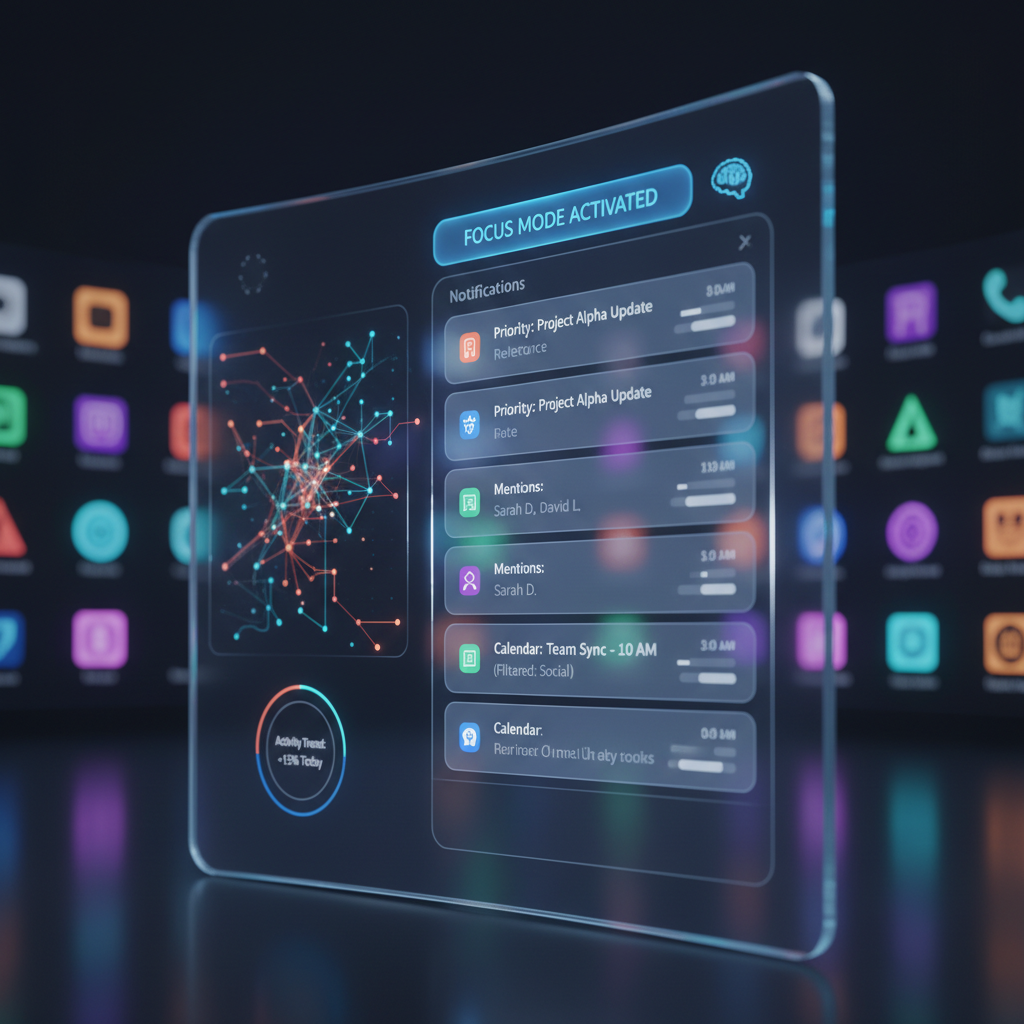




















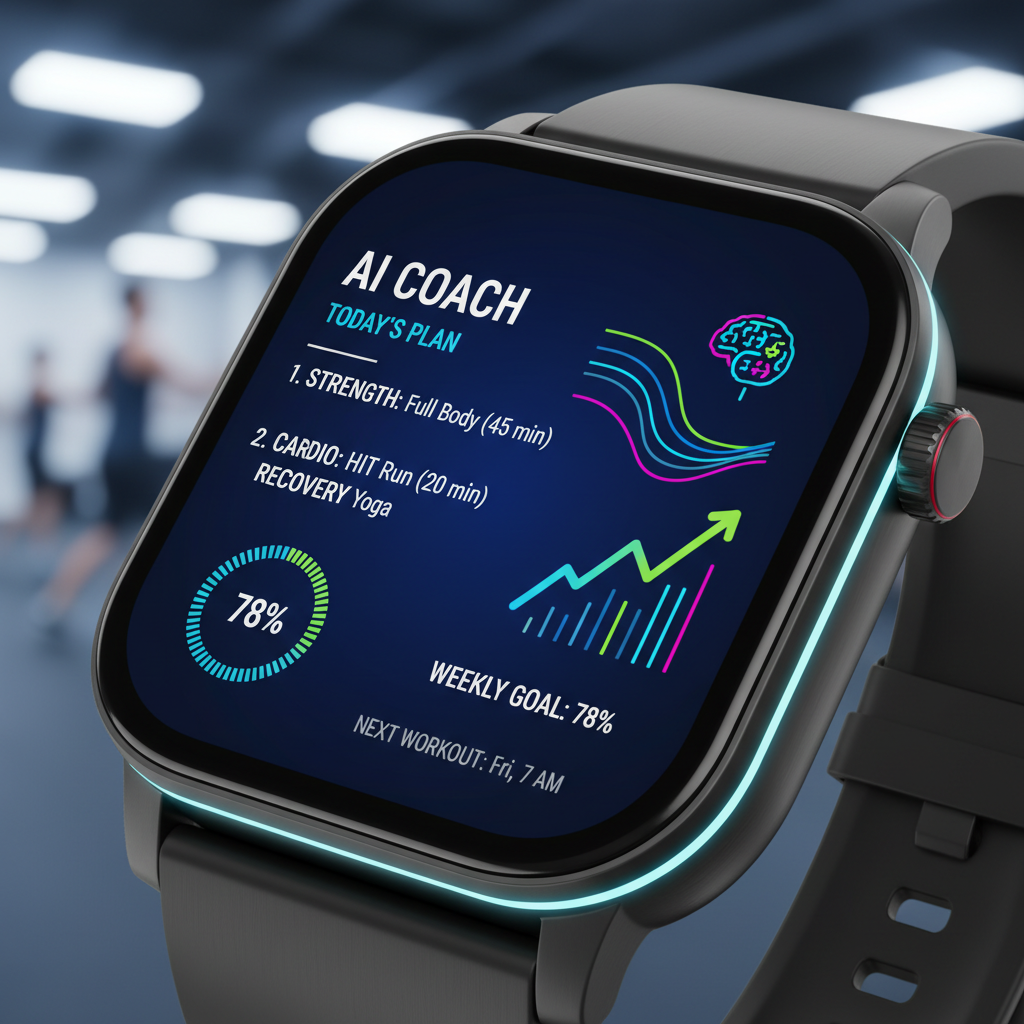








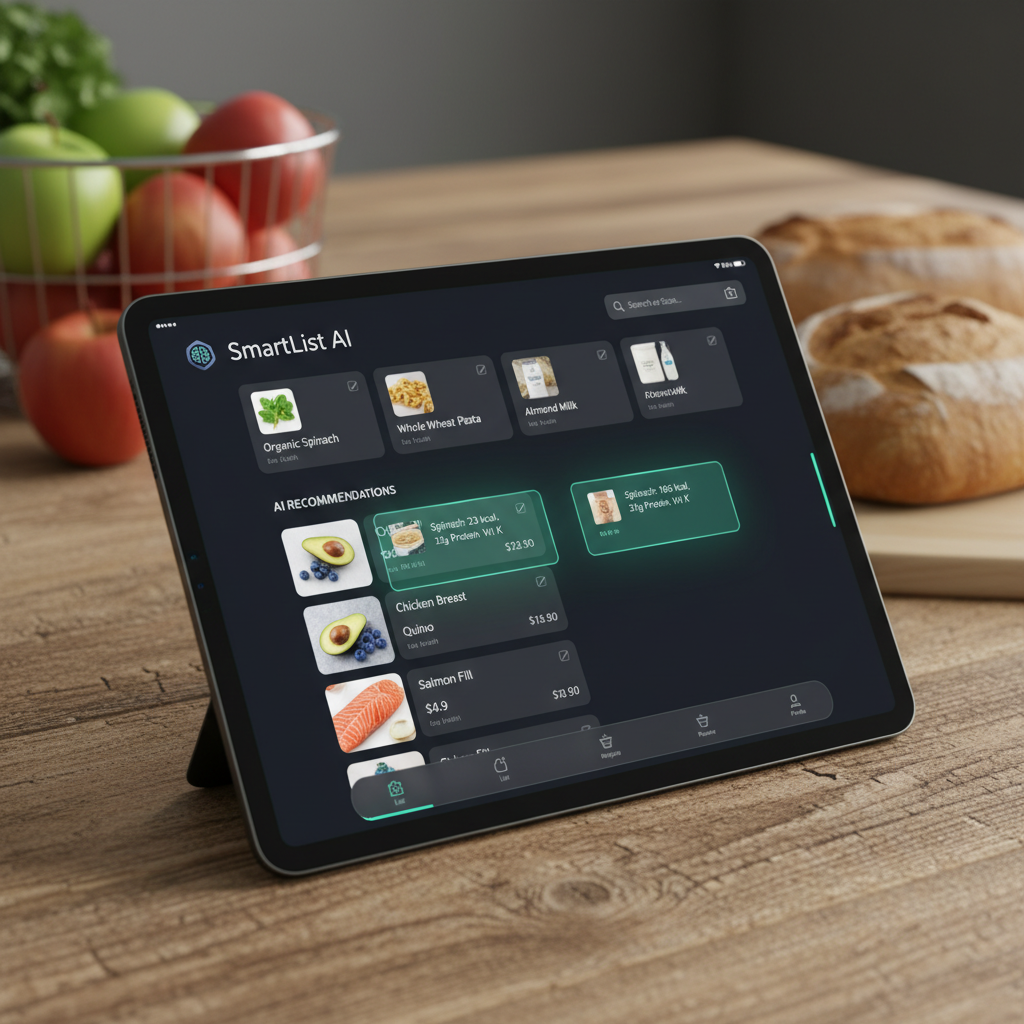

















































Leave a Reply