


Discovering Hidden Gems: AI Tools for Personalized Learning
In an era where information is abundant but attention is scarce, the quest for truly effective and engaging learning experiences has never been more critical. The traditional one-size-fits-all approach to education is increasingly being challenged by innovative methodologies, and at the forefront of this revolution stands artificial intelligence (AI). While big names in AI education often dominate headlines, a vibrant ecosystem of
Personalized learning is not a new concept, but AI has provided the technological backbone to achieve it at an unprecedented scale and depth. Imagine a learning environment that understands your strengths, identifies your weaknesses, adapts content to your preferred learning style, and even predicts potential roadblocks before they arise. This is the promise of AI-driven personalized learning. Beyond the well-known applications, a new generation of sophisticated yet often overlooked tools leverages advanced AI techniques like natural language processing (NLP), machine learning (ML), and adaptive algorithms to create bespoke educational journeys. These tools move beyond simple recommendation engines, offering dynamic content generation, intelligent feedback loops, and truly interactive tutoring experiences that cater to individual cognitive patterns and emotional states.
This comprehensive exploration aims to shed light on these powerful, yet underrated, AI tools. We will delve into how they foster hyper-personalized learning journeys, provide practical examples of their application, and discuss the profound impact they are having on learners across all domains and age groups. Get ready to discover the silent innovators that are empowering a new era of education, making learning not just effective, but truly transformative.
The Evolution of Personalized Learning and AI’s Pivotal Role
The concept of personalized learning has deep roots, dating back to the Socratic method, where instruction was tailored to the individual’s current understanding through dialogue and questioning. However, scaling such an intimate approach proved impossible in mass education systems. The 20th century saw attempts at individualization through methods like programmed instruction and mastery learning, but these were often static and labor-intensive, lacking the dynamic adaptability required for true personalization.
The advent of digital technology brought new possibilities. Early e-learning platforms offered some degree of learner choice, but these were largely passive experiences. The real breakthrough came with artificial intelligence. AI’s ability to process vast amounts of data, recognize patterns, and make predictions transformed personalized learning from an aspirational ideal into a tangible reality. Machine learning algorithms can analyze a learner’s interactions, performance, and even emotional responses to build a detailed profile. This profile then informs the delivery of content, the pacing of lessons, the type of feedback provided, and the specific learning path recommended.
The initial wave of AI in education focused on adaptive testing and simple content recommendations. Tools like Khan Academy’s mastery-based learning and early intelligent tutoring systems demonstrated the potential. However, these often operated within predefined structures. The current generation of AI tools, particularly the underrated ones we are exploring, goes significantly further. They leverage more sophisticated AI capabilities to understand context, generate novel content, simulate complex scenarios, and engage learners in ways that mimic human-to-human interaction, but with the added benefit of data-driven precision and scalability. This evolution signifies a move from merely *adapting* to *proactively personalizing* the entire learning ecosystem, enabling a truly hyper-personalized experience that evolves with the learner.
Beyond the Giants: Why Underrated Tools Matter
When most people think of AI in education, their minds might immediately jump to large language models like ChatGPT, or established platforms like Coursera and edX that integrate some AI features. While these are undeniably powerful, the landscape of AI in learning is vast and diverse. Many groundbreaking innovations emerge from smaller startups, research labs, or open-source communities, developing specialized tools that address very specific pain points in the learning journey. These are the underrated tools – often less publicized, yet incredibly impactful in their niche applications.
There are several compelling reasons why focusing on these hidden gems is crucial for anyone seeking a truly hyper-personalized learning experience:
- Specialized Focus: Unlike large, general-purpose platforms, underrated tools often excel in a particular aspect of learning. They might specialize in adaptive quizzing for a specific subject, AI-powered writing feedback, dialectic tutoring, or highly personalized skill gap analysis. This narrow focus allows them to develop deeper, more sophisticated AI capabilities for their intended purpose.
- Innovation and Agility: Smaller teams can iterate faster, experiment with novel AI techniques, and quickly respond to user feedback. They are less constrained by legacy systems or broad corporate strategies, allowing for more daring and innovative approaches to personalized learning.
- Cost-Effectiveness and Accessibility: Many underrated tools are either free, open-source, or offer highly competitive pricing models. This makes advanced personalized learning accessible to a wider audience, including individual learners, small educational institutions, and educators with limited budgets.
- Unique Methodologies: These tools often employ unique pedagogical approaches or AI architectures that differ from mainstream offerings. For instance, some might focus on spaced repetition augmented with AI to predict forgetting curves, while others might use generative AI to create context-aware case studies on the fly.
- Bridging Specific Gaps: The educational journey is multifaceted, with various challenges. Underrated tools frequently emerge to address specific gaps that larger platforms might overlook or deprioritize, such as personalized feedback on creative writing, AI-driven collaborative learning support, or tools for learners with specific cognitive styles.
By looking beyond the usual suspects, learners and educators can discover a wealth of powerful AI solutions that can be integrated to create a truly bespoke and incredibly effective learning ecosystem. These tools empower individuals to take control of their learning, adapting to their unique pace, preferences, and progress in ways that were previously unimaginable.
Adaptive Content Creation & Curation Tools
One of the most significant challenges in personalized learning is the sheer volume and diversity of content required to cater to individual needs. Traditionally, educators spend countless hours creating differentiated materials. Underrated AI tools are now stepping in to automate and enhance this process, dynamically generating and curating content that is perfectly aligned with a learner’s current understanding, learning style, and specific goals.
AI-Powered Summarization and Simplification
Imagine a student struggling with a complex scientific article. Instead of slogging through dense paragraphs, an AI tool could instantly summarize key concepts, simplify technical jargon, or even break down the article into digestible chunks with accompanying explanations. These tools utilize advanced NLP to understand the semantics of text and rewrite it at a suitable reading level, or extract only the most pertinent information. Some tools can even identify prerequisite knowledge within a text and suggest external resources to cover those gaps.
- Use Case: A learner reading an advanced textbook can get real-time simplification of complex paragraphs, ensuring comprehension before moving on.
- Benefit: Reduces cognitive load, improves comprehension, and accelerates learning for challenging subjects.
Dynamic Exercise and Question Generation
Beyond static question banks, underrated AI tools can generate an endless supply of practice problems, quizzes, and even open-ended questions tailored to a learner’s performance. If a student consistently struggles with a particular type of math problem, the AI can generate more variations of that problem. If they master a concept, it can introduce slightly more complex scenarios. These systems often integrate with knowledge graphs to ensure that generated questions are not only relevant but also span different cognitive levels (e.g., recall, application, analysis).
- Use Case: A language learner can receive dynamically generated fill-in-the-blank exercises or translation practice based on vocabulary they are currently struggling with.
- Benefit: Provides targeted practice, reinforces weak areas, and ensures continuous engagement with relevant material.
AI-Driven Multimedia Adaptation
Learning is not just about text. Many individuals learn best through visuals, audio, or interactive simulations. Underrated AI tools are emerging that can adapt multimedia content. For example, an AI could take a long lecture video and automatically generate short highlight reels, create interactive transcripts with clickable definitions, or even suggest supplementary videos based on the learner’s areas of difficulty. Some advanced tools can even generate simple diagrams or visual aids from textual descriptions.
- Use Case: A visual learner can have a dense historical text automatically converted into a timeline infographic or a series of maps illustrating key events.
- Benefit: Caters to diverse learning styles, makes content more engaging, and enhances memory retention through visual and auditory cues.
Personalized Feedback & Assessment Engines
Effective feedback is the cornerstone of learning, yet providing timely, specific, and actionable feedback to every learner is a monumental task for educators. Underrated AI tools are revolutionizing this area, offering personalized feedback and sophisticated assessment capabilities that go far beyond traditional grading.
Intelligent Writing and Argumentation Feedback
While grammar checkers are common, a new breed of AI tools provides much deeper analysis of written work. These tools can evaluate the coherence of an argument, the logical flow of ideas, the strength of evidence, and even the tone and style of writing. They can identify instances where an argument lacks supporting details, suggest alternative phrasing for clarity, or point out inconsistencies in reasoning. This type of feedback is invaluable for developing critical thinking and effective communication skills.
- Use Case: A college student writing an essay can receive AI feedback not just on grammar, but on the strength of their thesis statement, the organization of their paragraphs, and the persuasiveness of their arguments.
- Benefit: Develops advanced writing skills, fosters critical thinking, and provides actionable insights for improvement.
AI for Formative Assessment and Skill Gap Identification
These tools are designed to continuously assess a learner’s understanding and identify specific skill gaps in real-time. Unlike summative assessments (like exams), formative assessments are ongoing and diagnostic. AI can analyze performance across a range of exercises, pinpointing not just incorrect answers, but the underlying misconceptions or missing prerequisite knowledge. Based on this, it can recommend specific micro-lessons, practice problems, or external resources to address those precise gaps.
- Use Case: An individual learning to code struggles with a particular programming concept. An AI assessment engine identifies the exact conceptual misunderstanding and recommends a short tutorial or a series of focused coding challenges.
- Benefit: Prevents knowledge gaps from widening, provides targeted remediation, and ensures a solid foundation before advancing.
Performance Analysis and Predictive Analytics
Some underrated AI tools go beyond immediate feedback to offer insights into a learner’s long-term progress and potential challenges. By analyzing historical performance data, engagement levels, and even time spent on tasks, these tools can predict areas where a learner might struggle in the future, or identify patterns indicative of disengagement. This allows for proactive intervention, whether it’s recommending a change in study strategy or suggesting a short break to prevent burnout.
- Use Case: A lifelong learner pursuing a new skill sees a personalized dashboard showing their progress over months, highlighting specific skills they are excelling at and areas where they might face difficulties in upcoming modules, allowing them to prepare proactively.
- Benefit: Empowers learners with self-awareness, enables proactive problem-solving, and optimizes long-term learning efficiency.
AI-Powered Tutoring & Mentorship Platforms
The dream of a personal tutor for everyone is becoming a reality through AI. While human tutors remain invaluable, AI-powered tutoring and mentorship platforms offer scalable, always-available, and hyper-personalized guidance, often at a fraction of the cost. These underrated tools are moving beyond simple Q&A bots to become sophisticated conversational partners.
Dialectic & Socratic AI Tutors
Instead of just providing answers, these advanced AI tutors engage learners in a dialogue, asking guiding questions to help them discover solutions themselves. They mimic the Socratic method, probing understanding, challenging assumptions, and encouraging critical thinking. By analyzing a learner’s responses, the AI can adapt its questioning strategy, leading the learner through a personalized thought process. This approach builds deeper understanding and problem-solving skills, rather than rote memorization.
- Use Case: A student grappling with a complex ethical dilemma in a philosophy class can engage with an AI tutor that asks probing questions, presents counter-arguments, and encourages them to articulate their reasoning, without directly giving the “right” answer.
- Benefit: Fosters critical thinking, develops analytical skills, and encourages independent problem-solving.
Adaptive Explanations and Conceptual Clarification
When a learner asks a question, a basic AI might provide a standard answer. Underrated AI tutors, however, can provide adaptive explanations. If the initial explanation isn’t understood, the AI can rephrase it using different analogies, break it down into smaller components, or even switch to a different modality (e.g., text to a simple diagram). They can also identify prerequisite knowledge gaps that are preventing understanding and offer to review those foundational concepts first.
- Use Case: A learner struggling with a calculus concept receives an explanation. If still confused, the AI offers a simpler analogy from daily life, then provides a step-by-step example, adapting its approach until the concept clicks.
- Benefit: Ensures deep understanding, caters to individual cognitive pathways, and reduces frustration by finding the ‘right’ way to explain.
AI for Role-Playing and Skill Simulation
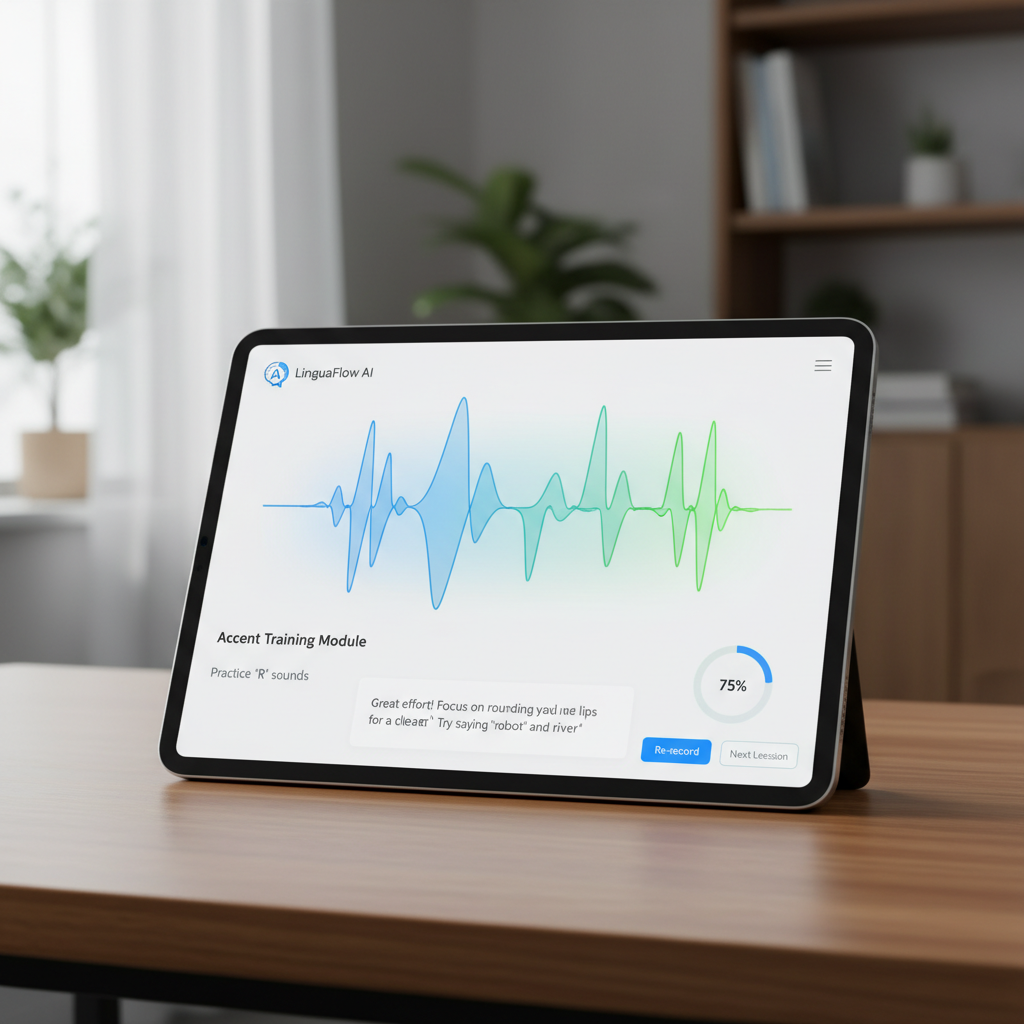
For skills that require practice in real-world scenarios, such as negotiation, customer service, or public speaking, AI can create simulated environments for role-playing. These tools can act as virtual interlocutors, providing realistic responses and feedback based on the learner’s performance. They can simulate various personalities, respond to different approaches, and offer specific pointers on body language (via webcam analysis), tone of voice, or choice of words.
- Use Case: A professional preparing for a job interview can practice with an AI that plays the role of an interviewer, providing feedback on their answers, demeanor, and areas for improvement in real-time.
- Benefit: Builds confidence, allows for safe practice of complex social skills, and provides immediate, targeted feedback for performance improvement.
Gamification & Engagement Enhancers
One of the persistent challenges in learning is maintaining learner motivation and engagement, particularly in self-directed or online environments. Underrated AI tools are increasingly leveraging principles of gamification and behavioral science to create more compelling and enjoyable learning experiences, turning tedious tasks into captivating challenges.
AI-Driven Quest Generation and Progress Tracking
Instead of a linear curriculum, some AI tools can convert learning objectives into personalized quests or challenges. As a learner progresses, the AI dynamically generates new quests that build upon acquired knowledge, introduce novel concepts, and maintain an optimal level of difficulty. It tracks progress not just through completion rates, but also through mastery levels, time spent, and engagement metrics, offering personalized rewards or recognition for milestones.
- Use Case: A student learning history embarks on a “Time Traveler’s Quest,” with AI dynamically creating mini-missions like “Investigate the Fall of Rome” or “Decipher Ancient Egyptian Hieroglyphs” based on their current knowledge and interests.
- Benefit: Transforms learning into an engaging adventure, provides clear goals, and makes progress visible and rewarding.
Personalized Nudging and Motivational Prompts
AI can analyze a learner’s behavior patterns – when they typically study, when they drop off, what types of content they engage with most – to deliver personalized nudges and motivational prompts. These might be gentle reminders to review material, encouraging messages after completing a difficult section, or suggestions for taking a short break. The timing and content of these prompts are optimized by AI to maximize impact and prevent disengagement or burnout.
- Use Case: An individual who usually studies in the evenings receives an AI-generated reminder during their preferred study window, “Hey, just a quick 15-minute review of yesterday’s biology concepts could really solidify your understanding!”
- Benefit: Boosts motivation, helps maintain consistency, and supports self-regulation in learning.
AI for Dynamic Storytelling and Scenario Building
To make abstract concepts more relatable and memorable, some underrated AI tools can weave learning content into dynamic narratives or interactive scenarios. For example, learning about economic principles might involve navigating a simulated business environment where AI generates unexpected market shifts, requiring the learner to apply economic theories in real-time. These stories adapt based on the learner’s choices and performance, creating a truly immersive and personalized educational journey.
- Use Case: A medical student practices diagnosing rare diseases within an AI-generated virtual hospital, where patient symptoms evolve dynamically, and their diagnostic choices lead to different narrative outcomes, forcing critical decision-making.
- Benefit: Enhances engagement through immersive storytelling, makes abstract concepts concrete, and develops practical decision-making skills in a safe environment.
AI for Skill Gap Identification & Course Recommendation
In today’s rapidly evolving job market, identifying and closing skill gaps is crucial for career advancement and lifelong learning. Underrated AI tools are providing sophisticated solutions for precise skill gap analysis and hyper-personalized course recommendations, moving beyond generic suggestions to truly tailored learning paths.
Granular Skill Assessment and Profiling
Traditional assessments often provide a broad overview. Advanced AI tools can perform granular skill assessments, breaking down complex competencies into their constituent sub-skills. Through a series of adaptive challenges, quizzes, and even analysis of project work, these tools build a detailed profile of a learner’s exact strengths and weaknesses, identifying precisely which sub-skills need development.
- Use Case: A professional wants to transition into data science. An AI tool assesses their current programming knowledge, statistical understanding, and data visualization skills, identifying specific gaps like “advanced SQL queries” or “interpreting p-values.”
- Benefit: Provides a clear, actionable roadmap for skill development, avoids redundant learning, and focuses efforts on critical areas.
Personalized Learning Path Generation
Based on the identified skill gaps and a learner’s career goals, AI can generate highly personalized learning paths. These paths don’t just recommend courses; they can suggest specific modules, projects, articles, videos, or even mentors. The AI considers the learner’s preferred learning modality, available time, and prior knowledge to construct the most efficient and engaging route to achieve their goals.
- Use Case: After assessing their skills, an AI recommends a custom learning path for a marketer aiming to master digital analytics, suggesting specific Google Analytics modules, a short Python data cleaning course, and relevant case studies.
- Benefit: Offers a structured, efficient, and highly relevant path to achieve learning and career objectives.
AI-Driven Mentorship Matching and Networking
Beyond content, some sophisticated AI tools are exploring ways to facilitate human connection for learning. They can analyze a learner’s skill profile, learning goals, and even personality traits to suggest suitable mentors or connect them with peer learning groups. This goes beyond simple keyword matching, utilizing AI to understand deeper commonalities and complementary skills, fostering valuable professional and educational relationships.
- Use Case: A junior software developer seeks guidance. An AI platform matches them with an experienced developer who not only has the right technical expertise but also shares a similar career trajectory or challenges, facilitating a more effective mentorship.
- Benefit: Facilitates meaningful professional connections, provides human guidance where AI cannot, and expands learning through shared experiences.
Ethical Considerations and Future Trends
While the potential of underrated AI tools for personalized learning is immense, it is crucial to address the ethical implications and consider future trends to ensure responsible development and deployment.
Ethical Considerations
- Data Privacy and Security: Personalized learning relies heavily on collecting learner data. Ensuring the robust privacy and security of this sensitive information is paramount. Clear policies on data usage, anonymization techniques, and user consent are vital.
- Algorithmic Bias: AI models are only as good as the data they are trained on. If training data reflects existing biases (e.g., gender, race, socioeconomic status), the AI might perpetuate or even amplify these biases in its recommendations or assessments, leading to unequal learning opportunities. Developers must actively work to identify and mitigate bias.
- Transparency and Explainability: Learners and educators should understand how AI tools make decisions. Opaque algorithms can lead to mistrust. Future developments need to focus on explainable AI (XAI), allowing users to comprehend why a particular learning path was recommended or why certain feedback was given.
- Human Oversight and Agency: AI should augment, not replace, human educators and learner agency. There’s a risk of learners becoming too reliant on AI or feeling their learning path is entirely dictated. Maintaining human oversight and allowing learners significant control over their personalized journey is essential.
- Digital Divide: Access to these advanced AI tools often requires reliable internet and suitable devices. There is a risk that these innovations could widen the existing digital divide if not made universally accessible.
Future Trends in Underrated AI for Learning
- Hyper-Personalization to Emotional States: Beyond cognitive understanding, future AI tools will likely integrate more sophisticated emotional AI to detect frustration, boredom, or heightened engagement, adapting content and pace in real-time to optimize emotional well-being alongside academic progress.
- Generative AI for Immersive Learning Environments: The advancements in generative AI will lead to the creation of even more dynamic, realistic, and interactive learning simulations, virtual labs, and historical reconstructions, allowing learners to “experience” concepts rather than just read about them.
- AI for Collaborative Intelligence: AI will increasingly facilitate collaborative learning, identifying complementary skills among learners, suggesting optimal team compositions for projects, and mediating group discussions to foster deeper shared understanding.
- Brain-Computer Interface (BCI) Integration: While futuristic, BCIs could one day allow AI to monitor cognitive load or attention levels directly, leading to truly seamless and adaptive learning experiences that respond to neural signals.
- Lifelong Learning Ecosystems: AI will be instrumental in creating continuous learning ecosystems that adapt throughout a person’s life and career, seamlessly integrating formal education, professional development, and informal learning opportunities based on evolving personal and market needs.
The journey of personalized learning with AI is just beginning. By embracing the power of underrated tools and continuously addressing ethical challenges, we can unlock a future where learning is truly limitless, equitable, and uniquely tailored to every individual’s potential.
Comparison Tables
Table 1: Popular vs. Underrated AI Tools in Personalized Learning
| Feature/Category | Popular AI Tools (General Examples) | Underrated AI Tools (Functional Examples) | Key Differentiator |
|---|---|---|---|
| Content Delivery | Linear courses with some adaptive quizzes (e.g., Coursera’s adaptive features, edX) | Dynamic content generation, real-time simplification, adaptive multimedia (e.g., AI that rewrites complex texts, generates custom diagrams) | Focus shifts from adapting static content to dynamically generating bespoke content. |
| Feedback Mechanism | Automated multiple-choice grading, basic grammar checks (e.g., Grammarly, Quizlet) | Intelligent writing feedback (argument structure, coherence), real-time skill gap diagnosis (e.g., AI analyzing logical flow in essays) | Moves beyond superficial corrections to deep, analytical feedback on complex cognitive skills. |
| Tutoring Interaction | Q&A bots, basic hint systems (e.g., some homework help apps) | Dialectic (Socratic) tutoring, adaptive explanations, role-playing simulations (e.g., AI that guides through questioning, virtual interview practice) | Evolves from dispensing information to fostering critical thinking and experiential learning. |
| Engagement Strategy | Leaderboards, badges for course completion (e.g., Duolingo, general gamified apps) | AI-driven quest generation, personalized motivational nudges, dynamic storytelling (e.g., AI crafting narrative learning scenarios) | Personalizes engagement based on individual behavior, creating truly immersive and adaptive challenges. |
| Skill Assessment | Broad topic quizzes, self-reported skills (e.g., LinkedIn Learning assessments) | Granular sub-skill identification, predictive analytics for future challenges (e.g., AI pinpointing exact coding vulnerabilities) | Offers highly precise, diagnostic assessment down to minute skill components, with foresight. |
| Cost/Accessibility | Subscription models, often premium tiers | Often free/open-source, niche subscriptions, or research-driven projects | Tends to be more accessible due to targeted development and diverse funding models. |
Table 2: Impact of Underrated AI Tool Features on Learning Outcomes
| Underrated AI Feature Type | Core Functionality | Direct Impact on Learner | Long-term Learning Outcome |
|---|---|---|---|
| Adaptive Content Generation | Generates and simplifies content based on learner’s proficiency and style. | Reduces frustration, increases comprehension, saves time searching for appropriate materials. | Faster mastery of complex topics, improved information retention, enhanced self-efficacy. |
| Intelligent Writing Feedback | Analyzes argument structure, logical coherence, and nuanced expression in written work. | Provides specific, actionable insights beyond grammar; develops critical thinking. | Stronger communication skills, improved analytical reasoning, better academic/professional writing. |
| Socratic AI Tutoring | Engages learners in guiding dialogues, asking questions to prompt discovery. | Encourages independent problem-solving, deepens conceptual understanding. | Enhanced critical thinking, robust problem-solving abilities, stronger conceptual grasp. |
| Dynamic Skill Gap Identification | Pinpoints precise sub-skills that require development through continuous assessment. | Focuses learning efforts on exact weaknesses, prevents accumulation of knowledge gaps. | Efficient skill acquisition, solid foundational knowledge, accelerated expertise development. |
| AI-Powered Role-Playing Simulations | Creates interactive scenarios for practicing real-world skills with adaptive responses. | Allows for safe practice in realistic contexts, provides immediate performance feedback. | Increased confidence in practical skills, improved decision-making under pressure, better job readiness. |
| Personalized Motivational Nudges | Delivers timely, context-aware prompts and encouragement based on learner behavior. | Helps maintain focus and motivation, combats procrastination and burnout. | Improved self-regulation, greater consistency in study habits, sustained engagement in lifelong learning. |
Practical Examples: Real-World Use Cases and Scenarios
To truly appreciate the power of these underrated AI tools, let’s explore a few practical scenarios where they can make a significant difference in a learner’s journey.
Scenario 1: The Struggling High School Math Student
Learner: Maria, a high school student, is consistently struggling with algebra, specifically word problems. She finds standard textbooks confusing and traditional online practice problems repetitive. Her teacher, Mrs. Davis, has too many students to provide daily one-on-one tailored support.
Underrated AI Solution: Mrs. Davis introduces Maria to an AI-powered adaptive problem generator that specializes in contextual math problems. This tool:
- Analyzes Maria’s performance: Through a short diagnostic, the AI quickly identifies that Maria struggles not with the algebraic concepts themselves, but with translating real-world scenarios into equations.
- Generates personalized word problems: Instead of generic problems, the AI creates word problems relevant to Maria’s interests (e.g., calculating points in her favorite video game, optimizing routes for her walk to school, budgeting for a concert ticket). It slowly increases complexity, providing hints or breaking down problems into smaller steps when Maria struggles.
- Provides Socratic feedback: When Maria gets a problem wrong, the AI doesn’t just give the answer. It asks questions like, “What are the known quantities in this problem?” or “How can we represent the unknown value with a variable?” guiding her to self-correct.
- Simplifies explanations: If Maria gets stuck on a concept, the AI offers multiple ways to explain it, using visual aids or simpler analogies until she grasps it.
Outcome: Maria’s engagement with math dramatically increases. She no longer fears word problems but sees them as solvable puzzles relevant to her life. Her scores improve, and more importantly, her confidence in her mathematical abilities grows, freeing up Mrs. Davis to focus on broader classroom dynamics.
Scenario 2: The Aspiring Professional Writer
Learner: David, an aspiring freelance writer, wants to improve his non-fiction writing skills, specifically in crafting persuasive arguments and clear narratives. He’s written several articles but finds it hard to get specific, constructive feedback on the deeper aspects of his writing beyond grammar.
Underrated AI Solution: David discovers an AI-powered writing analysis platform designed for advanced structural and argumentative feedback. This tool:
- Evaluates argument coherence: David uploads his latest article. The AI analyzes his thesis statement, identifies supporting points, and highlights paragraphs where the argument deviates or lacks logical flow. It suggests reordering sections for better impact.
- Assesses evidence strength: For each claim David makes, the AI checks if it’s sufficiently supported by evidence and suggests where more specific data, examples, or expert quotes could strengthen his points.
- Analyzes tone and clarity: The tool provides feedback on whether the tone is appropriate for his target audience and suggests alternative phrasing to improve clarity, conciseness, and impact without losing his unique voice.
- Offers comparative insights: In some cases, it might even offer comparisons to well-regarded articles in a similar niche, highlighting structural patterns or rhetorical devices David could consider.
Outcome: David gains profound insights into the structure and persuasive power of his writing. He learns to identify weaknesses in his arguments and improve his narrative flow, leading to more compelling articles and, eventually, more clients and higher earning potential. The AI acts as a tireless, objective writing coach, available 24/7.
Scenario 3: The Mid-Career Professional Upskilling for a New Role
Learner: Sarah, a marketing professional with 10 years of experience, wants to pivot into a product management role. She needs to acquire new skills quickly, but she’s unsure exactly which skills are most critical and how to efficiently learn them while balancing her current job and family life.
Underrated AI Solution: Sarah uses an AI-driven career pathing and skill gap analysis tool. This platform:
- Creates a granular skill profile: Sarah inputs her current resume, past projects, and desired job descriptions for product management. The AI performs a detailed analysis, identifying hundreds of sub-skills required for the new role and cross-referencing them with her existing capabilities.
- Pinpoints precise skill gaps: The AI identifies specific areas where Sarah needs development, such as “Agile methodologies,” “user story mapping,” “data-driven decision-making,” and “technical feasibility assessment.” It goes beyond general terms, breaking them into learnable components.
- Generates a personalized learning roadmap: Based on the identified gaps, Sarah’s preferred learning styles (e.g., project-based, video lectures, reading), and her time constraints, the AI curates a hyper-personalized roadmap. This includes specific online courses (not just platforms), relevant articles, industry reports, and even open-source projects she could contribute to.
- Recommends micro-learning modules: Instead of long courses, the AI often suggests short, digestible modules or even custom-generated exercises that target specific sub-skills, allowing Sarah to learn in her spare moments.
- Offers mentorship matching: The platform leverages AI to suggest potential mentors in product management whose career trajectory or expertise aligns with Sarah’s goals, facilitating valuable networking opportunities.
Outcome: Sarah gains clarity and confidence in her career transition. She focuses her limited learning time on the most impactful skills, avoiding irrelevant content. The structured, personalized roadmap keeps her motivated, and she successfully acquires the necessary skills, making a smooth transition into her new product management role faster than she thought possible.
Frequently Asked Questions
Frequently Asked Questions
Q: What exactly is “hyper-personalized learning”?
A: Hyper-personalized learning goes beyond basic adaptive learning, which simply adjusts content based on performance. It leverages advanced AI (like machine learning, natural language processing, and deep learning) to create an educational experience that is uniquely tailored to every aspect of an individual learner. This includes their specific strengths, weaknesses, preferred learning styles, pace, cognitive patterns, interests, and even emotional states. It’s about building a dynamic, evolving learning journey that feels as if it was custom-designed by a dedicated human tutor, but with the scalability and data-driven precision of AI.
Q: How do underrated AI tools differ from popular AI in education?
A: While popular AI tools often integrate generalized AI features (e.g., basic recommendations, adaptive quizzing) into large platforms, underrated AI tools typically specialize in a niche aspect of learning. They often come from smaller teams or research initiatives, allowing them to innovate faster and develop deeper, more sophisticated AI functionalities for their specific purpose. For example, instead of a general essay checker, an underrated tool might deeply analyze argumentative structure. They tend to be more agile, cost-effective, and focus on solving very specific pain points that might be overlooked by larger, more general-purpose solutions.
Q: Are these underrated AI tools expensive or hard to access?
A: Not necessarily. Many underrated AI tools are developed by startups, research institutions, or open-source communities. This often means they are either free, offer competitive subscription models, or are accessible through educational pilot programs. Their specialized nature sometimes means they are not as heavily marketed as mainstream products, making them “hidden gems” but not inherently inaccessible. Finding them might require a bit more research and exploration, but their value often outweighs the effort.
Q: How do AI tools adapt content to individual learning styles?
A: AI tools can adapt content in several ways. Firstly, they can analyze a learner’s past interactions – whether they spend more time on videos, prefer reading text, or excel with interactive simulations. Secondly, some tools incorporate initial assessments or questionnaires to directly ask about learning preferences. Based on this data, the AI can then dynamically curate existing content (e.g., provide a video explanation instead of text) or even generate new content (e.g., creating a diagram from text, simplifying language) that aligns with the identified learning style. The goal is to present information in the most digestible and effective format for that specific individual.
Q: Can AI truly provide personalized feedback on complex tasks like writing or critical thinking?
A: Yes, advanced underrated AI tools are moving beyond basic grammar checks. Leveraging sophisticated Natural Language Processing (NLP) and machine learning, they can analyze the coherence of arguments, the logical flow of ideas, the strength of evidence, and even the nuances of tone and style in written work. For critical thinking, Socratic AI tutors can engage learners in dialogue, asking probing questions to guide them toward discovering solutions rather than just providing answers. This type of AI fosters deeper cognitive development by analyzing structure, reasoning, and context.
Q: What are the main ethical concerns associated with using AI in personalized learning?
A: Key ethical concerns include data privacy and security (how learner data is collected, stored, and used), algorithmic bias (ensuring AI recommendations and assessments are fair and do not perpetuate existing societal biases), transparency (understanding how AI makes decisions), human oversight (ensuring AI augments rather than replaces human educators), and the digital divide (ensuring equitable access to these technologies). Responsible development requires addressing these issues proactively to ensure AI benefits all learners fairly.
Q: How do these AI tools help with skill gap identification for career development?
A: Advanced AI tools can analyze a learner’s existing resume, project history, and desired job roles to create a granular profile of their current skills. They then compare this to the competencies required for a target role, breaking down complex skills into constituent sub-skills. Through targeted assessments and predictive analytics, the AI can pinpoint precise skill gaps – identifying not just what a learner doesn’t know, but the specific sub-components they need to acquire. This allows for hyper-personalized learning paths that are highly efficient and directly aligned with career goals.
Q: Can AI-powered learning be truly engaging, or is it just efficient?
A: Absolutely, it can be highly engaging. Underrated AI tools are increasingly incorporating gamification elements, dynamic storytelling, and personalized motivational strategies. AI can turn learning objectives into interactive quests, generate scenarios based on a learner’s interests, and provide timely, personalized nudges and encouragement. By adapting content and challenges to maintain an optimal level of difficulty (not too easy, not too hard), and by making progress visible and rewarding, AI can create an intrinsically motivating and immersive learning experience that goes beyond mere efficiency.
Q: How can I find these underrated AI tools for my own learning journey?
A: Finding these tools often requires proactive searching. Look for academic papers, tech blogs focusing on EdTech startups, product reviews on niche forums, or specific communities centered around personalized learning or AI in education. Keep an eye on university research projects that might spin off into commercial tools. Sometimes, exploring open-source AI projects related to learning can also yield valuable tools. Don’t be afraid to experiment with newer, less-known platforms that focus on a specific problem you’re trying to solve in your learning.
Q: What is the role of human educators in a world with hyper-personalized AI learning?
A: The role of human educators evolves from being primary information deliverers to facilitators, mentors, and guides. AI frees educators from repetitive tasks like grading and basic content delivery, allowing them to focus on higher-order activities: fostering creativity, critical thinking, socio-emotional development, complex project guidance, and addressing individual learner well-being. Educators can leverage AI’s data insights to better understand their students’ needs and provide targeted human intervention, mentorship, and support where AI cannot replicate true human connection and empathy.
Key Takeaways
- AI is Revolutionizing Personalized Learning: Artificial intelligence is moving beyond basic adaptations to create truly hyper-personalized, dynamic, and responsive learning journeys tailored to individual needs, preferences, and pace.
- Underrated Tools Offer Deep Specialization: Beyond mainstream platforms, a wealth of underrated AI tools provide highly specialized, innovative solutions for specific learning challenges, often with greater agility and cost-effectiveness.
- Adaptive Content is Evolving: AI can now dynamically generate, simplify, and curate content (text, multimedia, exercises) in real-time, matching a learner’s comprehension level and preferred modality.
- Feedback is Becoming Intelligent and Actionable: Advanced AI tools provide nuanced feedback on complex skills like writing structure, argumentation, and critical thinking, going far beyond surface-level corrections.
- AI Tutors Foster Deep Understanding: Socratic AI tutors engage learners in guiding dialogues, encouraging self-discovery and critical thinking, while adaptive explanations ensure concepts are grasped fully.
- Engagement is Enhanced Through Gamification: AI-driven quest generation, personalized nudges, and dynamic storytelling are transforming learning into more immersive and motivating experiences.
- Skill Gap Identification is Precise: AI can perform granular assessments to pinpoint exact sub-skill gaps and generate highly targeted learning paths for career advancement and lifelong learning.
- Ethical Considerations are Paramount: Addressing data privacy, algorithmic bias, transparency, human oversight, and the digital divide is crucial for responsible AI development in education.
- Future Trends Promise Deeper Integration: Future AI will likely adapt to emotional states, create even more immersive environments with generative AI, facilitate collaborative intelligence, and support lifelong learning ecosystems.
- Human Educators Remain Central: AI empowers educators to focus on higher-order teaching, mentorship, and socio-emotional support, transforming their role into strategic facilitators of learning.
Conclusion
The journey into the realm of underrated AI tools for hyper-personalized learning journeys reveals a landscape rich with innovation and transformative potential. As we’ve explored, these hidden gems are not mere technological novelties; they are powerful catalysts reshaping education, making it more intuitive, accessible, and deeply relevant to the individual. From dynamically generating content that resonates with unique learning styles to providing nuanced, Socratic feedback that cultivates critical thinking, these tools are empowering learners to navigate their educational paths with unprecedented efficiency and engagement.
The shift from a one-size-fits-all model to truly bespoke learning experiences is no longer a distant dream but an achievable reality, largely thanks to the specialized capabilities of these overlooked AI solutions. They democratize access to personalized tutoring, offer precision in skill development, and inject motivation into the learning process in ways that traditional methods simply cannot match. However, with this immense power comes the responsibility to ensure ethical deployment, transparency, and a steadfast commitment to human-centric design, ensuring that AI serves to augment, rather than diminish, the rich tapestry of human learning and mentorship.
For educators, lifelong learners, and institutions alike, the call to action is clear: embrace curiosity, look beyond the prominent players, and actively seek out these underrated AI tools. By integrating them thoughtfully into our learning ecosystems, we can unlock a future where education is not just about acquiring knowledge, but about fostering a lifelong love of learning, tailored to the unique brilliance within each individual. The hidden gems of AI are waiting to be discovered, promising a brighter, more personalized, and profoundly impactful learning future for us all.


















































































Leave a Reply