

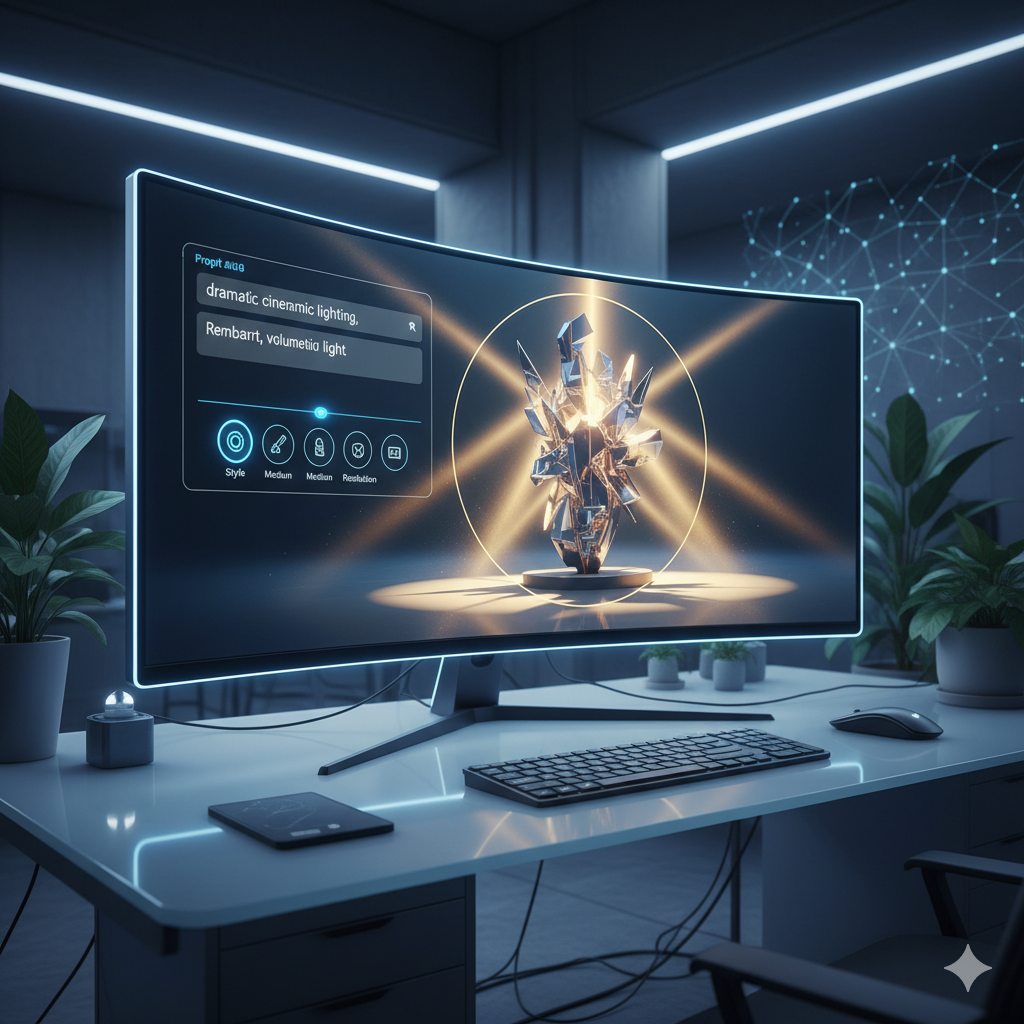
In the rapidly evolving landscape of artificial intelligence art, the ability to generate stunning, evocative visuals has moved beyond mere description to sophisticated control. While AI models like Midjourney, Stable Diffusion, and DALL-E 3 are incredibly adept at interpreting broad concepts, achieving truly cinematic and dramatic lighting requires a deeper understanding of prompt engineering. This comprehensive guide delves into the advanced techniques necessary to manipulate light within AI-generated art, transforming flat, generic images into masterpieces brimming with mood, depth, and storytelling.
Lighting is the soul of any visual medium. In cinema, it sculpts characters, defines spaces, and dictates emotional tone. Without masterful lighting, even the most compelling narratives can fall flat. The same holds true for AI art. Generic lighting can make an otherwise brilliant concept appear uninspired. By learning to articulate precise lighting conditions in your prompts, you gain an unparalleled level of creative control, enabling you to craft AI art that resonates with the power and aesthetic appeal of a Hollywood film.
This article will explore the principles of cinematic lighting and translate them into actionable prompt engineering strategies. We will dissect various lighting modifiers, examine their impact, and provide practical examples to help you elevate your AI art to new dramatic heights. Prepare to cast your AI creations in a whole new light.
The Essence of Cinematic Lighting in AI Art
What separates a mere photograph from a cinematic shot? Often, it is the intentional, masterful use of light. Cinematic lighting is not just about illuminating a scene; it is about creating a mood, guiding the viewer’s eye, revealing character, and advancing a narrative. It is purposeful, often dramatic, and highly stylized. When we speak of ‘cinematic style’ in AI art, we are aiming for these same qualities: depth, emotion, visual interest, and a sense of story conveyed through illumination.
Bridging traditional cinematography to AI prompts involves understanding fundamental lighting concepts and then finding the language that AI models comprehend. This is where advanced prompt engineering comes into play. Instead of simply asking for “good lighting,” we specify what kind of good lighting we want: its source, direction, intensity, color, and quality. AI models are trained on vast datasets of images, including professional photography and film stills. This means they inherently ‘understand’ concepts like ‘Rembrandt lighting’ or ‘chiaroscuro’ if prompted correctly, drawing upon the visual patterns learned during their training.
The goal is to move beyond default lighting, which can often be bland and evenly distributed, lacking the punch and personality that defines truly compelling imagery. By taking control of the lighting, you transform from a passive observer of AI output to an active director, orchestrating every photon within your digital canvas.
Deconstructing the Light Prompt: Key Modifiers for AI Art
To effectively engineer cinematic lighting, we must break down the elements of light into prompt-friendly modifiers. Each component plays a crucial role in shaping the final image. Understanding these elements allows for precise control and the ability to combine them for complex effects.
- Light Source: This describes where the light originates.
- Natural Light: “sunlight,” “moonlight,” “window light,” “golden hour,” “blue hour,” “overcast,” “dawn,” “dusk.”
- Artificial Light: “studio lighting,” “spotlight,” “floodlight,” “neon lights,” “fluorescent lights,” “candlelight,” “fireplace glow,” “lantern light,” “street lamps,” “headlights.”
- Primary vs. Secondary: You can specify main light sources and fill lights, e.g., “key light from the left,” “soft fill light from the right.”
- Light Direction: Where the light hits the subject or scene. This is fundamental for sculpting forms and creating shadows.
- Front-lighting: “front-lit,” “evenly lit,” “flat lighting.” (Often less dramatic, but can be useful for clarity).
- Side-lighting: “side-lit,” “dramatic sidelight,” “cross-lighting.” (Emphasizes texture and creates strong shadows, very cinematic).
- Back-lighting: “backlit,” “rim light,” “contre-jour.” (Creates halos, silhouettes, and dramatic separation from the background).
- Top-lighting: “overhead lighting,” “top-down light.” (Can create harsh shadows under eyes or be used for specific dramatic effects).
- Under-lighting: “underlit,” “upward lighting.” (Often used for horror or villainous effects, creating unnatural shadows).
- Three-point lighting: While not always explicitly prompting “three-point lighting,” understanding its components (key, fill, back) helps craft complex lighting scenarios through combined modifiers.
- Light Intensity and Quality: How bright and hard/soft the light is.
- Intensity: “bright light,” “dim light,” “subtle lighting,” “intense illumination,” “ambient light,” “dramatic contrast,” “high contrast.”
- Quality:
- Hard Light: “harsh light,” “sharp shadows,” “crisp lighting,” “direct light.” (Creates strong, well-defined shadows; often used for drama or grittiness).
- Soft Light: “soft light,” “diffused lighting,” “gentle illumination,” “gradual shadows,” “even lighting.” (Minimizes shadows and harsh transitions; often used for beauty, serenity, or naturalism).
- Light Color: The hue and temperature of the light.
- Color Temperature: “warm light,” “cool light,” “daylight white,” “incandescent glow,” “fluorescent green tint.”
- Specific Hues: “golden light,” “blue hour glow,” “red light,” “violet neon,” “emerald light,” “sepia tone light.”
- Mood Association: Different colors evoke different emotions. Red for danger/passion, blue for sadness/calm, gold for warmth/nostalgia.
- Atmospheric Effects: How light interacts with the environment.
- “Volumetric lighting,” “god rays,” “crepuscular rays,” “foggy atmosphere,” “smoky room,” “hazy light,” “dust particles illuminated.”
- These modifiers add incredible depth and realism, making the light visible within the air itself.
Mastering Specific Cinematic Lighting Styles for AI Art
By combining the elements above, we can prompt AI to generate images that emulate iconic cinematic lighting styles. Each style carries its own distinct mood and visual language.
Rembrandt Lighting
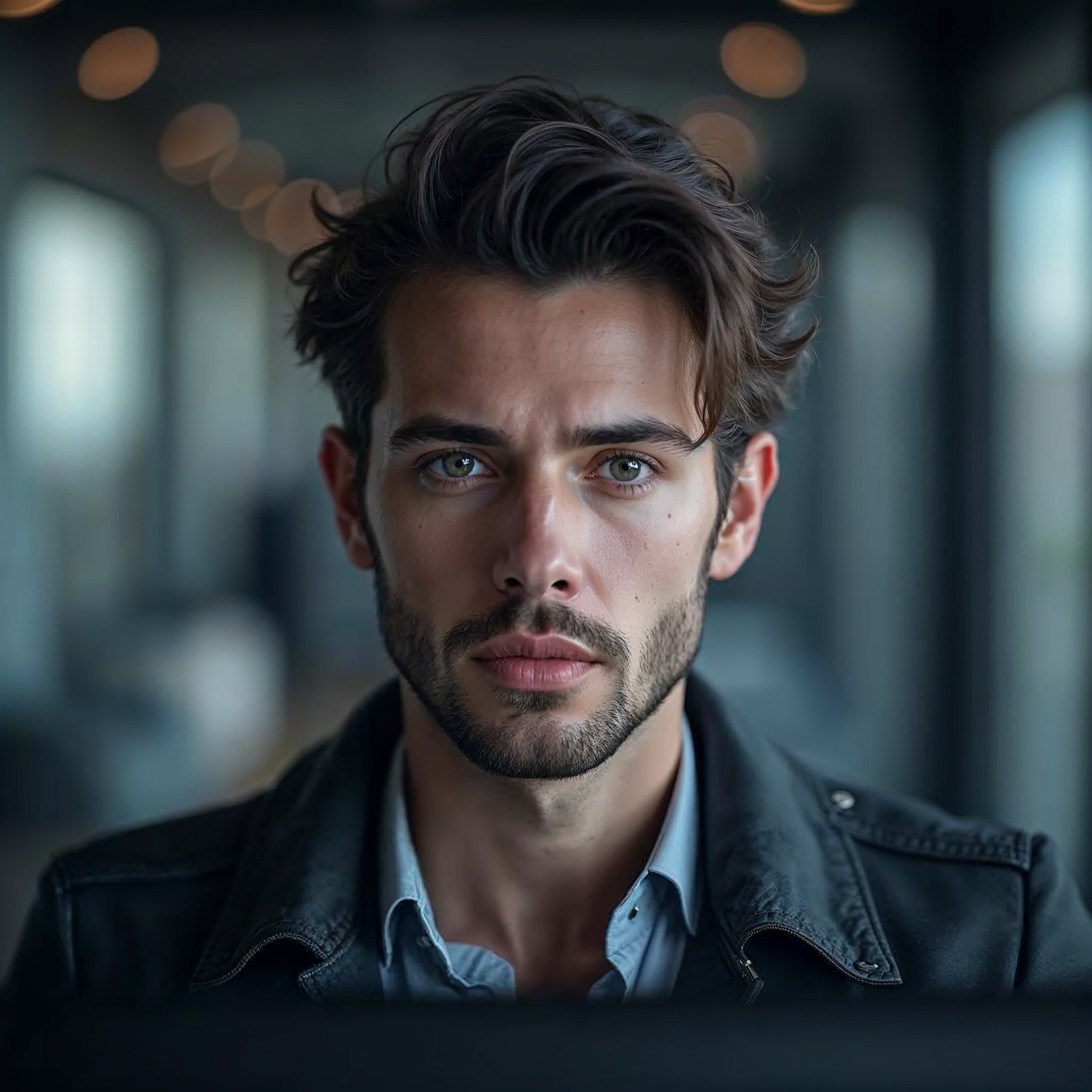
Named after the Dutch master painter, Rembrandt lighting is characterized by a small, inverted triangle of light on the shadowed side of the face. It creates a sense of depth and drama, often used for portraits that convey thoughtfulness or intensity.
Prompt Keywords: “Rembrandt lighting,” “dramatic chiaroscuro portrait,” “side lit with a triangular catchlight,” “moody portrait, single strong light source.”
Butterfly Lighting (Paramount Lighting)
This flattering lighting pattern places a small shadow under the nose, resembling a butterfly. It is created by placing the main light source directly in front of and slightly above the subject. Often used in glamour photography and classic Hollywood portraits.
Prompt Keywords: “Butterfly lighting,” “glamour portrait, soft overhead front light,” “paramount lighting, symmetrical shadows under nose,” “elegant, flattering light.”
Backlighting and Silhouettes
Backlighting positions the main light source behind the subject, separating them from the background with a bright rim of light. If the front of the subject remains underexposed, it creates a powerful silhouette, perfect for mystery, drama, or emphasizing form over detail.
Prompt Keywords: “Backlit,” “strong rim light,” “contre-jour,” “subject in silhouette against a bright background,” “dramatic backlighting, glowing edges.”
Chiaroscuro and Low-Key Lighting
Chiaroscuro, meaning “light-dark” in Italian, is an artistic technique using strong contrasts between light and dark, usually bold contrasts affecting a whole composition. Low-key lighting amplifies this by creating images that are predominantly dark, with only select areas illuminated. This style is synonymous with film noir, horror, and psychological thrillers, evoking mystery, tension, and melancholy.
Prompt Keywords: “Chiaroscuro lighting,” “low-key lighting,” “dramatic shadows,” “film noir aesthetic,” “high contrast, deep shadows,” “single spotlight in darkness,” “moody, intense illumination.”
High-Key Lighting
In stark contrast to low-key, high-key lighting uses very little contrast between the lighter and darker areas of the image. The scene is predominantly bright, often with minimal shadows. This style conveys optimism, lightness, purity, or a dreamy atmosphere, commonly seen in comedies, musicals, or ethereal fantasy.
Prompt Keywords: “High-key lighting,” “bright, airy scene,” “minimal shadows,” “overexposed look, soft light,” “ethereal glow,” “optimistic, gentle illumination.”
Practical Lights and In-Scene Illumination
Practical lights are light sources that are visible within the scene itself, such as lamps, candles, screens, or car headlights. Prompting for these enhances realism and grounds the lighting within the narrative space, making the light feel more organic and less artificially imposed.
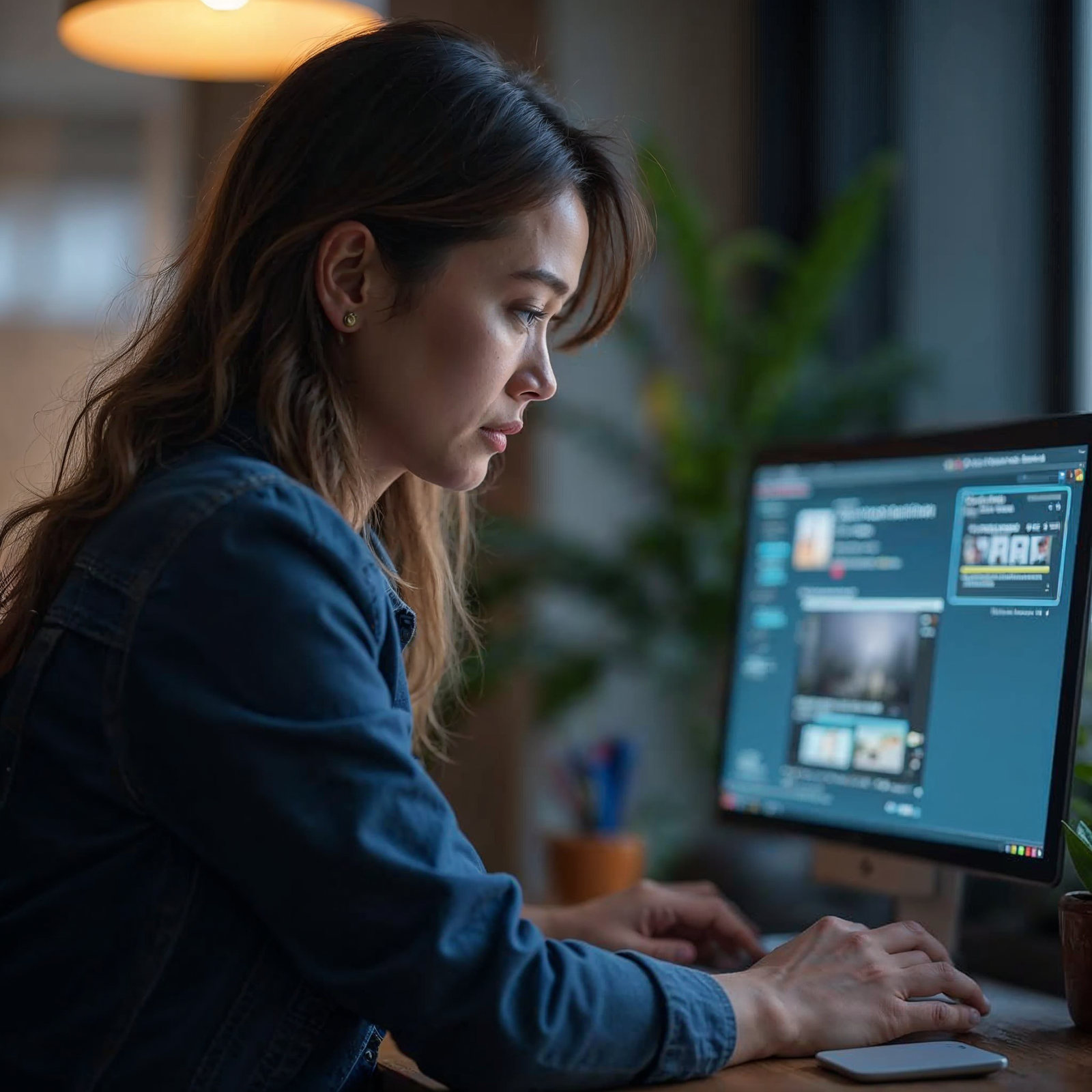
Prompt Keywords: “Lit by candlelight,” “neon glow from signage,” “street lamp illumination,” “headlights cutting through fog,” “cozy fireplace light,” “computer screen glow on face.”
Beyond the Basics: Advanced Lighting Concepts for AI
To truly push the boundaries of AI art lighting, we delve into more nuanced and complex visual phenomena that add layers of realism and artistic flair.
Volumetric Lighting (God Rays, Crepuscular Rays)
Volumetric lighting refers to light beams made visible by atmospheric particles like fog, smoke, or dust. This effect, often called “god rays” or “crepuscular rays,” adds immense depth, drama, and a sense of tangible atmosphere to a scene. It transforms light from an invisible force into a sculptural element.
Prompt Keywords: “Volumetric lighting,” “god rays piercing through clouds,” “light shafts in foggy forest,” “dust motes illuminated by sunlight,” “smoky atmosphere with visible light beams,” “crepuscular rays.”
Specular Highlights and Reflections
Specular highlights are the bright, direct reflections of a light source on shiny surfaces. They provide crucial cues about surface texture, material properties, and the environment. Prompting for these details can significantly enhance realism and visual richness.
Prompt Keywords: “Glistening reflections on wet surface,” “sharp specular highlights on metal,” “shimmering water reflections,” “polished chrome with crisp light reflections,” “wet asphalt reflecting neon lights.”
Shadow Play: Shaping Forms and Adding Mystery
Shadows are as important as light in defining forms and creating mood. Dramatic, intentional shadows can evoke mystery, tension, or a sense of intrigue. Prompting for specific shadow characteristics allows for precise control over the scene’s emotional weight.
Prompt Keywords: “Long, stretching shadows at dusk,” “sharp, defined shadows,” “soft, diffused shadows,” “cast shadows creating abstract patterns,” “shadow play on textured wall,” “dramatic silhouette with intricate shadows.”
Global Illumination vs. Direct Lighting
While often handled implicitly by AI models, understanding the difference between direct and global illumination can help refine your prompts for specific rendering styles. Direct lighting comes straight from the light source. Global illumination (GI) accounts for light bouncing off surfaces, illuminating areas that are not directly lit. This leads to more realistic ambient light and color bleeding.
Prompt Keywords (for influencing GI-like effects): “Soft ambient bounce light,” “realistic indirect lighting,” “subtle environmental illumination,” “photorealistic global illumination.” While not direct prompts, these phrases can guide the AI towards a more nuanced and physically accurate light distribution.
Prompt Stacking and Iterative Refinement for Lighting
Achieving truly cinematic lighting is rarely a one-shot process. It often involves combining multiple lighting modifiers, using negative prompts to subtract unwanted effects, and iterating through various prompt variations until the desired outcome is reached.
Combining Modifiers
The power of prompt engineering lies in stacking. Instead of just “Rembrandt lighting,” try “portrait of an old man, Rembrandt lighting, dramatic sidelight, chiaroscuro, soft golden hour glow, deep shadows, cinematic.” Each element adds another layer of specificity, guiding the AI more precisely. Consider the interplay between light source, direction, color, and quality. For instance, “dark fantasy scene, moonlight from above, volumetric fog, subtle blue tint, sharp highlights on armor, soft ambient fill.”
Using Negative Prompts for Control
Negative prompts are just as vital as positive ones. If your AI art consistently produces flat lighting, you might add negative prompts like “no flat lighting,” “no even illumination,” “no bland lighting.” If shadows are too harsh, “no harsh shadows.” If colors are off, “no desaturated light.” This helps prune undesirable outcomes and refines the AI’s focus on your desired aesthetic.
The Iterative Process
Think of prompt engineering as a conversation. You provide a prompt, the AI gives an image. You evaluate, refine, and provide a new prompt based on the feedback. If the light is too bright, reduce “intense illumination” to “subtle light.” If the shadows are not deep enough, add “deep, inky shadows.” Experiment with small changes in each iteration to understand the impact of individual modifiers. Keep a log of successful prompt combinations for future use.
Comparison Tables: Cinematic Lighting Techniques in AI Art
Here are two tables to summarize and compare various cinematic lighting styles and their corresponding prompt elements, as well as a comparison of light quality and effect.
| Lighting Style | Core Characteristics | Primary AI Prompt Keywords | Associated Mood/Genre |
|---|---|---|---|
| Rembrandt Lighting | Triangular patch of light on shadowed cheek, defined nose shadow, dramatic. | Rembrandt lighting, dramatic sidelight, chiaroscuro portrait, single strong light source. | Intense, thoughtful, dramatic portraiture, historical drama. |
| Butterfly Lighting | Butterfly-shaped shadow under nose, flattering, soft, symmetrical. | Butterfly lighting, paramount lighting, soft overhead front light, glamour portrait. | Elegant, glamorous, classic Hollywood, beauty. |
| Backlighting / Silhouette | Light source behind subject, bright rim, subject often dark or fully silhouetted. | Backlit, strong rim light, contre-jour, silhouette against bright background. | Mystery, drama, isolation, epic scale, emotional impact. |
| Chiaroscuro / Low-Key | Extreme contrast between light and dark, large areas of shadow, selective illumination. | Chiaroscuro lighting, low-key lighting, deep shadows, film noir, high contrast. | Mystery, tension, fear, tragedy, film noir, horror. |
| High-Key Lighting | Bright, even illumination, minimal shadows, low contrast. | High-key lighting, bright and airy, ethereal glow, minimal shadows, soft light. | Optimism, purity, dreamlike, innocence, comedy, fantasy. |
| Volumetric Lighting | Light beams visible in atmosphere (fog, smoke, dust), adding depth. | Volumetric lighting, god rays, light shafts, crepuscular rays, smoky light. | Atmospheric, magical, dramatic, epic, mysterious. |
| Light Quality Modifier | Description | Visual Impact in AI Art | Prompt Keywords for Effect |
|---|---|---|---|
| Hard Light | Direct, undiffused light source. | Sharp, well-defined shadows; high contrast; emphasizes texture and detail. Creates drama, grit, or stark realism. | Hard light, sharp shadows, crisp lighting, harsh illumination, direct sunlight. |
| Soft Light | Diffused, spread-out light source. | Soft, gradual shadows; lower contrast; smooth transitions; minimizes blemishes. Creates a gentle, ethereal, or flattering mood. | Soft light, diffused lighting, gentle illumination, ambient light, overcast sky. |
| Warm Light | Light with yellow, orange, or red tones (low color temperature). | Evokes feelings of comfort, coziness, nostalgia, passion, or danger. Often used for golden hour, interiors, firelight. | Warm light, golden hour glow, incandescent light, fiery glow, amber illumination. |
| Cool Light | Light with blue or green tones (high color temperature). | Evokes feelings of calm, sadness, mystery, sci-fi, or sterility. Often used for moonlight, blue hour, neon, clinical settings. | Cool light, blue hour glow, moonlight, fluorescent light, cyan lighting. |
| Rim Light | Light from behind the subject, outlining their form. | Separates subject from background, creates depth, adds drama and definition to edges. Can be used for silhouettes. | Rim light, strong backlighting, contre-jour, glowing edges, halo effect. |
| Ambient Light | General, diffused light in a scene; not from a single dominant source. | Provides overall illumination, fills in shadows, creates a naturalistic and subtle mood. Can reduce harshness. | Ambient light, soft fill light, naturalistic lighting, diffused overall illumination. |
Practical Examples: Real-World Use Cases and Scenarios
Let us put these concepts into practice with specific prompt examples for various AI art generators. While exact phrasing can vary slightly between models (Midjourney, Stable Diffusion, DALL-E), the underlying principles remain consistent.
Example 1: Film Noir Detective Scene
Scenario: A gritty detective stands in his office at night, illuminated by a single, dramatic light source, evoking classic film noir.
Prompt: “A lone detective in a trench coat, sitting at a desk in a dimly lit office, pouring over files. Strong chiaroscuro lighting, deep, inky shadows cast by Venetian blinds across his face and the wall. Single harsh desk lamp providing the only illumination, high contrast, film noir aesthetic, dramatic sidelight from a window, smoke swirling in the air, moody, cinematic still, ultra realistic, 35mm film grain.”
Example 2: Ethereal Fantasy Forest
Scenario: A mystical forest scene with magical light beams and a sense of wonder.
Prompt: “An ancient, moss-covered forest, deep green foliage, sunlight piercing through the canopy. Strong volumetric lighting, golden god rays cutting through misty air, dust motes dancing in the light. Soft, ethereal glow, magical atmosphere, subtle lens flare, dreamlike, high-key lighting, ambient light filtering through leaves, fantasy art, unreal engine render.”
Example 3: Cyberpunk City Night
Scenario: A futuristic city street at night, bathed in vibrant, artificial light.
Prompt: “A bustling cyberpunk city street at night, rain-slicked asphalt reflecting neon signs and holographic advertisements. Intense, colorful rim lighting from distant skyscrapers, vibrant blue and pink neon glow illuminating wet surfaces. Strong practical lights from flying vehicles and street lamps, deep dark shadows beneath towering structures, atmospheric perspective, cinematic shot, blade runner aesthetic.”
Example 4: Dramatic Character Portrait
Scenario: A powerful, emotionally charged portrait of a warrior.
Prompt: “Close-up portrait of a fierce female warrior, determined expression. Dramatic Rembrandt lighting emphasizing her cheekbones and jawline, single powerful key light from the upper left. Strong backlighting creating a golden rim around her armor, deep shadows on the opposite side of her face, high contrast, moody, cinematic lighting, photo realistic, sharp focus on eyes, epic.”
Example 5: Cozy Interior Scene
Scenario: A warm, inviting interior, lit by a fireplace and soft ambient light.
Prompt: “Cozy rustic cabin interior, a person reading by a roaring fireplace. Warm, flickering fireplace light casting soft, dancing shadows on the wooden walls. Subtle golden ambient light filling the room, gentle rim light on the reader’s silhouette, diffused lamplight in the background, inviting atmosphere, shallow depth of field, warm color grading, cinematic, comforting.”
Frequently Asked Questions
Q: What is the most important aspect of prompt engineering for cinematic lighting?
A: The most important aspect is specificity and understanding. Instead of vague terms, use precise descriptors for light source, direction, intensity, color, and quality. A foundational understanding of traditional cinematography lighting principles will dramatically improve your ability to craft effective prompts, as AI models are trained on real-world visual data that embodies these principles.
Q: How do different AI models (e.g., Midjourney, Stable Diffusion, DALL-E 3) respond to lighting prompts?
A: While the core concepts apply to all, each model has its nuances. Midjourney is often praised for its artistic interpretations and cinematic flair, frequently producing dramatic lighting naturally. Stable Diffusion, especially with fine-tuned models, offers immense control and realism. DALL-E 3, integrated with ChatGPT, excels at understanding natural language, making more descriptive prompts highly effective. Experimentation is key to understanding each model’s strengths and preferred phrasing for lighting.
Q: Can I combine multiple lighting styles in a single prompt?
A: Yes, absolutely! This is a hallmark of advanced prompt engineering. For instance, you could combine “Rembrandt lighting” for facial drama with “volumetric lighting” for atmospheric depth and “golden hour glow” for color temperature. The AI will attempt to synthesize these instructions, creating complex and nuanced lighting scenarios. Just be mindful not to create contradictory instructions that confuse the model.
Q: What are common mistakes when prompting for dramatic lighting?
A: Common mistakes include being too vague (“good lighting”), using contradictory terms (“bright and dark shadows”), not specifying light direction or source, and failing to use negative prompts to remove unwanted lighting effects. Also, over-prompting or using too many redundant keywords can sometimes dilute the prompt’s effectiveness. Start simple and build complexity.
Q: How can I ensure my subject is adequately lit without losing drama?
A: Focus on balancing your key light with appropriate fill light. While a strong key light creates drama, a subtle “soft fill light” or “ambient light” can prevent shadows from becoming completely black voids, maintaining detail without sacrificing contrast. Use “strong rim light” to separate the subject from the background, even in dark scenes, adding definition.
Q: Are there any ethical considerations when using AI for lighting?
A: Yes, ethical considerations extend to lighting. AI models are trained on existing datasets, which may contain biases. This could inadvertently lead to stereotypical or culturally insensitive lighting representations, for example, consistently associating certain lighting with particular demographics or moods. Artists should be aware of these potential biases and actively prompt for diverse and inclusive lighting to challenge and expand typical portrayals.
Q: How do I prompt for specific light colors and their mood effects?
A: Directly specify the color of the light, e.g., “red ambient light,” “blue neon glow,” “golden hour light.” You can also include mood descriptors like “melancholy blue light,” “passionate red light,” or “serene moonlight.” The AI will often associate these colors with their conventional emotional impacts learned from its training data.
Q: What is the role of ‘contrast’ in lighting prompts?
A: Contrast refers to the difference between the brightest and darkest parts of an image. It is fundamental to dramatic lighting. High contrast often means stark shadows and bright highlights, creating drama and intensity (e.g., chiaroscuro). Low contrast means more gradual transitions and fewer deep shadows, leading to a softer, calmer, or ethereal look (e.g., high-key lighting). Explicitly use terms like “high contrast,” “low contrast,” “dramatic contrast,” or “subtle contrast.”
Q: Can I control where shadows are cast?
A: Yes, by specifying the light direction. For example, “sidelight casting long shadows to the right,” “overhead light creating deep shadows under the eyes,” or “backlight creating a long, stretching shadow in front of the subject.” You can also ask for “patterned shadows” or “abstract shadows” if you desire specific visual effects from cast shadows.
Q: How does the camera lens or film type affect AI lighting?
A: While not directly about lighting, terms related to camera and film (e.g., “anamorphic lens flare,” “cinematic depth of field,” “35mm film grain,” “bokeh,” “wide angle lens”) indirectly influence how light is rendered and perceived. They add a layer of photographic realism and style that complements your lighting choices, often enhancing the cinematic feel. These are excellent additions to any advanced lighting prompt.
Key Takeaways
- Specificity is Paramount: Move beyond vague terms like “good lighting.” Be precise with light source, direction, intensity, quality, and color.
- Learn Traditional Lighting: Understanding cinematic principles (Rembrandt, butterfly, low-key, high-key) directly translates into effective AI prompts.
- Leverage Modifiers: Break down light into its components (source, direction, intensity, color, quality) and use specific keywords for each.
- Embrace Advanced Techniques: Explore volumetric lighting, specular highlights, and sophisticated shadow play to add depth and realism.
- Use Prompt Stacking: Combine multiple lighting descriptors for complex and nuanced effects.
- Don’t Forget Negative Prompts: Utilize negative prompts to refine output by excluding unwanted lighting characteristics.
- Iterate and Refine: Treat prompt engineering as an iterative process, making small adjustments and learning from each generation.
- Consider Atmospheric Effects: Words like “fog,” “mist,” and “smoke” can make light visible and add immense drama.
- Think Story and Mood: Always consider what emotion or narrative you want the lighting to convey, and choose your prompt elements accordingly.
Conclusion
The journey to unlocking cinematic style in AI art through dramatic lighting is one of continuous learning, experimentation, and artistic intuition. By meticulously dissecting the elements of light and translating them into precise prompt engineering language, you gain an unprecedented level of control over your AI creations. No longer are you at the mercy of default settings; you become the director of light, sculpting form, evoking emotion, and telling stories with every beam and shadow.
As AI art models continue to evolve, the capabilities for nuanced lighting control will only expand. Artists who master these advanced prompt engineering techniques will be at the forefront, pushing the boundaries of what is possible, creating visually stunning and emotionally resonant works that rival traditional art forms. Embrace the light, experiment boldly, and illuminate your AI art with the drama and beauty of the silver screen. Your next masterpiece awaits.



















































Leave a Reply