

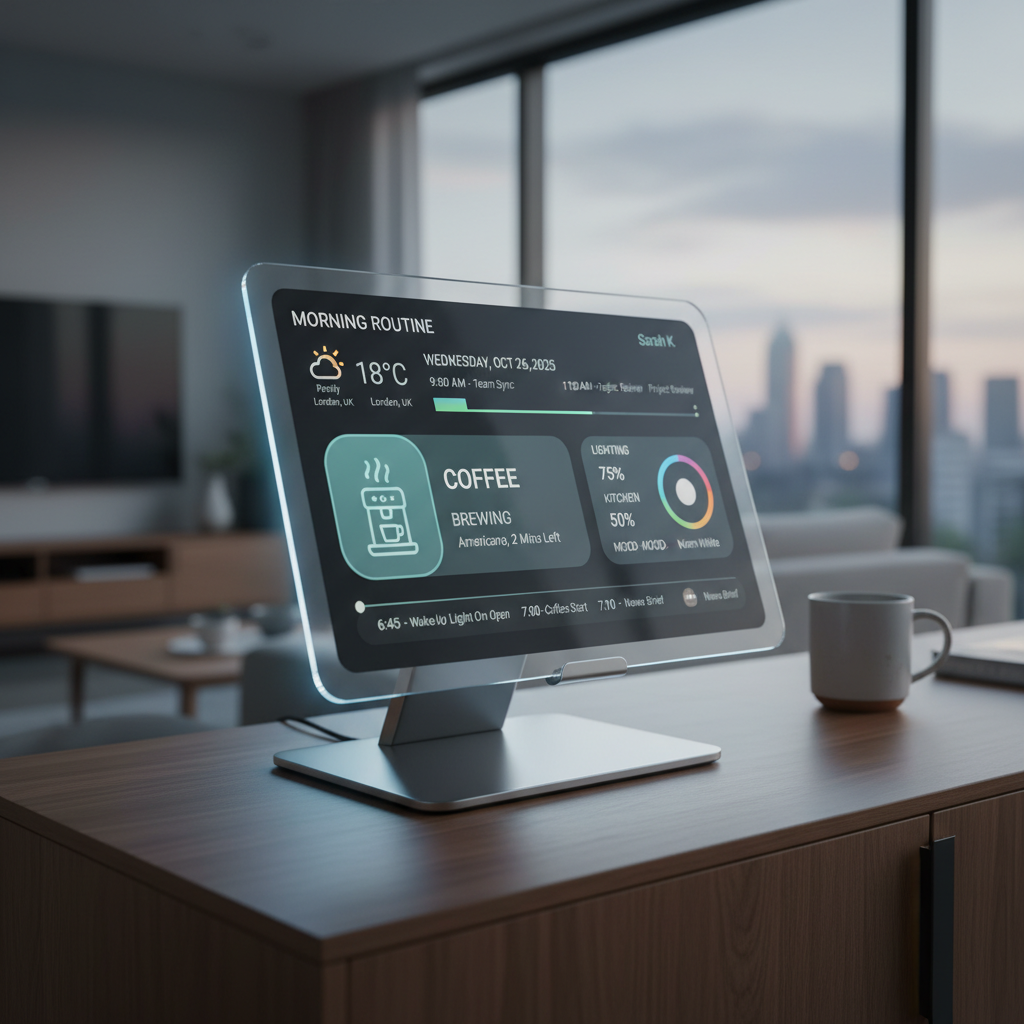
In the relentless rhythm of modern life, mornings often feel like a frantic race against the clock. The jarring alarm, the scramble for coffee, the hurried check of news and weather – it is a routine many endure rather than enjoy. But what if your mornings could be transformed into a calm, orchestrated symphony, where every step is anticipated and every need is met without a single conscious effort on your part? This is not a futuristic fantasy; it is the present reality offered by advanced AI assistants deeply integrated into our smart homes. Welcome to the era of Smart Home Morning Magic, where artificial intelligence elevates your daily wake-up call into a seamless, personalized experience, truly syncing your day before it even truly begins.
This comprehensive guide will explore how AI assistants are revolutionizing the very fabric of our morning routines. We will delve into the underlying technologies, practical applications, security considerations, and the exciting future that awaits us. Prepare to discover how intelligent automation, predictive insights, and deep personalization can turn your most chaotic moments into moments of unparalleled peace and productivity. Say goodbye to morning stress and hello to a dawn of effortless efficiency, all orchestrated by your diligent AI companion.
The Evolution of Smart Mornings: From Simple Alarms to Integrated Routines
For decades, the morning routine remained largely unchanged, relying on the same fundamental tools: a clunky alarm clock, a radio for news, and a manual coffee maker. The advent of digital technology brought minor enhancements – digital alarms, snooze buttons, and eventually, smartphone alarms with custom melodies. However, these were merely incremental improvements, still requiring significant manual interaction and fragmented attention.
The true revolution began with the proliferation of smart home devices and the emergence of sophisticated AI assistants. Initially, these assistants were primarily voice-activated command centers, capable of playing music, answering queries, or controlling a single smart light. While impressive, they lacked the interconnectedness and intelligence to orchestrate a truly seamless routine. Users had to issue individual commands for each device or action, limiting the “magic” to discrete interactions.
Today, the landscape is dramatically different. Modern AI assistants, such as Amazon Alexa, Google Assistant, Apple HomeKit (via Siri), and Samsung Bixby, have evolved far beyond simple command-and-control interfaces. They are now intelligent orchestrators, capable of understanding context, learning user preferences, and executing complex, multi-device routines with a single trigger – be it a voice command, a scheduled time, or even a biometric signal. This transformation marks a pivotal shift from reactive automation to proactive, intelligent synchronization, fundamentally redefining what a “smart morning” truly entails. The emphasis has moved from simply controlling devices to creating an entire ecosystem that anticipates your needs and acts autonomously to facilitate your day.
AI Assistants as Your Morning Orchestrator: Beyond Voice Commands
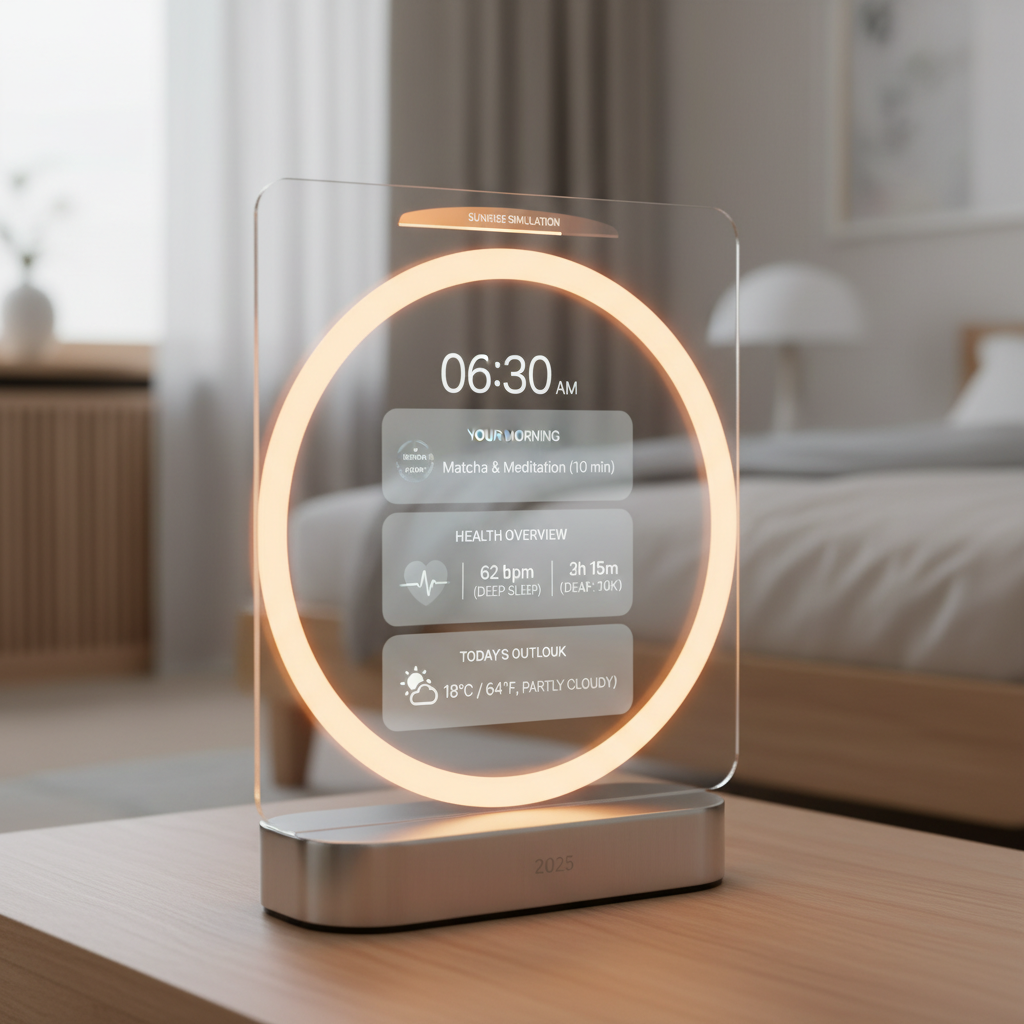
Imagine waking up not to a jarring alarm, but to a gentle progression of natural light mimicking a sunrise, accompanied by your favorite ambient music softly fading in. Your bedroom lights gradually brighten, your smart blinds slowly open, and the aroma of freshly brewed coffee begins to waft from the kitchen. Simultaneously, your AI assistant quietly provides a personalized summary of the day’s critical information: today’s weather forecast, heavy traffic alerts for your commute, and a quick rundown of your first calendar appointment. This is the essence of an AI-orchestrated morning, a complex ballet of interconnected devices and intelligent insights, all designed to reduce friction and enhance well-being.
The magic extends far beyond simple voice commands. While voice remains a primary interaction method, the true power of these AI assistants lies in their ability to understand and execute intricate routines, often without any explicit instruction once set up. They act as a central hub, communicating with dozens of different smart devices, from thermostats and security cameras to smart plugs and kitchen appliances. Through sophisticated algorithms and machine learning, they learn your habits, preferences, and even your mood over time, refining the routines to become ever more personalized and effective. For instance, if you consistently skip your morning run on rainy days, your AI might proactively suggest an indoor workout routine or adjust your breakfast order. If it detects a change in your typical wake-up time, it can dynamically adjust the entire sequence of events to match your new schedule, ensuring that your coffee is ready precisely when you arrive in the kitchen.
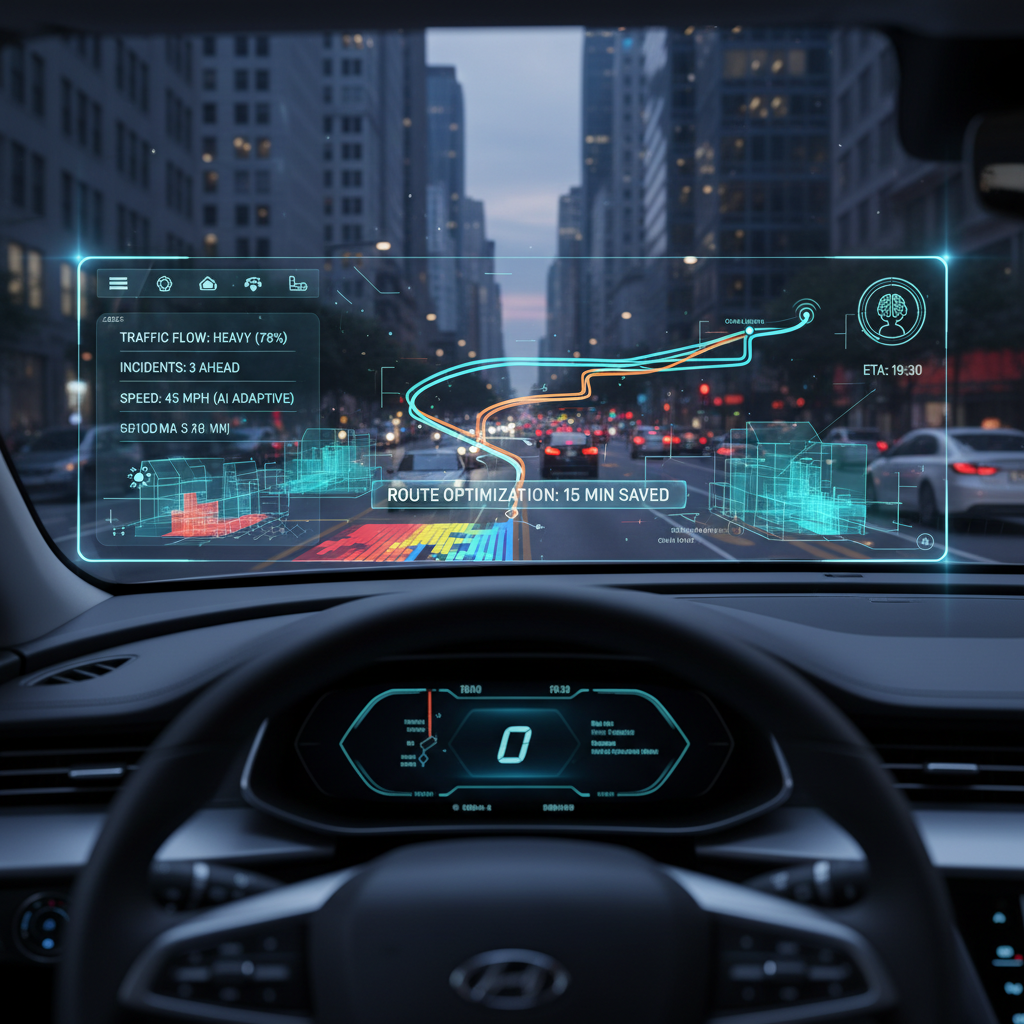
Furthermore, these assistants are increasingly becoming proactive problem-solvers. If your usual commute route is suddenly blocked, your AI assistant can not only alert you but also suggest alternative routes, adjust your smart car’s navigation, and even send a message to your office informing them of a potential delay. This level of predictive capability and seamless integration transforms a mere collection of smart devices into a truly intelligent living environment, where your morning is not just automated, but truly managed and optimized for your specific circumstances each and every day.
Key Technologies Powering Morning Magic: The Brain Behind the Bliss
The effortless harmony of an AI-synced morning is underpinned by a powerful confluence of advanced technologies working in concert. It is not just one piece of magic, but a symphony of innovations that allow your smart home to anticipate and cater to your every morning need. Understanding these foundational technologies sheds light on the sophistication behind the scenes.
Natural Language Processing (NLP)
NLP is the cornerstone of how you interact with your AI assistant. It enables the assistant to understand, interpret, and respond to human language, whether spoken or typed. When you say, “Good morning, Alexa,” or “Hey Google, start my morning routine,” NLP algorithms break down your command, identify keywords, and extract your intent. This allows for fluid, conversational interactions rather than rigid, coded commands. Advanced NLP can even understand context, intonation, and multiple instructions within a single sentence, making interactions feel more natural and intuitive.
Machine Learning (ML) for Routine Adaptation
This is where the “intelligence” truly shines. Machine learning algorithms continuously analyze your behavior, preferences, and environmental factors over time. For example, ML learns your typical wake-up time, your preferred coffee strength, the news sources you frequent, and how long it takes you to get ready. It can detect patterns, such as heavier traffic on Mondays or your preference for softer lighting on weekends. This data allows the AI to personalize routines, make predictive suggestions, and adapt to changes without requiring constant manual adjustment. The more you interact with your smart home, the “smarter” it becomes, refining its understanding of your unique lifestyle.
Internet of Things (IoT) for Device Connectivity
The IoT forms the physical backbone of the smart home. It is the network of interconnected physical devices – smart lights, thermostats, coffee makers, blinds, security cameras, speakers – that are embedded with sensors, software, and other technologies for the purpose of connecting and exchanging data over the internet. Without IoT, AI assistants would have no physical world to orchestrate. Each smart device acts as a node in this network, sending data to and receiving commands from the central AI assistant, enabling seamless, multi-device routines to unfold in perfect synchronization.
Cloud Computing for Data Processing and Storage
The sheer volume of data generated by smart home devices and the complex computations required for NLP and ML are handled by powerful cloud computing infrastructures. When you issue a voice command, it is typically sent to the cloud for processing, where it is interpreted, and the appropriate actions are determined. Your routines, preferences, and historical data are also stored and managed in the cloud, allowing for robust performance, scalability, and access from anywhere. Cloud computing ensures that your AI assistant is always up-to-date with the latest features and can quickly process information to deliver a smooth and responsive experience.
Together, these technologies create a synergistic ecosystem where your smart home is not just a collection of gadgets, but a truly intelligent entity that learns, adapts, and orchestrates your mornings with unparalleled efficiency and personalization.
Building Your Personalized Morning Routine: A Step-by-Step Guide to Automation
The beauty of modern AI assistants lies in their flexibility, allowing you to craft a morning routine that is perfectly tailored to your lifestyle. Setting up your “Morning Magic” does not have to be daunting; it is often a straightforward process of defining triggers and actions within your AI assistant’s app. Here is a general approach to building your personalized routine:
- Identify Your Ideal Morning Flow: Before touching any technology, consider your perfect morning. What time do you want to wake up? What music or sounds relax you? Do you prefer gradual lighting or immediate brightness? What information do you need immediately (weather, news, traffic)? What tasks do you perform (coffee, breakfast, check calendar)?
- Choose Your AI Assistant and Ecosystem: Decide whether you will primarily use Amazon Alexa, Google Assistant, Apple HomeKit, or another platform. Most smart devices are compatible with multiple ecosystems, but choosing a primary one simplifies setup and management.
- Gather Compatible Smart Devices: Equip your home with devices that can execute your desired routine. Common choices include:
- Smart Lights (Philips Hue, LIFX, Govee)
- Smart Plugs (TP-Link Kasa, Meross) for dumb appliances like coffee makers or lamps
- Smart Blinds/Curtains (Lutron Serena, Somfy)
- Smart Speakers (Echo, Google Nest, HomePod)
- Smart Thermostats (Nest, Ecobee)
- Smart Displays (Echo Show, Google Nest Hub)
- Smart Coffee Makers (Hamilton Beach, Atomi)
- Define Your Trigger: This is what starts your routine. Common triggers include:
- Time-based: “Every weekday at 6:30 AM.”
- Voice Command: “Good morning.”
- Proximity Sensor: When your phone connects to your home Wi-Fi after a certain time.
- Alarm Clock Integration: When your phone alarm dismisses.
- Sequence Your Actions: This is the core of your routine. List the actions in the order you want them to happen. For example:
- At 6:30 AM, slowly brighten bedroom lights to 20% over 10 minutes.
- Start playing ambient forest sounds on the bedroom speaker at low volume.
- At 6:40 AM, gradually open smart blinds.
- At 6:45 AM, turn on kitchen smart plug for the coffee maker.
- At 6:50 AM, increase bedroom light to 60%, transition music to a morning playlist.
- Broadcast a weather summary and traffic report to all smart speakers.
- Turn up the thermostat to your preferred morning temperature.
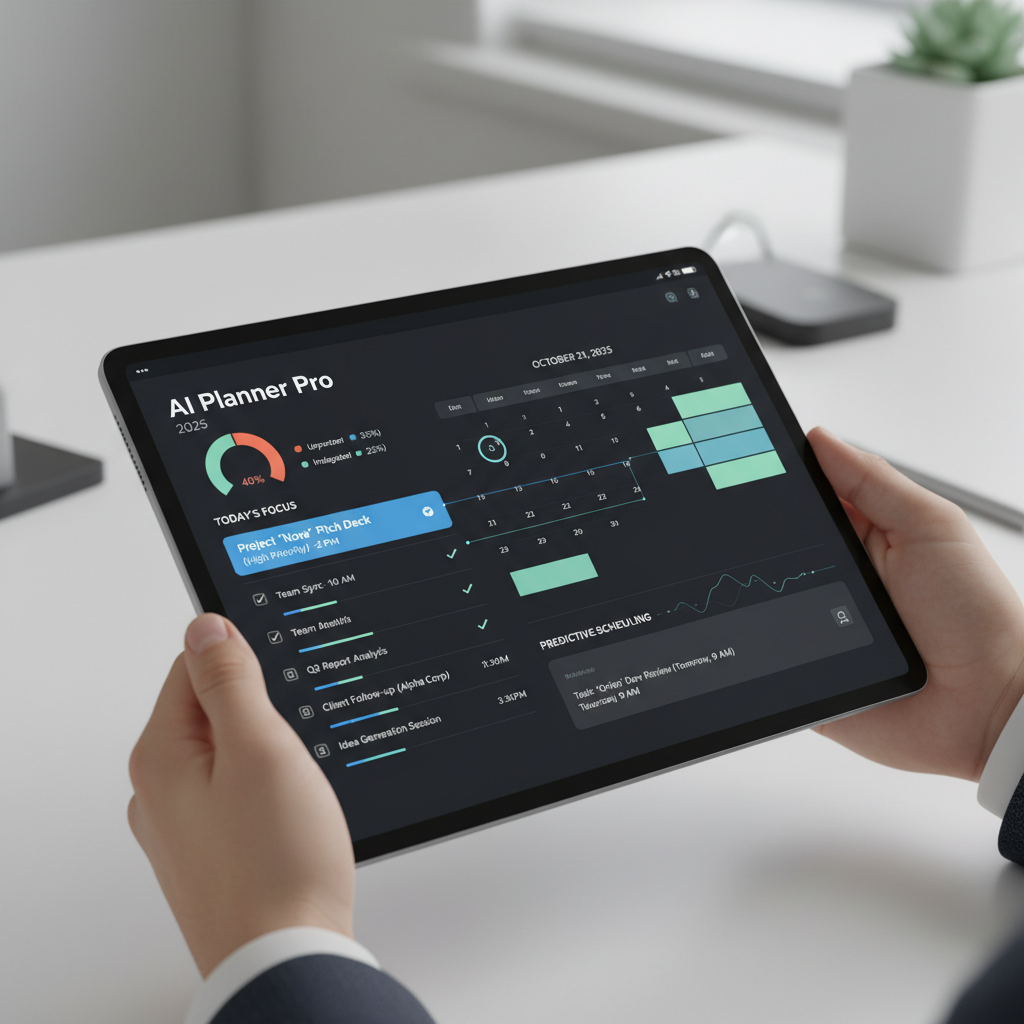
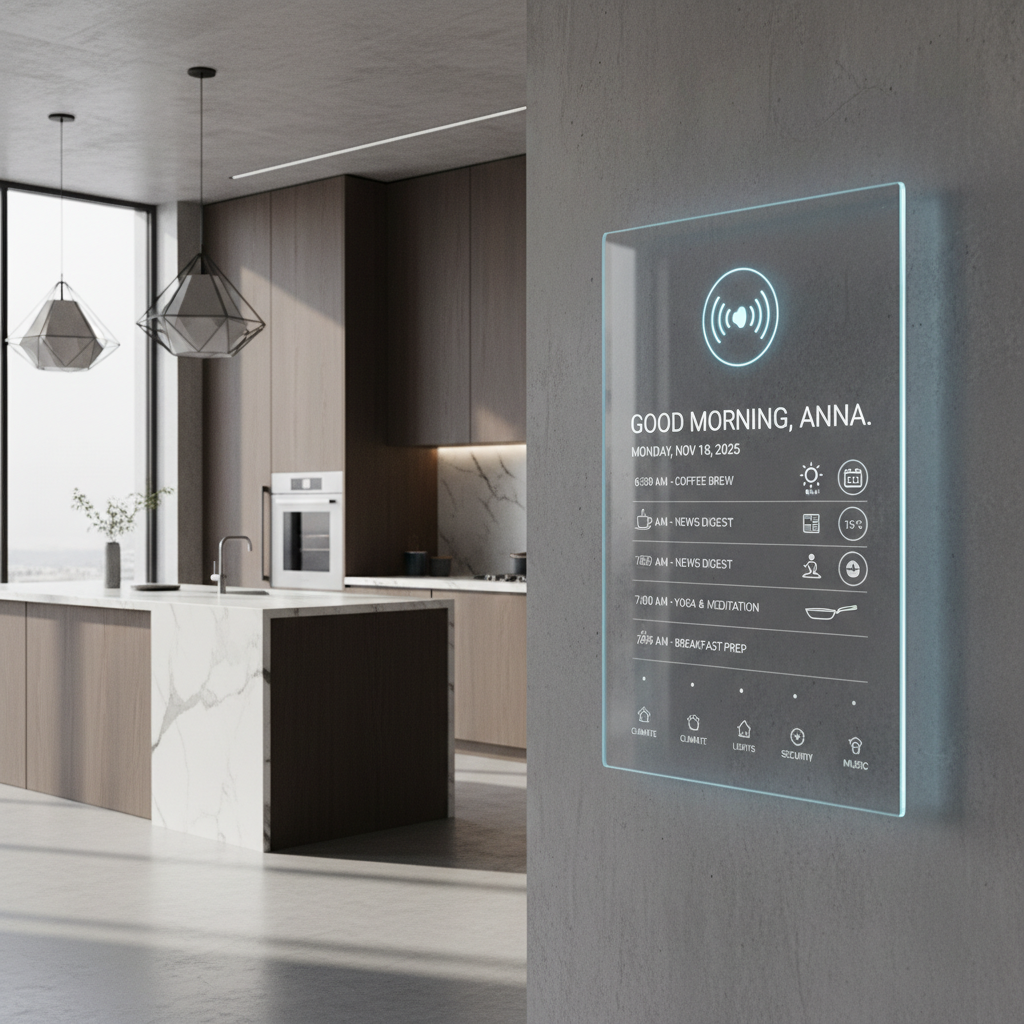
- Display your calendar appointments for the day on the smart display.
- Add Conditional Logic (Optional but Powerful): Enhance your routine with “if-then” statements. For instance:
- “If rain is predicted, suggest an umbrella and display alternative commute options.”
- “If it’s a weekend, delay the routine by 2 hours and play jazz music instead of news.”
- “If my calendar shows an early meeting, start the routine 30 minutes earlier.”
- Test and Refine: Run your routine multiple times and make adjustments. Does the music fade in too quickly? Are the lights bright enough? Is the coffee ready at the right time? AI assistants learn over time, but initial tweaking ensures optimal performance.
By following these steps, you can create a morning experience that is not only automated but truly enchanting, allowing you to reclaim those precious first moments of your day.
Beyond Automation: Predictive & Adaptive AI for Truly Intelligent Mornings
While basic automation provides significant convenience, the real “magic” of modern AI assistants emerges from their predictive and adaptive capabilities. This goes beyond simply executing a pre-programmed sequence of events; it involves the AI actively learning, anticipating, and adjusting to your ever-changing life without constant manual intervention. It is the difference between a smart home that follows instructions and one that truly understands and supports you.
Learning Habits and Personalization:
Advanced AI assistants constantly collect data on your interactions and habits. They observe patterns: when you typically wake up, how long you stay in bed, your usual departure time, what news topics you prefer, and even how your preferences change on different days of the week or during holidays. For example, if your AI notices you consistently turn up the thermostat after your shower, it might proactively raise the temperature 10 minutes before you finish. If you always check the stock market news after breakfast, it will integrate that into your post-breakfast information brief.
Adapting to Changes and Unexpected Events:
Life is unpredictable, and an intelligent AI assistant thrives on adaptability. Imagine a scenario where a sudden, unexpected snowstorm is forecast overnight. Your AI assistant, connected to real-time weather data, can automatically adjust your morning routine:
- Earlier Wake-Up: “Traffic alerts indicate severe delays due to snow. Would you like to wake up 30 minutes earlier?”
- Commute Adjustments: Displaying alternative public transport options on your smart display, or pre-heating your car (if integrated) and starting its defroster.
- Contextual Information: Prioritizing news about school closures or road conditions over general headlines.
- Home Environment Adjustments: Keeping the home warmer throughout the morning if outdoor temperatures are exceptionally low.
Similarly, if your calendar shows an unexpected early meeting, the AI can seamlessly shift your entire morning schedule forward, ensuring you are prepared and on time without any frantic rushing.
Proactive Suggestions and Maintenance Alerts:
Beyond daily adjustments, predictive AI can also offer proactive support. It might notice a pattern in your smart home devices that indicates a potential issue or opportunity:
- “Your coffee maker has run 100 cycles since its last descaling. Would you like a reminder to clean it this weekend?”
- “Your indoor air quality sensor indicates high pollen levels. Would you like to activate the air purifier?”
- “Your smart lighting bulbs are approaching their end-of-life. Would you like a suggestion for replacements?”
This level of foresight transforms the smart home from a reactive system into a truly proactive companion, managing not just your routines but also the well-being of your home and its inhabitants. It creates a truly symbiotic relationship, making your mornings not just automated, but truly intelligent and effortlessly optimized.
Security, Privacy, and Ethical Considerations: Trusting Your Digital Butler
As AI assistants become increasingly integrated into the fabric of our daily lives, particularly within the sanctity of our homes, concerns around security, privacy, and ethical implications naturally arise. Entrusting a digital entity with orchestrating our mornings means sharing intimate details about our habits, schedules, and preferences. Addressing these concerns is paramount for widespread adoption and sustained trust.
Data Security and Encryption:
Leading AI assistant providers prioritize robust data security measures. This typically includes:
- End-to-end Encryption: Voice commands and data transmitted between your devices and the cloud are encrypted, making it incredibly difficult for unauthorized parties to intercept and read the information.
- Secure Servers: Data is stored on highly secure, often geographically distributed, cloud servers with advanced firewalls, intrusion detection systems, and regular security audits.
- Multi-Factor Authentication (MFA): Encouraging users to enable MFA for their accounts adds an extra layer of security, protecting against unauthorized access even if a password is compromised.
While no system is entirely impervious, major companies invest heavily in cybersecurity to protect user data from breaches.
User Control and Privacy:
Transparency and user control are critical for privacy. Reputable AI assistant platforms offer:
- Clear Privacy Policies: Detailed explanations of what data is collected, how it is used, and with whom it might be shared.
- Data Deletion Options: Users typically have the ability to review and delete voice recordings and activity history associated with their accounts.
- Granular Permissions: Control over which smart home devices have access to certain information or can be controlled by the AI assistant. For example, you might grant your AI access to your calendar but not your health data.
- Opt-in Features: Many advanced or experimental features that might collect more data are often opt-in, requiring explicit user consent.
It is crucial for users to actively manage these settings and understand the privacy implications of their choices.
Ethical Considerations and Bias:
The development and deployment of AI assistants raise broader ethical questions:
- Algorithmic Bias: If the data used to train AI models reflects societal biases, the AI itself can perpetuate or even amplify these biases. Developers are working to identify and mitigate bias in voice recognition, natural language understanding, and decision-making algorithms to ensure fair and equitable performance for all users.
- Data Ownership: Who truly owns the vast amounts of data generated by smart homes? While companies provide services, users should retain rights over their personal data.
- “Always Listening” Concerns: While AI assistants are designed to only activate upon a “wake word,” the perception of being constantly monitored can be unsettling. Manufacturers are implementing local processing for wake word detection and clear visual/audible indicators when the device is actively listening and recording.
- The “Black Box” Problem: Understanding how AI makes certain decisions can be opaque. Efforts are being made towards “explainable AI” to provide more transparency into the reasoning behind an assistant’s actions or recommendations.
Navigating these ethical landscapes requires ongoing dialogue between users, developers, policymakers, and ethicists to ensure that AI assistants enhance our lives responsibly and ethically.
The Future of Smart Home Mornings: Beyond Today’s Innovations
The current state of AI-powered morning routines is already impressive, but the trajectory of technological advancement suggests an even more integrated, intuitive, and almost prescient future. What we consider “magic” today will be commonplace tomorrow, as AI assistants evolve into truly omnipresent and deeply personalized companions.
Hyper-Personalization and Emotional Intelligence:
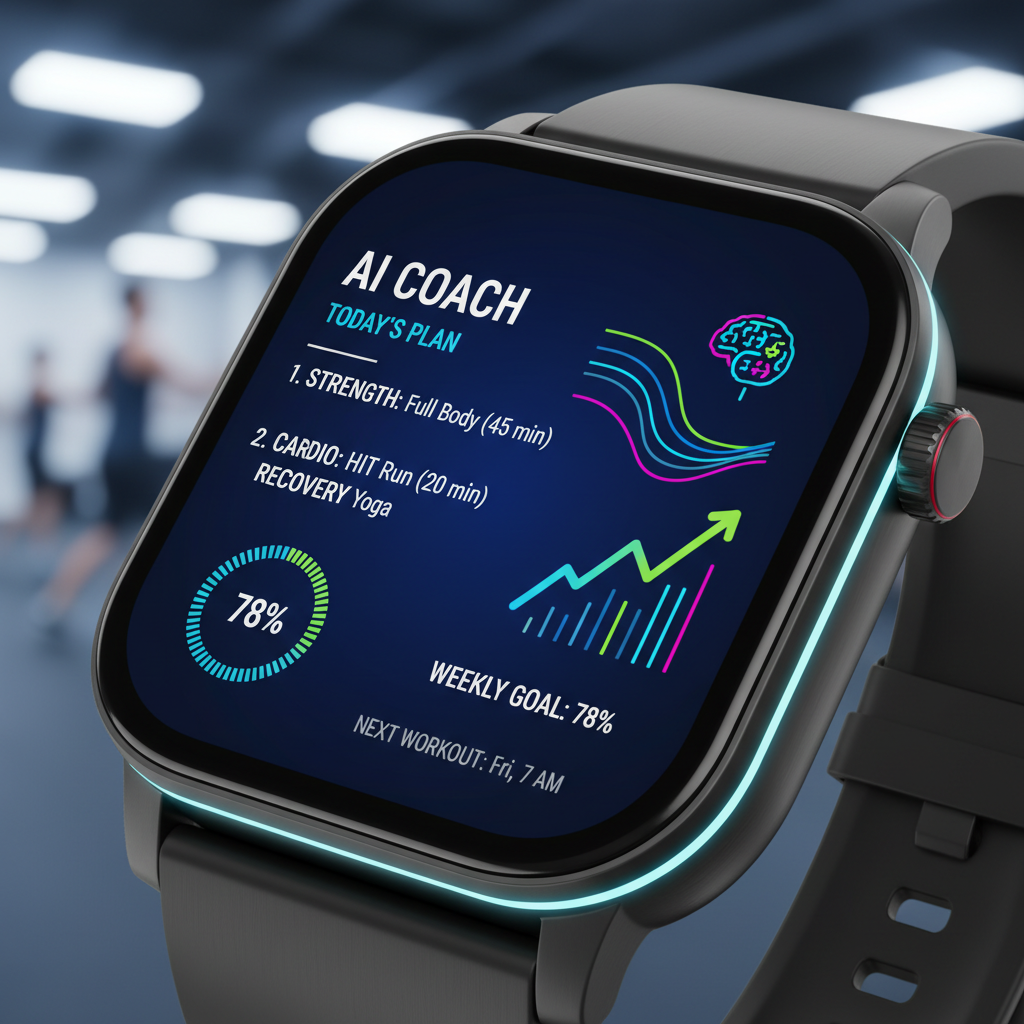
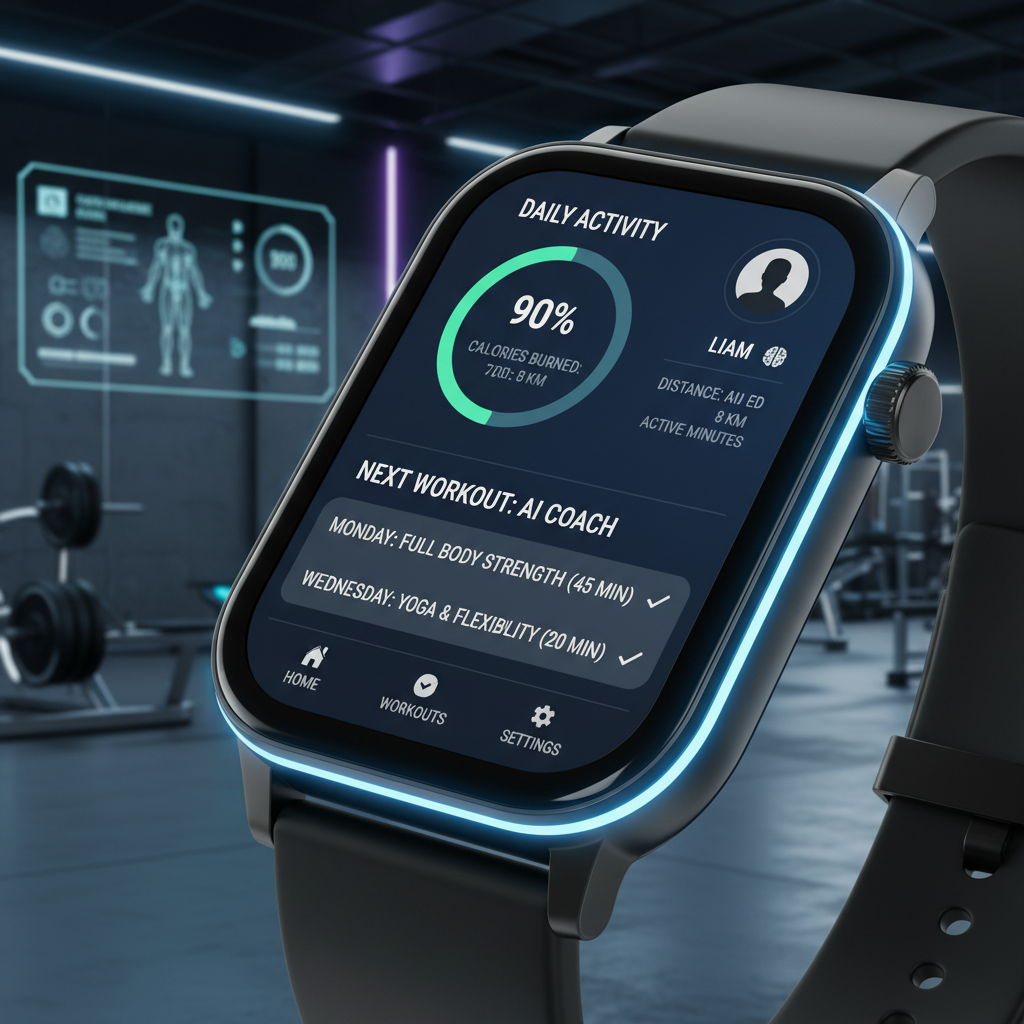
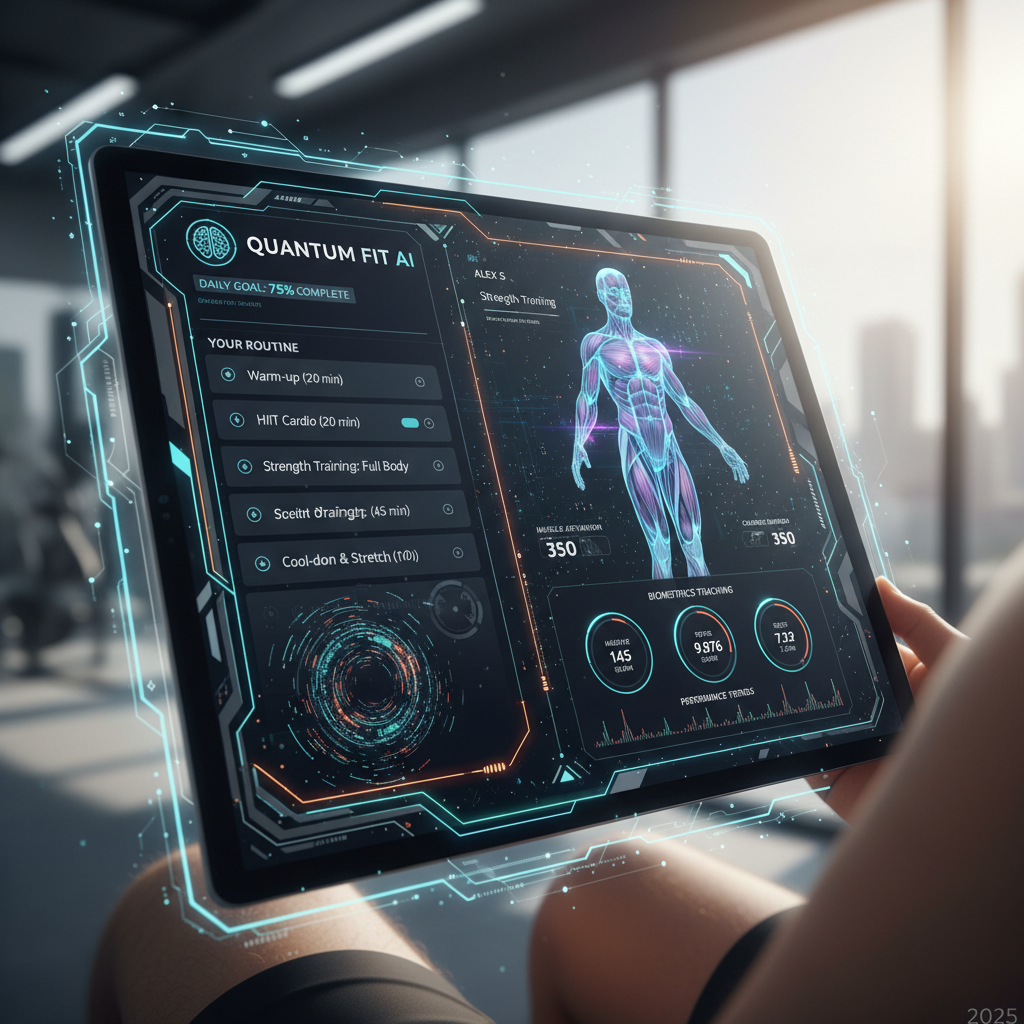
Future AI assistants will move beyond simply learning habits to understanding emotional states. Through bio-feedback sensors (wearables, smart beds, smart mirrors) and advanced facial/voice recognition (with explicit consent and robust privacy), your AI could detect signs of stress, fatigue, or excitement. If it senses you had a restless night, it might suggest a slower, more relaxing morning routine, play calming music, or even adjust your dietary suggestions. If you are particularly energetic, it might prompt you with a quick workout or an energizing playlist. This emotional intelligence will tailor not just what happens, but how it feels.
Proactive Health and Wellness Integration:
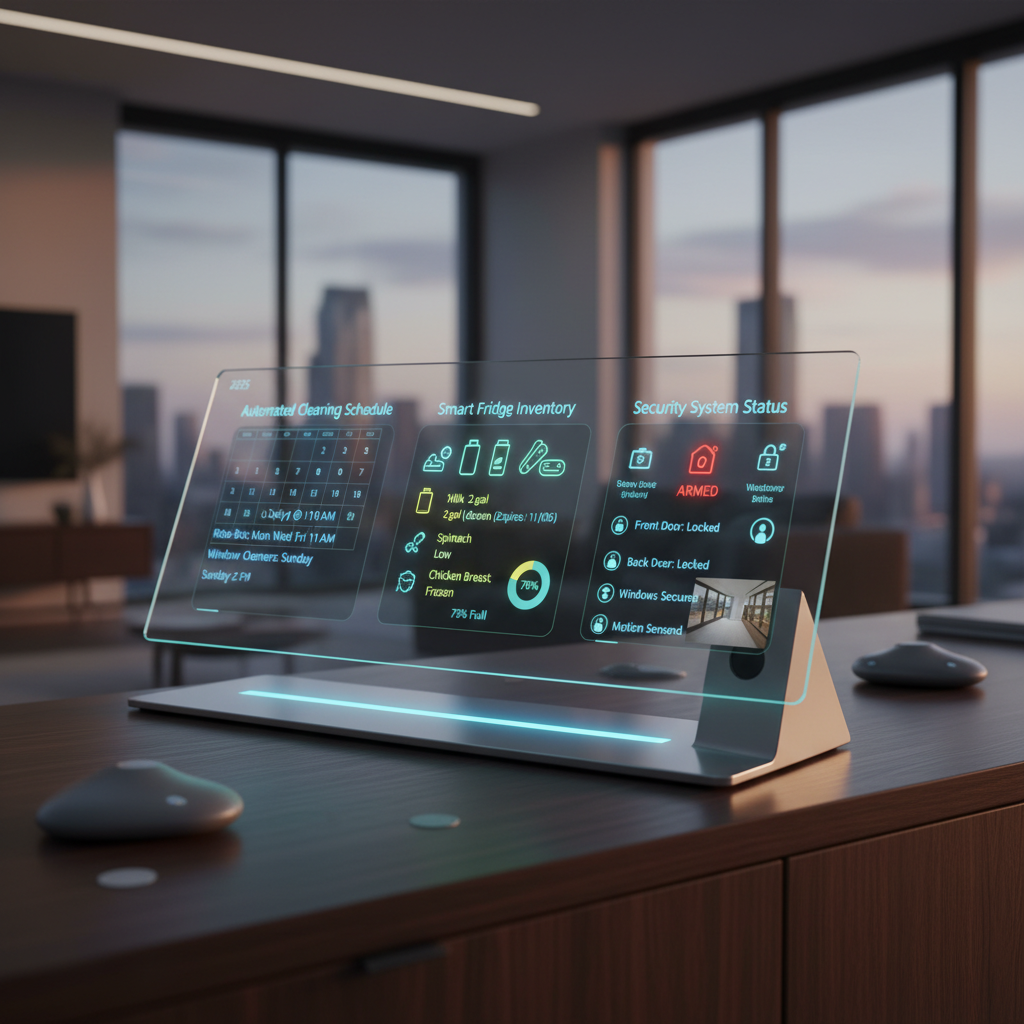
The morning routine will seamlessly integrate with your health goals. Your smart mirror could provide a quick health scan, offering personalized skincare recommendations or suggesting a specific breakfast based on your day’s activities and nutritional needs. Your AI could guide you through a personalized meditation based on your sleep quality, or recommend stretches to alleviate stiffness detected by your smart mattress. Medications could be dispensed automatically at the correct time, with the AI confirming compliance.
Augmented Reality and Holographic Assistants:
Imagine your AI assistant not just as a voice, but as a visual presence. Augmented reality (AR) glasses or integrated home projectors could bring your assistant to life as a holographic avatar. This avatar could visually guide you through your morning workout, project weather maps onto your wall, or display your calendar and to-do list directly onto your kitchen counter as you eat breakfast. This will make interactions more immersive and visually informative.
Truly Context-Aware and Environmentally Reactive Homes:
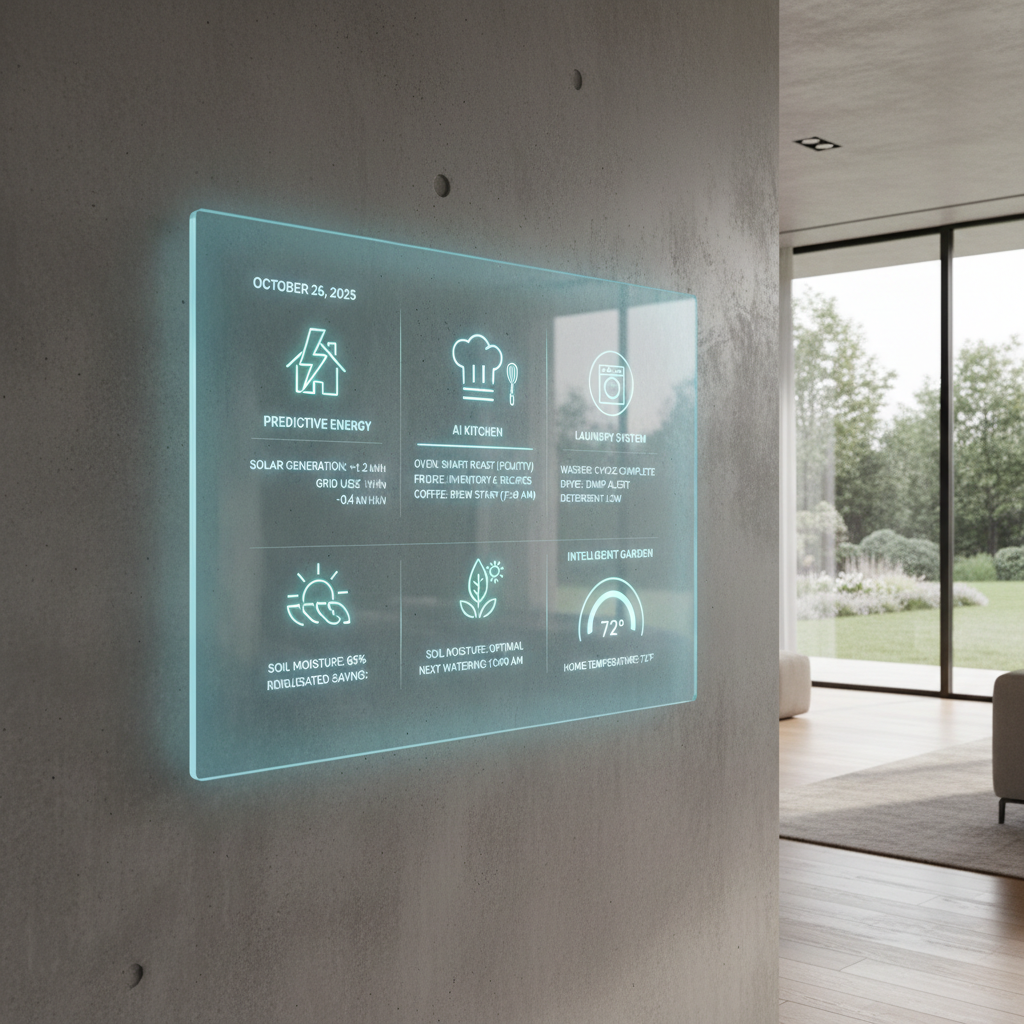
Homes will become even more sentient. Your AI will not just react to your explicit instructions or learned habits but will continuously interpret subtle environmental cues. It might adjust lighting based on the actual light coming through your window, not just the time of day. It could detect your presence in a room and proactively engage with you, or understand a nuanced gesture as a command. The line between your intentional input and the home’s autonomous actions will blur, creating an environment that feels almost alive and intuitively aligned with your desires.
Beyond the Home: Seamless Transition to the World:
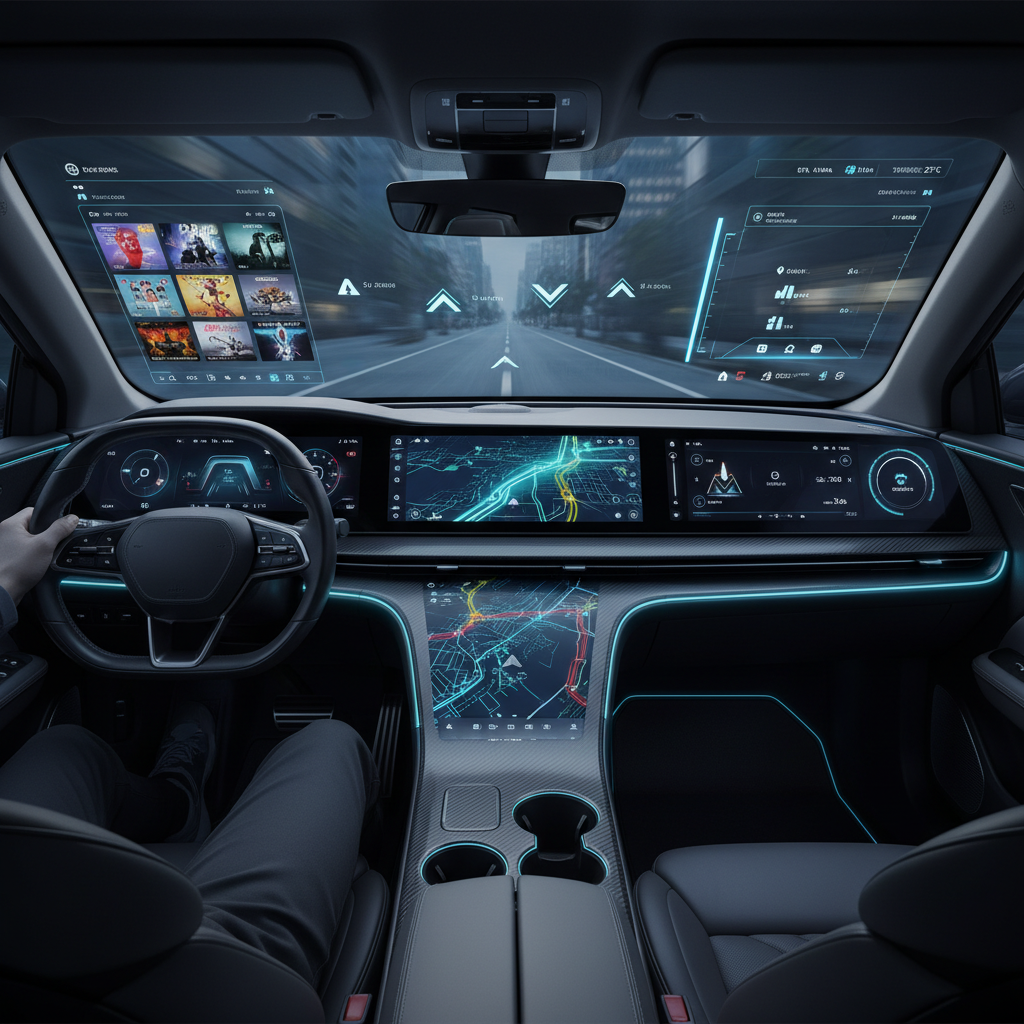
The morning magic will extend beyond your doorstep. Your AI assistant will seamlessly transition its functions to your smart car, public transport, or even your workplace, ensuring continuity of information and assistance. Your car could pre-plan your route based on live traffic, your smart watch could receive personalized updates as you commute, and your office desk could automatically adjust to your preferred settings upon your arrival. The morning ritual will become the first step in an entirely synchronized, intelligent day.
The future promises a world where smart homes, powered by ever more intelligent AI, will not just automate tasks but truly enrich our lives, making every morning a delightful and effortless start to a productive day.
Comparison Tables
Table 1: Popular AI Assistants for Smart Homes – Feature Comparison
| Assistant | Key Strengths | Ecosystem & Devices | Voice Control Quality | Routine Automation & Scheduling | Third-Party Integration | Privacy Focus |
|---|---|---|---|---|---|---|
| Amazon Alexa | Vast skill library, strong smart home control, shopping integration. | Echo devices, Fire TV, Ring, Blink, many third-party devices. | Excellent, highly responsive, natural language understanding. | Robust “Routines” feature, scheduled, voice, or sensor-triggered. | Extensive, thousands of brands and services. | Good, but known for data collection; allows deletion of voice recordings. |
| Google Assistant | Superior search & information retrieval, deep integration with Google services. | Google Nest devices, Android phones, Chromecast, smart displays. | Exceptional, best for complex queries, conversational understanding. | Powerful “Routines” with multiple starters, conditional logic. | Very good, integrates with many smart home devices and services. | Good, allows deletion of activity; strong tie-in with personal data. |
| Apple Siri (HomeKit) | Strong privacy, seamless integration with Apple ecosystem, local processing. | HomePod, Apple TV, iPhones, iPads, HomeKit-certified accessories. | Good, improving; best within Apple ecosystem, sometimes limited compared to others. | “Automations” with triggers like time, location, or accessory status. | Limited to HomeKit-certified devices, but growing. | Excellent, strong focus on local processing and user data privacy. |
| Samsung Bixby | Deep integration with Samsung devices (phones, TVs, appliances), custom commands. | Samsung Galaxy phones, smart TVs, Family Hub fridges, some smart home devices. | Good, improving; excels with Samsung-specific commands, less third-party breadth. | “Quick Commands” and “Scenes” for multi-device actions. | Primarily Samsung SmartThings ecosystem, but expanding. | Good, integrates with Samsung accounts; policies aligned with broad tech practices. |
Table 2: Smart Morning Routine Levels – Automation & AI Integration
| Level | Description | Key Devices Involved | AI Integration Depth | Typical Benefits |
|---|---|---|---|---|
| 1. Basic Automation | Pre-programmed sequences based on fixed triggers (e.g., time, simple voice command). | Smart lights, smart plugs, basic smart speaker. | Minimal: Executes predefined commands, no learning or adaptation. | Convenience, reduces manual tasks, consistent start to day. |
| 2. Advanced Routines | Multi-device synchronization, conditional logic, multiple trigger options. | Smart lights, blinds, thermostat, coffee maker, smart display, multiple speakers. | Moderate: Follows complex “if-then” rules, still largely static once set. | Enhanced comfort, more personalized environment, greater efficiency. |
| 3. Predictive & Adaptive AI | Learns user habits, anticipates needs, dynamically adjusts to real-time data. | All smart home devices, wearables, smart bed, car integration, cloud services. | High: Machine learning for personalization, real-time data for adaptation, proactive suggestions. | Effortless, truly personalized, stress-reducing, anticipatory, optimized for well-being. |
Practical Examples: Real-World Morning Magic in Action
To truly grasp the transformative power of AI assistants in our mornings, let’s look at a few real-world scenarios:
The Early Bird’s Seamless Start
Scenario: Maya is a project manager who needs to be alert and prepared for early morning meetings. She often struggles with feeling groggy and overwhelmed right after waking up.
AI Magic: Maya’s AI assistant, integrated with her sleep tracker, detects she’s in a light sleep cycle at 6:15 AM (15 minutes before her usual alarm). Instead of a jarring sound, her smart blinds slowly begin to open, letting in natural light, and her bedroom lights gently fade up to 10% brightness, set to a warm amber. Simultaneously, her smart speaker plays a custom playlist of calming instrumental music at a low volume. By 6:30 AM, her kitchen’s smart coffee maker has brewed her perfect espresso, and her smart display shows a personalized brief: today’s top three headlines, a quick traffic update showing her usual route is clear, and the agenda for her 8:00 AM meeting. As she steps out of the shower, the bathroom fan automatically turns off, and the AI reminds her, “It’s 68 degrees Fahrenheit outside; you might want to grab a light jacket.” Maya walks out the door feeling calm, informed, and perfectly in sync with her day, all without lifting a finger or opening an app.
The Family’s Coordinated Chaos
Scenario: The Miller family has two school-aged children, demanding separate wake-up times and vastly different morning routines. Getting everyone ready and out the door on time is usually a source of daily stress.
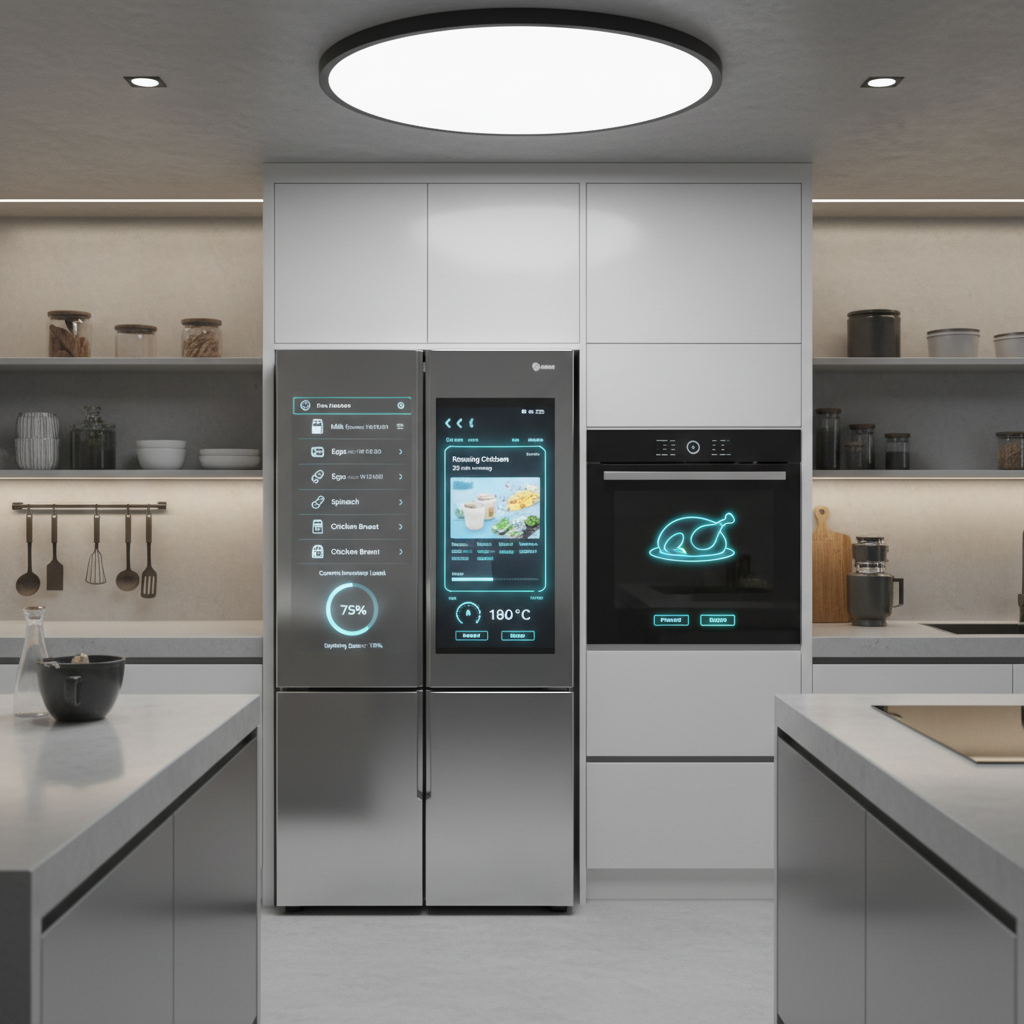
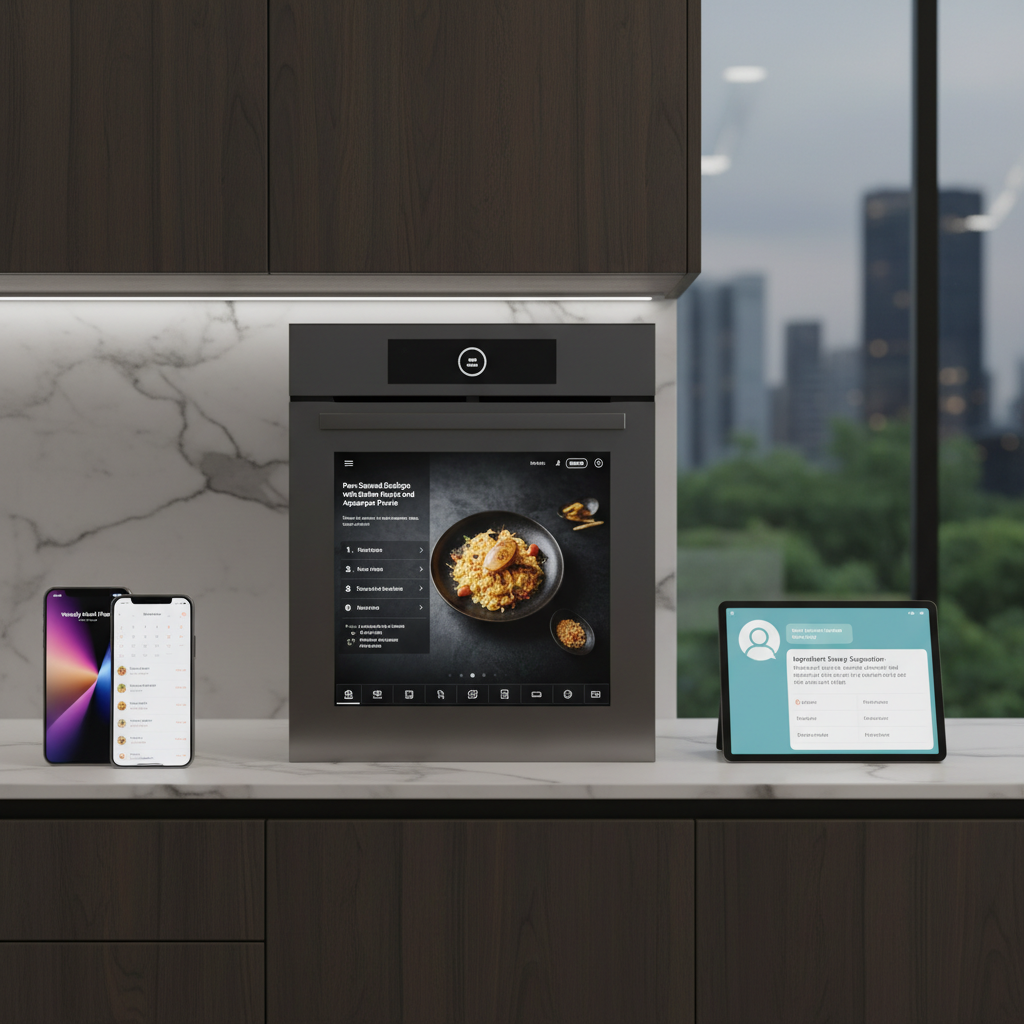
AI Magic: The family’s central AI assistant (Google Assistant, in this case) orchestrates multiple personalized routines. At 6:45 AM, Mr. Miller’s bedroom lights brighten, and his podcast starts playing on his bedside speaker. At 7:00 AM, the kitchen lights come on, and the smart toaster oven begins preheating for the kids’ bagels. At 7:15 AM, the first child’s room lights up with a fun color sequence, and a playful “wake-up song” plays. Ten minutes later, the second child’s room follows suit. In the kitchen, the smart display rotates through a shared family calendar, individual to-do lists for morning chores (e.g., “feed the dog,” “pack lunch”), and a five-minute countdown to “shoe-wearing time.” If a child lingers, the AI assistant gently chimes, “Time to finish breakfast, Lily,” or “Don’t forget your backpack, Ben!” As the last person leaves, a single “Goodbye” voice command arms the security system, turns off all non-essential lights, and adjusts the thermostat to an energy-saving “away” mode. The chaos is replaced by a structured, yet flexible, flow, significantly reducing parental stress.
The Wellness Enthusiast’s Mindful Morning
Scenario: Sarah is dedicated to her morning meditation and yoga practice but often finds herself distracted by daily chores or forgetting her water intake.
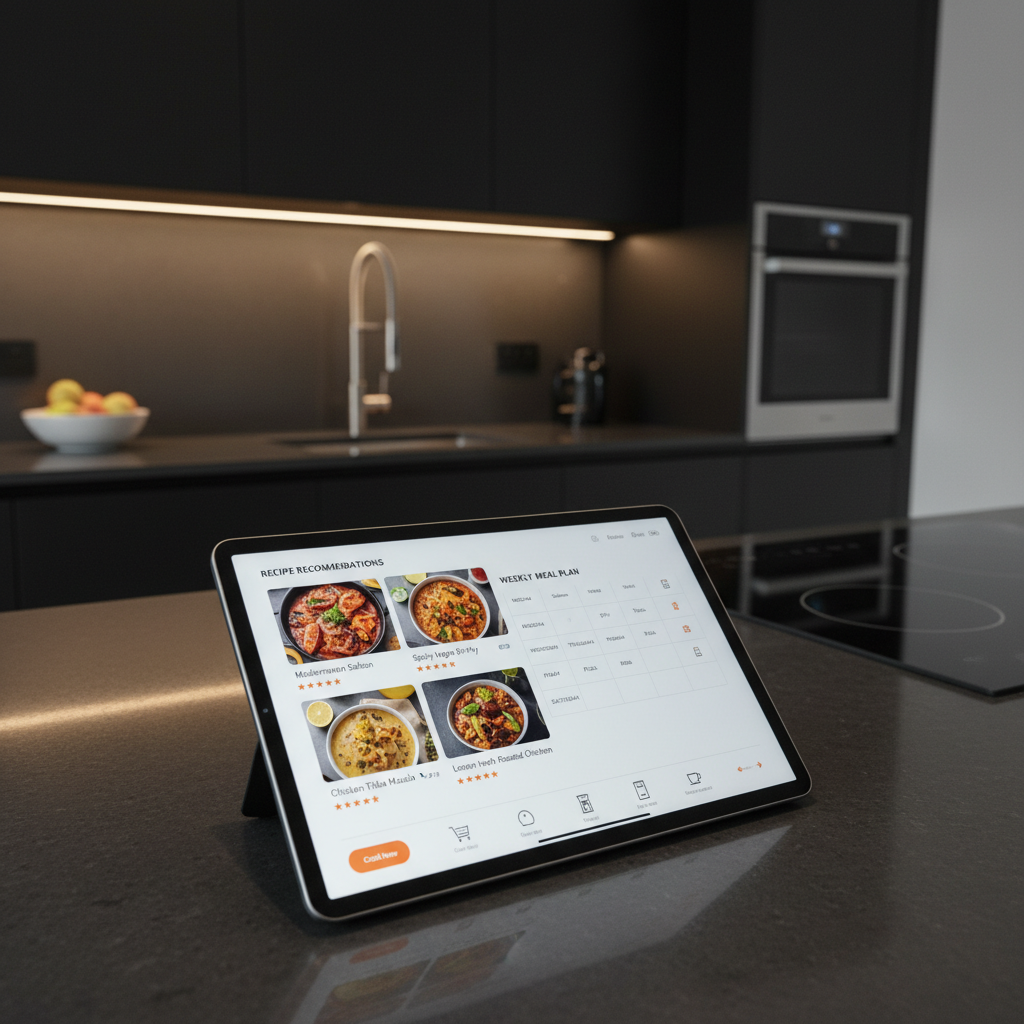
AI Magic: Sarah’s AI assistant is programmed to recognize her holistic approach to wellness. When her smart mattress senses she’s awake, it triggers her “Mindful Morning” routine. Soft, dim lighting illuminates her yoga space, and her smart speaker plays a guided meditation. After 20 minutes, the meditation gently fades, replaced by tranquil yoga music. During her practice, the AI periodically reminds her, “Remember to hydrate,” and displays a healthy breakfast recipe on her smart display that aligns with her dietary goals. Her smart diffuser releases a calming essential oil blend. As she finishes, the AI reports on her sleep quality from her wearable device and offers a personalized affirmation for the day. Her smart fridge orders her favorite smoothie ingredients when they run low. Sarah’s morning is not just automated; it is a meticulously crafted experience designed to nurture her mind, body, and spirit, leaving her feeling centered and invigorated.
Handling Unexpected Changes
Scenario: John’s morning routine is usually perfect, but one day, his child wakes up with a fever, and he needs to rearrange his entire schedule last minute.
AI Magic: John’s AI assistant, linked to his smart home and personal calendar, proves invaluable. When John verbally tells the assistant, “Cancel my 9 AM meeting,” the AI doesn’t just cancel the meeting; it immediately pauses his pre-set morning routine. It suggests, “Traffic is still light if you need to run to the pharmacy, or I can help you reschedule your morning appointments. I’ve also adjusted the thermostat in the nursery to a comfortable 72 degrees Fahrenheit.” John can then instruct, “Please order chicken noodle soup and electrolyte drinks for delivery from the pharmacy,” and the AI executes the order while he tends to his child. Later, if he decides to work from home, a simple voice command, “Start my work-from-home routine,” can turn on his office lights, start his work-focus playlist, and adjust his office thermostat, all while keeping tabs on his child’s room temperature and activity via a smart nursery camera. The AI transforms a potential crisis into a manageable situation, offering support and adaptation in real-time.
Frequently Asked Questions
Q: What exactly is a smart home AI assistant?
A: A smart home AI assistant is an intelligent software agent, often voice-activated, that serves as a central hub for controlling and automating various smart devices within your home. It uses artificial intelligence, including natural language processing and machine learning, to understand your commands, learn your preferences, and orchestrate complex routines across different devices. Examples include Amazon Alexa, Google Assistant, and Apple Siri (via HomeKit).
Q: How do AI assistants learn my morning habits and preferences?
A: AI assistants primarily learn through continuous observation and interaction. When you use voice commands, set routines, or manually adjust smart devices, the AI collects this data. Machine learning algorithms then identify patterns over time – your typical wake-up time, preferred lighting levels, music choices, news interests, and even variations on weekends or holidays. The more you interact and fine-tune your settings, the better the AI becomes at personalizing and predicting your needs.
Q: Is it difficult to set up a smart morning routine with an AI assistant?
A: Not at all! Most modern AI assistant apps (like Alexa, Google Home, or Apple Home) feature intuitive interfaces for setting up “Routines” or “Automations.” You typically choose a trigger (e.g., a specific time, a voice command, or a sensor event), then add a sequence of actions involving your connected smart devices. While advanced conditional logic might require a bit more exploration, basic routines are straightforward to configure and many apps offer pre-made templates to get you started.
Q: What smart devices are essential for a good morning routine orchestrated by an AI?
A: To create a truly magical morning, essential devices typically include:
- A smart speaker or smart display (e.g., Echo, Google Nest Hub) as the central AI interface.
- Smart lights (e.g., Philips Hue, LIFX) for gradual wake-ups.
- Smart plugs for dumb appliances like coffee makers or lamps.
- Smart blinds or curtains for natural light control.
- A smart thermostat for climate control.
- Optional but highly enhancing: smart coffee maker, smart shower, smart mirror, and integrated wearables.
Q: How do AI assistants handle my privacy and data security?
A: Reputable AI assistant providers employ robust security measures, including end-to-end encryption for data transmission, secure cloud storage, and multi-factor authentication for accounts. Regarding privacy, they typically offer transparent privacy policies, options to review and delete voice recordings and activity history, and granular controls over data sharing and device permissions. It is crucial to review these settings and policies to ensure they align with your comfort level.
Q: Can I integrate my existing smart devices with a new AI assistant?
A: In most cases, yes! The smart home industry has made significant strides in interoperability. Many smart devices are designed to work with multiple ecosystems (e.g., a smart light bulb might be compatible with both Alexa and Google Assistant). You’ll usually link your device’s native app or account to your AI assistant’s app. If a device isn’t directly compatible, platforms like IFTTT (If This Then That) can often act as a bridge to create custom integrations.
Q: What if my internet goes down? Will my smart morning routine still work?
A: It depends on the devices and the routine setup. Many smart home routines rely on cloud connectivity to function, meaning they might not work without internet. However, some advanced smart home hubs and devices offer local control capabilities for basic functions (e.g., turning lights on/off, opening blinds) even without an internet connection. Battery-powered devices with local automation (like some motion sensors triggering a light) might also continue to function. It’s important to check the offline capabilities of your specific devices when planning for reliability.
Q: Are there any subscription costs associated with smart home AI assistants?
A: Generally, the core functionality of AI assistants (voice commands, basic routines) is free with the purchase of a compatible smart speaker or device. However, some advanced features or integrations might incur costs. For example, specific streaming music services require subscriptions, cloud storage for security camera footage often has a fee, and some premium skills or third-party services might have associated charges. It’s always best to check the specifics of any service or integration you plan to use.
Q: What are the biggest challenges in implementing smart morning routines?
A: Common challenges include:
- Compatibility Issues: Ensuring all desired devices work together seamlessly within one ecosystem.
- Initial Setup Time: The learning curve and time investment for initial configuration can be significant.
- Reliability: Occasional glitches, Wi-Fi connectivity issues, or software bugs can disrupt routines.
- Security & Privacy Concerns: Overcoming anxieties about data collection and potential vulnerabilities.
- Over-Automation: Finding the right balance so that the automation enhances, rather than complicates, life.
Q: How much does it cost to set up a smart morning magic system?
A: The cost can vary widely, from a few hundred dollars to several thousand, depending on the desired level of automation and the number of devices.
- Basic Setup (entry-level): A smart speaker, a few smart bulbs, and a smart plug might cost $150-$300.
- Mid-Range Setup (advanced routines): Adding smart blinds, a smart thermostat, and a smart coffee maker could range from $500-$1500.
- Premium Setup (predictive AI): Incorporating smart beds, advanced sensors, and high-end integrated appliances can push the cost above $2000, often significantly more.
It’s recommended to start small and gradually expand your smart home ecosystem.
Key Takeaways: Embracing the Dawn of Effortless Mornings
- Mornings Transformed: AI assistants are evolving beyond simple commands to orchestrate complex, multi-device routines that deliver a seamless, personalized start to your day.
- Intelligent Orchestration: The true power lies in AI’s ability to act as a central hub, syncing lights, sounds, climate, and information, reducing morning friction.
- Tech Underpinning: Natural Language Processing (NLP), Machine Learning (ML), the Internet of Things (IoT), and Cloud Computing are the foundational technologies making this magic possible.
- Personalization is Key: AI learns your habits, preferences, and even emotional states over time, dynamically adapting routines for unparalleled individualization.
- Beyond Automation: Predictive and adaptive AI anticipates needs, adjusts to real-time changes (e.g., traffic, weather), and offers proactive suggestions, turning your home into a truly intelligent environment.
- Security and Privacy Paramount: Leading providers prioritize data encryption, user control, and transparency, though users must remain vigilant in managing their settings.
- Future is Brighter: Expect hyper-personalization, emotional intelligence, advanced health integration, AR/holographic assistants, and seamless transitions from home to the outside world.
- Start Small, Grow Smart: Implementing smart morning routines is accessible, with options to start with basic automation and gradually expand your smart home ecosystem.
Conclusion: Your Day, Sync’d by Design
The dawn of Smart Home Morning Magic is not merely a technological novelty; it is a profound shift in how we begin our days, reclaiming precious moments from the clutches of chaos and ushering in an era of effortless living. AI assistants, once simple voice interfaces, have blossomed into sophisticated orchestrators, capable of transforming the most mundane morning tasks into a symphony of synchronized comfort and efficiency. From the gentle sunrise simulation that rouses you from slumber to the perfectly brewed coffee awaiting your arrival in the kitchen, and the personalized daily brief that informs without overwhelming, every element is meticulously designed to optimize your well-being and productivity.
By leveraging the power of machine learning, IoT connectivity, and cloud intelligence, these digital butlers learn our habits, anticipate our needs, and adapt to the unpredictable rhythms of life. They are not just responding to commands; they are proactively creating an environment tailored to our unique preferences, ensuring that each morning is a calm, informed, and empowering prelude to the day ahead. The future promises even more deeply integrated and emotionally intelligent interactions, making our homes not just smart, but truly intuitive companions.
Embracing this morning magic is an investment in your peace of mind, your productivity, and your overall quality of life. Start exploring the possibilities today. Begin with a single smart device, experiment with a simple routine, and gradually expand your smart home ecosystem. You will soon discover that a stress-free, perfectly synced morning is not just a dream, but a tangible reality, ready to enchant your daily dawn. Let your AI assistant take the reins, and step into a future where every morning is truly a fresh start, designed by intelligence, and powered by you.

























































Leave a Reply