

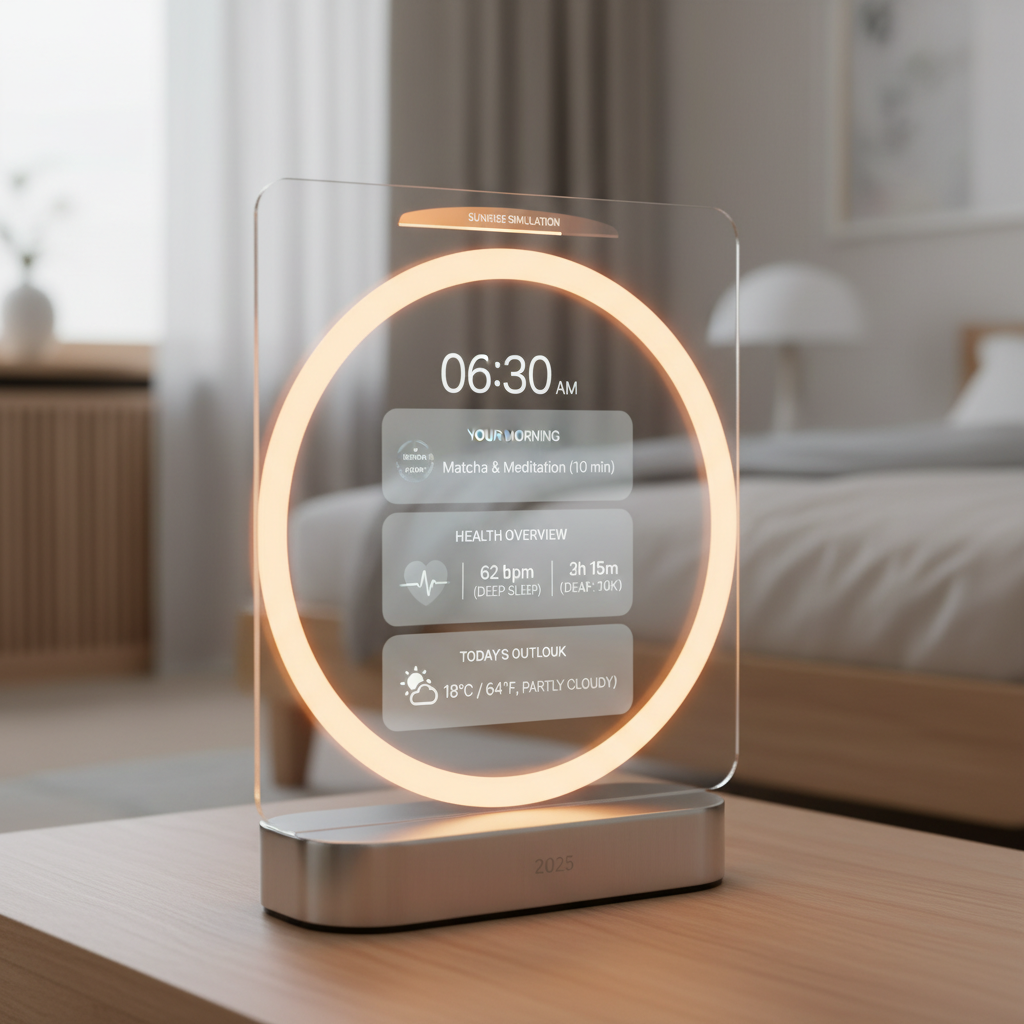
The jarring sound of a traditional alarm clock is a familiar, often unwelcome, start to the day for millions. It jolts us awake, often prematurely, leaving us feeling groggy, disoriented, and already behind before our feet even touch the floor. For too long, our mornings have been dictated by a primitive, one-size-fits-all approach to waking up. But what if there was a better way? What if your morning could be a gentle, personalized, and invigorating launchpad for a productive and fulfilling day? Welcome to the era of intelligent AI morning assistants, a revolutionary shift that promises to transform not just how we wake up, but how we experience and optimize our entire morning routine. This comprehensive guide will delve into the profound impact of these smart AI companions, exploring their capabilities, benefits, practical applications, and the exciting future they herald for our daily lives.
In a world increasingly driven by data and personalization, it was only a matter of time before artificial intelligence found its way into the most critical part of our day: the morning. These aren’t just fancy alarm clocks; they are sophisticated systems designed to understand your unique physiology, preferences, schedule, and even mood, crafting a morning experience that is perfectly tailored to you. From optimizing your sleep cycle and gently rousing you at the ideal moment, to curating your news feed, planning your commute, and guiding you through a mindful start to the day, intelligent AI assistants are poised to redefine what it means to truly unleash your morning potential. We will explore how these technologies move far beyond the simple beep or chime, integrating seamlessly into your smart home and lifestyle to foster greater well-being, enhanced productivity, and a newfound sense of control over your most important hours.
The Problem with Traditional Alarms: A Century of Jarring Starts
For over a century, the mechanical and then digital alarm clock has been our primary tool for waking up. Its purpose is simple: make noise until you stop it. While effective at preventing oversleeping, this blunt instrument comes with a myriad of drawbacks that actively undermine a healthy and productive start to the day. The sudden, often loud, noise triggers a stress response in the body, releasing cortisol and adrenaline. This fight-or-flight reaction, designed to prepare us for danger, is hardly conducive to a calm and focused morning. Instead, it can leave us feeling anxious, irritable, and with a lingering sense of unease that colors the rest of our day.
Moreover, traditional alarms are oblivious to our individual sleep cycles. Human sleep progresses through several stages, including light sleep, deep sleep, and REM sleep. Waking someone during deep sleep, which a fixed-time alarm often does, can lead to sleep inertia – that persistent feeling of grogginess and disorientation that can last for hours. This isn’t just an unpleasant sensation; it can impair cognitive function, decision-making, and even physical coordination. The lack of personalization means that whether you had a restful eight hours or a restless four, the alarm rings at the same unforgiving time, irrespective of your body’s readiness to awaken.
Beyond the physiological impact, the fixed nature of traditional alarms fosters a reactive, rather than proactive, morning routine. We wake up to an external stimulus, immediately faced with a mental checklist of what needs to be done, often rushing through the initial hours of the day. There’s no space for mindfulness, no time for gentle transition, and certainly no consideration for the unpredictable variables of daily life, such as traffic congestion, unexpected weather, or last-minute meeting changes. This creates a cycle of stress and inefficiency, making it difficult to establish positive morning habits that genuinely support overall well-being and productivity. The very tool designed to help us start our day often becomes the first source of morning tension, highlighting an urgent need for a more intelligent, empathetic, and integrated solution.
Introducing Intelligent AI Morning Assistants: Your Personalized Dawn Companion
Enter the intelligent AI morning assistant, a paradigm shift from the rudimentary alarm clock to a sophisticated, personalized morning companion. These aren’t just apps; they are ecosystems that leverage artificial intelligence, machine learning, and advanced sensor technology to orchestrate an optimal start to your day. At their core, these AI assistants are designed to understand you – your unique sleep patterns, daily routines, preferences, and even external factors that influence your morning. Unlike a traditional alarm that merely tells time, an AI morning assistant learns from your past data and adapts in real-time.
The fundamental difference lies in their ability to be proactive and contextually aware. Instead of a fixed wake-up time, many AI assistants employ “smart wake” features. By integrating with sleep trackers (wearables, under-mattress sensors, or even microphone-based analysis of sounds in the room), they identify the lightest phase of your sleep within a predetermined window (e.g., 30 minutes before your set wake-up time). Waking during light sleep significantly reduces sleep inertia, leading to a more refreshed and energized feeling upon waking. This biological awareness is a cornerstone of their intelligence, moving beyond a clock-based schedule to a body-centric one.
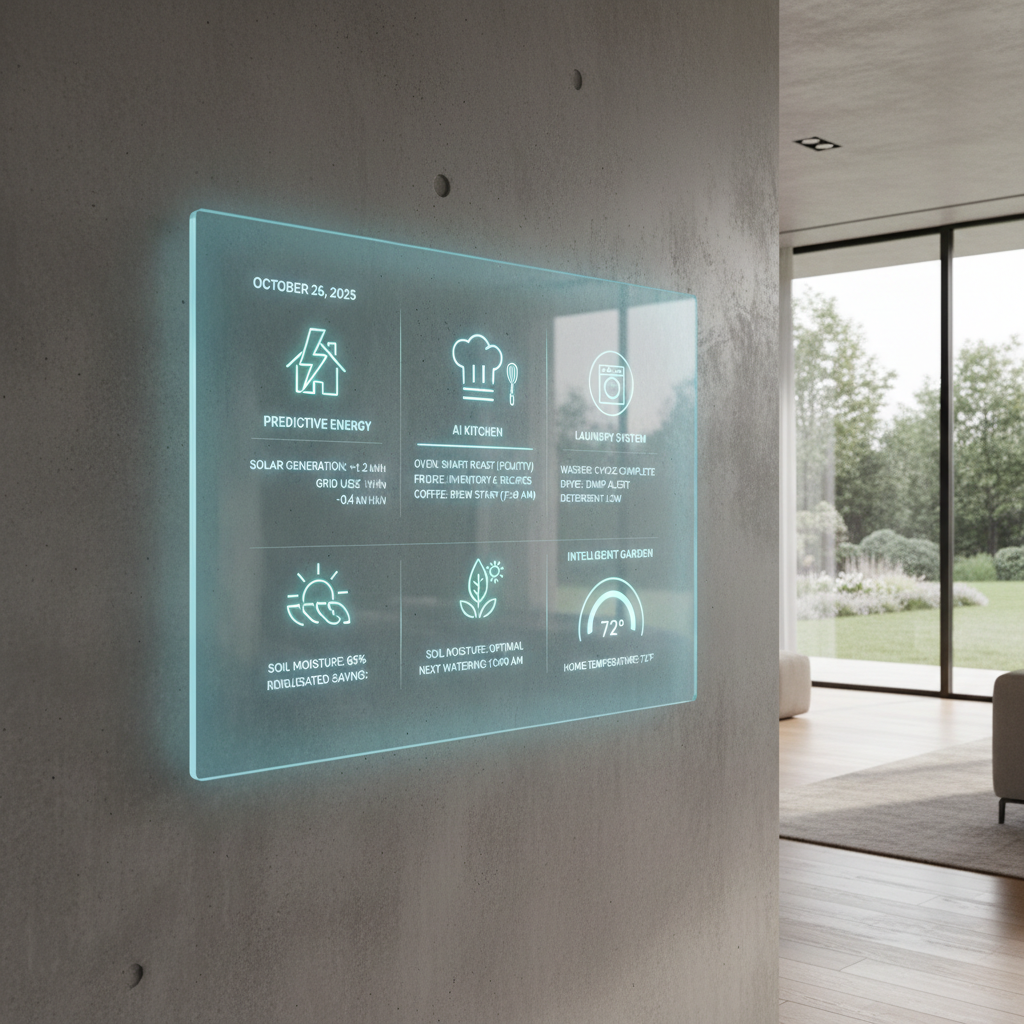
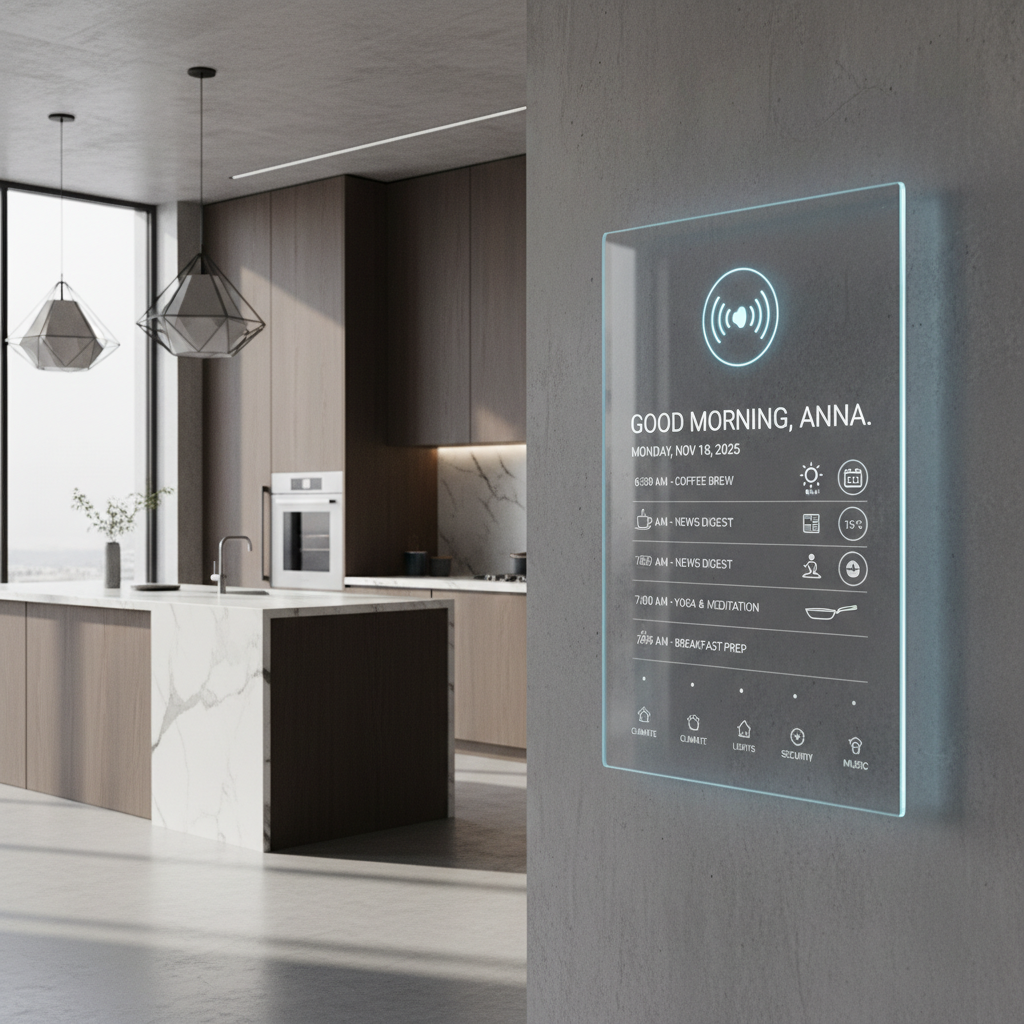
Beyond the wake-up call, these AI assistants extend their utility into a comprehensive morning routine. They can integrate with your smart home devices to gradually increase ambient light, play soothing sounds, or even start your coffee maker at the optimal moment. They can provide personalized summaries of the day ahead: checking your calendar, forecasting the weather, updating you on traffic for your commute, and even delivering curated news briefings based on your interests. Some advanced assistants offer guided meditations, gentle stretching routines, or even personalized nutritional advice for breakfast. The goal is to move from a disruptive awakening to a seamless, empowering transition into your day, all orchestrated by an intelligent agent learning and adapting to your evolving needs and preferences. This level of personalized interaction and adaptive scheduling is what truly sets AI morning assistants apart, transforming the mundane into a mindful and optimized experience.
Core Features and Technologies Driving AI Morning Optimization
The intelligence of AI morning assistants is built upon several foundational features and cutting-edge technologies that work in concert to deliver a highly personalized and effective morning experience. Understanding these components reveals the depth of their capability and why they are so much more than simple alarms.
Personalized Sleep Cycle Tracking and Smart Wake
This is perhaps the most celebrated feature. Using biometric data from wearables (like smartwatches, fitness trackers), under-mattress sensors, or even proximity sensors and microphones in your smartphone, AI assistants meticulously track your sleep stages. They monitor heart rate variability, movement, breathing patterns, and even sounds to determine when you are in light, deep, or REM sleep. The “smart wake” algorithm then calculates the optimal moment within a pre-set window (e.g., 30 minutes before your desired wake-up time) to gently rouse you during your lightest sleep phase. This minimizes sleep inertia, ensuring you wake up feeling more refreshed and less groggy. The AI continuously learns your sleep patterns over time, improving the accuracy of its predictions.
Contextual Awareness and Predictive Analytics
True intelligence lies in understanding context. These AI assistants go beyond static programming by integrating with various data sources. They access your calendar, location services, weather apps, traffic updates, and even news feeds. Leveraging predictive analytics, the AI can anticipate your needs. For instance, if your calendar shows an early meeting across town, the assistant might suggest an earlier wake-up time, account for potential traffic delays, and offer a quick weather update for your destination. If a major news event breaks, it can prioritize that information in your morning briefing. This dynamic adaptation ensures your morning routine is always optimized for the day ahead, not just a generic schedule.
Smart Home and Device Integration
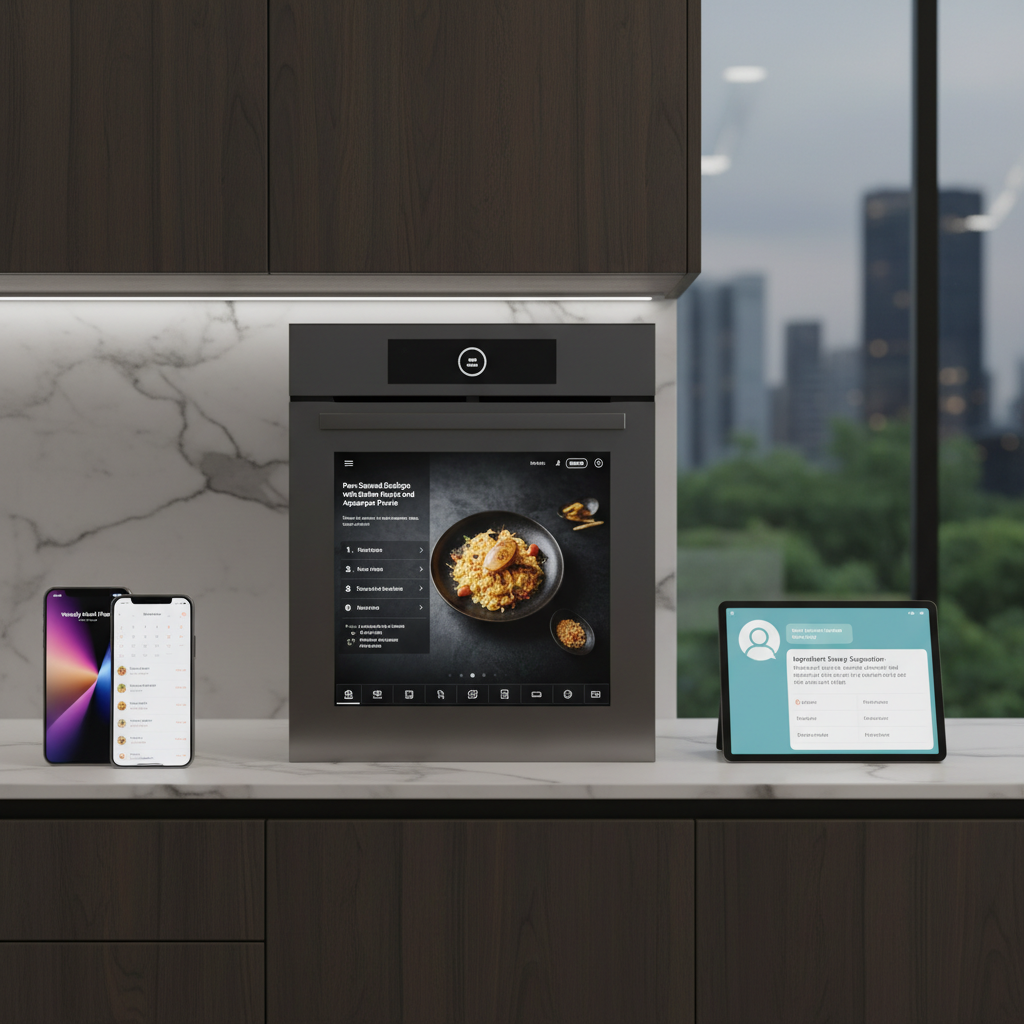
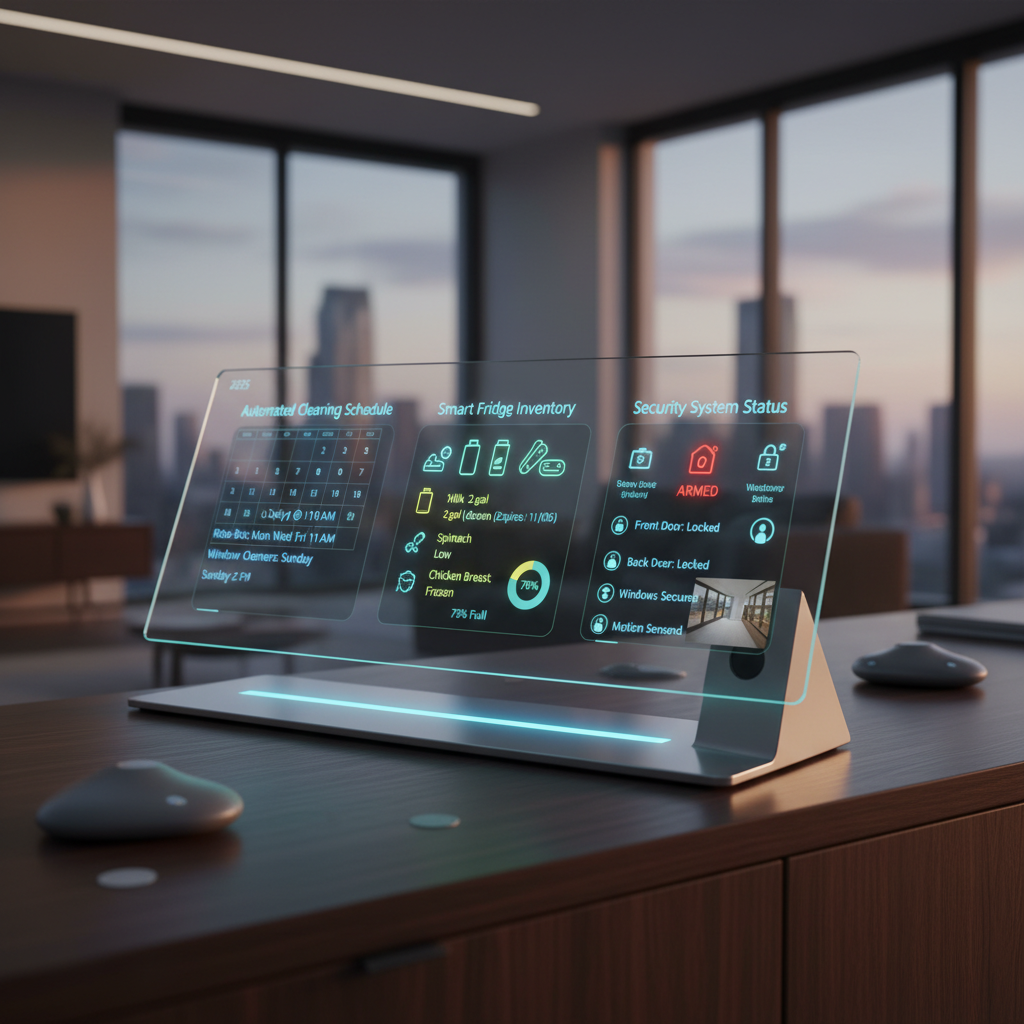
A key differentiator is the ability to seamlessly integrate with your smart home ecosystem. Through platforms like Google Home, Amazon Alexa, Apple HomeKit, or IFTTT (If This Then That), AI morning assistants can orchestrate a symphony of actions:
- Lighting: Gradually increase smart lights in your bedroom to simulate a sunrise, signaling your body to naturally reduce melatonin production.
- Temperature: Adjust your smart thermostat to your preferred morning temperature before you even get out of bed.
- Audio: Play soothing nature sounds, your favorite music playlist, or a curated news podcast through smart speakers.
- Appliances: Initiate your smart coffee maker, turn on bathroom lights, or activate smart blinds.
This multi-sensory approach creates a truly immersive and personalized wake-up environment, transforming the bedroom into a responsive haven.
Personalized Content Curation and Routine Guidance
Beyond waking you up, AI assistants help structure your entire morning. Based on your preferences and previous interactions, they can curate a personalized flow:
- A brief summary of your agenda and weather.
- A quick news briefing on topics you care about.
- A suggested mindfulness exercise or guided meditation.
- A gentle reminder for hydration or stretching.
- Even a personalized playlist to energize your breakfast or commute.
The AI learns what content resonates with you, adapting the delivery and type of information over time, ensuring your morning information intake is relevant, concise, and uplifting.
Voice Control and Natural Language Processing (NLP)
Interacting with these assistants is intuitive, primarily through voice commands. Advanced NLP allows the AI to understand natural speech, process complex queries, and respond intelligently. You can simply ask, “Hey assistant, what’s my morning like today?” or “Play some energizing music,” and the system responds seamlessly, making the interaction feel natural and effortless, even before you’ve had your first cup of coffee.
These combined technologies create a holistic and intelligent system that moves far beyond the capabilities of any traditional alarm, truly empowering individuals to craft a morning routine that supports their well-being, productivity, and personal aspirations. The continuous learning aspect of AI means that your morning companion becomes more attuned to your needs with each passing day, offering an ever-improving, deeply personalized experience.
Benefits Beyond Waking Up: Enhanced Productivity, Well-being, and Stress Reduction
The advantages of intelligent AI morning assistants extend far beyond merely waking you up gently. They create a ripple effect that positively impacts your entire day, fostering improved productivity, enhanced mental and physical well-being, and a significant reduction in morning stress. This holistic approach to morning optimization fundamentally transforms how you approach your daily life.
1. Optimized Cognitive Function and Productivity
By leveraging smart wake technology, AI assistants ensure you wake during the lightest phase of your sleep cycle. This significantly reduces sleep inertia, the grogginess that impairs cognitive function. Waking up refreshed means your brain is sharper, clearer, and ready to tackle tasks from the outset. You experience improved focus, better problem-solving abilities, and enhanced creativity. This translates directly into higher productivity at work or in your personal projects, as you start the day with a mental edge instead of struggling to shake off lingering sleepiness. The curated morning information also primes your brain for the day’s tasks, providing relevant updates without overwhelming you, allowing for more efficient planning.
2. Improved Mental Well-being and Reduced Stress
The jarring sound of a traditional alarm triggers a physiological stress response. AI assistants replace this with a gentle, gradual awakening, often mimicking natural light and playing soothing sounds. This transition is less abrupt, preventing the morning cortisol spike and fostering a calmer, more peaceful mental state. By automating routine tasks like checking the weather or commute times, the AI eliminates small but significant sources of morning anxiety. Furthermore, many assistants offer integrated mindfulness exercises, guided meditations, or positive affirmations, encouraging a proactive approach to mental health right from the start of the day. This shift from reactive stress to proactive calm sets a positive tone for the hours that follow, making you more resilient to daily pressures.
3. Enhanced Physical Health and Routine Consistency
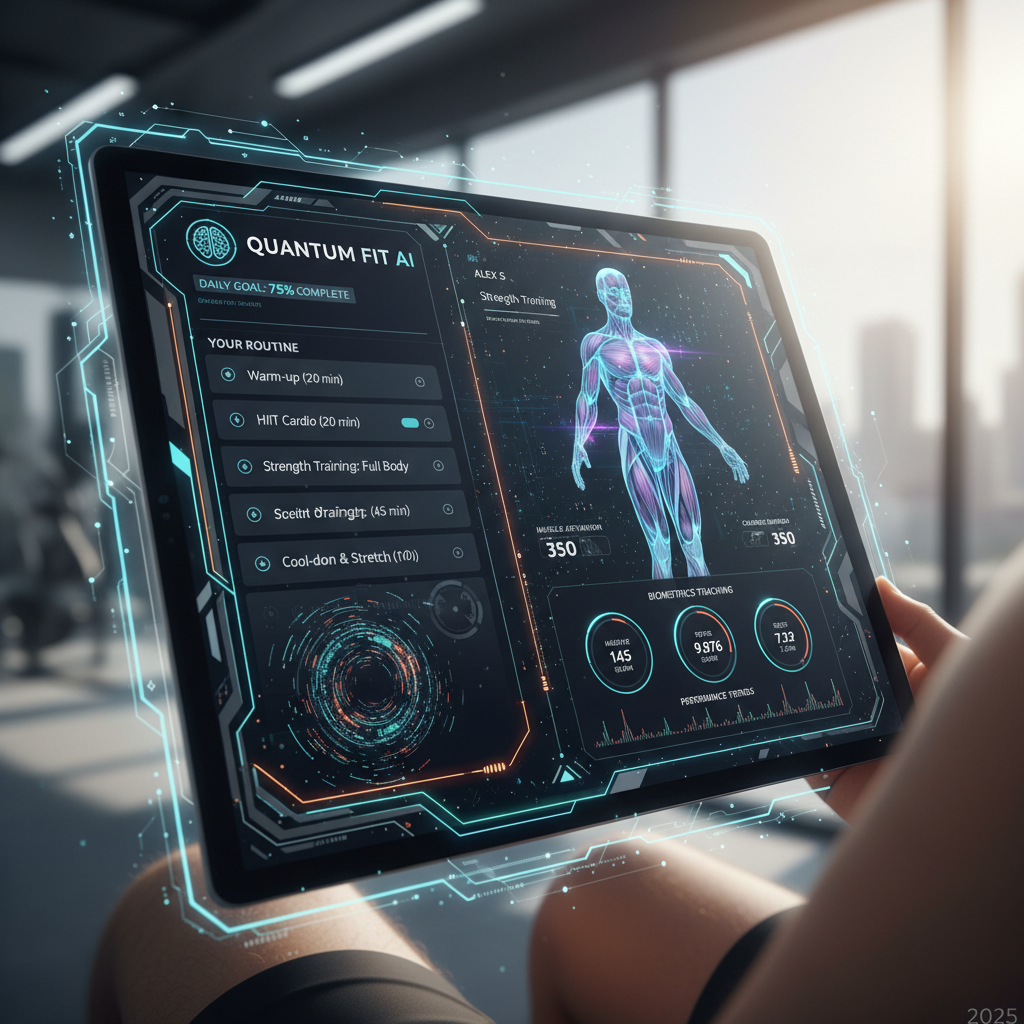
Consistent sleep patterns are crucial for physical health, impacting everything from immune function to metabolism. By helping you maintain a more regular wake-up time, even with smart adjustments, AI assistants contribute to better circadian rhythm regulation. Integrating with fitness trackers, they can also nudge you towards healthy habits, such as suggesting morning stretches or reminding you to hydrate. Some even track your sleep quality over time, providing insights that can help you make adjustments to your evening routine for better rest. The automated and personalized nature of these routines makes it easier to stick to positive habits, which often fall by the wayside due to morning rush and decision fatigue.
4. Time Efficiency and Streamlined Mornings
Imagine a morning where you don’t have to manually check your calendar, open a weather app, browse news headlines, or remember to turn on the coffee machine. AI assistants consolidate all these tasks into a single, seamless interaction. By delivering personalized information relevant to your day and automating smart home actions, they free up valuable time and mental energy. This efficiency doesn’t mean rushing; it means experiencing a smoother, more deliberate flow, allowing you to dedicate moments to activities that genuinely enrich your morning, like a leisurely breakfast, exercise, or quiet contemplation, without feeling pressured for time.
5. Greater Control and Empowerment
Ultimately, intelligent AI morning assistants empower you with greater control over your own mornings. Instead of being a victim of the clock, you become the architect of your day’s beginning. The personalization means your morning is tailored to your needs, not a generic template. This sense of agency and customization fosters a more positive relationship with your morning routine, transforming it from a necessary evil into a cherished ritual that sets you up for success, well-being, and a renewed sense of purpose each day. The move from a basic alarm to an intelligent companion is a move towards a more intentional and optimized way of living.
Setting Up Your AI Morning Companion: A Step-by-Step Guide to Personalization
Integrating an intelligent AI morning assistant into your daily life might seem complex, but modern systems are designed for intuitive setup and deep personalization. Here’s a practical guide to getting started and optimizing your AI companion to truly unleash your morning potential.
Step 1: Choose Your AI Platform and Hardware
The first step is to select the right ecosystem for you. Popular choices include:
- Smartphone Apps: Many apps (e.g., Sleep Cycle, AutoSleep, Pillow) integrate AI-driven smart alarms and can connect to other apps.
- Smart Speakers/Displays: Devices like Google Nest Hub, Amazon Echo Show, or Apple HomePod mini offer voice-controlled AI assistants (Google Assistant, Alexa, Siri) that can orchestrate routines.
- Wearables: Smartwatches (Apple Watch, Garmin, Fitbit) with advanced sleep tracking capabilities often pair with their own apps or integrate with third-party AI morning solutions.
- Dedicated Smart Alarms: Some specialized devices like the Hatch Restore combine light, sound, and smart alarm features.
Consider what existing smart devices you have and which platform offers the best integration and features for your needs.
Step 2: Initial Setup and Basic Preferences
Once you’ve chosen your platform, download the necessary app or configure your smart device. During the initial setup, you’ll typically be asked for:
- Desired Wake-Up Time: Your target time to be awake and ready.
- Smart Wake Window: Define a window (e.g., 15-45 minutes) before your desired time where the AI can gently wake you during light sleep.
- Alarm Sound: Choose from a selection of gentle sounds, natural soundscapes, or even your favorite music.
- Location: For weather and commute updates.
- Calendar Sync: Connect your personal and work calendars.
Many apps will guide you through connecting compatible sleep tracking devices (if not built-in) like smartwatches.
Step 3: Personalize Your Morning Routine Flow
This is where the magic of AI truly shines. Most platforms allow you to create custom “routines” or “sequences” that trigger once your alarm is dismissed or at a specific time.
- Light Automation: If you have smart lights, program them to gradually brighten, mimicking a sunrise, starting 15-30 minutes before your wake-up time.
- Audio Cues: Set your smart speaker to play a gentle playlist, a curated news brief, or a podcast. You can often specify the volume level.
- Information Briefing: Configure your AI to deliver a summary of:
- The day’s weather forecast
- Your first few calendar appointments
- Estimated commute time to work
- Top news headlines (based on your interests)
- A positive affirmation or motivational quote
- Smart Appliance Control: If you have a smart coffee maker, thermostat, or blinds, integrate them into your routine. For example, “Hey Google, when I dismiss my alarm, turn on the coffee maker, set the thermostat to 72 degrees, and open the blinds.”
- Wellness Prompts: Add reminders for hydration, a quick stretching routine, or a short guided meditation.
Experiment with different sequences and timings to find what feels most natural and beneficial for you.
Step 4: Continuous Learning and Adjustment
AI assistants thrive on data and feedback. The more you use them, the better they become at understanding your preferences and optimizing your experience.
- Monitor Sleep Data: Regularly review your sleep reports from your tracker or app. Look for patterns, identify factors that impact your sleep quality, and make conscious adjustments to your evening routine.
- Refine Routines: If a news briefing is too long, or a playlist isn’t quite right, adjust it. If you find yourself consistently hitting snooze, perhaps your smart wake window needs to be adjusted or your sleep hygiene needs attention.
- Provide Feedback: Some AI systems allow you to explicitly rate elements of your morning routine, helping the algorithm learn faster.
- Explore New Integrations: As more smart devices and services emerge, look for new ways to integrate them into your morning flow.
Think of your AI morning companion as a living system that evolves with you. Consistent interaction and refinement will unlock its full potential, transforming your mornings from chaotic to calm, and from mundane to magical.
Addressing Concerns: Privacy, Over-Reliance, and Ethical Considerations
While intelligent AI morning assistants offer compelling benefits, it’s crucial to address common concerns regarding privacy, potential over-reliance, and the broader ethical implications of integrating such technology so intimately into our daily lives. A balanced perspective is essential for mindful adoption.
Privacy and Data Security
The most prominent concern for many users is data privacy. AI morning assistants gather a significant amount of personal information: sleep patterns, heart rate, movement, location data, calendar entries, news preferences, and potentially even audio recordings. This data is used to personalize your experience, but its collection raises questions about how it’s stored, protected, and potentially shared.
- Encryption and Storage: Reputable AI platforms use robust encryption protocols to protect your data both in transit and at rest. Data is typically stored on secure cloud servers.
- Data Usage Policies: It’s critical to review the privacy policy of any AI assistant you use. Understand what data is collected, how it’s used, and whether it’s anonymized or aggregated for research and development purposes.
- Third-Party Integrations: When you connect your AI assistant to third-party apps (e.g., Spotify, weather apps, smart home devices), ensure you understand the data-sharing agreements between these services.
- Control Over Your Data: Look for platforms that offer granular control over your data, allowing you to review, download, or delete your personal information. Consider features that allow for local processing of some data to minimize cloud reliance.
Being informed and choosing trusted providers with strong privacy track records are your best defenses against potential data misuse.
Risk of Over-Reliance and Loss of Autonomy
As AI assistants become increasingly integrated and indispensable, there’s a valid concern about becoming overly reliant on them. Could we lose the ability to manage our mornings independently?
- Decision Fatigue vs. Critical Thinking: While AI can reduce decision fatigue by automating routine choices, it’s important not to delegate *all* decision-making. Maintain a balance where the AI supports, rather than replaces, your critical thinking and self-awareness.
- Technological Malfunctions: What happens if the internet goes down, the device malfunctions, or there’s a power outage? Having a basic backup plan (e.g., a traditional alarm clock, a mental checklist) is prudent to avoid being completely stranded.
- Maintaining Self-Awareness: Use the insights from your AI (e.g., sleep quality reports) to *inform* your habits, rather than blindly following instructions. Understand *why* the AI suggests certain things, fostering greater self-awareness about your body and mind.
The goal should be augmentation, not abdication. AI should empower your autonomy, not diminish it.
Ethical Considerations and Algorithmic Bias
Like all AI systems, morning assistants are built by humans and trained on data that can inadvertently contain biases.
- Algorithmic Bias: If the data used to train sleep tracking or personalization algorithms is not diverse, the AI might perform less optimally for certain demographics or individuals with atypical sleep patterns. This can lead to less effective recommendations.
- Manipulative Design: Could AI be designed to nudge users into behaviors that benefit the company rather than the user (e.g., recommending products, prolonging screen time)? Ethical AI design principles emphasize user well-being and transparency.
- Emotional Manipulation: Some worry about AI becoming too empathetic, potentially blurring the lines between human and machine interaction, or even being used to influence mood or behavior in subtle ways.
Ongoing research and development in ethical AI, coupled with consumer demand for transparency and accountability, are crucial to mitigate these risks. Users should support companies that prioritize ethical AI development and provide clear explanations of how their algorithms work. By being informed and discerning, we can harness the power of AI while safeguarding our privacy, autonomy, and well-being.
Future Trends and Innovations: What’s Next for AI in Morning Routines?
The current generation of intelligent AI morning assistants is already impressive, but the pace of technological advancement suggests an even more integrated, intuitive, and predictive future. The roadmap for AI in morning routines is exciting, promising innovations that will push the boundaries of personalization and proactive wellness.
Hyper-Personalization with Bio-Integration
Expect AI assistants to become even more intimately aware of your unique biological state. Beyond current sleep tracking, future systems could integrate with continuous glucose monitors, advanced wearable sensors that track specific biomarkers, or even smart mirrors that analyze skin health or facial expressions for subtle cues about stress levels or fatigue. This deep bio-integration would allow for truly hyper-personalized recommendations, such as suggesting specific light therapy based on hormonal cycles, or a nutrient-rich smoothie recipe based on your morning energy requirements and recent activity. The AI could even anticipate illness based on early biometric changes and suggest proactive steps.
Proactive Wellness and Mental Health Support
The role of AI will expand significantly into proactive wellness and mental health. Imagine an AI assistant that, based on your calendar, current mood (analyzed through voice tone or written entries), and sleep quality, proactively suggests a specific type of meditation, a short breathwork exercise, or even recommends deferring a non-urgent task to later in the day to manage stress. AI could also monitor patterns indicative of burnout or anxiety and offer gentle, evidence-based interventions or connect you with professional resources if needed. The focus will shift from reacting to predicting and preventing well-being challenges.
Truly Seamless Smart Home and Urban Integration
Future AI morning routines will dissolve the boundaries between your home, your commute, and your first destination. Your AI could communicate directly with smart city infrastructure. For instance, your car might autonomously pre-heat and route itself to avoid real-time traffic jams based on your AI’s assessment of your desired arrival time. Smart building systems at your workplace could receive a signal from your AI that you’re en route, preparing your office environment (temperature, lighting) before you arrive. This level of predictive, cross-platform integration will make the transition from home to work or leisure truly seamless and effortless.
Adaptive Learning and Emotional Intelligence
AI will develop greater adaptive learning capabilities, not just refining routines based on explicit feedback, but learning from your subtle emotional responses. Through advanced natural language processing and even nascent forms of emotional AI, it could detect frustration in your voice and adjust its approach, offering a different suggestion or a moment of silence. It could also learn to predict when you’re likely to procrastinate on a morning task and offer gentle, motivating nudges. This involves a higher degree of “emotional intelligence” in AI, making interactions feel more intuitive and supportive.
Augmented Reality (AR) and Mixed Reality (MR) Integration
Imagine waking up with AR glasses that display your morning briefing as a holographic overlay in your bedroom, showing weather patterns as dynamic graphics, or guiding you through a virtual yoga routine projected onto your floor. MR could create personalized ambient environments that evolve with your mood or tasks. This visual and interactive layer will make the morning experience even more immersive and engaging, transforming passive consumption of information into active interaction with your digital environment.
The future of AI in morning routines is not just about convenience; it’s about creating an intelligent, responsive ecosystem that truly understands and supports your holistic well-being. These innovations promise to transform our mornings into a powerful foundation for a more productive, balanced, and fulfilling life, moving us further beyond alarms and deeper into a world where technology intuitively empowers human potential.
Comparison Tables
Table 1: Traditional Alarms vs. Intelligent AI Morning Assistants
| Feature | Traditional Alarm Clock | Intelligent AI Morning Assistant |
|---|---|---|
| Wake-Up Mechanism | Fixed time, abrupt sound/buzzer. | Smart wake (during light sleep phase), gradual sounds, simulated sunrise. |
| Personalization | None; one-size-fits-all. | High; adapts to sleep patterns, preferences, schedule, and environment. |
| Contextual Awareness | None; oblivious to external factors. | High; integrates with calendar, weather, traffic, news, smart home devices. |
| Information Delivery | None. | Personalized morning briefing (weather, news, commute, calendar). |
| Smart Home Integration | None. | Seamless control of lights, thermostat, coffee maker, smart blinds, etc. |
| Wellness Support | None. | Offers guided meditations, stretching prompts, hydration reminders, sleep insights. |
| Impact on Well-being | Can induce stress, grogginess (sleep inertia). | Reduces stress, improves mood, enhances cognitive function, promotes well-being. |
| Learning & Adaptation | None. | Continuously learns user habits, sleep patterns, and refines routines over time. |
| Cost (Typical) | Low (basic models $10-30). | Moderate to High (apps $5-10/month, smart speakers $50-200, wearables $100-500). |
This table clearly illustrates the stark differences between the antiquated approach of traditional alarm clocks and the holistic, intelligent design of modern AI morning assistants. While the initial investment for AI-driven solutions might be higher, the benefits in terms of personalized well-being, efficiency, and overall morning quality offer a significant return on investment that goes far beyond a simple wake-up call. The AI’s ability to learn and adapt is a game-changer, providing an experience that constantly improves and customizes itself to the user’s evolving needs, a stark contrast to the static functionality of its predecessor.
Table 2: Key AI Assistant Features and Their Benefits for Morning Routines
| AI Feature | Core Functionality | Primary Benefit for Morning Routines | Real-world Impact |
|---|---|---|---|
| Smart Wake Algorithm | Detects light sleep phase within a set window. | Reduces sleep inertia, ensures waking refreshed. | Less grogginess, better mood, improved early morning cognitive function. |
| Contextual Data Integration | Accesses calendar, weather, traffic, news. | Proactive information delivery, dynamic routine adjustment. | Stress reduction from knowing what’s ahead, efficient planning, avoids surprises. |
| Smart Home Automation | Controls lights, thermostat, appliances, blinds. | Seamless environmental control, multi-sensory awakening. | Gentle natural awakening, comfortable environment, coffee ready on time. |
| Personalized Content Curation | Delivers tailored news, music, podcasts, affirmations. | Relevant and engaging information, positive mental priming. | Informed without being overwhelmed, energized start, mindful beginning. |
| Voice Control (NLP) | Understands and responds to natural language commands. | Hands-free interaction, intuitive control. | Effortless interaction even before fully awake, quick access to information/actions. |
| Sleep Cycle Analysis & Feedback | Monitors sleep stages, quality, and patterns. | Provides insights for better sleep hygiene, long-term health. | Understanding personal sleep needs, identifying issues, promoting consistent sleep. |
| Routine Reminders & Guidance | Prompts for hydration, stretching, meditation. | Encourages healthy habits, builds consistency. | Improved physical well-being, enhanced mindfulness, structured routine building. |
This table highlights the specific functionalities of AI morning assistants and their direct, tangible benefits for optimizing the morning experience. Each feature is designed to address a particular aspect of the morning routine, from physiological awakening to mental preparation and environmental control. The combined effect of these features is a truly transformative experience, moving beyond the simple act of waking up to orchestrate a holistic and empowering start to each day, paving the way for sustained well-being and productivity.
Practical Examples: Real-World Use Cases and Scenarios
To truly appreciate the power of intelligent AI morning assistants, let’s explore a few real-world scenarios demonstrating how they can profoundly impact different individuals and lifestyles. These examples showcase the versatility and personalization these technologies offer.
Scenario 1: The Busy Professional – Sarah’s Optimized Start
Sarah is a marketing manager with a demanding job and often irregular work hours. Her traditional alarm always left her feeling rushed and stressed.
- AI Integration: Sarah uses a smart alarm app on her phone connected to her Apple Watch for sleep tracking and integrates with her Google Nest Hub and smart lights.
- AI in Action:
- Smart Wake: On Monday morning, her AI detects she’s in a light sleep phase 20 minutes before her target wake-up time. Instead of a jarring beep, her smart lights gradually brighten, simulating a sunrise, followed by gentle forest sounds from her Nest Hub.
- Personalized Briefing: As she stirs, she asks, “Hey Google, what’s my day looking like?” The AI responds: “Good morning, Sarah. Today is Tuesday, November 14th. The weather in your area is partly cloudy with a high of 55 degrees Fahrenheit. Traffic to your office is currently moderate, estimated 30 minutes. You have a 9 AM team meeting and a 2 PM client presentation. Top headlines include… Would you like me to play your morning jazz playlist?”
- Smart Home Automation: Her AI has already triggered her smart coffee maker downstairs, and her thermostat has adjusted to her preferred morning temperature. As she gets ready, she can simply say, “Hey Google, dim the bedroom lights,” or “What’s the latest on the project X?” receiving immediate, relevant information.
- Outcome: Sarah starts her day feeling calm, informed, and prepared, not rushed. She arrives at her meeting focused, having already processed key information and enjoyed a peaceful transition from sleep to activity. This proactive start helps her manage her demanding schedule with greater ease and less stress.
Scenario 2: The Health-Conscious Individual – Mark’s Wellness Journey
Mark is focused on holistic wellness, trying to improve his sleep, incorporate mindfulness, and stay hydrated. He found it difficult to maintain consistency with manual reminders.
- AI Integration: Mark uses a specialized sleep tracking app (like Sleep Cycle) that integrates with his smart speaker and a smart water bottle.
- AI in Action:
- Optimal Wake-Up: His AI wakes him during light sleep with a soothing nature sound. As he opens his eyes, he sees a subtle prompt on his smart display for a 5-minute morning stretch.
- Guided Wellness: After his stretch, the AI offers, “Would you like a short guided meditation for focus today, Mark?” He agrees, and a calm voice leads him through a breathing exercise.
- Hydration Reminder: While he prepares breakfast, his smart water bottle app (integrated with the AI) sends a gentle notification to his smart display: “Time for your first glass of water, Mark!” The AI also provides a brief overview of his sleep quality from the night before, noting, “You achieved 7 hours and 45 minutes of sleep with good deep sleep percentages. Consider winding down 30 minutes earlier tonight for optimal recovery.”
- Outcome: Mark consistently starts his day with physical movement, mental clarity, and foundational healthy habits, all seamlessly integrated. The AI acts as a gentle, intelligent coach, helping him stay on track with his wellness goals without feeling overwhelmed or forgetting crucial steps.
Scenario 3: The Student Balancing Academics and Social Life – Emily’s Flexible Schedule
Emily is a college student whose schedule varies wildly, from early morning classes to late-night study sessions, making a consistent wake-up time challenging.
- AI Integration: Emily uses her smartphone’s built-in AI assistant (Siri/Google Assistant) combined with a smart alarm app and her academic calendar.
- AI in Action:
- Adaptive Scheduling: Emily has linked her class schedule to her AI. On days with an 8 AM lecture, the AI automatically sets a smart alarm for 7:00 AM with a 30-minute wake-up window. On days with no early commitments, it defaults to a later, more flexible smart alarm time.
- Contextual Prompts: After waking, the AI might say, “Good morning, Emily. Your first class is Biochemistry at 8 AM in Smith Hall. The bus departs in 15 minutes. Don’t forget your lab report is due today.” If it detects a major assignment due, it might also suggest, “Consider reviewing your notes for 10 minutes before leaving.”
- Personalized Entertainment: While she gets ready, Emily can ask, “Hey Siri, play my ‘Morning Study Beats’ playlist,” and her AI complies, providing an auditory backdrop tailored to her current activity.
- Outcome: Emily’s mornings are less chaotic, despite her variable schedule. The AI acts as a reliable personal assistant, ensuring she’s always aware of her commitments, knows how to get there on time, and has the mental preparation needed for her academic responsibilities, all without needing to constantly check multiple apps.
These examples illustrate that intelligent AI morning assistants are not just luxury gadgets but practical tools that adapt to diverse needs and lifestyles. They streamline routines, provide timely information, foster well-being, and ultimately empower individuals to make the most of their mornings, setting a positive trajectory for the entire day.
Frequently Asked Questions
Q: What exactly is an intelligent AI morning assistant, and how does it differ from a regular alarm?
A: An intelligent AI morning assistant is a sophisticated system that leverages artificial intelligence, machine learning, and sensor technology to optimize your morning routine. Unlike a regular alarm that simply sounds at a fixed time, an AI assistant tracks your sleep cycles, learns your preferences, integrates with external data (like weather and calendar), and controls smart home devices to create a personalized, gentle, and informative wake-up experience. It aims to reduce sleep inertia by waking you during light sleep, provide relevant information, and automate tasks, moving far beyond a basic timekeeping function.
Q: How does the “smart wake” feature work, and is it really effective?
A: The “smart wake” feature works by monitoring your sleep stages using data from wearables (like smartwatches), under-mattress sensors, or even your phone’s microphone. It identifies when you are in a light sleep phase within a predefined window (e.g., 30 minutes before your desired wake-up time). Waking up during light sleep avoids disrupting deep sleep, which is the primary cause of grogginess and sleep inertia. Studies and user feedback strongly suggest that waking during light sleep leads to a more refreshed and energized feeling, making it highly effective for improving morning alertness.
Q: What kind of information can an AI morning assistant provide me with?
A: An AI morning assistant can provide a wide range of personalized information, often delivered as a concise morning briefing. This can include: the current weather forecast, your daily schedule from your synced calendar, estimated commute times (considering real-time traffic), top news headlines based on your interests, positive affirmations, reminders for important tasks, and even insights into your sleep quality from the previous night. The specific information depends on the assistant’s capabilities and your personal preferences.
Q: Do I need a full smart home setup to use an AI morning assistant?
A: Not necessarily. Many AI morning assistants can function effectively with just a smartphone and a compatible sleep tracking device (which can often be the phone itself or a basic fitness tracker). However, integrating with smart home devices like lights, thermostats, or smart speakers significantly enhances the experience by allowing for multi-sensory and automated control of your environment, creating a more immersive and seamless routine. The beauty is you can start small and expand your smart home setup over time.
Q: Are AI morning assistants expensive, and are there free options available?
A: The cost varies widely. Many basic smart alarm apps offer free versions with core smart wake features, while premium versions or specialized apps may charge a subscription fee (e.g., $5-10 per month) for advanced analytics, integrations, and content. Smart speakers (like Amazon Echo or Google Nest) that host AI assistants have an upfront cost (typically $50-200). Wearable devices with advanced sleep tracking range from $100-$500+. While dedicated devices can be an investment, there are definitely free or low-cost app-based solutions to get started, leveraging your existing smartphone.
Q: How do these AI assistants protect my privacy given the amount of personal data they collect?
A: Reputable AI morning assistant providers employ various measures to protect your privacy. This typically includes:
- Data Encryption: Ensuring all collected data is encrypted both when it’s being transmitted and when it’s stored on their servers.
- Anonymization: Often, data used for improving algorithms is anonymized or aggregated so it cannot be linked back to individual users.
- Strict Privacy Policies: Companies outline how data is collected, used, and shared. It’s crucial for users to review these policies.
- User Controls: Many platforms offer controls allowing you to manage, review, or delete your personal data.
Choosing well-known and trusted brands with transparent privacy practices is highly recommended to safeguard your information.
Q: Can AI morning assistants help with specific sleep problems like insomnia?
A: While AI morning assistants can improve the *quality* of your wake-up experience and help establish better routines, they are generally not medical devices designed to diagnose or treat sleep disorders like chronic insomnia. However, by providing detailed sleep tracking data and promoting consistent sleep schedules and calming morning routines, they can offer valuable insights and support habits that may indirectly contribute to better sleep hygiene. For severe or persistent sleep problems, consulting a healthcare professional or sleep specialist is always recommended.
Q: What if I become too reliant on the AI and lose my ability to manage my mornings independently?
A: This is a valid concern regarding any advanced automation. The key is to view the AI as an augmentation tool, not a replacement for your own agency. Use the insights it provides (e.g., sleep reports) to understand your body better and make informed decisions. While it automates routine tasks, consciously engage with your morning, and occasionally try a morning without full AI integration to maintain your independence. Having a backup plan (like a traditional alarm or mental checklist) for critical mornings is also a good practice. The goal is to empower you, not to make you dependent.
Q: Are AI morning assistants customizable, and how much control do I have over my routine?
A: Yes, customization is a cornerstone of intelligent AI morning assistants. You have significant control over your routine. You can typically:
- Set your desired wake-up time and smart wake window.
- Choose specific alarm sounds, music, or guided meditations.
- Select the types of information you want in your morning briefing (news categories, specific calendar events).
- Program sequences of smart home actions (lights, thermostat, coffee maker).
- Add reminders for healthy habits like stretching or hydration.
Many platforms allow you to create multiple routines for different days or scenarios, giving you extensive control over how your morning unfolds.
Q: What are the key benefits of using an AI morning assistant compared to just setting a regular alarm?
A: The benefits are manifold:
- Reduced Grogginess: Waking during light sleep leads to a more refreshed feeling.
- Stress Reduction: Gentle awakening and automated information delivery reduce morning anxiety.
- Increased Productivity: A clear mind from the start enhances focus and efficiency.
- Personalization: Routines adapt to your unique needs, schedule, and preferences.
- Time Efficiency: Automated tasks and consolidated information save time and mental effort.
- Improved Well-being: Promotes consistent sleep, healthy habits, and a positive mindset.
- Seamless Integration: Connects your sleep, smart home, and daily schedule into one cohesive experience.
It transforms your morning from a reactive struggle into a proactive, empowering start to your day.
Key Takeaways
- Beyond the Beep: Intelligent AI morning assistants transcend traditional alarms by offering personalized, context-aware, and proactive morning experiences.
- Smart Wake is Key: By gently rousing you during your lightest sleep phase, these AI tools significantly reduce sleep inertia and morning grogginess, leading to a more refreshed start.
- Holistic Integration: They seamlessly integrate with sleep trackers, smart home devices, calendars, weather, and news feeds to create a comprehensive and orchestrated morning routine.
- Enhanced Well-being: Benefits extend to reduced stress, improved mental clarity, greater productivity, and consistent healthy habits, fostering a positive foundation for the entire day.
- Personalization is Power: AI learns your unique patterns and preferences, adapting and refining your routine over time to deliver an increasingly tailored and effective experience.
- Practical and Versatile: From busy professionals to health enthusiasts and students, AI assistants can be customized to suit diverse lifestyles and needs, streamlining complex schedules.
- Mindful Adoption: While powerful, it’s crucial to address concerns about data privacy, avoid over-reliance, and support ethical AI development for a balanced and beneficial integration.
- Future-Proofing Your Mornings: Future innovations promise even deeper bio-integration, proactive wellness support, seamless urban connectivity, and advanced emotional intelligence, further transforming our daily starts.
- Empowerment, Not Replacement: These tools are designed to augment your autonomy and potential, allowing you to design a morning routine that genuinely serves your goals and well-being.
Conclusion
The era of the jarring, one-size-fits-all alarm clock is rapidly drawing to a close. In its place, intelligent AI morning assistants are emerging as sophisticated, empathetic companions, poised to fundamentally redefine how we perceive and experience the beginning of our day. We’ve explored how these advanced systems move far beyond simple timekeeping, leveraging personalized sleep tracking, contextual awareness, smart home integration, and adaptive learning to craft a morning routine that is uniquely yours. The benefits are profound: reduced stress, enhanced cognitive function, improved productivity, and a sustained sense of well-being that cascades throughout your entire day.
By transforming the often-chaotic morning rush into a deliberate, calm, and optimized launchpad, AI empowers us to unlock our true potential. Whether it’s through a gentle smart wake that respects your natural sleep cycles, a curated briefing that prepares you for the day ahead, or seamless automation that brings your home to life, these assistants are designed to serve you. While important considerations regarding privacy and responsible use remain, the trajectory of innovation in this space is clear: a future where technology intuitively supports our human needs, making every morning an opportunity for a fresh, invigorated start.
Embracing intelligent AI in your morning routine isn’t just about convenience; it’s about investing in your overall health, mental clarity, and daily effectiveness. It’s about taking control of your most precious hours and building a foundation for a more productive, peaceful, and fulfilling life. The future of mornings is here, and it’s intelligent, personalized, and ready to help you unleash your full potential, one gentle wake-up at a time.




























































Leave a Reply