

In our hyper-connected world, the relentless pace of information and the ever-increasing demand for high-quality content can often feel overwhelming. Whether you are a student striving for academic excellence, a professional navigating complex data, a digital marketer crafting compelling campaigns, or a freelance writer battling writer’s block, the need for efficiency and instant access to insights has never been more critical. We are constantly searching for tools that not only streamline our workflows but also amplify our creative output and analytical capabilities. Imagine a browsing experience where the vastness of the internet is not just accessible, but intelligently distilled and presented, and where content creation is no longer a laborious task but an intuitive, assisted journey.
This is precisely the promise delivered by the groundbreaking integration of advanced artificial intelligence, specifically ChatGPT, directly within the Atlas Browser. Far beyond a simple browser extension or a separate application, this native integration represents a fundamental shift in how we interact with the web and generate content. It transforms your browser from a mere window to the internet into a powerful, intelligent co-pilot, ready to assist you at every turn. This comprehensive guide will delve deep into how Atlas Browser, with its seamless ChatGPT integration, is unlocking ultimate productivity, offering instant insights, and revolutionizing content creation workflows for users across all domains.
We will explore the mechanics of this integration, unveil its multifaceted benefits, provide practical, real-world examples, and address common questions. Prepare to discover how this innovative pairing is not just enhancing your browsing experience, but fundamentally transforming the way you learn, work, and create.
The Dawn of Integrated AI Browsing
The journey of web browsers has been one of continuous evolution, from static page viewers to dynamic, feature-rich platforms. Initially, browsers were gateways to information. Then came extensions, allowing users to customize their experience with ad blockers, password managers, and productivity tools. However, these additions, while useful, often operated as overlays or separate processes, sometimes leading to performance overhead or disjointed experiences. The next logical leap, one that truly reshapes the digital landscape, is the native integration of artificial intelligence, particularly large language models like ChatGPT, directly into the browser’s core functionality.
For years, interacting with AI tools meant opening a new tab, copying content, pasting it into an AI interface, waiting for a response, and then copying it back. This workflow, while effective, introduced friction and disrupted the flow of thought. The concept of an “AI browser” aims to eliminate these barriers, merging the power of exploration with the intelligence of generation and analysis into a single, cohesive environment. Atlas Browser stands at the forefront of this revolution, understanding that true productivity comes not just from having powerful tools, but from having them available exactly when and where you need them, without any discernible break in your workflow.
This integration signifies more than just a convenience; it represents a paradigm shift. It is about embedding intelligence into the very fabric of your digital interaction. Imagine reading a complex scientific paper and, with a simple highlight, having its core concepts instantly summarized in layman’s terms. Or drafting a marketing email and, within the same window, having an AI suggest more persuasive subject lines or body copy variations. This is the promise of integrated AI browsing: a seamless, intuitive, and immensely powerful enhancement to your daily digital tasks, making the browser not just a tool for accessing information, but a partner in processing, understanding, and creating it.
Atlas Browser: A New Paradigm for Productivity
Before diving into the AI capabilities, it is essential to understand that Atlas Browser itself is engineered with productivity at its core. It is designed to be more than just a shell for AI; it is a meticulously crafted browsing environment aimed at enhancing focus, speed, and user control. Unlike many mainstream browsers that often come laden with unnecessary features, Atlas adopts a minimalist yet powerful approach, prioritizing performance and a clutter-free experience. Its architecture is built for speed, ensuring quick page loads and smooth navigation, which is a fundamental prerequisite for any truly productive digital tool.
One of Atlas Browser’s standout features, even without considering AI, is its innovative approach to tab management and resource allocation. It intelligently manages system resources, ensuring that your browsing experience remains fluid even with multiple tabs open. This efficiency means less lag, fewer crashes, and a more enjoyable, uninterrupted workflow. Furthermore, Atlas often provides advanced customization options, allowing users to tailor their interface and functionality to their precise needs, fostering a truly personalized workspace.
The philosophy behind Atlas is to empower the user by providing robust tools without overwhelming them. It is built for those who demand efficiency and control over their digital environment. This foundation of high performance and thoughtful design makes it the ideal platform for integrating sophisticated AI capabilities. When you combine a browser that is already optimized for speed and productivity with the transformative power of ChatGPT, the result is an unparalleled level of efficiency that redefines what is possible within a single application. It is this synergy that positions Atlas Browser as a new paradigm in digital productivity, moving beyond simple information consumption to intelligent information processing and creation.
Seamless ChatGPT Integration: How It Works
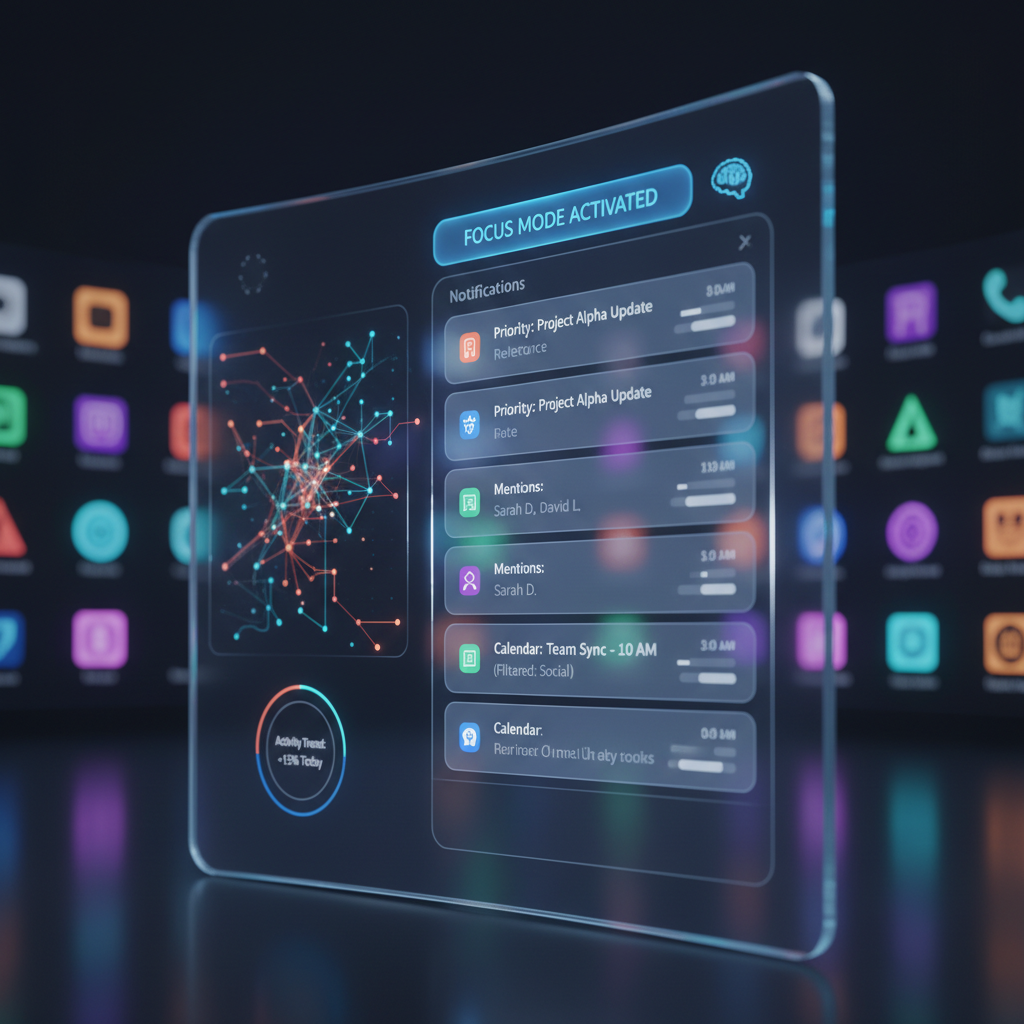
The true genius of Atlas Browser lies in its deeply integrated ChatGPT functionality, which is designed to be intuitive and always at your fingertips without ever feeling intrusive. This isn’t just an add-on; it’s a native component woven into the browser’s user interface, making AI assistance a natural part of your browsing experience. The integration typically manifests in several key ways, ensuring that you can leverage ChatGPT’s power precisely when and where you need it.
Firstly, you will often find a dedicated ChatGPT sidebar or panel that can be summoned with a simple click or keyboard shortcut. This sidebar provides a persistent chat interface where you can engage with the AI, ask questions, request content generation, or seek explanations regardless of the webpage you are currently viewing. This eliminates the need to switch between tabs or applications, keeping your focus firmly on the task at hand. You can copy text from the main browsing window and paste it directly into the sidebar, or even drag and drop elements for quick analysis.
Secondly, context-aware integration is a cornerstone of this seamless experience. Imagine highlighting a paragraph on a webpage. With Atlas, this action can trigger a small, unobtrusive pop-up menu that offers options like “Summarize with AI,” “Explain this concept,” “Translate,” or “Generate related ideas.” This contextual interaction is incredibly powerful, allowing you to get instant insights or assistance without breaking your flow. The AI understands the context of the content you are interacting with, providing more relevant and targeted responses.
Furthermore, Atlas Browser often incorporates dedicated buttons or commands within the browser’s toolbar or context menus. These might include a “Draft Email” button that opens the AI interface with an email template, a “Blog Post Idea” generator, or a “Social Media Caption” creator. These pre-defined prompts streamline common content creation tasks, reducing the time spent on initial ideation and drafting.
The integration is also typically designed to support various ChatGPT models, giving users flexibility. While GPT-3.5 might be sufficient for quick queries and basic content, advanced users or those requiring higher quality, more nuanced, or complex outputs can often switch to models like GPT-4 or even the latest GPT-4o, leveraging their superior reasoning and creative capabilities directly within the browser. This flexibility ensures that the AI assistance scales with your needs, from simple summaries to intricate problem-solving. This deep, multi-faceted integration fundamentally changes the interaction model with AI, moving it from an external tool to an intrinsic part of your digital workflow, truly empowering instant insights and effortless content creation.
Instant Insights: Real-time Information Retrieval
One of the most immediate and profound benefits of ChatGPT integration in Atlas Browser is its ability to provide instant insights and real-time information retrieval. In an age of information overload, the capacity to quickly distill, understand, and extract key data from vast amounts of content is invaluable. Atlas Browser, augmented by ChatGPT, makes this process not just possible, but effortlessly integrated into your browsing flow.
Summarizing Long Articles and Web Pages
Imagine facing a lengthy research paper, an extensive news article, or a detailed product review. Instead of spending precious minutes or even hours sifting through dense text, Atlas Browser allows you to select the content or even the entire page and, with a single command, have ChatGPT generate a concise summary. This is a game-changer for students needing to grasp key arguments, professionals needing to quickly understand market reports, or anyone trying to keep up with current events without getting bogged down in minutiae. The summaries can be customized, for instance, requesting a summary for a specific audience or focusing on particular aspects of the content.
Explaining Complex Concepts on the Fly
Encountering jargon or complex concepts is a common occurrence across various fields. Whether it is a technical term in a software documentation, a legal clause in a contract, or a scientific principle in an academic paper, understanding these nuances is crucial. With Atlas Browser’s ChatGPT integration, you can highlight any unfamiliar term or phrase and ask the AI to explain it in simple terms, provide examples, or even clarify its relationship to other concepts. This real-time explanatory power transforms the web into a personalized learning environment, eliminating the need to open new tabs for dictionary lookups or complex searches, thus maintaining your focus and accelerating your learning process.
Generating Quick Answers to Questions
Beyond summaries and explanations, the integrated AI can serve as an on-demand knowledge assistant. While browsing, if a question arises that is directly related to the content you are viewing or even a general knowledge query, you no longer need to navigate to a search engine. You can simply type your question into the ChatGPT sidebar or use a context menu option, and the AI will provide an immediate, relevant answer. This capability is invaluable for quick fact-checking, brainstorming related ideas, or exploring tangential topics without leaving your primary research page. For instance, a student researching historical events can instantly ask for a timeline of related occurrences or biographical details of a figure mentioned on the page.
These instant insight features empower users to consume information more efficiently, understand it more deeply, and make quicker, more informed decisions. It transforms passive browsing into an active, intelligent learning and processing experience, truly delivering on the promise of instant insights.
Revolutionizing Content Creation Workflows
Content creation, in all its forms, is often a demanding and time-consuming process, requiring significant ideation, drafting, and refinement. Atlas Browser’s ChatGPT integration revolutionizes this workflow by embedding powerful generative AI capabilities directly into your creative environment, turning tedious tasks into swift, collaborative processes. This changes how individuals approach writing, marketing, and communication.
Brainstorming Ideas Directly in the Browser
Writer’s block or the lack of fresh ideas can stall any creative project. With ChatGPT integrated into Atlas, brainstorming becomes an effortless exercise. While researching a topic, you can open the AI sidebar and prompt it for blog post ideas, social media campaign angles, or even creative writing prompts based on the content of the webpage you are currently viewing. The AI can generate lists of headlines, different perspectives, or keyword suggestions, acting as an infinite wellspring of inspiration, all within the same browser window. This immediate access to ideation keeps your creative momentum flowing, preventing interruptions and fostering continuous innovation.
Drafting Emails, Social Media Posts, and Blog Outlines
The heavy lifting of drafting various forms of content can now be significantly offloaded to AI. Need to send a professional email but struggling with the perfect opening line or call to action? ChatGPT can draft the entire email, or sections of it, based on your input. Crafting engaging social media posts for different platforms? The AI can generate multiple versions tailored to Twitter’s brevity, Instagram’s visual focus, or LinkedIn’s professional tone. For longer content like blog posts, essays, or reports, ChatGPT can create detailed outlines, suggesting section headings, sub-points, and key arguments, providing a solid structure to build upon, saving hours of initial planning.
Rewriting and Rephrasing Content for Different Tones or Audiences
Effective communication often requires adapting your message to suit specific audiences or desired tones. A piece of technical documentation might need to be rephrased for a non-technical audience, or a formal announcement transformed into a casual social media update. ChatGPT in Atlas can effortlessly handle these transformations. You can input existing text and instruct the AI to “rewrite this for a younger audience,” “make this sound more professional,” “simplify this paragraph,” or “expand on this point.” This capability is invaluable for marketers, educators, and anyone who needs to communicate effectively across diverse demographics and contexts, ensuring your message always hits the mark.
Overcoming Writer’s Block and Boosting Productivity
Ultimately, the AI integration acts as a constant companion, helping to overcome common creative hurdles. When words do not flow, a quick prompt to ChatGPT can provide a starting sentence, a fresh perspective, or a different way to phrase an idea, breaking the cycle of procrastination. By automating the more repetitive or challenging aspects of content creation, users can dedicate more time to strategic thinking, critical analysis, and refining their unique voice, significantly boosting overall productivity and enabling a higher volume of quality output. This seamless blend of human creativity and AI assistance truly revolutionizes the content creation landscape, making it more accessible and efficient than ever before.
Enhanced Research and Learning Capabilities
Beyond immediate insights and content generation, Atlas Browser’s ChatGPT integration profoundly enhances research and learning capabilities, transforming the browser into an intelligent academic and professional assistant. This is particularly beneficial for students, researchers, lifelong learners, and professionals who regularly engage with complex information.
Cross-referencing Information Without Leaving the Page
Traditional research often involves juggling multiple tabs, opening new search queries to verify facts, or consulting different sources. This fragmented process can disrupt focus and consume valuable time. With ChatGPT integrated into Atlas, you can cross-reference information seamlessly. While reading an article, you can highlight a claim or a statistic and ask the AI to “verify this information,” “find supporting evidence,” or “provide alternative perspectives.” The AI can swiftly access its vast knowledge base to offer relevant data, often providing direct links or summaries of findings from other reputable sources, all within the same browsing environment. This instant verification and supplementary information capability ensures accuracy and depth in your research, making the process significantly more efficient.
Translating Text and Explaining Jargon
The global nature of the internet means encountering content in different languages or fields laden with specific jargon is commonplace. ChatGPT’s multilingual capabilities allow for instant translation of selected text, paragraphs, or even entire web pages, bridging language barriers effortlessly. Furthermore, as previously mentioned, its ability to explain complex jargon, technical terms, or obscure acronyms on the fly is a boon for learners. Whether it is a medical term in a health report, a legal concept in a policy document, or a philosophical idea in an academic paper, the AI can break down these complexities into digestible explanations, complete with examples, ensuring full comprehension without constant context switching.
Creating Study Notes or Summaries from Academic Papers
For students and academics, digesting lengthy research papers and textbooks is a core activity. ChatGPT can automate and enhance this process significantly. After reading a section of an academic paper, you can prompt the AI to “create concise study notes for this section,” “extract the main arguments,” or “identify key findings and methodologies.” The AI can generate structured summaries, bulleted lists of important points, or even flashcards based on the content, aiding in retention and revision. This transforms the tedious task of note-taking into an efficient, AI-assisted process, allowing more time for critical thinking and analysis rather than manual summarization.
Personalized Learning Experiences
The integrated AI can also tailor learning experiences. Based on your interactions, questions, and the type of content you consume, ChatGPT can potentially offer personalized recommendations for further reading, suggest related topics to explore, or even generate quizzes to test your understanding of the material. This adaptive learning approach ensures that your journey of knowledge acquisition is not only efficient but also customized to your individual pace and interests, making Atlas Browser an indispensable tool for continuous learning and academic success.
Security and Privacy Considerations with AI Integration
As with any powerful technology, especially one that processes vast amounts of information, security and privacy are paramount concerns when integrating AI like ChatGPT into a browser. Atlas Browser, in partnership with its AI providers, typically addresses these concerns through transparent policies and user-centric controls. It is crucial for users to understand how their data is handled to ensure a secure and private browsing experience.
Understanding Data Handling and Anonymization
When you interact with ChatGPT within Atlas Browser, your queries and the context you provide (e.g., selected text from a webpage) are sent to the AI model’s servers for processing. Reputable AI providers like OpenAI, which powers ChatGPT, generally have stringent data privacy policies. They typically state that data submitted through API access (which many browser integrations utilize) is not used to train their models by default, helping to protect user privacy. For consumer-facing products, there might be options to opt-out of data usage for model improvement. Atlas Browser’s responsibility is to ensure that the data transmission channels are secure and encrypted, protecting your information from interception.
User Controls and Settings for Privacy
A well-designed AI integration, such as the one in Atlas Browser, should always offer users granular control over their privacy settings. This might include:
- Opt-in/Opt-out Features: The ability to easily enable or disable the ChatGPT integration, ensuring that AI processing only occurs when you explicitly allow it.
- Data Retention Policies: Clear information on how long your interaction history with the AI is stored and options to delete your chat history at any time.
- Context Sharing Preferences: Controls that allow you to specify whether the AI can access the full context of your current webpage or only the text you explicitly select and submit. This prevents unintended sharing of sensitive information.
- Anonymization Options: Features that can help anonymize your data before it is sent to the AI service, further safeguarding your identity.
It is always advisable for users to review the privacy policies of both Atlas Browser and the underlying AI service provider (e.g., OpenAI) to fully understand their data practices.
Distinguishing Between Browser Data and AI Interaction Data
It is important to differentiate between your general browsing data (history, cookies, site data, etc., which are managed by the browser itself) and the specific data exchanged during your interactions with ChatGPT. While Atlas Browser provides its own security and privacy features for your browsing activities, the AI interactions are governed by the policies of the AI service. Ensuring that the integration respects these boundaries and gives users clear visibility into what data is being shared with the AI is crucial for maintaining trust and ensuring a secure, private, and empowering user experience.
The Future Landscape: Beyond Today’s Integration
The current integration of ChatGPT within Atlas Browser is just the beginning of a transformative journey. The rapid pace of AI development suggests that the capabilities we see today will only grow more sophisticated, predictive, and seamless in the near future. The future landscape of AI-integrated browsers promises an even deeper level of intelligence, personalization, and proactive assistance, further blurring the lines between user intent and digital execution.
Enhanced Personalization and Proactive Assistance
Imagine an Atlas Browser that, over time, learns your specific work patterns, research interests, and content creation style. Future iterations of AI integration could offer highly personalized assistance, proactively suggesting relevant information before you even ask, identifying potential research gaps, or even drafting content variations in your unique voice. This goes beyond simple prompt-response; it moves towards an AI companion that anticipates your needs and streamlines your workflow with an almost intuitive understanding of your tasks. For example, if you frequently research a particular topic, the browser might automatically highlight key entities on new pages related to that topic or offer to summarize newly opened articles that align with your ongoing projects.
Multimodal AI and Richer Interactions
Today’s ChatGPT primarily works with text. However, the frontier of AI is rapidly expanding into multimodal capabilities, meaning AI that can understand and generate content across different modalities: text, images, audio, and video. The future Atlas Browser could integrate AI that allows you to:
- Analyze Images: Upload an image and ask the AI to describe its contents, identify objects, or even generate alternative versions.
- Interact with Video: Summarize video content, extract key moments, or answer questions about a lecture or documentary playing in your browser.
- Voice Commands and Output: Engage with the AI using natural language voice commands and receive verbal responses, making hands-free interaction a reality.
- Generate Visuals: Create simple graphics, charts, or even entire image compositions based on textual prompts directly within the browser, assisting designers and marketers instantly.
This multimodal integration would open up entirely new avenues for creativity, research, and communication, making the browser an all-encompassing creative studio and analytical workbench.
Smarter Contextual Understanding and Automation
Current AI integrations are powerful but often require explicit user prompts. Future versions could feature much smarter contextual understanding, allowing the AI to infer user intent more accurately. This could lead to more automated workflows, such as:
- Automatically drafting meeting summaries after a video call within the browser.
- Suggesting relevant academic papers when you are reading a particular research article, even before you highlight anything.
- Optimizing web content for SEO or readability as you type, providing real-time suggestions.
- Managing complex project tasks by breaking them down and offering resources or drafting communications, all within the browser’s environment.
The evolution of Atlas Browser with increasingly sophisticated AI integration points towards a future where the browser is not just a tool, but an intelligent, adaptive partner that proactively empowers you to achieve unprecedented levels of productivity and creativity, making every digital interaction more efficient and insightful.
Comparison Tables
Table 1: Atlas Browser with ChatGPT vs. Traditional Browser + Separate ChatGPT Tab/App
| Feature Category | Atlas Browser with ChatGPT Integration | Traditional Browser + Separate ChatGPT Tab/App |
|---|---|---|
| Integration Level | Native, deep integration; AI functions as part of browser UI (sidebar, context menus). | External; AI runs in a separate tab or application; requires context switching. |
| Efficiency & Workflow | Seamless, uninterrupted workflow; instant access to AI with context awareness. Minimal disruption. | Fragmented workflow; requires copying, pasting, and switching between interfaces, leading to delays. |
| Contextual Assistance | AI understands webpage context (highlighted text, entire page) for more relevant responses. | AI receives only explicit text input; lacks inherent understanding of the broader webpage content. |
| Resource Management | Optimized performance; AI processing is integrated efficiently without significant browser slowdown. | Separate tab/app consumes additional system resources, potentially slowing down the browser. |
| User Experience | Intuitive and integrated, reducing cognitive load. Feels like an intelligent co-pilot. | Can feel clunky and disjointed; requires conscious effort to manage multiple interfaces. |
| Content Creation Speed | Significantly faster due to in-browser ideation, drafting, and rewriting. | Slower due to manual transfer of content between browser and AI. |
| Learning Curve | Generally low, as AI tools are presented intuitively within the familiar browser environment. | Slightly higher, as users need to manage two distinct tools and their interaction. |
Table 2: Content Creation Workflow: Before vs. After Atlas ChatGPT Integration
| Workflow Stage | Before Atlas ChatGPT Integration | After Atlas ChatGPT Integration | Impact on Productivity |
|---|---|---|---|
| Ideation/Brainstorming | Manual thinking, external tools, or searching for ideas; prone to writer’s block. | Instantaneous generation of ideas, outlines, headlines directly from webpage context. |
Massive Time Savings: Overcomes block, generates diverse ideas quickly. |
| Research & Information Gathering | Multiple tabs, manual summarization, cross-referencing in separate searches. | Real-time summarization, concept explanation, instant cross-referencing on the page. |
Enhanced Efficiency: Deeper understanding, faster information synthesis. |
| Drafting Content | Starting from scratch, struggling with initial sentences, sentence structure. | AI-assisted drafting of emails, social posts, initial paragraphs, or full outlines. |
Accelerated Production: Reduces initial effort, provides strong starting points. |
| Rewriting & Refinement | Manual editing, multiple revisions, seeking peer review for tone/clarity. | AI-powered rewriting for different tones, audiences, simplification, or expansion. |
Improved Quality & Speed: Tailors content quickly, maintains consistent tone. |
| Translation & Localization | Using separate translation services or tools, potential context loss. | In-browser translation with contextual awareness, maintaining flow and accuracy. |
Seamless Global Communication: Breaks language barriers instantly. |
| Focus & Concentration | Frequent context switching, distractions from separate apps/tabs. | Single-interface interaction, maintaining deep focus on the task at hand. |
Sustained Flow State: Minimizes interruptions, boosts concentration. |
Practical Examples: Real-world Use Cases and Scenarios
To truly appreciate the power of ChatGPT integration within Atlas Browser, let’s explore some real-world scenarios across different professions and daily tasks. These examples highlight how the seamless AI assistance can transform everyday workflows and unlock unprecedented levels of productivity.
Case Study 1: The Freelance Writer
Maria is a freelance writer specializing in technology blogs and articles. Her typical day involves extensive research, brainstorming topics, drafting content, and often rewriting pieces for different client tones. Before Atlas Browser, she would have multiple tabs open: one for research, another for Google Docs, and a third for the ChatGPT website. When researching a new article on AI ethics, she would read through several academic papers, painstakingly taking notes and summarizing key points manually.
With Atlas Browser: While browsing a dense research paper, Maria highlights a complex paragraph on “algorithmic bias” and uses the context menu to “Explain this concept in simple terms.” ChatGPT instantly provides a clear, concise explanation. As she finishes reading, she selects the entire article and asks ChatGPT to “Summarize the key arguments and findings in bullet points.” This saves her hours of manual summarization. Later, when brainstorming headlines for her blog post, she prompts the AI, “Generate 10 catchy blog post titles about AI ethics for a general audience,” and gets immediate, creative suggestions. When drafting her article, she inputs her initial thoughts and asks the AI to “Expand on this idea, adopting a cautionary yet informative tone.” This accelerates her drafting process significantly, allowing her to focus more on her unique voice and critical analysis, ultimately increasing her output and client satisfaction.
Case Study 2: The Student Researcher
David is a university student working on a complex history thesis. He spends hours sifting through historical documents, academic journals, and archives. Understanding different interpretations and cross-referencing facts is critical but often time-consuming, requiring constant switching between sources and search engines.
With Atlas Browser: David opens a historical document in Atlas. He encounters an archaic term he does not understand, so he highlights it and asks ChatGPT to “Define this term and provide its historical context.” The AI instantly provides the necessary information. Later, while reading a scholarly article, he sees a claim about a historical event. He highlights the claim and asks, “Find two alternative historical interpretations of this event.” ChatGPT quickly provides summaries of different viewpoints and potential sources, all within the browser, without him having to open new search queries. He also uses the AI to “Create flashcards based on this chapter” of his textbook, helping him prepare for exams more efficiently. The integrated AI transforms his research from a fragmented, tab-juggling exercise into a streamlined, deeply focused, and highly productive learning journey.
Case Study 3: The Digital Marketer
Sarah is a digital marketer responsible for managing social media campaigns, email newsletters, and ad copy for several clients. Generating fresh, engaging content tailored to different platforms and audiences is a constant challenge, often leading to creative blocks and tight deadlines.
With Atlas Browser: While researching trending topics for a new campaign, Sarah opens a news article in Atlas. She prompts ChatGPT, “Generate 5 Twitter thread ideas based on this article,” and immediately receives creative angles. For an email newsletter, she drafts a few bullet points and asks the AI to “Write a compelling email subject line and three body paragraphs for a product launch, using an enthusiastic and benefit-driven tone.” The AI generates high-quality drafts, which she then fine-tunes. She also uses it to “Rewrite this ad copy for Instagram, focusing on visual appeal and concise language” and “Suggest relevant hashtags for this post.” This integrated assistance allows Sarah to generate a high volume of diverse content quickly, maintain brand consistency across platforms, and focus her strategic efforts on campaign performance and analytics, rather than getting bogged down in repetitive drafting.
Case Study 4: The Developer
Michael is a software developer who frequently needs to understand new codebases, debug issues, and write documentation. He often finds himself searching for explanations of functions or best practices, which can disrupt his coding flow.
With Atlas Browser: While reviewing a pull request or exploring an open-source library on GitHub, Michael encounters an unfamiliar code snippet. He highlights the code and uses the Atlas integration to ask ChatGPT, “Explain what this Python function does and provide a simple example of its usage.” The AI immediately breaks down the function and gives a practical illustration. When he needs to quickly draft documentation for a new API endpoint, he provides a brief description to the AI and asks it to “Generate an API documentation template for this endpoint, including example requests and responses.” This saves him significant time on boilerplate writing. Furthermore, if he encounters a complex error message, he can paste it into the ChatGPT sidebar and ask for “Possible causes and debugging steps,” getting instant, actionable insights without switching to a separate IDE or documentation portal. This integration keeps Michael focused on his coding tasks, enhancing both his productivity and learning curve.
These examples illustrate how Atlas Browser, with its seamless ChatGPT integration, is not just a tool but a transformative partner that amplifies human potential across various domains, turning challenges into opportunities for efficiency and innovation.
Frequently Asked Questions
Q: What is Atlas Browser?
A: Atlas Browser is a modern web browser designed with a strong emphasis on productivity, speed, and user experience. It differentiates itself by offering a lean, efficient browsing environment coupled with advanced features, most notably its deep, native integration with artificial intelligence models like ChatGPT. It aims to reduce digital clutter and enhance user focus, making browsing and content creation more seamless.
Q: How is ChatGPT integrated into Atlas Browser?
A: ChatGPT is integrated directly into the core functionality of Atlas Browser, not merely as an extension. This means you can access AI capabilities through a dedicated sidebar, context menus (by highlighting text), or specific buttons within the browser interface. This native integration allows for context-aware assistance, meaning the AI can understand and interact with the content of the webpage you are viewing without you having to manually copy-paste information.
Q: Do I need a separate ChatGPT subscription to use it in Atlas Browser?
A: This often depends on the specific implementation by Atlas Browser. Some integrations might offer a basic level of ChatGPT access for free, while advanced features or access to premium models like GPT-4 might require you to link your existing OpenAI ChatGPT Plus subscription or subscribe to a premium tier offered by Atlas Browser itself. It is best to check the official Atlas Browser documentation or pricing page for the most accurate and up-to-date information regarding subscription requirements.
Q: What specific tasks can ChatGPT in Atlas Browser help with?
A: ChatGPT in Atlas Browser can assist with a wide range of tasks, including but not limited to:
- Summarizing long articles, web pages, or documents.
- Explaining complex concepts, jargon, or technical terms on the fly.
- Generating ideas, outlines, headlines, and creative prompts for content.
- Drafting emails, social media posts, ad copy, and other written content.
- Rewriting and rephrasing text for different tones, audiences, or purposes.
- Translating selected text or entire pages into different languages.
- Answering general knowledge questions or providing quick facts.
- Cross-referencing information and finding supporting evidence.
- Creating study notes or extracting key information from academic papers.
Q: Is my data secure when using ChatGPT in Atlas Browser?
A: Reputable browser and AI providers prioritize user security and privacy. Atlas Browser typically ensures secure, encrypted channels for transmitting your data to the AI service. The AI service provider (e.g., OpenAI) generally has its own privacy policies regarding how data is used and stored. For API-based integrations, data submitted is often not used to train the AI models by default. Users usually have controls to manage their data, such as deleting chat history or opting out of certain data uses. It is always recommended to review the privacy policies of both Atlas Browser and the AI provider for complete transparency.
Q: Can I choose different ChatGPT models (e.g., GPT-3.5, GPT-4) within Atlas?
A: Yes, many advanced integrations, including that within Atlas Browser, offer the flexibility to choose between different ChatGPT models. This allows users to select the appropriate model for their task, from faster, more cost-effective models like GPT-3.5 for quick queries to more advanced, capable models like GPT-4 or GPT-4o for complex reasoning, creative writing, or nuanced understanding. Availability often depends on your subscription level or the specific configuration of the integration.
Q: How does this differ from standard browser extensions that integrate ChatGPT?
A: While browser extensions offer some AI capabilities, Atlas Browser’s integration is typically native and deeper. This means:
- Seamlessness: Native integration is often smoother, faster, and more integrated into the browser’s UI, reducing friction.
- Performance: It usually avoids the performance overhead often associated with third-party extensions.
- Context Awareness: Native integrations can have a deeper understanding of the entire page content and browser state for more relevant assistance.
- Reliability: Being part of the browser’s core, it tends to be more stable and less prone to conflicts with other extensions or browser updates.
It offers a more cohesive and optimized AI-powered browsing experience compared to external add-ons.
Q: Are there any costs associated with using ChatGPT in Atlas Browser?
A: The cost structure can vary. Atlas Browser itself might be free or have a premium version. For ChatGPT integration, some basic functionality might be free, while access to advanced models (like GPT-4) or higher usage limits typically requires a subscription, either directly to OpenAI (e.g., ChatGPT Plus) or through a premium offering from Atlas Browser. Check Atlas Browser’s official website for detailed pricing plans and features.
Q: What are the system requirements for Atlas Browser?
A: As a modern browser, Atlas Browser generally requires a contemporary operating system (Windows, macOS, Linux) and sufficient RAM and processing power for smooth operation. While it is optimized for efficiency, running multiple tabs and the integrated AI will still benefit from a more capable system. Specific requirements are usually listed on the official Atlas Browser download page, but generally, any computer capable of running a modern web browser effectively should handle Atlas without issues.
Q: Will this feature slow down my browsing experience?
A: Atlas Browser is designed with performance in mind. While AI processing requires computational resources, the native integration is optimized to minimize impact on your browsing speed. Unlike separate tabs or extensions that might consume significant resources, Atlas aims for efficient resource management. However, very heavy AI tasks on older or less powerful hardware might show some processing time. For most users and typical tasks, the integration is designed to be fast and responsive, enhancing rather than hindering the browsing experience.
Key Takeaways
- Seamless AI Integration: Atlas Browser natively embeds ChatGPT, offering a deeply integrated AI experience directly within the browsing interface, eliminating context switching.
- Unprecedented Productivity Boost: By combining a high-performance browser with AI, users can significantly accelerate research, content creation, and learning workflows.
- Instant Insights at Your Fingertips: Get immediate summaries of articles, explanations of complex concepts, and quick answers to questions without leaving the current webpage.
- Revolutionary Content Creation: Effortlessly brainstorm ideas, draft various content types (emails, social posts, blogs), and rewrite text for different tones and audiences.
- Enhanced Research and Learning: Cross-reference information, translate text, explain jargon, and generate study notes to deepen understanding and streamline academic work.
- Focus on Security and Privacy: The integration is designed with user controls for data management and adheres to strict privacy policies, ensuring a secure AI experience.
- Future-Proofing Your Browser: This integration is a glimpse into the future of browsing, promising more personalized, proactive, and multimodal AI assistance.
Conclusion
The digital age demands not just speed and access, but also intelligence and efficiency. With the seamless integration of ChatGPT, Atlas Browser emerges as a trailblazer, fundamentally redefining what a web browser can be. It is no longer just a window to the internet; it is an intelligent co-pilot, an on-demand research assistant, and a powerful content generation engine, all harmoniously integrated into a single, intuitive platform.
From instant insights that distill vast amounts of information in seconds to revolutionary content creation workflows that transform ideation and drafting into effortless processes, Atlas Browser is empowering users to achieve ultimate productivity. Students can learn faster, researchers can analyze deeper, writers can create more prolifically, and professionals across all fields can work smarter, not harder.
The journey into AI-integrated browsing has only just begun, and Atlas Browser is leading the charge, setting a new standard for how we interact with information and create content in the digital realm. By addressing key concerns like security and privacy, and by offering a truly integrated experience, Atlas is not just a tool; it is a gateway to a more efficient, intelligent, and productive digital life. We encourage you to experience this transformation firsthand. Embrace the future of browsing, unlock your full potential, and discover the unparalleled power of instant insights and content creation with ChatGPT integration in Atlas Browser.


















































































Leave a Reply