

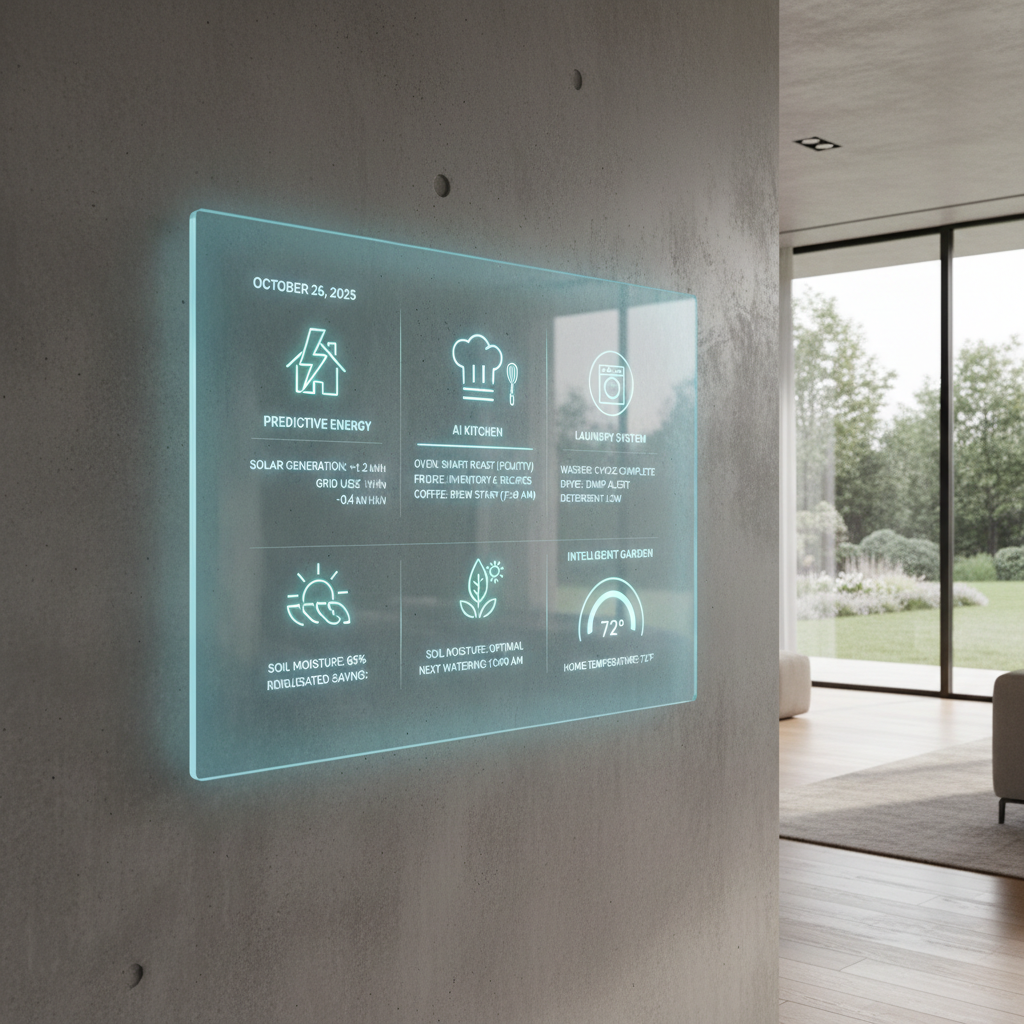
Simplifying Home Chores: AI Gadgets for a Smarter Household
For many, the mention of artificial intelligence in the home immediately conjures images of a simple robot vacuum diligently navigating around furniture. While these early pioneers of domestic automation undoubtedly brought convenience to countless households, they represent merely the tip of the iceberg. The realm of AI-powered home solutions has expanded exponentially, moving far beyond mere surface cleaning to encompass virtually every facet of daily living. We are now entering an era where AI doesn’t just perform tasks; it anticipates needs, learns preferences, and proactively manages our homes to create environments of unparalleled comfort, efficiency, and intelligence.
This comprehensive guide will take you on a journey into the sophisticated world of advanced AI solutions that are redefining household chores. From orchestrating gourmet meals in the kitchen to meticulously caring for your garden, from optimizing your laundry routine to providing predictive maintenance for your appliances, AI is no longer a futuristic concept but a present-day reality designed to simplify your life. Prepare to discover how these intelligent gadgets and systems are transforming homes into truly smarter, more responsive living spaces, freeing up your valuable time and mental energy for what truly matters.
Beyond Surface Cleaning: Deep Dive into AI-Powered Maintenance
While the robot vacuum paved the way, the next generation of AI-powered cleaning and maintenance solutions is far more ambitious. These devices don’t just sweep; they tackle complex, often tedious, and sometimes dangerous tasks with precision and autonomy, ensuring every corner of your home, both inside and out, remains pristine and well-maintained.
Autonomous Outdoor Maintenance: AI’s Green and Clean Thumb
Consider the AI lawnmower, which has evolved significantly. Modern models leverage GPS, boundary wire-free navigation, and sophisticated sensors (ultrasonic, LiDAR, vision-based) to understand the layout of your yard, identify obstacles like fallen branches or garden gnomes, and even detect grass growth patterns. They can adapt their mowing schedule and height based on weather forecasts, soil moisture levels, and the specific needs of your lawn, ensuring optimal health and appearance without any human intervention. Some can even return to their charging station autonomously when their battery is low or rain is detected, then resume work exactly where they left off.
Beyond the lawn, we have seen the emergence of robotic window cleaners. These devices, often adhering to glass surfaces via powerful suction, use AI algorithms to map window dimensions, detect dirt and streaks, and navigate efficiently to cover every inch. They employ specialized cleaning pads and sprays, ensuring a spotless finish, even on multi-story windows that would be otherwise difficult or hazardous to reach manually. Similarly, prototypes for autonomous gutter cleaning robots are being developed, designed to traverse gutters, identify blockages, and clear debris, preventing potential water damage to your home’s foundation and structure.
Indoor Air and Water Quality: Invisible Guardians
AI’s role extends to maintaining unseen aspects of your home environment. AI-powered air purifiers don’t just filter air; they continuously monitor indoor air quality, detecting specific pollutants like VOCs, allergens, and fine particulate matter. Using machine learning, they learn your household’s patterns, adjusting filtration levels proactively based on occupancy, cooking activities, or even pollen counts reported in your local area. They can also integrate with smart HVAC systems to optimize whole-home air circulation.
Similarly, smart water monitoring systems use AI to analyze water consumption patterns, detect subtle leaks before they become major problems, and even monitor water quality for impurities. These systems can alert homeowners to unusual usage, helping conserve water and prevent costly damage, or notify them if water filters need changing or if potential contaminants are present.
Predictive Maintenance for Appliances
One of the most valuable aspects of AI in home maintenance is its predictive capability. Modern appliances, from refrigerators to washing machines, are increasingly equipped with sensors that collect operational data. AI algorithms analyze this data to identify subtle anomalies that might indicate impending failures. Imagine your smart refrigerator alerting you that a compressor component is showing early signs of wear and tear, suggesting a preventative service call before it breaks down completely, saving you from a spoiled food disaster. This proactive approach minimizes downtime, extends appliance lifespan, and reduces unexpected repair costs, transforming reactive fixes into planned maintenance.
The AI Kitchen: From Meal Prep to Cleanup Automation
The kitchen, often considered the heart of the home, is undergoing a profound transformation with the integration of AI. These intelligent solutions aim to make cooking more enjoyable, efficient, and personalized, while also tackling the perennial chore of cleaning up.
Intelligent Cooking Appliances
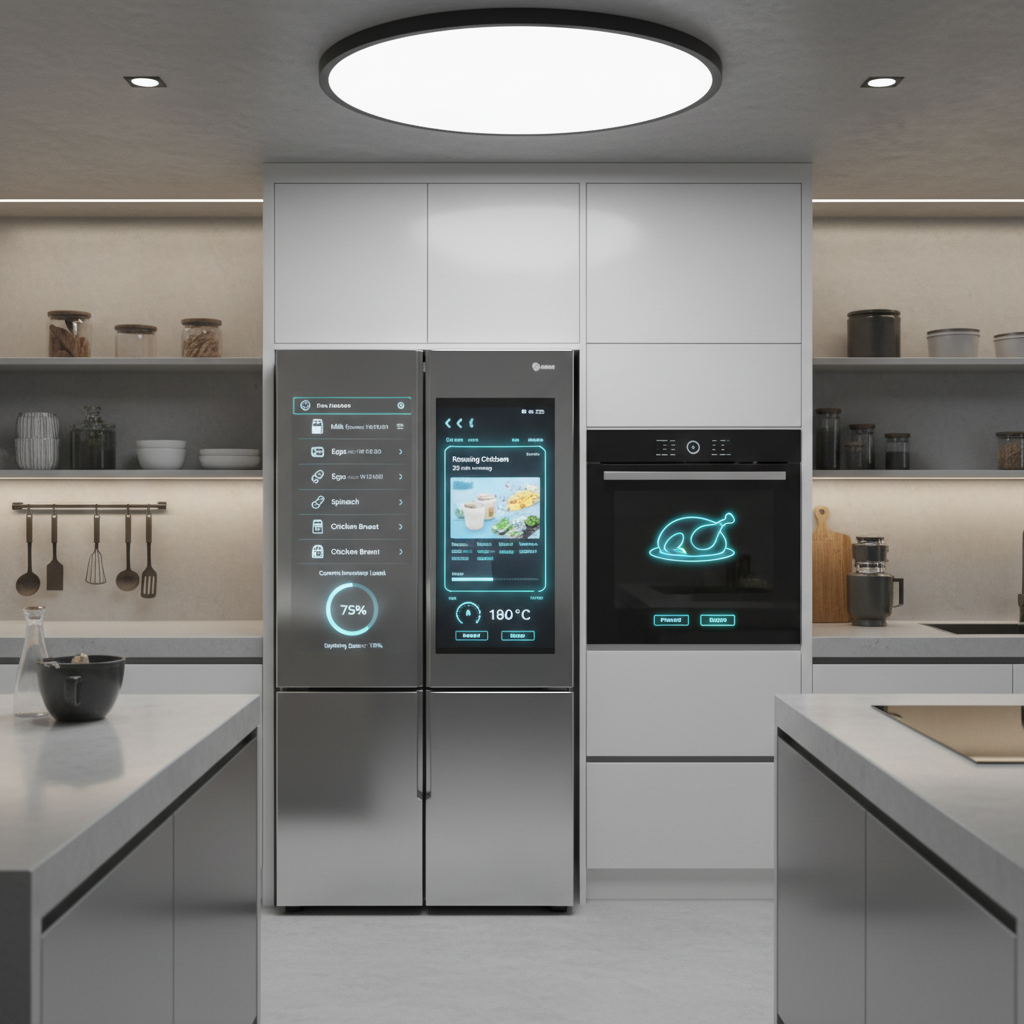
Gone are the days of manually adjusting temperatures and timers. AI-powered smart ovens are at the forefront of this revolution. Equipped with internal cameras and sophisticated sensors, these ovens can identify the type of food you’ve placed inside, estimate its weight, and then recommend or automatically apply the optimal cooking settings, temperature, and duration. Some models boast features like precision temperature control, ensuring perfect doneness every time, and even the ability to follow complex multi-step recipes from integrated platforms. Imagine placing a raw chicken into your oven, and it automatically selects the “roast chicken” program, adjusting for its size and ensuring it’s cooked to a safe internal temperature without you lifting a finger.
Beyond ovens, AI-assisted cooktops can maintain precise temperatures for simmering or frying, preventing scorching or overcooking. They can guide you through recipes step-by-step, displaying instructions and adjusting heat automatically. Smart food processors are also emerging, capable of recognizing ingredients and recommending appropriate blending or chopping settings.
Refrigerators That Manage Your Pantry
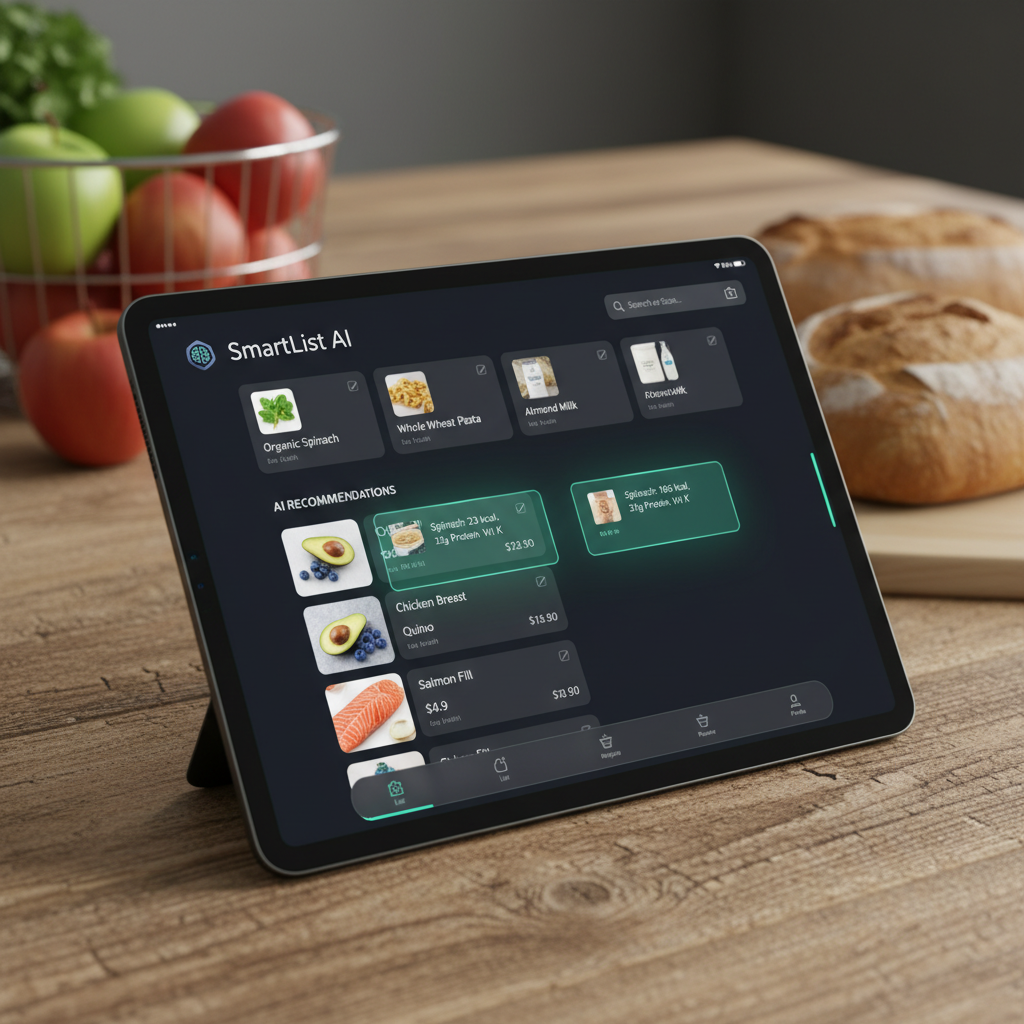
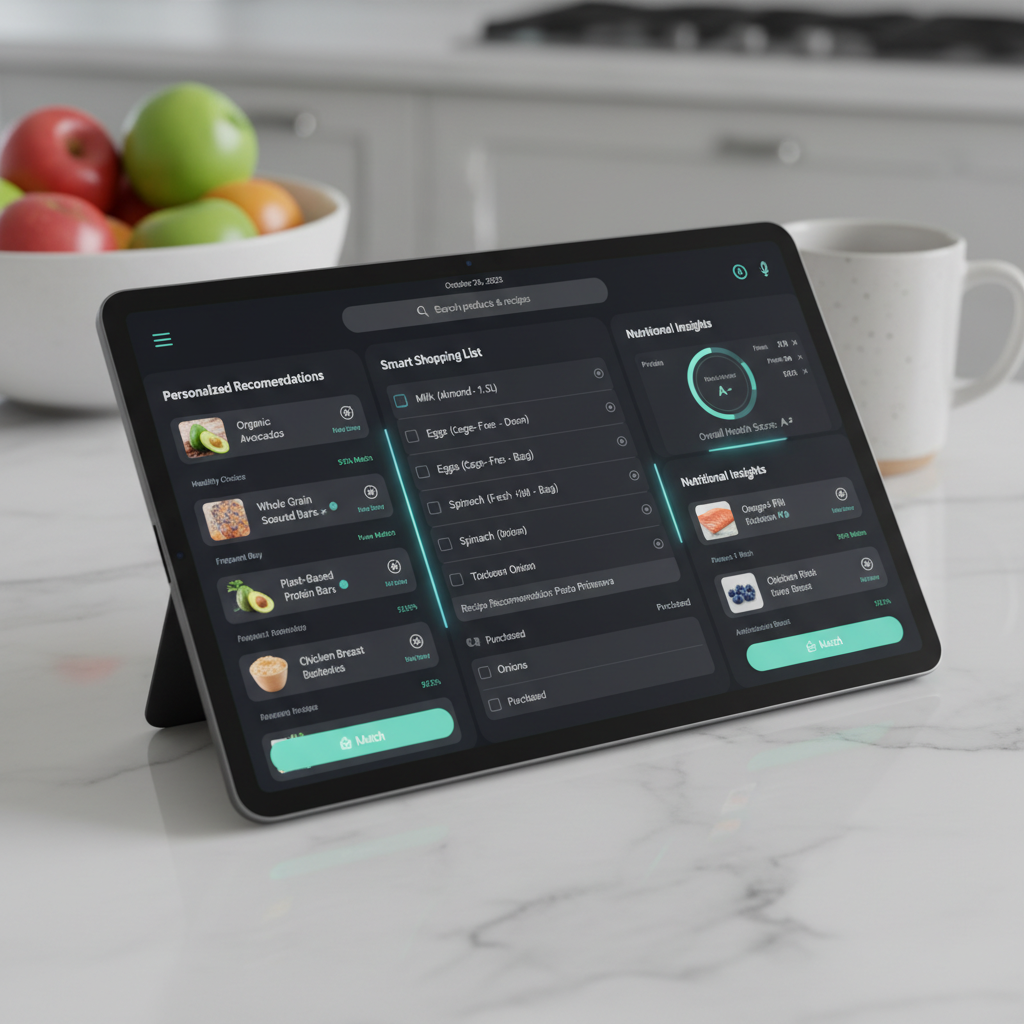
The humble refrigerator has evolved into a smart hub. AI-enabled refrigerators now feature internal cameras that allow you to view their contents remotely via your smartphone. More advanced models use computer vision to identify items, track their expiration dates, and even suggest recipes based on available ingredients. They can automatically generate shopping lists, order groceries directly from online retailers, and send alerts when specific items are running low. This significantly reduces food waste and streamlines meal planning, turning a passive storage unit into an active kitchen assistant.
Automated Dishwashing and Beyond
While fully autonomous dish loading and unloading robots are still largely in the prototype phase, AI is enhancing current dishwashing technology. Smart dishwashers use optical sensors to detect the level of soiling on dishes, then adjust water temperature, detergent usage, and cycle length accordingly, optimizing cleaning performance while conserving resources. Some can even identify specific types of food residue and apply targeted cleaning protocols. Furthermore, the concept of AI-powered composting machines for organic waste is gaining traction. These devices rapidly break down food scraps, reducing household waste and generating nutrient-rich compost with minimal effort.
Personalized Nutrition and Meal Planning
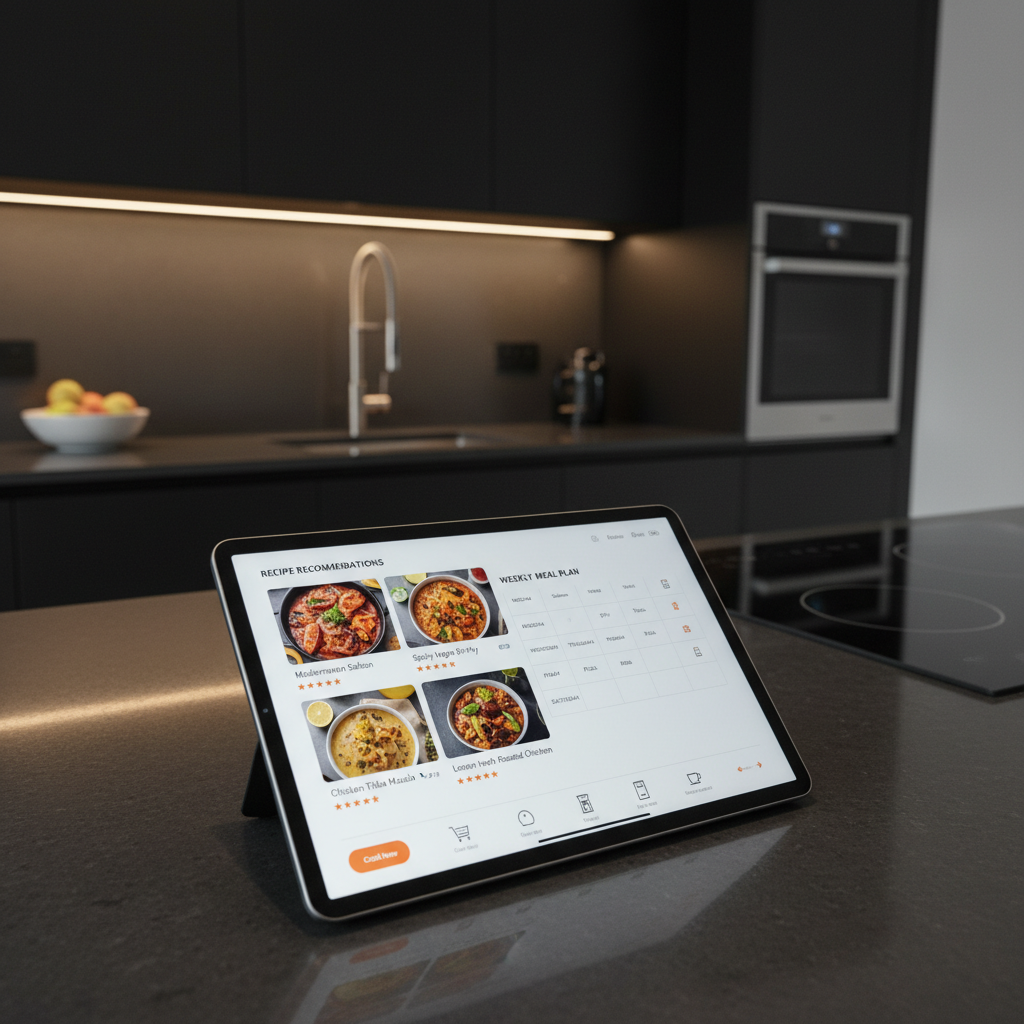
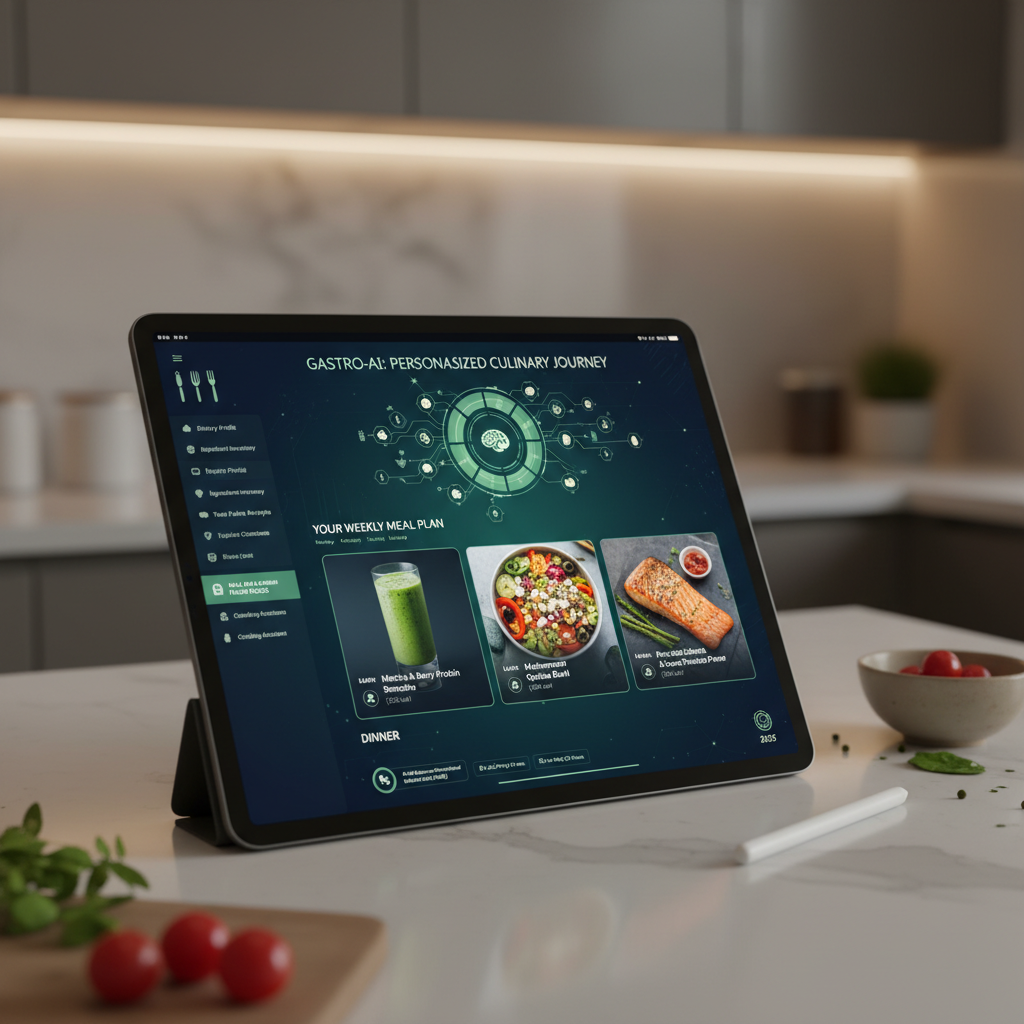
The AI kitchen extends to health and wellness. By integrating with wearables and health apps, AI systems can create personalized meal plans that align with your dietary goals, allergies, and nutritional needs. They can suggest healthy recipes, track your calorie intake, and even order specific ingredients to help you maintain a balanced diet. This level of personalization transforms the kitchen into a wellness partner, actively supporting your health objectives.
Personalized Home Management: Smart Assistants and Predictive AI
The evolution of smart home technology is increasingly defined by AI’s ability to create a truly personalized and anticipatory living environment. Beyond simple voice commands, today’s AI systems are learning, adapting, and proactively managing your home to enhance comfort, security, and efficiency.
Intelligent Voice Assistants: Beyond Basic Commands
Modern voice assistants (like Amazon Alexa, Google Assistant, Apple Siri) are no longer just question-answering machines or command processors. They are evolving into sophisticated AI home managers. Through continuous learning from your habits, preferences, and interactions, they can anticipate your needs. For instance, if you routinely dim the lights and play calming music at 9 PM, the AI can suggest or automatically initiate this “evening routine.” If your schedule changes, it learns and adapts. They can now engage in more natural, conversational interactions, understand context, and even differentiate between family members’ voices to provide personalized responses and execute specific instructions tailored to each individual.
AI Energy Management: Optimized for Efficiency
One of the most impactful applications of predictive AI in the home is intelligent energy management. Smart thermostats powered by AI go beyond simple programmable schedules. They learn your preferred temperatures and occupancy patterns, using external data like local weather forecasts, electricity tariffs, and even natural light levels. They can proactively adjust heating, ventilation, and air conditioning (HVAC) systems to maintain comfort while minimizing energy consumption. For example, if the AI knows you leave for work at 8 AM and return at 6 PM, it can adjust the thermostat to save energy during your absence and begin pre-cooling or pre-heating the house just before you arrive, ensuring a comfortable temperature as you walk in. Some systems can even integrate with solar panels and battery storage, optimizing energy usage based on real-time production and consumption.
Adaptive Smart Lighting and Ambiance Control
AI is transforming lighting from a simple utility into an integral part of home ambiance and well-being. AI-powered smart lighting systems can adapt not only to your presence but also to the time of day, natural light availability, and even your mood. Using occupancy sensors and scheduling, lights can turn on and off automatically. More advanced systems can adjust color temperature and brightness throughout the day to mimic natural circadian rhythms, promoting better sleep and increased alertness. They can also learn your preferences for different activities – a bright, cool light for reading, a warm, dim light for movie night – and apply them automatically or with a simple voice command.
Proactive Security and Safety
While security is covered more deeply elsewhere, it’s worth noting here that AI plays a crucial role in proactive home management by integrating with security systems. Beyond detecting intrusions, AI can analyze patterns in your daily life to detect anomalies. If you typically leave for work at 8 AM and your door remains open at 9 AM, the system can send an alert. If it detects unusual activity on your property at an unexpected time, it can trigger recording or alert you, differentiating between a delivery driver and a potential intruder. This proactive monitoring adds an extra layer of peace of mind.
Advanced Laundry Solutions: AI for Fabric Care and Efficiency
Laundry has long been a manual and often tedious chore. However, AI is stepping in to make the process not just easier, but also smarter, more efficient, and better for your clothes and the environment.
Intelligent Washing Machines: The Fabric Whisperer
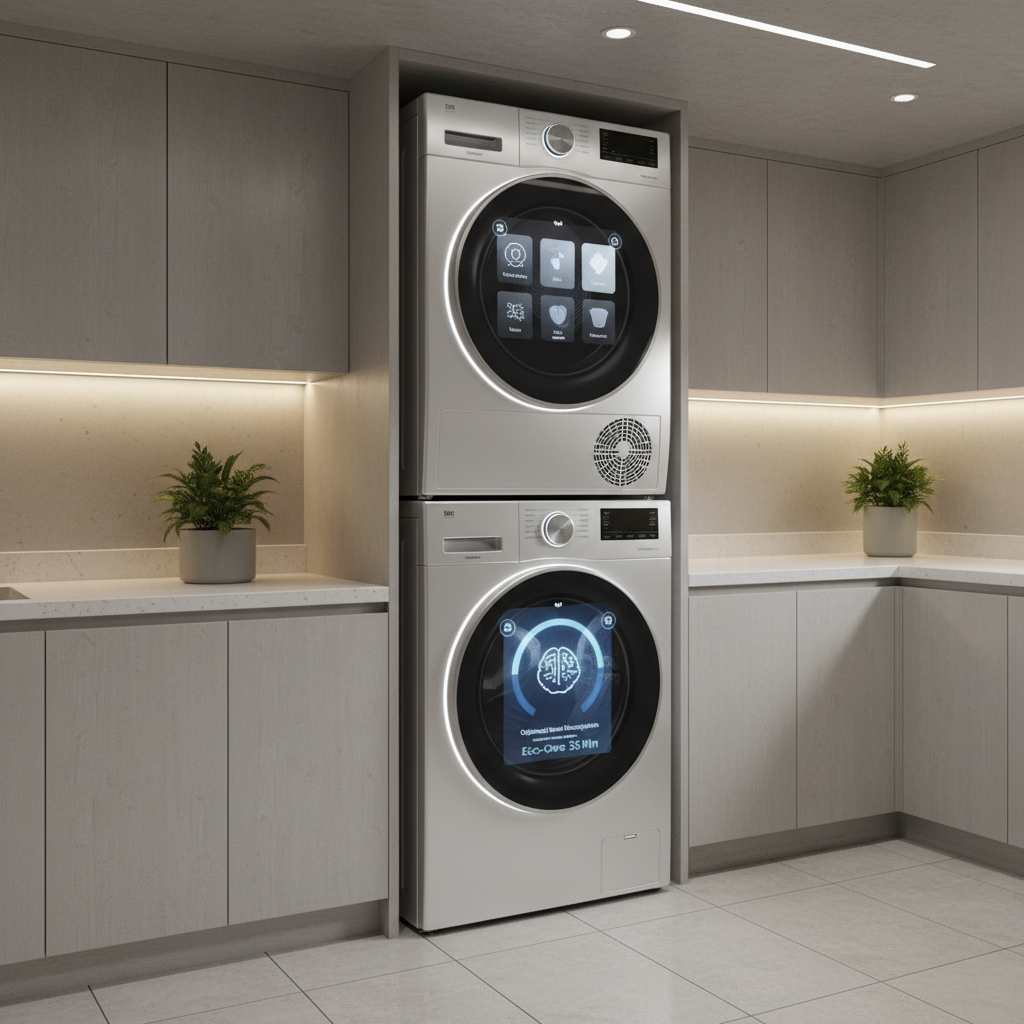
The latest generation of AI-powered washing machines is a far cry from their traditional counterparts. Equipped with advanced sensors, these machines can do much more than just spin water. They use AI to detect fabric types within the load, differentiating between cotton, synthetics, delicates, and even mixed loads. Further, optical sensors can assess the level of soiling and identify specific stains. Based on this analysis, the AI automatically selects the optimal wash cycle, water temperature, spin speed, and even the precise amount of detergent needed. This precision ensures clothes are cleaned effectively without damage, extending their lifespan and preventing issues like shrinking or color fading. Some models even feature integrated cameras that allow you to check on your laundry progress remotely.
- Fabric Recognition: AI algorithms analyze weight, texture, and other properties to identify garment materials.
- Soil Level Detection: Sensors measure turbidity of water and light reflection to gauge how dirty the clothes are.
- Optimal Cycle Selection: Automatically adjusts water temperature, agitation, rinse cycles, and spin speed for best results.
- Detergent Dispensing: Precise dosing based on load size and soil level, reducing waste and residue.
- Load Balancing: Detects uneven loads and redistributes clothes to prevent excessive vibration and noise.
Smart Dryers: Protecting Your Garments
AI-enabled dryers complement their washing machine counterparts by preventing common drying pitfalls. Using humidity sensors and temperature probes, these dryers can precisely detect the moisture content in your clothes and automatically adjust drying time and temperature. This prevents both under-drying (leaving clothes damp) and, more importantly, over-drying, which can lead to fabric damage, shrinkage, and excessive energy consumption. They can also recognize different fabric types and apply specific low-heat or delicate cycles when needed. Some AI dryers offer steam functions to de-wrinkle clothes, reducing the need for ironing, and can even integrate with your smart home system to alert you when a load is finished.
The Future: Automated Folding and Sorting
While still largely in the conceptual or advanced prototype stage, the ultimate dream for many is the fully automated laundry room. Researchers and innovators are working on robots capable of folding laundry. These complex machines use computer vision to identify garments, then employ robotic arms and sophisticated algorithms to fold them neatly. While commercial availability is limited, these developments point to a future where you could simply toss your clean, dry clothes into a machine, and have them returned perfectly folded and perhaps even sorted by owner or type. Imagine a robot sorting socks – a task many humans dread!
Resource Optimization and Sustainability
Beyond convenience, AI in laundry solutions brings significant environmental benefits. By optimizing water, detergent, and energy usage for each load, these intelligent machines drastically reduce waste. This not only lowers utility bills for homeowners but also contributes to greater sustainability, aligning with growing consumer demand for eco-friendly appliances. Predictive maintenance features also extend the lifespan of these appliances, further reducing their environmental footprint.
Gardening and Outdoor Chores: AI’s Green Thumb
The chores associated with maintaining a vibrant garden and pristine outdoor space can be demanding. AI is now offering innovative solutions that transform these tasks, making them easier, more efficient, and even more enjoyable, regardless of your gardening expertise.
Robotic Gardeners: Precision and Autonomy
We’ve discussed AI lawnmowers, but the concept of robotic gardeners is expanding far beyond just cutting grass. These advanced machines are equipped with an array of sensors, computer vision, and machine learning capabilities to tend to various aspects of your garden. Imagine a robot that can:
- Weeding: Using image recognition to differentiate between desirable plants and weeds, precisely removing the latter with minimal disturbance to the soil or surrounding flora.
- Planting: Some prototypes are capable of autonomously planting seeds or small seedlings in designated areas based on a pre-programmed garden design.
- Harvesting: For small-scale vegetable gardens, AI robots are being developed to identify ripe produce and carefully harvest it, preventing spoilage and ensuring optimal freshness.
- Pest and Disease Detection: Through visual analysis, these robots can identify early signs of plant diseases or pest infestations, alerting the homeowner or even applying targeted organic treatments automatically.
These devices can traverse garden beds, navigate around obstacles, and operate continuously, ensuring your garden remains healthy and vibrant with minimal human effort.
Smart Irrigation Systems: Water When and Where It’s Needed
Watering is a critical component of garden care, and AI is revolutionizing its efficiency. AI-powered smart irrigation systems go far beyond simple timers. They integrate hyper-local weather data, real-time soil moisture sensors, plant type requirements, and even slope analysis of your yard. The AI algorithms then calculate the precise amount of water needed for each zone of your garden, only activating irrigation when necessary. This prevents overwatering, conserves significant amounts of water (and money), and ensures your plants receive optimal hydration. If rain is predicted, the system automatically delays watering. If a specific plant bed has drier soil due to sun exposure, it can be individually targeted.
Intelligent Pest Detection and Deterrents
Pests can wreak havoc on a garden. AI-powered pest detection systems use cameras and machine learning to identify specific pests invading your garden or even early signs of damage. Upon detection, these systems can trigger targeted, non-toxic deterrents, such as ultrasonic sound waves, specific light frequencies, or even small bursts of water, to ward off unwanted visitors without resorting to harmful chemical pesticides. This proactive, intelligent approach protects your plants and maintains an organic, healthy environment.
Automated Composting and Soil Health Monitoring
Beyond planting and watering, AI can contribute to the overall health of your garden from the ground up. AI-powered soil analysis sensors can continuously monitor nutrient levels, pH, and organic matter in different parts of your garden. The AI can then recommend specific amendments or fertilizers tailored to your plants’ needs. Furthermore, the integration with indoor AI composting machines (as mentioned in the kitchen section) allows for a seamless cycle of converting household organic waste into nutrient-rich compost that can then be used to enrich your garden soil, creating a truly circular, sustainable system for outdoor maintenance.
Security and Safety: Proactive AI Protection
While traditional security systems react to events, AI-powered solutions offer proactive and intelligent protection, learning your home’s patterns to distinguish between normal activity and genuine threats, significantly enhancing peace of mind.
Intelligent Surveillance Systems with Anomaly Detection
AI-powered security cameras are far more sophisticated than their motion-detecting predecessors. They employ advanced computer vision algorithms to not just detect movement, but to understand what is moving. They can differentiate between pets, passing cars, delivery personnel, and potential intruders. This significantly reduces false alarms, ensuring you only receive critical notifications. More advanced systems can identify unusual behaviors, like someone loitering for an extended period, or even detect changes in facial expressions that might indicate distress. Some can even identify packages left at your door and notify you of their arrival, distinguishing them from a casual passerby. This intelligence transforms security from mere recording to active, contextual awareness.
Smart Locks with Advanced Biometrics and Predictive Access
AI-enabled smart locks offer multiple layers of security and convenience. Beyond fingerprint or PIN access, many now incorporate facial recognition technology for keyless entry, ensuring only authorized individuals can enter. These systems can learn and adapt, becoming more accurate over time. Furthermore, AI can integrate with your smart home schedule, automatically locking doors at certain times or when everyone has left the house (detected via presence sensors or smartphone GPS). Guest access can be managed with temporary, time-limited digital keys, and the AI can monitor for unusual access attempts, alerting you to potential breaches.
Environmental Sensors with Predictive Capabilities
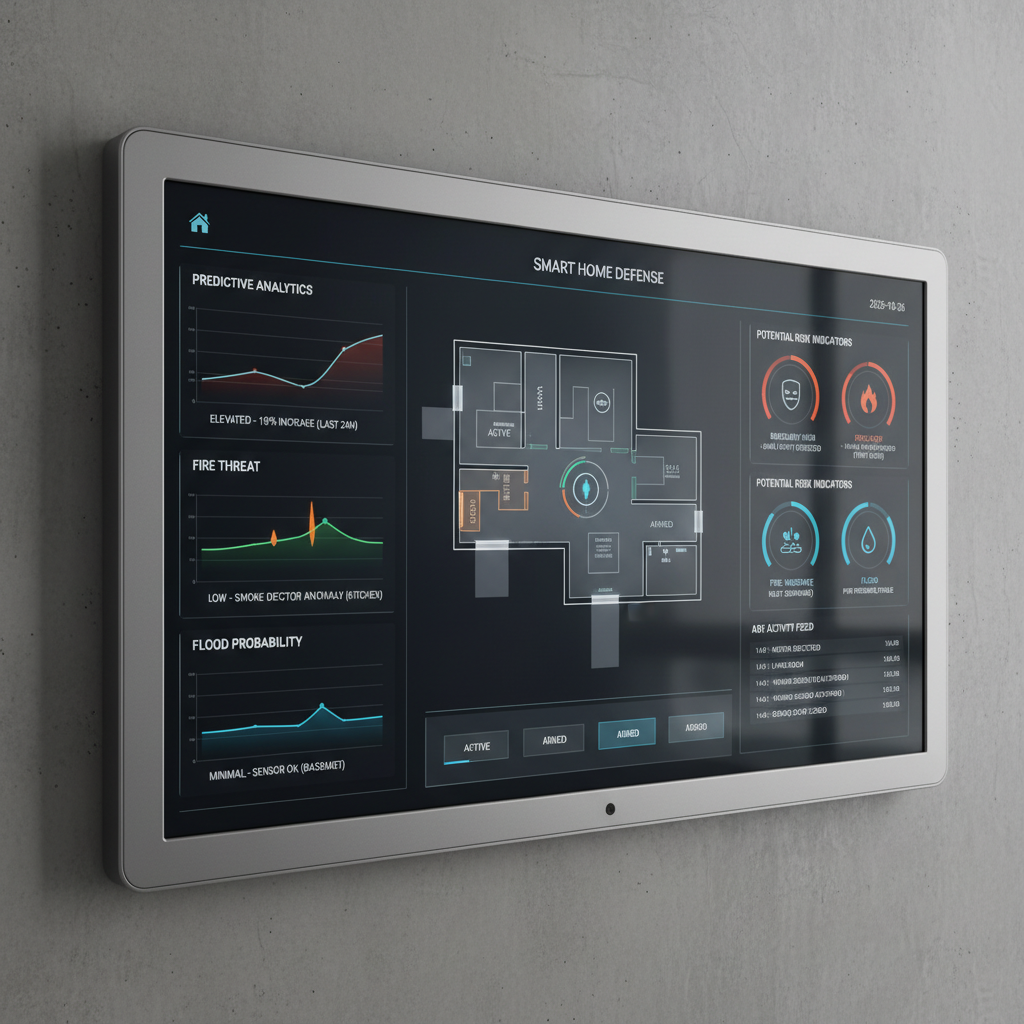
AI also fortifies internal safety measures. Smart smoke and carbon monoxide (CO) detectors with AI capabilities don’t just sound an alarm; they can often differentiate between cooking smoke and a genuine fire, reducing nuisance alarms. They can also integrate with your smart home system to automatically unlock doors, turn on emergency lighting, or even shut off gas lines in the event of a detected hazard. AI-powered water leak detectors can be placed in critical areas like under sinks or near water heaters. These devices learn normal water usage patterns and can immediately detect abnormal drips or leaks, sending instant alerts to your phone, potentially preventing extensive water damage and costly repairs. Some advanced systems can even shut off your home’s main water supply automatically in case of a major leak.
Emergency Response Integration
The true power of AI in home security and safety lies in its integration with emergency services. In the event of a confirmed threat (e.g., a fire detected by a smoke alarm, or an intruder identified by surveillance), the AI system can be configured to automatically contact emergency services, providing them with critical information and even live camera feeds, potentially saving precious minutes when every second counts. This seamless, intelligent response system offers a level of protection previously unavailable to the average homeowner.
Elderly and Special Needs Care: AI as a Supportive Companion
AI holds immense promise in enhancing the quality of life and safety for the elderly and individuals with special needs, offering both practical assistance and a degree of companionship, enabling greater independence and peace of mind for families.
AI Companions and Social Interaction
For individuals who may experience loneliness or require gentle reminders, AI companion robots and advanced smart speakers offer a unique solution. These devices are designed to engage in natural language conversations, tell stories, play games, and provide mental stimulation. While not a replacement for human interaction, they can offer a comforting presence, respond to questions, and help alleviate feelings of isolation. More sophisticated companions can even recognize emotional cues in speech and adapt their responses accordingly, offering empathy and support.
Examples include robots like ‘ElliQ’ which proactively suggests activities, reminds users of appointments, and initiates conversations, acting as a supportive companion rather than just a reactive assistant. This kind of technology is especially valuable for those who live alone, providing a consistent, non-judgmental interactive presence.
Medication Reminders and Health Monitoring
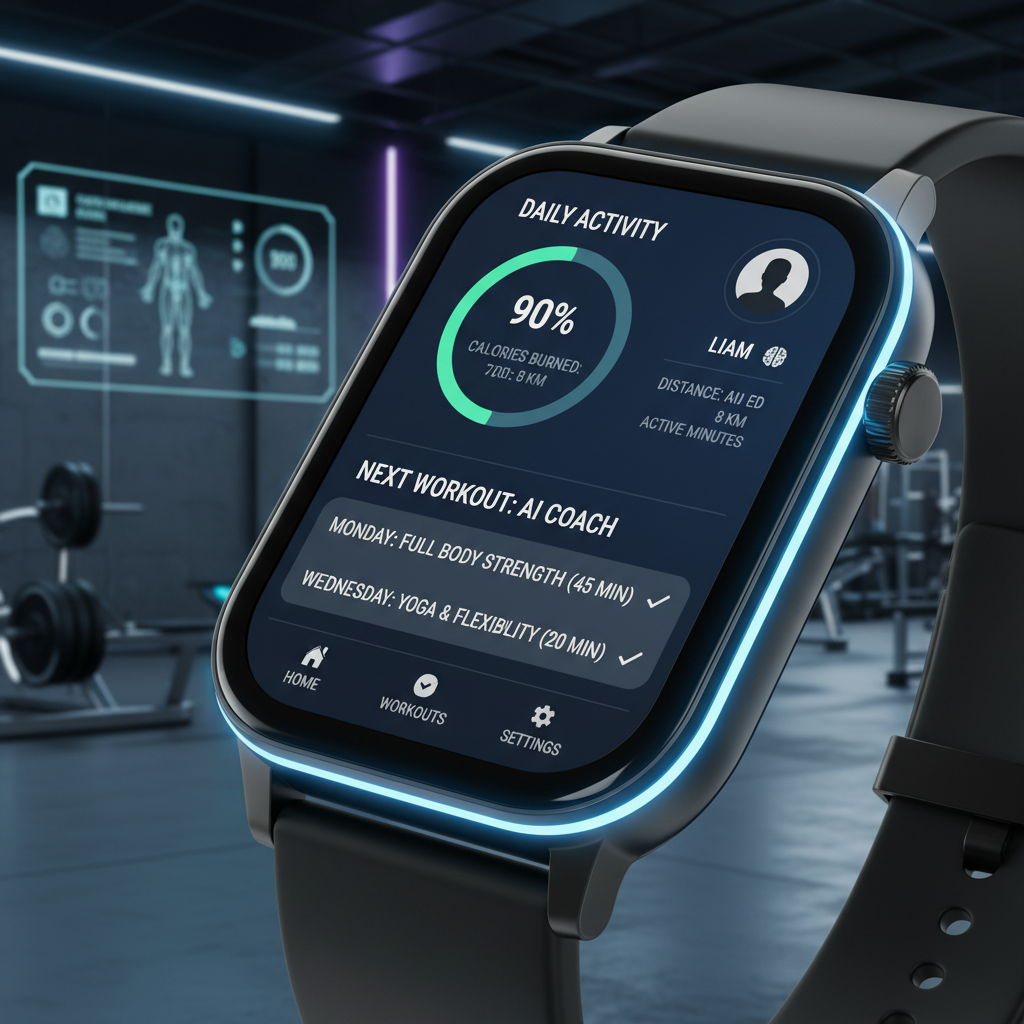
Adhering to a medication schedule can be challenging. AI-powered medication dispensers and smart home systems can provide timely audio and visual reminders, ensuring medication is taken correctly. Some can even verify that the medication has been dispensed and alert caregivers if a dose is missed. Beyond reminders, AI can integrate with wearable health trackers to monitor vital signs, sleep patterns, and activity levels. The AI can then analyze this data for anomalies, such as a sudden change in heart rate or a significant decrease in mobility, and alert designated family members or healthcare providers if a potential health issue arises.
Fall Detection and Emergency Alerts
Falls are a significant concern for the elderly. AI is revolutionizing fall detection through various means:
- Wearable Devices: Smartwatches and pendants with AI accelerometers can detect sudden, erratic movements indicative of a fall and automatically trigger an emergency alert to caregivers or monitoring services.
- Ambient Sensors: Non-wearable sensors (e.g., radar, pressure mats, or thermal cameras) strategically placed in the home use AI to monitor movement patterns. They can detect if someone has fallen and remained motionless for an unusual period, sending an alert without requiring the individual to wear a device. These systems prioritize privacy, often not using visible light cameras.
- Voice Commands: In the event of a fall, an individual can simply call out to their smart assistant (“Alexa, I’ve fallen and can’t get up”), triggering an immediate emergency response.
These systems provide a critical layer of safety, allowing for rapid intervention in emergencies.
Smart Home Adjustments for Accessibility
AI can also dynamically adjust the home environment to enhance accessibility. For individuals with mobility limitations, voice commands or AI-driven routines can control lights, thermostats, blinds, doors, and entertainment systems. For instance, an AI can detect when someone enters a room and automatically adjust the lighting to their preferred brightness, or activate assistive devices. This level of automation reduces physical strain and increases independence within the home.
Ethical Considerations and Privacy
While the benefits are clear, the deployment of AI in care settings raises important ethical questions, particularly around privacy, data security, and the potential for over-reliance. Developers and families must carefully consider how data is collected, stored, and used, ensuring transparency and control for the individual being cared for. The goal is to augment, not replace, human care and compassion, with AI serving as a supportive tool to enhance safety and well-being.
The Future is Now: Integrating AI for Holistic Home Automation
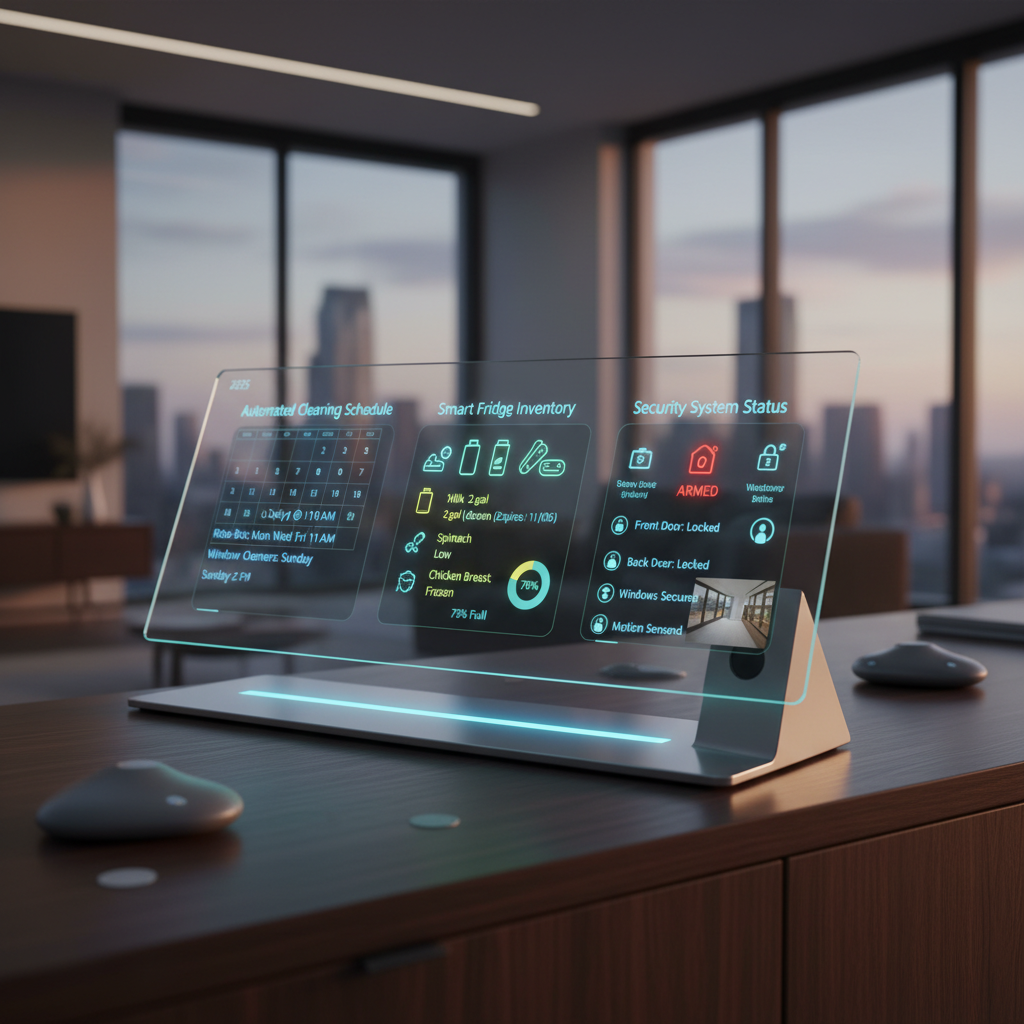
The true potential of AI in the home emerges when individual smart gadgets cease to be standalone devices and begin to communicate, collaborate, and operate as a cohesive, intelligent ecosystem. This integration leads to holistic home automation, where the entire living space becomes a responsive, predictive, and truly smart environment.
Seamless Ecosystems and Interoperability
Historically, a major challenge in smart home adoption has been the lack of interoperability between different brands and platforms. However, industry initiatives like Matter (a new universal connectivity standard) are rapidly bridging these gaps. This means that an AI-powered security camera from one brand can seamlessly communicate with a smart thermostat from another, and both can be controlled by a central AI hub, regardless of their manufacturer. This creates a flexible, extensible ecosystem where homeowners are no longer locked into a single brand, fostering broader adoption and richer interactions between devices.
Central AI Hubs: The Brain of the Home
At the heart of a truly holistic smart home is a central AI hub. This powerful processor acts as the ‘brain’ of the house, collecting data from all connected devices – environmental sensors, appliance usage, occupant movements, external weather feeds, and even personal calendar information. Using sophisticated machine learning algorithms, this hub learns the family’s habits, preferences, and daily routines with incredible accuracy. It understands when occupants are typically home, what temperatures they prefer at different times, how much natural light enters various rooms, and even their preferred entertainment settings.
Anticipatory and Predictive Home Management
With this wealth of data and learned patterns, the central AI hub transforms the home from reactive to anticipatory. Instead of simply responding to commands, it starts to predict and fulfill needs before they are even articulated. For example:
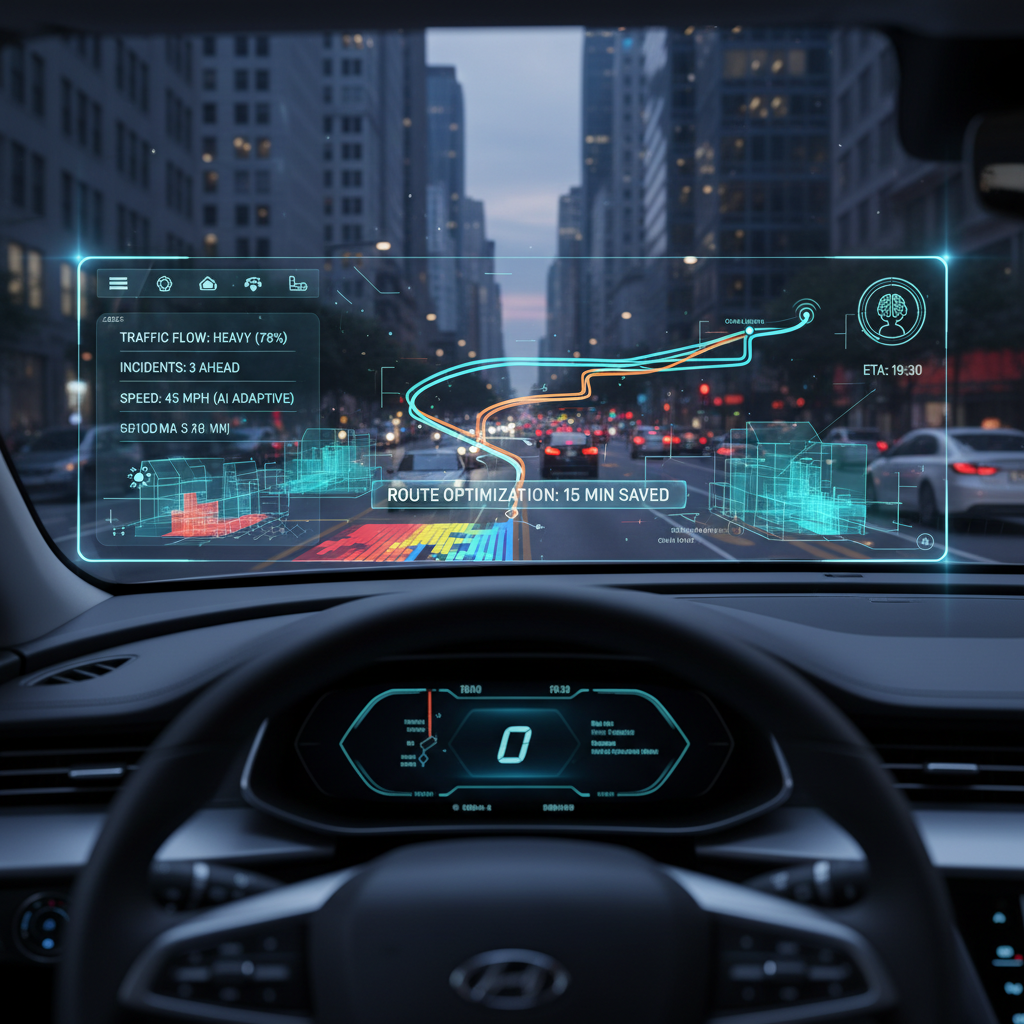
- Arrival Home: As you leave work, your car’s GPS (integrated with the home AI) signals your imminent arrival. The AI proactively adjusts the thermostat to your preferred temperature, turns on outdoor and entryway lights, and starts your favorite playlist, ensuring a welcoming environment.
- Sleep Optimization: The AI monitors indoor air quality, temperature, and your sleep patterns via a wearable device. It might subtly lower the thermostat a degree or two, activate a calming scent diffuser, and dim the lights gradually as your bedtime approaches, promoting deeper, more restful sleep.
- Energy Saving During Absence: If the AI detects that no one is home and a window has been left open, it can automatically send an alert or even close smart blinds to prevent heat loss, maximizing energy efficiency.
- Mealtime Preparation: Based on your calendar entry for a dinner party, the AI might preheat the oven, suggest a wine pairing, and even dim the dining room lights to a specific ambiance as guests arrive.
This level of integration and predictive intelligence means the home adapts to your lifestyle, rather than you having to constantly manage the home.
Enhanced Personalization and Customization
A holistic AI system allows for unprecedented personalization. Different family members can have their own profiles, with the AI adjusting settings based on who is present in a particular room. Children’s rooms might have different security protocols or entertainment options. An elderly relative’s specific accessibility needs can be catered for automatically. The home truly becomes a reflection of its occupants, dynamically adjusting to individual and collective preferences throughout the day.
The journey beyond robot vacuums leads us to a future where our homes are not just structures, but intelligent partners that actively contribute to our well-being, efficiency, and comfort. The era of truly smart living, powered by integrated AI, is not just a distant dream—it’s here, and it’s continuously evolving.
Comparison Tables
To further illustrate the paradigm shift brought about by advanced AI in the home, let’s look at how traditional approaches compare with their AI-enhanced counterparts across various household tasks and the specific features that drive their superiority.
Table 1: Traditional vs. AI-Enhanced Household Task Approaches
| Household Task | Traditional Approach | AI-Enhanced Approach | Key AI Benefits |
|---|---|---|---|
| Cleaning Floors | Manual vacuuming/mopping, simple robot vacuums with basic navigation. | Robot vacuums with LiDAR, computer vision, object avoidance, self-emptying, multi-floor mapping, targeted zone cleaning. | Increased autonomy, deeper cleaning, less frequent human intervention, personalized cleaning routines. |
| Lawn Care | Manual mowing, scheduled sprinklers. | AI lawnmowers with GPS, weather integration, boundary-free navigation; smart irrigation with soil moisture sensors, hyper-local weather data. | Optimized lawn health, significant water savings, fully autonomous operation, reduced manual labor. |
| Cooking & Meal Prep | Recipe books, manual appliance control, grocery lists. | Smart ovens with food recognition, AI refrigerators for inventory/recipe suggestions, automated grocery ordering, personalized meal planning. | Reduced food waste, simplified meal planning, perfectly cooked food, dietary adherence. |
| Laundry | Manual sorting, guessing detergent amount, fixed wash cycles, over-drying clothes. | AI washing machines detecting fabric/soil level; smart dryers sensing moisture, preventing shrinkage; auto-dispensing detergent. | Fabric protection, extended garment life, optimal cleaning, resource efficiency (water/energy/detergent), less manual effort. |
| Home Security | Fixed cameras, motion sensors, manual locking. | AI surveillance with human/pet/package differentiation, facial recognition smart locks, anomaly detection, predictive alerts. | Fewer false alarms, proactive threat detection, enhanced convenience, personalized access control. |
| Energy Management | Manual thermostat adjustments, timer-based controls. | AI thermostats learning occupancy/preferences, integrating weather/tariffs, predictive heating/cooling, smart lighting based on presence/mood. | Significant energy savings, optimized comfort, reduced environmental footprint, automated adjustments. |
| Elderly Care | Periodic checks, emergency call buttons. | AI companion robots, medication reminders, fall detection (wearable/ambient), vital sign monitoring, automated home adjustments. | Enhanced safety, increased independence, social interaction, timely medical alerts, peace of mind for caregivers. |
Table 2: Advanced AI Features and Their Household Applications
| AI Feature | Core Capability | Household Application | Benefit to Homeowner |
|---|---|---|---|
| Computer Vision | Image and video analysis, object recognition, pattern detection. | Robot vacuums (obstacle avoidance, floor type mapping), security cameras (person/pet detection), smart ovens (food recognition), robotic gardeners (weed/pest ID), refrigerators (inventory tracking). | Precise task execution, enhanced safety, personalized cooking, efficient cleaning, reduced false alarms. |
| Natural Language Processing (NLP) | Understanding and generating human language, contextual comprehension. | Smart home assistants (conversational commands, context awareness), AI companions (empathetic interaction), automated customer support for appliances. | Intuitive control, personalized interaction, hands-free operation, responsive assistance. |
| Machine Learning (ML) & Predictive Analytics | Learning from data, identifying patterns, forecasting future events or needs. | AI thermostats (learning preferences, anticipating needs), predictive appliance maintenance, smart irrigation (weather forecasting), personalized meal planning, anomaly detection in security. | Proactive home management, energy savings, extended appliance lifespan, preventive problem-solving, optimized comfort. |
| Sensor Fusion | Combining data from multiple sensors (LiDAR, ultrasonic, optical, thermal, humidity, pressure). | Advanced robot navigation, comprehensive air/water quality monitoring, sophisticated fall detection, fabric/soil detection in laundry. | Highly accurate environmental understanding, robust navigation, precise task execution, enhanced safety and health monitoring. |
| Robotics & Actuation | Physical movement and manipulation based on AI commands. | Autonomous robot vacuums, lawnmowers, window cleaners, robotic arms for folding, automated pet feeders/litter boxes. | Automation of physical chores, reduction of manual labor, tackling difficult/repetitive tasks. |
| Adaptive Learning | Continually improving performance based on new data and user feedback. | Smart assistants (learning routines and preferences), AI security systems (reducing false positives over time), personalized fitness/nutrition trackers. | Increasingly tailored and efficient performance, system evolves with user, better user experience over time. |
Practical Examples: Real-World Use Cases and Scenarios
To truly grasp the transformative power of advanced AI in the home, let’s explore a few real-world scenarios where these integrated solutions simplify daily life, enhance safety, and create unparalleled convenience.
Scenario 1: The Busy Professional’s Effortless Morning
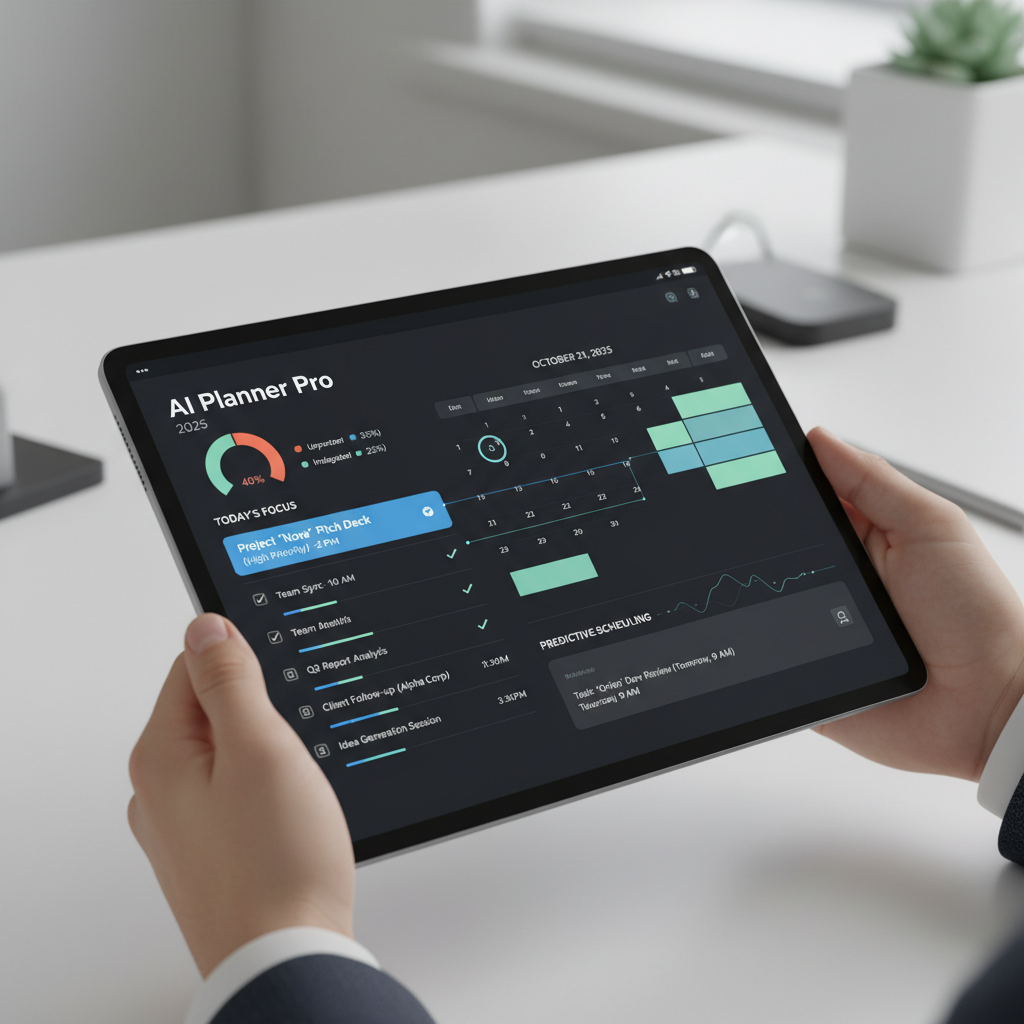
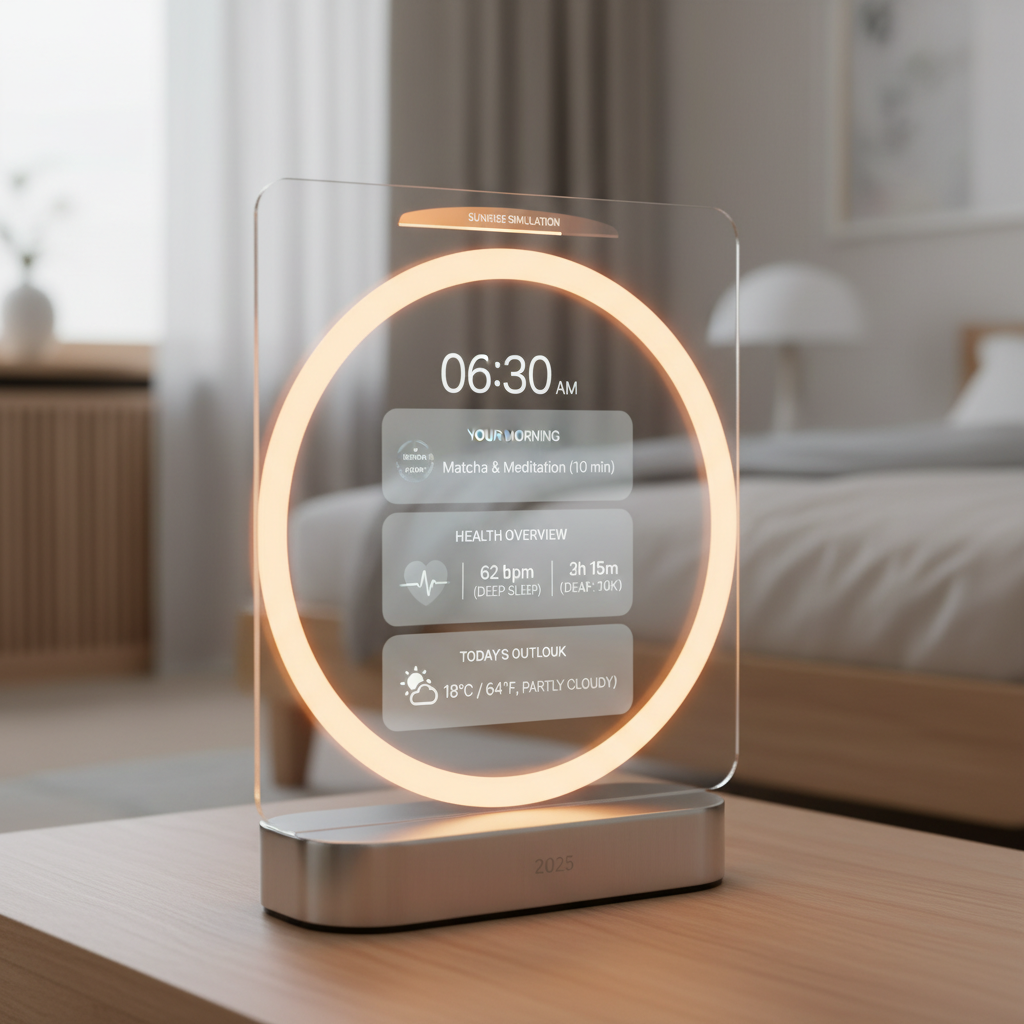
Imagine starting your day not with a rush, but with calm efficiency. Your AI-powered alarm clock gently wakes you with personalized sunrise lighting and calming music, gradually increasing in intensity. Your smart coffee maker, having been instructed the night before via a voice command to your central AI hub, has brewed your perfect cup. As you step out of bed, the AI-thermostat has already adjusted the bathroom temperature to your preferred warmth. While you shower, your AI washing machine runs a quick cycle for your gym clothes, having detected their fabric type and soil level, ensuring they are ready for your evening workout. Your smart refrigerator, noticing you’re low on milk, has already added it to your online grocery list. As you leave the house, a single voice command, “AI, activate Away Mode,” locks all doors, arms the security system, adjusts the thermostat for energy savings, and ensures all unnecessary lights are off. Your AI lawnmower, detecting a dry patch in the garden, begins its scheduled watering cycle for that specific zone while you’re at work.
Scenario 2: The Family Dinner Made Simple
It’s a weeknight, and you’re preparing a family dinner. Instead of juggling recipes and timers, your AI kitchen assistant is your co-chef. You tell it you want to make pasta with roasted vegetables. The AI immediately suggests a recipe based on ingredients it knows are in your smart refrigerator and pantry, factoring in any dietary restrictions. It displays step-by-step instructions on your smart display. Your AI-oven, having recognized the vegetables you placed inside, automatically preheats to the correct temperature and sets a timer for optimal roasting. As dinner is ready, the AI-driven lighting in the dining room subtly shifts to a warm, inviting glow. After the meal, instead of endless scrubbing, your smart dishwasher, having assessed the level of grime, runs an optimized cycle using the precise amount of water and detergent, ensuring a sparkling clean without waste. The AI compost machine is ready for any organic scraps, quietly processing them into garden-ready material.
Scenario 3: Supporting an Aging Loved One with AI
For Sarah, caring for her elderly mother, Martha, who lives alone, has become less stressful thanks to AI. Martha’s home is equipped with ambient AI fall detection sensors that don’t use cameras, preserving her privacy. If Martha were to fall and remain motionless, Sarah would receive an immediate alert on her phone. Martha’s AI companion robot reminds her to take her medication every morning and afternoon, and proactively engages her in conversation, reducing feelings of isolation. The AI-thermostat learns Martha’s preferred temperatures throughout the day, adjusting automatically to keep her comfortable without her needing to touch controls. When Martha needs to open a door or turn on a light, a simple voice command activates the action, making her home more accessible. Sarah can monitor Martha’s well-being remotely through aggregated, privacy-conscious data from the system, knowing her mother is safe and supported without intrusive surveillance.
Scenario 4: The Eco-Conscious Homeowner’s Dream
John, passionate about sustainability, leverages AI to minimize his home’s environmental footprint. His central AI energy management system constantly monitors electricity prices, weather forecasts, and his solar panel’s output. It intelligently decides whether to draw power from the grid, use stored battery energy, or even sell excess solar back to the grid, all to reduce costs and carbon emissions. His AI-powered smart irrigation system uses hyper-local weather data to water his garden only when absolutely necessary, saving thousands of gallons of water annually. The AI in his washing machine and dryer ensures optimal resource usage per load. His smart air purifiers activate only when pollutant levels rise, conserving energy. Through detailed reports generated by the AI, John can see his energy consumption patterns, identify areas for further improvement, and actively contribute to a greener lifestyle, all managed seamlessly by his intelligent home.
Frequently Asked Questions
Q: What exactly is ‘advanced AI’ in a home context, beyond simple smart devices?
A: Advanced AI in a home context refers to systems that go beyond basic automation and reactive commands. It involves machine learning algorithms that can learn user preferences, anticipate needs, analyze complex data from multiple sensors (sensor fusion), make intelligent decisions, and perform tasks autonomously. Instead of just turning lights on when you say “lights on,” advanced AI might learn your evening routine and gradually dim the lights while playing relaxing music as you wind down, proactively. It’s about context awareness, personalization, predictive capabilities, and seamless integration across various devices to create a truly intelligent, adaptive living environment.
Q: Are these AI solutions truly autonomous, or do they still require significant human input?
A: The degree of autonomy varies greatly depending on the specific device and its function. Many advanced AI solutions, such as robot vacuums, AI lawnmowers, and smart thermostats, operate with a high degree of autonomy once initially set up. They can perform their tasks, navigate obstacles, learn patterns, and even self-charge without constant human intervention. However, they typically still require initial configuration, occasional maintenance (like emptying bins or cleaning sensors), and human oversight for more complex or novel situations. The goal is to minimize human input for repetitive or predictable tasks, not to eliminate it entirely.
Q: What about data privacy and security with so many AI devices in my home?
A: Data privacy and security are paramount concerns with widespread AI adoption. Reputable manufacturers implement robust encryption, secure data transmission protocols, and strict privacy policies. Users should always choose devices from trusted brands, use strong, unique passwords, and keep device firmware updated. Many devices offer local processing of data (edge AI) to reduce reliance on cloud servers, further enhancing privacy. It’s crucial to understand what data your devices collect, how it’s used, and to review privacy settings regularly. While no system is entirely foolproof, continuous advancements in security measures aim to protect your personal information.
Q: How expensive are these advanced AI solutions, and are they accessible to the average household?
A: The cost of advanced AI solutions can vary significantly. While some cutting-edge, integrated whole-home systems can be a substantial investment, many individual AI-powered devices (like smart thermostats, advanced robot vacuums, or AI-enabled smart speakers) are becoming increasingly affordable and accessible to the average household. The market offers a wide range of options, from entry-level smart devices to premium, fully integrated systems. As technology matures and production scales, prices are expected to continue to decrease, making these solutions more widespread over time. Additionally, the long-term savings in energy efficiency and reduced maintenance can often offset the initial investment.
Q: Is it complicated to set up and manage these AI systems, especially for someone not tech-savvy?
A: Manufacturers are increasingly focusing on user-friendliness and intuitive setup processes. Many AI devices can be set up via smartphone apps with step-by-step guides. Voice assistants have simplified control, allowing natural language commands instead of complex programming. For a fully integrated smart home, professional installation services are available. While there might be a slight learning curve initially, the goal of AI in the home is to simplify life, not complicate it. Many systems learn your habits automatically, reducing the need for constant manual adjustments.
Q: Can AI truly replace human care for elderly or disabled individuals?
A: AI is designed to augment and enhance human care, not to replace it. For elderly or disabled individuals, AI solutions offer invaluable support for safety (fall detection, medication reminders), independence (automated home adjustments), and even companionship (AI robots). However, AI cannot replicate the emotional connection, nuanced understanding, and personalized compassion that human caregivers provide. It serves as a powerful tool to extend the reach of care, improve quality of life, and provide peace of mind for families, allowing human caregivers to focus on aspects that require true human interaction and empathy.
Q: What are the main energy consumption implications of an AI-powered home?
A: While AI devices consume some electricity to operate, many are designed with energy efficiency in mind. Advanced AI energy management systems, like smart thermostats that learn occupancy and integrate with weather data, often lead to significant energy savings by optimizing heating and cooling. AI-powered appliances (like washing machines and dryers) use resources more efficiently. The net effect of a well-designed AI home is often a reduction in overall energy consumption and utility bills, making the home more environmentally friendly. However, it’s always wise to check the energy ratings of individual devices.
Q: How do I ensure compatibility between different brands of AI devices in my home?
A: Compatibility used to be a major hurdle, but new industry standards like Matter are addressing this. When purchasing new devices, look for compatibility labels such as “Works with Alexa,” “Works with Google Home,” “HomeKit compatible,” or “Matter enabled.” Choosing a central smart home hub or platform (e.g., Apple HomeKit, Google Home, Amazon Alexa) and buying devices that are certified to work with that ecosystem is a good strategy. The Matter standard aims to make interoperability seamless across different brands, regardless of the underlying platform, simplifying the integration process for consumers.
Q: What is the lifespan of these AI gadgets, and are they upgradable?
A: The lifespan of AI gadgets is similar to other electronics and appliances, typically ranging from a few years for smaller devices to 10+ years for major appliances. Many AI devices are designed to be “future-proof” through software updates (firmware updates) that can add new features, improve performance, and enhance security over time. This means the core hardware can remain relevant for longer. However, like all technology, hardware capabilities may eventually be surpassed, and older models might not support the most advanced AI features. Reputable manufacturers provide ongoing support and updates for a reasonable period.
Q: What are the ethical considerations of pervasive AI in the home?
A: Pervasive AI in the home raises several ethical considerations. These include:
- Privacy: How is personal data collected, stored, and used? Who has access to it?
- Bias: Are AI algorithms free from biases that could lead to unfair or discriminatory outcomes?
- Autonomy vs. Control: How much control do users have over their AI systems, and at what point does AI exert too much influence?
- Job Displacement: While AI simplifies chores, could it eventually impact certain service industries?
- Security Vulnerabilities: What are the risks of hacking or misuse of connected devices?
- Digital Divide: Will access to these technologies exacerbate inequalities?
- Human Connection: Does reliance on AI reduce genuine human interaction?
These are ongoing discussions, and responsible development of AI aims to address these concerns through transparency, user control, and ethical design principles.
Key Takeaways
- Beyond Basics: AI in the home has evolved far past simple robot vacuums, now encompassing comprehensive solutions for nearly every household task.
- Enhanced Efficiency: AI optimizes resource usage (energy, water, detergent), leading to significant savings and a reduced environmental footprint.
- Personalized Living: Systems learn individual preferences and routines, creating highly customized and anticipatory home environments.
- Proactive Maintenance: AI enables predictive maintenance for appliances and systems, preventing failures and extending longevity.
- Increased Safety and Security: Intelligent surveillance, biometrics, and environmental sensors provide advanced, proactive protection.
- Supportive Care: AI offers invaluable assistance for the elderly and individuals with special needs, promoting independence and peace of mind.
- Seamless Integration: The future is in holistic, interoperable ecosystems where all AI devices communicate and collaborate through central hubs.
- Time and Effort Savings: Automation of repetitive and complex chores frees up valuable human time and mental energy.
- Continuous Evolution: AI home solutions are constantly improving through machine learning and software updates, adding new features and capabilities.
Conclusion
The journey beyond the robot vacuum reveals a truly astounding landscape of advanced AI solutions that are fundamentally reshaping the modern home. We are no longer merely automating mundane tasks; we are empowering our living spaces with intelligence, intuition, and an unprecedented capacity for personalization. From the moment we wake to the moment we sleep, AI is meticulously orchestrating comfort, optimizing efficiency, ensuring safety, and simplifying complex routines, transforming houses into responsive, proactive partners in our daily lives.
This revolution is not just about convenience; it is about reclaiming valuable time, fostering sustainable living, and enhancing the quality of life for everyone, including those who require additional support. While challenges like data privacy and ethical considerations remain, the rapid advancements in AI technology, coupled with a growing emphasis on user-centric design and interoperability, are paving the way for a future where the ‘smart home’ is less a novelty and more an intelligent necessity.
Embracing these advanced AI solutions means stepping into an era of effortless living, where your home anticipates your needs, protects your loved ones, manages its own maintenance, and frees you to focus on what truly enriches your life. The future of household chores is not just easier; it’s smarter, more interconnected, and profoundly more human-centric, thanks to the quiet revolution happening within the silicon brains of our intelligent homes. It’s time to look beyond the cleaning robot and envision a world where every task, every moment, is optimized by the power of AI.






































































Leave a Reply