

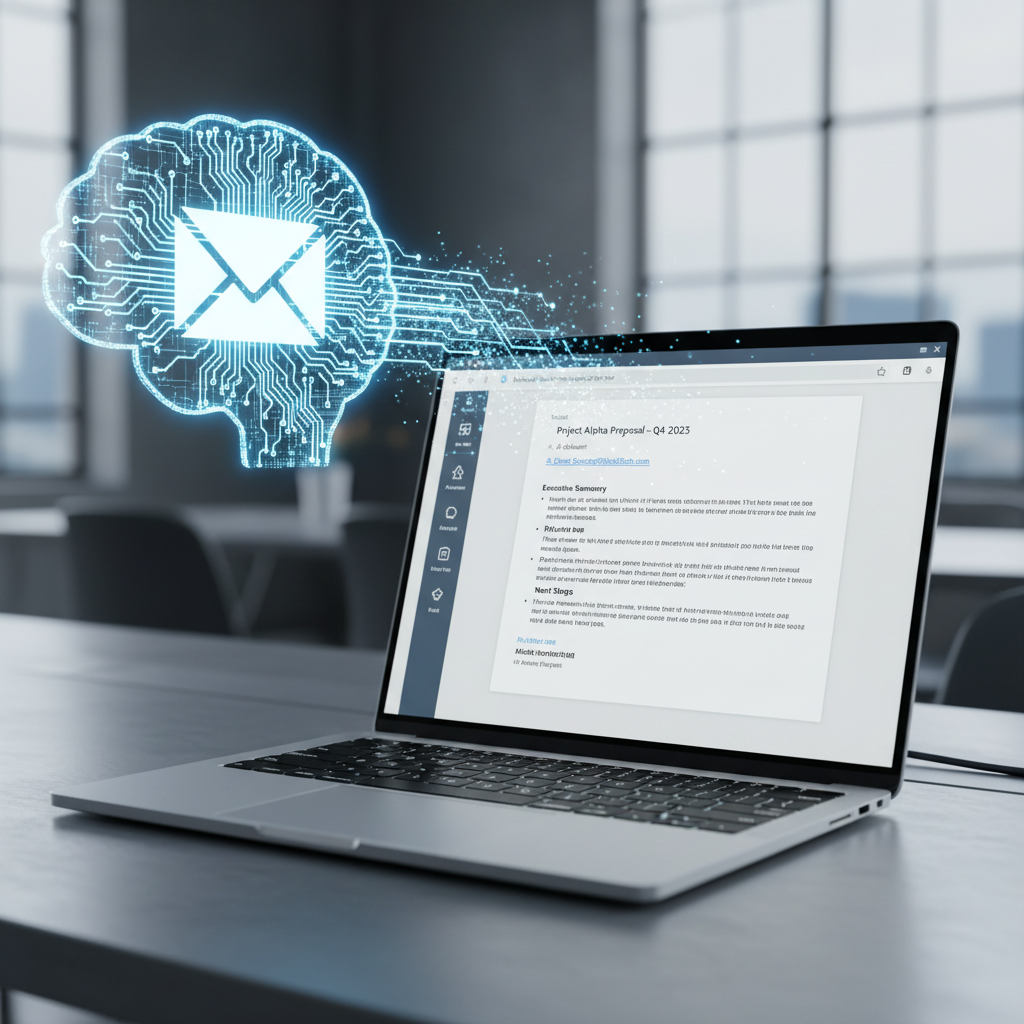
Streamlining Email Management: Top AI Tools for Your Inbox
Introduction: Taming the Email Beast with Artificial Intelligence
In today’s fast-paced digital world, email remains the undisputed king of professional communication. From client pitches and project updates to internal memos and customer support inquiries, our inboxes are a constant hub of activity. While indispensable, the sheer volume of emails can quickly become overwhelming, transforming a vital communication channel into a significant productivity drain. We’ve all experienced the dread of an overflowing inbox, the struggle to articulate the perfect response under pressure, or the sheer time commitment required to draft clear, concise, and professional emails.
Imagine a world where crafting a perfectly worded email takes mere moments, where your replies are consistently clear, grammatically flawless, and perfectly aligned with your intended tone. This isn’t a distant dream; it’s the current reality ushered in by AI email writing assistants. These intelligent tools leverage the power of artificial intelligence to transform the way we interact with our inboxes, moving beyond simple spell checks to offer sophisticated content generation, tone adjustments, and even entire draft creation.
This comprehensive blog post will dive deep into the world of AI email writing assistants. We will explore what they are, how they function, and the remarkable evolution of their capabilities. We will dissect the key features that define the best tools on the market and illuminate the myriad benefits they bring to your personal and professional life. Furthermore, we will tackle crucial considerations such as data privacy and ethical usage, offering practical examples of how these tools are being deployed across various sectors. Finally, we will gaze into the future, speculating on the next wave of innovations in AI-powered email management. Prepare to discover how these cutting-edge tools can empower you to craft perfect replies effortlessly, reclaiming your time and elevating your communication.
Understanding AI Email Writing Assistants: Your Intelligent Co-Pilot
At its core, an AI email writing assistant is a software application or a feature integrated into an existing platform that uses artificial intelligence to help users compose, refine, and manage their email correspondence. These assistants are far more advanced than traditional grammar checkers or auto-correct features. They harness sophisticated AI technologies, primarily Natural Language Processing (NLP), Machine Learning (ML), and large language models (LLMs), to understand context, generate human-like text, and offer intelligent suggestions.
The journey from rudimentary email tools to today’s intelligent assistants has been remarkable. Initially, email clients offered basic functionalities like spell-check and simple templates. As technology progressed, more advanced features like spam filters and basic auto-replies emerged. The real paradigm shift, however, came with the advent of generative AI, particularly the development of highly capable LLMs like OpenAI’s GPT series. These models have been trained on vast datasets of text, allowing them to grasp nuances of language, style, and context to an unprecedented degree.
When you interact with an AI email writing assistant, it doesn’t just look for typos. It analyzes the entire message, or even an entire email thread, to grasp the intent and required response. For instance, if you are replying to a customer complaint, the AI can suggest a response that is not only grammatically correct but also empathetic, apologetic, and offers a clear resolution. If you’re drafting a sales pitch, it can help infuse persuasive language and a compelling call to action. This capability to understand, generate, and refine content makes these tools invaluable co-pilots in our daily communication.
Key mechanisms at play include:
- Natural Language Processing (NLP): This allows the AI to understand human language, interpret meaning, and extract relevant information from your input or incoming emails.
- Machine Learning (ML): The AI continuously learns from vast amounts of data and user interactions, improving its ability to generate relevant and high-quality content over time. The more it’s used, the smarter it gets.
- Generative Pre-trained Transformers (GPT) and other Large Language Models (LLMs): These are the engines that power the text generation. They can take a prompt or a few keywords and expand them into coherent, contextually appropriate, and well-structured sentences or paragraphs.
In essence, an AI email writing assistant acts as an extension of your writing capabilities, enhancing efficiency and effectiveness without sacrificing the personal touch. It’s about leveraging technology to communicate more strategically and less laboriously.
The Evolution of Email Communication and AI’s Transformative Role
Email has undergone a profound evolution since its inception, transforming from a simple digital messaging system into the backbone of global communication. In its early days, email was a text-only medium, primarily used by academics and researchers. Its appeal lay in its speed and asynchronous nature, allowing communication across vast distances without the need for real-time interaction. As the internet became commercialized, email grew exponentially, becoming an indispensable tool for businesses and individuals alike.
The first significant improvements beyond basic text involved attachments, allowing users to share documents, images, and other media. Then came the rise of graphical user interfaces (GUIs) for email clients, making email more accessible and user-friendly. Features like address books, folders for organization, and basic search functionalities streamlined email management to some extent. The late 1990s and early 2000s saw the battle against spam intensify, leading to the development of sophisticated filters that, while imperfect, significantly improved inbox hygiene.
AI’s entry into the email landscape began subtly. Early applications included:
- Spam Filtering: Machine learning algorithms were deployed to identify and quarantine unwanted emails based on patterns, keywords, and sender reputation.
- Basic Auto-Replies: Simple rule-based systems that could send automated responses, primarily for out-of-office notifications.
- Smart Sorting: Email clients began to use AI to categorize emails into folders like “Promotions,” “Social,” and “Updates,” reducing clutter in the primary inbox.
However, the true transformative role of AI began to unfold with advancements in NLP and generative AI. The shift moved from merely filtering or sorting emails to actively assisting in their creation. Modern AI email writing assistants represent a quantum leap in this evolution:
- From Reactive to Proactive: Instead of just organizing existing emails, AI now helps anticipate needs, suggest replies, and even draft entire messages.
- Understanding Context: Unlike simple keyword matching, today’s AI can comprehend the nuances of an email thread, the sender-recipient relationship, and the overall intent.
- Generating Human-Like Text: The output from advanced AI is no longer robotic or generic; it often mirrors natural human conversation, making it difficult to distinguish from human-written content.
- Personalization at Scale: AI enables users to craft highly personalized messages for large audiences, something that was previously time-consuming and resource-intensive.
This evolution signifies a critical turning point. Email is no longer just a passive recipient of messages but an active participant in our communication process. AI has shifted email management from a tedious chore to an intelligent partnership, empowering users to communicate more effectively, efficiently, and with greater impact. The continuous development in AI promises even more sophisticated assistance, further cementing its role as an indispensable component of modern digital communication.
Key Features to Look for in an AI Email Assistant
When selecting an AI email writing assistant, the market offers a diverse range of tools, each with its own strengths. To make an informed decision, it’s crucial to understand the essential features that truly empower effective email management. A robust AI assistant should go beyond basic grammar checks, offering intelligent capabilities that save time and enhance communication quality.
- Advanced Draft Generation:
The ability to generate email drafts from scratch or based on minimal input is a cornerstone feature. Whether you provide a few bullet points, keywords, or simply state your objective, a good AI assistant should be able to construct a coherent, well-structured, and contextually appropriate email. This includes generating entire emails for sales outreach, customer follow-ups, internal announcements, or personal correspondence.
- Tone and Style Adjustment:
Communication isn’t just about what you say, but how you say it. A top-tier AI assistant allows you to specify or adjust the tone of your message. Options often include professional, casual, empathetic, urgent, persuasive, concise, or friendly. This feature ensures your message resonates appropriately with the recipient and aligns with your brand or personal communication style.
- Grammar, Spelling, and Punctuation Correction (Enhanced):
While seemingly basic, AI assistants elevate this function. Beyond identifying simple errors, they can suggest structural improvements, rephrase awkward sentences, detect passive voice, and ensure overall clarity and readability. This comprehensive linguistic refinement ensures your emails are polished and error-free.
- Email Summarization:
For long email threads or lengthy messages, summarization is a game-changer. The AI can condense dense content into concise bullet points or a brief paragraph, allowing you to quickly grasp the main points without reading every word. This is particularly useful for catching up on discussions or preparing for meetings.
- Contextual Reply Suggestions:
One of the most time-saving features is the AI’s ability to analyze an incoming email and suggest relevant, pre-drafted replies. These suggestions can range from quick acknowledgements to more detailed responses, often allowing you to send a high-quality reply with a single click or minimal edits. This feature drastically reduces response times.
- Personalization at Scale:
Effective communication often hinges on personalization. AI assistants can help tailor messages to individual recipients based on available data, such as their name, company, previous interactions, or specific interests. This capability is invaluable for marketing campaigns, sales outreach, and customer support, allowing for a human touch even in mass communication.
- Multi-language Support:
In a globalized world, communicating across language barriers is common. Many AI assistants offer robust multi-language capabilities, allowing you to draft emails in one language and translate them accurately, or even generate original content directly in several languages. This expands your reach and improves international communication.
- Integration with Email Clients and CRMs:
For seamless workflow, an AI assistant should ideally integrate directly with your preferred email client (e.g., Gmail, Outlook) and Customer Relationship Management (CRM) systems (e.g., Salesforce, HubSpot). This integration allows the AI to access relevant context from your contacts and past communications, providing more accurate and personalized suggestions directly within your working environment.
- Customizable Templates and Snippets:
For repetitive tasks, the ability to create and customize templates or snippets that the AI can then adapt and personalize is incredibly useful. This ensures consistency in communication for common scenarios while still allowing for individual tailoring.
By prioritizing these features, you can select an AI email writing assistant that not only automates mundane tasks but also elevates the quality and impact of your email correspondence, truly making it an effortless endeavor.
Benefits of Integrating AI into Your Email Workflow
The integration of AI email writing assistants into daily workflows is not merely a convenience; it represents a strategic advantage that can profoundly impact productivity, communication quality, and overall well-being. The benefits extend across individual users, small businesses, and large enterprises, fundamentally reshaping how we approach email management.
- Significant Time Savings:
Perhaps the most immediate and tangible benefit is the immense time saved. Drafting emails from scratch, especially complex or sensitive ones, can be a time-consuming process involving multiple revisions. AI assistants can generate initial drafts in seconds, allowing users to spend less time typing and more time reviewing and refining. For busy professionals, this translates into hours reclaimed each week, which can be redirected towards more strategic or high-value tasks.
- Improved Communication Quality:
AI assistants act as a digital editor, ensuring that emails are not only grammatically correct but also clear, concise, and professional. They help eliminate typos, awkward phrasing, and convoluted sentences, leading to more effective communication. For individuals who struggle with writing or for whom English is a second language, AI provides a powerful tool to ensure their messages are always articulate and impactful.
- Enhanced Productivity and Efficiency:
By automating the drafting process and providing instant suggestions, AI tools streamline the entire email workflow. Faster response times, reduced mental fatigue from writing, and the ability to manage a higher volume of correspondence all contribute to a significant boost in overall productivity. This allows teams to accomplish more with the same or fewer resources.
- Consistency in Messaging and Brand Voice:
For businesses, maintaining a consistent brand voice across all communications is vital. AI assistants can be trained or prompted to adhere to specific style guides, ensuring that every email sent by a team member reflects the company’s tone and values. This consistency builds trust and reinforces brand identity, particularly in customer-facing roles like sales and support.
- Reduced Cognitive Load and Stress:
The constant pressure to craft perfect emails can be a significant source of stress and mental fatigue. AI offloads much of this cognitive burden, allowing users to focus on the core message rather than the mechanics of writing. This reduction in stress contributes to greater job satisfaction and prevents burnout, especially in roles with high email volumes.
- Personalization at Scale:
Crafting personalized emails for every client or prospect is incredibly effective but traditionally very resource-intensive. AI enables personalization at scale, allowing users to generate unique, tailored messages for large audiences based on specific data points, vastly improving engagement rates for marketing and sales efforts.
- Accessibility and Inclusivity:
AI email assistants can be invaluable for individuals with writing difficulties, dyslexia, or non-native English speakers. By providing well-structured and grammatically correct drafts, these tools democratize effective communication, ensuring that everyone can convey their message clearly and confidently.
- Learning and Development:
For some users, interacting with an AI assistant can even be a learning experience. By observing the AI’s suggestions and generated content, users can pick up tips on improving their own writing style, vocabulary, and sentence structure over time.
In essence, AI email writing assistants are more than just tools; they are enablers of superior communication, allowing individuals and organizations to communicate with greater clarity, speed, and impact, ultimately leading to better outcomes and a more efficient digital existence.
Addressing Concerns: Data Privacy, Accuracy, and Ethical Use
While the benefits of AI email writing assistants are compelling, it is crucial to approach their adoption with a clear understanding of potential concerns, particularly regarding data privacy, the accuracy of generated content, and broader ethical implications. As with any powerful technology, responsible use is paramount.
Data Privacy and Security:
Perhaps the most significant concern for many users, especially in professional contexts, is how these AI tools handle sensitive information. When you feed an AI assistant snippets of your emails, client details, or confidential project information, you are essentially entrusting it with your data. Key considerations include:
- Data Handling Policies: Reputable AI providers should have transparent policies on how they collect, store, and use your data. Do they use your input to train their models? Is your data anonymized? How long is it retained?
- Encryption and Security Measures: Ensure the service uses robust encryption for data in transit and at rest. Multi-factor authentication and compliance with industry security standards (e.g., GDPR, CCPA, HIPAA for specific sectors) are indicators of a trustworthy provider.
- Third-Party Access: Understand if and how third parties might access your data. Avoid tools that share or sell your information without explicit consent.
- Integration Risks: When integrating with email clients or CRM systems, verify the permissions the AI tool requests. Granting broad access could pose a security risk if the tool’s own security is compromised.
It is always advisable to read the privacy policy carefully and choose providers with a strong track record in data security. For highly sensitive communications, manual drafting or using offline AI tools might be preferable.
Accuracy and the Risk of “Hallucinations”:
AI models, particularly large language models, are designed to generate plausible and coherent text, but they are not infallible. They can sometimes produce:
- Inaccurate Information: The AI might confidently generate facts or figures that are entirely incorrect or out-of-date. This is often referred to as “hallucinating.”
- Nonsensical or Irrelevant Content: In certain contexts, especially with vague prompts, the AI might produce text that makes little sense or deviates from the intended topic.
- Lack of Nuance: While AI can adjust tone, it may sometimes miss subtle social cues, cultural nuances, or specific interpersonal dynamics that a human would instinctively understand.
Therefore, human oversight is non-negotiable. Always review and fact-check any AI-generated content before sending it. Treat the AI as a highly capable assistant, not a replacement for your own judgment and expertise. The final responsibility for the message’s content always rests with the sender.
Ethical Use and Bias:
AI models are trained on vast datasets, and if those datasets contain biases (e.g., gender, racial, cultural), the AI may inadvertently perpetuate or amplify those biases in its output. Ethical considerations include:
- Bias in Language: The AI might unconsciously use language that is stereotypical or discriminatory if it reflects biases present in its training data.
- Transparency: Should recipients be informed when an email has been drafted or assisted by AI? This is an ongoing debate, especially in sensitive communications.
- Misuse Potential: AI email writing tools could potentially be misused for generating sophisticated spam, phishing attempts, or spreading misinformation more effectively.
- Over-reliance and Skill Erosion: Excessive reliance on AI might lead to a degradation of human writing and critical thinking skills over time.
As users, we have a responsibility to use these tools ethically, to be aware of their limitations, and to ensure that our communications remain authentic, fair, and respectful. Developers, too, bear the ethical burden of designing and deploying AI systems that are as unbiased and transparent as possible. By addressing these concerns proactively, we can harness the immense power of AI email assistants responsibly and effectively.
Future Trends in AI Email Management: Beyond Basic Drafting
The current capabilities of AI email writing assistants are impressive, but the field of artificial intelligence is evolving at an exponential pace. The future promises an even more integrated, intuitive, and intelligent email experience, transforming our inboxes from simple communication hubs into proactive, personalized digital assistants. Here are some key trends we can expect to see in AI email management:
1. Proactive and Predictive Email Management:
Future AI will move beyond reacting to your inputs to anticipating your needs. Imagine an AI that:
- Predicts Follow-ups: Automatically reminds you to follow up on emails where a response is expected but not received, and even drafts the follow-up message.
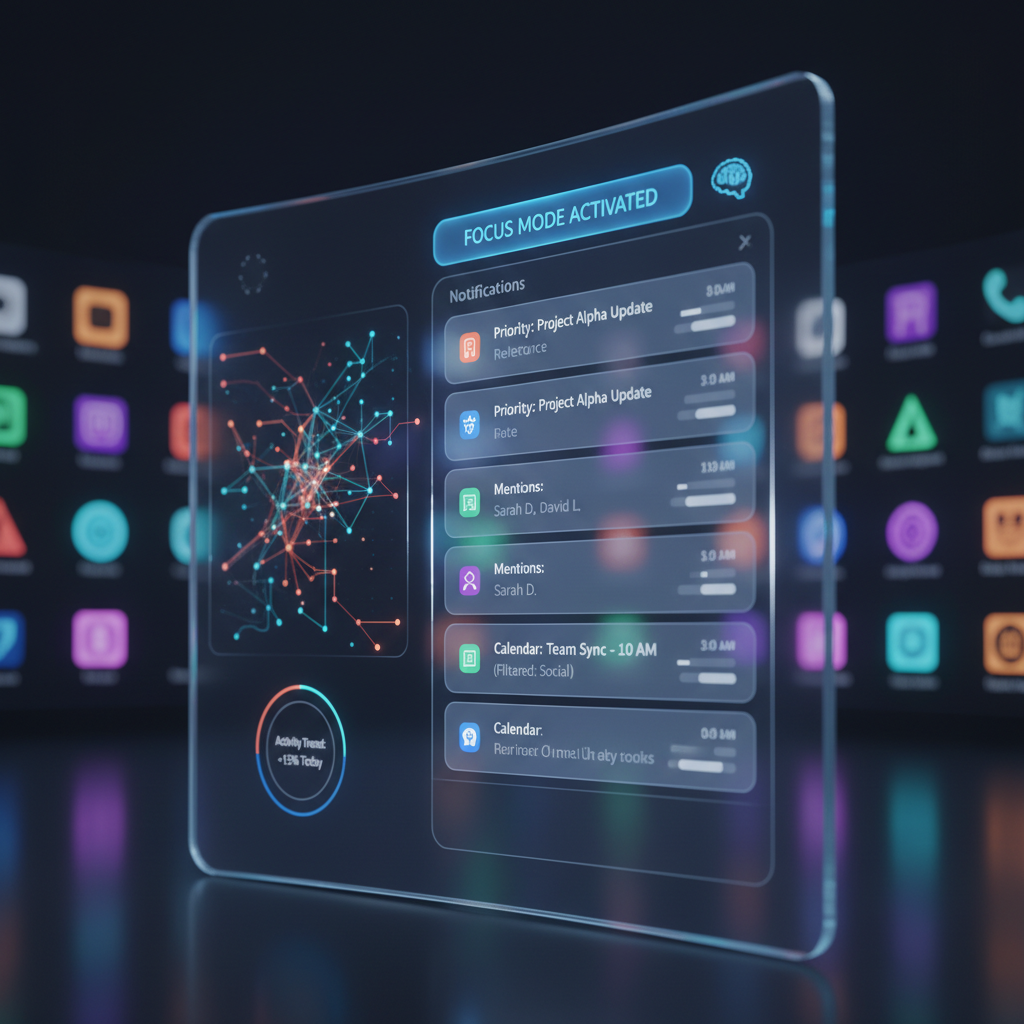
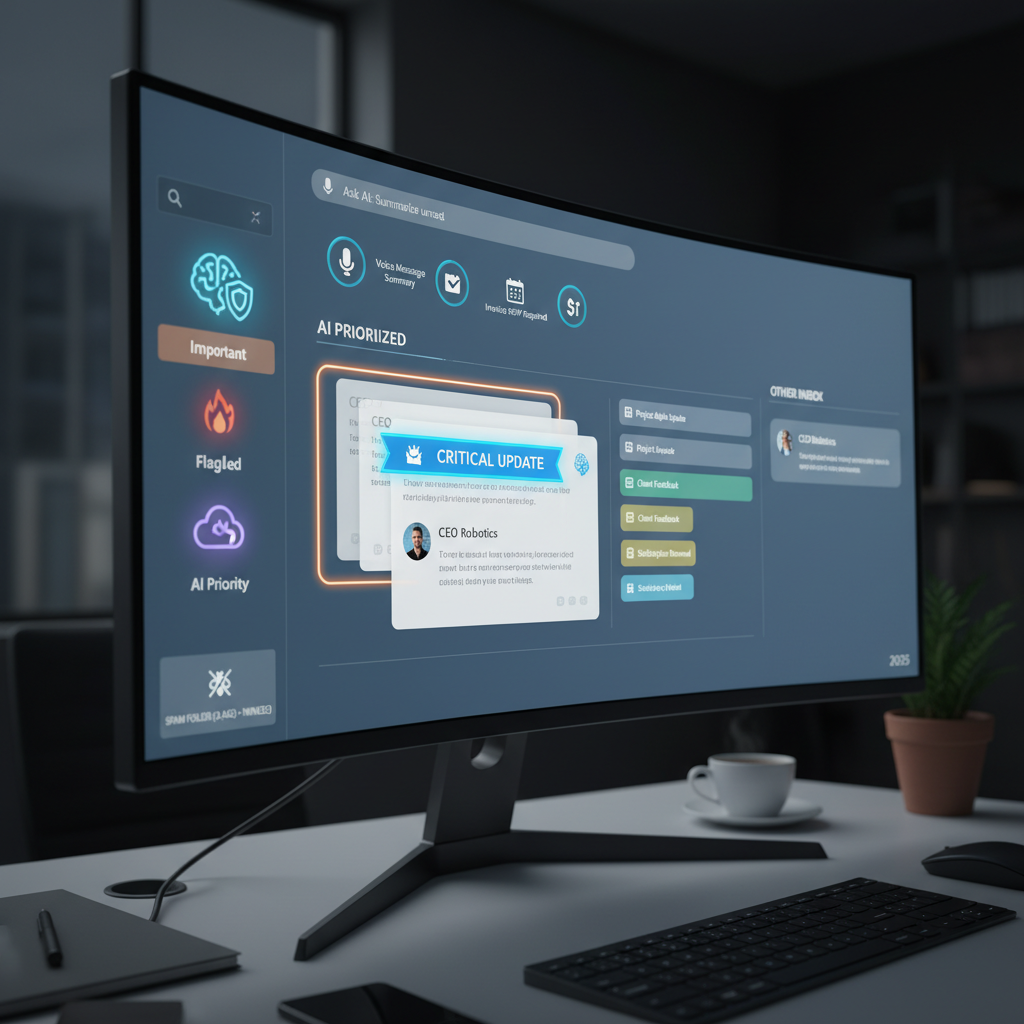
- Intelligent Prioritization: Goes beyond simple spam filtering to deeply understand your relationships and priorities, highlighting crucial emails that require immediate attention and potentially even suggesting times to address them.
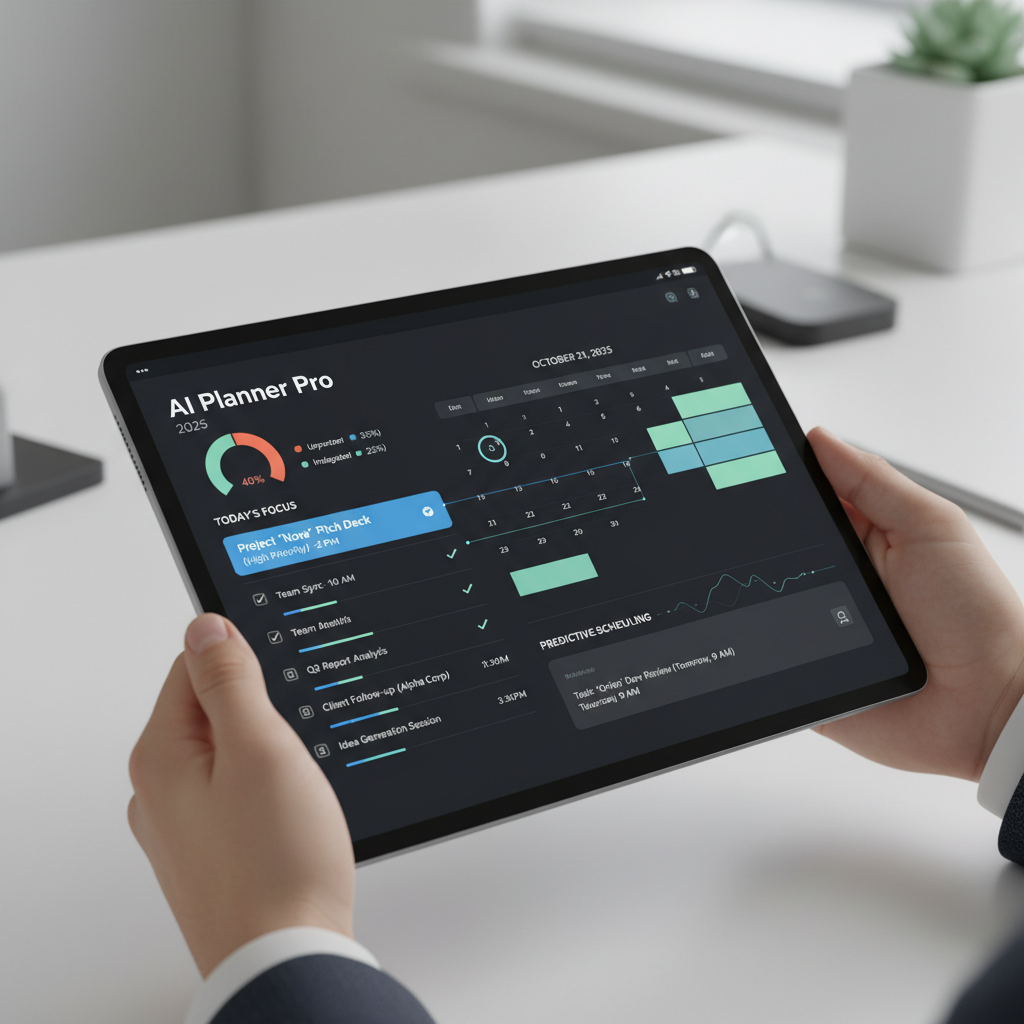
- Schedules and Organizes: Based on the content of an email, the AI could automatically suggest adding events to your calendar, creating tasks in your to-do list, or filing emails into specific project folders, all with minimal human intervention.
2. Advanced Personalization and Emotional Intelligence:
While current AI can adjust tone, future models will possess a far greater degree of emotional intelligence and contextual understanding:
- Sentiment Analysis and Response: AI will not only detect the sentiment of an incoming email (e.g., frustration, enthusiasm) but also craft replies that genuinely reflect empathy, de-escalate tension, or capitalize on positive sentiment.
- Hyper-Tailored Content: Leveraging even more data points (public profiles, past interactions, company news), AI will generate emails that are hyper-personalized to each recipient’s specific interests, communication style, and stage in a relationship.
- Adaptive Communication Styles: The AI might learn to adapt its writing style to match the sender’s, fostering stronger rapport and more natural conversations over email.
3. Seamless Multimodal Integration:
Email won’t exist in a silo. Future AI will integrate it seamlessly with other forms of communication and data:
- Voice-to-Email: Composing entire emails simply by speaking, with the AI transcribing, structuring, and refining your thoughts into a professional message.
- Video and Image Context: AI understanding content within attached images or videos to inform email drafts or summaries.
- Cross-Platform Continuity: Emails being seamlessly integrated with messages from other platforms like Slack, Teams, or CRM notes, creating a unified communication history that the AI can leverage for better context.
4. Automated Workflows and “Autopilot” Modes:
For routine email tasks, AI could manage entire sequences with minimal human touchpoints:
- Automated Onboarding/Offboarding: AI handling the sequence of emails for new employees or departing staff, personalized to their role and needs.
- Sales Cadences: Fully automated, yet highly personalized, email sequences for sales outreach, from initial contact to follow-ups, triggered by specific actions or timelines.
- Customer Service Resolution: For common issues, AI might be able to fully resolve queries through email without human intervention, escalating only when necessary.
5. Enhanced Security and Ethical AI:
As AI becomes more sophisticated, so too will the focus on building ethical and secure systems:
- Advanced Threat Detection: AI will get even better at detecting sophisticated phishing attacks, deepfake emails, and other cyber threats.
- Built-in Ethical Guardrails: Future AI will have more robust internal mechanisms to prevent biased language generation and promote fair and inclusive communication.
- Transparent AI: Users will have clearer insights into how the AI arrived at its suggestions and what data it used, fostering greater trust and control.
The future of AI email management is not about replacing human communication but augmenting it in ways that make it smarter, faster, and more impactful. These advancements promise to liberate us from email overload, allowing us to focus on the truly strategic and creative aspects of our work and lives.
Comparison Tables: A Look at Leading AI Email Assistants and Their Impact
Table 1: Feature Comparison of Leading AI Email Assistants (Illustrative Examples)
This table provides a high-level comparison of some well-known AI writing tools, highlighting their strengths in the context of email writing. Note that features can vary by plan and are constantly evolving.
| Feature / Tool | Grammarly Business | Jasper.ai | Writesonic | Copy.ai | SmartWriter.ai |
|---|---|---|---|---|---|
| Primary Focus | Grammar, Style & Tone (overall writing) | Long-form & Marketing Content Generation | AI Writing & Content Creation Suite | AI Copywriting & Content Generation | Personalized Email Outreach & Cold Emails |
| AI Draft Generation (Emails) | Good (suggestions, rephrasing) | Excellent (templates, custom prompts) | Excellent (specific email templates) | Excellent (specific email templates) | Excellent (hyper-personalized from data) |
| Tone & Style Adjustment | Excellent (suggestions for clarity, conciseness, confidence) | Excellent (wide range of tones) | Excellent (multiple tone options) | Excellent (various tone settings) | Good (professional, friendly, etc.) |
| Grammar & Punctuation Correction | Outstanding (core strength) | Good (integrated checking) | Good (integrated checking) | Good (integrated checking) | Good (integrated checking) |
| Email Summarization | Basic (can rephrase) | Good (can summarize text) | Good (can summarize text) | Good (can summarize text) | Limited (focused on generation) |
| Multi-language Support | Good (limited languages, but improving) | Excellent (supports over 30 languages) | Excellent (supports over 25 languages) | Excellent (supports over 25 languages) | Good (primary focus English, some others) |
| Integration with Email Clients/CRMs | Excellent (browser extension, desktop app) | Limited (copy/paste, some API) | Limited (copy/paste, some API) | Limited (copy/paste, some API) | Excellent (integrates with outreach tools) |
| Customizable Templates/Snippets | Yes (brand style guides) | Yes (extensive pre-built, custom) | Yes (extensive pre-built, custom) | Yes (extensive pre-built, custom) | Yes (customizable variables) |
Table 2: Benefits vs. Challenges of Adopting AI Email Assistants
Every technological advancement comes with its own set of advantages and hurdles. This table provides a balanced perspective on the practical implications of integrating AI email writing assistants into your workflow.
| Aspect | Benefits of AI Email Assistants | Challenges and Considerations |
|---|---|---|
| Productivity & Time Management |
|
|
| Communication Quality |
|
|
| Cost & Accessibility |
|
|
| Data Security & Ethics |
|
|
Practical Examples: AI Email Assistants in Real-World Scenarios
The versatility of AI email writing assistants makes them invaluable across a multitude of professions and personal situations. By understanding how different individuals and teams leverage these tools, you can better envision their impact on your own email workflow. Here are several practical examples:
1. For the Sales Professional: Boosting Outreach and Closing Deals
A sales professional’s success often hinges on consistent, personalized, and persuasive communication. AI email assistants can revolutionize their approach:
- Personalized Cold Outreach: Instead of generic templates, an AI can help draft unique opening lines or entire emails based on a prospect’s LinkedIn profile, recent company news, or industry trends. This dramatically increases engagement rates.
- Follow-up Automation: After a meeting or initial contact, the AI can generate concise, value-driven follow-up emails, prompting the next step without appearing pushy.
- Handling Objections: If a prospect raises a common objection via email, the AI can instantly suggest well-reasoned, empathetic responses that address the concern and re-emphasize the product’s benefits.
- Meeting Scheduling: Drafting polite and efficient emails for coordinating meeting times across multiple time zones.
2. For the Customer Support Agent: Enhancing Service and Empathy
Customer support roles demand quick, clear, and often empathetic responses to a wide range of inquiries. AI can transform the customer experience:
- Rapid Response to FAQs: For common questions, the AI can generate accurate and consistent answers almost instantly, freeing agents to focus on complex issues.
- Tone Management: When dealing with a frustrated customer, the AI can suggest language that is calm, apologetic, and solution-oriented, helping to de-escalate situations.
- Summarizing Issues: After a lengthy email exchange, the AI can summarize the customer’s problem and the steps taken so far, ensuring a smooth hand-off to another agent or for internal documentation.
- Proactive Communication: Drafting emails to inform customers about service outages, updates, or planned maintenance with clarity and conciseness.
3. For the Marketing Team: Crafting Engaging Campaigns
Marketers constantly strive to create compelling copy that drives engagement and conversions. AI offers a powerful ally:
- Campaign Email Drafting: Generating subject lines, body copy, and calls to action for various email marketing campaigns (e.g., product launches, newsletters, promotions). The AI can test different variations to see what performs best.
- A/B Testing Copy: Quickly generating multiple versions of an email’s content (e.g., different headlines, benefits statements) to facilitate effective A/B testing and optimize campaign performance.
- Personalized Newsletters: Tailoring sections of a newsletter to individual subscriber segments based on their past interactions or stated preferences.
- Drip Campaigns: Creating sequences of nurturing emails for leads, ensuring a consistent brand voice and messaging across the entire customer journey.
4. For the HR Manager: Sensitive and Clear Internal Communications
HR professionals often deal with sensitive information and require meticulous communication. AI can assist in maintaining professionalism and clarity:
- Onboarding/Offboarding Emails: Drafting structured and comprehensive emails for new hires or departing employees, covering necessary steps, documents, and welcome/farewell messages.
- Policy Updates: Crafting clear and unambiguous emails to communicate new company policies or changes to existing ones, ensuring all employees understand the implications.
- Performance Feedback: Assisting in drafting constructive and empathetic emails for performance reviews or feedback discussions, ensuring professionalism and clear actionable points.
- Internal Announcements: Creating engaging and informative emails for company-wide announcements, events, or initiatives.
5. For Personal Use: Everyday Communication Made Easy
Even for personal email management, AI assistants offer tremendous value:
- Event Invitations/RSVPs: Quickly drafting polite and informative invitations for social gatherings or professional events, and managing RSVPs.
- Dealing with Bureaucracy: Composing formal emails to landlords, utility companies, or service providers, ensuring clarity and all necessary details are included.
- Job Applications/Networking: Refining cover letters, follow-up emails after interviews, or networking outreach messages to make a strong impression.
- Quick Replies: For busy individuals, rapidly generating polite and coherent replies to friends and family, ensuring timely communication without extensive effort.
These examples illustrate that AI email writing assistants are not niche tools but powerful, adaptable solutions that can enhance communication effectiveness and efficiency across virtually any context. They empower users to communicate confidently, precisely, and with greater impact, ultimately transforming the dreaded inbox into a manageable and productive space.
Frequently Asked Questions About AI Email Writing Assistants
Q: What exactly is an AI email writing assistant?
A: An AI email writing assistant is a software tool that leverages artificial intelligence, primarily Natural Language Processing (NLP) and large language models (LLMs), to help users compose, refine, and manage their email correspondence. It goes beyond basic spell-checkers by understanding context, generating human-like text, suggesting content, adjusting tone, and ensuring grammatical correctness and clarity.
Q: How do these assistants differ from traditional spell checkers?
A: Traditional spell checkers only identify and correct spelling and basic grammatical errors. AI email writing assistants, on the other hand, are much more comprehensive. They can generate entire email drafts from scratch, rephrase sentences for better clarity or tone, summarize long emails, suggest contextual replies, and even personalize content. They understand the meaning and intent behind the text, not just its mechanical correctness.
Q: Are AI email assistants secure for sensitive information?
A: The security of AI email assistants depends entirely on the provider. Reputable tools employ strong encryption, adhere to data privacy regulations (like GDPR and CCPA), and have transparent data handling policies. However, no system is entirely foolproof. It is crucial to choose providers with a solid security track record, read their privacy policies carefully, and exercise caution with highly sensitive or confidential information. Always verify what data the AI stores and how it’s used.
Q: Can AI assistants understand context and tone?
A: Yes, modern AI email assistants are highly capable of understanding context and adjusting tone. Through advanced NLP, they analyze the surrounding text, the sender-recipient relationship (if integrated with your contacts), and the overall objective of the email. They can then generate content that is appropriate for various tones, such as professional, casual, empathetic, urgent, or persuasive, helping you convey your message effectively.
Q: How much human intervention is still needed when using AI for emails?
A: While AI can generate impressive drafts, human intervention remains crucial. AI assistants are best viewed as powerful co-pilots, not fully autonomous replacements. You should always review, fact-check, and personalize any AI-generated content before sending it. This ensures accuracy, maintains your authentic voice, and prevents any potential “hallucinations” or inappropriate phrasing from the AI. The final responsibility for the email’s content lies with you.
Q: Can AI email assistants help with emails in multiple languages?
A: Many advanced AI email assistants offer robust multi-language support. They can often translate emails, generate content directly in various languages, or assist in refining messages for non-native speakers. This feature is particularly valuable for international businesses and individuals who communicate across language barriers, promoting better global understanding and efficiency.
Q: What are the common pricing models for these tools?
A: Pricing models vary widely but commonly include:
- Freemium: A free basic version with limited features or word count, and paid tiers for more advanced capabilities.
- Subscription-based (Monthly/Annually): Tiered plans based on features, number of users, or monthly word generation limits.
- Per-use/Credit-based: Where you purchase credits that are consumed based on the amount of content generated.
Most professional tools offer a free trial period to evaluate their effectiveness before committing to a paid plan.
Q: Will AI email assistants replace human writers?
A: It is highly unlikely that AI email assistants will fully replace human writers. Instead, they are designed to augment human capabilities. They automate mundane tasks, improve efficiency, and enhance the quality of writing, allowing human writers to focus on more creative, strategic, and nuanced aspects of communication. AI is a tool that empowers, rather than replaces, human ingenuity and emotional intelligence.
Q: How can I choose the best AI email assistant for my needs?
A: To choose the best AI email assistant, consider the following:
- Core Features: Does it offer draft generation, tone adjustment, summarization, or other features you need most?
- Integration: Does it integrate with your existing email client (Gmail, Outlook) and other tools (CRM)?
- Ease of Use: Is the interface intuitive and easy to learn?
- Security and Privacy: Review their data handling policies and security measures.
- Pricing: Does it fit your budget and offer a good return on investment for the features provided?
- Multi-language Support: If you communicate globally, this is essential.
- Reviews and Reputation: Check what other users are saying about the tool’s effectiveness and reliability.
Start with free trials to test out different options before making a commitment.
Q: What are the ethical considerations when using AI for email?
A: Ethical considerations include:
- Bias: AI models can perpetuate biases present in their training data, leading to potentially discriminatory or unfair language.
- Transparency: Whether to disclose when AI has assisted in drafting an email, especially in sensitive contexts.
- Authenticity: Ensuring that AI-generated content still reflects your authentic voice and values.
- Misuse: The potential for AI to be used for sophisticated spam, phishing, or misinformation campaigns.
- Data Privacy: The responsibility of providers to protect user data and the user’s need to understand data practices.
Responsible and mindful use is key to harnessing AI’s benefits while mitigating its risks.
Key Takeaways: Embracing the Future of Email
The journey through the world of AI email writing assistants reveals a landscape of innovation poised to redefine our daily communication. Here are the core insights to remember:
- Revolutionary Efficiency: AI email assistants are powerful tools that significantly reduce the time and effort required to draft, refine, and manage emails, leading to substantial productivity gains.
- Elevated Communication Quality: They ensure emails are consistently clear, concise, grammatically flawless, and perfectly tuned to the desired tone, enhancing professionalism and impact.
- Feature-Rich Functionality: Look for advanced draft generation, tone adjustment, summarization, reply suggestions, personalization, and seamless integration with your existing tools.
- Beyond Simple Corrections: These tools leverage sophisticated AI (NLP, LLMs) to understand context and generate human-like text, far surpassing basic spell checkers.
- Indispensable Across Sectors: From sales and customer support to marketing and HR, AI email assistants offer tailored solutions that streamline communication and improve outcomes in diverse professional fields.
- Prioritize Data Privacy: When selecting a tool, thoroughly investigate its data handling policies, encryption standards, and compliance with privacy regulations to ensure your sensitive information is protected.
- Human Oversight is Paramount: While AI is incredibly capable, it’s an assistant, not a replacement. Always review, fact-check, and personalize AI-generated content to maintain accuracy, authenticity, and ethical standards.
- The Future is Proactive and Personalized: Expect continued advancements leading to predictive email management, greater emotional intelligence, multimodal integration, and hyper-automated workflows.
- Ethical Responsibility: Understand and address the potential for bias and misuse. Use AI tools responsibly to foster fair, transparent, and respectful communication.
By strategically adopting and thoughtfully applying AI email writing assistants, individuals and organizations can transform email management from a source of overwhelm into a conduit for effortless, effective, and impactful communication, truly embracing the future of digital interaction.
Conclusion: Your Inbox, Reimagined by AI
We stand at the precipice of a new era in digital communication, one where the burdens of email management are significantly alleviated by the intelligence of AI. The days of struggling with writer’s block, agonizing over the perfect phrasing, or spending countless hours crafting responses are steadily fading. AI email writing assistants are not just another technological fad; they are foundational tools that are reshaping how we interact with our most persistent communication channel.
From providing instant, context-aware draft suggestions and impeccably adjusting tone, to ensuring grammatical perfection and offering multi-language support, these AI co-pilots empower us to communicate with unprecedented efficiency and impact. They free up invaluable time, elevate the quality of our messages, foster consistency, and ultimately reduce the cognitive load associated with maintaining a professional and responsive online presence. While challenges around data privacy and accuracy demand our vigilant attention, the leading developers are continuously innovating to build more secure, transparent, and ethically sound AI solutions.
The future promises even more sophisticated integration, proactive assistance, and hyper-personalization, making email an even more intuitive and less demanding part of our lives. Embracing AI email writing assistants is not merely an upgrade; it is an investment in your personal productivity, your professional excellence, and your overall peace of mind. Dive in, explore the possibilities, and experience the transformative power of crafting perfect replies effortlessly. Your reimagined inbox awaits.














































































Leave a Reply