


The daily commute is often cited as one of life’s most persistent stressors. From gridlocked highways to unexpected detours, the journey from home to work and back can erode our patience, productivity, and overall well-being. But what if your car could become a sanctuary, a mobile haven designed to minimize stress and maximize tranquility? This is no longer a futuristic fantasy but a present-day reality, thanks to the revolutionary advancements in Artificial Intelligence (AI). AI is rapidly transforming how we navigate, entertain ourselves, and even interact with our vehicles, paving the way for a truly zen commute experience.
This comprehensive guide delves into how AI is making our daily drives calmer, safer, and more enjoyable. We will explore the myriad ways AI-powered technologies are being integrated into our vehicles, from predictive navigation systems that anticipate traffic before it happens, to personalized entertainment hubs that curate your perfect playlist, and sophisticated safety features that act as an extra pair of eyes on the road. Prepare to discover how leveraging AI can turn your dreaded daily grind into a mindful journey, enhancing not just your commute but your entire day.
The Daily Commute: A Modern Marathon of Stress
For millions around the globe, the commute is more than just a means of transportation; it is a significant portion of their day, often fraught with frustration, anxiety, and wasted time. The roar of engines, the endless brake lights, the unpredictable maneuvers of other drivers, and the constant fear of being late contribute to a substantial increase in stress levels. Studies consistently show that long, difficult commutes can negatively impact mental health, increase blood pressure, and even reduce job satisfaction. The traditional commute, characterized by manual decision-making and reactive responses to traffic conditions, leaves little room for calm or contemplation.
The physical and psychological toll is undeniable. Imagine starting your workday already feeling drained and agitated, or returning home too exhausted to engage meaningfully with family or personal pursuits. This cumulative stress isn’t just an inconvenience; it’s a public health issue. Drivers spend countless hours trapped in their vehicles, often feeling a profound lack of control over their circumstances. This sensation of powerlessness in the face of external chaos is a primary driver of commuting-related stress. Clearly, there’s a pressing need for solutions that can mitigate these negative effects and transform the commute into a more positive, perhaps even restorative, experience.
What is AI-Powered Commuting?
AI-powered commuting refers to the integration of Artificial Intelligence technologies into vehicles and transportation infrastructure to optimize, personalize, and enhance the driving experience. At its core, AI in this context involves algorithms and systems that can perceive their environment, learn from data, reason, and make decisions to improve various aspects of a journey. This isn’t about fully autonomous vehicles alone, though they represent the ultimate expression of AI in driving. Rather, it encompasses a wide spectrum of assistive technologies that empower drivers with better information, greater control, and a more comfortable environment.
The fundamental principle behind AI’s utility in commuting is its ability to process vast amounts of data much faster and more accurately than humans. This data can range from real-time traffic conditions, historical travel patterns, weather forecasts, and road incidents, to a driver’s personal preferences for music, temperature, or even driving style. By analyzing these complex datasets, AI can offer predictive insights, automate routine tasks, and personalize the in-car experience in ways that were previously unimaginable. The goal is to offload cognitive burden from the driver, reduce uncertainties, and create an intuitive, seamless, and ultimately calmer journey.
Predictive Navigation: Outsmarting Traffic Jams
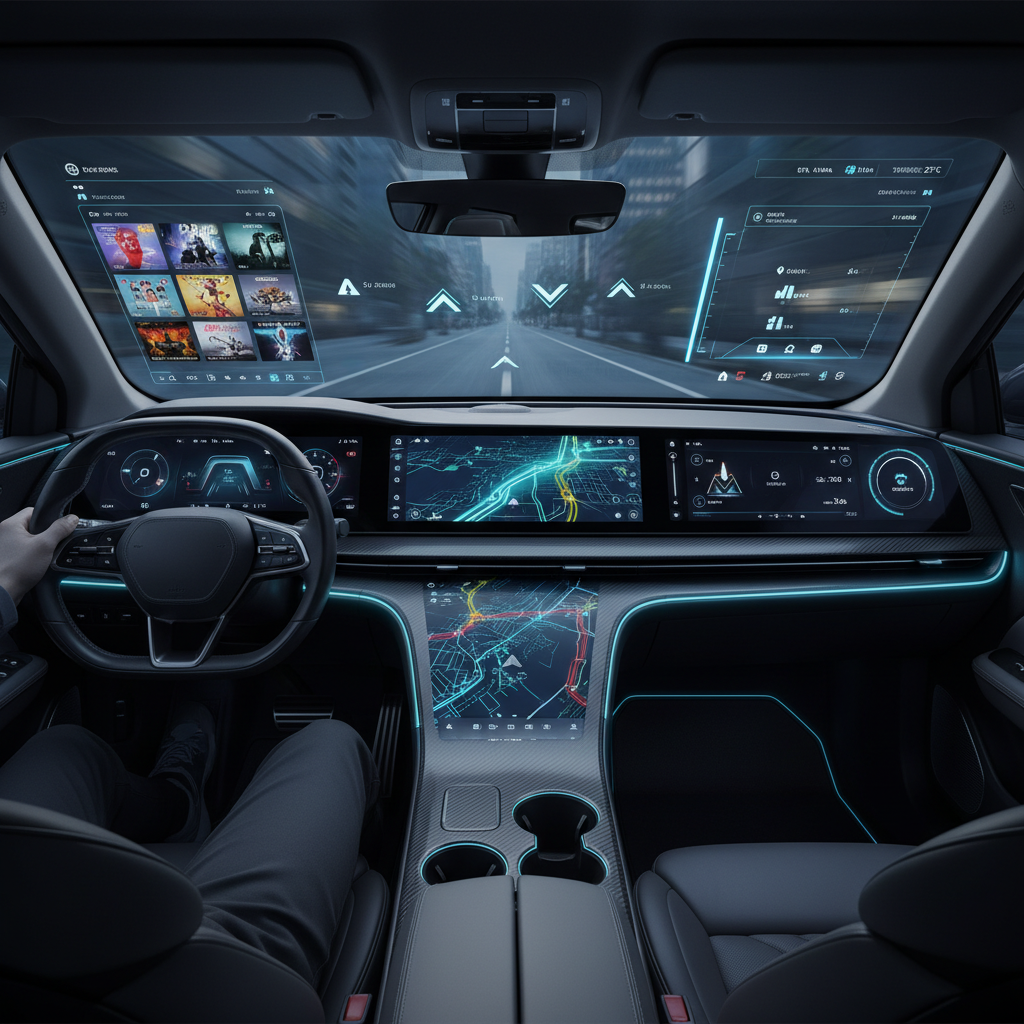
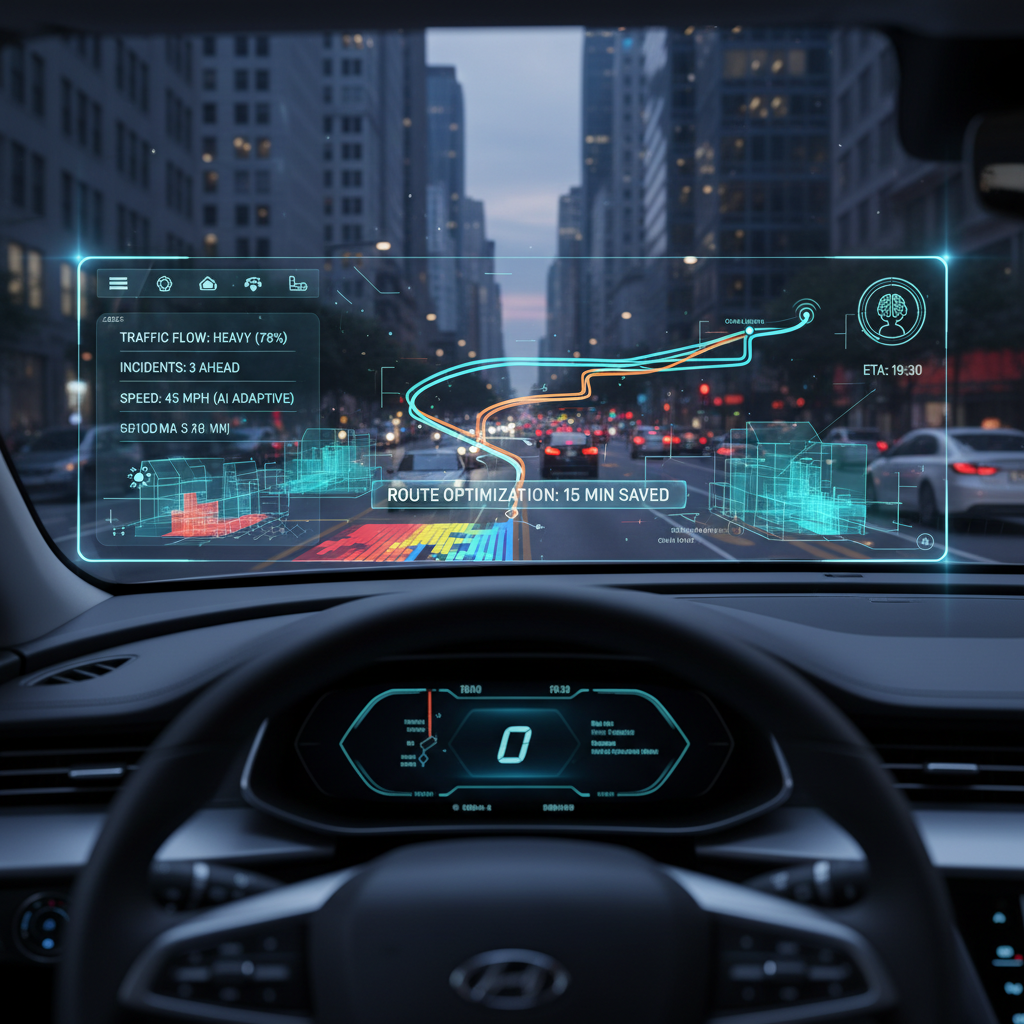
One of the most immediate and impactful applications of AI for a zen commute is in navigation. Gone are the days of static GPS maps that merely point you to a destination. Modern AI-powered navigation systems are dynamic, intelligent co-pilots capable of predicting and reacting to the ever-changing landscape of urban and interurban travel.
Real-time Data and Machine Learning
AI navigation systems leverage an enormous stream of real-time data from various sources: millions of connected vehicles, smartphones, traffic cameras, public transit systems, and even weather satellites. This data is fed into sophisticated machine learning algorithms that identify patterns and predict future traffic conditions with remarkable accuracy. Instead of just showing current congestion, these systems can forecast how traffic will evolve in the next 15 minutes, 30 minutes, or even an hour, based on historical data, upcoming events, and current flow. This predictive capability is what sets AI apart from traditional GPS. For example, if a major sporting event is due to end in an hour, an AI system might recommend an alternative route well in advance, even if current traffic is clear.
Dynamic Route Optimization
Beyond just predicting traffic, AI continuously optimizes your route in real-time. If an unexpected accident occurs or a new bottleneck forms, the system doesn’t just alert you; it instantly calculates and suggests alternative routes, weighing factors like travel time, distance, fuel efficiency, and even the number of turns. This dynamic rerouting isn’t just about speed; it’s about minimizing the cognitive load on the driver. You don’t have to scramble to find an alternative or second-guess your path; the AI handles the complex calculations, providing clear, actionable advice. This proactive approach significantly reduces anxiety associated with unforeseen delays.
Personalized Traffic Insights
Advanced AI navigation can also learn your personal preferences. Do you prefer avoiding highways, even if it adds a few minutes to your trip? Do you have specific times you want to avoid certain busy intersections? AI can factor these preferences into its routing suggestions. Some systems can even integrate with your calendar, automatically pre-populating destinations and suggesting optimal departure times based on your schedule and anticipated traffic, ensuring you leave at the perfect moment to arrive calm and on time. This level of personalization transforms navigation from a generic utility into a truly bespoke service.
Smart Entertainment: Your Personal In-Car DJ and Storyteller
A stressful commute can be significantly alleviated by having the right auditory environment. AI is revolutionizing in-car entertainment, turning your vehicle into a personalized concert hall, podcast studio, or mindfulness retreat, all tailored to your mood and journey.
AI-Curated Playlists and Podcasts
Modern infotainment systems, powered by AI, go far beyond simple radio presets. They integrate deeply with streaming services and leverage machine learning to understand your musical tastes, preferred genres, and even specific artists. But it doesn’t stop there. AI can analyze your driving patterns, the time of day, and even external factors like traffic conditions to suggest music or podcasts that complement your journey. Stuck in heavy traffic? The AI might suggest calming instrumental music or an engaging, long-form podcast to distract you. Cruising on an open highway? Perhaps an upbeat, energetic playlist is offered. Some systems can even learn your preferred listening habits for different types of journeys or moods, creating a truly adaptive soundscape.
Seamless Integration with Personal Devices
AI-driven car systems offer unparalleled connectivity with your personal devices. Whether it’s your smartphone, smartwatch, or home smart assistant, the vehicle becomes an extension of your digital ecosystem. This means your personalized playlists, audiobook progress, and podcast subscriptions seamlessly transfer from your home or personal device to your car’s infotainment system. Voice commands, enabled by advanced natural language processing (NLP) AI, allow you to control everything without taking your hands off the wheel or your eyes off the road, ensuring both convenience and safety.
Voice-Activated Control and Mood Adaptation
Imagine simply saying, “Hey car, play something to help me relax,” or “Find a news podcast from this morning.” AI’s natural language processing capabilities make these interactions intuitive and responsive. Beyond simple commands, some advanced systems are exploring ways to infer driver mood through voice tone or facial expressions (via in-cabin cameras) and adjust the entertainment, lighting, or even cabin temperature accordingly. If the AI detects signs of stress, it might automatically lower the volume, change to calming music, or suggest a guided breathing exercise available through the infotainment system, actively contributing to a more tranquil environment.
Enhanced Safety and Driver Assistance Systems
While often seen as separate from “zen,” safety is undeniably foundational to a calm commute. Knowing your vehicle is equipped with intelligent systems that actively work to prevent accidents or mitigate their impact significantly reduces driver anxiety. AI is at the heart of the latest advancements in Advanced Driver-Assistance Systems (ADAS).
Adaptive Cruise Control and Lane Keeping
AI-powered adaptive cruise control (ACC) goes beyond maintaining a set speed; it uses radar and camera sensors to monitor the traffic ahead and automatically adjust your speed to maintain a safe following distance. This dramatically reduces the need for constant braking and accelerating, especially in stop-and-go traffic, turning potentially frustrating situations into smoother, less strenuous experiences. Coupled with AI-driven lane-keeping assist (LKA), which gently steers the vehicle to keep it centered in its lane, these systems alleviate significant driver fatigue and stress, allowing for a more relaxed focus on the road.
Driver Monitoring Systems
AI-powered driver monitoring systems (DMS) use in-cabin cameras and sensors to detect signs of driver distraction or fatigue. These systems can track eye movement, head position, and even subtle changes in facial expressions. If the AI identifies drowsiness or a lack of attention, it can issue auditory or haptic alerts, encouraging the driver to refocus or take a break. This proactive safety measure acts as a vigilant co-pilot, enhancing awareness and preventing dangerous situations before they escalate, thereby instilling greater confidence and calmness in the driver.
Predictive Maintenance Alerts and Road Hazard Detection
AI isn’t just about real-time driving; it also monitors your vehicle’s health. Predictive maintenance systems analyze data from various car components to anticipate potential failures before they occur, alerting you to schedule service at your convenience, rather than being caught off guard by a breakdown. Furthermore, AI can enhance road hazard detection. Beyond standard collision warnings, AI-powered sensors can identify debris on the road, unusual road conditions (like sudden flooding), or even warn of wildlife approaching the roadway, providing crucial extra seconds for the driver to react and avoid potential dangers. This foresight contributes immensely to a feeling of security and control.
Personalized In-Cabin Environment: Comfort Tailored to You
The physical environment within the car plays a crucial role in overall comfort and stress levels. AI is enabling vehicles to become adaptive cocoons, automatically adjusting various cabin elements to suit individual preferences and even current moods.
Temperature and Lighting Automation
AI-driven climate control systems learn your preferred temperature settings based on time of day, external weather, and even individual passenger profiles. Instead of constantly fiddling with dials, the AI maintains optimal comfort. Similarly, ambient lighting systems can be programmed or dynamically adjusted by AI to create specific moods. A soft, warm glow for a night drive or a brighter, energizing light for a morning commute can be automatically set, or even react to your voice commands, turning the cabin into a truly personalized space.
Seat Adjustment and Massage Functions
For drivers who share a vehicle, AI can automatically adjust seat position, mirror settings, and steering wheel height to individual profiles upon entry, eliminating the hassle of manual adjustments. More advanced systems can even integrate with wearable technology to monitor heart rate or stress levels and activate subtle massage functions in the seats to help alleviate tension during long drives or stressful traffic situations, providing a therapeutic touch that actively reduces physical discomfort.
Scent and Soundscapes
Emerging AI applications include integrated scent diffusers that can release calming aromas (e.g., lavender) during stressful commutes or invigorating scents (e.g., peppermint) for long drives to maintain alertness. Combined with AI-curated soundscapes that feature natural sounds (rain, forest ambiance) or binaural beats designed to promote focus or relaxation, the cabin transforms into a multi-sensory oasis. These subtle yet powerful environmental modifications work together to create a deeply personalized and soothing atmosphere, turning the car into a mobile wellness space.
AI for Parking and Destination Management
The stress of commuting doesn’t always end when you reach your destination. Finding parking, especially in congested urban areas, can be a major source of anxiety and frustration. AI is stepping in to make the beginning and end of your journey as smooth as the middle.
Intelligent Parking Assistance
AI-powered parking assistance systems take the guesswork and stress out of finding a spot. These systems can not only guide you to available parking spaces in a lot but also predict parking availability in complex urban environments, often integrating with third-party parking apps to reserve or pay for a spot in advance. Advanced features include automated parking (both parallel and perpendicular), where the car maneuvers itself into a tight spot with minimal or no driver intervention. This eliminates the dreaded cycle of circling blocks and the anxiety of difficult parking maneuvers, allowing you to arrive at your destination feeling composed.
Seamless Integration with Calendar and Smart Home
AI’s power lies in its ability to connect various aspects of your digital life. Your car can now integrate with your digital calendar, not just for navigation but for pre-empting your needs. If your calendar shows an appointment, the car can automatically suggest optimal departure times, find parking near the destination, and even alert you to potential delays. Furthermore, AI can bridge the gap between your car and your smart home. Imagine your car communicating with your home thermostat to adjust the temperature before you arrive, or automatically unlocking the front door as you pull into the driveway. This seamless transition from driving to arriving minimizes friction and extends the ‘zen’ experience from the road into your personal spaces, ensuring a smooth end to your commute.
The Ethical Considerations and Future Outlook of AI in Commuting
While the benefits of AI in creating a calmer commute are undeniable, it is essential to consider the ethical implications and the future trajectory of these technologies. As AI becomes more sophisticated and integrated, questions of data privacy, security, and the potential for over-reliance become increasingly pertinent.
Data Privacy and Security
AI systems in vehicles collect vast amounts of personal data, from location and driving habits to in-cabin preferences and even biometric data via driver monitoring systems. Ensuring the robust protection of this data against breaches and misuse is paramount. Clear regulations, transparent data handling policies, and strong encryption are vital to building and maintaining driver trust. As cars become data centers on wheels, safeguarding personal information becomes a critical responsibility for manufacturers and service providers alike. Users must be empowered with control over their data and understand how it is being utilized to enhance their driving experience.
Over-Reliance and Skill Erosion
The increasing automation provided by AI systems raises concerns about potential over-reliance. Will drivers become less attentive or less skilled if AI handles many aspects of driving? While ADAS features are designed to assist, not replace, human drivers, there’s a fine line between assistance and complacency. Education and training are crucial to ensure drivers understand the capabilities and limitations of AI systems, fostering a collaborative relationship between human and machine. Maintaining driver engagement and ensuring that humans retain critical driving skills, even with advanced automation, will be a significant challenge for the future.
The Road Ahead: Fully Autonomous and Hyper-Personalized Journeys
Looking ahead, the evolution of AI in commuting promises even more transformative experiences. We are moving towards higher levels of autonomous driving, where the car can take over most, if not all, driving tasks in specific conditions. This will free up commute time for work, relaxation, or entertainment, truly converting the vehicle into a third living space. Beyond autonomy, expect hyper-personalization, where AI not only learns your preferences but anticipates your needs based on subtle cues, current events, and even predictive analytics of your day. Imagine a car that automatically reschedules your chiropractor appointment because it detected early signs of back stiffness during your drive, or proactively suggests a stop at your favorite coffee shop on a particularly early morning. The future of AI in commuting is one where the car becomes an intelligent, empathetic partner, dedicated to optimizing your well-being on every journey.
Comparison Tables
Table 1: Traditional Commute vs. AI-Enhanced Commute
| Feature | Traditional Commute | AI-Enhanced Commute | Impact on Zen Experience |
|---|---|---|---|
| Traffic Avoidance | Manual observation, static GPS warnings, reactive rerouting. | Predictive AI navigation, dynamic real-time optimization, foresight into congestion. | Significantly reduces uncertainty, frustration, and delay-induced stress. |
| In-Car Entertainment | Radio, CDs, basic streaming; manual selection. | AI-curated playlists, personalized podcasts, mood-adaptive soundscapes, voice control. | Creates a personalized, soothing, or stimulating auditory environment, reducing boredom and stress. |
| Driving Safety | Driver’s sole responsibility, reactive braking/steering. | Adaptive Cruise Control, Lane Keeping, Driver Monitoring, collision avoidance, predictive maintenance. | Boosts confidence, reduces fatigue, prevents accidents, leading to greater peace of mind. |
| Cabin Environment | Manual climate control, fixed lighting. | Automated temperature control, personalized lighting, seat adjustments, mood-adaptive features. | Maximizes physical comfort and creates a bespoke, calming atmosphere. |
| Parking & Arrival | Manual search, trial-and-error parking. | Intelligent parking assistance, predictive availability, automated parking, smart home integration. | Eliminates post-drive stress, ensures smooth transition from car to destination. |
| Overall Stress Level | High; reactive to external factors, sense of lack of control. | Low to Moderate; proactive, greater control, personalized comfort. | Transforms a frustrating experience into a potentially relaxing or productive one. |
Table 2: Evolution of AI Navigation System Features
| Navigation Feature | Basic AI Navigation (Early-Mid 2010s) | Advanced AI Navigation (Late 2010s – Present) | Future AI Navigation (Next 5-10 Years) |
|---|---|---|---|
| Real-time Traffic Data | Yes, but often delayed or aggregated. | Yes, highly accurate, crowd-sourced, constantly updated. | Predictive traffic flow (ML-driven), incident impact forecasting. |
| Dynamic Rerouting | Limited, primarily for major incidents. | Sophisticated, real-time recalculation based on various factors. | Contextual rerouting (e.g., avoid specific neighborhoods), driver preference learning. |
| Predictive ETA | Basic estimation, often inaccurate in changing conditions. | Highly accurate, learning from historical data and current events. | Hyper-accurate, considering driver’s personal driving style and potential stops. |
| Parking Assistance | No or very basic (e.g., parking lot POIs). | Integrated parking availability, reservation capabilities, automated parking. | Predictive parking availability, seamless payment integration, remote parking. |
| Voice Control | Simple commands, often rigid and error-prone. | Natural Language Processing (NLP), contextual understanding. | Conversational AI, mood detection, proactive suggestions. |
| EV Charging Integration | Rare or manual search for charging stations. | Optimized routes with charging stops, real-time charger availability. | Predictive charging needs, automatic charging scheduling, smart grid integration. |
| Multi-modal Routing | No, solely vehicle-based. | Limited integration with public transport options. | Seamless integration with public transport, ride-sharing, cycling for optimal journey. |
Practical Examples and Case Studies
To truly appreciate the transformative power of AI in commuting, let’s look at a few real-world scenarios. These examples illustrate how AI technologies are making a tangible difference in the daily lives of drivers.
Example 1: Sarah’s Stress-Free Morning Commute
Sarah, a marketing executive, used to dread her 45-minute drive to the office. Every morning was a gamble, filled with unexpected traffic jams and the constant pressure of being late. Since upgrading to a car with advanced AI features, her commute has been revolutionized. Her AI-powered navigation system now proactively suggests she leave 10 minutes earlier than usual on Tuesdays, based on historical data showing heavier traffic patterns that day. On a recent Wednesday, just as she was about to hit a known bottleneck, her navigation system rerouted her via a scenic route, adding only 5 minutes but avoiding a 25-minute delay caused by an unexpected lane closure.
Meanwhile, her smart entertainment system, having learned she prefers calming lo-fi music during stressful periods, automatically switches from her morning news podcast to a curated chill-out playlist when it detects she’s entering heavy traffic. Her adaptive cruise control handles the stop-and-go perfectly, allowing her to relax her foot and maintain a safe distance without constant manual adjustment. By the time Sarah arrives at work, instead of feeling frazzled, she feels composed and ready to tackle her day, a stark contrast to her previous experiences. This level of predictive insight and personalized comfort has turned her commute from a burden into a moment of calm preparation.
Example 2: Mark’s Relaxed Weekend Road Trip
Mark frequently drives long distances to visit family. His older car made these trips exhausting, requiring constant vigilance and frequent stops. His new AI-equipped SUV has transformed these journeys. On a recent 300-mile trip, his AI navigation not only plotted the fastest route but also suggested an optimal charging stop for his electric vehicle, factoring in his battery level and the availability of fast chargers.
His driver monitoring system subtly alerted him when it detected early signs of fatigue after four hours of driving, suggesting a rest stop that also had a good coffee shop. When approaching a notorious stretch of road known for deer crossings, his AI system gave an advanced warning about potential wildlife, displaying a cautionary alert on his dashboard based on predictive models and recent sightings. Throughout the journey, the AI-powered climate control maintained his preferred temperature, and the seat’s gentle massage function activated periodically, preventing stiffness. Mark arrived at his destination feeling refreshed and less strained, proving that AI enhances not just daily commutes but also longer, more challenging drives.
Example 3: Eco-Conscious Commuter and Fuel Efficiency
Elena is committed to reducing her carbon footprint. Her AI-integrated car helps her achieve this goal. Her navigation system, knowing her preference for eco-friendly routes, often suggests paths that minimize rapid acceleration and braking, even if they’re slightly longer in distance but consume less fuel. The AI constantly monitors her driving style and provides real-time feedback, encouraging smoother driving habits that conserve energy.
Furthermore, the predictive maintenance alerts from her AI system have helped her keep her car in optimal condition, ensuring engine efficiency and reducing emissions. She receives reminders for tire pressure checks and oil changes, which are crucial for fuel economy. Before heading home, her car’s AI connects with a smart parking app, identifying garages with EV charging stations or preferred low-emission zones. This holistic approach, powered by AI, allows Elena to commute with a clear conscience, knowing she’s minimizing her environmental impact while still enjoying a calm and efficient journey.
Frequently Asked Questions
Q: How does AI truly make my commute calmer?
A: AI contributes to a calmer commute by significantly reducing common stressors. It provides predictive insights into traffic, helping you avoid unexpected delays. It personalizes your in-car environment with adaptive entertainment, climate control, and comfort features, making the cabin a more pleasant space. Crucially, AI-powered driver assistance systems enhance safety, providing an extra layer of protection and reducing the cognitive load on the driver, allowing you to feel more secure and less overwhelmed by the demands of driving. By anticipating needs and automating tasks, AI transforms a reactive, stressful experience into a proactive, serene journey.
Q: Is AI navigation always accurate, especially with sudden changes?
A: While no system can be 100 percent accurate all the time, AI navigation systems are remarkably precise and resilient to sudden changes. They achieve this by continuously processing massive amounts of real-time data from countless sources (connected cars, sensors, cameras, crowd-sourced information) and employing machine learning algorithms to predict traffic patterns and optimize routes. When sudden incidents occur, these systems can reroute in milliseconds, often faster than human drivers can react. Their strength lies in their ability to analyze complex variables simultaneously and dynamically adapt, making them far more reliable than traditional GPS in dynamic traffic conditions.
Q: What are the privacy concerns with AI in my car?
A: Privacy is a significant concern with AI in cars, as these systems collect extensive data about your driving habits, location, in-cabin preferences, and sometimes even biometric information. Manufacturers and service providers typically state that this data is used to improve services and personalize your experience. However, it’s crucial for users to understand what data is collected, how it’s stored, who has access to it, and for what purposes it’s used. Look for clear privacy policies, options to opt-out of certain data collection, and robust encryption protocols. As technology evolves, regulatory frameworks are also adapting to protect consumer data in connected vehicles.
Q: Can AI entertainment systems truly learn my preferences?
A: Absolutely. AI entertainment systems are designed to learn and adapt to your preferences over time. Through machine learning, they analyze your listening history, genre preferences, skip patterns, and even the time of day or driving conditions when you choose certain content. The more you use the system, the better it becomes at curating personalized playlists, suggesting relevant podcasts, or recommending new artists you might enjoy. Some advanced systems can even factor in your current mood, inferred from driving style or voice commands, to fine-tune recommendations, creating a truly dynamic and personalized auditory experience.
Q: Are AI-powered driver assistance systems safe, or do they make drivers complacent?
A: AI-powered driver assistance systems (ADAS) are rigorously tested and designed to significantly enhance safety by augmenting human capabilities, not replacing them. Features like adaptive cruise control, lane-keeping assist, and automatic emergency braking are proven to reduce accident rates. The concern about complacency is valid, and manufacturers emphasize that these are assistance systems, requiring the driver to remain attentive and ultimately responsible for control of the vehicle. Proper driver education and understanding the limitations of these systems are crucial to leverage their safety benefits without fostering over-reliance. They are tools to reduce fatigue and increase awareness, not substitutes for human vigilance.
Q: How much does it cost to have an AI-enhanced commute?
A: The cost of an AI-enhanced commute varies widely depending on the level of integration and the features desired. Many modern vehicles now come standard with basic AI-powered ADAS (like automatic emergency braking) and advanced infotainment systems. For more sophisticated features like highly predictive navigation, advanced driver monitoring, or personalized cabin environments, you might need to purchase higher trim levels of new vehicles or specific technology packages, which can add several thousands to tens of thousands of dollars to the vehicle’s price. Some AI features might also come as subscription services (e.g., advanced connectivity, real-time traffic updates). Over time, as these technologies become more widespread, costs are expected to decrease.
Q: Will AI make me a worse driver by relying too much on it?
A: The concern about skill erosion due to AI reliance is a frequently discussed topic. While AI can certainly reduce the mental burden of driving, it’s crucial for drivers to remain engaged and maintain their skills. Current AI systems are designed to assist, not to fully take over, and require driver supervision. Over-reliance could potentially diminish vigilance or reaction times in situations where AI assistance is unavailable or reaches its limits. To mitigate this, drivers should actively understand and respect the capabilities and limitations of their vehicle’s AI systems and practice good driving habits, viewing AI as a co-pilot rather than a replacement.
Q: What’s the difference between AI navigation and regular GPS?
A: The core difference lies in their intelligence and adaptability. Regular GPS primarily uses static map data and real-time traffic updates to provide directions. It’s largely reactive. AI navigation, on the other hand, is proactive and predictive. It uses machine learning to analyze historical traffic patterns, current conditions, weather, events, and even individual driving preferences to forecast traffic, dynamically optimize routes in real-time before issues arise, and suggest the most efficient path. AI navigation learns and evolves, offering a much more personalized, accurate, and stress-reducing experience than traditional, static GPS.
Q: Can I retrofit AI features into my older car?
A: Retrofitting advanced, integrated AI features into an older car is challenging, but some aspects are possible. For navigation and entertainment, aftermarket head units often offer AI-powered voice assistants, integrated streaming, and enhanced connectivity. Dash cams with AI features like lane departure warnings or forward collision alerts can be installed. However, deeply integrated ADAS features like adaptive cruise control, lane-keeping assist, or advanced driver monitoring systems typically require complex sensor arrays, specialized hardware, and deep integration with the vehicle’s internal computer systems, making them difficult and often cost-prohibitive to retrofit into older models.
Q: What’s next for AI in commuting beyond current features?
A: The future of AI in commuting holds exciting possibilities. We can expect further advancements in autonomous driving, leading to higher levels of self-driving capabilities that free up commute time entirely. Hyper-personalization will evolve, with AI anticipating needs even before drivers articulate them, potentially integrating health monitoring and wellness features directly into the driving experience. AI could also facilitate seamless multi-modal transportation, guiding you from your car to public transit and then to a scooter. Furthermore, vehicle-to-everything (V2X) communication, powered by AI, will enable cars to communicate with each other and city infrastructure, creating a truly intelligent and optimized transportation ecosystem that is safer, more efficient, and supremely calm.
Key Takeaways
- AI transforms the commute from stressful to serene: By proactively addressing common pain points like traffic, boredom, and safety concerns.
- Predictive navigation is a game-changer: AI outsmarts traffic jams with real-time data and machine learning, optimizing routes dynamically.
- Personalized entertainment enhances well-being: AI curates mood-appropriate playlists and integrates seamlessly with personal devices, turning the car into a private media hub.
- Advanced Driver-Assistance Systems (ADAS) boost safety and confidence: Features like adaptive cruise control, lane keeping, and driver monitoring reduce fatigue and prevent accidents.
- In-cabin personalization creates a tailored sanctuary: AI adjusts climate, lighting, seating, and even scent to individual preferences for ultimate comfort.
- AI simplifies parking and destination management: Intelligent parking assistance and smart home integration ensure a smooth arrival and departure experience.
- Ethical considerations are paramount: Data privacy, security, and avoiding over-reliance are crucial as AI integration deepens.
- The future promises even greater autonomy and hyper-personalization: Vehicles will become intelligent, empathetic partners in our daily journeys.
Conclusion: Embracing a Calmer Commute
The vision of a stress-free, even enjoyable, commute is no longer a distant dream but a tangible reality, meticulously crafted by the advancements in Artificial Intelligence. From the moment we step into our vehicles, AI is working tirelessly behind the scenes, anticipating our needs, mitigating potential stressors, and creating an environment tailored for calm and comfort. It’s about more than just getting from point A to point B; it’s about transforming the journey itself into a valuable part of our day.
By leveraging AI-powered predictive navigation, personalized entertainment, enhanced safety features, and intelligent cabin environments, we are moving beyond mere transportation. We are embracing a holistic driving experience that prioritizes well-being, reduces mental fatigue, and allows us to arrive at our destinations feeling refreshed, rather than drained. As AI continues to evolve, the integration will only become more seamless and intuitive, promising a future where our daily drive is not just efficient and safe, but truly zen. The road ahead is bright, and with AI as our co-pilot, a calmer, more mindful commute awaits.





























































Leave a Reply