


In our increasingly hyper-connected world, the quest for sustained focus has become a formidable challenge. From the incessant pings of social media to the ever-growing deluge of emails and notifications, our attention is constantly under siege. This perpetual state of distraction not only erodes our productivity but also diminishes our overall sense of well-being and accomplishment. The human brain, while remarkably adaptable, struggles with constant context-switching, leading to cognitive fatigue and reduced output. But what if there was an intelligent co-pilot, a digital assistant capable of guarding your most precious resource – your attention?
Enter the era of Artificial Intelligence. AI is no longer a futuristic concept confined to science fiction; it is a tangible force reshaping industries and personal lives. Specifically, AI-powered applications are emerging as potent allies in our battle against distraction, offering sophisticated solutions for boosting focus and integrating seamlessly into our daily routines. These applications go beyond simple task lists or timers; they learn, adapt, and proactively manage the digital environment to create optimal conditions for deep work and mindful living. This article will delve into the transformative power of AI apps, exploring how they minimize daily distractions, enhance productivity, and pave the way for a more focused and fulfilling existence.
We will uncover the mechanisms by which AI intelligently filters noise, personalizes productivity workflows, and even helps us understand our own cognitive patterns better. Prepare to discover a future where your digital tools aren’t just passive instruments but active partners in your journey toward unwavering concentration and peak performance.
The Modern Predicament of Distraction: A Cognitive Crisis
Before we explore the solutions, it is crucial to understand the depth of the problem. Modern life, particularly in the digital age, is an intricate web of potential distractions. Our smartphones, once tools for connection, have become constant sources of interruption. Research suggests that the average person touches their phone thousands of times a day, often prompted by notifications that pull them away from their primary tasks. This isn’t just a minor annoyance; it is a significant drain on cognitive resources.
Every time we switch tasks, even for a brief moment to check an email or a social media update, our brain incurs a “switching cost.” It takes time and mental effort to disengage from the original task, engage with the new one, and then re-engage with the original task. This process is not instantaneous; studies indicate it can take upwards of 23 minutes to fully regain focus after a significant interruption. Imagine the cumulative impact of dozens of such interruptions throughout a workday or study session. The result is often fragmented attention, reduced quality of work, increased stress levels, and a pervasive feeling of being busy without being productive.
Sources of Digital Overwhelm and Attention Fragmentation:
- Notification Overload: Every app vying for attention with banners, sounds, and vibrations.
- Information Deluge: Endless news feeds, social media streams, and digital content vying for our eyes.
- Multi-tasking Myth: The ingrained belief that doing multiple things simultaneously is efficient, when in reality it often leads to doing everything poorly.
- Open Office Environments: Physical distractions compounding digital ones, making deep work difficult.
- Blurred Lines: The fading boundary between work and personal life, leading to always-on mentality.
This cognitive crisis extends beyond the workplace. Students struggle to concentrate on academic tasks, creative professionals find their flow constantly disrupted, and even simple leisure activities like reading a book are often punctuated by the urge to check a device. The ability to focus deeply on a single task, a skill once taken for granted, has become a rare and valuable commodity. This is precisely where AI applications offer a paradigm shift, not by eliminating technology, but by intelligently managing it to serve our focus rather than detract from it.
What is Seamless Focus Integration? AI as Your Intelligent Attention Guardian
Seamless focus integration is not merely about blocking distractions; it is about creating an intelligent, adaptive environment that naturally guides and sustains your attention towards your most important tasks. This concept goes beyond traditional productivity tools, which often require manual setup and constant oversight. AI, through its ability to learn, predict, and automate, transforms the approach to focus management into a dynamic and personalized experience.
At its core, seamless focus integration means that your digital tools work harmoniously in the background, making intelligent decisions that support your concentration without you having to constantly intervene. Imagine an AI that understands your work patterns, knows when you are most productive, and automatically adjusts your digital landscape accordingly. It might silence non-urgent notifications during a critical deep work session, suggest a short break when it detects signs of fatigue, or even curate relevant information that aids your current task while filtering out irrelevant noise.
Key Pillars of AI-Driven Seamless Focus Integration:
- Personalized Learning: AI algorithms observe your habits, preferences, and peak performance times. They learn which tasks you prioritize, how long you typically spend on certain activities, and what types of distractions tend to pull you away.
- Proactive Management: Instead of waiting for you to get distracted, AI proactively optimizes your environment. This could mean automatically enabling “Do Not Disturb” during scheduled focus blocks or prioritizing incoming communications based on urgency and your current task context.
- Contextual Awareness: AI understands the “what,” “when,” and “where” of your activities. If you are in a meeting, it can intelligently summarize the discussion; if you are working on a creative project, it might suggest calming background sounds or relevant research without interrupting your flow.
- Adaptive Optimization: Your needs and schedule change, and so does your AI assistant. It dynamically adjusts its strategies based on your real-time performance, feedback, and evolving daily routine, ensuring that the focus-enhancing measures remain effective and relevant.
- Minimizing Cognitive Load: By automating mundane decisions and filtering out low-value interruptions, AI reduces the mental effort required to maintain focus. This frees up cognitive resources for higher-level thinking and creative problem-solving.
In essence, AI acts as an intelligent guardian of your attention, a digital butler that anticipates your needs and sculpts an optimal environment for deep work and meaningful engagement. This isn’t about becoming a robot, but about leveraging sophisticated technology to reclaim our human capacity for sustained concentration in an increasingly complex world.
AI-Powered Tools for Enhanced Productivity and Focus
The market is rapidly evolving with a diverse range of AI applications designed to tackle different facets of distraction and enhance focus. These tools leverage machine learning, natural language processing, and predictive analytics to offer intelligent solutions that go far beyond their traditional counterparts.
1. AI-Driven Task Management and Prioritization
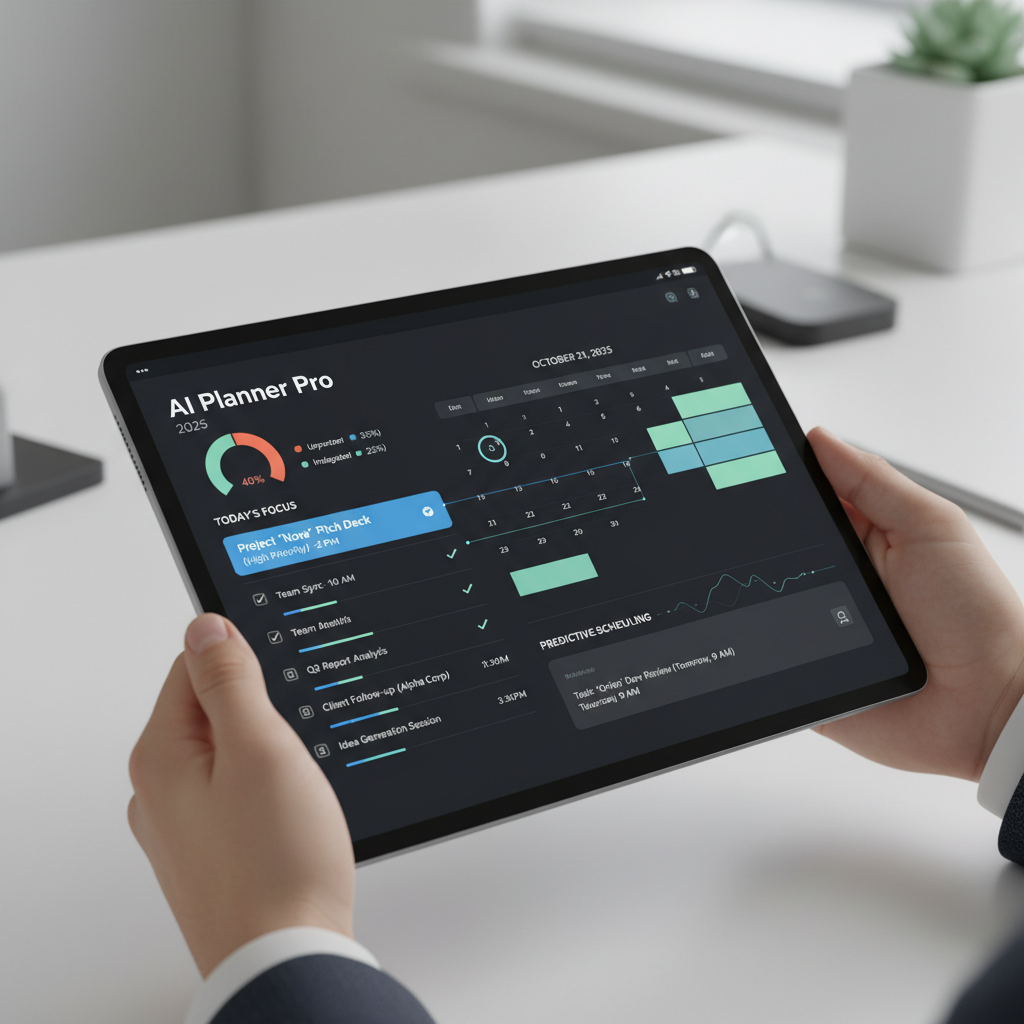
Traditional to-do lists are helpful, but AI takes them to the next level. Apps like Motion and Akiflow utilize AI to not only list tasks but also to automatically schedule them into your calendar, factoring in deadlines, dependencies, and your personal peak productivity times. They learn your working speed and predict how long tasks will take, dynamically adjusting your schedule if something runs over or a new urgent task arises. This proactive scheduling eliminates the mental overhead of planning and ensures you are always working on the most impactful task at any given moment.
- Dynamic Scheduling: Automatically allocates tasks to your calendar based on priority, deadlines, and estimated completion times.
- Intelligent Prioritization: Learns your preferences and project importance to suggest optimal task order.
- Dependency Management: Understands task relationships and adjusts schedules accordingly.
2. Smart Notification Management and Filtering
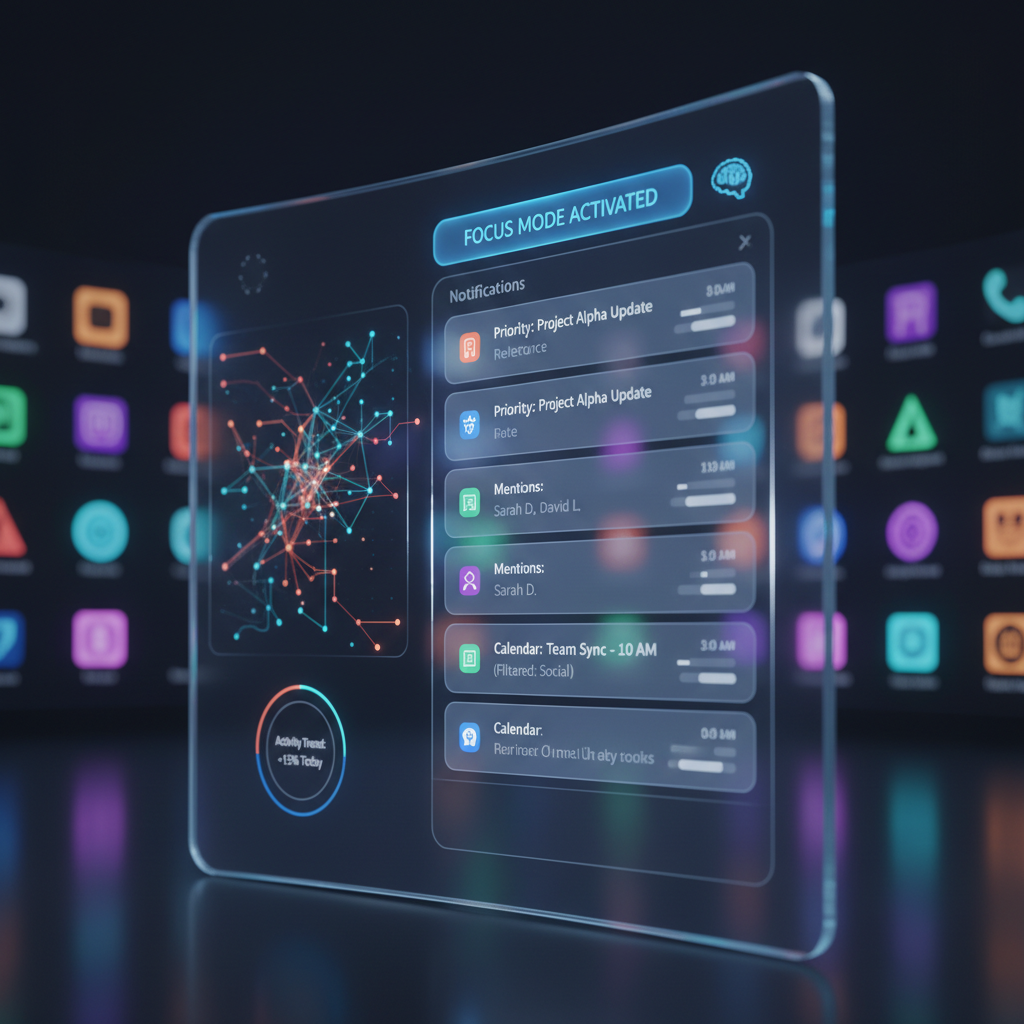
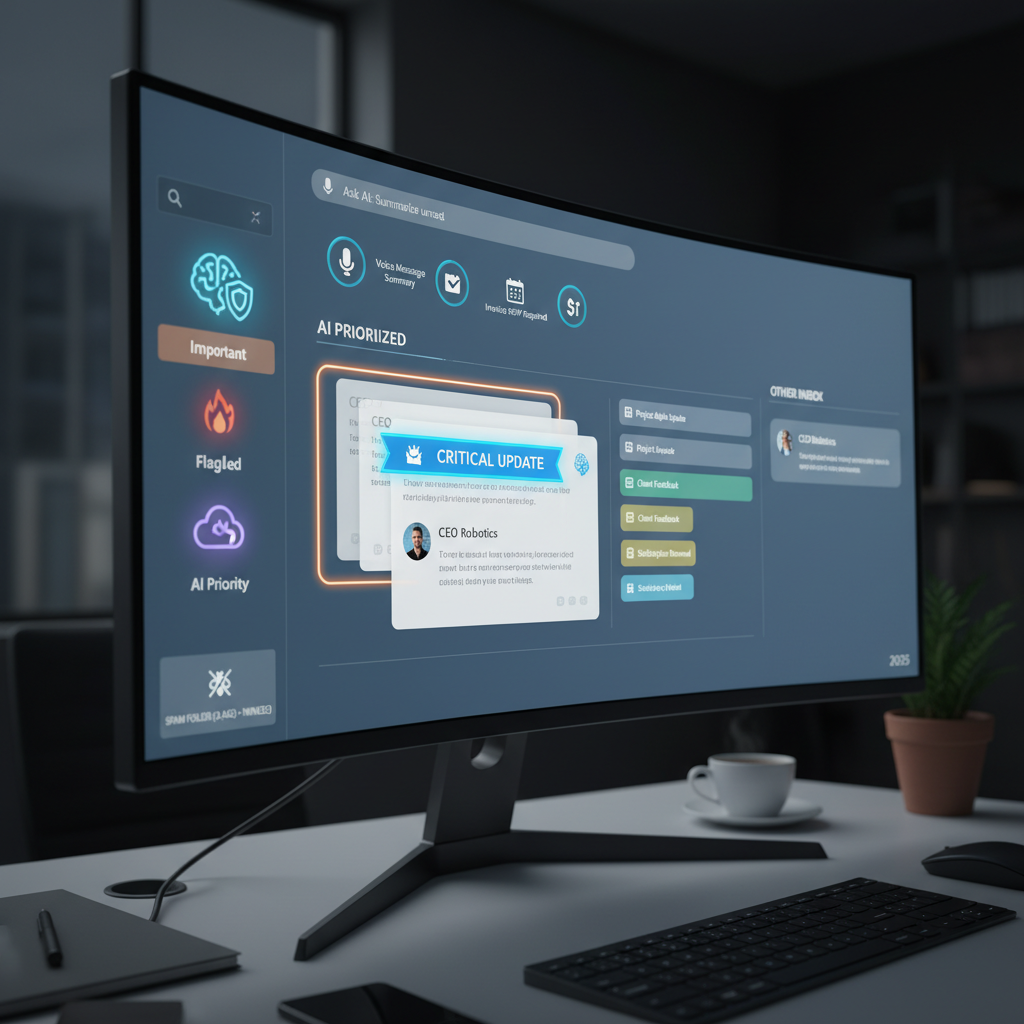
One of the biggest culprits of distraction is notification overload. AI apps are revolutionizing how we interact with alerts. Beyond simple “Do Not Disturb” modes, these tools can learn which notifications are truly urgent and relevant to your current focus, and which can be deferred. For example, an AI might learn that during a coding session, Slack messages from your manager are critical, but social media updates are not. Apps are starting to integrate AI to automatically categorize and prioritize incoming messages and alerts, presenting only what matters when it matters. Some email clients are now using AI to triage your inbox, pushing less important emails to a ‘later’ folder, allowing you to focus on high-priority communications.
- Contextual Filtering: Differentiates between urgent and non-urgent notifications based on your activity and location.
- Smart Summaries: AI can summarize long email threads or chat discussions, reducing time spent catching up.
- Schedule-Aware Alerts: Only delivers specific alerts during designated times or when your focus mode is off.
3. Distraction Blocking and Digital Wellbeing with Intelligence
While basic distraction blockers exist, AI enhances their effectiveness. Tools like Freedom, when integrated with AI, can learn your most common distraction triggers and dynamically block access to specific websites or applications during designated focus times. They can even analyze your browsing patterns to suggest when you are most likely to fall into a distraction trap and nudge you back on track. Some apps provide personalized insights into your digital habits, highlighting areas where you spend too much time and suggesting tailored strategies for reduction.
- Adaptive Blocking: Learns your specific distraction patterns and applies tailored blocking rules.
- Usage Analytics with Insights: Provides detailed reports on app usage and suggests personalized digital detox strategies.
- Focus Session Enforcement: Makes it harder to bypass blocking mechanisms during critical work periods.
4. AI Writing Assistants and Content Creation Tools
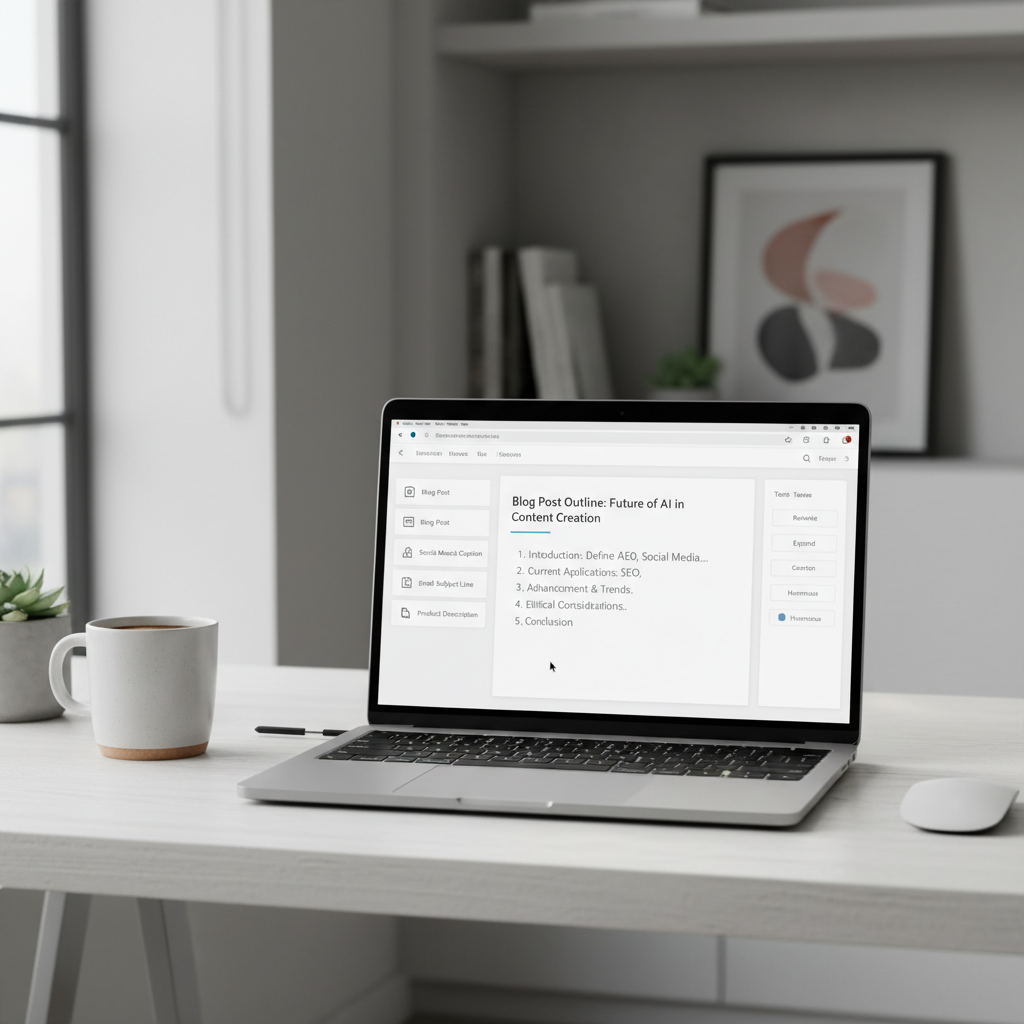
Writing can be a cognitively demanding task, often interrupted by the need for research, grammar checks, or overcoming writer’s block. AI writing assistants like Jasper, Notion AI, and Grammarly Premium significantly reduce this cognitive load. They can generate ideas, rephrase sentences, check grammar and style, and even draft entire sections of text. This frees up mental energy, allowing writers to focus on the creative aspect and the core message, rather than getting bogged down in mechanics or searching for the perfect word.
- Grammar and Style Correction: Real-time suggestions to improve clarity and correctness.
- Content Generation: Assists with brainstorming, outlining, and drafting various types of content.
- Plagiarism Detection: Ensures originality, reducing anxiety and time spent on manual checks.
5. Meeting Summarizers and Intelligent Note-Takers
Meetings are notorious for consuming time and attention, especially when participants drift or notes are incomplete. AI-powered tools like Otter.ai and Fathom AI transcribe meetings in real-time, identify speakers, and can even summarize key discussion points, action items, and decisions. This allows participants to fully engage in the conversation without the distraction of frantic note-taking, secure in the knowledge that all critical information will be captured and organized by the AI. These summaries can then be easily shared and searched, significantly reducing post-meeting work.
- Real-time Transcription: Captures every word spoken in a meeting.
- Action Item Extraction: Automatically identifies tasks, deadlines, and responsible parties.
- Smart Summarization: Generates concise summaries of lengthy discussions, highlighting key decisions.
6. Mindfulness and Focus Music Aids
AI is also making inroads into the realm of mental well-being and environmental optimization for focus. Apps like Brain.fm and Endel use AI to generate scientifically optimized functional music and soundscapes designed to enhance concentration, relaxation, or sleep. These are not just random playlists; the AI adapts the sound based on neuroscience principles to guide your brain into desired states. Similarly, AI-enhanced meditation apps like Calm or Headspace can offer personalized guided meditations based on your reported mood, stress levels, or even biometric data, helping you achieve mental clarity and sustained attention.
- Personalized Soundscapes: Generates adaptive audio environments optimized for focus, relaxation, or sleep.
- Biometric Integration: Potentially adjusts sound based on heart rate, brain activity (if using wearables).
- Guided Meditation Customization: Tailors meditation sessions to individual needs and progress.
The integration of these diverse AI tools promises a holistic approach to focus, where every aspect of your digital and cognitive environment is optimized to support deep work and minimize distractions, transforming how we approach productivity and well-being in the modern age.
Personalization at Scale: AI’s Core Advantage in Focus Management
The true power of AI in transforming daily routines for enhanced focus lies in its unparalleled ability to personalize experiences at scale. Unlike static, one-size-fits-all solutions, AI-driven applications learn from individual behavior, preferences, and physiological responses, crafting a bespoke focus environment that evolves with the user.
Consider the traditional approach to productivity: you set a schedule, block out time, and manually try to stick to it. This often breaks down because life is unpredictable, and our energy levels fluctuate. AI, however, offers a dynamic and adaptive alternative. It observes not just what you do, but how and when you do it. For instance, it might notice that you are most productive for complex analytical tasks between 9 AM and 11 AM, but excel at creative brainstorming in the late afternoon. Armed with this knowledge, an AI-powered scheduler can automatically arrange your calendar to leverage these peak performance windows, moving less demanding tasks to times when your energy might naturally dip.
How AI Personalizes Your Focus Journey:
- Habit Learning and Pattern Recognition: AI continuously analyzes your digital interactions, identifying patterns in your work habits, common distractions, and preferred methods of working. It can discern, for example, that you tend to check social media after completing a particularly challenging task, and might then proactively suggest a short, mindful break instead.
- Dynamic Environment Adjustment: Based on learned preferences, AI can automatically adjust your digital environment. This includes things like muting specific notifications during known focus periods, changing your screen’s blue light filter in the evening, or even suggesting a different background music genre that has historically proven to enhance your concentration for a given task type.
- Predictive Analytics for Task Prioritization: Beyond simply knowing deadlines, AI can predict potential bottlenecks or conflicts based on your historical performance and current workload. It can then re-prioritize tasks or suggest reallocating resources to prevent future stress and maintain flow.
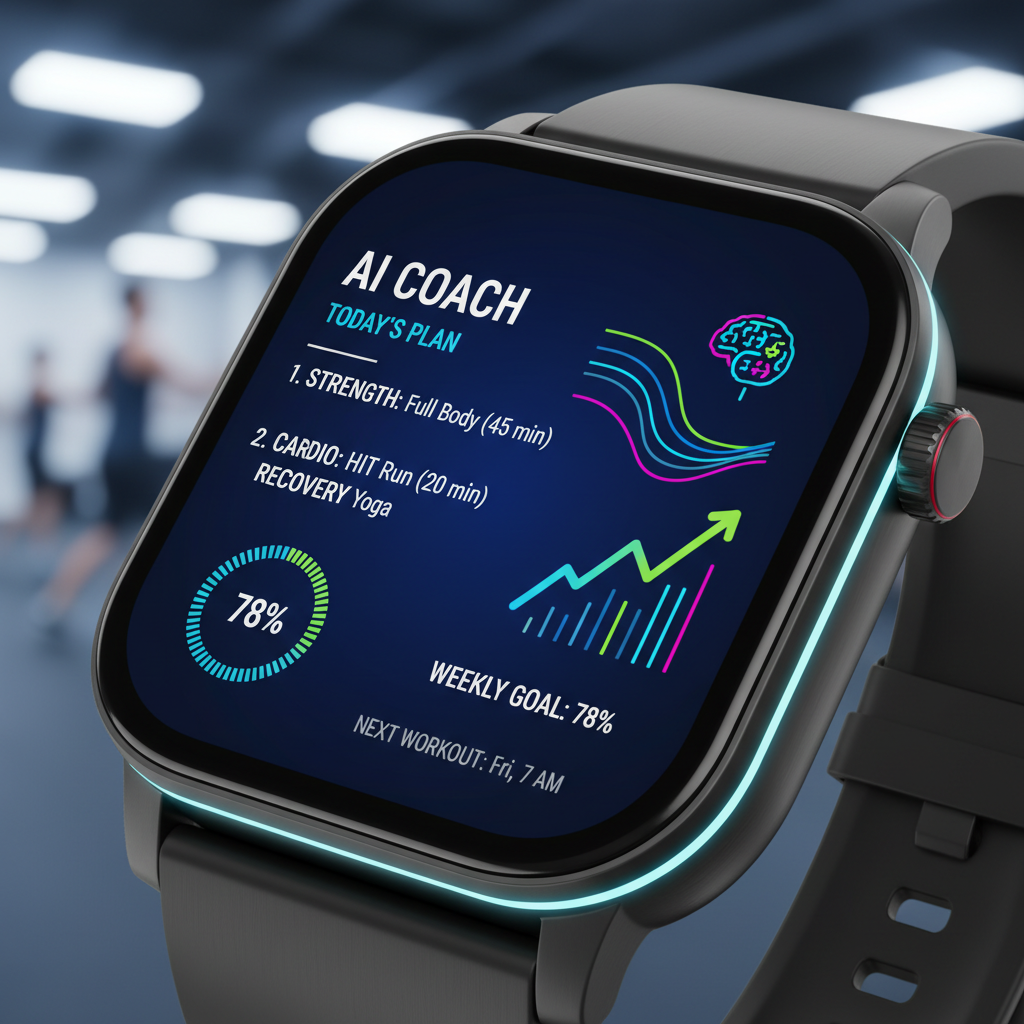
- Biometric and Contextual Integration: With consent and compatible devices, AI can integrate data from wearables (e.g., heart rate variability, sleep patterns) or environmental sensors (e.g., room temperature, light levels). If your heart rate suggests rising stress during a work session, the AI might gently remind you to take a micro-break or suggest a short mindfulness exercise. If it’s a sunny day, it might suggest taking a call while walking outside.
- Feedback Loop Optimization: AI systems are designed to learn from your feedback. If a suggested focus setting didn’t work, or if a task re-prioritization felt off, you can provide input, and the AI will adjust its algorithms for future recommendations, continually refining its understanding of your unique focus needs.
Case Study: Sarah, the Marketing Manager
Sarah, a marketing manager, used to feel overwhelmed by her diverse responsibilities, constantly juggling team meetings, content creation, client communication, and strategic planning. She adopted an AI-powered personal assistant app. Initially, the app observed her habits: she frequently got sidetracked by email after lunch, often spent too much time on minor administrative tasks, and found herself most creative in the mornings.
The AI started by:
- Scheduling Deep Work: Automatically blocking her calendar for content creation from 9 AM to 11 AM, during which all non-critical notifications were silenced.
- Email Batching: Suggesting specific times twice a day for checking and responding to emails, and deferring all other email notifications.
- Task Estimation: Learning that Sarah often underestimated the time for client report generation, the AI started adding a buffer to those tasks in her schedule.
- Break Reminders: Noticing a drop in productivity or an increase in minor distractions during late afternoon, the AI would prompt her for a short, guided stretching break or suggest a walk.
Within weeks, Sarah reported a significant reduction in stress, an increase in the quality of her creative output, and the ability to leave work feeling truly accomplished. The AI became an invisible, intelligent partner, always optimizing her day for maximum focus and efficiency, allowing her to dedicate her mental energy to high-value tasks rather than managing her schedule or battling distractions.
This personalization at scale is not just about convenience; it is about fundamentally altering our relationship with technology, turning it from a source of distraction into a powerful, intelligent ally for sustained concentration.
AI in Action: Real-time Contextual Awareness for Dynamic Focus
Beyond personalized scheduling and notification filtering, AI apps are increasingly leveraging real-time contextual awareness to create truly dynamic and adaptive focus environments. This means the AI isn’t just following a pre-set rule; it’s actively sensing and responding to your current situation, location, and even your cognitive state, to provide the most relevant focus enhancement at any given moment.
Imagine your AI assistant understanding that you have just arrived at the office, or that you are now in a meeting room, or even that your device is connected to your home Wi-Fi versus a coffee shop’s. This contextual understanding allows for highly granular and relevant adjustments to optimize your focus, without you having to manually toggle settings or modes.
Key Aspects of Real-time Contextual Awareness:
1. Location-Based Focus Modes
AI can integrate with your device’s location services to trigger specific focus profiles. For example:
- Office Mode: When you arrive at your workplace, the AI can automatically mute social media notifications, enable specific work-related communication apps (e.g., Microsoft Teams, Slack), and switch your smart home devices to a “do not disturb” setting.
- Home Focus Mode: Upon returning home, the AI might transition to a “family time” mode, allowing only calls from immediate family members, while blocking work emails and productivity app notifications.
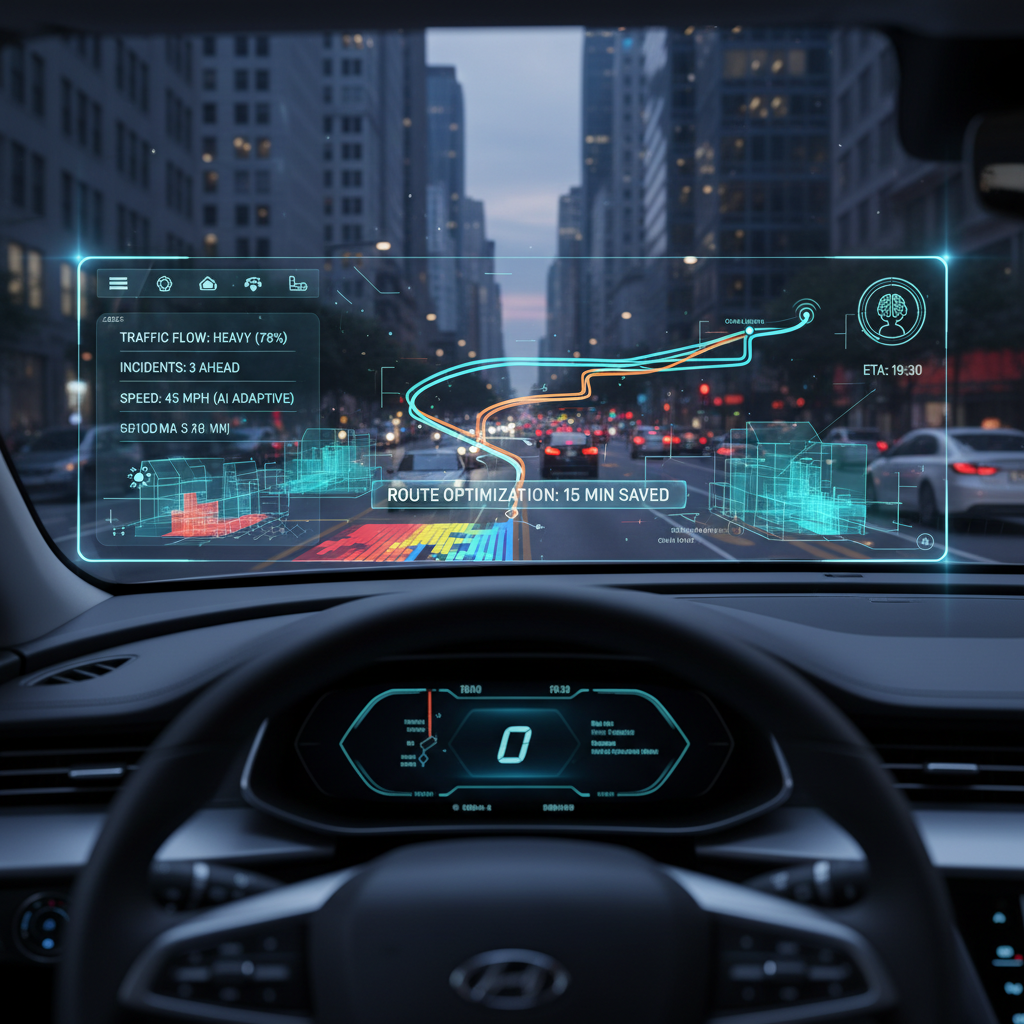
- Commute Mode: During your commute, it might activate a podcast or audiobook player, silence distracting news alerts, and prepare your daily briefing for when you arrive at your destination.
This ensures that your digital environment is always aligned with your physical context, minimizing the mental friction of switching between different roles and priorities.
2. Time-Based and Event-Based Prioritization
AI goes beyond just scheduling tasks; it understands the critical nature of time-sensitive events and adjusts priorities accordingly. For instance:
- If you have a critical presentation scheduled for tomorrow, an AI task manager can prioritize all related preparation tasks, even if they were originally lower priority. It might even suggest blocking off an extra hour to rehearse.
- Leading up to a deadline, AI can filter out non-essential communications and consolidate information relevant to the project, presenting it proactively to reduce search time.
- For recurring events, like weekly team syncs, AI can automatically ensure your notes from previous meetings are readily accessible and mute any apps that might cause distraction during the call.
3. Integration Across Devices for a Unified Focus Environment
True seamless focus requires consistency across all your digital touchpoints. AI facilitates this by creating a unified focus environment:
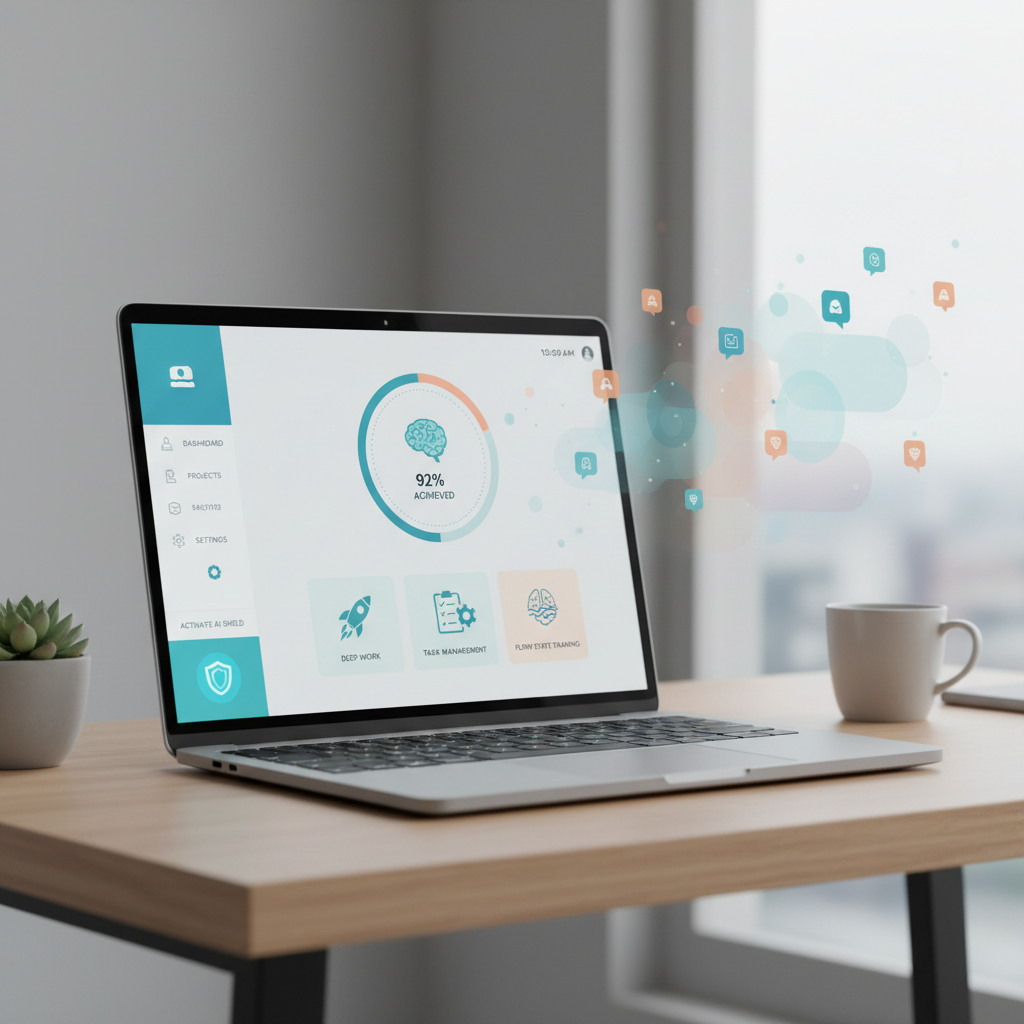
- If you enable a “Deep Work” mode on your laptop, the AI automatically mirrors this setting on your smartphone, tablet, and even smartwatches, ensuring no device becomes an Achilles’ heel for your concentration.
- When you pause a task on one device, the AI ensures it is ready to be picked up instantly on another, preserving your flow.
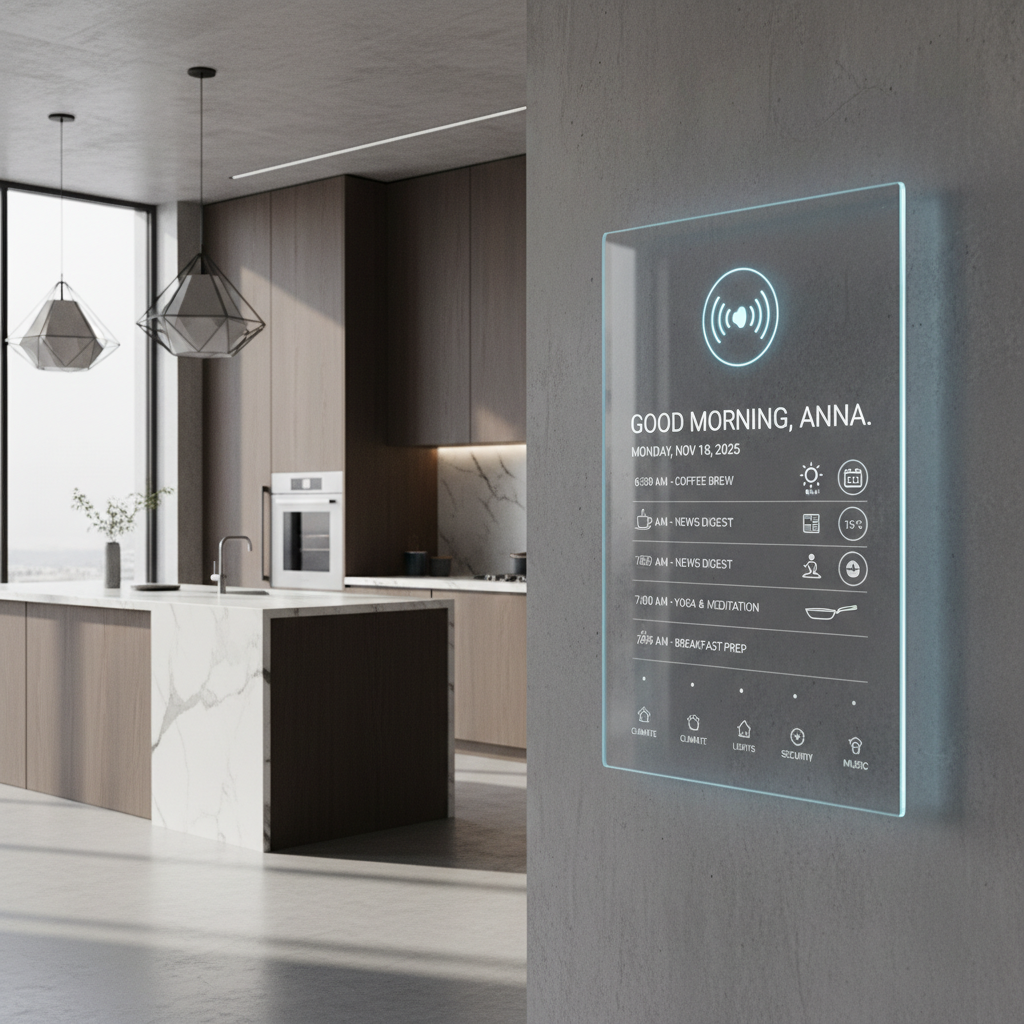
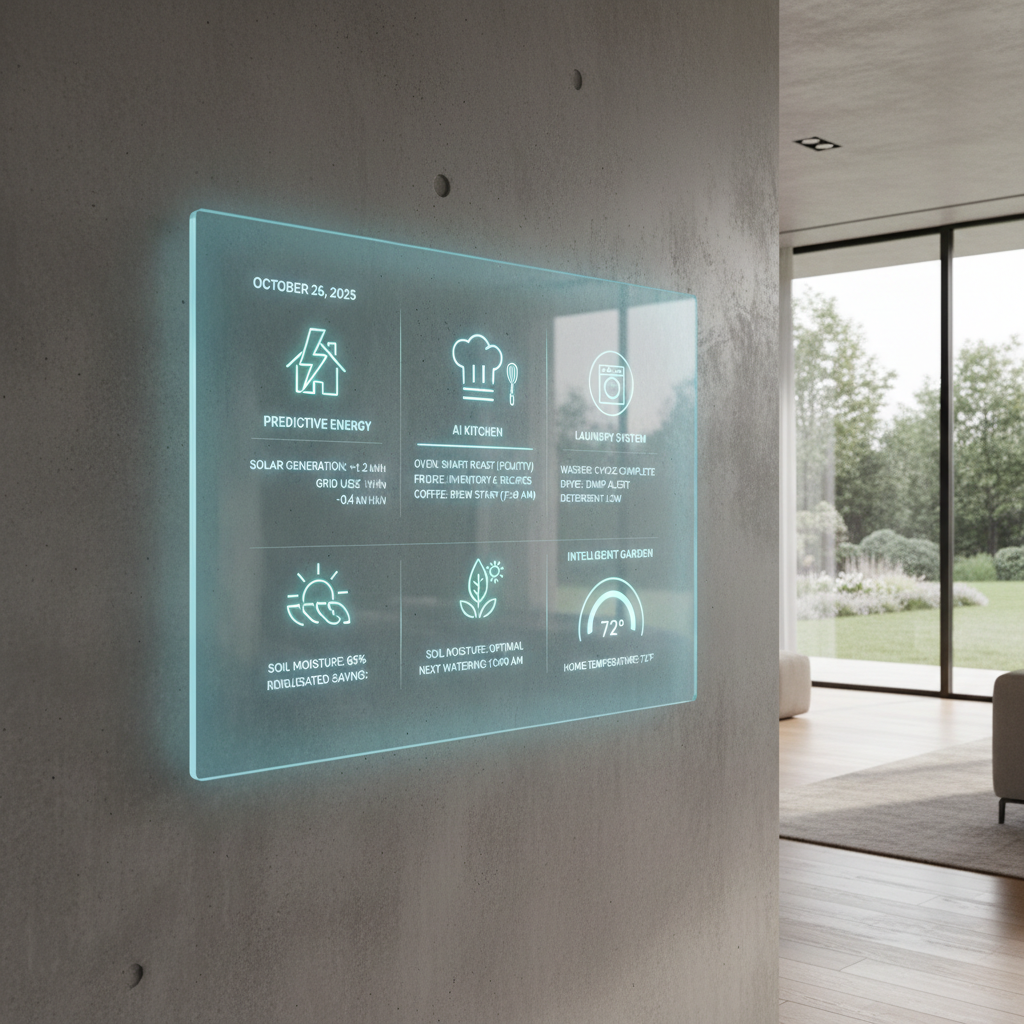
- Shared AI assistants in smart homes can adjust ambient lighting, temperature, or play focus-enhancing sounds across rooms when you enter a designated workspace.
4. Emotion Detection and Cognitive State Monitoring (Emerging)
This is a cutting-edge area where AI, often coupled with biometric data from wearables, aims to understand your internal state. While still developing, potential applications include:
- If an AI detects signs of stress or cognitive overload (e.g., through heart rate variability or typing speed changes), it might gently suggest a break, a guided breathing exercise, or switch to a less demanding task.
- Conversely, if it senses you are in a state of high focus and flow, it might further minimize interruptions, extending your focus session without intervention.
The ability of AI to sense and adapt to these real-time cues moves us closer to a truly intuitive and responsive focus assistant, making the digital world an ally rather than an adversary in our pursuit of deep concentration.
Overcoming the Challenges and Ethical Considerations of AI Focus Apps
While the promise of AI-driven focus enhancement is immense, it is crucial to address the inherent challenges and ethical considerations that accompany the widespread adoption of these sophisticated tools. As AI becomes more integrated into our personal and professional lives, questions of privacy, autonomy, and potential over-reliance come to the forefront.
1. Privacy and Data Security Concerns
For AI apps to effectively personalize your focus environment, they need to collect and analyze a significant amount of personal data. This includes your daily schedules, communication patterns, app usage, location data, and potentially even biometric information from wearables. This raises fundamental questions:
- Data Collection: How much data is collected, and what specific types? Is it truly necessary for the app’s functionality?
- Data Storage and Access: Where is this data stored, and who has access to it? Is it anonymized or encrypted?
- Data Usage: How will this data be used beyond its intended purpose of enhancing focus? Could it be shared with third parties for advertising or other commercial gains?
- Security Breaches: What measures are in place to protect this sensitive personal data from cyberattacks and breaches?
Users must carefully scrutinize the privacy policies of AI focus apps and choose providers with transparent data practices, robust security measures, and a clear commitment to user privacy. Regulations like GDPR and CCPA are steps in the right direction, but user vigilance remains paramount.
2. The Risk of Over-Reliance and Loss of Autonomy
As AI apps become more intelligent and effective, there’s a risk of users becoming overly reliant on them to manage their attention and productivity. This could potentially erode our inherent capacity for self-discipline, time management, and critical decision-making:
- Diminished Self-Regulation: If an AI constantly makes decisions about what to focus on or when to take breaks, will our own ability to self-regulate and consciously manage our attention diminish over time?
- Algorithm Bias: AI algorithms, being products of human design and data, can sometimes contain biases. Could an AI inadvertently optimize for metrics that don’t align with our long-term goals or well-being, leading us down a path we didn’t consciously choose?
- Loss of Intuition: Our natural intuition about when to rest, when to push harder, or when to switch tasks might be overshadowed by AI recommendations, potentially hindering our organic work rhythms.
The goal should be to use AI as an *assistant* to augment our capabilities, not to replace our cognitive functions entirely. Maintaining human oversight and the ability to override AI suggestions is crucial.
3. Ethical AI Development and Transparency
The developers of AI focus apps bear a significant responsibility to ensure ethical design and implementation:
- Transparency: Users should have a clear understanding of how the AI works, what data it collects, and how it makes its recommendations.
- User Control: Providing granular controls for users to customize data sharing, override settings, and adjust the level of AI intervention is essential.
- Beneficial Design: AI should be designed to truly enhance human well-being and productivity, rather than merely optimizing for engagement or data extraction.
The dialogue around “ethical AI” is increasingly important, and it applies directly to tools designed to manage something as personal and fundamental as our attention. As users, we must demand these ethical considerations from the technology providers we choose to integrate into our daily lives, ensuring that these powerful tools serve to empower us, not to control or compromise our privacy.
Future Trends: The Evolution of AI-Driven Focus and Productivity
The current generation of AI focus apps is just the beginning. The field of artificial intelligence is advancing at an exponential rate, promising even more sophisticated and deeply integrated solutions for enhancing human focus and productivity. The future will likely see AI systems becoming more proactive, intuitive, and seamlessly woven into the fabric of our digital and physical environments.
1. More Proactive and Predictive AI
Future AI will move beyond reactive suggestions to truly anticipate your needs. Imagine an AI that:
- Predicts Cognitive Fatigue: Based on continuous monitoring of your work patterns, sleep quality (via wearables), and even subtle biometric cues, the AI might predict that you will experience a dip in concentration an hour from now and proactively suggest a short, restorative break or schedule a less demanding task.
- Anticipates Information Needs: Before you even search for it, the AI could curate and present information relevant to your current project, drawing from your past research, emails, and shared documents. It might even pre-fetch specific articles or data points it anticipates you will need.
- Dynamic Workflow Generation: Instead of fixed templates, AI could generate dynamic workflows for complex projects, adapting in real-time to new information, team changes, or unexpected challenges, ensuring you always know the next most impactful step.
2. Advanced Integration with Physical and Augmented Realities
The boundary between our digital tools and our physical surroundings will continue to blur, with AI acting as the bridge:
- Smart Environment Integration: AI will seamlessly control smart home and office devices to create optimal focus environments. This could include adjusting lighting (color and intensity), temperature, humidity, and playing tailored ambient sounds based on your cognitive state and the task at hand.
- Augmented Reality (AR) for Immersive Focus: Imagine wearing AR glasses that, during a deep work session, can overlay your digital workspace onto your physical desk, blocking out distracting elements from your peripheral vision, or displaying relevant data floating in your line of sight without requiring a screen switch.
- Contextual AI in Public Spaces: As smart cities evolve, AI could even help manage distractions in public or co-working spaces, perhaps by identifying busy areas and guiding you to quieter zones, or by dynamically adjusting noise-cancelling features in smart headphones.
3. Brain-Computer Interfaces (BCIs) and Direct Neural Feedback
While still in early stages, the long-term vision for enhancing focus involves direct interaction with the brain. BCIs could potentially:
- Measure and Understand Focus States: Non-invasive BCIs (e.g., EEG headsets) could provide real-time feedback on your brain’s attentional state, allowing AI to make ultra-precise adjustments to your digital environment or provide personalized neurofeedback training.
- Directly Enhance Concentration: In the distant future, more advanced BCIs might even be able to gently nudge brain activity towards optimal focus states, though ethical considerations here are profound.
4. Holistic Well-being and Cognitive Load Management
Future AI focus apps will evolve into comprehensive well-being platforms, understanding that sustained focus is deeply intertwined with overall health:
- Sleep and Nutrition Integration: AI could analyze your sleep patterns, dietary habits, and exercise routines, correlating them with your daily focus performance, and offering personalized recommendations to optimize all aspects of your well-being for better concentration.
- Preventative Burnout Detection: By monitoring long-term work patterns, stress markers, and mental health indicators, AI could identify early signs of burnout and recommend interventions like mandatory breaks, reduced workload, or professional support.
- Personalized Learning and Skill Development: AI could identify gaps in your knowledge or skills that contribute to cognitive friction and suggest targeted learning resources, or even design personalized training modules to improve specific cognitive functions related to focus.
The future of AI-driven focus is not just about blocking distractions; it’s about creating an intelligent, responsive ecosystem that supports every facet of your cognitive and physical well-being, enabling you to achieve unprecedented levels of concentration and effectiveness in everything you do.
Comparison Tables
To further illustrate the diverse landscape of AI focus applications, here are two comparison tables. The first categorizes different types of AI focus apps and their primary benefits, while the second compares a few popular examples based on their core features and AI capabilities.
Table 1: AI Focus App Categories and Their Impact on Productivity
| AI App Category | Primary Focus Benefit | Typical AI Capabilities | Real-World Impact |
|---|---|---|---|
| Task Management & Scheduling | Optimized workflow and reduced planning overhead. | Dynamic scheduling, priority learning, dependency management, time estimation. | Ensures critical tasks are tackled during peak focus, minimizes manual planning. |
| Notification & Communication Filters | Minimized interruptions and relevant information delivery. | Contextual filtering, urgent vs. non-urgent differentiation, smart summaries, “Do Not Disturb” automation. | Reduces context-switching, allows deep work, keeps you informed without being overwhelmed. |
| Digital Wellbeing & Distraction Blockers | Enhanced self-control and protected focus periods. | Adaptive blocking based on usage patterns, personalized usage analytics, proactive nudges. | Builds healthier digital habits, enforces focus blocks, reduces compulsive checking. |
| AI Writing & Content Assistants | Reduced cognitive load for creation and improved output quality. | Grammar/style suggestions, content generation, idea brainstorming, plagiarism checks. | Frees up mental energy for creativity, speeds up content production, reduces review cycles. |
| Meeting & Collaboration Aids | Improved meeting efficiency and accurate information retention. | Real-time transcription, speaker identification, action item extraction, smart summarization. | Allows full participation in meetings, ensures no critical details are missed, reduces post-meeting work. |
| Mindfulness & Ambient Sound Tools | Optimized cognitive states and reduced environmental stress. | Personalized soundscapes, adaptive music generation, guided meditation customization. | Helps achieve flow states, reduces anxiety, improves mental clarity and sustained attention. |
Table 2: Popular AI Focus Apps: A Feature Comparison
| App Name | Primary Focus Area | Key AI-Powered Features | Target User | Pricing Model (General) |
|---|---|---|---|---|
| Motion | Automated Scheduling & Task Management | AI-driven calendar scheduling, meeting booking, task prioritization, dependency management. | Busy professionals, teams, entrepreneurs seeking automated daily planning. | Subscription (Premium features) |
| Otter.ai | Meeting Transcription & Summarization | Real-time transcription, speaker identification, automated summaries, action item extraction. | Students, remote workers, teams needing efficient meeting documentation. | Freemium, Subscription (Advanced features) |
| Freedom (AI integration) | Distraction Blocking & Digital Wellbeing | Personalized blocking schedules, insights into distracting app usage, session enforcement. | Anyone struggling with digital distractions, students, writers. | Subscription |
| Brain.fm | Focus Music & Soundscapes | AI-generated functional music tailored for focus, relaxation, or sleep based on neuroscience. | Individuals seeking to enhance concentration through auditory stimulation. | Subscription |
| Notion AI | Content Creation & Productivity | AI writing assistance (summarize, brainstorm, translate, generate text), content organization. | Writers, marketers, students, teams using Notion for knowledge management. | Freemium, Subscription (Usage-based add-on) |
Practical Examples: Real-World Use Cases and Scenarios
To truly grasp the transformative potential of AI focus apps, it is helpful to visualize their impact in everyday scenarios. These real-world examples demonstrate how AI seamlessly integrates into diverse routines, helping individuals achieve sustained focus and greater productivity.
Scenario 1: The Remote Professional Navigating a Hybrid Work Schedule
Meet David, a senior software engineer who splits his time between working from home and the office. His biggest challenges are managing constant communication pings, switching between different projects, and maintaining clear boundaries between work and personal life.
AI Solution in Action: David utilizes a suite of AI apps:
- An AI-powered scheduler (like Motion) learns his preferred coding hours, automatically blocks “deep work” slots in his calendar, and reschedules less urgent meetings if they conflict. It also accounts for his commute days, building in travel time buffers.
- His smart notification manager is location-aware. When he’s at his home office, it silences all non-essential personal notifications and prioritizes work-related Slack messages only from his direct team. When he’s in the physical office, it allows broader communication but intelligently filters out irrelevant departmental announcements.
- During virtual team meetings, Otter.ai transcribes the discussions, extracts action items, and tags responsible individuals. This frees David from frantic note-taking, allowing him to actively participate and contribute. He can later review summarized key decisions.
- An AI writing assistant (like Notion AI) helps him quickly draft technical documentation and emails, correcting grammar and suggesting clearer phrasing, saving him time and cognitive effort.
Outcome: David experiences fewer interruptions, spends more time in focused coding sessions, and feels less stressed about managing his schedule. He can confidently switch between his home and office setups knowing his AI tools will adapt to his context, allowing him to maximize his productivity in any environment.
Scenario 2: The University Student Juggling Multiple Courses and Projects
Sarah is a university student overwhelmed by lectures, assignments, group projects, and the constant temptation of social media. She struggles to prioritize tasks and often finds herself studying late due to procrastination.
AI Solution in Action: Sarah integrates AI into her study routine:
- She uses an AI task manager that pulls deadlines from her syllabus (manually input initially, or using integrated tools if available) and helps her break down large assignments into smaller, manageable steps. The AI then suggests a personalized study schedule, taking into account her exam dates and project due dates, dynamically adjusting if she falls behind or finishes early.
- A smart distraction blocker (like Freedom with enhanced AI features) learns her habit of checking Instagram during study breaks. It automatically blocks access to social media and streaming sites during her scheduled study blocks, and only allows access during designated “reward” breaks. It also provides insights into her most distracting apps.
- For complex research papers, she uses an AI writing assistant to help brainstorm topics, outline her arguments, and quickly find relevant academic sources, reducing the mental friction of starting a large writing task.
- When needing to absorb dense lecture material, she uses an AI-generated focus music app (like Brain.fm) to create an auditory environment conducive to deep concentration, filtering out dormitory noise.
Outcome: Sarah develops better study habits, reduces procrastination, and feels more in control of her academic workload. The AI acts as a disciplined study partner, helping her stay on track and achieve her academic goals with less stress.
Scenario 3: The Creative Professional Battling Writer’s Block and Project Deadlines
Maria, a freelance content writer, often faces creative blocks, struggles with time management across multiple client projects, and gets sidetracked by endless research rabbit holes.
AI Solution in Action: Maria leverages AI to fuel her creativity and manage her time:
- Her AI-powered project manager helps her break down client projects into manageable milestones. It analyzes her past project completion times to provide more accurate estimates and prioritizes tasks across different clients based on deadlines and project value.
- When facing writer’s block, she turns to an AI writing assistant (like Jasper). She inputs a few keywords, and the AI generates various headlines, outlines, or even initial paragraphs, helping her overcome the blank page syndrome. It also ensures her grammar and style are impeccable, allowing her to focus on the message.
- To prevent getting lost in research, she uses an AI-enhanced browser extension that summarizes articles and filters out irrelevant information based on her project keywords, providing quick insights without deep dives into distracting content.
- During her creative writing sessions, she uses an AI-generated ambient sound app that plays instrumental tracks specifically designed to enhance focus and creativity, blocking out urban noise and creating a calming backdrop.
Outcome: Maria experiences fewer creative blocks, improves her writing efficiency, and delivers projects on time with higher quality. The AI frees her to immerse herself in the creative process, handling the administrative and initial generative tasks that often pull writers away from their core work.
Scenario 4: The Entrepreneur Juggling Multiple Hats and Strategic Planning
Mark is an entrepreneur running a small startup. He wears many hats – sales, marketing, product development, and team management – and frequently gets bogged down in operational details, making it hard to focus on strategic growth.
AI Solution in Action: Mark employs AI to streamline his diverse responsibilities:
- An AI assistant integrated with his calendar and email intelligently prioritizes incoming communications. It identifies urgent client inquiries or team issues, pushing them to the forefront, while deferring promotional emails or routine updates to a later review batch. It can even draft quick responses based on context.
- He uses an AI-driven task management system that not only schedules his tasks but also helps delegate them to team members, automatically tracks their progress, and flags potential bottlenecks. It learns which tasks he prefers to do himself and which are suitable for delegation.
- For weekly strategy meetings with his co-founder, he uses a meeting summarizer (like Fathom AI). It provides a concise summary of discussion points, captures all decisions, and lists action items, ensuring both he and his co-founder are aligned without the need for extensive manual note-taking.
- To carve out time for deep strategic thinking, he uses a digital wellbeing app with AI insights. It monitors his usage patterns, identifies his most common digital distractions (e.g., constantly checking sales dashboards), and recommends specific “focus blocks” where these apps are temporarily restricted.
Outcome: Mark reduces time spent on administrative overhead and reactive tasks, allowing him to dedicate significant blocks of time to high-level strategic planning, product vision, and business growth. The AI becomes his operational brain, managing the details so he can focus on the big picture.
These scenarios highlight how AI apps are not just abstract tools but practical, adaptable solutions that can profoundly enhance focus and productivity across a wide spectrum of daily activities, transforming how individuals navigate their increasingly complex digital lives.
Frequently Asked Questions
Q: What exactly are AI focus apps?
A: AI focus apps are intelligent software applications designed to help individuals enhance their concentration and productivity by minimizing digital and cognitive distractions. Unlike traditional productivity tools that often require manual setup, AI focus apps leverage machine learning and artificial intelligence to learn individual habits, preferences, and patterns. They can then proactively manage notifications, optimize schedules, block distracting content, and even provide personalized insights or generate focus-enhancing environments, all with minimal human intervention. Their core purpose is to create a seamless, adaptive digital ecosystem that supports deep work and sustained attention.
Q: How do AI focus apps work to minimize distractions?
A: AI focus apps work by employing several intelligent mechanisms. Firstly, they use machine learning algorithms to analyze your past behavior, such as when you are most productive, which apps distract you, and your communication patterns. Secondly, they use this learned data to predict and proactively manage your digital environment. This can involve dynamically scheduling your most important tasks into your peak productivity windows, intelligently filtering or batching notifications based on urgency and your current activity, and adaptively blocking access to distracting websites or applications during designated focus periods. They aim to reduce the cognitive load of managing your own attention by automating these decisions.
Q: Are AI focus apps expensive?
A: The pricing for AI focus apps varies widely. Many offer a freemium model, providing basic features for free with the option to upgrade to a premium subscription for advanced AI capabilities and unlimited usage. Others are purely subscription-based, with monthly or annual fees. The cost often reflects the sophistication of the AI, the breadth of features, and the level of integration across different platforms. While some premium apps can be a significant investment, the increased productivity and reduced stress they offer can often justify the cost for dedicated users. It is advisable to explore free trials to determine if an app’s value aligns with your needs.
Q: Can AI apps really eliminate distractions completely?
A: While AI focus apps are incredibly powerful tools for minimizing distractions, it is unrealistic to expect them to eliminate distractions completely. They are highly effective at managing digital interruptions and helping you build better digital habits. However, they cannot entirely control external physical distractions (e.g., noisy environments), internal mental distractions (e.g., personal worries), or unexpected real-world events. Their strength lies in creating an optimized digital environment and empowering you to maintain focus by reducing the frequency and impact of digital temptations. They are assistants, not magic bullets, and still require a degree of self-discipline and conscious effort.
Q: What are the privacy implications of using these apps?
A: Privacy is a significant concern with AI focus apps because they often collect sensitive personal data to function effectively, including app usage, communication patterns, calendar entries, and sometimes even location or biometric data. Users should be highly vigilant about the privacy policies of any AI app they use. Key considerations include: what data is collected, how it is stored and secured (encryption, anonymization), who has access to it, and how it is used (only for the stated purpose, or potentially for third-party sharing). It is crucial to choose reputable providers with transparent data practices, strong security measures, and a clear commitment to user privacy. Always read the terms and conditions carefully.
Q: How do I choose the right AI focus app for me?
A: Choosing the right AI focus app depends on your specific needs and primary distraction challenges. Consider the following:
- Identify your main struggles: Are you overwhelmed by tasks? Constantly checking social media? Struggling with meeting notes?
- Research categories: Look into apps specializing in task management, notification filtering, distraction blocking, writing assistance, or meeting summarization.
- Check AI capabilities: Does the AI offer personalization, learning, prediction, or automation relevant to your problem?
- Integration: Does it integrate with your existing tools (calendar, email, project management software)?
- Privacy policy: Scrutinize data collection and usage practices.
- User experience: Look for an intuitive interface that complements your workflow.
- Reviews and trials: Read user reviews and take advantage of free trials to test functionality and fit.
Start with one or two apps to address your most pressing pain points, then gradually expand if needed.
Q: Can AI apps help with ADHD or other attention disorders?
A: While AI focus apps are not a substitute for professional medical advice, therapy, or prescribed medication for conditions like ADHD, they can offer valuable supplementary support. Many individuals with ADHD find benefits from structured environments, automated reminders, and tools that help externalize executive functions like planning and task prioritization. AI apps can assist by providing dynamic scheduling, smart reminders, adaptive distraction blocking, and breaking down large tasks into smaller steps. The personalization aspect of AI can be particularly beneficial, as it can adapt to individual cognitive profiles. However, it is essential to consult with healthcare professionals to integrate these tools into a comprehensive management plan.
Q: Is it possible to become too reliant on AI for focus?
A: Yes, there is a potential risk of becoming overly reliant on AI for focus and productivity. If AI systems consistently make decisions about task prioritization, scheduling, and distraction management without your conscious input, it could potentially diminish your own capacity for self-discipline, critical thinking, and intuitive decision-making regarding your attention. The ideal scenario is to use AI as an augmentation tool that empowers you, rather than a replacement for your own cognitive abilities. It is important to maintain awareness, occasionally override AI suggestions, and view these tools as partners in your journey to focus, rather than infallible masters of your attention. Balancing AI assistance with conscious human oversight is key.
Q: What’s the difference between AI focus apps and traditional productivity apps?
A: The main difference lies in intelligence and adaptability. Traditional productivity apps (e.g., basic to-do lists, manual calendars, simple website blockers) require significant manual input, configuration, and oversight from the user. They are static tools that follow pre-set rules. AI focus apps, on the other hand, leverage machine learning to be dynamic, intelligent, and proactive. They learn from your behavior, predict your needs, and automatically adapt to your context, personalizing the experience. They can make autonomous decisions (e.g., rescheduling tasks, filtering notifications) and provide insights, reducing the cognitive load on the user and offering a more seamless and adaptive focus environment.
Q: How do these apps learn my habits and preferences?
A: AI focus apps learn your habits and preferences through continuous data collection and analysis. This often includes:
- Usage Tracking: Monitoring which applications you use, for how long, and when.
- Calendar Integration: Analyzing your scheduled meetings, tasks, and appointments.
- Communication Analysis: Observing patterns in your emails, messages, and notifications (e.g., identifying key senders, urgent keywords).
- User Input: Learning from your explicit feedback (e.g., “this notification was important,” “I prefer deep work in the morning”).
- Biometric Data (optional): If integrated with wearables, they might analyze heart rate variability, sleep patterns, or activity levels to infer your energy and focus levels.
Through these data points, AI algorithms build a personalized model of your work style, peak performance times, and typical distractions, allowing them to make intelligent and relevant recommendations.
Key Takeaways
The journey to sustained focus in a distracting world is undergoing a significant transformation, thanks to the advent of AI applications. Here are the key takeaways from our exploration of seamless focus integration:
- Distraction is a Modern Epidemic: Our digital world constantly fragments attention, leading to reduced productivity and increased cognitive load.
- AI is the New Attention Guardian: AI apps move beyond simple tools to become intelligent assistants that learn, adapt, and proactively manage your digital environment.
- Personalization is AI’s Superpower: AI-driven tools offer bespoke focus strategies, adapting to individual habits, preferences, and real-time context.
- Diverse AI Solutions Exist: From automated task scheduling and smart notification filtering to AI writing assistants and focus music, there is an AI tool for nearly every facet of distraction.
- Real-time Contextual Awareness: AI can respond dynamically to your location, time of day, and even cognitive state to optimize your focus environment across devices.
- Ethical Considerations are Paramount: Privacy concerns, the risk of over-reliance, and the need for transparent, beneficial AI design must be carefully addressed.
- The Future is More Integrated and Predictive: Expect future AI to anticipate needs, integrate deeply with physical and augmented realities, and even tap into advanced neural feedback for ultimate focus enhancement.
- AI Augments, Not Replaces: These tools are best utilized as intelligent partners that empower human concentration and well-being, rather than replacing our inherent capacity for self-regulation.
- Practical Impact is Significant: Real-world examples demonstrate how AI apps can profoundly improve productivity and reduce stress for diverse individuals, from remote workers to students and creative professionals.
Conclusion
The relentless march of digital progress, while offering unparalleled connectivity and information, has inadvertently created an environment of perpetual distraction, challenging our innate human capacity for sustained focus. However, the very technology that has fueled this predicament is now offering a powerful antidote: Artificial Intelligence.
AI apps are no longer just passive tools; they are evolving into intelligent, adaptive assistants capable of understanding our unique cognitive rhythms, anticipating our needs, and proactively sculpting a digital environment conducive to deep work. From dynamically scheduling our most important tasks and intelligently filtering the deluge of notifications, to assisting with content creation and even orchestrating calming soundscapes, AI is redefining what it means to be focused in the 21st century. It offers a promise of reclaiming our attention, not through digital deprivation, but through intelligent digital integration.
As we navigate this exciting frontier, it is imperative that we do so with a critical eye, prioritizing ethical AI development, safeguarding our privacy, and ensuring these tools serve to augment our human capabilities rather than diminish our autonomy. The future of focus is a collaborative dance between human intention and artificial intelligence – a partnership where technology becomes an invisible, intelligent ally, enabling us to unlock unprecedented levels of productivity, creativity, and well-being.
Embrace the power of AI to transform your daily routine, minimize distractions, and cultivate a life of more profound focus and intentional living. The journey to seamless focus integration has begun, and with AI as your guide, a more concentrated and fulfilling existence is well within reach.


































































Leave a Reply