


In our hyper-connected world, the human brain is constantly bombarded. Notifications ping, emails flood inboxes, social media feeds scroll endlessly, and the sheer volume of information can feel overwhelming. This relentless digital assault has led to what many describe as an epidemic of distraction, shortening attention spans, fragmenting our focus, and making deep, sustained work a rare commodity. The promise of unparalleled connectivity has inadvertently become a challenge to our cognitive resilience, making it increasingly difficult to concentrate, learn, and maintain mental clarity.
We often find ourselves multitasking inefficiently, context-switching rapidly between tasks, and struggling to enter a state of flow where true productivity and creativity flourish. Traditional methods of combating distraction, such as simply turning off notifications or attempting willpower-based digital detoxes, often fall short because they do not address the root causes of our scattered attention or provide personalized strategies tailored to individual cognitive patterns. What if there was a way to reclaim our focus, not by brute force, but by intelligence? What if we could have a personalized guide, an intelligent companion that understands our unique brain, identifies our distraction triggers, and trains us to sharpen our mental faculties?
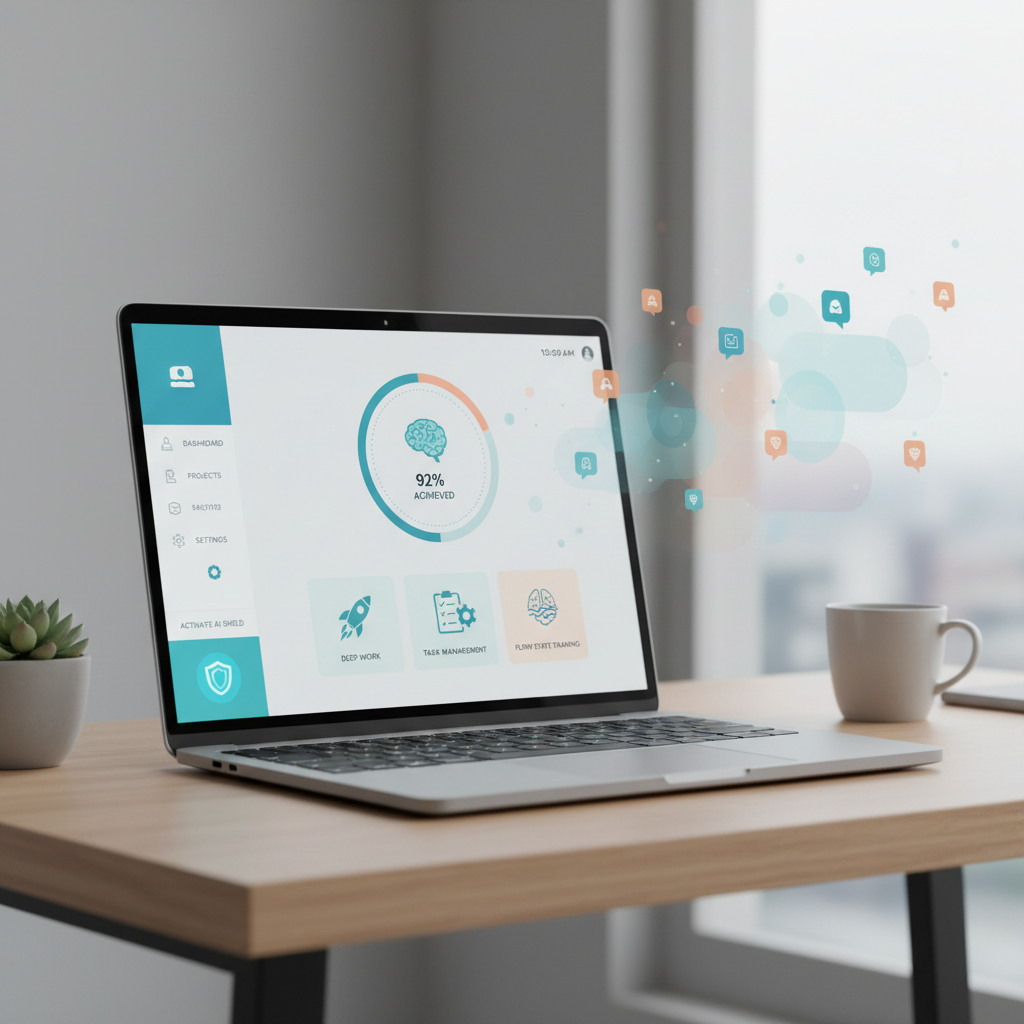
Enter the revolutionary concept of AI personal trainers for your brain. These are not merely productivity apps; they are sophisticated, adaptive systems designed to understand, analyze, and enhance your cognitive functions, specifically your ability to focus. By leveraging cutting-edge artificial intelligence, machine learning, and sometimes even biofeedback or neurofeedback technologies, these smart tools offer a bespoke approach to mental fitness. They promise to help us navigate the digital landscape with greater intentionality, minimize daily distractions, and ultimately, boost our overall cognitive performance and well-being. This blog post will delve deep into how these AI-powered brain trainers work, the technologies that power them, their practical benefits, and the important considerations surrounding their use, offering a comprehensive look at the future of personalized focus enhancement.
The Distracted Brain in the Digital Age: A Modern Conundrum
Our brains, evolved over millennia to react to immediate threats and opportunities in a much simpler environment, are now struggling to cope with the relentless pace and complexity of the digital age. The constant stream of information, the always-on culture of work, and the pervasive presence of smartphones have fundamentally altered our cognitive landscape. This isn’t just about feeling busy; it’s about a profound shift in how our brains process information and sustain attention.
The Erosion of Deep Work and Sustained Attention
One of the most significant consequences of digital distraction is the erosion of our capacity for “deep work” – focused, uninterrupted work on a single, cognitively demanding task. Research indicates that it can take an average of 23 minutes and 15 seconds to return to a task after an interruption. In an environment where notifications arrive every few minutes, the cumulative effect on productivity is staggering. We become adept at shallow work, processing information quickly but superficially, sacrificing depth for breadth. This constant context-switching places a heavy burden on our prefrontal cortex, leading to mental fatigue, increased stress, and a diminished ability to engage in complex problem-solving or creative thinking.
The rise of micro-content and short-form media has further conditioned our brains to expect instant gratification and rapid shifts in focus. Our attention spans, often likened to that of a goldfish (though this is largely a myth, the sentiment of diminishing attention holds true), are constantly being tested. This not only impacts professional performance but also affects personal life, making it harder to engage in meaningful conversations, read books, or simply enjoy moments of quiet reflection.
The Psychological Toll of Information Overload
Beyond productivity, chronic distraction takes a substantial toll on our mental well-being. The fear of missing out (FOMO) keeps us tethered to our devices, leading to anxiety and stress. The feeling of being constantly overwhelmed by emails, messages, and news can contribute to burnout. Our brains are designed to filter information, but the sheer volume presented by the digital world often overwhelms these natural mechanisms. This leads to cognitive overload, where our working memory becomes saturated, making it harder to learn new information, make decisions, or even remember simple details.
Moreover, the dopamine-driven feedback loops inherent in many digital platforms can create a form of behavioral addiction, making it incredibly difficult to disengage even when we know it’s detrimental to our focus. We find ourselves instinctively reaching for our phones during quiet moments, filling every void with digital input, thereby robbing our brains of crucial opportunities for rest, consolidation, and creative incubation. The modern brain is often in a state of hyper-arousal, constantly vigilant for the next stimulus, which is antithetical to states of deep concentration and relaxation.
Why Traditional Methods Fall Short
Recognizing the problem, many individuals attempt to implement traditional solutions: turning off notifications, using website blockers, or practicing time management techniques like the Pomodoro Technique. While these strategies can be helpful, they often lack the personalized, adaptive intelligence required to truly combat the pervasive nature of digital distraction. They are often one-size-fits-all solutions that do not account for individual differences in cognitive profiles, personal habits, or the dynamic nature of our work and life environments. For instance, a website blocker might work for one person but be easily circumvented by another, or a set schedule might not account for unexpected demands or variations in energy levels.
What’s needed is a more sophisticated approach, one that moves beyond static rules and embraces dynamic, intelligent customization. This is where the power of artificial intelligence becomes transformative, offering a new paradigm for managing and enhancing our focus in an increasingly noisy world. By understanding our unique cognitive fingerprint, AI can provide interventions that are not just generic but deeply personal and highly effective.
What Are AI Personal Trainers for Your Brain?
At its core, an AI personal trainer for your brain is an intelligent software system designed to optimize your cognitive performance, specifically focusing on attention, concentration, and mental clarity. Unlike generic productivity apps that offer static tools or rigid methodologies, these AI trainers operate more like a personalized coach, learning about you, adapting to your unique patterns, and providing tailored interventions to help you achieve and sustain peak focus.
Beyond Simple Productivity Tools
The distinction between a standard productivity app and an AI personal brain trainer is crucial. A typical productivity app might offer features like to-do lists, calendar reminders, or website blockers. While useful, these are essentially digital tools that require significant user discipline and self-awareness to be effective. They don’t inherently understand your cognitive state, your peak performance times, or your specific distraction triggers. They are passive instruments awaiting your command.
An AI personal brain trainer, however, is an active, dynamic entity. It’s built on a foundation of sophisticated algorithms that ingest vast amounts of data – from your interaction patterns with the app, your performance on cognitive exercises, your calendar, and sometimes even biometric data from wearables. Through machine learning, it identifies patterns, predicts potential challenges, and proactively suggests strategies or adjustments. It’s not just blocking distractions; it’s training your brain to be less susceptible to them and to recover focus more quickly.
How They Operate: A Symbiosis of AI and Cognitive Science
The operational framework of these AI trainers is a fascinating blend of artificial intelligence and principles from cognitive psychology and neuroscience. Here’s a breakdown of their core components:
- Data Collection and Analysis: This is the foundation. AI trainers gather data on how you engage with your digital environment, your productivity cycles, your performance on specific cognitive tasks, and potentially even physiological signals like heart rate variability or brainwave activity (via specialized wearables). This data creates a comprehensive profile of your cognitive habits.
- Pattern Recognition via Machine Learning: Using advanced machine learning algorithms, the AI identifies correlations and patterns within your data. For example, it might learn that your focus significantly dips after lunch, or that certain types of notifications consistently derail your concentration, or that you perform best on analytical tasks in the early morning.
- Personalized Strategy Generation: Based on the identified patterns, the AI formulates personalized recommendations and interventions. This could include suggesting optimal times for deep work, recommending specific brain-training exercises, adjusting notification settings dynamically, prompting micro-breaks, or even suggesting environmental changes.
- Adaptive Feedback Loops: The “training” aspect comes from continuous adaptation. As you interact with the system and implement its suggestions, the AI monitors your responses and performance. If a strategy is effective, it reinforces it; if not, it learns and modifies its approach. This creates a highly personalized and evolving training regimen that constantly refines itself based on your real-time cognitive state and progress.
- Cognitive Exercises and Training Modules: Many AI trainers incorporate gamified cognitive exercises designed to improve specific brain functions such as working memory, processing speed, selective attention, and task switching. These are not arbitrary games but scientifically informed exercises tailored to your individual cognitive profile and areas needing improvement.
The ultimate goal is to empower users to not only minimize external distractions but also to build internal cognitive resilience. It’s about training the brain to be more robust, adaptable, and capable of sustained, high-quality focus, transforming it into a more efficient and effective organ for navigating the complexities of modern life.
How AI Customizes Your Focus Regimen
The true power of AI personal trainers for your brain lies in their ability to move beyond generic advice and create a hyper-personalized focus regimen. This customization is what differentiates them from any other tool and makes them uniquely effective in addressing individual cognitive challenges. It’s a multi-faceted process that involves continuous learning and adaptation, effectively building a digital twin of your cognitive patterns.
1. Personalized Cognitive Assessment and Baselining
The journey begins with an in-depth understanding of your current cognitive state. AI trainers often initiate with a series of assessments, which might include:
- Self-reported questionnaires: To understand your perceived challenges, daily routines, and desired outcomes.
- Performance-based cognitive tests: Gamified tasks designed to measure various cognitive functions such as attention span, working memory, reaction time, and inhibitory control. These tests establish a baseline of your strengths and weaknesses.
- Digital habit analysis: Some AI tools integrate with your device usage data (with consent) to analyze screen time, app usage patterns, and notification interactions, providing objective insights into your digital habits and potential distraction triggers.
This initial profiling is crucial because it gives the AI a starting point, identifying areas where focus is strong and where it might be faltering, making the subsequent interventions highly targeted.
2. Adaptive Learning Algorithms: The Core of Personalization
Once a baseline is established, adaptive learning algorithms take over. These algorithms continuously monitor your performance and engagement, making real-time adjustments to your training program. This means:
- Dynamic difficulty adjustment: If you’re excelling at a particular cognitive exercise, the AI will automatically increase the difficulty to keep you challenged and prevent stagnation. Conversely, if you’re struggling, it might simplify the task or recommend foundational exercises to build up skills.
- Tailored exercise selection: Based on your progress and identified weaknesses, the AI will prioritize specific types of brain-training games or mindfulness exercises that are most likely to yield improvement in your target areas (e.g., if you struggle with sustained attention, it will emphasize tasks requiring prolonged concentration).
- Feedback-driven modification: Every interaction provides data. The AI observes how you respond to different interventions – whether you find a suggested break helpful, if a particular notification setting improves focus, or if a specific type of background music enhances concentration. This continuous feedback loop refines the personalization.
3. Contextual Awareness and Environmental Integration
True customization extends beyond just your cognitive abilities to your dynamic environment and daily rhythms. Advanced AI trainers can incorporate contextual data to fine-tune their recommendations:
- Time-of-day optimization: The AI learns your personal ultradian rhythms – your natural peaks and troughs in energy and focus throughout the day. It might suggest deep work during your peak hours and recommend lighter tasks or breaks during your dips.
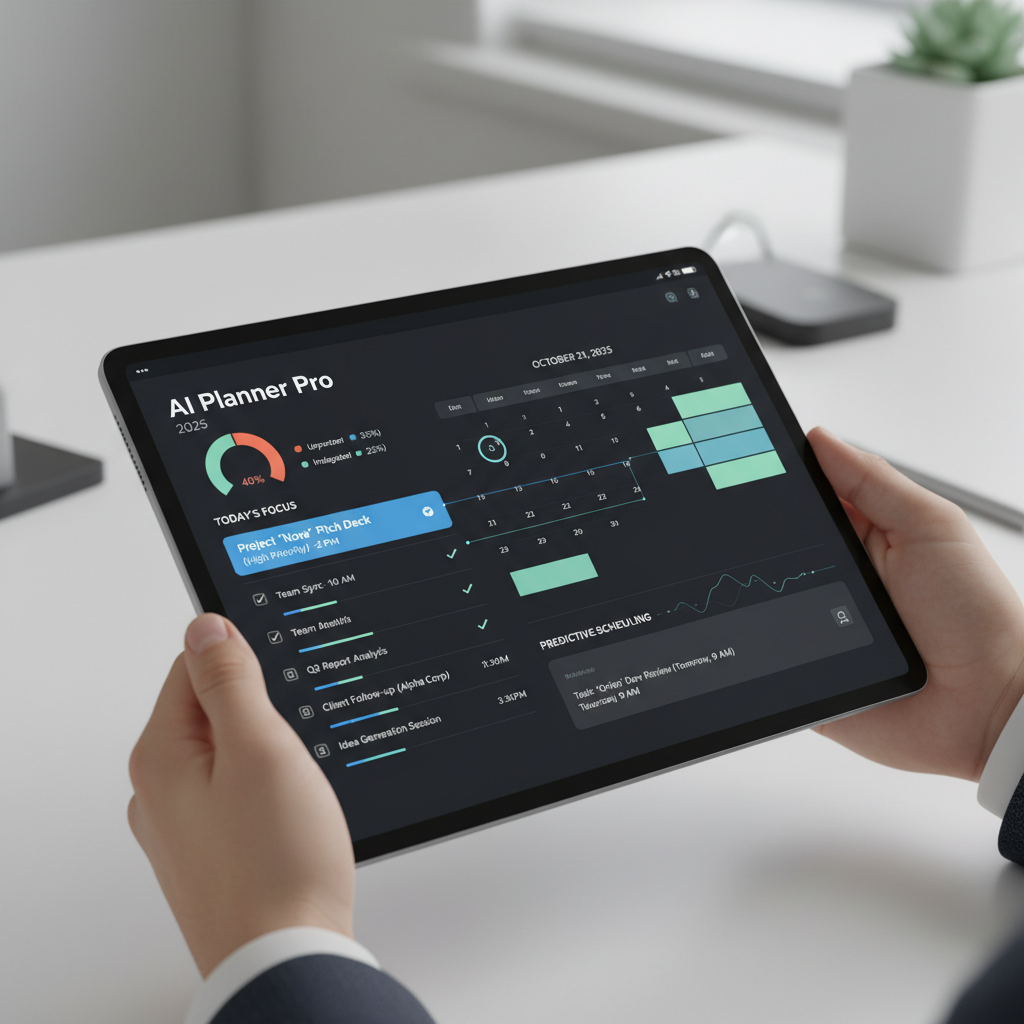
- Calendar and task integration: By integrating with your calendar and task management tools, the AI can anticipate demanding periods, help you schedule focus blocks, and suggest proactive measures to minimize distractions during critical tasks.
- Environmental factors: While more futuristic, some systems might eventually integrate with smart home devices to adjust lighting, sound, or temperature to create an optimal focus environment based on learned preferences.
4. Predictive Analytics for Proactive Intervention
One of the most powerful features is the AI’s ability to use predictive analytics. By analyzing historical data and current patterns, the AI can often foresee when your focus is likely to wane or when you might be susceptible to distraction. This allows for proactive interventions:
- Pre-emptive break suggestions: Before you even feel fatigued, the AI might suggest a short break or a mindfulness exercise to prevent cognitive overload.
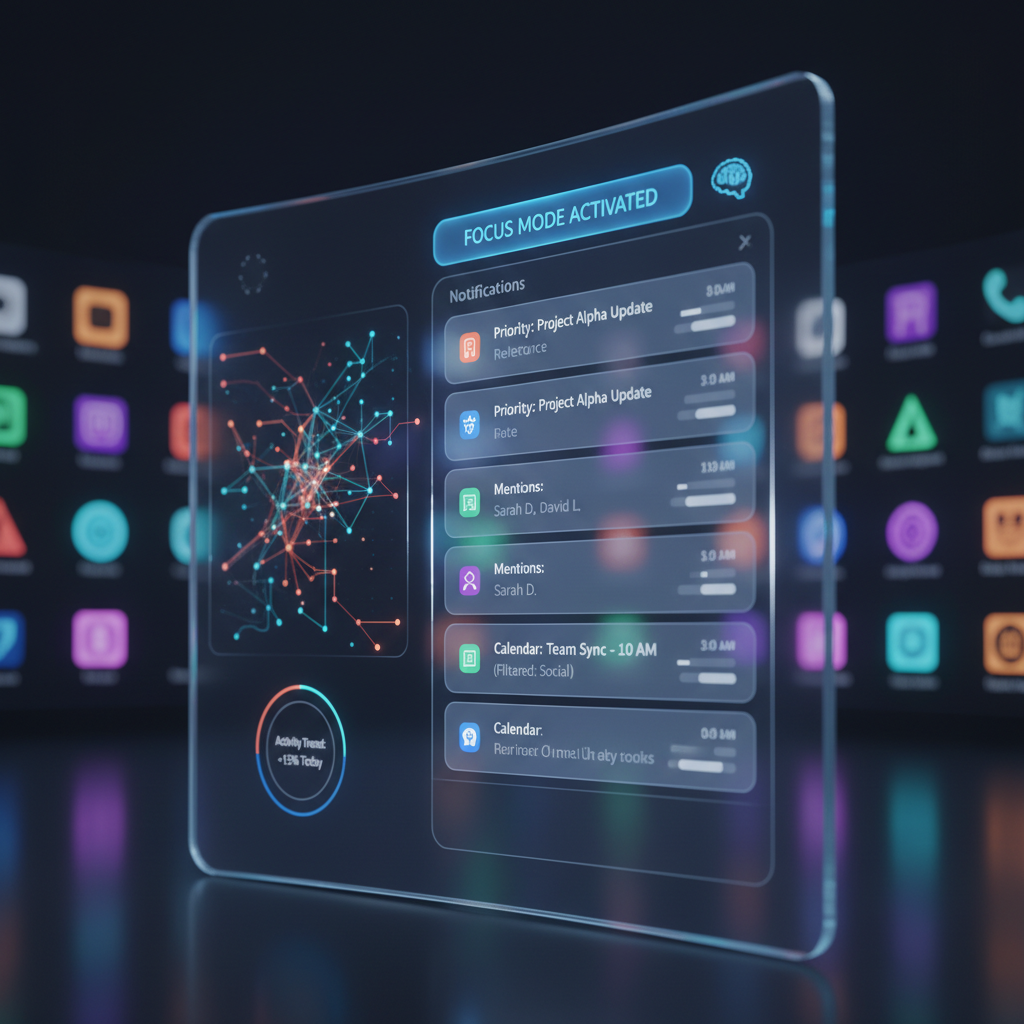
- Smart notification management: Instead of simply blocking all notifications, the AI can intelligently decide which notifications are truly urgent and when to deliver them, based on your current task, focus level, and preferences.
- “Focus zone” activation: Automatically setting your devices to a “do not disturb” mode for scheduled deep work periods, based on your learned productivity patterns.
5. Biofeedback and Neurofeedback Integration
For an even deeper level of personalization, some cutting-edge AI trainers integrate with biofeedback or neurofeedback devices.
- Biofeedback: Using wearables that monitor physiological signals like heart rate variability (HRV), skin conductance, or respiration rate, the AI can infer your stress levels or arousal state, and then suggest breathing exercises or relaxation techniques to bring you back to an optimal focus state.
- Neurofeedback: More advanced systems might use EEG (electroencephalography) headbands to measure brainwave activity in real-time. By detecting brainwave patterns associated with focus (e.g., high beta waves) or distraction (e.g., high theta waves), the AI can provide immediate feedback, training you to consciously shift your brain state towards greater concentration. This direct brain training is a powerful way to build intrinsic focus skills.
This multi-layered approach to customization ensures that the AI personal trainer is not just a tool but a highly intelligent and adaptive partner in your journey to enhanced cognitive performance and sustained focus.
Key Technologies Powering AI Focus Enhancement
The sophisticated capabilities of AI personal trainers for the brain are built upon several advanced technological pillars. Understanding these underlying technologies provides insight into how these tools function and why they are so effective at customizing focus and minimizing distractions.
1. Machine Learning (ML) and Deep Learning (DL)
Role: Machine learning is the cornerstone of any AI personal trainer. It’s what allows the system to learn from data without being explicitly programmed for every scenario.
- Pattern Recognition: ML algorithms excel at identifying subtle patterns in vast datasets. For focus trainers, this means recognizing your unique distraction triggers, your most productive times of day, your common errors in cognitive tasks, and how different interventions affect your performance. For instance, an ML model might learn that you tend to get distracted by social media notifications specifically between 10 AM and 11 AM, or that your response times on an attention task decrease after 30 minutes of uninterrupted work.
- Predictive Analytics: Leveraging historical data, ML models can predict future states or behaviors. An AI focus trainer can predict when your attention is likely to wane, or when you might be most receptive to a cognitive exercise, allowing for proactive intervention.
- Adaptive Learning: ML enables the system to continuously refine its strategies based on new data. As you use the app, provide feedback, and show progress (or lack thereof), the ML models update their understanding of your cognitive profile and adjust the training regimen accordingly. Deep learning, a subset of ML using neural networks, can handle even more complex patterns and large volumes of unstructured data, making it particularly useful for interpreting nuanced user behaviors and biometric signals.
2. Natural Language Processing (NLP)
Role: NLP is crucial for understanding and interacting with human language, both written and spoken. While not always directly involved in core cognitive training, NLP enhances the user experience and can contribute to distraction management.
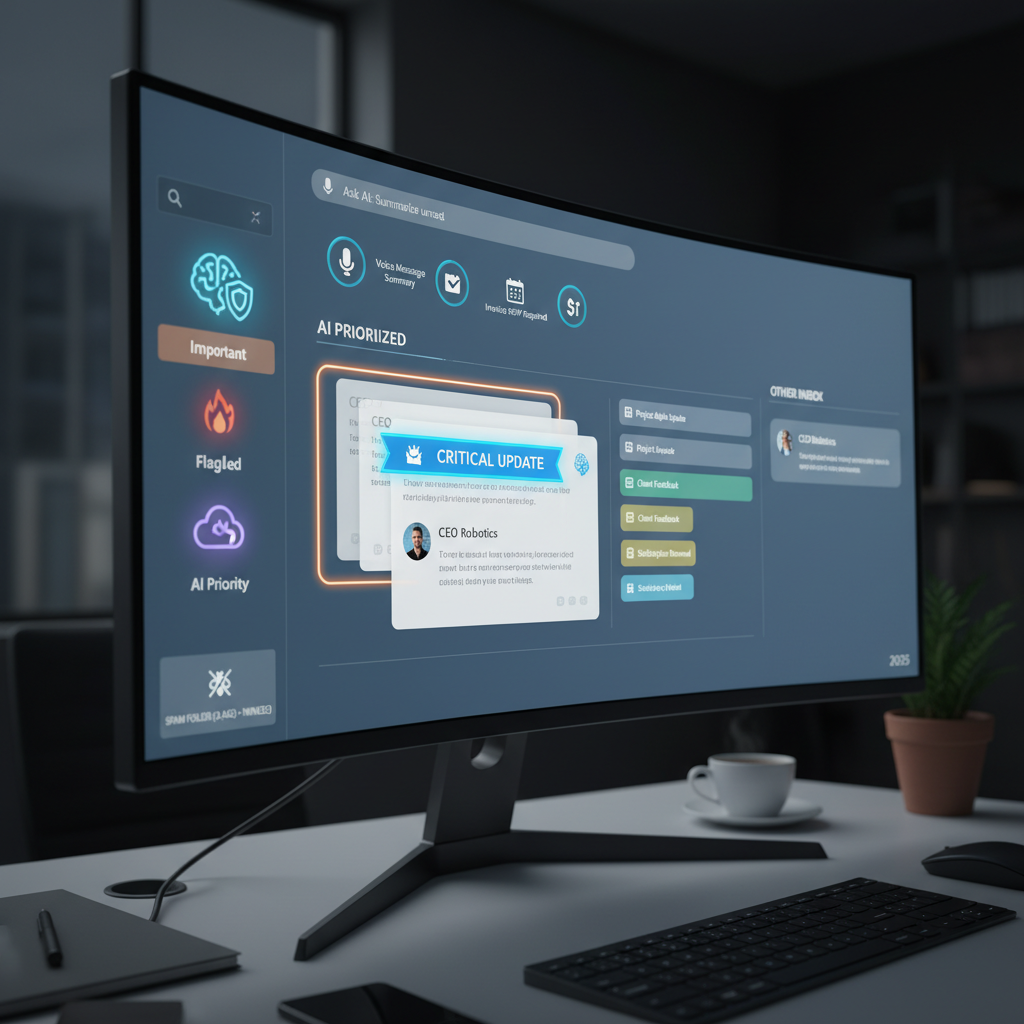
- Smart Notification Management: NLP can analyze the content of incoming emails or messages, categorize them by urgency or relevance, and then decide whether to deliver them immediately, summarize them, or defer them until a focus block ends. For example, it can learn to distinguish urgent work emails from general newsletters.
- Task Prioritization and Summarization: Some AI tools use NLP to help process and prioritize your to-do lists or summarize lengthy documents and emails, reducing cognitive load and allowing you to focus on the most critical information.
- Voice Interaction: For hands-free interaction, NLP allows users to communicate with the AI trainer using voice commands, for example, to initiate a focus session, report a distraction, or request a mindfulness exercise.
3. Wearable Technology and Sensors
Role: Wearable devices provide real-time, objective data about your physiological and neurological state, which is invaluable for truly personalized focus training.
- Heart Rate Variability (HRV) Monitors: Devices like smartwatches or chest straps can track HRV, a key indicator of stress, recovery, and overall physiological balance. The AI can use HRV data to infer your current mental state (e.g., high stress, relaxed, fatigued) and suggest appropriate interventions, like breathing exercises for stress reduction or a short break if fatigue is detected.
- Electroencephalography (EEG) Headbands: Specialized EEG wearables measure brainwave activity directly. This provides direct insights into cognitive states such as alertness, relaxation, focus (beta waves), and mind-wandering (theta waves). AI algorithms can then use this neurofeedback to guide users in real-time to adjust their mental state. For instance, if the EEG detects patterns associated with distraction, the app might provide an audio cue or a visual prompt to help the user refocus.
- Eye-Tracking Technology: While less common in consumer apps currently, eye-tracking (via specialized glasses or integrated camera systems) could monitor gaze patterns to determine where your attention is directed, identify instances of distraction, and even assess reading comprehension or cognitive load.
4. Gamification Techniques
Role: Gamification integrates game-like elements and design principles into non-game contexts to increase engagement and motivation.
- Cognitive Exercises: Many brain training activities are structured as games with levels, scores, and challenges, making the process of improving focus and memory enjoyable rather than a chore. This sustained engagement is crucial for long-term cognitive improvement.
- Progress Tracking and Rewards: Users earn points, badges, or unlock new features as they achieve milestones in their focus training, providing positive reinforcement and a sense of accomplishment.
- Leaderboards and Social Elements: (Optional) Some platforms might incorporate social features that allow users to compare progress with friends or a community, adding a layer of healthy competition and mutual support.
By combining these technologies, AI personal trainers create a holistic, dynamic, and engaging platform for individuals to take control of their attention and enhance their cognitive abilities in a world designed for distraction.
Practical Applications and Benefits of AI Focus Trainers
The theoretical underpinnings of AI personal trainers for the brain translate into tangible, real-world benefits across various aspects of life. These tools are designed to empower individuals to reclaim their focus and operate at their cognitive best, whether in professional, academic, or personal settings.
1. Boosting Productivity and Deep Work Capability
One of the most immediate and impactful benefits is the significant enhancement of productivity.
- Optimized Focus Sessions: AI helps identify your most productive times and facilitates dedicated “deep work” blocks by minimizing digital interruptions. For instance, an AI might learn that you’re most effective at analytical tasks between 9 AM and 11 AM, and it will then help you schedule these tasks and block out all non-essential notifications during that period.
- Task Prioritization and Management: By integrating with calendars and task lists, AI can assist in prioritizing tasks based on urgency, importance, and your current cognitive state, ensuring you focus on what truly matters. It can also help break down large tasks into manageable segments, making them less daunting and easier to focus on.
- Reduced Context-Switching: By proactively managing notifications and creating uninterrupted work environments, AI trainers drastically reduce the mental overhead associated with frequent context-switching, allowing for more sustained attention on a single task.
2. Enhanced Learning and Memory Retention
For students, lifelong learners, and professionals needing to acquire new skills, AI focus trainers offer invaluable support.
- Personalized Study Schedules: The AI can recommend optimal study times and break intervals based on your learning patterns and cognitive fatigue levels. It can even suggest specific cognitive exercises to warm up your brain before a study session.
- Improved Information Absorption: By training your selective attention and working memory, these tools help you absorb new information more efficiently and retain it for longer. For example, exercises might focus on remembering sequences or quickly identifying relevant information from a cluttered display, skills directly transferable to reading and learning.
- Faster Skill Acquisition: Consistent cognitive training, tailored by AI, can accelerate the development of cognitive skills fundamental to learning, such as problem-solving, critical thinking, and pattern recognition.
3. Stress Reduction and Mental Well-being
The constant pressure to be “always on” contributes significantly to stress and anxiety. AI focus trainers can act as a buffer.
- Mindfulness and Relaxation Prompts: Many systems include guided meditation or breathing exercises, strategically prompted by the AI when it detects signs of cognitive overload or stress (e.g., via increased heart rate variability or prolonged screen time).
- Cognitive Offloading: By managing digital distractions and providing a structured environment for focus, the AI reduces the mental burden of constant self-regulation, freeing up cognitive resources and reducing mental fatigue.
- Improved Sleep Quality: Better digital hygiene and a calmer mind through focus training can indirectly lead to improved sleep patterns, which in turn enhances cognitive function and reduces stress.
4. Support for Digital Detox and Healthy Digital Habits
In an age of digital addiction, these AI tools can serve as a crucial ally.
- Smart Notification Management: Moving beyond simple “do not disturb,” AI intelligently filters notifications, ensuring only genuinely urgent alerts break your focus, while others are batched for later review.
- Scheduled Digital Breaks: The AI can encourage and enforce regular, short breaks from screens, prompting you to engage in non-digital activities to refresh your mind.
- Awareness and Self-Regulation: By providing data and insights into your digital habits, AI trainers foster greater self-awareness, empowering you to make more conscious choices about how and when you engage with technology.
5. Enhanced Attention Span and Cognitive Resilience
Ultimately, AI personal trainers aim to build fundamental cognitive capabilities.
- Strengthening Attention Networks: Through targeted exercises and real-time feedback (especially with neurofeedback), the AI helps to strengthen the neural networks associated with sustained and selective attention.
- Increased Cognitive Resilience: Regular training builds mental stamina, enabling you to maintain focus for longer periods, resist distractions more effectively, and recover quicker from interruptions.
- Improved Executive Functions: These tools can positively impact executive functions such as planning, organization, impulse control, and decision-making, which are all intricately linked to effective focus.
By leveraging AI, we can move beyond merely reacting to distractions and proactively train our brains to become more robust, adaptable, and focused instruments in our daily lives.
Challenges and Ethical Considerations
While the promise of AI personal trainers for the brain is significant, it’s crucial to address the challenges and ethical considerations that accompany their development and widespread adoption. These concerns revolve around privacy, potential over-reliance, accessibility, and the inherent complexities of AI itself.
1. Data Privacy and Security
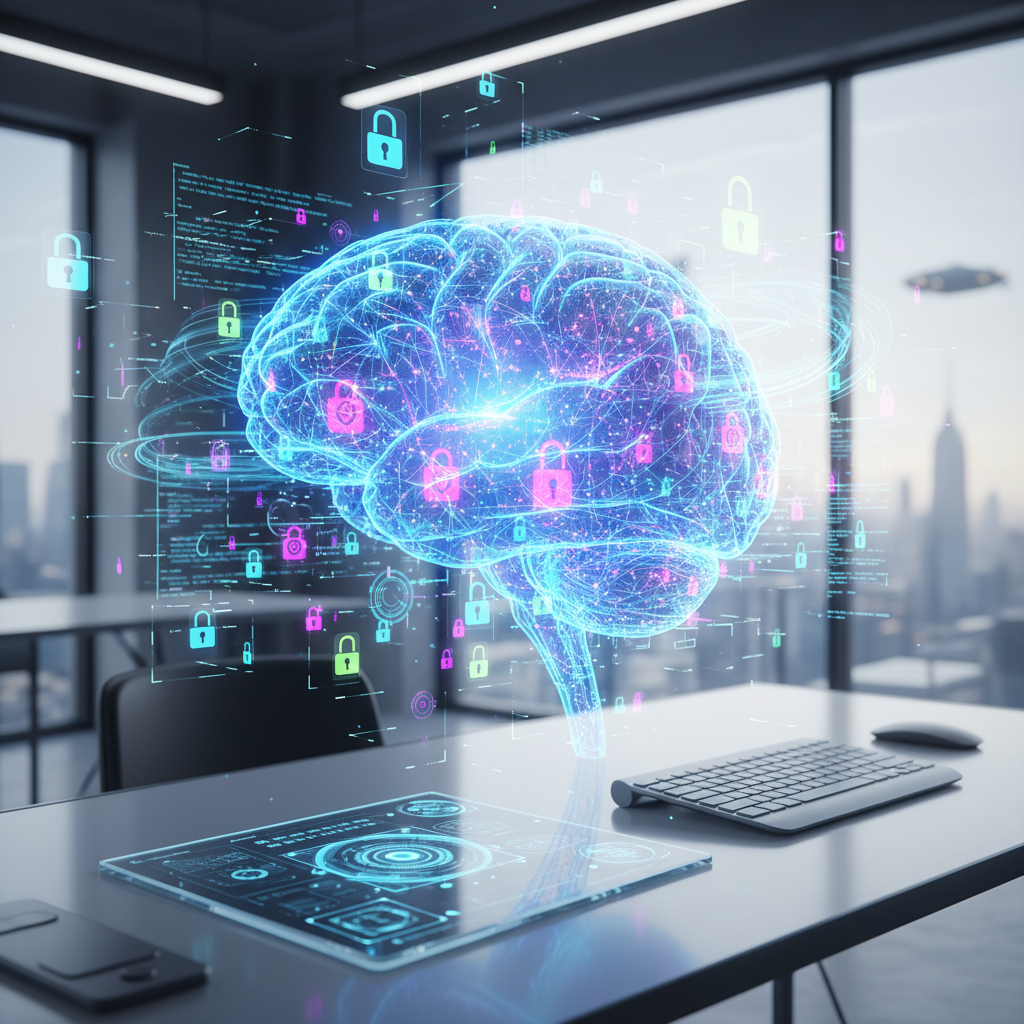
Perhaps the most significant concern is the handling of highly sensitive personal data. AI focus trainers collect an unprecedented amount of information about users: their cognitive performance, daily routines, digital habits, and potentially even biometric or brainwave data.
- Sensitive Personal Information: This data can reveal a great deal about an individual’s mental state, health, and vulnerabilities. If breached or misused, it could lead to identity theft, discrimination, or psychological manipulation.
- Consent and Transparency: Users must be fully informed about what data is collected, how it is used, stored, and shared. Clear, easily understandable consent mechanisms are paramount, moving beyond opaque terms of service.
- Anonymization and Encryption: Robust encryption protocols and anonymization techniques are essential to protect data both in transit and at rest. However, even “anonymized” data can sometimes be re-identified with sophisticated techniques.
- Third-Party Sharing: The business models of some apps might involve sharing data with third parties for research, advertising, or other purposes. This needs to be explicitly disclosed and controlled by the user.
As these technologies become more prevalent, stringent data protection regulations and industry standards will be vital.
2. Risk of Over-Reliance and Loss of Intrinsic Cognitive Skills
While AI can enhance focus, there’s a potential risk of becoming overly dependent on these tools, diminishing our intrinsic ability to manage our own attention.
- Outsourcing Cognitive Effort: If AI constantly prompts us to focus, manages our notifications, and dictates our breaks, will we lose the natural skill of self-regulation and intentional attention deployment?
- “Black Box” Problem: Users might rely on AI suggestions without fully understanding *why* a particular intervention is recommended. This could lead to a passive acceptance of AI’s guidance rather than active development of self-awareness and metacognitive skills.
- Loss of Boredom and Mind-Wandering: These often-undervalued states are crucial for creativity, problem-solving, and emotional processing. An AI constantly optimizing for focus might inadvertently suppress these beneficial states.
The goal should be augmentation, not replacement, of human cognitive abilities. These tools should empower us to build our own mental muscle, not atrophy it.
3. Accessibility, Equity, and Cost
Advanced AI personal trainers, especially those integrating with specialized hardware like EEG devices, can be expensive, creating an accessibility gap.
- Digital Divide: Access to high-speed internet, compatible devices, and the financial means to subscribe to premium services or purchase hardware can exclude a significant portion of the population.
- Exacerbating Inequalities: If cognitive enhancement tools are primarily available to the affluent, it could exacerbate existing inequalities in educational attainment and professional success, creating a new form of “cognitive divide.”
- Ethical Distribution: Questions arise about who benefits most from these technologies and how to ensure equitable access to tools that could significantly impact human potential.
4. Algorithmic Bias and Effectiveness for Diverse Populations
AI models are only as good as the data they are trained on. If training data is not diverse, the algorithms can exhibit bias.
- Bias in Recommendations: If the algorithms are primarily trained on data from a narrow demographic, their recommendations might not be effective, or could even be detrimental, for individuals from different cultural backgrounds, age groups, or with neurodivergent conditions.
- Validation for Neurodiversity: The effectiveness of these tools for individuals with conditions like ADHD, autism, or learning disabilities needs rigorous scientific validation, and the algorithms must be designed to be inclusive and adaptable to a wide range of cognitive profiles.
- Measuring “Focus”: Defining and objectively measuring “focus” is complex and can vary significantly between individuals and contexts. AI models must be nuanced enough to account for this variability.
5. Regulatory and Medical Implications
As AI personal trainers delve into cognitive enhancement, their regulatory status becomes ambiguous.
- Medical Device Classification: If an AI app claims to diagnose, treat, or mitigate a condition (e.g., ADHD symptoms), it might fall under medical device regulations, requiring rigorous testing and approval. Many developers might try to avoid this by framing their tools purely as “wellness” or “productivity” aids.
- Lack of Standardized Oversight: The rapidly evolving nature of AI and cognitive science means that regulatory frameworks often lag behind, creating a Wild West scenario where standards for efficacy and safety are inconsistent.
- Ethical Boundaries: There’s a broader philosophical debate about the ethics of “brain hacking” and cognitive augmentation. Where do we draw the line between enhancement and manipulation?
Addressing these challenges requires a concerted effort from developers, policymakers, researchers, and users to ensure that AI personal trainers for the brain are developed and used responsibly, ethically, and for the greater good of human flourishing.
Comparison Tables
Table 1: Traditional Productivity Apps vs. AI Personal Brain Trainers
| Feature/Aspect | Traditional Productivity Apps (e.g., To-Do Lists, Calendar, Basic Website Blockers) | AI Personal Brain Trainers (e.g., Focus Apps with ML/Neurofeedback) |
|---|---|---|
| Core Functionality | Organization, reminders, manual task management, simple distraction blocking. | Cognitive enhancement, personalized focus training, adaptive distraction management, mental well-being. |
| Personalization Level | Low to Moderate. Requires user to set up and customize all preferences manually. | High. Learns from user data, adapts to cognitive patterns, provides tailored recommendations. |
| Adaptive Learning | Minimal or None. Static rules and settings. Does not learn from user behavior. | High. Continuously adjusts exercises, timings, and interventions based on real-time performance and progress. |
| Data Use & Analytics | Limited to tracking tasks completed, time spent. Basic reporting. | Extensive. Analyzes cognitive performance, digital habits, sometimes biometric/neurofeedback data for deep insights. |
| Intervention Style | Passive tools, user-initiated actions (e.g., “block website”). | Proactive, intelligent suggestions (e.g., “suggests break”, “optimizes focus schedule”, “filters notifications”). |
| Focus Improvement Method | External control, willpower-dependent. Relies on user discipline. | Internal skill building, cognitive training, physiological regulation. Trains the brain itself. |
| Complexity & Cost | Generally simpler, often free or low-cost. | More complex, often subscription-based with premium features; potentially higher cost for specialized hardware. |
Table 2: Key AI Focus Enhancement Technologies and Their Roles
| Technology | Primary Role in Focus Enhancement | Specific Examples/Applications |
|---|---|---|
| Machine Learning (ML) | Enables systems to learn from data, recognize patterns, and make predictions without explicit programming. | Personalized assessment, adaptive exercise difficulty, identifying peak focus times, predicting distraction triggers, continuous strategy refinement. |
| Natural Language Processing (NLP) | Allows AI to understand, interpret, and generate human language. | Smart notification filtering (e.g., distinguishing urgent emails), content summarization, voice command interaction for focus activation, task prioritization from text. |
| Wearable Technology (e.g., Smartwatches, EEG Headbands) | Provides real-time physiological and neurological data for objective insights into cognitive state. | Monitoring heart rate variability (HRV) for stress/fatigue, EEG brainwave analysis for real-time neurofeedback on focus levels, sleep tracking for cognitive recovery insights. |
| Gamification | Applies game-design elements and game principles in non-game contexts to engage and motivate users. | Cognitive training exercises designed as engaging games, progress tracking with points/badges, leaderboards (optional), creating intrinsic motivation for consistent brain training. |
| Biofeedback/Neurofeedback | Provides real-time information about physiological/neural activity to help individuals learn to control these states. | Direct brainwave training (neurofeedback) to increase focus, guided breathing exercises based on HRV (biofeedback) for stress reduction and optimal mental state, real-time auditory/visual cues for refocusing. |
Practical Examples: Real-World Use Cases
To truly grasp the transformative potential of AI personal trainers for your brain, let’s explore a few real-world scenarios where these intelligent tools can make a significant difference in customizing focus and minimizing distractions.
Case Study 1: The University Student Preparing for Exams
Meet Sarah, a third-year university student grappling with a demanding exam schedule. She struggles with procrastination, gets easily sidetracked by social media during study sessions, and often pulls all-nighters, only to feel burnt out and forget much of what she studied.
Sarah decides to try an AI personal brain trainer. The app first conducts an initial assessment, identifying her peak cognitive hours (late morning and early evening) and her susceptibility to digital distractions, especially from her phone, after about 45 minutes of study. The AI integrates with her university calendar and her reading list, helping her break down large study topics into manageable 25-minute sprints. During these sprints, the AI automatically activates a “deep focus” mode on her devices, silencing all non-essential notifications and even suggesting a specific type of classical music that it learned enhances her concentration.
When the AI detects a dip in her engagement or after a scheduled 25-minute block, it prompts her for a short, guided breathing exercise or a quick mental break, recommending she get up and stretch. On days when she’s feeling particularly overwhelmed, the AI suggests specific cognitive games designed to boost her working memory for formula recall or her selective attention for deciphering complex texts. It also provides a daily progress report, showing her actual focused study time versus distracted time, which motivates her to improve. As a result, Sarah feels more organized, less stressed, and finds she’s retaining information much more effectively, leading to better exam performance and a healthier study-life balance.
Case Study 2: The Remote Software Developer Aiming for Flow State
David is a senior software developer working remotely. His work requires long periods of uninterrupted coding, entering a “flow state” where creativity and productivity soar. However, the constant barrage of team chat messages, email alerts, and the temptation of news sites frequently pulls him out of this crucial state, leading to frustration and fragmented workdays.
David implements an AI focus trainer designed for professionals. The AI learns his coding patterns and identifies that he enters flow state most consistently between 9:30 AM and 12:30 PM. It automatically schedules “flow blocks” during these times. During these blocks, it not only silences non-critical communication channels but also intelligently batches less urgent messages, only alerting him if a message is from a direct manager and marked as “urgent.” It uses natural language processing to identify if a message is genuinely critical before showing it.
The AI also integrates with an EEG headband he wears, providing real-time neurofeedback. If his brainwave patterns shift towards distraction, the app gently nudges him with a subtle, non-intrusive audio cue, helping him to self-correct and regain focus without breaking his coding rhythm. It tracks the duration of his flow states and provides insights into what environmental factors (e.g., time of day, background music, prior task) contribute most to achieving them. David finds he spends significantly more time in productive flow, completes complex tasks faster, and feels less mentally exhausted by the end of his workday, as the AI acts as a smart gatekeeper for his attention.
Case Study 3: The Creative Professional Managing Idea Overload
Maria is a graphic designer and content creator. Her work requires intense periods of creative brainstorming followed by detailed execution. Her challenge isn’t just external distractions, but internal ones – a constant stream of new ideas, sometimes overwhelming, and the struggle to transition smoothly between creative ideation and focused design work.
Maria adopts an AI personal trainer that specializes in cognitive flexibility and managing idea flow. The AI helps her by first categorizing her tasks: “ideation,” “design execution,” “client communication.” It learns that her best ideation happens in short, intense bursts, while design execution requires longer, uninterrupted blocks. For ideation sessions, the AI provides a “digital whiteboard” where she can quickly capture fleeting ideas without losing focus on the main task. It uses NLP to organize these ideas into themes for later review, reducing her anxiety about forgetting a brilliant thought.
When she transitions to design execution, the AI shifts her environment. It automatically closes unnecessary tabs, silences all but essential work notifications, and initiates a “deep work” soundtrack. If her mind starts to wander, the AI (having learned her patterns) might prompt her to take a quick visual break, focusing on a specific image or pattern for 60 seconds, which helps reset her visual processing for design. The AI also tracks her mood and energy levels, suggesting specific types of creative prompts or relaxation exercises when it detects signs of mental block or fatigue. Maria discovers she can manage her creative process more effectively, transforming her idea overload into structured, actionable tasks, and maintaining a healthy balance between spontaneity and disciplined execution.
Case Study 4: Supporting Individuals with Attention Deficit Hyperactivity Disorder (ADHD)
Mark, an adult with ADHD, often struggles with task initiation, maintaining focus on monotonous tasks, and managing time effectively. Traditional tools provide some structure but often lack the dynamic adaptation needed to truly support his fluctuating attention and executive function challenges.
Mark begins using an AI personal brain trainer specifically designed with neurodiversity in mind. The AI creates highly personalized, short-burst task segments, often just 10-15 minutes, followed by mandatory micro-breaks, knowing that sustained attention is particularly challenging. It integrates visual and auditory cues that are proven to be effective for individuals with ADHD, such as gentle “re-focus” chimes if his attention drifts, detected by his interaction patterns or an optional wearable sensor. The AI helps Mark with task initiation by breaking down complex projects into tiny, actionable steps and provides positive reinforcement through gamified rewards for completing each step.
Crucially, the AI helps manage his external environment. It offers an “uninterrupted mode” that is more robust than standard “do not disturb,” not only blocking notifications but also nudging him to put his phone away and close irrelevant browser tabs. It also acts as a smart accountability partner, gently reminding him to get back to a task if it detects prolonged idleness or context-switching. Mark reports a significant improvement in his ability to start and complete tasks, feeling less overwhelmed by his workday, and experiencing a boost in self-efficacy, as the AI provides a reliable, non-judgmental, and adaptable support system tailored to his unique cognitive needs.
Frequently Asked Questions
Q: What exactly is an AI personal trainer for your brain?
A: An AI personal trainer for your brain is an intelligent software system that uses artificial intelligence and machine learning to understand your unique cognitive patterns, identify distraction triggers, and then provide personalized strategies and exercises to enhance your focus, attention, and overall cognitive performance. Unlike generic apps, it adapts to your progress and needs over time, acting like a personalized coach for your brain.
Q: How do these apps personalize my focus regimen?
A: Personalization is at the core of these tools. They start with an initial assessment of your cognitive strengths and weaknesses. Then, using adaptive learning algorithms, they continuously monitor your performance, digital habits, and sometimes even biometric data (from wearables). Based on this data, the AI identifies patterns like your peak focus times, common distractions, and areas for improvement. It then tailors cognitive exercises, notification management strategies, and focus schedules specifically for you, adjusting them as you progress.
Q: Are these technologies safe to use, especially if they interact with brainwaves?
A: Generally, yes, when used as intended. Most mainstream AI focus apps primarily rely on software analysis of your digital interactions and cognitive test performance. Those that integrate with biofeedback or neurofeedback (like EEG headbands) are typically non-invasive and listen to your brainwaves, rather than stimulating them. It’s crucial to choose reputable apps and devices that adhere to safety standards. Always consult with a healthcare professional if you have underlying neurological conditions or concerns.
Q: Do I need special hardware (like EEG devices) to use an AI personal brain trainer?
A: Not necessarily. Many effective AI personal brain trainers work entirely through software on your existing smartphone or computer. These apps utilize your interaction data, self-reported information, and performance on in-app cognitive games. However, some advanced trainers do offer enhanced personalization and real-time feedback when paired with compatible wearable devices like smartwatches (for heart rate variability) or specialized EEG headbands (for brainwave monitoring). These provide a deeper layer of physiological insight but are optional for most core functionalities.
Q: How long does it take to see results from using an AI focus app?
A: The timeframe for seeing results can vary widely depending on individual consistency, the specific app used, and the areas you’re trying to improve. Some users report noticing subtle improvements in focus and reduced distractibility within a few weeks of consistent use. More significant and lasting changes in cognitive skills, like enhanced working memory or sustained attention, typically require several months of dedicated training. Consistency is key, much like physical exercise.
Q: Can AI personal trainers replace human therapists or coaches?
A: No, AI personal trainers are designed to augment, not replace, human expertise. They are powerful tools for cognitive enhancement and managing digital distractions. However, they cannot provide the nuanced emotional support, complex diagnostic capabilities, or personalized therapeutic interventions that a qualified human therapist, coach, or medical professional can offer. For mental health conditions, always consult a human expert; AI tools can serve as a supplementary aid under professional guidance.
Q: What about my data privacy when using these apps?
A: Data privacy is a significant concern, given the sensitive nature of the information collected (cognitive patterns, digital habits, potentially biometric data). Reputable AI focus apps should have transparent privacy policies clearly outlining what data is collected, how it’s used, stored, and if it’s shared with third parties. They should also employ strong encryption and anonymization techniques. It’s essential to research an app’s privacy practices before use and only grant necessary permissions.
Q: Are there any free AI focus apps available, or are they all subscription-based?
A: While many advanced AI personal brain trainers operate on a subscription model, offering premium features and deeper personalization, there are often free versions or freemium models available. These might offer basic cognitive exercises, limited analytics, or trial periods. Free apps generally provide a good starting point to explore the concepts, but for the most comprehensive and adaptive experience, a paid subscription often unlocks the full potential of the AI’s capabilities.
Q: How do I choose the right AI focus app for me?
A: Consider your specific needs and goals: Are you looking to boost productivity, improve memory, reduce stress, or manage ADHD symptoms? Look for apps that specialize in those areas. Check reviews and scientific backing (if any). Evaluate the level of personalization offered and whether it aligns with your comfort level for data sharing. Consider if you want to integrate with wearables. Finally, try out free trials or basic versions to see which interface and methodology resonates best with your personal learning style and preferences.
Q: What are the potential downsides or risks of using AI personal brain trainers?
A: Beyond privacy concerns, potential downsides include over-reliance on the AI, which might diminish your intrinsic ability for self-regulation of focus. There’s also the risk of algorithmic bias, where the AI’s recommendations might not be equally effective for all users, particularly those from diverse backgrounds or with neurodivergent conditions. Cost and accessibility can also be barriers. It’s important to use these tools as an aid to build skills, not as a complete outsourcing of your cognitive effort.
Key Takeaways: Mastering Focus with AI
The journey into AI personal trainers for your brain reveals a powerful new frontier in cognitive enhancement. Here are the core insights to remember:
- AI Offers Personalized Focus Solutions: Unlike generic productivity tools, AI personal trainers understand and adapt to your unique cognitive profile, offering truly bespoke strategies for improving attention and reducing distractions.
- Beyond Distraction Blocking: These tools don’t just block distractions; they actively train your brain to build intrinsic resilience, improve attention span, and enhance various cognitive functions like working memory and processing speed.
- Driven by Advanced Technology: Machine learning is fundamental for pattern recognition and adaptive learning, while NLP helps manage digital communication, and wearable tech provides invaluable real-time physiological and neurological data.
- Wide-Ranging Benefits: From boosting productivity and enhancing learning to reducing stress and fostering healthier digital habits, the practical applications span across professional, academic, and personal domains.
- Real-World Impact: Case studies demonstrate how AI can assist students, remote workers, creative professionals, and individuals with ADHD in managing their attention more effectively.
- Ethical Considerations are Paramount: Data privacy, the risk of over-reliance, accessibility, and algorithmic bias are crucial challenges that need careful attention as these technologies evolve. Responsible development and usage are key.
- Augmentation, Not Replacement: AI personal trainers are best viewed as powerful allies that augment human capabilities, helping us cultivate our own mental fitness rather than outsourcing our cognitive effort entirely.
- A Proactive Approach to Well-being: By providing insights and tools, AI empowers individuals to move from a reactive stance against distraction to a proactive strategy for cultivating sustained focus and overall mental well-being in the digital age.
Conclusion: Your AI Ally in a Distracted World
The digital age, while offering unprecedented opportunities, has undeniably presented a formidable challenge to our collective capacity for focus. Our brains are constantly fighting an uphill battle against an endless stream of notifications, information overload, and the pervasive culture of instant gratification. Traditional methods, while helpful, often lack the nuanced, adaptive intelligence required to truly equip us for this modern cognitive warfare.
AI personal trainers for your brain represent a paradigm shift in how we approach mental well-being and cognitive performance. They are not just another app to download; they are intelligent companions that learn your unique cognitive rhythms, pinpoint your specific distraction vulnerabilities, and craft a personalized training regimen to sharpen your attention, enhance your memory, and cultivate a robust ability to focus deeply. By leveraging the power of machine learning, natural language processing, and integrating with advanced wearables, these tools are moving beyond simple digital detoxes to offer a holistic and dynamic approach to mental fitness.
From helping a student ace exams by optimizing study sessions to enabling a software developer to achieve deeper flow states, and supporting individuals with ADHD in managing their attention, the practical applications are profound and diverse. These AI tools promise to not only mitigate the detrimental effects of digital distractions but to actively build stronger, more resilient brains, capable of sustained concentration in an increasingly noisy world. They offer a path to reclaiming our most precious cognitive resource: attention.
However, as with any powerful technology, vigilance is key. We must engage with these tools thoughtfully, ensuring our data privacy is protected, guarding against over-reliance, and advocating for equitable access. The future of focus is not about eliminating technology but about intelligently leveraging it to our advantage. By embracing AI as a personalized ally, we can transform our relationship with the digital world, cultivate sharper minds, and unlock our full cognitive potential. The journey towards customized focus through smart tech is just beginning, and it promises to redefine what it means to be truly present and productive in the 21st century.























































Leave a Reply