


In our hyper-connected world, the relentless barrage of notifications, endless social media feeds, and the constant hum of digital demands have turned maintaining focus into a Herculean task. Our attention spans are dwindling, productivity is suffering, and the ability to engage in deep, meaningful work feels increasingly elusive. But what if there was an ally in this battle against digital chaos? Enter Artificial Intelligence.
Artificial Intelligence is no longer just a futuristic concept; it is a powerful, evolving tool that is rapidly transforming how we interact with technology and, crucially, how we manage our own cognitive resources. From intelligent task managers that predict your most productive hours to adaptive content blockers that learn your distraction patterns, AI is offering unprecedented opportunities to reclaim our attention and sharpen our focus.
This comprehensive guide will explore how AI can be leveraged to conquer digital distractions, cultivate profound concentration, and ultimately enhance your overall productivity and well-being. We will delve into the types of AI-powered tools available, examine real-world applications, discuss the ethical considerations, and provide practical strategies for integrating these innovations into your daily routine. Prepare to discover a new frontier in personal effectiveness, where AI becomes your personalized guide to unwavering focus.
The Modern Epidemic of Digital Distractions: A Silent Productivity Killer
Before we explore the solutions, it is crucial to understand the magnitude of the problem. We live in an “always-on” culture, where our devices are designed to constantly vie for our attention. Every ping, every vibration, every flashing icon represents a tiny disruption that fragments our focus and pulls us away from the task at hand. This continuous context switching comes with a significant cognitive cost, often referred to as “attention residue.” When you switch from one task to another, a part of your mind remains tethered to the previous task, reducing your cognitive capacity for the new one.
Consider the typical workday for many professionals. It begins with checking emails, quickly veering off to a news article, then a social media notification pops up, leading to a quick scroll. Before you know it, an hour has passed, and your primary work has barely begun. This pattern is not just a nuisance; it is a fundamental threat to deep work, creativity, and problem-solving. Research consistently shows that heavy digital multitasking reduces productivity by as much as 40 percent and can even lower your IQ temporarily. The constant craving for novelty and instant gratification, fueled by dopamine hits from notifications, rewires our brains, making sustained concentration increasingly difficult.
Beyond individual productivity, this epidemic has broader implications for mental health. The constant pressure to be available, the fear of missing out (FOMO), and the endless comparison inherent in social media contribute to increased stress, anxiety, and even symptoms of depression. Our brains are not designed to process such a continuous stream of information and demands. Recognizing this widespread challenge is the first step toward seeking effective, modern solutions, and this is precisely where the strategic application of Artificial Intelligence steps in as a game-changer.
How Artificial Intelligence Transforms Focus Management
Artificial Intelligence offers a paradigm shift in how we approach focus management, moving beyond static rules and manual effort to dynamic, personalized, and predictive interventions. Unlike traditional productivity tools that require constant human input and discipline, AI systems are designed to learn, adapt, and act autonomously based on your unique patterns and preferences. The core power of AI in this context lies in several key capabilities:
1. Pattern Recognition and Predictive Analytics
AI algorithms excel at identifying subtle patterns in your digital behavior. They can observe when you tend to get distracted, which apps or websites are most often the culprits, and even at what times of day your focus is naturally highest or lowest. By analyzing this vast amount of data, AI can predict impending distractions and proactively implement strategies to prevent them. For instance, if it notices you frequently check social media around 11:00 AM, it can automatically block those sites during that window.
2. Personalization and Adaptive Learning
One size does not fit all when it comes to productivity. AI understands this implicitly. It learns your unique work style, your preferred breaks, your most productive hours, and even your cognitive load based on your interactions. Over time, an AI focus app becomes a highly personalized coach, tailoring its interventions to suit you perfectly. It adapts its strategies based on your feedback and performance, continuously refining its approach to maximize your concentration.
3. Intelligent Automation and Contextual Awareness
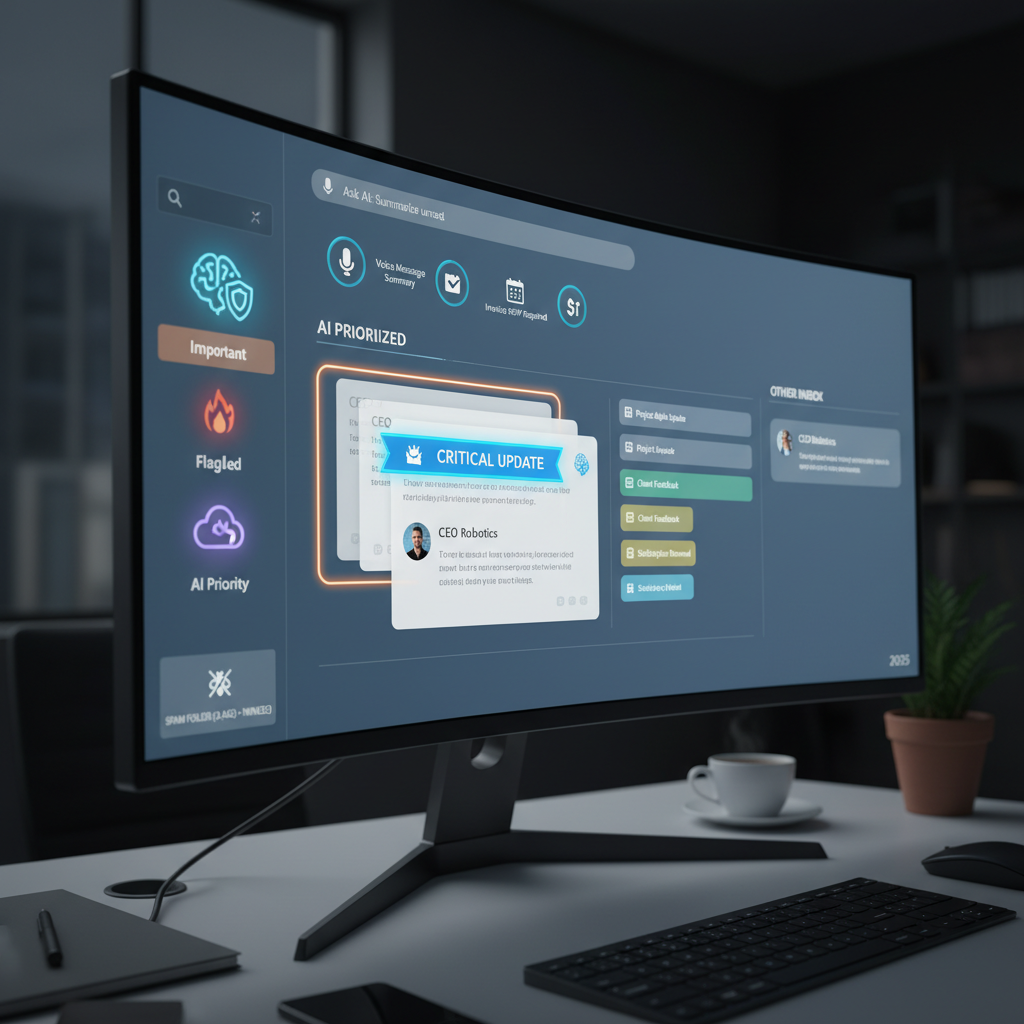
AI can automate the tedious tasks of managing digital environments. Instead of manually turning off notifications or blocking websites, AI can do this intelligently. It can understand the context of your work – for example, knowing you are in a meeting, working on a critical project, or needing a creative sprint – and adjust your digital environment accordingly. This means fewer manual disruptions and more seamless transitions into focused work. Imagine an AI that knows when you are writing an important report and automatically mutes all non-essential communication channels, only to reactivate them during your designated break time.
By leveraging these advanced capabilities, AI transforms focus management from a constant battle of willpower into an optimized, supportive partnership. It shifts the burden of managing distractions from your overtaxed mind to an intelligent system designed to protect your most valuable cognitive resource: your attention.
Categories of AI-Powered Focus Enhancement Tools
The market for AI-powered focus tools is rapidly expanding, offering a diverse range of applications designed to tackle distractions from multiple angles. Understanding these categories can help you choose the right tools for your specific needs:
1. AI-Driven Task Managers and Project Planners
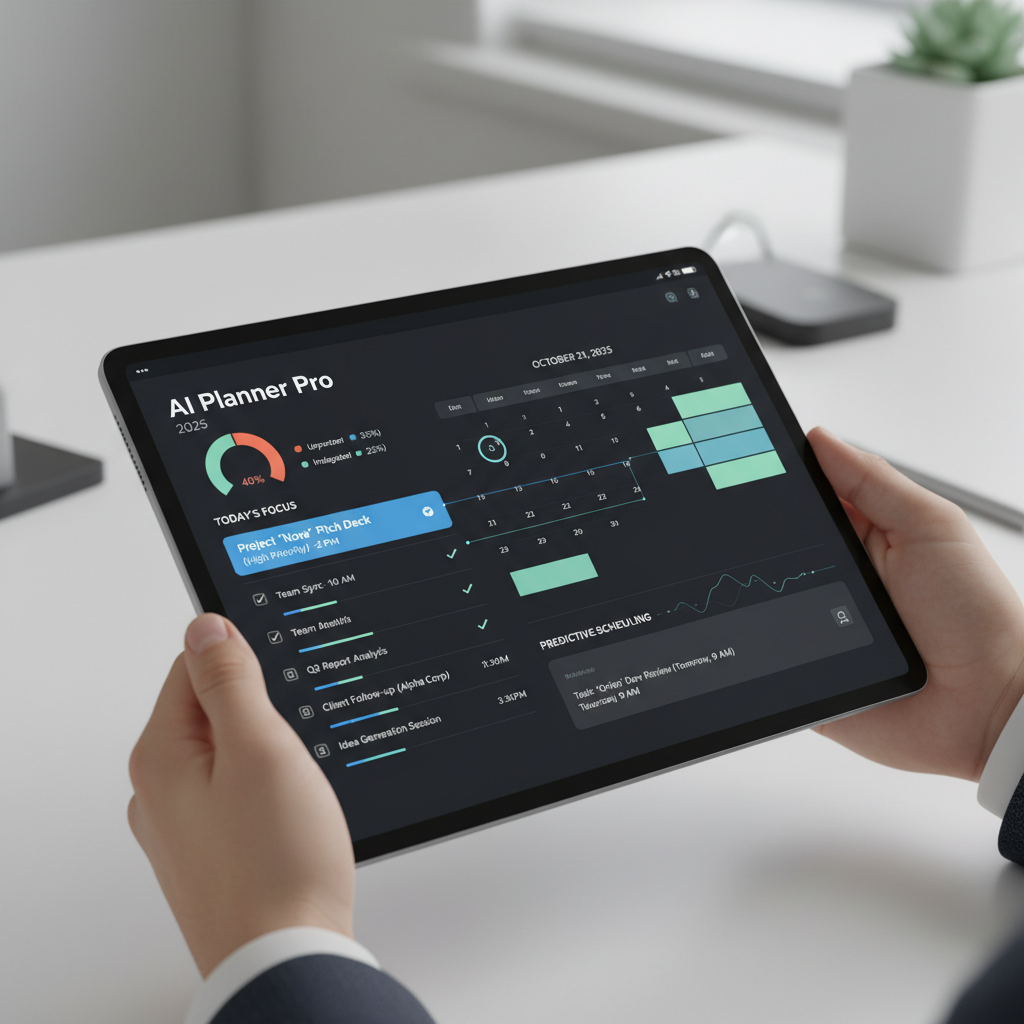
These tools go beyond simple to-do lists. They use AI to analyze your tasks, deadlines, and past performance to intelligently prioritize and schedule your work. They might suggest optimal times for specific tasks based on your energy levels, break down large projects into manageable steps, and even re-schedule tasks automatically if disruptions occur. Examples include apps like Motion, which acts as an AI assistant to plan your entire day around meetings and tasks, or enhanced versions of Todoist and ClickUp that offer smart suggestions and prioritization based on machine learning.
- Key Features: Smart scheduling, automated prioritization, task breakdown, deadline prediction, dependency management.
- Benefits: Reduced decision fatigue, optimized workflow, better time allocation, prevention of overwhelm.
2. Intelligent Content and Notification Blockers
While traditional blockers simply block websites or apps, AI-powered versions are far more sophisticated. They learn your individual distraction patterns and can dynamically block content based on your current activity or time of day. Some can even identify specific types of content (e.g., news feeds, social media posts) within allowed applications and filter them out. They understand context, allowing urgent communications through while silencing non-critical alerts. Tools like Freedom, Cold Turkey, or even browser extensions are increasingly integrating AI features to offer smarter, less rigid blocking.
- Key Features: Context-aware blocking, dynamic whitelisting/blacklisting, notification filtering, usage pattern analysis.
- Benefits: Minimized digital temptations, uninterrupted work blocks, improved cognitive switching.
3. Adaptive Focus Timers and Pomodoro Apps
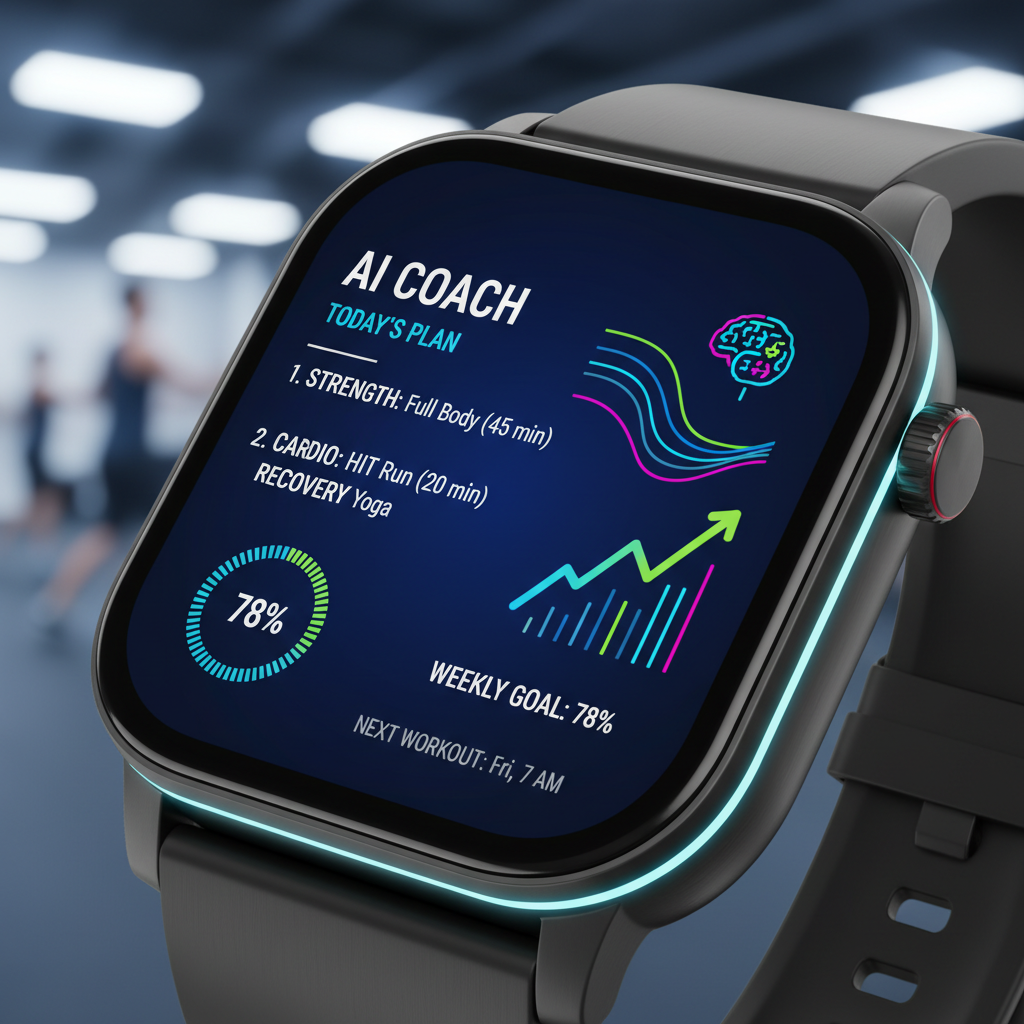
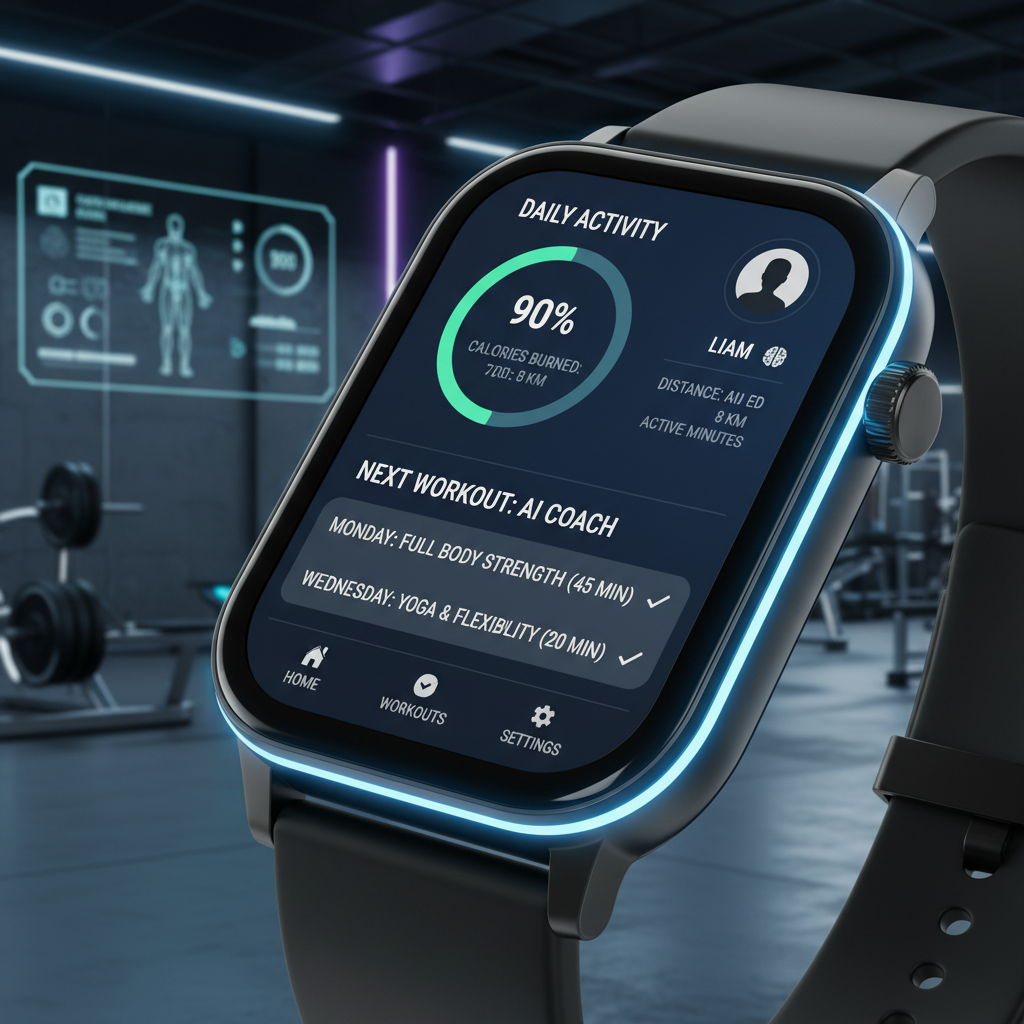
The Pomodoro Technique is effective, but AI can make it even better. Adaptive focus timers observe your work patterns during focus intervals and adjust the duration of work and break periods to optimize your concentration. Some can integrate with biometric data (e.g., heart rate from wearables) to detect when your focus is waning and suggest a break or a shift in activity. They can also remind you to take breaks before burnout, ensuring sustained productivity throughout the day. Apps like Flow or Forest, augmented with AI, can provide this level of personalized pacing.
- Key Features: Dynamic work-break intervals, performance-based adjustments, biometric integration, proactive break suggestions.
- Benefits: Enhanced endurance for focused work, optimized energy levels, prevention of mental fatigue.
4. Cognitive Training and Brain-Gym Apps
These applications use AI to deliver personalized cognitive exercises designed to improve specific aspects of attention, memory, and problem-solving. By tracking your performance, the AI adapts the difficulty and type of exercises to continually challenge and stimulate your brain. This personalized approach ensures that the training remains effective and engaging, leading to measurable improvements in sustained attention and mental agility over time. Lumosity, Elevate, and Peak are popular examples that are increasingly using AI to tailor training paths.
- Key Features: Personalized brain exercises, adaptive difficulty, performance tracking, cognitive skill development.
- Benefits: Improved attention span, enhanced working memory, faster cognitive processing.
5. Ambient AI for Optimal Environments
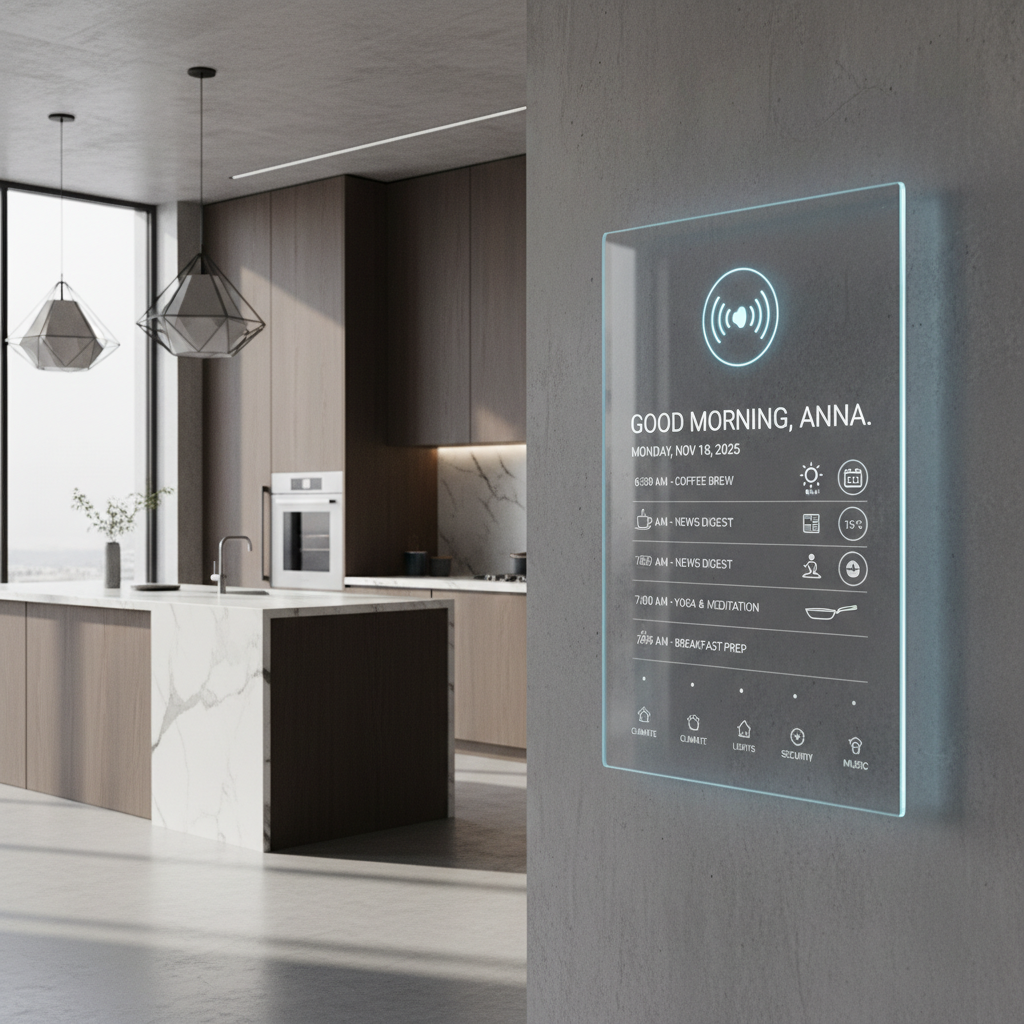
Beyond screen-based interventions, AI is also being used to create an optimal physical and auditory environment for focus. Smart home devices, integrated with AI, can adjust lighting (e.g., Philips Hue), soundscapes (e.g., Endel, which creates personalized sound environments based on brainwave patterns or time of day), and even temperature to foster concentration. These systems learn what conditions help you focus best and create those conditions automatically when you start a demanding task.
- Key Features: Dynamic environmental adjustments, personalized soundscapes, integration with smart home devices.
- Benefits: Creation of a conducive work environment, reduction of external sensory distractions, improved mood for focus.
By understanding these categories, you can begin to identify which AI tools align best with your particular challenges and goals in the quest for sharpened focus.
Personalized Productivity: AI’s Adaptive Approach
One of the most profound ways AI distinguishes itself in the realm of productivity and focus is through its capacity for personalization and adaptive learning. Traditional tools often offer a rigid, one-size-fits-all approach, expecting users to conform to predetermined methodologies. AI, however, thrives on understanding and catering to the individual, recognizing that each person’s cognitive rhythms, distraction triggers, and optimal working conditions are unique.
An AI-powered focus system acts much like a highly intuitive personal assistant that is constantly learning about you. It begins by observing your digital habits over time:
- When do you tend to open social media apps?
- Which websites are most likely to derail your work?
- At what hours of the day are you most productive for complex tasks versus routine ones?
- How long can you typically sustain deep work before needing a break?
This data, collected passively and non-intrusively, forms the foundation for its adaptive strategies.
Based on these insights, AI can then implement highly customized interventions. For example, if the AI detects that you consistently hit a productivity slump around 3 PM, it might proactively suggest a short, rejuvenating break, or switch your task list to lighter, less demanding activities. If it identifies that your creative output peaks in the morning, it can automatically schedule your most important creative tasks for that period, while blocking potential distractions like emails or non-urgent meetings.
Moreover, AI can adapt to changes in your routine or work demands. If you have a particularly demanding project with a tight deadline, the AI can enter an “ultra-focus” mode, increasing blocking intensity and minimizing all but the most critical notifications. After the project is complete, it can revert to a more relaxed setting, or even suggest a longer break to prevent burnout. This dynamic adjustment ensures that the AI’s support remains relevant and effective, evolving with your needs rather than forcing you into a static framework.
This level of personalization leads to several significant benefits:
- Reduced Willpower Depletion: You spend less mental energy fighting distractions or deciding what to do next, as the AI handles much of the environmental management and scheduling.
- Optimized Work-Rest Cycles: AI helps you identify and adhere to your natural biological rhythms, ensuring you work when most effective and rest when truly needed.
- Proactive Distraction Prevention: Instead of reacting to distractions, the AI anticipates and mitigates them before they can derail your focus.
- Enhanced Self-Awareness: By providing data and insights into your habits, AI can help you understand your own productivity patterns better, fostering mindful digital behavior.
Ultimately, AI’s adaptive approach transforms productivity from a battle of attrition into a finely tuned, personalized system, enabling you to harness your cognitive potential more effectively than ever before.
Achieving Deep Work and Flow States with AI Assistance
The concepts of “deep work” and “flow state” are often seen as the pinnacles of human productivity and creativity. Deep work, as defined by Cal Newport, is the ability to focus without distraction on a cognitively demanding task. Flow, coined by Mihaly Csikszentmihalyi, is a state of complete absorption in an activity, characterized by intense concentration, enjoyment, and a loss of self-awareness. Both are critical for high-quality output and innovation, yet they are increasingly challenging to achieve in our fragmented digital world. This is where AI emerges as a powerful enabler.
AI assists in creating the optimal conditions for deep work and flow by meticulously managing the external and internal environments that either support or sabotage these states.
1. Minimizing External Interruptions with Intelligent Management
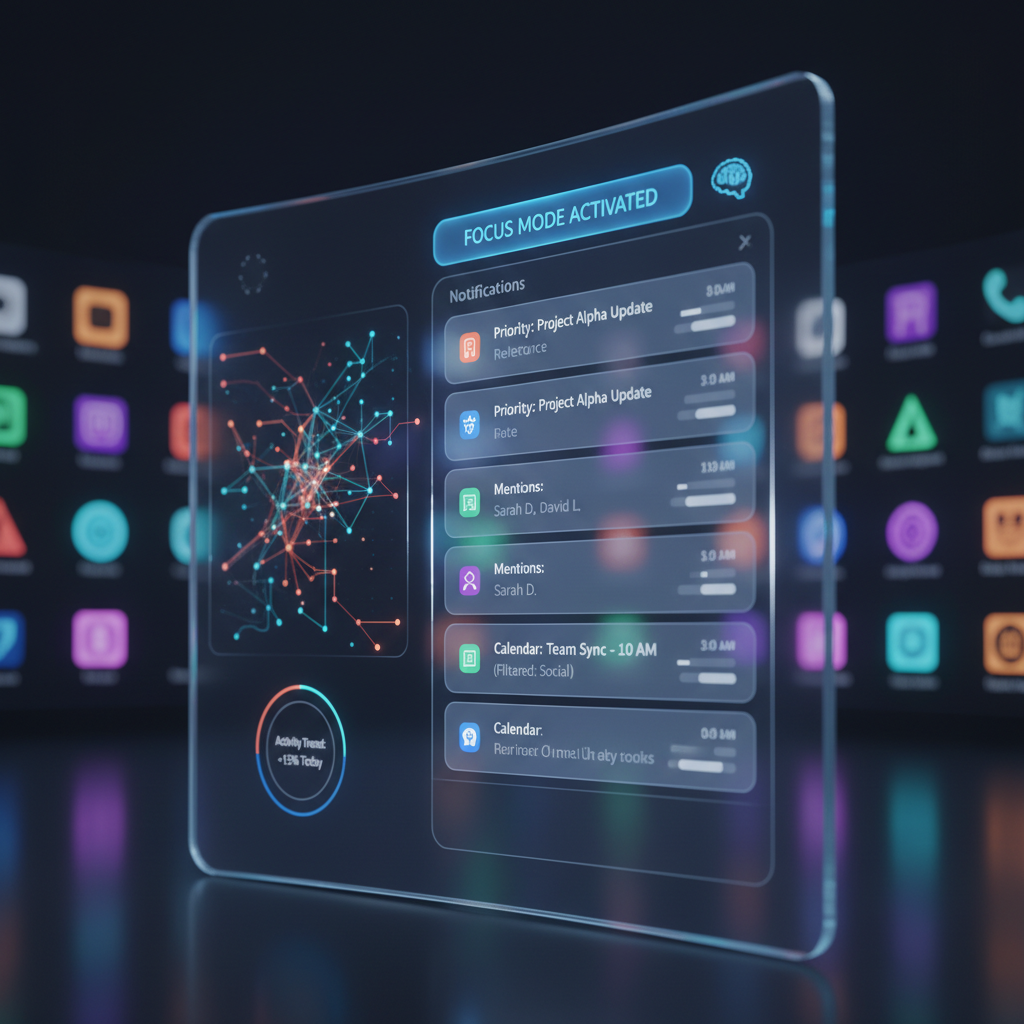
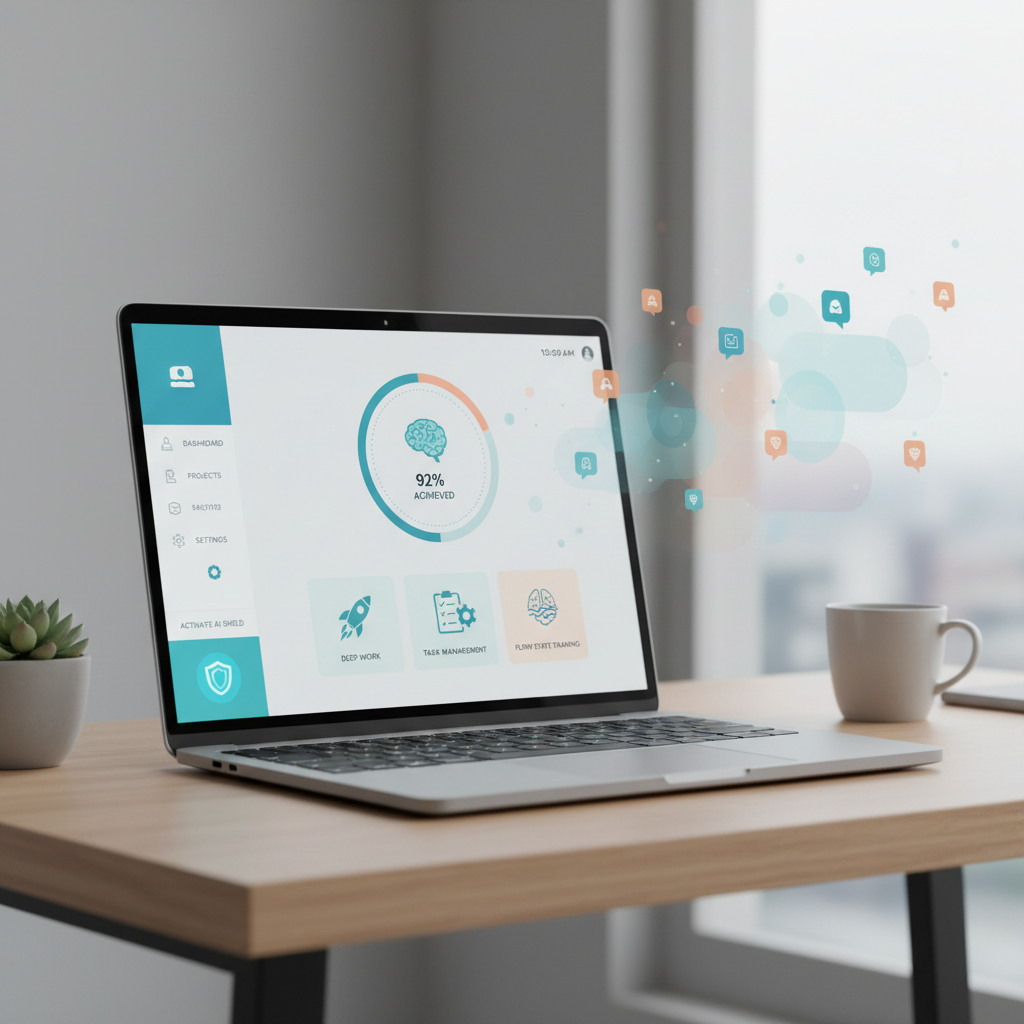
The most immediate way AI helps is by acting as a formidable shield against digital interruptions. Intelligent notification managers can differentiate between urgent and non-urgent communications, silencing the latter while allowing the former to pass through if absolutely necessary. AI-powered content blockers learn which websites and applications are your personal time-sinks and automatically restrict access during designated deep work sessions. This creates a digital ‘bubble’ where your attention is protected from the constant pull of the internet, allowing your mind to delve into complex tasks without fear of interruption.
2. Structuring Work Blocks Optimally
AI task managers can identify the most opportune times in your schedule for deep work, based on your energy levels and past performance data. They can then block out those times, automatically setting your devices into a ‘focus mode,’ adjusting ambient lighting or sound, and even notifying colleagues of your unavailability. By orchestrating these deep work blocks, AI helps you establish a consistent routine for sustained concentration, transforming sporadic efforts into predictable periods of high-value output.
3. Providing Gentle Nudges for Focus and Re-engagement
AI can serve as a subtle, non-intrusive coach. If it detects a drift in your activity – perhaps you have opened a non-work-related tab or spent too long on a minor detail – it can offer a gentle reminder to re-focus or suggest moving on. These nudges are often designed to be adaptive and personalized, appearing just as your attention begins to wane, rather than constantly interrupting your rhythm. Some AI systems can even integrate with wearable tech to monitor physiological indicators of waning focus and prompt a timely break or a shift in activity.
4. Curating Distraction-Free Digital Environments
Beyond blocking, AI can curate your digital workspace. It can automatically close unnecessary tabs, launch specific applications needed for your current task, or even re-arrange your desktop layout to minimize visual clutter. For creative tasks, AI-powered ambient sound generators like Endel can create adaptive soundscapes that promote concentration and relaxation, dynamically adjusting based on your activity and time of day.
By systematically addressing the challenges that prevent deep work and flow, AI acts as an invisible hand, guiding you toward prolonged periods of intense, undistracted focus. It frees up your cognitive resources from managing distractions, allowing you to dedicate your full mental capacity to the task at hand, ultimately unlocking higher levels of productivity, creativity, and satisfaction in your work.
Ethical Considerations and the Responsible Use of AI Focus Tools
While the benefits of AI for enhancing focus and productivity are clear, it is imperative to address the ethical considerations and potential downsides associated with these powerful tools. As with any technology that delves into personal habits and cognitive processes, a balanced and responsible approach is crucial.
1. Data Privacy and Security
AI focus tools operate by collecting and analyzing vast amounts of personal data: your digital activity, browsing history, app usage, work patterns, and sometimes even biometric information. The paramount concern here is data privacy. Users must be fully aware of what data is being collected, how it is stored, who has access to it, and for what purposes it is being used. Transparent privacy policies, strong encryption, and robust data security measures are non-negotiable. There is also the risk of data breaches, which could expose sensitive information about an individual’s work habits or online behavior. Users should seek out tools from reputable developers with a strong track record of protecting user data.
2. Potential for Over-Reliance and Erosion of Self-Discipline
A legitimate concern is whether constant AI assistance could lead to an over-reliance on technology, potentially eroding our innate capacity for self-discipline and sustained focus without external aid. If AI always manages our distractions, will we lose the ability to self-regulate our attention when the AI is not present? It is essential to view AI as a training wheels system or a coach, not a permanent crutch. The goal should be to leverage AI to build better habits and strengthen our own cognitive muscle, rather than outsourcing our willpower entirely.
3. Algorithmic Bias and Inflexibility
AI algorithms are trained on data, and if that data is biased, the AI’s recommendations can also be biased. For example, if an AI is predominantly trained on the habits of certain demographics or work styles, it might not optimally serve users with different needs or neurodivergent profiles. Furthermore, while AI is adaptive, it might sometimes impose structures that feel rigid or counterproductive to a user’s natural flow, especially in highly creative or unstructured roles. The ‘black box’ nature of some AI algorithms can also make it difficult for users to understand why certain decisions are made.
4. Surveillance and Control
In workplace settings, AI focus tools could potentially be repurposed for employee monitoring or surveillance, raising significant concerns about trust, autonomy, and worker rights. If AI is used to track productivity metrics in an overly intrusive way, it could create a high-pressure environment detrimental to well-being. The distinction between helpful assistance and intrusive oversight must be clearly maintained.
5. The “Filter Bubble” Effect
By constantly optimizing for focus and minimizing distractions, AI might inadvertently create a ‘filter bubble’ where users are less exposed to diverse information, spontaneous discoveries, or serendipitous learning opportunities that sometimes arise from less structured online exploration. While the goal is to reduce unwanted distractions, care must be taken not to stifle curiosity or intellectual breadth.
To mitigate these concerns, users should always maintain control, understand the technology they are using, and regularly assess its impact on their habits. Developers, in turn, have a responsibility to design AI tools with transparency, user privacy, and ethical guidelines at their core, fostering a relationship of trust between the technology and its human user.
Integrating AI Focus Tools into Your Daily Routine: A Practical Guide
Successfully harnessing AI to sharpen your focus is not just about downloading an app; it is about thoughtfully integrating these tools into your existing routines and developing new habits. Here is a practical, step-by-step guide to get started:
1. Self-Assessment: Identify Your Core Distraction Points
Before you choose any tool, take a week to observe your own habits. Where do you get most distracted? Is it social media, endless emails, news sites, or internal mental chatter? When are your energy levels highest and lowest? Understanding your unique distraction triggers and productivity rhythms is crucial for selecting the right AI solutions. Keep a simple log of when you lose focus and what caused it.
2. Research and Select the Right AI Tool(s)
Based on your self-assessment, research tools that specifically address your main challenges. If email is a huge distraction, look for AI-powered email clients or notification managers. If task prioritization is your weak point, explore AI task managers. Start with one or two tools initially to avoid overwhelm. Read reviews, check privacy policies, and opt for tools that offer a trial period.
3. Start Small and Customize
Do not try to overhaul your entire workflow at once. Integrate one AI tool into a specific part of your day or for a particular type of task. For instance, use an AI focus timer for your first deep work block of the day. Spend time customizing the settings. Most AI tools require an initial learning phase where they gather data about your habits. Be patient and provide feedback where prompted.
4. Train the AI and Provide Feedback
The “intelligence” in AI comes from learning. The more you use the tool and provide feedback (e.g., marking a suggestion as helpful or unhelpful, manually overriding a blocked site in an emergency), the better it will adapt to your needs. This training period is crucial for the AI to become truly personalized and effective. Treat it like a new colleague you are onboarding.
5. Combine with Traditional Focus Techniques
AI is a powerful ally, but it is not a replacement for fundamental focus habits. Continue practicing traditional techniques such as:
- Mindfulness and Meditation: To strengthen your inherent ability to pay attention.
- Regular Breaks: To prevent mental fatigue, irrespective of AI suggestions.
- Physical Exercise and Nutrition: To support overall cognitive function.
- Structured Environments: Maintaining a clean workspace, communicating boundaries to colleagues.
AI tools work best when they augment, rather than replace, these foundational practices.
6. Regularly Review and Adjust
Your work, habits, and even the AI tools themselves will evolve. Periodically review the effectiveness of your AI setup. Is it still serving you well? Are there new distractions emerging that the AI is not addressing? Be prepared to adjust settings, explore new features, or even swap tools if your needs change. Think of it as an ongoing optimization process.
By following these steps, you can move beyond simply reacting to distractions and proactively build a technologically supported ecosystem that champions your focus, enabling you to do your best work consistently.
The Future Landscape: AI, Neuroscience, and the Evolution of Focus
The current generation of AI focus tools, impressive as they are, represent just the beginning. The intersection of Artificial Intelligence, neuroscience, and advanced technology promises an even more profound transformation in how we understand, enhance, and manage our attention in the coming years. The future landscape of focus enhancement will likely be characterized by hyper-personalization, proactive cognitive support, and seamless integration with our physiological states.
1. Advanced Neurofeedback and Brain-Computer Interfaces (BCI)
Currently, some apps integrate with wearables to monitor heart rate or sleep. The future will see more sophisticated integration with neurofeedback devices and potentially non-invasive Brain-Computer Interfaces (BCI). Imagine an AI system that can detect, in real-time, when your brainwaves indicate a loss of focus or an onset of mental fatigue. This AI could then automatically adjust your environment – dimming lights, changing ambient sounds, or pausing notifications – before you even consciously realize you are distracted. It could offer targeted cognitive exercises to re-engage specific neural pathways related to attention.
2. Hyper-Personalized Adaptive Environments
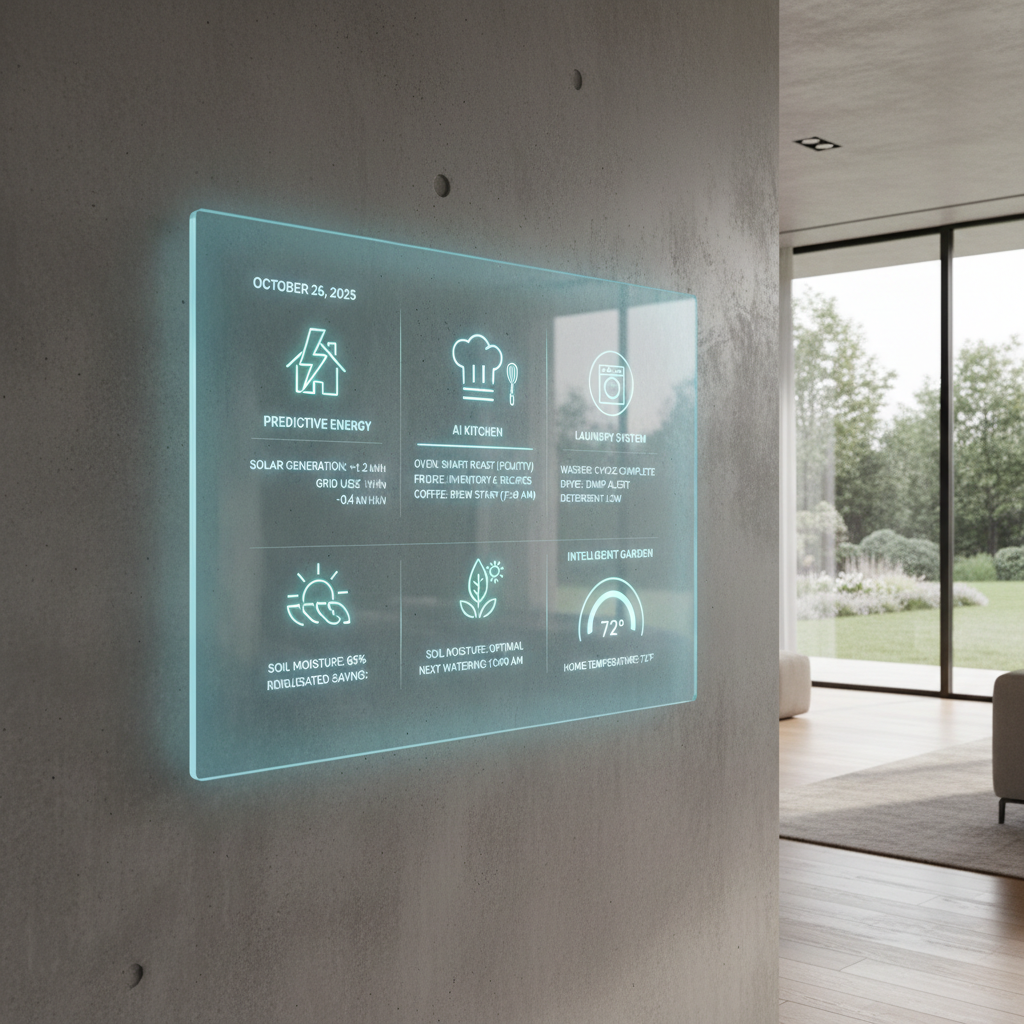
Future AI systems will move beyond simply blocking websites to creating entire adaptive environments. These systems will learn your optimal work conditions down to minute details: preferred light intensity, specific color temperatures, exact sound frequencies that aid concentration, and even micro-adjustments to air quality or room temperature. They will seamlessly integrate across all your devices and physical spaces, creating a truly unified, distraction-free bubble that intelligently adapts to the specific task at hand and your current mental state.
3. AI as a ‘Cognitive Coach’ with Predictive Capabilities
The AI will evolve from a simple blocker or scheduler to a true cognitive coach. Leveraging advanced predictive analytics, it will not just react to your distraction patterns but anticipate potential cognitive bottlenecks or attention fatigue before they manifest. It might suggest “micro-breaks” for specific eye exercises after extended screen time, recommend certain types of music for creative tasks, or even guide you through short mindfulness practices when it senses rising stress levels. This proactive coaching will aim to optimize not just your immediate focus but your long-term cognitive health and resilience.
4. Ethical Frameworks and User Autonomy
As AI becomes more deeply embedded in our cognitive processes, the ethical considerations around data privacy, agency, and over-reliance will intensify. Future developments will necessitate robust ethical frameworks, emphasizing user autonomy, transparency in algorithms, and explicit consent for data usage. There will be a greater need for ‘explainable AI’ so users understand why certain interventions are suggested. The challenge will be to balance the immense benefits of AI-driven focus enhancement with the preservation of human control and free will.
In essence, the future of AI and focus is not about replacing human attention but augmenting it, providing intelligent scaffolding that allows us to operate at our cognitive peak more consistently and sustainably. It is about creating a symbiotic relationship where technology empowers us to reclaim our most precious mental resource and unlock unprecedented levels of human potential.
Comparison Tables
Table 1: AI Focus Apps vs. Traditional Focus Techniques
This table highlights the fundamental differences and complementary strengths of AI-powered focus applications compared to traditional methods of enhancing concentration.
| Feature/Aspect | AI Focus Apps | Traditional Focus Techniques |
|---|---|---|
| Methodology | Personalized, adaptive, data-driven, automated. Learns individual patterns. | Manual, rule-based, requires conscious effort and discipline. |
| Interruption Management | Proactive blocking, intelligent filtering, context-aware notification management. | Manual turning off notifications, willpower to avoid distracting websites. |
| Personalization | Highly adaptive; customizes schedules, suggestions, and environments based on individual user data. | “One-size-fits-all” approaches (e.g., fixed Pomodoro timers, generic advice). |
| Cognitive Load | Reduces cognitive load by automating distraction management and decision-making. | Increases cognitive load due to constant self-monitoring and willpower exertion. |
| Adaptability | Dynamically adjusts strategies based on real-time performance, energy levels, and changing tasks. | Static; user must consciously adapt techniques to different situations. |
| Insight Generation | Provides data-driven insights into personal productivity patterns and distraction triggers. | Relies on self-reflection and subjective observation for insights. |
| Integration | Seamless integration across multiple devices, apps, and even smart home environments. | Often isolated practices (e.g., meditation, specific scheduling methods). |
| Learning Curve | Requires initial setup and training period for AI to learn, then becomes largely autonomous. | Requires consistent effort and discipline to master and apply effectively. |
While AI apps offer significant advantages in automation and personalization, the most effective strategy often involves combining the strengths of both, using AI to support and strengthen traditional practices.
Table 2: Comparison of Popular AI Focus App Categories
This table outlines key differences, target problems, and examples within various categories of AI-powered focus enhancement tools.
| App Category | Primary Problem Addressed | Key AI Functionality | Typical Features/Benefits | Example Tools/Concepts |
|---|---|---|---|---|
| AI-Driven Task Managers | Overwhelm, poor prioritization, inefficient scheduling. | Intelligent task prioritization, dynamic scheduling, workload balancing. | Automated daily planning, optimized task order, smart deadline alerts. | Motion, Todoist (with smart features), ClickUp (with AI add-ons). |
| Intelligent Blockers | Digital temptations, constant notifications, internet rabbit holes. | Context-aware blocking, usage pattern analysis, notification filtering. | Dynamic website/app blocking, customizable focus modes, urgent alert bypass. | Freedom (AI features), Cold Turkey (AI integrations), browser extensions. |
| Adaptive Focus Timers | Inconsistent focus blocks, burnout from long sessions, inefficient breaks. | Performance-based interval adjustments, biometric data integration. | Optimized Pomodoro cycles, proactive break suggestions, sustained concentration. | Flow (AI-enhanced), Forest (AI concepts), dedicated adaptive timers. |
| Cognitive Training Apps | Declining attention span, memory issues, mental agility. | Personalized exercise paths, adaptive difficulty, cognitive skill targeting. | Improved memory, enhanced problem-solving, increased mental stamina. | Lumosity, Elevate, Peak (all with AI-driven adaptation). |
| Ambient AI Environments | Distracting physical environment, lack of conducive atmosphere. | Dynamic soundscape generation, smart lighting/climate control. | Personalized background sounds, optimized lighting, improved mood for focus. | Endel, Philips Hue (smart scene automation), smart home integrations. |
Choosing the right combination of these categories can create a powerful ecosystem for reclaiming and enhancing your focus.
Practical Examples: Real-World Scenarios of AI in Action
To illustrate the tangible benefits of AI in conquering digital distractions, let us explore a few real-world scenarios across different professions and lifestyles.
1. The Student’s Journey to A+ Grades: Sarah’s Story
Sarah, an undergraduate student, frequently found herself overwhelmed by her demanding course load. Her biggest struggles were procrastination fueled by social media and the sheer volume of material to study, which often led to late-night cramming sessions and poor retention. She decided to try an AI-powered study planner like Motion and an intelligent content blocker such as Cold Turkey AI.
- AI in Action: Motion automatically analyzed Sarah’s syllabus, breaking down large assignments into daily, manageable tasks, and then intelligently scheduled her study blocks around her classes and part-time job. It even accounted for her declared peak productivity hours in the morning. Cold Turkey AI learned her habit of checking Instagram and TikTok every 30 minutes and dynamically blocked these apps during her scheduled study times, allowing access only during designated breaks.
- Result: Sarah experienced a dramatic reduction in procrastination. With her study tasks clearly laid out and distractions proactively managed, she found it easier to start and stay focused. She completed assignments well before deadlines, had more consistent study habits, and felt less stressed. Her grades improved significantly, and she even found more time for extracurricular activities.
2. The Entrepreneur’s Multitasking Mastery: Mark’s Approach
Mark, a startup founder, juggled multiple hats: product development, client relations, marketing, and team management. His days were a constant barrage of emails, Slack messages, and unexpected calls, making it nearly impossible to dedicate uninterrupted time to strategic thinking or complex problem-solving. He implemented an AI-powered task manager like Any.do with smart prioritization features and an intelligent notification system built into his communications platform.
- AI in Action: The AI task manager integrated with his calendar and email, analyzing inbound tasks, deadlines, and project priorities. It automatically flagged critical items, suggesting when to tackle “deep work” tasks versus “shallow work” (like emails). The intelligent notification system learned his communication patterns, silencing non-essential Slack channels and email alerts during designated “focus blocks,” but allowing urgent client calls or critical team messages to pass through.
- Result: Mark gained unprecedented control over his chaotic schedule. He could dedicate uninterrupted hours to strategic planning and product development, leading to more innovative solutions and faster progress. The intelligent filtering reduced his constant context-switching, making him more efficient and less reactive. His team also appreciated his clearer availability windows, leading to better collaboration.
3. The Creative’s Flow State Discovery: Emily’s Journey
Emily, a freelance graphic designer, needed extended periods of undisturbed creativity to produce her best work. However, client notifications, news alerts, and the general hum of online life frequently pulled her out of her “flow state,” hindering her design process. She adopted an AI-driven ambient sound app like Endel and a sophisticated desktop environment manager.
- AI in Action: Endel created personalized soundscapes that adapted to Emily’s activity (e.g., focusing, brainstorming) and time of day, subtly guiding her brain into a state conducive to creativity. Her desktop environment manager, learning from her project types, automatically closed irrelevant applications, organized her digital workspace, and muted all communication apps when she opened her design software. It even integrated with her smart lights, adjusting the room’s illumination to her preferred “creative mood.”
- Result: Emily experienced more consistent and longer periods of creative flow. The combination of ambient sound and a perfectly curated digital workspace minimized sensory and digital distractions. She found herself producing more innovative designs with greater ease, meeting deadlines with less stress, and feeling more creatively fulfilled. Her clients noticed the improved quality and faster turnaround times.
These examples underscore that AI is not just a theoretical concept for productivity but a practical, transformative force for individuals seeking to conquer distractions and elevate their focus in their daily lives.
Frequently Asked Questions
Q: What exactly are AI focus apps?
A: AI focus apps are applications that leverage Artificial Intelligence to help users improve their concentration, minimize distractions, and enhance productivity. Unlike traditional productivity tools that often rely on static rules or manual input, AI apps learn from your unique digital habits, work patterns, and preferences. They use algorithms for pattern recognition, predictive analytics, and personalization to adapt their strategies dynamically. This includes smart task scheduling, intelligent content blocking, adaptive focus timers, and even personalized cognitive training exercises, all tailored to optimize your individual focus.
Q: How do AI apps personalize focus strategies?
A: AI apps personalize focus strategies by continuously collecting and analyzing data about your digital behavior. This data includes which apps or websites you use most, when you get distracted, your peak productivity times, how long you can sustain focus, and even your response to different interventions. Using machine learning, the AI identifies your unique patterns and creates a customized profile. Based on this profile, it can then proactively suggest optimal work-rest schedules, block specific distractions at critical times, or tailor cognitive exercises to your individual needs, constantly refining its approach as it learns more about you.
Q: Are AI focus tools safe regarding data privacy?
A: Data privacy is a significant concern with any AI tool that collects personal data. Reputable AI focus tools prioritize user privacy by employing strong encryption, adhering to strict data protection regulations (like GDPR), and providing transparent privacy policies. They typically anonymize data where possible and limit access to your personal information. However, it is crucial for users to research the privacy policies of any app they consider using, understand what data is collected, and ensure they are comfortable with how it is stored and utilized. Always opt for tools from trusted developers with a strong commitment to user security.
Q: Can AI really improve my attention span long-term?
A: While AI focus apps primarily help manage external distractions and optimize your working environment, they can indirectly contribute to long-term improvements in attention span. By consistently creating conditions for deep work and helping you practice sustained focus, AI can strengthen your “focus muscle.” Additionally, AI-powered cognitive training apps are specifically designed to improve attention, memory, and cognitive flexibility through personalized brain exercises. Over time, consistent use of these tools can help build healthier digital habits and enhance your natural ability to concentrate, reducing reliance on the AI itself as you develop better self-regulation.
Q: What are the best AI apps for students/professionals/creatives?
A: The “best” app depends on individual needs.
- For students: AI-driven task managers (e.g., Motion) for scheduling assignments, intelligent content blockers (e.g., Cold Turkey AI) for distraction-free study, and adaptive flashcard apps.
- For professionals: AI project management tools (e.g., ClickUp with AI features) for task prioritization, smart email/notification managers, and intelligent scheduling assistants (e.g., Reclaim.ai) for meeting management.
- For creatives: Ambient AI sound generators (e.g., Endel) for flow states, intelligent environment managers for distraction-free workspaces, and AI-powered idea generators or brainstorming tools.
It’s often a combination of tools that provides the most comprehensive support.
Q: How do I choose the right AI focus app for me?
A: Choosing the right AI focus app involves a few steps:
- Self-Assessment: Identify your primary distraction sources and what aspects of focus you struggle with most (e.g., starting tasks, getting interrupted, mental fatigue).
- Research Categories: Look into the categories of AI tools (task managers, blockers, focus timers, cognitive trainers) that best address your needs.
- Check Features: Compare specific features offered by different apps within your chosen category.
- Read Reviews & Privacy Policies: Look for user feedback and ensure the app has transparent data privacy practices.
- Trial Periods: Many apps offer free trials; use them to test how well the app integrates into your workflow and addresses your specific challenges.
- Start Small: Begin with one or two tools and gradually expand as you become comfortable.
Q: Are there any free AI focus apps, or are they all paid?
A: While many advanced AI focus apps are subscription-based due to the complexity of their underlying technology and continuous development, there are often free versions, freemium models, or tools with basic AI features available.
- Some browser extensions offer free AI-enhanced blocking.
- Many popular productivity apps (like Todoist, Trello, Notion) are integrating basic AI features into their free tiers.
- Some simpler AI focus timers might be available for free.
However, for the most sophisticated personalization, predictive analytics, and comprehensive features, a paid subscription is typically required. It is always worth checking the pricing tiers and trial options.
Q: Can AI focus tools lead to over-reliance?
A: Yes, there is a legitimate concern about over-reliance. If users become completely dependent on AI to manage their focus, they might find it difficult to concentrate when the AI is not available, potentially eroding their innate self-discipline and willpower. The key is to use AI as a tool to *train* and *support* your focus, not to replace it entirely. Think of it as scaffolding that helps you build a strong structure. Regularly assess your own ability to focus without the AI, and ensure you are also practicing traditional focus techniques to maintain your cognitive independence.
Q: How do AI apps handle unexpected urgent tasks?
A: High-quality AI focus apps are designed to be flexible and context-aware. They typically include features to handle unexpected urgent tasks. For example:
- Emergency Bypass: Most intelligent blockers allow you to temporarily override a block for critical access.
- Urgent Notification Filtering: AI-powered communication tools can differentiate between urgent and non-urgent alerts, allowing critical messages to reach you even in focus mode.
- Dynamic Rescheduling: AI task managers can quickly re-evaluate your schedule and re-prioritize tasks if an urgent new item comes in, minimizing disruption to your overall plan.
The AI aims to protect your focus but also understands that real-world demands necessitate occasional flexibility, always with user control at the forefront.
Q: What is the future outlook for AI in focus enhancement?
A: The future outlook for AI in focus enhancement is incredibly promising and will likely involve deeper integration with neuroscience and biofeedback. We can expect:
- More Sophisticated Predictive Analytics: AI will anticipate distractions and cognitive fatigue even more accurately.
- Real-time Neurofeedback: Integration with non-invasive brain-sensing technologies to detect focus levels and adjust environments dynamically.
- Hyper-Personalized Adaptive Environments: AI will manage not just digital tools but also physical elements like lighting, sound, and temperature to create optimal focus zones.
- AI as a Cognitive Coach: Providing personalized guidance for cognitive training, mindfulness, and attention exercises based on real-time mental states.
- Ethical Frameworks: Increased focus on data privacy, user autonomy, and responsible AI development will be paramount.
The goal is to create a seamless, intelligent ecosystem that empowers individuals to achieve and sustain peak cognitive performance.
Key Takeaways
- Digital Distractions are Pervasive: The modern digital environment constantly fragments our attention, impacting productivity, creativity, and mental well-being.
- AI is a Powerful Ally: Artificial Intelligence offers sophisticated, adaptive, and personalized solutions to combat these distractions effectively.
- Diverse AI Tool Categories Exist: From AI-driven task managers and intelligent blockers to adaptive focus timers and cognitive training apps, a wide range of tools can address different aspects of distraction.
- Personalization is Key: AI’s ability to learn your unique habits and adapt its strategies makes it significantly more effective than traditional, static productivity methods.
- Deep Work is Achievable: AI creates conducive environments for deep work and flow states by minimizing interruptions and optimizing work structures.
- Ethical Use is Crucial: Considerations around data privacy, over-reliance, and potential biases must guide the development and adoption of AI focus tools.
- Integration Requires Thought: Successfully integrating AI involves self-assessment, careful tool selection, consistent training, and combining AI with fundamental focus habits.
- The Future is Hyper-Personalized: Future AI will likely integrate with neuroscience for real-time cognitive monitoring and highly adaptive environmental control.
- Balance is Essential: AI should augment and support your natural focus abilities, not replace them, fostering greater self-awareness and sustainable productivity.
Conclusion
The battle for our attention in the digital age is perhaps one of the most critical challenges facing individuals and organizations today. The relentless tide of notifications, the allure of infinite scrolling, and the pervasive culture of constant availability erode our capacity for deep thought and sustained concentration. However, as this guide has illuminated, we are not powerless against this tide. Artificial Intelligence stands as a formidable and increasingly sophisticated ally in our quest to reclaim focus and sharpen our minds.
From intelligently scheduling our most demanding tasks to proactively shielding us from digital noise, AI-powered tools offer a personalized, adaptive, and effective pathway to enhanced productivity. They learn our unique patterns, anticipate our vulnerabilities, and create environments where deep work and creative flow can flourish. While the ethical considerations around data privacy and the potential for over-reliance demand our careful attention, the responsible integration of AI into our daily routines presents an unprecedented opportunity to optimize our cognitive performance.
Embracing AI is not about outsourcing our willpower but about empowering it. It is about building intelligent scaffolding that supports our human efforts to concentrate, freeing up our mental energy for the tasks that truly matter. By understanding the capabilities of these tools, thoughtfully integrating them into our lives, and maintaining a balanced perspective, we can transform our relationship with technology. We can move beyond being passive recipients of digital distractions to becoming active architects of our own attention. The time has come to harness the power of AI, conquer the digital noise, and rediscover the profound satisfaction of truly focused work.





































































Leave a Reply