


1. Introduction: The Dawn of Automated Living
In the relentless march of modern life, our to-do lists often feel like an insurmountable mountain, especially when it comes to the mundane yet essential tasks of home maintenance. Chores, while necessary, can be significant drains on our time, energy, and mental well-being. Imagine a world where your floors clean themselves, your laundry is perfectly optimized, and your oven suggests recipes based on your fridge’s contents. This isn’t a futuristic fantasy; it’s the present reality ushered in by cutting-edge artificial intelligence (AI) gadgets.
We stand at the precipice of a domestic revolution, where intelligent machines are no longer relegated to science fiction but are becoming integral parts of our daily routines. These aren’t just simple automated devices; they are sophisticated systems capable of learning, adapting, and making decisions to streamline household tasks with remarkable efficiency and precision. The overarching goal is simple yet profound: to reclaim your precious time and mental space, transforming burdensome chores into seamless, stress-free operations.
This comprehensive guide will delve deep into the world of AI-powered home gadgets, exploring how these ingenious devices are reshaping the landscape of household management. We will uncover the latest innovations, provide insights into their functionality, and highlight the tangible benefits they bring to your life. From the tireless robotic vacuum cleaners that meticulously map your home to the intuitive smart laundry systems that optimize every wash, we will navigate the exciting possibilities. Our aim is to equip you with the knowledge needed to make informed decisions, helping you integrate these intelligent assistants into your home and embrace a smarter, more relaxed way of living. Prepare to transform your approach to household chores and discover how AI can truly make your home life effortlessly efficient.
2. Understanding AI in Home Chores: More Than Just Automation
Before diving into specific gadgets, it’s crucial to understand what “AI” truly means in the context of home chores, and how it differentiates itself from mere automation. Automation, in its simplest form, involves a machine performing a pre-programmed sequence of tasks without deviation. A timer on a coffee maker is automation. AI, however, takes this a significant step further. It imbues devices with the ability to perceive their environment, learn from data, reason and make decisions, and even adapt over time, much like a human.
The evolution from basic timers and mechanical systems to intelligent, learning machines has been propelled by advancements in several key AI capabilities:
- Machine Learning (ML): This is the cornerstone of modern AI. ML algorithms allow devices to identify patterns in data and improve their performance without explicit programming. For a robot vacuum, this means learning your home’s layout, identifying high-traffic areas, and optimizing cleaning paths over time. For a smart thermostat, it means learning your preferred temperatures and daily routines to save energy automatically.
- Computer Vision: This branch of AI enables machines to “see” and interpret visual information. Many advanced robot vacuums now use computer vision to recognize and avoid obstacles like pet waste, charging cables, or socks, preventing frustrating tangles or spread messes. Smart refrigerators use it to identify items and track inventory.
- Natural Language Processing (NLP): NLP allows devices to understand and respond to human language, making voice control possible. Smart assistants like Amazon Alexa, Google Assistant, and Apple Siri are prime examples, enabling you to command your AI gadgets with simple spoken instructions, from “Start the dishwasher” to “What’s the status of my laundry?”
- Sensory Integration: AI chore gadgets are equipped with an array of sensors – LiDAR, infrared, ultrasonic, dirt sensors, moisture sensors, temperature sensors, and more. AI processes data from these sensors to build a comprehensive understanding of their environment, allowing them to perform tasks intelligently, such as a smart air purifier detecting pollutant levels and adjusting fan speed automatically.
- Predictive Analytics: Leveraging historical data and real-time inputs, AI can predict future needs or potential issues. A smart washing machine might predict a potential malfunction before it occurs, notifying you to schedule maintenance. A smart sprinkler system can predict upcoming rain and adjust its watering schedule to conserve water.
In essence, AI elevates chore gadgets from simple tools to proactive assistants. They don’t just follow orders; they anticipate needs, learn preferences, and optimize performance autonomously, fundamentally changing our interaction with household tasks from reactive to preventative and predictive.
3. The Vanguard of AI Home Assistants: Gadgets Revolutionizing Specific Chores
The innovation in AI-powered home gadgets is accelerating, with new products constantly emerging that redefine convenience and efficiency. Let’s explore some of the most impactful categories currently transforming our homes.
3.1. Robotic Vacuum Cleaners and Mops: The Floor Care Maestros
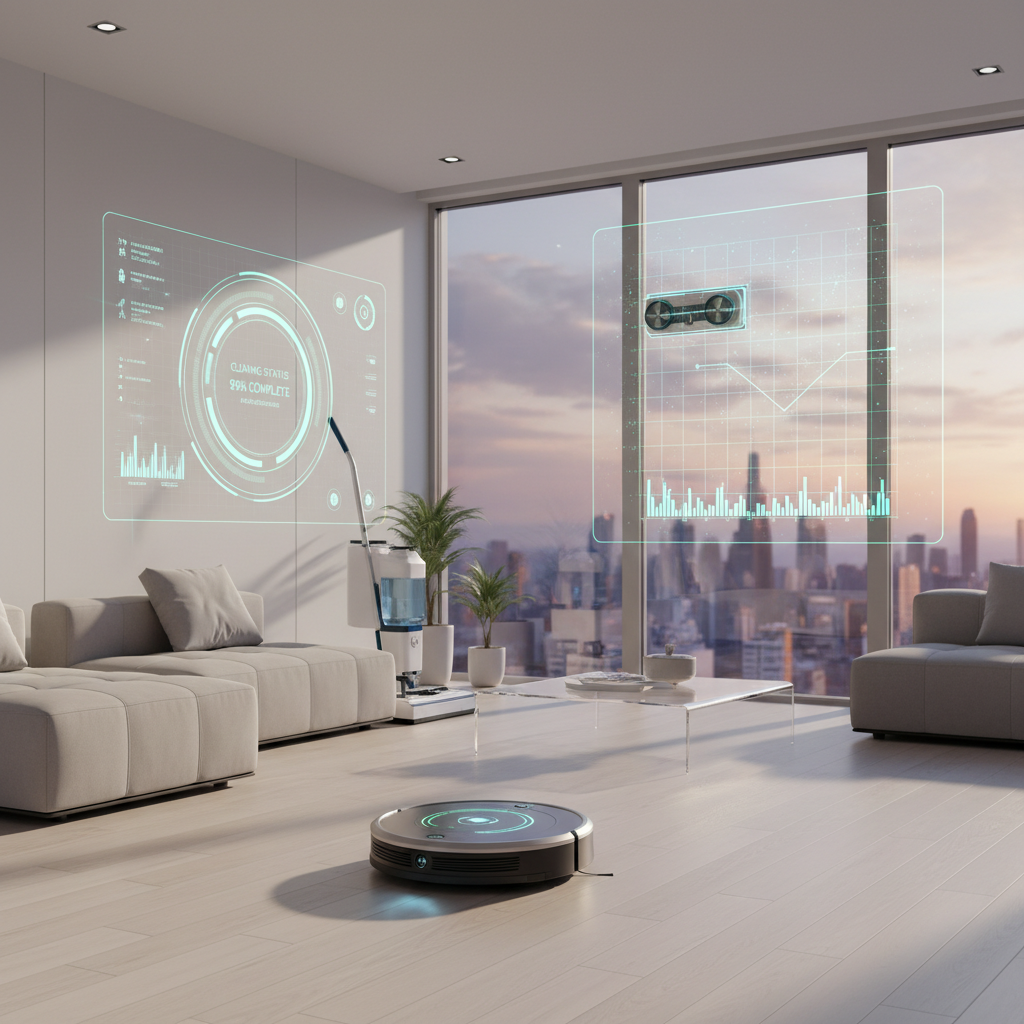
The evolution of robotic floor cleaners has been nothing short of remarkable. What started as simple, somewhat erratic machines has blossomed into sophisticated devices capable of meticulous, autonomous cleaning. Early models often bumped randomly, cleaning unevenly. Today’s AI-driven robot vacuums and mops leverage advanced technology to deliver unparalleled performance.
Key AI Features:
- Advanced Mapping and Navigation: Modern robots use LiDAR (Light Detection and Ranging), vSLAM (visual Simultaneous Localization and Mapping), or a combination of sensors to create highly accurate, detailed maps of your home. These maps allow them to plan efficient cleaning routes, avoid missing spots, and navigate around furniture without constant collisions. Many can store multiple floor plans, perfect for multi-story homes.
- Object Recognition and Avoidance: One of the most significant recent advancements is the ability to “see” and identify objects on the floor. AI models are trained on vast datasets of household items, enabling robots to distinguish between a charging cable, a shoe, a rug, and even pet waste. This prevents tangles, accidental damage, and the dreaded “pet mess incident” (a common pain point for early robot vacuum adopters). Brands like iRobot with its j-series (e.g., Roomba j7+, j9+) have pioneered this with P.O.O.P. (Pet Owner Official Promise) guarantees.
- Selective Room Cleaning and No-Go Zones: Via their companion apps, users can define specific rooms to clean, set “no-go zones” (areas to avoid), or “no-mop zones” (for carpeted areas). This precision ensures targeted cleaning where and when it’s needed most.
- Auto-Empty Docks: Many high-end models come with charging docks that automatically empty the robot’s dustbin into a larger, sealed bag. This significantly extends the time between manual interventions, often allowing for weeks or even months of hands-free operation before the main bag needs changing.
- Multi-Surface Cleaning and Mopping: Integrated mop functions are increasingly common, with some advanced models capable of lifting their mop pads when detecting carpet, ensuring effective cleaning without wetting unwanted surfaces. Others offer sonic mopping or pressurized scrubbing for stubborn stains.
- Voice Assistant Integration: Seamless integration with Amazon Alexa, Google Assistant, and Apple Siri allows for simple voice commands like “Alexa, tell Roomba to clean the kitchen.”
Real-World Impact: These devices reclaim countless hours previously spent on manual vacuuming and mopping. For busy professionals, families with pets or young children, and individuals with mobility issues, they are indispensable. They contribute to consistently cleaner homes, reduce allergens, and provide an invaluable sense of relief from a persistent chore.
Examples: iRobot Roomba j9+, Roborock S8 Pro Ultra, Ecovacs Deebot X2 Omni, Narwal Freo X Ultra.
3.2. Smart Laundry Systems: Washing and Drying Reinvented
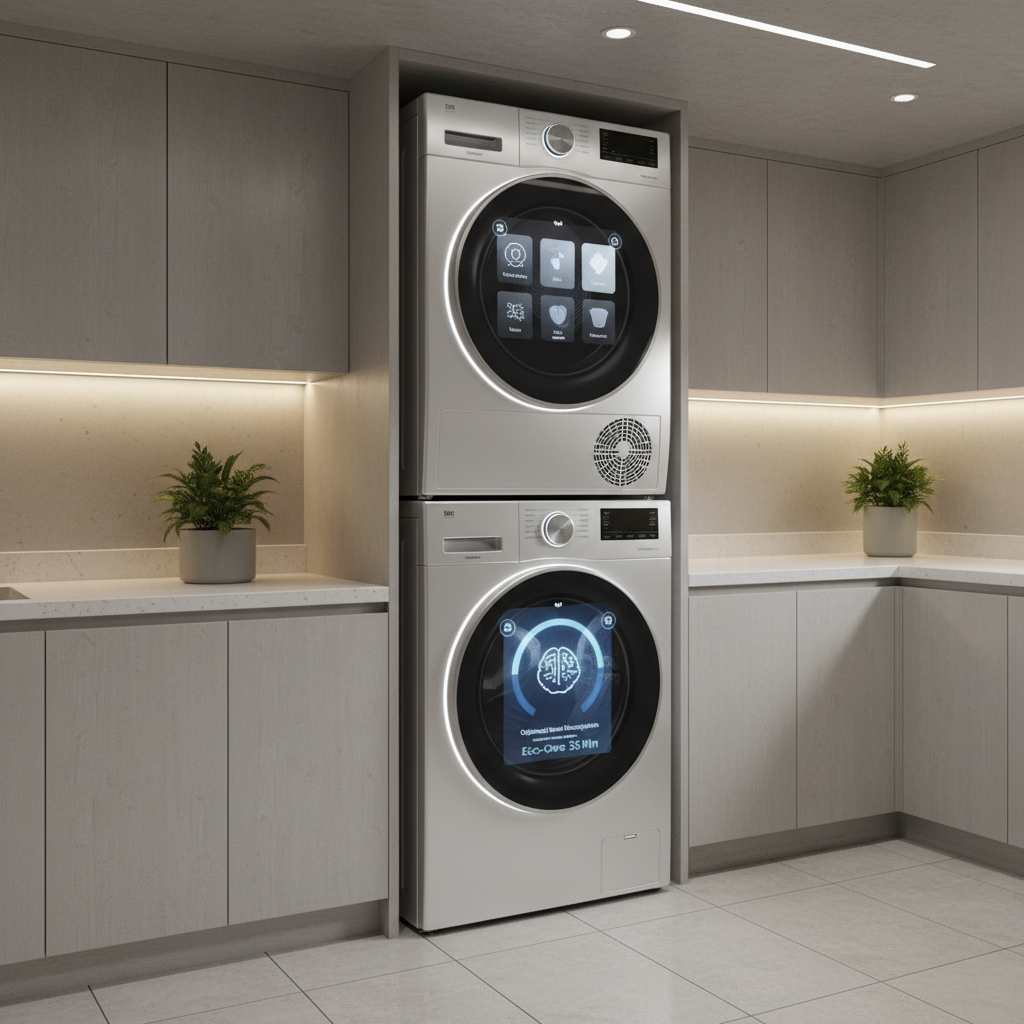
Laundry, a chore that often feels like an endless cycle, is being fundamentally reimagined by AI. Smart washing machines and dryers are moving beyond basic cycles, offering intelligent features that optimize every aspect of fabric care, saving time, energy, and extending the life of your clothes.
Key AI Features:
- Load Sensing and Optimization: AI-powered washers can detect the weight of the laundry load, the type of fabric (through optical sensors or acoustic analysis), and even the level of dirtiness. Based on this data, they automatically adjust water levels, detergent dosage, wash cycle duration, and spin speed for optimal cleaning and minimal wear on clothes. This prevents overloading, underloading, and ensures resources are used efficiently.
- Predictive Maintenance and Diagnostics: These machines can monitor their own performance and internal components. AI algorithms can detect anomalies that might indicate a developing problem, sending alerts to your smartphone or even directly to service centers, often before a complete breakdown occurs. This proactive approach saves on costly repairs and extends appliance lifespan.
- Smart Dispensing: Many smart washers feature bulk dispensers for detergent and fabric softener. The AI learns your usage patterns and load sizes, dispensing the precise amount needed for each wash, reducing waste and the need for manual refilling.
- Smart Drying Cycles: AI dryers use advanced moisture sensors and temperature probes to determine when clothes are perfectly dry, preventing over-drying (which can damage fabrics and waste energy) and under-drying. Features like “wrinkle care” cycles can periodically tumble clothes after drying to prevent creases if you can’t remove them immediately.
- Seamless Smart Home Integration: Connect your laundry appliances to platforms like Samsung SmartThings, LG ThinQ, or Google Home. This allows for remote start/stop, cycle progress notifications on your phone or smart speaker, and even linking laundry cycles to your daily schedule. For example, your dryer might start a wrinkle-prevention tumble when it senses you’re almost home.
- Learning User Preferences: Over time, the AI learns your preferred settings for different types of loads, suggesting customized cycles that align with your habits and desired outcomes.
Real-World Impact: Smart laundry systems lead to better-cared-for clothes, significant savings on water and energy bills, and a drastic reduction in the mental load associated with laundry. You can confidently start a load from work, knowing it will be perfectly cleaned and dried by the time you return, eliminating the “did I forget the laundry?” anxiety.
Examples: Samsung SmartThings Laundry, LG ThinQ washers/dryers, GE Profile Smart Appliances.
3.3. AI-Powered Kitchen Appliances: From Prep to Plate
The kitchen, often the heart of the home, is ripe for AI innovation. Smart kitchen appliances are evolving rapidly, making cooking, food storage, and dishwashing more intuitive, efficient, and enjoyable.
Key AI Features:
- Smart Ovens and Cooktops: These devices offer precise temperature control, often down to a single degree, and integrate with vast recipe databases. AI-powered ovens can guide you through recipes step-by-step, suggest cooking times and temperatures for various dishes, and even adjust settings based on internal food probes. Some have internal cameras allowing you to monitor cooking progress from your phone. Predictive preheating and self-cleaning reminders add convenience.
- Intelligent Refrigerators: Beyond just keeping food cold, smart refrigerators are becoming central hubs for kitchen management. Features include internal cameras (allowing you to “see inside” from the grocery store), inventory management systems that track expiry dates, and AI-driven recipe suggestions based on available ingredients. Some models feature large touchscreens for calendar management, notes, and even streaming entertainment, turning the fridge into a family communication center.
- Smart Dishwashers: AI-equipped dishwashers can use sensors to detect the soil level and type of dishes, automatically adjusting water temperature, wash cycle intensity, and duration for optimal cleaning while conserving water and energy. They can also offer predictive maintenance alerts and integrate with smart home schedules for off-peak energy usage.
- Smart Food Processors and Blenders: While still nascent, some advanced food processors and blenders are starting to incorporate AI to guide users through recipes, identify ingredients, and recommend optimal blending or processing times for desired textures.
Real-World Impact: AI kitchen gadgets simplify meal preparation, reduce food waste, and enhance the overall cooking experience. They provide guidance for novice cooks and efficiency for seasoned chefs, making healthy eating more accessible and kitchen management more organized.
Examples: Samsung Family Hub Refrigerator, June Oven, Bosch Home Connect appliances.
3.4. Intelligent Window Cleaners: Sparkling Views Without the Effort
Cleaning windows, especially those that are large, high, or awkwardly placed, is a tedious and sometimes dangerous chore. Robotic window cleaners are a niche but growing category of AI gadgets designed to tackle this task safely and efficiently.
Key AI Features:
- Suction and Adherence: These robots use powerful suction motors to adhere firmly to vertical glass surfaces. AI algorithms manage the suction power to maintain consistent grip while moving across the window.
- Path Planning and Navigation: Similar to robot vacuums, window cleaners employ sensors (laser, ultrasonic) and AI algorithms to map the window surface, detect edges, and plan efficient cleaning paths. They ensure full coverage without missing spots and prevent falling.
- Obstacle Detection: Some advanced models can detect window frames or other obstacles, adjusting their path to clean as close to the edges as possible without getting stuck.
- Multi-Surface Capability: While primarily designed for windows, some robots can also clean tiled walls, shower screens, or large mirrors, expanding their utility within the home.
- Safety Mechanisms: Integrated safety features include backup batteries (to prevent falling during a power outage), safety tethers, and algorithms that halt operations if suction is compromised.
Real-World Impact: These robots eliminate the need for ladders and strenuous manual scrubbing, offering sparkling clean windows with minimal effort. They are particularly beneficial for homes with many windows, large panes, or for individuals who find ladder work challenging.
Examples: Hobot (various models), Winbot (Ecovacs), GLADiator.
3.5. Smart Lawn Care and Outdoor Maintenance: The AI Gardener
The drudgery of yard work, particularly mowing and watering, can consume significant weekend hours. AI-powered outdoor gadgets are stepping in to automate these tasks, keeping your lawn pristine with minimal human intervention.
Key AI Features:
- Robotic Lawnmowers: These autonomous mowers use various navigation technologies. Older models rely on perimeter wires installed around the yard, but newer, more advanced versions use GPS, RTK (Real-Time Kinematic) satellite navigation, or computer vision to map boundaries and plan efficient mowing routes without wires. They can be scheduled to mow regularly, rain or shine (some have rain sensors), and return to their charging stations automatically. AI helps them detect grass height and adjust cutting patterns.
- Obstacle Avoidance and Terrain Adaptation: Advanced robotic mowers can detect obstacles like trees, garden beds, or even forgotten toys, navigating around them safely. They can also adapt to uneven terrain and handle slopes.
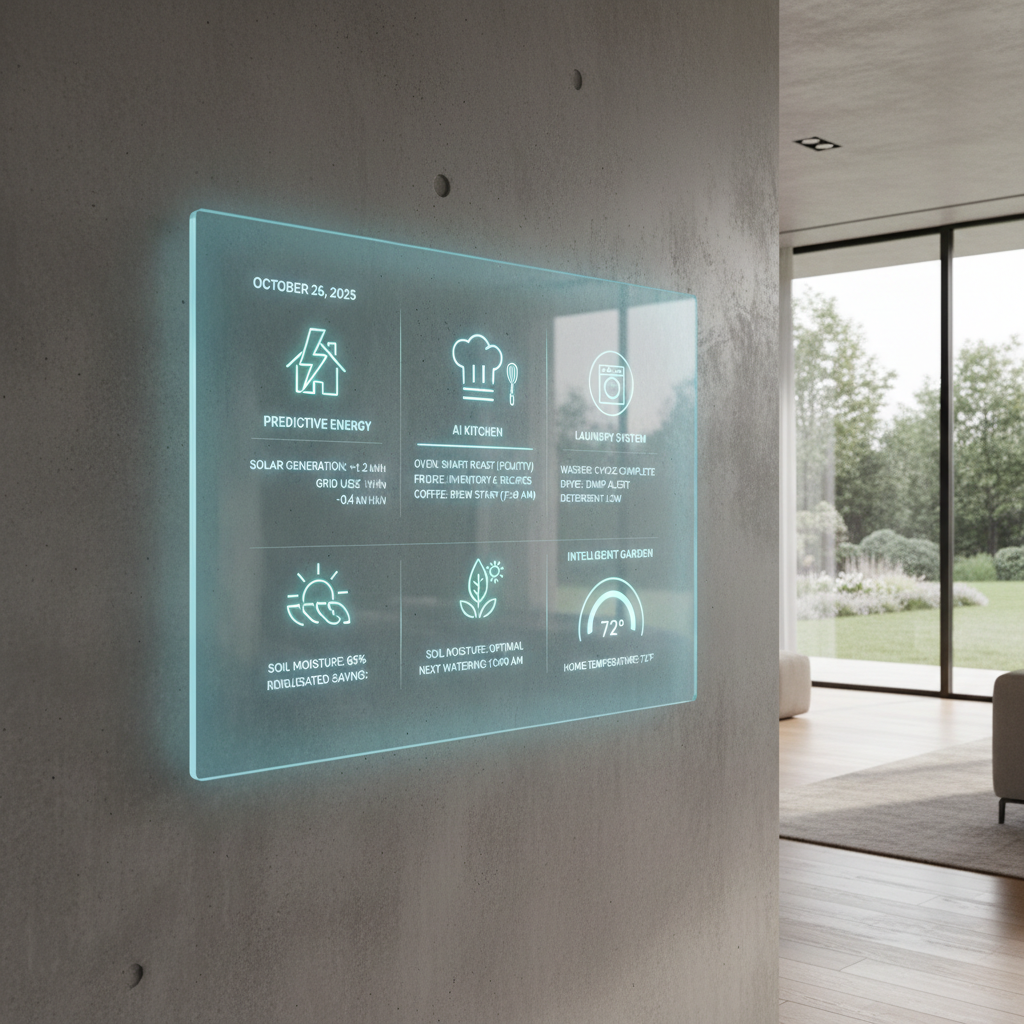
- Smart Sprinkler Systems: AI-powered sprinkler controllers are a revolution in water conservation. They connect to local weather forecasts, soil moisture sensors, and plant databases to determine the optimal watering schedule for your specific lawn and garden zones. They can skip watering if rain is predicted, adjust for temperature and humidity, and even detect leaks. This ensures your plants get exactly the water they need, preventing over or under-watering and significantly reducing water waste.
- Zone Management: Both robotic mowers and smart sprinklers allow for precise zone management, enabling tailored care for different areas of your yard based on sunlight, plant type, or desired height.
Real-World Impact: Robotic lawnmowers free up hours of weekend time, ensuring a consistently manicured lawn. Smart sprinklers drastically reduce water consumption, saving money on utility bills and contributing to environmental sustainability, all while maintaining healthy landscapes. They remove the guesswork and manual effort from routine yard maintenance.
Examples: Husqvarna Automower, Worx Landroid, Rachio Smart Sprinkler Controller, B-hyve Smart Hose Faucet Timer.
3.6. Air Quality Management and Purification: Breathing Easy with AI
Invisible pollutants and allergens can significantly impact indoor air quality and, consequently, our health. AI-driven air purifiers and HVAC systems are becoming essential tools for maintaining a healthy and comfortable indoor environment, often without conscious effort from the homeowner.
Key AI Features:
- Real-Time Air Quality Monitoring: Smart air purifiers are equipped with an array of sensors that detect various pollutants, including PM2.5 (fine particulate matter), VOCs (Volatile Organic Compounds), allergens, and even formaldehyde. AI algorithms analyze this data in real time.
- Automatic Fan Speed Adjustment: Based on the detected pollution levels, the AI automatically adjusts the fan speed and filtration intensity to efficiently clear the air. When air quality is good, it can reduce speed to save energy and noise, ramping up instantly when a pollutant spike is detected (e.g., from cooking or pet dander).
- Filter Life Monitoring and Alerts: AI tracks filter usage and effectiveness, providing precise estimates for when filters need replacement. It sends alerts to your smartphone, ensuring optimal performance and preventing premature filter changes or using expired ones.
- HVAC System Optimization: Smart thermostats, often powered by AI, learn your preferences, schedule, and home’s insulation characteristics. They can integrate with external weather data and even occupancy sensors to optimize heating and cooling, pre-cooling/heating before you arrive home and adjusting settings when rooms are empty. Predictive maintenance features can also monitor HVAC system health.
- Integration with Smart Home Ecosystems: These devices can be integrated with smart assistants, allowing voice control for purifiers (“Alexa, set the air purifier to auto”) or setting up routines (e.g., “Goodnight” routine turns off lights, locks doors, and activates quiet mode on the air purifier).
Real-World Impact: AI-powered air quality management ensures you breathe cleaner, healthier air without constantly thinking about it. This is particularly beneficial for allergy sufferers, those with respiratory conditions, or anyone living in urban areas with higher outdoor pollution. Smart HVAC systems contribute to significant energy savings and enhanced comfort, creating a truly responsive indoor climate.
Examples: Dyson Purifier Hot+Cool Formaldehyde, Coway Airmega, Blueair HealthProtect, Ecobee Smart Thermostat Premium.
4. The Unseen Benefits: Beyond Just Cleanliness
While the most obvious benefit of AI chore gadgets is a cleaner, more organized home, their impact extends far beyond the superficial. These intelligent assistants deliver a cascade of advantages that touch upon our time, finances, health, and overall quality of life.
- Time Reclamation: Your Most Precious Resource: This is arguably the biggest game-changer. Imagine the hours you spend each week vacuuming, mopping, doing laundry, or tending to the yard. AI gadgets take these tasks off your plate, freeing up dozens, if not hundreds, of hours annually. This newfound time can be reinvested into hobbies, family, personal development, or simply relaxing – things that truly enrich your life. It’s not just about saving time, but about reclaiming your life from the tyranny of chores.
-
Energy and Resource Efficiency: Smart Savings: AI’s ability to learn and optimize directly translates to lower utility bills.
- AI washing machines use precise amounts of water and detergent based on load size and soil level, avoiding waste.
- Smart dryers prevent over-drying, saving electricity and protecting fabrics.
- Robotic lawnmowers consume less energy than traditional gas mowers and don’t require fuel.
- Smart sprinkler systems dramatically reduce water usage by only watering when necessary, considering weather forecasts and soil moisture.
- Smart thermostats and air purifiers adapt to occupancy and real-time conditions, optimizing energy consumption for heating, cooling, and air filtration.
These incremental savings add up significantly over time, making the investment in AI gadgets often pay for itself.
-
Improved Hygiene and Health: A Healthier Living Space: Consistent, automated cleaning leads to a healthier home environment.
- Regular vacuuming and mopping by robots reduce dust, dander, and allergens, benefiting allergy sufferers and improving overall air quality.
- AI air purifiers actively monitor and remove airborne pollutants, creating a safer breathing space.
- Precisely washed and dried clothes are cleaner and last longer, contributing to better personal hygiene.
- Smart dishwashers ensure thorough sanitation of dishes.
By reducing exposure to common household allergens and pollutants, these gadgets contribute directly to better respiratory health and general well-being.
- Enhanced Accessibility and Support: For individuals with physical limitations, chronic pain, or advanced age, traditional chores can be difficult or even impossible. AI gadgets act as invaluable assistants, performing strenuous or repetitive tasks. Voice control, remote operation, and autonomous functions empower these individuals to maintain their independence and live comfortably in their own homes without constant reliance on others for basic chores. This aspect highlights the significant social and personal value of these technologies.
- Reduced Mental Load and Stress: A Calmer Mind: The constant mental checklist of chores can be a source of pervasive low-level stress. “Did I remember to start the dishwasher? The floors need vacuuming. When was the last time I watered the lawn?” AI gadgets alleviate this cognitive burden. Knowing that essential tasks are being handled autonomously provides a profound sense of relief and peace of mind. This reduction in mental load frees up cognitive resources for more enjoyable or productive activities, fostering a calmer and more focused mind.
- Increased Home Value and Modern Appeal: A home equipped with advanced AI and smart technology is inherently more attractive in today’s market. Prospective buyers often seek homes that offer convenience, efficiency, and a modern lifestyle. Integrating these gadgets not only enhances your current living experience but can also be a significant selling point, signaling a forward-thinking and well-maintained property.
- Greater Consistency and Quality of Work: Humans are prone to procrastination, oversight, and varying levels of effort. AI gadgets, however, perform tasks with unwavering consistency and precision. Your floors will be cleaned regularly according to schedule, your laundry will always be optimized, and your plants will be watered perfectly. This consistent, high-quality output often surpasses what can be realistically achieved through manual effort alone.
Ultimately, AI chore gadgets are not just about automating tasks; they are about elevating your lifestyle. They empower you to live smarter, healthier, and with less stress, allowing you to focus your energy on what truly matters most in your life.
5. Navigating the AI Landscape: Choosing and Integrating Your Gadgets
The burgeoning market of AI home gadgets can be exciting but also overwhelming. Making the right choices and integrating them effectively into your home requires thoughtful consideration. It’s not just about buying the latest tech, but about finding solutions that truly enhance your specific lifestyle and home environment.
5.1. Key Considerations Before Purchase
Before you commit to an AI gadget, ask yourself these crucial questions:
- Budget vs. Features: AI gadgets span a wide price range. Entry-level robot vacuums might offer basic cleaning, while premium models boast advanced mapping, object avoidance, and auto-empty features. Determine your budget first, then prioritize the features that are non-negotiable for your needs. Do you need the latest LiDAR mapping, or is a simpler navigation system sufficient for your small apartment?
-
Home Layout and Size: Your living space heavily influences the effectiveness of certain gadgets.
- For robot vacuums/mops: Do you have multiple levels? Are there many obstacles (cables, rugs, pet toys)? How large are the rooms? Larger, more complex homes benefit from advanced mapping and multi-floor support.
- For robotic lawnmowers: What is your lawn size and terrain complexity? Are there many obstacles like trees or garden beds?
- For smart laundry: Do you have ample space for larger capacity machines, or do you need compact solutions?
-
Ecosystem Compatibility: This is paramount for a seamless smart home experience.
Do you already use Amazon Alexa, Google Assistant, Apple HomeKit, or a specific smart home platform like Samsung SmartThings or Hubitat? Ideally, choose devices that integrate well with your existing ecosystem. This allows for centralized control, unified routines, and voice commands across all your smart devices. A device that operates in isolation might perform its task well, but it won’t contribute to a truly “smart” and interconnected home.
-
Privacy and Data Security: AI devices collect data about your home (maps, usage patterns, voice commands). It’s vital to research the manufacturer’s privacy policy.
- How is your data stored and used? Is it anonymized?
- Do they share data with third parties?
- What security measures are in place to protect your information from breaches?
Choose reputable brands with strong commitments to user privacy and robust security protocols.
-
Maintenance, Durability, and Ongoing Costs:
- What is the expected lifespan of the device? What kind of warranty is offered?
- What are the recurring maintenance costs? (e.g., replacement filters for air purifiers/vacuums, cleaning solution for mops, bags for auto-empty docks, batteries).
- Are replacement parts readily available and affordable?
- Consider the availability and responsiveness of customer support.
A cheaper upfront cost might hide significant long-term expenses.
- User Interface and App Experience: A powerful AI gadget is only as good as its user experience. Is the companion app intuitive, well-designed, and easy to navigate? Are the controls clear? Can you easily schedule tasks, set zones, and troubleshoot issues? Read reviews focusing on app usability.
5.2. Seamless Integration Strategies
Once you’ve selected your AI gadgets, effective integration is key to unlocking their full potential and creating a truly smart, stress-free home.
- Start Small and Expand Gradually: Don’t try to automate everything at once. Begin with one or two key areas that cause you the most stress (e.g., floor cleaning or laundry). Master those devices and then gradually expand your smart home ecosystem. This prevents overwhelm and allows you to learn what works best for your household.
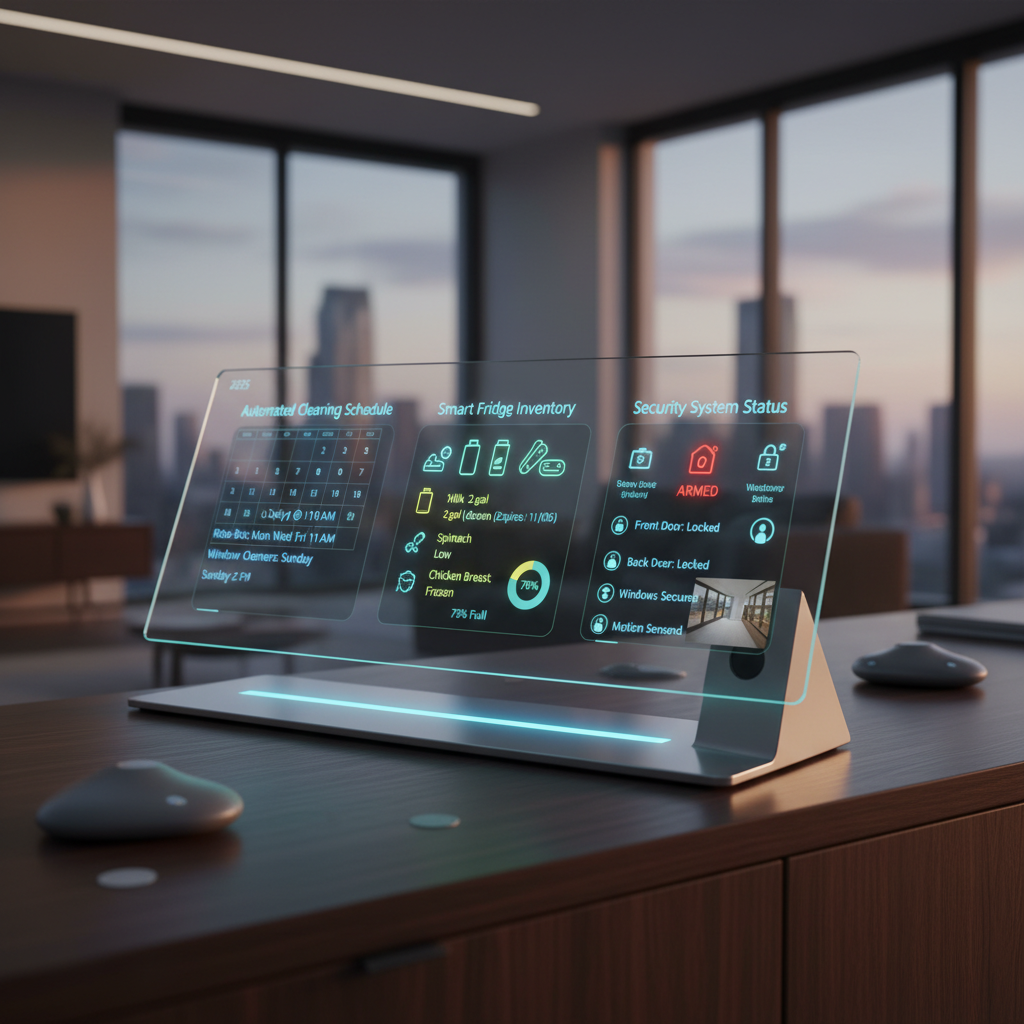
- Leverage Smart Hubs and Assistants: If you have multiple smart devices, a central smart hub (like Samsung SmartThings, Hubitat) or a dominant voice assistant (Alexa, Google Assistant) can unify control. Instead of juggling multiple apps, you can control everything from one interface or with simple voice commands. This is where ecosystem compatibility truly shines.
-
Automate Routines and Scenes: Most smart home platforms allow you to create custom routines or “scenes” that trigger multiple actions simultaneously.
- A “Good Morning” routine could simultaneously turn on lights, start the coffee maker, and send the robot vacuum on its daily sweep.
- A “Leaving Home” routine could lock doors, turn off lights, adjust the thermostat, and start the washing machine.
- A “Movie Night” scene might dim the lights, close smart blinds, and adjust the air purifier to a quiet mode.
These automations transform your home from a collection of smart devices into a truly intelligent, responsive environment.
- Embrace Voice Control: For hands-free convenience, integrate your AI gadgets with your preferred voice assistant. Being able to say “Hey Google, start the robot mop” while you’re cooking or “Alexa, what’s the status of the dryer?” makes interacting with your home effortless and natural.
- Educate Yourself and Experiment: Take the time to read manuals, watch tutorials, and experiment with different settings and features. AI devices often have capabilities you might not immediately discover. The more you understand how they work, the more effectively you can leverage their intelligence to simplify your life.
By carefully considering these factors and implementing smart integration strategies, you can build a robust, efficient, and truly stress-free smart home environment.
6. Comparison Tables: A Snapshot of AI Chore Power
6.1. AI Robot Vacuum Comparison: Leading Models
To illustrate the diversity and capabilities within the AI robot vacuum market, here’s a comparison of some popular high-end models, highlighting key features that leverage AI.
| Feature/Model | iRobot Roomba Combo j9+ | Roborock S8 Pro Ultra | Ecovacs Deebot X2 Omni | DreameBot L20 Ultra |
|---|---|---|---|---|
| Price Range | Premium ($999 – $1399) | Premium ($1299 – $1599) | Premium ($1499 – $1699) | Premium ($1299 – $1499) |
| Navigation & Mapping | iAdapt 3.0 with vSLAM + PrecisionVision Navigation (AI object recognition) | LiDAR + PreciSense LiDAR Navigation | Dual-laser LiDAR + AIVI 3D obstacle avoidance (square design) | PathFinder LiDAR + Mop Extend (edge cleaning) |
| Auto-Empty Dock | Yes (Clean Base Auto-Fill Dock) | Yes (RockDock Ultra – auto-wash mop, dry mop, auto-empty, auto-refill) | Yes (Omni Station – auto-wash mop, dry mop, auto-empty, auto-refill) | Yes (Omni Station – auto-wash mop, dry mop, auto-empty, auto-refill) |
| Mop Functionality | Retractable mop, detects carpet, pressure mopping | VibraRise 2.0 sonic mopping (lifts 5mm) | Ozmo Turbo 2.0 Rotating Mop (lifts 15mm) | DualSpin Mop (lifts 10.5mm) + Mop Extend (reaches corners) |
| Object Avoidance (AI) | PrecisionVision Navigation (pet waste, cables, shoes) with P.O.O.P. Guarantee | Reactive 3D Obstacle Avoidance (detects common objects) | AIVI 3D (recognizes common objects, learns over time) | AI Action (recognizes objects, learns and adapts) |
| Suction Power (Pa) | ~2200 Pa | 6000 Pa | 8000 Pa | 7000 Pa |
| Ideal Home Size | Medium to Large (multi-floor support) | Medium to Large (multi-floor support) | Medium to Large (multi-floor support) | Medium to Large (multi-floor support) |
Note: Prices are approximate and can vary based on retailer, promotions, and specific configurations. Suction power can be misleading as cleaning effectiveness also depends on brush design and navigation.
6.2. Smart Laundry System Benefits vs. Traditional Methods
This table highlights the stark differences and advantages that AI-powered smart laundry systems offer compared to conventional washing and drying methods.
| Aspect | Traditional Laundry System (Manual) | AI-Powered Smart Laundry System |
|---|---|---|
| Effort & Time | High; constant monitoring, sorting, precise loading/unloading required. | Low; automated load sensing, detergent dispensing, remote control, predictive scheduling. Significant time reclamation. |
| Resource Usage (Water/Energy) | Inefficient; often uses fixed water levels regardless of load, potential for over-drying. | Highly efficient; AI optimizes water/detergent per load, moisture sensors prevent over-drying, smart energy scheduling. |
| Fabric Care & Longevity | Varied; relies on user knowledge, potential for damage from incorrect settings or over-drying. | Excellent; AI detects fabric type/soil level, customizes cycles, prevents over-drying, extending garment life. |
| Convenience & Flexibility | Limited; requires physical presence for most operations, rigid cycles. | High; remote start/stop, push notifications, voice control, integration with smart home routines. |
| Maintenance & Diagnostics | Reactive; problems often found only after a breakdown, manual troubleshooting. | Proactive; AI monitors system health, provides predictive maintenance alerts, self-diagnostics. |
| Cost-Saving Potential | Low; potentially higher utility bills due to inefficient resource use. | High; reduced water/energy bills, extended garment life, fewer repair costs due to proactive maintenance. |
| User Experience | Basic, often repetitive and manual. | Intuitive, personalized, hands-free operation, reduces mental load. |
7. Practical Examples: AI in Action – Real-World Scenarios
Seeing AI gadgets in action truly brings their benefits to life. Here are a few real-world scenarios illustrating how these technologies seamlessly integrate into daily routines, making life demonstrably easier.
Scenario 1: The Busy Professional’s Effortless Morning
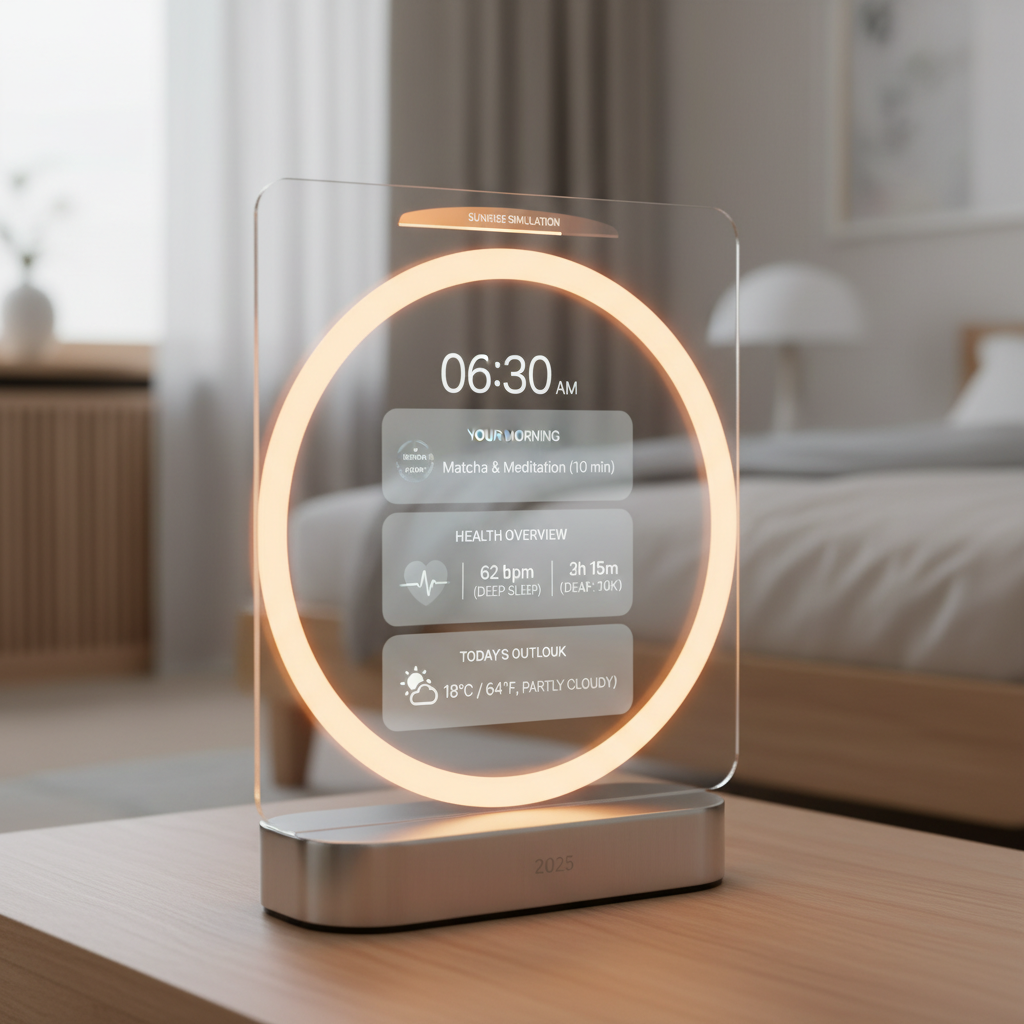
Sarah, a marketing executive, wakes up at 6:00 AM. As her alarm sounds, her smart thermostat, having learned her preferences and checked the outdoor forecast, has already preheated her home to a comfortable 70 degrees Fahrenheit. Simultaneously, her smart coffee maker, linked to her morning routine, begins brewing her favorite dark roast. Downstairs, her iRobot Roomba j9+ Combo has just completed its nightly vacuum and mop cycle of the living room and kitchen, intelligently avoiding her dog’s water bowl and returning to its self-emptying and self-refilling dock. She steps into a preheated shower, controlled by her smart shower system. While she’s getting ready, her smart mirror provides a quick news briefing and weather update. She enjoys her coffee in a pristine living room, without having lifted a finger for cleaning. Before heading out the door, she issues a simple voice command: “Alexa, I’m leaving,” which triggers a routine that turns off all lights, locks the front door, sets the thermostat to an energy-saving mode, and sends a notification to her LG ThinQ washing machine to start a delicate cycle on her activewear, precisely optimized for fabric type and load size.
Scenario 2: The Family Weekend – Messes Managed, Time Gained
The Johnson family – two parents, two energetic kids, and a fluffy cat – often faces weekend chaos. After a lively breakfast, crumbs inevitably litter the kitchen floor. However, before the mess can even bother them, their Roborock S8 Pro Ultra, scheduled for a post-breakfast clean, maps the kitchen and dining area. Thanks to its advanced object avoidance, it deftly navigates around scattered LEGO bricks and the cat’s food bowl, vacuuming and mopping simultaneously with powerful precision. Later, while the kids are playing outside, their Husqvarna Automower quietly maintains the lawn, following its pre-programmed schedule and avoiding the children’s bikes left on the grass, returning to its charging station when complete. For dinner, Mrs. Johnson uses her Samsung Family Hub Refrigerator to check what ingredients she has available via its internal cameras, then receives a recipe suggestion for a quick weeknight pasta dish. Her smart oven then guides her through the cooking process, ensuring perfect results. The family enjoys their meal in a clean, comfortable home, with more time to spend together thanks to their diligent AI assistants handling the domestic grunt work.
Scenario 3: The Pet Owner’s Peace of Mind
Mark loves his golden retriever, Buddy, but isn’t fond of the constant shedding and occasional ‘accidents’. His iRobot Roomba j7+ is his saving grace. Programmed to run daily, it meticulously cleans up Buddy’s fur, and critically, its PrecisionVision Navigation system can identify and steer clear of any unfortunate pet waste, preventing the common “poopocalypse” scenario. During the day, while Mark is at work, his Dyson Purifier Hot+Cool Formaldehyde automatically monitors the air quality. If Buddy’s dander or other indoor pollutants spike, the purifier intelligently adjusts its fan speed to filter the air, ensuring Mark comes home to a fresher, healthier environment. Mark also uses his Rachio Smart Sprinkler Controller which automatically adjusts watering schedules based on local weather forecasts, ensuring his lawn stays green despite Buddy’s playful digging, all while conserving water.
Scenario 4: Empowering Independent Living for Seniors
Evelyn, an active 80-year-old, values her independence but finds strenuous tasks increasingly challenging. Her home is equipped with a suite of AI gadgets designed to support her. Her Ecovacs Deebot X2 Omni takes care of all her floor cleaning, eliminating the need for bending or pushing heavy vacuums. She simply uses voice commands to initiate cleaning or sets a daily schedule. Her smart lighting system, integrated with motion sensors and voice control, ensures she never fumbles for a light switch. Her LG ThinQ washing machine notifies her phone when a cycle is done, and its gentle settings ensure her delicate clothes are cared for without her needing to constantly monitor the machine. A smart doorbell with AI-powered facial recognition alerts her to trusted visitors. These technologies not only keep her home clean and comfortable but also significantly reduce the physical demands of daily living, allowing her to maintain her cherished autonomy and focus on her hobbies and social life.
These examples underscore the transformative power of AI in the home. They’re not just gadgets; they’re intelligent partners that adapt to our lives, manage our chores, and give us back the most valuable commodity: time.
8. Frequently Asked Questions
Q: Are AI chore gadgets truly effective, or just expensive toys?
A: AI chore gadgets have evolved significantly beyond novelty. Modern devices, especially in categories like robot vacuums, smart laundry, and smart climate control, are highly effective and deliver substantial benefits. They utilize sophisticated AI (machine learning, computer vision, advanced sensors) to perform tasks with a level of autonomy, precision, and efficiency that manual methods often can’t match. While some cheaper options might still feel limited, premium AI gadgets demonstrably reclaim time, save energy, improve hygiene, and reduce mental load, making them valuable investments for many households.
Q: How do AI robot vacuums avoid obstacles and map my home?
A: Advanced AI robot vacuums use a combination of technologies. LiDAR (Light Detection and Ranging) creates a precise 3D map of your home by emitting lasers and measuring the time it takes for them to return. vSLAM (visual Simultaneous Localization and Mapping) uses a camera to track visual features and build a map. These maps are stored in the robot’s memory, allowing it to plan efficient cleaning paths. For obstacle avoidance, devices employ infrared sensors, ultrasonic sensors, and increasingly, computer vision (AI-powered cameras) that can recognize specific objects like pet waste, cables, or shoes, and then intelligently navigate around them. Machine learning algorithms continuously improve their navigation and obstacle recognition over time.
Q: What are the privacy concerns with AI home devices?
A: Privacy is a valid concern with any connected device. AI home gadgets often collect data such as floor plans (from robot vacuums), usage patterns (laundry, cooking), and voice commands (from smart assistants). This data is typically used to improve device performance and offer personalized services. Reputable manufacturers employ encryption, secure servers, and stringent privacy policies. However, it’s crucial to: 1) research the brand’s data handling practices, 2) understand what data is collected and how it’s used, 3) use strong, unique passwords, and 4) disable features you don’t need. Most companies allow you to delete data or opt out of certain data collection. Always prioritize brands with a strong commitment to user privacy.
Q: Can I integrate different brands of AI gadgets together?
A: Yes, largely. While a single-brand ecosystem (like all Samsung SmartThings or all LG ThinQ) can offer the most seamless integration, many AI gadgets are designed to be compatible with major smart home platforms such as Amazon Alexa, Google Assistant, and Apple HomeKit. These platforms act as central hubs, allowing you to control and automate devices from various manufacturers through a single app or voice assistant. Look for “Works with Alexa,” “Works with Google Home,” or “HomeKit compatible” labels when purchasing to ensure broader integration capabilities.
Q: Are AI laundry systems worth the investment?
A: For many, yes. AI laundry systems offer significant long-term value. They precisely optimize water, energy, and detergent usage, leading to noticeable savings on utility bills. Their ability to sense fabric type and soil level protects clothes, extending their lifespan and reducing the need for replacements. Remote control, cycle notifications, and predictive maintenance add convenience and peace of mind. While the upfront cost is higher, the savings on resources, garment care, and the invaluable time saved often justify the investment, especially for busy families or those looking to maximize efficiency.
Q: How much maintenance do these AI gadgets require?
A: Maintenance varies by device but is generally manageable. Robot vacuums require regular emptying (or bag changes for auto-empty docks), brush cleaning, and filter replacement (every 1-3 months). Smart air purifiers need filter changes (every 6-12 months). Smart laundry machines benefit from periodic self-cleaning cycles and lint trap cleaning. Robotic lawnmowers require blade changes and occasional cleaning. Most AI gadgets are designed for relatively low maintenance, and their apps often provide alerts and guidance for necessary upkeep, ensuring optimal performance and longevity.
Q: Can AI gadgets really save energy and money?
A: Absolutely. AI’s core strength is optimization. Smart thermostats learn your habits and adjust heating/cooling to maximize comfort while minimizing energy waste. Smart laundry machines use the exact amount of water and energy needed for each load, preventing resource overkill. Smart sprinklers prevent over-watering. Even robot vacuums, by maintaining consistent cleanliness, can reduce the need for larger, less efficient full-sized vacuums as frequently. These incremental efficiencies accumulate over time, leading to tangible savings on electricity, water, and even detergent costs.
Q: What’s the learning curve for setting up and using these devices?
A: Most modern AI gadgets are designed with user-friendliness in mind. Initial setup typically involves downloading a companion app, connecting to Wi-Fi, and following guided instructions. For devices like robot vacuums, the first few runs involve mapping your home, which is largely autonomous. While there’s a slight learning curve to fully utilize all advanced features (like creating complex routines or setting precise no-go zones), the basic functions are usually intuitive. Manufacturers provide comprehensive in-app tutorials, online guides, and customer support to assist users in mastering their new smart assistants.
Q: Are there any limitations to AI home chore gadgets?
A: Yes, while incredibly advanced, AI gadgets still have limitations. Robot vacuums may struggle with very high-pile carpets or navigating extremely cluttered spaces. Window cleaners have limitations on window size and type. Smart laundry can’t fold your clothes (yet!). AI systems rely on data, and sometimes complex, unique, or rapidly changing environments can challenge their adaptability. They also depend on reliable Wi-Fi and power. However, technology is rapidly advancing, and many current limitations are being addressed in next-generation products.
Q: What does the future hold for AI in home chores?
A: The future is incredibly exciting. Expect even greater autonomy and predictive capabilities. We’ll likely see more dexterous humanoid robots performing complex tasks like folding laundry or clearing tabletops. Deeper integration and inter-device communication will create truly self-managing homes where appliances anticipate needs before you even realize them. Personalized AI companions will learn your unique habits and preferences to a hyper-specific degree, offering tailored assistance. The focus will continue to be on creating environments that require minimal human intervention, maximizing leisure and well-being.
9. Key Takeaways
- AI gadgets are transforming home chores from burdensome tasks into stress-free, automated processes, reclaiming valuable time and energy.
- Modern AI devices leverage Machine Learning, Computer Vision, and advanced sensors to perceive, learn, and adapt to your home environment.
- Categories like robot vacuums/mops, smart laundry systems, AI kitchen appliances, and smart outdoor maintenance are leading the charge in domestic automation.
- Beyond cleanliness, AI gadgets offer unseen benefits including significant time reclamation, energy and resource efficiency, improved hygiene, enhanced accessibility, and reduced mental stress.
- Choosing the right AI gadget involves considering budget, home layout, ecosystem compatibility, privacy concerns, maintenance costs, and user experience.
- Seamless integration through smart hubs, voice assistants, and custom routines is crucial for unlocking the full potential of your smart home.
- Practical examples demonstrate how AI seamlessly integrates into daily life, solving real-world chore challenges for busy professionals, families, pet owners, and seniors.
- While still having some limitations, AI home technology is rapidly advancing towards even greater autonomy, predictive capabilities, and personalized assistance.
- Investing in AI chore gadgets is an investment in a smarter, healthier, more efficient, and ultimately more enjoyable home life.
10. Conclusion: Embrace the Future of Effortless Living
The journey from manual drudgery to automated ease is not just a technological shift; it’s a lifestyle revolution. AI-powered gadgets are no longer niche curiosities but essential tools that empower us to live smarter, cleaner, and with an unprecedented degree of convenience. We’ve explored how these cutting-edge innovations meticulously clean our floors, perfectly care for our clothes, intelligently manage our kitchens, and maintain our outdoor spaces, all while optimizing resources and reducing our environmental footprint. The tangible benefits extend beyond mere task completion, touching upon our physical health, mental well-being, and the precious commodity of time.
Embracing AI in your home means choosing to liberate yourself from the incessant demands of the domestic to-do list. It means waking up to a clean home, knowing your laundry is being handled efficiently, and spending your weekends on activities you love, rather than chores you dread. The intelligent home is no longer a concept of tomorrow but a reality of today, offering solutions that adapt to your unique needs and evolve with your lifestyle.
We encourage you to explore the possibilities that AI gadgets present. Start with one area of your life that causes the most chore-related stress, and witness firsthand the transformative power of these intelligent assistants. By carefully selecting and integrating these devices, you’re not just buying a product; you’re investing in a future where your home works harder, so you don’t have to. Step into the era of effortless living, and reclaim your life for what truly matters.








































































Leave a Reply