


Enhancing Your Commute: AI Navigation and Entertainment Solutions
Introduction: Reclaiming Your Commute Time
For millions across the globe, the daily commute is an inescapable reality. Whether it is a quick hop on the subway, a lengthy drive through congested streets, or even a brisk walk to the office, this segment of our day often feels like a temporal void – a necessary evil that drains energy without offering much in return. Traditionally, commute time has been considered ‘dead time,’ a period of waiting, observing, or simply enduring. However, in our increasingly interconnected and fast-paced world, the concept of ‘dead time’ is becoming an antiquated notion, especially with the revolutionary advancements in Artificial Intelligence (AI).
Imagine transforming those minutes or hours spent traveling into valuable opportunities for personal growth, professional development, mental rejuvenation, or efficient task management. This is no longer a futuristic fantasy but a tangible reality, thanks to a burgeoning ecosystem of smart AI tools designed specifically for on-the-go productivity. These intelligent applications and platforms are not just about making your commute bearable; they are about making it genuinely productive, engaging, and even enjoyable. From optimizing your route to curating personalized learning content, from transcribing meeting notes to guiding you through mindfulness exercises, AI is redefining what is possible during your daily journey.
This comprehensive blog post will delve into the myriad ways AI tools can help you maximize your commute minutes. We will explore cutting-edge solutions for everything from seamless navigation and learning on the go to efficient task management and mental well-being. Our aim is to equip you with the knowledge and practical insights to turn your commute from a daily chore into a strategic advantage, making every minute count towards your goals and overall well-being. Get ready to discover how AI can unlock the hidden potential of your travel time and empower you to become more productive, informed, and relaxed, no matter how you travel.
Understanding the Commute Productivity Challenge
Before we dive into the solutions, it is crucial to fully grasp the scope of the commute productivity challenge. For many, the commute is more than just travel time; it is a significant contributor to stress, fatigue, and a feeling of being constantly behind. Let us dissect the core issues:
- Wasted Time: The most obvious challenge is the sheer volume of time spent commuting. Depending on location and mode of transport, this could range from 30 minutes to several hours daily. Over a year, this adds up to weeks, or even months, of potentially productive or leisure time lost. This lost time could otherwise be dedicated to family, hobbies, exercise, or additional work, contributing to a sense of perpetual time scarcity.
- Mental Fatigue and Stress: Navigating traffic, dealing with crowded public transport, or simply the monotony of the journey can be mentally exhausting. The constant vigilance required for driving, the sensory overload of public spaces, or the pressure to be on time all contribute to heightened stress levels. Many arrive at their destination already feeling drained, impacting their initial productivity or their ability to unwind after work.
- Lack of Structured Opportunity: Unlike a dedicated work or study session, the commute environment is often unpredictable and unstructured. Limited space, intermittent connectivity, and the need to remain aware of your surroundings make traditional forms of work or study challenging. This often leads commuters to default to passive activities like listening to music or staring out the window, which while sometimes necessary for decompression, do not always align with productivity goals.
- Information Overload vs. Information Scarcity: While our personal devices offer a wealth of information, effectively sifting through it for relevant, actionable content during a commute can be difficult. Without smart tools, commuters might scroll aimlessly through social media or news feeds, consuming information passively rather than actively learning or processing.
- Disconnect from Goals: Many struggle to connect their commute time to their larger personal or professional goals. It feels like an isolated segment of the day that must be endured, rather than integrated into a broader strategy for self-improvement or task accomplishment. This psychological disconnect can further entrench the idea that commute time is inherently unproductive.
Addressing these challenges requires a paradigm shift, moving away from merely tolerating the commute to strategically leveraging it. This is where AI steps in, offering intelligent, adaptive, and personalized solutions that can transform these traditional roadblocks into pathways for efficiency and well-being. By understanding the root causes of unproductive commute time, we can better appreciate how AI tools provide targeted and effective interventions.
AI-Powered Navigation and Route Optimization: Beyond Basic GPS
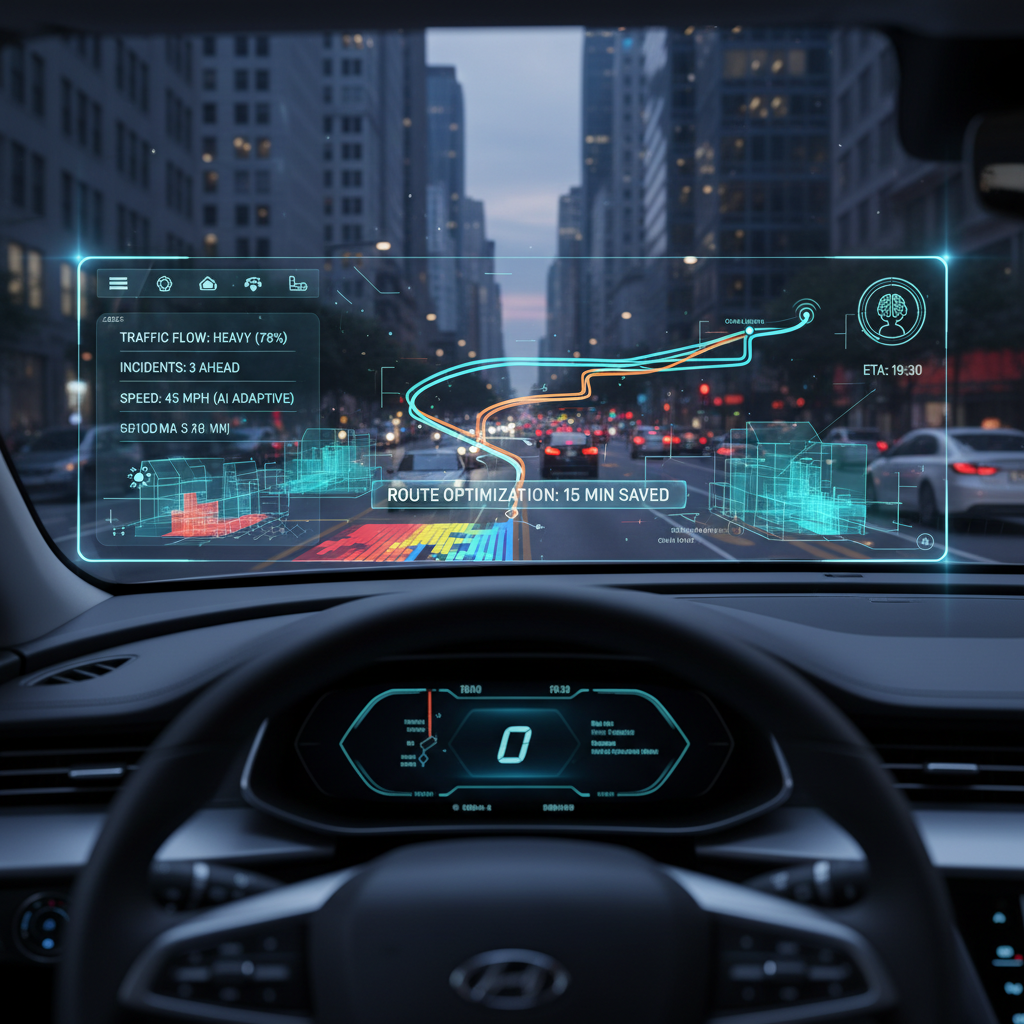
The first and most fundamental way AI revolutionizes the commute is through enhanced navigation and route optimization. Traditional GPS systems have been a game-changer, but AI takes this a significant step further, moving beyond static maps and simple turn-by-turn directions to offer dynamic, predictive, and personalized guidance.
- Predictive Traffic Analysis: Modern AI navigation apps, such as Google Maps, Waze, and Apple Maps, utilize sophisticated machine learning algorithms to analyze vast amounts of real-time and historical traffic data. They do not just report current traffic jams; they predict where congestion will occur, how long it will last, and even suggest optimal departure times to avoid peak periods. This predictive capability helps commuters make informed decisions before they even leave, saving precious minutes and reducing stress. These systems learn from patterns – daily rush hours, seasonal variations, special events, and even weather conditions – to offer surprisingly accurate ETAs and route suggestions.
- Dynamic Re-routing and Accident Avoidance: One of the most celebrated features of AI navigation is its ability to instantly re-route based on unforeseen circumstances. A sudden accident, an unexpected road closure, or a severe weather event can derail a commute in seconds. AI-powered systems continuously monitor road conditions and automatically suggest alternative routes, often without the driver even having to interact with the device. This proactive approach minimizes delays and mitigates the frustration of getting stuck in gridlock. Applications like Waze, with its community-driven data input, exemplify how collective intelligence augmented by AI can provide hyper-local, real-time alerts for hazards, police presence, or debris on the road, further enhancing safety and efficiency.
- Personalized Recommendations: AI goes beyond mere directions. It learns your preferences, habits, and common destinations. Over time, it can offer personalized recommendations for parking spots near your office, suggest charging stations for electric vehicles that align with your route, or even highlight gas stations with competitive prices. For public transport users, AI integrates real-time bus and train schedules, predicts delays, suggests alternative routes during service disruptions, and can even guide you through complex transfer points, often incorporating walking directions to the nearest station.
- Integration with Calendar and Smart Assistants: Seamless integration with your digital calendar and smart assistants (like Google Assistant, Siri, or Alexa) means your navigation can be initiated automatically for upcoming appointments. Your AI assistant can proactively alert you when it is time to leave, considering current traffic conditions, and even send an “on my way” message to meeting attendees. This level of automation reduces cognitive load and ensures you are always punctual, even when your schedule is tight.
The sophistication of AI in navigation transforms the driving or riding experience from a passive journey into an actively managed, optimized process. It is about more than just getting from A to B; it is about getting there efficiently, safely, and with minimal stress, freeing up mental bandwidth for other productive activities.
Leveraging AI for Learning and Skill Development On-the-Go
The commute offers a unique window for continuous learning and skill development, especially when enhanced by AI. This time, often spent passively, can be transformed into a dynamic classroom or a personal training ground for your mind. AI tools make learning during your commute more accessible, personalized, and effective.
- Audio Summaries and Book Insights: For those with limited reading time, AI-powered apps like Blinkist (which offers non-fiction book summaries) or tools that can generate summaries from longer articles or PDFs (e.g., using AI chatbots or specialized summarization services) are invaluable. You can absorb key insights from multiple books or articles during a single commute, staying informed and expanding your knowledge base without needing to actively read. Imagine listening to the core concepts of a business strategy book or a complex scientific paper while stuck in traffic or riding the train.
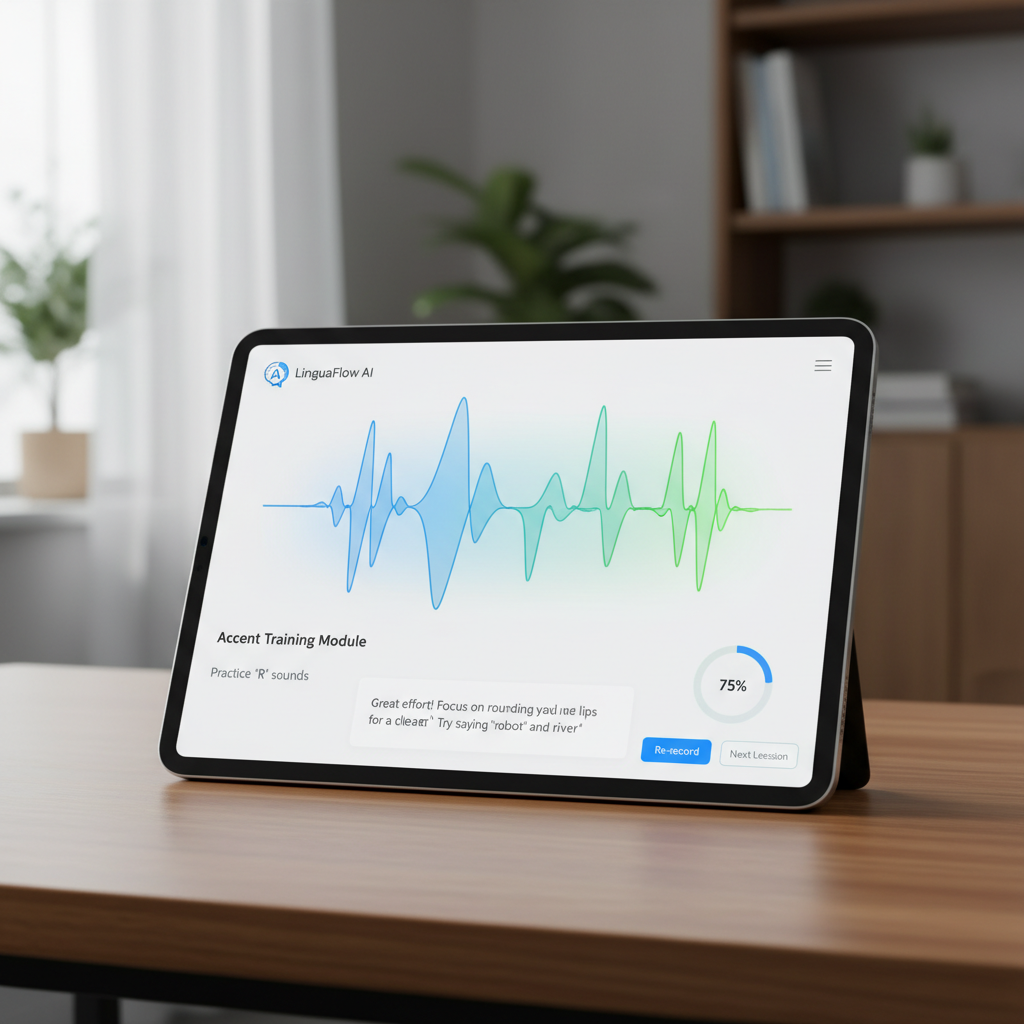
- AI-Powered Language Learning: Apps like Duolingo, Babbel, and Memrise leverage AI to personalize learning paths, adapt to your pace, and provide real-time feedback. During your commute, you can practice vocabulary, grammar, and pronunciation through interactive exercises. Advanced AI tutors can even simulate conversations, providing a low-pressure environment to practice speaking a new language. The bite-sized lessons are perfectly suited for short bursts of learning during travel.
- Personalized Podcast and Audiobook Curation: AI algorithms excel at recommending content tailored to your interests. Platforms like Spotify, Apple Podcasts, and Audible use AI to suggest new podcasts, audiobooks, and even specific episodes based on your listening history and stated preferences. This ensures that the content you consume during your commute is always engaging and relevant to your learning goals, whether it is professional development, personal growth, or general knowledge.
- Spaced Repetition Flashcard Apps: Tools like Anki or Quizlet utilize AI principles (specifically spaced repetition algorithms) to optimize memorization. You can create or download flashcards for anything from medical terminology to historical dates, and the app will present them to you at scientifically determined intervals to maximize retention. This is an excellent way to reinforce learning during fragmented commute times.
- Online Course Consumption (Audio Mode): Many online learning platforms (e.g., Coursera, Udemy, LinkedIn Learning) offer lectures and courses that can be consumed in audio-only mode. With AI enhancements, some platforms can even generate chapter summaries, highlight key points, or offer interactive quizzes that you can tackle verbally. This allows you to progress through certifications or develop new skills without needing visual engagement, making it ideal for car journeys or crowded public transport.
- AI-Driven Skill Assessments and Personalized Paths: Some advanced learning platforms use AI to assess your current skill level in a particular domain and then recommend a personalized curriculum or set of resources. This adaptive learning ensures you are always focusing on areas where you need improvement, making your commute-time learning incredibly efficient and targeted.
By integrating these AI-powered learning tools into your commute routine, you transform what was once downtime into a powerful engine for continuous personal and professional development. Every journey becomes an opportunity to grow, making your travel time not just productive, but genuinely transformative.
AI for Content Consumption and Curation: Your Personalized Information Hub
Beyond structured learning, AI also dramatically enhances the way we consume and curate general information and entertainment during our commute. In an age of information overload, AI acts as a personal editor, filtering out noise and presenting you with content that truly matters or entertains you, perfectly suited for passive or semi-active consumption.
- Personalized News Aggregators: Apps like Google News, Flipboard, and various RSS readers leverage AI to learn your interests, preferred sources, and even the type of articles you engage with most. They then curate a personalized news feed that cuts through the noise of the internet, ensuring you stay informed about topics relevant to your profession, hobbies, or general worldview. Many of these apps offer text-to-speech functionality, allowing you to listen to articles hands-free, which is perfect for driving or walking.
- Smart Podcast Discovery and Recommendations: While touched upon in learning, AI’s role in general podcast discovery is expansive. Platforms not only recommend new shows based on your listening habits but can also suggest specific episodes from vast libraries that align with current events or your demonstrated interests. This ensures you are always presented with fresh, engaging audio content that can range from deep-dive documentaries to comedic relief, all tailored to your taste.
- Article Summarization Tools: Commutes often do not afford enough time to read lengthy articles or reports. AI-powered summarization tools, whether standalone apps or integrated features in browsers or note-taking platforms, can quickly distill the main points of a long text into a concise summary. This allows you to grasp the essence of multiple articles during a short journey, decide which ones require deeper reading later, and stay updated on important developments without committing extensive time.
- Read-Aloud Functionalities for Web Articles and Documents: Many devices and apps now include built-in text-to-speech capabilities that utilize AI to provide natural-sounding voices. This feature transforms any digital text – emails, documents, web pages, or e-books – into an audiobook. It is incredibly useful for reviewing work documents, catching up on industry news, or enjoying an e-book without straining your eyes or needing to hold a device.
- Dynamic Music Playlists for Focus or Relaxation: Music streaming services like Spotify, Apple Music, and Pandora employ advanced AI to create highly personalized playlists. These algorithms learn your mood, activity (e.g., commute, workout, relaxation), and genre preferences to curate the perfect soundtrack for your journey. Whether you need an upbeat tempo to energize your morning, a focused instrumental playlist for concentration, or soothing ambient sounds to de-stress on the way home, AI ensures your audio experience is perfectly aligned with your needs.
- AI-Enhanced Audiobooks: Beyond basic audiobooks, some platforms are beginning to experiment with AI to enhance the listening experience, such as dynamically adjusting narration speed based on your comprehension, or providing interactive elements that allow you to delve deeper into characters or concepts through voice commands.
By intelligently curating and delivering content, AI transforms your commute into a personalized media hub. It saves you from decision fatigue, ensures relevance, and maximizes your consumption of valuable information and entertainment, all while minimizing effort and distraction. This allows you to arrive at your destination feeling more informed, refreshed, and connected to the world around you.
Productivity and Task Management with AI On-the-Go
The commute is often a time when we mentally review our to-do lists, plan our day, or consider responses to important communications. AI tools elevate this internal process into actionable productivity, allowing you to manage tasks, communications, and schedules efficiently without needing to be at a desk.
- Voice Assistants for Reminders and Scheduling: Smart assistants like Google Assistant, Siri, and Amazon Alexa are invaluable hands-free productivity tools. During a drive or while walking, you can verbally set reminders, add items to your shopping list, schedule meetings, or dictate quick notes without ever touching your phone. For example, “Hey Siri, remind me to call Sarah at 3 PM,” or “Okay Google, add ‘buy milk’ to my grocery list.” These simple voice commands transform fleeting thoughts into organized tasks.
- AI-Powered Note-Taking and Transcription: Apps such as Otter.ai, Speechnotes, or the built-in voice memo functions on smartphones with AI enhancements can accurately transcribe your spoken thoughts into text. This is a game-changer for capturing ideas, brainstorming sessions, or even drafting emails and reports while commuting. Instead of trying to type on a bumpy bus or while walking, you can simply speak your ideas, and the AI will convert them into editable text, ready for refinement later. Some apps even identify different speakers in a conversation or summarize the main points, making meeting recap incredibly efficient.
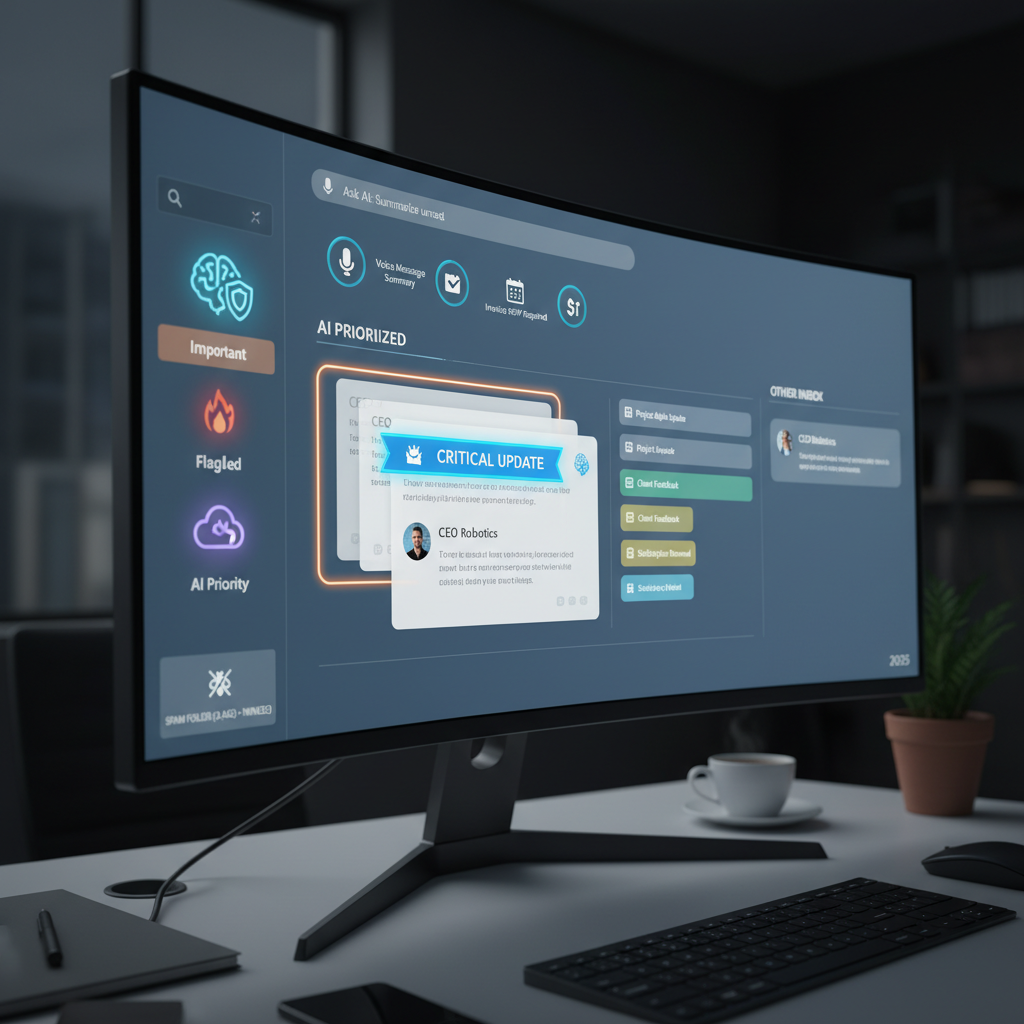
- Email Summarization and Prioritization: AI is increasingly integrated into email clients to help manage inbox clutter. Features like smart replies, email summarization (e.g., Google’s “summarize this email” in Workspace), and intelligent prioritization can help you quickly triage your inbox during your commute. You can rapidly understand the gist of important emails, identify urgent actions, and even draft quick, contextually relevant responses using AI-suggested phrases or full sentences, significantly reducing the time spent on email management once you reach your desk.
- Generative AI for Drafting Communications: Beyond simple smart replies, advanced generative AI models (like those behind ChatGPT or Bard) can be accessed via mobile apps to help you draft more complex communications. Need to formulate a professional email, outline a project update, or even brainstorm ideas for a presentation? You can articulate your requirements verbally, and the AI can generate a draft for you to review and refine. This is particularly useful for overcoming writer’s block or structuring complex thoughts into coherent messages while on the move.
- Project Management Tools with AI Features: Many modern project management platforms (e.g., Asana, Trello, Monday.com) are integrating AI to offer intelligent task suggestions, automate routine updates, or predict potential roadblocks. While you might not conduct a full project review during your commute, you can use these mobile-friendly interfaces to quickly check progress, assign simple tasks, or respond to updates. AI can even analyze your work patterns to suggest optimal times for certain tasks or highlight dependencies you might have overlooked.
By transforming your commute into an active, hands-free productivity hub, AI tools empower you to arrive at your destination with a clearer head, a more organized plan, and a head start on your tasks. This proactive approach to productivity means you are not just saving time, but actively leveraging it to stay ahead of your responsibilities and achieve your goals more effectively.
AI for Mental Well-being and Relaxation On-the-Go
While productivity is a primary goal for many commuters, mental well-being and relaxation are equally, if not more, crucial. The stress and demands of daily life, often exacerbated by the commute itself, can take a toll. AI tools offer personalized, accessible ways to foster mindfulness, reduce stress, and improve mental health during your journey.
- Personalized Meditation and Mindfulness Apps: Apps like Calm, Headspace, and Balance utilize AI to offer guided meditation and mindfulness exercises tailored to your specific needs and current mood. During your commute, you can choose sessions focused on stress reduction, anxiety relief, enhancing focus, or even preparing for a big day. AI can learn your preferences for narration, background sounds, and session length, providing a truly personalized experience. Many offer short, commute-friendly sessions that can effectively reset your mental state.
- AI-Driven Breathing Exercises and Biofeedback: Some advanced apps or wearables integrate AI to guide you through breathing exercises, often using biofeedback from your device (e.g., heart rate variability data from a smartwatch). These tools can detect signs of stress and prompt you to engage in calming breathing patterns, helping to regulate your nervous system and reduce physical tension. This immediate, data-driven intervention can be incredibly effective in managing acute stress during a particularly challenging commute.
- Podcasts and Audio for Relaxation: Beyond traditional meditations, AI helps curate ambient soundscapes, calming music, or podcasts specifically designed for relaxation. Whether it is binaural beats for focus, nature sounds for tranquility, or storytelling podcasts that provide a mental escape, AI-powered recommendations ensure you get the audio content that best suits your need for decompression. These can be particularly effective in drowning out the noise of a busy commute and creating a personal oasis.
- Mood Tracking and Journaling Apps with AI Insights: Apps like Daylio or Moodnotes allow you to quickly log your mood and activities. AI can then analyze these patterns over time, identifying triggers, trends, and even suggesting actionable insights to improve your emotional well-being. While you might not write a lengthy journal entry during your commute, a quick mood check-in can be a valuable part of a larger mental health strategy, providing data for AI to process.
- Cognitive Behavioral Therapy (CBT) and Mental Health Support Apps: Some apps leverage AI to provide accessible, guided support rooted in CBT principles. While not a substitute for professional therapy, these tools can offer exercises, thought records, and coping strategies that can be practiced during your commute. They can help you challenge negative thought patterns, manage anxiety, and build resilience, all through interactive, AI-driven prompts and exercises.
- Personalized Music for Focus or Relaxation: As mentioned previously, AI in music streaming is adept at curating playlists not just for entertainment, but also for specific psychological states. A focus playlist for planning your day, or a calming playlist for unwinding on the way home, can significantly impact your mental state, preparing you for work or helping you transition into personal time effectively.
By consciously integrating these AI-powered tools, your commute transforms from a potential source of stress into a dedicated time for self-care and mental fortification. Arriving at your destination feeling calmer, more centered, and mentally prepared is a profound benefit that transcends mere productivity, contributing significantly to your overall quality of life.
Security and Privacy Considerations with AI Commute Tools
As we embrace the power of AI to enhance our commute, it is imperative to address the critical aspects of security and privacy. These tools often require access to personal data, location information, and communication patterns, making it essential for users to be informed and proactive in protecting their digital footprint.
- Understanding Data Collection: Most AI commute tools function by collecting and analyzing user data – everything from your travel routes and speed to your listening habits, search queries, and even voice commands. This data is used to personalize services, improve algorithms, and sometimes for targeted advertising. It is crucial to read and understand the privacy policies of the apps you use. Be aware of what data is being collected, how it is stored, and with whom it might be shared.
- App Permissions: When installing an AI tool, pay close attention to the permissions it requests. Does a note-taking app really need access to your camera? Does a navigation app need access to your microphone when not actively using voice commands? Grant only the necessary permissions. Regularly review app permissions in your device settings and revoke any that seem excessive or are no longer needed.
- Secure Account Practices: Use strong, unique passwords for each AI tool and enable two-factor authentication (2FA) wherever available. This adds an extra layer of security, making it significantly harder for unauthorized individuals to access your accounts, even if they somehow obtain your password. Regularly update your passwords and be wary of phishing attempts that try to trick you into revealing login credentials.
- Anonymization and Aggregation: Many companies claim to anonymize and aggregate user data to protect individual privacy while still gleaning insights for service improvement. While this is a common practice, the effectiveness of anonymization can sometimes be challenged. For sensitive data, consider if you are comfortable with the level of data sharing involved, even if it is purportedly anonymized.
- Location Data Control: Navigation and travel planning tools heavily rely on location data. Ensure you understand how to control location access on your device. Most operating systems allow you to grant location permissions “only while using the app” or “never,” rather than “always.” Exercise this control to limit how much continuous location tracking occurs.
- Voice Data and Recordings: Voice assistants and transcription apps rely on processing your voice. While most reputable services process this data securely, it is worth noting that some may retain voice recordings for a period to improve their AI models. Check privacy settings to see if you can opt out of voice data retention or delete your voice history. Be mindful of sensitive information you might speak aloud when using these tools, especially in public spaces.
- Regular Software Updates: Keep your AI apps and operating system updated. Software updates often include crucial security patches that protect against newly discovered vulnerabilities. Running outdated software can expose you to unnecessary risks.
- Cloud Security: Many AI tools store your data in the cloud. While cloud providers invest heavily in security, ensuring you understand their security practices and data residency policies can be important, especially for highly sensitive professional or personal information.
While AI tools offer immense benefits, a proactive and informed approach to security and privacy is non-negotiable. By exercising caution, understanding privacy settings, and adopting secure digital habits, you can harness the power of AI for your commute without compromising your personal information or digital safety. The convenience of smart tools should never come at the cost of your privacy.
Future Trends in AI Commute Productivity: The Road Ahead
The current landscape of AI tools for commute productivity is impressive, but it is just the beginning. The rapid pace of AI development suggests an even more integrated, intuitive, and transformative future for our daily journeys. Here are some key trends to anticipate:
- Hyper-Personalization and Proactive AI: Future AI systems will not just react to your requests; they will proactively anticipate your needs. Imagine an AI that, based on your calendar, traffic patterns, and personal preferences, suggests the optimal time to leave, pre-loads relevant articles for your commute, and even starts a calming podcast just as you get on a crowded train, all without a single prompt from you. These systems will learn your unique rhythms and preferences to a much deeper degree, creating a truly bespoke commute experience.
- Seamless Integration Across Devices and Ecosystems: The boundaries between your smartphone, smartwatch, in-car infotainment system, smart home devices, and office productivity suites will continue to blur. Your AI assistant will orchestrate a seamless flow of information and tasks across all these platforms. For instance, an email flagged for follow-up in your car could automatically appear as a priority task in your office project management tool when you arrive, or your home thermostat could adjust based on your AI-predicted ETA.
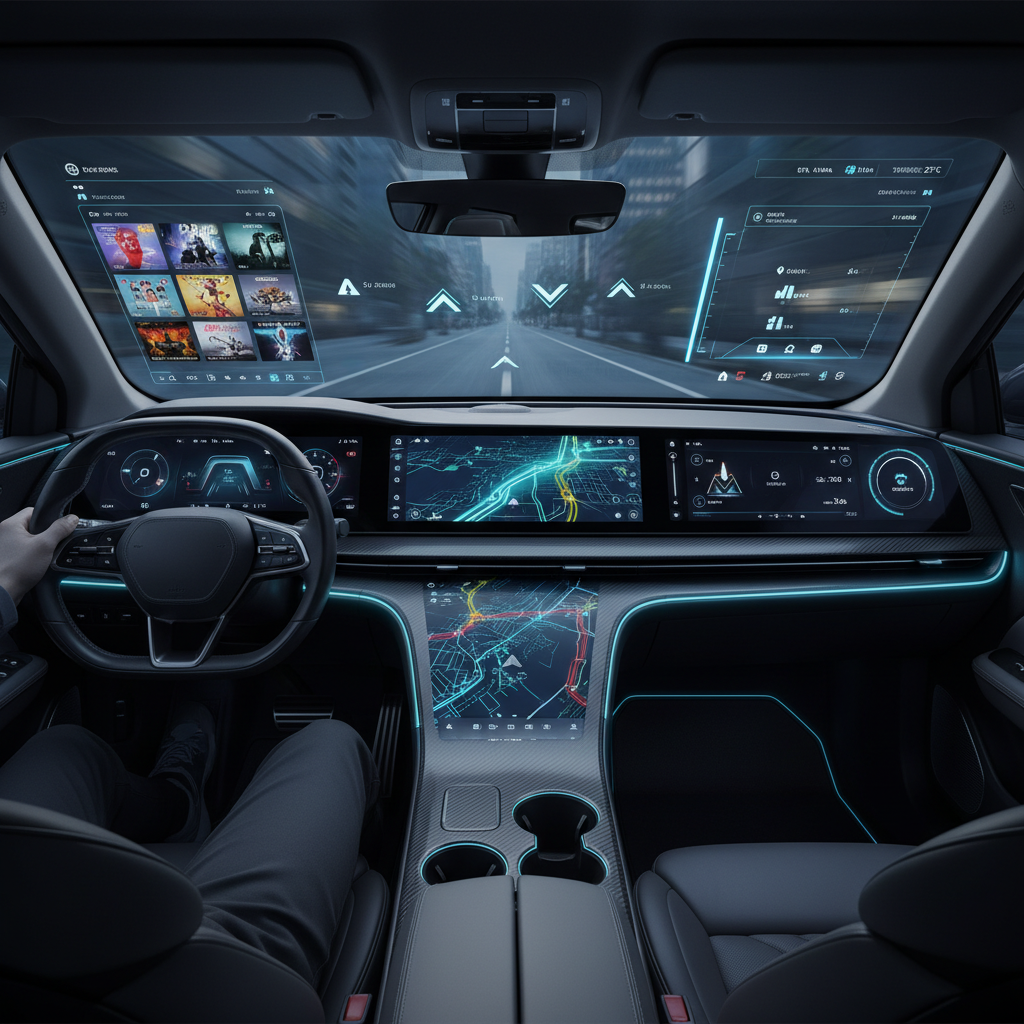
- Augmented Reality (AR) Navigation and Information Overlays: Imagine driving or walking, and your AI assistant projects navigation directions, points of interest, or relevant data directly onto your field of vision through smart glasses or a car’s heads-up display. AR could overlay real-time public transport information onto station entrances, highlight the fastest pedestrian routes through a complex intersection, or even translate signs in foreign languages instantly, making travel in unfamiliar environments much easier and more productive.
- Emotionally Intelligent AI: Future AI tools will likely become more adept at sensing and responding to your emotional state. Through voice analysis, facial expressions (via integrated cameras), or even physiological data from wearables, AI could detect signs of stress, fatigue, or frustration during your commute. It could then offer appropriate interventions, such as adjusting music, suggesting a mindfulness exercise, or recommending a break, moving beyond simple task management to holistic well-being support.
- Autonomous Vehicles and the Ultimate Productivity Platform: The widespread adoption of fully autonomous vehicles (Level 5) will be the ultimate game-changer. Without the need to drive, commuters will truly be free to utilize their entire travel time for any activity. Your car could transform into a mobile office, a learning pod, a cinema, or a meditation chamber. AI will then become the orchestrator of this environment, managing your schedule, entertainment, communication, and learning, turning the commute into a fully dedicated, personal productivity or leisure space.
- Ethical AI and Trustworthiness: As AI becomes more integrated and powerful, there will be an even greater emphasis on ethical AI development, transparency, and user control. Future tools will need to clearly articulate their data usage, provide robust privacy controls, and build strong trust with users, ensuring that the benefits of AI do not come at the expense of individual rights or well-being.
The journey towards a fully AI-optimized commute is an exciting one. These future trends promise not just efficiency, but a profound transformation of how we experience and utilize our daily travel, making every minute a deliberate and valuable part of our day.
Comparison Tables
Table 1: AI-Powered Productivity Tools for Commuters
| Tool Category | Examples | Key AI Features | Commute Benefit |
|---|---|---|---|
| Navigation & Routing | Google Maps, Waze, Apple Maps | Predictive traffic, dynamic re-routing, personalized recommendations (parking, EV charging), calendar integration. | Minimize travel time, reduce stress, ensure punctuality, hands-free operation. |
| Language Learning | Duolingo, Babbel, Memrise | Adaptive learning paths, AI tutors, speech recognition for pronunciation, spaced repetition. | Learn new languages in bite-sized, engaging sessions; utilize fragmented time effectively. |
| Audio Summaries & Learning | Blinkist, Inshorts, AI summarization tools (e.g., within Notion, Evernote) | Summarization of books/articles, key insight extraction, personalized content curation. | Absorb complex information quickly, stay updated on industry trends, expand knowledge base hands-free. |
| Voice Assistants & Note-Taking | Google Assistant, Siri, Otter.ai, Speechnotes | Voice commands for tasks, accurate speech-to-text transcription, speaker identification, meeting summaries. | Capture ideas, set reminders, draft communications hands-free, organize thoughts instantly. |
| Mental Well-being & Mindfulness | Calm, Headspace, Balance | Personalized meditation sessions, stress detection (with wearables), mood tracking, guided breathing exercises. | Reduce stress, improve focus, practice mindfulness, arrive refreshed and centered. |
| Email & Task Management | Gmail (Smart Reply), Outlook (Focused Inbox), Mobile PM Apps with AI | Email summarization, smart reply suggestions, intelligent prioritization, task automation. | Efficiently triage inbox, draft quick replies, manage tasks and deadlines on the go. |
Table 2: Traditional GPS vs. AI-Powered Navigation
| Feature | Traditional GPS (Basic) | AI-Powered Navigation (Advanced) | Impact on Commute |
|---|---|---|---|
| Traffic Information | Real-time (basic delays), sometimes static data. | Predictive traffic, historical patterns, real-time crowdsourcing, incident alerts (accidents, hazards). | Avoids future congestion, learns optimal times to leave, reduces unexpected delays. |
| Route Optimization | Calculates shortest/fastest route based on current conditions once. | Dynamic re-routing in real-time based on new incidents, multi-modal suggestions (car + public transit). | Always on the optimal path, adapts to unforeseen events, offers flexible transport options. |
| Personalization | Limited; basic preferences for route types. | Learns driving habits, preferred routes, frequent destinations; offers personalized suggestions for parking, fuel/charging, rest stops. | Tailors experience to individual needs, anticipates common stops, saves time on auxiliary tasks. |
| Integration | Standalone navigation; limited external links. | Seamless integration with calendar, smart assistants, public transport apps; proactive departure alerts. | Automates planning, reduces manual input, ensures punctuality for appointments. |
| Voice Control | Basic commands (e.g., “drive home”). | Advanced natural language processing, complex queries, hands-free interaction for various tasks (e.g., “find coffee shop with Wi-Fi on my route”). | Safer, less distracting interaction, wider range of voice-activated services. |
| Community Data | Generally none or limited. | Active crowdsourcing for real-time alerts on hazards, speed traps, road closures (e.g., Waze). | Enhanced safety, ultra-fast reporting of localized issues, collective real-time intelligence. |
Practical Examples: AI in Action for Diverse Commuters
To illustrate the tangible benefits of AI tools, let us look at real-world scenarios for different types of commuters:
Example 1: The Car Commuter – Sarah, Marketing Manager
Sarah drives an hour each way to her marketing agency. Her morning commute used to be a source of stress and wasted time. Now, she leverages AI extensively:
- Morning Prep: Her AI-powered navigation app (like Google Maps or Waze) proactively suggests her departure time based on her calendar and predicted traffic. “Sarah, you need to leave in 10 minutes to make your 9 AM meeting on time.”
- In the Car: Instead of listening to the radio aimlessly, she uses an AI summarization app to listen to audio summaries of industry articles relevant to her field. On other days, she uses her language learning app for 20 minutes, practicing French pronunciation with an AI tutor. She can also verbally dictate ideas for her next campaign into a transcription app, which organizes them into bullet points for later review.
- Unexpected Changes: If an accident occurs on her route, her navigation app immediately re-routes her, saving her from sitting in traffic. She receives a voice notification: “Accident reported ahead, re-routing to an alternative path, ETA adjusted by 5 minutes.”
- Afternoon Decompression: On the way home, she switches to a personalized AI-curated playlist of calming music or a guided meditation from Headspace to de-stress and mentally switch off from work, arriving home feeling refreshed rather than drained. She might also verbally ask her smart assistant to add “pick up dry cleaning” to her to-do list, which appears as a reminder based on her location.
Outcome: Sarah arrives at work informed and prepared, and returns home relaxed, having optimized two hours of her day for personal and professional growth.
Example 2: The Public Transport Commuter – David, Software Developer
David takes a combination of bus and subway, with a 45-minute journey each way. His commute involves multiple transfers and varying connectivity.
- Route Optimization: His public transport app (like Citymapper, powered by AI) provides real-time updates on bus delays and subway service changes, suggesting the fastest route considering current disruptions. It even maps out the walking portion to each station.
- Learning On-the-Go: With a reliable mobile data plan or downloaded content, David uses his AI-powered audiobook app to listen to a technical book on software architecture. When the signal is spotty, he switches to an offline language learning app, doing grammar exercises. He frequently uses a voice-to-text app to dictate code ideas or solutions that come to mind during his journey, saving them for when he gets to his desk.
- Content Consumption: While on the bus, he listens to a personalized news podcast curated by AI, ensuring he catches up on tech news and global events without actively reading. He also uses an AI summarizer to quickly read through long emails or project updates sent by colleagues, identifying urgent actions.
- Productivity: He uses his smart assistant to verbally add tasks to his project management app and responds to non-urgent messages using AI-suggested smart replies, making him feel productive even in a crowded environment.
Outcome: David transforms his commute into an extension of his learning and work day, staying updated, learning new skills, and managing tasks effectively, despite the challenges of public transport.
Example 3: The Active Commuter – Emily, Fitness Instructor
Emily walks or cycles 30 minutes to her gym studio. Her commute is physically active, but she still finds ways to integrate AI.
- Safety and Navigation: Her fitness tracker, integrated with a navigation app, provides subtle haptic feedback for turns, keeping her eyes on the path ahead. The AI in her app can also monitor unusual patterns, like stopping in an unexpected location, and offer to send alerts to a trusted contact.
- Motivation and Mindset: Emily uses AI-curated music playlists that adapt to her pace and energy levels, keeping her motivated during her cycle. On her walk, she often listens to a personalized mindfulness podcast or a guided positive affirmation session, helping her set a positive tone for the day or wind down after a workout.
- Idea Capture: If an idea for a new class or a marketing slogan pops into her head, she uses her voice assistant to quickly dictate it into a note-taking app, ensuring she does not forget it by the time she reaches her destination.
- Weather Awareness: Her smart assistant proactively alerts her to sudden changes in weather conditions based on her predicted route and time, suggesting she might need to adjust her gear.
Outcome: Emily’s active commute becomes not just a physical workout, but also a period of mental preparation, creative idea generation, and mindful living, all enhanced by subtle AI integration.
These examples demonstrate that AI tools are not one-size-fits-all solutions but adaptable platforms that cater to diverse commuting styles and individual needs. By strategically integrating these smart applications, any commuter can transform wasted time into a valuable opportunity.
Frequently Asked Questions
Q: What exactly are AI tools, and how do they differ from regular apps for commuters?
A: AI tools for commuters are applications or features that utilize Artificial Intelligence, such as machine learning and natural language processing, to perform tasks that typically require human intelligence. They differ from regular apps in their ability to learn from user data, adapt to preferences, make predictions, and offer personalized, dynamic recommendations. For example, a regular GPS app might just show you a route, whereas an AI-powered navigation app learns your driving habits, predicts traffic based on historical patterns, and dynamically re-routes you in real-time based on unforeseen incidents, all while proactively suggesting optimal departure times or parking spots. They offer a level of intelligence, adaptability, and personalization that static or rule-based apps cannot match.
Q: Are these AI commute tools expensive?
A: The cost varies significantly. Many popular AI commute tools, such as basic navigation (Google Maps, Waze) and entry-level versions of productivity or learning apps (Duolingo, some voice assistants), are available for free. These free versions often provide substantial functionality. However, premium features, ad-free experiences, expanded content libraries, or advanced AI capabilities typically come with a subscription fee (e.g., Blinkist, premium Headspace, advanced Otter.ai features). Many offer free trials, allowing you to test their value before committing to a purchase. The investment is often justified by the time saved, knowledge gained, and reduced stress.
Q: How do AI navigation apps predict traffic so accurately?
A: AI navigation apps achieve accuracy by analyzing vast amounts of data using complex machine learning algorithms. This data includes:
- Real-time Data: Anonymous location data from millions of smartphone users, vehicle sensors, and connected cars.
- Historical Data: Past traffic patterns for specific roads, times of day, days of the week, and even seasons.
- External Factors: Data from weather reports, local events, road construction schedules, and accident reports.
By processing this information, AI can not only report current traffic but also predict how it will evolve, allowing it to suggest routes that avoid anticipated congestion and dynamically adjust ETAs.
Q: Can I use AI learning tools offline during my commute?
A: Yes, many AI learning tools offer robust offline capabilities, which are especially useful for commutes through areas with limited connectivity (e.g., underground subways, rural areas). For example, language learning apps like Duolingo or Babbel allow you to download lessons. Audiobook and podcast apps often let you download content in advance. Similarly, some AI summarization tools can process downloaded articles offline. It is always a good practice to check the specific app’s settings for offline access options before your commute.
Q: What about privacy concerns with AI tools constantly tracking my location or listening to my voice?
A: Privacy is a valid concern with any AI tool that collects personal data. Reputable AI companies implement strict data protection measures, including encryption and anonymization, and adhere to privacy regulations (like GDPR). However, it is essential for users to:
- Read Privacy Policies: Understand what data is collected and how it is used.
- Manage Permissions: Grant only necessary app permissions (e.g., location access “only while using”).
- Review Settings: Check app settings to control data sharing, voice recording retention, and personalized advertising.
- Use Strong Security: Enable two-factor authentication for your accounts.
While convenience often comes with some data sharing, being informed and proactive can significantly mitigate privacy risks.
Q: Are AI voice assistants safe to use while driving?
A: Yes, AI voice assistants are designed to enhance safety by enabling hands-free operation of your smartphone or car’s infotainment system. By using voice commands, drivers can keep their hands on the wheel and eyes on the road while performing tasks like navigation adjustments, making calls, sending messages, or controlling music. This minimizes visual and manual distractions, which are major causes of accidents. However, it is still important to use them responsibly and avoid overly complex or distracting conversations that take your attention away from driving.
Q: How do AI tools help with mental well-being during a stressful commute?
A: AI tools contribute to mental well-being by providing personalized and accessible ways to manage stress and foster mindfulness. They offer:
- Personalized Meditation: Guided sessions tailored to your mood or specific needs (e.g., stress reduction, anxiety relief).
- Adaptive Music: AI-curated playlists for relaxation or focus.
- Breathing Exercises: Guided breathing techniques that can help calm the nervous system.
- Mood Tracking: Insights into emotional patterns and triggers, helping you understand and manage your feelings.
By offering these tools on-the-go, commuters can actively de-stress, re-center themselves, and arrive at their destination feeling calmer and more prepared.
Q: Can AI help me with complex tasks like drafting emails or reports during my commute?
A: Absolutely, to a significant extent. AI-powered generative text models (like those behind mobile versions of ChatGPT or similar tools) can assist greatly. You can verbally dictate the context and key points of an email or report, and the AI can generate a structured draft for you. While it might require some refinement later, it can effectively overcome writer’s block, organize your thoughts, and provide a solid starting point, saving considerable time. For simpler tasks, email clients with AI features can summarize lengthy threads and suggest smart replies, allowing you to quickly manage your inbox.
Q: What devices do I need to use these AI commute tools?
A: The primary device you will need is a smartphone (iOS or Android), as most AI commute tools are available as mobile applications. Many also integrate with smartwatches, providing glanceable information or haptic feedback for navigation. For car commuters, modern vehicles often have built-in infotainment systems that integrate with smartphone AI assistants (via Apple CarPlay or Android Auto). Good quality headphones or earbuds are essential for audio-based learning, entertainment, or well-being apps, especially in noisy environments.
Q: Will AI tools replace the need for human interaction or traditional learning methods during my commute?
A: No, AI tools are designed to augment and enhance, not replace. They are powerful supplements to human interaction and traditional learning. For example, an AI language tutor can boost your vocabulary and grammar, but genuine conversation with native speakers is still crucial for fluency. Similarly, while AI can summarize news, critical analysis and deeper understanding often come from reading full articles or engaging in discussions. AI tools maximize the utility of otherwise passive time, freeing up your dedicated interaction or deeper study time for more meaningful engagement.
Key Takeaways: Maximizing Your Commute with AI
Transforming your commute from wasted time into productive minutes is entirely achievable with the intelligent application of AI tools. Here are the core benefits and takeaways:
- Time Reclaimed: AI tools effectively convert traditionally unproductive commute minutes into valuable time for learning, work, and personal growth.
- Stress Reduction: Smart navigation minimizes delays and frustration, while AI-powered well-being apps foster calm and mindfulness, leading to a less stressful journey.
- Enhanced Efficiency: From voice assistants managing tasks to AI summarizing content, these tools streamline daily operations, making you more efficient on the go.
- Personalized Learning: AI adapts learning content and delivery to your pace and interests, making skill development accessible and engaging during travel.
- Curated Information: AI acts as a personal editor, filtering noise and delivering relevant news, podcasts, and entertainment tailored to your preferences.
- Hands-Free Productivity: Voice control and smart transcription allow you to capture ideas, manage communications, and organize your day without manual interaction.
- Mental Fortification: Utilize AI for guided meditations, stress-reducing exercises, and mood tracking to improve your mental well-being before and after work.
- Proactive Planning: AI navigation and scheduling tools help you plan better, anticipate challenges, and ensure punctuality for appointments.
- Data-Driven Insights: AI learns from your habits to offer increasingly relevant and personalized assistance, continuously optimizing your commute experience.
- Future-Proofing Your Commute: As AI evolves, expect even more seamless integration, hyper-personalization, and revolutionary changes with autonomous vehicles.
- Prioritize Privacy and Security: Always be mindful of data permissions, use strong security practices, and understand the privacy policies of the AI tools you use.
Conclusion: A Smarter, More Productive Journey Awaits
The daily commute, once considered an unavoidable drain on our time and energy, is now ripe for a revolutionary transformation thanks to the power of Artificial Intelligence. As we have explored throughout this post, a diverse and rapidly evolving suite of AI tools is available to help every commuter – whether driving, riding public transport, walking, or cycling – reclaim these minutes and hours, turning them into opportunities for significant personal and professional advancement.
From the predictive capabilities of AI-powered navigation that seamlessly guides you through traffic and anticipates your needs, to the intelligent learning platforms that turn your travel time into a dynamic classroom, the potential for productivity is immense. Imagine catching up on industry trends with AI-summarized articles, mastering a new language with an adaptive tutor, or tackling your daily to-do list with a hands-free voice assistant. Beyond productivity, AI also offers powerful avenues for mental well-being, providing personalized meditation, calming soundscapes, and stress-reduction techniques that help you arrive at your destination refreshed and ready to conquer the day.
While embracing these innovations, it is crucial to remain vigilant about security and privacy, making informed choices about data sharing and permissions. As AI continues to evolve, we can anticipate even more integrated, proactive, and hyper-personalized experiences, ultimately leading to a future where the commute is not just bearable, but genuinely valuable and enjoyable.
The message is clear: the era of ‘dead time’ during your commute is over. By strategically integrating smart AI tools into your daily routine, you empower yourself to make every minute count. Start exploring these incredible resources today, and unlock the full potential of your on-the-go productivity. Your smarter, more efficient, and more enjoyable journey awaits.






























































Leave a Reply