


In the relentlessly fast-paced world of modern business, email remains the undisputed king of professional communication. It is the primary channel for internal collaboration, client outreach, vendor negotiations, and an endless stream of information exchange. Yet, for all its undeniable utility, email has evolved into a double-edged sword, often transforming from a productivity tool into an overwhelming burden. The sheer volume of messages, the constant notifications, the struggle to prioritize, and the dread of a perpetually overflowing inbox are universal experiences. This email deluge not only saps individual productivity but also profoundly impacts team communication, leading to missed opportunities, delayed responses, and a pervasive sense of being perpetually behind.
Imagine a world where your team’s inbox is not a source of stress but a streamlined, intelligent hub where crucial information rises to the top, routine tasks are automated, and communication flows effortlessly. This is not a distant future but the present reality being shaped by Artificial Intelligence (AI) email management. AI is revolutionizing how businesses handle their digital correspondence, offering sophisticated solutions that go far beyond simple spam filters. It is about bringing clarity to chaos, empowering teams to focus on strategic work, and ultimately, transforming the very fabric of team communication from a reactive scramble to a proactive, synchronized effort.
This comprehensive guide will delve into the transformative power of AI email management for modern businesses. We will explore how AI not only tames the beast of email overload but actively enhances collaboration, boosts efficiency, and ensures your team communicates with unparalleled clarity and speed. From understanding the core mechanisms of AI in your inbox to exploring the most impactful features, selecting the right tools, and implementing them effectively, we will cover everything you need to know to elevate your team’s communication to new, AI-powered heights. Prepare to discover how intelligent email management can redefine productivity and foster a more connected, efficient, and less stressed workforce.
The Modern Email Deluge and Its Impact on Team Communication
The average knowledge worker spends a staggering amount of time each day dealing with email. Studies consistently show that professionals spend several hours daily sifting through messages, responding, composing, and organizing their inboxes. This constant engagement, while seemingly productive, often masks a deeper issue: a significant portion of this time is spent on low-value, repetitive tasks, or simply trying to navigate the sheer volume of information. The result is an email deluge that has profound and often detrimental impacts on individual productivity and, more critically, on team communication dynamics.
Consider the myriad ways email overload manifests as a problem. First and foremost, there is the issue of information overload. Teams are bombarded with internal memos, client updates, project notifications, marketing pitches, and more, making it incredibly difficult to discern what is truly urgent or important. Critical information can easily get buried under a mountain of less relevant messages, leading to delays in decision-making and missed deadlines. When team members cannot quickly find the information they need, projects slow down, and collaboration becomes fragmented. The constant need to search, filter, and prioritize becomes a mental tax, diverting cognitive resources away from core responsibilities.
Secondly, email overload contributes significantly to communication breakdowns and miscommunication. A packed inbox often means slower response times, as individuals struggle to catch up. When a team member takes too long to reply to a crucial query, it creates bottlenecks in workflows, impacting dependent tasks and other team members. Furthermore, in an attempt to clear their inbox, individuals might rush responses, leading to vague instructions, incomplete information, or a lack of necessary context. This can necessitate follow-up emails, creating an even larger email chain and exacerbating the problem. The quality of communication degrades when quantity overwhelms capacity.
Thirdly, the psychological toll is undeniable. The constant ding of new email notifications, the visual clutter of thousands of unread messages, and the pressure to respond promptly contribute to digital fatigue and stress. This stress can lead to burnout, reduced job satisfaction, and a decrease in overall morale. When team members are stressed and overwhelmed by their inboxes, their ability to engage constructively in team discussions, brainstorm ideas, or focus on complex problem-solving diminishes. The feeling of being perpetually “on” and needing to check email even outside work hours blurs the lines between professional and personal life, further contributing to burnout.
Finally, email overload directly translates to lost productivity and increased operational costs. Every minute spent sifting through irrelevant emails or searching for a buried message is a minute not spent on strategic work, client engagement, or innovation. For businesses, this adds up to thousands of hours and substantial financial losses annually. The inability to efficiently manage email can also lead to duplicated efforts within a team, as multiple individuals might inadvertently pursue the same task because communication about who is handling what was lost in the inbox noise. This inefficiency is a drain on resources and a barrier to achieving organizational goals. Addressing this challenge is no longer just about individual efficiency; it is about building resilient, communicative, and productive teams capable of thriving in the digital age.
What is AI Email Management? Beyond Basic Filters
At its core, AI email management represents a paradigm shift from passive organization to active, intelligent assistance in handling digital correspondence. It moves far beyond the rudimentary filters and rules that users have traditionally set up in their email clients, leveraging sophisticated Artificial Intelligence algorithms to understand, categorize, prioritize, and even respond to emails autonomously or with intelligent suggestions. Rather than simply diverting known spam, AI email management tools act as a proactive, ever-learning assistant for your entire team’s inbox.
The technological backbone of AI email management is multifaceted, primarily relying on two key AI disciplines: Natural Language Processing (NLP) and Machine Learning (ML). NLP allows AI systems to understand, interpret, and generate human language. This is crucial for email management, as it enables the AI to read the content of an email, grasp its context, identify key entities like names, dates, and topics, and even detect the sentiment expressed within the message. It’s how an AI can differentiate between an urgent client request and a casual internal memo, even if both contain similar keywords.
Machine Learning, on the other hand, provides the AI with the ability to learn and improve over time without being explicitly programmed for every scenario. Through exposure to vast amounts of email data, ML algorithms identify patterns and relationships. For instance, if you consistently prioritize emails from a specific client or archive internal newsletters, the AI will learn these preferences and automatically apply them to future incoming messages. The more data it processes and the more feedback it receives from users, the more accurate and personalized its performance becomes. This adaptive learning is what makes AI email management truly intelligent and capable of evolving with your team’s needs.
So, what exactly does this mean in practical terms for features that go beyond basic filters? Here are some of the advanced capabilities that define AI email management:
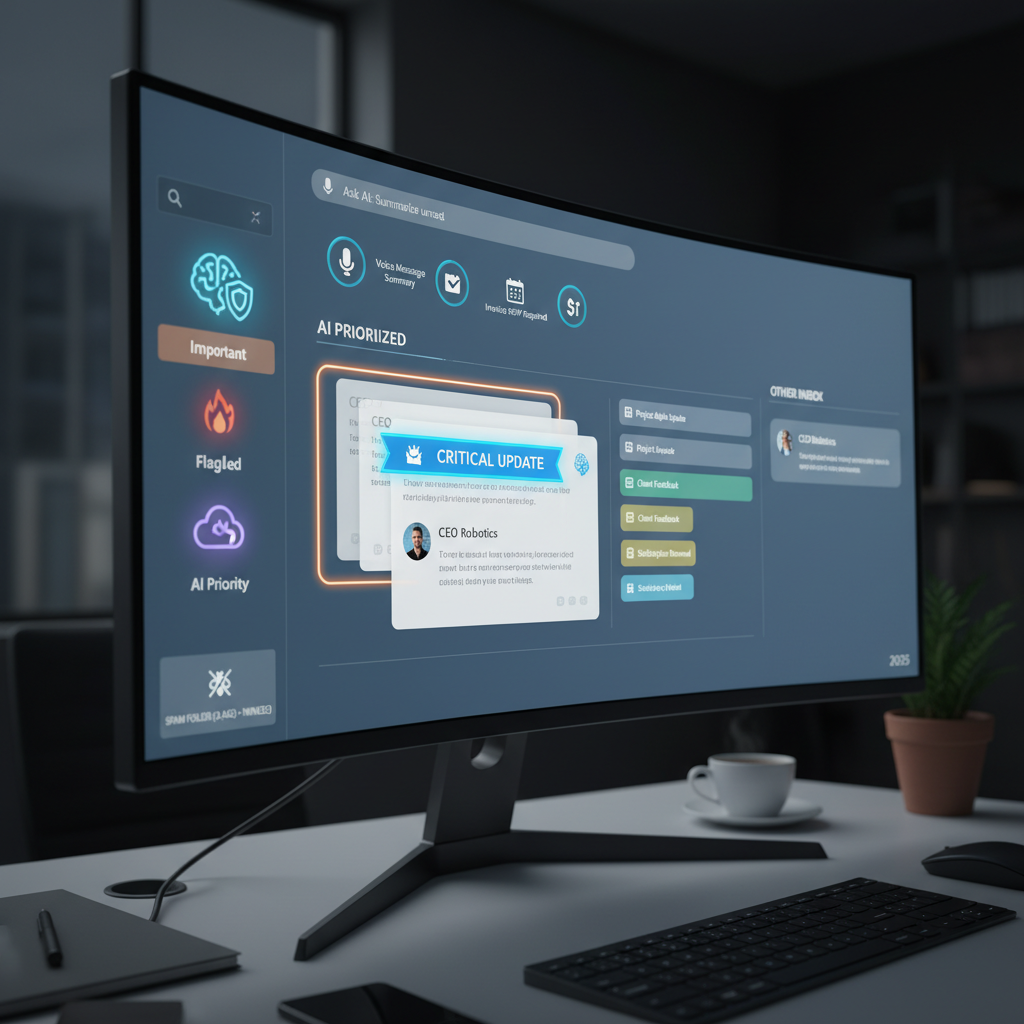
- Smart Categorization and Prioritization: Instead of relying on keywords, AI analyzes the entire email to determine its true intent and importance. It can automatically move non-urgent newsletters to a ‘read later’ folder, flag client requests as ‘high priority,’ and distinguish between an internal project update and an action item. This intelligent triage ensures that the most critical messages are always visible.
- Sentiment Analysis: AI can detect the emotional tone of an email. Is a client expressing frustration? Is a team member feeling overwhelmed? Understanding sentiment allows the AI to highlight emails requiring a sensitive or urgent response, helping teams address issues before they escalate and tailor their communication appropriately.
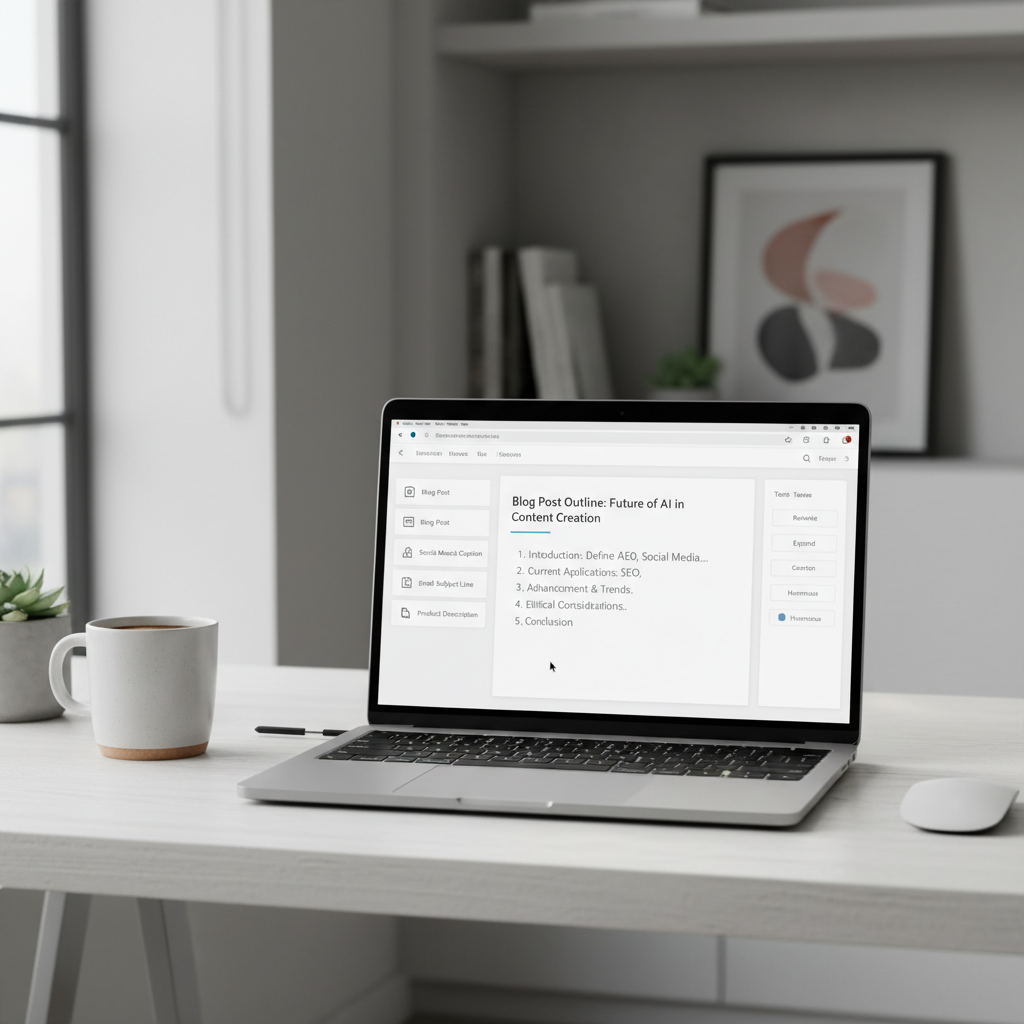
- Intelligent Reply Suggestions and Auto-Drafting: Based on the content and context of an incoming email, AI can suggest quick, relevant reply options or even draft entire responses. This feature significantly reduces the time spent composing routine emails, ensuring consistency and accuracy in team communications.
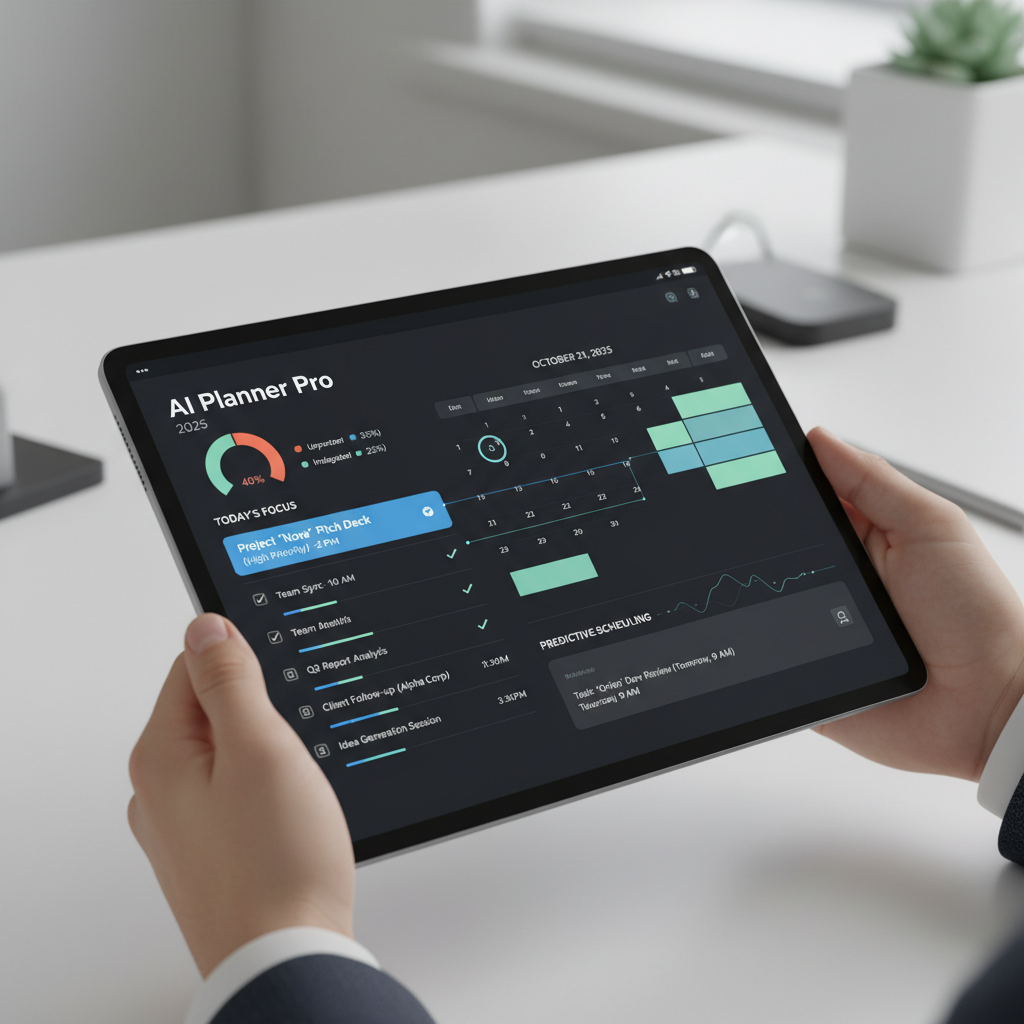
- Meeting Scheduling and Calendar Integration: Many AI tools can parse meeting requests, identify available slots in calendars, and even send out invitations, streamlining the often tedious process of coordinating schedules across multiple team members and external parties.
- Automated Task and Follow-up Reminders: If an email contains an action item or a commitment, AI can automatically create a task in a project management tool or set a follow-up reminder, ensuring nothing falls through the cracks.
- Personalized Learning: AI systems adapt to individual and team preferences. If one team member always archives emails from a particular sender, the AI will learn that pattern for them, while another team member might have different preferences, which the AI will also respect and learn.
In essence, AI email management transforms the inbox from a static repository into a dynamic, interactive workspace that anticipates needs, reduces manual effort, and empowers teams to communicate more effectively and strategically. It is about augmenting human intelligence with computational power to conquer the email beast once and for all.
How AI Elevates Team Communication – A Deeper Dive
The benefits of AI email management extend far beyond simply decluttering an individual’s inbox. When implemented across an entire team or organization, AI tools can fundamentally reshape and elevate the way team members communicate, collaborate, and operate. This deeper dive explores specific areas where AI makes a transformative impact on team communication.
Enhanced Collaboration and Information Sharing
One of the most significant challenges in team communication is ensuring that everyone has access to the right information at the right time. Traditional email often creates silos, where crucial details remain locked in individual inboxes. AI-powered email management solutions dismantle these silos by fostering a more collaborative environment. Tools with shared inbox capabilities, for instance, allow multiple team members to access, view, and act on a collective stream of emails, such as customer support inquiries or sales leads. When an email comes into a shared inbox, AI can automatically categorize it, assign it to the most appropriate team member based on their expertise or workload, and even suggest relevant internal resources or knowledge base articles.
Furthermore, AI can intelligently extract key information from emails and integrate it directly into project management systems or CRM platforms. For example, if a client sends an email detailing new project requirements, the AI can identify these details and automatically create a task or update a project brief, notifying relevant team members without manual data entry. This ensures that all stakeholders are immediately informed, reducing the need for constant forwarding or summarizing emails. The ability to quickly surface relevant historical conversations or related documents within the email context also means less time spent searching and more time spent collaborating effectively on the task at hand. This level of integrated, intelligent information sharing fosters a truly synchronized team effort.
Eliminating Internal Noise and Improving Focus
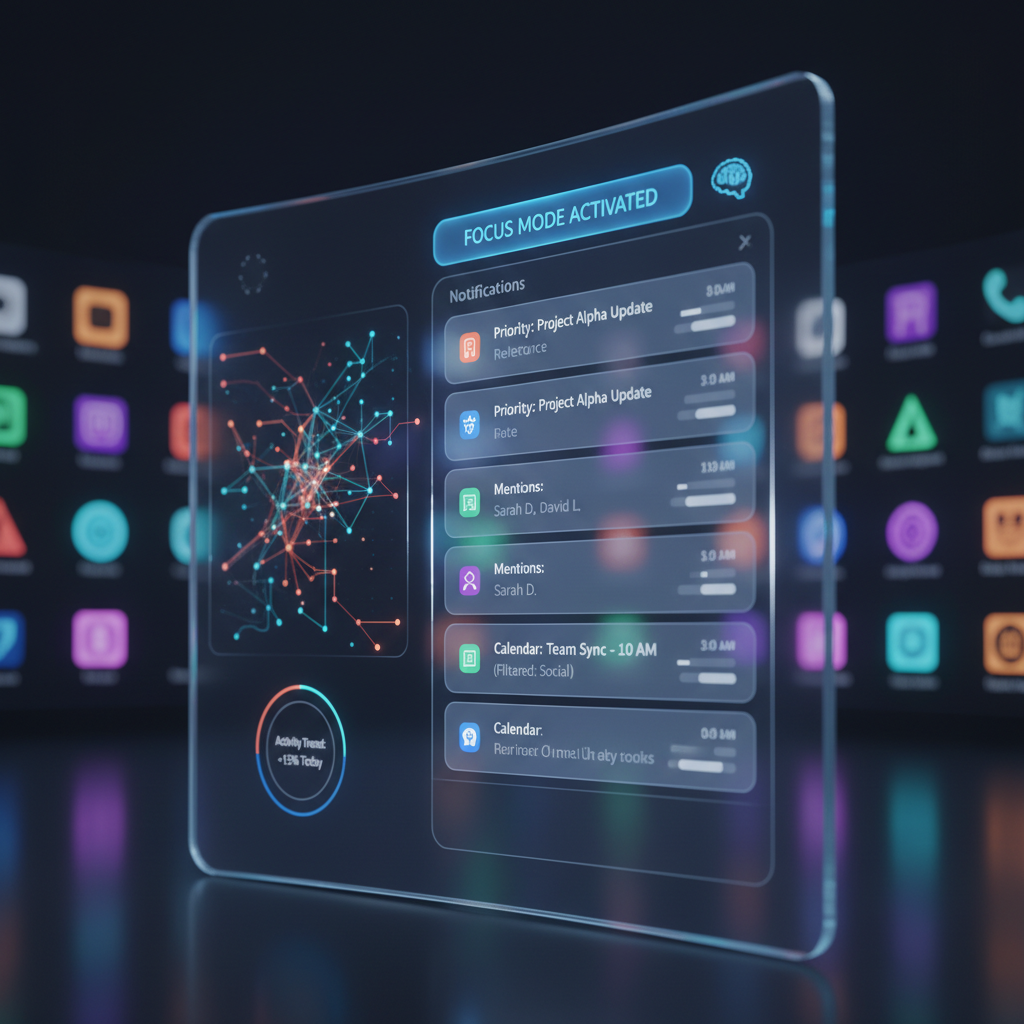
Internal emails, while necessary, can often become a significant source of distraction and noise. Project updates, team announcements, and departmental discussions can easily overwhelm an inbox, making it difficult to spot urgent external communications or individual tasks. AI email management excels at intelligently filtering and managing this internal chatter, allowing team members to concentrate on what truly matters.
AI can be configured to prioritize external client communications over internal discussions, automatically routing internal messages to specific folders or even summarizing lengthy threads. For instance, a sales team might configure their AI to instantly flag emails from high-value prospects, while moving general company announcements to a ‘read later’ folder. Similarly, a development team might receive real-time alerts for critical bug reports but have daily stand-up summaries batched and delivered at a specific time. This intelligent prioritization reduces the constant context-switching that plagues productivity, allowing team members to dedicate uninterrupted blocks of time to deep work. By significantly cutting down on irrelevant notifications and ensuring that only the most pertinent messages demand immediate attention, AI helps create a calmer, more focused work environment where attention is directed strategically, not scattered reactively.
Faster Response Times and Better Customer Service
In today’s competitive landscape, swift and accurate responses are paramount, especially in customer-facing roles. Delays in communication can lead to frustrated clients, lost sales, and damaged reputations. AI email management dramatically improves response times and the quality of customer service by equipping teams with powerful tools.
One of the most impactful features is AI-powered drafting and response suggestions. When a customer inquiry arrives, AI can analyze its content, identify the most common questions or issues, and then suggest pre-written, contextually relevant responses or even draft a personalized reply. This not only speeds up the process but also ensures consistency in messaging and accuracy in information provided. Furthermore, AI’s sentiment analysis capabilities allow it to detect urgent or negative customer sentiments. If a customer expresses strong frustration, the AI can immediately flag that email for priority attention, perhaps even notifying a manager, ensuring a proactive and empathetic response before the situation escalates. For support teams, this means faster ticket resolution, reduced backlog, and happier customers. For sales teams, it translates to quicker lead qualification and personalized outreach that converts more effectively. By automating the initial stages of response and highlighting critical cases, AI empowers teams to deliver exceptional service with greater efficiency and empathy.
Consistent Messaging and Brand Voice
Maintaining a consistent brand voice and messaging across all communications is crucial for professionalism and building trust. However, with multiple team members handling diverse email exchanges, deviations in tone, style, and information can easily occur. AI email management provides a powerful solution to this challenge, ensuring uniformity and professionalism in all outbound correspondence.
AI-powered drafting tools can be pre-loaded with approved templates, brand guidelines, and common responses, ensuring that every outgoing email adheres to the company’s established voice and messaging standards. When an AI suggests a reply, it can draw from a repository of approved phrases and information, preventing team members from inadvertently sharing outdated details or using off-brand language. For example, a marketing team can ensure that all client communications reflect the desired tone and include necessary disclaimers. A sales team can maintain a consistent approach to pitching products or services, ensuring all key features are mentioned and objections are addressed uniformly. Moreover, AI can perform real-time checks on drafted emails for clarity, grammar, and even adherence to specific compliance regulations, adding an extra layer of quality control before a message is sent. This consistency not only reinforces the brand identity but also reduces the risk of miscommunication, builds professional credibility, and ensures that every interaction reflects positively on the organization.
Key Features of AI-Powered Email Management Tools for Teams
The effectiveness of AI email management lies in its diverse set of intelligent features designed to tackle the multifaceted challenges of modern communication. Understanding these core capabilities is crucial for any business looking to leverage AI to enhance team performance. Here are some of the most impactful features:
- Smart Prioritization and Triage: This is arguably the foundational benefit of AI email management. Instead of simple keyword matching, AI analyzes the sender, content, urgency, and even historical interactions to automatically classify incoming emails. It can distinguish between a critical client request, an internal administrative update, a promotional newsletter, and a spam message. High-priority emails are highlighted or moved to a dedicated urgent folder, while less critical messages are batched or filed away for later review. This intelligent triage ensures that team members always see the most important items first, reducing cognitive load and preventing critical emails from getting buried.
- Automated Categorization and Tagging: Beyond prioritization, AI can automatically assign categories, tags, or labels to emails based on their content, sender, or project association. For a sales team, this might mean automatically tagging emails as ‘New Lead,’ ‘Follow-up,’ or ‘Customer Inquiry.’ For a support team, it could be ‘Technical Issue,’ ‘Billing Query,’ or ‘Feature Request.’ This automation not only saves significant manual effort but also makes emails highly searchable and organized, facilitating quicker retrieval of information and better tracking of communication threads related to specific projects or clients.
- AI-Powered Drafting and Response Suggestions: This feature is a game-changer for speeding up communication and maintaining consistency. AI analyzes incoming emails and generates contextually relevant reply options or even full draft responses. For routine inquiries, a team member might simply need to select an AI-generated canned response. For more complex emails, the AI can provide a strong starting point, saving significant time in composing replies from scratch. This is particularly beneficial for customer service teams, enabling faster resolution times, and for sales teams, allowing for quick, personalized follow-ups.
- Sentiment Analysis and Urgency Detection: AI algorithms can analyze the emotional tone of an email to detect sentiment (e.g., positive, neutral, negative, frustrated) and determine its urgency. If a customer expresses dissatisfaction or critical language, the AI can immediately flag that email, potentially routing it to a senior team member or escalating it for expedited review. This proactive identification of sensitive or critical communications helps teams to respond appropriately and de-escalate potential issues before they become major problems, enhancing customer satisfaction and protecting brand reputation.
- Meeting Scheduling and Calendar Integration: Coordinating meetings, especially across multiple time zones or with external parties, can be a time-consuming administrative burden. Many AI email management tools integrate with calendars to automate this process. They can parse meeting requests from emails, identify mutual availabilities, propose meeting times, send out invitations, and even handle rescheduling. This streamlines the administrative overhead associated with meeting logistics, allowing team members to focus on the content of the meetings rather than the coordination.
- Shared Inbox and Collaboration Features: For teams managing collective inboxes (e.g., support@company.com, sales@company.com), AI-powered shared inboxes are invaluable. These systems allow multiple team members to access and manage a single email account collaboratively. AI can automatically assign emails to specific team members based on rules, workload, or expertise. Features like internal notes on emails, real-time response visibility, and collision detection (preventing multiple people from replying to the same email) ensure seamless teamwork, reduce duplicate efforts, and provide a comprehensive overview of team communication.
- Analytics and Reporting: Modern AI email management platforms often come with robust analytics and reporting capabilities. These provide insights into email volume, response times, team performance metrics, peak communication hours, and even the types of inquiries received most frequently. This data is invaluable for identifying bottlenecks, optimizing workflows, understanding customer needs, and making data-driven decisions to improve overall team communication strategies and resource allocation.
These features, when combined, create a powerful ecosystem that not only manages email but actively optimizes communication workflows, empowers teams, and ultimately contributes to greater business success.
Choosing the Right AI Email Management Solution for Your Team
The market for AI email management solutions is rapidly expanding, offering a wide array of tools with varying features, complexities, and pricing structures. Selecting the right solution for your team requires careful consideration of several factors to ensure it aligns with your specific needs, integrates seamlessly with your existing infrastructure, and delivers tangible value. Making an informed decision is crucial for successful adoption and maximum return on investment.
- Understand Your Team’s Specific Pain Points: Before even looking at tools, conduct an internal audit. What are the biggest email-related frustrations for your team? Is it overwhelming volume, slow response times, poor internal communication, difficulty tracking tasks, or inconsistent messaging? Different AI tools excel in different areas. For instance, if customer service response time is critical, look for robust AI drafting and sentiment analysis. If internal collaboration is key, prioritize shared inbox and task automation features.
- Team Size and Scalability: Consider the size of your team now and its projected growth. Some solutions are better suited for small businesses with basic needs, while others are designed for enterprise-level deployments with complex hierarchies and vast email volumes. Ensure the chosen platform can scale with your team, adding users and features as your needs evolve without significant disruption or cost spikes.
- Industry-Specific Requirements: Certain industries have unique communication needs or regulatory compliance requirements. For example, legal or healthcare firms might need solutions with advanced data privacy, encryption, and audit trail capabilities. A marketing agency might prioritize tools with strong integration into CRM and project management platforms.
- Integration Capabilities: A standalone AI email tool might provide some benefits, but its true power is unleashed when it integrates seamlessly with your existing tech stack. Does it connect with your CRM (e.g., Salesforce, HubSpot), project management software (e.g., Asana, Trello, Jira), calendar applications (e.g., Google Calendar, Outlook Calendar), and internal communication platforms (e.g., Slack, Microsoft Teams)? Smooth integrations ensure data flows freely, automations work across systems, and teams avoid context-switching.
- Ease of Use and User Experience (UX): Even the most feature-rich AI tool will fail if it’s too complex or difficult for your team to learn and adopt. Look for intuitive interfaces, clear dashboards, and minimal learning curves. Ideally, the tool should augment existing workflows rather than requiring a complete overhaul. Free trials or demos are excellent ways to test the UX with your actual team members.
- Security and Data Privacy: Email often contains sensitive business and client information. Thoroughly investigate the security protocols of any potential AI email management provider. Look for end-to-end encryption, compliance certifications (e.g., GDPR, HIPAA, SOC 2), data residency policies, and robust access controls. Understand how the AI uses your data for learning and ensure it aligns with your company’s privacy policies and legal obligations.
- Customization and Flexibility: Can the AI be tailored to your specific workflows, naming conventions, and prioritization rules? The ability to customize automation rules, email templates, and reporting dashboards ensures the tool works for your team, rather than your team having to adapt entirely to the tool’s limitations.
- Support and Documentation: Even with intuitive tools, questions and issues will arise. Assess the quality of customer support (response times, channels available) and the comprehensiveness of documentation, tutorials, and knowledge bases. Reliable support is crucial for smooth implementation and ongoing usage.
- Pricing Model and ROI: AI email management tools come with various pricing models (per user, per feature set, tiered subscriptions). Compare costs against the potential benefits: time saved, increased productivity, improved customer satisfaction, and reduced errors. Look for a clear understanding of the return on investment (ROI) and ensure the pricing structure is transparent with no hidden fees.
By systematically evaluating these factors, your business can confidently select an AI email management solution that not only tackles current communication challenges but also positions your team for greater efficiency, collaboration, and success in the future.
Implementation Strategies for Seamless Adoption
Adopting any new technology, especially one that integrates deeply into daily workflows like email, can present challenges. A successful rollout of an AI email management solution requires more than just purchasing software; it demands a strategic approach to implementation and change management. A well-planned strategy ensures seamless adoption, minimizes disruption, and maximizes the benefits for your team.
- Start with a Pilot Program: Resist the urge to roll out the new AI tool company-wide immediately. Instead, begin with a pilot program involving a smaller, enthusiastic team or department. Choose a team that is open to innovation, regularly experiences email overload, and can clearly articulate their pain points. This pilot phase allows you to test the tool in a real-world environment, identify unforeseen issues, fine-tune configurations, and gather valuable feedback without impacting the entire organization. Their success stories can then become powerful internal endorsements.
- Provide Comprehensive Training and Support: Even the most intuitive AI tool requires proper training. Organize workshops, webinars, or provide clear video tutorials that walk users through the core features, explain how the AI works, and demonstrate best practices. Focus on how the tool solves their specific daily frustrations. Ensure ongoing support is readily available, whether through a dedicated internal champion, an IT help desk, or direct access to the vendor’s support team. A robust knowledge base or FAQ section tailored to your company’s specific use cases can also be highly beneficial.
- Establish Clear Guidelines and Best Practices: To ensure consistency and maximize the AI’s effectiveness, establish clear guidelines for how the team should use the new tool. This might include:
- Rules for AI categorization and tagging (e.g., “Always review AI’s ‘Urgent’ classification”).
- Best practices for using AI-generated reply suggestions (e.g., “Always personalize AI drafts before sending”).
- Protocols for utilizing shared inbox features (e.g., “How to assign an email,” “When to use internal notes”).
- Guidelines for managing notifications and alerts.
Clear expectations prevent confusion and ensure everyone is leveraging the AI in a standardized, efficient manner.
- Foster a Culture of Feedback and Continuous Improvement: AI tools learn and improve over time, and your team’s feedback is critical for this learning process. Create channels for team members to provide regular feedback on the AI’s performance, suggest new features, or report any glitches. Regularly review this feedback, implement necessary adjustments to configurations, and communicate changes back to the team. This iterative process ensures the AI continues to meet evolving needs and that the team feels heard and invested in the solution’s success.
- Communicate Benefits and Manage Expectations: Clearly articulate the “why” behind implementing AI email management. Explain how it will benefit individual team members (e.g., less time in inbox, reduced stress, more focus) and the organization as a whole (e.g., faster responses, improved customer satisfaction). Manage expectations by acknowledging that AI is a powerful assistant, not a replacement for human judgment. Emphasize that the goal is to augment human capabilities, not diminish them. Highlight the wins from the pilot program to build enthusiasm and demonstrate tangible value.
- Integrate with Existing Workflows Gradually: While AI email management should ideally integrate deeply, consider a phased approach to integration with other tools (CRM, project management). Start with core email functions, and once the team is comfortable, gradually introduce deeper integrations, ensuring each step adds value without overwhelming users. This measured approach prevents too much change at once and allows for smoother adaptation.
By focusing on these implementation strategies, businesses can ensure that their AI email management solution becomes a welcomed and indispensable tool, seamlessly integrated into daily operations and genuinely elevating team communication and productivity.
Future Trends in AI Email Management
The landscape of AI is constantly evolving, and its application in email management is no exception. What we see today is just the beginning. As AI technologies become more sophisticated, we can anticipate a host of exciting new developments that will further refine and revolutionize how teams interact with their inboxes and each other. Staying abreast of these trends is crucial for businesses looking to maintain a competitive edge and continuously optimize their communication strategies.
- Hyper-Personalization and Proactive Problem Solving: Future AI email systems will move beyond simply categorizing and suggesting replies. They will offer hyper-personalized experiences, learning not just individual preferences but also predicting needs. Imagine an AI that, recognizing a client’s email expressing dissatisfaction, not only drafts an empathetic response but also proactively searches your CRM for related previous interactions, suggests a discount offer based on their history, and schedules a follow-up call, all before you even open the email. This shift from reactive assistance to proactive problem-solving will be a significant leap.
- Deeper Integration with Unified Communication Platforms: The boundaries between email, chat, video conferencing, and project management tools are blurring. Future AI email management will be seamlessly embedded within comprehensive unified communication platforms. This means an AI could summarize an email thread, automatically generate a task in your project management tool, suggest a quick video call with relevant team members, and even draft a follow-up email, all from within a single interface. The goal is to eliminate context switching entirely, creating a truly fluid communication experience.
- Voice Command and Conversational AI Integration: As voice assistants become more prevalent, expect to see deeper integration with email management. Imagine being able to verbally instruct your AI to “find all emails from Sarah about Project X,” “draft a reply to the last email with ‘urgent’ in the subject,” or “summarize my unread emails,” all without touching your keyboard. Conversational AI will make managing your inbox feel more like a natural conversation, enhancing accessibility and speed.
- Enhanced Ethical AI and Privacy Controls: As AI becomes more pervasive, concerns around data privacy, algorithmic bias, and ethical use will continue to grow. Future AI email management solutions will likely feature more transparent algorithms, giving users clearer insights into how their data is being used for learning and personalization. We can also expect more granular privacy controls, allowing teams to dictate exactly what information the AI can access, process, and learn from, ensuring compliance and building trust.
- Cross-Lingual Communication and Real-time Translation: For global teams and international businesses, AI-powered real-time translation and cross-lingual communication will become standard. AI will not only translate incoming emails into your native language but also assist in drafting replies in the recipient’s language, maintaining nuance and cultural context. This will dramatically break down language barriers, fostering truly global collaboration.
- AI as a Knowledge Management Hub: Beyond individual emails, AI will transform the inbox into a dynamic knowledge management system. It will automatically extract key insights, decisions, and action items from email conversations and organize them into a searchable, categorized knowledge base accessible to the entire team. This will prevent valuable information from being lost in old threads and ensure that organizational knowledge is continuously captured and leveraged.
These future trends paint a picture of an email environment that is not just smarter, but profoundly more intuitive, integrated, and proactive. Businesses that embrace these advancements will be better positioned to foster highly efficient, collaborative, and globally connected teams, turning the once-dreaded inbox into a powerful engine of productivity and innovation.
Comparison Tables
Table 1: Comparison of Popular AI Email Management Feature Focus
| Feature/Tool Aspect | SaneBox (Focus) | Superhuman (Focus) | Front (Focus) | Gmail (Built-in AI) |
|---|---|---|---|---|
| Primary Benefit | Inbox Cleanliness & Prioritization | Speed & Zero Inbox Productivity | Team Collaboration & Shared Inbox | General User Assistance & Smart Features |
| Smart Triage & Filtering | Excellent (Sane folders: SaneLater, SaneNews, etc.) | Good (Focused Inbox, AI summaries) | Good (Routing rules, assignments) | Good (Primary, Social, Promotions tabs; Smart Reply) |
| AI-Powered Drafting/Suggestions | Limited (More on filtering) | Yes (Smart Reply, Snippets) | Yes (Templates, AI for draft assistance) | Yes (Smart Reply, Smart Compose) |
| Collaboration Features | Limited (Individual focus) | Basic (Read receipts, send later) | Excellent (Shared inboxes, assignments, internal comments) | Basic (Delegation, shared labels) |
| Integrations | Broad (CRMs, PM tools via email) | Moderate (Calendar, CRM lookups) | Extensive (CRM, PM, Chat, Analytics) | Good (Google Workspace, some third-party apps) |
| Pricing Model | Subscription (Tiered, per mailbox) | Subscription (Premium, per user) | Subscription (Per user, feature tiers) | Free with Google Account; Paid with Google Workspace |
| Target User | Individuals/Small Teams wanting less clutter | Productivity enthusiasts, busy professionals | Customer support, sales, shared team inboxes | General consumers & small to large businesses |
Table 2: Estimated Impact of AI Email Management on Key Business Metrics (Illustrative Averages)
| Metric | Before AI Email Management | After AI Email Management | Estimated Improvement (%) | Impact on Team |
|---|---|---|---|---|
| Average Email Processing Time per User/Day | 2-3 hours | 0.5-1.5 hours | 30-70% reduction | More time for core tasks, reduced stress |
| Average Response Time to Critical Client Emails | 4-8 hours | 1-3 hours | 50-75% improvement | Enhanced customer satisfaction, quicker problem resolution |
| Internal Communication Overload Reduction | High (50%+ internal noise) | Moderate (20-30% internal noise) | 20-40% reduction | Improved focus, less distraction, clearer internal messaging |
| Accuracy of Email Categorization/Tagging | Manual: 70-85% (human error) | AI-assisted: 90-98% | 10-20% improvement | Better organization, faster information retrieval, consistent data |
| Missed Follow-ups/Action Items | 10-15% of critical items | 2-5% of critical items | 50-80% reduction | Improved reliability, fewer missed deadlines, better project flow |
| Employee Satisfaction (Email-related Stress) | Low/Moderate | Moderate/High | 20-45% increase | Reduced burnout, happier workforce, better retention |
Practical Examples: Real-World Use Cases and Scenarios
Understanding the theoretical benefits of AI email management is one thing; seeing it in action across various business functions provides a clearer picture of its transformative power. Here are several real-world scenarios illustrating how AI can elevate team communication and operational efficiency.
Case Study 1: The Small Marketing Agency
Scenario: “Creative Sparks Marketing,” a small agency with 15 employees, manages multiple client accounts, each with its own campaigns, deadlines, and communication streams. Their project managers and account executives were constantly bogged down by hundreds of emails daily—client approvals, content feedback, internal team updates, vendor communications, and new business inquiries. They often missed critical client feedback due to the sheer volume, leading to rework and project delays. Internal discussions often got fragmented across different email threads, making it hard to track decisions.
AI Solution: Creative Sparks implemented an AI email management system with robust categorization and shared inbox features.
- Intelligent Prioritization: AI automatically moved all non-critical emails (newsletters, general promotions) to a “Read Later” folder. Emails containing keywords like “Urgent,” “Approval Needed,” or from known client domains were flagged as high priority and moved to a dedicated “Client Action Required” inbox.
- Shared Client Inboxes: For each major client, a shared inbox was created. AI automatically routed all emails related to “Client A Campaign” into “Client A’s Shared Inbox,” visible to the relevant project team.
- Automated Task Creation: If an email contained phrases like “Please update the ad copy” or “Need final approval by end of day,” the AI would automatically create a task in their project management tool (e.g., Asana) and assign it to the relevant team member, linking back to the original email.
- AI-Powered Drafts: For common client requests (e.g., asking for weekly reports, status updates), AI would suggest pre-approved, branded reply templates, saving time and ensuring consistent agency messaging.
Impact: The agency saw a 40% reduction in email processing time for project managers, a 25% improvement in client feedback response times, and a significant decrease in missed deadlines. Internal team discussions became more focused within project management tools, freeing up their main inboxes for external, actionable communication. Client satisfaction improved due to quicker, more consistent responses.
Case Study 2: The E-commerce Customer Support Team
Scenario: “Global Gadgets,” an online electronics retailer, faced overwhelming customer support inquiries. Their 20-person support team used a general support@globalgadgets.com email address, leading to duplicate responses, long wait times, and agents struggling to identify truly urgent issues (like payment failures vs. simple product questions). Customer satisfaction scores were suffering.
AI Solution: Global Gadgets integrated an AI-powered shared inbox solution designed for customer service.
- Smart Ticket Triage: AI automatically categorized incoming emails into types: “Order Status,” “Technical Support,” “Refund Request,” “Payment Issue,” “Product Inquiry.” It assigned a priority level based on keywords and sentiment analysis (e.g., “frustrated,” “urgent”).
- Automated Agent Assignment: Based on the category and agent expertise, the AI automatically routed the email to the best-suited support agent. If an agent was overloaded, it would intelligently route to the next available expert.
- AI-Suggested Responses: For common questions like “Where is my order?”, the AI provided instant, personalized draft responses that agents could quickly review and send, often pulling order details directly from their CRM system.
- Sentiment Escalation: If an email contained strong negative sentiment, the AI would immediately flag it and notify a team lead for expedited intervention, preventing potential customer churn.
Impact: Global Gadgets reduced its average first response time by 60% and its overall ticket resolution time by 35%. Duplicate responses were almost entirely eliminated. Customer satisfaction scores improved significantly, and agents reported less stress and higher job satisfaction because they could focus on complex issues rather than repetitive tasks.
Case Study 3: The Enterprise Sales Team
Scenario: A large B2B software company’s sales team was spending excessive time sifting through inbound inquiries, trying to qualify leads, and personalizing outreach. Many valuable leads were getting delayed responses because they were buried among less promising prospects or internal administrative emails.
AI Solution: The sales team adopted an AI email management tool specifically tailored for sales workflows.
- Lead Scoring and Qualification: AI analyzed incoming emails to sales@company.com, identifying key signals of a qualified lead (e.g., mentioning specific industry terms, company size indicators, budget questions). It automatically assigned a lead score and routed high-score leads directly to top sales representatives.
- Personalized Outreach Drafting: After a sales call, the AI could review call notes or CRM entries and suggest personalized follow-up emails, referencing specific points discussed and proposing next steps, saving reps valuable time.
- Automated Meeting Scheduling: When a prospect expressed interest in a demo, the AI could automatically suggest available slots on the sales rep’s calendar, send meeting invitations, and manage confirmations.
- Follow-up Reminders: If a prospect didn’t reply after a few days, the AI would automatically create a reminder for the sales rep to follow up, ensuring no lead slipped through the cracks.
Impact: The sales team saw a 20% increase in qualified lead conversions and a 30% reduction in the time spent on administrative email tasks. Sales reps could focus more on engaging with high-potential prospects, leading to shorter sales cycles and increased revenue.
Case Study 4: The Distributed Project Management Team
Scenario: “Global Innovate,” a company with project teams spread across multiple geographical locations, struggled with asynchronous communication. Email chains for projects quickly became unwieldy, making it difficult to track decisions, delegate tasks, and ensure everyone was on the same page, leading to delays and confusion.
AI Solution: Global Innovate implemented an AI email management solution with strong integration capabilities with their project management software (Jira) and internal communication tools (Microsoft Teams).
- Project-Specific Tagging: AI automatically tagged all emails with relevant project codes (e.g., #ProjectTitan, #ApolloLaunch) based on keywords, senders, and subject lines.
- Smart Summarization: For long email threads or daily project updates, the AI could generate a concise summary of key decisions, action items, and participants, distributing it to relevant team members or posting it directly into a Microsoft Teams channel.
- Automated Task Integration: If an email explicitly outlined a task (e.g., “John, please research X by Friday”), the AI would create a new task in Jira, assign it to John, set the deadline, and link back to the original email.
- Decision Archiving: Key decisions made via email were automatically extracted by the AI and logged in a central project repository, ensuring a clear audit trail and easy access for future reference.
Impact: Project managers reported a 25% improvement in communication clarity and a significant reduction in time spent chasing updates. Team members felt more informed and less overwhelmed by email volume, leading to smoother project execution and fewer misunderstandings across time zones. The company also benefited from a more organized and accessible knowledge base of project decisions.
These examples illustrate that AI email management is not a one-size-fits-all solution but a versatile technology that can be tailored to address specific communication challenges across various departments, ultimately fostering more efficient, connected, and productive teams.
Frequently Asked Questions about AI Email Management
Q: What exactly is AI email management, and how is it different from traditional email filters?
A: AI email management goes far beyond traditional, rule-based filters. While a traditional filter might move emails with “spam” in the subject line to a junk folder, AI uses Natural Language Processing (NLP) and Machine Learning (ML) to understand the content, context, sender, and even sentiment of an email. It learns from your past actions and preferences to intelligently categorize, prioritize, suggest replies, automate tasks, and predict what’s important, effectively acting as a smart, evolving assistant rather than just a set of static rules. It focuses on augmenting your productivity and streamlining entire communication workflows, not just basic sorting.
Q: How does AI email management improve team communication specifically?
A: AI significantly improves team communication in several ways. It reduces internal noise by intelligently filtering less critical messages, allowing teams to focus on actionable items. Shared inbox features, powered by AI, enable seamless collaboration on collective emails (e.g., support, sales), ensuring no message is missed or duplicated. AI-powered assignments, task creation, and summarization tools keep everyone on the same page by automatically extracting key information and integrating it with project management systems. Faster response times driven by AI-suggested drafts also lead to more efficient and responsive interactions, both internally and externally.
Q: Is AI email management secure? How is my data protected?
A: Reputable AI email management providers prioritize security and data privacy. They typically employ robust measures such as end-to-end encryption for emails, secure servers, compliance with international data protection regulations (like GDPR, HIPAA, SOC 2), and strict access controls. It’s crucial to research a vendor’s security certifications, data handling policies, and how they use your data for AI learning. Many solutions use anonymized data for general AI improvement and allow you to control what data is used for personalized learning, ensuring your sensitive information remains protected.
Q: Can AI email management tools integrate with our existing email platform (e.g., Outlook, Gmail)?
A: Yes, most AI email management solutions are designed to integrate seamlessly with popular email platforms like Microsoft Outlook, Gmail, and other IMAP/Exchange clients. They typically connect via APIs (Application Programming Interfaces) to enhance your existing inbox experience rather than replacing it. This means your team can continue using their familiar email interface while benefiting from the AI’s advanced capabilities, often as a plugin, add-on, or a separate intelligent layer over your existing email service.
Q: What is the typical learning curve for implementing these AI tools for a team?
A: The learning curve varies depending on the complexity of the chosen tool and the team’s tech-savviness. Many modern AI email management solutions are designed with user-friendliness in mind, aiming for an intuitive experience. Basic features like smart categorization and priority flagging can often be adopted quickly with minimal training. More advanced features, such as customizing automation rules or leveraging AI for complex drafting, might require a bit more time and structured training. A pilot program and comprehensive support from the vendor can significantly ease the transition and accelerate adoption.
Q: How do AI tools handle sensitive or confidential information in emails?
A: AI tools are generally trained to process text data to understand context and intent, not necessarily to store or explicitly expose sensitive details beyond their function. For sensitive information, the AI’s role is typically to flag its presence (e.g., detecting PII or financial data) so human review can occur, or to ensure that automated responses adhere to strict compliance guidelines. Many platforms offer advanced privacy settings, allowing administrators to configure what information the AI can process or what data is used for learning, and to mask sensitive data during summarization or drafting to maintain confidentiality.
Q: Are there any downsides or limitations to using AI for email management?
A: While highly beneficial, AI email management does have limitations. AI is not infallible; it can occasionally misinterpret context, categorize incorrectly, or suggest inappropriate replies, especially with highly nuanced or culturally specific language. Over-reliance on AI can also reduce critical thinking skills if not balanced with human oversight. There’s also the initial cost of implementation, potential integration challenges with legacy systems, and the ongoing need for training and feedback to help the AI learn and adapt effectively. It requires a commitment to monitor and refine its performance.
Q: What kind of Return on Investment (ROI) can a business expect from AI email management?
A: The ROI can be substantial and multifaceted. Businesses can expect to see:
- Increased Productivity: Less time spent managing email, more on core tasks.
- Faster Response Times: Leading to higher customer satisfaction and quicker sales cycles.
- Reduced Operational Costs: By automating routine tasks and minimizing manual effort.
- Improved Employee Morale: Less email-related stress and burnout.
- Better Data-Driven Decisions: Through analytics on communication patterns.
- Enhanced Customer Retention: Via consistent, timely, and personalized interactions.
Quantifying these can involve tracking time saved, response time improvements, conversion rates, and employee satisfaction scores.
Q: How do I choose the best AI email management tool for my specific team?
A: Choosing the right tool involves a thorough assessment of your team’s specific needs and pain points. Consider factors such as:
- Core Features: Does it prioritize what matters most to you (e.g., collaboration, individual productivity, customer service)?
- Integration: Does it connect seamlessly with your existing CRM, project management, and calendar tools?
- Scalability: Can it grow with your team?
- Security and Compliance: Does it meet your industry’s data privacy standards?
- Ease of Use: Is the interface intuitive, and is training readily available?
- Pricing: Does the cost align with your budget and expected ROI?
- Vendor Support: Is reliable customer service and documentation provided?
Starting with a pilot program for promising solutions can help validate your choice.
Q: Will AI email management eventually replace human interaction in business communication?
A: No, AI email management is designed to augment, not replace, human interaction. Its primary role is to handle repetitive, low-value, and time-consuming tasks, freeing up human team members to focus on complex problem-solving, strategic thinking, building relationships, and handling nuanced communications that require empathy, creativity, and critical judgment. AI enhances efficiency and provides valuable insights, but the strategic decision-making, emotional intelligence, and authentic connection remain firmly in the human domain. It allows humans to be more human by automating the mundane.
Key Takeaways
- Email Overload is a Critical Business Challenge: It impacts productivity, fosters miscommunication, and drains team morale.
- AI Email Management is More Than Just Filters: It leverages NLP and ML to intelligently categorize, prioritize, and automate email tasks.
- AI Significantly Boosts Team Communication: By enhancing collaboration, reducing internal noise, accelerating response times, and ensuring consistent messaging.
- Key Features Include Smart Triage, AI Drafting, and Sentiment Analysis: These capabilities transform the inbox into a proactive workflow tool.
- Strategic Implementation is Crucial for Adoption: Start with pilots, provide training, set guidelines, and foster feedback.
- Future Trends Point to Hyper-Personalization and Deeper Integration: AI will make email management even more intuitive and embedded within unified communication platforms.
- AI Augments Human Capabilities: It frees teams to focus on strategic, empathetic, and complex communication, not replacing, but enhancing human interaction.
- Careful Selection and Integration are Key: Choose a solution that aligns with specific team needs, integrates with existing tech, and prioritizes security.
Conclusion
The journey to transform team communication in the modern business landscape is undeniably challenging, largely due to the ever-present deluge of emails. However, as we have thoroughly explored, Artificial Intelligence email management offers not just a solution, but a profound evolution in how organizations can reclaim control over their digital correspondence. It is no longer about simply managing an inbox; it is about intelligently optimizing communication flows, empowering teams with tools that anticipate needs, and creating an environment where critical information is surfaced, and valuable time is redirected to strategic endeavors.
By embracing AI-powered solutions, businesses can effectively combat the productivity drain, mitigate the risks of miscommunication, and significantly enhance employee well-being by reducing email-related stress. The benefits extend far beyond individual efficiency, fostering a more collaborative, responsive, and connected team dynamic. From boosting customer satisfaction through faster, more consistent responses to streamlining internal project coordination, AI email management serves as a pivotal catalyst for operational excellence.
The future of work is undeniably intelligent, and the inbox is at the forefront of this transformation. As AI continues to evolve, promising even greater levels of personalization, integration, and proactive assistance, businesses that proactively adopt and strategically implement these technologies will be exceptionally well-positioned. They will not only navigate the complexities of modern communication with greater ease but will also cultivate a culture of clarity, efficiency, and innovation. It is time for modern businesses to move beyond mere email management and embrace AI to truly elevate team communication, turning a daily challenge into a significant competitive advantage.















































































Leave a Reply