

Mastering Language Learning with Intelligent AI Tutors
Introduction: Unlocking Fluency in a Digital Age
For centuries, the quest to master a new language has been a challenging yet rewarding endeavor. Learners have traditionally navigated through textbooks, classroom lectures, phrasebooks, and often, the intimidating prospect of speaking with native speakers. While these methods have their undeniable merits, they frequently come with limitations: geographical constraints, high costs, scheduling difficulties, and perhaps most crucially, a lack of immediate, personalized feedback. Imagine spending hours practicing a new sentence, only to wonder if your pronunciation is correct, your grammar flawless, or your phrasing culturally appropriate. The answer often arrives much later, if at all, slowing down progress and potentially cementing errors.
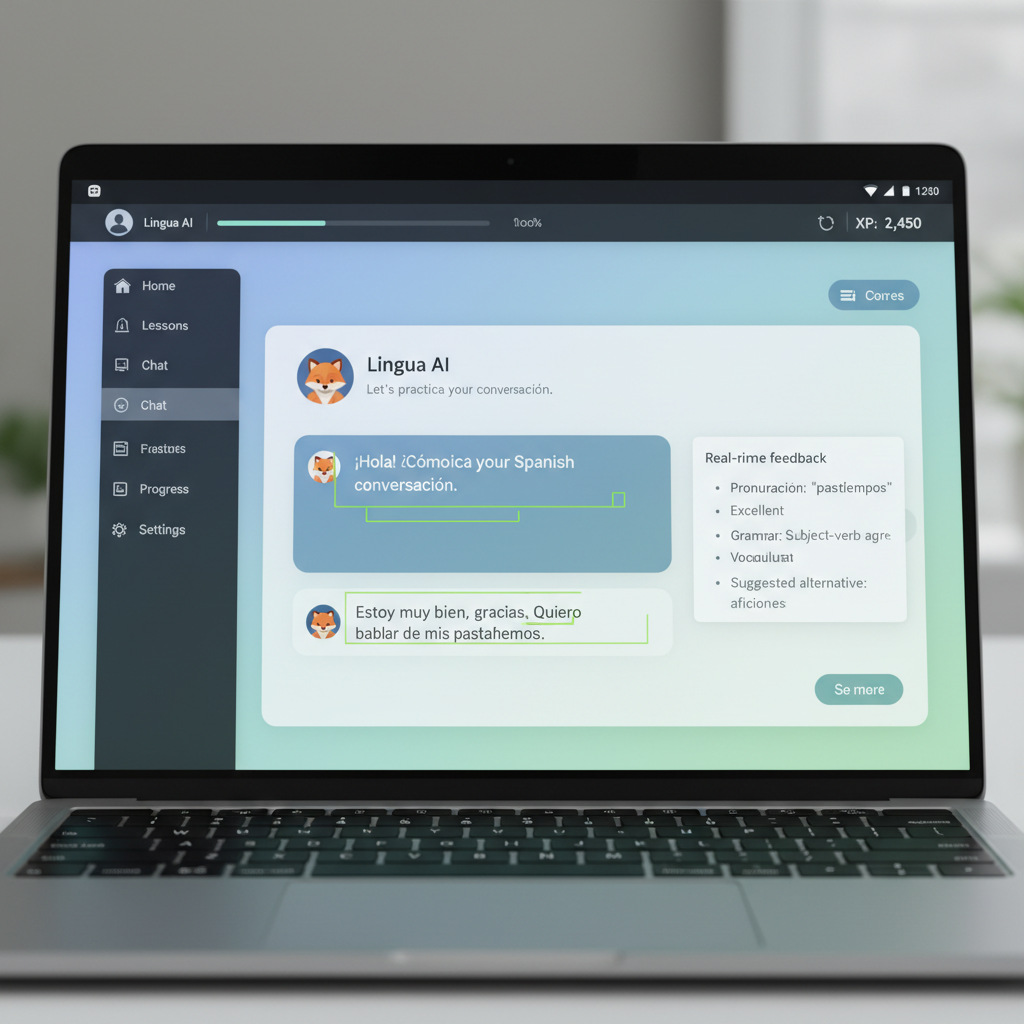
Today, we stand at the cusp of a profound transformation in language education, driven by the remarkable advancements in Artificial Intelligence. The advent of AI language partners is not merely an incremental improvement; it represents a genuine revolution. These intelligent tutors offer an unprecedented level of interaction, personalization, and perhaps their most impactful feature: real-time feedback. This immediate corrective guidance, delivered as you speak or write, is fundamentally changing how we acquire new linguistic skills, making the learning process faster, more efficient, and significantly more engaging. This comprehensive guide will delve into the mechanics, benefits, and future of this interactive learning revolution, demonstrating how an AI language partner can become your most invaluable ally on the journey to true linguistic mastery.
The Evolution of Language Learning: From Traditional Methods to AI Tutors
The history of language learning is a tapestry woven with various methodologies, each reflecting the pedagogical understanding and technological capabilities of its era. From ancient scribes meticulously copying texts to the emergence of grammar-translation methods in the 18th century, and later, the communicative approach that emphasized practical use, the core goal has always been effective communication.
In the 20th century, audio-lingual methods brought recorded materials into classrooms, offering learners a chance to hear native speech. The digital age further ushered in CD-ROMs, language learning software, and online courses, providing greater accessibility and self-paced study. However, even with these innovations, a crucial element remained largely unaddressed: the ability to engage in dynamic, spontaneous conversation and receive instant, precise feedback that adapts to an individual’s unique learning curve.
The real paradigm shift began with the integration of Artificial Intelligence. Early AI applications in language learning were rudimentary, often limited to vocabulary drills or basic translation tools. But with breakthroughs in Natural Language Processing (NLP), machine learning, and speech recognition, AI language partners have evolved into sophisticated, intelligent entities capable of understanding, processing, and responding to human language in incredibly nuanced ways. This evolution marks a transition from passive consumption of information to active, interactive, and highly personalized engagement, fundamentally reshaping the very definition of a “language tutor.” The AI is no longer just a tool; it is a responsive, patient, and infinitely available learning companion.
Understanding Real-time Feedback: How AI Works Its Magic
At the heart of the interactive learning revolution lies the concept of real-time feedback. But what exactly does this entail when powered by AI, and how does it function behind the scenes? Real-time feedback in the context of an AI language partner refers to the instantaneous analysis of a learner’s input—whether spoken or written—and the immediate provision of corrective, descriptive, or reinforcing information. This process mirrors the dynamic interaction one might have with a human tutor, but with the added benefits of tireless availability, objective analysis, and often, multi-modal presentation.
The Technological Core: NLP, Speech Recognition, and Machine Learning
- Natural Language Processing (NLP): This branch of AI enables computers to understand, interpret, and generate human language. When you type or speak to an AI language partner, NLP algorithms dissect your input. They analyze its grammatical structure, identify vocabulary choices, understand semantic meaning, and even detect stylistic elements. It’s how the AI “understands” what you’re trying to say, beyond just recognizing individual words.
- Speech Recognition (ASR – Automatic Speech Recognition): For spoken interactions, ASR technology is paramount. It converts your spoken words into text, which can then be processed by NLP. Advanced ASR systems are trained on vast datasets of human speech, allowing them to accurately transcribe diverse accents, intonations, and speech speeds. This accurate transcription is the first critical step in providing meaningful feedback on pronunciation and fluency.
- Machine Learning (ML): ML algorithms are the intelligence that powers the AI’s ability to learn and adapt. They are trained on immense corpora of linguistic data, including correct and incorrect usage patterns, native speaker examples, and various learning trajectories. This training allows the AI to identify deviations from correct usage, predict common errors, and tailor its responses and teaching strategies based on your performance. The more you interact with the AI, the better it understands your individual learning patterns and adapts its feedback accordingly.
Types of Real-time Feedback Provided by AI
The feedback generated by AI language partners is multifaceted, addressing various aspects of language proficiency:
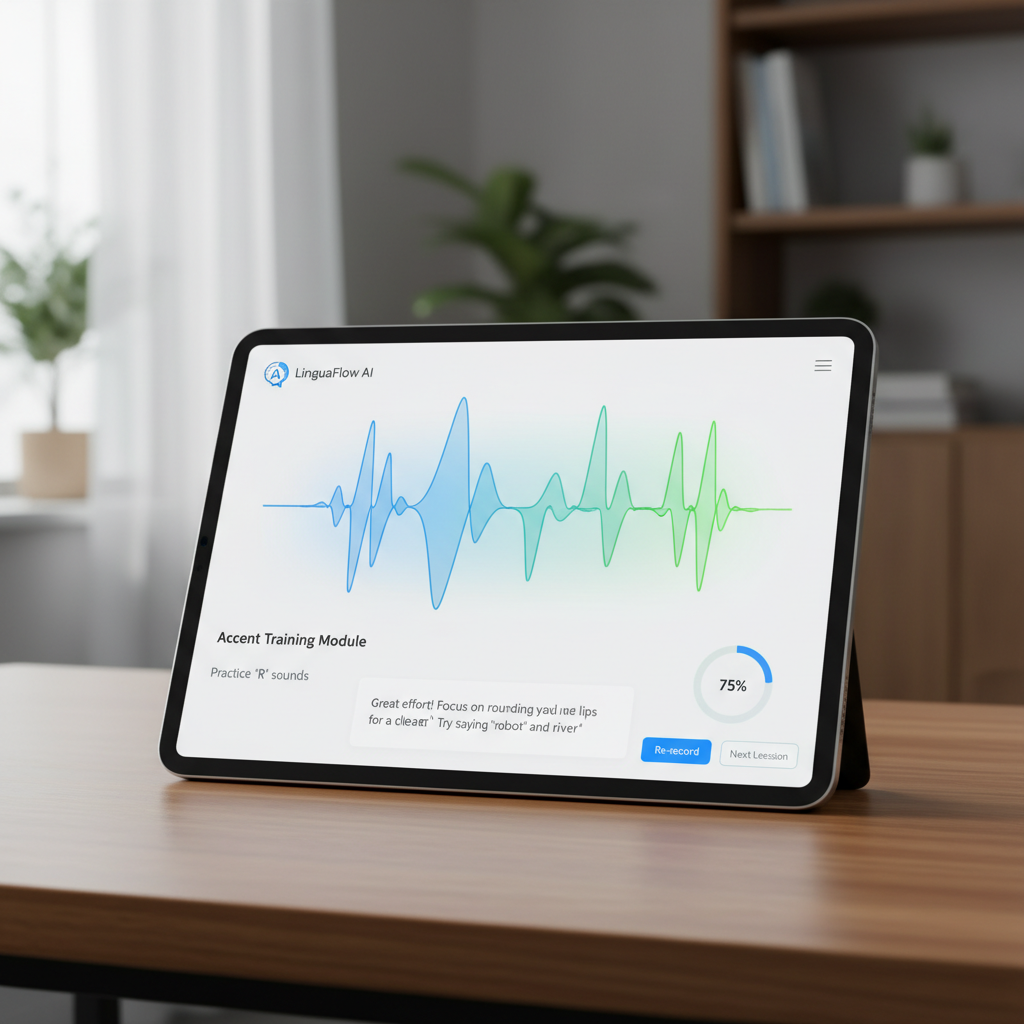
- Pronunciation Feedback: Using ASR and phonetic analysis, AI can pinpoint specific sounds or phonemes that are mispronounced. Many platforms offer visual waveforms, phonetic comparisons, or even 3D mouth models to show correct tongue and lip placement. For example, if a learner struggles with the ‘r’ sound in Spanish, the AI can immediately highlight the error and provide targeted drills.
- Grammar Correction: As you type or speak, NLP algorithms can instantly identify grammatical errors such as incorrect verb conjugations, subject-verb agreement issues, tense mistakes, or incorrect prepositions. The feedback might suggest the correct form, explain the grammatical rule, or even rewrite the sentence for clarity.
- Vocabulary Enhancement: If you use a repetitive or less precise word, the AI can suggest synonyms, antonyms, or more contextually appropriate vocabulary. It can also introduce new words relevant to your conversation topic, complete with definitions and example sentences, expanding your lexicon organically.
- Fluency and Pacing: Beyond accuracy, AI can analyze your speaking pace, detect unnatural pauses, or evaluate the overall smoothness of your speech. It can help you practice speaking at a more natural tempo, improving the flow and rhythm of your communication.
- Cultural Nuance and Pragmatics: Advanced AI can even provide feedback on the appropriateness of your phrasing in different social or cultural contexts. It might point out if a direct translation sounds too formal or informal, or if an idiom is being misused, thereby helping you navigate the subtle complexities of intercultural communication.
This immediate, detailed, and diverse feedback loop is what makes AI language partners such a powerful tool, allowing learners to correct mistakes on the fly and solidify correct usage much faster than traditional methods.
Personalized Learning Paths: Tailoring Education to Your Needs
One of the most transformative aspects of AI in language learning is its unparalleled ability to personalize the educational journey. Unlike a traditional classroom setting where a teacher must cater to a diverse group of students, an AI language partner offers a truly bespoke learning experience. This personalization is not merely about choosing a topic; it’s about dynamic adaptation based on your strengths, weaknesses, learning style, and pace.
Adaptive Learning Algorithms: Your Personal Language Diagnostician
At the core of personalized learning are adaptive learning algorithms. These sophisticated systems continuously monitor your performance, collecting data on every interaction. When you make a mistake, the AI doesn’t just correct it; it logs the type of error, the context in which it occurred, and your subsequent attempts. If you consistently struggle with the subjunctive mood in Spanish or the correct use of definite articles in German, the AI identifies this pattern. Conversely, it recognizes areas where you excel, allowing it to move past already mastered concepts.
This diagnostic capability allows the AI to become your personal language diagnostician, pinpointing exactly where you need the most support. It understands that not all learners are created equal; some may excel in grammar but struggle with pronunciation, while others might grasp vocabulary quickly but find sentence structure challenging. The AI adapts its content, exercises, and feedback focus to address these individual needs, rather than applying a one-size-fits-all curriculum.
Customized Curriculum and Exercises
Based on its continuous assessment, the AI dynamically adjusts your learning path. This means:
- Targeted Practice: If you’re consistently making verb conjugation errors, the AI will introduce more drills and conversational scenarios specifically designed to reinforce correct conjugation. It might present the same concept in different formats – a fill-in-the-blank exercise, a role-play, or a written task – until mastery is achieved.
- Relevant Vocabulary: For learners with specific goals, such as business communication or travel, the AI can prioritize vocabulary and phrases most relevant to their needs. This ensures that every moment spent learning is directly contributing to their personal objectives.
- Pacing and Difficulty Adjustment: The AI automatically adjusts the difficulty level of tasks. If you’re progressing quickly, it will introduce more complex concepts or faster-paced conversations. If you’re struggling, it will slow down, offer more scaffolding, and revisit foundational elements until you feel confident to move forward.
- Preferred Learning Modalities: Some learners are visual, others auditory, and some kinesthetic. While current AI primarily leverages visual and auditory input/output, future iterations are likely to further personalize based on preferred interaction styles, offering more image-based prompts, audio-focused listening comprehension, or interactive drag-and-drop exercises based on user preference.
This level of dynamic personalization ensures that your time is always spent on the most impactful learning activities, preventing boredom from overly simple tasks and frustration from overly difficult ones. It fosters a sense of continuous progress, which is a powerful motivator in itself.
Overcoming the Fear of Speaking: A Safe and Supportive Environment
One of the most significant hurdles in language acquisition, particularly for adults, is the inherent fear of speaking. The anxiety of making mistakes, sounding foolish, or being misunderstood can paralyze learners, preventing them from practicing the very skill essential for fluency. Traditional learning environments, with their public correction or the pressure of speaking with native strangers, often exacerbate this fear. This is where the AI language partner truly shines, offering a judgment-free, safe, and endlessly patient environment for practice.
The Psychological Barrier to Speaking
Humans are social creatures, and the act of communication is deeply intertwined with our identity and self-perception. When attempting to speak a new language, especially in its early stages, learners often feel vulnerable. They are acutely aware of their grammatical imperfections, their hesitant pronunciation, and their limited vocabulary. This self-consciousness can lead to “output anxiety,” where learners avoid speaking altogether, thus missing crucial opportunities for practice and feedback. The fear is often compounded by past negative experiences or the perceived high stakes of real-world conversations.
AI as a Judgment-Free Zone
An AI language partner eliminates these psychological barriers almost entirely. There is no human to impress, no classmate to compare yourself against, and no risk of embarrassment. The AI is programmed to be infinitely patient and non-judgmental. It doesn’t tire, express frustration, or carry any social biases. This creates a psychological safe space where learners feel comfortable taking risks, experimenting with new vocabulary, and practicing challenging grammatical structures without fear of critique or ridicule.
This freedom to make mistakes is paramount. Mistakes are not failures in language learning; they are opportunities for growth and refinement. By removing the fear of judgment, AI encourages learners to speak more, to experiment more, and consequently, to learn more effectively. The focus shifts from performing perfectly to engaging fully in the learning process.
Practice Without Pressure: Building Confidence Incrementally
The AI’s ability to provide immediate, constructive feedback further reinforces this safe environment. Instead of feeling shame for an error, the learner receives an objective explanation and a path to correction. This positive feedback loop builds confidence incrementally. As learners experience success in correcting their mistakes and notice their pronunciation or grammar improving, their self-efficacy grows.
Key ways AI fosters confidence:
- Repetitive Practice: You can repeat a phrase or a conversation as many times as you need, until you feel comfortable and the AI indicates accuracy. There’s no pressure to “get it right” on the first try.
- Simulated Conversations and Role-Playing: AI partners excel at creating realistic conversation scenarios. Whether it’s ordering food at a restaurant, checking into a hotel, or interviewing for a job, these simulations allow learners to practice specific real-world interactions in a low-stakes environment. This builds practical fluency and prepares them for actual encounters.
- Gradual Scaffolding: The AI can start with very simple dialogues and gradually introduce more complex language and longer turns, gently pushing learners out of their comfort zones as their confidence builds.
By providing a private, supportive, and infinitely patient practice partner, AI helps learners break free from the shackles of speaking anxiety, transforming a daunting challenge into an enjoyable and empowering experience. This liberation is a critical component of achieving true fluency.
Beyond Grammar: Mastering Pronunciation and Fluency with AI
While grammar and vocabulary form the structural backbone of any language, true mastery and effective communication often hinge on pronunciation and fluency. A perfect grammatical sentence delivered with an incomprehensible accent or halting pace can still lead to miscommunication or frustration. For many learners, especially those without constant access to native speakers, these phonetic and rhythmic aspects of language have historically been the hardest to refine. AI language partners are changing this dynamic, offering sophisticated tools for precise pronunciation correction and fluid speech development.
Voice AI Capabilities: Precision in Speech Analysis
Modern AI leverages highly advanced Speech Recognition (ASR) technology, not just to transcribe words, but to analyze the subtle nuances of spoken language. This goes far beyond simply telling you if a word was “right” or “wrong.”
- Phonetic Analysis: AI can break down your speech into individual phonemes (the smallest units of sound that distinguish words). It can then compare your pronunciation of each phoneme to that of a native speaker model, identifying specific deviations. For example, it might highlight that your ‘th’ sound in English is too close to an ‘f’ sound, or that your ‘r’ in French is not guttural enough.
- Intonation and Pitch: Language is not monotone. AI can analyze the rise and fall of your voice, comparing your intonation patterns to native speakers. This is crucial for conveying meaning and emotion, especially in tonal languages or languages where intonation distinguishes questions from statements.
- Stress and Rhythm: Every language has its own rhythm and stress patterns. AI can detect if you are stressing the wrong syllables in words or phrases, which can significantly impact intelligibility. It helps you sound more natural by guiding you on the musicality of the language.
- Accent Reduction: For learners aiming to reduce a foreign accent, AI provides targeted drills and feedback focusing on the specific sounds and patterns that contribute to their accent, guiding them towards a more native-like pronunciation.
Immediate Auditory and Visual Feedback
The brilliance of AI in this domain lies in its multi-modal feedback:
- Auditory Playback: You can hear your own speech immediately after speaking, often alongside a native speaker’s rendition, allowing for direct comparison.
- Visual Waveforms and Phonetic Charts: Many AI platforms offer visual representations of your speech, showing waveforms or spectrographs that highlight pitch, volume, and duration. Some even use animated mouth or tongue models to demonstrate correct articulation. This visual input provides concrete data that is often hard to grasp from auditory input alone.
- Score-Based Feedback: While not the sole measure, a numerical score on pronunciation accuracy can provide a tangible metric of improvement, motivating learners.
Fluency Metrics: Beyond Just “Correctness”
Fluency is about smooth, effortless speech, and AI can help you achieve it by analyzing:
- Speaking Pace: Is your speech too fast or too slow? AI can help you modulate your tempo to a more natural pace.
- Pauses and Fillers: Excessive or unnatural pauses, or the overuse of filler words like “um” or “uh,” can hinder fluency. AI can identify these patterns and provide exercises to reduce them.
- Coherence and Cohesion: Beyond individual words, AI can analyze how well your sentences and ideas connect, providing feedback on the overall flow and logical structure of your discourse.
By offering such precise, immediate, and varied feedback on pronunciation and fluency, AI language partners empower learners to move beyond merely being understood, towards speaking with clarity, confidence, and a natural rhythm that truly reflects their growing mastery of the language.
Bridging Cultural Gaps: Contextual Understanding and Nuance
Language is inextricably linked to culture. To truly master a language is not just to understand its grammar and vocabulary, but also to grasp its cultural context, social etiquette, and the unspoken rules that govern communication. Misunderstandings often arise not from grammatical errors, but from a lack of cultural awareness – using an idiom inappropriately, misinterpreting social cues, or adopting a tone that is considered rude or overly familiar in a particular society. AI language partners are increasingly adept at bridging these cultural gaps, offering insights into the nuanced world beyond literal translation.
AI’s Ability to Provide Cultural Context
Traditional language learning often struggles to convey the subtle yet significant cultural elements embedded within language. An AI language partner, however, can be trained on vast datasets of culturally specific texts, dialogues, and interactions. This allows it to offer feedback and insights that go beyond mere linguistic correctness:
- Idioms and Figurative Language: AI can explain the origin and appropriate usage of idioms, proverbs, and metaphors, which are often non-translatable word-for-word but are essential for sounding natural. For example, understanding that “it’s raining cats and dogs” isn’t literal but means heavy rain.
- Formal vs. Informal Language: In many languages, the choice of pronouns, verb conjugations, and vocabulary depends heavily on the relationship between speakers and the social setting. AI can guide learners on when to use formal versus informal address, helping them navigate social hierarchies and express appropriate respect or familiarity.
- Social Etiquette and Communication Styles: The AI can provide context on communication styles prevalent in the target culture. Is directness appreciated or considered rude? Is it common to interrupt or wait for long pauses? Understanding these unwritten rules can prevent awkward social situations.
- Understanding Pragmatics: Pragmatics refers to how language is used in real-world situations, considering context, intention, and shared knowledge. AI can simulate scenarios where pragmatic understanding is key, offering feedback on whether a response is truly appropriate given the situation, even if grammatically correct. For instance, knowing when “Can you pass the salt?” is a request for action, not an inquiry about ability.
Simulating Real-life Cultural Scenarios
The most effective way to learn cultural nuance is through exposure and practice. AI language partners can create immersive simulations:
- Role-Playing Cultural Encounters: Learners can engage in role-play scenarios that mirror real-life cultural situations, such as ordering at a traditional restaurant, negotiating a price in a market, or participating in a formal business meeting. The AI can play the role of a native speaker, reacting realistically to the learner’s responses and providing feedback on cultural appropriateness.
- Explanation of Cultural Norms: During a conversation, if the AI detects a potential cultural misstep, it can pause the interaction to offer an explanation of the relevant cultural norm, providing background and suggesting a more appropriate phrasing or response.
- Contextualized Learning: Instead of just learning words in isolation, the AI can present vocabulary and phrases within rich cultural contexts, helping learners understand not just what words mean, but when and why they are used in a particular way in the target culture.
By integrating cultural context directly into the learning process and providing real-time feedback on its application, AI language partners move beyond mere linguistic instruction. They act as cultural guides, empowering learners to not only speak a language correctly but also to interact meaningfully and respectfully within its native cultural framework, truly bridging the gap between fluency and cultural competence.
Future Horizons: What’s Next for AI in Language Education?
The current capabilities of AI language partners are already revolutionary, but the field is continuously evolving at an astonishing pace. The future promises even more sophisticated, immersive, and personalized learning experiences that will push the boundaries of what is possible in language acquisition. Anticipating these advancements helps us appreciate the trajectory of this interactive learning revolution.
More Sophisticated Emotional Intelligence and Empathy
Current AI is largely task-oriented, focusing on linguistic accuracy. Future AI language partners are likely to incorporate more advanced emotional intelligence. This means they will be able to:
- Detect Learner Emotions: Recognize frustration, confusion, or enthusiasm through voice tone, facial expressions (via webcam), or even written patterns, and adapt their teaching style accordingly. If a learner is getting frustrated, the AI might offer words of encouragement, simplify the task, or suggest a break.
- Exhibit Empathetic Responses: Provide more human-like, supportive, and motivating interactions. This could include personalized encouragement, celebrating successes more naturally, or offering comfort during difficult learning moments, creating a stronger emotional connection and reducing learner attrition.
- Understand Sarcasm and Humor: Interpret more complex human communication nuances, allowing for richer, more natural conversational exchanges that mirror real human interaction.
Virtual Reality (VR) and Augmented Reality (AR) Integration
The combination of AI with immersive technologies like VR and AR holds immense potential for language learning:
- Hyper-realistic Immersion: Imagine stepping into a virtual Parisian café and interacting with AI-powered characters who respond realistically, providing an authentic conversational experience without leaving your home. VR can simulate real-world scenarios with unparalleled realism, from navigating a foreign airport to participating in a local festival.
- Contextual Learning in AR: AR could overlay linguistic information onto the real world. Point your phone at a sign in a foreign city, and an AI-powered AR app could translate it, provide cultural context, and offer pronunciation guidance in real-time, integrating learning seamlessly into daily life.
- Interactive Objects: In a VR environment, learners could interact with virtual objects, asking questions or giving commands in the target language, receiving immediate feedback on their linguistic accuracy and pragmatic appropriateness.
Hyper-personalization and Cognitive Integration
The trend towards personalization will only deepen:
- Cognitive Profiling: Advanced AI might analyze not just linguistic errors, but also cognitive biases or learning preferences, adapting content and delivery methods based on a deeper understanding of how an individual’s brain processes information.
- Predictive Learning: Based on vast datasets, AI could predict areas where a learner is likely to struggle even before they encounter them, pre-emptively offering support or alternative explanations.
- Seamless Integration into Daily Life: AI language partners could become ubiquitous, integrated into smart assistants, wearable devices, and even smart home environments, offering brief, contextualized learning opportunities throughout the day without explicit effort.
While some of these advancements might sound like science fiction, many are already in developmental stages. The future of AI in language education points towards an era where language learning is not just efficient and personalized, but also deeply engaging, emotionally intelligent, and seamlessly woven into the fabric of our daily lives, making fluency more accessible than ever before.
Comparison Tables
Table 1: AI Language Tutor vs. Traditional Learning Methods
| Feature | AI Language Partner | Human Tutor | Self-Study (Textbooks/Apps) |
|---|---|---|---|
| Cost | Low to Moderate subscription fees, often free tiers. | High hourly rates, significant overall investment. | Low one-time costs for books/apps, some free resources. |
| Availability | 24/7, on-demand, always available. | Limited by tutor’s schedule, geographical location. | 24/7, self-paced, but lacks interaction. |
| Personalization | Highly adaptive, dynamic curriculum based on real-time performance, learning style. | Excellent, highly individualized, but depends on tutor’s expertise and time. | Minimal, static curriculum, not adaptive to individual needs. |
| Feedback Quality | Instant, precise, objective, multi-modal (auditory/visual) for grammar, pronunciation, fluency. | Instant, nuanced, empathetic, comprehensive, but subjective. | Delayed or non-existent for speaking/writing, primarily self-correction. |
| Confidence Building | Judgment-free, safe practice environment, encourages risk-taking without social pressure. | Can be excellent with a supportive tutor, but potential for anxiety. | Difficult, lacks real-time conversational practice. |
| Consistency | Highly consistent feedback and teaching style, no “bad days.” | Can vary based on tutor’s mood, energy, or teaching approach. | Requires high self-discipline, no external motivator. |
| Cultural Nuance | Growing capability to integrate cultural context and pragmatic advice. | Excellent, based on tutor’s lived experience and cultural understanding. | Limited, often theoretical rather than practical application. |
| Scalability | Infinite number of learners can access simultaneously. | One-to-one or small group, limited by tutor’s capacity. | Infinite, but limited by learner motivation. |
Table 2: Types of Real-time AI Feedback and Their Impact
| Feedback Type | Description | Impact on Learning | Example Scenario |
|---|---|---|---|
| Pronunciation | Identifies incorrect phonemes, intonation, stress patterns. Offers phonetic guidance, visual cues. | Improves clarity, reduces accent, boosts confidence in speaking, enhances intelligibility. | Learner mispronounces a French ‘R’. AI shows mouth position, plays correct sound, highlights error on waveform. |
| Grammar | Corrects errors in syntax, verb conjugation, articles, prepositions, sentence structure. Explains rules. | Ensures accuracy, builds foundational understanding, reduces fossilized errors, aids formal writing. | Learner says “I went to store.” AI corrects to “I went to the store,” explaining definite article use. |
| Vocabulary | Suggests better word choices, synonyms, antonyms, more precise or contextually appropriate terms. | Expands lexicon, improves expression, makes communication more nuanced and articulate. | Learner repeatedly uses “good.” AI suggests “excellent,” “superb,” “satisfactory,” explaining contexts. |
| Fluency & Pacing | Analyzes speech speed, identifies unnatural pauses, filler words, or hesitant delivery. | Develops natural rhythm, improves conversational flow, makes speech sound more native-like and confident. | Learner speaks slowly with many “umms.” AI highlights pauses and encourages smoother transitions. |
| Cultural & Pragmatic | Advises on appropriate formality, social etiquette, use of idioms, and context-dependent phrases. | Prevents cultural misunderstandings, enhances cross-cultural communication, fosters social competence. | Learner uses a very direct command in a polite context. AI suggests a softer, more indirect phrasing. |
| Comprehension | Assesses understanding of spoken or written input, identifies gaps in comprehension. | Ensures effective listening/reading skills, builds foundation for responsive communication. | Learner misinterprets a question. AI clarifies the question or rephrases it, checks understanding. |
Practical Examples: Real-world Use Cases and Scenarios
The theoretical benefits of AI language partners are compelling, but their true impact is best illustrated through real-world applications. Here are a few scenarios demonstrating how individuals are leveraging real-time feedback from AI to achieve their language learning goals.
Case Study 1: The Busy Professional Mastering Mandarin for Business
Meet Sarah, a project manager at a multinational tech company, whose role increasingly involves collaborating with teams in Shanghai. She needs to develop professional Mandarin skills quickly, but her demanding schedule leaves little room for traditional classes or fixed tutor appointments. Sarah started using an AI language partner app on her commute and during lunch breaks.
How AI Helped:
- Flexible Practice: Sarah practices specific business dialogues, like “negotiating a contract” or “presenting quarterly results,” whenever she has 15-20 minutes free.
- Tonal Accuracy: Mandarin is a tonal language, and initial mispronunciations of tones often led to confusion. The AI’s real-time pronunciation feedback, complete with visual tone graphs and auditory comparisons, allowed her to refine her tones instantly. She could repeat words until the AI confirmed near-native accuracy, building her confidence for actual meetings.
- Contextual Vocabulary: The AI recognized her focus on business scenarios and proactively suggested industry-specific vocabulary and phrases, explaining their appropriate usage in a corporate setting.
- Email Drafting: Sarah also used the AI to draft and review business emails in Mandarin, receiving immediate grammar and formality corrections, ensuring her written communication was professional and error-free.
Within six months, Sarah felt significantly more confident participating in Mandarin business calls, understanding nuances, and expressing her ideas clearly, directly impacting her career progression.
Case Study 2: The Student Preparing for the IELTS Speaking Exam
David is an international student preparing for the IELTS (International English Language Testing System) exam, specifically struggling with the speaking section. He felt nervous speaking with native English teachers and worried about making errors under pressure during the actual exam. He turned to an AI language partner designed for exam preparation.
How AI Helped:
- Simulated Exam Conditions: The AI provided mock IELTS speaking tests, complete with timed sections and common questions, simulating the pressure of the real exam.
- Fluency and Coherence Feedback: Beyond grammar, the AI analyzed his speaking pace, the number of pauses, and the logical flow of his answers. It gave him scores on fluency and coherence, and offered suggestions like “try to link ideas more smoothly” or “reduce filler words.”
- Vocabulary Expansion for Topics: When discussing topics like “environmental issues” or “technology,” the AI would suggest more advanced academic vocabulary and phrasal verbs, helping him meet the lexical resource criteria of the IELTS.
- Pronunciation Precision: David received detailed feedback on his vowel and consonant sounds, particularly those that are tricky for non-native speakers, ensuring he could be clearly understood by the examiner.
Through consistent practice with the AI, David improved his speaking score significantly, gaining the confidence and skills needed to articulate complex ideas clearly and fluently during his exam.
Case Study 3: The New Immigrant Learning Conversational English for Daily Life
Maria recently moved to Canada and found daily conversations challenging, especially understanding local idioms and responding naturally. She wanted to quickly integrate into her new community and manage everyday tasks independently. An AI language partner became her go-to for daily conversational practice.
How AI Helped:
- Everyday Scenarios: Maria practiced dialogues for situations like “shopping at the grocery store,” “asking for directions,” “making small talk with neighbors,” or “visiting the doctor.” The AI played various roles, making the conversations dynamic.
- Cultural and Pragmatic Advice: When Maria used overly formal language in a casual setting, the AI would gently suggest more common, informal phrases, explaining the difference in social context. It also helped her understand common Canadian idioms and slang, like “double-double” or “eh.”
- Listening Comprehension: The AI’s ability to speak at different speeds, including natural native pace, helped Maria improve her listening skills. She could slow down conversations when needed and replay segments for clarity.
- Confidence for Spontaneous Speech: By practicing regularly in a no-judgment zone, Maria gradually felt more comfortable initiating conversations and responding spontaneously with her new neighbors and colleagues, reducing her isolation and increasing her sense of belonging.
With her AI language partner, Maria quickly gained the practical conversational skills and cultural insights necessary to navigate her new life in Canada with greater ease and confidence.
Frequently Asked Questions
Q: How accurate is AI feedback compared to a human tutor?
A: AI feedback is often incredibly accurate, especially for objective linguistic elements like grammar, pronunciation (down to the phoneme), and vocabulary. It processes vast amounts of data and can identify patterns and errors that a human might miss or take longer to analyze. However, human tutors excel in understanding subtle nuances like emotional context, sarcasm, or highly subjective stylistic choices, which AI is still developing. While AI provides precise, unbiased, and tireless feedback, a human tutor offers empathy, cultural depth from lived experience, and a flexible, intuitive teaching style that AI cannot fully replicate yet. The best approach often combines both.
Q: Can an AI language partner completely replace a human teacher or immersion?
A: Currently, no. While AI language partners are revolutionary tools that significantly enhance learning, they are best viewed as powerful supplements rather than complete replacements. They offer unparalleled convenience, personalization, and a safe practice environment. However, human teachers provide crucial mentorship, deeper cultural context, genuine emotional connection, and the ability to adapt to complex, unpredictable human interactions. Immersion offers raw, unfiltered exposure to a language and culture that AI can simulate but not fully replicate. AI partners are excellent for building foundational skills, boosting confidence, and providing consistent practice, but human interaction and real-world immersion remain vital for achieving advanced fluency and cultural competence.
Q: What languages are typically supported by AI language partners?
A: Most leading AI language partners support a wide range of popular languages, often including English, Spanish, French, German, Italian, Mandarin Chinese, Japanese, Korean, and Portuguese. Many are rapidly expanding to include less commonly taught languages as well, thanks to advancements in data collection and AI model training. The level of sophistication (e.g., pronunciation analysis, advanced grammar explanations) might vary slightly between languages, with more widely spoken languages generally having more refined AI models due to larger available datasets.
Q: Is an AI language partner suitable for beginners, intermediate, or advanced learners?
A: AI language partners are highly versatile and suitable for learners at all levels.
- For beginners, AI offers a non-intimidating environment to learn foundational vocabulary, basic grammar, and pronunciation without fear of judgment, building essential confidence.
- Intermediate learners can benefit from targeted practice to overcome plateaus, refine fluency, expand vocabulary, and tackle more complex grammatical structures with immediate feedback.
- Advanced learners can use AI for nuanced pronunciation correction, mastering idioms, cultural pragmatics, and engaging in high-level discussions or simulated professional scenarios to maintain and further refine their skills.
The personalization features ensure the content adapts to the learner’s current proficiency.
Q: How do AI tutors handle different accents and regional dialects?
A: Modern AI language tutors are increasingly adept at handling a wide range of accents and regional dialects. Their speech recognition systems are trained on massive and diverse datasets of human speech, which include various accents. While extreme or very uncommon accents might still pose a challenge, for most standard accents, the AI can accurately transcribe and provide feedback. Some advanced platforms even offer the option to choose a specific accent for the AI’s output (e.g., British English vs. American English) or can adapt their feedback to help learners acquire a particular regional accent if desired. This capability continues to improve as AI models become more sophisticated and data-rich.
Q: Are there privacy concerns with sharing speech data with AI language partners?
A: Privacy is a valid concern when using any AI service that processes personal data, especially speech. Reputable AI language partner platforms typically have robust privacy policies that outline how your data is collected, stored, and used. Your speech data is often used to train and improve their AI models, usually in an anonymized or aggregated format. It is crucial to read the terms of service and privacy policy of any platform you use. Look for services that comply with data protection regulations (like GDPR) and offer clear opt-out options for data usage if you prefer. Most platforms encrypt your data and take measures to protect your personal information, but understanding their practices is key.
Q: What’s the best way to integrate an AI tutor into my daily language learning routine?
A: The key is consistency and targeted practice.
- Set Specific Goals: Decide what you want to achieve (e.g., improve pronunciation, practice conversational English for travel, master a specific grammar point).
- Schedule Dedicated Time: Even 15-30 minutes daily can be highly effective. Use commute times, lunch breaks, or before bed.
- Focus on Active Output: Prioritize speaking and writing tasks to maximize real-time feedback. Don’t just passively listen.
- Mix and Match: Use AI for repetitive drills and confidence building, but also integrate it with other methods like human tutoring, reading, or listening to native media.
- Review Feedback: Don’t just move on after a correction. Take a moment to understand why you made the mistake and how to avoid it.
- Practice Real-world Scenarios: Engage in role-playing relevant to your life or goals to make learning practical and engaging.
Treat your AI partner as a valuable practice resource, not a magic bullet, and integrate it thoughtfully.
Q: How much do AI language partners typically cost? Are there free options?
A: The cost of AI language partners varies widely. Many popular platforms offer a freemium model:
- Free Tiers: These often provide basic features, limited daily practice, or access to a subset of lessons. They are excellent for trying out a platform.
- Subscription Models: Most advanced AI tutors operate on a monthly or annual subscription basis. Prices can range from approximately 10 to 30 USD per month, often with discounts for longer commitments. These premium subscriptions typically unlock unlimited practice, advanced features (like detailed pronunciation analysis, extensive grammar explanations, or specialized modules), and access to a wider range of languages.
- Bundled Services: Some AI tools might be part of larger language learning ecosystems that include human interaction or other resources, potentially impacting the overall cost.
Overall, they are significantly more affordable and accessible than private human tutoring.
Q: Can AI help with cultural immersion, beyond just language?
A: Yes, increasingly so. While true cultural immersion requires experiencing a culture firsthand, AI language partners can provide significant insight into cultural nuances. They can simulate culturally relevant scenarios, explain social etiquette, clarify the appropriate use of formal vs. informal language, and provide context for idioms and proverbs. Some advanced AI might even offer historical or geographical facts related to the language’s culture. While it cannot fully replicate the sensory and experiential aspects of physical immersion, AI offers an invaluable ‘digital immersion’ that prepares learners for real-world cultural interactions and deepens their understanding of the target culture’s worldview.
Q: What are the current limitations of AI language partners?
A: Despite their impressive capabilities, AI language partners do have limitations:
- Lack of Human Empathy: AI cannot genuinely understand or share human emotions, limiting its ability to provide comfort, spontaneous humor, or truly nuanced social interactions.
- Understanding Contextual Ambiguity: While improving, AI can sometimes struggle with highly ambiguous statements, sarcasm, or complex figurative language that relies heavily on shared human experience.
- Creativity and Spontaneity: AI responses, though sophisticated, are based on trained data. It might lack the true creativity, unexpected insights, or spontaneous deviation from a script that a human conversation offers.
- Real-world Social Dynamics: AI cannot replicate the full complexity of real-world social dynamics, body language, non-verbal cues, and the pressure of spontaneous, unpredictable human interaction.
- Ethical and Bias Concerns: AI models can sometimes reflect biases present in their training data, which could inadvertently lead to skewed or less inclusive linguistic feedback.
These limitations highlight why AI is a powerful tool to augment, rather than replace, human interaction in language learning.
Key Takeaways: The Power of Real-time AI Feedback
- Unprecedented Personalization: AI language partners adapt dynamically to your individual learning pace, strengths, and weaknesses, creating a truly bespoke educational journey.
- Instant and Precise Feedback: Receive immediate, objective corrections on pronunciation, grammar, vocabulary, fluency, and even cultural nuances, accelerating learning and preventing fossilization of errors.
- Judgment-Free Practice: A safe, private environment for unlimited practice helps learners overcome speaking anxiety, build confidence, and experiment without fear of embarrassment.
- Comprehensive Skill Development: AI goes beyond grammar, offering sophisticated tools to master pronunciation, intonation, rhythm, and overall speaking fluency.
- Bridging Cultural Gaps: Gain insights into social etiquette, appropriate phrasing, and contextual language use, fostering true cultural competence alongside linguistic skills.
- 24/7 Accessibility and Affordability: Learn anytime, anywhere, at a fraction of the cost of traditional human tutoring, making high-quality language education accessible to a wider audience.
- Future-Proof Learning: The continuous evolution of AI promises even more immersive, emotionally intelligent, and seamlessly integrated learning experiences.
- Augmentation, Not Replacement: AI is a powerful complement to human interaction and real-world immersion, creating a holistic and highly effective language learning ecosystem.
Conclusion: Embracing the Future of Language Mastery
The journey to language mastery has always demanded dedication, patience, and effective guidance. With the advent of AI language partners offering real-time feedback, this journey has been fundamentally transformed. We are no longer limited by geographical barriers, rigid schedules, or the prohibitive costs often associated with personalized instruction. Instead, learners now have access to an infinitely patient, highly intelligent, and always available companion that provides immediate, precise, and adaptive guidance on every aspect of language acquisition.
From pinpointing the subtlest errors in pronunciation and meticulously correcting grammatical structures, to expanding vocabulary with contextual relevance and offering insights into delicate cultural nuances, AI language partners are proving to be invaluable catalysts in the learning process. They empower learners to practice without pressure, fostering a confidence that is crucial for overcoming the inherent fear of speaking. They convert mistakes into immediate learning opportunities, accelerating progress and solidifying correct usage with remarkable efficiency.
As AI technology continues its rapid evolution, we can anticipate even more sophisticated and immersive experiences, blurring the lines between virtual and real-world communication. While the human element and authentic immersion will always hold irreplaceable value, the AI language partner has cemented its place as a cornerstone of modern language education. It is not just a tool; it is a revolution, democratizing access to high-quality, personalized language learning and ushering in an exciting new era where achieving fluency is more accessible, engaging, and effective than ever before. Embrace this interactive learning revolution, and unlock your full potential as a global communicator.















































































Leave a Reply