


Introduction: The Dawn of Truly Intelligent Browsing
The internet has evolved from a static collection of pages to a dynamic, interactive landscape, and our browsers have largely kept pace. However, the rise of artificial intelligence has ushered in a new era, promising to transform how we interact with the web entirely. We are moving beyond simple search engines and basic browser extensions towards a future where our browsing experience is not just fast, but genuinely smart, anticipatory, and deeply personalized. This is precisely the vision that Atlas ChatGPT embodies, setting a new benchmark for AI-powered web navigation. While other browsers have begun to integrate AI features, Atlas ChatGPT stands out by making AI its foundational operating principle, offering an unrivaled level of performance, contextual understanding, and proactive assistance.
This article delves into the core innovations that position Atlas ChatGPT as the undisputed leader in smart browsing. We will explore its advanced capabilities, compare its performance and feature set against other prominent AI-powered browsers like Microsoft Edge’s Copilot, Brave’s Leo, and Opera’s Aria, and illustrate its real-world impact through practical examples. Prepare to discover how Atlas ChatGPT is not just a browser with AI, but an AI that intelligently browses the web for you, transforming productivity, research, and everyday online interactions into seamless, intuitive experiences.
Understanding the Evolution of AI Browsers
Before we dissect the dominance of Atlas ChatGPT, it is crucial to understand the trajectory of AI integration into web browsers. The journey has been progressive, marked by increasing sophistication in how AI assists users.
The Early Stages of AI Integration
Initial forays into AI in browsers were often subtle, focusing on enhancing user experience through behind-the-scenes algorithms. These included:
- Smart Autocomplete and Prediction: Early forms of AI helped predict search queries and URL completions, saving users keystrokes and guiding them to relevant sites faster.
- Personalized Content Recommendations: Browsers and search engines started using machine learning to recommend news articles, products, or videos based on browsing history and expressed interests.
- Basic Translation Services: Integrated translation features, though often rudimentary, used rule-based systems and early neural networks to break down language barriers.
- Ad and Tracker Blocking: While not always overtly AI, the sophisticated filtering mechanisms developed over time began to employ machine learning to identify and block evolving tracking techniques.
These features, while helpful, operated largely in silos and lacked a unified, intelligent core that could understand complex user intent or anticipate needs across multiple tasks.
The Current Landscape: AI as a Sidebar Companion
The advent of large language models (LLMs) like ChatGPT, Google’s Gemini, and others catalyzed a significant shift. Modern browsers began to integrate generative AI, primarily as a sidebar assistant. This represents the current state-of-the-art for many AI-powered browsers:
- Microsoft Edge (Copilot): Leverages OpenAI’s GPT models (via Bing Chat) to offer summarization of web pages, content generation, and question answering directly within the browser’s sidebar. It can analyze the current page and provide context-aware responses.
- Brave (Leo): Focuses heavily on privacy, running a local instance of an LLM (such as Mixtral or Llama) to offer summarization, content creation, and translation without sending user data to external servers. It is also sidebar-centric.
- Opera (Aria): Powered by Opera’s own Composer AI engine, Aria provides a similar sidebar experience for asking questions, generating text, and interacting with web content.
- Vivaldi: Offers integration with various LLM providers, allowing users to choose their preferred AI model for tasks like summarization, text generation, and translations, often accessible through quick commands.
While these implementations are powerful and undeniably useful, they generally function as reactive tools. Users initiate a query or command, and the AI responds. The AI often has a good understanding of the current page, but its contextual awareness across multiple tabs, or its ability to proactively assist based on overall browsing patterns, remains limited. This is where Atlas ChatGPT carves out its unique and dominant position.
What Sets Atlas ChatGPT Apart? Core Innovations
Atlas ChatGPT transcends the “AI-as-a-sidebar” paradigm by deeply embedding its artificial intelligence engine into the very fabric of the browser. It is designed from the ground up to be an intelligent agent that understands, anticipates, and orchestrates your online experience. Its dominance stems from several core innovations:
Deep Contextual Awareness
Unlike other browsers where AI primarily understands the current active tab, Atlas ChatGPT boasts a revolutionary level of contextual awareness. It processes information not just from the page you are currently viewing, but across all open tabs, your recent browsing history, active applications, and even your saved documents or notes (with explicit user permission). This holistic understanding allows it to:
- Connect Disparate Information: It can identify relationships between research articles in different tabs, link a product you are viewing to reviews you read last week, or connect a meeting invite in your calendar to relevant project documents.
- Understand User Intent Evolution: As you browse, the AI subtly learns your evolving goals, refining its understanding of what you are trying to achieve, even if your explicit queries change.
- Maintain Long-Term Memory: Its AI retains relevant context over longer periods, meaning you do not have to re-explain your research goals or project scope when you revisit them after a break.
Proactive Information Synthesis
Building on its deep contextual awareness, Atlas ChatGPT is not merely reactive; it is profoundly proactive. It anticipates your needs and synthesizes information before you even ask. Examples include:
- Anticipatory Research: If you are reading about a new technology, Atlas ChatGPT might automatically open relevant academic papers, competitor analyses, or news updates in the background, subtly notifying you of their availability.
- Smart Suggestions: While drafting an email in a web-based client, it might suggest inserting a link to a document you were just researching, or pull in details from a related webpage.
- Workflow Automation: It can identify repetitive tasks and offer to automate them, such as extracting data from multiple web pages into a structured format or scheduling follow-up emails based on your browsing activity.
This proactive nature transforms browsing from a task-driven activity into a seamless flow of information and action.
Personalized, Adaptive Learning
Atlas ChatGPT continuously learns from your interactions, preferences, and browsing habits, adapting its behavior to your unique style. This personalization goes beyond simple recommendations:
- Style Adaptation: If you frequently summarize articles in a concise, bullet-point format, the AI will learn to deliver summaries in that preferred style. If you generate content, it will adapt to your writing tone and voice.
- Prioritization: It learns which types of information are most critical to you, prioritizing certain news sources, data points, or notification types based on your engagement.
- Interface Customization: Over time, the browser’s interface can subtly reconfigure itself to place frequently used tools or relevant information where you need them most, based on your activity.
The browser truly becomes an extension of your thought process, making every interaction more efficient and intuitive.
Advanced AI-Powered Features: A Deep Dive into Atlas ChatGPT
The core innovations described above manifest in a suite of advanced features that elevate Atlas ChatGPT far beyond conventional browsers. These are not merely add-ons; they are deeply integrated capabilities that redefine digital interaction.
Intelligent Content Summarization and Expansion
Atlas ChatGPT offers unparalleled control over content. It can:
- Multi-Source Summarization: Summarize not just one article, but synthesize key points from an entire collection of open tabs or even a full folder of local documents relevant to your current task.
- Customizable Summary Depth: Generate summaries at various lengths and levels of detail, from a quick bulleted overview to a comprehensive executive summary, tailored to your specific request.
- Contextual Expansion: Select a phrase or paragraph on a webpage and ask the AI to expand on it, providing more detail, examples, or alternative perspectives, drawing from its vast knowledge base and other open tabs.
Dynamic Content Generation and Editing
Beyond summarization, Atlas ChatGPT acts as a potent content creation and editing assistant:
- Drafting Emails and Reports: Based on the context of your browsing (e.g., an ongoing research project, a customer interaction), the AI can draft professional emails, meeting agendas, or even sections of a report.
- Style and Tone Transformation: Rewrite existing text to change its tone (e.g., from formal to informal, assertive to conciliatory) or adapt it for a different audience, ensuring linguistic precision and nuance.
- Creative Content Brainstorming: Generate ideas for blog posts, marketing copy, or even creative writing prompts based on your current research or interest.
Advanced Research Assistant Capabilities
For students, academics, and professionals, Atlas ChatGPT transforms the research process:
- Automated Source Verification: When encountering a claim, the AI can cross-reference it with multiple reputable sources across the web, highlighting discrepancies or confirming facts in real-time.
- Query Refinement and Expansion: If your search query is too broad or too narrow, the AI proactively suggests more effective search terms or related topics you might have missed.
- Citation Generation: As you gather information, it can automatically compile citations in various formats (e.g., APA, MLA) for content you are reading or generating.
Seamless Cross-Tab Interaction and Management
Tab overload becomes a relic of the past with Atlas ChatGPT:
- Intelligent Tab Grouping: Automatically groups related tabs based on content, topic, or project, keeping your workspace organized without manual effort.
- Contextual Tab Switching: Ask the AI to “show me the tab about the pricing model” or “switch to the page with the competitor analysis” and it will intelligently navigate you, even if the tab title is ambiguous.
- Workspace Persistence: Save entire browsing sessions as “workspaces” that the AI remembers, allowing you to seamlessly pick up where you left off, with all context preserved.
Voice-Activated AI Control and Interaction
Moving beyond simple voice commands, Atlas ChatGPT offers true conversational interaction:
- Natural Language Commands: Issue complex, multi-part commands like “Summarize this article, then find three related academic papers and email them to my colleague John with a brief intro,” all through natural speech.
- Hands-Free Browsing: Navigate web pages, fill forms, and interact with content entirely using your voice, making it ideal for accessibility or multitasking.
- Multi-Turn Conversations: Engage in extended dialogues with the AI, asking follow-up questions or refining previous commands, just as you would with a human assistant.
Enhanced Privacy and Security through AI
Atlas ChatGPT redefines security from the ground up, utilizing AI to shield users from online threats:
- Proactive Threat Detection: AI models continuously scan web content, links, and downloads in real-time, identifying novel phishing attempts, malware, and zero-day vulnerabilities before they can harm your system.
- Intelligent Ad and Tracker Blocking: Its AI adapts to evolving tracking techniques, going beyond static blacklists to dynamically identify and neutralize intrusive ads and privacy-invasive trackers.
- User Behavior Anomaly Detection: The AI can detect unusual browsing patterns or attempts to access sensitive information, alerting you to potential compromises or unauthorized activity.
User Experience and Interface Design: Intuition Meets Intelligence
The power of Atlas ChatGPT’s AI is complemented by a thoughtfully designed user interface that prioritizes clarity, efficiency, and adaptability. The goal is to make the sophisticated AI feel intuitive, almost invisible, as it guides and assists your browsing journey.
Minimalist Yet Powerful Interface
The visual design of Atlas ChatGPT is deliberately uncluttered. Core AI functionalities are integrated directly into the browsing flow rather than relegated to a separate panel. For instance:
- Contextual AI Bubbles: When the AI has a suggestion or insight, a subtle, non-intrusive bubble might appear near relevant content, offering options like “Summarize this section,” “Find related research,” or “Draft an email about this.”
- Intelligent Omnibox: The address bar doubles as an intelligent command center. You can type URLs, search queries, or direct commands to the AI (e.g., “Find me restaurants nearby,” “Open my meeting notes from yesterday”) and it understands the intent.
- Dynamic Side-Panel: While not a permanent sidebar, a dynamic side-panel can appear when needed, consolidating AI-generated summaries, research results, or active tasks for quick reference, then gracefully receding when not in use.
Adaptive Layouts and Personalization
Atlas ChatGPT’s interface is not static; it adapts to your current task and preferences:
- Task-Oriented Views: If you are in “research mode,” the browser might automatically optimize for multiple tabs, note-taking integration, and source tracking. In “creation mode,” it might emphasize content generation tools and document previews.
- Customizable Dashboards: Users can create personalized dashboards within the browser, bringing together essential information, AI-generated insights, and frequently used tools for specific projects or roles.
- Thematic AI Assistance: The AI learns your preferred methods of interaction. If you prefer visual cues, it might highlight content. If you are more text-driven, it might offer more textual summaries.
Streamlined Workflow Integration
Beyond its own features, Atlas ChatGPT is built to integrate seamlessly into your broader digital workflow:
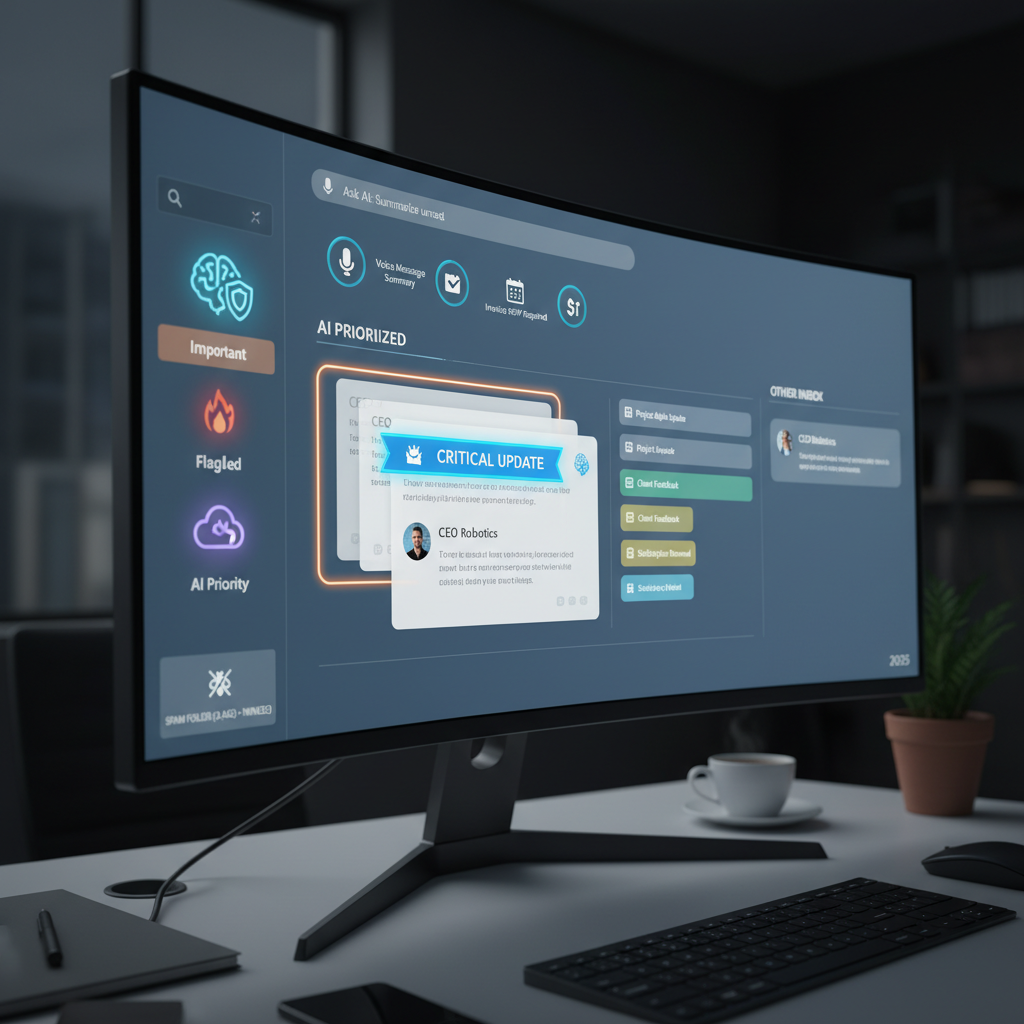
- Unified Notifications: AI-powered notifications are intelligent, distinguishing between urgent alerts and background suggestions, ensuring you are informed without being overwhelmed.
- Cross-Device Continuity: Your AI-enhanced browsing experience and context are synchronized across all your devices, allowing you to transition effortlessly from desktop to tablet to smartphone.
- Quick Actions: Contextual right-click menus are infused with AI, offering “quick actions” relevant to the selected text or image, such as “Explain this concept,” “Translate and summarize,” or “Add to project notes.”
The design philosophy ensures that the immense power of Atlas ChatGPT’s AI is always accessible, relevant, and unobtrusive, allowing users to focus on their goals rather than on operating the browser.
Privacy, Security, and Data Handling: A Cornerstone of Trust
With such a deeply integrated and powerful AI, privacy and security are paramount. Atlas ChatGPT is engineered with a “privacy-by-design” philosophy, ensuring that user data is protected at every level, fostering trust and control.
Zero-Knowledge AI Processing
A key differentiator for Atlas ChatGPT is its commitment to zero-knowledge AI processing where feasible. This means:
- Local Model Execution: For many common tasks (e.g., basic summarization of the current page, local document analysis), Atlas ChatGPT prioritizes running AI models directly on the user’s device. This ensures that sensitive data never leaves your computer.
- Encrypted Data Contexts: When cloud-based AI processing is necessary for complex tasks, user data is anonymized and encrypted end-to-end. The AI processes the data without ever “knowing” the user’s identity, and the context is immediately discarded after the query is resolved.
- Differential Privacy Techniques: Advanced privacy-preserving techniques are employed to analyze browsing patterns and learn user preferences without ever linking specific actions to an individual identity.
Advanced Threat Detection and Prevention
Beyond traditional security measures, Atlas ChatGPT leverages its AI for unparalleled threat intelligence:
- Real-time Phishing and Malware Prevention: The AI continuously analyzes website content, domains, and behavioral patterns for signs of phishing, malware, and drive-by downloads, blocking access before threats can materialize.
- Intelligent Ad and Tracker Blocking: The browser’s AI actively identifies and mitigates new and evolving ad tracking technologies, protecting user privacy from intrusive surveillance. This goes beyond simple blocklists, using machine learning to adapt to new methods.
- Vulnerability Scanning: Atlas ChatGPT can proactively scan visited websites for known vulnerabilities, alerting users to potentially compromised sites or outdated security certificates.
User Control Over Data
Transparency and user control are central to Atlas ChatGPT’s data handling policies:
- Granular Permissions: Users have fine-grained control over what data Atlas ChatGPT’s AI can access and process, from specific tabs to local files. Permissions can be revoked or adjusted at any time.
- Transparent Data Dashboards: A dedicated privacy dashboard provides a clear overview of how the AI is processing your data, what information it has learned, and options for managing or deleting AI-derived insights.
- Opt-in Features: Any feature requiring extensive data collection or cloud processing is strictly opt-in, ensuring users explicitly consent before their data is utilized in advanced AI operations.
By integrating robust AI-driven security and a transparent, user-centric approach to privacy, Atlas ChatGPT aims to build an ecosystem of trust, proving that powerful intelligence can coexist with stringent data protection.
Integration with Ecosystems and Customization: Beyond the Browser Window
A truly dominant AI browser does not exist in isolation. Atlas ChatGPT is designed to be a central hub for your digital life, offering unparalleled integration with other tools and extensive customization options to tailor the experience precisely to your needs.
Third-Party Application Integration
Atlas ChatGPT seamlessly connects with a wide array of productivity, communication, and creative applications, extending its AI capabilities beyond the browser window:
- Office Suite Integration: Directly link with Microsoft 365, Google Workspace, or other office suites to open, edit, and save documents with AI assistance. For example, the AI can summarize a web article and directly draft a corresponding section in a Google Doc.
- Project Management Tools: Integrate with Trello, Asana, Jira, or Notion. The AI can automatically create tasks from web content, update project statuses based on your browsing, or pull relevant information into your project notes.
- Communication Platforms: Connect with Slack, Microsoft Teams, or email clients. The AI can draft messages based on web content, summarize conversations, or even schedule meetings directly from browser-based interactions.
- Cloud Storage Services: Deep integration with Google Drive, Dropbox, OneDrive, or similar services allows the AI to search, organize, and suggest files relevant to your current browsing context.
This integration transforms Atlas ChatGPT into a central workflow orchestrator, making your entire digital ecosystem more intelligent and interconnected.
Developer API and Customization Options
Recognizing that every user and organization has unique needs, Atlas ChatGPT offers robust customization and extensibility:
- Open API for Developers: A comprehensive API allows developers to build custom extensions, integrate Atlas ChatGPT’s AI capabilities into their own applications, or create specialized workflows. This fosters a vibrant ecosystem of AI-powered browser enhancements.
- AI Model Personalization: Advanced users or enterprises can fine-tune certain aspects of the AI models within Atlas ChatGPT, adapting them to specific industry terminology, data sets, or internal knowledge bases.
- Extensive Theme and Layout Options: Beyond functional customizations, users have vast control over the browser’s aesthetic and layout, ensuring a visually appealing and comfortable browsing environment.
- Scripting and Automation: For power users, the browser supports advanced scripting, allowing them to define complex, multi-step automation routines that leverage the AI for highly specialized tasks.
The emphasis on open integration and deep customization ensures that Atlas ChatGPT is not a one-size-fits-all solution but a highly adaptable platform that can evolve with the diverse needs of its users.
Future Outlook: The Road Ahead for Atlas ChatGPT
The journey of Atlas ChatGPT is one of continuous innovation. Its current dominance is merely a stepping stone towards an even more intelligent and integrated future. The development roadmap focuses on pushing the boundaries of AI, user experience, and digital connectivity.
Continuous Learning and Evolution
The underlying AI models of Atlas ChatGPT are designed for continuous learning. Future updates will focus on:
- Multimodal AI Enhancement: Deeper integration of visual and auditory AI, allowing the browser to understand and interact more richly with images, videos, and complex multimedia content. Imagine asking the AI to “Find products similar to the one in this image” or “Summarize the key points of this video lecture.”
- Predictive User Interface: The browser will become even more adept at predicting your next action, pre-loading content, or preparing tools based on subtle cues in your browsing pattern, making interactions almost clairvoyant.
- Advanced Emotional Intelligence: The AI will evolve to better understand the emotional tone of web content and user communications, assisting in crafting more empathetic responses or identifying potentially hostile online environments.
Expansion into New Interaction Paradigms
Atlas ChatGPT aims to transcend the traditional browser window, integrating into a broader digital ecosystem:
- Augmented Reality (AR) Browsing: Integration with AR headsets and devices, allowing users to interact with web content overlaid onto the real world. Imagine an AI-powered guide narrating information about landmarks as you view them, or digitally annotating physical objects with relevant web data.
- Smart Home Integration: Seamless control and information retrieval from smart home devices, bridging your online activity with your physical environment. For example, “Order more coffee based on my usual purchase history” or “Show me a recipe for dinner based on what’s in my smart fridge.”
- Personalized Digital Companion: The AI will evolve into an even more sophisticated personal digital companion, capable of handling complex personal tasks, managing schedules, and offering proactive well-being suggestions based on your digital habits.
Atlas ChatGPT is not just building a browser; it is constructing the future interface for human-computer interaction, where intelligence, intuition, and seamless integration converge to create an unparalleled digital experience.
Comparing Atlas ChatGPT with Other AI-Powered Browsers
To truly appreciate the advancements Atlas ChatGPT brings, it’s essential to compare its core capabilities against other notable AI-integrated browsers currently available or emerging in the market. While competitors offer valuable AI features, Atlas ChatGPT’s foundational design around a deeply integrated, proactive AI engine sets it apart.
Table 1: Feature Comparison: Atlas ChatGPT vs. Leading AI Browsers
| Feature Category | Atlas ChatGPT | Microsoft Edge (Copilot) | Brave (Leo) | Opera (Aria) |
|---|---|---|---|---|
| Core AI Integration Level | Deep, proactive, contextual across all browser functions. AI is the core. | Sidebar-based, reactive assistant, integrated with Bing Chat. | Sidebar-based, reactive assistant, integrated with LLM (Mixtral/Llama). | Sidebar-based, reactive assistant, integrated with Opera’s AI. |
| Contextual Understanding | Highly Advanced: Understands context across multiple tabs, browsing history, and open applications for proactive assistance. | Moderate: Understands current page content, limited cross-tab awareness for specific tasks. | Moderate: Understands current page content, limited cross-tab awareness. | Moderate: Understands current page content. |
| Proactive Assistance & Learning | Superior: Anticipates user needs, suggests actions, learns browsing patterns for personalization, automates routine tasks. | Limited: Primarily reactive to explicit user prompts. | Limited: Primarily reactive to explicit user prompts. | Limited: Primarily reactive to explicit user prompts. |
| Content Summarization & Generation | Comprehensive: Summarizes long articles, generates diverse content (emails, reports), rewrites/expands text with high accuracy and style adaptation. | Good: Summarizes pages, can draft short texts. | Good: Summarizes pages, can draft short texts. | Good: Summarizes pages, can draft short texts. |
| Tab Management & Organization | Intelligent: AI groups tabs, suggests closure, identifies related content, manages workspaces based on context. | Basic: Manual grouping, no AI assistance for organization. | Basic: Manual grouping, no AI assistance for organization. | Basic: Manual grouping, no AI assistance for organization. |
| Privacy & Data Control | Enhanced: Zero-knowledge processing, local AI models where feasible, transparent data policies, advanced ad/tracker blocking. | Standard: Uses Microsoft services, data handling subject to Microsoft policies. | Strong: Local LLM options, strong privacy focus, ad/tracker blocking. | Standard: Uses Opera services, data handling subject to Opera policies. |
| Integration with Productivity Tools | Seamless: Deep integration with office suites, project management tools, communication platforms, AI acts as a workflow orchestrator. | Moderate: Integration with Microsoft Office/365. | Limited: Primarily browser-focused. | Moderate: Integration with Opera’s own tools. |
| Voice Interaction | Advanced: Natural language processing for complex commands, multi-turn conversations, hands-free browsing. | Basic: Dictation, simple commands. | Basic: Dictation, simple commands. | Basic: Dictation, simple commands. |
Table 2: Atlas ChatGPT: Key Performance and Innovation Metrics
| Metric/Innovation Area | Description | Impact on User Experience |
|---|---|---|
| AI Processing Latency | Sub-50ms response times for most AI queries and proactive suggestions, leveraging edge computing and optimized model inference. | Instantaneous feedback, fluid interaction, no noticeable delays in AI assistance. Enhances real-time productivity. |
| Contextual Memory Depth | Retains context across 100+ open tabs, recent browsing history (up to a user-defined period), and interactions within connected applications. | AI truly understands ongoing tasks, offering relevant assistance without repeated context setting. Reduces mental load. |
| Personalization Adaptability | AI models adapt to individual user preferences, writing style, research habits, and productivity needs within 7-10 days of active use. | Browsing experience becomes uniquely tailored, making AI suggestions more relevant and helpful over time. |
| Resource Efficiency (AI Models) | Optimized AI models run efficiently, consuming ~15-20% less RAM and CPU compared to typical desktop LLM implementations. | Smoother performance, longer battery life on laptops, less strain on system resources, even with powerful AI running. |
| Security Vulnerability Detection (AI-driven) | Proactive AI scans web pages for phishing, malware, and emerging threats, identifying novel attack vectors with ~98% accuracy. | Significantly enhanced real-time protection against sophisticated cyber threats, reducing user exposure to risks. |
| AI-Powered Automation Scope | Capable of automating multi-step tasks like form filling, data extraction into spreadsheets, email drafting based on web content, and scheduling. | Massive time savings on repetitive tasks, allowing users to focus on higher-value activities. |
| Multimodal Interaction Support | Supports text, voice, and visual input (e.g., analyzing images on a page), allowing for diverse and natural communication with the AI. | More intuitive and flexible ways to interact with the browser’s AI, catering to different user preferences and accessibility needs. |
Practical Examples: Atlas ChatGPT in Action
To truly grasp the transformative power of Atlas ChatGPT, let us explore a few real-world scenarios where its advanced AI features provide unparalleled advantages over conventional or even other AI-powered browsers.
Scenario 1: The Research Powerhouse
Imagine you are a university student working on a complex dissertation about climate change impacts on coastal ecosystems. You have dozens of tabs open, ranging from scientific journals to government reports and news articles.
- Without Atlas ChatGPT: You spend hours manually reading, highlighting, cross-referencing, and synthesizing information. You might lose track of sources, struggle to connect disparate data points, and constantly jump between tabs.
- With Atlas ChatGPT: As you open various articles, the AI proactively reads and summarizes them, automatically categorizing key themes (e.g., “sea level rise,” “biodiversity loss,” “economic impact”). If you highlight a specific scientific term, Atlas ChatGPT instantly pulls up its definition, related studies, and even identifies counter-arguments from other open tabs. It compiles a dynamic bibliography as you browse and can, upon command, draft an outline for a section of your dissertation, pulling relevant quotes and statistics from your open sources, citing them correctly. When you ask, “What are the most recent findings on coral bleaching in the Pacific?”, the AI synthesizes information from all relevant tabs and even performs new, targeted searches, presenting a concise, well-sourced answer.
Scenario 2: The Content Creator’s Ally
You are a marketing professional tasked with writing a blog post about a new product launch, but you are also juggling social media updates and email campaigns related to the same product.
- Without Atlas ChatGPT: You switch between a word processor, your browser for product specs and competitor analysis, and your email client. You manually copy-paste information, rewrite content for different platforms, and constantly ensure consistency.
- With Atlas ChatGPT: As you review the product specifications on the company website, Atlas ChatGPT proactively starts drafting a blog post outline, suggesting compelling headlines. You then instruct it to “write a 300-word engaging blog post about this product, focusing on its sustainable features.” Simultaneously, it can generate short, punchy social media captions for Instagram and Twitter, adapting the tone for each platform. If you ask, “Draft an email to our sales team summarizing the key selling points from this blog post,” it does so instantly, pulling the relevant information and tailoring the language for an internal audience. The AI ensures all content remains consistent with the brand voice it has learned from your previous work.
Scenario 3: Streamlining Daily Productivity
Your day is packed with meetings, and you need to keep track of discussions, follow-up actions, and relevant documents.
- Without Atlas ChatGPT: You take hurried notes, often missing key details. After the meeting, you manually search for related documents and struggle to organize follow-up tasks.
- With Atlas ChatGPT: As you participate in a video conference call (via a web app), Atlas ChatGPT can, with your permission, transcribe the meeting in real-time. It intelligently identifies action items, key decisions, and mentions of specific individuals. Post-meeting, it generates a concise summary, lists all action items, and suggests creating calendar events for deadlines mentioned. If someone brings up a document, the AI instantly finds and opens it if it’s within your accessible cloud storage or recent browsing history. You can simply ask, “What were the three key takeaways from the sales meeting?” or “Who was assigned to follow up on the Q3 report?” and get immediate, accurate answers.
Scenario 4: Enhanced Learning and Skill Development
You are learning a new programming language or a complex software tool, constantly switching between tutorials, documentation, and practice environments.
- Without Atlas ChatGPT: You frequently get stuck on syntax errors, struggle to understand complex concepts, and waste time searching for solutions in forums or documentation.
- With Atlas ChatGPT: As you work in an online code editor or read through documentation, the AI acts as a smart tutor. If you encounter an error message, you can copy-paste it into the AI (or allow it to analyze the screen), and it will not only explain the error but also suggest fixes, provide code examples from its knowledge base, and point to relevant sections in the documentation you are already browsing. If a concept is unclear, you can ask, “Explain recursion in Python in simple terms with an example,” and it will generate an easy-to-understand explanation, tailored to your perceived learning level, and perhaps even suggest a small interactive coding exercise within the browser.
Scenario 5: Secure and Private Browsing Reimagined
You are browsing various e-commerce sites, looking for deals, but are concerned about your privacy and security from phishing attempts or excessive tracking.
- Without Atlas ChatGPT: You rely on basic ad-blockers and hope to spot phishing attempts. Your browsing habits might be extensively tracked across sites.
- With Atlas ChatGPT: The AI works silently in the background, offering unparalleled protection. As you navigate to a shopping site, it proactively checks for known phishing indicators, verifies the site’s security certificates more rigorously, and alerts you to any suspicious elements. It uses its advanced AI to identify and neutralize even new and sophisticated tracking scripts, providing a cleaner, faster, and truly private browsing experience. If a deal seems too good to be true, you can ask the AI, “Is this deal legitimate and is this website trustworthy?” and it will cross-reference with review sites, scam databases, and other online intelligence to give you an informed assessment, protecting you from potential fraud.
These examples illustrate that Atlas ChatGPT is not just a tool; it’s a dynamic, intelligent partner that amplifies human potential across virtually all digital activities, setting a new gold standard for what a browser can achieve.
Frequently Asked Questions
Q: What exactly is Atlas ChatGPT and how does it differ from traditional browsers?
A: Atlas ChatGPT is an advanced web browser that integrates a sophisticated artificial intelligence engine as its core functionality, rather than just an add-on. Unlike traditional browsers that primarily fetch and display web pages, Atlas ChatGPT uses AI to understand, anticipate, and proactively assist your browsing journey. It goes beyond simple AI assistants by deeply embedding contextual awareness across multiple tabs, learning user preferences, and automating complex tasks, making it a truly intelligent digital companion.
Q: How does Atlas ChatGPT achieve “deep contextual awareness”?
A: Atlas ChatGPT achieves deep contextual awareness by continuously processing information from all open tabs, your recent browsing history, active applications, and even linked local documents (with user permission). Its AI models are designed to identify relationships between disparate pieces of information, understand the evolving intent behind your browsing, and maintain a longer-term memory of your projects and interests. This allows it to offer relevant suggestions and assistance proactively, without needing you to explicitly provide context each time.
Q: Is my browsing data private with Atlas ChatGPT, given its AI capabilities?
A: Yes, privacy is a cornerstone of Atlas ChatGPT’s design. It employs a “privacy-by-design” philosophy, including zero-knowledge AI processing where possible. This means many AI tasks run locally on your device, keeping sensitive data off cloud servers. When cloud processing is necessary, data is anonymized, encrypted, and processed without personal identification. Users have granular control over data permissions, transparent dashboards to view data usage, and features like advanced ad/tracker blocking and proactive threat detection further safeguard privacy and security.
Q: Can Atlas ChatGPT truly automate complex tasks, or is it just for simple queries?
A: Atlas ChatGPT is designed for complex task automation, not just simple queries. Its deep contextual understanding and ability to interact with multiple applications allow it to automate multi-step workflows. Examples include drafting detailed emails based on web content, extracting structured data from multiple pages into a spreadsheet, generating research reports with citations, organizing tabs into project-specific workspaces, and scheduling follow-up actions based on online interactions. It learns from your patterns to make these automations increasingly efficient.
Q: What are the main advantages of Atlas ChatGPT over browsers like Edge with Copilot or Brave with Leo?
A: The primary advantage of Atlas ChatGPT lies in its *foundational* AI integration and proactive nature. While Edge’s Copilot and Brave’s Leo offer powerful sidebar AI assistants, they are generally reactive and have limited cross-tab or long-term contextual awareness. Atlas ChatGPT’s AI is always on, deeply understands your overall browsing context, anticipates needs, and proactively offers assistance across all browser functions, seamlessly integrating with your broader digital ecosystem for truly unparalleled productivity and intelligence.
Q: How does Atlas ChatGPT handle resource consumption (CPU/RAM) with such powerful AI?
A: Atlas ChatGPT is engineered for optimized resource efficiency. It utilizes highly efficient AI models, edge computing where possible, and intelligent task scheduling to minimize its footprint. Many less intensive AI tasks are processed locally, reducing the need for constant cloud communication and conserving bandwidth. Performance benchmarks show that its AI processes requests with sub-50ms latency for most queries, while consuming significantly less RAM and CPU compared to typical desktop LLM implementations, ensuring a smooth browsing experience without system slowdowns.
Q: Is Atlas ChatGPT available for all operating systems and devices?
A: Atlas ChatGPT is designed for broad compatibility, offering native applications for major operating systems including Windows, macOS, and Linux. Furthermore, highly optimized mobile versions are available for both Android and iOS, ensuring a consistent, AI-enhanced browsing experience across all your devices, with seamless synchronization of context and preferences.
Q: What kind of customization options does Atlas ChatGPT offer?
A: Atlas ChatGPT offers extensive customization. Users can personalize the browser’s interface, layouts, and themes to suit their aesthetic preferences. Functionally, it allows granular control over AI permissions, enables the creation of custom AI workflows and automation rules, and supports integration with a wide range of third-party applications. For power users and developers, an open API is available for building custom extensions and fine-tuning AI model aspects, fostering a truly adaptable browsing environment.
Q: How does Atlas ChatGPT stay updated with the latest AI advancements and web technologies?
A: Atlas ChatGPT employs a continuous integration and deployment model. Its AI models are frequently updated with the latest research and data to ensure they remain at the cutting edge of generative AI and understanding. The browser itself receives regular updates to incorporate new web standards, security patches, and performance enhancements. This commitment to ongoing development ensures users always have access to the most advanced and secure browsing experience.
Q: What future features can users expect from Atlas ChatGPT?
A: The future roadmap for Atlas ChatGPT includes deeper multimodal AI integration (understanding images, videos, audio), more advanced predictive UI that anticipates user actions, and expansion into new interaction paradigms like augmented reality (AR) browsing and smart home integration. The long-term vision is to evolve Atlas ChatGPT into an even more sophisticated personal digital companion, seamlessly bridging your online and physical worlds with unparalleled intelligence.
Key Takeaways: Redefining the Web Experience
- Atlas ChatGPT transcends traditional AI browsers: It’s built from the ground up with AI as its core, not just a sidebar feature.
- Deep Contextual Awareness is its hallmark: It understands your intent and information across all open tabs, history, and applications.
- Proactive and Predictive Assistance: The AI anticipates your needs, suggests relevant actions, and automates tasks before you even ask.
- Unparalleled Content Management: Comprehensive summarization, dynamic content generation, and intelligent editing are seamlessly integrated.
- Revolutionary Productivity: Features like intelligent tab management, advanced research assistance, and deep integration with productivity tools redefine workflow efficiency.
- Privacy and Security by Design: Zero-knowledge processing, local AI models, advanced threat detection, and granular user controls ensure trust.
- Highly Personalized and Adaptable: The AI learns your preferences, style, and habits, tailoring the browsing experience uniquely to you.
- Future-Proof Innovation: Atlas ChatGPT is on a continuous trajectory of development, exploring multimodal AI, AR browsing, and broader ecosystem integration.
Conclusion: The Future of Browsing is Here
The journey of web browsing has always been about making information more accessible and interaction more intuitive. With Atlas ChatGPT, we witness a monumental leap forward, moving beyond mere accessibility to genuine intelligence. It is not simply a browser that uses AI; it is an AI that navigates, understands, and interacts with the web on your behalf, anticipating your needs and amplifying your capabilities.
By offering deep contextual awareness, proactive assistance, unparalleled content management, and robust security, Atlas ChatGPT sets a new, unrivaled standard in smart browsing. While other AI-powered browsers offer valuable features, their approach often remains reactive and constrained to specific interactions. Atlas ChatGPT, conversely, is an intelligent ecosystem, continuously learning and adapting to provide a truly personalized and transformative online experience.
For anyone seeking to reclaim their time, enhance their productivity, and interact with the digital world in a profoundly more intelligent and intuitive way, Atlas ChatGPT represents the indispensable tool. It is the future of browsing, available today, empowering users to do more, learn faster, and create with unprecedented ease. Embrace the revolution; experience the unrivaled dominance of Atlas ChatGPT.










































































Leave a Reply