

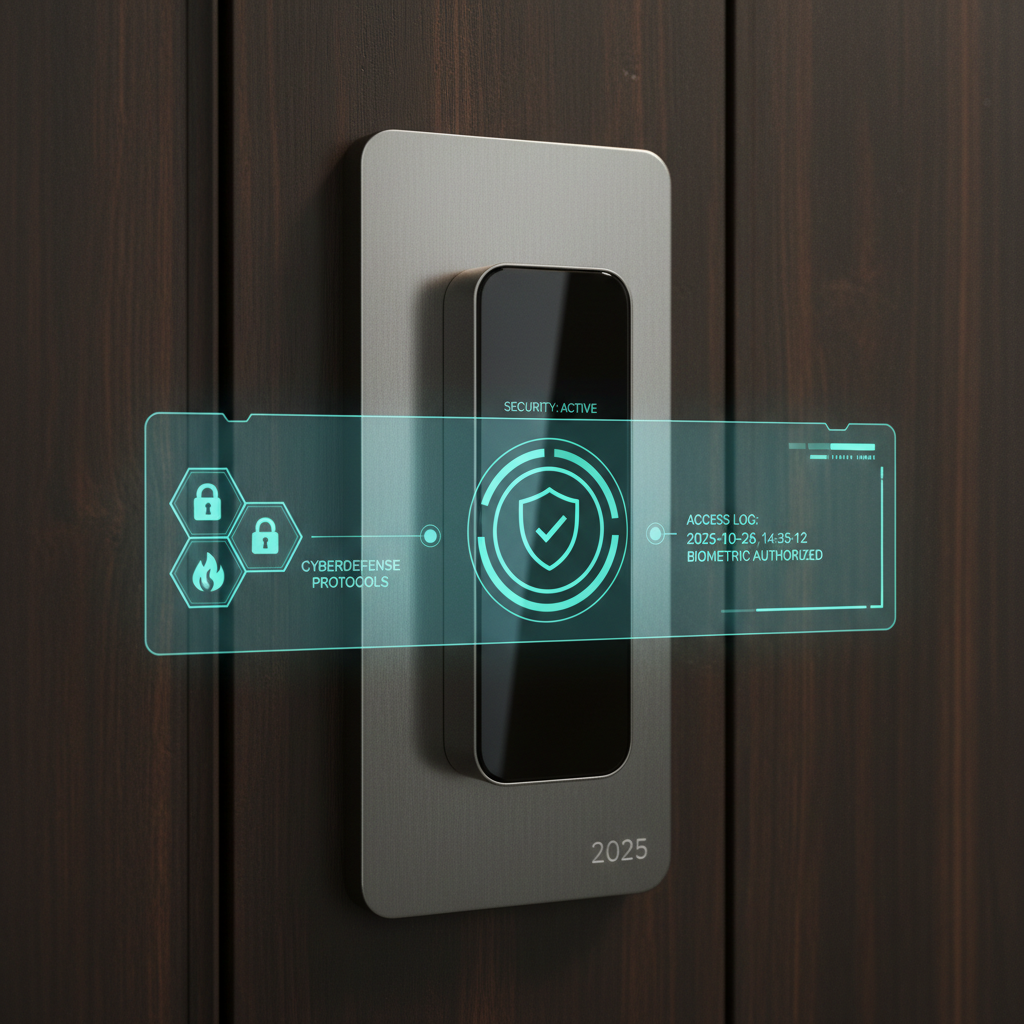
In a world increasingly shaped by technology, our homes are evolving into intelligent sanctuaries, constantly adapting to our needs and safeguarding our peace of mind. At the forefront of this transformation is the remarkable innovation of AI-powered smart locks. Gone are the days of fumbling for keys or fretting about forgotten doors. Today, artificial intelligence is reshaping how we conceive of home entry and, more profoundly, how we ensure unrivaled home safety.
This comprehensive guide delves into the fascinating realm of AI smart locks, exploring their evolution, cutting-edge features, and the profound impact they have on protecting your most valuable asset: your home and family. We will uncover how these sophisticated devices move beyond mere keyless entry, offering a proactive, adaptive, and seamlessly integrated security experience that was once the stuff of science fiction. Prepare to unlock a new era of home protection, where convenience converges with intelligent, predictive defense.
What are AI-Powered Smart Locks?
At their core, AI-powered smart locks represent a significant leap beyond their conventional and even early smart lock counterparts. They are not simply locks that can be controlled by a smartphone; they are intelligent security agents capable of learning, reasoning, and adapting. These devices integrate sophisticated sensors, advanced processing units (often with edge AI capabilities), and robust connectivity options to offer a level of security and convenience previously unattainable.
Imagine a lock that recognizes your face with unparalleled accuracy, not just a static image, but your unique 3D facial structure and liveness to prevent spoofing. Envision a system that learns your family’s daily routines, understanding typical entry and exit patterns, and immediately flagging any deviation as a potential anomaly. This is the essence of AI in smart locks: transforming a passive barrier into an active, vigilant guardian.
The AI component differentiates these locks by allowing them to process vast amounts of data in real-time. This data can include visual feeds from integrated cameras, audio cues from microphones, historical access logs, and even environmental factors. Through machine learning algorithms, the lock develops a nuanced understanding of its environment and the authorized users. This understanding enables it to make intelligent decisions, such as automatically adjusting security protocols based on the time of day, the presence of specific individuals, or even detected unusual sounds like glass breaking or forced entry attempts.
Unlike a basic smart lock that simply executes pre-programmed commands, an AI smart lock is constantly evolving its understanding of security needs. It can learn new faces, distinguish between a delivery person and a potential intruder, and even predict potential threats based on suspicious loitering outside your property. This proactive intelligence is what truly sets AI-powered smart locks apart, offering not just convenience, but an unparalleled layer of adaptive, personalized home protection.
The Evolution of Smart Locks: From Basic to AI
To fully appreciate the transformative power of AI smart locks, it’s helpful to trace the trajectory of home security, from its humble beginnings to its current technologically advanced state.
Traditional Locks: The Mechanical Era
For centuries, home security relied on mechanical locks and keys. These systems were simple, robust, and universally understood. However, their limitations were significant: keys could be lost, stolen, or duplicated; locks could be picked, bumped, or physically forced. Security was entirely reactive, offering little more than a physical deterrent and no real-time intelligence or remote control. The safety of a home rested solely on the integrity of its physical barrier.
Early Smart Locks: The Dawn of Connectivity
The advent of the internet and mobile technology ushered in the first wave of “smart” locks. These devices introduced keyless entry through numeric keypads, RFID tags, or Bluetooth connectivity, allowing users to unlock their doors via a smartphone app. Key features included:
- Remote Locking/Unlocking: Control access from anywhere.
- Temporary Access Codes: Grant entry to guests or service providers for limited durations.
- Activity Logs: Basic records of who entered and when.
- Basic Integration: Often limited to a specific brand’s ecosystem or basic smart home platforms.
While a significant upgrade in convenience, these early smart locks were still largely reactive. They lacked true intelligence and their security was often static, relying on pre-set rules rather than adaptive learning. Vulnerabilities could also arise from network dependencies or basic encryption methods.
Advanced Smart Locks: Biometrics and Enhanced Features
The next generation of smart locks began incorporating more sophisticated biometric authentication methods, such as fingerprint scanners. These provided a more secure and convenient keyless entry experience. Other enhancements included:
- Improved wireless protocols (Wi-Fi, Z-Wave, Zigbee) for better range and reliability.
- More robust encryption standards.
- Slightly better integration with broader smart home ecosystems.
- Advanced tamper alerts and integrated alarms.
Despite these advancements, these locks still operated primarily on a rule-based system. They could tell you if a door was open or closed, or if an authorized fingerprint was used, but they couldn’t interpret context or predict threats. They were powerful tools, but still fundamentally lacked a ‘brain’ to make proactive security decisions.
AI-Powered Smart Locks: The Intelligent Guardian
The current frontier is defined by the integration of Artificial Intelligence and Machine Learning. AI smart locks transcend mere automation; they bring genuine intelligence to your doorstep. They can:
- Learn User Behavior: Understand typical routines, authorized users, and their patterns.
- Detect Anomalies: Identify unusual activities, sounds, or unrecognized faces.
- Offer Predictive Security: Anticipate potential threats based on learned patterns and environmental data.
- Provide Adaptive Security: Automatically adjust security levels based on real-time conditions.
- Perform Advanced Biometrics: Utilize 3D facial recognition with liveness detection, or multi-spectral fingerprint scanning.
- Integrate Deeply: Form a cohesive security network with cameras, alarms, and other smart home devices, all orchestrated by AI.
This evolution culminates in a security system that is not only convenient and responsive but also proactive, predictive, and continuously learning, offering a truly unrivaled level of home safety.
Key Features and Technologies Driving AI Smart Locks
The intelligence embedded within AI smart locks is powered by a confluence of advanced technologies working in concert. These features move beyond simple automation, creating a sophisticated defense system for your home.
1. Advanced Biometric Authentication
While fingerprint scanners have been around, AI takes biometrics to the next level, making them more secure and less prone to spoofing.
- 3D Facial Recognition: Unlike basic 2D systems, AI-powered facial recognition maps the unique contours and depths of a face. It incorporates liveness detection technologies (e.g., infrared scans, eye-tracking) to distinguish a real person from a photo or mask, virtually eliminating spoofing attempts. This allows for instantaneous, hands-free entry for authorized individuals.
- Multi-spectral Fingerprint Scanning: These scanners capture images of both the surface and sub-surface of the skin, making them impervious to common spoofing methods involving latent prints or artificial fingers. They can even read fingerprints when fingers are wet or dirty, enhancing reliability.
- Voice Recognition and Behavioral Biometrics: Some advanced systems are experimenting with AI-driven voice recognition for authentication, or even behavioral biometrics that analyze unique patterns in a person’s gait, typical movement speed, or even how they interact with a keypad or handle.
2. Behavioral Analytics and Pattern Recognition
This is where AI truly shines. The lock’s embedded intelligence constantly observes and learns.
- Learning User Habits: AI algorithms track who enters and exits, at what times, and how frequently. It builds a profile for each authorized user, understanding their typical routines. This includes family members, regular visitors, and service providers.
- Anomaly Detection: Any deviation from these established patterns triggers an alert. For instance, if the front door is opened at an unusual hour when no one is expected, or if an unrecognized face attempts entry multiple times, the AI system flags it as suspicious. This significantly reduces false alarms while enhancing vigilance.
- Contextual Understanding: The AI can differentiate between a child returning from school and an unfamiliar adult loitering. It leverages data from multiple sensors (camera, motion, sound) to build a comprehensive understanding of the situation.
3. Edge AI Processing
A crucial technological advancement, edge AI refers to the processing of data directly on the device itself (at the “edge” of the network) rather than relying solely on cloud servers. This offers several benefits:
- Enhanced Privacy: Sensitive biometric data or video feeds are processed locally, reducing the need to transmit them over the internet, thus minimizing privacy risks.
- Faster Response Times: Decisions are made almost instantaneously without the latency associated with cloud communication. This is vital for real-time security actions like access grants or threat detection.
- Offline Functionality: Even if internet connectivity is lost, the lock can still perform its core AI-driven functions, maintaining a high level of security.
4. Robust IoT Connectivity and Ecosystem Integration
AI smart locks are designed to be integral components of a larger smart home ecosystem. They utilize advanced wireless protocols for reliable communication:
- Wi-Fi, Bluetooth, Zigbee, Z-Wave: These protocols enable seamless communication with smart home hubs (e.g., Google Home, Amazon Alexa, Apple HomeKit), security cameras, smart lighting, and other connected devices.
- Centralized Control: Through a single app or voice assistant, users can manage their lock, view activity logs, receive notifications, and integrate it into broader home automation routines.
5. Predictive Analytics and Threat Assessment
Beyond simply reacting to events, AI smart locks are capable of anticipating potential issues.
- Environmental Monitoring: Integrating with local weather data or neighborhood watch alerts, the AI can adjust its sensitivity. For example, if there’s a reported increase in package thefts in the area, the lock’s camera could become more vigilant in detecting loitering.
- Proactive Deterrence: If the AI detects prolonged suspicious activity, it might trigger deterrents like flashing lights, an audible warning, or sending a direct alert to the homeowner or even local authorities.
These advanced features and underlying technologies collectively create a security system that is not only smart but truly intelligent, offering peace of mind through its proactive and adaptive defense capabilities.
Beyond Keyless Entry: Unrivaled Safety Mechanisms
While the convenience of keyless entry is a significant draw, the true value of AI-powered smart locks lies in their unparalleled safety mechanisms that extend far beyond simply opening a door. These systems are engineered to provide a multi-layered, proactive defense that actively works to protect your sanctuary.
1. Proactive Threat Detection and Deterrence
Unlike traditional locks that wait for a breach, AI smart locks actively scan for potential threats.
- Acoustic Anomaly Detection: Built-in microphones, coupled with AI, can distinguish between normal household sounds and suspicious noises like glass breaking, forced door attempts, or even unusual human voices. If detected, immediate alerts are sent, and integrated cameras can begin recording.
- Loitering Detection: AI-powered cameras integrated with the lock can identify individuals loitering near your entrance for an extended period, especially if they are unfamiliar. This can trigger an alert or even a spoken warning through the lock’s speaker, deterring potential intruders before they act.
- Tamper Protection: Advanced sensors detect attempts to physically tamper with the lock, pick it, or disable it. The AI can analyze the nature of the tamper attempt and respond accordingly, distinguishing a casual bump from a deliberate attack.
- Smart Intruder Deterrence: Upon detecting suspicious activity, the lock can activate a sequence of deterrents, such as flashing lights, sounding an integrated alarm, or even triggering a verbal warning. This often scares off intruders before they can gain entry.
2. Adaptive Security Policies
The intelligence of AI allows the lock to dynamically adjust its security posture based on context and learned patterns.
- Time-Based Adjustments: Security protocols can automatically heighten during nighttime hours or when the home is typically vacant. For example, requiring multi-factor authentication for entry after midnight, even for authorized users, or increasing motion sensor sensitivity.
- Occupancy-Based Rules: The lock can recognize when all authorized residents have left the home and automatically arm itself, engaging additional security measures like locking all connected smart windows and activating perimeter sensors.
- Threat Level Response: In situations of heightened local alerts (e.g., a reported break-in in the neighborhood), the AI can temporarily increase its vigilance, becoming more sensitive to motion or sounds.
3. Comprehensive Remote Monitoring and Control
Peace of mind is significantly enhanced by the ability to manage your home’s security from anywhere in the world.
- Real-time Alerts: Receive instant notifications on your smartphone for any recognized or suspicious activity – attempted entries, successful entries, lock tampering, or unusual sounds.
- Live Video Feeds and Recordings: Integrated cameras provide live streaming of your doorstep and record events, storing them securely in the cloud or on local edge storage.
- Remote Locking/Unlocking: Grant access to a trusted neighbor while you’re away, or confirm your door is locked after leaving in a hurry.
- Detailed Activity Logs: A comprehensive history of all lock interactions, including timestamps, entry methods, and even images or video clips of who entered.
4. Integration with Emergency Services
In critical situations, seconds count. AI smart locks can be programmed to act swiftly.
- Automated Emergency Alerts: In conjunction with a comprehensive smart home security system, detected forced entry or fire alarms (from integrated smoke detectors) can automatically trigger calls to emergency services (police, fire department) with pre-recorded messages or direct data transfer.
- Contextual Information Sharing: The system can provide emergency responders with vital information, such as live video feeds or entry points, to assist them in their response.
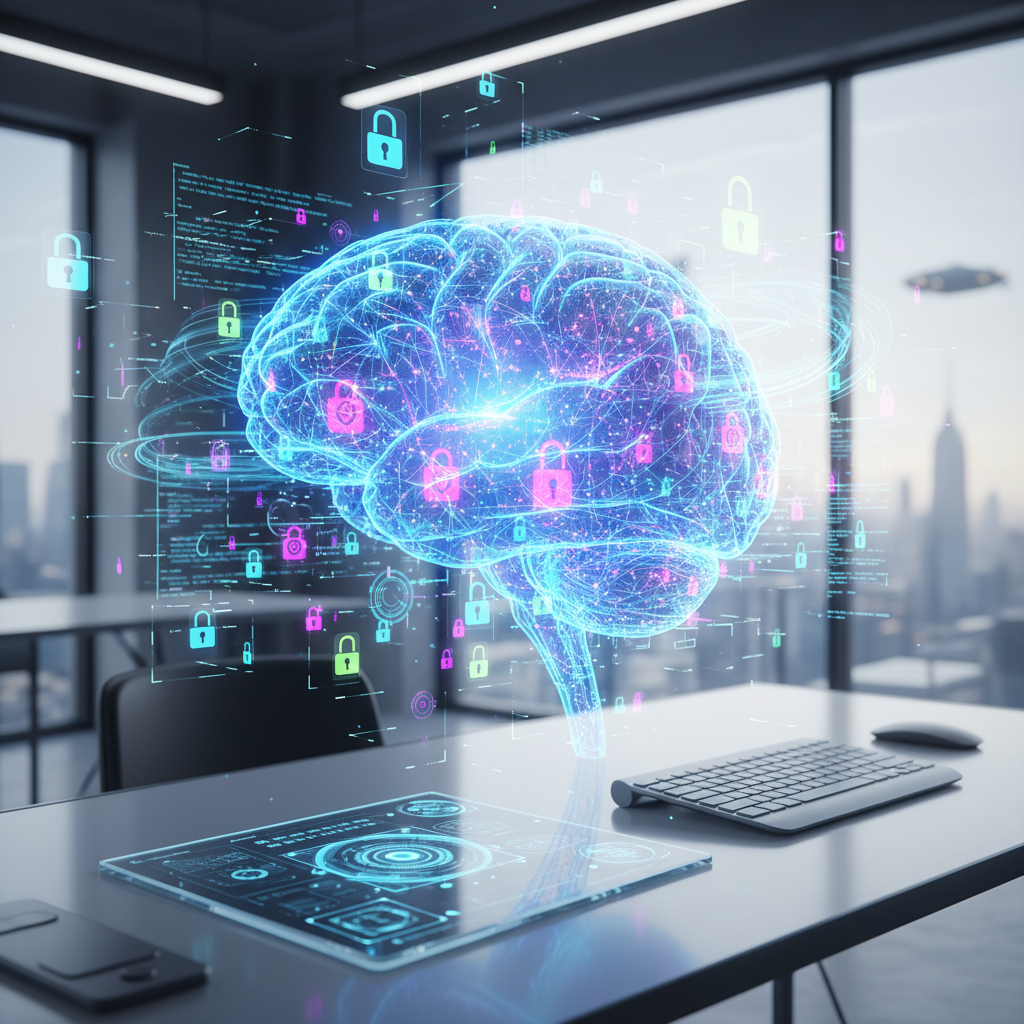
5. Robust Cybersecurity Measures
Given their connectivity, AI smart locks are designed with stringent cybersecurity protocols to prevent digital breaches.
- End-to-End Encryption: All data transmission, from the lock to your phone and to cloud servers, is heavily encrypted, protecting it from eavesdropping.
- Multi-Factor Authentication (MFA): Requiring more than one verification method (e.g., password and a one-time code) for app access adds a critical layer of defense against unauthorized digital access.
- Secure Firmware Updates: Regular, authenticated updates ensure the lock’s software is patched against the latest vulnerabilities.
- Vulnerability Testing: Reputable manufacturers employ ethical hackers to constantly test their systems for weaknesses, ensuring robust protection.
By combining these advanced mechanisms, AI smart locks provide a comprehensive, adaptive, and proactive shield for your home, transforming security from a static barrier into an intelligent, vigilant guardian.
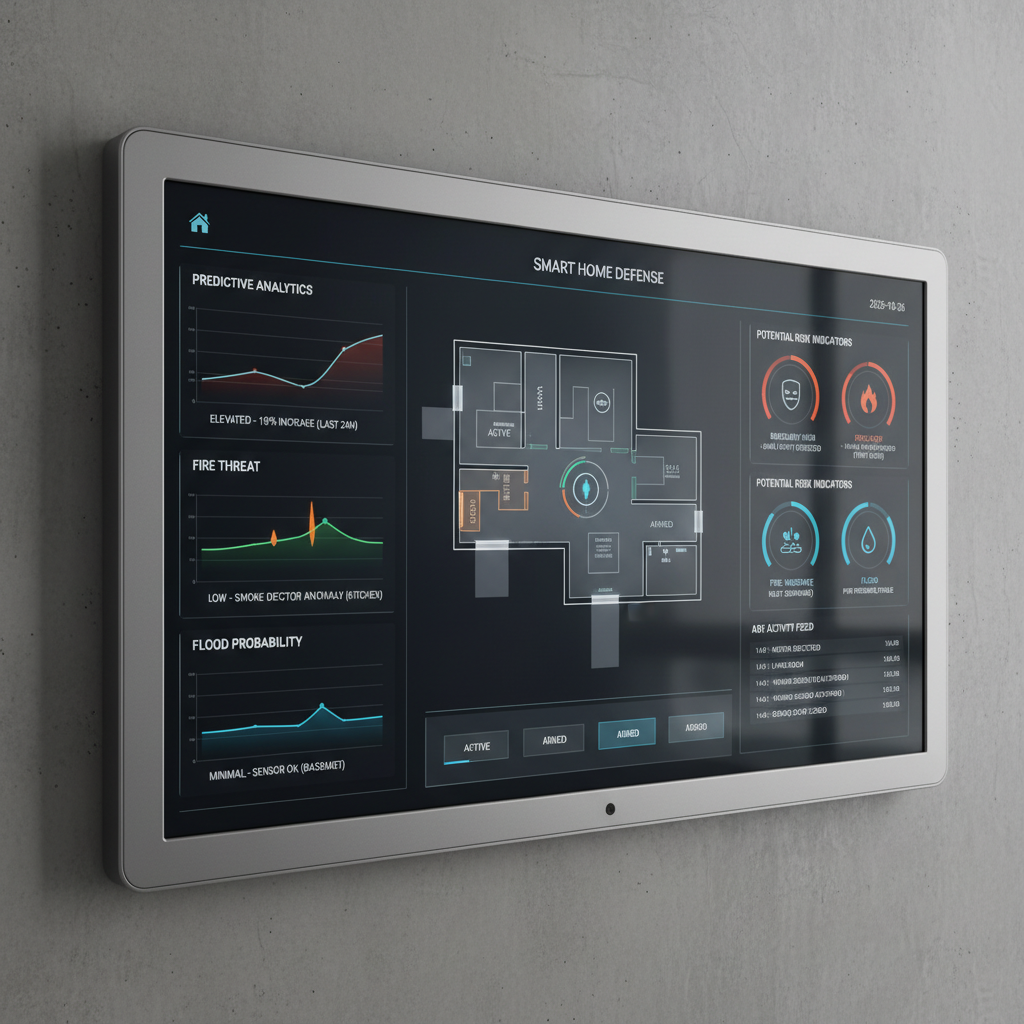
AI in Action: Predictive Security and Anomaly Detection
The true power of AI in smart locks manifests in its ability to transcend simple reaction, moving into the realm of predictive security and sophisticated anomaly detection. This proactive approach fundamentally changes how home security is delivered, making it more intelligent, efficient, and reliable.
Learning and Establishing ‘Normal’
At the heart of predictive security is the AI’s capacity to learn. Over time, the lock observes and records a myriad of data points:
- Who enters and exits: Recognizing authorized family members, friends, or service providers.
- When they enter and exit: Establishing typical daily, weekly, or even seasonal patterns.
- How they enter: Noting preferred methods (face scan, fingerprint, PIN).
- Ambient sounds: Categorizing common household noises, street sounds, and environmental factors.
- Visual cues: Identifying typical activity levels around the entrance, common vehicles, or recurring deliveries.
Through continuous learning, the AI builds a detailed profile of what constitutes “normal” for your home. This baseline becomes the reference point for all subsequent security assessments.
Identifying and Flagging Anomalies
Once the baseline of normalcy is established, the AI becomes incredibly adept at spotting deviations. An anomaly is anything that doesn’t fit the learned pattern, and it can be a critical indicator of a potential threat.
Consider these real-world scenarios:
- Unusual Entry Time: If your children typically arrive home from school at 3:30 PM, but the lock detects an entry at 10:00 AM on a weekday when everyone is supposed to be out, it flags this as an anomaly. Even if an authorized method is used, the context is unusual, prompting an alert for verification.
- Unrecognized Face or Behavior: A delivery driver makes a drop-off, but the AI notices someone else loitering suspiciously afterward, or attempting to peer through windows. The system identifies the delivery as normal but the subsequent behavior as anomalous.
- Multiple Failed Attempts: An AI smart lock can quickly distinguish between a family member having a temporary issue with their fingerprint and a repeated, deliberate attempt by an unauthorized individual trying different methods to gain entry. The latter triggers a high-priority alert.
- Acoustic Deviations: The AI learns the sound of your dog barking, passing cars, or your children playing. If it suddenly detects the distinct sound of glass shattering, aggressive voices, or prolonged scratching at the door, it can trigger an alarm or notify you instantly, differentiating it from everyday background noise.
By focusing on these deviations, AI significantly reduces the burden on homeowners to constantly monitor their security, effectively becoming a tireless digital watchman.
Predictive Threat Assessment and Mitigation
Moving beyond simple anomaly detection, advanced AI systems can even engage in rudimentary predictive analysis. While not forecasting the future, they can assess probabilities based on patterns.
- Environmental Risk Assessment: If police alerts indicate an increase in burglaries in nearby neighborhoods, the AI can temporarily heighten its sensitivity and vigilance for your home, proactively scanning for suspicious activity.
- Behavioral Precursors: Persistent loitering, repeated attempts to obscure camera views, or unusual vehicle presence over several days could be interpreted by the AI as precursor behaviors to a potential break-in. This could trigger more frequent alerts, engage deterrents, or even suggest contacting local authorities.
- Reducing False Alarms: A significant benefit of AI’s learning capability is its ability to minimize false alarms. By understanding what is “normal” – such as a pet moving near a sensor, a delivery person genuinely confused about a package, or tree branches swaying in the wind – the AI can filter out harmless events, ensuring that when an alarm does sound, it’s likely a legitimate concern. This prevents alarm fatigue and ensures that homeowners and emergency services respond only when truly needed.
In essence, AI in action transforms the smart lock from a mere access control device into an intelligent, vigilant guardian capable of learning, discerning, and even anticipating threats, providing a peace of mind that traditional security solutions simply cannot match.
Integration with the Smart Home Ecosystem
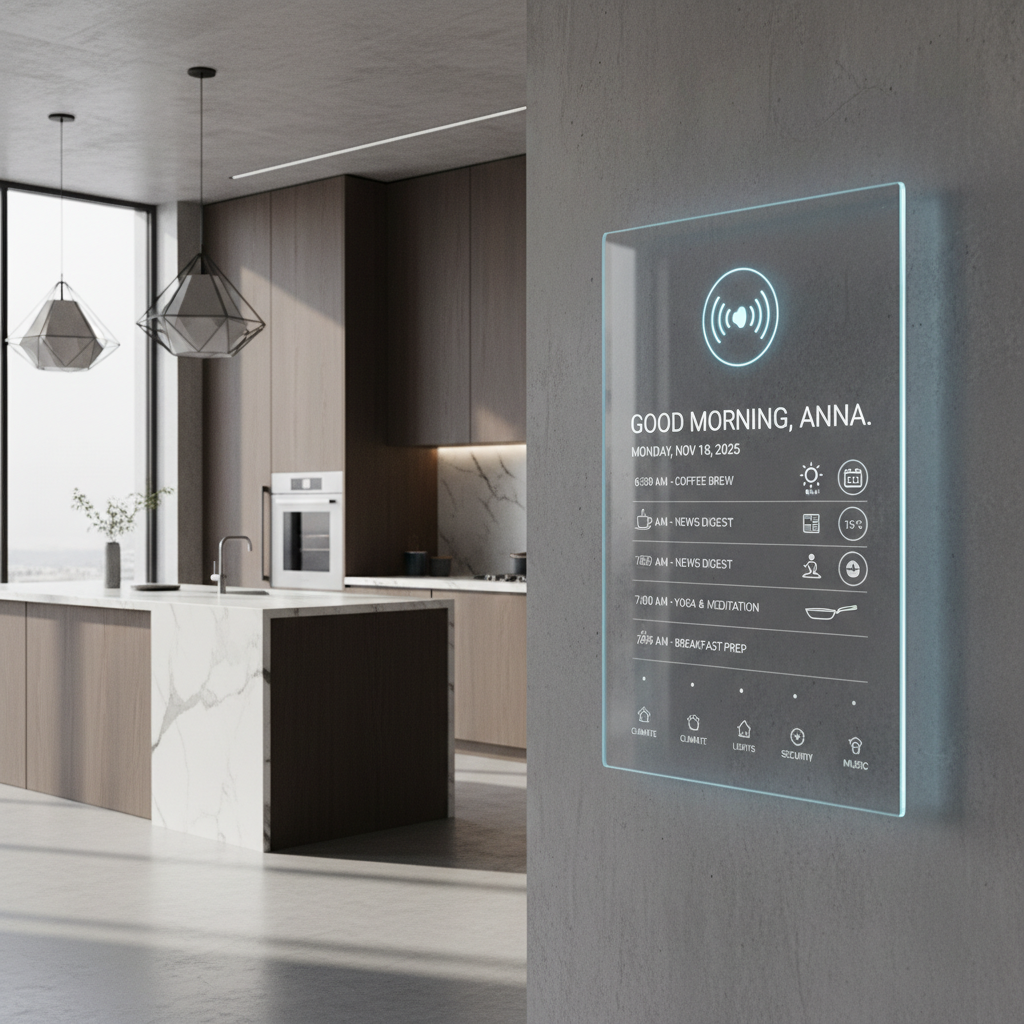
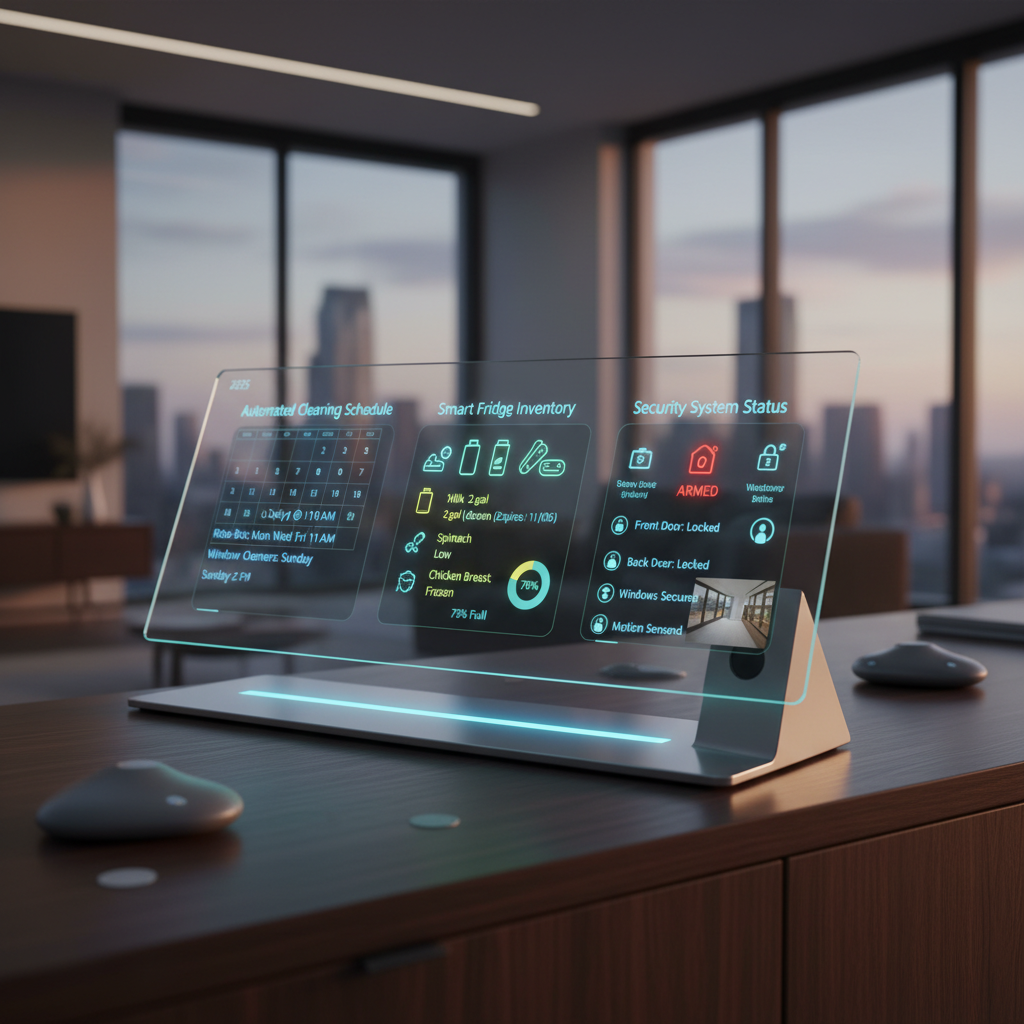
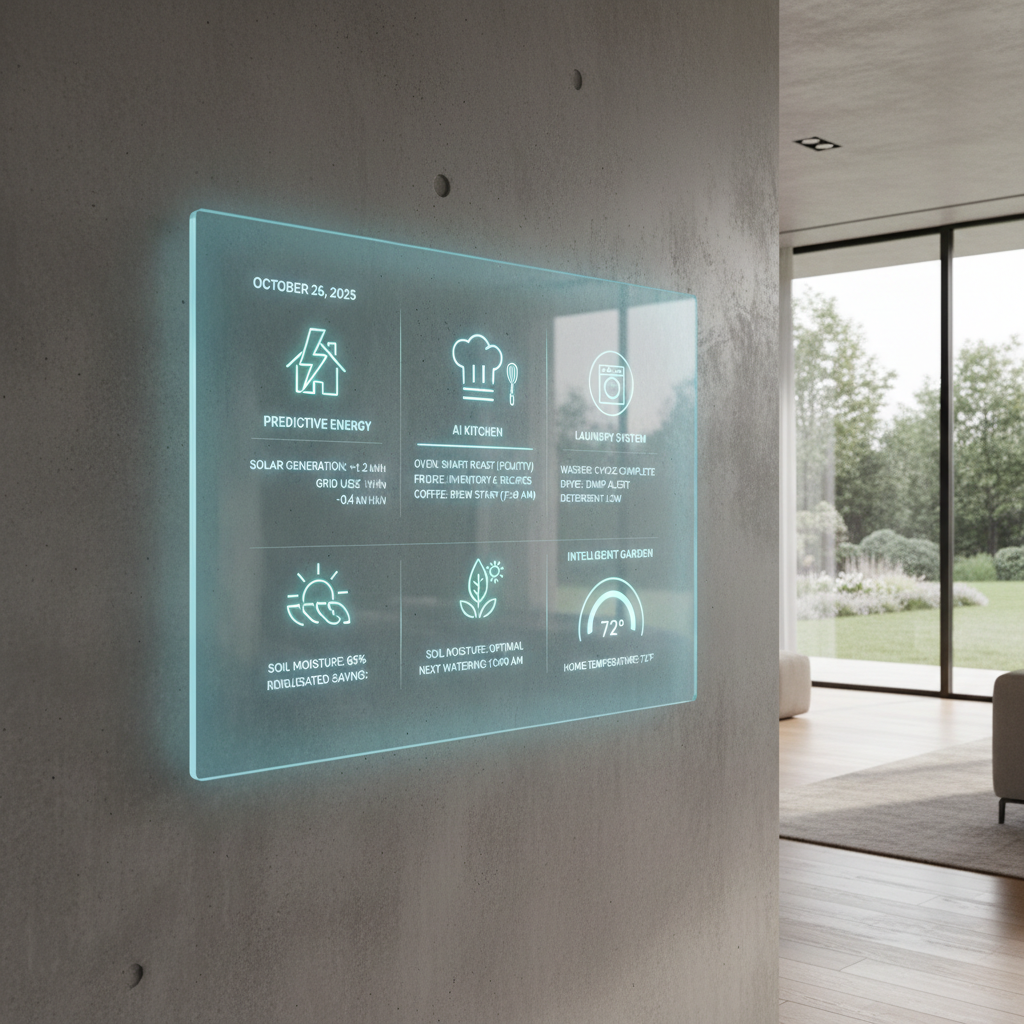
One of the most compelling aspects of AI-powered smart locks is their seamless integration into the broader smart home ecosystem. They are not standalone devices but rather intelligent nodes within a connected network, capable of communicating and collaborating with other smart devices to create a truly unified and intelligent sanctuary. This synergy enhances both security and convenience exponentially.
Centralized Control and Unified Interface
Modern AI smart locks are designed to be compatible with popular smart home platforms like Google Home, Amazon Alexa, Apple HomeKit, and Samsung SmartThings. This allows you to manage your lock and its security settings from a single, intuitive interface, often through a dedicated app or via voice commands.
- Single Point of Management: Instead of juggling multiple apps for different devices, you can control your lock, view activity logs, and configure security routines alongside your lights, thermostat, and security cameras.
- Voice Control: With a simple voice command, you can lock your doors, check their status, or even grant temporary access (with proper security protocols in place, of course). Imagine saying, “Alexa, lock the front door” as you drift off to sleep, or “Hey Google, is the back door locked?”
Automation Routines and Scenes
The true power of integration comes alive with automation routines, often called ‘scenes’ or ‘routines’. These allow multiple smart devices to work together based on specific triggers or schedules, transforming your home into a truly responsive environment.
- “Leaving Home” Routine: When you lock your AI smart door, it can trigger a cascade of actions:
- Arm the security alarm system.
- Turn off all lights.
- Adjust the thermostat to an energy-saving mode.
- Close smart blinds.
- Activate security cameras to monitor for activity.
- “Arriving Home” Routine: As the AI smart lock recognizes your face and grants entry, it can initiate:
- Disarming the security alarm.
- Turning on specific lights (e.g., entryway, living room).
- Adjusting the thermostat to your preferred comfort temperature.
- Playing your favorite music playlist.
- Opening smart blinds.
- “Good Night” Scene: Locking the front door at bedtime could not only secure the entry but also lock all other exterior doors, activate outdoor perimeter lights on motion detection, and set an indoor security camera to monitor critical areas.
Synergy with Other Smart Home Devices
The collaboration between your AI smart lock and other devices creates a more robust and intelligent security posture:
- Smart Security Cameras: If your AI lock detects an unrecognized face or suspicious loitering, it can instruct integrated smart cameras (doorbell cameras, floodlight cameras) to begin recording, zoom in, or even trigger two-way audio communication to deter potential intruders. The camera footage can then provide visual verification for alerts from the lock.
- Smart Lighting: In the event of an attempted break-in or suspicious activity, the AI lock can trigger smart lights both inside and outside the house to flash brightly, creating the impression of activity within and deterring intruders.
- Smart Speakers: Beyond voice control, smart speakers can deliver audible alerts from the lock, such as “Front door unlocked by John” or “Unusual activity detected at front entrance.”
- Smart Thermostats and Sensors: If the AI lock confirms no one is home for an extended period, the thermostat can automatically optimize energy usage. In a broader sense, occupancy sensors or window/door sensors can corroborate data with the lock to confirm the home’s overall security status.
- Smoke and CO Detectors: In a life-threatening emergency like a fire or carbon monoxide leak, the AI lock can automatically unlock all doors to facilitate safe evacuation, a critical safety feature often overlooked.
This deep integration transforms your home into a cohesive, responsive entity, where security is not an isolated function but an intrinsic part of your intelligent living experience. The AI smart lock becomes the central nervous system for your home’s entry and exit points, orchestrating a symphony of devices to ensure ultimate safety and unparalleled convenience.
Addressing Concerns: Privacy, Security, and Reliability
As with any advanced technology that touches personal space and sensitive data, concerns naturally arise regarding AI-powered smart locks. These typically center on privacy, the robustness of their digital security, and their overall reliability. Reputable manufacturers are well aware of these issues and actively implement sophisticated measures to address them.
1. Privacy Concerns
The use of biometrics and constant monitoring can understandably raise privacy questions. How is your data handled? Who has access to it?
- Edge AI Processing: A significant advancement for privacy. As discussed, many AI smart locks now process biometric and visual data directly on the device itself (at the ‘edge’), rather than sending it to cloud servers. This means sensitive information like your face scan or fingerprint template never leaves your home, drastically reducing the risk of data breaches in the cloud.
- Data Anonymization and Minimization: When data is sent to the cloud (e.g., for activity logs or remote access), it is often anonymized and only essential information is transmitted. Manufacturers adhere to strict data protection regulations (like GDPR) to ensure responsible data handling.
- User Control Over Data Sharing: Users typically have granular control over what data is collected and how it is shared. You can often choose to disable certain features that transmit more data or opt-out of sharing diagnostic information.
- Transparent Privacy Policies: Reputable brands provide clear and accessible privacy policies, detailing exactly how data is collected, stored, and used. It is crucial for consumers to read and understand these policies.
2. Cybersecurity Risks
The fear of smart locks being “hacked” is a common one. While no system is 100% impervious, AI smart locks employ multi-layered cybersecurity defenses.
- End-to-End Encryption: All communications between the lock, your smartphone, and cloud services are secured with robust, industry-standard encryption protocols (e.g., AES 256-bit). This protects data from being intercepted or deciphered by unauthorized parties.
- Multi-Factor Authentication (MFA): Accessing the lock’s settings or controlling it remotely almost always requires MFA. This means even if a hacker obtains your password, they would still need a second verification (e.g., a code sent to your phone) to gain access.
- Secure Communication Protocols: Locks utilize secure wireless communication standards (e.g., encrypted Wi-Fi, Zigbee, Z-Wave) designed to prevent eavesdropping and unauthorized control.
- Regular Firmware Updates: Manufacturers continuously develop and release firmware updates to patch newly discovered vulnerabilities and enhance security features. Keeping your lock’s firmware up-to-date is critical for maintaining its security.
- Penetration Testing and Bug Bounty Programs: Companies often engage ethical hackers to stress-test their systems for weaknesses, and some offer bug bounty programs to reward researchers for finding and reporting vulnerabilities.
3. Reliability and Functionality Concerns
What happens if the power goes out? Or the internet? What about battery life?
- Power Outages:
- Battery Backup: AI smart locks operate primarily on batteries, ensuring functionality even during power outages.
- Mechanical Key Override: Almost all smart locks retain a traditional mechanical key cylinder as a failsafe, allowing manual entry in any emergency or system failure.
- Capacitor-Based Power: Some advanced locks have capacitors that can hold enough charge to perform critical functions (like unlocking) for a short period, even after battery depletion, ensuring you aren’t locked out.
- Wi-Fi/Internet Failure:
- Local Control and Edge AI: Many core functions, including biometric authentication and edge AI processing, can operate entirely offline. You can still use your fingerprint or face to unlock the door.
- Bluetooth Fallback: Many locks offer Bluetooth connectivity as a backup, allowing you to control the lock with your smartphone app locally, even without an internet connection.
- Battery Life:
- Optimized Power Management: AI smart locks are designed for energy efficiency, utilizing low-power communication protocols and optimizing sensor usage.
- Battery Status Alerts: The system will proactively send notifications to your smartphone when battery levels are low, giving you ample time to replace them.
- Redundant Power Options: Some models incorporate options for temporary external power (e.g., a 9V battery port) in case the internal batteries die completely before you can replace them.
- Environmental Resilience: Locks are built to withstand varying weather conditions, from extreme heat to freezing temperatures, and are tested for durability and resistance to tampering.
By comprehensively addressing these concerns through advanced engineering, robust cybersecurity, and thoughtful design, AI-powered smart locks offer not just cutting-edge technology but also a high degree of privacy, security, and reliability, fostering genuine peace of mind for homeowners.
The Future of Home Security: What’s Next for AI Smart Locks
The current generation of AI-powered smart locks is already incredibly sophisticated, but the pace of innovation in artificial intelligence and IoT suggests an even more revolutionary future for home security. The trajectory points towards systems that are not just intelligent but truly intuitive, predictive, and seamlessly integrated into every facet of our lives.
1. Deeper Contextual Awareness and Predictive Intelligence
Future AI smart locks will possess an even more profound understanding of their environment and occupants. They will move beyond simple pattern recognition to:
- Hyper-Personalization: Adapting to individual preferences beyond entry methods, perhaps adjusting interior lighting and temperature the moment a specific person is recognized entering the home, creating a truly bespoke welcome.
- Proactive Maintenance: AI could monitor the lock’s mechanical and electronic components, predicting potential failures before they occur and alerting homeowners or even ordering replacement parts automatically.
- Advanced Anomaly Prediction: Integrating data from smart city sensors, neighborhood watch networks, and even social media feeds (anonymized, of course) to anticipate localized threats with higher accuracy and proactively adjust security posture.
2. Enhanced Biometrics and Multi-Modal Authentication
The evolution of biometrics will continue to push boundaries, making entry even more secure and effortless.
- Passive Biometrics: Authentication based on passive recognition of gait, posture, or even heart rate variability through sensors embedded in pathways or at entrances, requiring no active interaction from the user.
- Fusion Biometrics: Combining multiple biometric modalities (e.g., 3D face, voice, gait, fingerprint) into a single, highly robust authentication process, making spoofing virtually impossible.
- Seamless Recognition: The lock could recognize you from a distance as you approach, initiating the unlocking sequence without you even needing to pause.
3. Seamless Integration with the Broader Digital and Physical World
AI smart locks will become even more interwoven with other smart systems, blurring the lines between home, vehicle, and public spaces.
- Autonomous Vehicle Integration: Imagine your smart lock communicating with your autonomous car, ensuring the garage door opens, and the house unlocks as your vehicle approaches. It could also provide temporary access to delivery drones for package drop-offs inside a secure porch.
- Digital Identity Integration: Your digital identity, securely managed, could serve as a universal key across various physical and digital domains, with your smart lock being one point of secure access.
- AI-Powered Concierge Services: Future locks could manage complex access scenarios, such as granting one-time access to a pre-verified repair technician, receiving and signing for a package delivery via a secure one-way compartment, or even allowing a designated smart vacuum cleaner to exit and clean the porch.
4. Ethical AI and Regulatory Frameworks
As AI becomes more pervasive, the focus on ethical considerations and robust regulatory frameworks will intensify.
- Transparency and Explainability: Users will demand greater transparency into how AI makes decisions, understanding why a certain action was taken or an alert was triggered.
- Bias Mitigation: Ensuring AI algorithms are free from biases that could lead to discriminatory access or false positives for certain demographics.
- Standardized Security Protocols: Industry-wide standards for AI security, data privacy, and interoperability will become more prevalent, ensuring consistent quality and trust across brands.
- Quantum-Resistant Encryption: Anticipating future threats from quantum computing, the next generation of smart locks will likely incorporate encryption methods designed to withstand such powerful attacks, future-proofing your home security.
The future of AI smart locks paints a picture of homes that are not just secured but are intelligently protected, intuitively responsive, and deeply integrated into a seamless, secure, and convenient lifestyle. These innovations promise an era where home safety is not an afterthought but an omnipresent, adaptive, and invisible guardian.
Comparison Tables
Table 1: Evolution of Home Entry Systems
| Feature | Traditional Lock | Smart Lock (Basic) | AI Smart Lock (Advanced) |
|---|---|---|---|
| Entry Method | Physical Key | PIN, RFID, Smartphone App, Basic Biometric (e.g., single fingerprint) | Advanced Biometrics (3D Face, Multi-spectral Fingerprint, Behavioral AI), Voice, Smartphone App with deep integration |
| Security Level | Low (Vulnerable to physical force, picking, bumping) | Medium (Digital vulnerabilities, static security rules, potential for basic spoofing) | High (Adaptive, Predictive, Multi-layered authentication, active threat deterrence, spoof-proof biometrics) |
| Convenience | Low (Keys can be lost/stolen, cumbersome) | Medium (Keyless entry, remote control, temporary access codes) | High (Automated entry, personalized based on recognition, context-aware, seamless smart home integration) |
| Intelligence / Learning | None | Basic (Pre-programmed rules, executes commands) | Advanced (Learns user habits, detects anomalies, predicts threats, adapts security policies) |
| Threat Detection | None (Only physical barrier) | Basic (Door open/closed status, tamper alerts) | Proactive (Loitering detection, acoustic anomaly analysis, pattern deviation, facial recognition of unknowns) |
| Integration with Smart Home | None | Limited (Basic smart home apps, often single-brand ecosystem) | Extensive (Full smart home ecosystem, AI assistants, automation routines with cameras, lights, alarms) |
| Cost (Relative) | Low | Medium | High |
Table 2: Key AI Smart Lock Security Features and Their Benefits
| Feature | Description | Primary Benefit | Real-World Use Case |
|---|---|---|---|
| 3D Facial Recognition | Scans unique facial contours and depth, often includes liveness detection to prevent photo/mask spoofing. | Unparalleled spoof-proof, hands-free keyless entry with enhanced security. | Granting instant, effortless access to family members upon approach; deterring package thieves with active presence detection and identity verification. |
| Behavioral Biometrics | Analyzes unique individual patterns such as gait, entry cadence, or even voice characteristics for authentication. | Adds a dynamic, extremely difficult-to-spoof layer of security, even with partial recognition. | Recognizing a known resident’s unique walking pattern even if their face is obscured; flagging unusual entry styles (e.g., hesitant, forceful) as potential threats. |
| Anomaly Detection | Machine learning algorithms identify deviations from normal entry/exit patterns, unusual sounds, or expected environmental activity. | Proactive identification of potential threats or highly unusual activity, reducing false alarms. | Alerting homeowner if a door is opened at 3 AM when the family is typically asleep; detecting prolonged suspicious loitering outside the door, differentiating it from a normal delivery. |
| Edge AI Processing | AI computations and data analysis (especially biometrics) are performed locally on the device, rather than solely in the cloud. | Enhanced privacy, significantly faster response times, and continued functionality even without internet. | Swift facial recognition and unlocking in milliseconds without sending data to the cloud; maintaining full security functions during a Wi-Fi outage. |
| Adaptive Security Policies | Automatically adjusts security protocols and sensor sensitivity based on context (time of day, occupancy, known local threat levels, user profiles). | Dynamic, intelligent protection tailored to real-time circumstances, optimizing security and convenience. | Increasing motion sensor sensitivity at night; requiring secondary authentication for unknown visitors after dark; disarming specific features when a trusted guest is present. |
| Acoustic Event Recognition | Utilizes integrated microphones and AI to identify specific sounds associated with security threats like glass breaking, forced entry, or unusual human voices. | Early detection of attempted breaches or disturbances, providing critical lead time for response. | Sending an instant alert if a window pane shatters or if sounds of aggressive forcing are detected at the door, distinguishing them from common household noises. |
Practical Examples and Real-World Use Cases
To truly understand the impact of AI-powered smart locks, let’s explore how they enhance safety and convenience in various real-world scenarios.
Scenario 1: The Busy Professional’s Effortless Security
Meet Sarah, a project manager who frequently travels and keeps a demanding schedule.
Sarah’s AI smart lock is her tireless assistant. As she approaches her front door after a long day, the 3D facial recognition instantly identifies her, and the door quietly unlocks. Simultaneously, her “Welcome Home” automation kicks in: the entryway lights illuminate, the thermostat adjusts to her preferred temperature, and her favorite playlist begins to play through the smart speakers. When she leaves for her morning commute, a simple tap on her phone (or even the lock automatically sensing her departure via geo-fencing) locks the door, arms her entire home security system, closes the smart blinds, and adjusts the thermostat to an energy-saving mode. While on a business trip, Sarah receives a notification that a package was delivered. She can view the live feed from her integrated doorbell camera to confirm, and if she needs to grant temporary access to a trusted neighbor to retrieve it, she can issue a one-time digital key from anywhere in the world. If the AI detects someone loitering near her porch for an unusual duration, it sends her an immediate alert with video evidence, allowing her to intervene remotely or notify authorities.
Scenario 2: Peace of Mind for Families with Children
Consider the Lopez family, with two energetic school-aged children.
The AI smart lock provides unparalleled peace of mind for the Lopez parents. When their children, Mia and Leo, arrive home from school, the lock instantly recognizes their faces. The parents receive a notification “Mia and Leo entered the front door at 3:45 PM,” allowing them to know their kids are safely home. The AI has learned the children’s typical entry patterns, so if an entry is detected at an unusual time, or if an unrecognized individual attempts to enter, the parents are immediately alerted. The lock integrates with their indoor cameras, allowing the parents to quickly check in visually. For a babysitter, the parents can issue a temporary PIN code or grant facial recognition access for specific hours. The AI’s ability to detect abnormal sounds, like a sudden loud bang or prolonged crying (if configured for child monitoring), can trigger an alert, providing an extra layer of safety for unsupervised minors. Furthermore, for situations like emergencies, the lock can be set to automatically unlock if a fire alarm is triggered, ensuring children can exit quickly and safely.
Scenario 3: Securing a Vacation Home Remotely
John owns a vacation cabin several states away, which he rents out occasionally.
Managing a remote property’s security and access is simplified with an AI smart lock. John can generate unique, time-sensitive access codes for each renter, which automatically expire after their stay. He receives notifications whenever the lock is accessed, knowing exactly when guests arrive and depart. For cleaning staff or maintenance workers, he can schedule specific access windows. The AI system continuously monitors the property for unusual activity. If it detects an unrecognized vehicle repeatedly driving past the property, or someone attempting to tamper with the lock, John receives an instant alert with video footage. He can then remotely activate outdoor lights or a verbal warning through the lock’s speaker to deter potential intruders. The lock’s robust offline capabilities mean that even if the remote cabin’s internet goes down, guests with pre-assigned codes or biometrics can still gain entry, and basic security monitoring continues locally.
Scenario 4: Enhanced Support for Elderly Residents
Margaret lives alone, and her children worry about her safety and well-being.
An AI smart lock can significantly enhance Margaret’s independent living with an added layer of subtle support. Her children can be granted emergency biometric or digital key access. The lock’s anomaly detection can quietly monitor Margaret’s routine. If it detects no movement or entry/exit for an unusual length of time, or an entry by an unrecognized individual at a strange hour, it can discreetly alert her children to check in. For home care providers, scheduled access can be granted effortlessly. In a critical medical emergency where Margaret might be incapacitated, authorized family members or emergency services could be granted instant remote access, potentially saving valuable time. The lock’s integrated sensors could also contribute to a broader fall detection system, making it a critical component of a comprehensive elder care solution that balances independence with safety.
These examples illustrate how AI-powered smart locks move beyond basic functionality, offering dynamic, context-aware security and convenience that truly adapt to the diverse needs of modern homeowners, providing unparalleled peace of mind.
Frequently Asked Questions
Q: How do AI smart locks differ from regular smart locks?
A: The fundamental difference lies in intelligence and autonomy. Regular smart locks primarily offer remote control and keyless entry based on pre-programmed rules (e.g., unlock at 9 AM, use this PIN). They are reactive. AI smart locks, however, incorporate artificial intelligence and machine learning algorithms. This enables them to learn user behaviors, recognize patterns, detect anomalies, make intelligent decisions in real-time (like distinguishing between a delivery person and a suspicious loiterer), and even predict potential threats. They are proactive, adaptive, and continuously evolve their understanding of your home’s security needs.
Q: Are AI smart locks truly more secure than traditional locks?
A: Yes, in almost every measurable way, AI smart locks offer a significantly higher level of security than traditional mechanical locks. Traditional locks are vulnerable to physical attacks (picking, bumping, drilling), key duplication, and human error (lost keys). AI smart locks provide multi-layered security including advanced biometrics (like 3D facial recognition that prevents spoofing), end-to-end encryption for digital communications, continuous anomaly detection, proactive threat assessment, and tamper alerts. They move beyond a static physical barrier to an active, intelligent defense system that can deter, detect, and notify in real-time, often before a breach can even occur.
Q: What happens if the power goes out or Wi-Fi fails?
A: Reputable AI smart locks are designed with redundancy to ensure functionality during outages. For power failures, they operate on battery power, which is their primary power source anyway. For Wi-Fi or internet failures, most critical functions like biometric authentication (face, fingerprint) and local edge AI processing continue to work, allowing authorized users to enter. Many also offer Bluetooth connectivity for local control via your smartphone, and almost all retain a traditional mechanical key override as a universal failsafe, ensuring you are never locked out or in.
Q: Is my biometric data safe with an AI smart lock?
A: Manufacturers prioritize the security of biometric data. Many advanced AI smart locks use ‘edge AI processing,’ meaning your facial scan or fingerprint data is processed and stored locally on the device itself, encrypted, and never leaves your home. This significantly enhances privacy by minimizing the transmission of sensitive data over the internet. When data is sent to the cloud (e.g., for remote activity logs), it’s typically anonymized and heavily encrypted, adhering to strict data protection regulations. Always choose locks from reputable brands with clear privacy policies.
Q: Can AI smart locks be hacked?
A: While no digital system is 100% immune to hacking attempts, AI smart locks employ robust cybersecurity measures to prevent breaches. These include end-to-end encryption for all data transmission, multi-factor authentication (MFA) for app access, secure communication protocols (like encrypted Wi-Fi, Zigbee, Z-Wave), and regular firmware updates to patch vulnerabilities. Manufacturers also conduct extensive penetration testing and often offer bug bounty programs to identify and fix potential weaknesses. Adhering to strong password practices and keeping your device’s software updated are crucial steps for users to maintain security.
Q: How does AI prevent false alarms?
A: AI significantly reduces false alarms by learning what is ‘normal’ for your home. Through continuous observation, it distinguishes between routine events (e.g., a pet moving, a regular delivery, wind blowing branches) and genuine threats. For instance, an AI can differentiate the sound of a falling object from glass breaking, or a person temporarily pausing at your door from someone loitering with malicious intent. By understanding context and patterns, the AI can filter out harmless occurrences, ensuring that when an alert is sent, it’s more likely to be a legitimate concern, preventing ‘alarm fatigue’.
Q: What is ‘edge AI’ and why is it important for smart locks?
A: Edge AI refers to the processing of artificial intelligence computations directly on the device itself (at the ‘edge’ of the network) rather than relying solely on remote cloud servers. For smart locks, this is crucial because it offers several benefits: enhanced privacy (sensitive biometric data stays local), faster response times (decisions are made instantaneously without internet latency), and continued functionality even without an internet connection. It ensures that critical security features remain operational and highly responsive regardless of network status.
Q: Are AI smart locks compatible with existing smart home systems?
A: Most modern AI smart locks are designed for broad compatibility with popular smart home ecosystems like Google Home, Amazon Alexa, Apple HomeKit, and Samsung SmartThings. They often support various communication protocols such as Wi-Fi, Bluetooth, Zigbee, or Z-Wave, allowing them to integrate seamlessly with smart home hubs, security cameras, smart lighting, and other connected devices. This enables centralized control, automation routines, and a unified security posture for your entire smart home.
Q: What is the typical battery life of an AI smart lock?
A: The battery life of an AI smart lock can vary significantly depending on usage frequency, features enabled (e.g., constant video recording, frequent Wi-Fi use), and the specific model. Generally, you can expect batteries to last anywhere from 6 months to over a year. AI smart locks are designed for energy efficiency with optimized power management. They typically send low battery alerts well in advance to your smartphone, giving you ample time to replace them. Many also offer emergency power options, like a 9V battery terminal, to provide temporary power if the internal batteries completely die.
Q: What’s the cost involved in setting up an AI smart lock system?
A: The cost of an AI smart lock system can range widely based on features, brand, and level of integration. A single, advanced AI-powered smart lock can cost anywhere from $250 to over $600. Installation costs can be extra if professional assistance is required. For a comprehensive system involving multiple locks, smart cameras, a smart hub, and optional professional monitoring, the initial investment could be higher, potentially ranging from $500 to several thousand dollars. While the upfront cost is generally higher than traditional locks, the enhanced security, convenience, and peace of mind often justify the investment for many homeowners.
Key Takeaways
- Beyond Keyless Entry: AI smart locks offer far more than just convenient access; they provide proactive, adaptive, and intelligent home security.
- Evolution of Security: These locks represent the pinnacle of home security evolution, surpassing traditional and even basic smart locks with their learning capabilities.
- Advanced Biometrics: Features like 3D facial recognition with liveness detection and multi-spectral fingerprint scanning offer unparalleled, spoof-proof authentication.
- Predictive and Proactive Defense: AI learns user habits, detects anomalies in real-time, and can even predict potential threats, significantly enhancing safety.
- Seamless Smart Home Integration: AI locks are integral to the broader smart home ecosystem, collaborating with cameras, lights, and other devices for unified security and automation.
- Privacy and Cybersecurity Focused: Reputable manufacturers prioritize privacy through edge AI processing and robust cybersecurity measures like end-to-end encryption and multi-factor authentication.
- Reliable Functionality: Designed with redundancies, AI locks maintain functionality during power outages or Wi-Fi failures, often retaining a mechanical key override as a failsafe.
- Future-Proofing Your Home: The continuous advancement of AI promises even more intuitive, personalized, and integrated security solutions, making your home a truly intelligent sanctuary.
Conclusion
The journey from simple mechanical locks to the sophisticated, intelligent guardians of today’s AI-powered smart locks marks a profound shift in how we approach home safety. We’ve moved beyond reactive barriers to embrace proactive, learning systems that not only offer unparalleled keyless entry convenience but also deliver an unrivaled layer of adaptive defense for your sanctuary.
AI smart locks are more than just gadgets; they are central components of a modern, intelligent home, orchestrating a symphony of security devices to protect what matters most. They stand vigilant, learning your patterns, discerning threats from everyday occurrences, and adapting their defenses in real-time. The concerns surrounding privacy and cybersecurity are being met with robust, evolving solutions, ensuring that the benefits of this technology outweigh the risks.
As we look to the future, the integration of AI promises even greater levels of personalization, predictive capabilities, and seamless connectivity, making our homes not just safer, but truly smarter and more responsive to our lives. Embracing AI-powered smart locks isn’t just an upgrade; it’s an investment in a future where peace of mind comes standard, and your home truly understands how to protect itself and its inhabitants.
Welcome to the era where keyless entry meets unrivaled home safety, powered by the ingenious capabilities of artificial intelligence. Your sanctuary has never been more secure.



























































Leave a Reply